Leafmines: Gypsonoma dealbana

Tags

, , , , , ,

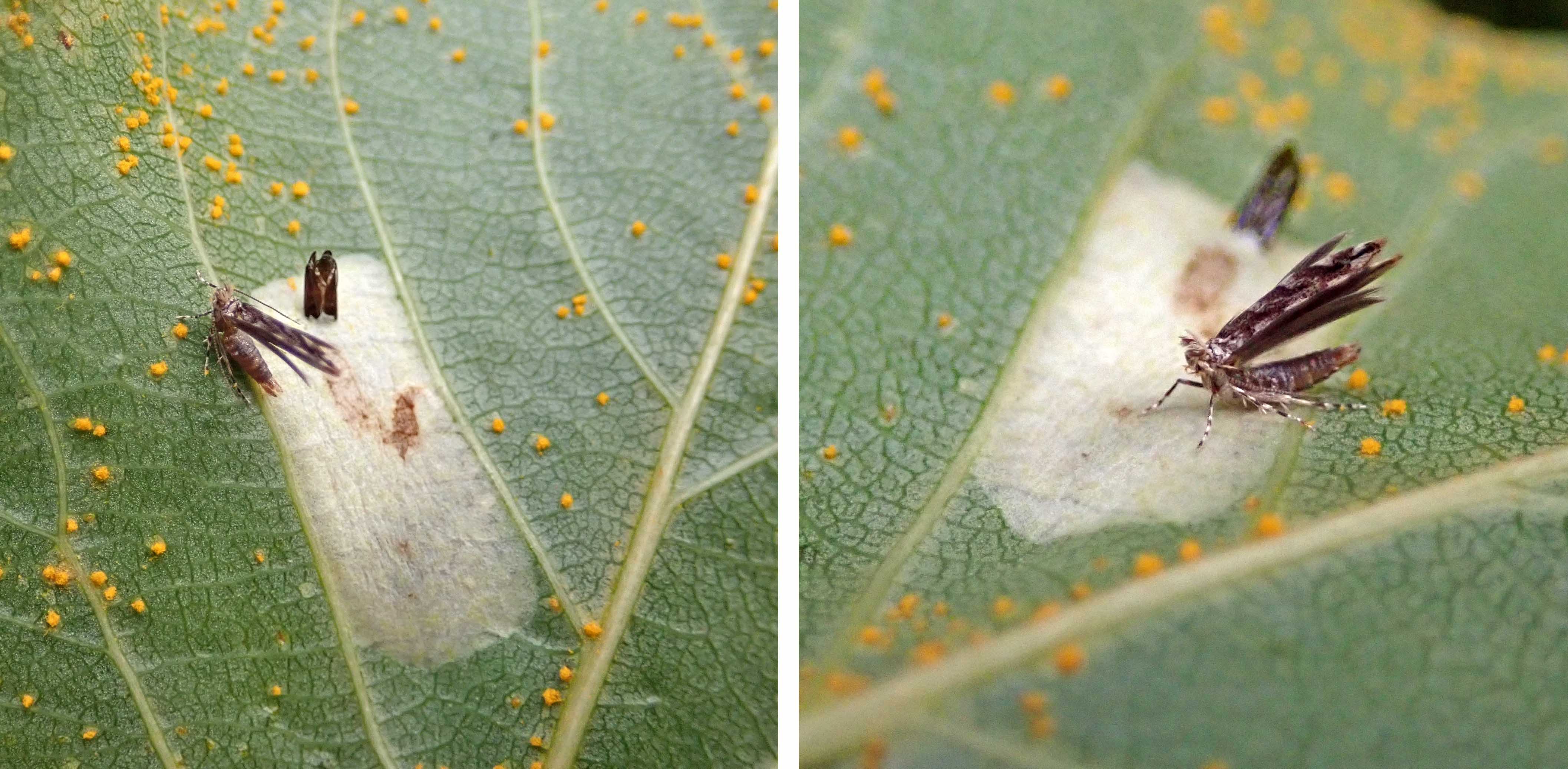
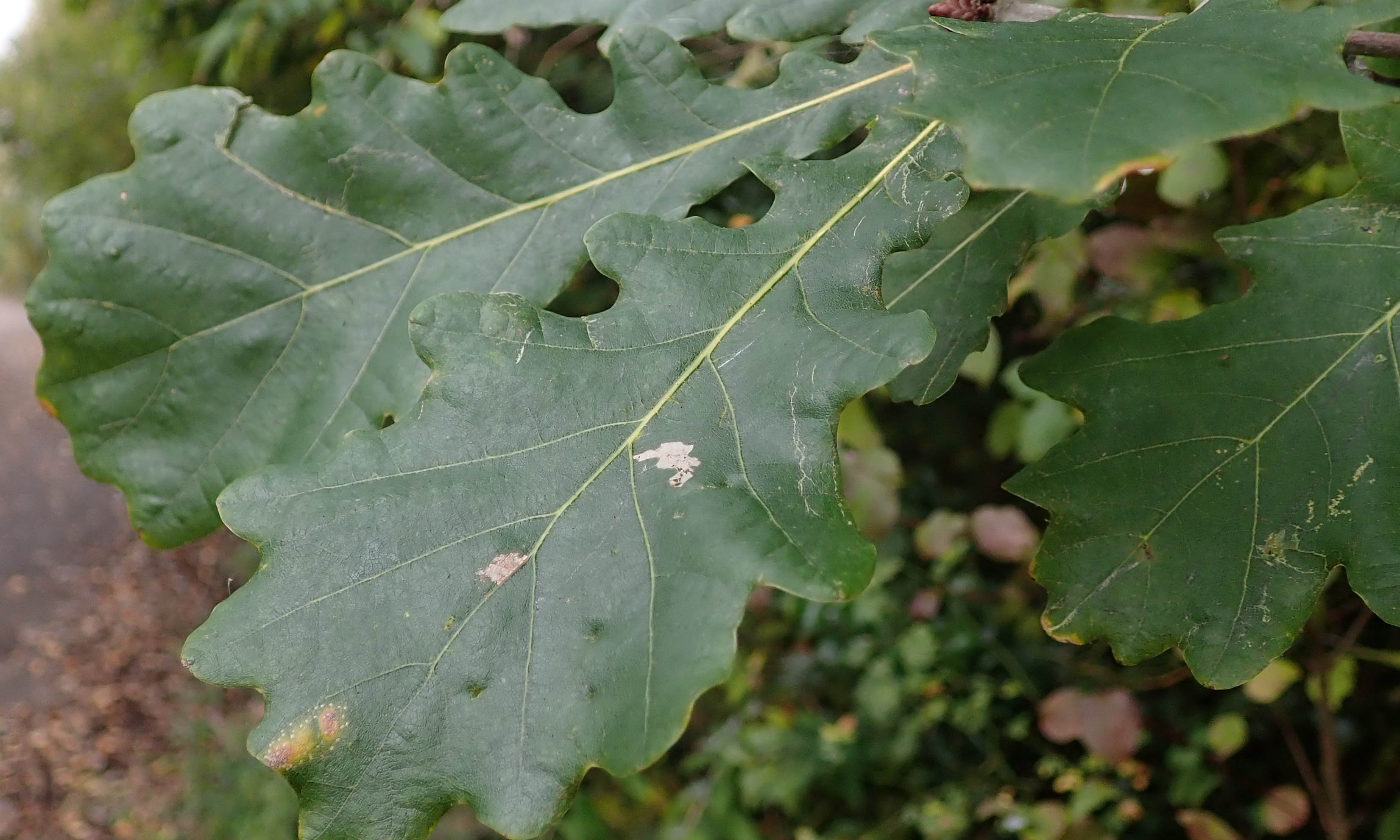
Two leafmine posts on one week may be a bit much for the uninterested amongst you, but this is really just a postscript to my recent post on the leafmines of two possible Gypsonoma species of moths (Leafmines: Gypsonoma species, 28 October). As I outlined in that blog I hadn’t been able to be precise in my identification as there are two Gypsonoma species that mine the leaves of Poplar. Fortunately for me, there is only one that mines Oak leaves and I managed to find several examples on an Oak sapling at Cardiff’s Grangemoor Park during a walk last week.
241113 Gypsonoma dealbana (2)

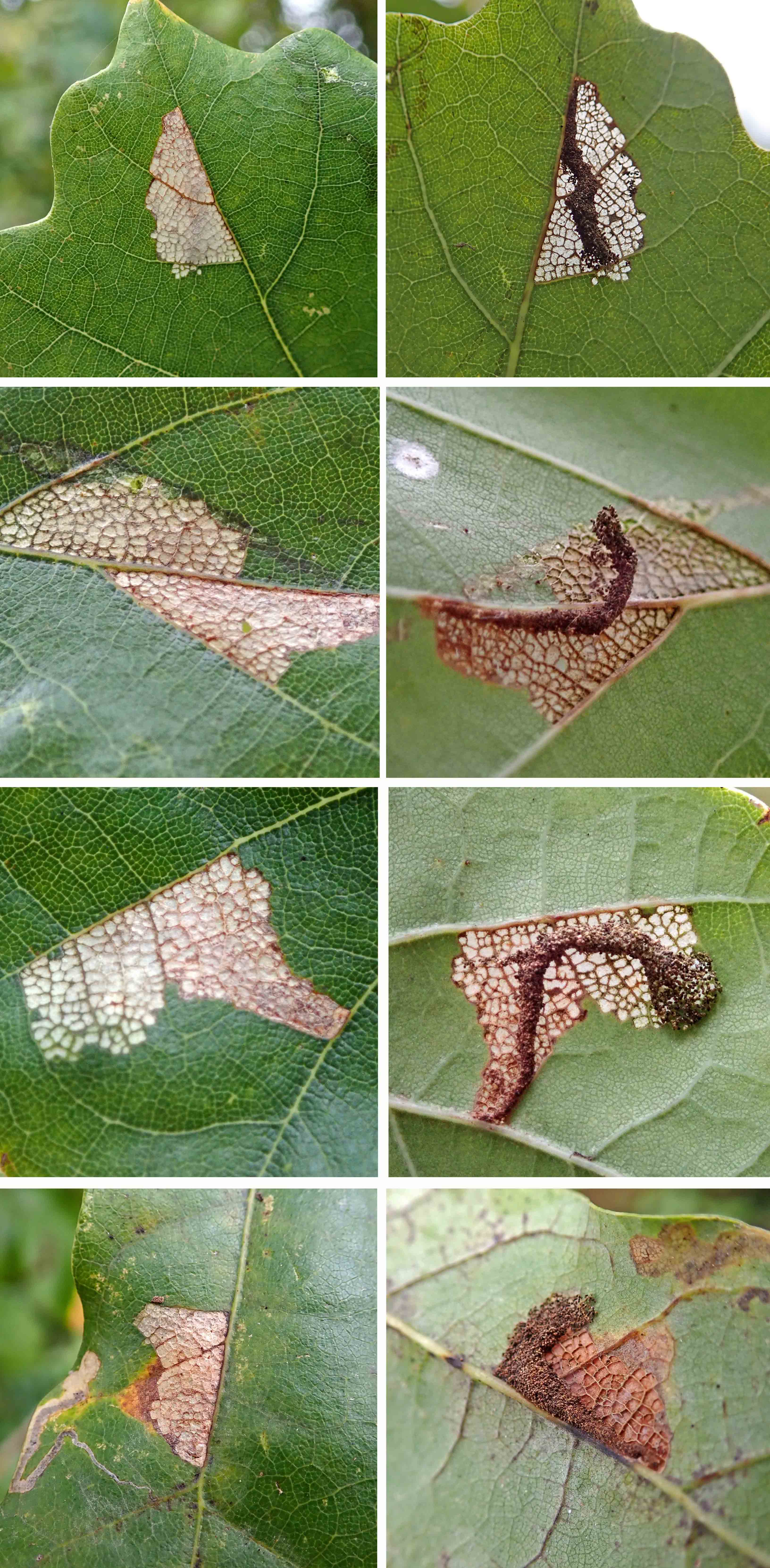
I was investigating any signs of leaf damage, which may have been caused by munching beetles or snails or various other hungry mini-beasties but, in this case, I was lucky to spot these four examples of Gypsonoma dealbana, where the moth larvae have used silk and their own frass to spin themselves tiny tubes to hide in (I’ve shown the upper and lower sides of the leaves so you can get an idea what to look for, if you’re so inclined). I’m not sure if the larvae were still present – I didn’t prod them to find out, though it’s likely they’ve already moved down into the soil below the tree, spun a little cocoon, and begun hibernating the winter months away.
241113 Gypsonoma dealbana (1)

A squadron of Cormorants

Tags

, , , , , ,

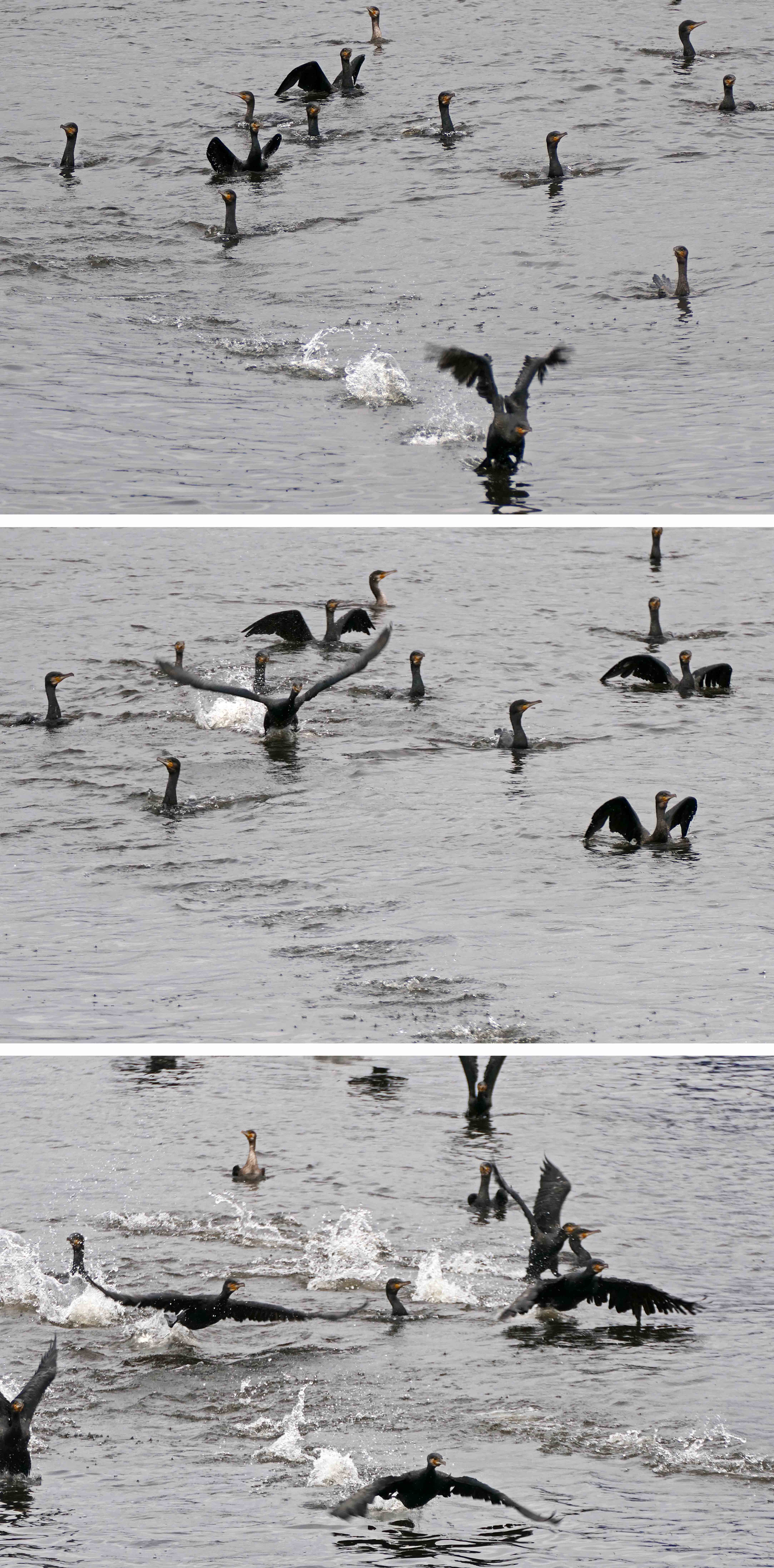
This squadron of Cormorants was rafting, quite successfully, in Cardiff Bay, though they were constantly being disturbed by all the marine traffic.

241114 cormorants (1)

I’ve blogged about this rafting behaviour before, including a quote from research covering the effectiveness of this fishing behaviour, in Rafting Cormorants, December 2022. I thought I’d cover this again, as the squadron was quite close, and it was large, and my photos are better than previously, and I was only one of several people who stopped to watch them.

241114 cormorants (2)

When preparing this blog I discovered that the collective nouns for Cormorants include squadron (hence the title of this blog), raft (a reference to the behaviour shown here), the standard bird word flock, and – I loved this one – gulp, presumably a nod to how they manage to swallow down enormous fish.

241114 cormorants (3)

Leafmines: Ectoedemia argyropeza

Tags

, , , ,

The new leafmines are coming thick and fast this year, not because my skills are improving but rather because I’m following the right people on social media and take my inspiration for searching from what they’re finding.

241111 Ectoedemia argyropeza (1)

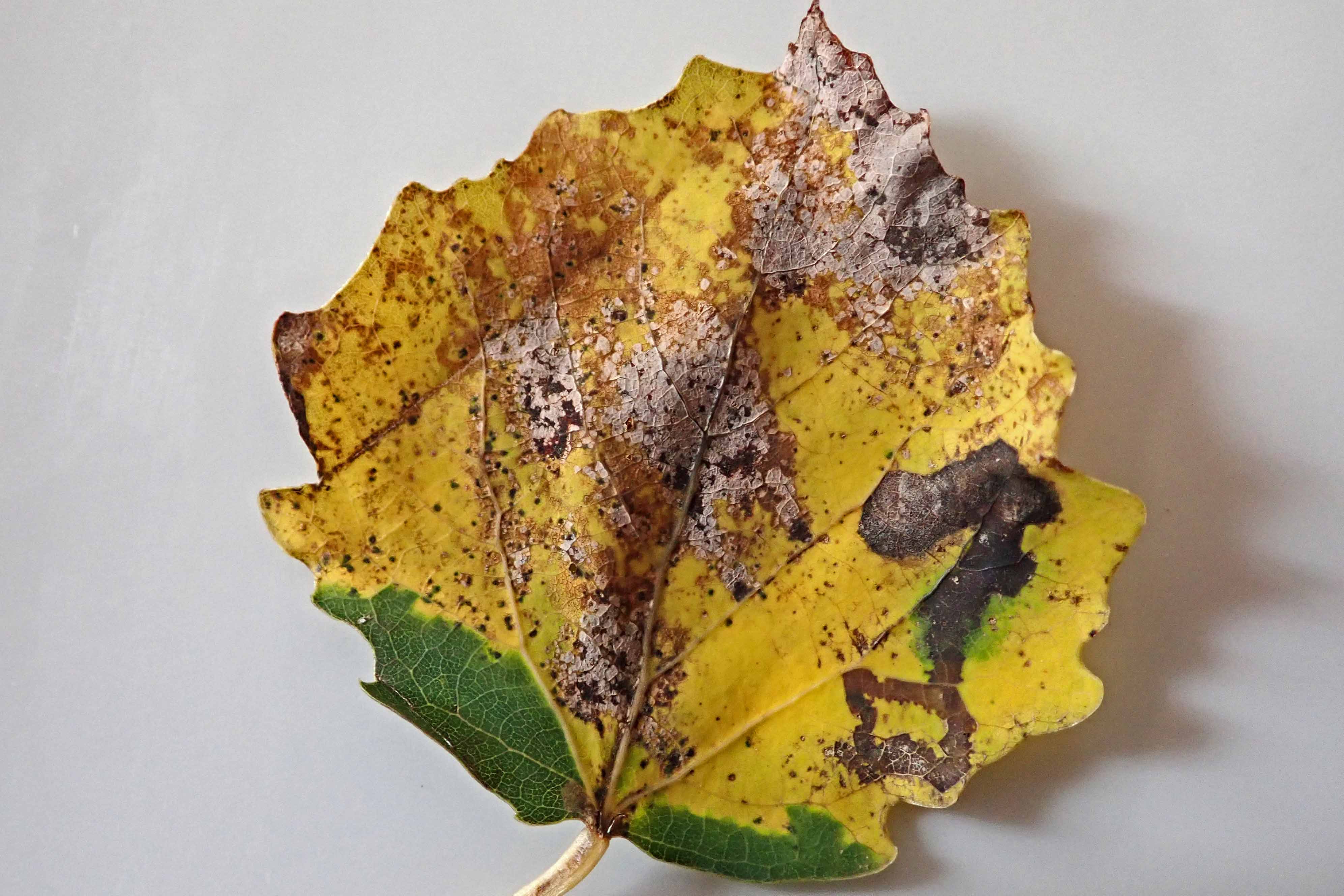
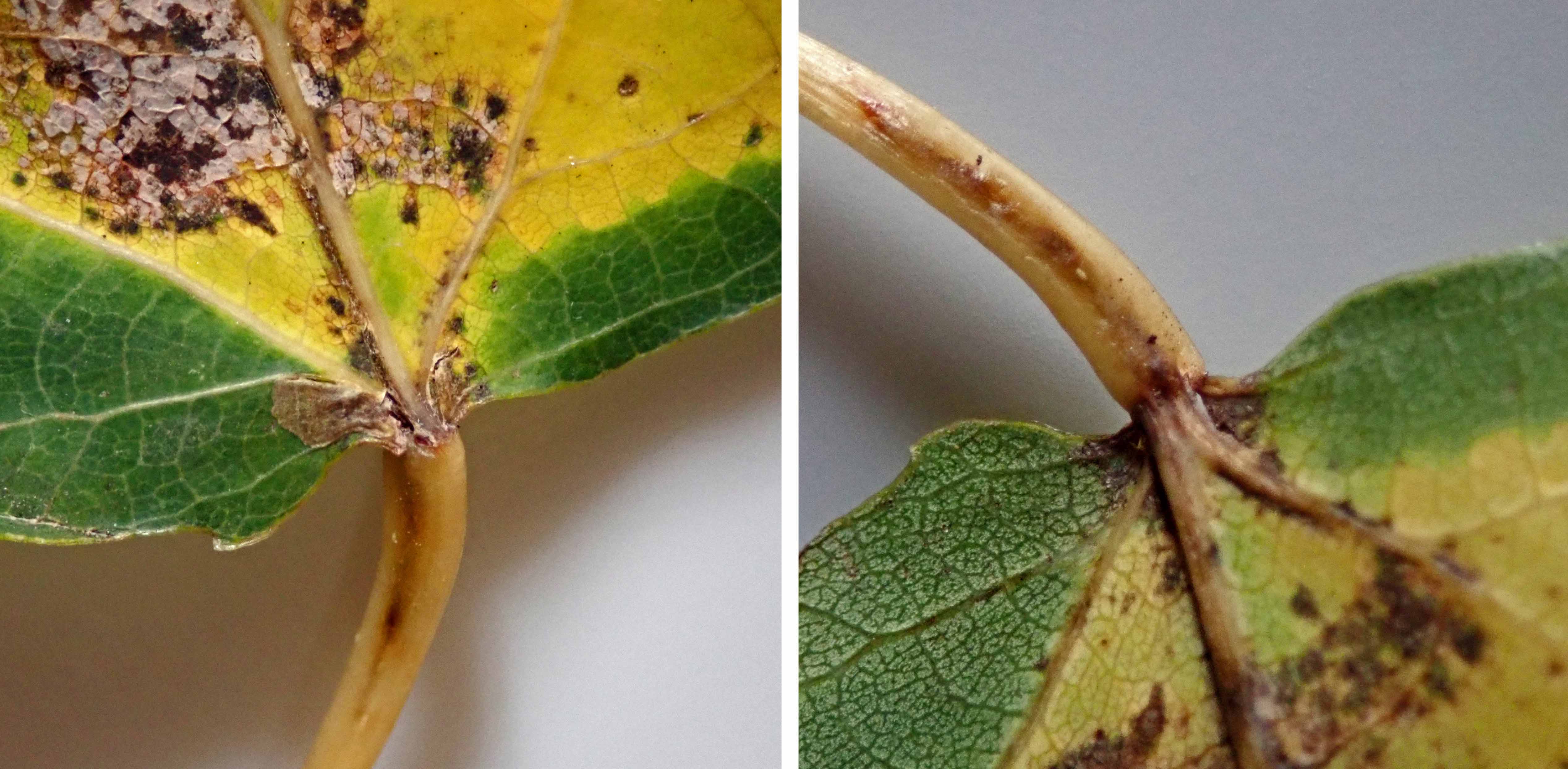
Today’s leafmines, made by the larvae of the moth Ectoedemia argyropeza, can be found on Aspen (Populus tremula) between July and November. They are easier to spot later in the season when the leaves turn brown and begin to fall as the mines cause the surrounding leaf area to remain green – the so-called ‘green islands’ that some moth species have the ability to create through the chemicals they secrete, which allows them to continue feeding in their portion of the leaf. The other thing to look for with these miners is the brown mark in the leaf petiole, where the mine originated.

241111 Ectoedemia argyropeza (2)

Though I don’t often bring home the mines I find, in this instance I had been unable to get good photos along the busy road so brought home one leaf. I temporarily forgot about the leaf for a couple of days and , when I opened the little pot it was in, found the larva had left the mine so I am also able to show you what it looks like, below.

241111 Ectoedemia argyropeza (3)

The Blackberry man

Tags

, , , , ,

This post was prompted by my bumping in to ‘The Blackberry man’ during yesterday’s walk. I don’t know his name; he’s just a random stranger I got talking to two winters ago during a walk around Cardiff’s Grangemoor Park. I was picking a few Blackberries to eat, he was filling a small container to take home for his family. He’s an older man, originally from a Middle Eastern country, and doesn’t have great English, but we got by. And now, whenever we see each other at the park, we stop and chat for a few minutes.

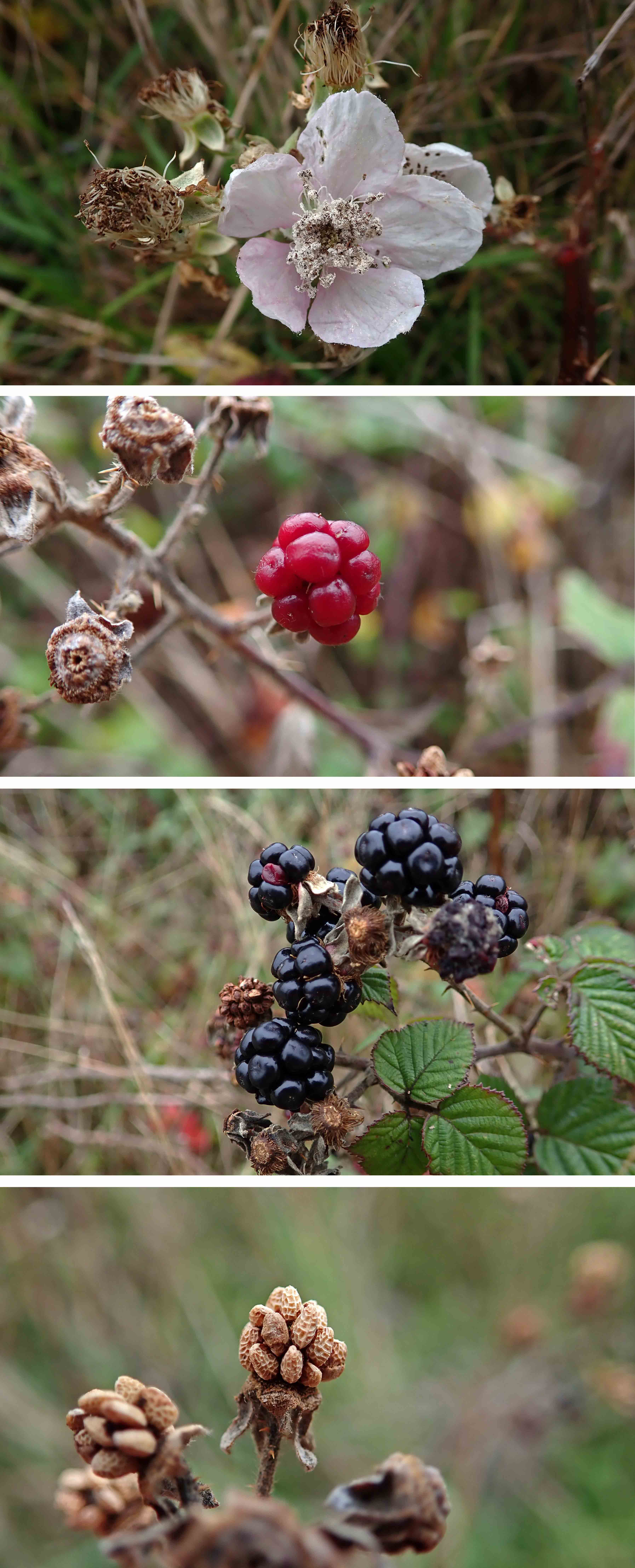
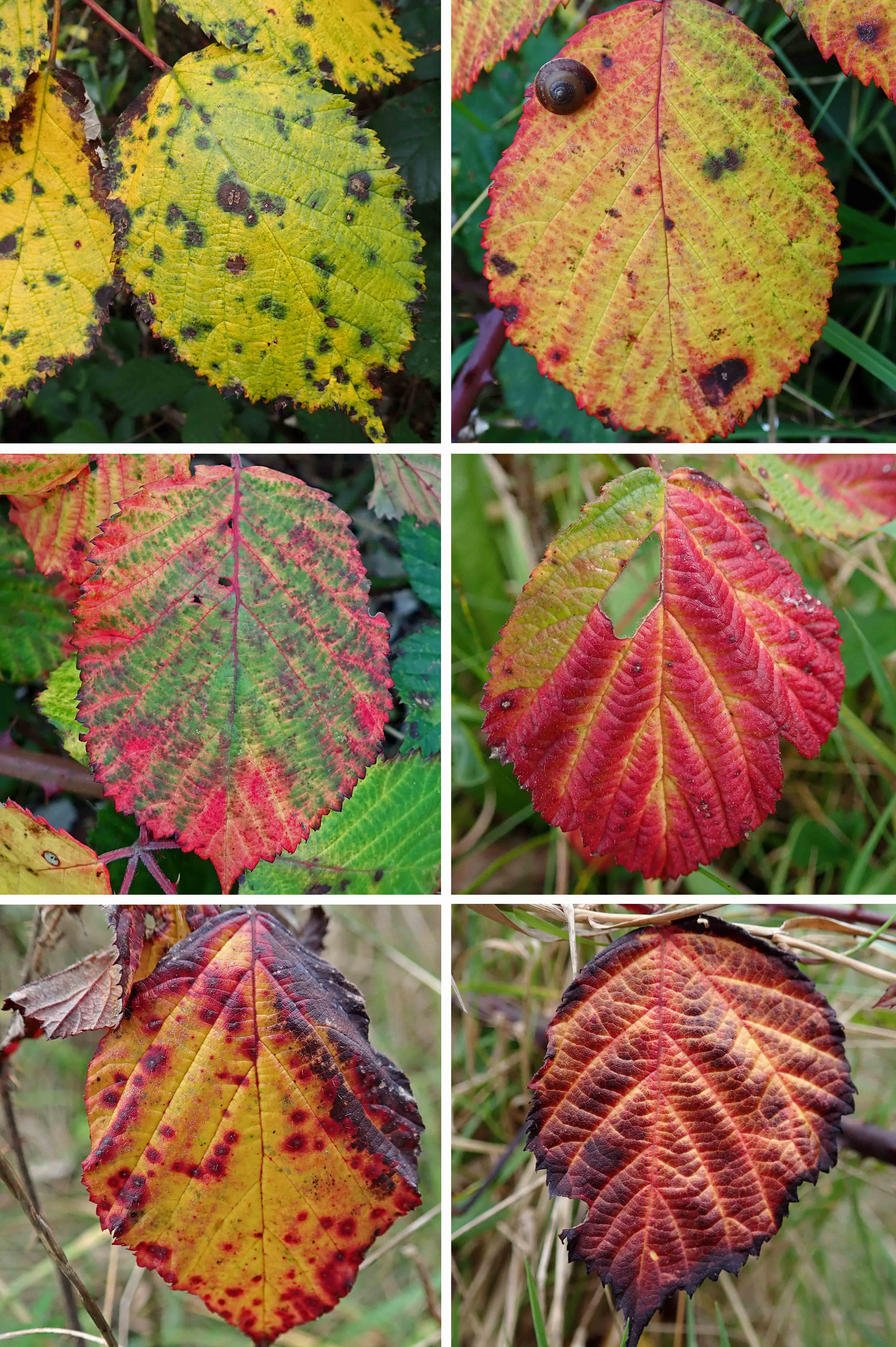
Seeing him led me to look more closely at the Brambles. The majority of plants had already flowered, produced berries and the fruit that hadn’t been eaten had gone to seed but, scattered here and there amongst the plants, there were still a few flowers, and a few immature and ripe berries.

241110 brambles (1)

I also couldn’t help but admire the exceptional colour variations and intensity of colour displayed by the Bramble leaves as autumn progresses. So, thank you Blackberry man, for reminding me to look more closely at these often-overlooked plants.

241110 brambles (2)

More grassland gems

Tags

, , , , ,

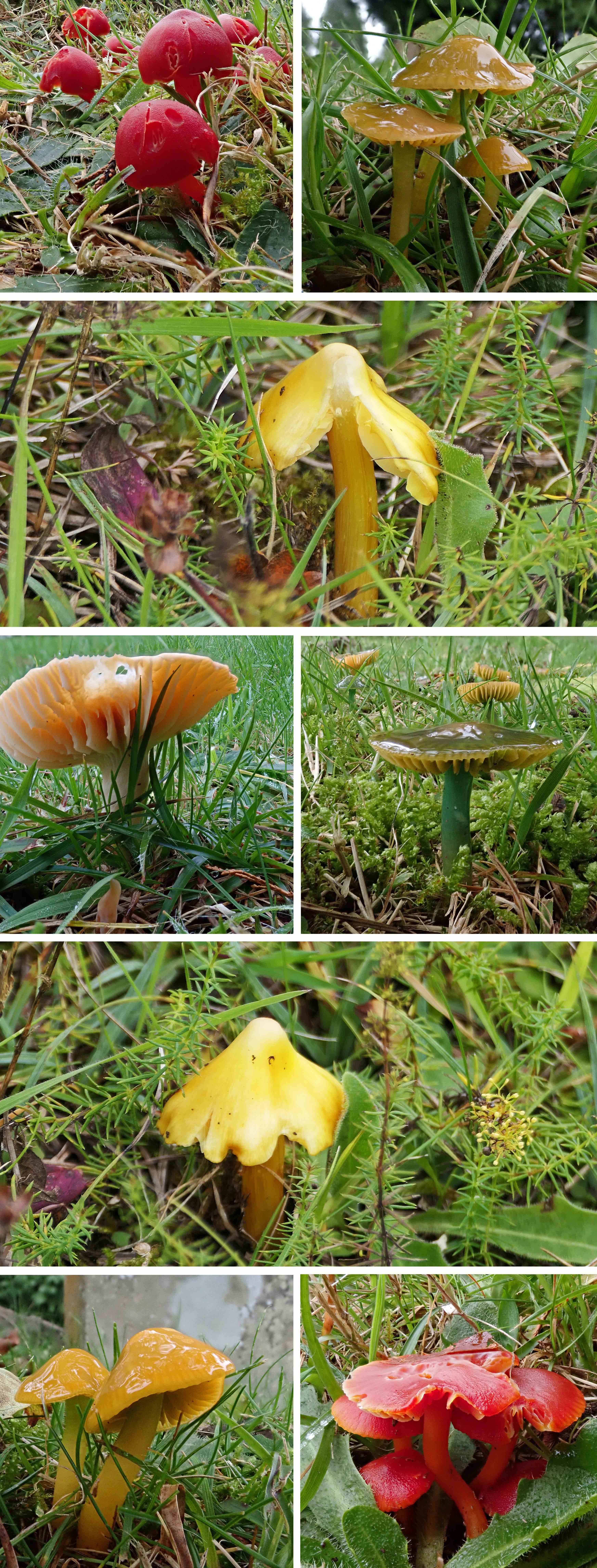
After a week when our skies have been grey and damp and low-cloudy due to something the weather forecasters have labelled ‘anti-cyclonic gloom’, and when voters’ choices have darkened the world around us even more, I feel the need for some colour for fungi Friday. So, here are more lovely waxcaps, photographed during another recent cemetery visit and at my local country park.

241108 waxcaps

68!

Tags

, , , , , , , ,

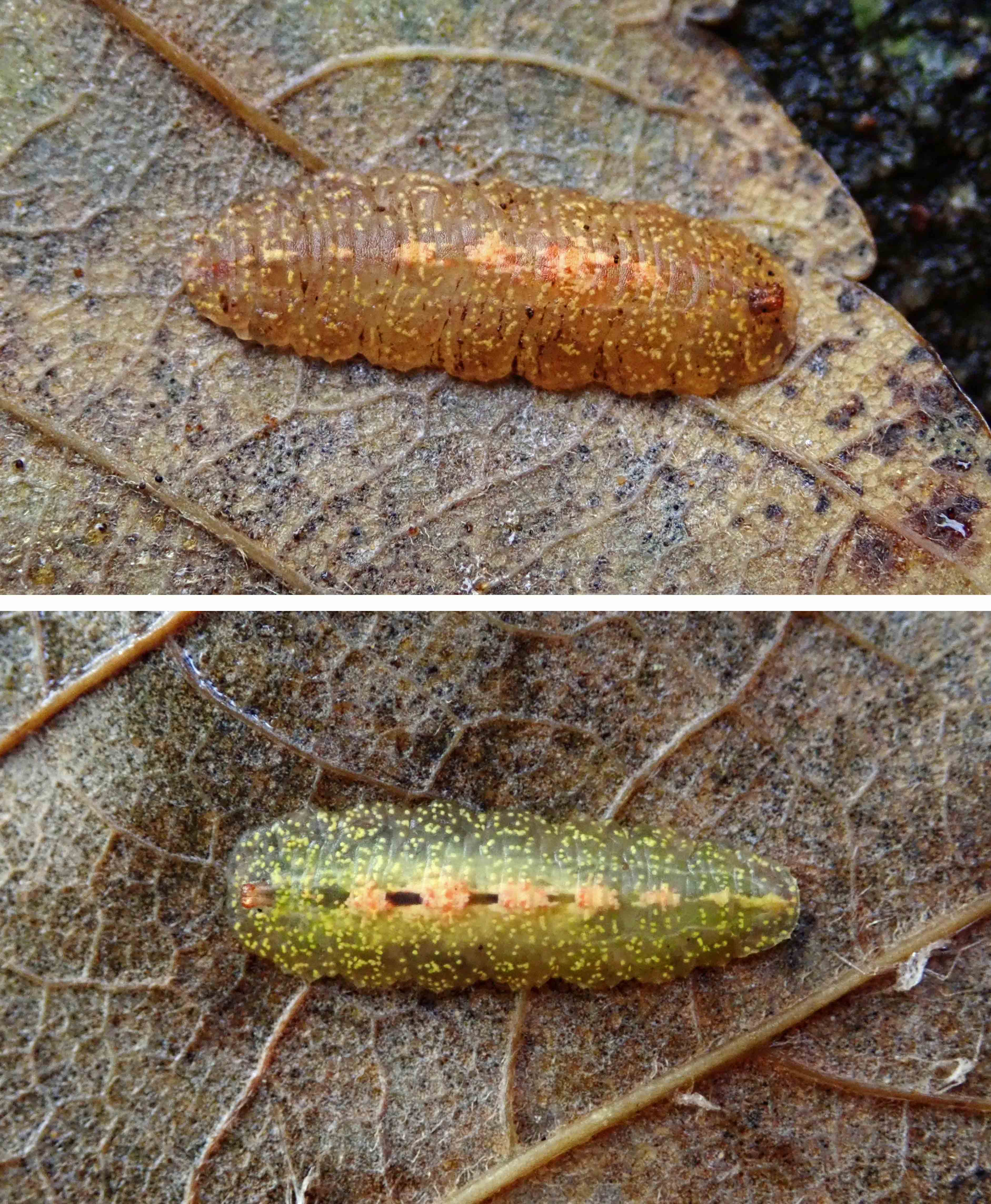
68! That’s the number of hoverfly larvae I found when turning over Sycamore leaves in a damp shady spot in one of my local parks last week. And they were all plump and well grown so had obviously been feasting well on aphids. (I have noticed during my leaf fossicking this year that, while insect numbers overall have been well down on previous years, the numbers of aphid seem about usual, which means that those creatures feeding on aphids seem also to have been thriving.)

241107 Epistrophe grossulariae

The hoverfly larvae were of only two types, the Epistrophe grossulariae shown above (these larvae are usually green but turn an orange-brown colour in the autumn, an effective camouflage tactic – hence the two colour variations shown here), and those from the various Syrphus species shown below (it’s not possible to be more specific as to the exact identification of these larvae).

241107 syrphus sp

Leafhopper: Tremulicerus vitreus

Tags

, , , , , ,

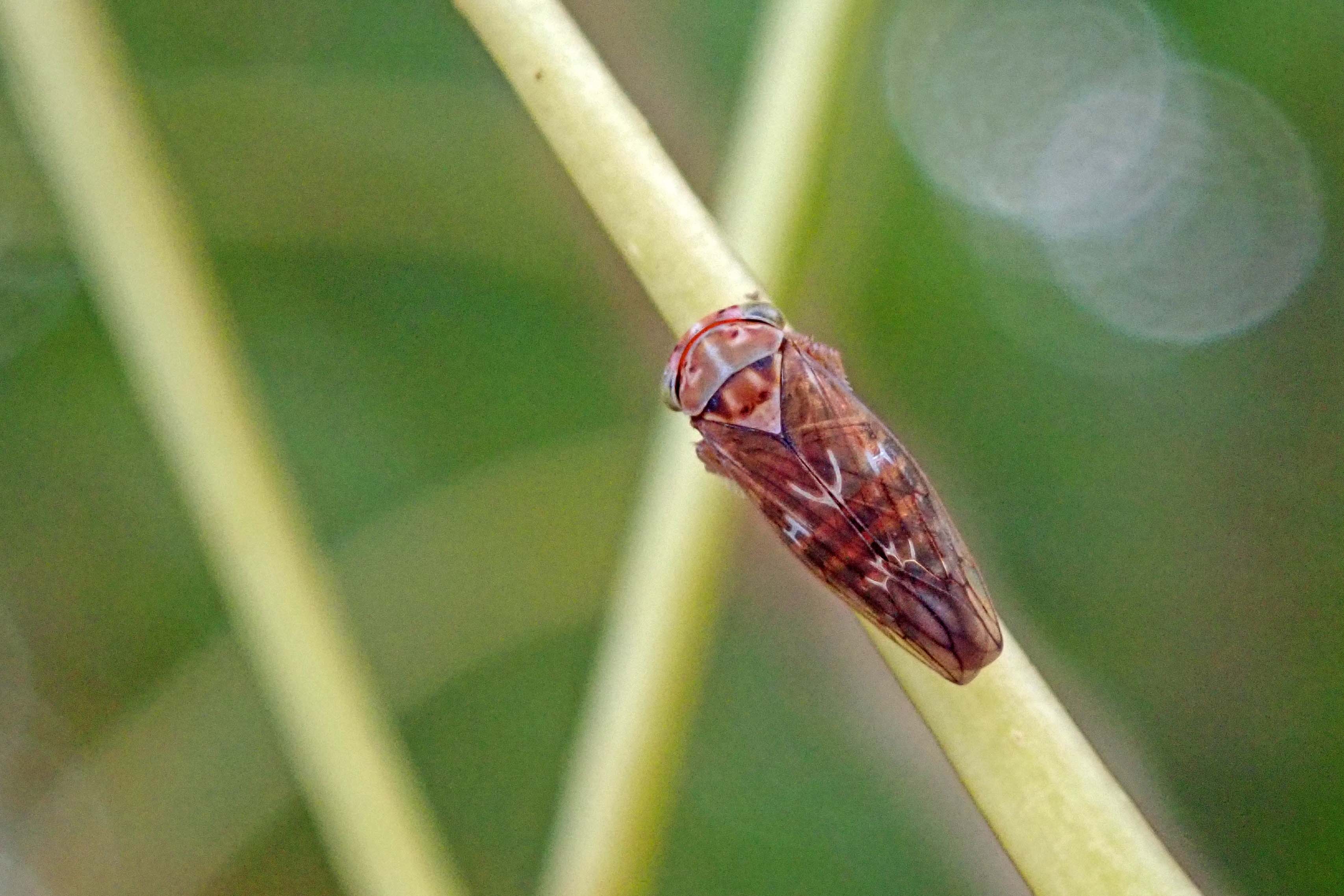
The hours I’ve spent fossicking around trees and turning over leaves have really paid off this year. As well as finding lots of new leaf-mining moth species, I’ve also been lucky with my search for new leafhopper species. Here’s the latest: Tremulicerus vitreus (previously known as Idiocerus vitreus). Looking at Aderyn, the Welsh biodiversity database and the NBN Atlas, there’s only been one previous Welsh record, back in 1989, and that’s showing on NBN as unconfirmed, so mine appears to be the first confirmed Welsh record. And I’ve now found around a dozen specimens, in two locations. I get the impression that I’m the only person checking for these creatures!

241106 tremulicerus vitreus (1)

The British Bugs website stresses that leafhoppers in this group are often difficult to identify but, luckily,

there is usually a pale midline on the pronotum and top of the face. Pale marks on the forewings are mostly restricted to the inner margin and the inner parts of some of the long veins….

241106 tremulicerus vitreus (2)

Though the best time to find these stunning little leafhoppers is between June and October on Poplar species, the adults do overwinter, and the females can sometimes be found on conifers during the winter months. Oh, and can you see why a photo of this leafhopper was posted on social media on Halloween, labelled the ‘Dracula bug’?

Mipits in the Bay

Tags

, , , ,

This time of year can be fairly quiet in Cardiff Bay bird-wise. Any migrating birds have mostly passed through, and the weather has been quite calm, which means that none of the rarities we are lucky enough to see during the winter months have yet appeared. The one bright light in my birding day when I walk around the Bay is the return of those birds that left to breed elsewhere but have now returned to overwinter in the Bay’s calmer conditions.

241106 meadow pipit (1)

One of those birds is the Meadow pipit. Though there are Rock pipits in the Bay all year round, they look very grey compared to the rich spicy brown of the Meadow pipits newly moulted plumage so they’re easy to identify, even when they perch on the Barrage rocks.

241106 meadow pipit (3)

Most of the time, the Meadow pipits can be found poking about in grassy areas, looking for tasty insects but, when disturbed, they frequently pop up on to higher spots, like fences, until they feel it’s safe to fly down to the ground again.

241106 meadow pipit (2)

Leafmines: Phyllonorycter comparella

Tags

, , , , ,

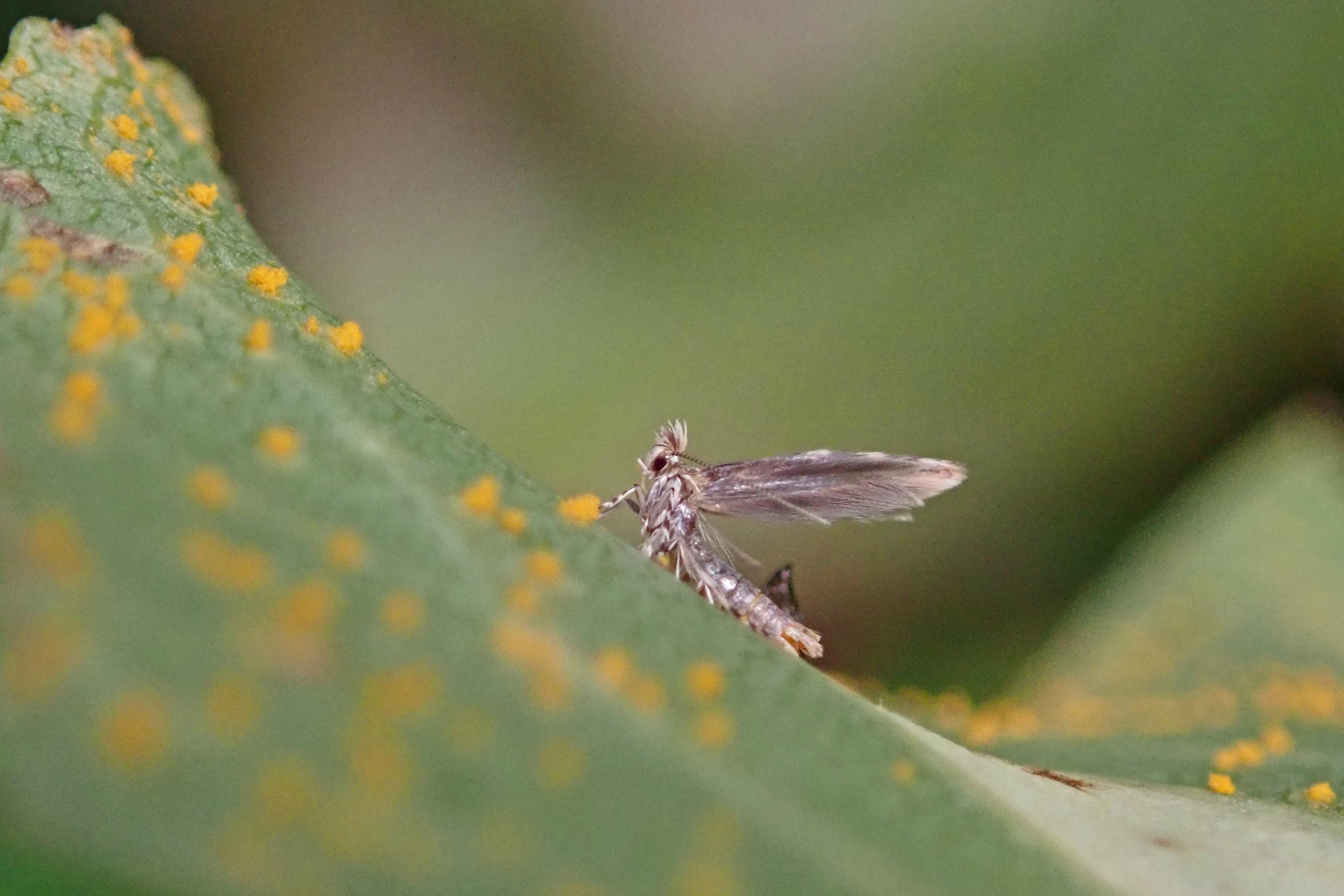
This was a wonderful surprise! I was checking Poplar leaves, not searching for anything in particular, when I turned over a leaf and found this tiny moth, presumably only just emerged from the pupa within its silken mine as its wings had not fully expanded.

241104 Phyllonorycter comparella (1)

I didn’t know what it was until I got home and checked my photos, and then was fairly sure I must have got my identification wrong as the Welsh biodiversity database was showing just four Welsh records, all closer to England, in the county of Gwent. The name I’d come up with was Phyllonorycter comparella (common name Poplar leaf-miner).

241104 Phyllonorycter comparella (2)

The mine certainly looked right, though it was difficult to be certain of the moth from what I had been able to see of its markings. But when I posted photos on social media, one of the moth experts I know almost immediately popped up with a comment ‘Blimey …’ and ‘I can’t think of any plausible alternatives’, and then another expert commented ‘Very good find’. And now my county moth recorder has confirmed my record. You can read more about this Poplar-leaf-mining moth on the British Leafminers website and see better photos of the adult moth on the UK Moths website.