
• ABOUT
  • BIRDING 2018
  • Birding 2019
  • BLOG POSTS
  • Butterflies 2018
  • Resources

earthstar

~ a celebration of nature

earthstar

Tag Archives: beech

Autumn trees: Beech

16 Sunday Nov 2025

Posted by sconzani in autumn

≈ Leave a comment

Tags

autumn colour, beech, Beech in autumn, Beech leaves, British trees, Fagus sylvatica

Things I didn’t know about the Beech tree (Fagus sylvatica) until I started to research this post, all courtesy of Richard Mabey’s Flora Britannica …
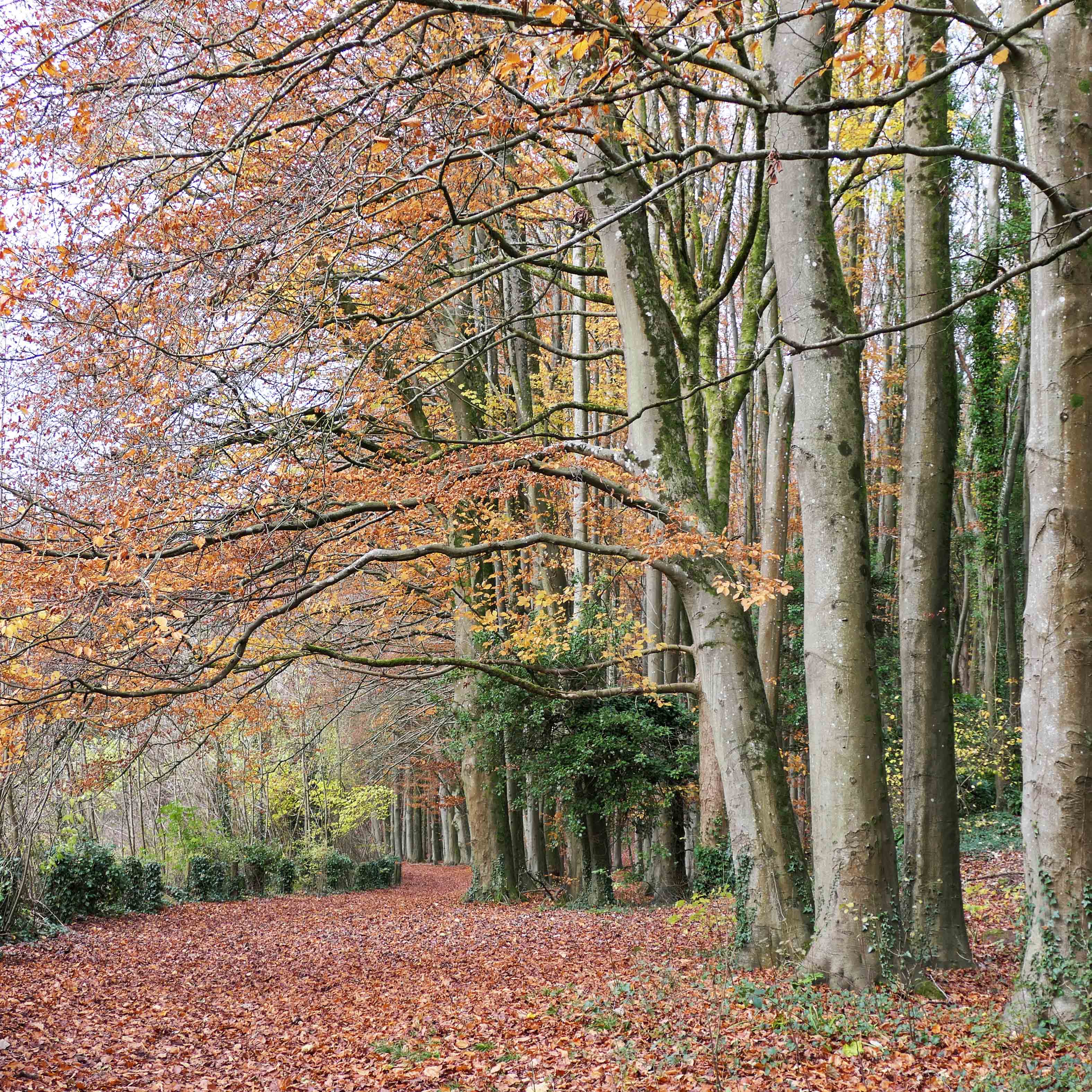
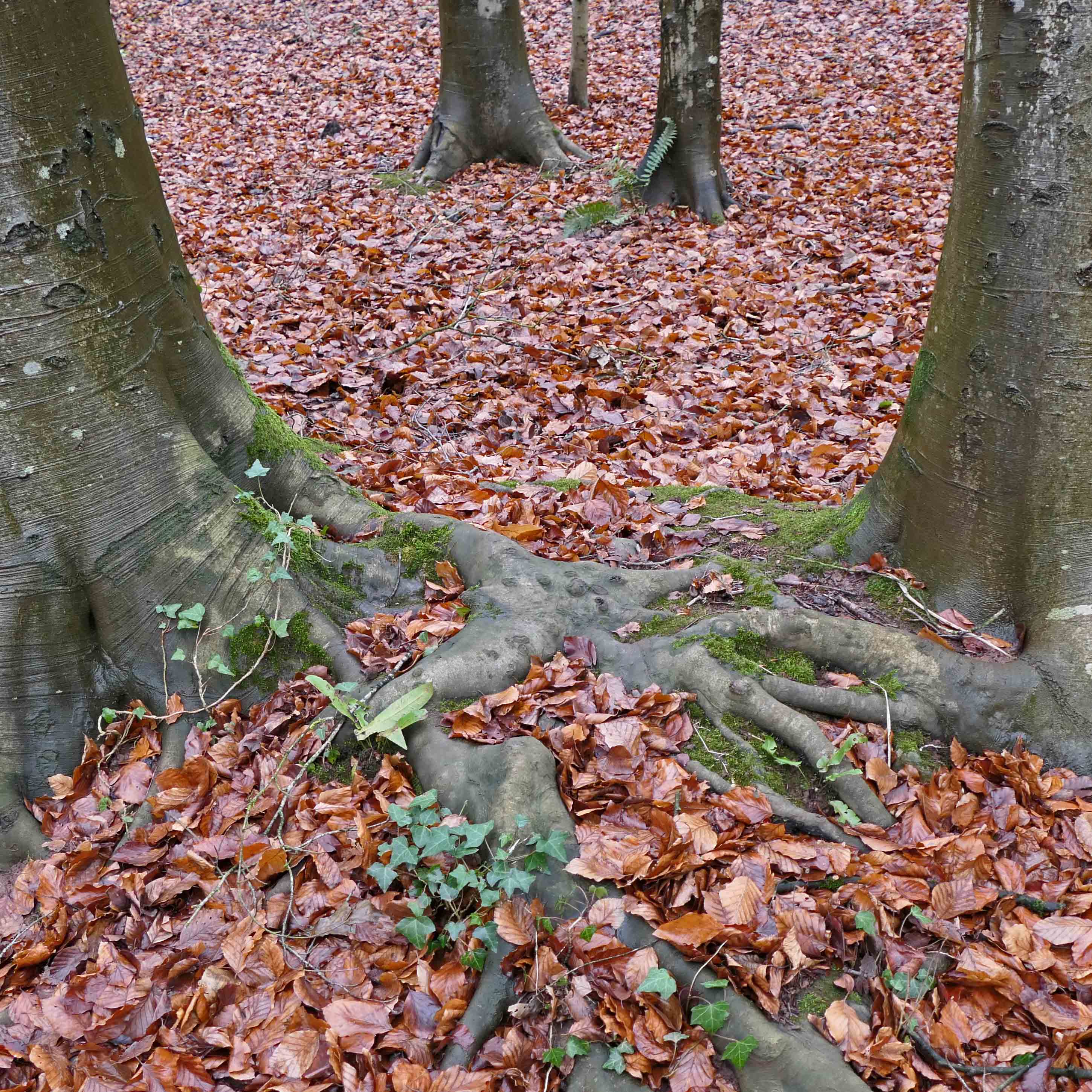
Even its arrival in this country has been a contentious matter, and it is often claimed to be a Roman introduction … But beech pollen remains have been found in the Hampshire basin that date from 6000 BC – about 2,000 years after the oaks returned to post-glacial Britain and 500 years before the Channel opened. So the beech just passes the key test of botanical nativeness; it was here when Britain became on island.
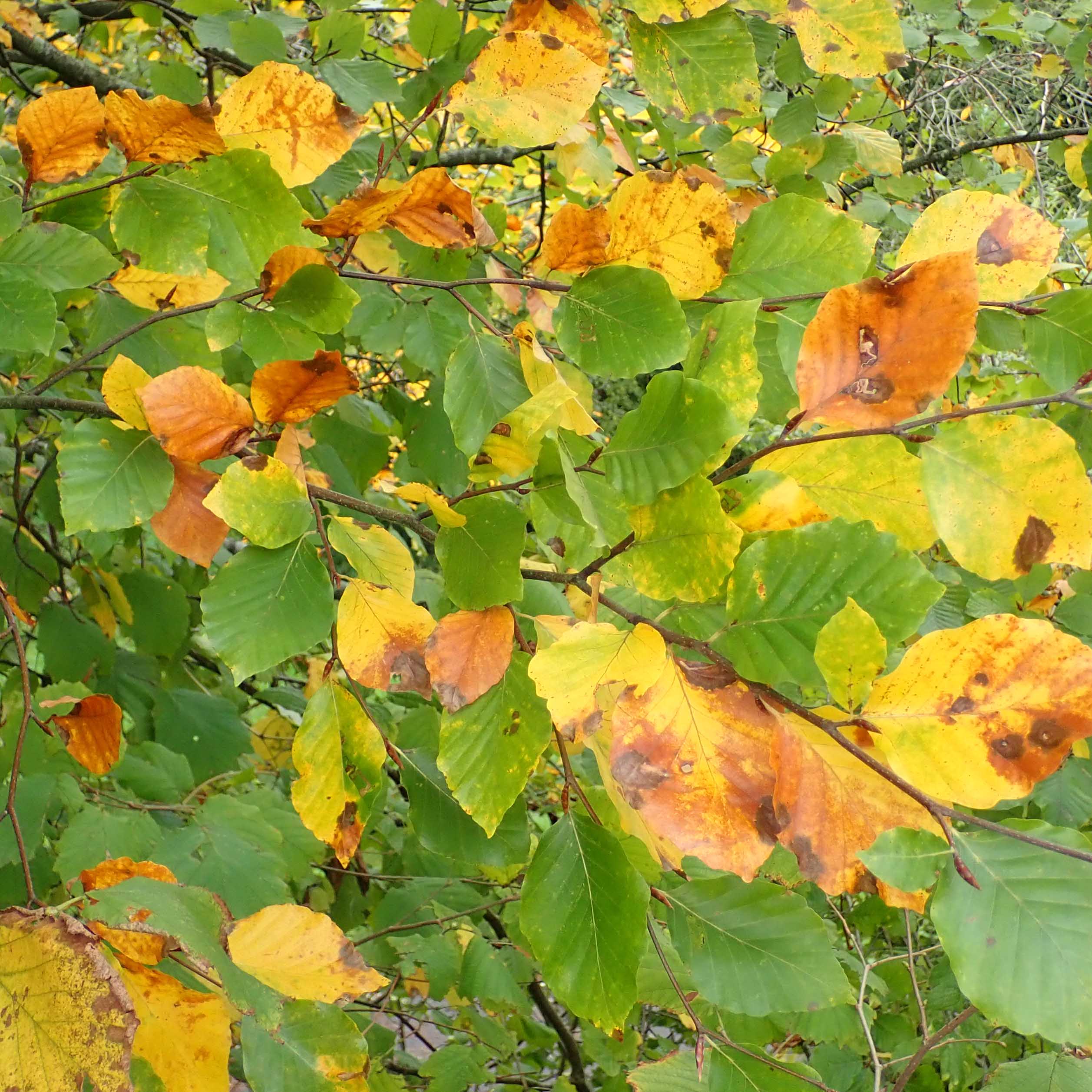
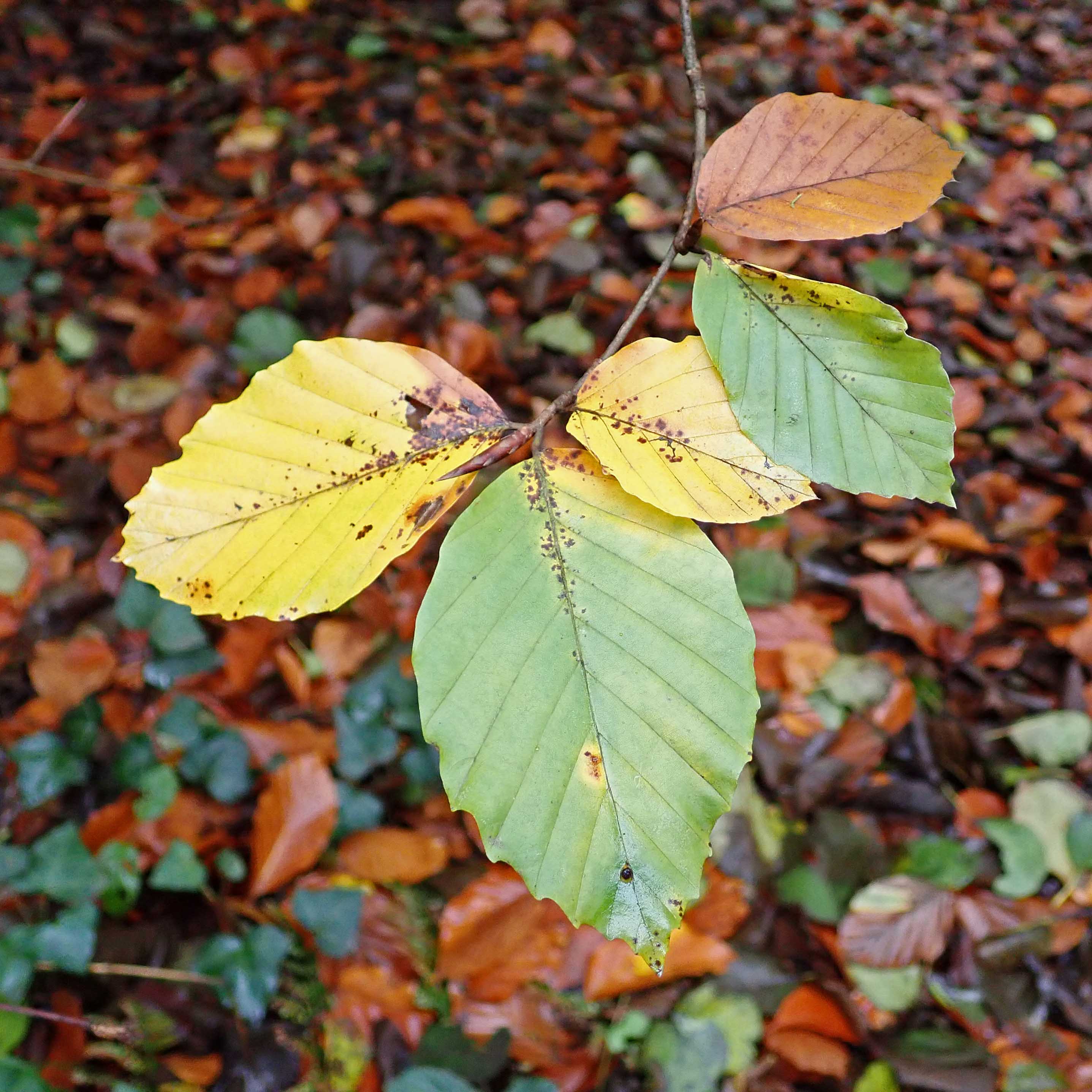
The leaves have been made into a potent alcoholic drink – beech-leaf noyau. This is a recipe remembered by a 70-year-old man in the southern Chilterns: ‘Wash and dry enough been leaves to fill your stone jar – cover them with gin. Leave for a week, then strain off the liquid and measure. To each pint add a pound of sugar which is dissolved in half a pint of boiling water. Add a good quantity of brandy and stir together, then leave to go cold before bottling.’
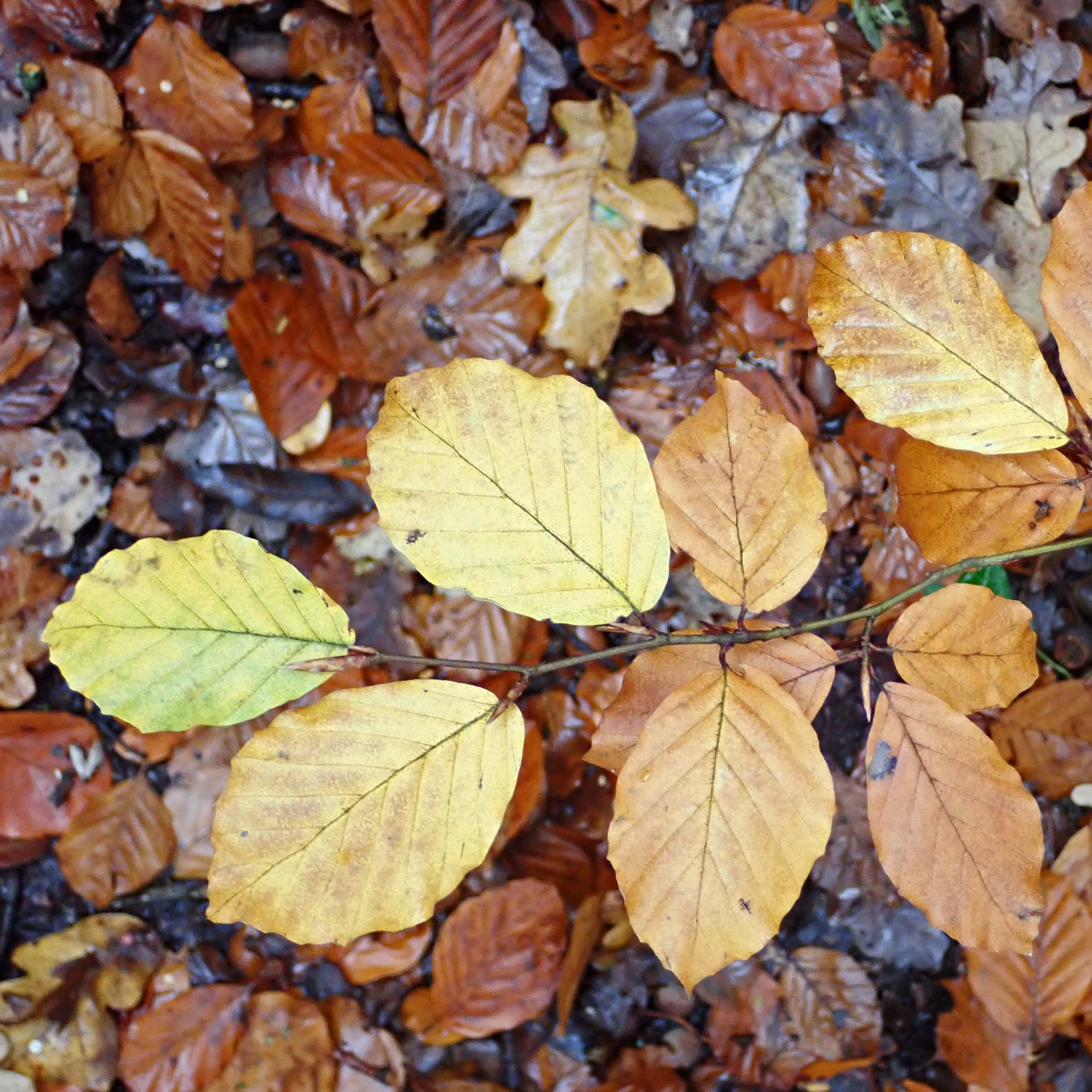
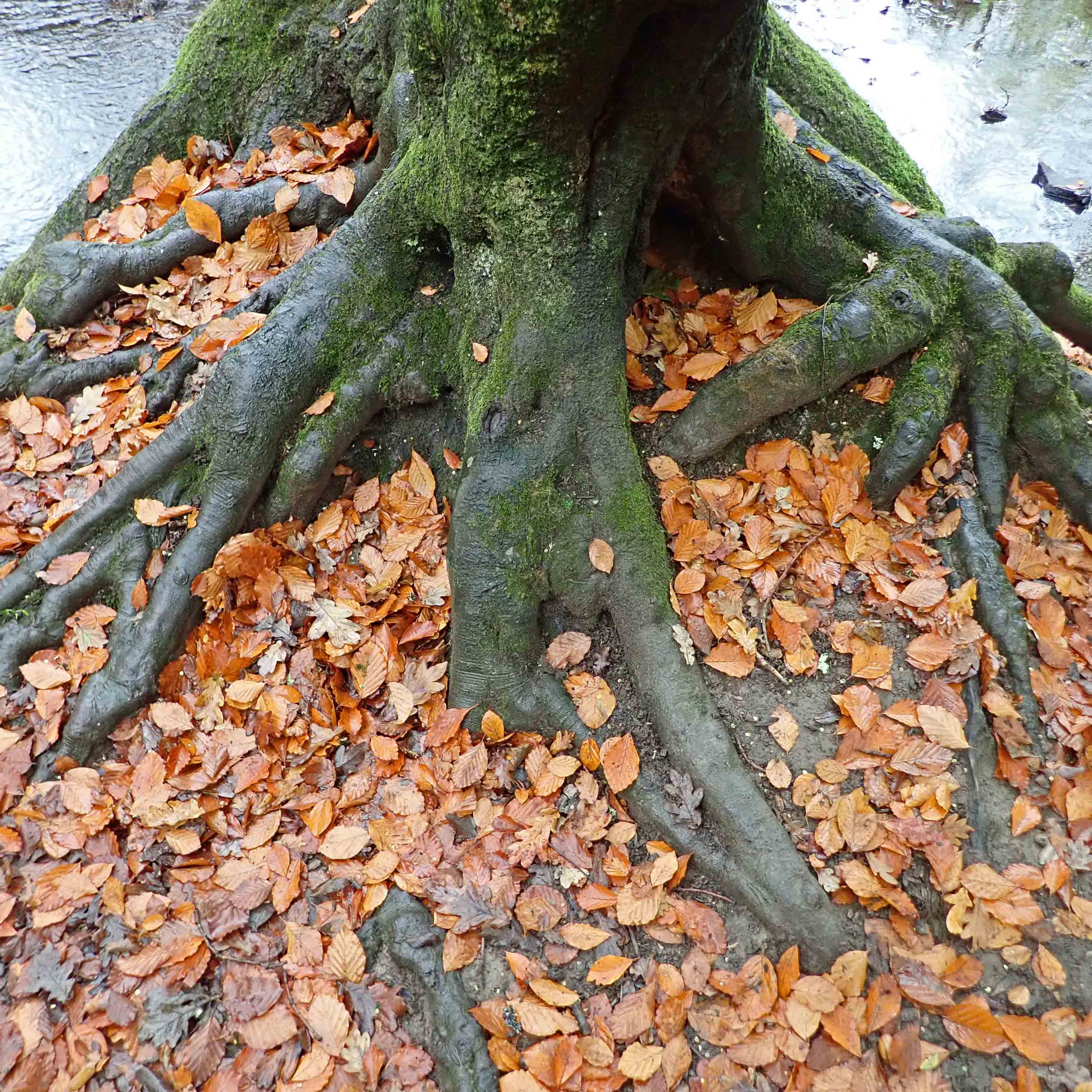
I’m not sure I’d give that drink a try but, standing tall and statuesque amongst its tree companions, the Beech is a magnificent tree, a definite favourite of mine in every season, but especially in autumn.

Like Loading...

335/366 In praise of Beech

30 Monday Nov 2020

Posted by sconzani in autumn, leaves, nature, trees

≈ 2 Comments

Tags

autumn colour, autumn leaves, beech, British trees

In his ‘Ode to a Nightingale’, Keats wrote of a ‘light-winged Dryad of the trees’ singing of summer in ‘some melodious plot of beechen green’. The beechen green has now become beechen gold and brown, but I can still imagine Dryads singing of the beauty of mighty Beech trees, in all their autumnal finery, and even performing paeans in praise of their statuesque forms once those golden leaves have fallen.

201130 beech (1)
201130 beech (2)

201130 beech (3)

201130 beech (4)
201130 beech (5)

Like Loading...

326/366 Leaf mines: on Beech

21 Saturday Nov 2020

Posted by sconzani in autumn, insects, leaves, trees

≈ Leave a comment

Tags

beech, leaf mines on Beech, moth larvae in leaf mines, moth leafmines, Parornix fagivora, Phyllonorycter maestingella, Phyllonorycter messaniella, Stigmella hemargyrella, Stigmella tityrella

Five species of Lepidoptera larvae can be found in the leaves of Beech (Fagus species) and, with a lot of searching, much head-scratching, some rejections, and the much appreciated assistance of our county moth recorder Dave, I’ve now found and positively identified all five in my local area.

201121 beech (1)
201121 beech (2)

Stigmella tityrella: This moth’s larval leaf mines featured in last week’s post about green islands. The gallery (like a corridor) mine is usually compact and angular and, in particular, the larva stays between the veins when creating its mine – that is the feature I find helps most with its identification. As you can see from the two mines below, the galleries are very narrow to begin with, then broaden as the larvae grow.

OLYMPUS DIGITAL CAMERA

Stigmella hemargyrella: These larvae also create a gallery mine, but the mine is most often wider and longer than that of S. tityrella, and the larvae have no issue with crossing over the leaf veins.

201121 Stigmella hemargyrella (1)
201121 Stigmella hemargyrella (2)

Parornix fagivora: This is the mine I’ve found least in my local area, though I’m not sure if that’s a reflection on the moth’s rarity or my finding skills. Look for a blister, where the larva lives at first, and then a folded leaf edge, which it inhabits a bit like a cave.

201121 Parornix fagivora (1)
201121 Parornix fagivora (2)

Phyllonorycter messaniella: Both Phyllonorycter species on Beech create blisters; this one is usually an oval shape, almost rectangular, and quite broad. I’ve found the upper side of the leaf can be almost featureless but the blister on the underside is quite obvious so, if recording these, it’s best to include a photo of both sides of the leaf.

201121 Phyllonorycter messaniella (1)
201121 Phyllonorycter messaniella (2)
201121 Phyllonorycter messaniella (4)
201121 Phyllonorycter messaniella (3)

Phyllonorycter maestingella: This blister mine is long and quite narrow, and often placed between leaf veins. By spinning silk, the larva draws the leaf together to create a cosy tunnel, which looks a bit like a crease on the upper side of the leaf.

201121 Phyllonorycter maestingella (1)

201121 Phyllonorycter maestingella (2)
201121 Phyllonorycter maestingella (3)

I’ve attached to each of the moths’ names a link to the species description on the British Leafminers website, which is an excellent resource for anyone wanting to learn more.

Like Loading...

316/366 Green islands

11 Wednesday Nov 2020

Posted by sconzani in autumn, insects, trees

≈ 3 Comments

Tags

beech, gall causing midge, galls on Beech, green islands, green islands on Beech leaves, Hartigiola annulipes, leaf mines, leaf mines on Beech, Stigmella tityrella

It’s late autumn, nearly winter, and, as you would expect, the leaves on this Beech tree have all now changed from vivid summer green to autumn brown … or have they? If you look more closely at this image, you’ll notice that some of the leaves have what entomologists, moth-ers and others in the know call ‘green islands’.

201111 green islands on beech

Butterfly Conservation’s Associate Director of Recording and Monitoring Richard Fox explained the reason for this most succinctly in a recent post on Twitter: ‘Thanks to Wolbachia bacteria in its body, the caterpillar uses cytokinin to maintain a green island of plant tissue in which it can feed in autumn.’

201111 green island stigmella tityrella (2)
201111 green island stigmella tityrella (1)

Fox was referring to leaf-mining moth caterpillars, like the Stigmella tityrella moth larvae that produced the mines in the leaves shown above, but other insects also manipulate the physiology of leaves so they can continue feeding. Another example from the same Beech tree can be seen below – here the larvae of the gall-inducing midge Hartigiola annulipes have also caused green islands to form in the leaves.

201111 Hartigiola annulipes green islands (1)

If you want to read more on the science behind this process, I found a paper entitled ‘Plant green-island phenotype induced by leaf-miners is mediated by bacterial symbionts‘, on the Royal Society website.

Like Loading...

The beeches of Cwm George

01 Sunday May 2016

Posted by sconzani in nature, trees

≈ 10 Comments

Tags

ancient woodland, beech, beech trees, Cwn George, Dinas Powys, trees, Wild garlic, woodland, Woodland Trust

160501 cwm george beeches (1)

Yesterday I feel in love. His name is George, George Wood, and he lives near the charming little village of Dinas Powys, west of Cardiff.

160501 cwm george beeches (3)

He’s part ancient semi-natural woodland and part new native woodland, primarily dominated by oak and ash but also more recently planted with beeches.

160501 cwm george beeches (4)

Although these beeches are recent, they are now considered an essential part of George’s personality.

160501 cwm george beeches (2)

George is a bit smelly at the moment because of his preference for masses of wild garlic, but his stunning good looks more than make up for this passing phase.

160501 cwm george beeches (5)

Though it’s his beeches that made me fall in love with him, I’m sure I will also come to love his oaks and ashes just as much. I can’t wait to get to know George better!

Like Loading...

About me

sconzani

sconzani

I'm a writer and photographer; researcher and blogger; birder and nature lover; countryside rambler and city strider; volunteer and biodiversity recorder.

View Full Profile →

Follow earthstar on WordPress.com

Enter your email address to follow this blog and receive notifications of new posts by email.

Recent blog posts

  • M is for mite December 18, 2025
  • L is for lepidopteran lifers December 17, 2025
  • K is for Keeled skimmers December 16, 2025
  • J is for Jersey tiger December 15, 2025
  • I is for Ichneumon December 14, 2025

From the archives

COPYRIGHT

Unless otherwise acknowledged, the text and photographs on this blog are my own and are subject to international copyright. Nothing may be downloaded or copied without my permission.

Fellow Earth Stars!

  • Unknown's avatar
  • Unknown's avatar
  • Unknown's avatar
  • Unknown's avatar
  • Unknown's avatar
  • Unknown's avatar
  • Unknown's avatar
  • Unknown's avatar
  • Unknown's avatar
  • Unknown's avatar
  • Unknown's avatar
  • Unknown's avatar
  • Unknown's avatar
  • Unknown's avatar
  • Unknown's avatar
  • Unknown's avatar
  • Unknown's avatar
  • Unknown's avatar
  • Unknown's avatar
  • Unknown's avatar
  • Unknown's avatar
  • Unknown's avatar
  • Unknown's avatar
  • Unknown's avatar
  • Unknown's avatar
  • Unknown's avatar
  • Unknown's avatar
  • Unknown's avatar
  • Unknown's avatar
  • Unknown's avatar
  • Unknown's avatar
  • Unknown's avatar
  • Unknown's avatar
  • Unknown's avatar
  • Unknown's avatar
  • Unknown's avatar
  • Unknown's avatar
  • Unknown's avatar
  • Unknown's avatar
  • Unknown's avatar
  • Unknown's avatar
  • Unknown's avatar
  • Unknown's avatar
  • Unknown's avatar
  • Unknown's avatar
  • Unknown's avatar
  • Unknown's avatar
  • Unknown's avatar
  • Unknown's avatar
  • Unknown's avatar

Blog at WordPress.com.

Privacy & Cookies: This site uses cookies. By continuing to use this website, you agree to their use.
To find out more, including how to control cookies, see here: Cookie Policy
  • Subscribe Subscribed
    • earthstar
    • Join 667 other subscribers
    • Already have a WordPress.com account? Log in now.
    • earthstar
    • Subscribe Subscribed
    • Sign up
    • Log in
    • Report this content
    • View site in Reader
    • Manage subscriptions
    • Collapse this bar
 

Loading Comments...
 

You must be logged in to post a comment.

    %d