• ABOUT
  • BIRDING 2018
  • Birding 2019
  • BLOG POSTS
  • Butterflies 2018
  • Resources

earthstar

~ a celebration of nature

earthstar

Tag Archives: birds

My favourite avians

05 Saturday Mar 2016

Posted by sconzani in birds, nature, nature photography

≈ 2 Comments

Tags

birding, birds, birdwatching, blackbird, Blue tit, British birds, bullfinch, dunnock, Forest Farm Nature Reserve, Great tit, robin, thrush

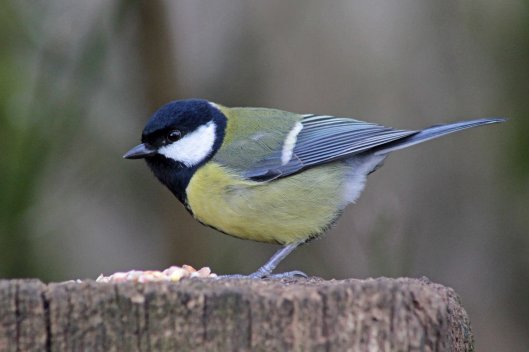
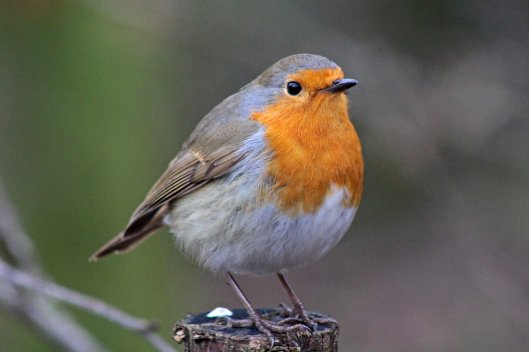
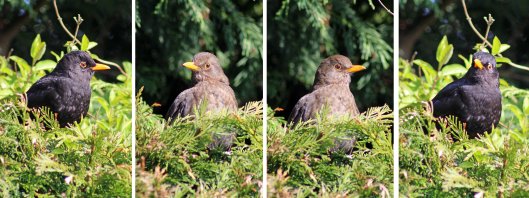
In spite of occasional hail showers and a biting cold wind, yesterday was another magical day at Forest Farm Nature Reserve. I was serenaded by robins, I laughed at the antics of the cute little blue tits, was entertained by the thrushes and blackbirds performing acrobatic stunts in search of the tastiest ivy berries, and enjoyed the most wonderful privilege of a great tit perching on my hand to eat the seeds I was offering. Here are a few of my photos.
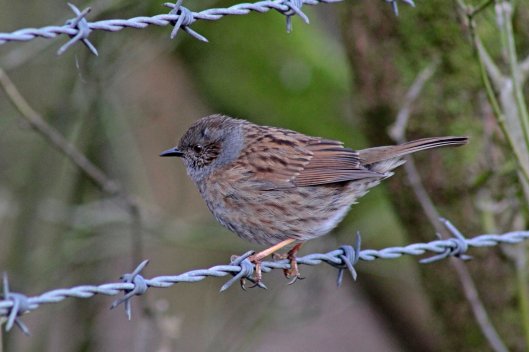
160305 ff1 dunnock

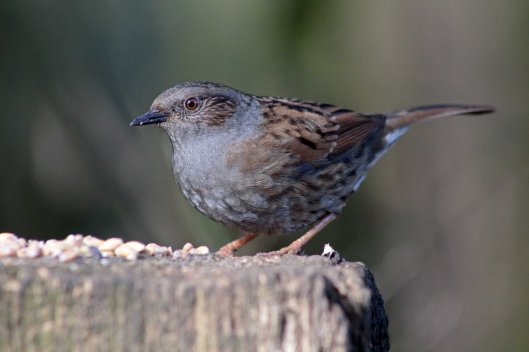
A little timid, often overlooked, but very lovely dunnock
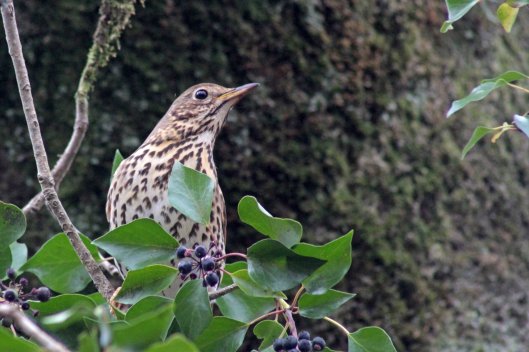
160305 ff2 thrush

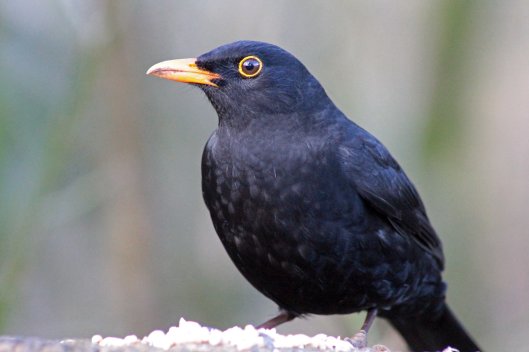
Both the thrush (above) and blackbird (below) were feasting on ivy berries
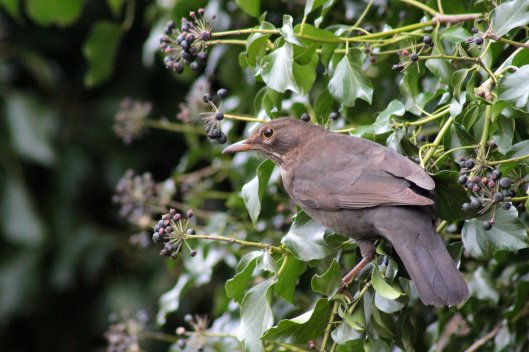
160305 ff3 blackbird

160305 ff4 great tit

A great tit

160305 ff5 blue tit

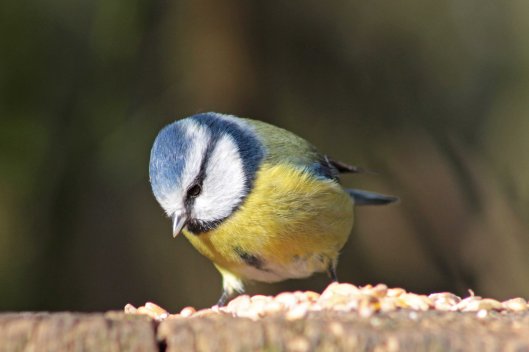
Always so cute, a little blue tit
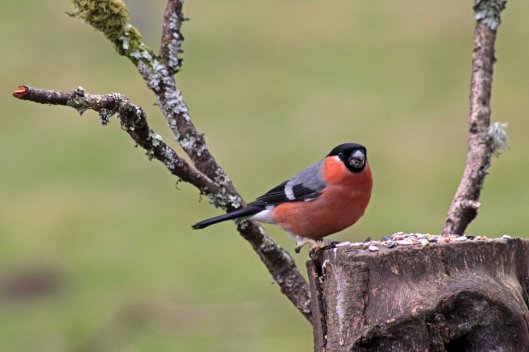
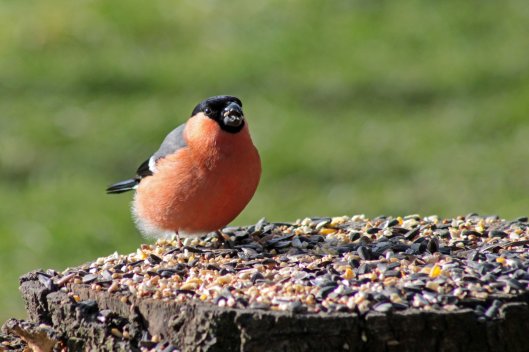
160305 ff6 bullfinch

A male bullfinch – such stunning colours
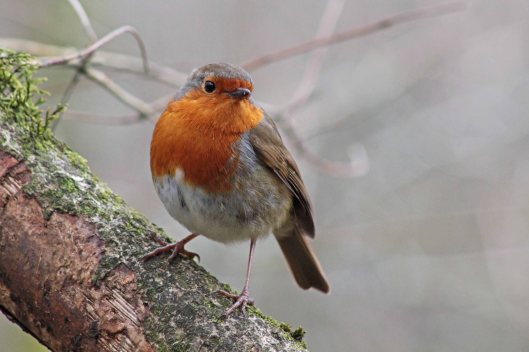
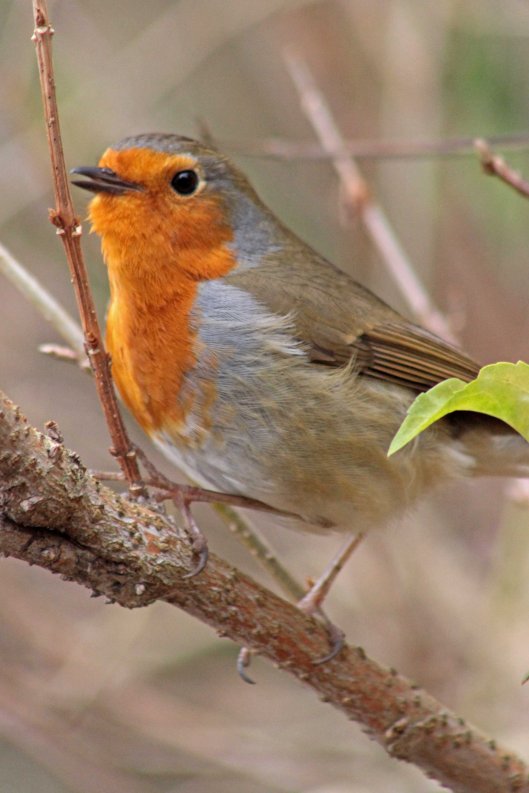
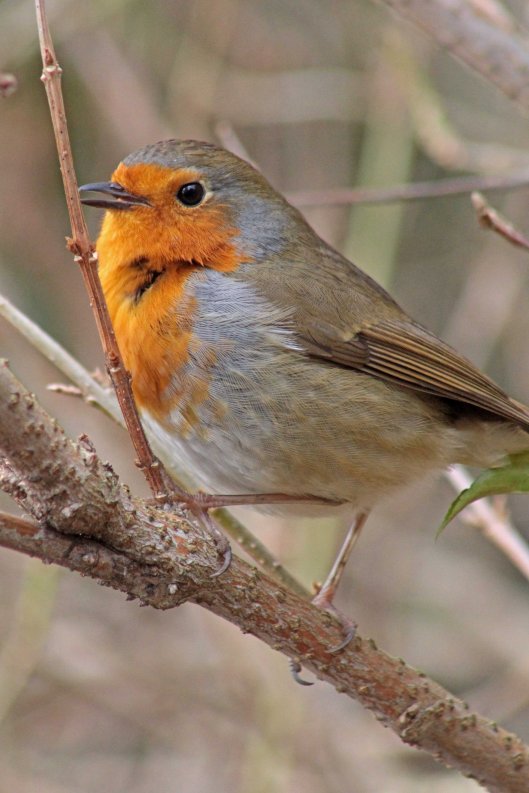
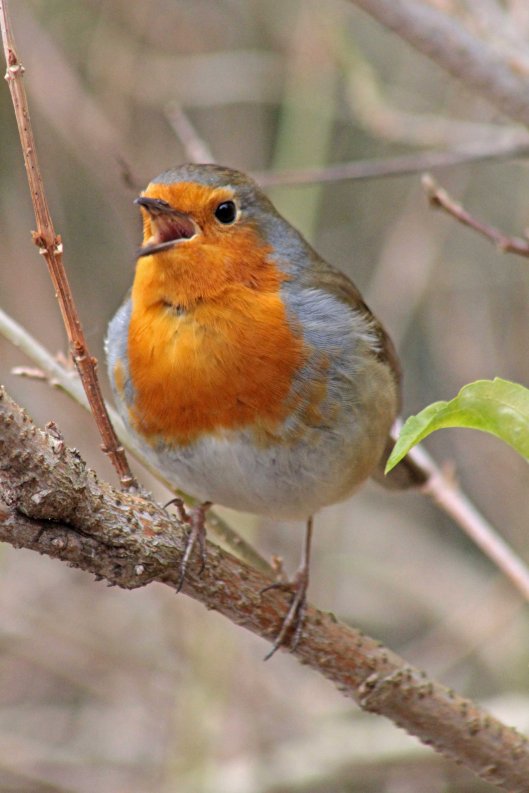
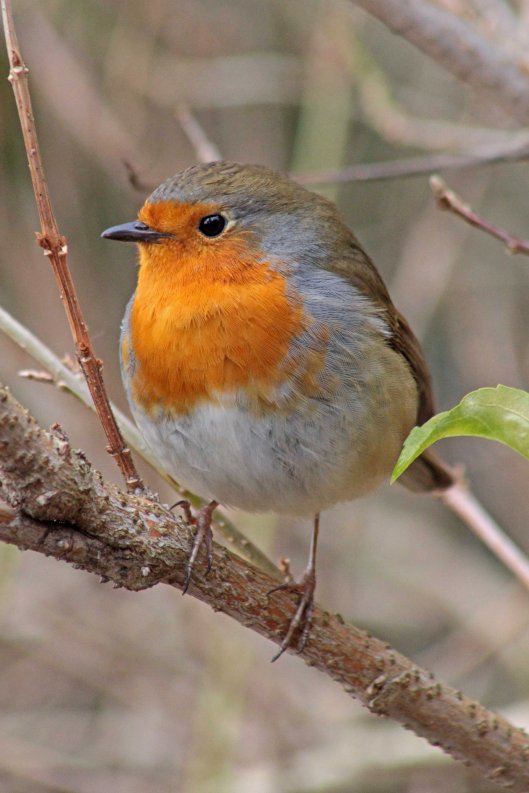
160305 ff7 robin

No visit to Forest Farm is complete without a robin or twenty!
Like Loading...

Conversation with robins: 4

04 Friday Mar 2016

Posted by sconzani in birds, nature, nature photography

≈ 8 Comments

Tags

birding, birds, birdwatching, British birds, conversations with robins, robin, singing robins

Forest Farm Nature Reserve, one fine February day …

160301 robin hood (1)

Me: ‘Hello, dear little robin. Got a song for me today?’
Robin: ‘Sure, lady. You know us robins love to sing. I’ve been learning a new one about an outlaw.’

160301 robin hood (2)

Me: ‘Really? Okay, let’s hear it.’
Robin: ‘Robin Hood, Robin Hood, riding through the glen.’

160301 robin hood (3)

Robin: ‘Robin Hood, Robin Hood, with his band of men.’

160301 robin hood (4)

Robin: ‘Feared by the bad, loved by the good.’

160301 robin hood (5)

Robin: ‘Robin Hood, Robin Hood, Robin Hood.’

160301 robin hood (6)

Robin: ‘Well, what d’ya think? I’d like to be an outlaw like Robin Hood. He’s my hero.’
Me: ‘You sang brilliantly. Well done! And, as a reward, here’s some birdseed you might like.’

Like Loading...

Great Crested Grebe

28 Sunday Feb 2016

Posted by sconzani in birds, nature, nature photography, spring

≈ 5 Comments

Tags

birding, birds, birdwatching, British birds, Great Crested Grebe

160228 great crested grebe (1)

I’m always delighted to witness the mating display of the Great Crested Grebe (Podiceps cristatus). They make a rather noisy but thoroughly entertaining exhibition of head shaking and neck swaying and bill touching that is a joy to watch, especially with their vibrant neck plumage highlighting their every move. It comes as no surprise that those pretty plumes were once prized by early Victorian milliners to decorate their more extravagant creations. That usage, and the fact that the fine soft feathering on the bird’s body was also valued for costume adornment, meant the Great Crested Grebe was one of Britain’s rarest breeding species by the mid-1800s.

160228 great crested grebe (2)

Luckily, laws were enacted to protect Britain’s water birds but their recovery can also be attributed to mankind’s activities – and not in the way you might imagine. The massive increases in both road building and house building following the Second World War required enormous amounts of gravel, and the grebe was one of the birds that benefitted from the gravel pits once they had been abandoned and filled with water. It’s a fitting testament to how well nature can recover from man’s interference in the landscape.

160228 great crested grebe (3)

The highlight of today’s long walk was to witness a grebe sitting on a nest. It seems very early in the year and the nest was in rather an exposed position so I do hope the bird doesn’t get disturbed. It was wonderful and, indeed, a huge privilege to see the results of all that head shaking and neck swaying!

Like Loading...

Walk like an Egyptian

27 Saturday Feb 2016

Posted by sconzani in birds, nature, nature photography

≈ 5 Comments

Tags

African birds, Alopochen aegypticus, birding, birds, birdwatching, British birds, Egyptian Goose, Serengeti National Park, Tanzania

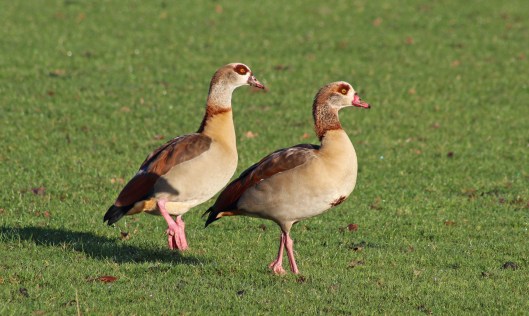
It might look like a goose and be called a goose but the Egyptian Goose (Alopochen aegypticus) is not really a goose at all. It’s more closely related to the Shelduck and occasionally shares that duck’s habit of nesting in a burrow or hole in the ground, though it has also been known to build a nest as high as 80 feet above the ground in a tree. The bird was introduced to Britain as an ornamental wildfowl species, for the king’s collection of birds in St James’s Park in London in 1678, but has since established itself in the wild, though it does still have a penchant for the grounds of large halls and estates, with their perfect habitat combination of old woodland and extensive areas of water.

160227 egyptian goose (2)

My first photo here was taken at just such a place, the wonderful Tatton Park Estate, near Knutsford in Cheshire. But the second photo was taken in the Serengeti National Park in Tanzania. Although it’s called an Egyptian Goose, it is actually native to Africa south of the Sahara and the Nile Valley, but it was considered sacred by the ancient Egyptians, which I presume is how it got its common name.

160227 egyptian goose (1)

Like Loading...

White- & brown-headed black-headed gulls

23 Tuesday Feb 2016

Posted by sconzani in birds, nature, nature photography

≈ 4 Comments

Tags

birding, birds, birdwatching, black-headed gulls, British birds

160223 black headed gull

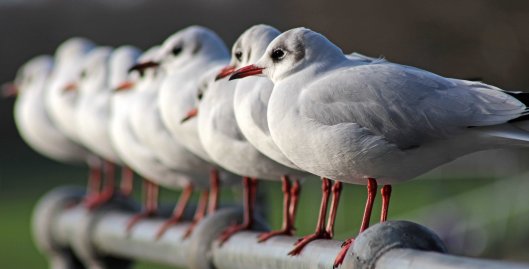
The scientific name for the black-headed gull is Chroicocephalus ridibundus: Chroicocephalus is a combination of the Greek choria meaning colour and cephalus meaning head, and ridibundus is derived from the Latin ridere which means laugh. So, its head colour is laughable?

Well, someone was certainly having a laugh when they named it the black-headed gull. In the summertime – or, to be more precise, during the breeding season, its head may look black but is actually a dark chocolate brown. At the end of the breeding season, the feathers moult, leaving the bird’s head almost completely white, except for two small dark patches behind the eyes on either side of its head.

Along with many other things in the natural world, these gulls are confused by this year’s mild winter weather and have begun their change to breeding plumage. These photos, taken over the last couple of weeks, show that change.

160223 black headed gull (1)
160223 black headed gull (2)
160223 black headed gull (3)
160223 black headed gull (4)
160223 black headed gull (5)
160223 black headed gull (6)
160223 black headed gull (7)
160223 black headed gull (8)
160223 black headed gull (9)
160223 black headed gull (10)
Like Loading...

Leucism in birds

21 Sunday Feb 2016

Posted by sconzani in birds, nature, nature photography

≈ 8 Comments

Tags

birding, birds, birdwatching, blackbird, British birds, crow, jackdaw, leucism, leucistic jackdaw

Little did I realise that I was stepping into a definition minefield when, after finding an oddly coloured jackdaw earlier this week, I decided to find out more about leucism. The word is a relatively new one – it isn’t, for example, included in the online Oxford Dictionary, and scientists seem to disagree about its actual meaning and about what causes the condition.

160221 leucism crow

a leucistic crow. It had more white patches not visible in this photo.

One source says the plumage of leucistic birds is pale or washed out though the normal pattern and colour is discernible, another reports that the cells of the affected plumage lack the ability to produce melanin and the lack of melanin produces white feathers, and yet another states that leucism is caused by a reduction in several types of pigment, not just melanin. The researchers at Cornell Lab of Ornithology even devoted a whole web page to citing the literature of disagreement.

160221 leucism blackbird

Leucism is very common in blackbirds. This bird only has very small white patches.

So, rightly or wrongly and very simply, I’m defining my leucistic birds as those whose feathers would normally be black or some other colour but are actually white (but they’re not albino, as they have their normal eye colour). And here they are …

160221 leucism jackdaw (2)

The star of the show – a beautiful leucistic jackdaw

160221 leucism jackdaw (1)

Like Loading...

More feathered friends from Forest Farm

19 Friday Feb 2016

Posted by sconzani in birds, nature, nature photography

≈ 6 Comments

Tags

birding, birds, birdwatching, blackbird, Blue tit, British birds, bullfinch, chaffinch, dunnock, Forest Farm Nature Reserve, little grebe, long-tailed tit, nuthatch, robin, wren

Many birders ignore what they consider the ordinary birds, the backyard birds, in favour of the rare and unusual. To me, that’s a bit like only being interested in famous movie stars and ignoring all the supporting actors, the bit players, the extras. I adore all birds but I am particularly charmed by the ordinary birds – every day they make me laugh and smile, their gorgeous colours and intricate plumage delight my eye, their melodies are better than any man-made music. So, for me, yesterday was another magical day with these beautiful extra-ordinary birds at Forest Farm Nature Reserve.

160219 (1)

a male bullfinch, such a handsome chap

160219 (2)

a little wren foraging in the undergrowth

160219 (3)

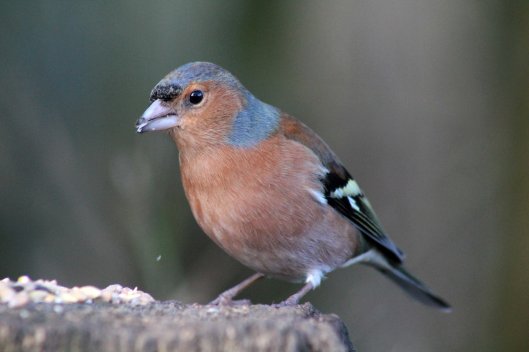
another handsome fellow, a male chaffinch

160219 (4)

Mr Blackbird keeping an eye on me

160219 (5)

a dunnock – such a darling!

160219 (6)

one of the cutest of them all, a blue tit

160219 (7)

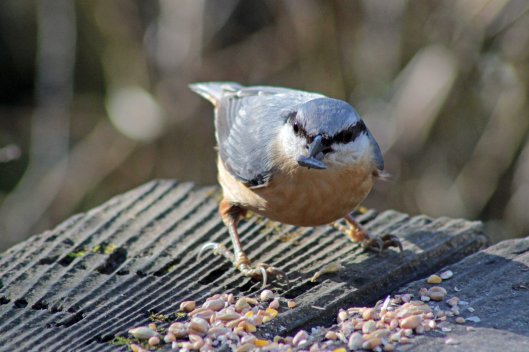
Mr Greedy, the nuthatch

160219 (8)

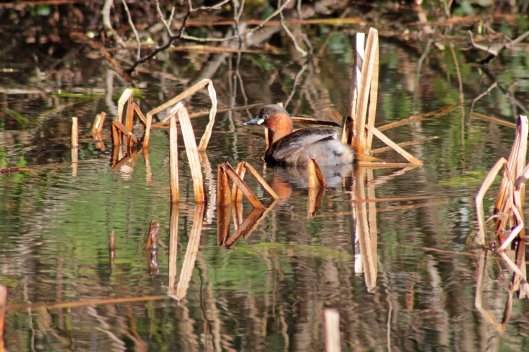
a Little grebe is well camouflaged amongst the reeds

160219 (9)

another cutie pie, a long-tailed tit

160219 (10)

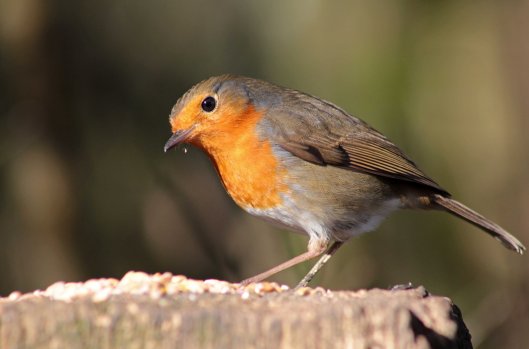
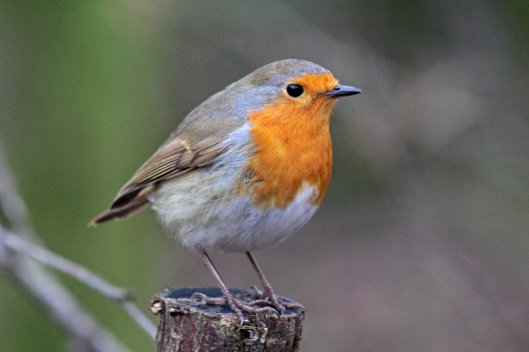
no day’s birding would be complete without a robin or three

Like Loading...

The Grey Heron

18 Thursday Feb 2016

Posted by sconzani in birds, nature, nature photography

≈ 6 Comments

Tags

Ardea cinerea, birding, birds, birdwatching, British birds, Grey heron

160218 grey heron (1)

The Grey Heron (Ardea cinerea) is the most widespread large predatory bird in Britain and it’s flourishing, with an estimated 12205 occupied nests in 2010. Herons nest communally, usually in tall mature trees, and some heronries are known to have been in continuous use for hundreds of years. The largest in Britain is in a private wood on the north side of Budworth Mere, in Cheshire, though I saw very few heron during my frequent walks along the southern shores of that lovely lake last winter.

160218 grey heron flying

This is a bird the Brits used to eat – from the early medieval period right through to the nineteenth century it was an important and relatively expensive table item. Historically, the heron was a favourite victim of falconry and, so that the wealthy could enjoy their sport, its protection was enshrined in law (being found guilty of a second offence could result in the loss of the right hand, a third in death!). Once falconry lost its popularity, the heron lost its protection and, in fact, now the bird often gets persecuted by fishermen who accuse it of taking ‘their’ fish. Personally, I think it’s the heron’s fish.

160218 grey heron (2)

Like Loading...

Conversation with robins: 3

15 Monday Feb 2016

Posted by sconzani in birds, nature, nature photography

≈ 6 Comments

Tags

birding, birds, birdwatching, British birds, conversations with robins, robin

Forest Farm Nature Reserve, a few days ago

160215 robin conversation (1)

Me: ‘Hello, robin. Nice to see you again.’
Robin: ‘Hello, lady. It’s a lovely day, isn’t it?’

160215 robin conversation (2)

Me: ‘It sure is. And before you ask, I’ve run out of bird seed.’
Robin: ‘Whaaaaaaaaaaaaaaaaaaaaaaaaaaat???’

160215 robin conversation (3)

Me: ‘I’ve been walking for a couple of hours, and I’ve already given my seed to other birds. I’m sorry.’
Robin: ‘But it’s cold and I’m starving and I’m such a cute little robin.’

160215 robin conversation (4)

Me: ‘Yes, you are. And I’m sorry you missed out.’
Robin: ‘But I haven’t eaten anything all day.’

160215 robin conversation (5)

Me: ‘You pooped! Right in the middle of our chat, you pooped!’
Robin: ‘So? A bird’s gotta do what a bird’s gotta do!’

160215 robin conversation (6)

Me: ‘I guess you had had something to eat after all.’
Robin: ‘Oh … well … maybe something small … hours ago.’

Like Loading...

Eight interesting facts about blackbirds

11 Thursday Feb 2016

Posted by sconzani in birds, nature, nature photography

≈ 4 Comments

Tags

birding, birds, birdwatching, blackbird, British birds

160211 blackbird (1)

1 The oldest ringed blackbird to have been recovered in Britain was more than 20 years old.

2 Blackbirds most often sing after it has rained.

3 In the Roman Catholic religion, St Kevin of Glendalough is the patron saint of blackbirds. The legend goes that a blackbird laid an egg in Kevin’s hand when his arms were outstretched in prayer and he remained in that position until the baby bird hatched.

4 Albinism and leucism are common in blackbirds, and many birds have small white patches of feathers.

160211 blackbird (2)

5 The blackbird is the national bird of Sweden.

6 The blackbird is the most numerous breeding bird in the British Isles, with a population of around 6 million pairs.

7 The song Sing a song of sixpence (a pocket full of rye, four-and-twenty blackbirds, baked in a pie) was not a coded message used to recruit crew members for the notorious 18th-century pirate Blackbeard. That was an invented urban legend that many people now believe. The true meaning of the rhyme is much debated.

8 Vernacular names for the blackbird include colly (in Gloucestershire), merle (Ireland and Scotland), Zulu (in Somerset) and ouzel.

160211 blackbird (3)

Like Loading...
← Older posts
Newer posts →

About me

sconzani

sconzani

I'm a writer and photographer; researcher and blogger; birder and nature lover; countryside rambler and city strider; volunteer and biodiversity recorder.

View Full Profile →

Follow earthstar on WordPress.com

Enter your email address to follow this blog and receive notifications of new posts by email.

Recent blog posts

  • Kestrel 2026 : 86 January 31, 2026
  • Birch polypore January 30, 2026
  • The Marl Med gull January 29, 2026
  • Recording Grey squirrels January 28, 2026
  • Jimmy Wren January 27, 2026

From the archives

COPYRIGHT

Unless otherwise acknowledged, the text and photographs on this blog are my own and are subject to international copyright. Nothing may be downloaded or copied without my permission.

Fellow Earth Stars!

  • Unknown's avatar
  • Unknown's avatar
  • Unknown's avatar
  • Unknown's avatar
  • Unknown's avatar
  • Unknown's avatar
  • Unknown's avatar
  • Unknown's avatar
  • Unknown's avatar
  • Unknown's avatar
  • Unknown's avatar
  • Unknown's avatar
  • Unknown's avatar
  • Unknown's avatar
  • Unknown's avatar
  • Unknown's avatar
  • Unknown's avatar
  • Unknown's avatar
  • Unknown's avatar
  • Unknown's avatar
  • Unknown's avatar
  • Unknown's avatar
  • Unknown's avatar
  • Unknown's avatar
  • Unknown's avatar
  • Unknown's avatar
  • Unknown's avatar
  • Unknown's avatar
  • Unknown's avatar
  • Unknown's avatar
  • Unknown's avatar
  • Unknown's avatar
  • Unknown's avatar
  • Unknown's avatar
  • Unknown's avatar
  • Unknown's avatar
  • Unknown's avatar
  • Unknown's avatar
  • Unknown's avatar
  • Unknown's avatar
  • Unknown's avatar
  • Unknown's avatar
  • Unknown's avatar
  • Unknown's avatar
  • Unknown's avatar
  • Unknown's avatar
  • Unknown's avatar
  • Unknown's avatar
  • Unknown's avatar
  • Unknown's avatar

Blog at WordPress.com.

Privacy & Cookies: This site uses cookies. By continuing to use this website, you agree to their use.
To find out more, including how to control cookies, see here: Cookie Policy
  • Subscribe Subscribed
    • earthstar
    • Join 670 other subscribers
    • Already have a WordPress.com account? Log in now.
    • earthstar
    • Subscribe Subscribed
    • Sign up
    • Log in
    • Report this content
    • View site in Reader
    • Manage subscriptions
    • Collapse this bar
 

Loading Comments...
 

You must be logged in to post a comment.

    %d