• ABOUT
  • BIRDING 2018
  • Birding 2019
  • BLOG POSTS
  • Butterflies 2018
  • Resources

earthstar

~ a celebration of nature

earthstar

Tag Archives: Bombylius major

Starlings and bee-flies

26 Wednesday Mar 2025

Posted by sconzani in birds, insects

≈ Leave a comment

Tags

birding, birdwatching, Bombylius major, British birds, Dark-edged bee-fly, starling

Starlings and bee-flies may seem like an odd combination but these were the highlights of yesterday’s walk. First, I listened spellbound to the extraordinary range of sounds this gorgeous Starling and its friends were producing – and I’ve heard that the human ear isn’t capable of hearing the full range of its acoustic repertoire, which is even more astounding. And don’t even get me started on those fabulous feathers.

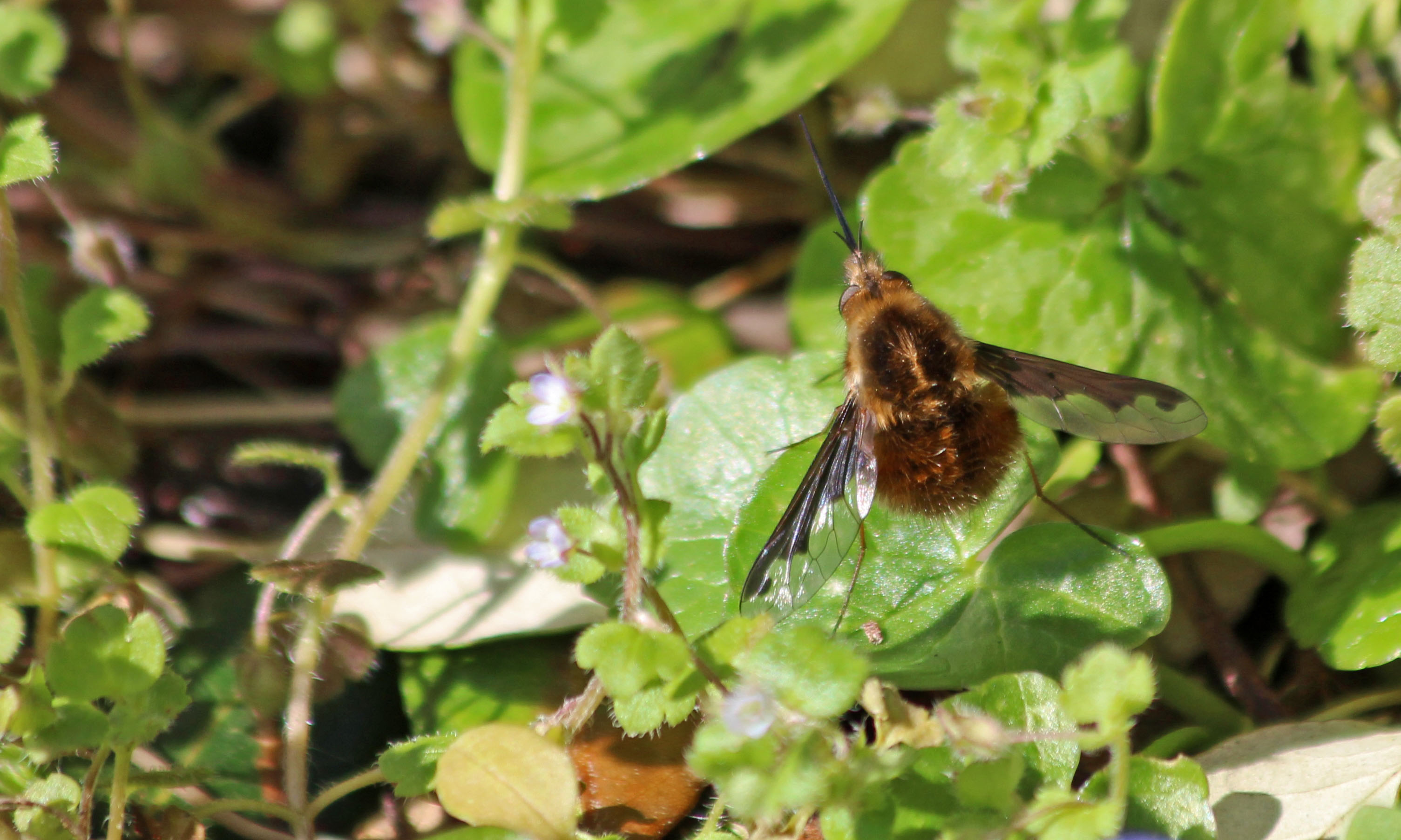
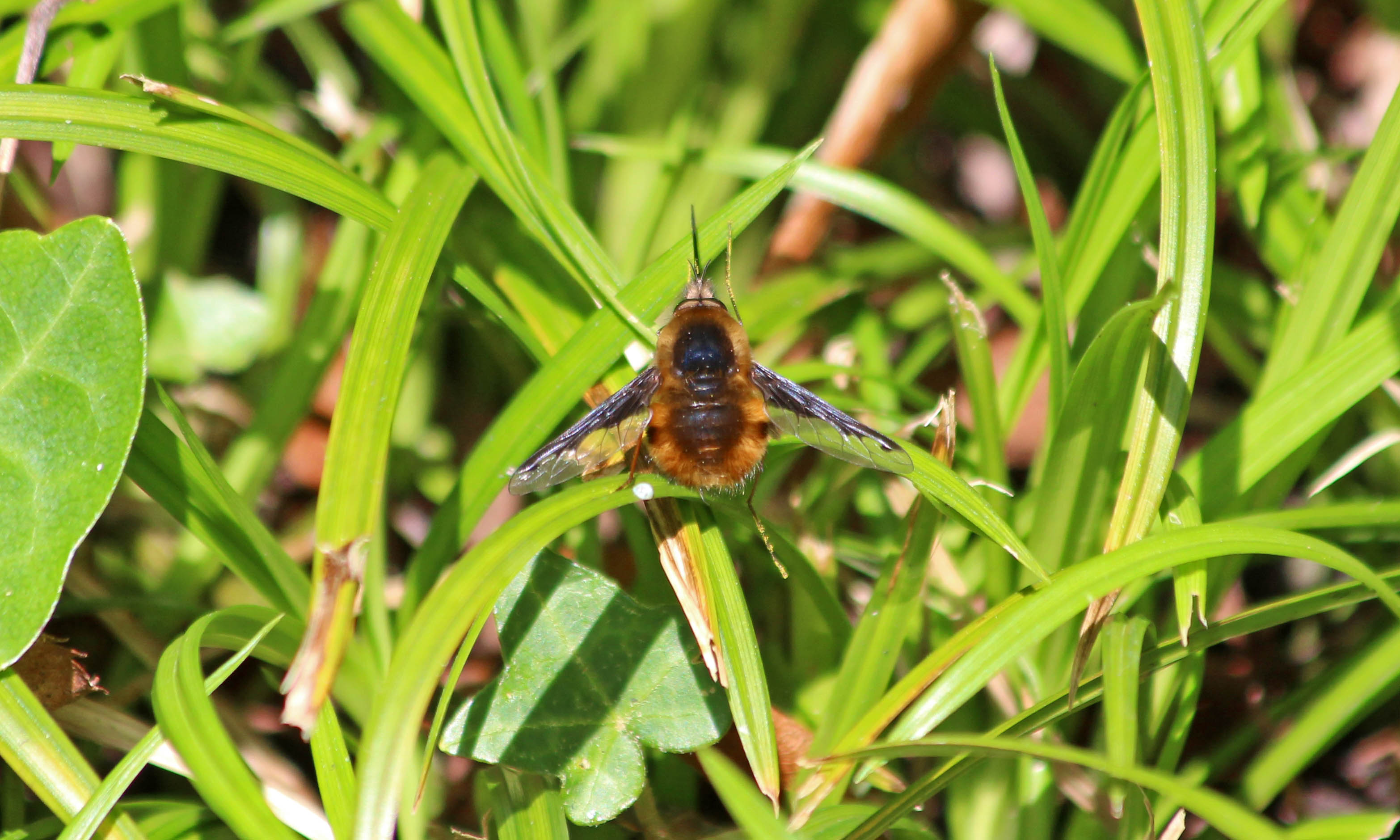
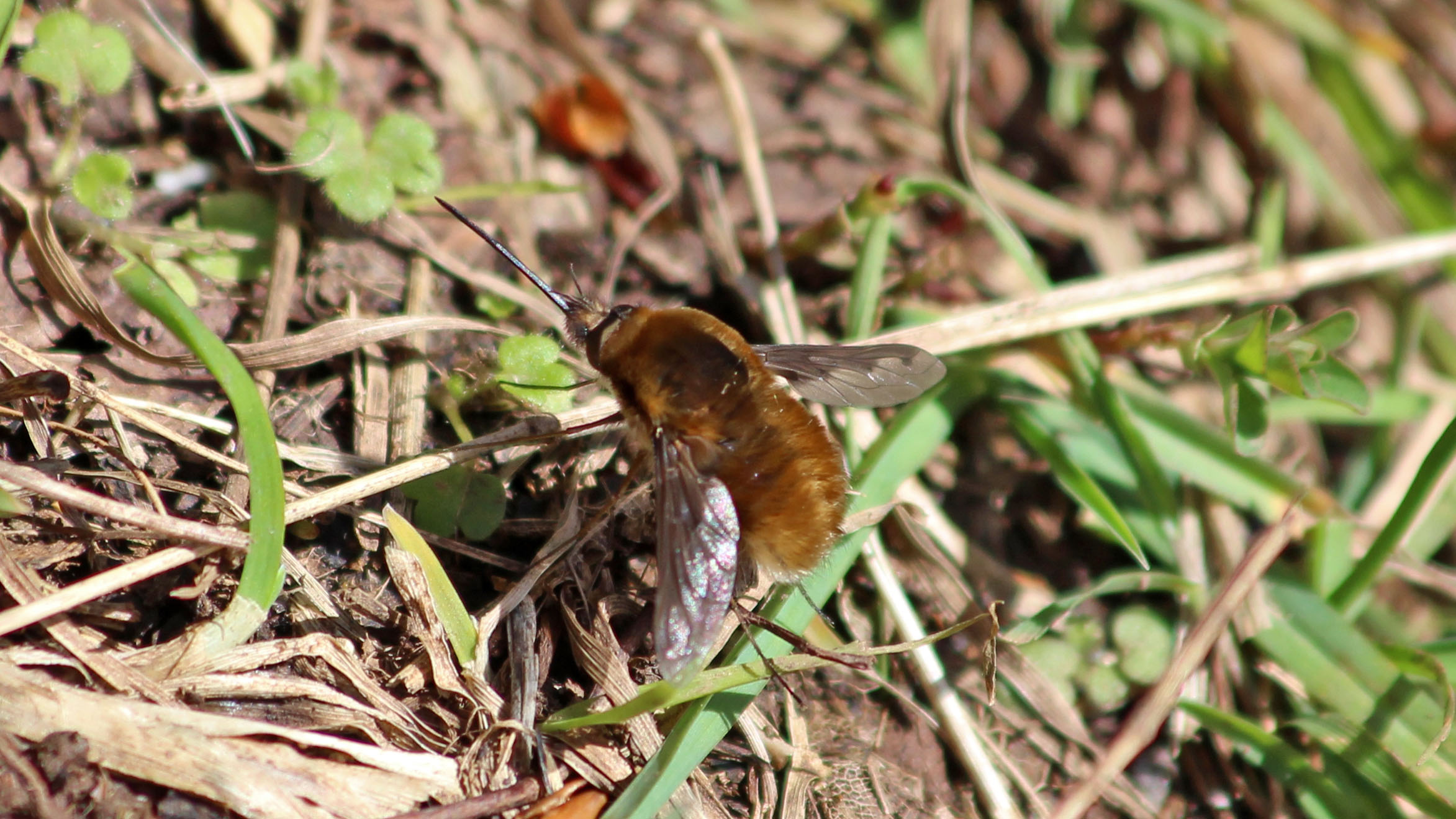
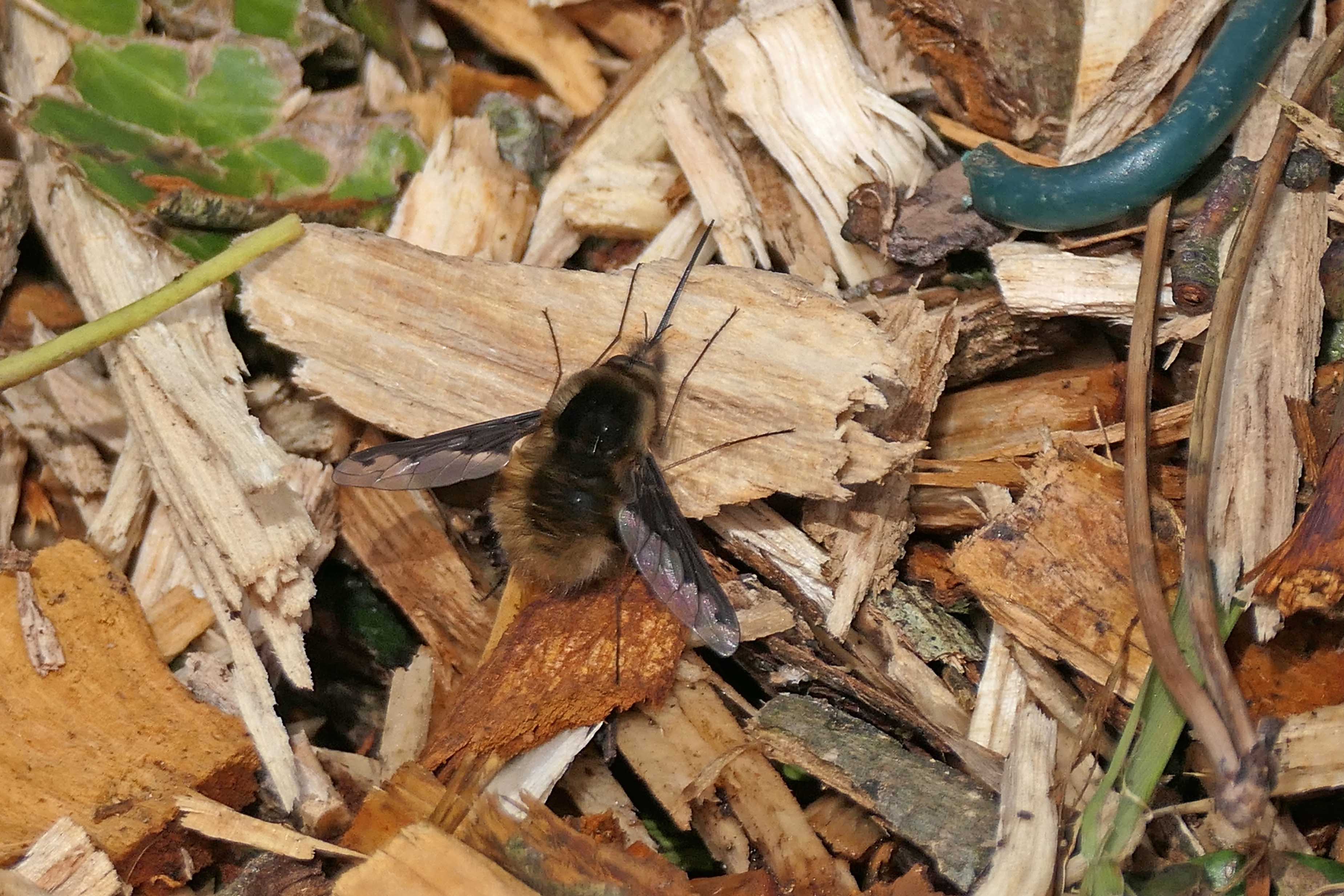
Meander … amble … stroll … and I ended up having a mooch around my favourite scruffy and neglected Cardiff park, which always manages to turn up something special (as long as you ignore the rubbish and the occasional druggie lurking in the vegetation). Yesterday, up popped my first two Dark-edged bee-flies (Bombylius major) of 2025, those little bundles of flying fluff that hide a dark and gruesome lifecycle of parasitism on their solitary bee cousins. They are cute to look at though.

Like Loading...

First Bee-fly

20 Wednesday Mar 2024

Posted by sconzani in insects, spring

≈ 2 Comments

Tags

Bee-fly, Bombylius major, British bee-flies, British flies, Dark-edged bee-fly, signs of spring

As well as the lovely Comma, Monday’s walk also produced my first bee-fly sightings for 2024. We only have Dark-edged bee-flies (Bombylius major) in my area and these were all males, as they usually emerge before the females. It’s so heartening to see these wonderful little signs of Spring.

240320 dark-edged bee-fly

Like Loading...

Bee-flies revisited

28 Friday Apr 2023

Posted by sconzani in insects

≈ Leave a comment

Tags

Bombylius major, Dark-edged bee-flies, lifecycle of Dark-edged bee-fly, mining bee predation, mining bees

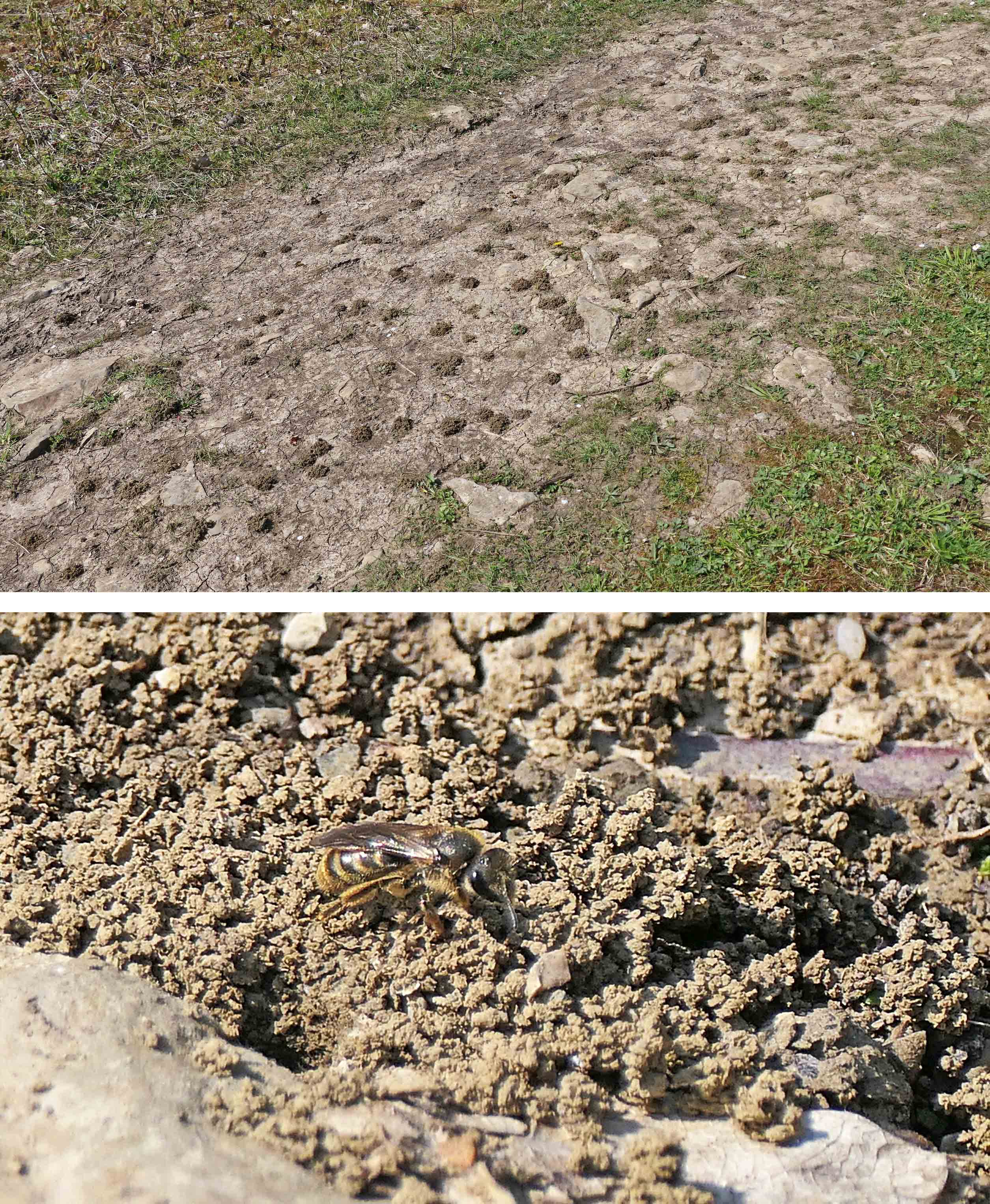
I blogged about Dark-edged bee-flies earlier this month but, since then, I’ve noticed one doing something odd so thought I’d share what I’ve since found out about what it was doing. I spotted an area of miniature soil volcanoes where mining bees were active, digging out the tunnels in which they would lay their eggs, and, nearby, a sweet little bee-fly flicking its own eggs in to the holes of the bees it predates.

230428 bee-flies revisited (1)

Then, that same bee-fly started hovering in one spot, frantically beating its wings but going nowhere (see video below). What was it doing? I asked on Twitter, and one of my followers suggested ‘It could be filling its rear-end up with sand’ – not a sentence I ever thought I’d read! But this was sort of right.

Someone from the Soldierflies and Allies Recording Scheme referred me to their website entry for bee-flies, which explains that ‘the adult females collect dust or sand at the tip of their abdomen, using it to coat their eggs, which helps protect the eggs from drying out.’ I’m guessing the sandy coating also means the eggs roll more easily into the bees’ tunnels. It was a fascinating insight into what is an extraordinary lifecycle, though I can’t help but feel some sympathy for the hard-working mining bee victims.

Like Loading...

Dark-edged bee-flies

05 Wednesday Apr 2023

Posted by sconzani in insects, spring

≈ Leave a comment

Tags

Bee-fly, Bombylius major, British bee-flies, dandelion, Dark-edged bee-flies, value of Dandelion flowers

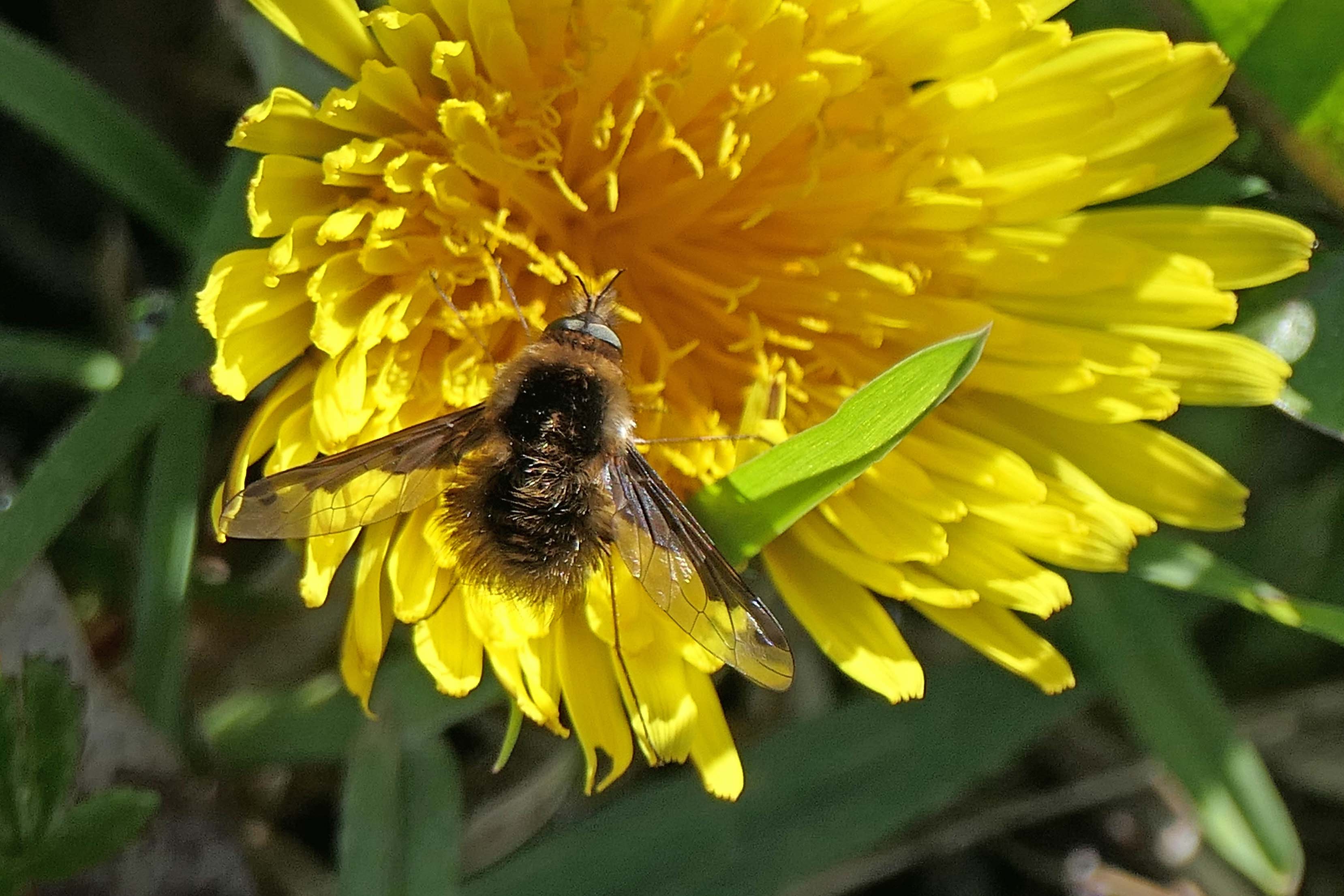
Apparently, today is #NationalDandelionDay. Dandelions are brilliant for so many reasons (I’ve blogged about their value to insects previously – see Delicious Dandelions, April 2022) but what better reason than the food they provide to all the gorgeous little bee-flies that are currently emerging all over the country.

230405 bee-fly male

These are Dark-edged bee-flies (Bombylius major), the only bee-fly species we have locally though there are other species in Britain. The top bundle of fluff is a male and the bottom is a female. The way to tell the sexes apart is to look at their eyes – if there’s a gap between the eyes, it’s a female. The males usually emerge first, with the females following a week to ten days later.

230405 bee-fly female

Like Loading...

Bee-flies are go!

18 Friday Mar 2022

Posted by sconzani in insects, spring

≈ Leave a comment

Tags

Bee-fly, Bombylius major, British bee-flies, Dark-edged bee-fly, signs of spring

Actually, keen-eyed bee-fly fanciers have been spotting these fuzzy little beasties for a week or so now, and by 14 March, 14 records – all in England – had been entered in to the recording system. And yesterday, in warm sunshine and alongside a sheltered footpath with plenty of flowering Lesser celandine, I finally saw my first bee-fly of the year. This is a Dark-edged bee-fly (Bombylius major); although there are other species in Britain, this is the only species local to me.

220318 bee-fly

For everything you might ever want to know about bee-flies, there’s a fantastic presentation The A to Z of Bee-flies on the FSC Biodiversity channel on YouTube.

Like Loading...

105/366 A colony of miners

14 Tuesday Apr 2020

Posted by sconzani in insects, nature, spring

≈ 3 Comments

Tags

Andrena cineraria, Ashy mining bee, Bombylius major, British bees, Dark-edged bee-fly, mining bee colony

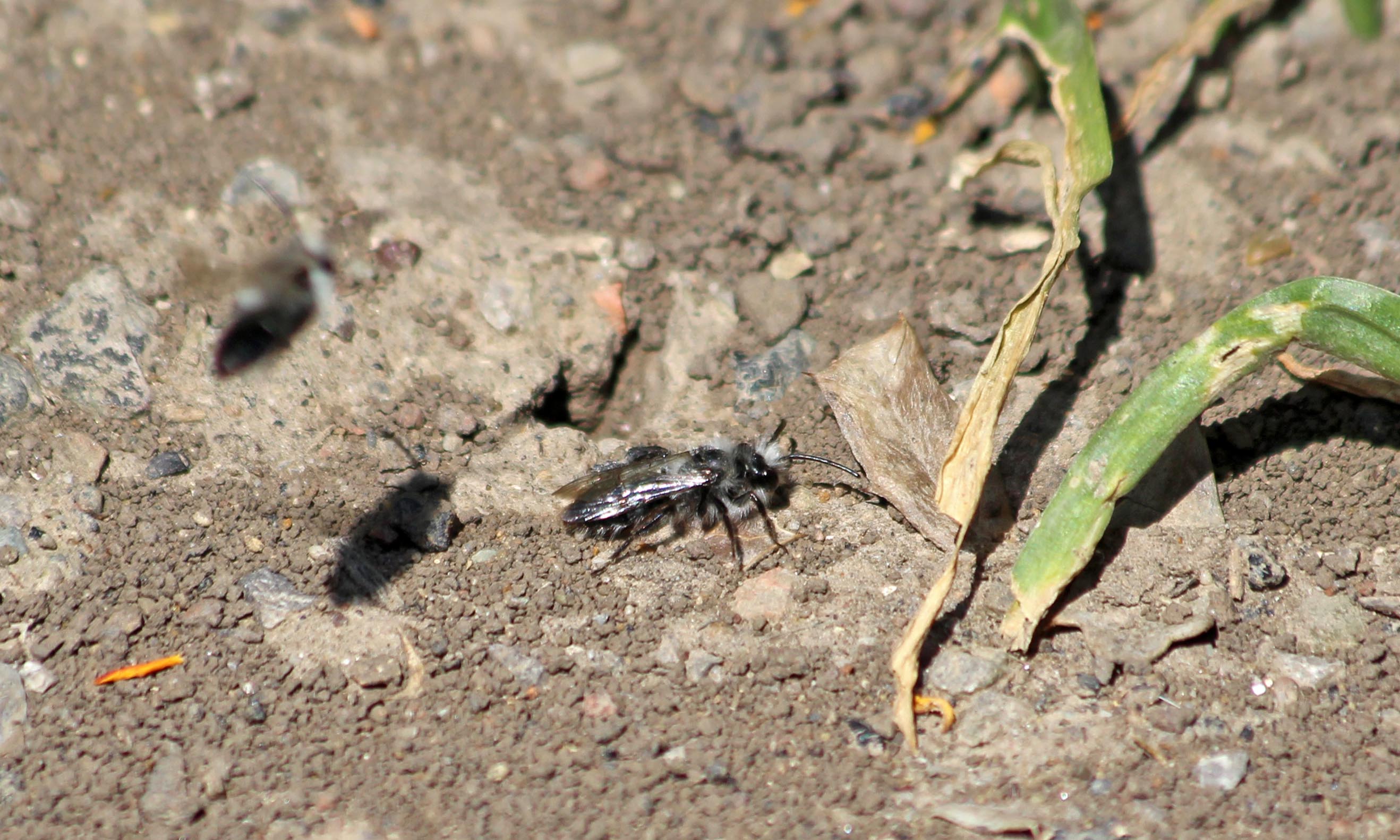
I’d forgotten about this little colony of Ashy mining bees (Andrena cineraria) until I walked past on today’s exercise walk, saw their buzz of spring activity, remembered them at this location last summer. The female bees have set up home – a series of individual nests, accessed by the small holes you can see in my photos – in a sandy bank near the entrance to one of the few local parks that’s still open.

200414 ashy mining bee male (1)200414 ashy mining bee male (2)

The males in this group (2 of perhaps 20 shown above) were particularly active, sometimes fighting each other for access to the larger females (the two photos immediately below), sometimes battling with the females as they tried to mate with them.

200414 ashy mining bee female (1)
200414 ashy mining bee female (2)

200414 ashy mining bees

Unfortunately, I was not the only creature watching the bees’ activity – a Dark-edged bee-fly (Bombylius major) was also hovering nearby, waiting to roll its eggs into the bees’ tunnels so its larvae could predate the bees’ offspring. Not surprisingly, the bees were dive-bombing, trying to make it flee.

200414 dark-edged bee-fly

Like Loading...

83/366 Fabulous flying fuzzballs

23 Monday Mar 2020

Posted by sconzani in insects, nature, spring

≈ Leave a comment

Tags

bee-flies, Bee-fly, Bombylius major, British bee-flies, Dark-edged bee-flies

I wish I could take the credit for that title but it came from a tweet I read earlier today by the social media team at Buglife, The Invertebrate Conservation Trust.

200323 beeflies (1)

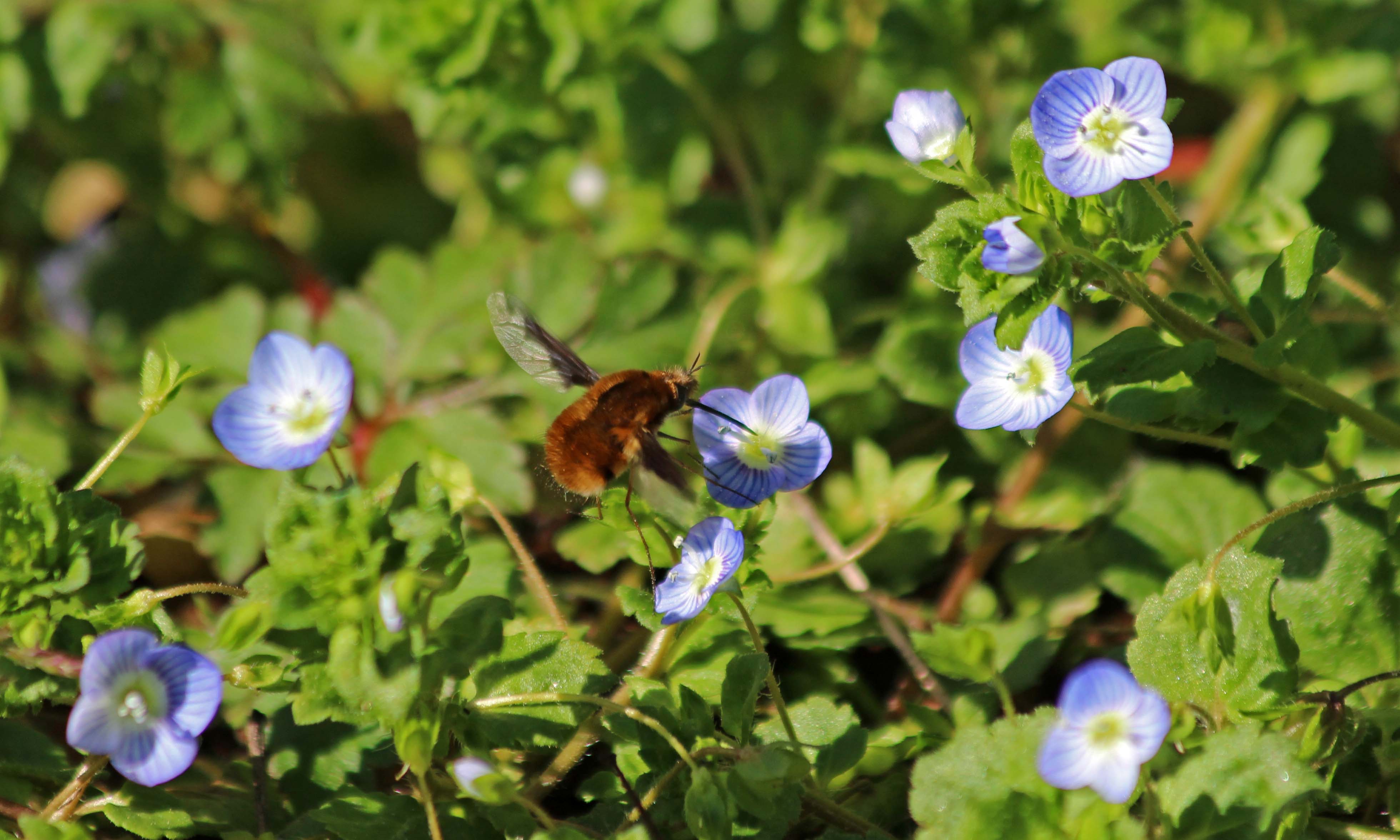
The tweet was reporting how the sunshine of the past couple of days has brought out the bee-flies and so it has been in my area too. Yesterday, on the sheltered slopes of a local park which, luckily, I had almost to myself, I saw my first four bee-flies of 2020.

200323 beeflies (2)

These are Dark-edged bee-flies (Bombylius major), the only species I’ve ever seen, and they were feasting on a glorious carpet of Lesser celandine and Speedwell.

200323 beeflies 3

There are several other species of bee-fly, and a couple of similar non-bee-fly species. The BRC (Biological Records Centre) website has a most excellent photo identification guide that can be downloaded here. Good luck with finding some fabulous flying fuzzballs in your locale.

200323 beeflies 4

Like Loading...

Signs of spring: Bee-flies

07 Saturday Apr 2018

Posted by sconzani in insects, nature, spring

≈ 6 Comments

Tags

Bee-fly, Bombylius major, British insects, signs of spring

Last Wednesday was a ‘B’ day – not ‘B’ as in ‘B-rated’ or in any way inferior – in fact, in that sense, it was an A+ day. I named it a ‘B’ day because I saw my first Butterflies of 2018, my first Blackcap, and my first Bee-flies – and not just one Bee-fly, but a total of seven!

180407 bee-flies (7)

The Bee-fly (officially Bombylius major) is a strange-looking mini-beastie, a weird and wonderful combination, all the cuteness of a furry teddy-bear but with the sinister look of a sword fish. Never fear, it is entirely harmless to humans, though it does lay its eggs in the nests of bees and wasps, where the bee-fly larvae feast on the bee and wasp larvae. Its sword-shaped proboscis is no stinging machine – it’s used exclusively for drinking nectar from flowers. These are springtime mini-beasties, out now in sunny spots in your garden or local hedgerow.

180407 bee-flies (1)
180407 bee-flies (2)
180407 bee-flies (3)
180407 bee-flies (4)
180407 bee-flies (5)
180407 bee-flies (6)

Like Loading...

About me

sconzani

sconzani

I'm a writer and photographer; researcher and blogger; birder and nature lover; countryside rambler and city strider; volunteer and biodiversity recorder.

View Full Profile →

Follow earthstar on WordPress.com

Enter your email address to follow this blog and receive notifications of new posts by email.

Recent blog posts

  • Kestrel 2026 : 86 January 31, 2026
  • Birch polypore January 30, 2026
  • The Marl Med gull January 29, 2026
  • Recording Grey squirrels January 28, 2026
  • Jimmy Wren January 27, 2026

From the archives

COPYRIGHT

Unless otherwise acknowledged, the text and photographs on this blog are my own and are subject to international copyright. Nothing may be downloaded or copied without my permission.

Fellow Earth Stars!

  • Unknown's avatar
  • Unknown's avatar
  • Unknown's avatar
  • Unknown's avatar
  • Unknown's avatar
  • Unknown's avatar
  • Unknown's avatar
  • Unknown's avatar
  • Unknown's avatar
  • Unknown's avatar
  • Unknown's avatar
  • Unknown's avatar
  • Unknown's avatar
  • Unknown's avatar
  • Unknown's avatar
  • Unknown's avatar
  • Unknown's avatar
  • Unknown's avatar
  • Unknown's avatar
  • Unknown's avatar
  • Unknown's avatar
  • Unknown's avatar
  • Unknown's avatar
  • Unknown's avatar
  • Unknown's avatar
  • Unknown's avatar
  • Unknown's avatar
  • Unknown's avatar
  • Unknown's avatar
  • Unknown's avatar
  • Unknown's avatar
  • Unknown's avatar
  • Unknown's avatar
  • Unknown's avatar
  • Unknown's avatar
  • Unknown's avatar
  • Unknown's avatar
  • Unknown's avatar
  • Unknown's avatar
  • Unknown's avatar
  • Unknown's avatar
  • Unknown's avatar
  • Unknown's avatar
  • Unknown's avatar
  • Unknown's avatar
  • Unknown's avatar
  • Unknown's avatar
  • Unknown's avatar
  • Unknown's avatar
  • Unknown's avatar

Blog at WordPress.com.

Privacy & Cookies: This site uses cookies. By continuing to use this website, you agree to their use.
To find out more, including how to control cookies, see here: Cookie Policy
  • Subscribe Subscribed
    • earthstar
    • Join 670 other subscribers
    • Already have a WordPress.com account? Log in now.
    • earthstar
    • Subscribe Subscribed
    • Sign up
    • Log in
    • Report this content
    • View site in Reader
    • Manage subscriptions
    • Collapse this bar
 

Loading Comments...
 

You must be logged in to post a comment.

    %d