
Tags
British gall flies, Bulb thistle gall fly, Cirsium vulgare, gall fly on Spear thistle, Spear thistle, thistle gall flies, Urophora stylata
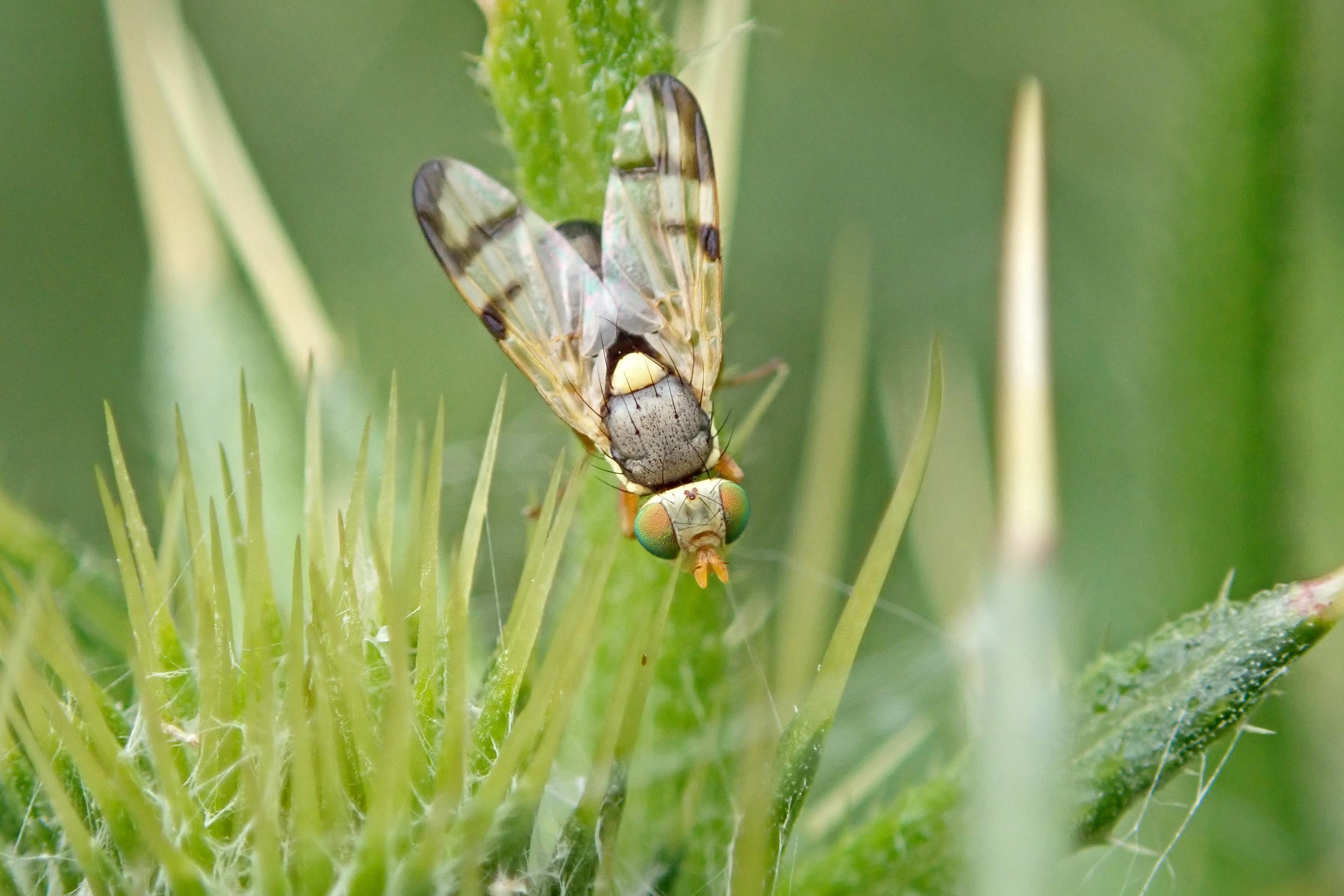
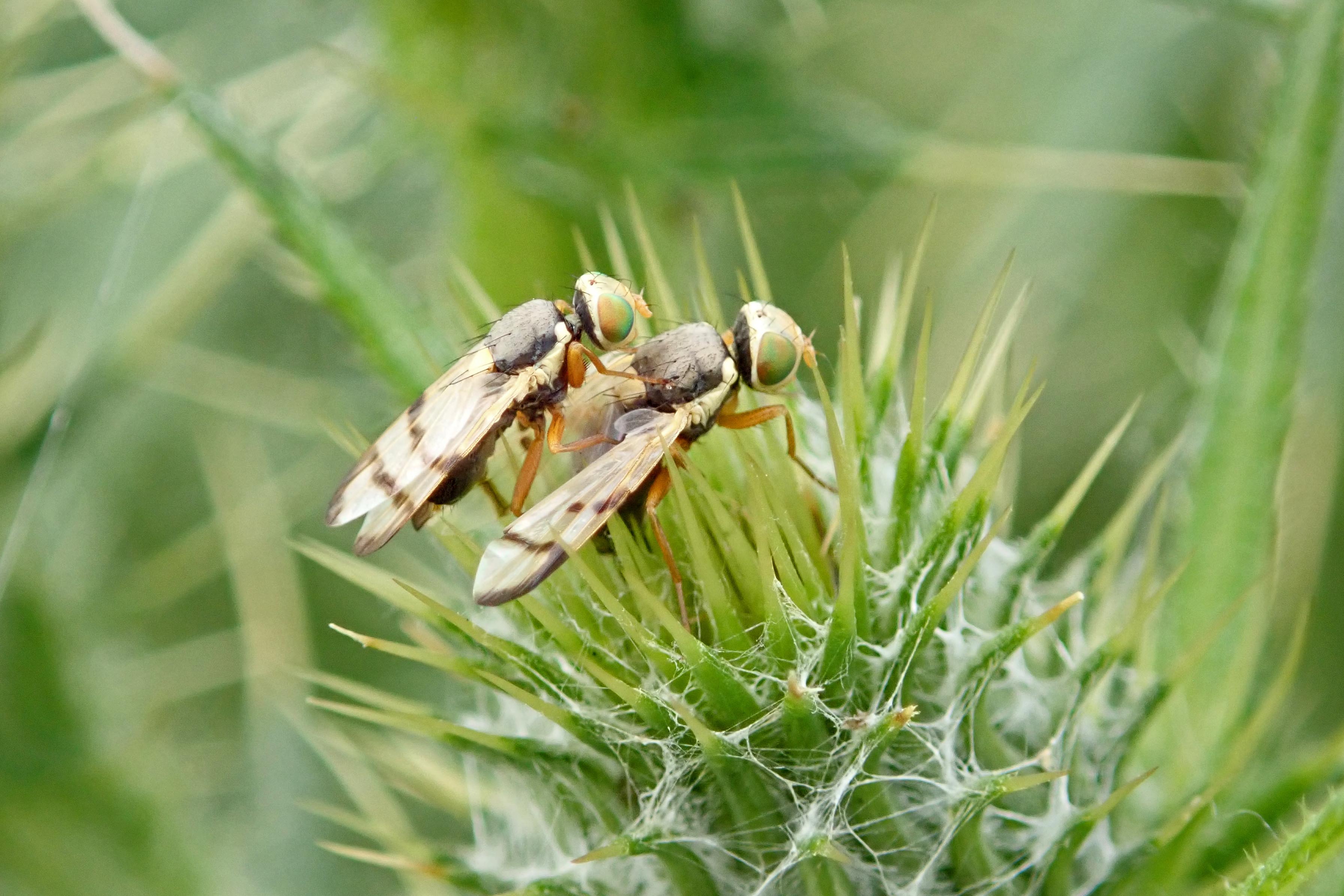
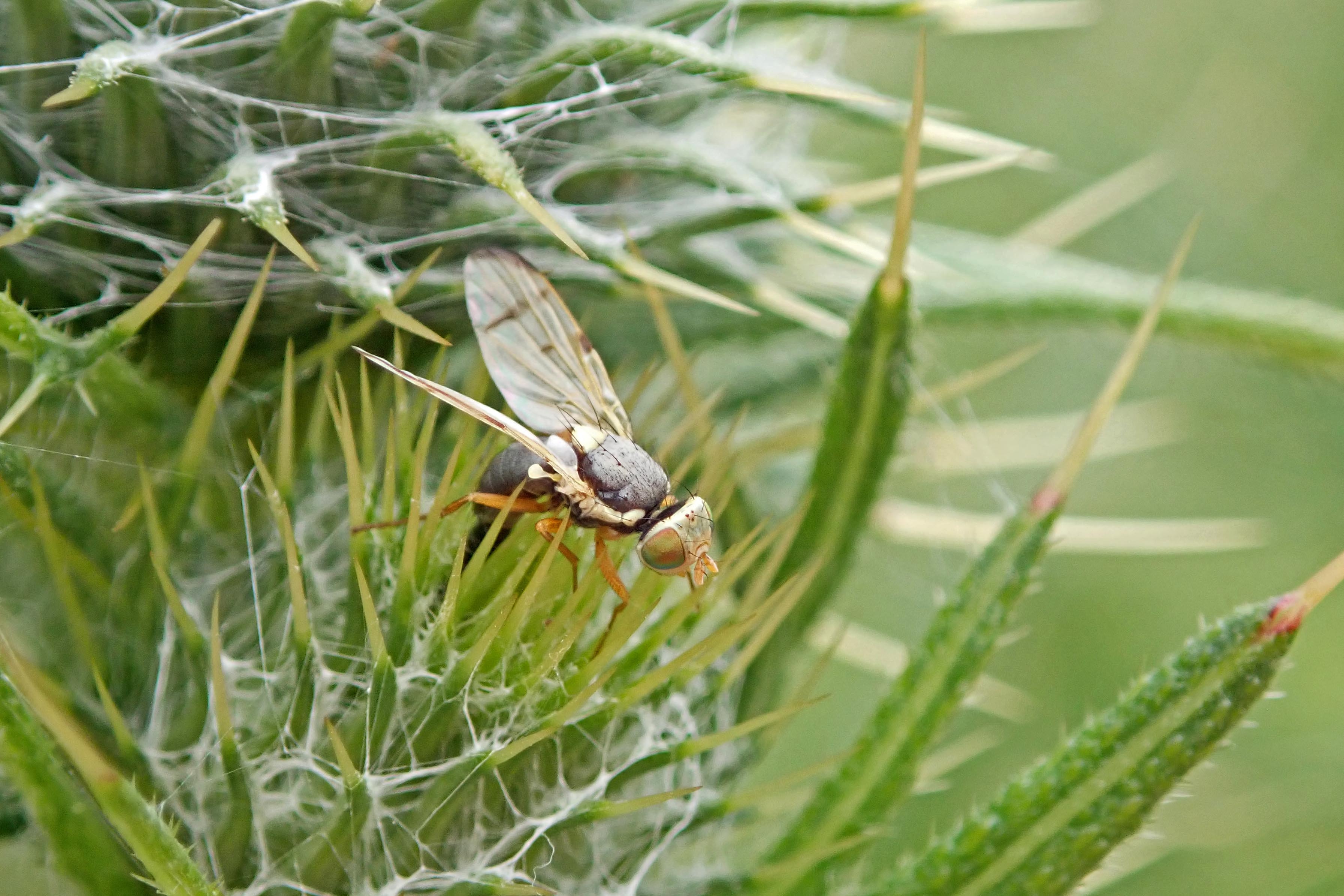
As each of the seven species of Urophora gall flies found in Britain has its own distinctive wing pattern and is mostly plant-species specific, this is one of the few genera of flies to be relatively easy to identify (I write ‘relatively’ as some wing patterns can look similar if you don’t manage to get clear photos, and you’d want to be a good enough botanist to tell which thistle or knapweed species you’re looking at). Fortunately for me, Urophora stylata has a unique wing pattern and almost always uses Spear thistle (Cirsium vulgare) as its host plant, so I was able to identify my first flies of this species when I saw them this summer (Urophora stylata gall flies, 2 July).

 earthstar
You must be logged in to post a comment.