• ABOUT
  • BIRDING 2018
  • Birding 2019
  • BLOG POSTS
  • Butterflies 2018
  • Resources

earthstar

~ a celebration of nature

earthstar

Tag Archives: British leafmines

Bedellia somnulentella revisited

20 Monday Oct 2025

Posted by sconzani in insects

≈ Leave a comment

Tags

Bedellia somnulentella, Bedellia somnulentella pupa, British leafmines, British moths, leaf-mining moth larvae, leafmines on Field bindweed, moth pupae on Field bindweed

Back in September, in my blog Leafmines: Bedellia somnulentella, I covered the mines of a moth whose larvae have some unusual habits, spinning hammocks outside their mines to rest and pupate in. Now that I’m aware of them, I’ve been seeing these mines almost everywhere I see Field bindweed. And, during last Tuesday’s walk, when I saw the plant and turned over a few leaves, I spotted two leaves that had a total of three pupae suspended beneath. I decided to bring them home so that I could, hopefully, see what the adult moth looked like.
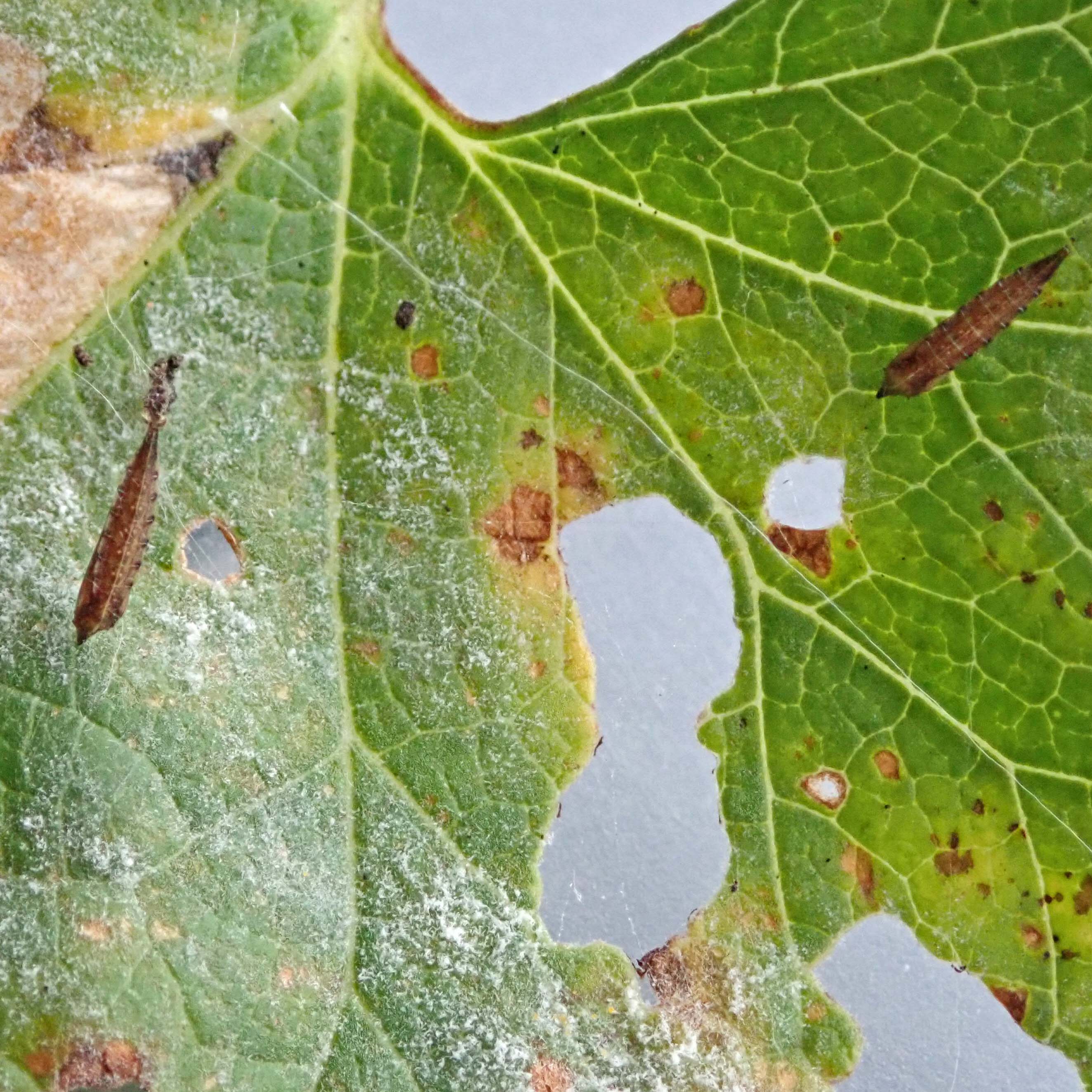
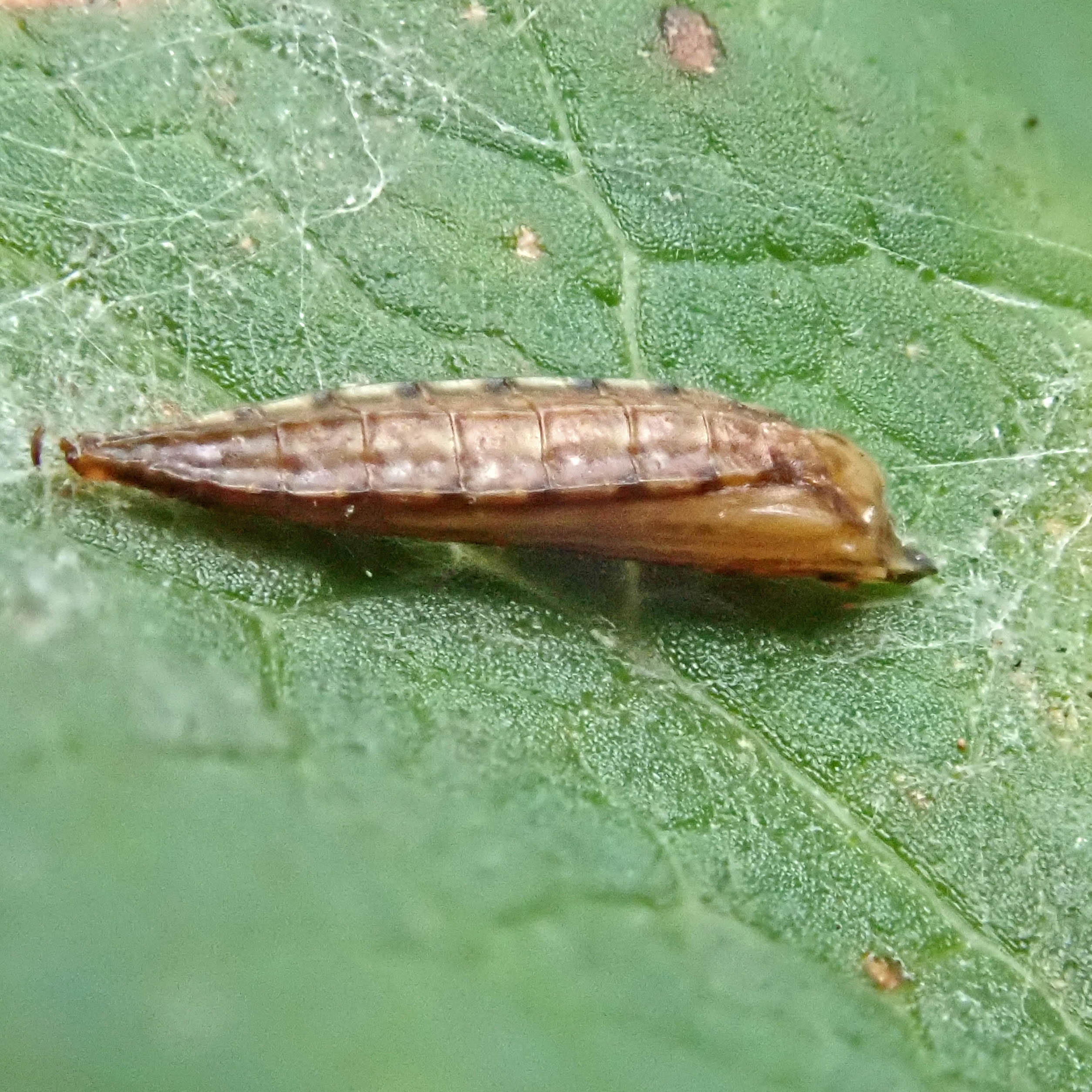
In the intervening six days, another larva has pupated – I hadn’t even realised there was another larva in the leaves but, on Thursday, as the leaves began to dry and shrivel, it appeared, climbed up the side of the jar, spun a hammock under the lid, and pupated.
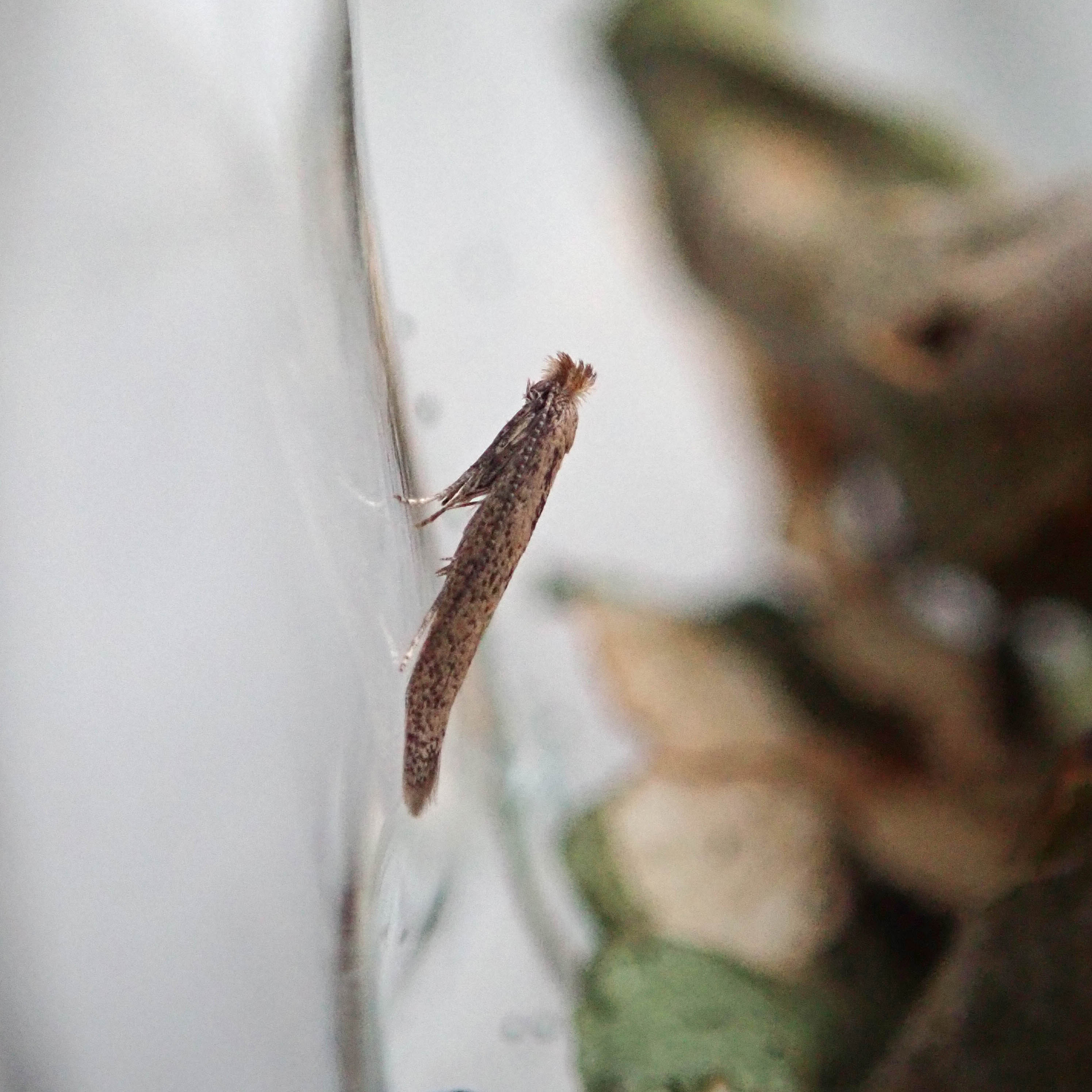
Then, yesterday, when the wild, wet, windy weather meant I spent a day at home – a rarity for me, two of the adult moths hatched from their pupae. I couldn’t get any decent images through the glass so decided to risk opening the jar to grab a few quick photos.
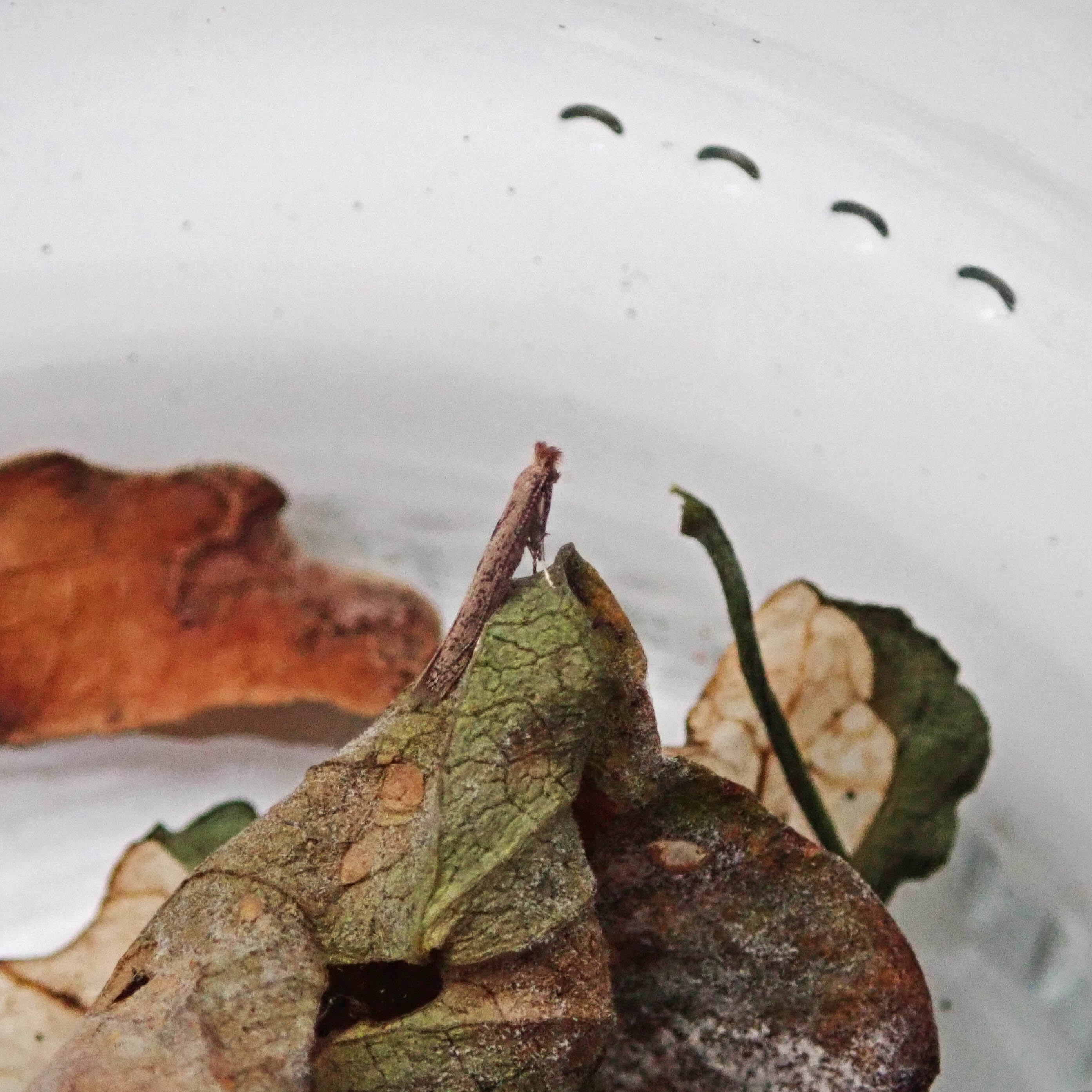
And today I released them into the wild. All going well, there should be two more moths to come.
Like Loading...

Leafmines: Stigmella viscerella

18 Monday Aug 2025

Posted by sconzani in insects, trees

≈ Leave a comment

Tags

British leafmines, leaf-mining moth larvae, leaf-mining moths, leafmines on Wych elm, Stigmella viscerella, Wych elm

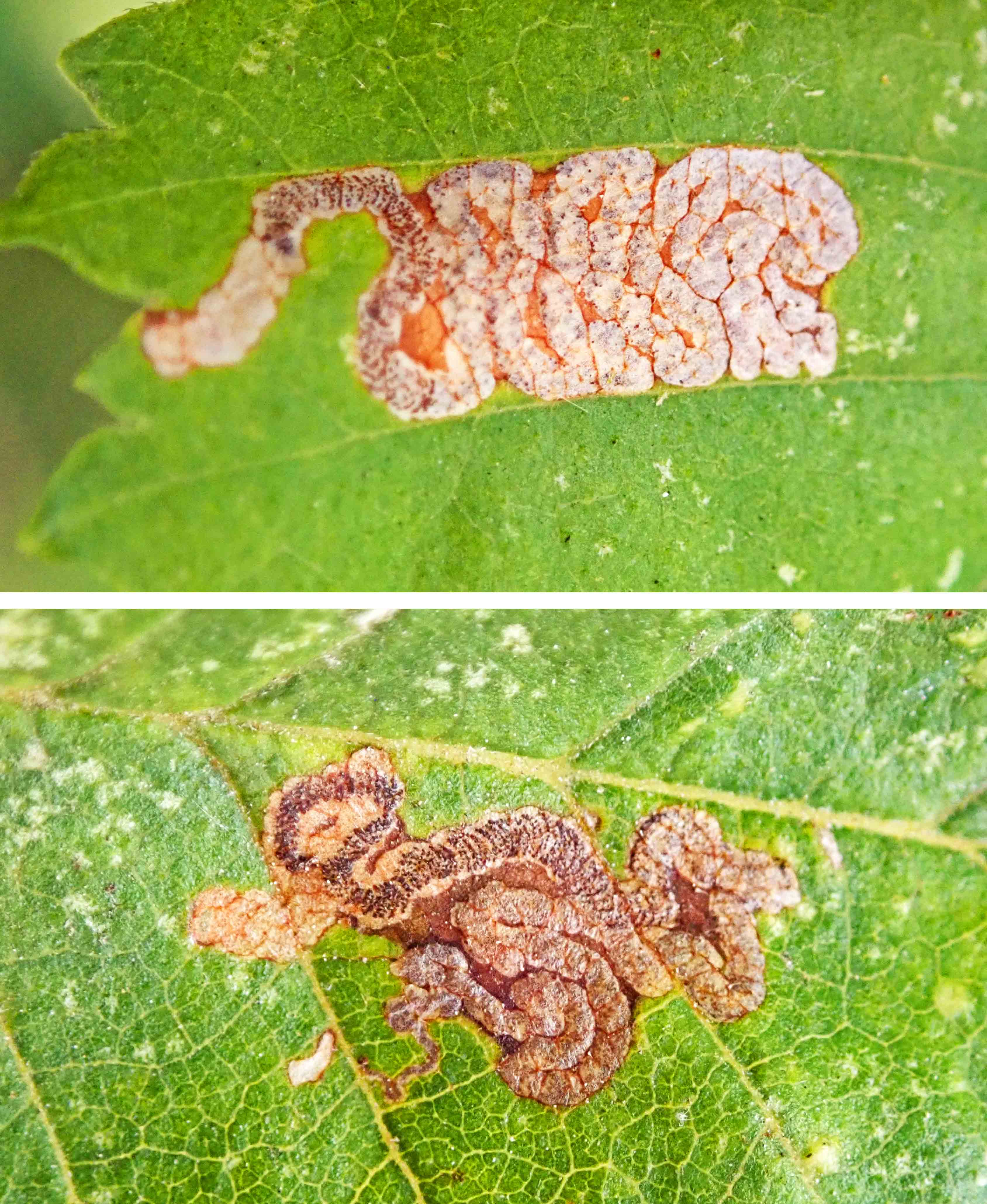
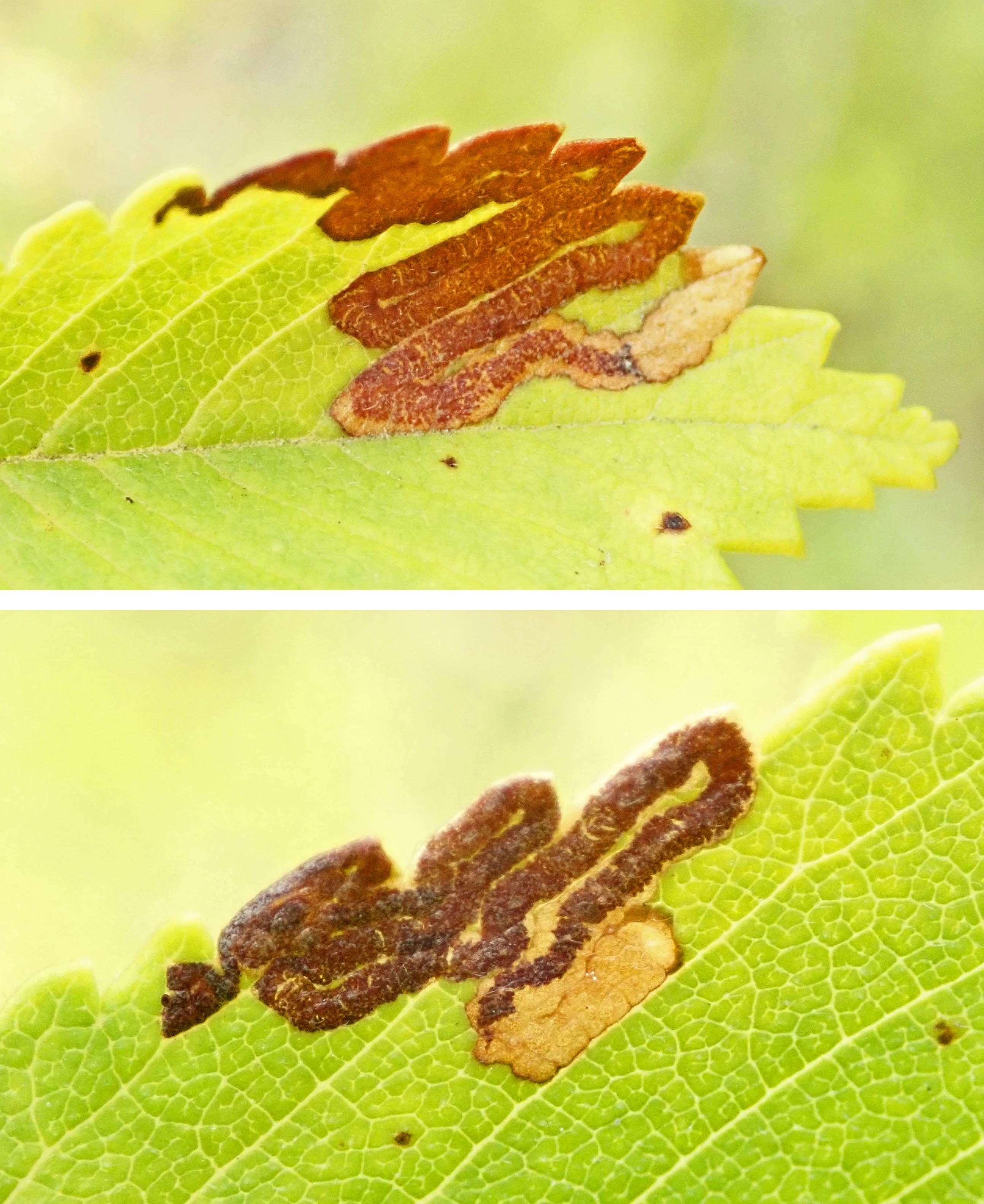
I’m often surprised when I find a new leafmine: how is it that I’ve not noticed this one before, and how many different leafmines can there be? The answer to the first question has to be that I haven’t been paying enough attention, and to the second that there are probably hundreds that I haven’t yet found.

Today’s new leafmines were made by larvae of the moth Stigmella viscerella, and the mines can be found on the leaves of Elm trees, in this case Wych elm (Ulmus glabra), during August and September. Now that I’m aware of them, I’ve managed to find the mines in two different locations on two separate days, which is why the elm leaves in the two sets of images look different in colour (one day was brighter than the other).

The epithet viscerella may seem odd – it comes from the Latin viscera, plural of viscus, and refers to the human body’s internal organs – but when I look at these mines, the twisting shapes of the frass-filled galleries do, indeed, remind me of human intestines. I presume that the adult moth is not often seen as the UK Moths website doesn’t have its photo but, if you’re curious to see what emerged from these ‘intestines’, I managed to find an image on the German Lepiforum website.

Like Loading...

Leafmines: Phyllonocnistis unipunctella

28 Monday Jul 2025

Posted by sconzani in insects, nature, trees

≈ Leave a comment

Tags

British leafmines, leaf-mining moth larvae, leaf-mining moths, leafmines on Poplar trees, Phyllonocnistis unipunctella

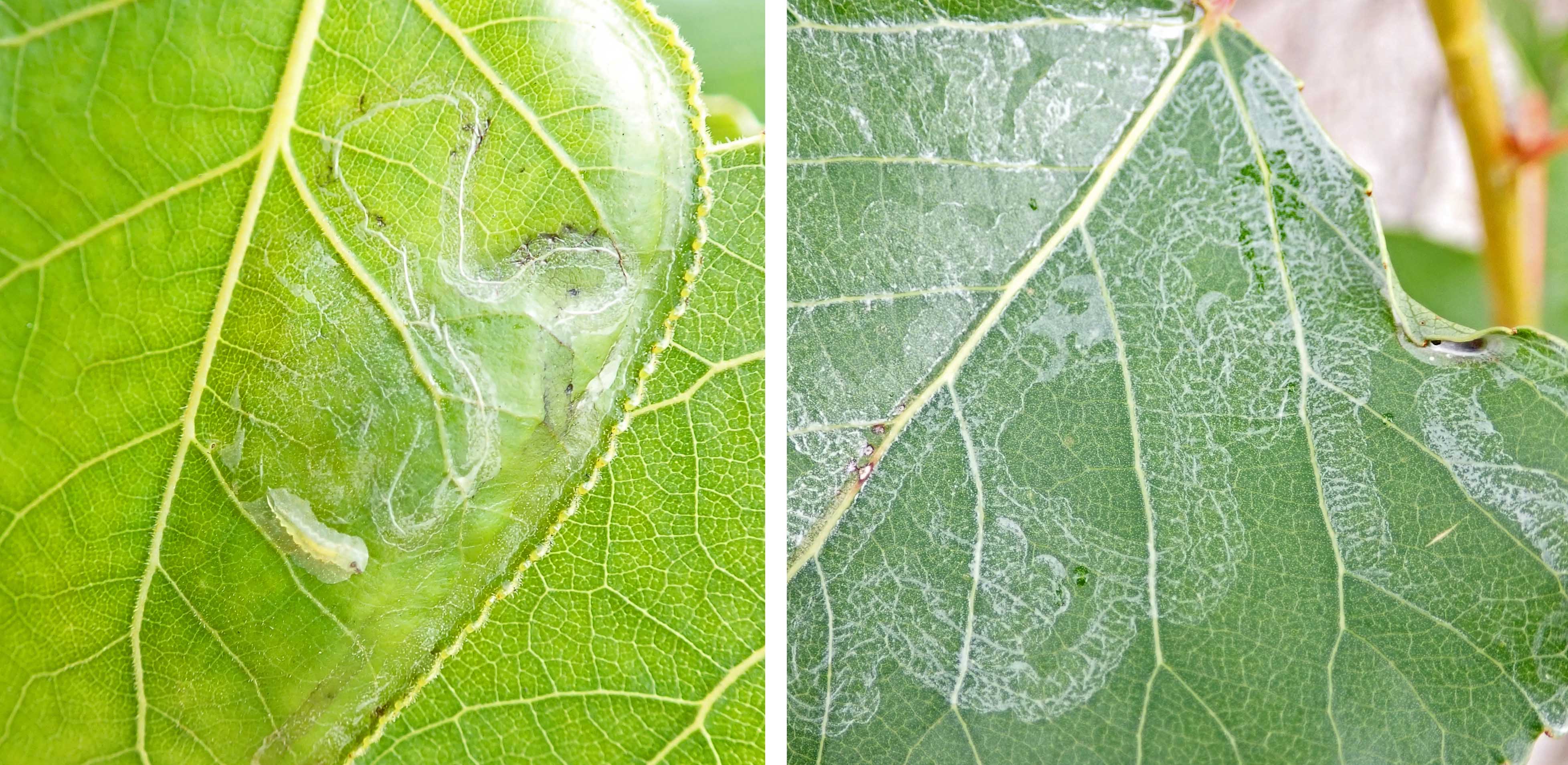
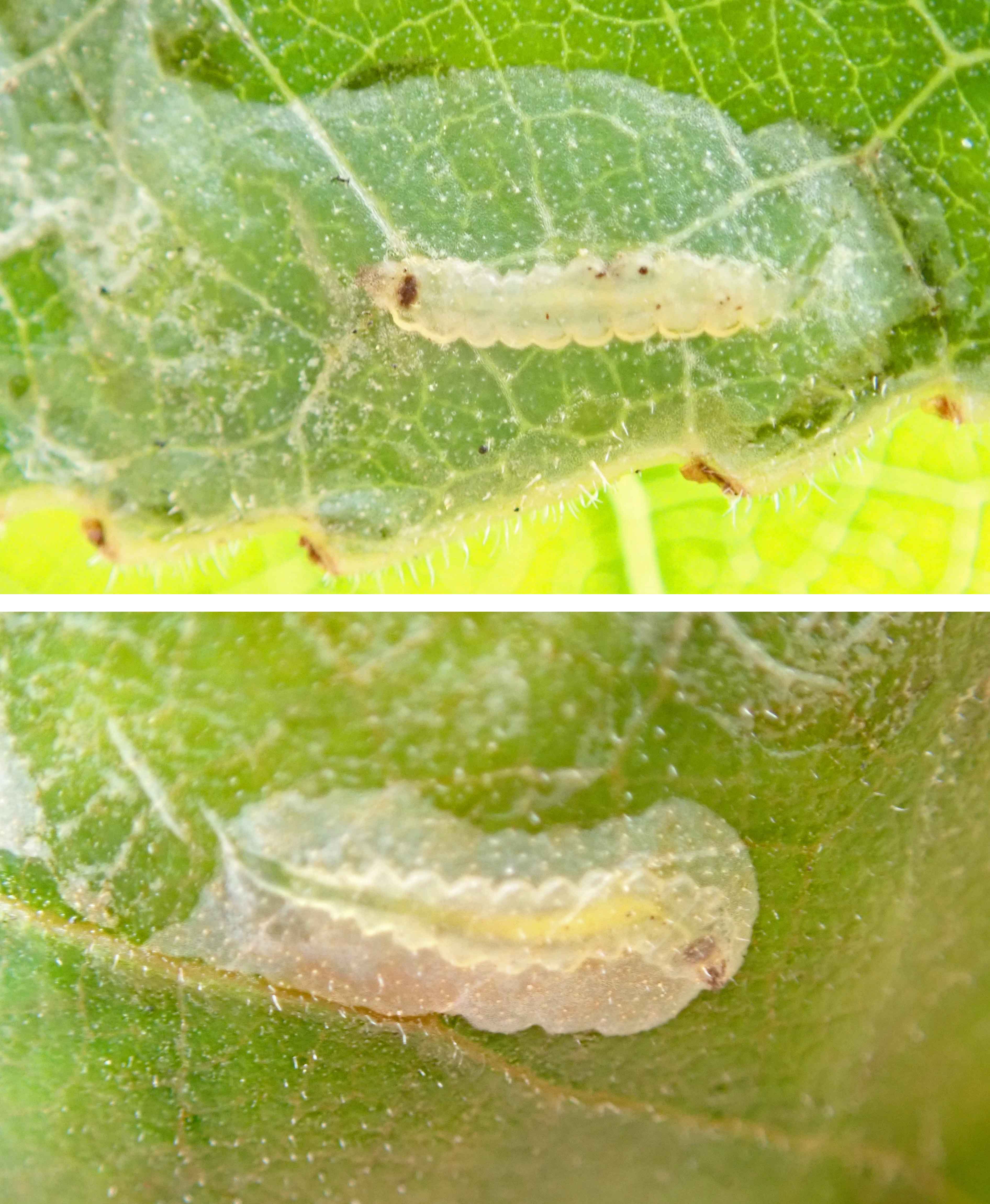
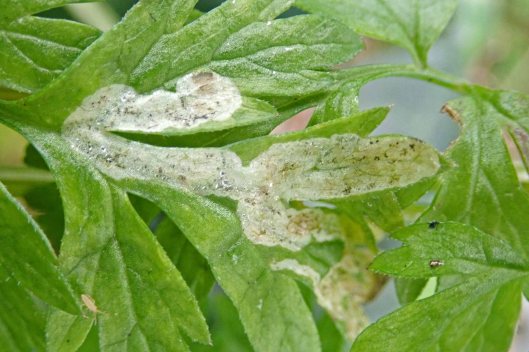
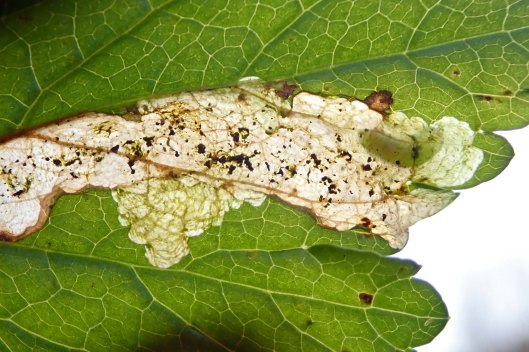
You could easily mistake the leafmines of the tiny moth Phyllonocnistis unipunctella for the dried trails of a snail after it had meandered around a leaf’s surface. This is due to the moth’s larvae mining just underneath the upper epidermis rather than more deeply within the leaf structure (and that can occur on the upper or lower surface of the leaf, though I’ve only found upper surface mines so far). The larvae also do not leave a trail of frass in the mine; I’ve not found any explanation for where that disappears to!

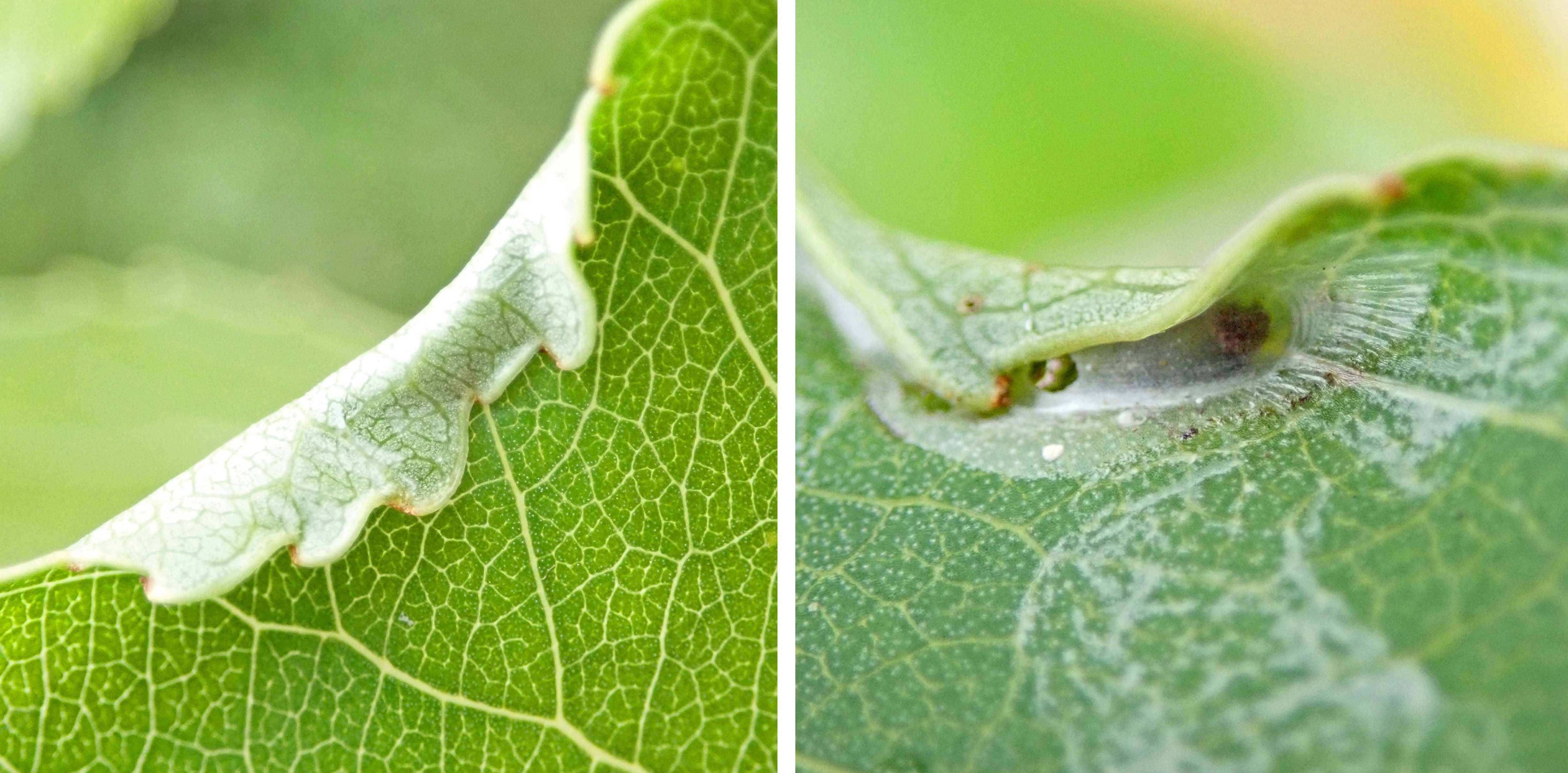
The fact that they mine so close to the leaf surface means the larvae are clearly visible within their mines, as you can see in my photos here. And, once they’ve munched as much leaf matter as necessary, they pupate in a silken membrane they create under the rolled down edge of the leaf, which you can also see in my images.

According to the British Leafminers website, Phyllonocnistis unipunctella uses three species of Populus as its larval plant: Black poplar (Populus nigra), Lombardy poplar (Populus x italica) and Black cottonwood (Populus trichocarpa). The mines shown here are from Black and Lombardy poplars found in a local park. You can see the adult moth, a pale silvery creature with a single dot near its tail end (hence the epithet unipunctella), on the UK Moths website.

Like Loading...

Leafmines: Phyllonorycters on Alder

14 Monday Jul 2025

Posted by sconzani in insects, trees

≈ Leave a comment

Tags

British leafmines, British moths, leaf-mining moth larvae, leafmines on Alder, moth larvae on Alder, Phyllonorycter rajella, Phyllonorycter stettinensis

It’s been a while since I’ve blogged about a new leaf-mining moth, and today you get two for the price of one.

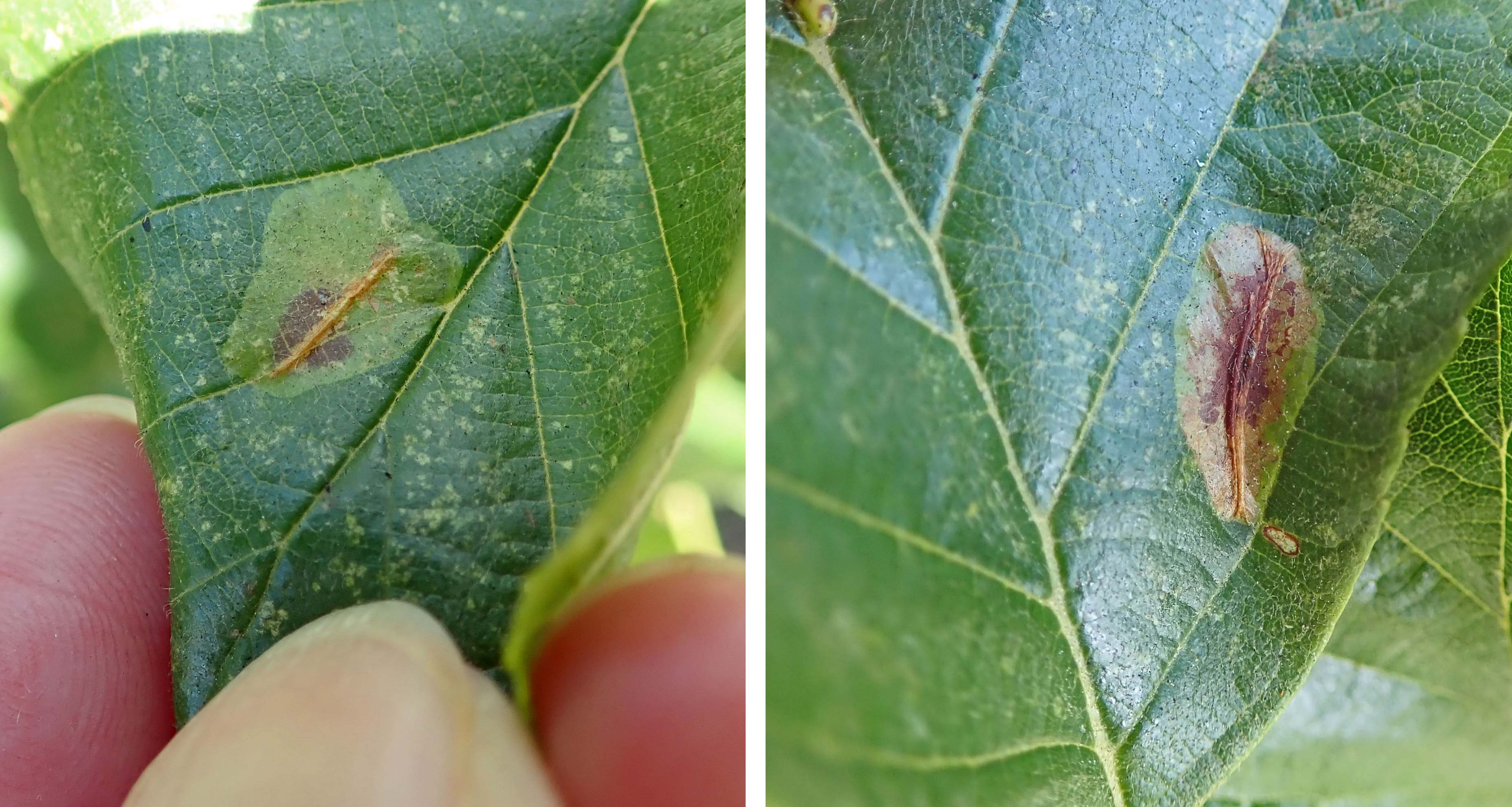
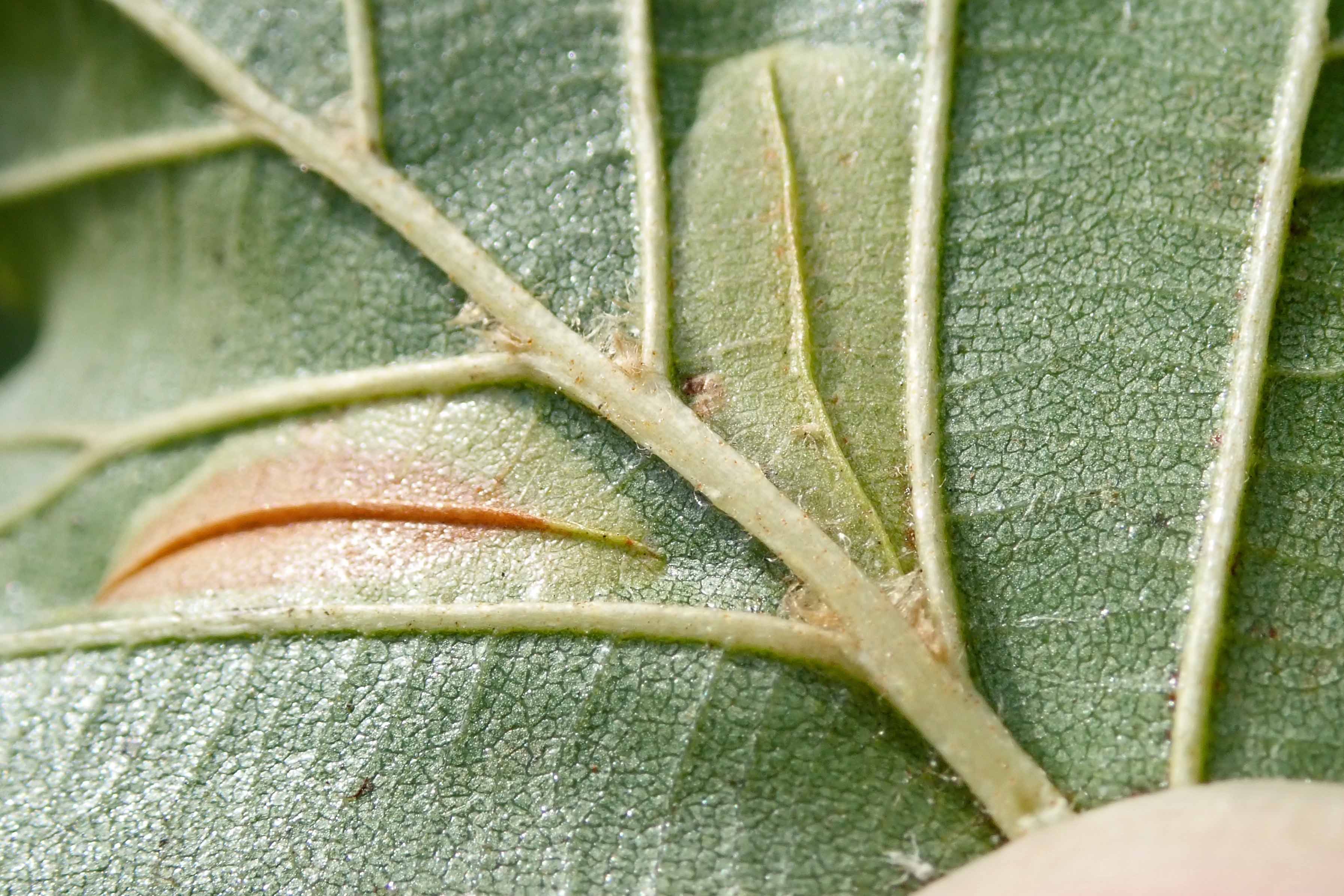
You see, the larvae of both these moths mine the leaves of Alder trees, creating a blotch with a single strong crease along the mine’s centre but, fortunately for those of us trying to identify these mines, there is one vital difference: the larval mines of Phyllonorycter rajella (below) can be found on the underside of the leaf, whereas the mines of Phyllonorycter stettinensis (above) are on the upper side of the leaf.

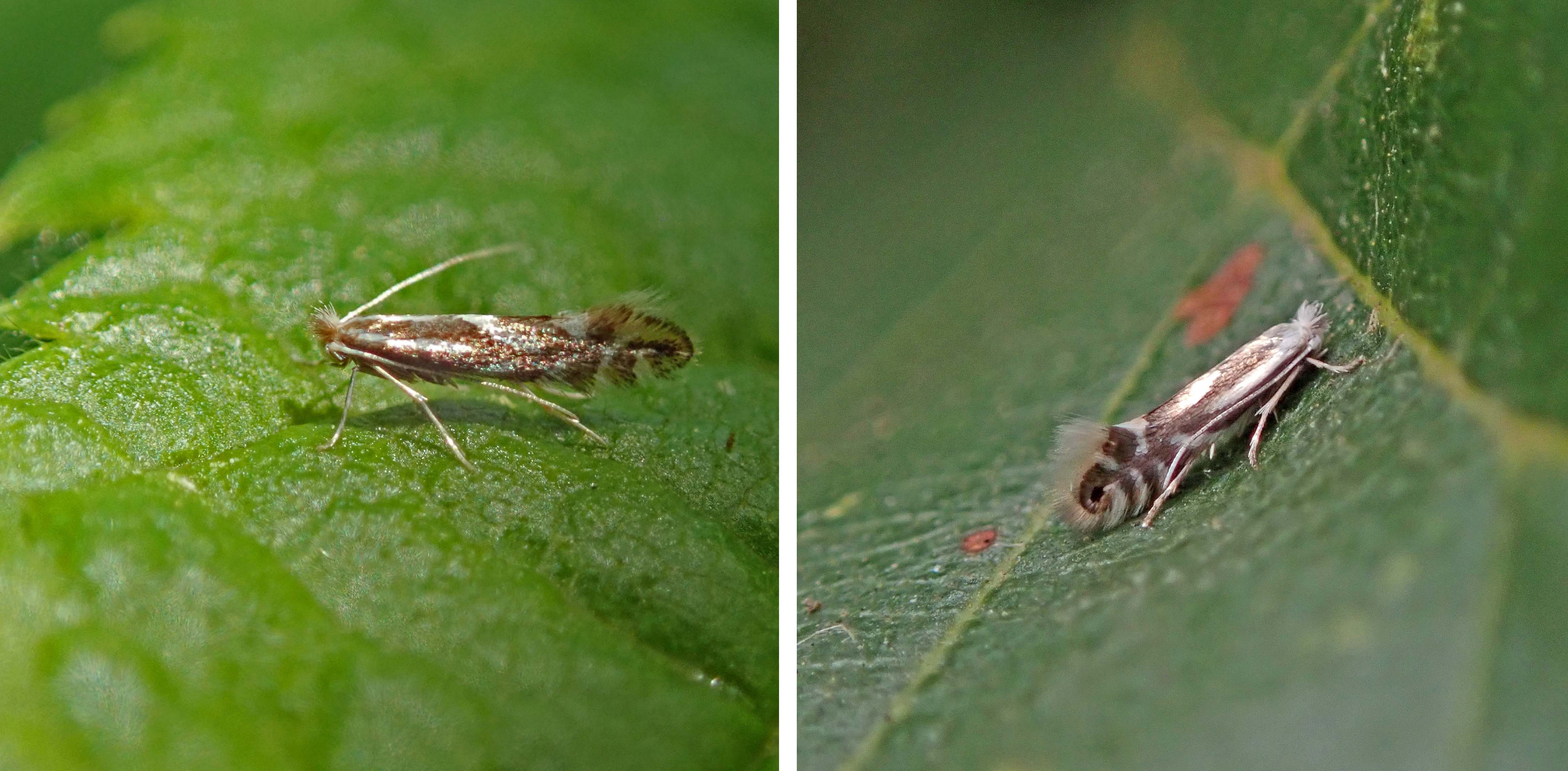
Both moths are bivoltine, i.e. they produce two generations each year; in both cases, the adult moths are active in May and again in August, so there’s a good chance of seeing the mines right through the summer. Amazingly, I’ve actually seen the adult Phyllonorycter rajella moth several times – two instances are shown below, but you can see better images of the very pretty adult moths of both these species on the UK Moths website: click the name to see Phyllonorycter rajella here, and Phyllonorycter stettinensis here.

Like Loading...

Leafmines: Orchestes alni

28 Monday Apr 2025

Posted by sconzani in insects, trees

≈ Leave a comment

Tags

British leafmines, British weevils, leaf-mining weevil larvae, leafmines on Wych elm, Orchestes alni, weevil leafmines, weevils on Elm species

It seems, from my online research, that some of my North American readers may consider today’s creature a pest (see, for example, this web page from The Morton Arboretum in Illinois) but, here in Britain, sightings are few and far between; my find was the first in my local 10km area since 1916, and only 20 records are showing in the Welsh biodiversity database.

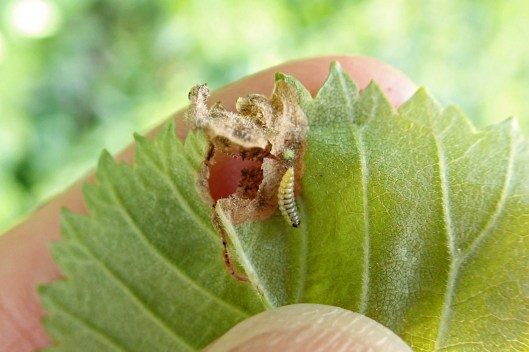
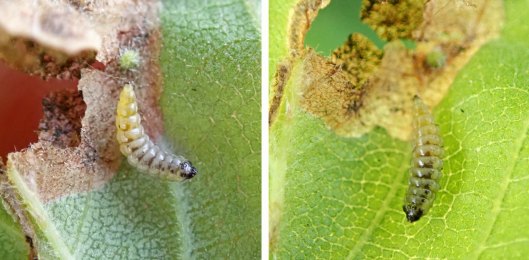
Making a change from the usual moth and fly larvae leafminers, today’s mines were made by the larvae of a weevil, Orchestes alni, also known as the European elm flea weevil. The adult female weevil lays her eggs inside the midrib of a leaf on one of the Elm species, in this case on Wych elm (Ulmus glabra); you might just be able to make out the scar in the midrib of the underside of the leaf, shown in the photo on the right above. Once hatched, the tiny larva burrows into the leaf, initially creating a gallery mine running towards the leaf edge, then the mine widens out to a blotch. When it’s eaten its fill and the time is right, the larva spins itself a cocoon and pupates within the mine. The hole in the leaf shown above indicates that the adult weevil has emerged from its cocoon and exited the mine.

I found several mines on this one Wych elm, and most were already empty – this leafminer starts early in the season – but a couple were still occupied. As I didn’t think I would be damaging the weevil population and, yes, I was curious – I’d never seen a weevil larva before – I opened one of the mines. So, now you get to see a tiny weevil larva as well.

There is another weevil that also mines the leaves of Elm species, Orchestes betuleti, but, as I wrote above, Orchestes alni starts early in the season, whereas O. betuleti doesn’t usually begin egg-laying until May.

Like Loading...

Leafmines: Cerodontha species

21 Monday Apr 2025

Posted by sconzani in insects, plants

≈ Leave a comment

Tags

British flies, British leafmines, Cerodontha, fly pupa, leaf-mining flies, leafmines on Carex flacca, leafmines on Glaucous sedge

While checking Glaucous sedge (Carex flacca) for the leaf-mining moth larva I featured in last Monday’s post (Leafmines: Elachista cinereopunctella), this time at a different location, I found an altogether different leafminer. This larva had also munched a linear gallery inside the leaf but I knew when I saw the tiny black speck within the mine that this miner was a fly and the black speck was likely to be a pupa. I also guessed that it would be difficult to identify as fly miners often are so I brought home two of several pupae I found.

When I got home, I opened up one of the leaves to get a look at the pupa, took a few photos then popped the two snippets of sedge in a jar on my kitchen window sill to see what might emerge. Rob, from the British Leafminers website was able to confirm from my photo of the pupa that this was indeed a fly, likely belonging to the genus Cerodontha.

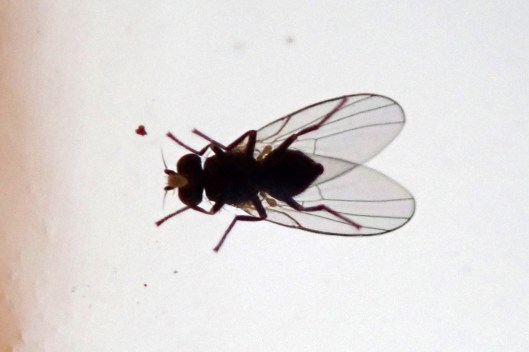
Twelve days later I was making my morning cup of tea when I noticed movement in the jar: a fly had emerged from the pupa I had photographed. Once again I took some photos and checked in with Rob – it was definitely a Cerodontha but a female, which are not as easy to pin to exact species as a male specimen (something to do with the genitalia, I suspect). Still, when I emailed Barry of the National Agromyzidae Recording Scheme, he thought an ID might be possible and volunteered to take a closer look. I’m waiting a few days to see if the second pupa hatches, then will send my specimens to him for further examination. If an exact identification results from that, I’ll update this post.

Like Loading...

Leafmines: Elachista cinereopunctella

14 Monday Apr 2025

Posted by sconzani in insects

≈ Leave a comment

Tags

British leafmines, Elachista cinereopunctella, Glaucous sedge-miner, leafmines, leafmines on Glaucous sedge, leafmining moth larvae, leafmining moths

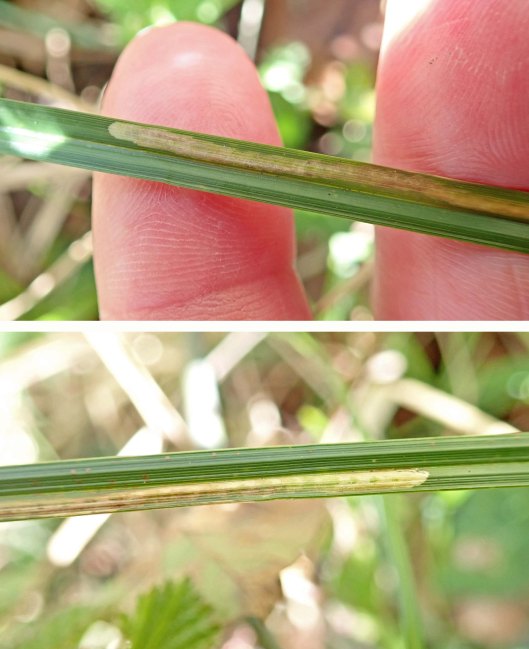
These two leafmines, in the leaves of Glaucous sedge (Carex flacca), may look quite boring and nondescript but scroll down to see what lies within.

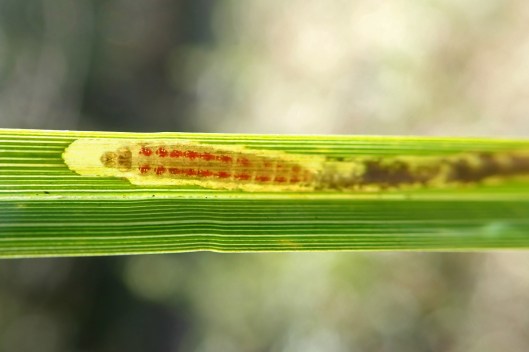
This is the stunning little larva of Elachista cinereopunctella, a moth that can be found throughout Britain but only in areas where its larval plants can be found (mainly Glaucous sedge, but some other sedges are also used). And the moth’s not actually that common in Wales, with just 13 records showing in the national biodiversity database. This may be because the adult moth is also rather nondescript (see a photo on the UK Moths website here) and few people look for and record the leaf-mining larval stage. I was lucky to be directed to the presence of these mines by my friendly local moth expert, George, though it still took some poking about the sedges in a local area of woodland to find them.

Like Loading...

Leafmines on Spring flowers

17 Monday Feb 2025

Posted by sconzani in insects, spring, wildflowers

≈ Leave a comment

Tags

British leafmines, Chromatomyia primulae, leafmines, leafmines on lesser celandine, leafmines on primrose, leafmines on spring wildflowers, Phytomyza ranunculi

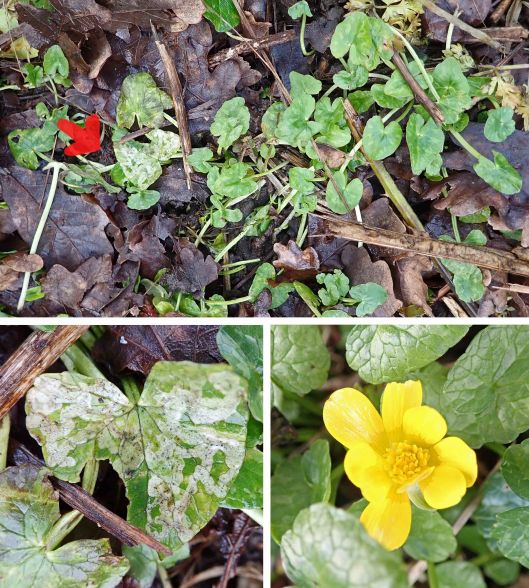
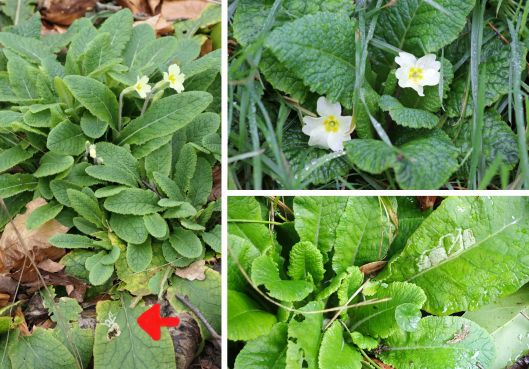
While you’re admiring the beautiful Spring wildflowers that are now beginning to bloom, keep an eye out for leafmines on their leaves. These are two examples that seem widespread and easy to find. I’ve linked to my previous blogs on these species so you can read more if you so choose.

Phytomyza ranunculi on Lesser celandine

Chromatomyia primulae on Primrose

Like Loading...

Leafmining in the dead of winter

03 Monday Feb 2025

Posted by sconzani in insects, plants, winter

≈ Leave a comment

Tags

British leafminers, British leafmines, Chromatomyia ramosa, Euleia heraclei, leafmines, leafmining flies, leafmining moths, Phyllonorycter leucographella, Phytomyza chaerophylli

I reminded myself during Saturday’s meander around local trails and pathways that leafmining can be a year round pastime. I didn’t find anything new but I did find several miners that I’ve seen and blogged about before. So, if you’ve a mind to get started on your personal journey of discovering leafmines, there’s no need to wait until the warmer months.

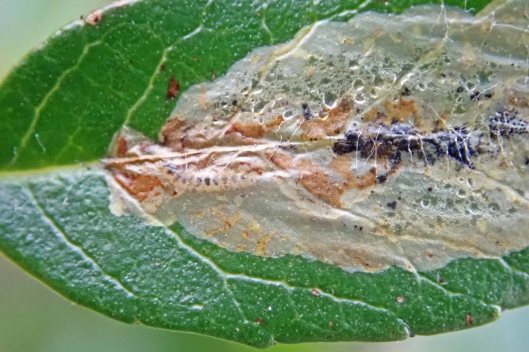
Phyllonorycter leucographella on one of the Pyracantha species. The tiny larva, with its black on white markings, is just visible within the mine.

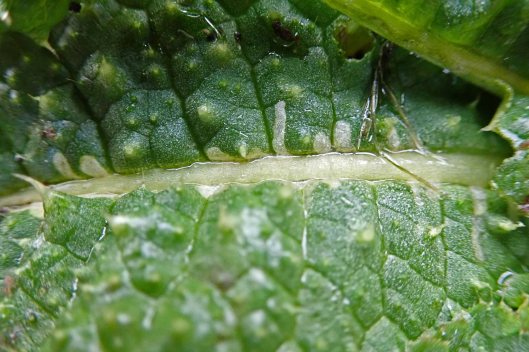
Chromatomyia ramosa just getting started on a new Teasel rosette

Phytomyza chaerophylli on newly sprouted Cow parsley

Euleia heraclei on Alexanders, a plant that grows almost constantly and very prolifically here in coastal south Wales. I held the leaf up to the light so as to show the larva within.

Like Loading...

Leafmines: Ectoedemia argyropeza

11 Monday Nov 2024

Posted by sconzani in autumn, insects, leaves, trees

≈ Leave a comment

Tags

Aspen, British leafmines, Ectoedemia argyropeza, leaf-mining moth larvae, leafmines on Aspen

The new leafmines are coming thick and fast this year, not because my skills are improving but rather because I’m following the right people on social media and take my inspiration for searching from what they’re finding.

241111 Ectoedemia argyropeza (1)

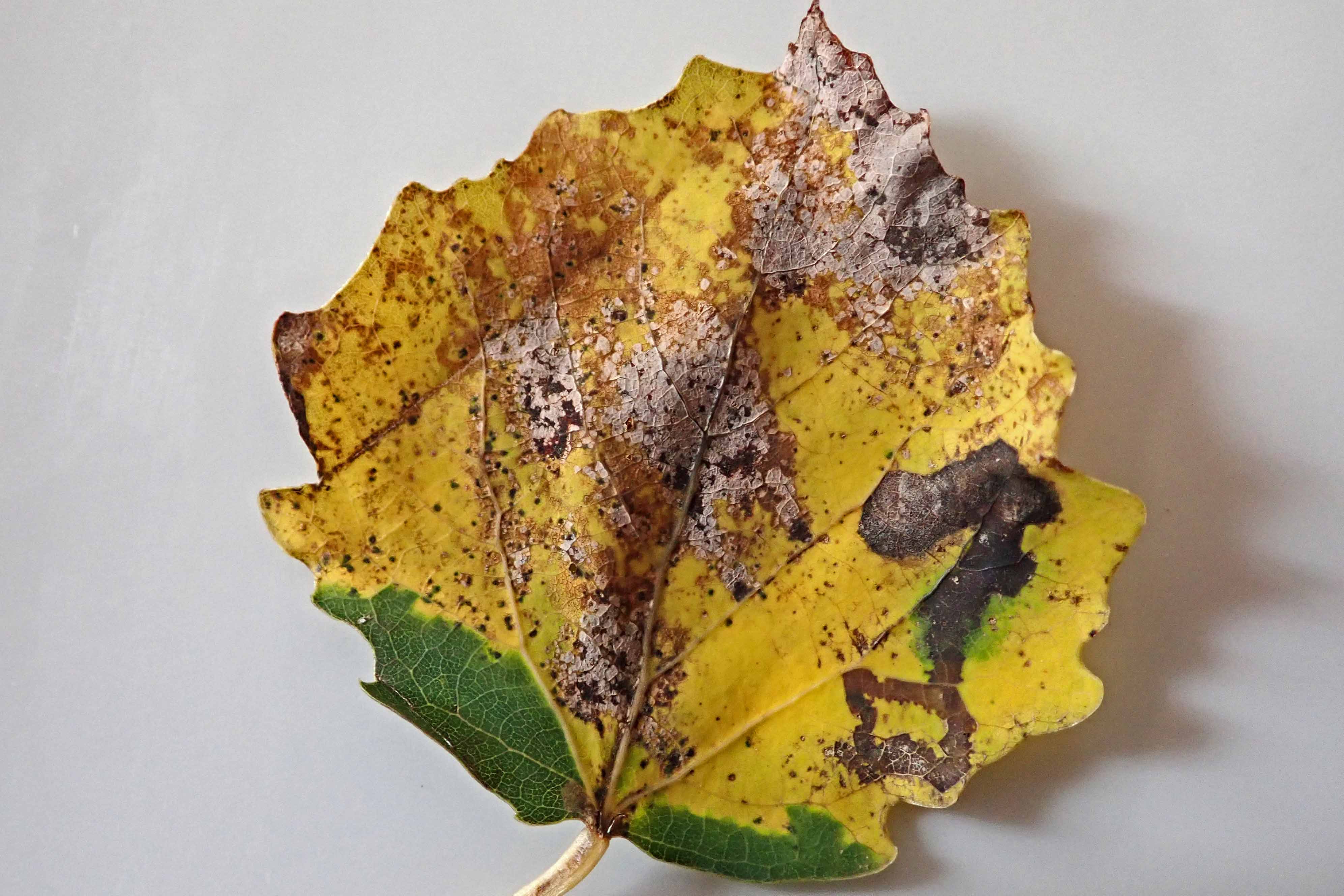
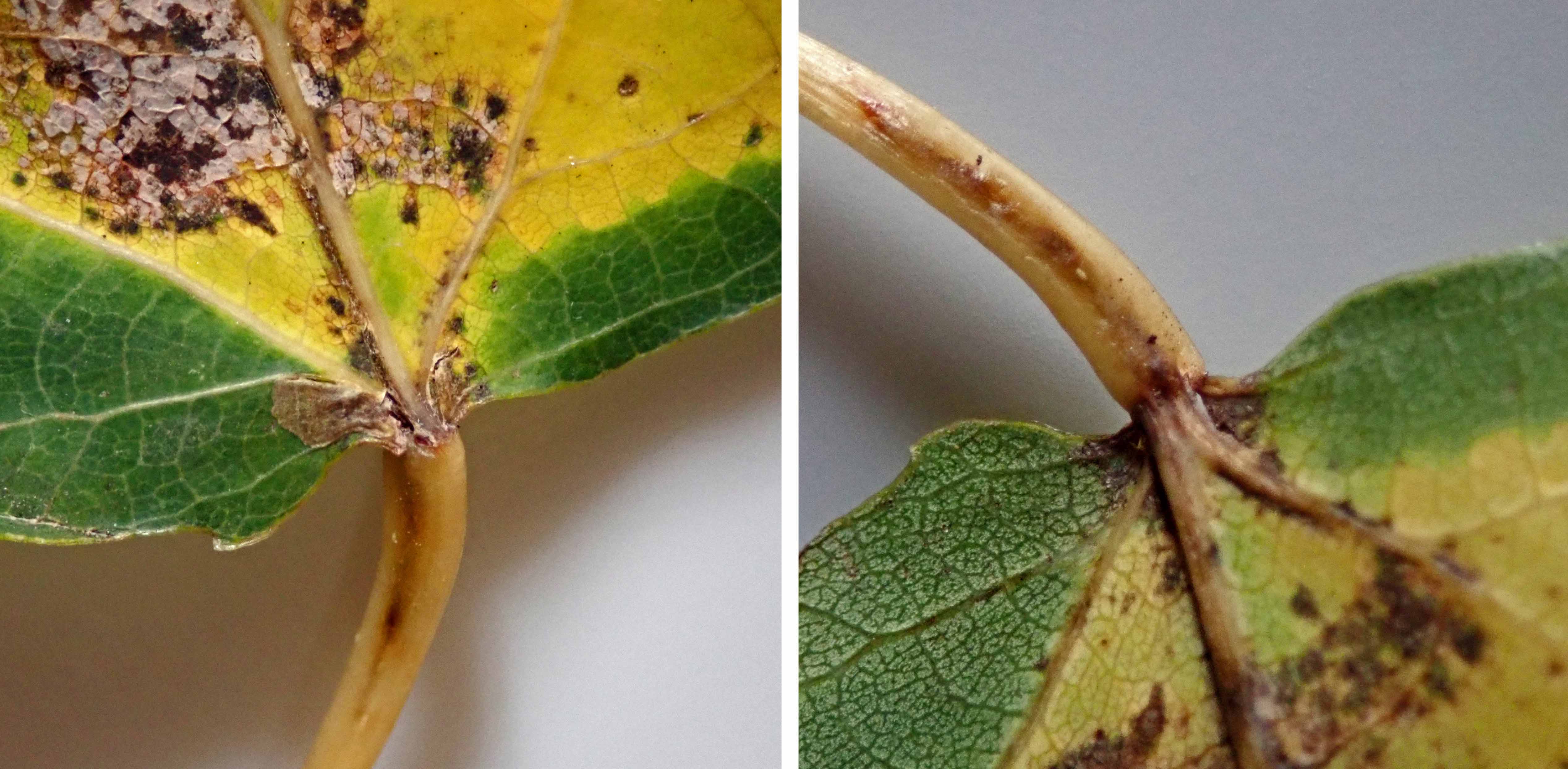
Today’s leafmines, made by the larvae of the moth Ectoedemia argyropeza, can be found on Aspen (Populus tremula) between July and November. They are easier to spot later in the season when the leaves turn brown and begin to fall as the mines cause the surrounding leaf area to remain green – the so-called ‘green islands’ that some moth species have the ability to create through the chemicals they secrete, which allows them to continue feeding in their portion of the leaf. The other thing to look for with these miners is the brown mark in the leaf petiole, where the mine originated.

241111 Ectoedemia argyropeza (2)

Though I don’t often bring home the mines I find, in this instance I had been unable to get good photos along the busy road so brought home one leaf. I temporarily forgot about the leaf for a couple of days and , when I opened the little pot it was in, found the larva had left the mine so I am also able to show you what it looks like, below.

241111 Ectoedemia argyropeza (3)

Like Loading...
← Older posts

About me

sconzani

sconzani

I'm a writer and photographer; researcher and blogger; birder and nature lover; countryside rambler and city strider; volunteer and biodiversity recorder.

View Full Profile →

Follow earthstar on WordPress.com

Enter your email address to follow this blog and receive notifications of new posts by email.

Recent blog posts

  • M is for mite December 18, 2025
  • L is for lepidopteran lifers December 17, 2025
  • K is for Keeled skimmers December 16, 2025
  • J is for Jersey tiger December 15, 2025
  • I is for Ichneumon December 14, 2025

From the archives

COPYRIGHT

Unless otherwise acknowledged, the text and photographs on this blog are my own and are subject to international copyright. Nothing may be downloaded or copied without my permission.

Fellow Earth Stars!

  • Unknown's avatar
  • Unknown's avatar
  • Unknown's avatar
  • Unknown's avatar
  • Unknown's avatar
  • Unknown's avatar
  • Unknown's avatar
  • Unknown's avatar
  • Unknown's avatar
  • Unknown's avatar
  • Unknown's avatar
  • Unknown's avatar
  • Unknown's avatar
  • Unknown's avatar
  • Unknown's avatar
  • Unknown's avatar
  • Unknown's avatar
  • Unknown's avatar
  • Unknown's avatar
  • Unknown's avatar
  • Unknown's avatar
  • Unknown's avatar
  • Unknown's avatar
  • Unknown's avatar
  • Unknown's avatar
  • Unknown's avatar
  • Unknown's avatar
  • Unknown's avatar
  • Unknown's avatar
  • Unknown's avatar
  • Unknown's avatar
  • Unknown's avatar
  • Unknown's avatar
  • Unknown's avatar
  • Unknown's avatar
  • Unknown's avatar
  • Unknown's avatar
  • Unknown's avatar
  • Unknown's avatar
  • Unknown's avatar
  • Unknown's avatar
  • Unknown's avatar
  • Unknown's avatar
  • Unknown's avatar
  • Unknown's avatar
  • Unknown's avatar
  • Unknown's avatar
  • Unknown's avatar
  • Unknown's avatar
  • Unknown's avatar

Blog at WordPress.com.

Privacy & Cookies: This site uses cookies. By continuing to use this website, you agree to their use.
To find out more, including how to control cookies, see here: Cookie Policy
  • Subscribe Subscribed
    • earthstar
    • Join 667 other subscribers
    • Already have a WordPress.com account? Log in now.
    • earthstar
    • Subscribe Subscribed
    • Sign up
    • Log in
    • Report this content
    • View site in Reader
    • Manage subscriptions
    • Collapse this bar
 

Loading Comments...
 

You must be logged in to post a comment.

    %d