• ABOUT
  • BIRDING 2018
  • Birding 2019
  • BLOG POSTS
  • Butterflies 2018
  • Resources

earthstar

~ a celebration of nature

earthstar

Tag Archives: British wildflowers

Pinkish wildflowers

12 Wednesday Nov 2025

Posted by sconzani in autumn, flowers, wildflowers

≈ 4 Comments

Tags

autumn colour, autumn wildflowers, British wildflowers, pink flowers, pink wildflowers

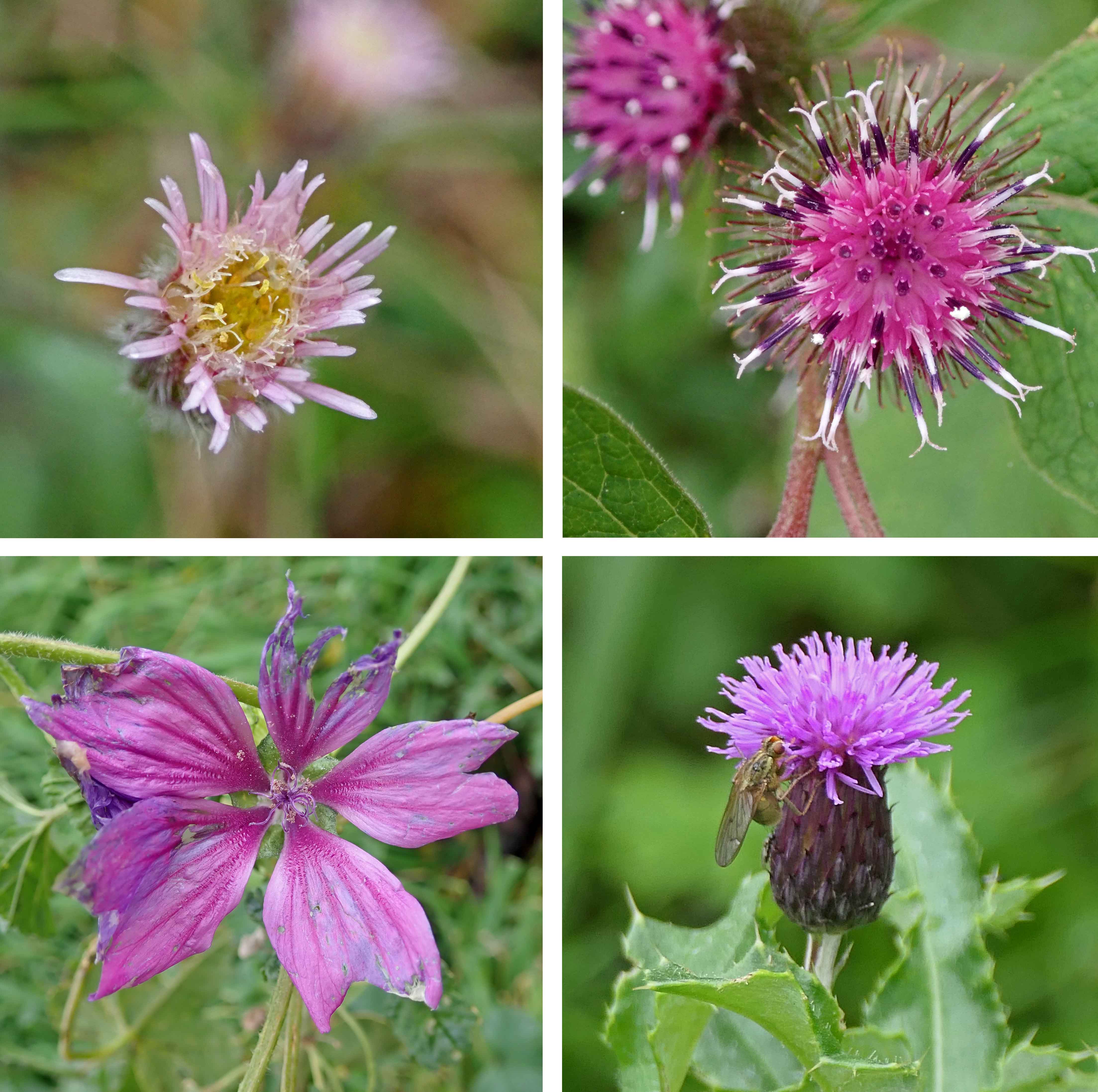
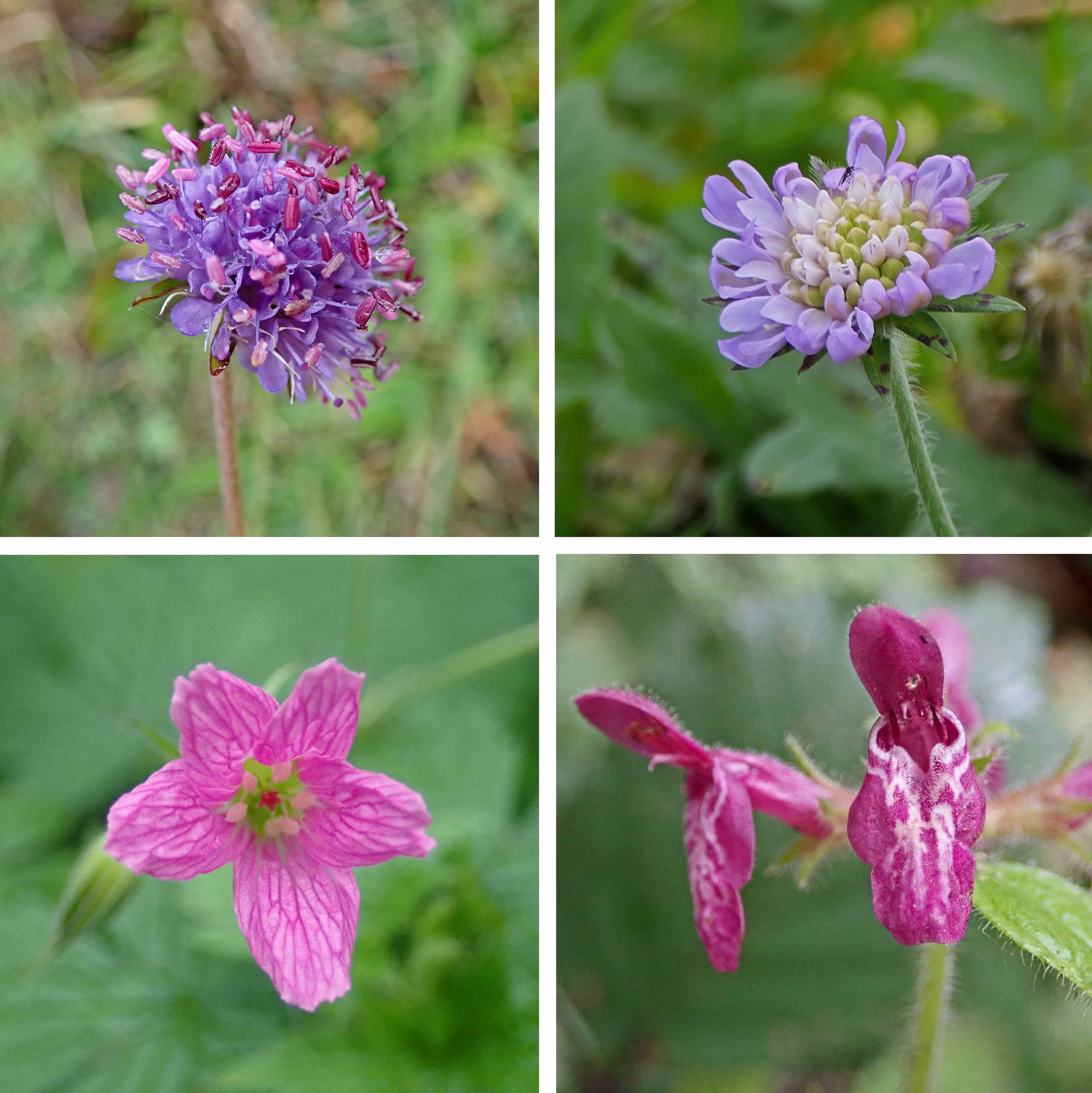
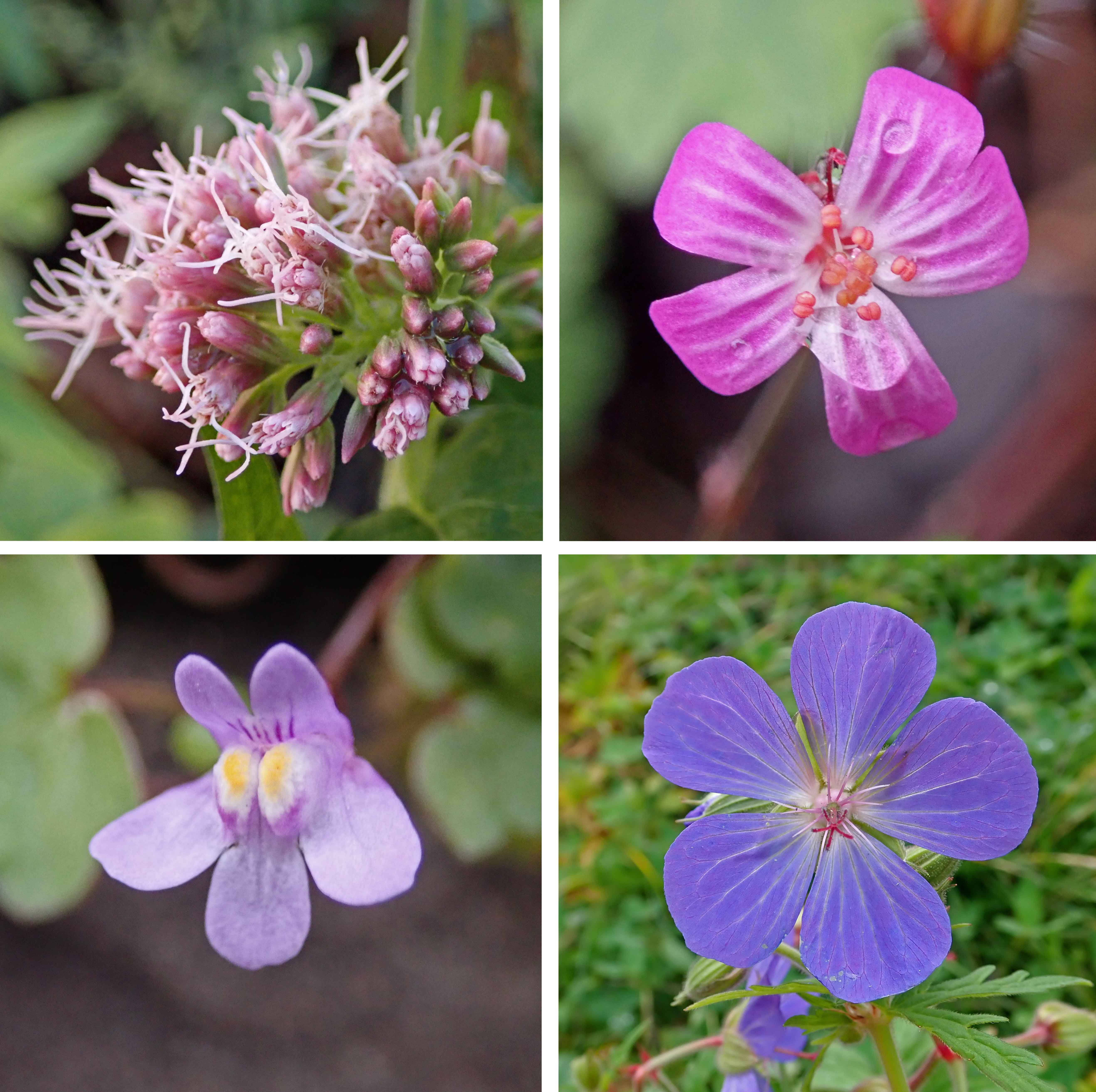
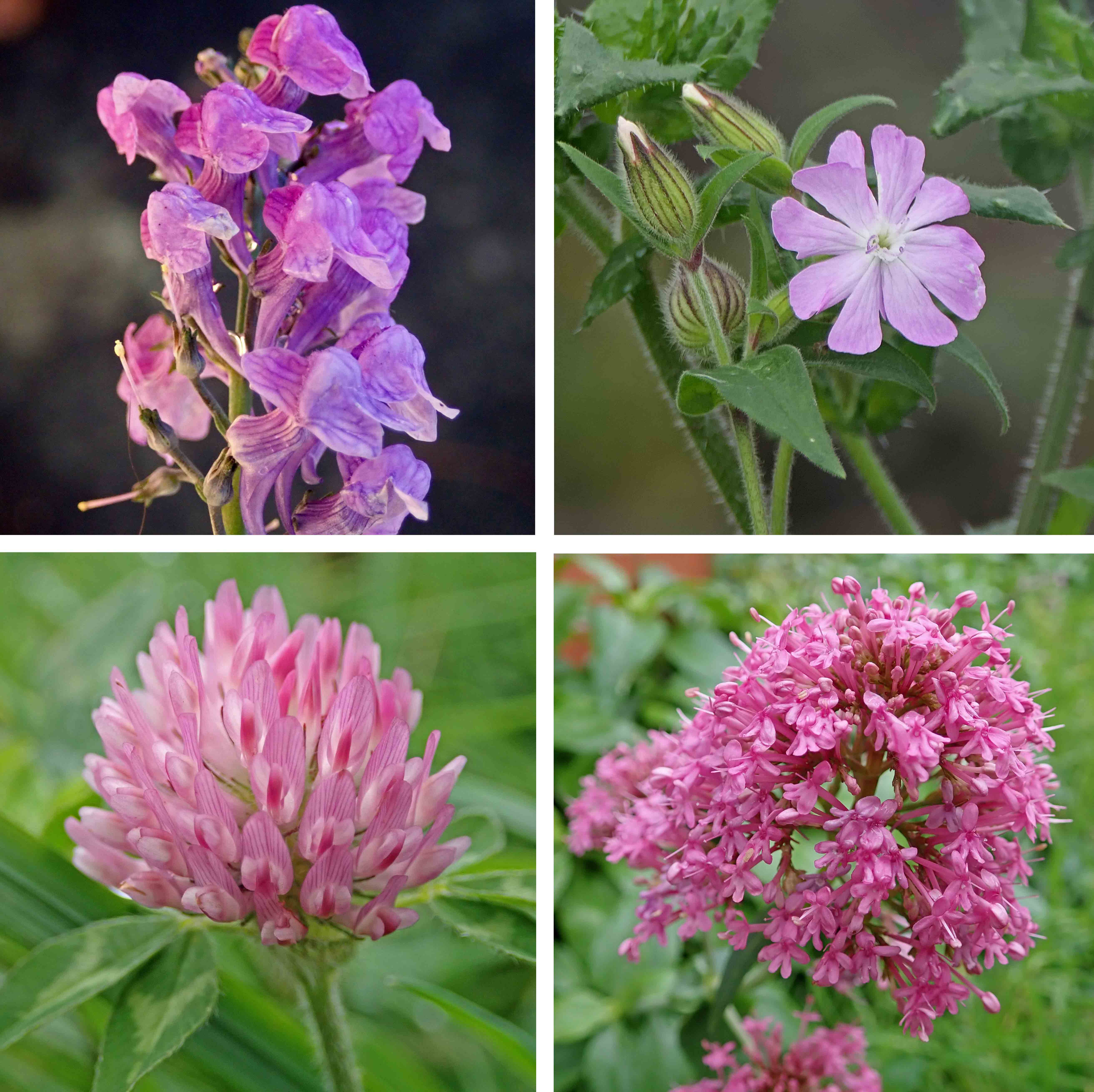
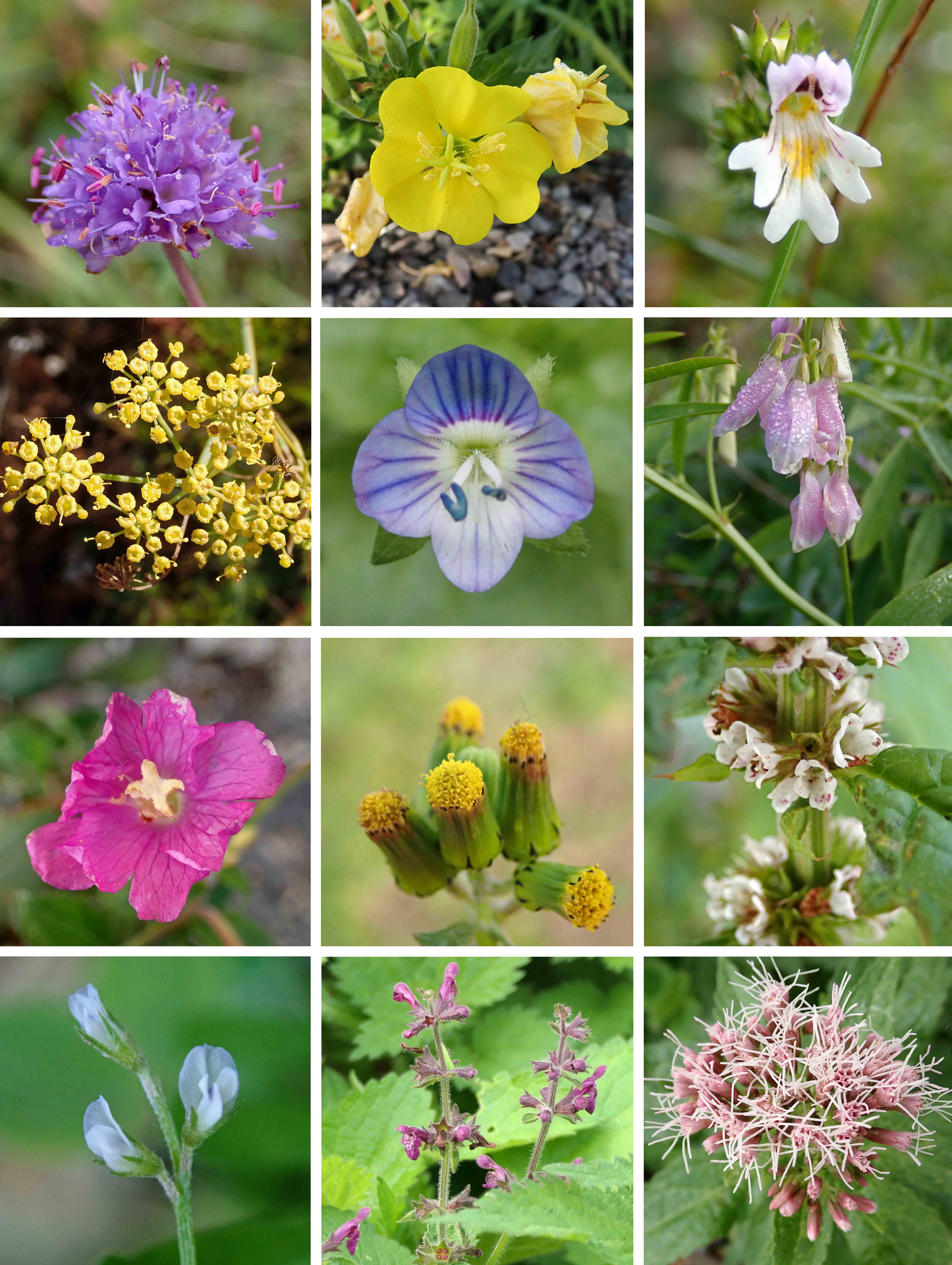
It’s been a very grey week here so I thought I’d change things up and we’d have a splash of mid week colour. During my daily walks last week, I took photos of all the pinkish-coloured wildflowers I found – more than I expected but, after our very dry summer, the wet but mild autumn weather has caused a flush of late growth and flowering in the local flora.

Blue fleabane, Burdock, Common mallow, and Creeping thistle

Devil’s-bit and Field scabious, Pencilled geranium, and Hedge woundwort

Hemp agrimony, Herb Robert, Ivy-leaved toadflax, and Meadow crane’s-bill

Purple toadflax, Red campion, Red clover, and Red valerian

Like Loading...

The scabious and the bee

19 Sunday Oct 2025

Posted by sconzani in autumn, insects, wildflowers

≈ Leave a comment

Tags

British wildflowers, Common carder bee, Common carder on Devil's-bit scabious, Devil's-bit scabious, insects on Devil's-bit scabious

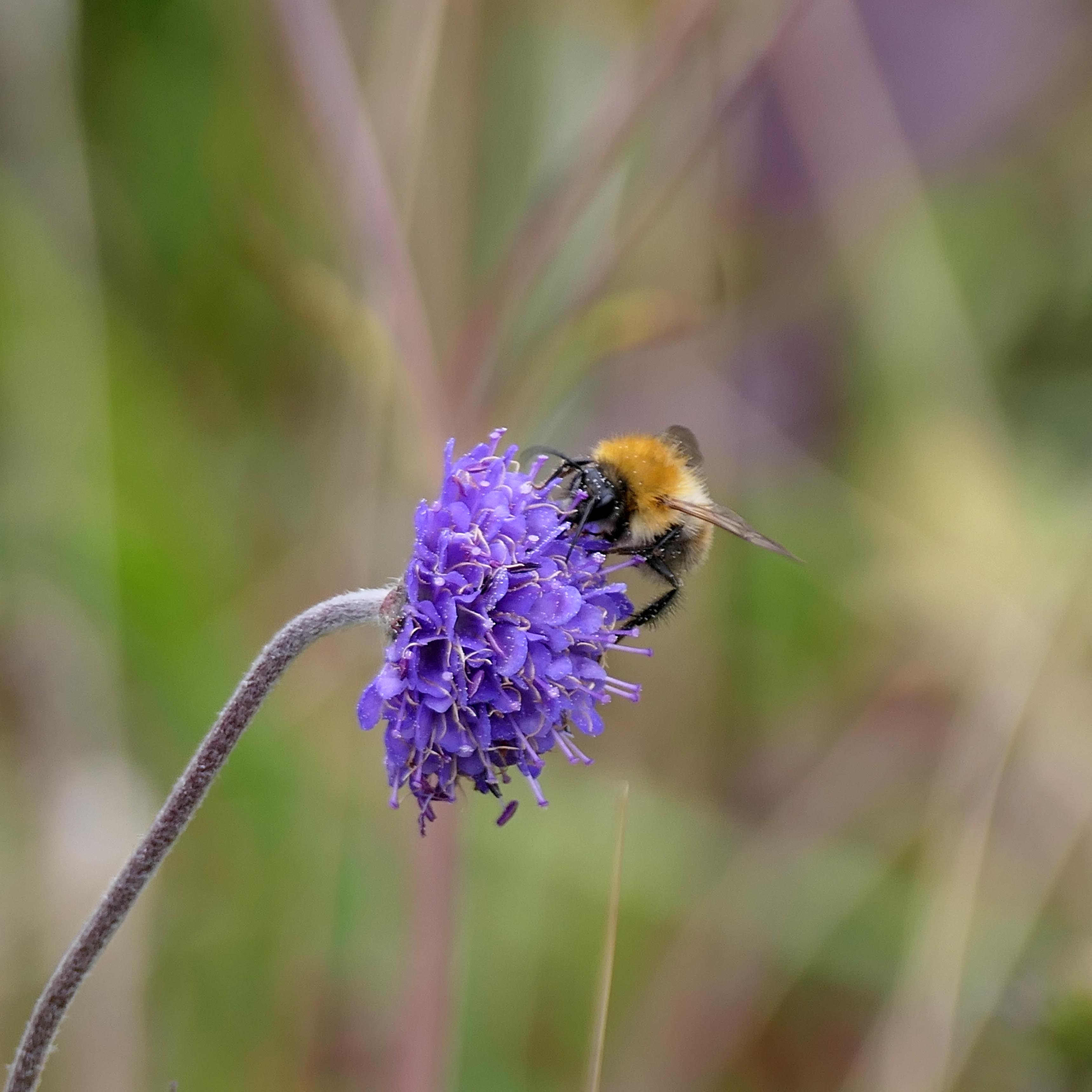
This has been such a strange year for flora and fauna. Usually, in mid autumn, I’d be checking what insects I could find on the Devil’s-bit scabious flowers, as they are one of the last sources of nourishment for many of our flying insects. Not this year. The summer drought seems to have led to a lot of our local insects either failing to breed second and third generations or, perhaps, just dying off earlier than usual due to a lack of food, and the Devil’s-bit scabious flowers are nowhere near as lush as they normally are. When I walked through a local nature reserve this week, I found just one Common carder bee on the scabious … just one! It will be very interesting to see what effect this changing climate has on next year’s flora and fauna when they begin to grow and emerge.

Like Loading...

The ones I missed

12 Sunday Oct 2025

Posted by sconzani in autumn, flowers, plants, wildflowers

≈ Leave a comment

Tags

autumn colour, autumn flowering wildflowers, autumn flowers, British wildflowers

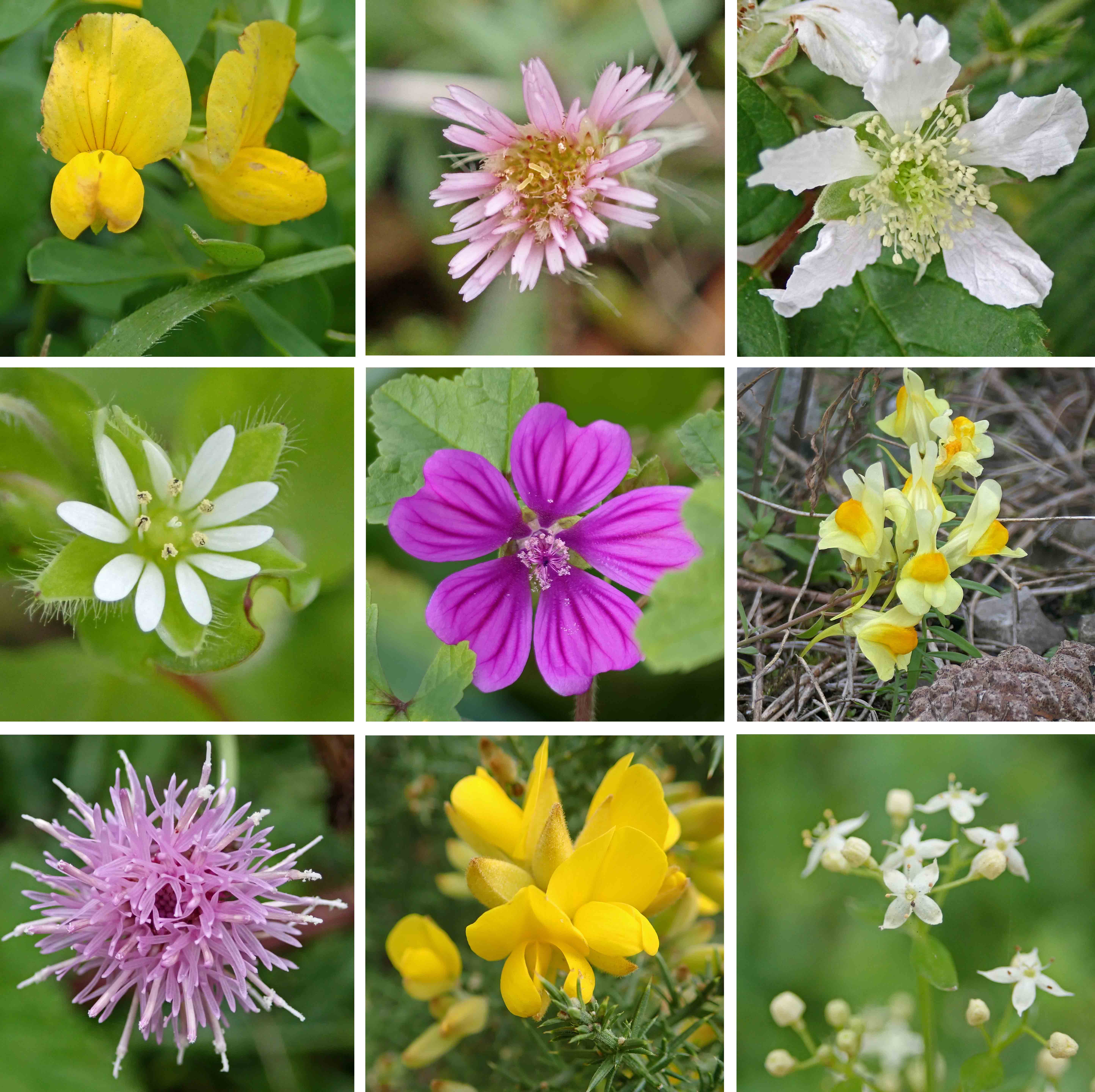
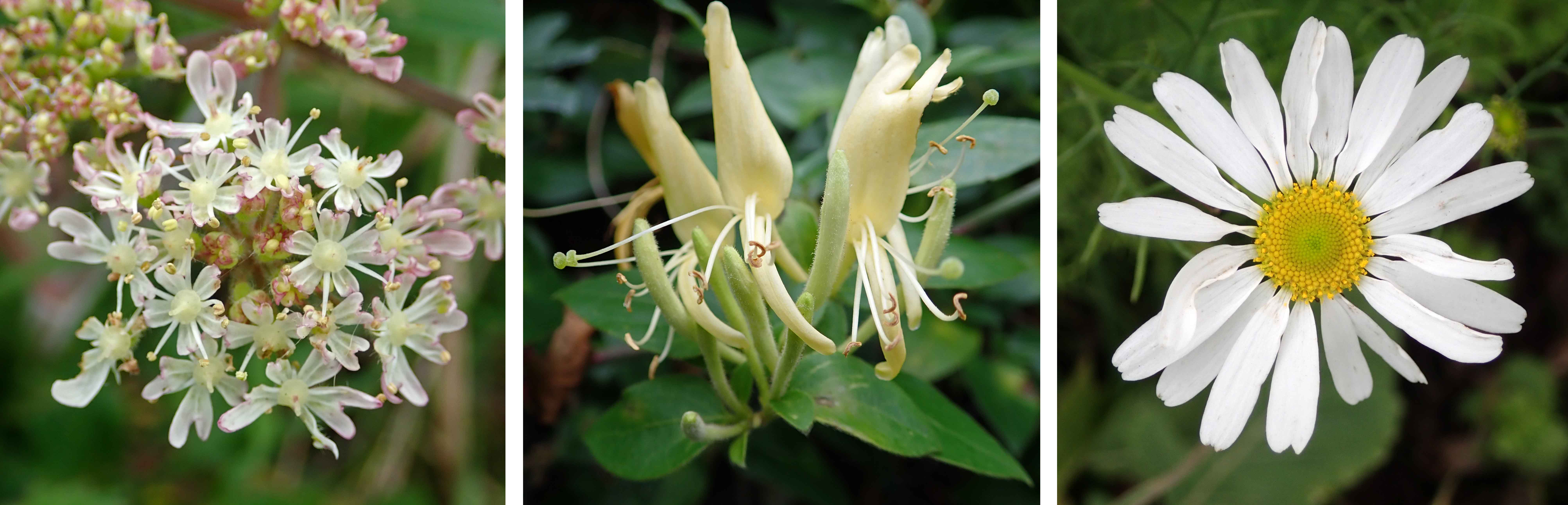
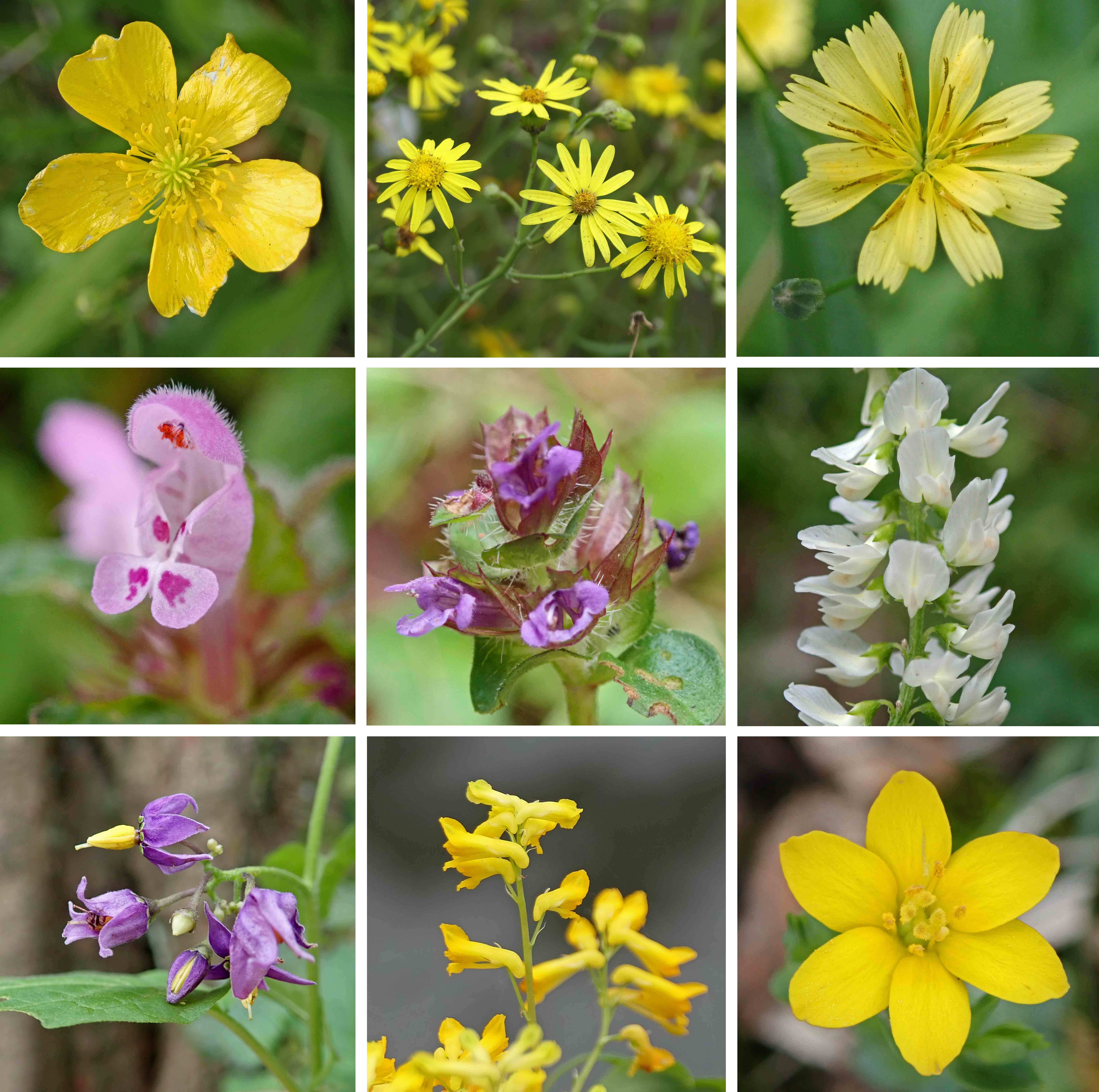
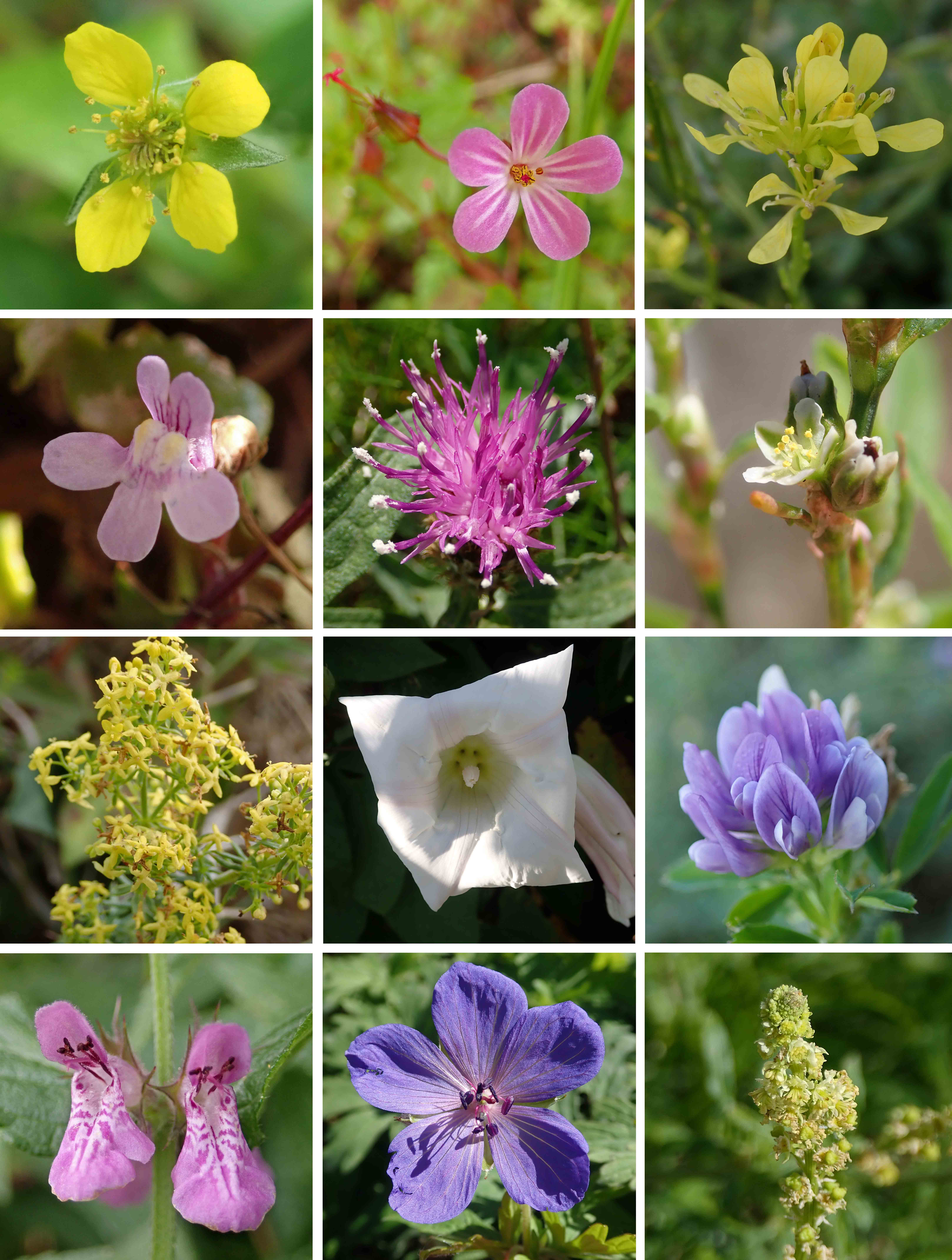
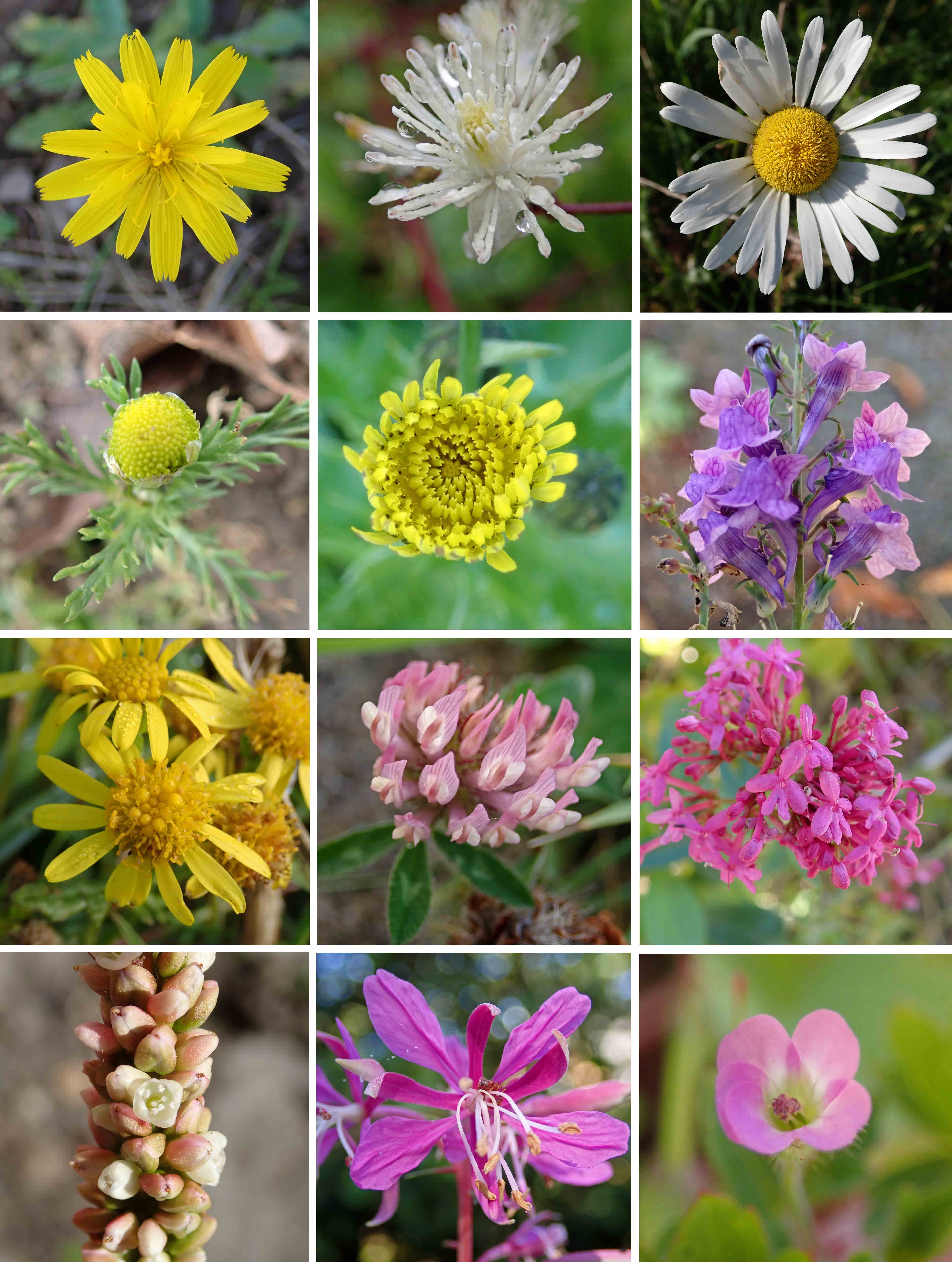
Despite finding a respectable 60 wildflowers still in bloom during last week’s walk, I knew I could find even more so I’ve kept my eyes peeled during this week’s walks. These are the ones I missed last week …

Bird’s-foot trefoil, Blue fleabane, Bramble, Common chickweed, Common mallow, Common toadflax, Creeping thistle, Gorse, and Hedge bedstraw.

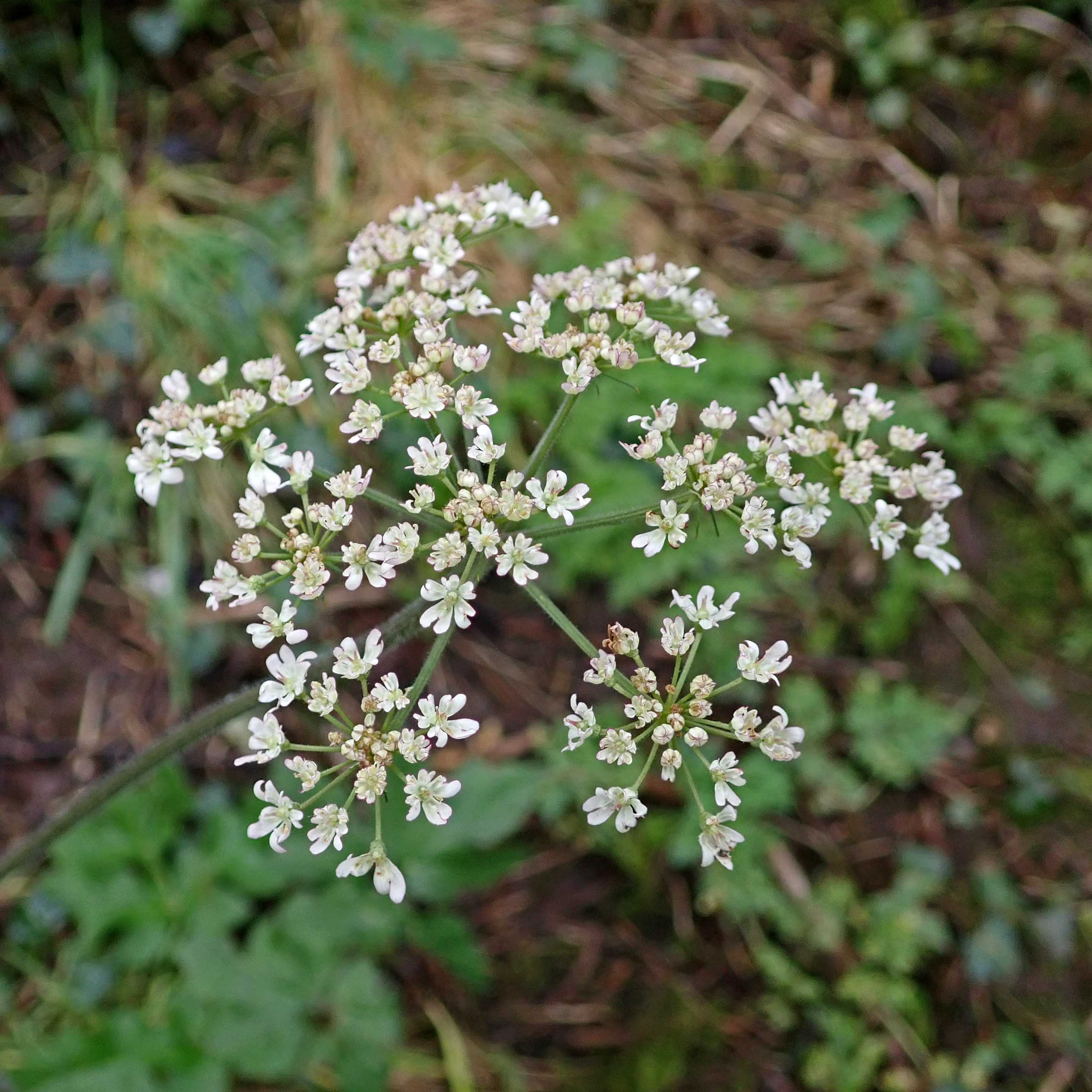
Hogweed, Honeysuckle, and Mayweed.

Meadow buttercup, Narrow-leaved ragwort, Nipplewort, Red dead-nettle, Selfheal, White melilot, Woody nightshade, Yellow corydalis, and Yellow-wort.

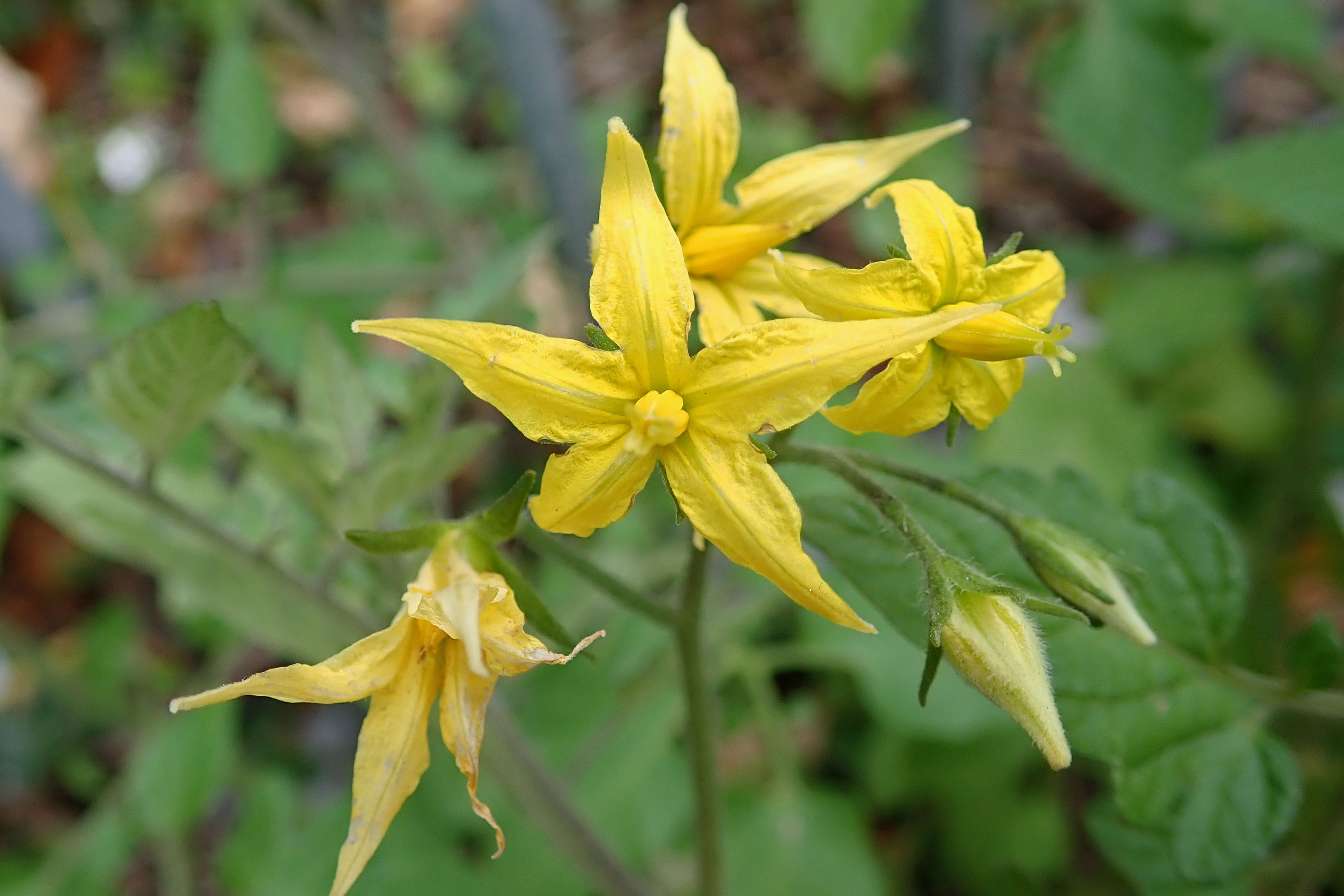
I had to add this last one – not a wildflower, but a random Tomato that had somehow self-seeded along the edge of one of the local back lanes. I admire its tenacity.

Like Loading...

Autumn wildflowers

05 Sunday Oct 2025

Posted by sconzani in autumn, flowers, wildflowers

≈ Leave a comment

Tags

autumn colour, autumn wildflowers, autumn wildflowers in bloom, British wildflowers

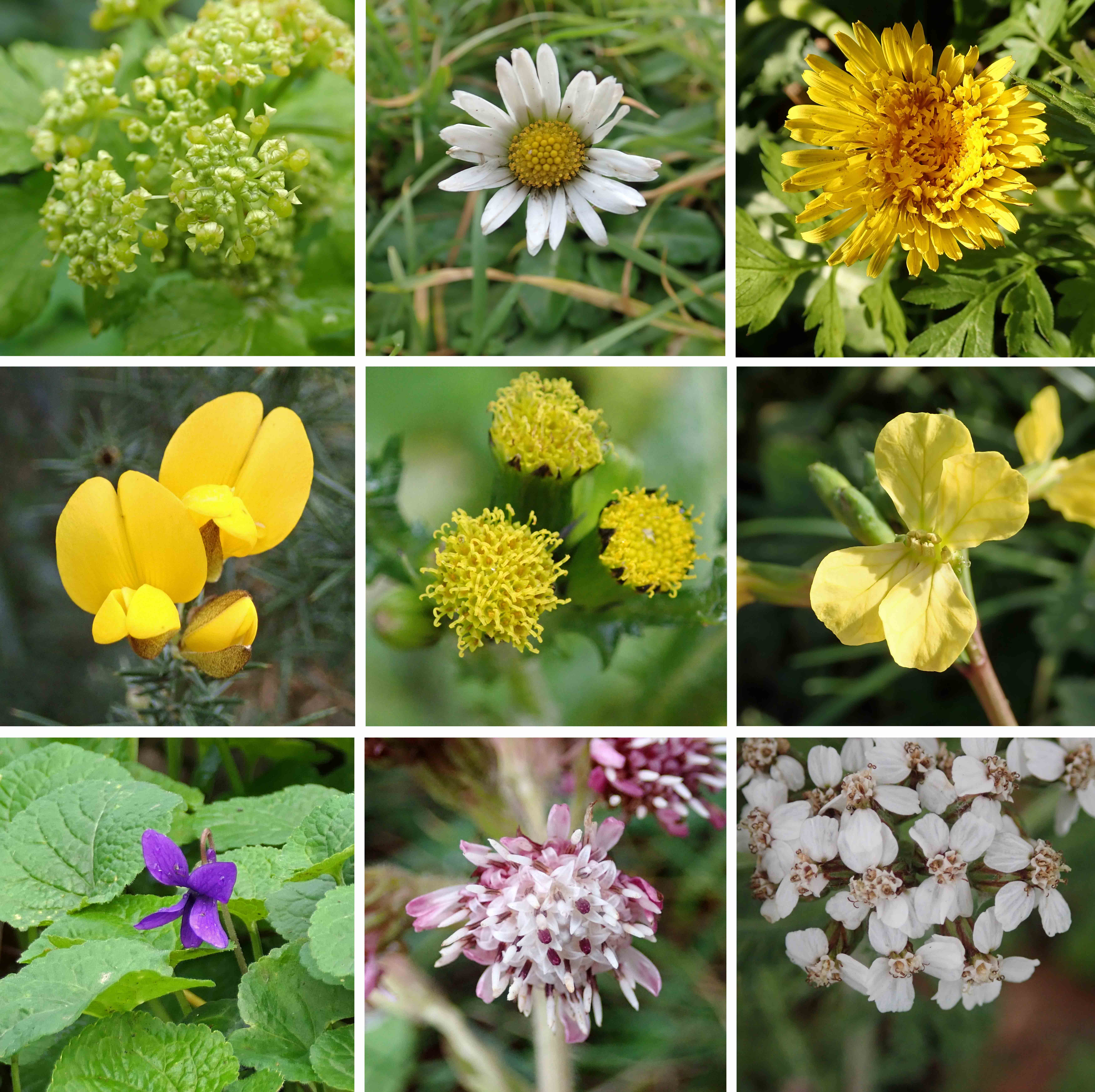
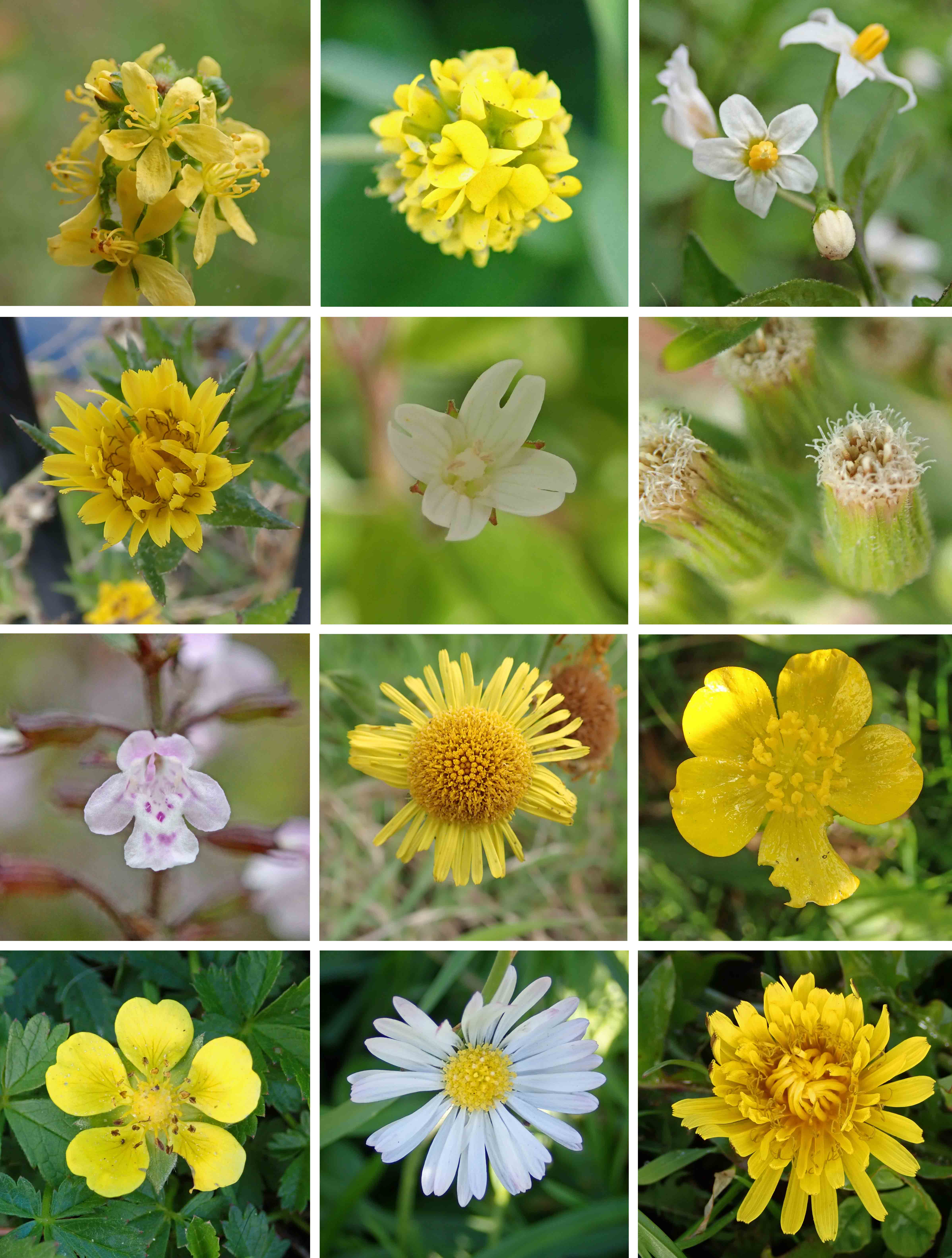
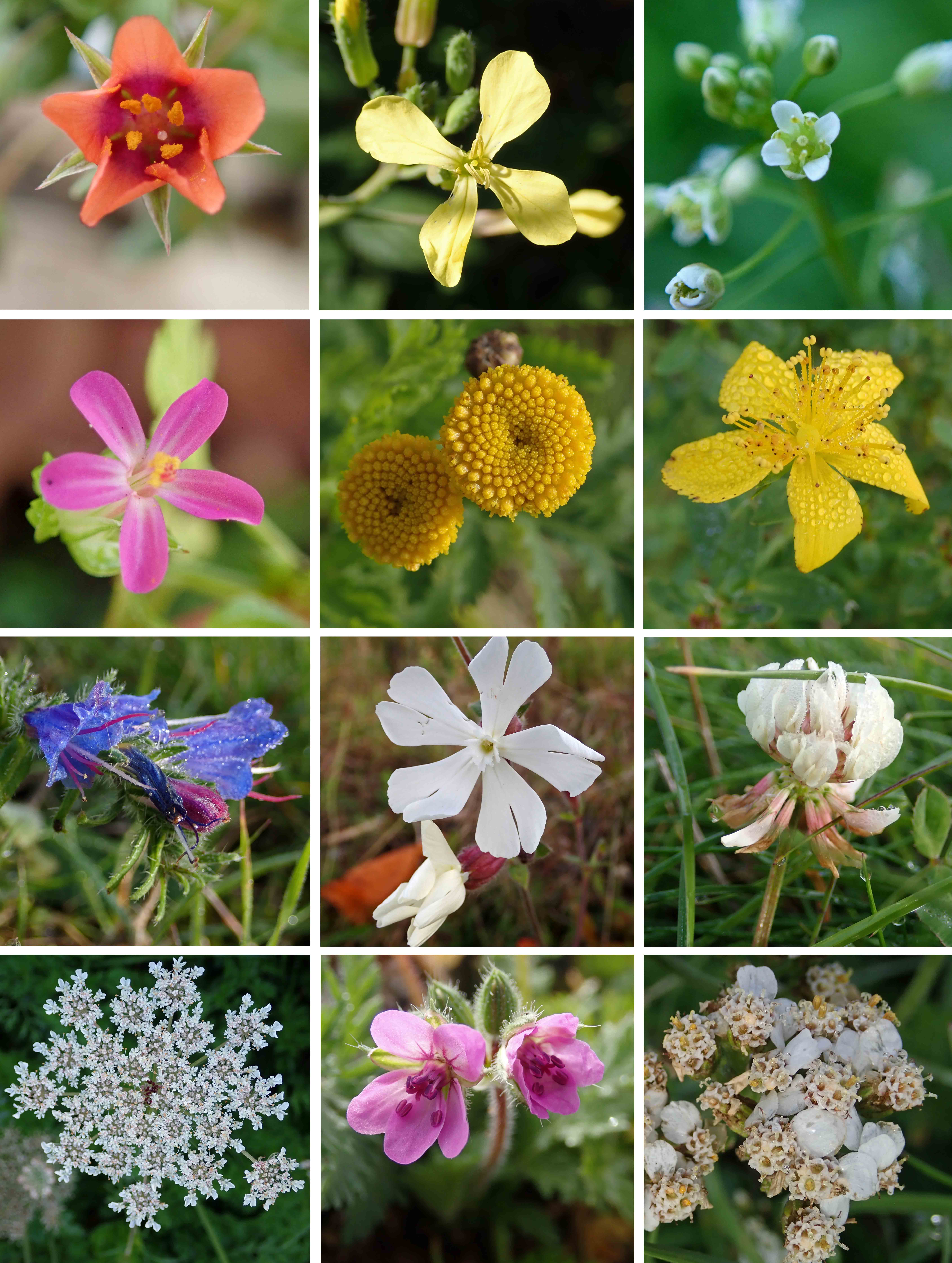
It’s been a while since I informally surveyed which wildflowers were in bloom at any specific point in time, so I did that during two of this week’s walks, the first a full circuit of Cardiff Bay, the other a walk along the local section of the Welsh coastal path. I was surprised to find 60 species flowering and suspect this total has something to do with this year’s weather. After our hot, dry summer, the wildflowers are making up for lost time now that we’re getting more rain. These are what I found …

Agrimony, Black medick, Black nightshade, Bristly oxtongue, Broad-leaved willowherb, Canadian fleabane, Common calamint, Common fleabane, Creeping buttercup, Creeping Jenny, Daisy, and Dandelion.

Devil’s-bit scabious, Evening primrose, Eyebright, Fennel, Field speedwell, Goat’s-rue, Great willowherb, Groundsel, Gypsywort, Hairy tare, Hedge woundwort, and Hemp agrimony.

Herb Bennett, Herb Robert, Hoary mustard, Ivy-leaved toadflax, Knapweed, Knotgrass, Lady’s bedstraw, Large bindweed, Lucerne, Marsh woundwort, Meadow crane’s-bill, and Mignonette.

Mouse-ear-hawkweed, Old man’s beard, Oxeye daisy, Pineappleweed, Prickly sow-thistle, Purple toadflax, Common Ragwort, Red clover, Red valerian, Redshank, Rosebay willowherb, and Round-leaved crane’s-bill.

Scarlet pimpernel, Sea radish, Shepherd’s-purse, Shining crane’s-bill, Tansy, Tutsan, Viper’s-bugloss, White campion, White clover, Wild carrot, Common stork’s-bill, and Yarrow.

Like Loading...

Goldenrod

28 Sunday Sep 2025

Posted by sconzani in autumn, flowers, plants, wildflowers

≈ Leave a comment

Tags

autumn colour, autumn wildflowers, British wildflowers, Goldenrod, Solidago virgaurea, yellow wildflowers

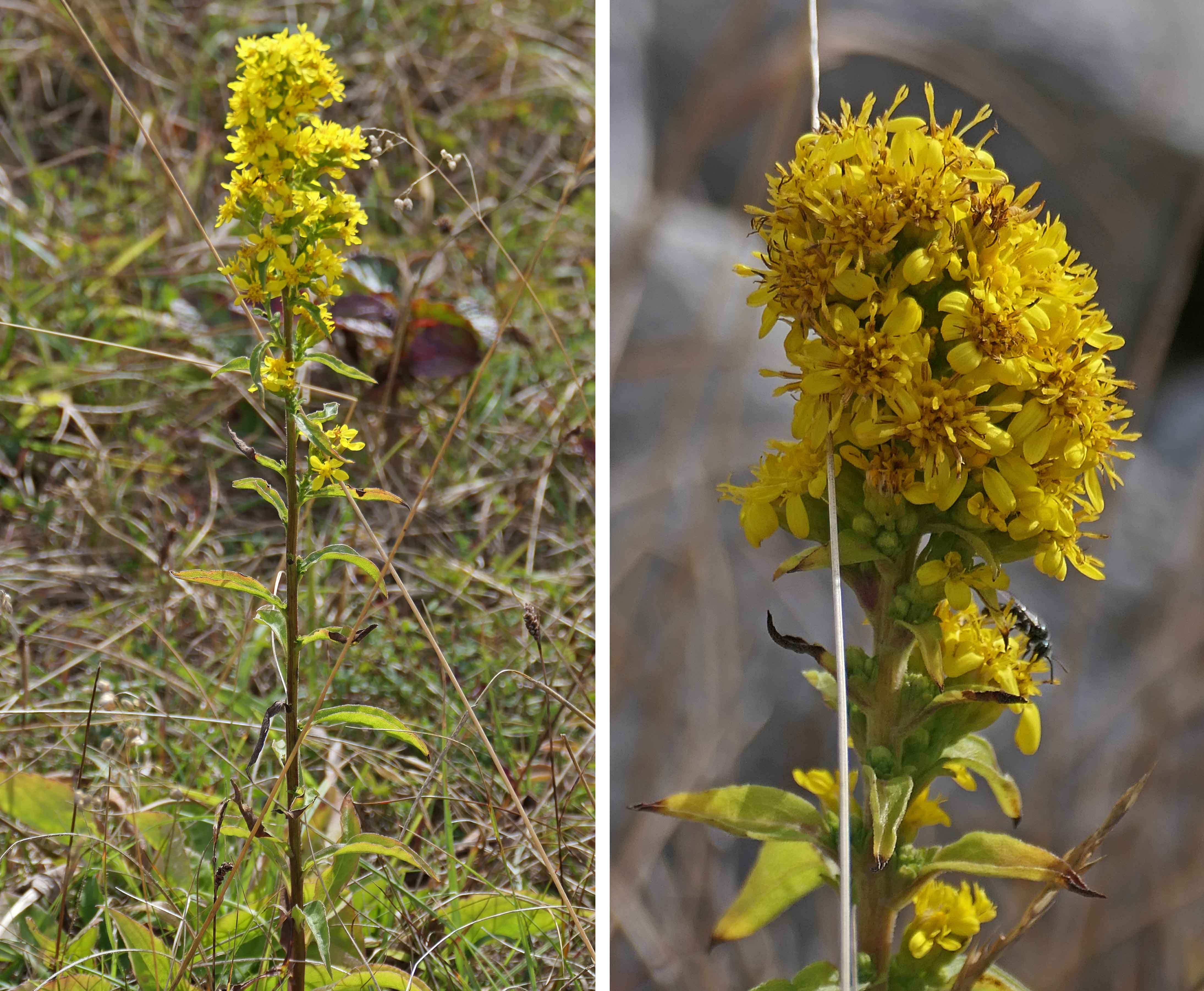
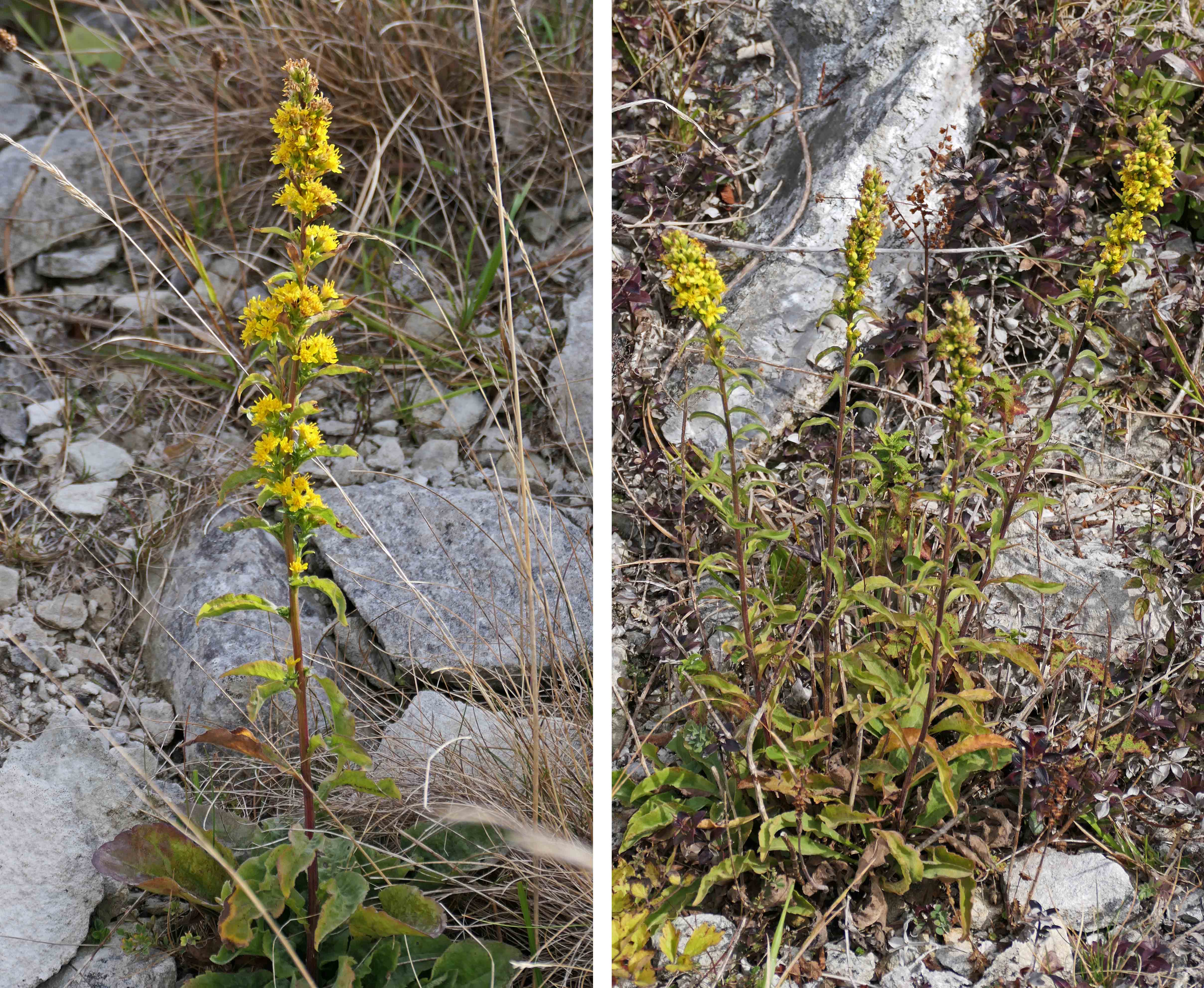
Is there a more aptly named wildflower? This is Goldenrod (Solidago virgaurea), which, when in full bloom, looks exactly as you might expect a plant with that name to look. As it flowers in late summer – early autumn, not only does it provide a welcome burst of bright colour at a time when many other wildflowers are past their best, it also supplies much needed nourishment at that time of year to a multitude of insects. Butterfly Conservation have produced a pdf extolling the benefits of Goldenrod, which they say is a food source for around 40 moth species, as well as numerous species of flies.

I’m not sure why but this is not a flower I see locally; I found these plants in the quarries on the Isle of Portland. My wildflower guide book says it can be found growing in dry woodlands and grasslands, on cliffs and in sand dunes, throughout the British Isles – maybe I’ve overlooked it in my area.

I’ve read that Goldenrod contains certain beneficial chemicals that have anti-fungal and anti-inflammatory properties and, in Flora Britannica, Richard Mabey writes that ‘In the sixteenth and seventeenth centuries it was in great demand as a wound herb but, according to John Gerard [The Herball, 1597], fell from favour when it was discovered to be rather common.’ Whether or not the benefit to humans has been scientifically proven seems open to question, and I would certainly never advise anyone to ingest plant products rather than seek proper medical attention for any ailments they might have. Perhaps this is a plant best left for the insects to feast on.

Like Loading...

Sea aster

21 Sunday Sep 2025

Posted by sconzani in autumn, flowers, wildflowers

≈ Leave a comment

Tags

Aster tripolium, autumn colour, British wildflowers, native Michaelmas-daisy, saltmarsh wildflowers, Sea aster

According to Richard Mabey in Flora Britannica, Michaelmas-daisies were introduced to Britain in the early 1700s from their native North America, and many of those introduced species have now escaped their garden settings to become naturalised in the wider countryside. Not so the Sea aster (Aster tripolium), as this is a native British species of Michaelmas-daisy.

I had noticed some Sea asters in flower during my previous visit to Weymouth in late July but not many were in bloom. During my most recent visit, the flowers were much more abundant, which I’ve now discovered is because the peak flowering period for most species of Michaelmas-daisy coincides with Michaelmas Day on 29 September; I guess that should have been obvious from their name.

As the common name of our native species implies, the Sea aster is most at home in salty conditions, flourishing in coastal saltmarshes, though, apparently, it will sometimes appear alongside roads that have been heavily salted for de-icing purposes during the winter months.

Like Loading...

Mignonette

31 Sunday Aug 2025

Posted by sconzani in flowers, wildflowers

≈ Leave a comment

Tags

British wildflowers, Mignonette, Reseda lutea, Reseda odorata, Wild mignonette, wildflowers

As I’ve never sniffed their flowers, I’m not sure whether the Mignonette plants I see in various locations around Cardiff Bay are Wild Mignonette (Reseda lutea) or the escaped and naturalised garden variety Reseda odorata (the latter, a plant that’s more at home in Mediterranean countries, has a musky scent apparently).

Both species are common throughout the UK, in a wide variety of locations – along the edges of railway lines, on areas of waste ground, bordering car parks and garbage tips, around arable fields – in general, anywhere the ground has been disturbed and is mostly dry. You can see in the photos below how well the Mignonette plants are coping with the current drought conditions here in south Wales, compared to most other plants that are shrivelled, crispy and dying.

Like Loading...

Soapwort and smut

24 Sunday Aug 2025

Posted by sconzani in flowers, fungi, plants, wildflowers

≈ Leave a comment

Tags

anther smut, anther smut on Soapwort, archaeophyte, British wildflowers, fungus on Soapwort flowers, Microbotryum saponariae, Saponaria officinalis, Soapwort

During a walk around Cardiff’s Bute Park last week, I spotted a wildflower growing alongside my path that I couldn’t ever recall seeing before. It had pink flowers and looked a lot like Red campion so I wondered if it might be a cultivated variety of campion that had escaped from someone’s garden.

A look through the appropriate section of my wildflower guide when I got home proved me half right and half wrong. It was definitely a member of the campion family but this was Soapwort (Saponaria officinalis), no garden escape but not native either. It’s classified as an archaeophyte, which means this extremely useful detergent-plant was introduced to Britain in ancient times, prior to 1500 AD.

A few snippets from Flora Britannica:

Simply rubbing a leaf between the fingers will produce a slight, slippery froth. Boiled in water, the plant produces a green lather with the power to lift grease and dirt, especially from fabrics. … due to the presence of saponins – chemicals which, like inorganic soaps, appear to ‘lubricate’ and absorb dirt particles.
… cultivated for laundering woollens in Syria … and in Britain employed as a soaping agent by medieval fullers … because vegetable saponins are so much gentler than soaps, Saponaria has been used much more recently for washing ancient tapestries … Victoria &Albert Museum it was last used for cleaning fragile fabrics in the 1970s. The National Trust have also used it, for bringing up the colours in antique curtains.

Now, the keen-eyed amongst you may have noticed something a little odd about the flowers in some of my photos; the centres of the flower heads look black. This is because many of the plants I found were suffering from anther smut, in this case caused by the fungus Microbotryum saponariae. The pollen in the flowers’ anthers has been replaced with fungal spores, meaning the plant is unable to reproduce. This may be a recent infestation as I found plenty of plants growing along the path as I walked further. I often see something similar on Red campion flowers, though that is caused by a different fungal species, Microbotryum silenes-dioicae. So, two for the price of one today: a fascinating plant and an equally fascinating fungus.

Like Loading...

White melilot

17 Sunday Aug 2025

Posted by sconzani in flowers, plants, wildflowers

≈ Leave a comment

Tags

alien flora, alien plants, British wildflowers, Melilotus albus, White melilot

When I first saw this plant, I thought it was some weird variation on a vetch. I was wrong – I frequently am! – but I did have the correct family. This is White melilot (Melilotus albus), a member of the pea family, the Fabaceae (or Leguminosae).

I’ve only ever seen it growing in this one location, an area of waste ground on the western side of Cardiff Bay, which leads me to wonder how it arrived there. In Flora Britannica, Richard Mabey writes that it was ‘originally introduced to this country from Europe as fodder plants’ and is ‘now well naturalised at the edges of arable fields, on roadsides and in waste places’. That’s certainly one explanation but I wonder if this particular colony has a different origin.

I know from my time volunteering on the Mary Gilham Archive Project that, in the days of sail and the once very active docks that flourished around the Bay, ships often used sand as ballast. When they arrived at Cardiff, the ships offloaded their sand before loading up with a cargo of coal, and the sand was often dumped or used to reclaim land. That sand contained a huge variety of dormant seeds, which is why the land around Cardiff Bay – and the ports of other cities – often contain alien plant species. Whatever the truth of its arrival, White melilot is an attractive, if straggly little plant, which, I think, deserves to grow more widely.

Like Loading...

A confusion of Comfreys

10 Sunday Aug 2025

Posted by sconzani in flowers, wildflowers

≈ Leave a comment

Tags

British wildflowers, Comfrey, Comfrey as healing plant, herbal medicine, RSPB Radipole, Symphytum species, Wildflowers at RSPB Radipole

In Flora Britannica, author Richard Mabey explains that Common comfrey (Symphytum officinale) hybridises freely with Russian comfrey (S. x uplandicum) and Rough comfrey (S. asperum), so I make no apology for not being able to be precise about today’s wildflower species. To further confuse the picture, White comfrey (S. orientale), an introduction from west Russia and Turkey, has become naturalised, and is commonly found in hedgerows and on waste ground in southern England. The combination of species certainly provides a wonderful mix of white, blues, lilacs and purples in the Comfrey flowers, which I noticed the bumblebees were particularly enjoying (the flower nectar, not the colours).

The Comfrey plants shown here was at RSPB Radipole in Weymouth, thriving in the reserve’s damp environment, growing beside the footpaths and along the edges of the reed beds.

You probably know that Comfrey is very commonly used in herbal medicine, especially in connection with healing open wounds, broken bones and severe bruising, hence its common names of Knitbone and Nip-bone. It contains Allantoin, a substance that encourages the healing of connective tissue, and Flora Britannica lists many reports from contributors of poultices being used to heal severe cuts, ease the severely bruised knees of miners, and assist with the knitting of broken bones. One of my grandmothers always grew Comfrey in her garden and would drink an infusion of the leaves to ease her sore back and aching limbs, though Mabey warns that Comfrey contains alkaloids that can cause liver damage, so infusions and tablets are now discouraged.

Like Loading...
← Older posts

About me

sconzani

sconzani

I'm a writer and photographer; researcher and blogger; birder and nature lover; countryside rambler and city strider; volunteer and biodiversity recorder.

View Full Profile →

Follow earthstar on WordPress.com

Enter your email address to follow this blog and receive notifications of new posts by email.

Recent blog posts

  • M is for mite December 18, 2025
  • L is for lepidopteran lifers December 17, 2025
  • K is for Keeled skimmers December 16, 2025
  • J is for Jersey tiger December 15, 2025
  • I is for Ichneumon December 14, 2025

From the archives

COPYRIGHT

Unless otherwise acknowledged, the text and photographs on this blog are my own and are subject to international copyright. Nothing may be downloaded or copied without my permission.

Fellow Earth Stars!

  • Unknown's avatar
  • Unknown's avatar
  • Unknown's avatar
  • Unknown's avatar
  • Unknown's avatar
  • Unknown's avatar
  • Unknown's avatar
  • Unknown's avatar
  • Unknown's avatar
  • Unknown's avatar
  • Unknown's avatar
  • Unknown's avatar
  • Unknown's avatar
  • Unknown's avatar
  • Unknown's avatar
  • Unknown's avatar
  • Unknown's avatar
  • Unknown's avatar
  • Unknown's avatar
  • Unknown's avatar
  • Unknown's avatar
  • Unknown's avatar
  • Unknown's avatar
  • Unknown's avatar
  • Unknown's avatar
  • Unknown's avatar
  • Unknown's avatar
  • Unknown's avatar
  • Unknown's avatar
  • Unknown's avatar
  • Unknown's avatar
  • Unknown's avatar
  • Unknown's avatar
  • Unknown's avatar
  • Unknown's avatar
  • Unknown's avatar
  • Unknown's avatar
  • Unknown's avatar
  • Unknown's avatar
  • Unknown's avatar
  • Unknown's avatar
  • Unknown's avatar
  • Unknown's avatar
  • Unknown's avatar
  • Unknown's avatar
  • Unknown's avatar
  • Unknown's avatar
  • Unknown's avatar
  • Unknown's avatar
  • Unknown's avatar

Blog at WordPress.com.

Privacy & Cookies: This site uses cookies. By continuing to use this website, you agree to their use.
To find out more, including how to control cookies, see here: Cookie Policy
  • Subscribe Subscribed
    • earthstar
    • Join 667 other subscribers
    • Already have a WordPress.com account? Log in now.
    • earthstar
    • Subscribe Subscribed
    • Sign up
    • Log in
    • Report this content
    • View site in Reader
    • Manage subscriptions
    • Collapse this bar
 

Loading Comments...
 

You must be logged in to post a comment.

    %d