• ABOUT
  • BIRDING 2018
  • Birding 2019
  • BLOG POSTS
  • Butterflies 2018
  • Resources

earthstar

~ a celebration of nature

earthstar

Tag Archives: British wildflowers

Water mint

18 Sunday Aug 2024

Posted by sconzani in flowers, insects, wildflowers

≈ 2 Comments

Tags

British wildflowers, insects on Water mint, Meadow Brown, Mentha aquatica, Small copper, Volucella zonaria, Water mint

Is there anything more delicious on a hot sunny day than the refreshing smell of mint, whether it be in a long cold drink or when you’re out walking and brush against the leaves of one of the many species of mint that grow wild in the UK.

240818 water mint (a)

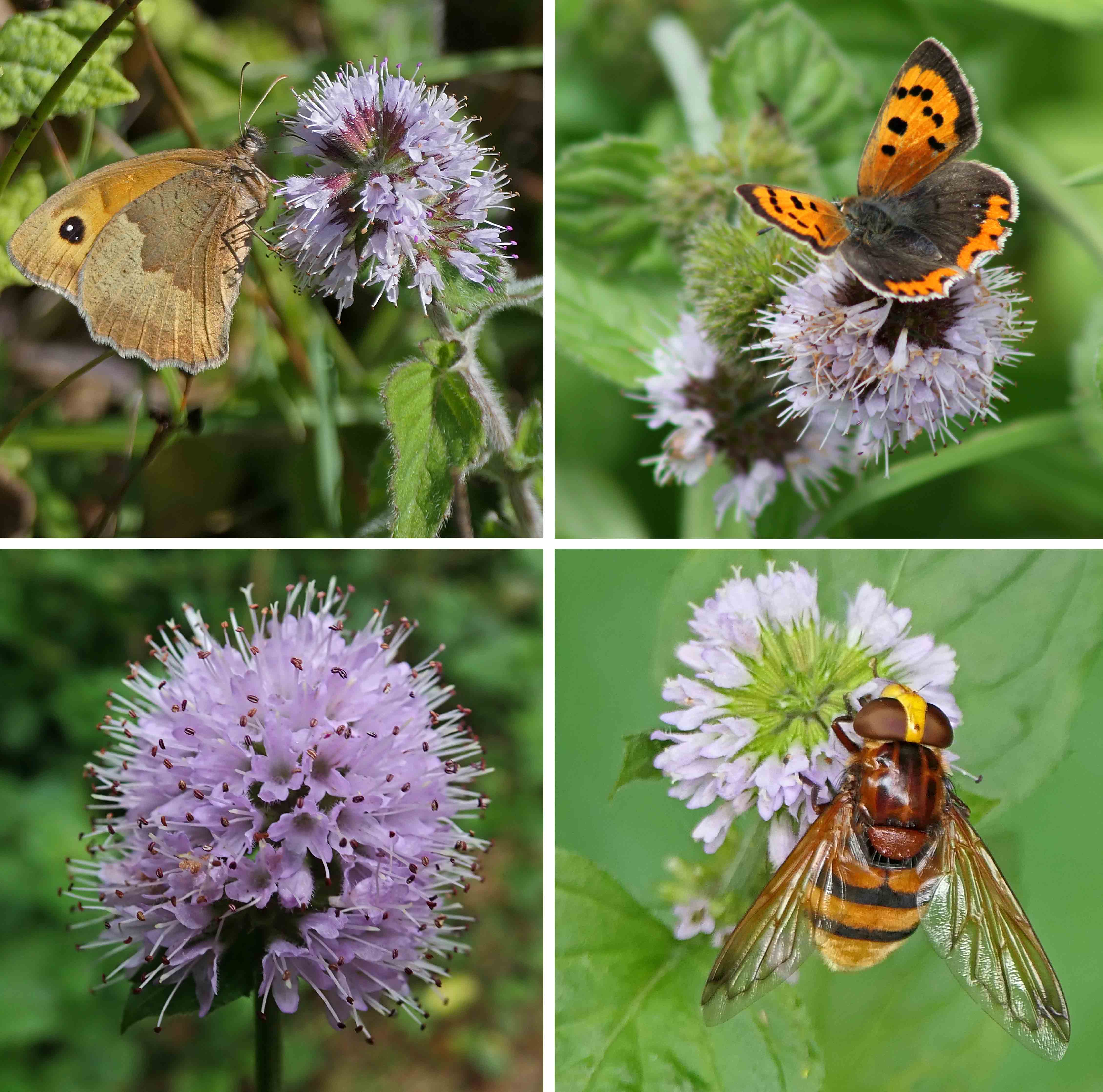
In the damper areas of my local walks, Water mint (Mentha aquatica) grows in abundance, and it’s now in full flower, a boon for hungry insects as some of the earlier summer flowers go to seed. I occasionally bring a few leaves home to infuse with a herbal tea that I leave to chill in the fridge but mostly I just enjoy the sight and smell of this pretty plant and the many insects that feast on it (in this case, Meadow brown and Small copper butterflies, and a Volucella zonaria hoverfly).
240818 water mint (b)

Like Loading...

Upright hedge-parsley

04 Sunday Aug 2024

Posted by sconzani in flowers, wildflowers

≈ 2 Comments

Tags

British wildflowers, Torilis japonica, umbellifers, Upright hedge-parsley

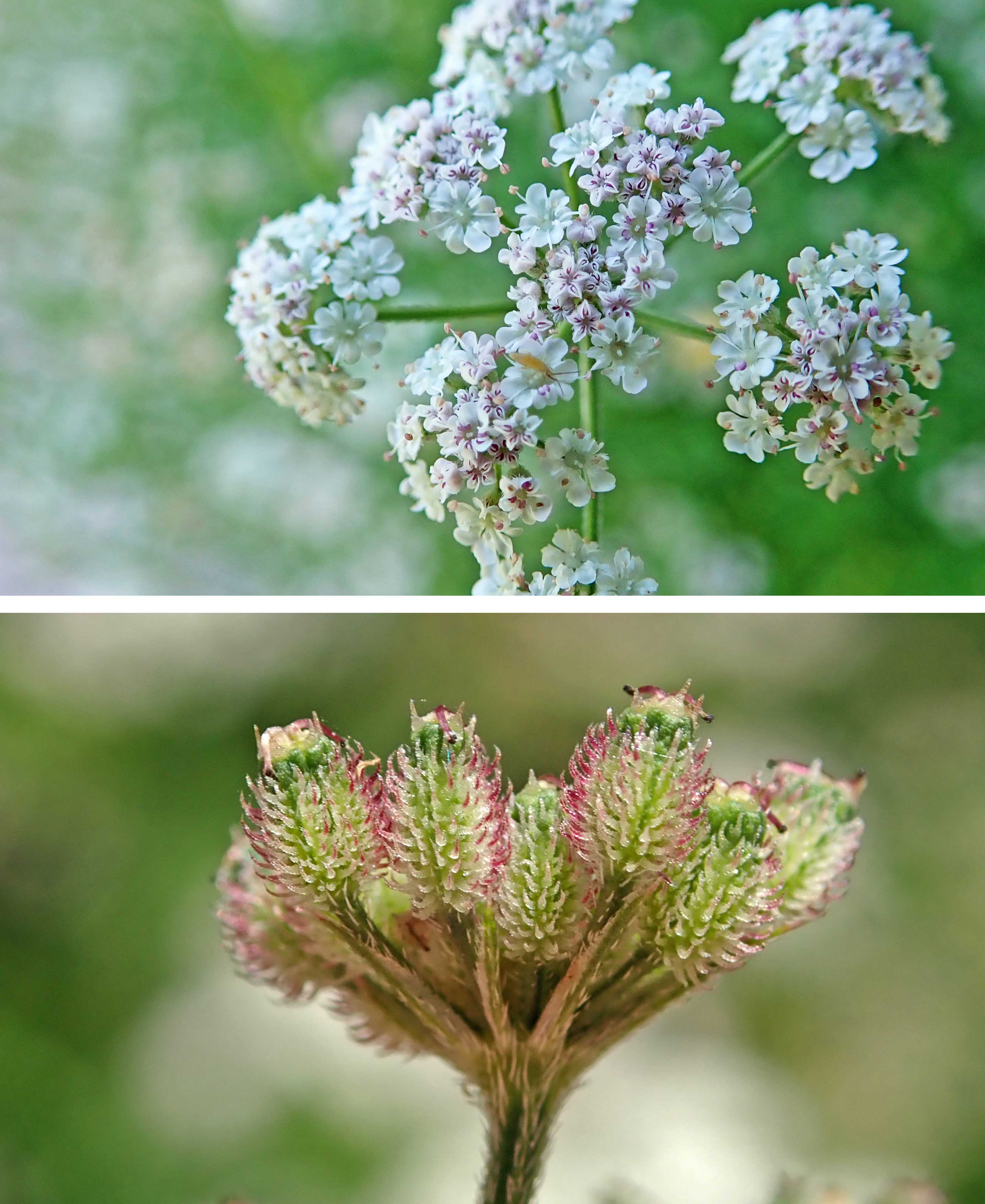
I’m not very good at identifying umbellifers – Wild carrot, Hogweed, Cow parsley, Wild parsnip are fairly straight forward but I tend to ignore the others. So, when I spotted this clump and immediately thought ‘That looks different’, I thought I’d make an effort to work out what it was. I took a few photos but, when I got home and started checking, I quickly realised I needed more detailed and specific images. Luckily, this plant was growing somewhere I often pass so I managed to get more photos last Wednesday. This is how, using photos and information I found on the Wildflower Finder website, I managed to identify the plant as Upright hedge-parsley (Torilis japonica).

240804 upright hedge-parsley (1)

The stems of the plant are quite thin but stiff, and the flowers are held on umbels, which have between 5 and 9 umbellets (little clumps of flowers). The stems (and leaves) are covered in ‘white bristly hairs giving it a slight rough feel’. Beneath the umbels, there are bracts (like narrow leaves), which ‘are often just underneath the “spokes” of the umbels and therefore usually hidden from view’.

240804 upright hedge-parsley (2)

At each join, where a stalk branches out from the main stem, you can see a small leaf. The leaves are larger at the bottom of the plant, smaller towards the top. The shapes of the leaves match those I found on the Wildflower Finder website.

240804 upright hedge-parsley (3)

The flowers are mostly white, though some have a pinkish tinge, all with 5 red anthers. The fruits form immediately underneath the flowers, and can be seen more clearly when all the petals have fallen off. ‘The fruits are barrel-shaped and are surrounded by vertical rows of spines’ and ‘The white and red spines on the fruits are curved inwards like horns, and taper towards the tip….’

Like Loading...

Sea-lavender

28 Sunday Jul 2024

Posted by sconzani in flowers, wildflowers

≈ Leave a comment

Tags

British wildflowers, coastal flora, Limonium binervosum agg, Rock sea-lavender, sea-lavender

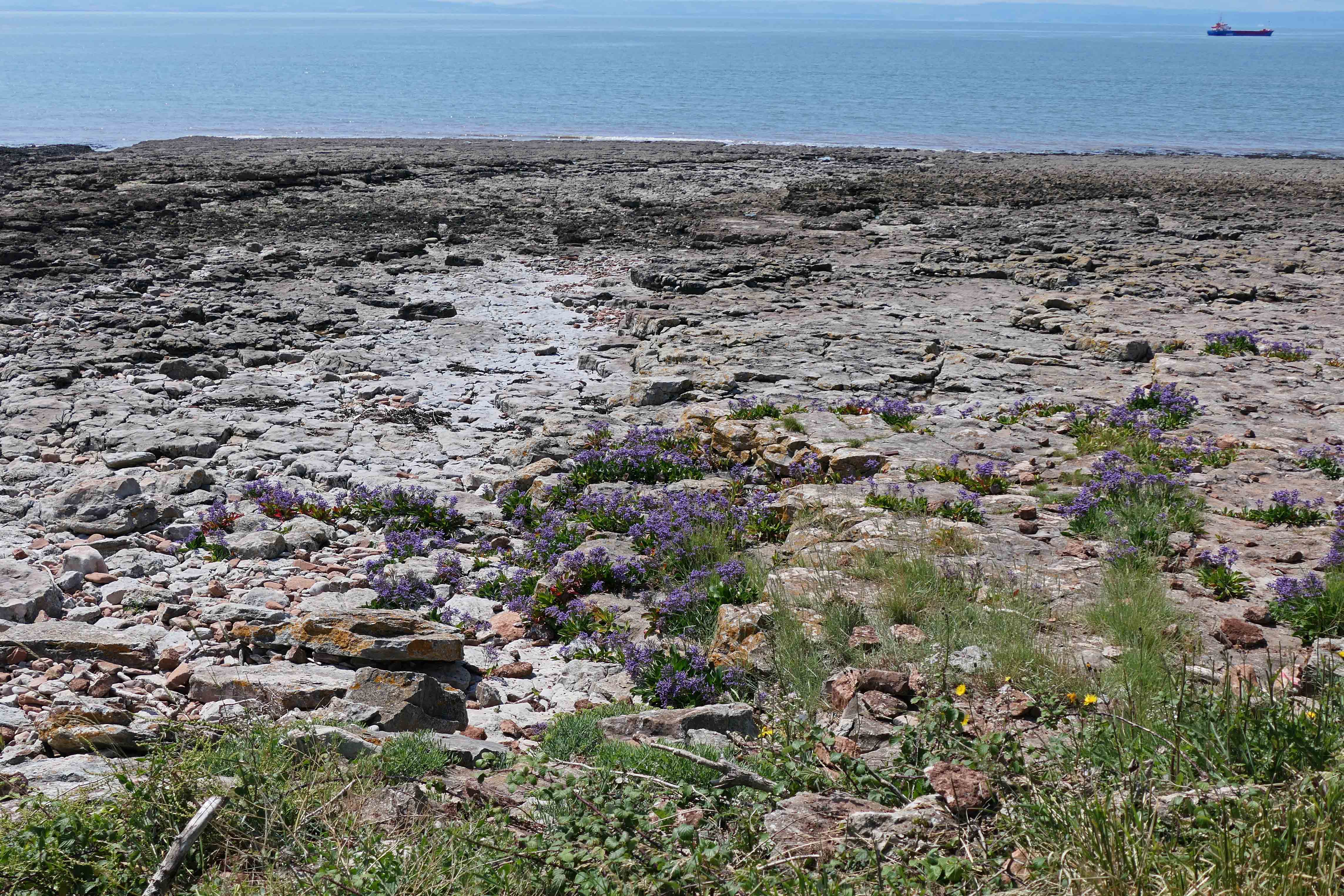
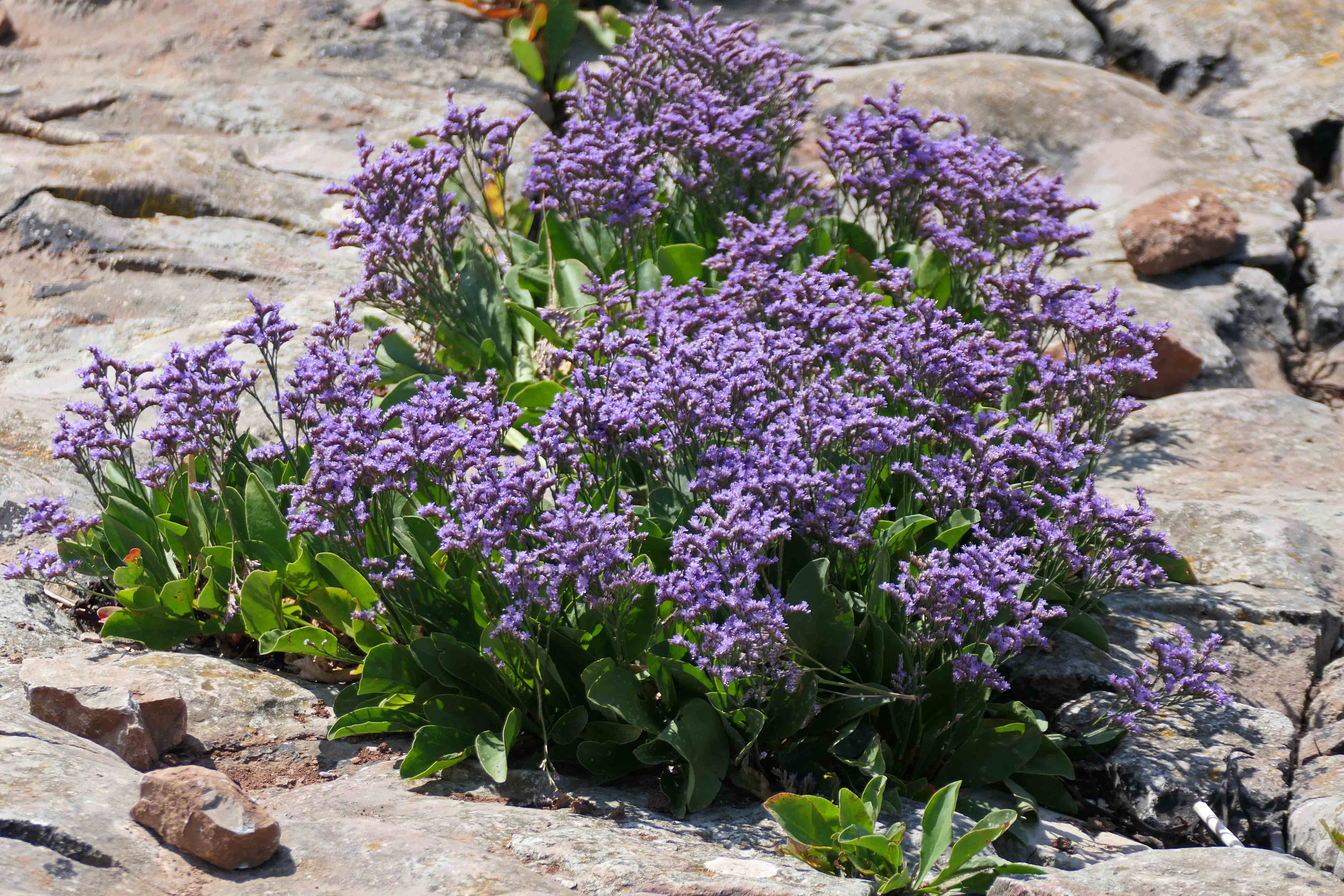
I’m sure I must have walked along the coastal path at Sully beach in the summer months in previous years but, somehow, I’ve never noticed the Sea-lavender before. And how could I not have noticed this glorious swathe of lilac growing from cracks in the layers of rocks?

240728 sea lavender (1)

According to my guide books, Common sea-lavender (Limonium vulgare) usually grows in salt-marshes, whereas Rock sea-lavender (Limonium binervosum agg.), of which there are several subspecies, grows on sea cliffs, rocks by the sea, and in the shingle of drier salt-marshes. So, I assume this is one of the Rock sea-lavender species but I can’t be sure. And, for me, it doesn’t really matter – it’s just beautiful to see.

240728 sea lavender (2)

Like Loading...

Midsummer wildflowers

21 Sunday Jul 2024

Posted by sconzani in flowers, wildflowers

≈ 4 Comments

Tags

British wildflowers, midsummer wildflowers

I’ve made it my mission since the start of July to photograph as many blooming wildflowers as possible as I walk all the various habitats within my local patch, from coastal path to country park, former farm fields to city pavements. When I’ve tried this before I’ve counted over 50 species so even I am amazed at the total shown in today’s video – 126, and I’m sure I’ve missed some along the way. I was originally going to compile a collage of flower close-ups, hence the portrait-shaped photographs of each but, when the numbers kept on growing, I decided this slideshow video was the easiest option. I hope you enjoy the cacophony of colour!

Like Loading...

Heather or Ling

14 Sunday Jul 2024

Posted by sconzani in wildflowers

≈ Leave a comment

Tags

British wildflowers, Calluna vulgaris, Heather, Heather flowers, Ling

Many of you will, I’m sure, be familiar with this plant, with the way it paints hillsides, heaths and moorlands in subtle shades of pink, lilac and purple when flowering, but have you looked more closely at its flowers? They are really quite beautiful. This is, of course, Calluna vulgaris, commonly known as Heather, and also Ling. As the Wildlife Trusts website reminds us

Historically, heather has been used for many purposes, such as fuel, fodder, building materials, thatch, packing and ropes. It was also used to make brooms, which is how it got its Latin name – Calluna is derived from the Greek word meaning ‘to brush’.

240714 heather

Like Loading...

Selfheal

07 Sunday Jul 2024

Posted by sconzani in plants, wildflowers

≈ Leave a comment

Tags

British wildflowers, herbal medicine, Large skipper, medicinal plants, Prunella vulgaris, Selfheal

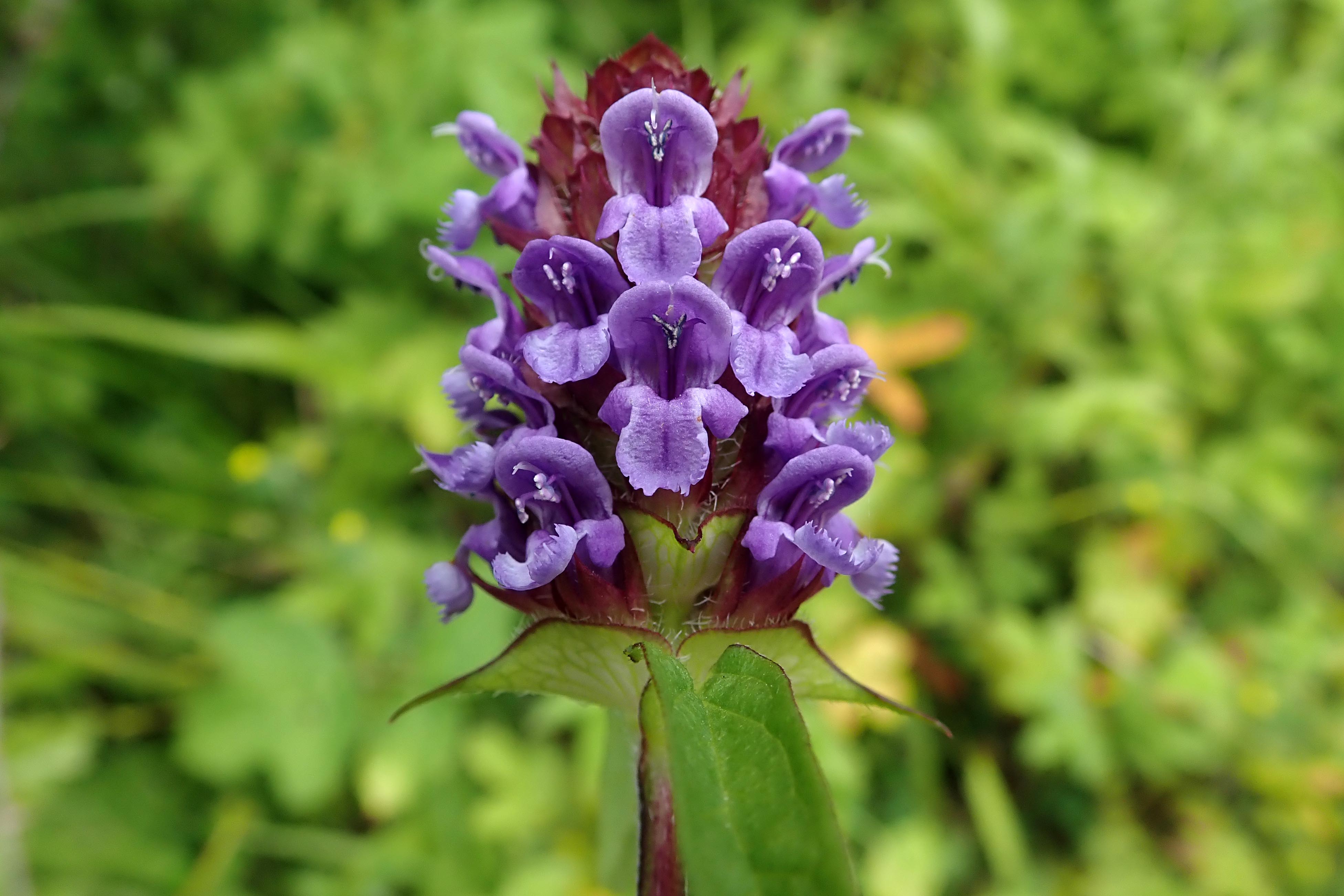
The bluish-violet flowers of Selfheal (Prunella vulgaris) are very common in the summer months, sometimes as short plants popping up in grass and gardens, yet also growing up to a foot tall in the less managed areas provided by woodland rides and wildflower meadows. Bees love to feed on its nectar, and I also spotted a cute Large skipper butterfly slurping away with its amazingly long tongue.

240707 selfheal (2)

As its name implies, Selfheal has long had a reputation as a herbal medicine, used for a variety of purposes from treating wounds and sore throats to stopping a cut from bleeding. I can’t personally attest to its efficacy but I do really enjoy the pop of colour this lovely little plant provides in the warmer months.

240707 selfheal (1)

Like Loading...

Variations on a theme

30 Sunday Jun 2024

Posted by sconzani in flowers, wildflowers

≈ Leave a comment

Tags

British orchids, British wildflowers, Common spotted-orchid, native orchids, orchids

Presumably because of our very wet Spring, the orchids are enjoying a magnificent season hereabouts, with more Bee and Pyramidal orchids than I’ve ever seen before. The beautiful blooms collaged below were all growing within a metre of each other at a local park and, in theory, they’re all Common spotted-orchids. You can see what a wide variation of hues and patterns they exhibit, though I suspect a couple of these may have a few grains of Southern marsh-orchid mixed in to their DNA. Both species grow at this park and are known, sometimes, to cross-pollinate.

240630 common spotted orchids

Like Loading...

Brooklime

23 Sunday Jun 2024

Posted by sconzani in wildflowers

≈ Leave a comment

Tags

British wildflowers, Brooklime, speedwell family, Veronica beccabunga

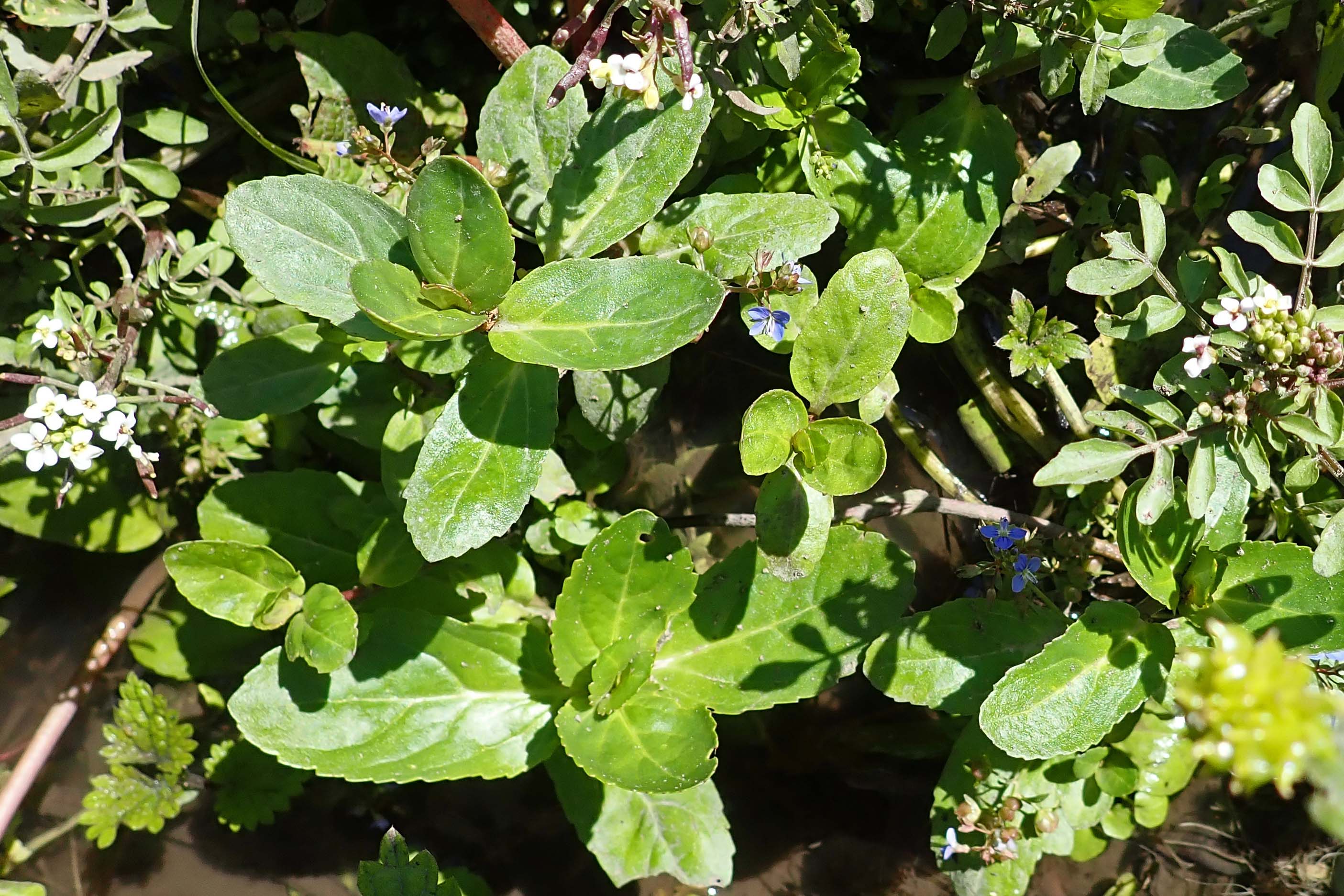
I’ve probably walked past this plant many many times but last Sunday was the first time I knowingly thought ‘Oooo, that must be Brooklime’.

240623 brooklime (1)

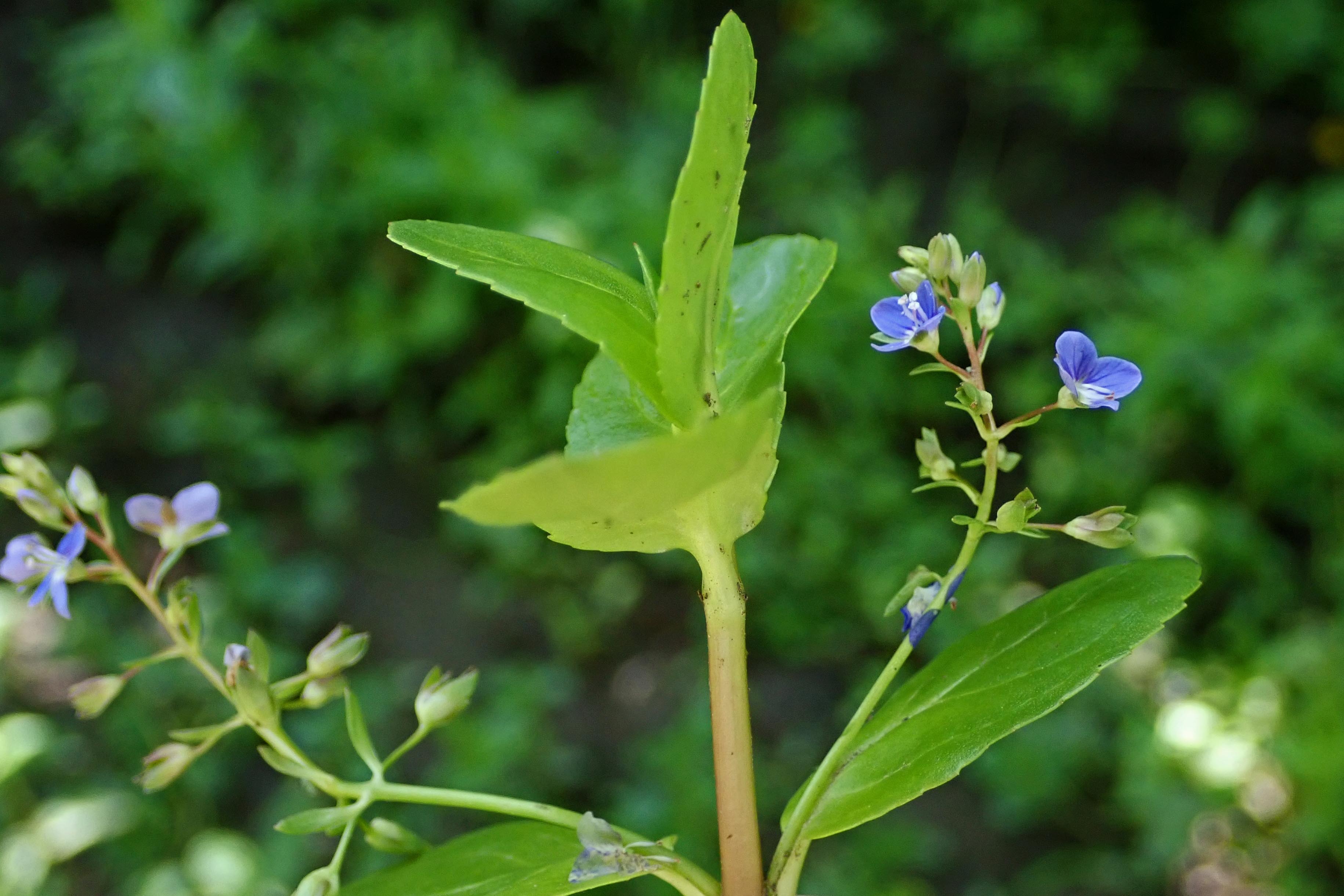
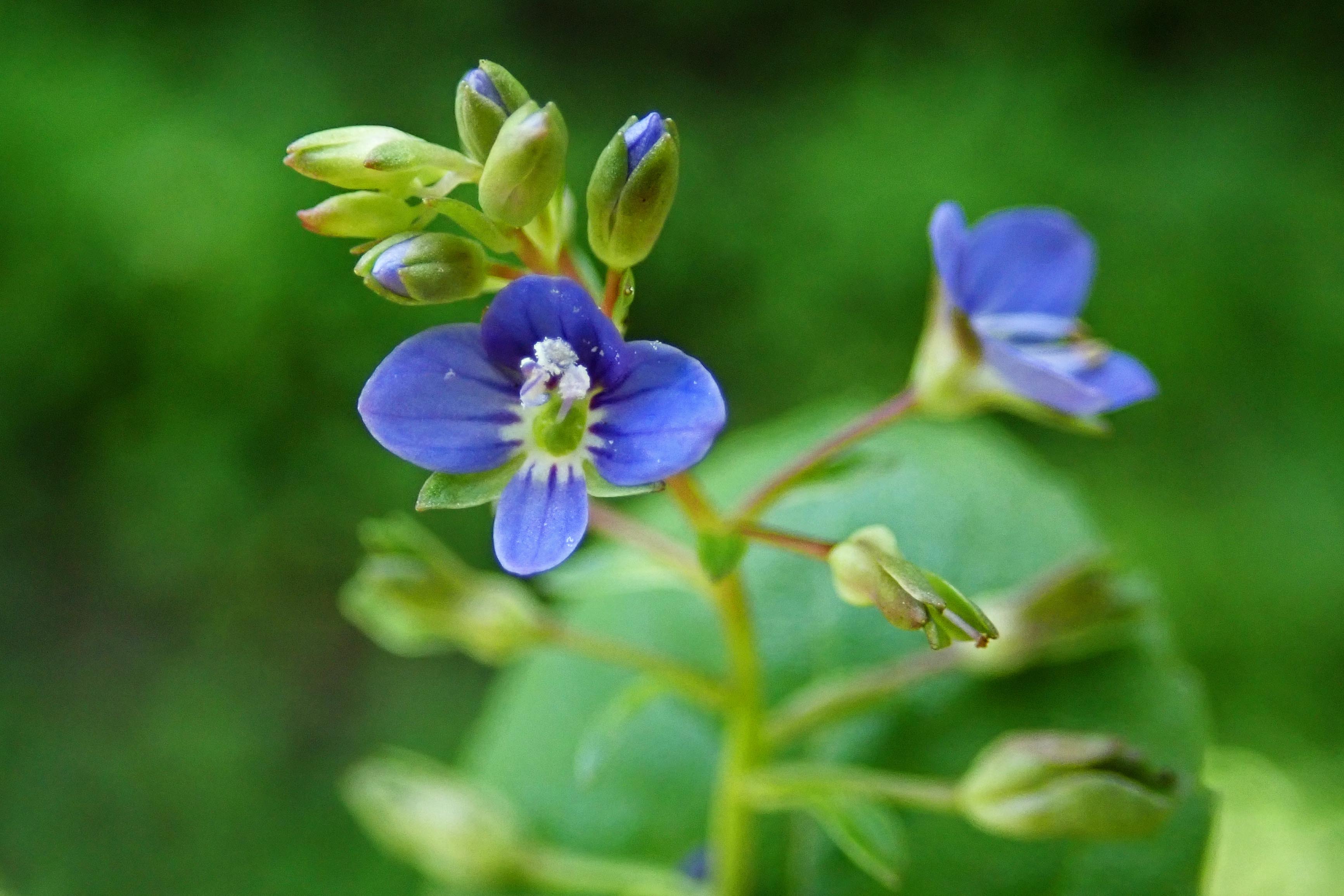
It was the tiny blue flowers that gave it away, and the fleshy succulent-like leaves, and the fact it was growing in the wet muddy area of a local horse field (that has a public footpath running through it, which I often use to get to a favourite local woodland). The flowers of Brooklime (Veronica beccabunga) are the clearest indicator that this is a member of the speedwell family, just one that prefers to live in damp habitats.

240623 brooklime (3)

The Plantlife website has an interesting section on this plant, entitled ‘Things you might not know’:

  • Brooklime was used as a salad plant in much of northern Europe in the past.
  • It used to be eaten with watercress and oranges to help prevent scurvy.
  • Although edible, the leaves are bitter and the same precautions should be taken with them, as with watercress, in order to avoid liver fluke.

240623 brooklime (2)

Like Loading...

Willowherb rust

21 Friday Jun 2024

Posted by sconzani in fungi

≈ Leave a comment

Tags

British rust fungi, British wildflowers, Puccinia pulverulenta, rust fungus, rust on willowherb, Willowherb, Willowherb rust

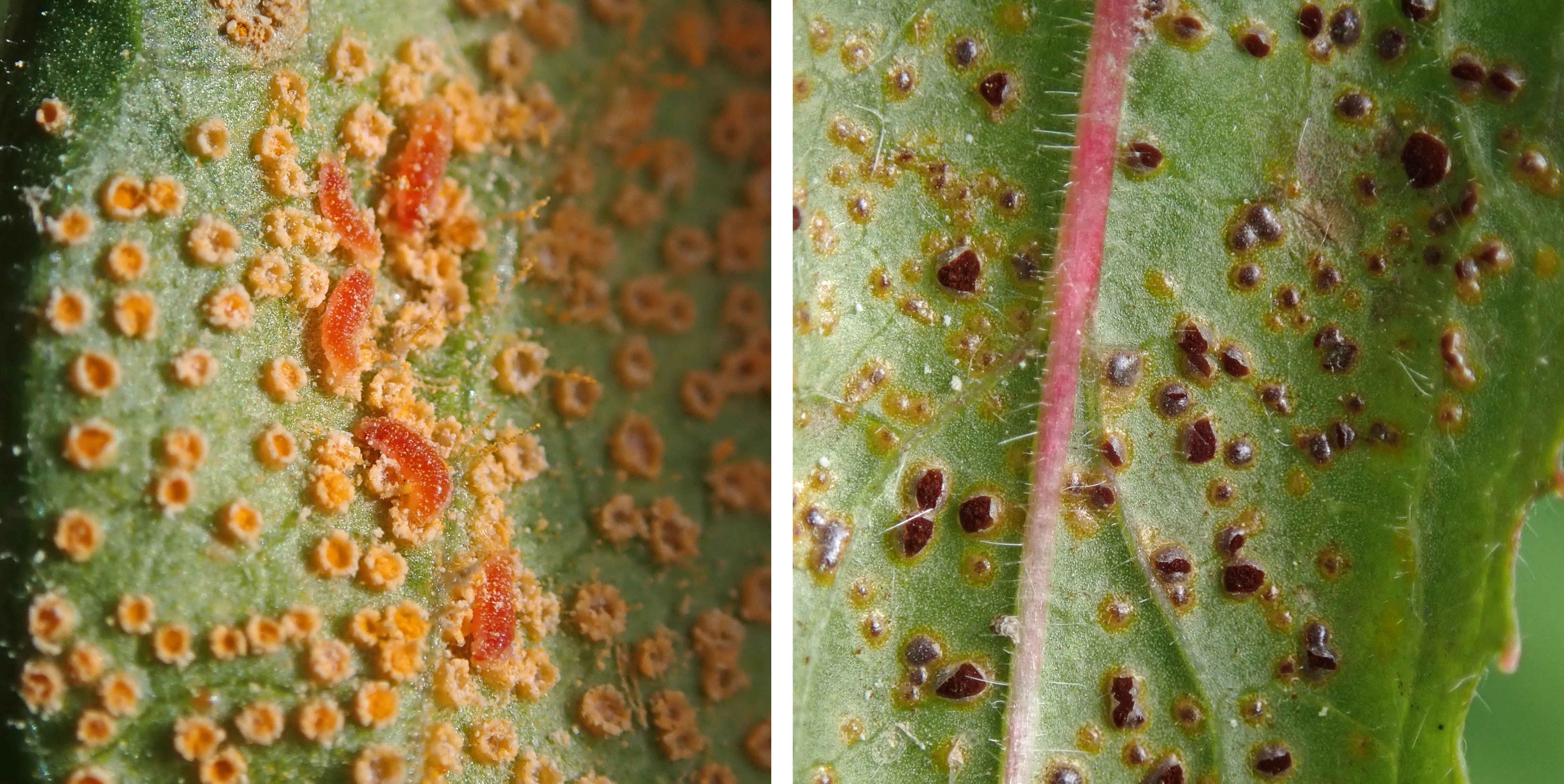
I’ve probably ignored the yellowing leaves of various willowherb species when I’ve seen them previously, thinking they were just drying out or perhaps diseased, but this time I turned a leaf over and discovered a new fungus (and lots of tiny orange grubs – likely fungus gnat larvae – feasting on that fungus).

240621 Puccinia pulverulenta (1)

This is Willowherb rust (Puccinia pulverulenta) (luckily, most rust species are host specific so are easy to identify if you know what the host plant it). The tiny orange rings, which, with their white fringing look a little like miniature flowers, are aecia – it’s from these that the rust releases some of its spores. Later in their complicated life cycle, the rust also produces the brown uredinia that can be seen in the photo on the right below. (Rust fungi have five different spore states – if you want to delve in to that life cycle, Science Direct has a good explanatory, though very technical article on its website.)

240621 Puccinia pulverulenta (2)

Like Loading...

Milkwort

16 Sunday Jun 2024

Posted by sconzani in wildflowers

≈ Leave a comment

Tags

British wildflowers, Common milkwort, milkwort, Polygala vulgaris

It’s always a delightful surprise to spot the tiny blue flowers of Milkwort in amongst the grasses and other wildflowers. Apparently, the flowers, which bloom from May right through to September in some locations, can also be deep purple and white but I’ve only ever seen this wonderful bright blue hue.

240616 milkwort (1)

Wikipedia reports that Classical and Renaissance writers stated ‘common milkwort was used medicinally as an infusion to increase the flow of a nursing mother’s milk’.

240616 milkwort (2)

I have assumed until now that the Milkwort plants I’ve seen, in various locations from grasslands to a coal spoil tip, have all been Common milkwort (Polygala vulgaris) but I admit that I have been so taken with the flowers that I haven’t paid much attention to the leaves. It seems that Heath Milkwort (Polygala serpyllifolia) is another possibility and, in future, I need to check whether the lower leaves are opposite each other on the stems (Heath milkwort) or alternate (Common milkwort).

240616 milkwort (3)

Like Loading...
← Older posts
Newer posts →

About me

sconzani

sconzani

I'm a writer and photographer; researcher and blogger; birder and nature lover; countryside rambler and city strider; volunteer and biodiversity recorder.

View Full Profile →

Follow earthstar on WordPress.com

Enter your email address to follow this blog and receive notifications of new posts by email.

Recent blog posts

  • The return of the Willow warblers April 23, 2026
  • Bug: Harpocera thoracica April 22, 2026
  • A female Tawny April 21, 2026
  • NFY: Orange-tip April 20, 2026
  • All the yellows April 19, 2026

From the archives

COPYRIGHT

Unless otherwise acknowledged, the text and photographs on this blog are my own and are subject to international copyright. Nothing may be downloaded or copied without my permission.

Fellow Earth Stars!

  • Unknown's avatar
  • Unknown's avatar
  • Unknown's avatar
  • Unknown's avatar
  • Unknown's avatar
  • Unknown's avatar
  • Unknown's avatar
  • Unknown's avatar
  • Unknown's avatar
  • Unknown's avatar
  • Unknown's avatar
  • Unknown's avatar
  • Unknown's avatar
  • Unknown's avatar
  • Unknown's avatar
  • Unknown's avatar
  • Unknown's avatar
  • Unknown's avatar
  • Unknown's avatar
  • Unknown's avatar
  • Unknown's avatar
  • Unknown's avatar
  • Unknown's avatar
  • Unknown's avatar
  • Unknown's avatar
  • Unknown's avatar
  • Unknown's avatar
  • Unknown's avatar
  • Unknown's avatar
  • Unknown's avatar
  • Unknown's avatar
  • Unknown's avatar
  • Unknown's avatar
  • Unknown's avatar
  • Unknown's avatar
  • Unknown's avatar
  • Unknown's avatar
  • Unknown's avatar
  • Unknown's avatar
  • Unknown's avatar
  • Unknown's avatar
  • Unknown's avatar
  • Unknown's avatar
  • Unknown's avatar
  • Unknown's avatar
  • Unknown's avatar
  • Unknown's avatar
  • Unknown's avatar
  • Unknown's avatar
  • Unknown's avatar

Blog at WordPress.com.

Privacy & Cookies: This site uses cookies. By continuing to use this website, you agree to their use.
To find out more, including how to control cookies, see here: Cookie Policy
  • Subscribe Subscribed
    • earthstar
    • Join 642 other subscribers
    • Already have a WordPress.com account? Log in now.
    • earthstar
    • Subscribe Subscribed
    • Sign up
    • Log in
    • Report this content
    • View site in Reader
    • Manage subscriptions
    • Collapse this bar
 

Loading Comments...
 

You must be logged in to post a comment.

    %d