• ABOUT
  • BIRDING 2018
  • Birding 2019
  • BLOG POSTS
  • Butterflies 2018
  • Resources

earthstar

~ a celebration of nature

earthstar

Tag Archives: dragonfly

K is for Keeled skimmers

16 Tuesday Dec 2025

Posted by sconzani in insects

≈ Leave a comment

Tags

British dragonflies, dragonfly, Keeled skimmer, male Keeled skimmers, Orthetrum coerulescens

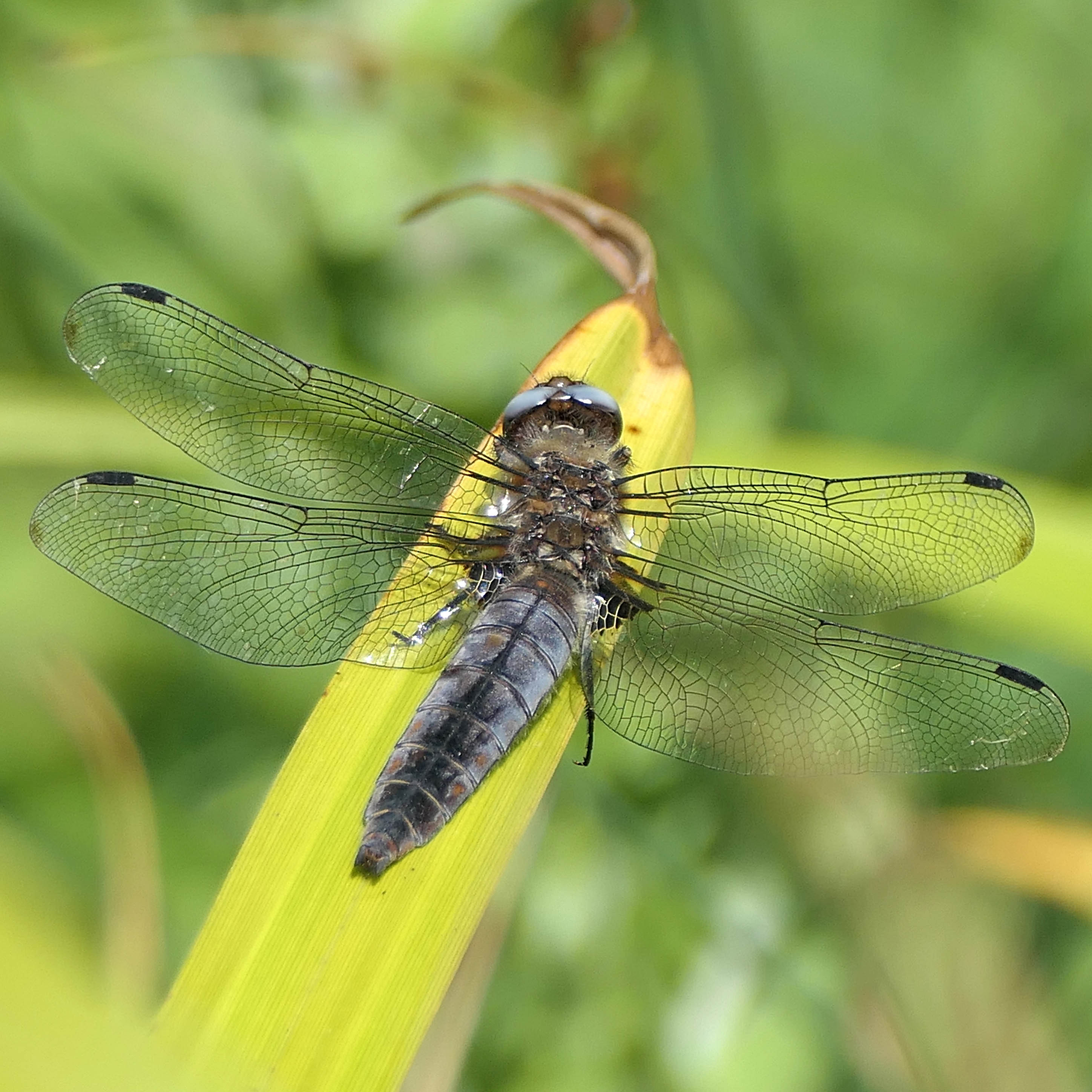
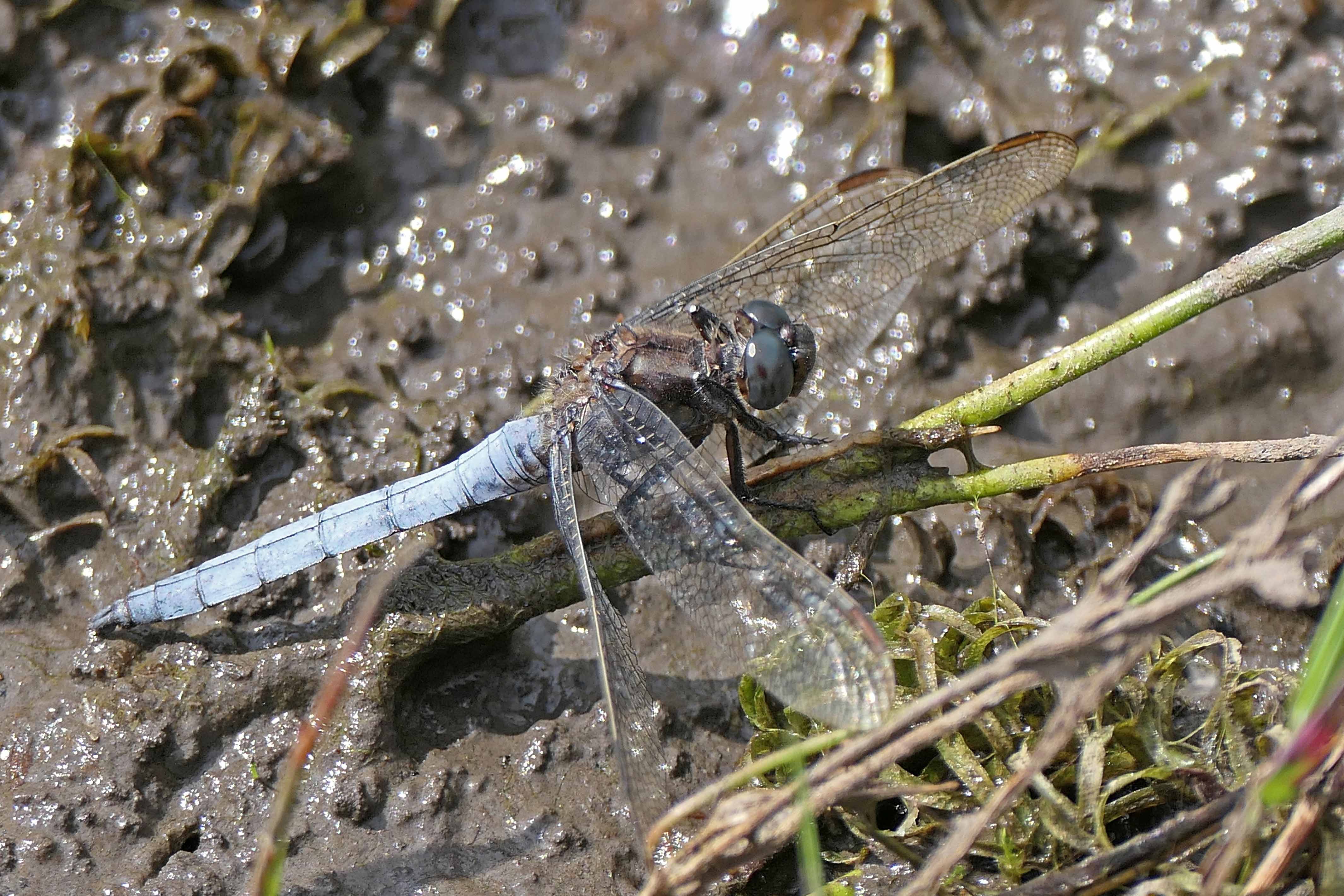
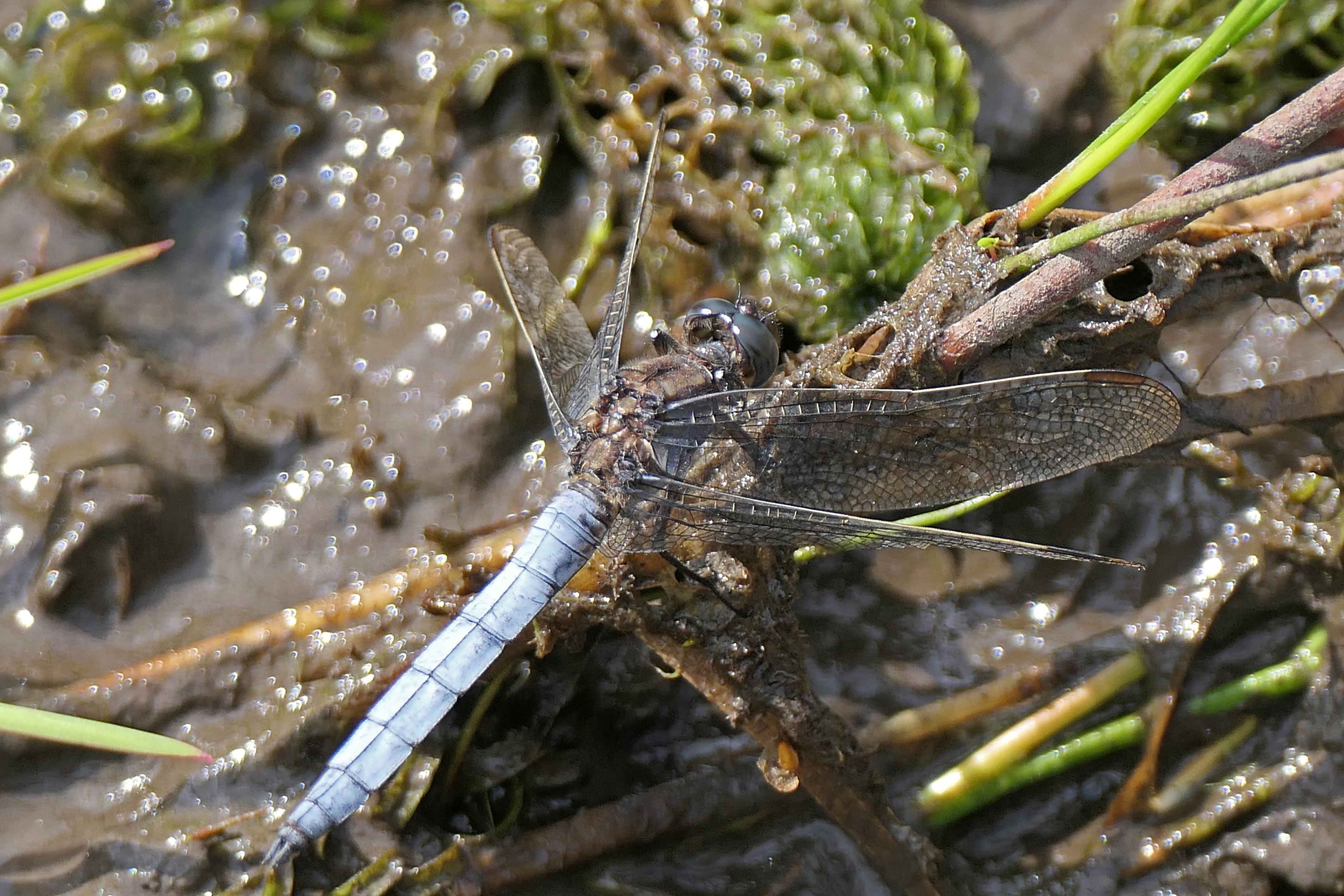
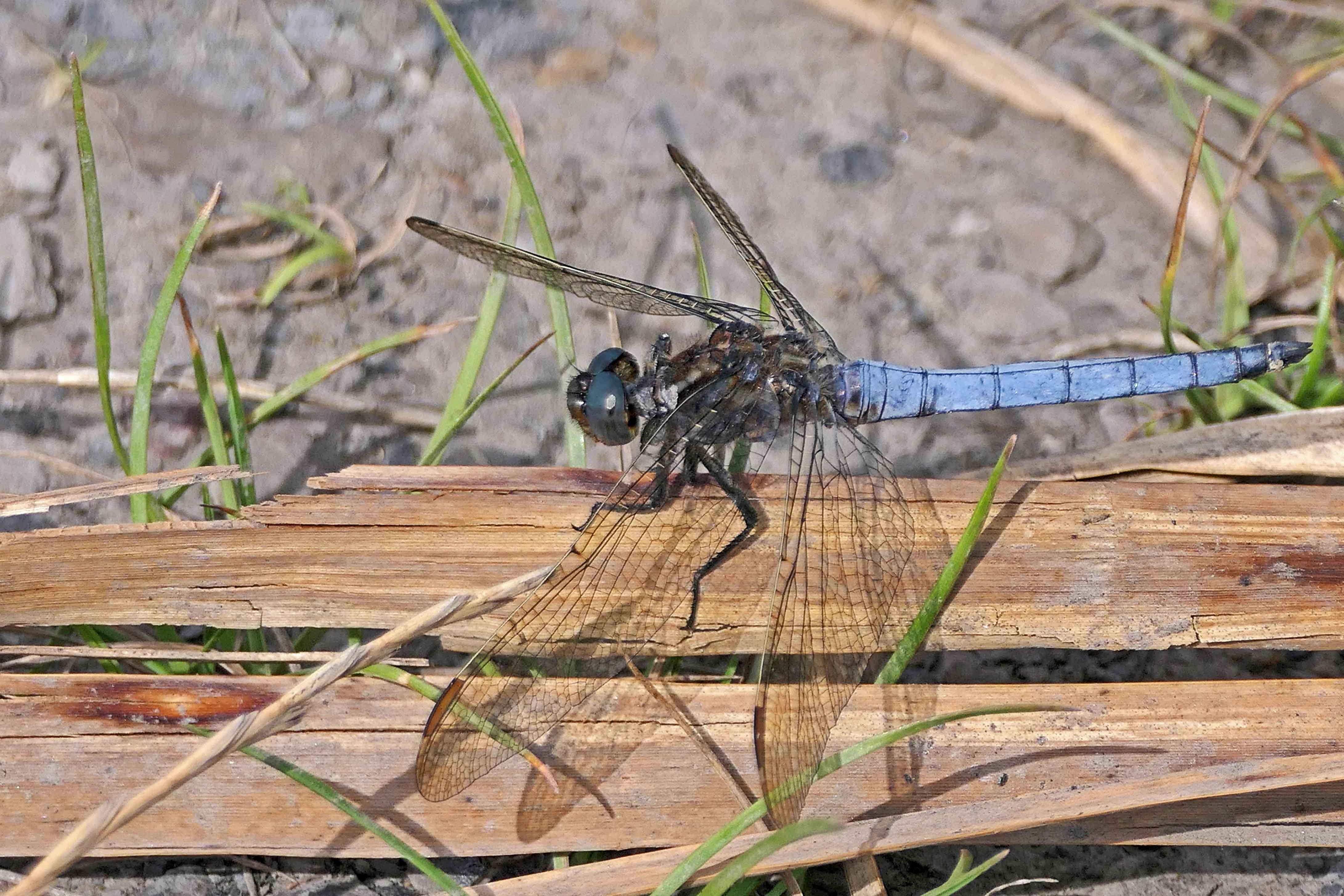
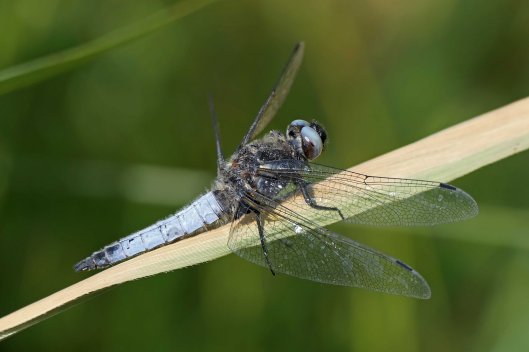
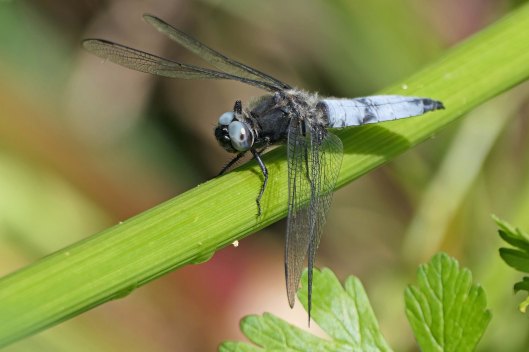
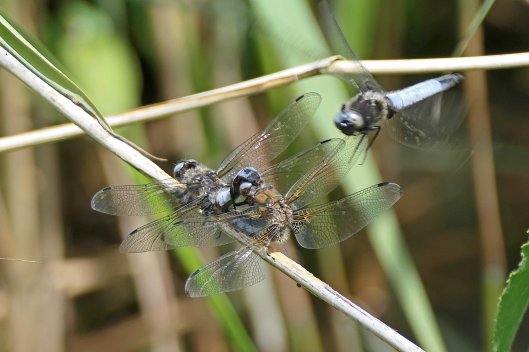
Dragonflies feature in three of my countdown blog posts this year as I’ve been fortunate to have seen several new species, and others that I had only seen once previously. Keeled skimmers, blogged about on 26 August, were one of the latter species, and what a delight it was to watch them skimming back and forth around the ponds at Maesteg, a new site for me that I plan to revisit next year.

Like Loading...

H is for hawkers

13 Saturday Dec 2025

Posted by sconzani in insects

≈ Leave a comment

Tags

dragonfly, British dragonflies, Odonata, Hawker dragonflies, British odonata, Norfolk hawker, Common hawker

What a grand year 2025 has been for dragonfly sightings, partly because, since downsizing my home situation, I’ve finally been able to afford to venture further afield – nothing too adventurous, no trips abroad, but four lovely little mini-breaks in English locations to look for wildlife I’m not able to see closer to home.

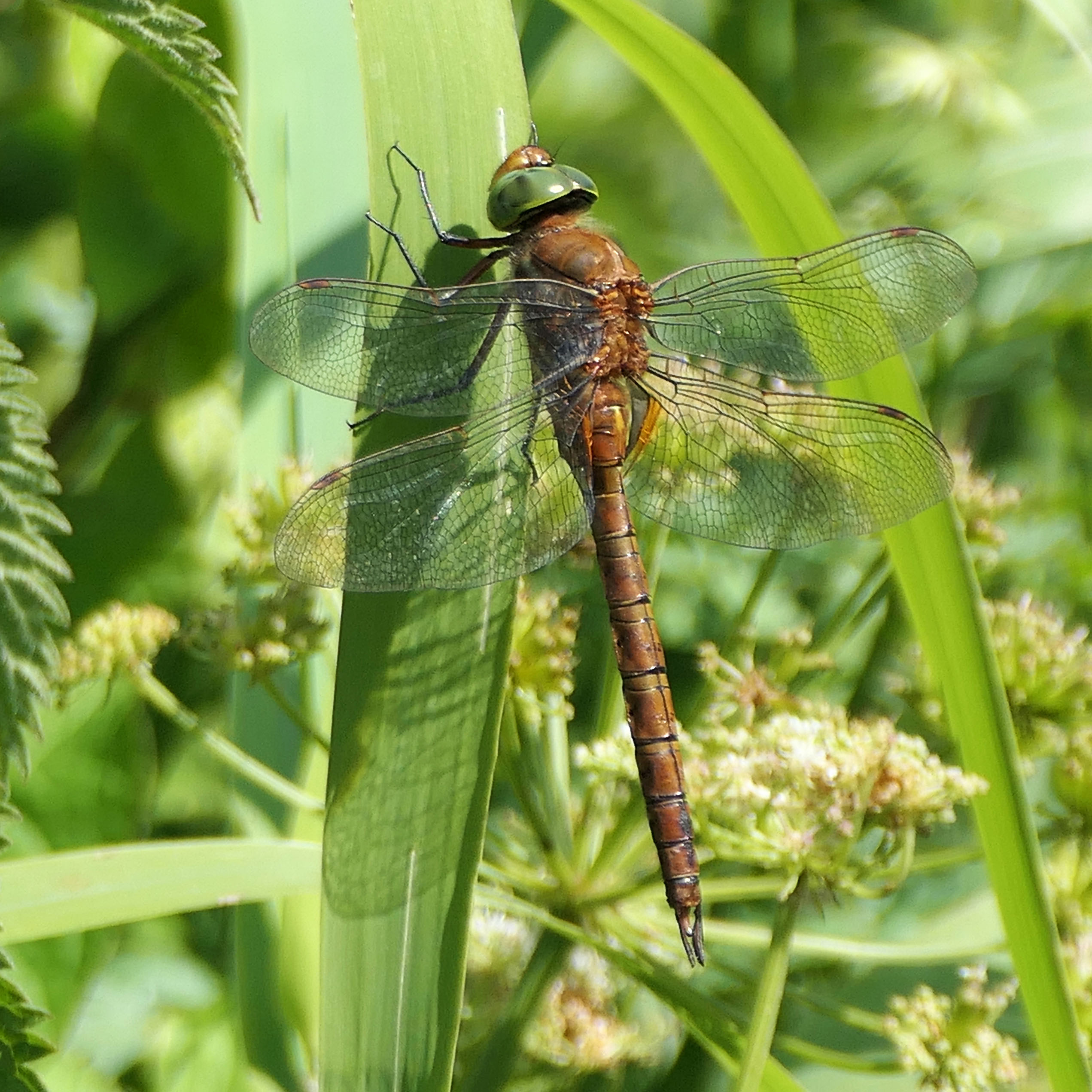
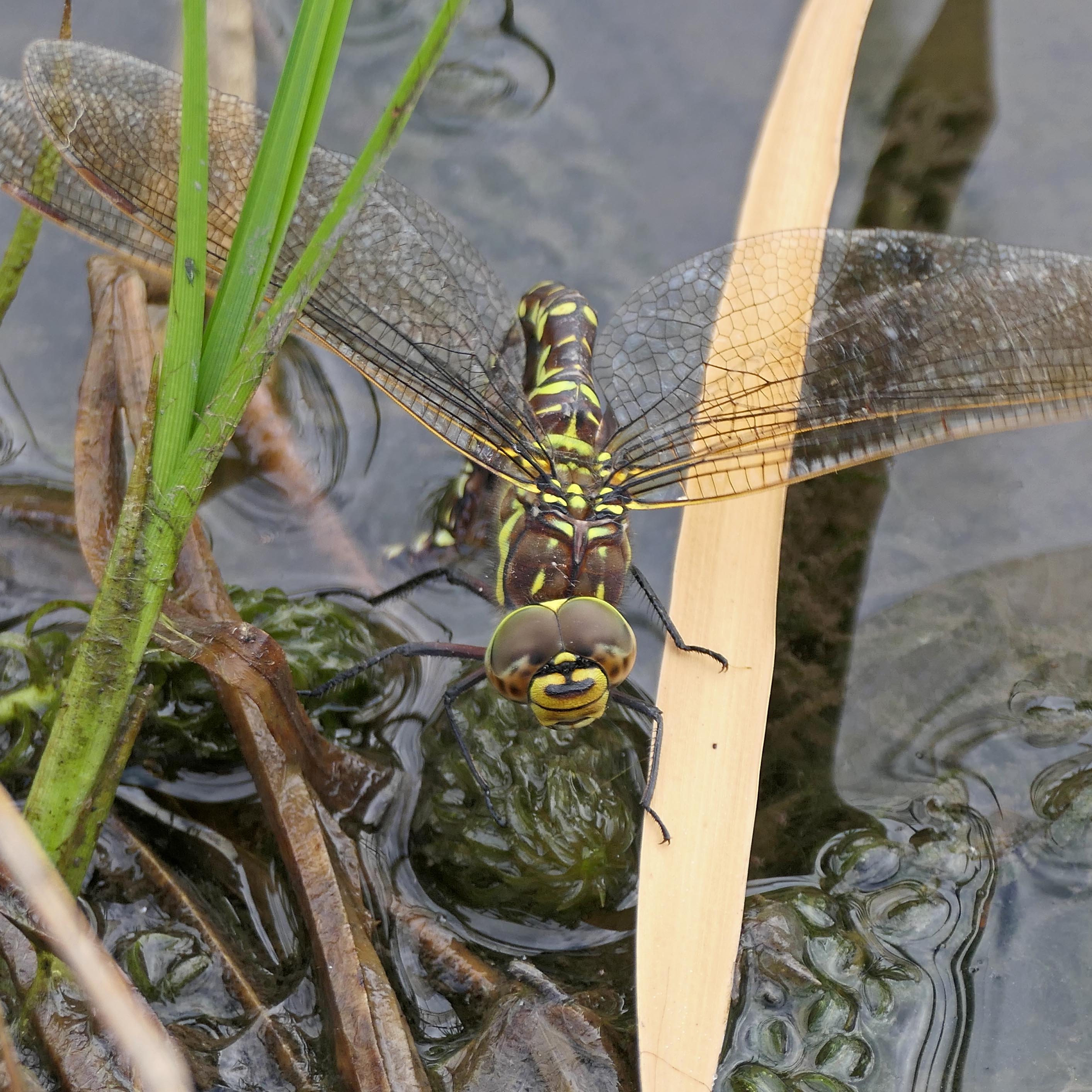
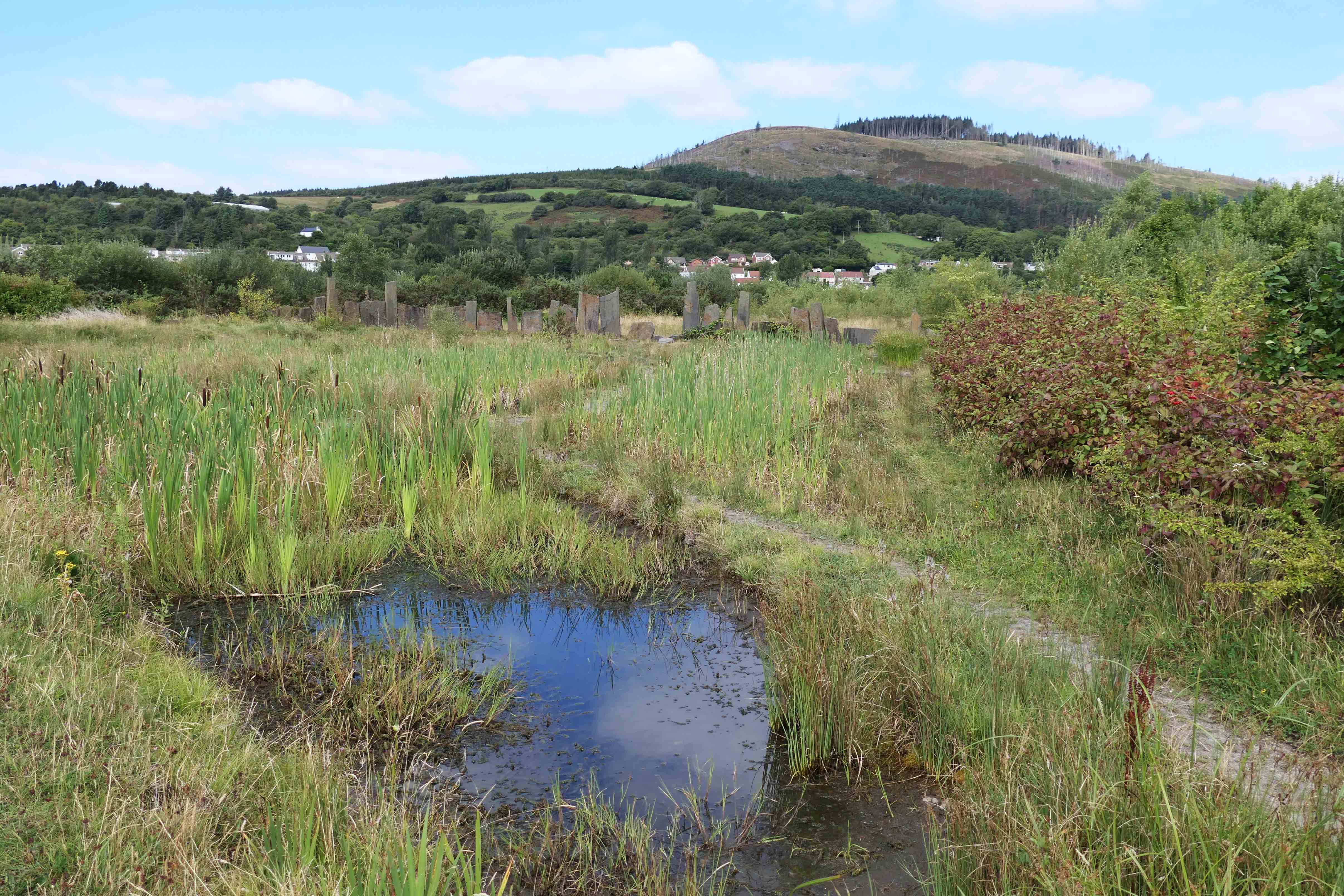
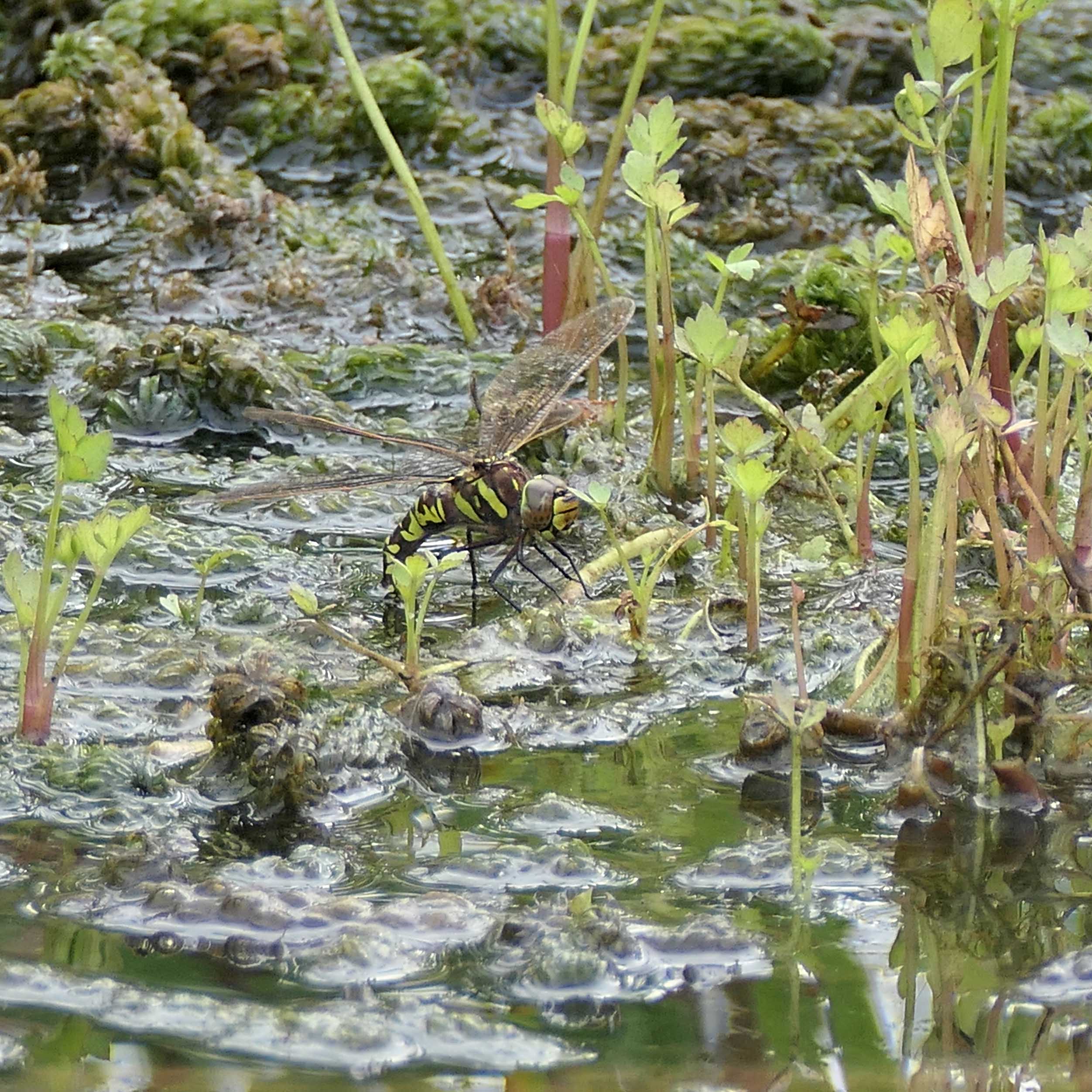
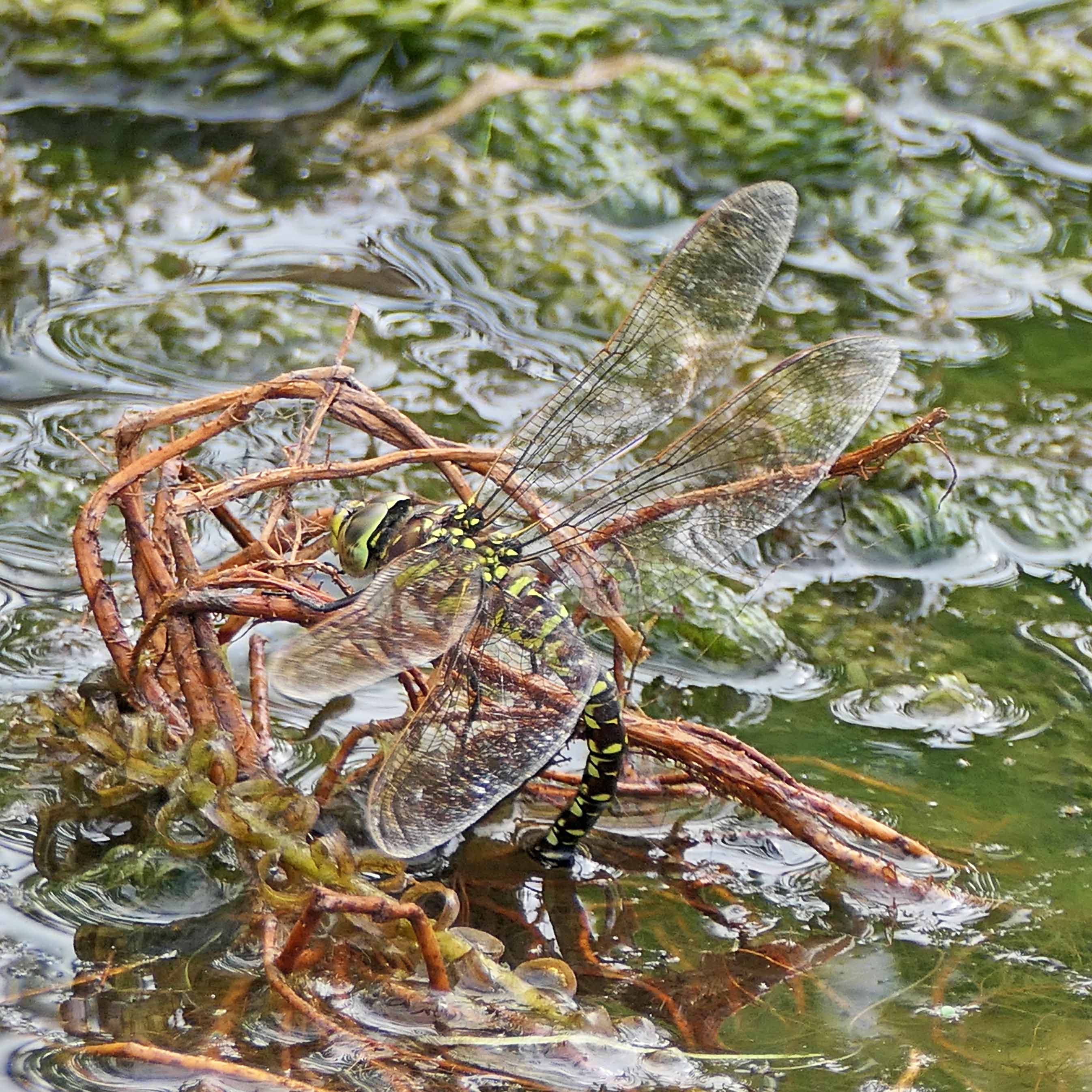
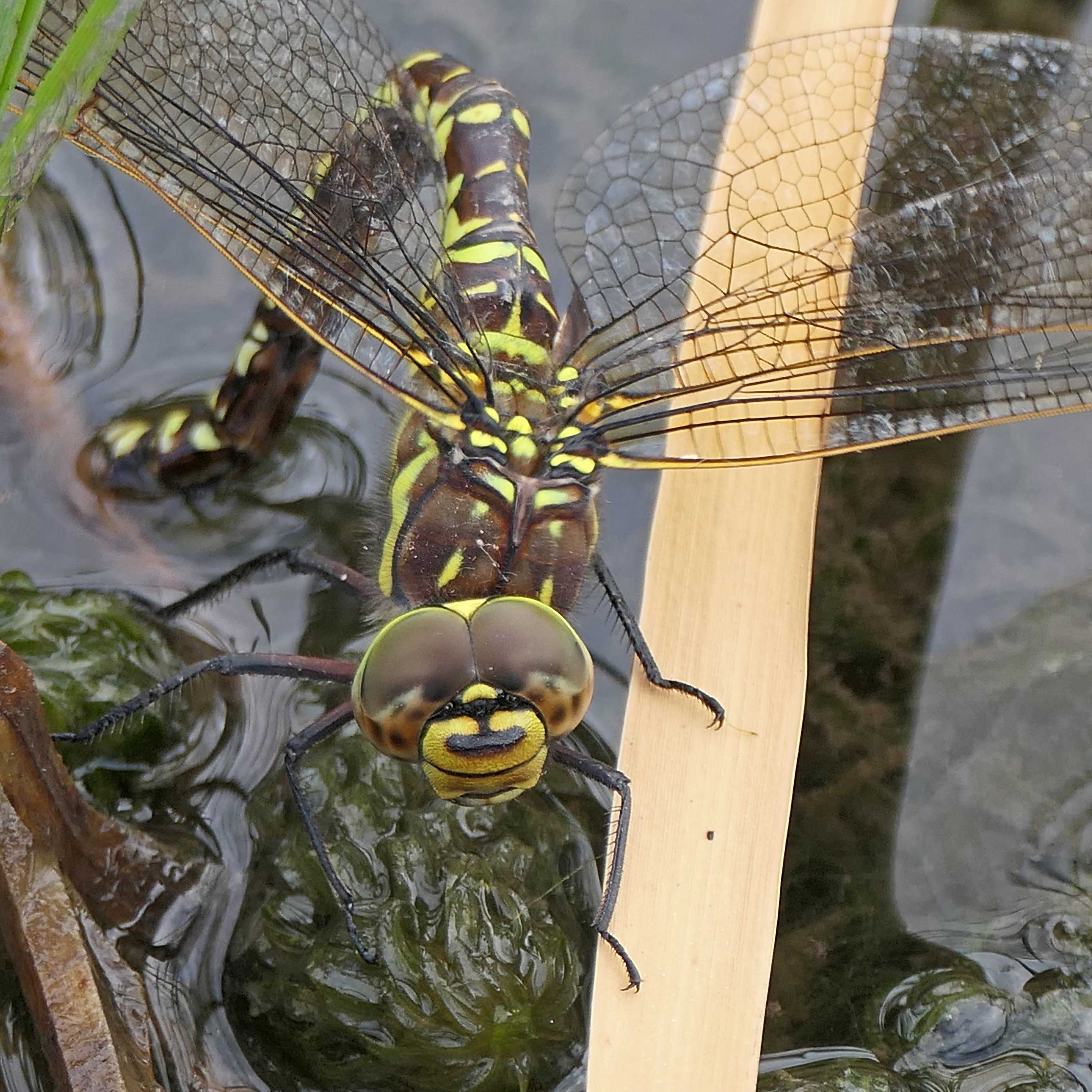
That’s how, during a wonderful week in Weymouth in June, I saw my first ever Norfolk hawkers (see Lifer: Norfolk hawker, 18 June) (above). However, my second ‘first-ever’ hawker species sighting (see Lifer: Common hawker, 22 August) (below) was here in Wales, in a small town high in one of the south Wales valleys that I hadn’t previously visited and didn’t know was home to a pond that held some very nice dragonfly species. That visit was a good reminder to explore more widely here in Wales next year, as well as in England.

Like Loading...

Lesser emperor

30 Tuesday Sep 2025

Posted by sconzani in insects

≈ Leave a comment

Tags

Anax parthenope, British dragonflies, dragonfly, Lavernock Nature Reserve, Lesser emperor, migrant dragonflies, Odonata

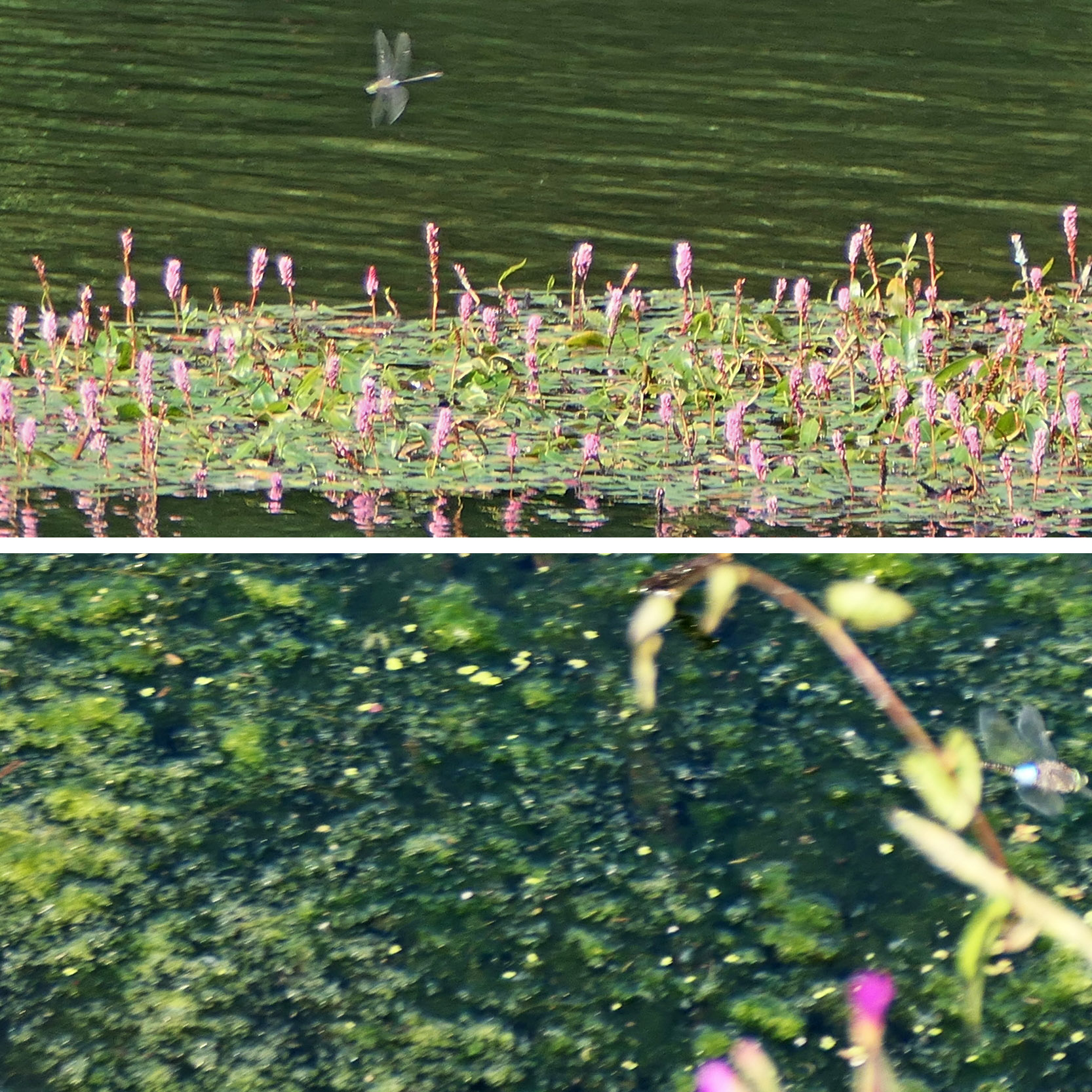
Last Tuesday, though I didn’t realise it until later in the day, I finally saw a stationary Lesser emperor dragonfly (Anax parthenope). My previous encounters with this dragon have been when I’ve seen one, usually fleetingly and at distance, hawking over a body of water. These stunning (ha!) flight shots of the Lesser emperor were taken at Cosmeston’s west lake on 16 August 2023 and looking over the River Ely at Grangemoor Park on 25 July 2025, where I only just managed to catch the dragon before it exited, frame right.

The British Dragonfly Society website reports that this dragonfly was first reported in the UK, in Gloucestershire, in 1996, and first recorded breeding in Cornwall in 1999. I don’t know whether the specimens we see here in south Wales are dragons that have bred here or migrants but I suspect the Lesser emperor I saw last Tuesday was a migrant as I found it at Lavernock Nature Reserve, just a few metres from the sea cliff edge. And, though there is a pond at Lavernock, it routinely dries up during the summer – and certainly did in this year’s drought, so the dragonfly is unlikely to have bred at the reserve.

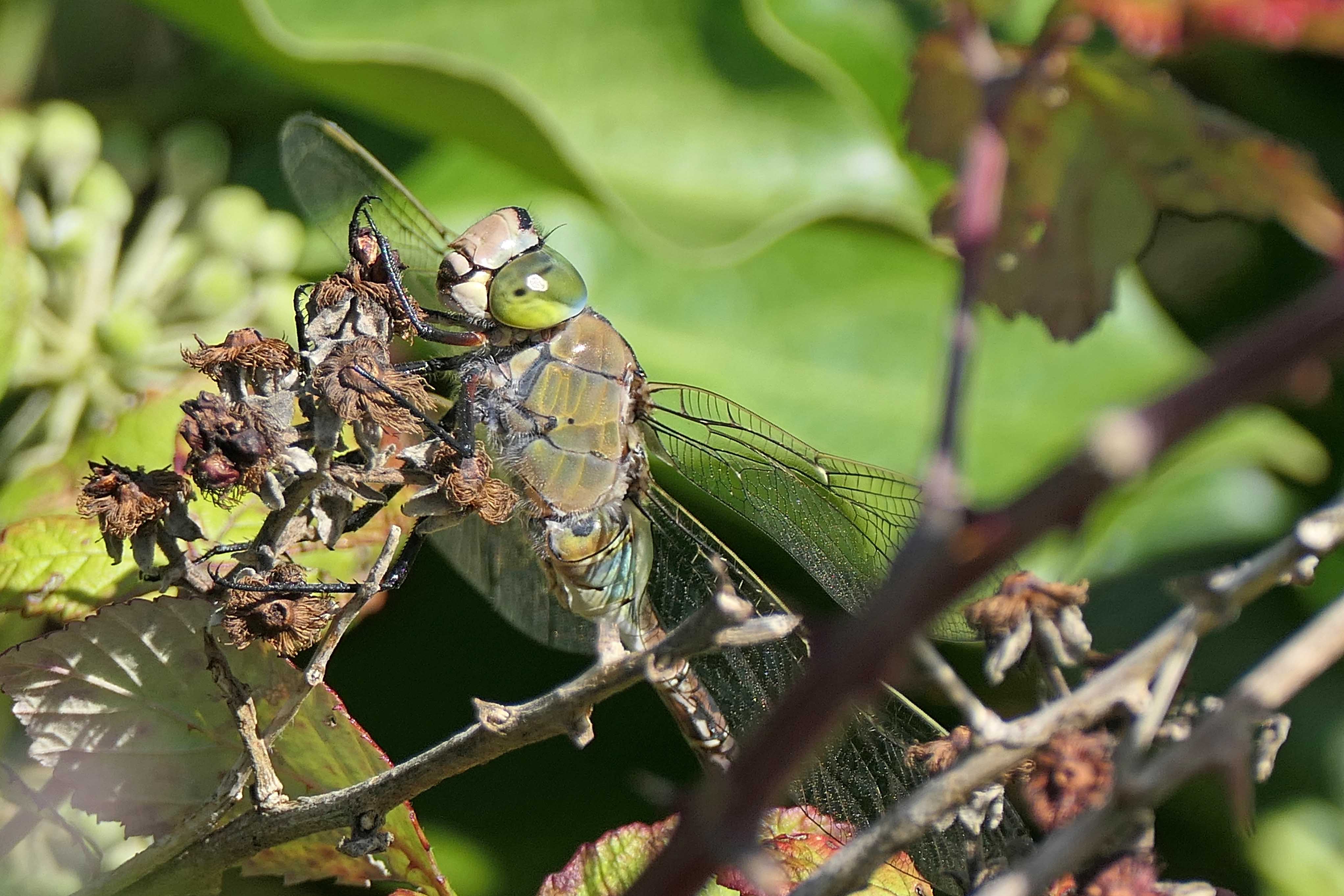
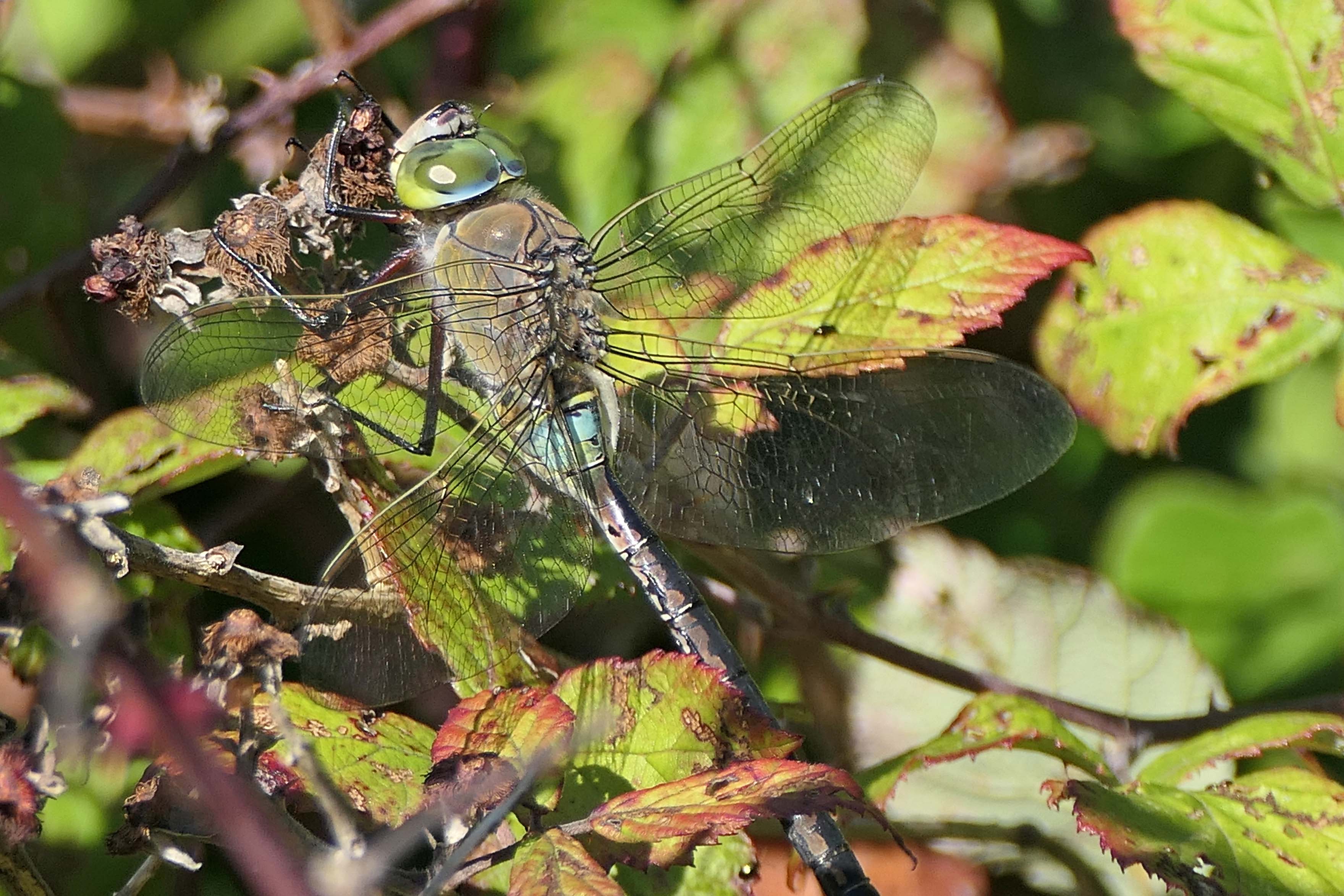
As I admitted in my opening sentence, I didn’t initially recognise this dragon. ‘It’s just another Migrant hawker’, I thought to myself, and, as it was perched in some scrub and partially obscured by the vegetation, it was difficult to see and photograph. Now, I’m just glad I did take photos or I’d never have realised what I’d seen, nor been able to prove it.

Like Loading...

Emerald damsels

27 Wednesday Aug 2025

Posted by sconzani in insects

≈ Leave a comment

Tags

British damselflies, British dragonflies, damselfly, dragonfly, Emerald damsefly, Lestes sponsa, Odonata

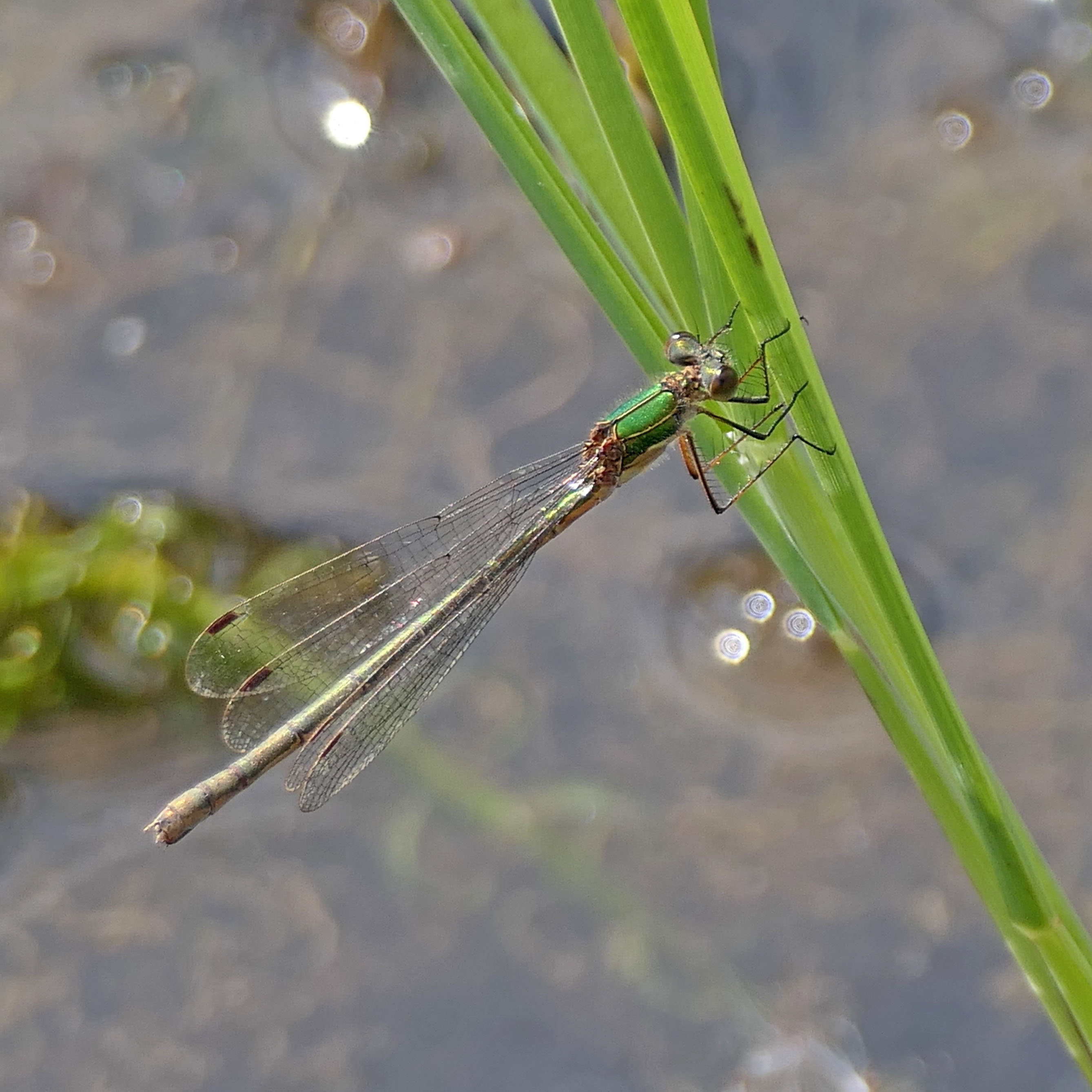
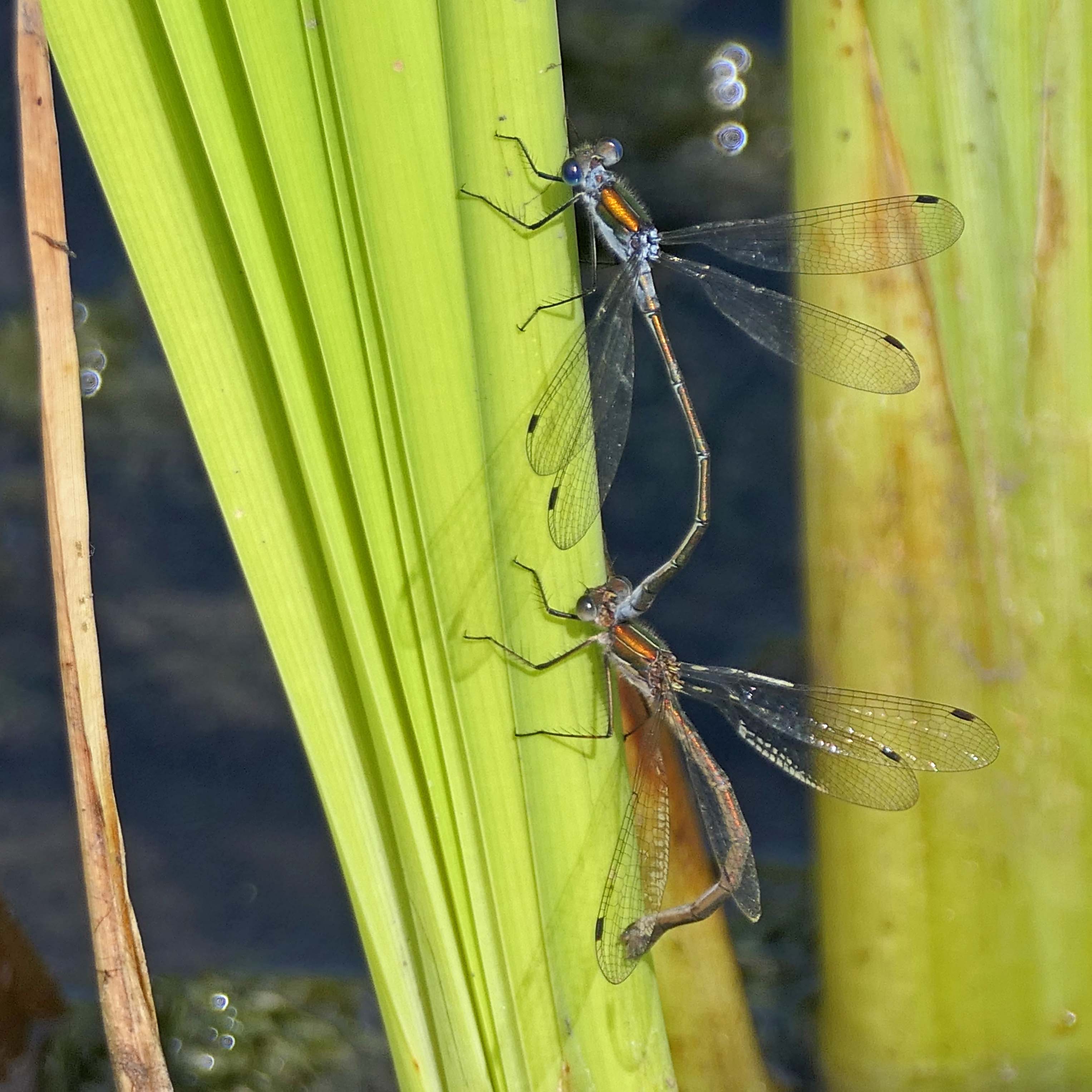
This is the final blog in my short series about the dragonflies I saw during last week’s rail journey up the south Welsh valleys to Maesteg. Today’s subject is the Emerald damselfly (Lestes sponsa), a species I’ve seen only twice before, in August 2017 and in September 2021. I’ve looked for them a couple of times at the 2021 location, Parc Penallta, but the small ponds there quickly dry out in hot summers and dog walkers allow their charges to splash about in them, displacing more water and polluting the water with the dogs’ chemical flea treatments. These are probably some of the reasons why the population of this damselfly species has been in steady decline since the 1990s.

Emeralds are relatively large for damselflies and rest with their wings outspread, hence their European common name, Common spreadwing. Their bodies are metallic green, though the colours of some parts of their abdomens vary depending on whether they are male or female, immature or aging. Emeralds favour shallow standing waters, like bog pools and ponds, especially when these are surrounded by tall grasses, rushes and sedges.

Like Loading...

Keeled skimmers

26 Tuesday Aug 2025

Posted by sconzani in insects

≈ Leave a comment

Tags

British dragonflies, dragonflies of heathlands, dragonflies of peat bogs, dragonfly, Keeled skimmer, male Keeled skimmers, Orthetrum coerulescens

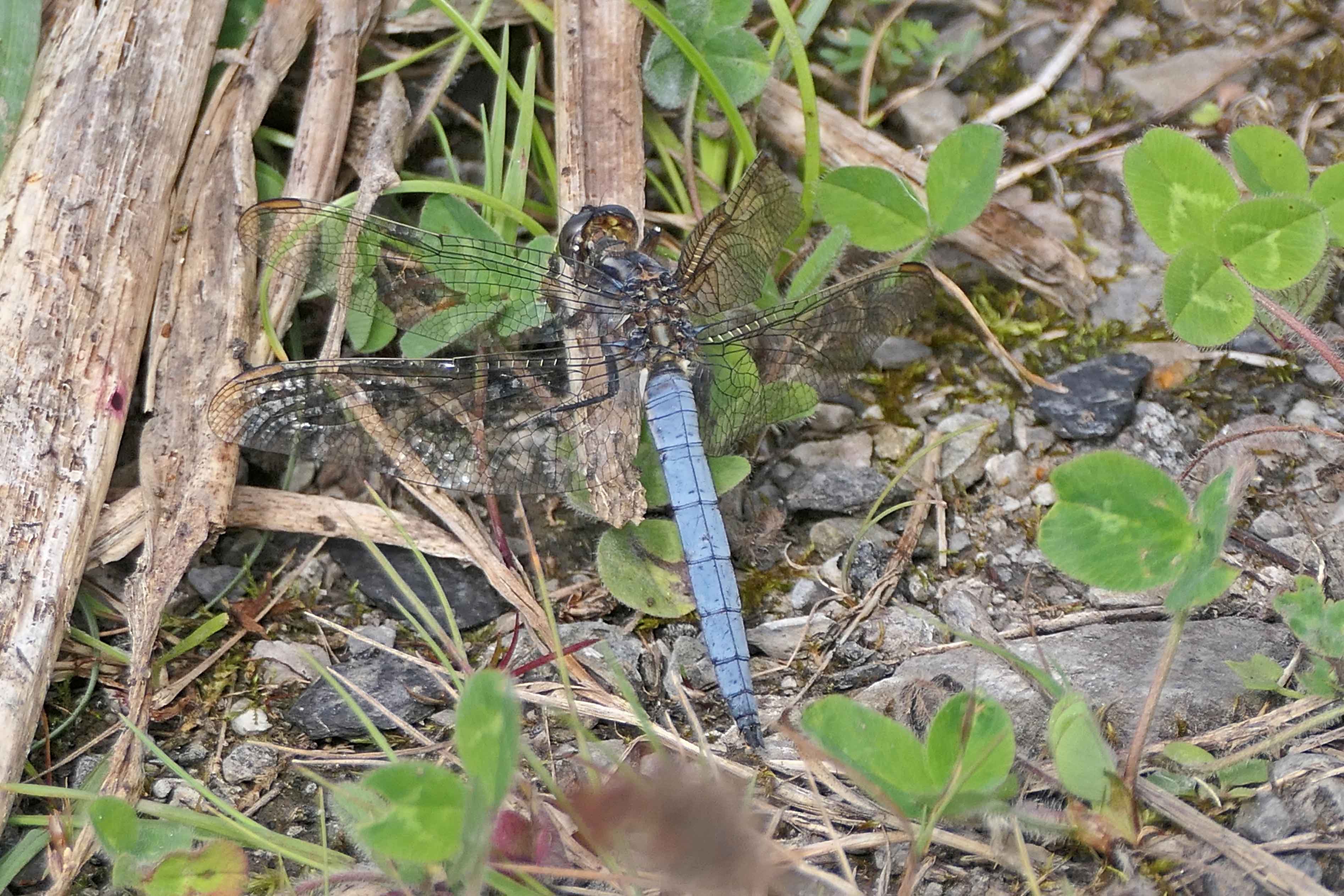
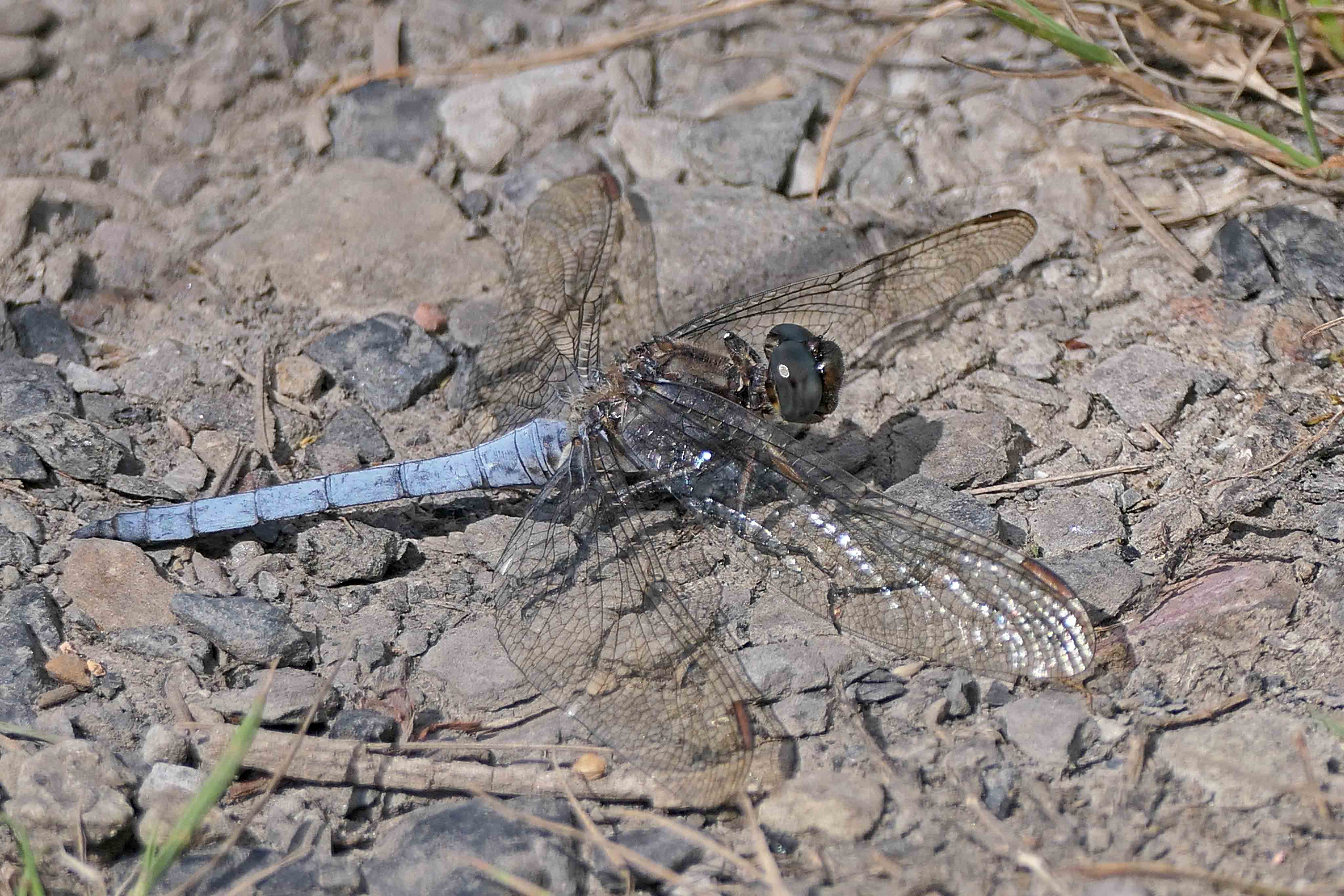
Here’s another of the stunning dragons I saw at the ponds in Maesteg last week. And this is another species I’d only seen once before, back in 2017 on a birding day out to the Lliw Reservoirs north of Swansea.

These gorgeous dragonflies are Keeled skimmers (Orthetrum coerulescens), also known in Europe as Heathland skimmers, which gives a very clear indication of their preference for the acidic conditions of heathland waterways and the drains and ponds of peat bogs. The Maesteg ponds provide the perfect habitat for them, except perhaps for the locals who allow their dogs to swim there.

These beauties were quite easy to find when I wandered around the ponds as, according to my guide book, the males hold quite small territories, with a favourite perch from which they flit out to see off any intruders. So, once I found their perches, I was able to stand a little way off to watch their flights and grab photos once they settled again.

I only saw male Keeled skimmers during this visit to the ponds, so I’ve yet to see one of golden yellow females. These dragonflies are usually active from mid June to mid August so I may have missed seeing the females this year but I will certainly be visiting this location again next year.

Like Loading...

Black darter

23 Saturday Aug 2025

Posted by sconzani in insects

≈ Leave a comment

Tags

Black darter, Black darter female, Black darter male, British dragonflies, dragonfly, Odonata, Sympetrum danae

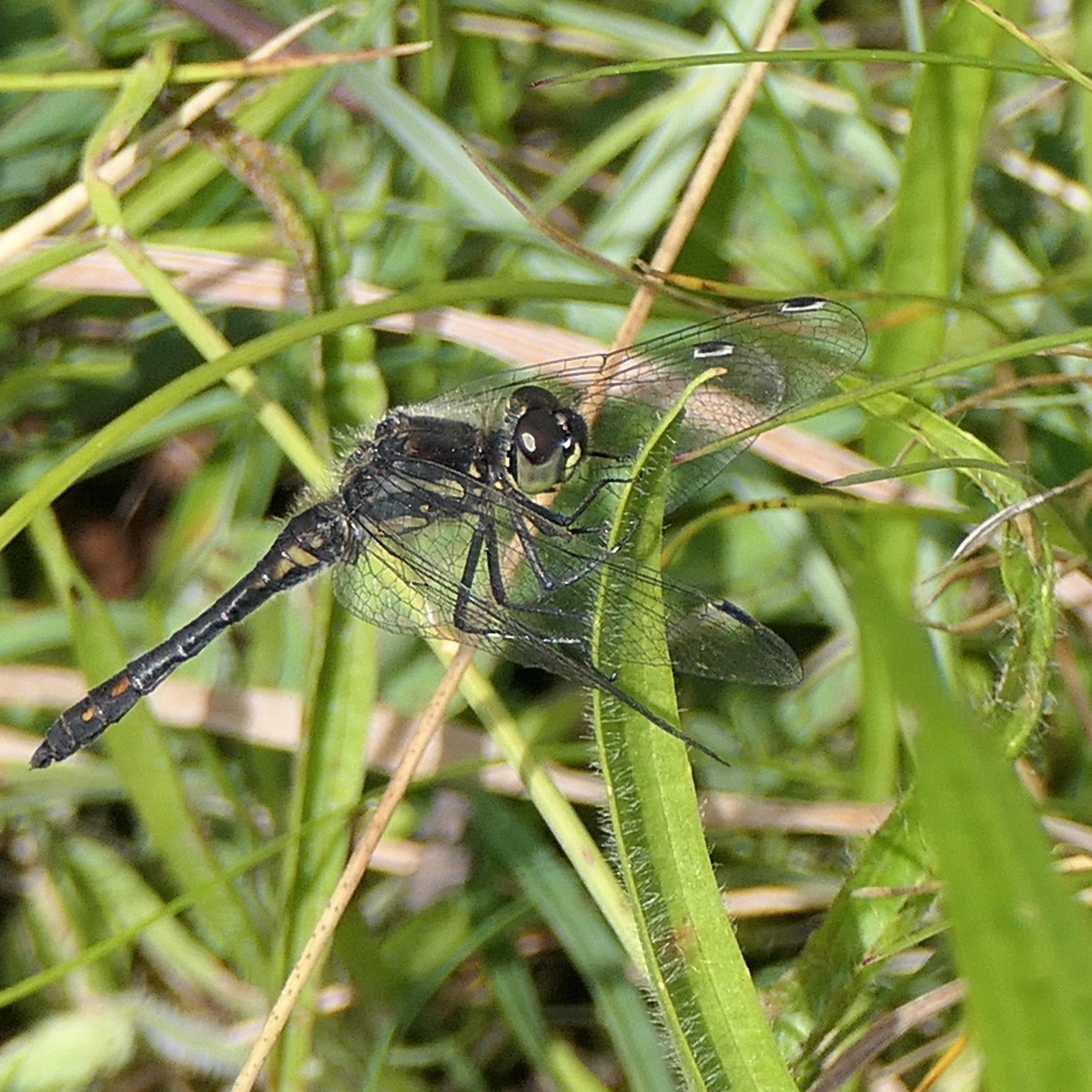
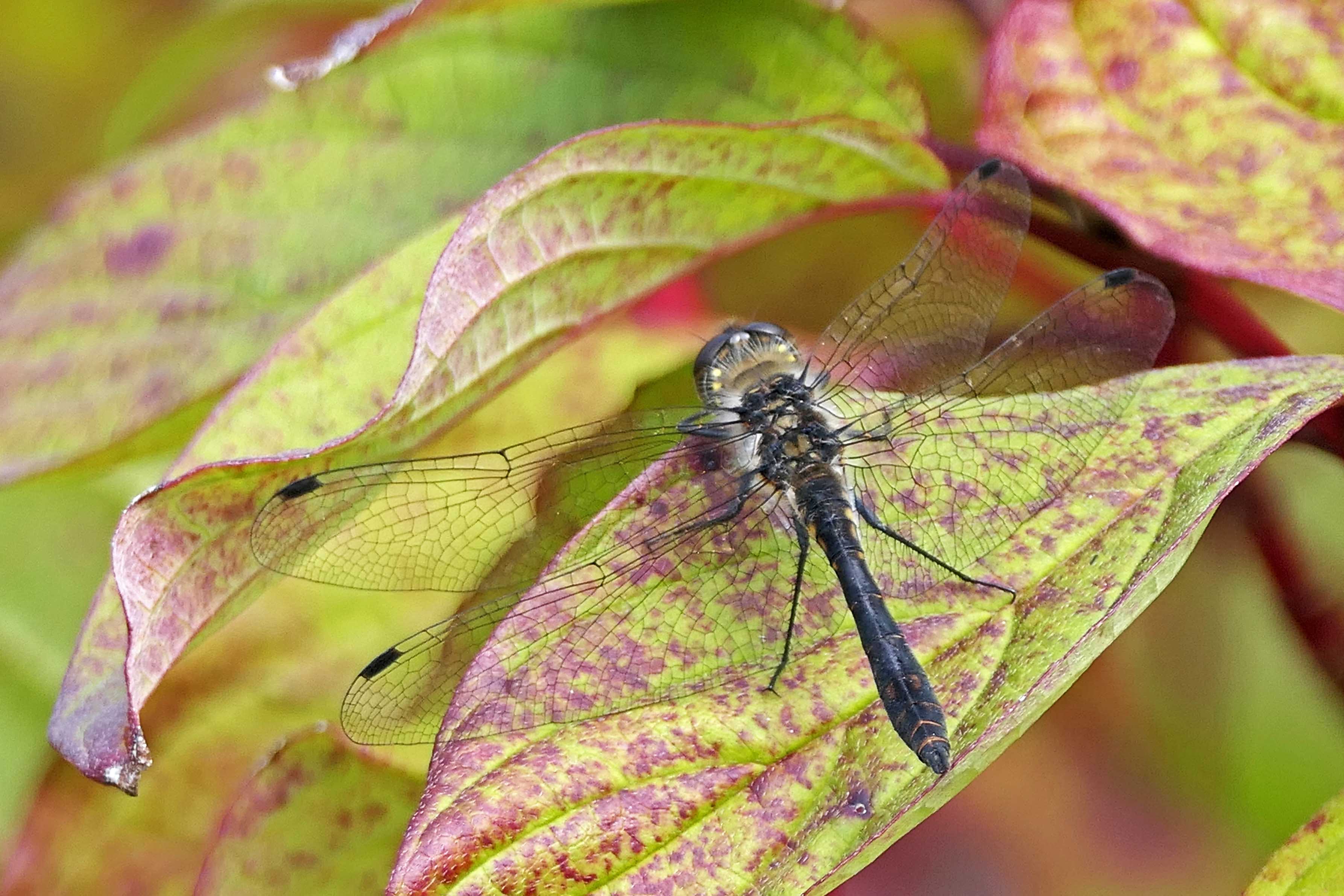
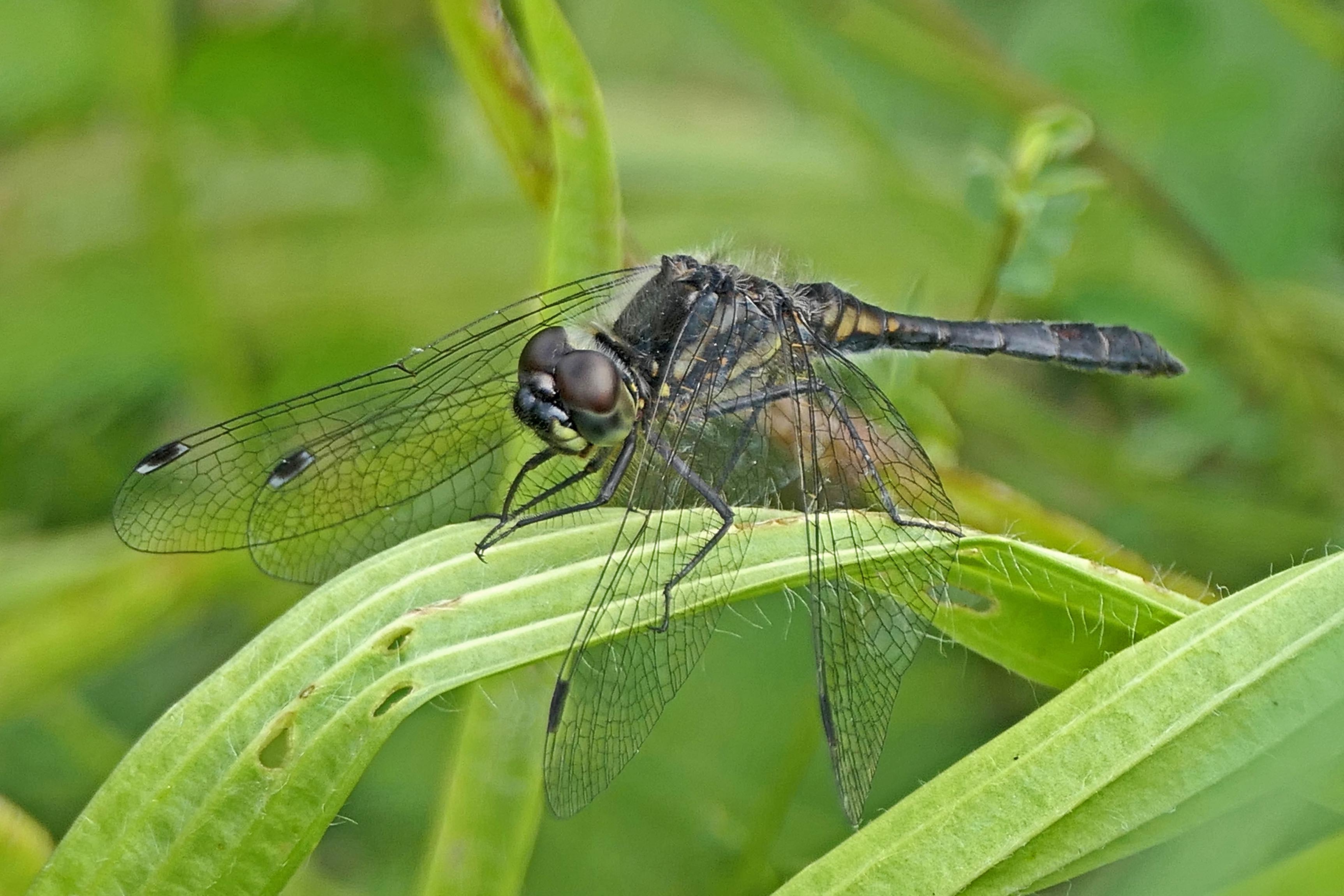
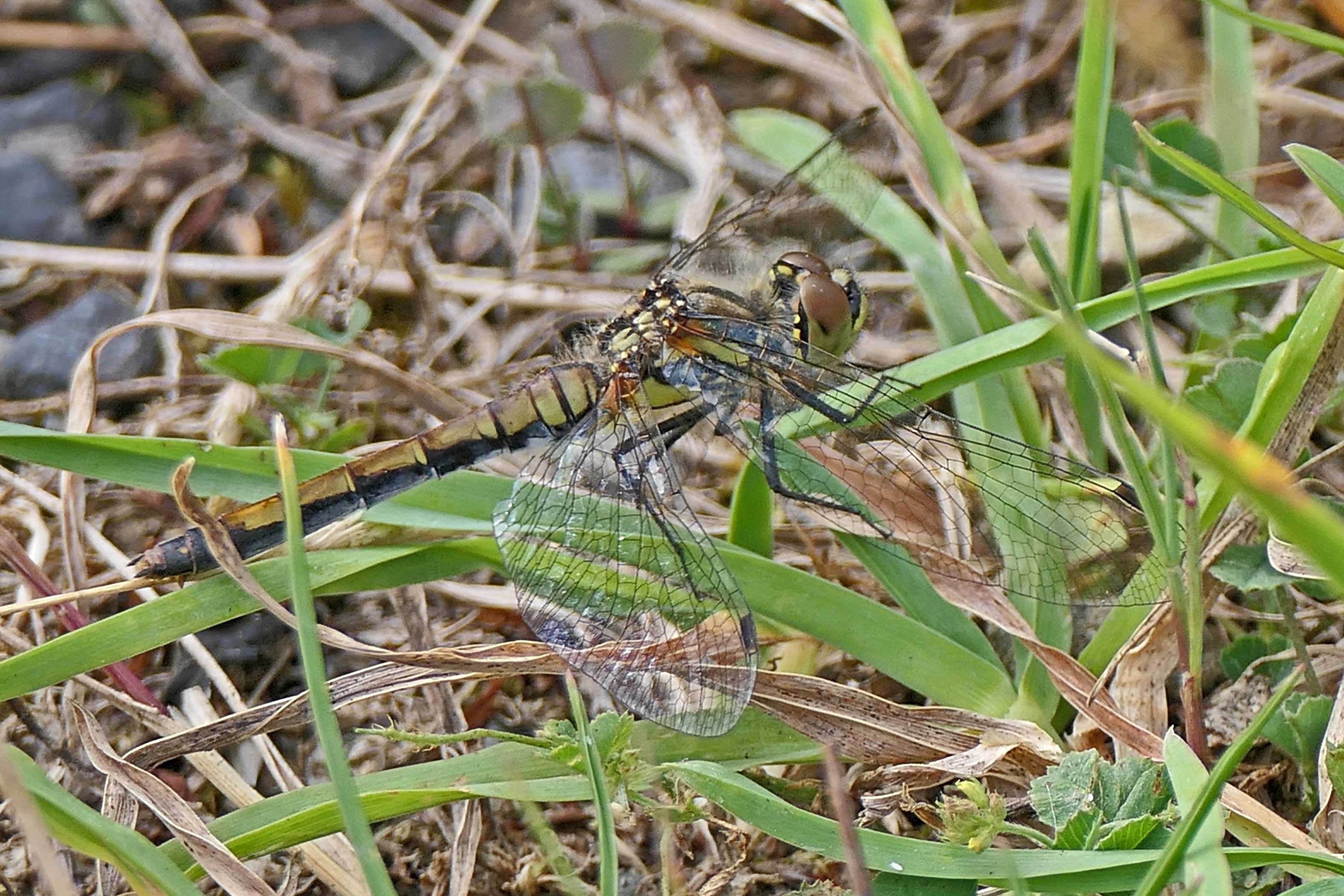
Before Thursday’s trip to Maesteg, I’d only ever seen a Black darter (Sympetrum danae) once before, and that was a fluke sighting at Cosmeston Lakes Country Park back in 2017. I say fluke because, like yesterday’s Common hawker, the Black darter is a dragonfly that prefers the acidic conditions of peat bogs, moorland ponds and ditches. How one got to Cosmeston I have no idea.

I was lucky to find several male Black darters at Maesteg ponds and, as you can see, they really are almost entirely black, with just a few yellow markings on the sides of their thorax and abdomen, and on top of their lower abdomen.

I was also extremely lucky to find a single female, basking on a patch of grass. As the photo below shows, she looks very different from the male, with much more yellow than black. At around 30mm long, both of these darters are quite small, about 10mm smaller than the Common darters that most of us are very familiar with. Now that I know about this location, I’ll be back to visit them again next year.

Like Loading...

Lifer: Common hawker

22 Friday Aug 2025

Posted by sconzani in insects

≈ Leave a comment

Tags

Aeshna juncea, British dragonflies, Common hawker, Common hawker ovipositing, dragonfly, female Common hawker, female dragonfly laying eggs

Yesterday I took myself off on a little adventure, on an hour’s train journey from Cardiff to Maesteg, high up in the south Welsh valleys, a place I’d not been before. I decided to go after seeing a post on social media about some ponds in a Maesteg park that held dragonflies that thrive in acidic heathlands and bogs so these are not species I see in my coastal location.

Despite a favourable weather forecast, when I first arrived it was mostly overcast and there was a cool wind blowing – not ideal conditions for seeing dragonflies. Remaining hopeful, I thought I’d use the time until the clouds cleared to explore and try to find dragonflies that might be perched around the area.

Almost immediately I heard the tell-tale rustle of dragonfly wings and saw movement amongst the reeds in the nearest pond. Dragon! And not just any dragon – this was a female Common hawker (Aeshna juncea), and she was moving slowly around the ponds, stopping here and there to lay her eggs amongst the vegetation. She was my first ever Common hawker, so I was over the moon to have found her so quickly and easily.

Later, when the sun did come out and the dragonfly action got a bit frantic, I saw another large dragonfly cruising back and forth over the ponds. I think it was a male Common hawker but he wasn’t stopping for photos, and soon disappeared. Having enjoyed such excellent views of the female, I wasn’t too disappointed about missing him, and I saw several other dragon and damsel species, which I will feature in forthcoming blogs.

Like Loading...

Red-veined darter

14 Thursday Aug 2025

Posted by sconzani in insects

≈ Leave a comment

Tags

British dragonflies, dragonfly, immature Red-veined darter, migrant dragonflies, Red-veined darter, Sympetrum fonscolombii

Last week I celebrated my tenth anniversary of life in Wales with a lovely long walk around the local areas I’ve come to know so well. And, almost as if Nature was gifting me an anniversary present, this gorgeous creature flitted up from the grass next to the path in front of me, before settling again very near to me. I knew immediately, from the half blue eyes, that this was something special.

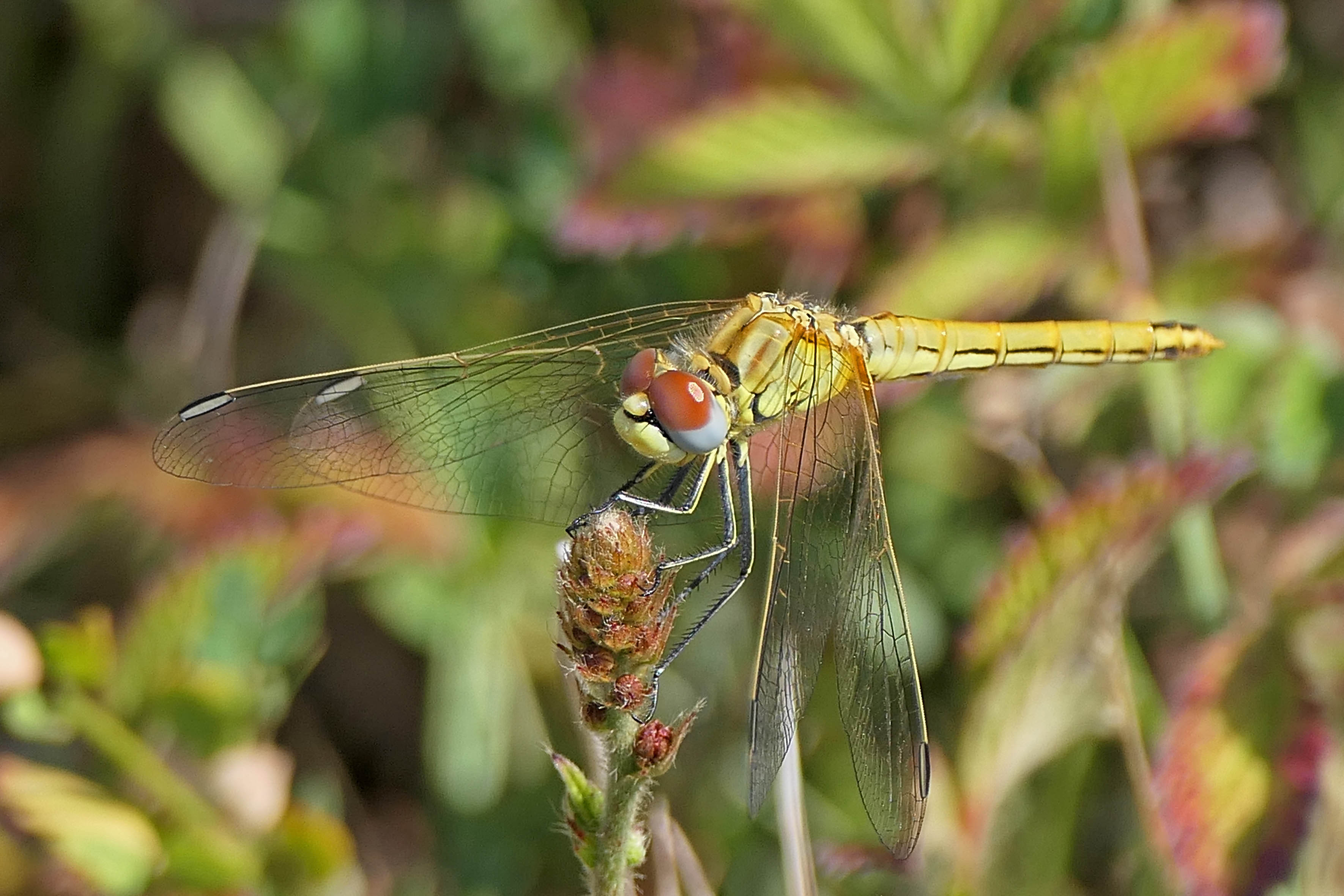
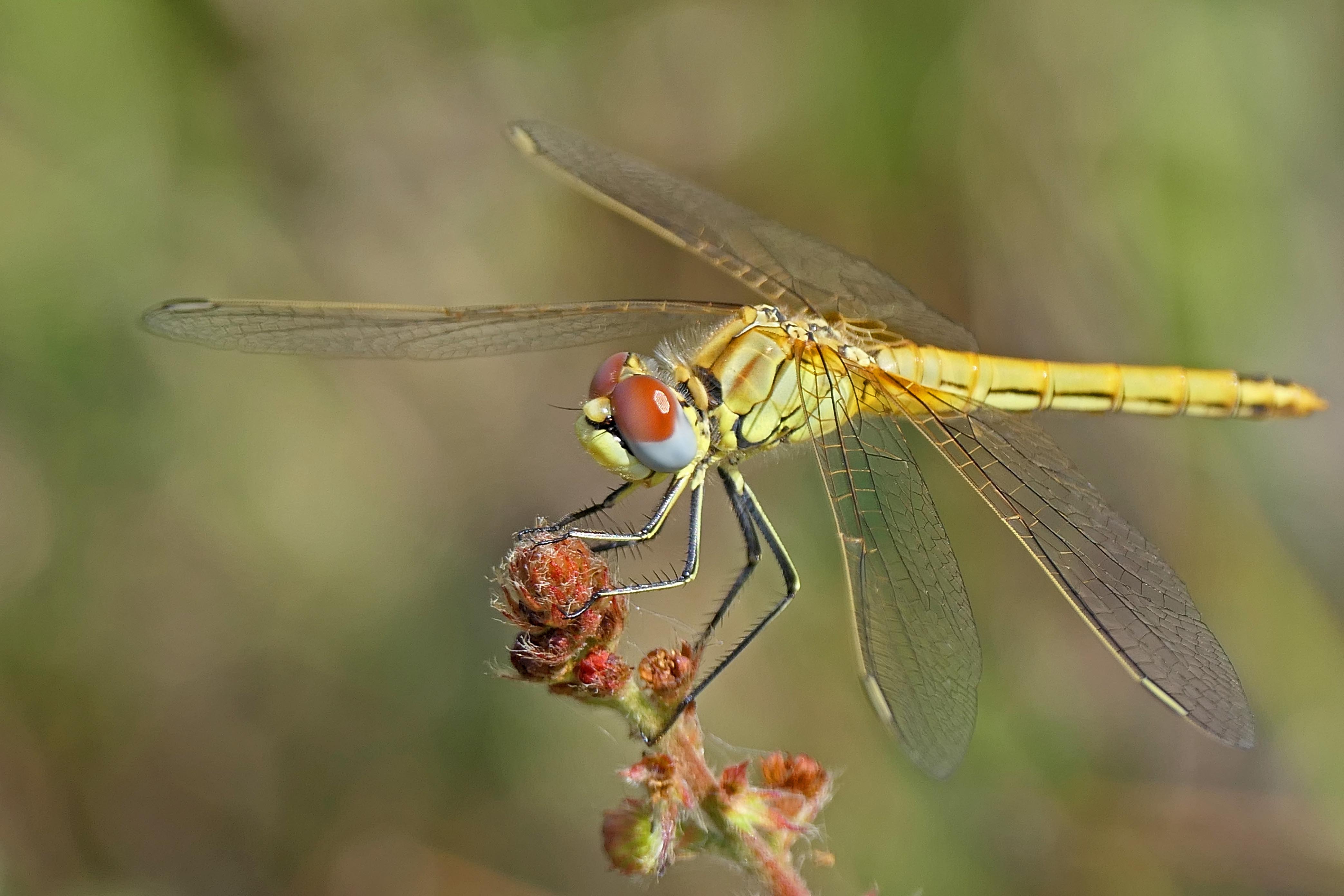
This is a Red-veined darter (Sympetrum fonscolombii). As you can see, it’s neither red, nor does it have red veins in its wings. The dragonfly is named for the colouring of a mature male but this golden beauty is an immature dragonfly, which you can tell from the black collar across the front of its thorax. I think it’s a male but my photos don’t show enough detail to be sure.

Red-veined darters are migrants from southern Europe. They are reasonably common in southern Britain but the numbers vary from year to year, presumably depending on conditions in Europe and on the weather conditions – warm southerlies or sou’easterlies would help them fly our way. I saw three in 2019, and, when I was comparing notes with one of my birding friends who also likes dragonflies, he agreed that, for some reason, that had been a bumper year for them. Neither of us has seen one locally in the six years since them, until now. I am, of course, hoping for more, especially as I’ve yet to see a strikingly vibrant male Red-veined darter.

Like Loading...

Lifer: Scarce chaser

19 Thursday Jun 2025

Posted by sconzani in insects

≈ Leave a comment

Tags

Blue chaser, British chasers, British dragonflies, dragonflies at Radipole, dragonfly, Libellula fulva, RSPB Radipole, Scarce chaser

Here they are, the extremely confiding dragonflies mentioned in yesterday’s blog, the Scarce chasers (Libellula fulva) (also known as the Blue chaser). They were everything you could want in a photographer’s model, perching this way and that to show their best sides; not flying off at the slightest hint of movement behind the camera; the consummate professionals!

So, I managed to get photos of a male, female and the two together in cop. The female (above) is described in my guide book as having an olive-brown thorax and ochre-brown abdomen but, as you can see, she was much more vibrant than those descriptions suggest.

The males have a black thorax and blue abdomen with a dark tip. At a glance, with those colours, they could be mistaken for other dragonflies with similar colouration, until you see their eyes, which are the most amazing shade of blue. (In fact, I’ve just decided to add in a second photo of the male so you can get a better look at those eyes.)

I saw several of these dragons at RSPB Radipole Lakes in Weymouth, which left me wondering why they are called ‘Scarce’ chasers. It seems that, where they are found (in isolated spots in the east and south of England) their populations are relatively small, so they are officially designated as rare. Indeed, in the 2008 British Odonata Red List they were officially listed as ‘near threatened’, so I feel very privileged to have enjoyed such excellent views of these stunning creatures.

Like Loading...

Lifer: Norfolk hawker

18 Wednesday Jun 2025

Posted by sconzani in insects

≈ Leave a comment

Tags

Aeshna isoceles, British dragonflies, British hawkers, Dorset dragonflies, dragonflies at Radipole, dragonfly, hawker, Norfolk hawker, RSPB Radipole

My wildlife-watching hopes for my short break in Weymouth centred on butterflies and, perhaps, a few birds that I might not see locally, so it was a wonderful surprise to see two new dragonfly species, one extremely confiding (it’ll feature in tomorrow’s blog), one elusive to the point of frustration.

The Norfolk hawker (Aeshna isoceles) was the latter and, on my first visit to the RSPB Radipole reserve, the few times I spotted these dragonflies (easily recognisable by their brown colouring and green eyes), they stayed mostly hidden, perching – when they did actually stop flying – in obscure locations, as you can see from the photos above and below.

Finally, on my last afternoon, when there were fewer people out walking after a morning’s heavy rain and I was battling my way through the extremely overgrown vegetation along the path to the northern bird hide, one of these stunning dragons posed perfectly for me.

Although called Norfolk hawkers, these medium-sized dragonflies have been expanding their range beyond the English county of Norfolk. Their preference for reed beds in swamps and ponds, along streams and ditches, means Radipole provides the perfect location for them to thrive.

Like Loading...
← Older posts

About me

sconzani

sconzani

I'm a writer and photographer; researcher and blogger; birder and nature lover; countryside rambler and city strider; volunteer and biodiversity recorder.

View Full Profile →

Follow earthstar on WordPress.com

Enter your email address to follow this blog and receive notifications of new posts by email.

Recent blog posts

  • M is for mite December 18, 2025
  • L is for lepidopteran lifers December 17, 2025
  • K is for Keeled skimmers December 16, 2025
  • J is for Jersey tiger December 15, 2025
  • I is for Ichneumon December 14, 2025

From the archives

COPYRIGHT

Unless otherwise acknowledged, the text and photographs on this blog are my own and are subject to international copyright. Nothing may be downloaded or copied without my permission.

Fellow Earth Stars!

  • Unknown's avatar
  • Unknown's avatar
  • Unknown's avatar
  • Unknown's avatar
  • Unknown's avatar
  • Unknown's avatar
  • Unknown's avatar
  • Unknown's avatar
  • Unknown's avatar
  • Unknown's avatar
  • Unknown's avatar
  • Unknown's avatar
  • Unknown's avatar
  • Unknown's avatar
  • Unknown's avatar
  • Unknown's avatar
  • Unknown's avatar
  • Unknown's avatar
  • Unknown's avatar
  • Unknown's avatar
  • Unknown's avatar
  • Unknown's avatar
  • Unknown's avatar
  • Unknown's avatar
  • Unknown's avatar
  • Unknown's avatar
  • Unknown's avatar
  • Unknown's avatar
  • Unknown's avatar
  • Unknown's avatar
  • Unknown's avatar
  • Unknown's avatar
  • Unknown's avatar
  • Unknown's avatar
  • Unknown's avatar
  • Unknown's avatar
  • Unknown's avatar
  • Unknown's avatar
  • Unknown's avatar
  • Unknown's avatar
  • Unknown's avatar
  • Unknown's avatar
  • Unknown's avatar
  • Unknown's avatar
  • Unknown's avatar
  • Unknown's avatar
  • Unknown's avatar
  • Unknown's avatar
  • Unknown's avatar
  • Unknown's avatar

Blog at WordPress.com.

Privacy & Cookies: This site uses cookies. By continuing to use this website, you agree to their use.
To find out more, including how to control cookies, see here: Cookie Policy
  • Subscribe Subscribed
    • earthstar
    • Join 667 other subscribers
    • Already have a WordPress.com account? Log in now.
    • earthstar
    • Subscribe Subscribed
    • Sign up
    • Log in
    • Report this content
    • View site in Reader
    • Manage subscriptions
    • Collapse this bar
 

Loading Comments...
 

You must be logged in to post a comment.

    %d