
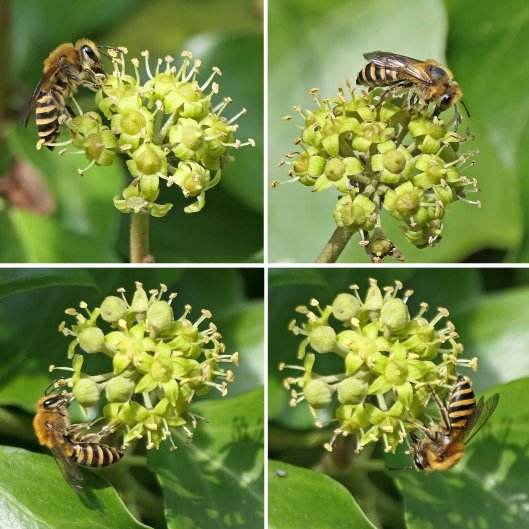
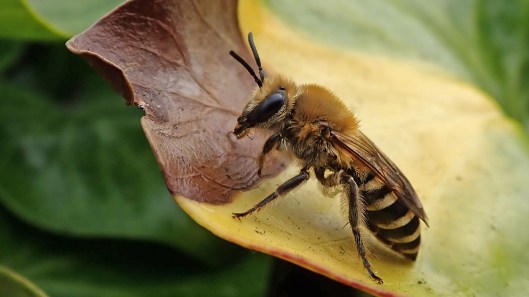
As soon as I get a whiff of the ‘wet flour’ smell of Ivy flowers, I know to keep an eye out for my first Ivy bees (Colletes hederae).
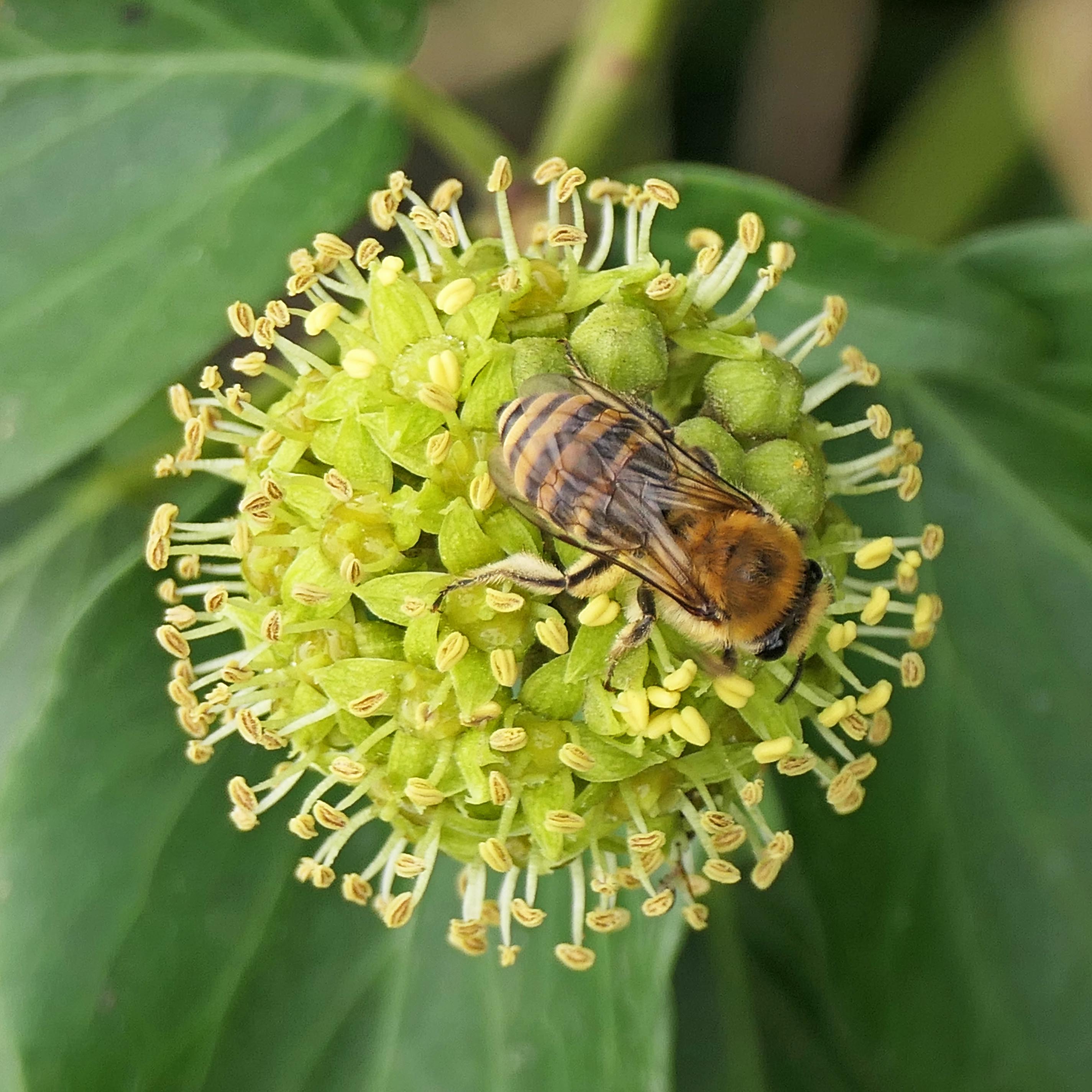
They appeared locally back in mid September – the Bumblebee Conservation Trust says they can be seen from late August through to early November – but, after a week of anti-cyclonic gloom when we didn’t see the sun at all, and then a week of mostly wet weather, I figured I probably wouldn’t see any more this year.
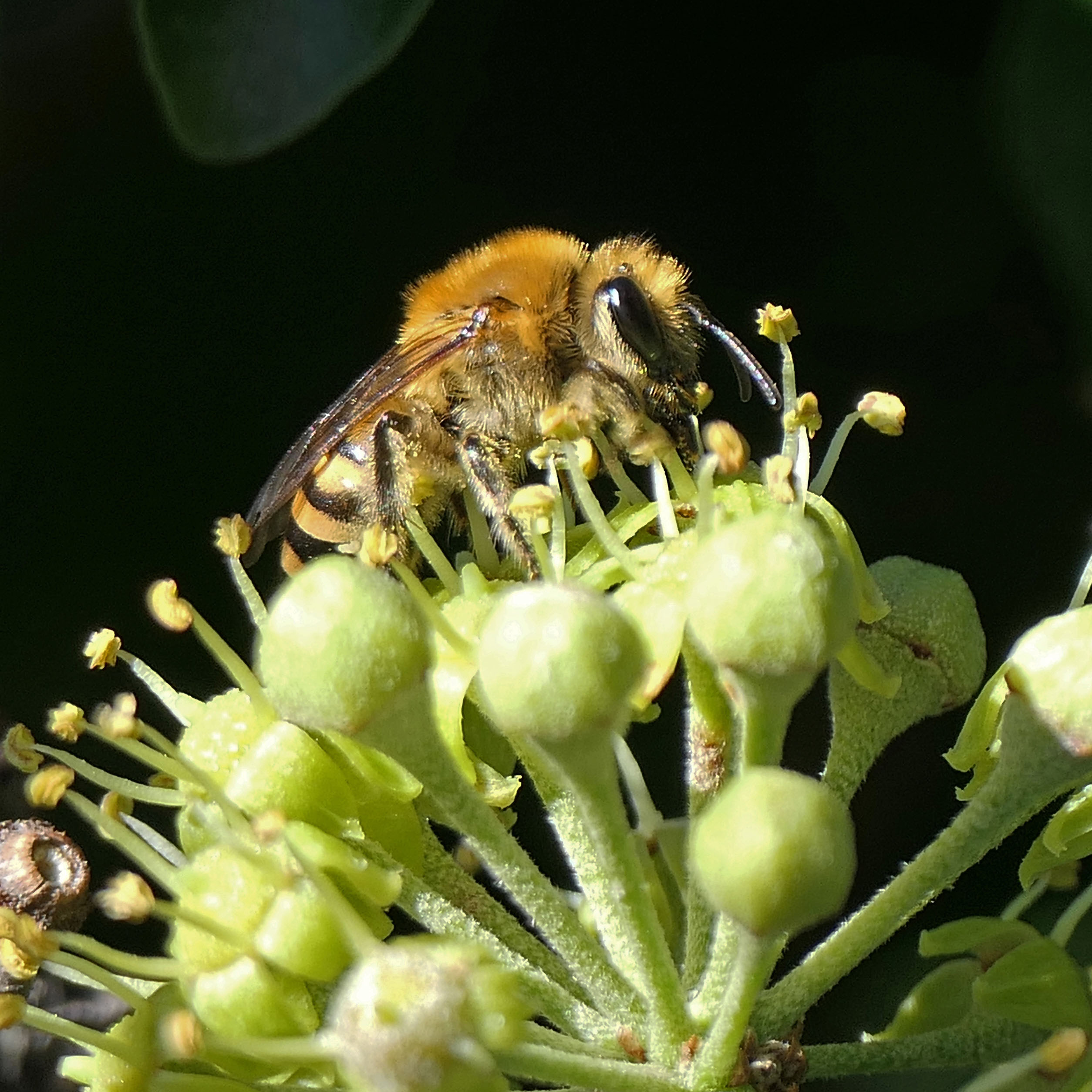
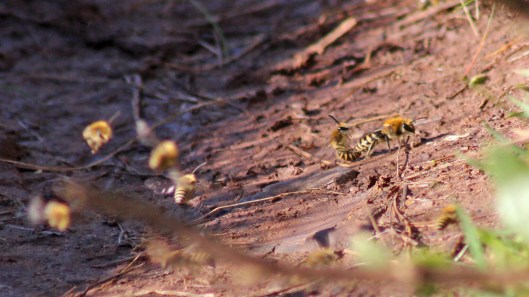
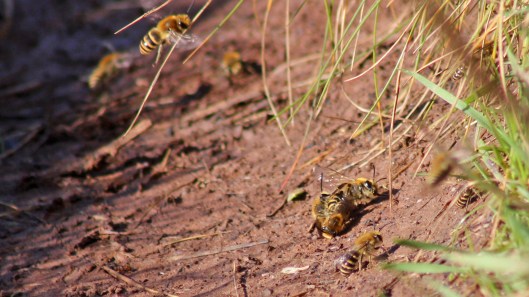
Fortunately for me, I was wrong. I happened to be in the right place at the right time earlier this week when the sun came out for a couple of hours and my walk had taken me past a row of old trees, all covered in Ivy whose flowers hadn’t yet begun to form fruit.
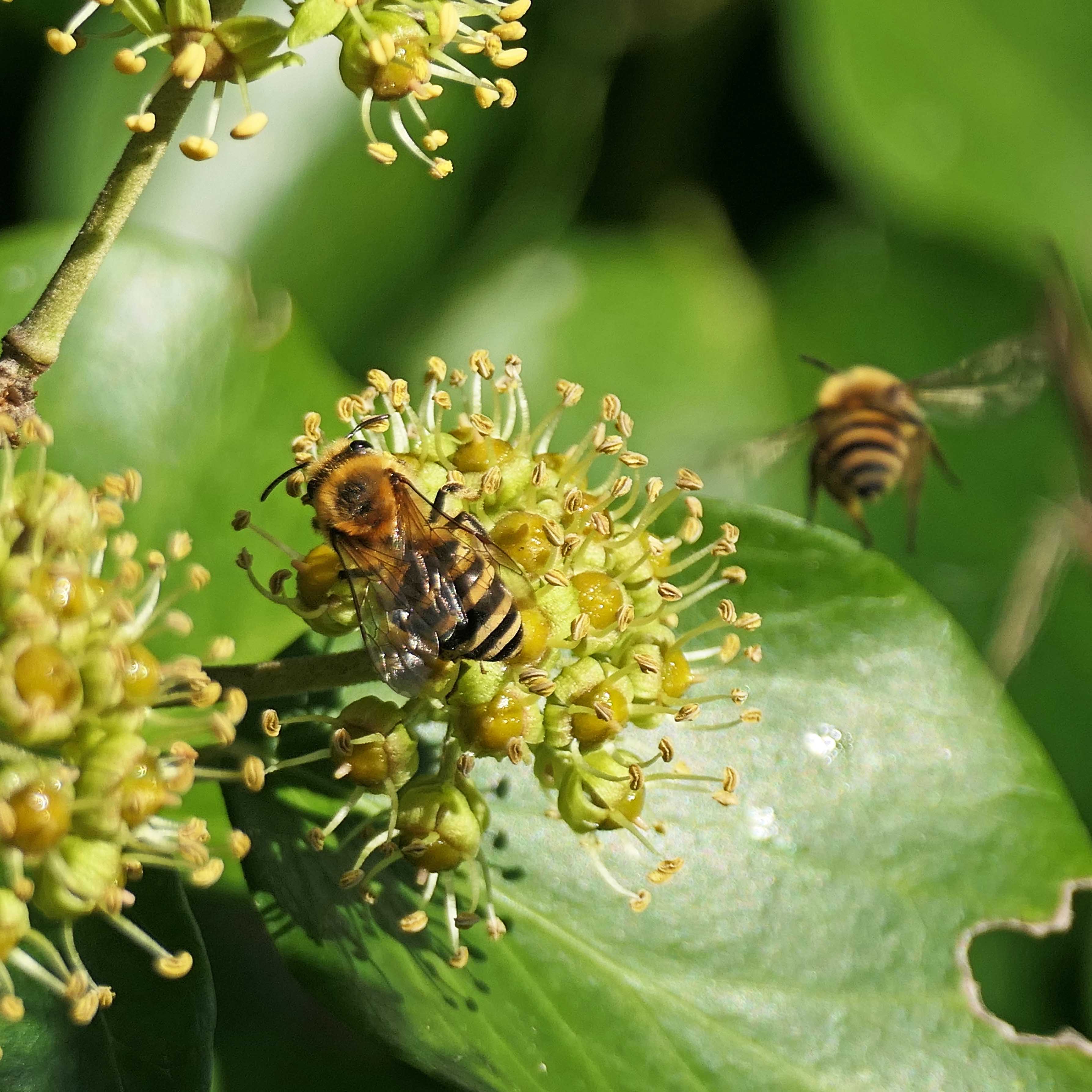
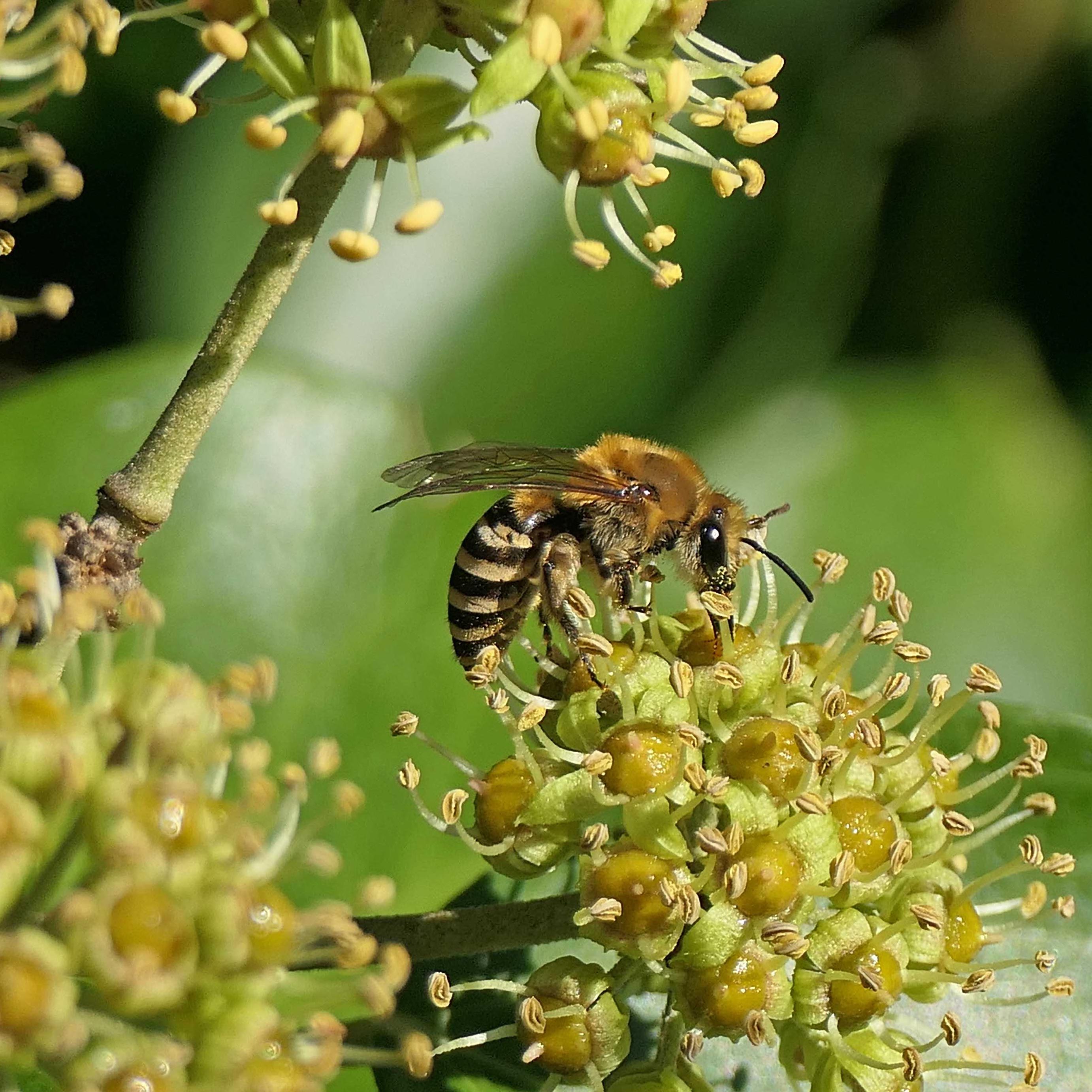
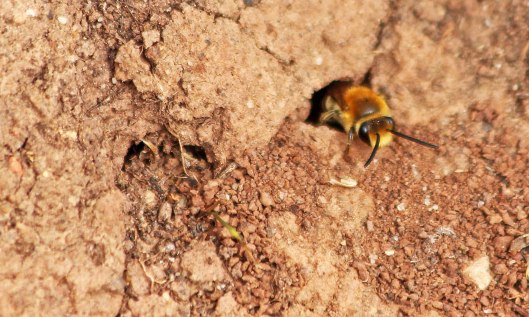
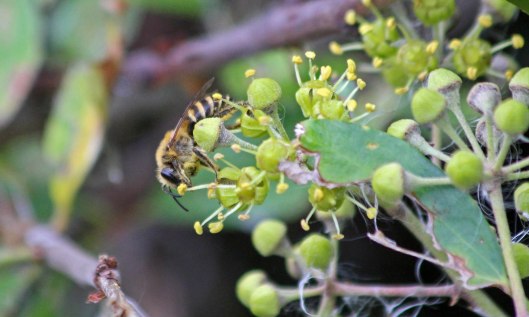
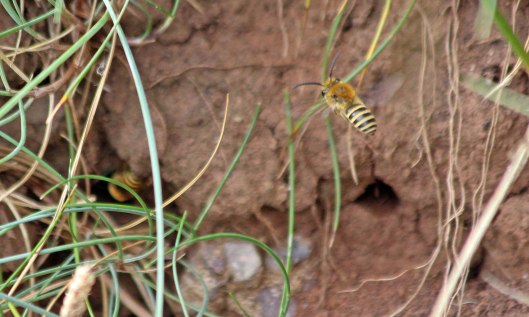
With its furry ginger thorax and ginger-and-black-striped abdomen, Colletes hederae is such an attractive little bee that is slowly colonising the British countryside, moving ever north, since its arrival here back in 2001.







 earthstar
You must be logged in to post a comment.