• ABOUT
  • BIRDING 2018
  • Birding 2019
  • BLOG POSTS
  • Butterflies 2018
  • Resources

earthstar

~ a celebration of nature

earthstar

Author Archives: sconzani

Spatula-billed ducks

12 Saturday Oct 2024

Posted by sconzani in autumn, birds

≈ Leave a comment

Tags

Anas clypeata, birding, birdwatching, British birds, Roath Lake birding, shoveler

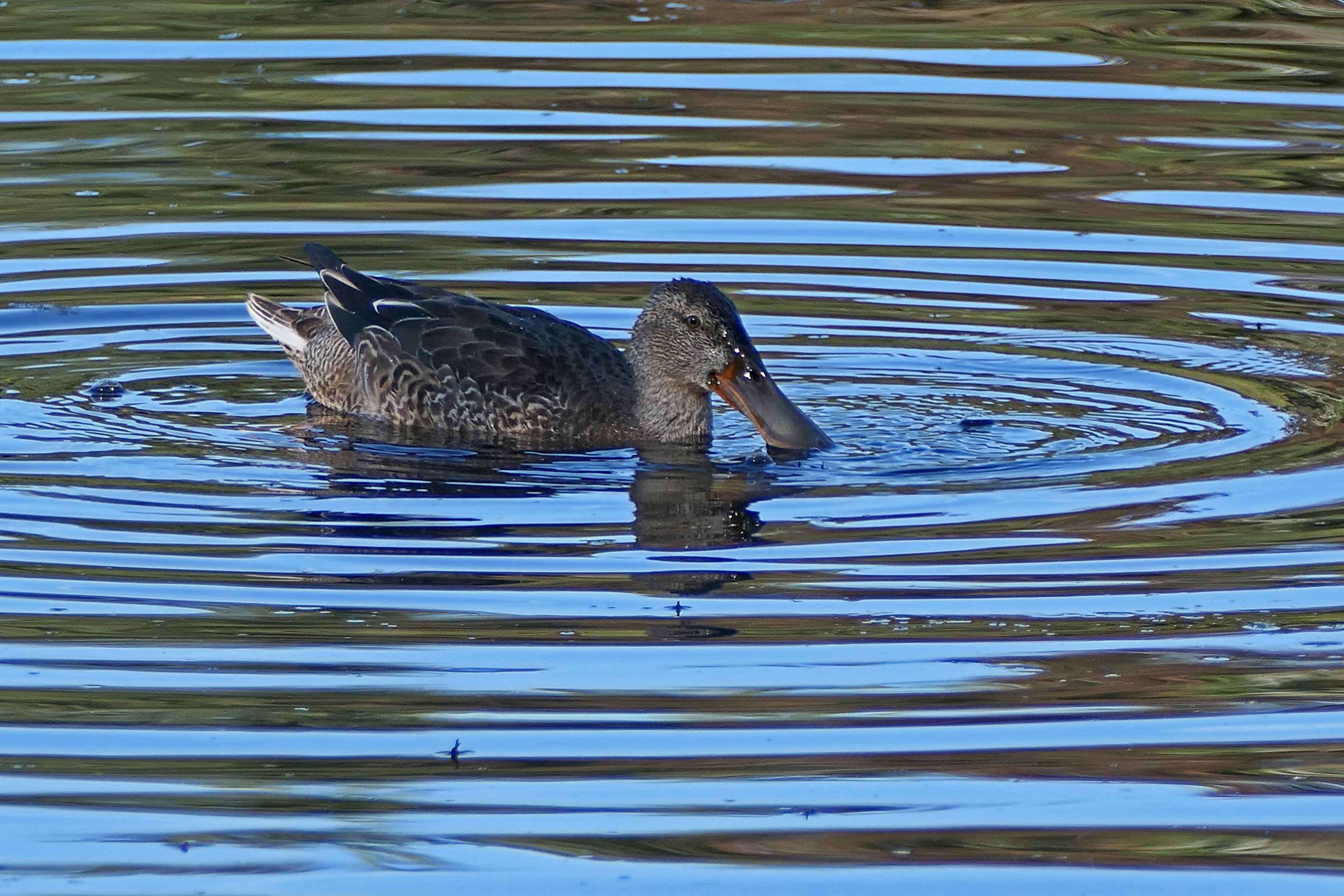
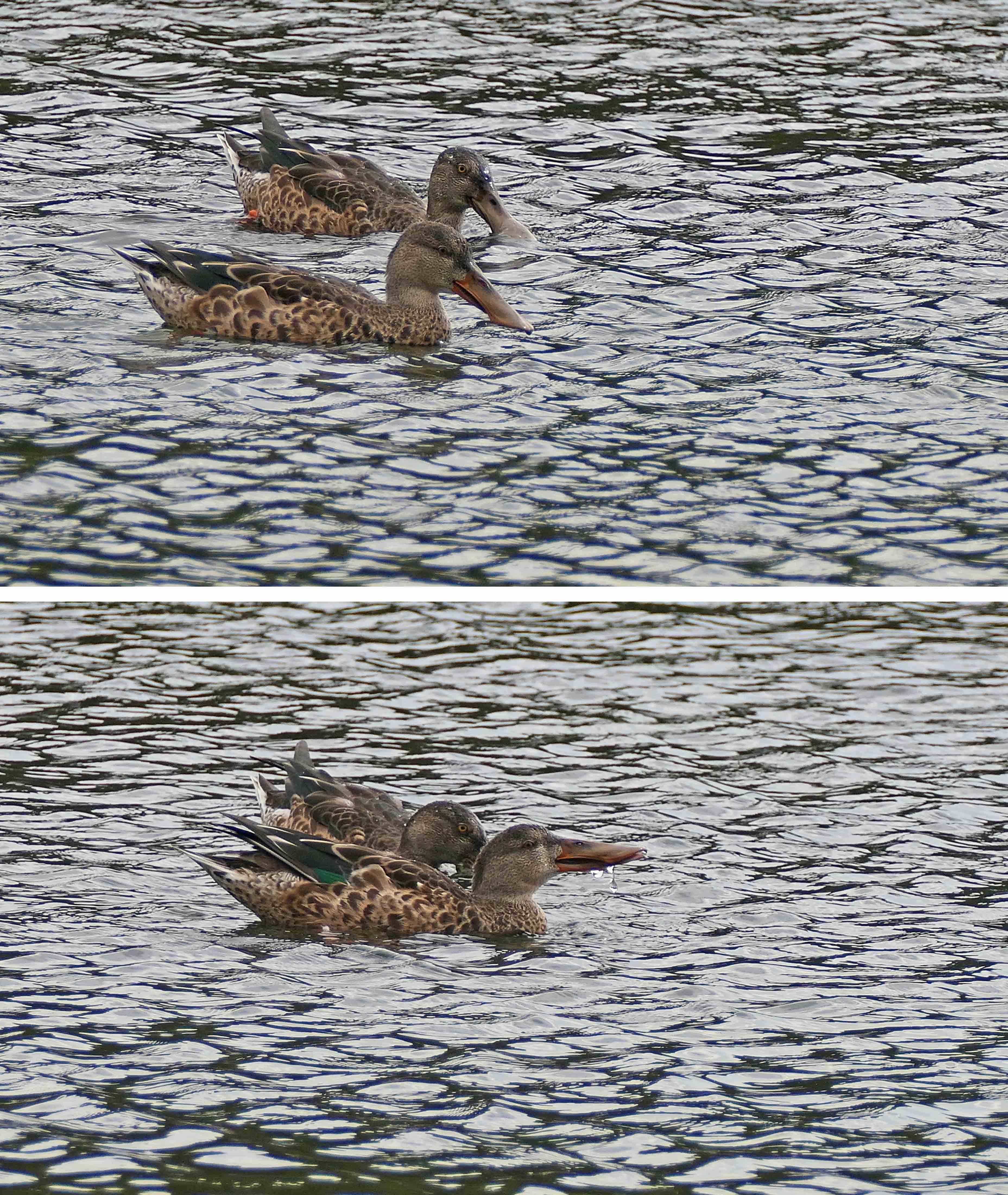
The RSPB website‘s description of the Shoveler (Anas clypeata) pretty much nails it: ‘surface feeding ducks with huge spatula-shaped bills’. All the better to shovel as much food as possible from the water to your stomach as efficiently as possible, I reckon.

241012 shovelers (1)

Shovelers are winter visitors to south Wales, and, although one or two pop in to Cosmeston Lakes Country Park, most of these handsome ducks I see locally are at Roath Park Lake, which is where these photos were taken on two recent visits.

241012 shovelers (2)

Like Loading...

Rust: Puccinia malvacearum

11 Friday Oct 2024

Posted by sconzani in fungi, plants, wildflowers

≈ Leave a comment

Tags

Hollyhock rust, Mallow rust, Puccinia malvacearum, rust fungus, rust on mallow, Tree mallow

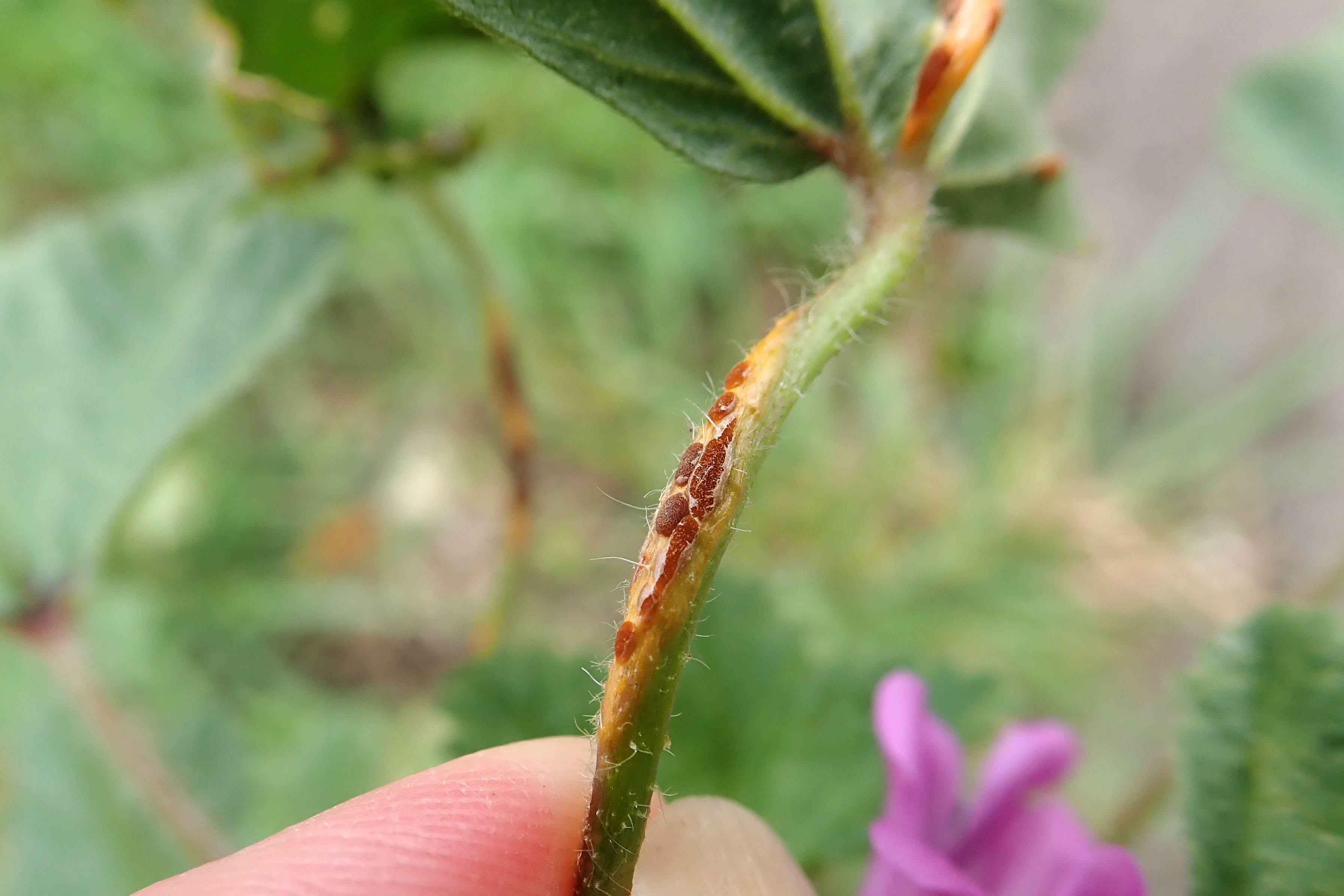
I was photographing the flowers of a roadside Tree mallow for a mid-autumn wildflowers-in-bloom blog that will be publishing this coming Sunday when I noticed the subject of today’s blog post, this new-to-me rust, Puccinia malvacearum. Its common names, Mallow rust and Hollyhock rust, provide the perfect indication for which plants are host to this fungus.

241011 Puccinia malvacearum (1)

As is typical with rusts, this species had created yellow-orange spots on the upper surface of the leaves and brownish lumpy pustules on the lower surface and on the plant’s stems. The rust would eventually reduce the plant’s vigour, leading to stunted growth and leaf loss, though, as this particular plant was growing in a location very likely to be mown regularly by council workers, the plant will probably be cut down long before it could succumb to the rust’s damage.

241011 Puccinia malvacearum (2)

Like Loading...

Spear thistle lacebug

10 Thursday Oct 2024

Posted by sconzani in insects, plants

≈ Leave a comment

Tags

British bugs, Creeping thistle, insects on Creeping thistle, lacebugs, Spear thistle lacebug, Tingis cardui

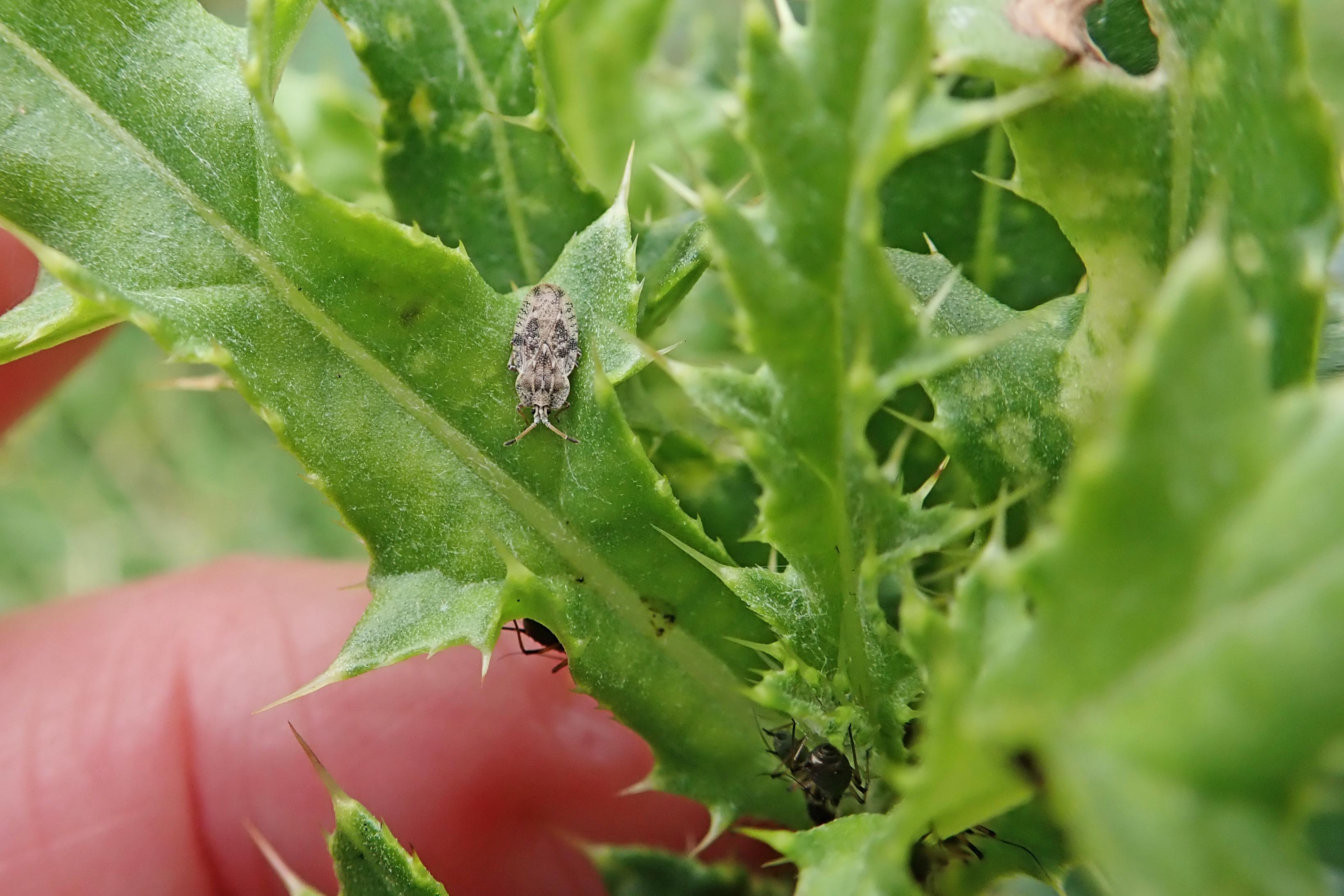
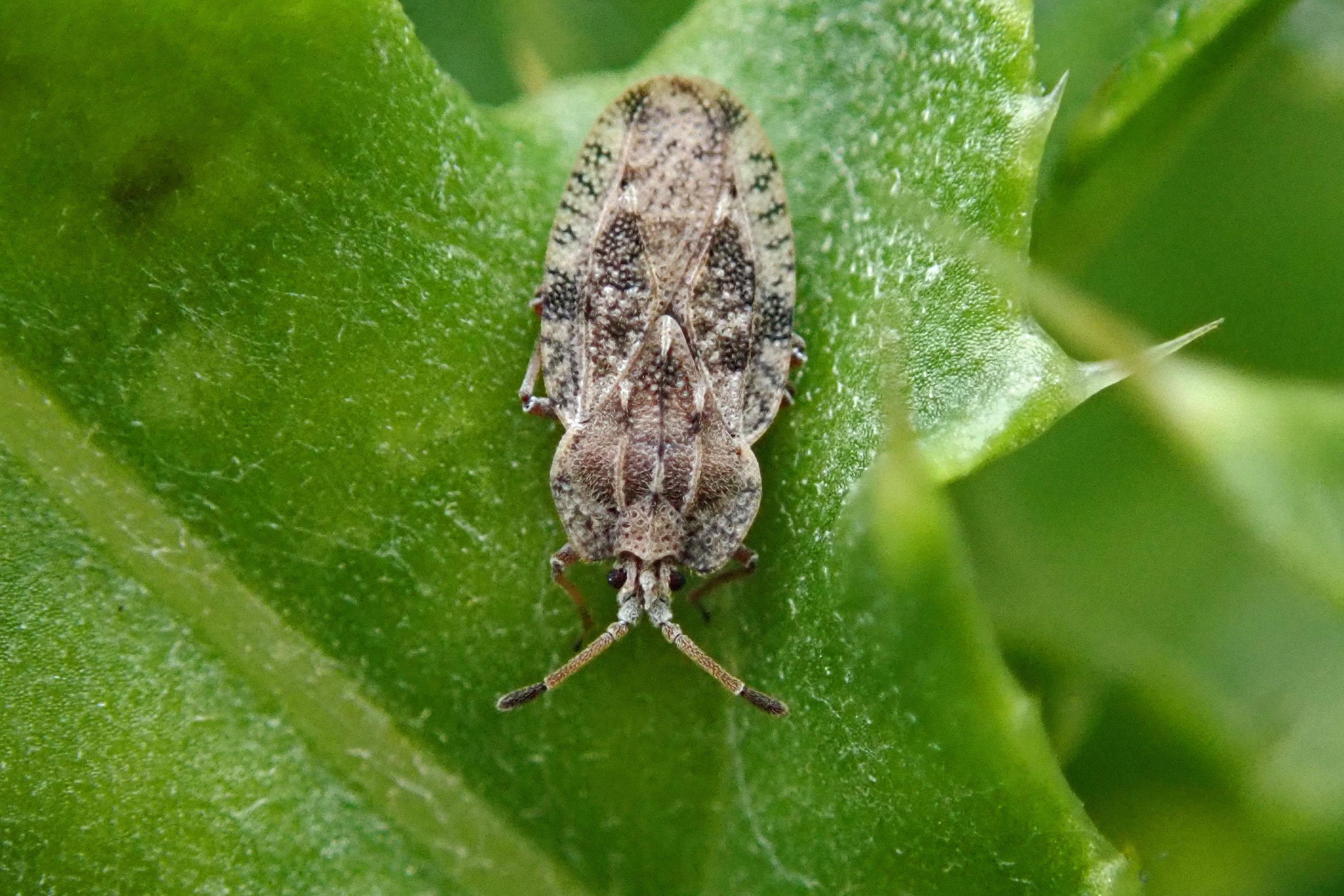
My eye was drawn to this particular Creeping thistle by the presence of four Urophora cardui galls on the plant’s stems (for information on what those are, see More galls, part 2, 4 October 2017) and, when I leant down for a closer look, I noticed this tiny creature, my first ever lacebug. (There were also lots of aphids lurking amongst the leaves, as you can see.)

241010 Spear thistle lacebug (1)

I’m fairly sure I’ve identified this correctly, as the black tips to its antennae are apparently diagnostic, but, for some reason, it’s living on the wrong species of thistle – this is the Spear thistle lacebug (Tingis cardui). I think you can see why it’s called a lacebug – the intricacy of the structure and patterning of its body is really quite exquisite. You can read more about this beautiful bug on the British Bugs website here.

241010 Spear thistle lacebug (2)

Like Loading...

Little jokers

09 Wednesday Oct 2024

Posted by sconzani in birds

≈ Leave a comment

Tags

birding, birdwatching, British birds, little grebe

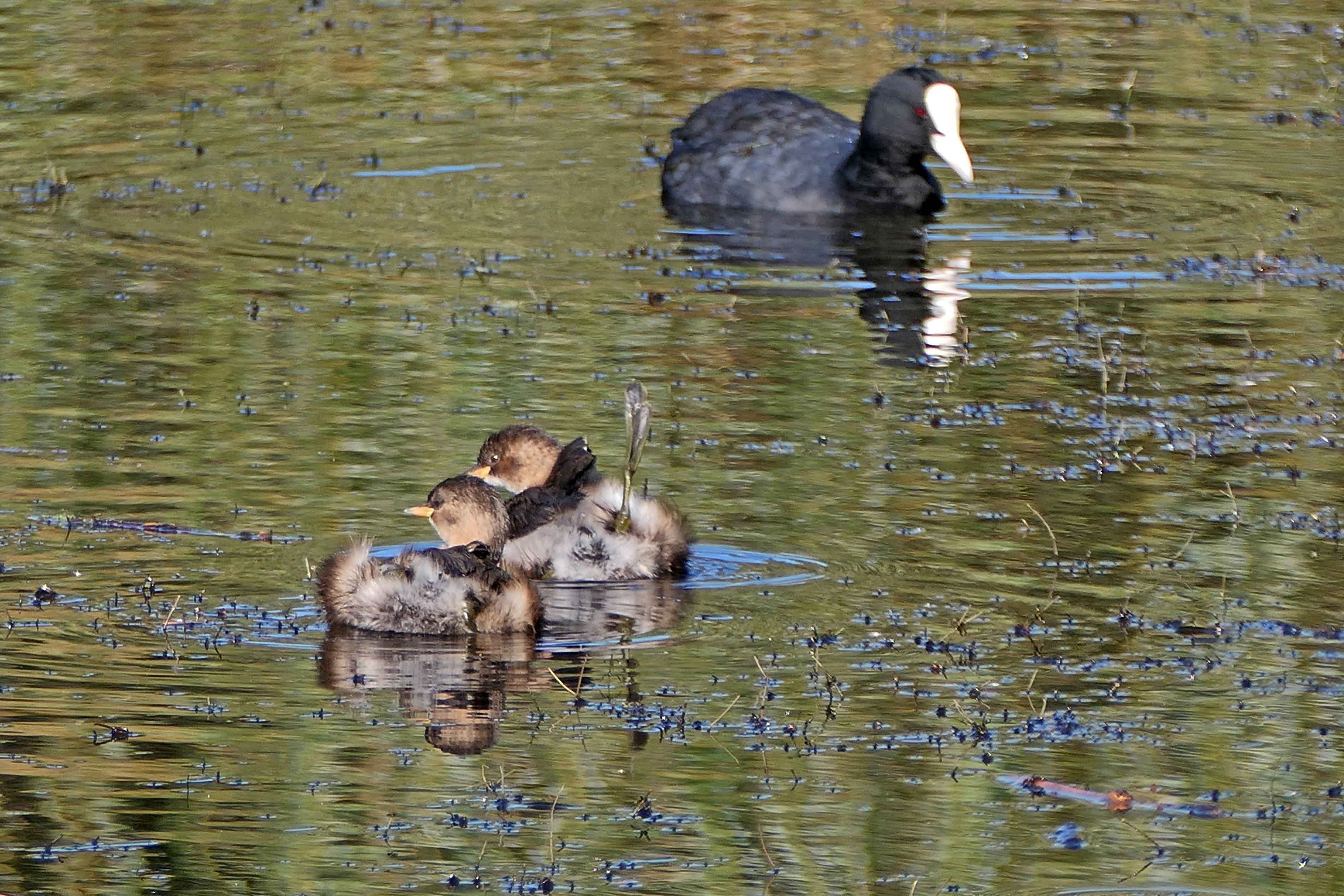
I’ve another mid-week time-line cleanser for you today, this time a couple of Little grebe photographs (sorry they’re not the best images but I hope they’ll produce a smile). The more I watch these cute little fluffy bottomed birds, the more they make me laugh. I caught this first one mid shake so its fluffed out feathers make it look like it’s eaten a lake’s-worth of insects.

241009 little grebes (1)

And, on my next visit to this same lake, a pair of Little grebes was again close enough to the shore for reasonable photos and some quality grebe watching. I’m not sure what this guy thought it was doing – morning exercises, perhaps?

241009 little grebes (2)

Like Loading...

Cochylis roseana

08 Tuesday Oct 2024

Posted by sconzani in insects, plants

≈ Leave a comment

Tags

British moths, Cochylis roseana, moth larvae, moth larvae in Teasel, moth larvae in Teasel seed heads, Teasel

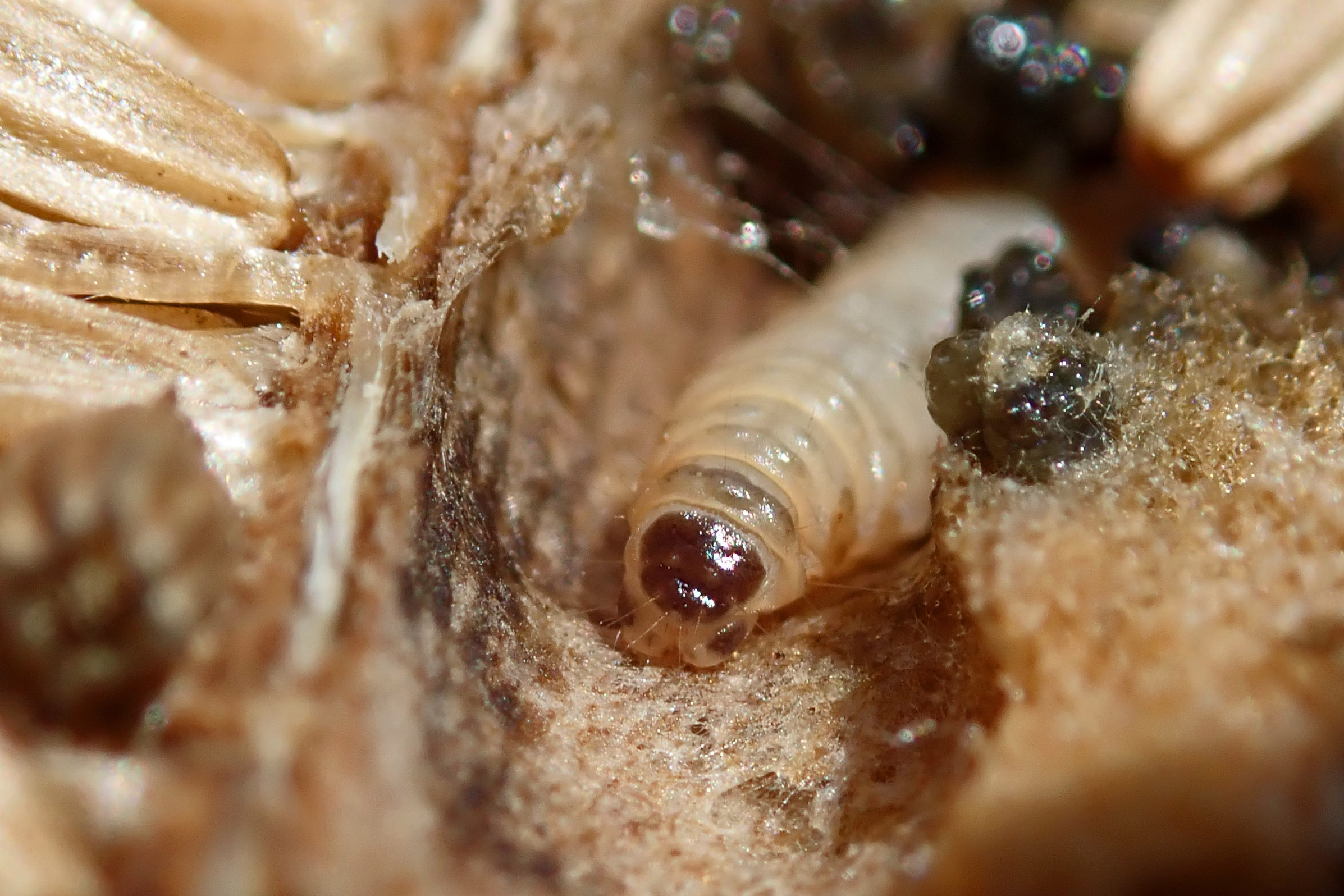
Last Thursday’s blog was about finding an Endothenia marginana larva in a Teasel seedhead. While checking those particular Teasels, I also found the subjects of today’s blog, the larvae of another moth, Cochylis roseana. As its name suggests, the adult is a rather gorgeous rosy coloured moth, though the UK Moths website says that the rosy colour is not always prominent.

241008 Cochylis roseana (1)

As you can see, the larvae, which are white with a greenish tinge, don’t live within the centre space of the Teasel seedhead like the Endothenia, but rather munch their way through the Teasel’s seeds, creating tunnels that circle the centre. The seedhead I opened contained at least three larvae but here may have been more lurking in their hidey holes.

241008 Cochylis roseana (2)

Like Loading...

Leafmines: Aulagromyza tremulae

07 Monday Oct 2024

Posted by sconzani in insects, trees

≈ Leave a comment

Tags

Aspen, Aulagromyza tremulae, leaf-mining flies, leaf-mining fly larvae, leafmines on Aspen, leafmines on Black poplar

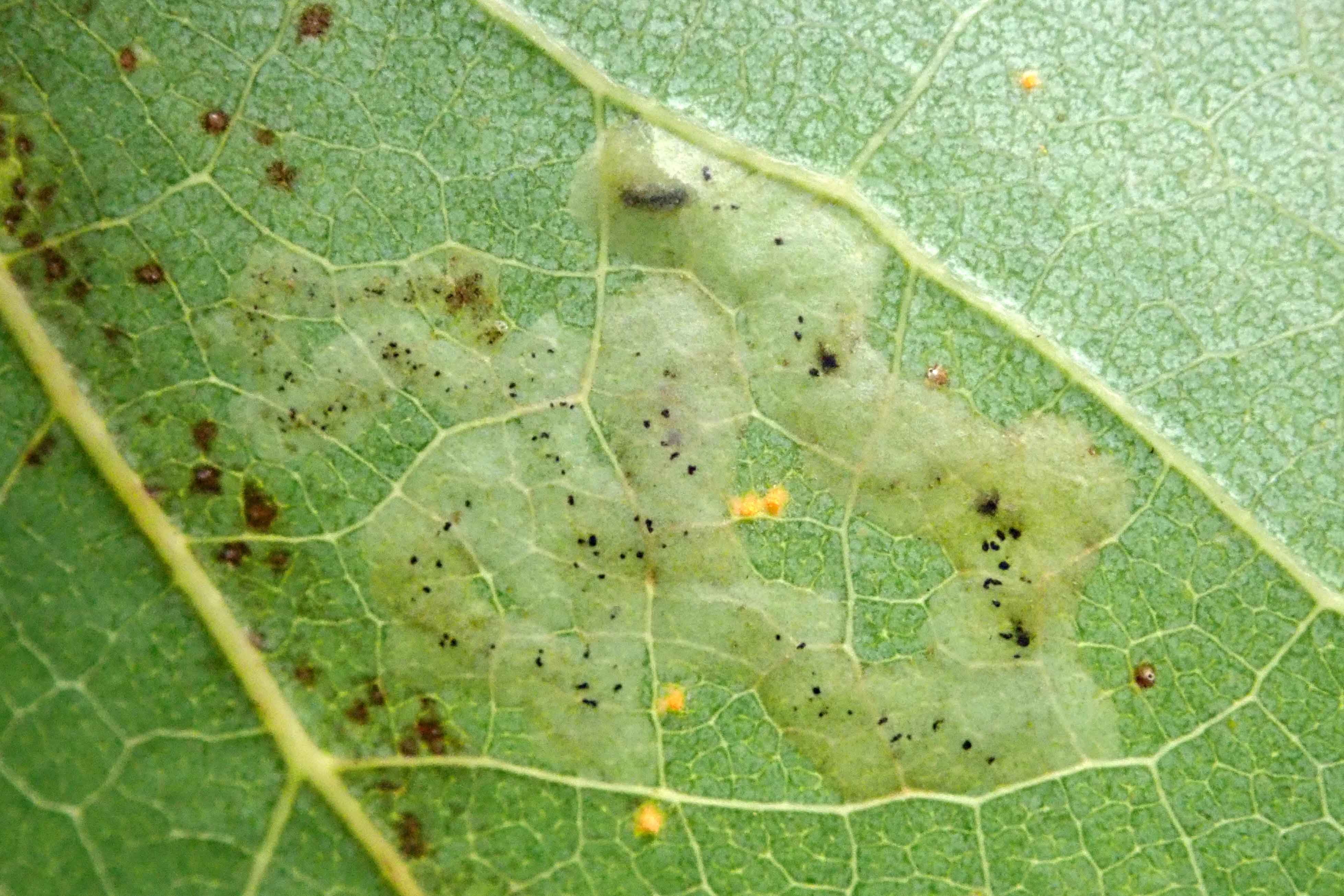
I don’t find many leafmines on Aspen, probably because there aren’t a lot of Aspen trees growing locally. Also, I haven’t been finding many mines made by creatures other than moths but today’s find is an exception, as these silvery meandering gallery mines on Aspen leaves were made by the larva of the tiny fly Aulagromyza tremulae.

241007 Aulagromyza tremulae (1)

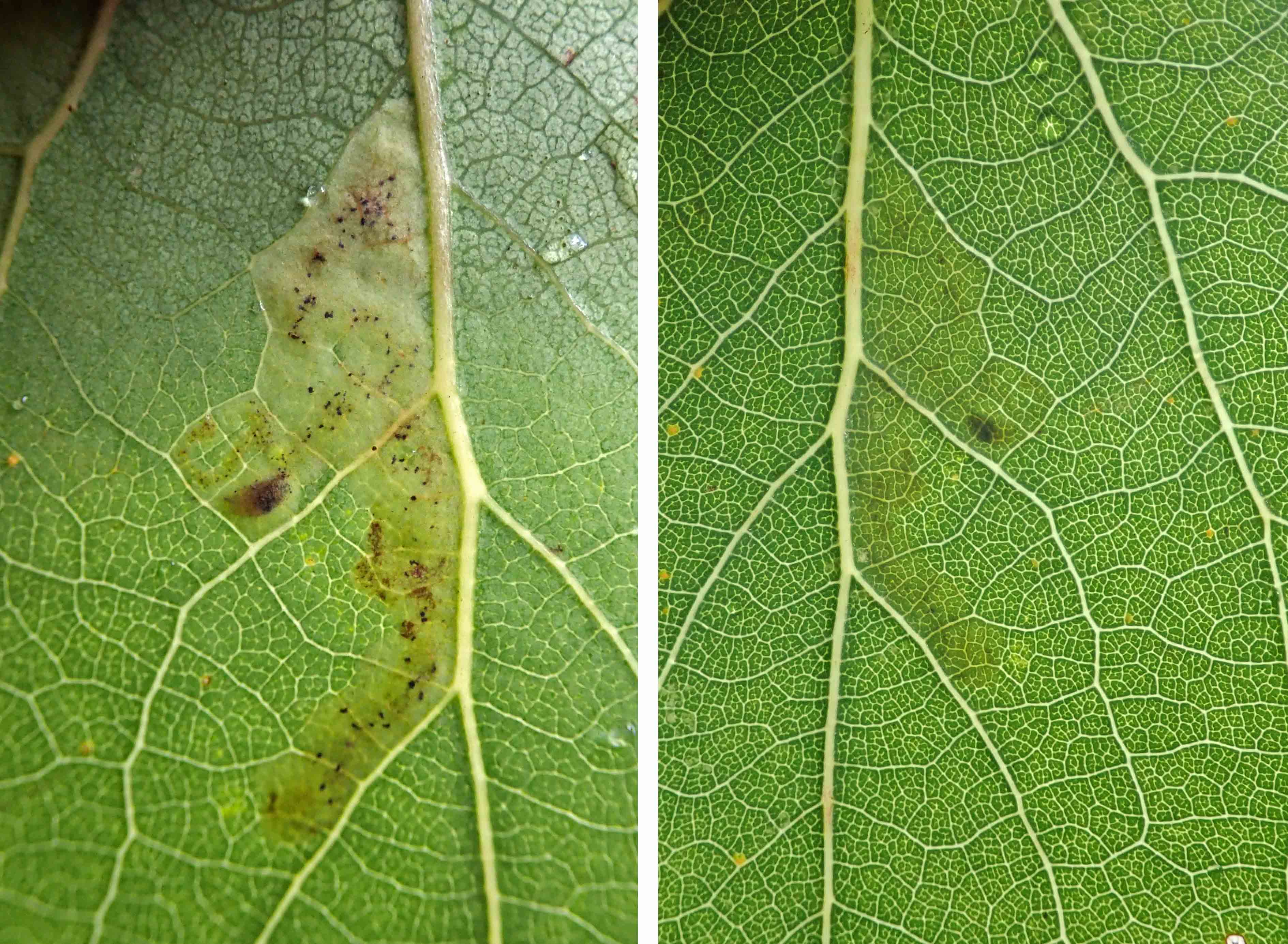
If I hadn’t been doing a spot of leaf-turning, I could easily have missed these mines, as they are almost exclusively made in the lower surface of the leaf (see images below showing the lower and upper leaf surfaces). This is one of the characteristics that distinguishes these mines from those of other species, though Barry Warrington, who runs the National Agromyzidae Recording Scheme and website, discovered this wasn’t always the case when he recently bred Aulagromyza tremulae flies from upper surface mines. (Barry has confirmed the identity of the mines pictured here, fortunately.)

241007 Aulagromyza tremulae (2)

This little fly has two broods per year, so mines can be found on Aspen (Populus tremula), and also on Black poplar (Populus nigra), in the early summer and again in early autumn. I haven’t managed to find any images of the adult fly so maybe I should try to breed one through to see what they look like. If that happens, there’ll definitely be a show-and-tell post.

Like Loading...

Cyclamen at the cemetery

06 Sunday Oct 2024

Posted by sconzani in autumn, flowers

≈ Leave a comment

Tags

autumn colour, cyclamen, flowers at the cemetery, mass flowering of cyclamen, naturalised plants

These are probably not wildflowers in the strict sense of the word, but more likely the offspring of a single plant that was placed on a grave in memory of a lost loved one. Yet, over the years, these cyclamen have escaped the confines of the concrete edging around the grave, to spread and naturalise in the surrounding grass and across neighbouring graves, providing this glorious display of autumn colour. What better way to celebrate the life of those we lose than with flowering plants as beautiful as these!

241006 cyclamen

Like Loading...

Red velvet mite

05 Saturday Oct 2024

Posted by sconzani in spiders

≈ Leave a comment

Tags

British spiders, Red velvet mite, Trombidiidae, velvet mite

It’s amazing how many different creatures you can find when you look at the undersides of leaves: aphids, ladybirds, leafhoppers, craneflies, more aphids, barkflies, galls, leafmines, all kinds of weird and wonderful insect larvae, and lots of varieties of tiny spiders … like this little guy. Although its name is Red velvet mite (there are several and I don’t know which exact species this one is), it has eight legs, so is actually an arachnid. Being bright red makes these wee spiders very obvious and, with its covering of miniscule hairs, it really does look quite velvety.

241005 velvet mite

Like Loading...

Scarlet waxcaps

04 Friday Oct 2024

Posted by sconzani in autumn, fungi

≈ Leave a comment

Tags

autumn colour, British waxcaps, Hygrocybe coccinea, Scarlet waxcaps, waxcap fungi, waxcaps

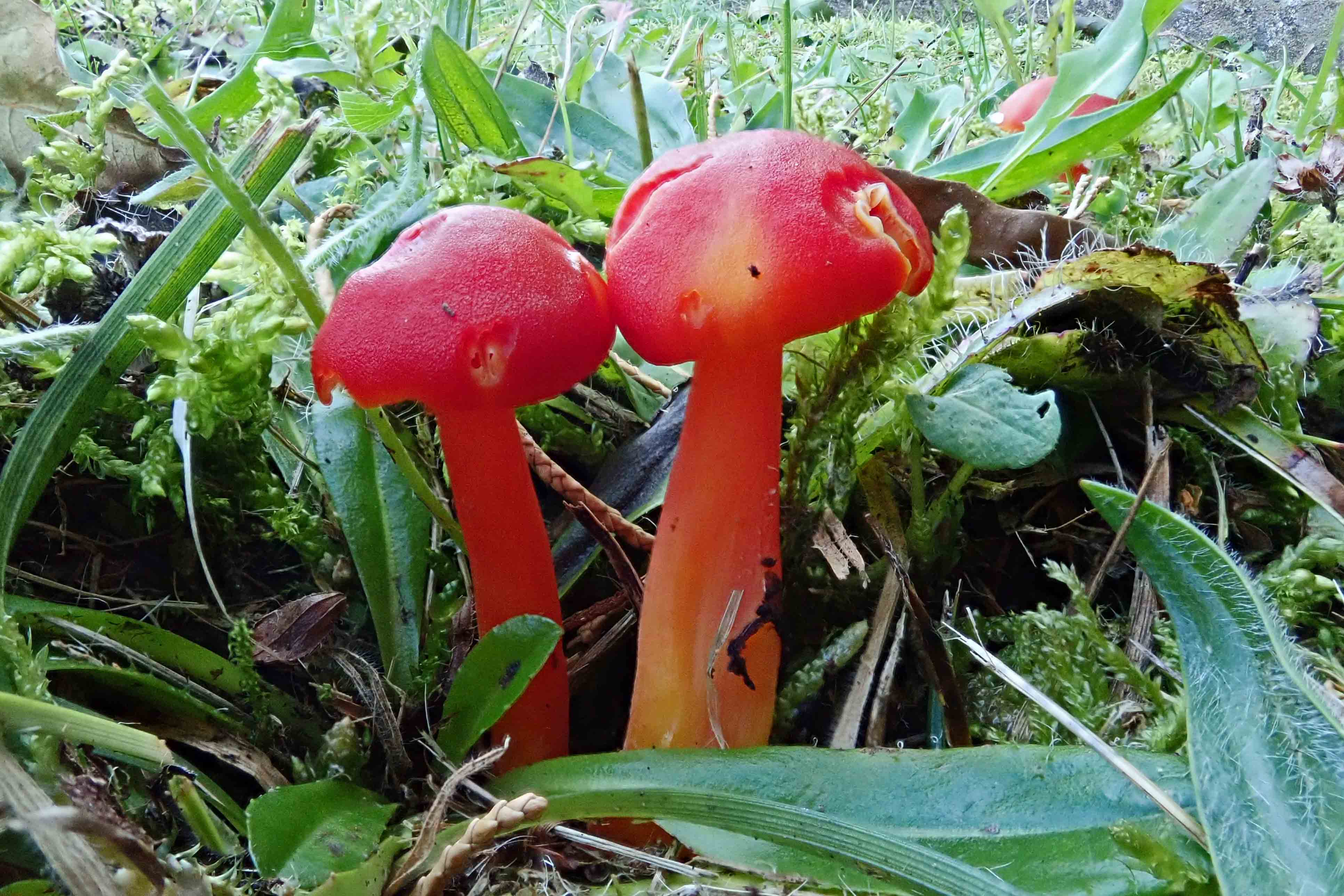
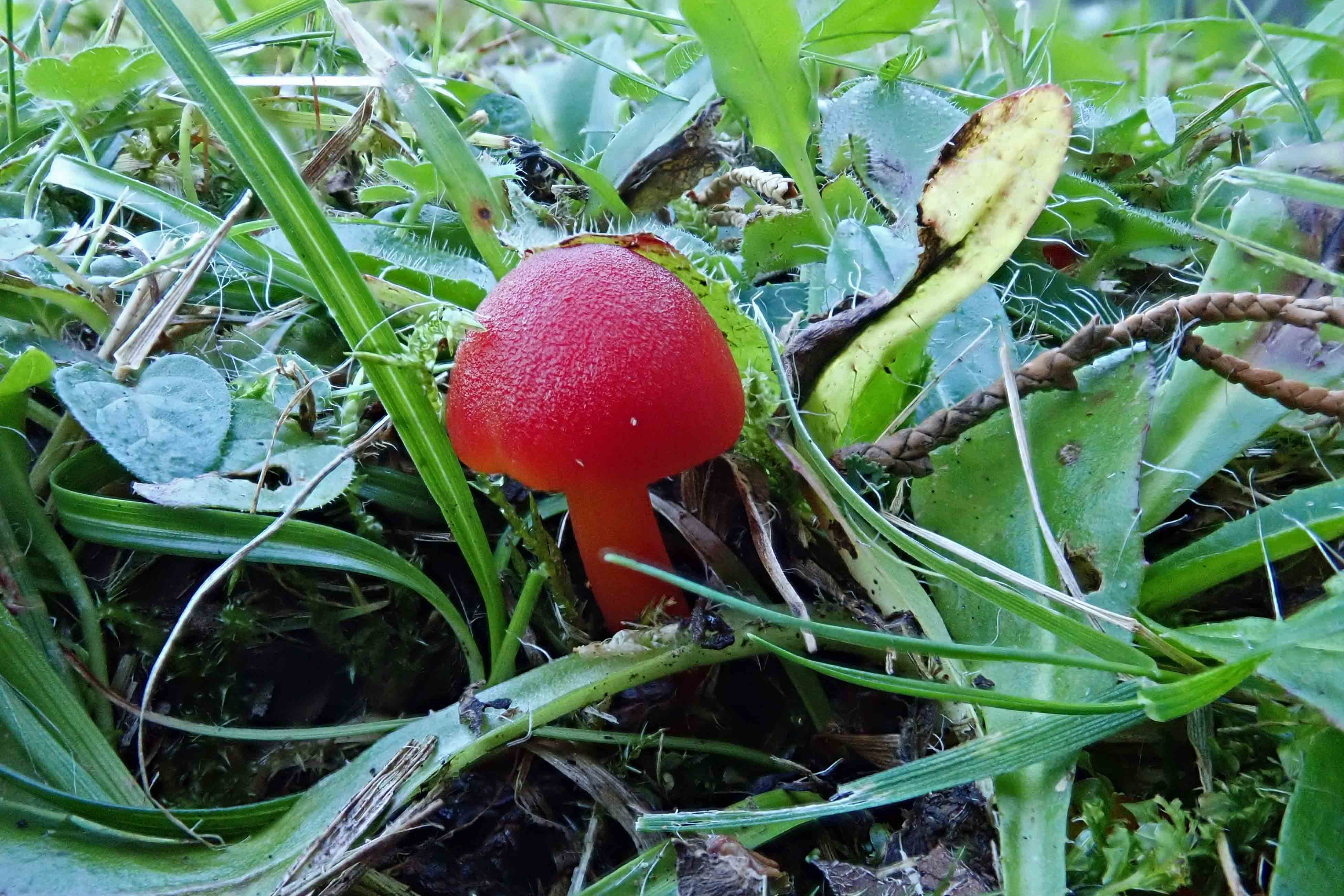
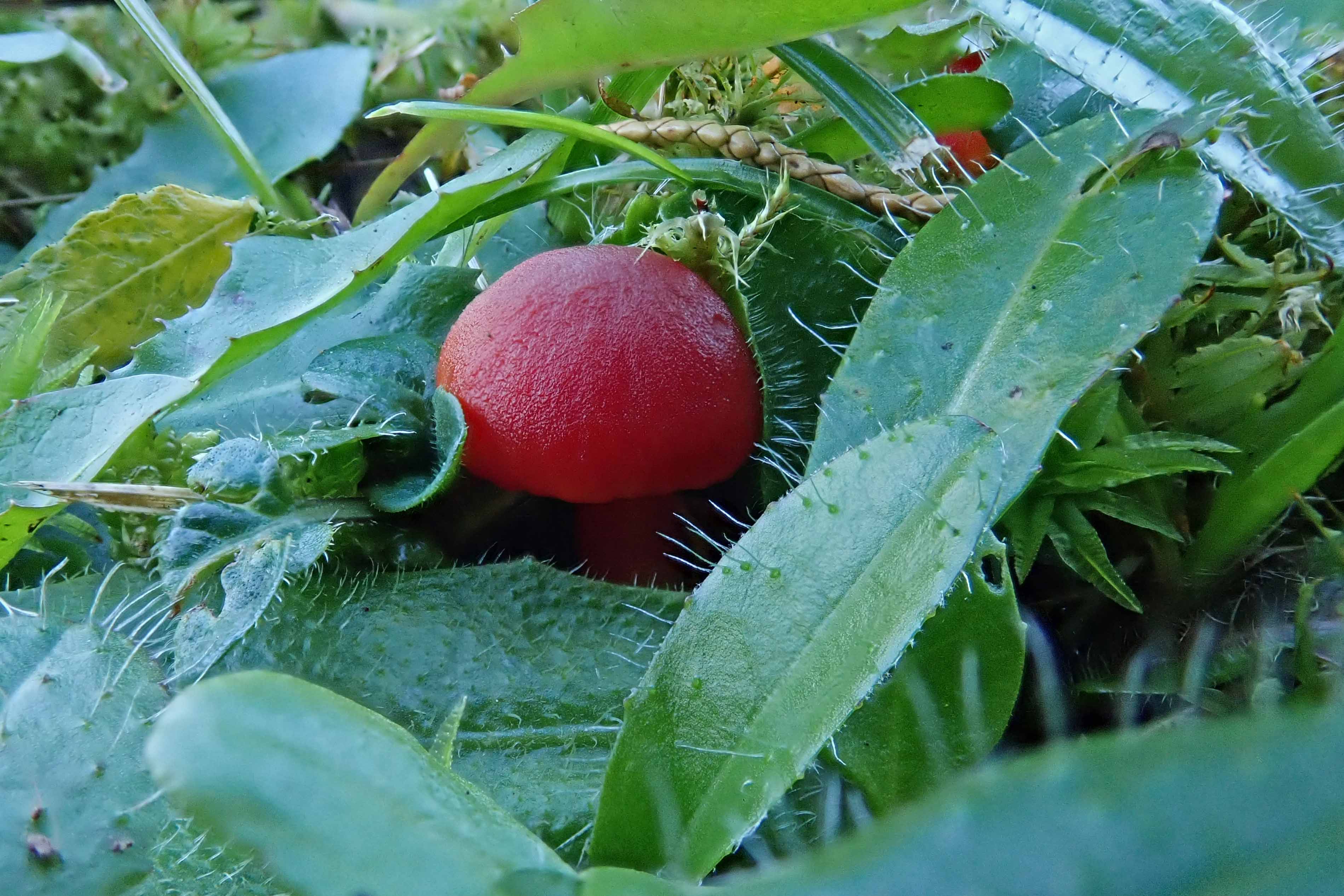
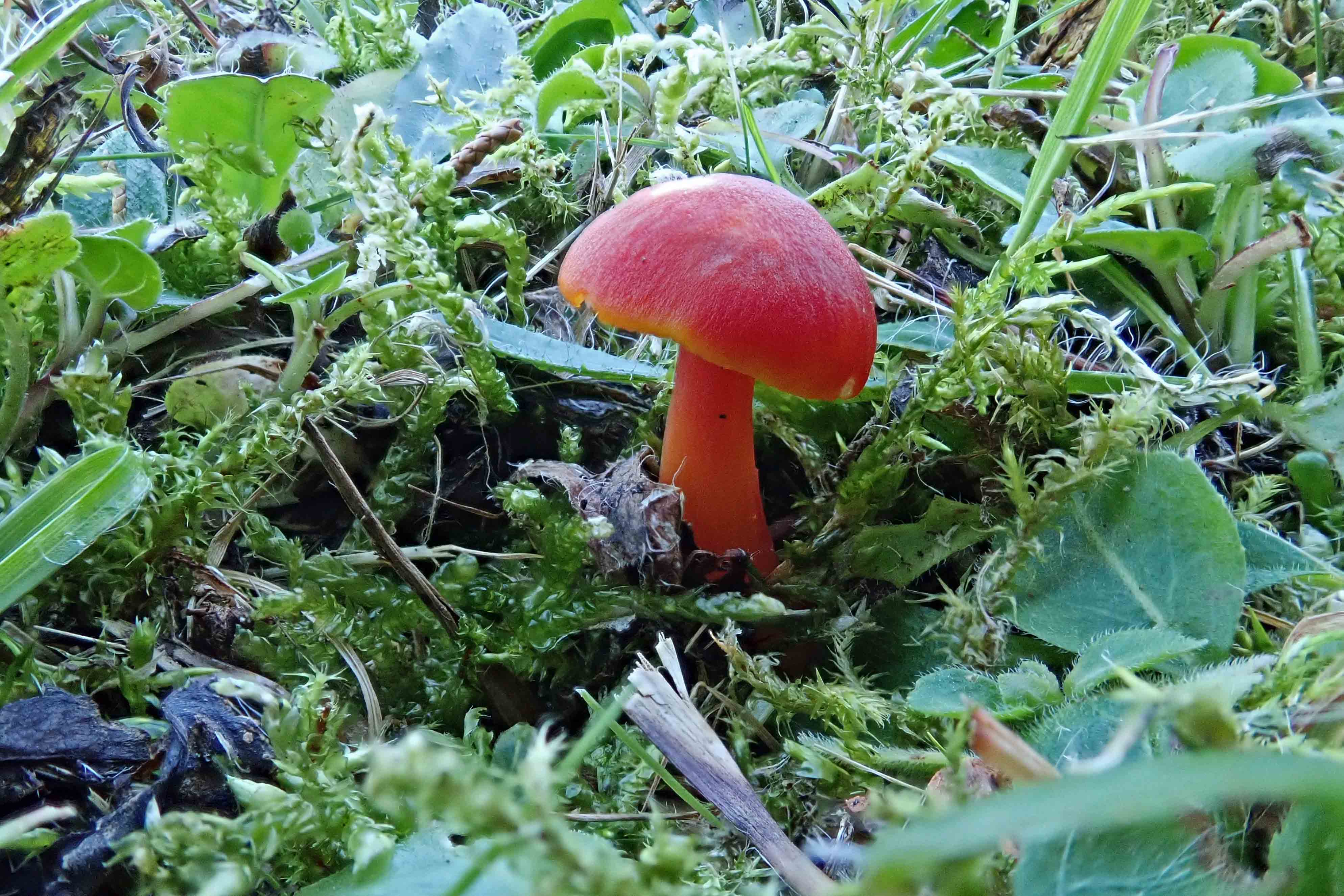
These Scarlet waxcaps (Hygrocybe coccinea) are the little gems I was hoping to find during my last visit to Cardiff’s Cathays Cemetery a couple of weeks ago but they hadn’t yet popped their little gorgeous heads up through the mossy grass.

241004 scarlet waxcaps (1)

This week some had, though many more were still just tiny scarlet bumps about to burst through.

241004 scarlet waxcaps (2)

Sadly, Cardiff Council workers were in the middle of cutting the grass at the cemetery so the chances of these, and any other waxcaps I didn’t manage to spot, surviving are about zero.

241004 scarlet waxcaps (3)

The cemetery is a SSSI precisely because of its rare waxcaps, and I know from speaking to a local ecologist that the Council has been given information on how they should be managing the cemetery to conserve and enhance the waxcap population. Sadly, like so many councils in the UK, they choose to destroy the environment rather than protect it.

241004 scarlet waxcaps (4)

Like Loading...

Endothenia marginana

03 Thursday Oct 2024

Posted by sconzani in insects, plants

≈ Leave a comment

Tags

British moths, Endothenia marginana, Endothenia marginana larvae, Endothenia species larva, moth larva in Teasel seedhead, Teasel

Back in January 2022, I was alerted to the fact that some Teasel seedheads are home to various species of moth larvae, and I blogged about opening three Teasel seedheads to find each one occupied by what proved to be one of the two Endothenia species of moth (Inside a Teasel seed head, 31 January 2022).

241003 endothenia marginana (1)

At the time of finding the larvae, I hadn’t known that I needed to check their rear ends for what’s known as an anal comb, a tiny tuft of hairs. If the anal comb is not present, then the species is Endothenia gentianaeana. If there is an anal comb, then it’s Endothenia marginana.
241003 endothenia marginana (2)

On a recent walk, when I found some Teasels that had been cut down, I decided to check the seedheads for any occupants. And, when I found this larva in one, I made sure to take close-up photos of its rear end – not as easy as you might think when the larva doesn’t want to co-operate. It eventually turned around, I got my shots, and, later, at home, I was able to make out an anal comb (indicated with a blue arrow in the photo below) so, as you may have guessed by the title of this blog, this is the larva of Endothenia marginana.


241003 endothenia marginana (3)

Like Loading...
← Older posts
Newer posts →

About me

sconzani

sconzani

I'm a writer and photographer; researcher and blogger; birder and nature lover; countryside rambler and city strider; volunteer and biodiversity recorder.

View Full Profile →

Follow earthstar on WordPress.com

Enter your email address to follow this blog and receive notifications of new posts by email.

Recent blog posts

  • Black-tailed godwits fighting March 25, 2026
  • Singing from every tree top March 24, 2026
  • Turtle bug March 23, 2026
  • Springtime invasives March 22, 2026
  • Singing Dunnocks March 21, 2026

From the archives

COPYRIGHT

Unless otherwise acknowledged, the text and photographs on this blog are my own and are subject to international copyright. Nothing may be downloaded or copied without my permission.

Fellow Earth Stars!

  • Unknown's avatar
  • Unknown's avatar
  • Unknown's avatar
  • Unknown's avatar
  • Unknown's avatar
  • Unknown's avatar
  • Unknown's avatar
  • Unknown's avatar
  • Unknown's avatar
  • Unknown's avatar
  • Unknown's avatar
  • Unknown's avatar
  • Unknown's avatar
  • Unknown's avatar
  • Unknown's avatar
  • Unknown's avatar
  • Unknown's avatar
  • Unknown's avatar
  • Unknown's avatar
  • Unknown's avatar
  • Unknown's avatar
  • Unknown's avatar
  • Unknown's avatar
  • Unknown's avatar
  • Unknown's avatar
  • Unknown's avatar
  • Unknown's avatar
  • Unknown's avatar
  • Unknown's avatar
  • Unknown's avatar
  • Unknown's avatar
  • Unknown's avatar
  • Unknown's avatar
  • Unknown's avatar
  • Unknown's avatar
  • Unknown's avatar
  • Unknown's avatar
  • Unknown's avatar
  • Unknown's avatar
  • Unknown's avatar
  • Unknown's avatar
  • Unknown's avatar
  • Unknown's avatar
  • Unknown's avatar
  • Unknown's avatar
  • Unknown's avatar
  • Unknown's avatar
  • Unknown's avatar
  • Unknown's avatar
  • Unknown's avatar

Blog at WordPress.com.

Privacy & Cookies: This site uses cookies. By continuing to use this website, you agree to their use.
To find out more, including how to control cookies, see here: Cookie Policy
  • Subscribe Subscribed
    • earthstar
    • Join 642 other subscribers
    • Already have a WordPress.com account? Log in now.
    • earthstar
    • Subscribe Subscribed
    • Sign up
    • Log in
    • Report this content
    • View site in Reader
    • Manage subscriptions
    • Collapse this bar
 

Loading Comments...
 

You must be logged in to post a comment.

    %d