As this autumn has been very mild, the verges and paddocks, woodland rides and footpath edges are still full of blooming wildflowers. It’s a delight.

24 Sunday Oct 2021
Posted in autumn, flowers, wildflowers
As this autumn has been very mild, the verges and paddocks, woodland rides and footpath edges are still full of blooming wildflowers. It’s a delight.
22 Friday Oct 2021
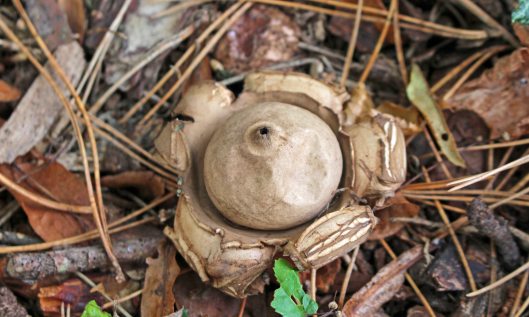
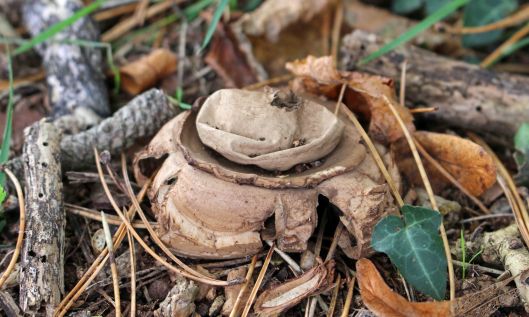
It’s that time of year when stars appear, as if by magic, from the earth and delight those of us lucky enough to find them with their outlandishness.
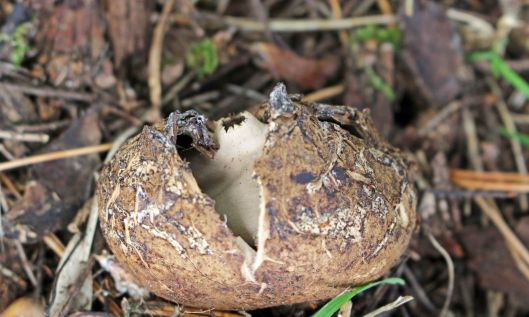
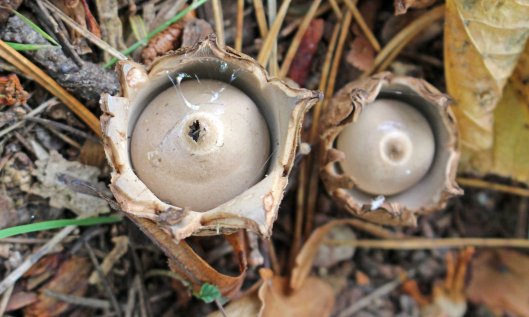
And so I made my annual pilgrimage to the location I found a few years ago in a Cardiff cemetery, where I was absolutely delighted to see a very healthy profusion of these beauties.
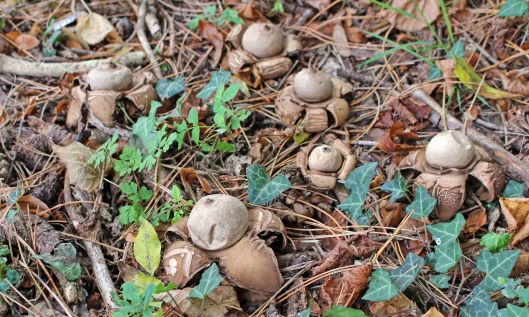
There were at least 40, with more still emerging from their ‘shells’. I am, of course, referring to the fungi for which this blog is named, the Earthstars, in this case Collared earthstars (Geastrum triplex).
19 Tuesday Oct 2021
Posted in autumn, flowers, wildflowers
Tags
autumn-flowering Cyclamen, British wildflowers, cyclamen, Cyclamen hederifolium, naturalised Cyclamen
What a fabulous sight these flowers were during a recent meander around one of Cardiff’s cemeteries!
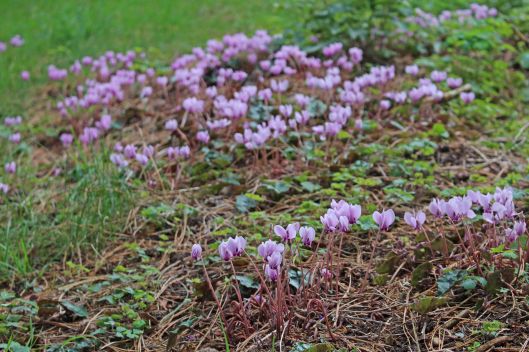
These are Cyclamen (Cyclamen hederifolium), which may once have been a single bulb planted on a loved one’s grave by a grieving relative that have now spread and become naturalised, a common occurrence in the churchyards of southern Britain. They certainly brighten up the autumn landscape with their gorgeous subtle shades of lilac and purple.

Why Sowbread? Well, according to the National Records Scotland website, ‘It is often referred to as sow bread because the corms looked like small loaves and were thought to have been favoured by pigs in the wild.’ The website is worth a look for the other interesting information it provides.
18 Monday Oct 2021
Tags
British leafminers, British moths, case-bearing moths, Coleophora peribenanderi, leaf-mining larvae, leaf-mining moth, moth larvae on thistles, Pale Thistle case-bearer
Searching for leafmines on thistles is not for the faint-hearted, writes she with multi-punctured fingers. But it has been worth every drop of blood to find these mines (and I must be a masochist, as, having found them in one place, I then went determinedly searching in other locations – two successes so far, which I’m rather pleased about as there are very few records in south Wales).

The larvae of the moth Coleophora peribenanderi, also known as the Pale Thistle case-bearer (you can see the adult on UK Moths here), builds itself a tube-like case to live in and ventures out of said case to munch happily on the leaves of whichever species of thistle its mother laid her eggs on (in the three I’ve found so far, Creeping thistle). The marks this feeding makes on the plant’s leaves are quite distinctive but, to clinch the identification, you need to look under the leaf and find the case.

Interestingly, the larva feeds up for a couple of months, from July to September, then suspends its development (the scientific word is diapause, a new one for me) through the winter until either feeding up a bit more in April or passing straight to pupation in May. Fascinating stuff!
17 Sunday Oct 2021
Posted in autumn, flowers, plants, wildflowers
A celebration of seed heads, plant life of the future . . .
16 Saturday Oct 2021
Tags
birding, birdwatching, British birds, British ducks, Cardiff Bay birding, shoveler, Shoveler plumage
The highlight of yesterday’s stomp around Cardiff Bay was this male Shoveler quite close to the boardwalk at the wetlands reserve.
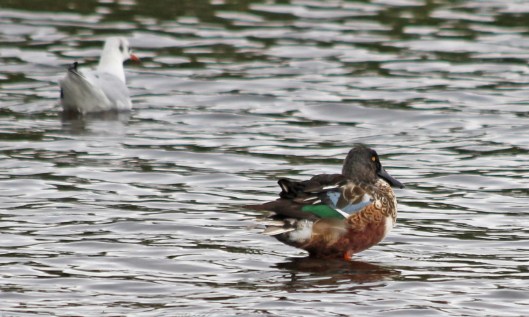
He was standing on a submerged log, body up out of the water, so he could preen. As you can see, he was looking a bit scruffy, only part way through the moult to winter plumage (shown below in a photo taken in December a couple of years ago), and was mostly still wearing his breeding colours. He was having a good scratch and preening with that large beak, shedding several feathers during the time I watched him.

15 Friday Oct 2021
Tags
British slime moulds, Ceratiomyxa fruticulosa, Coral slime, slime mould, slime mould on dead tree
While out walking on Wednesday I spotted this large expanse of something white on the side of a huge old fallen tree and, of course, I had to investigate.
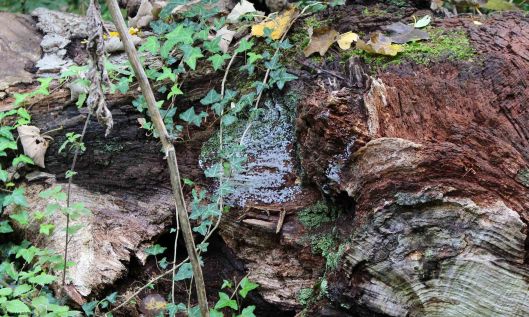
As I got closer, I realised it was the slime mould Ceratiomyxa fruticulosa, a mass of tiny translucent white tubes, often branched, clustered together like terrestrial coral or sea anemones.
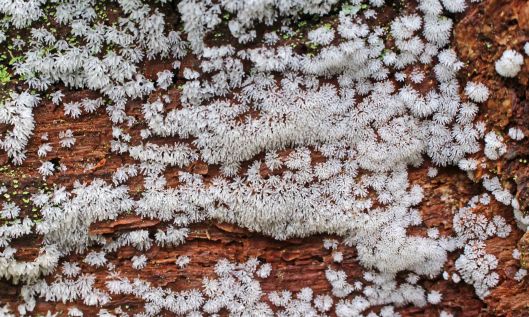
As this plasmodium stage of a slime mould often only lasts a day or two, the timing of my walk was very lucky indeed.

14 Thursday Oct 2021
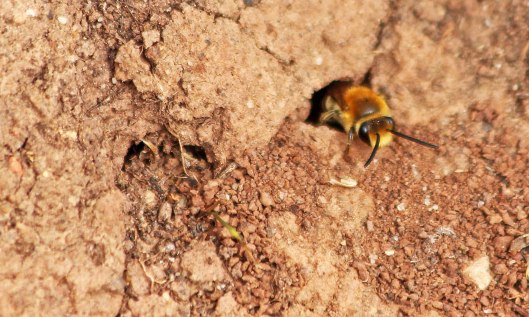
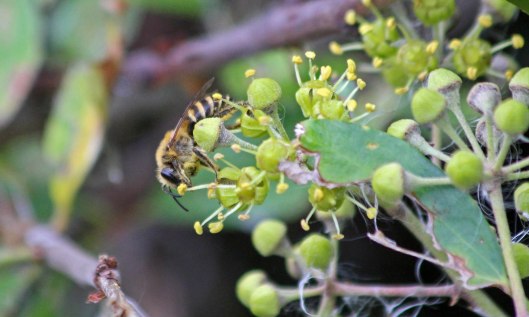
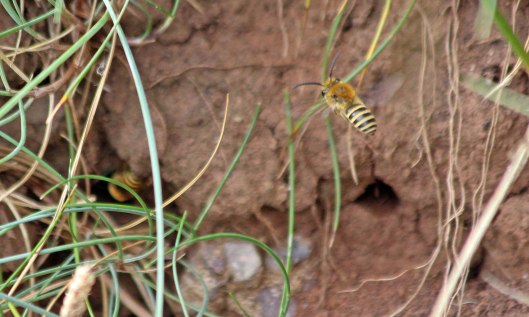
Every year I look out for them. Every year I share photos of them, and 2021 is no exception. Here, then, are some of this year’s cohort of Ivy bees, at their burrows and feasting on Ivy flowers.

10 Sunday Oct 2021

‘I’m so glad I live in a world where there are Octobers.’
~ L.M. Montgomery


03 Sunday Oct 2021
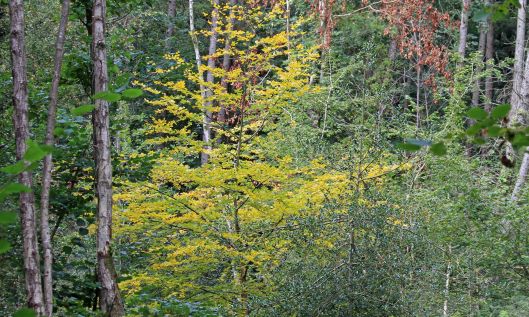
‘How beautiful the leaves grow old. How full of light and color are their last days.’ ~ John Burroughs


 earthstar
You must be logged in to post a comment.