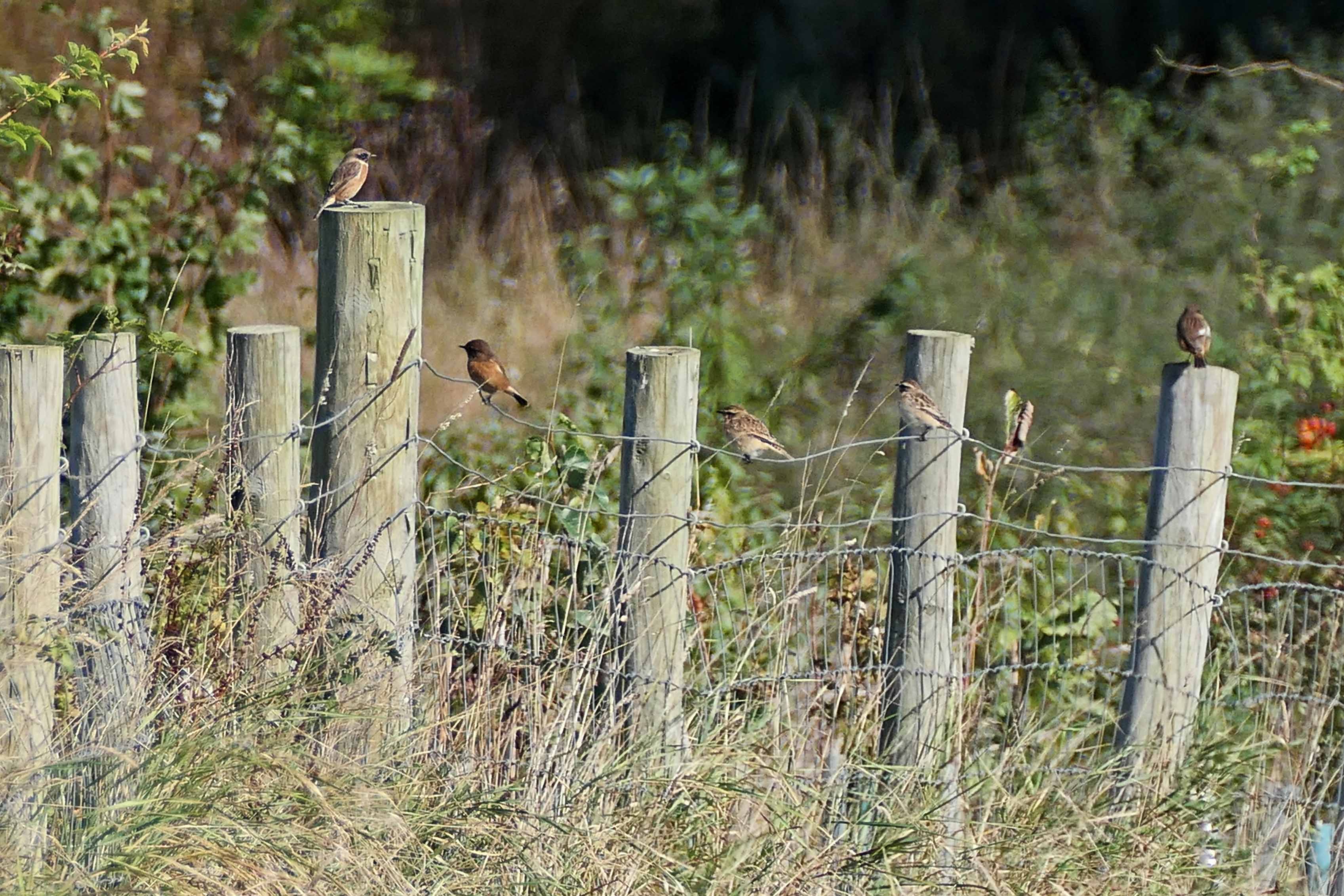
With its all-star lineup of migrating birds – three Stonechats and two Whinchats, this simply has to be my favourite kind of fence!

21 Saturday Sep 2024
With its all-star lineup of migrating birds – three Stonechats and two Whinchats, this simply has to be my favourite kind of fence!
20 Friday Sep 2024
With the recent launch of its campaign #WaxcapWatch, the environment organisation Plantlife is asking for the public’s help to record waxcap fungi this autumn. As they state on their website:
Britain is home to some of the most important waxcap grasslands in the world. However many species are becoming rare and declining; they need identifying and protecting.
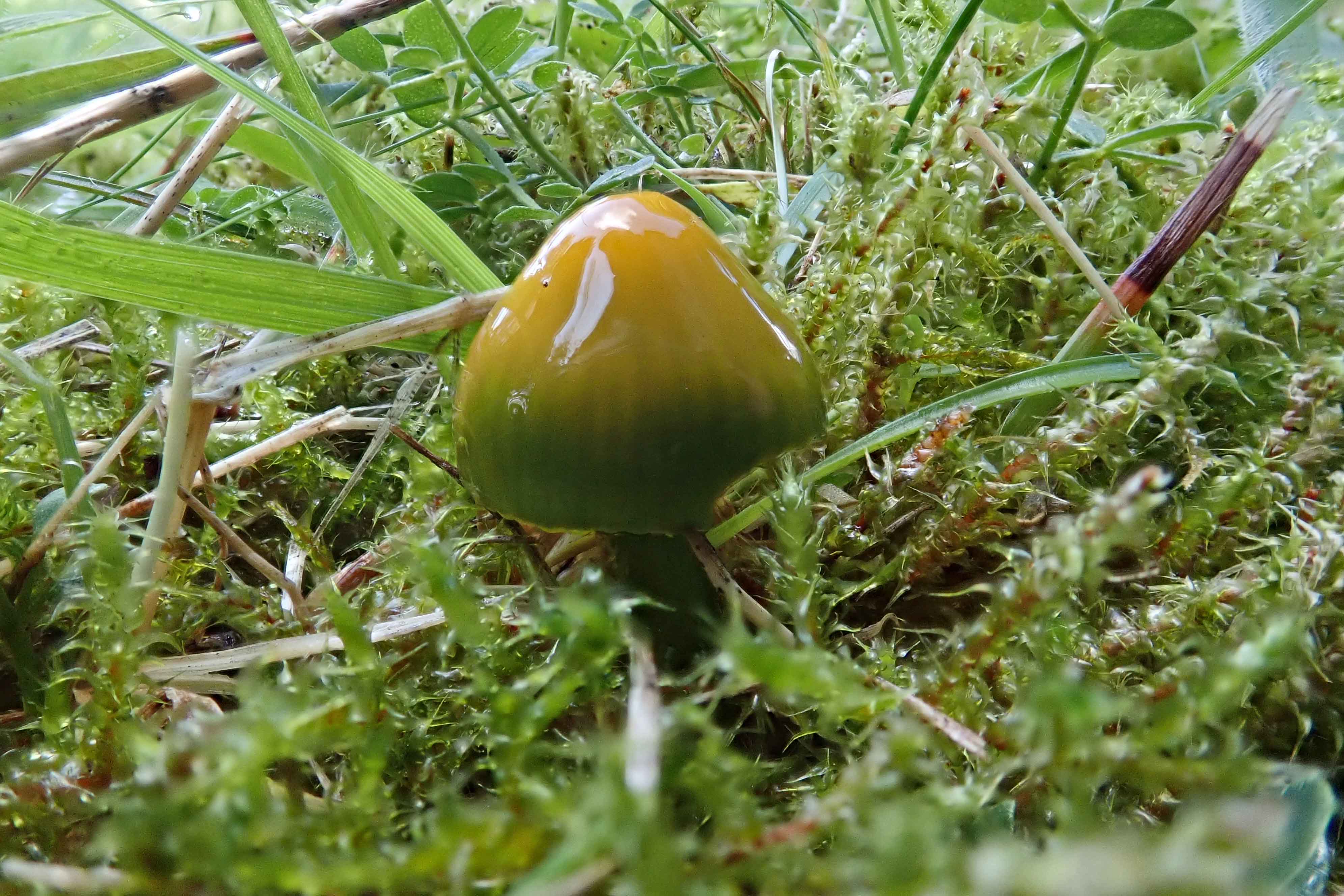
You don’t need to be a fungi expert to help out. The webpage provides all the instructions you need, including a link to an app you can use to record your finds, and a handy video on how to use the app. So, no excuses! Waxcaps are some of our most beautiful fungi and seeing these little gems growing in a field is a truly wonderful experience.
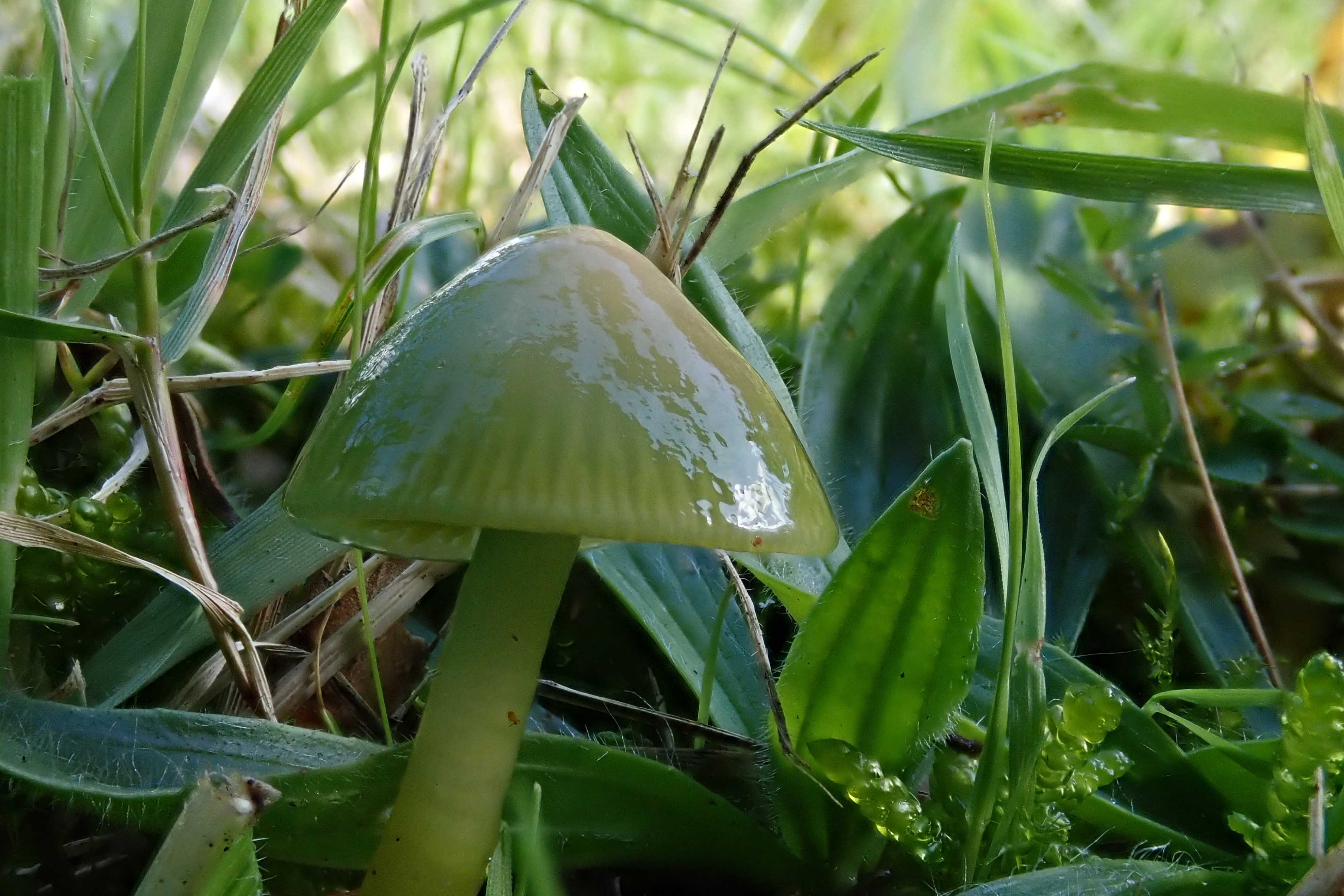
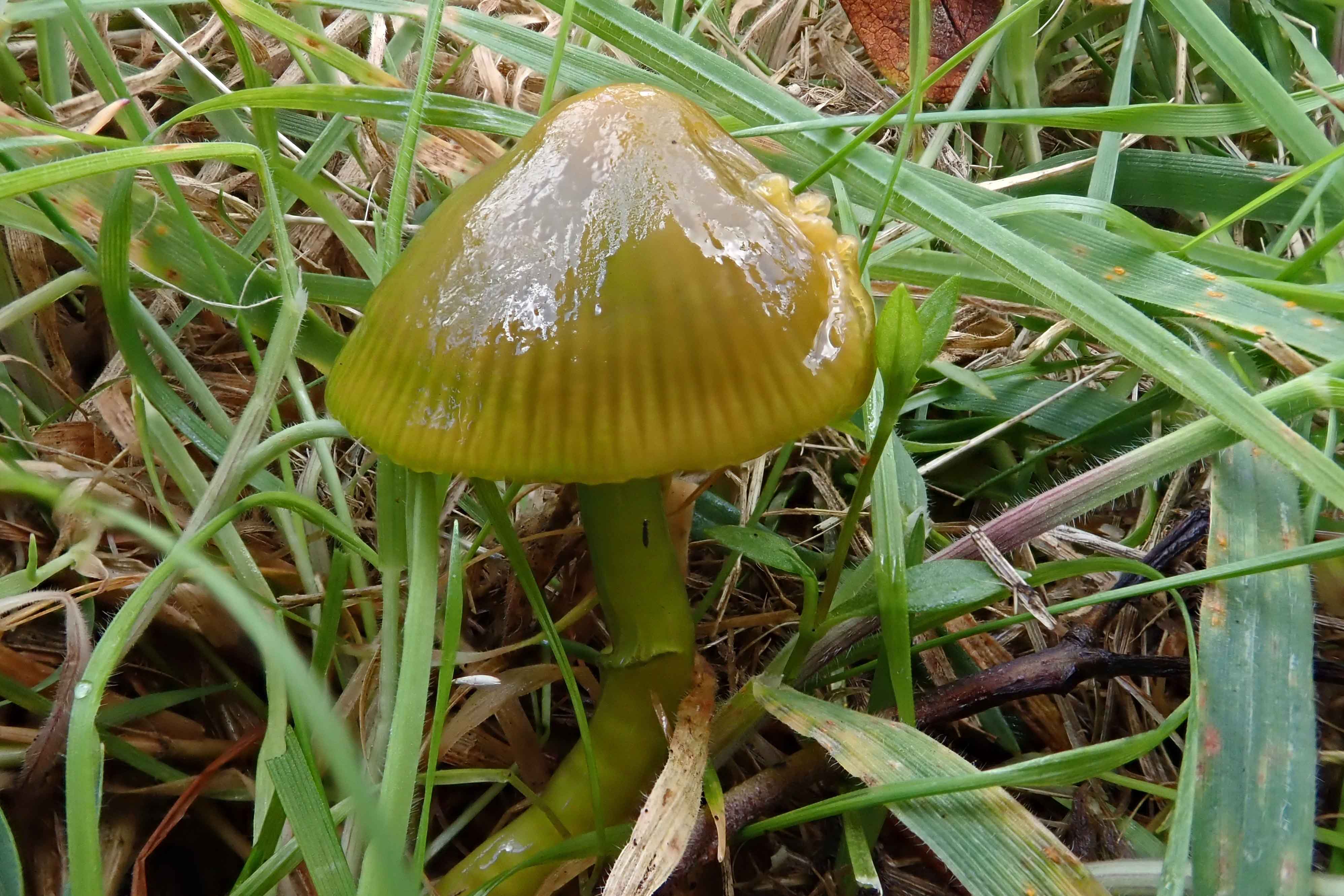
The waxcaps shown here are all Parrot waxcaps (Gliophorus psittacinus), and were found during a wander around one of Cardiff’s old cemeteries last week.
15 Sunday Sep 2024
Posted in autumn, flowers, wildflowers
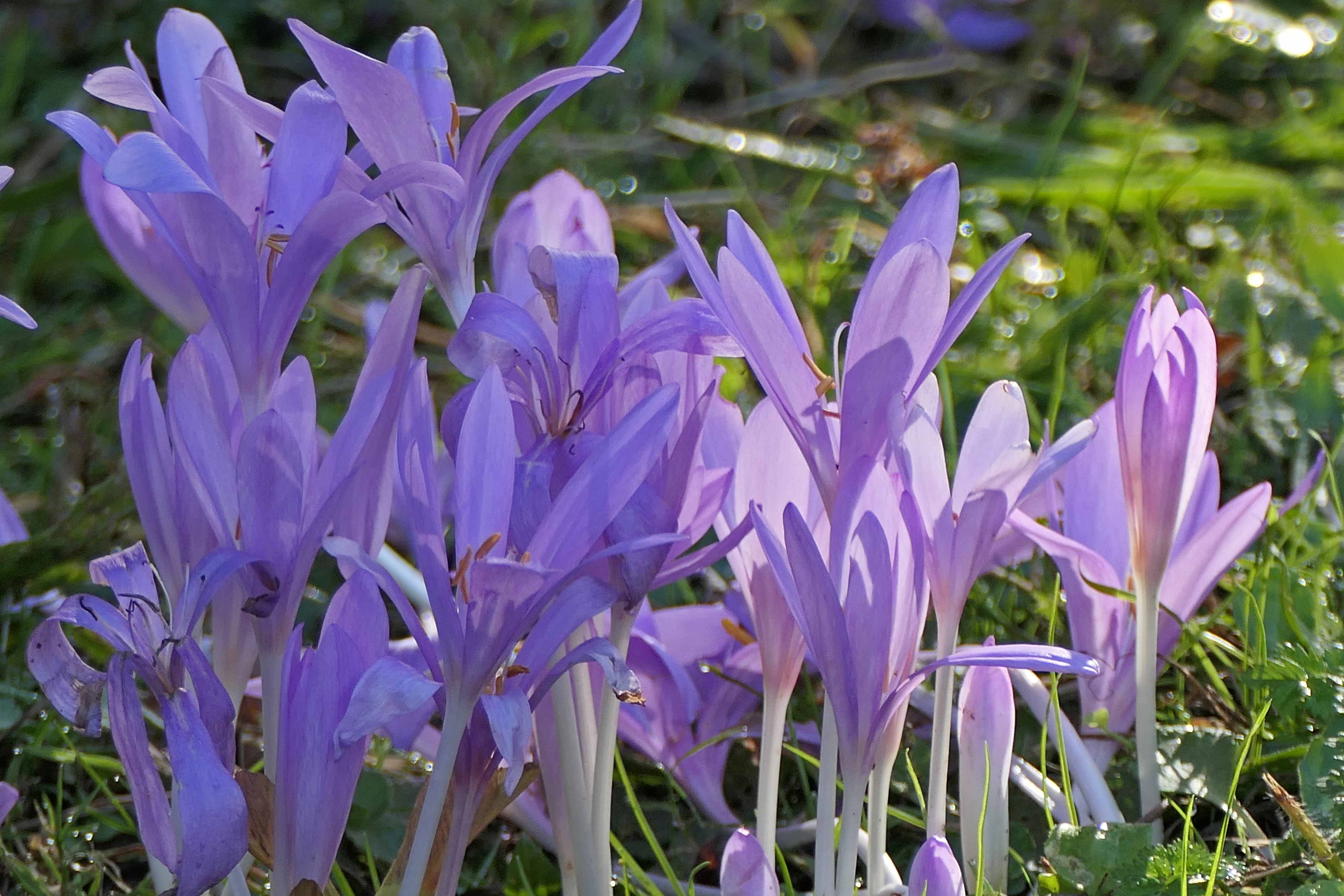
Meadow saffron (Colchicum autumnale), also known as Autumn crocus even though it’s not actually a crocus, is currently providing visitors to Roath Park Lake with a magnificent display of colour.
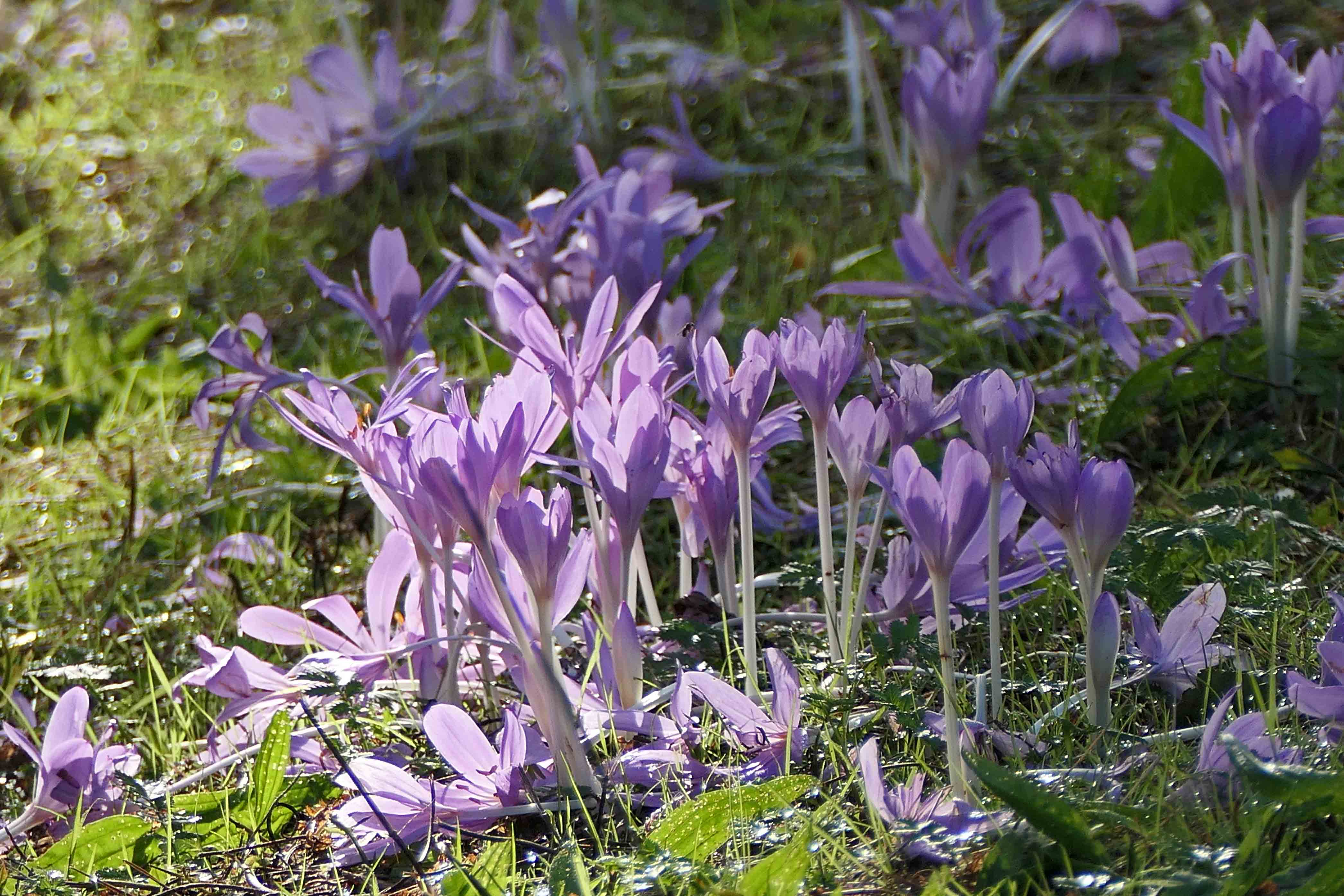
As well as the grassy area near Roath Lake, these gorgeous plants bloom annually in Cardiff’s Bute Park. I’ve blogged about them before, and provided more information, back in 2016 (The Naked Ladies of Roath and Bute, 9 September).
03 Tuesday Sep 2024
Tags
Anas querquedula, autumn migration, birding, birdwatching, British birds, British ducks, ducks, Garganey, migrating birds, Roath Park Lake
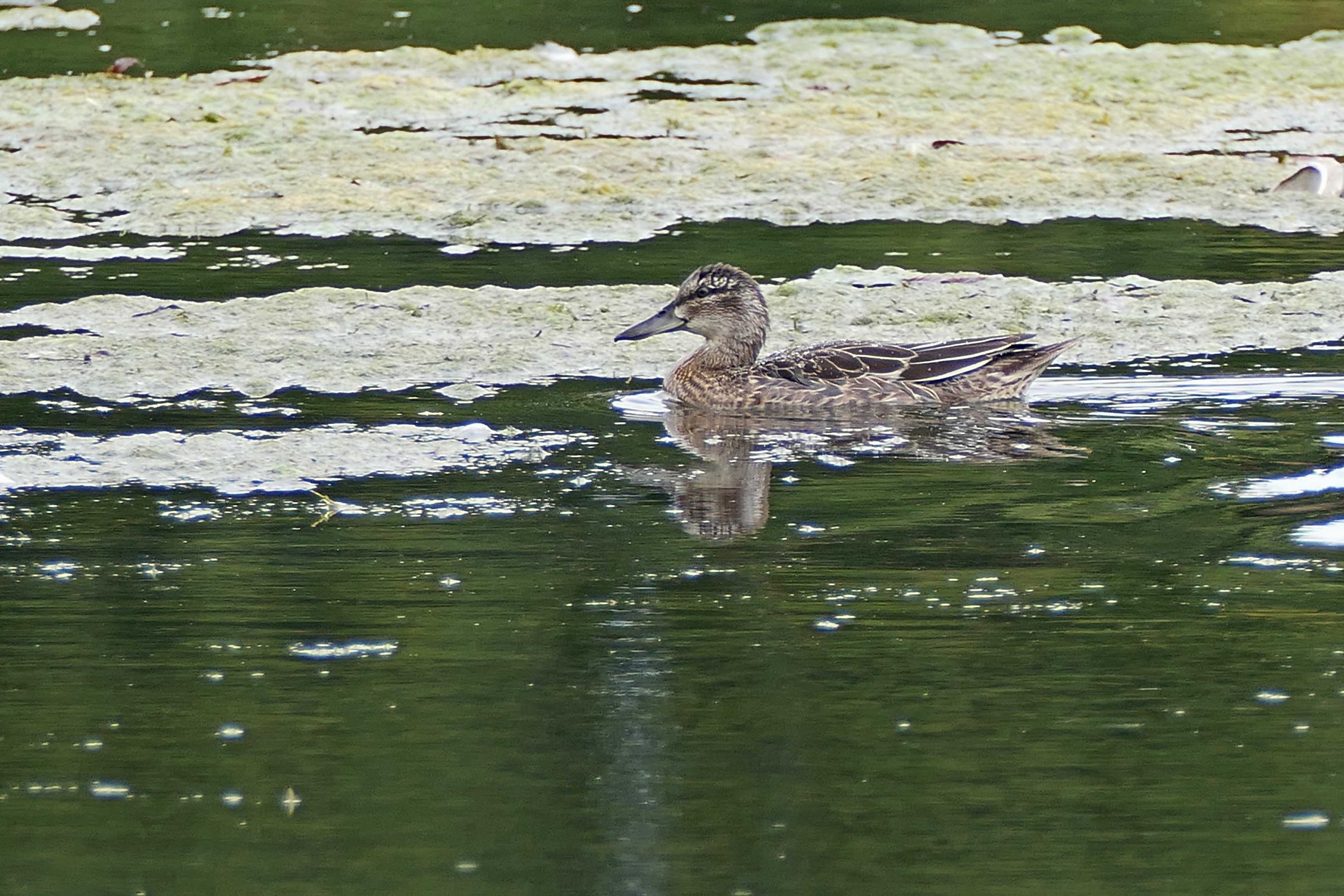
Back in September 2017, I wrote a blog about the experience of seeing a female Garganey on Roath Park Lake (Autumn migration: Garganey).
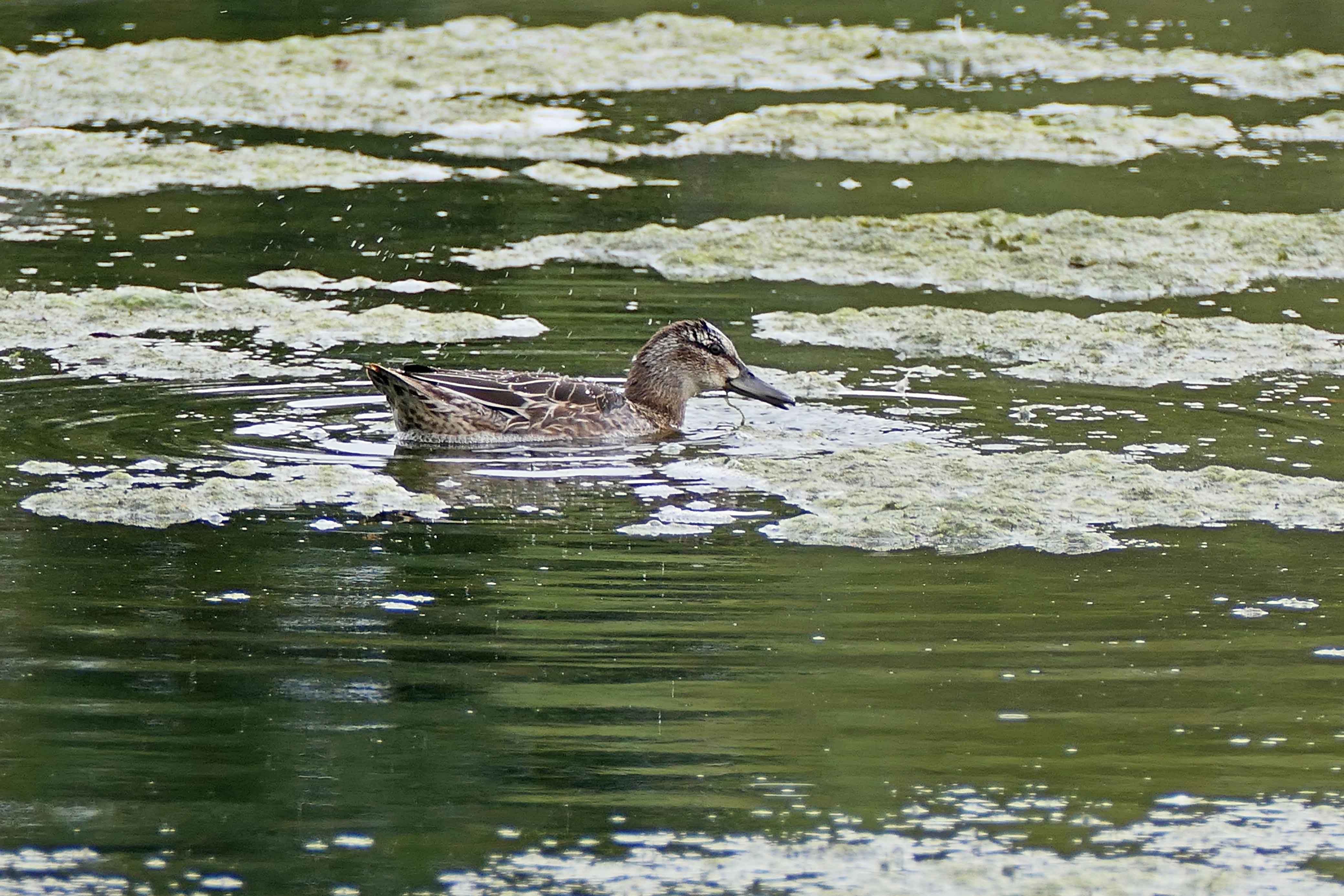
Roll forward seven years to last Tuesday, 27 August, and my trip to north Cardiff was almost an exact repeat of that day in 2017: searching but not initially finding the bird; going for a walk and trying again (though this time I had some help from a local birder who’d seen the Garganey earlier that morning); noting how she was feeding so frequently amongst the lake weed that most of my photos were of a headless duck.
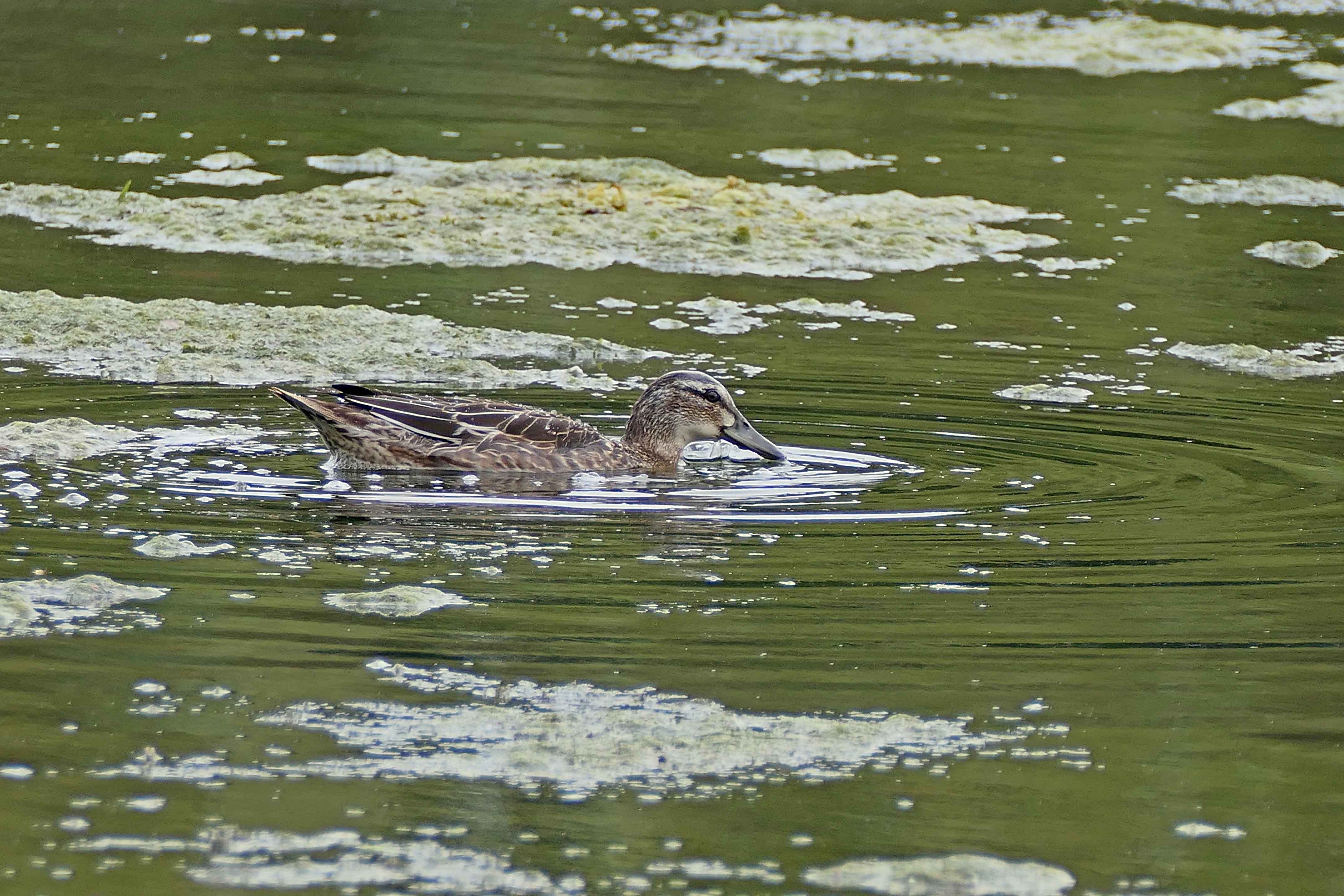
As with so many duck species, the female Garganey (Anas querquedula) does not have the showy plumage of the male of the species but this was a gorgeous, very dainty little duck. And, once I did eventually find her, she was a joy to watch.
01 Sunday Sep 2024
Tags
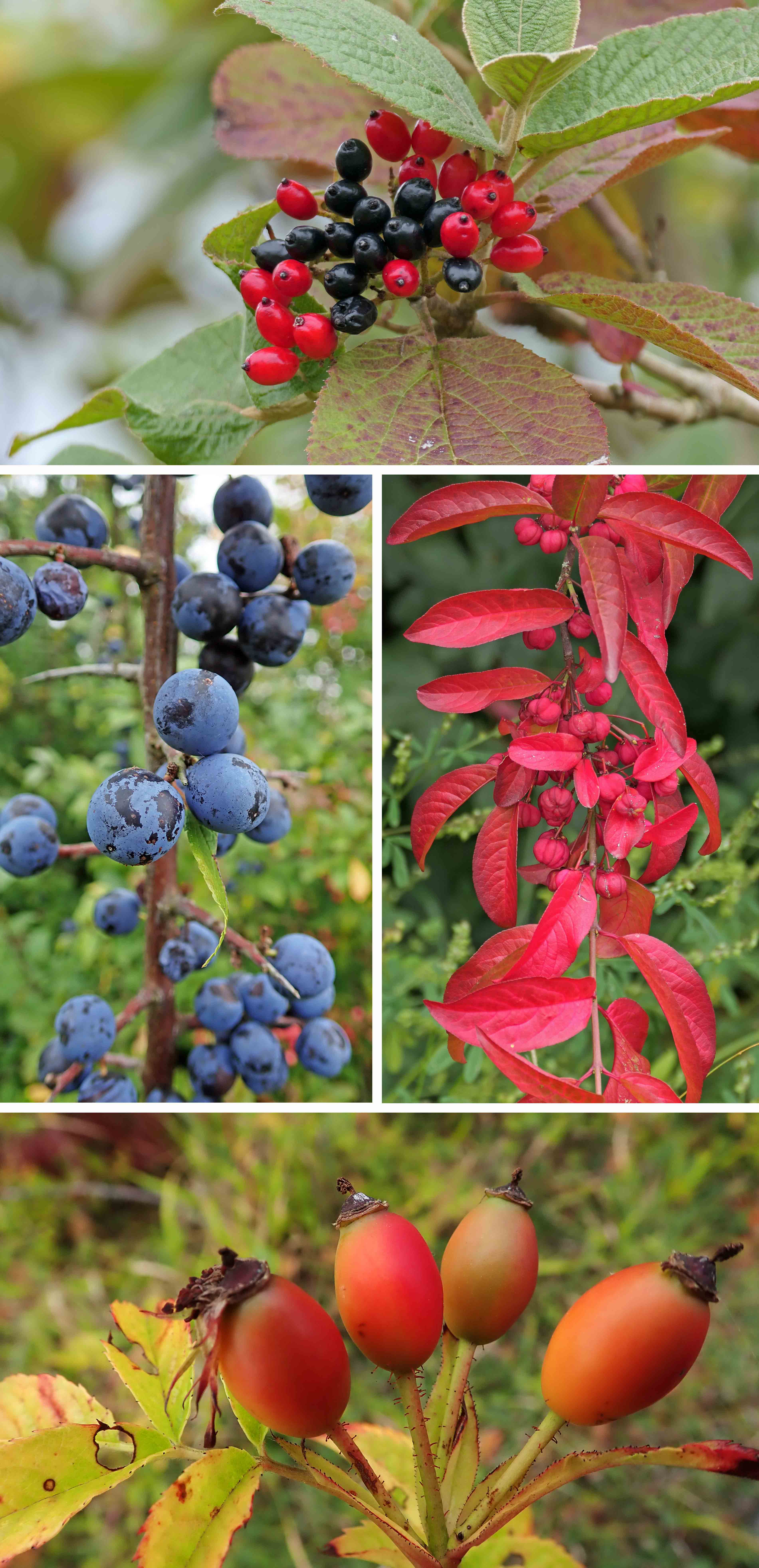
autumn berries, autumn colours, autumn fruit, rose hips, Sloes, Spindle fruits, whitebeam berries
Though today was actually quite warm and humid, there’s no denying that autumnal feel in the air. The evenings are getting dark earlier; there’s an occasional hint of a heavy dew, if not quite a frost; the birds have already begun their migration south for the winter; and, on the trees and shrubs, the fruits are bright and bursting, the leaves beginning to turn. Happy Autumn to all in the northern hemisphere (and happy Spring to those down under)!
21 Wednesday Aug 2024
They’re late this year, the Spotted flycatchers. According to reports I’ve read, our very wet Spring weather delayed their arrival and the start of their breeding season. And a friend who often heads to the valleys of mid Wales, where many of these birds breed, tells me they were later than usual finding their mates, building their nests, fledging their chicks.

So, I guess I shouldn’t be surprised that I saw my first (so far, my only) Spotted flycatcher of the year last Sunday, the 18th, eighteen days later than last year. The bird was a beauty, though, initially sitting preening in an alcove of trees that provided shelter from the strong winds, then popping out to an area of low trees to look for lunch. At that point, it was quite close to me so I was able to enjoy watching its fly-catching efforts and get some reasonable photos. A true delight!

29 Wednesday Nov 2023
The lake is still overflowing from all the recent rain and that overflow area is more still that the waters of the lake itself. When I approached yesterday to check out which birds were present, this Moorhen was walking along the edge, its progress so slow that it wasn’t disturbing the watery reflections. The day was dull and grey so the light on the bird was not the best but I still took rather a lot of photos.

24 Friday Nov 2023
Tags
autumn colour, autumn fungi, Ballerina waxcap, Cuphophyllus virgineus, Gliophorus psittacinus, Hygrocybe coccinea, parrot waxcap, Pink waxcap, Porpolomopsis calyptriformis, Scarlet waxcap, Snowy waxcap, waxcaps
Green, pink, red and white are just some of the colours you can see in the diverse range of fungi known as waxcaps. These are some I’ve found during recent fungi-seeking forays.

Parrot waxcap (Gliophorus psittacinus)
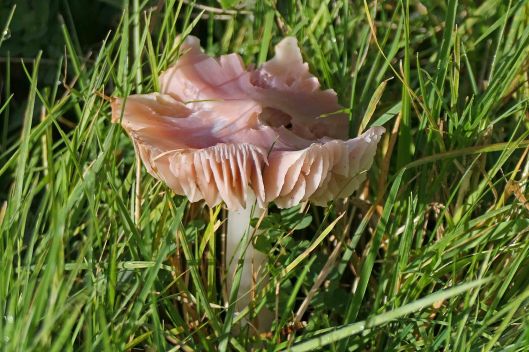
Pink waxcap (Porpolomopsis calyptriformis), also known as the ballerina, for the tutu-like appearance of its spread cap as it dances in the grass
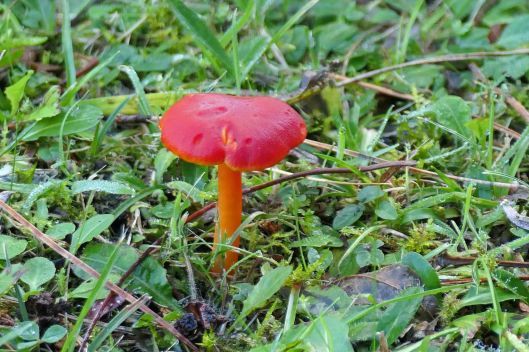
Scarlet waxcap (Hygrocybe coccinea)
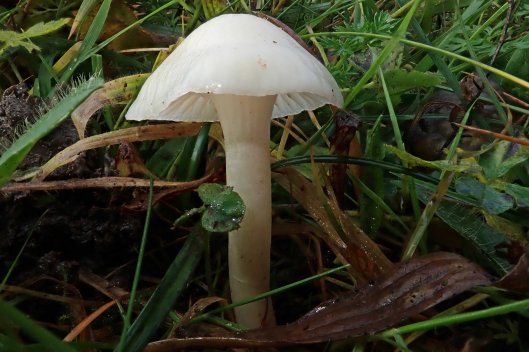
Snowy waxcap (Cuphophyllus virgineus)
18 Saturday Nov 2023
Tags
birding, birdwatching, Black redstart, British birds, Cardiff Bay birding, female Black redstart
On 8 November I posted about the return of a male Black redstart to a location this species has, in recent years, favoured for over-wintering in Cardiff Bay. I’m pleased to report that a female has now been sighted in the same area – I spotted her hopping around the top of the BBC building last Tuesday. A female was also spotted on waste ground a couple of blocks away later in the day, which may be a third bird or it may be the same female exploring the area. We will have to wait for more sightings and photographs to be sure but it is wonderful to have these little characters back with us again.

12 Sunday Nov 2023
Posted in autumn, flowers, wildflowers
I was surprised at the start of the week to find wildflowers blooming that should long since have gone to seed and that inspired me to see just how many wild flowers I could find during this week’s walks. The answer, of course, is in the title of this post – 59! That is to say, I have 59 images to share but there were a few more plants in flower that I didn’t manage, for one reason or another, to photograph. Some wildflowers were quite unexpected, like the Carline thistle that had one flower open and 3 more buds still to develop; some were abundant, like the Yellow-wort still standing tall in a field at Cosmeston; others, like the Common stork’s-bill, were the last survivors of the strimmers that have been very active this month. Here they all are …
 earthstar
You must be logged in to post a comment.