• ABOUT
  • BIRDING 2018
  • Birding 2019
  • BLOG POSTS
  • Butterflies 2018
  • Resources

earthstar

~ a celebration of nature

earthstar

Category Archives: nature

There be dragons

20 Tuesday Jul 2021

Posted by sconzani in insects, nature

≈ Leave a comment

Tags

Black-tailed skimmer, British dragonflies, Broad-bodied Chaser, dragonfly, Emperor, Southern hawker

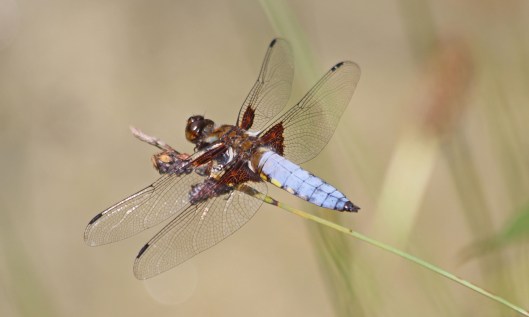
Our local dragonflies seem to relish this hot summer weather we’ve been experiencing, but they are so speedy and flighty I find them quite difficult to photograph. Fortunately, these few were more co-operative …

210720 black-tailed skimmer

Black-tailed skimmer

210720 emperor

Emperor

210720 broad-bodied chaser

Broad-bodied chaser

210720 southern hawker

Southern hawker

Like Loading...

Southern marsh-orchids

16 Wednesday Jun 2021

Posted by sconzani in flowers, nature, wildflowers

≈ 4 Comments

Tags

British native orchids, British orchids, Dactylorhiza praetermissa, Grangemoor Park, native orchids, Southern Marsh-orchid

Mostly, I only see four species of orchid: Early purple, Common spotted, Bee and Pyramidal, so I find it tricky identifying other species. And the fact that many species of orchid hybridise with each other also complicates the identification picture. So, when a Twitter pal tagged me for help identifying a Southern marsh-orchid (Dactylorhiza praetermissa) I couldn’t assist, but decided to try to find some for myself to learn more about their appearance. I found one specimen during a recent visit to Aberbargoed (though not at the grasslands) and several at Cardiff’s Grangemoor Park.

The first thing I realised is that you can’t rely on colour. I found another orchid that looked the perfect shade of purple but didn’t have the right markings – perhaps a hybrid of Southern marsh and Common spotted. The two key things for Southern marsh-orchids, it seems to me, in non-botanist speak, are that the upper petals all reach skywards, like a person holding their arms in the air, and that the larger, lower petal has two cascades of spots that sometimes merge in to one but always fall in the centre of the petal, not spreading outwards. I’m sure there’s a more succinct way to phrase that but I think it’s best we each have our own ways to remember key points.

210616 southern marsh-orchid (2)
210616 southern marsh-orchid (3)
210616 southern marsh-orchid (4)

Like Loading...

Consolation prizes

07 Monday Jun 2021

Posted by sconzani in insects, nature

≈ 6 Comments

Tags

British moths, Cream wave, Latticed heath, moths, Silver Y, The Mocha, Yellow Shell

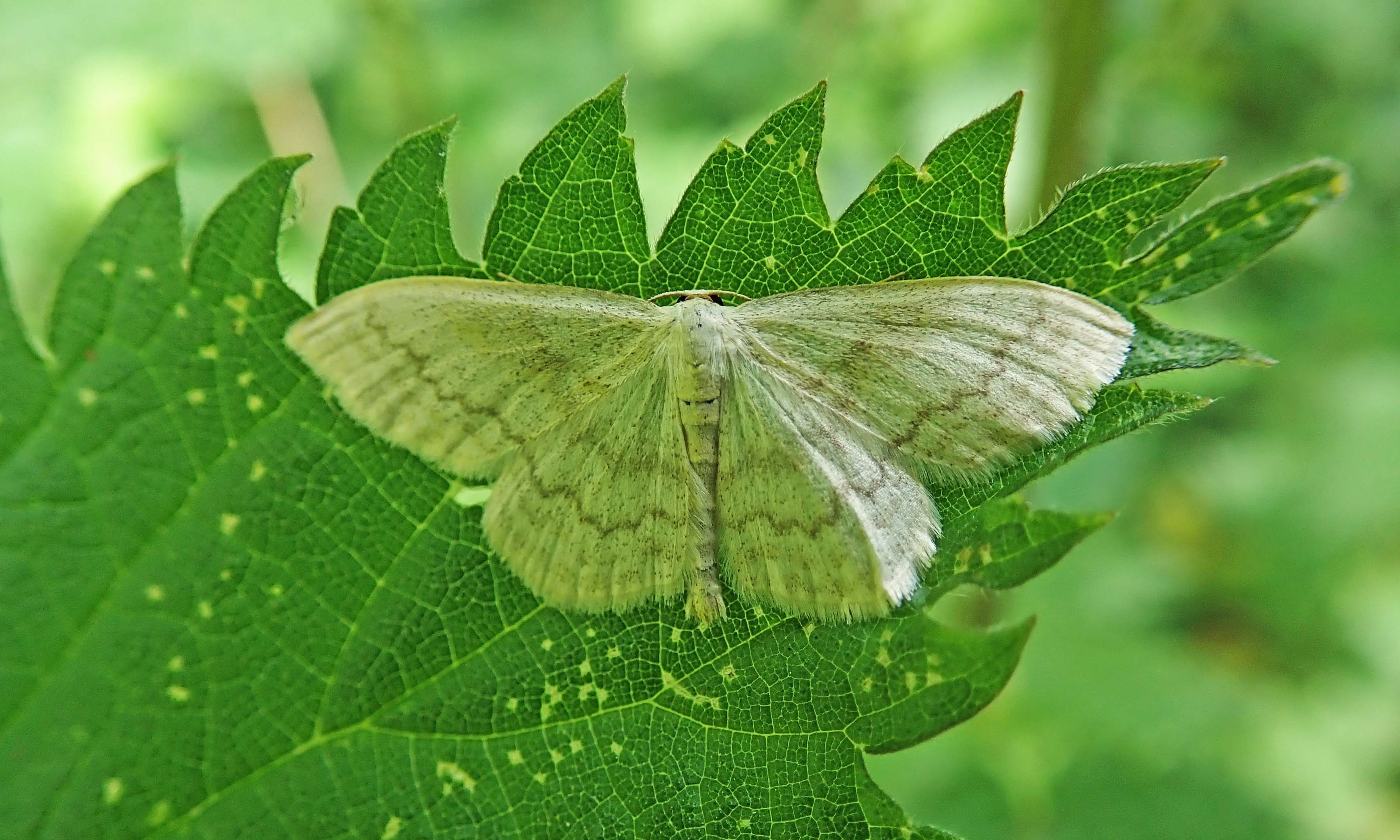
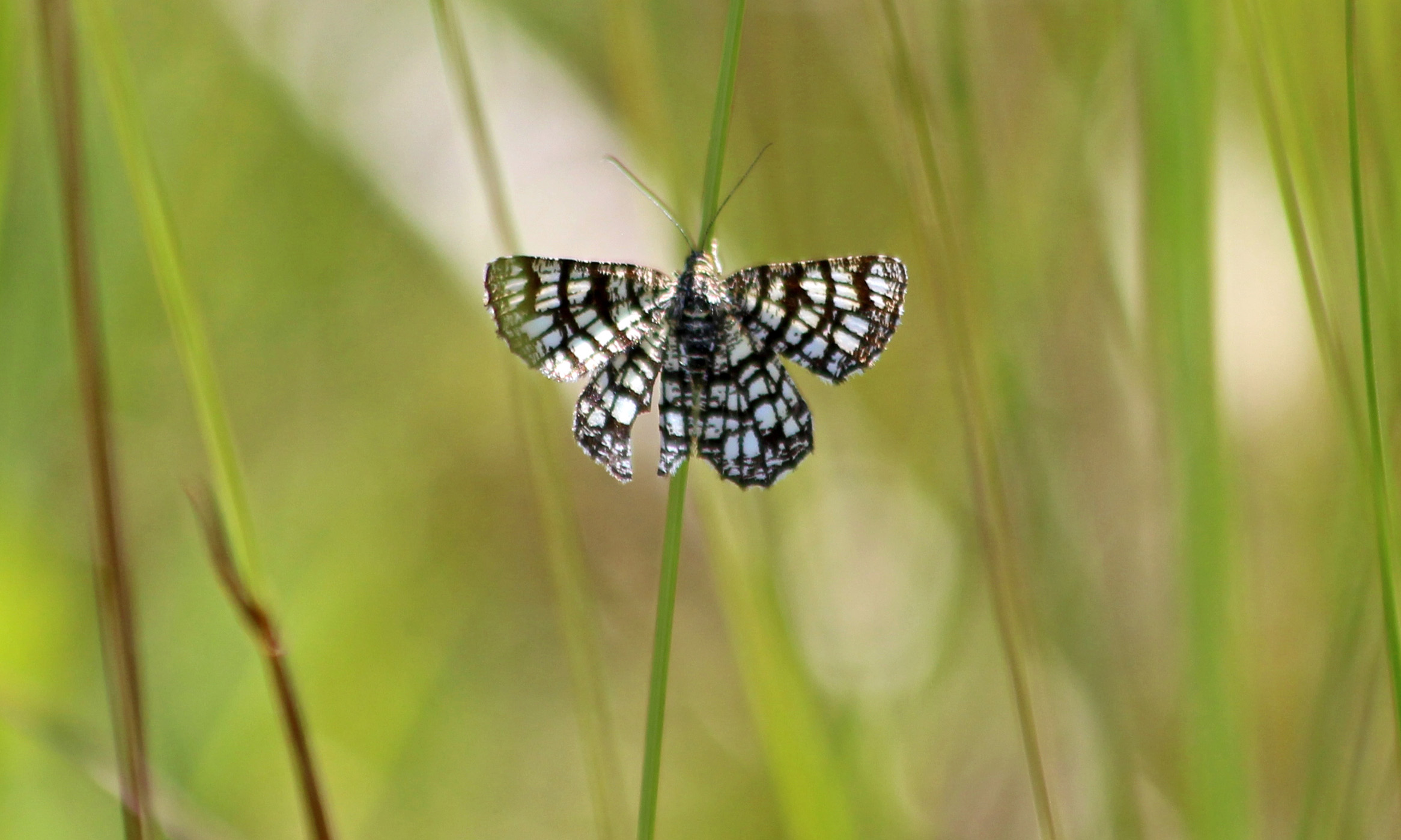
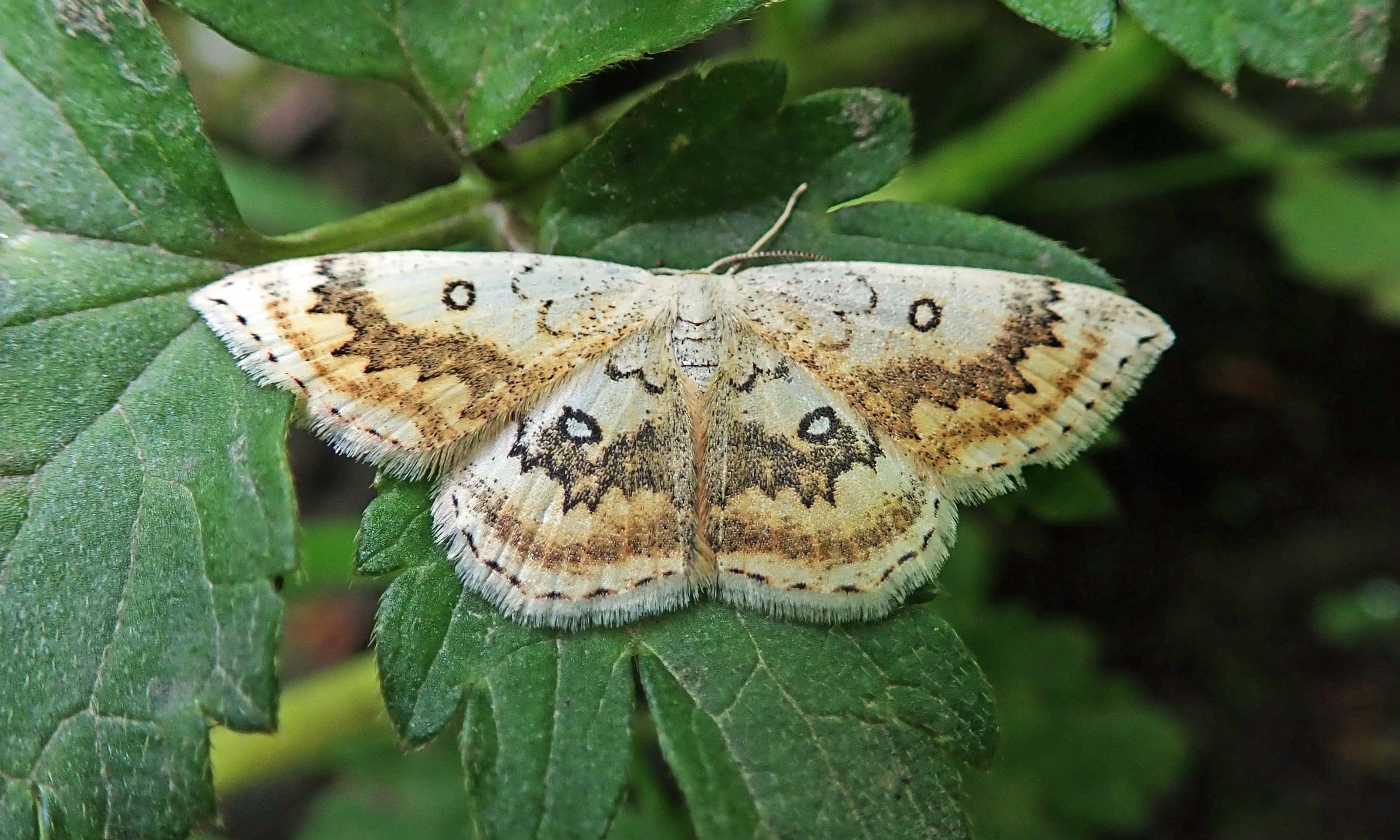
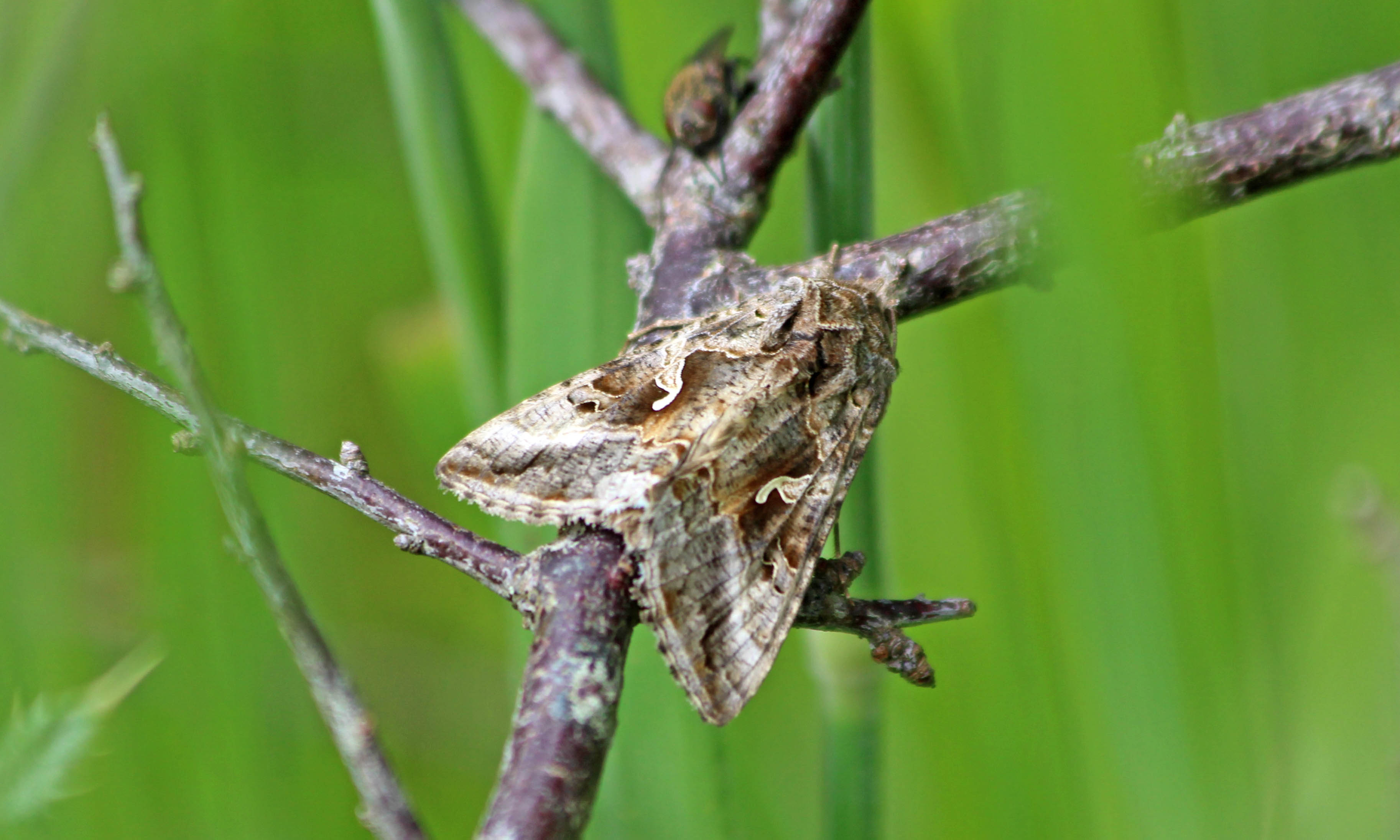
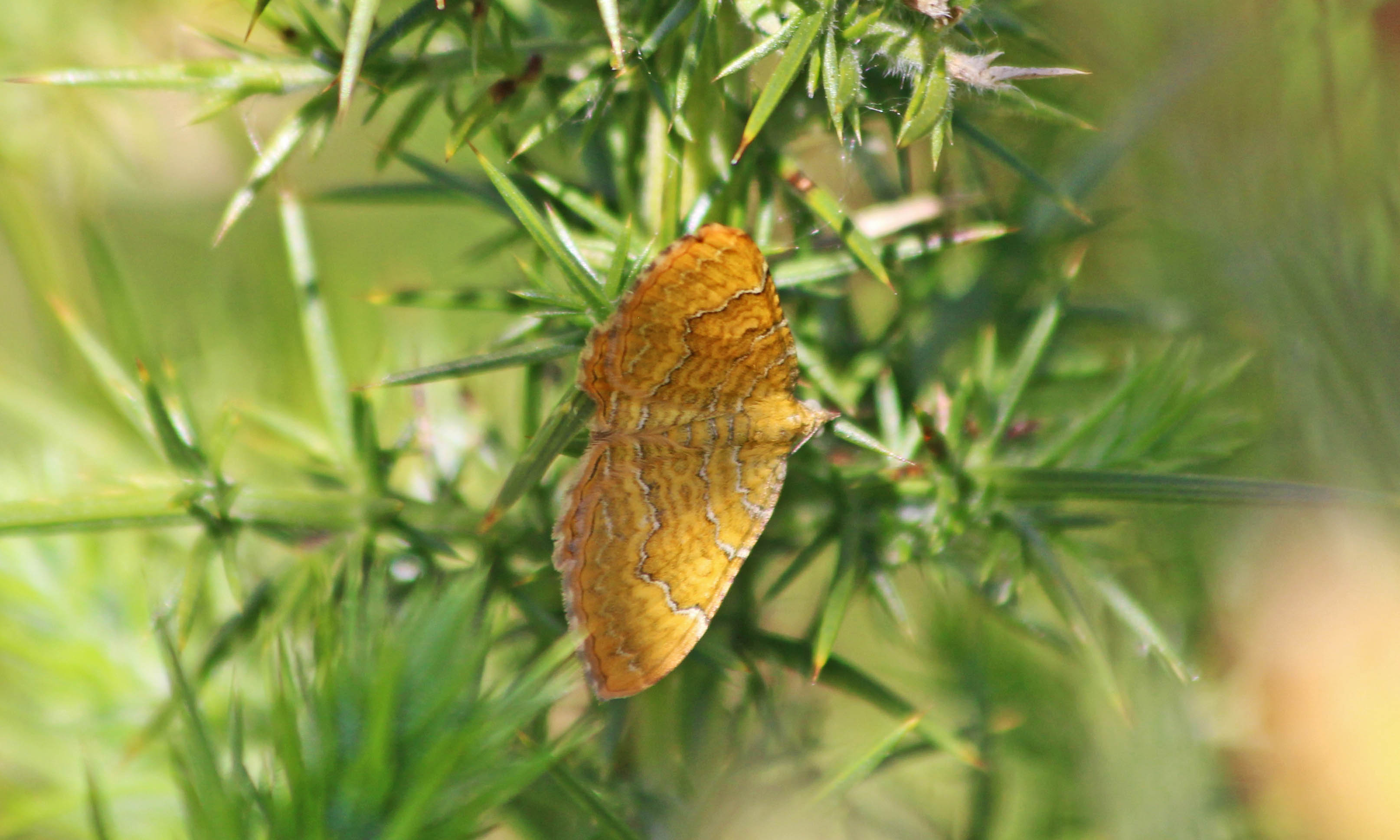
I’ve had two days recently when I went looking for butterflies and was feeling a little disappointed not to see very many when, all of a sudden, a moth flew by and landed at my feet … like Nature saying ‘Here’s a consolation prize!’ or, maybe, ‘Don’t be a Wally! Look at this amazing creature!’ … and so I did. And then another moth appeared, and another, and …

210607 Cream wave

Cream wave (Scopula floslactata)

210607 latticed heath

Latticed heath (Chiasmia clathrata)

210607 Mocha

Mocha (Cyclophora annularia)

210607 silver y

Silver Y (Autographa gamma)

210607 yellow shell

Yellow shell (Camptogramma bilineata)

Like Loading...

New and noticed

02 Sunday May 2021

Posted by sconzani in nature, spring, wildflowers

≈ Leave a comment

Tags

British wildflowers, Bugle, Cleavers, Common vetch, Spring colour, spring wildflowers, Wood spurge, Woodruff

More luscious wildflowers have begun blooming in recent days. Here are some I’ve noticed:

210502 bugle (1)

As I witnessed when taking these photos, bumblebees adore Bugle (Ajuga reptans). I can’t think of a better reason to plant some in your own wildflower garden.

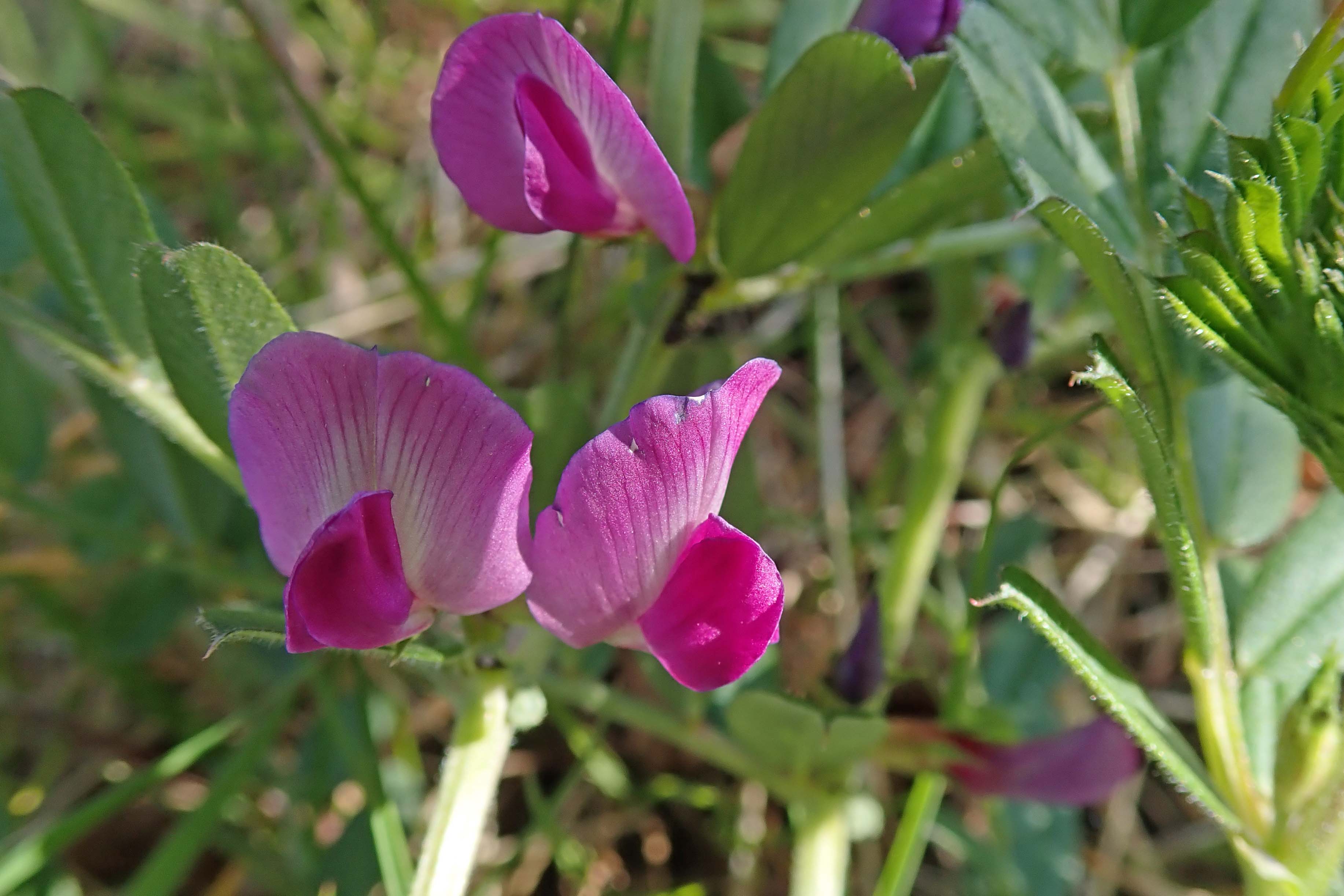
210502 common vetch

You can tell just by looking at its flower shape that Common vetch (Vicia sativa) is a member of the pea family. Apparently, in ancient times, people cultivated this plant and ate its seed pods, just as we do today with peas and beans.

210502 cleavers

I’ll bet you all have a bunch of names for this plant, Cleavers (Galium aparine). Sticky Willy is a favourite.

210502 woodruff

After I recognised the leaves of this plant, I revisited the spot in my local woodland each week until, finally, the beautiful flowers began to open. This is the sweet-smelling Woodruff (Galium odoratum).

210502 wood spurge

This plant was growing quite close to where I found the Woodruff and was a first sighting for me. Gardeners will, I’m sure, recognise it as a Euphorbia because Wood spurge (Euphorbia amygdaloides) is the ancestor of today’s popular garden varieties of Spurge.

Like Loading...

Blethering tam, the hedge chicken

29 Thursday Apr 2021

Posted by sconzani in birds, nature

≈ Leave a comment

Tags

birding, birdwatching, British birds, Common whitethroat, Sylvia communis, Whitethroat

I love the wonderful variety of vernacular names that have been given to the Whitethroat (Sylvia communis), local references to the bird’s love of hedgerows and bramble patches and farm fields, and its rasping singing style, and its plumage.

Flora Britannica lists the following, amongst many others: Beardie (Scotland) and Wheetie whey beard (Angus); Blethering tam (Scotland); Charlie muftie (Northamptonshire) and Muffit (Stirlingshire); Nettle creeper (North Yorkshire); Hay jack (Norfolk) and Haysucker (Devon) and Hedge chicken (Shropshire).

Flora Britannica also notes how fragile British bird populations can be: ‘There was a dramatic fall in numbers of Whitethroats after 1968, which was traced to severe drought in the southern Sahara and the death of large numbers of migrating birds which used up their fat reserves on their journey from further south in Africa’. Judging by the volume of ‘blethering’ I’m hearing in local parks and fields, the Whitethroat population has recovered well from that setback in the ‘60s but, given the global climate emergency, the future of all our beautiful birds is uncertain.

210429 whitethroat (3)

Like Loading...

Shades of pink and blue

04 Sunday Apr 2021

Posted by sconzani in nature

≈ 2 Comments

Tags

Bluebells, British wildflowers, Cornsalad, Cuckooflower, Doves-foot cranes-bill, Ground ivy, Lords-and-ladies, Lungwort, Red dead-nettle, Spring colour

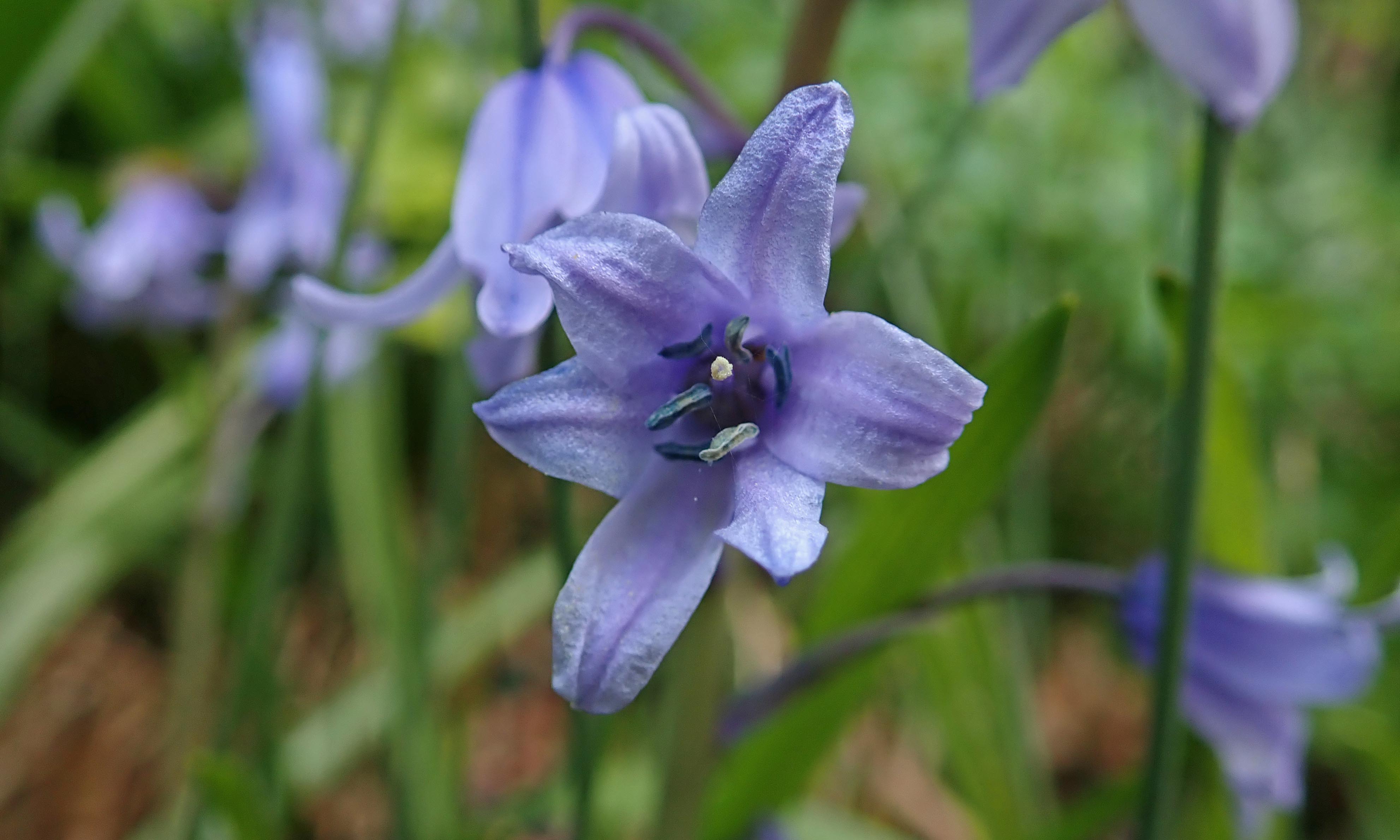
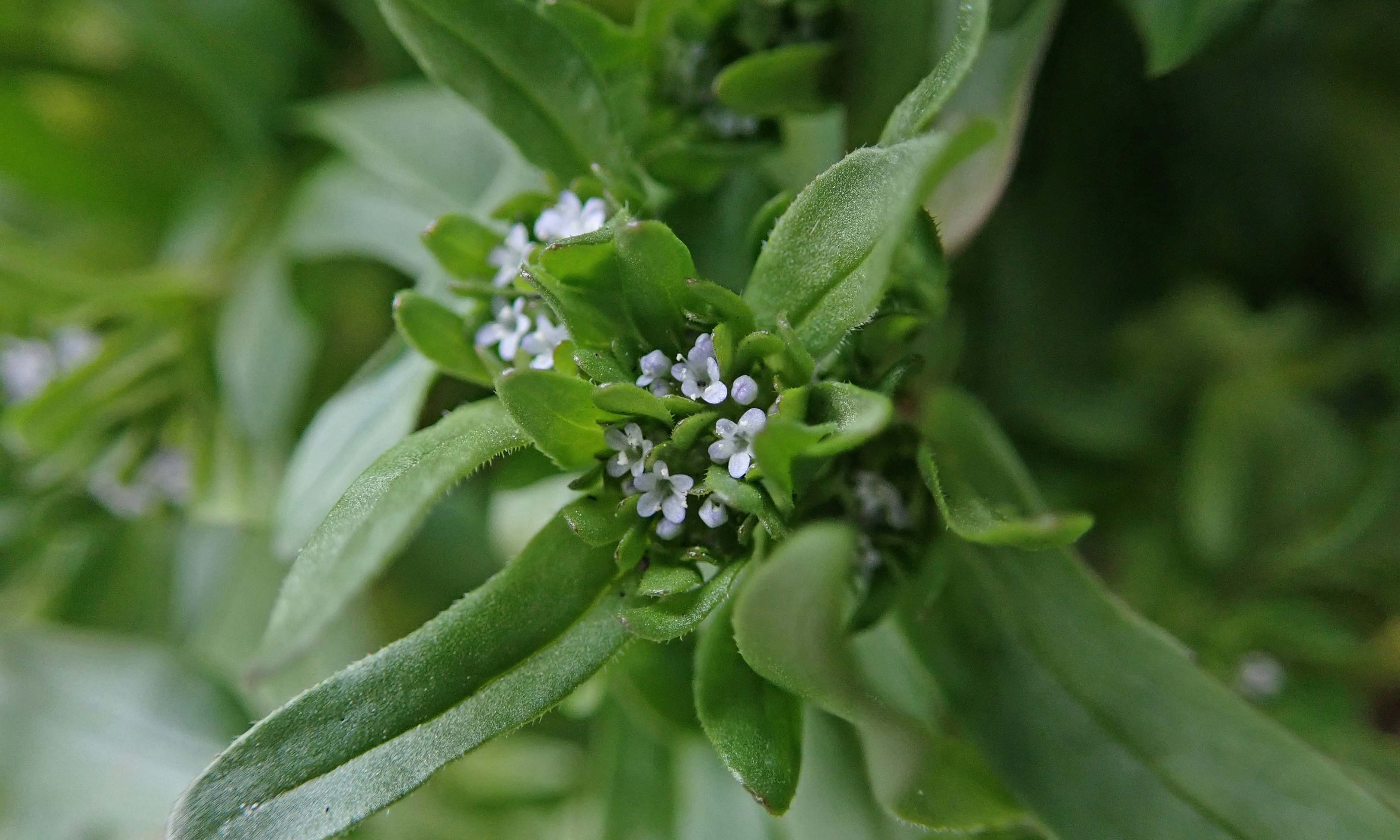
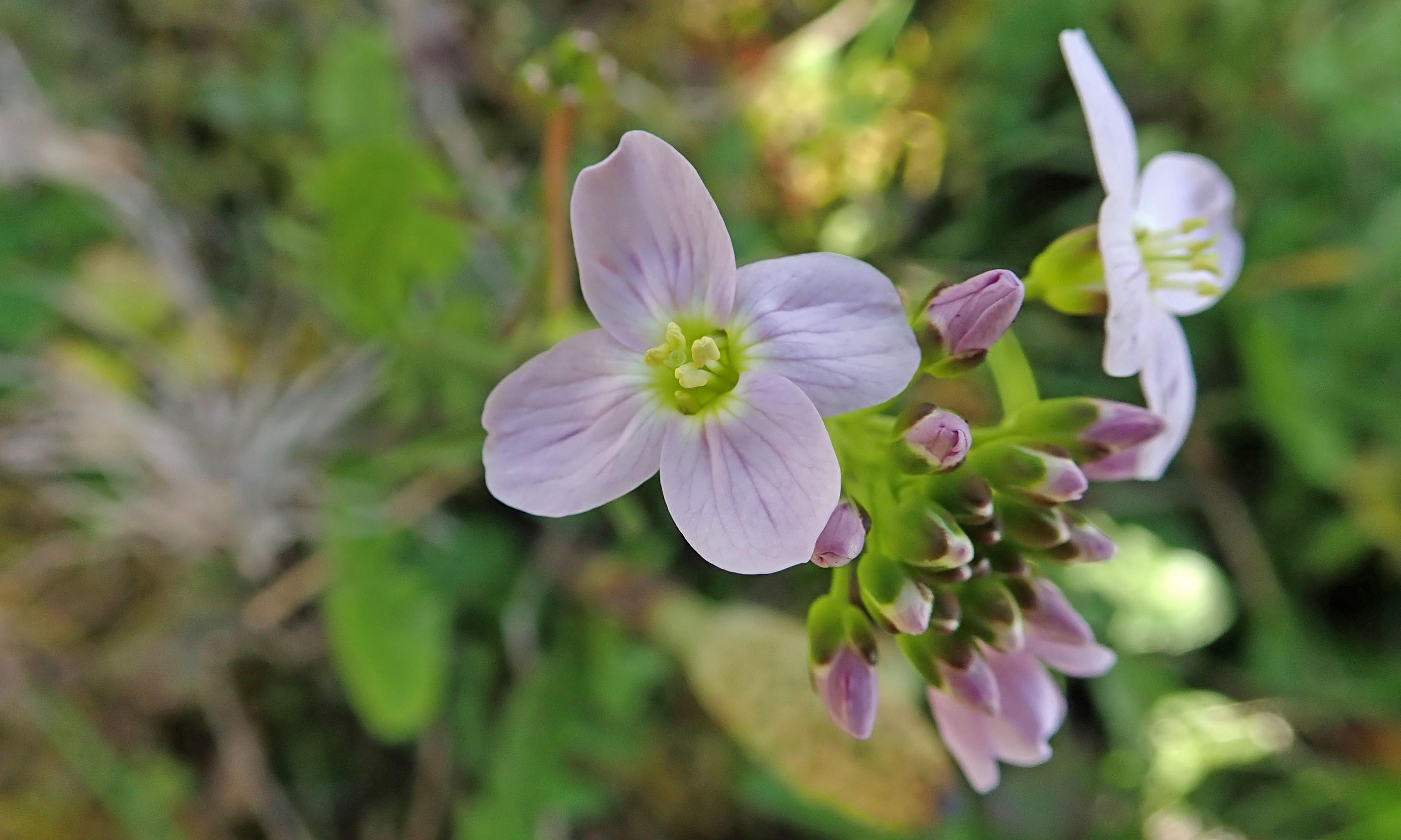
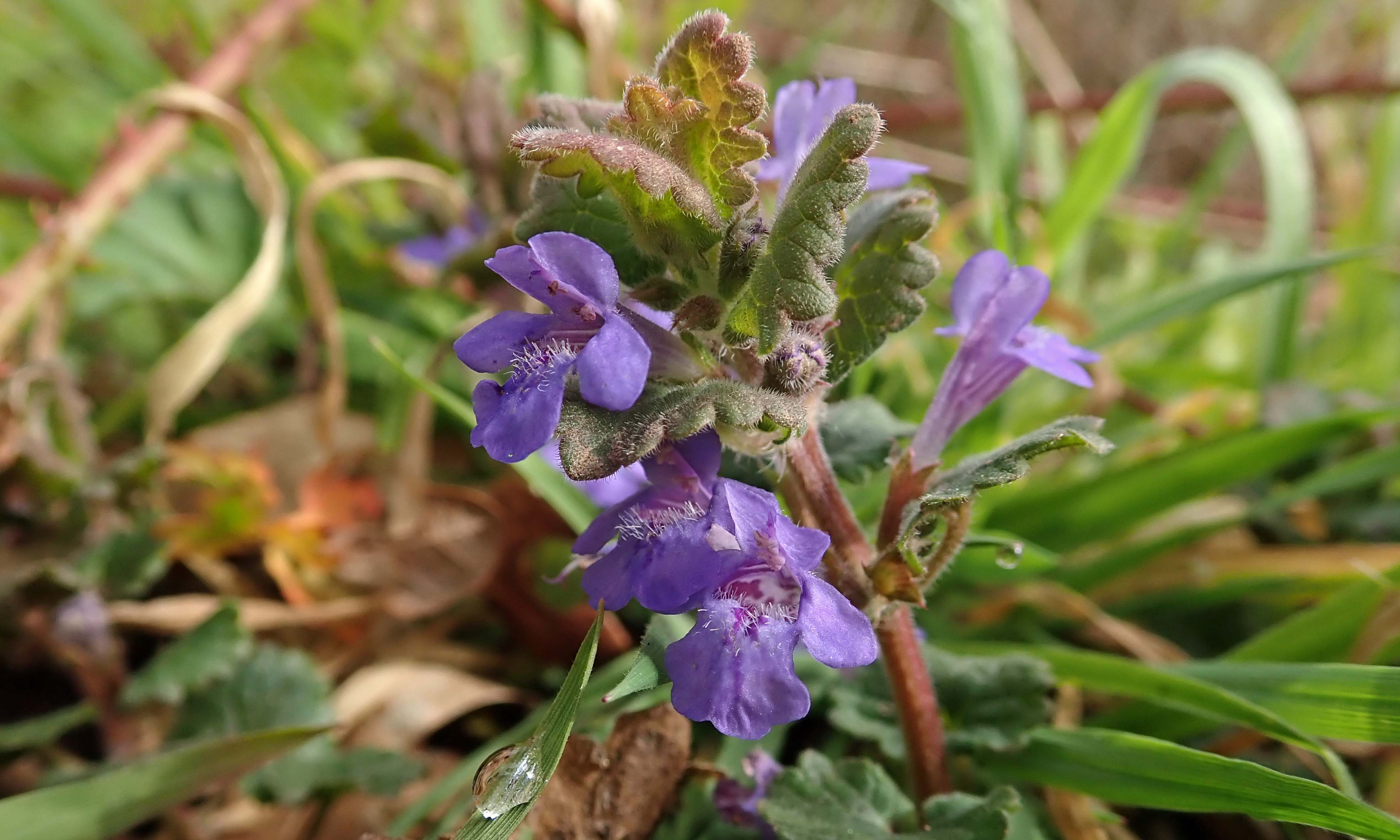
All of a sudden, the countryside has been splashed and daubed and sprinkled with these pretty shades of pink and blue.

210404 bluebells

Bluebell (Hyacinthoides sp.), not the native species but still pretty

210404 corn salad

Common Cornsalad (Valerianella locusta), also known as Lamb’s lettuce

210404 cuckooflower

Cuckooflower (Cardamine pratensis), which you might know as Milkmaids or Lady’s smock

210404 ground ivy

Ground ivy (Glechoma hederacea), this little beauty has some wonderful vernacular names, including Gill-over-the-ground and Run-away Robin

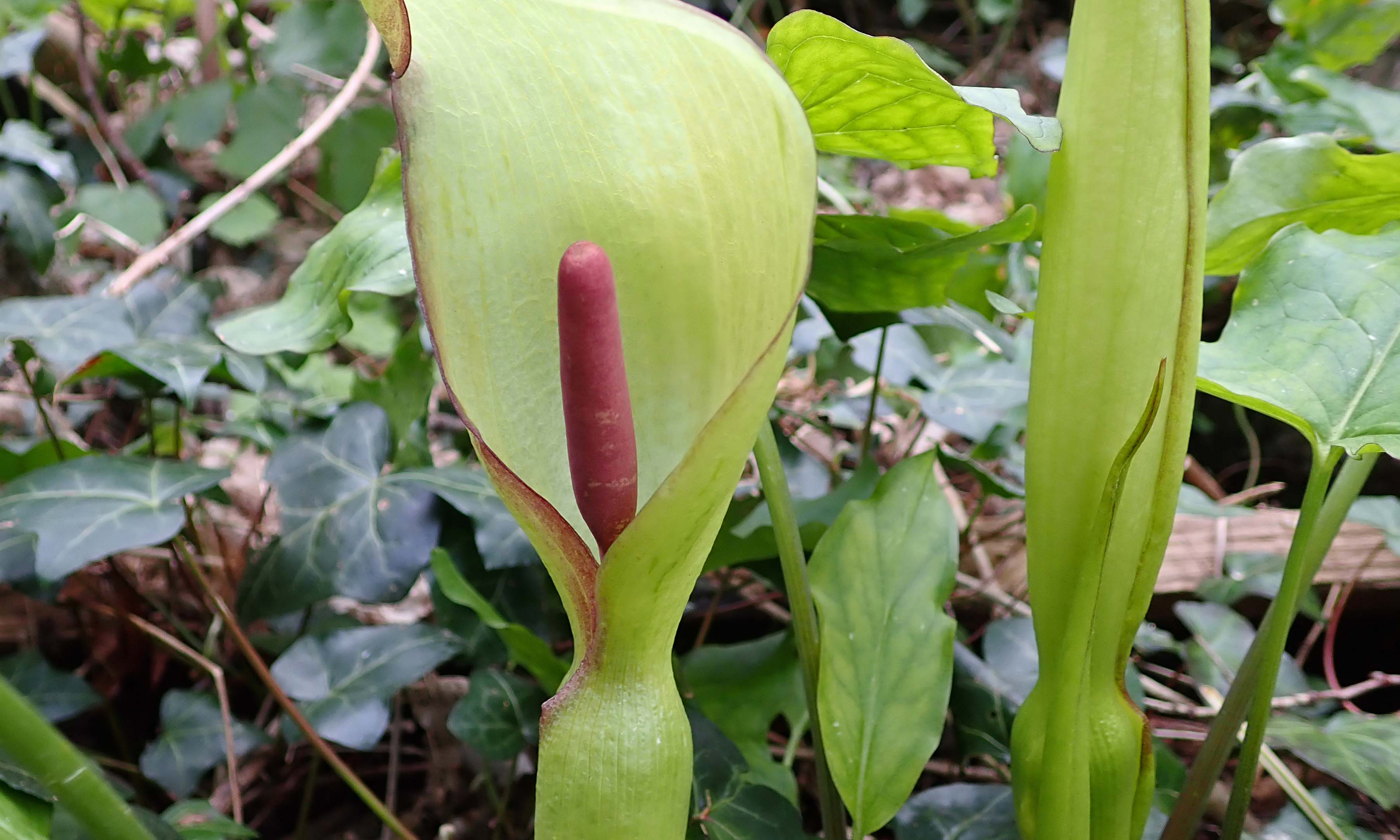
210404 lords and ladies

Lords-and-ladies (Arum maculatum), another wildflower named for a bird: Cuckoopint

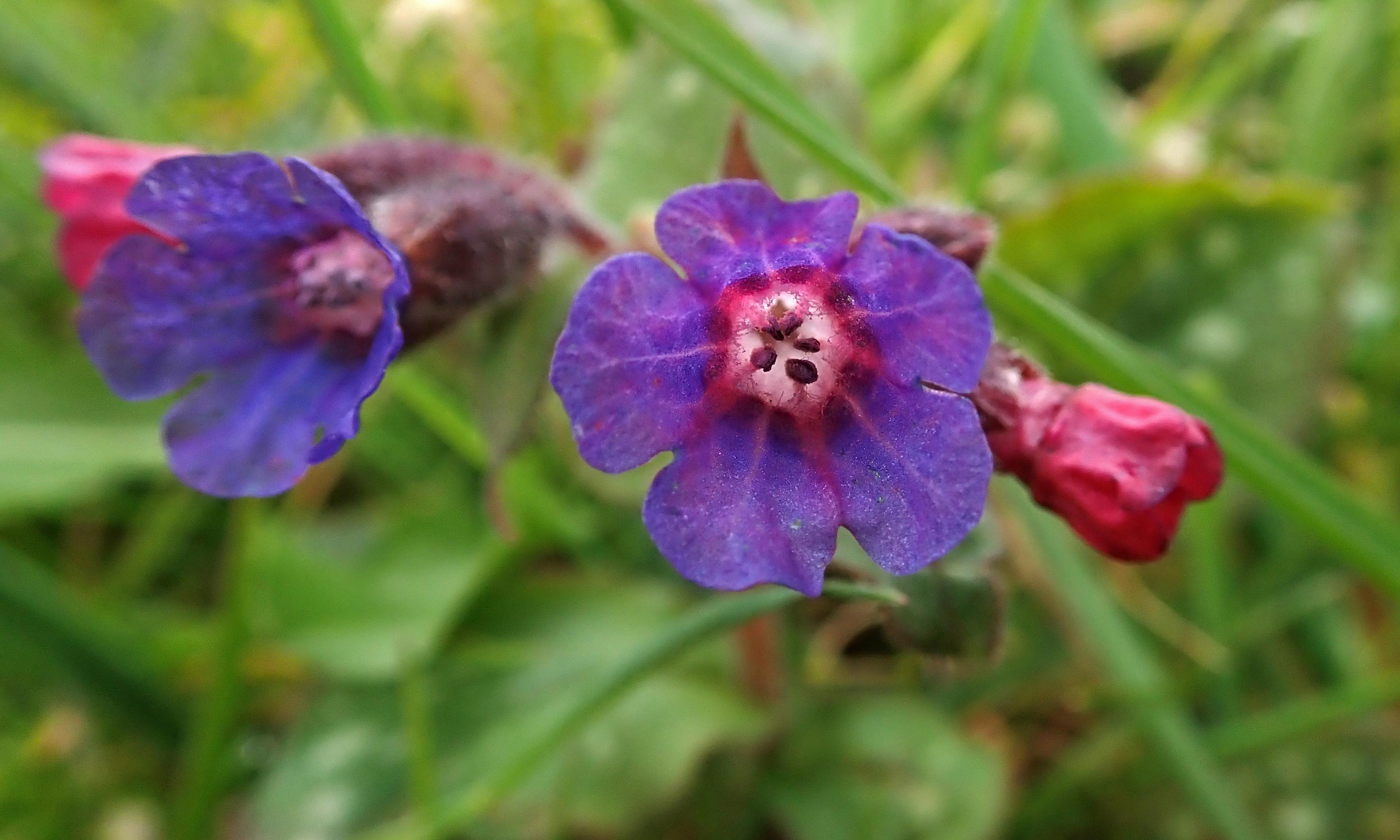
210404 lungwort

Lungwort (Pulmonaria officinalis), also known as Our Lady’s milk and Mary’s tears

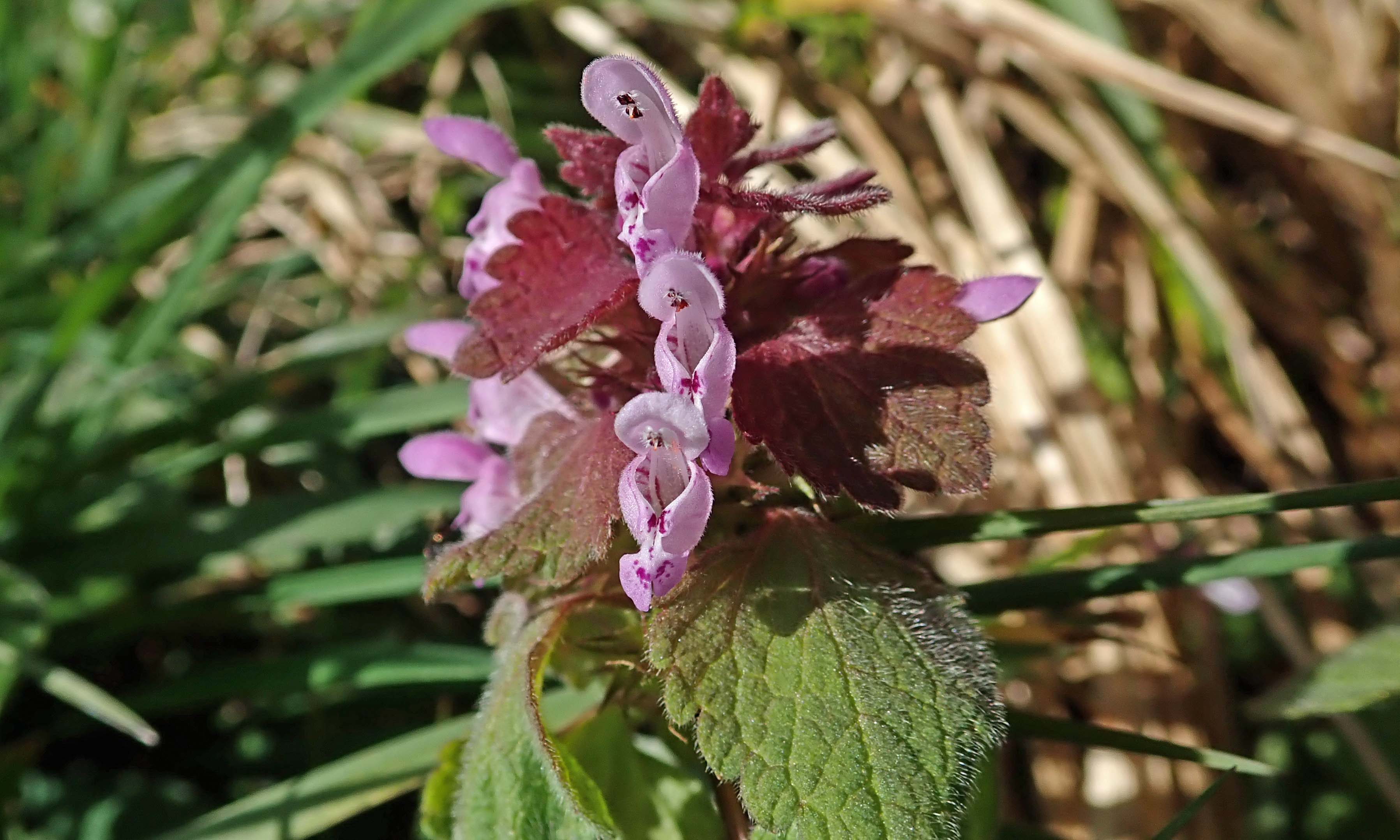
210404 red dead-nettle

Red dead-nettle (Lamium purpureum), which seems to be under every hedge, along every woodland edge right now

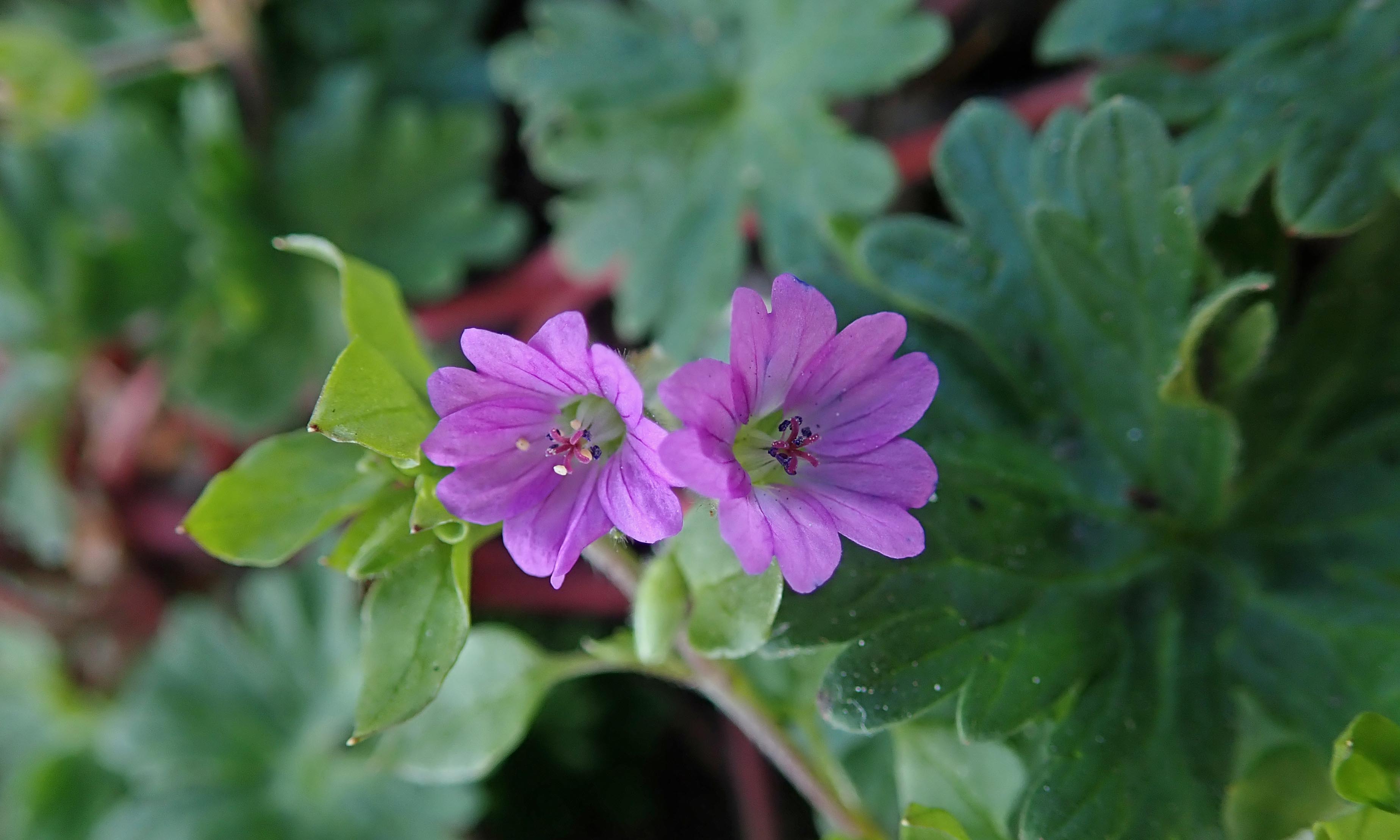
210404 Round-leaved crane's-bill

Dove’s-foot crane’s-bill (Geranium molle), found growing around the base of a local power pole yesterday

Like Loading...

Mossy gravestone

27 Saturday Feb 2021

Posted by sconzani in bryophytes, nature, plants

≈ 10 Comments

Tags

moss, moss on gravestone, mosses

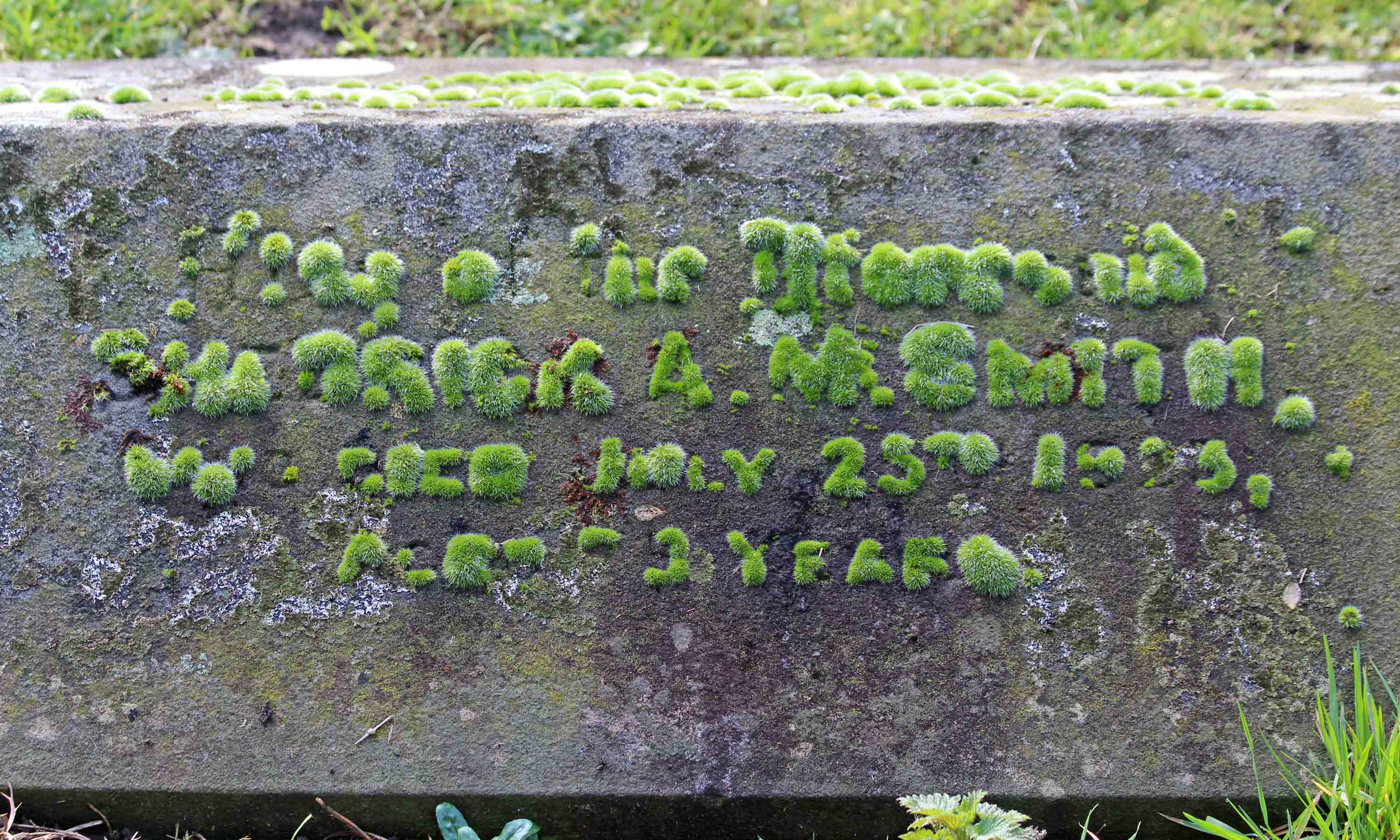
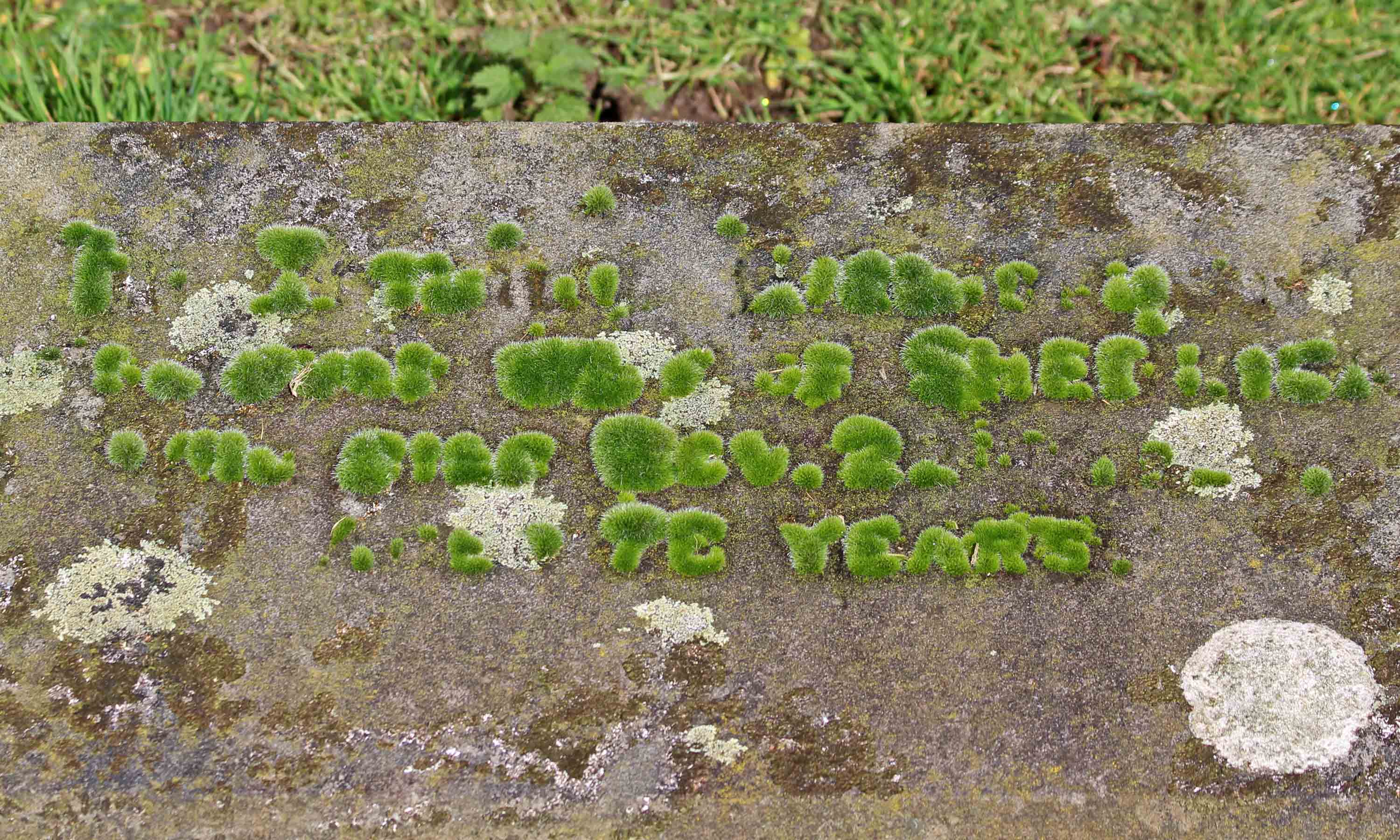
Graves may not be everyone’s idea of wildlife-friendly spaces but I’ve found cemeteries and grave-filled churchyards can hold some interesting, often unusual flora and fauna.

210227 mossy gravestone (1)

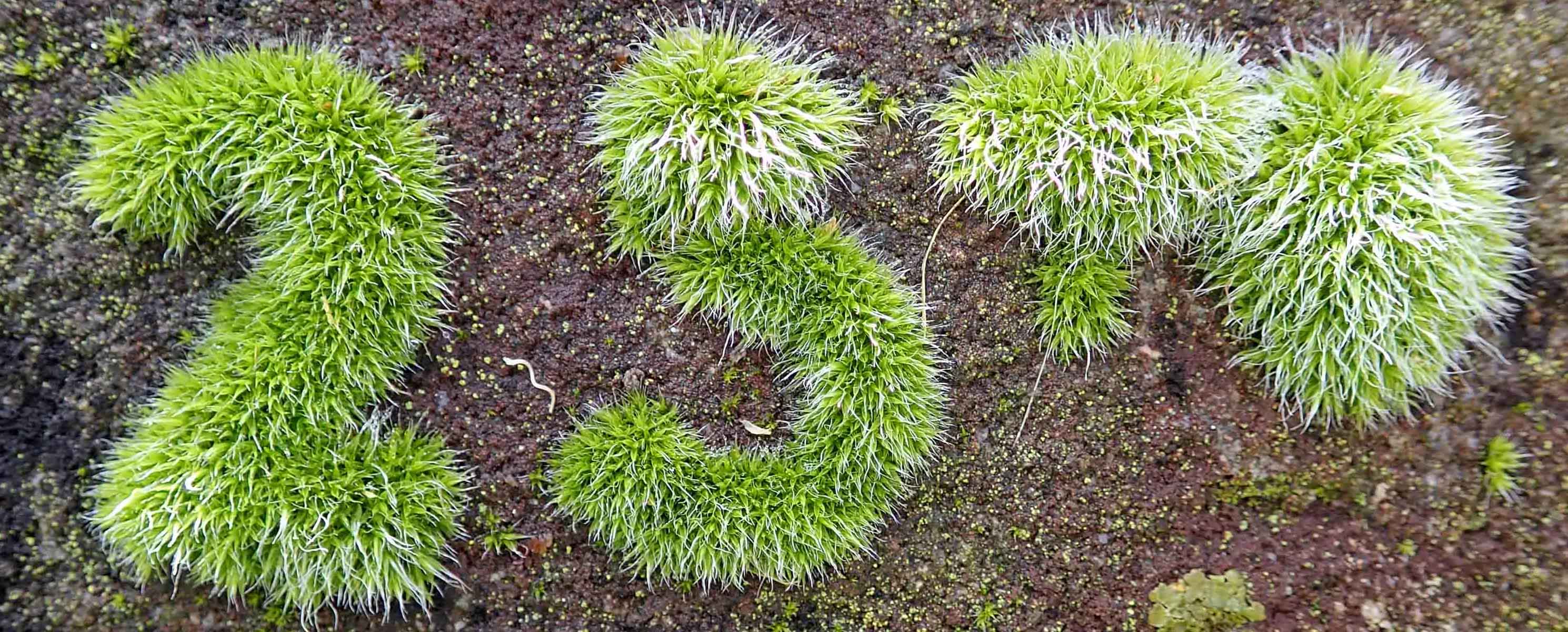
Mosses grow very easily on next to nothing. They have no roots, and only need moisture and shady conditions to grow.

210227 mossy gravestone (2)

I presume the indentations of the inscription on the gravestone, though shallow, would be deep enough to accumulate a little moisture and a modicum of dusty soil, and that’s all these little mosses required to thrive. The churchyard is also well shaded by hedges and tall trees, as well as the church building itself – again, perfect for the mosses.

210227 mossy gravestone (3)

Some people might think mosses and lichens should be scrubbed off gravestones or sprayed with chemicals to kill them. Not me. I can think of nothing nicer than to have my gravestone be home to little beauties like these, and my personal details spelled out in mosses.
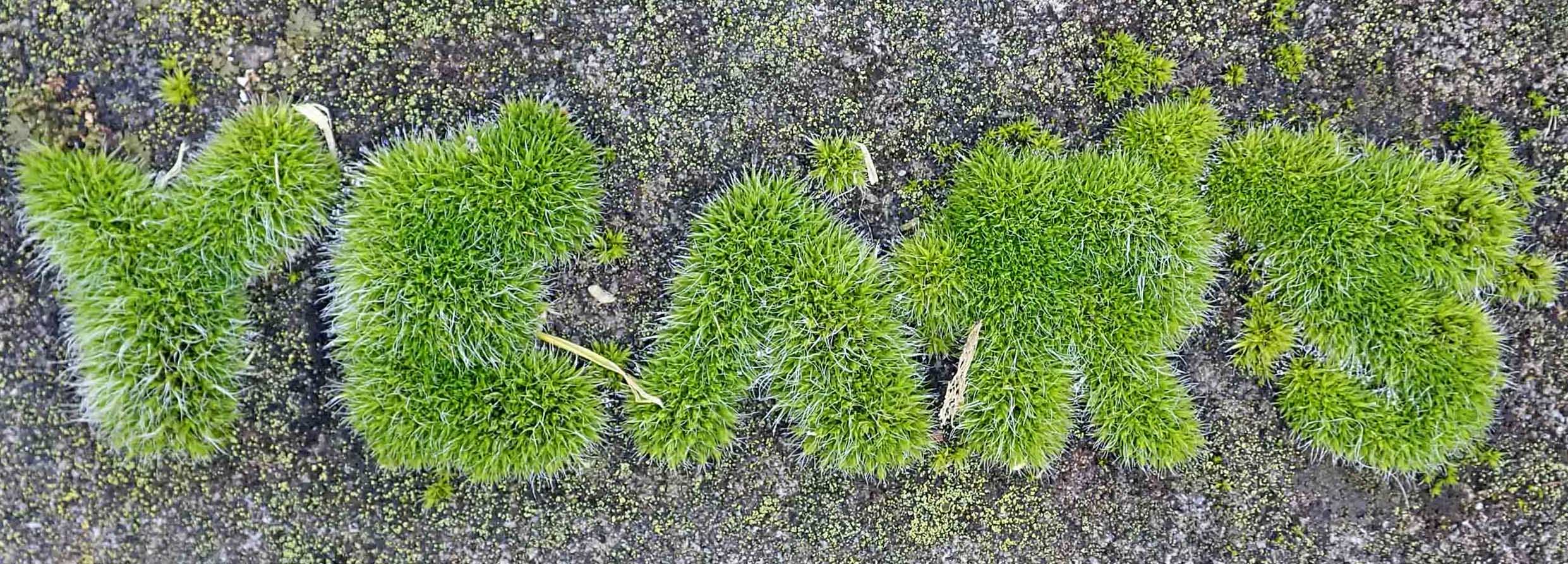
210227 mossy gravestone (4)

Like Loading...

Elvish beauty

09 Tuesday Feb 2021

Posted by sconzani in fungi, nature, winter

≈ 4 Comments

Tags

British fungi, Elfcups, fungi, red elfcups, Ruby elfcup, Scarlet elfcup, woodland fungi

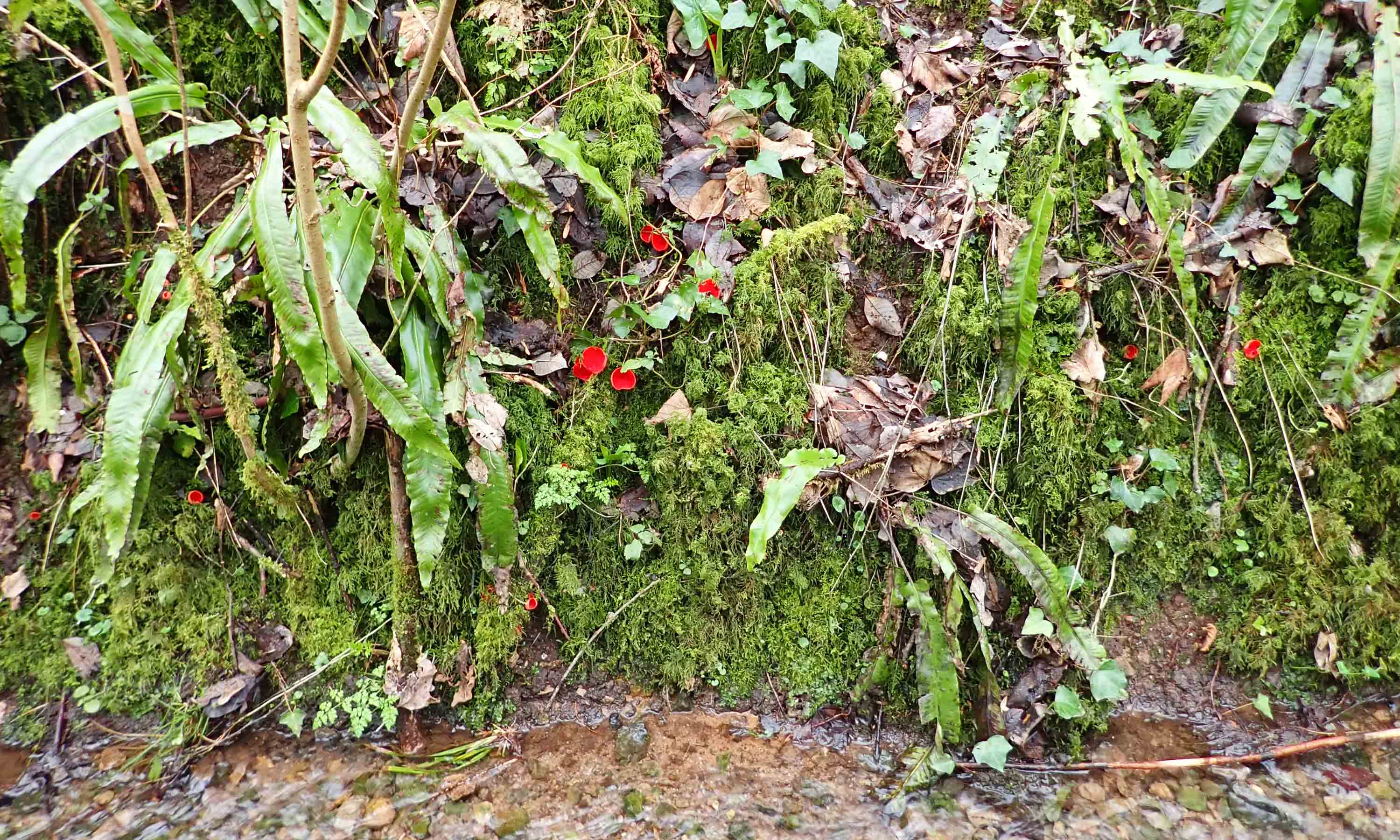
As I walked through a local woodland yesterday, in light sleet and a biting wind, I was seduced by these gorgeous elfcups, punctuating the dull greens and dirty browns with their glorious pops of bright red.

210209 red elfcups (1)

And there were lots of them: tucked under draping fern fronds, nestled amongst lush mosses, almost every rotting log and every broken branch had its cup of scarlet (or ruby) red.

210209 red elfcups (2)

I’m not sure if anyone has ever checked, microscopically, to determine whether the elfcups in these woodlands are Scarlet (Sarcoscypha austriaca) or Ruby (Sarcoscypha coccinea).

210209 red elfcups (3)

And, though it would certainly be good to add them to the local biodiversity records, it was enough yesterday to simply feast my eyes on their magical elvish beauty.

210209 red elfcups (4)

Like Loading...

Bluebell rust

05 Friday Feb 2021

Posted by sconzani in nature

≈ Leave a comment

Tags

Bluebell rust, Bluebells, rust fungi, rust on Bluebells, rust on plants, Uromyces muscari

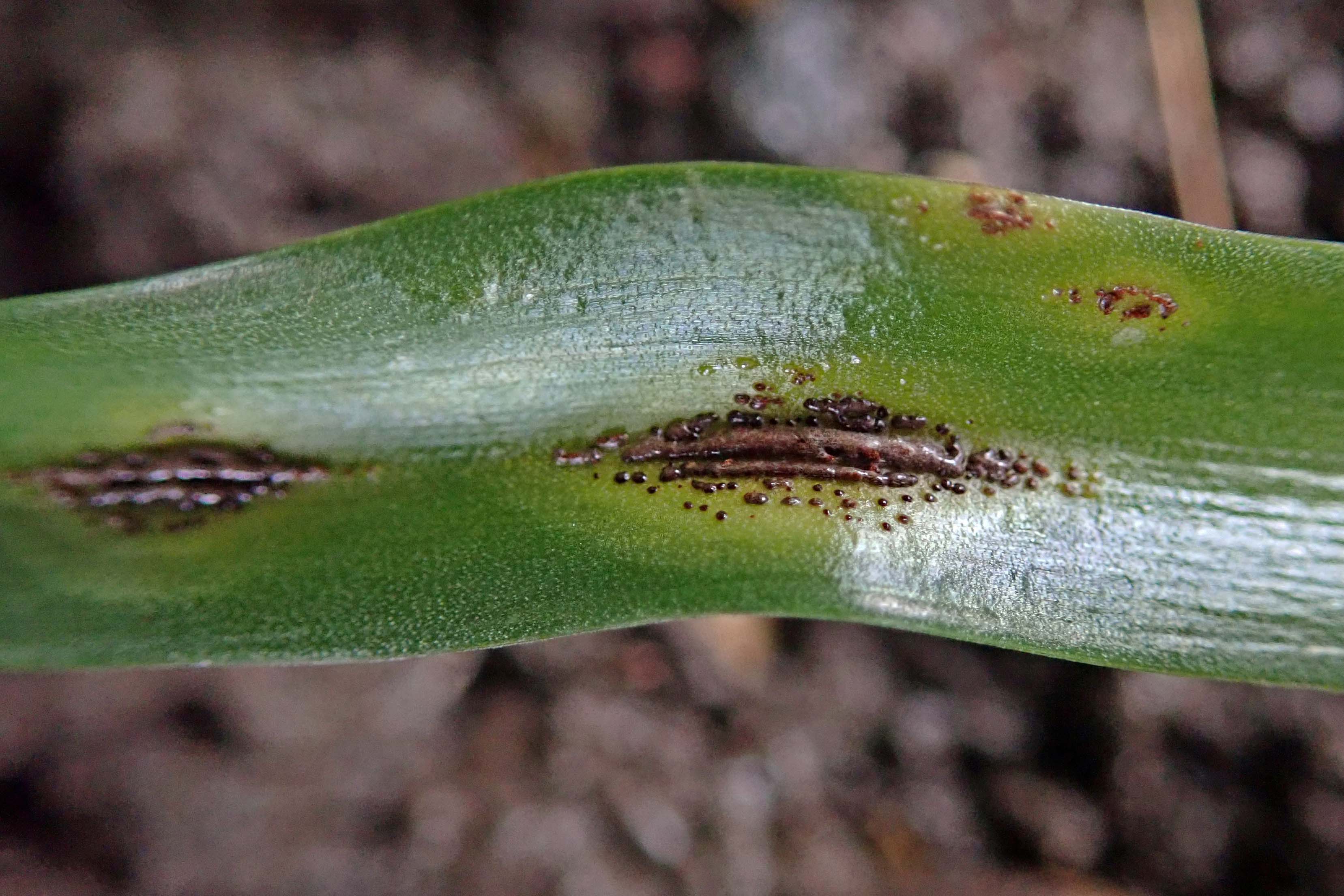
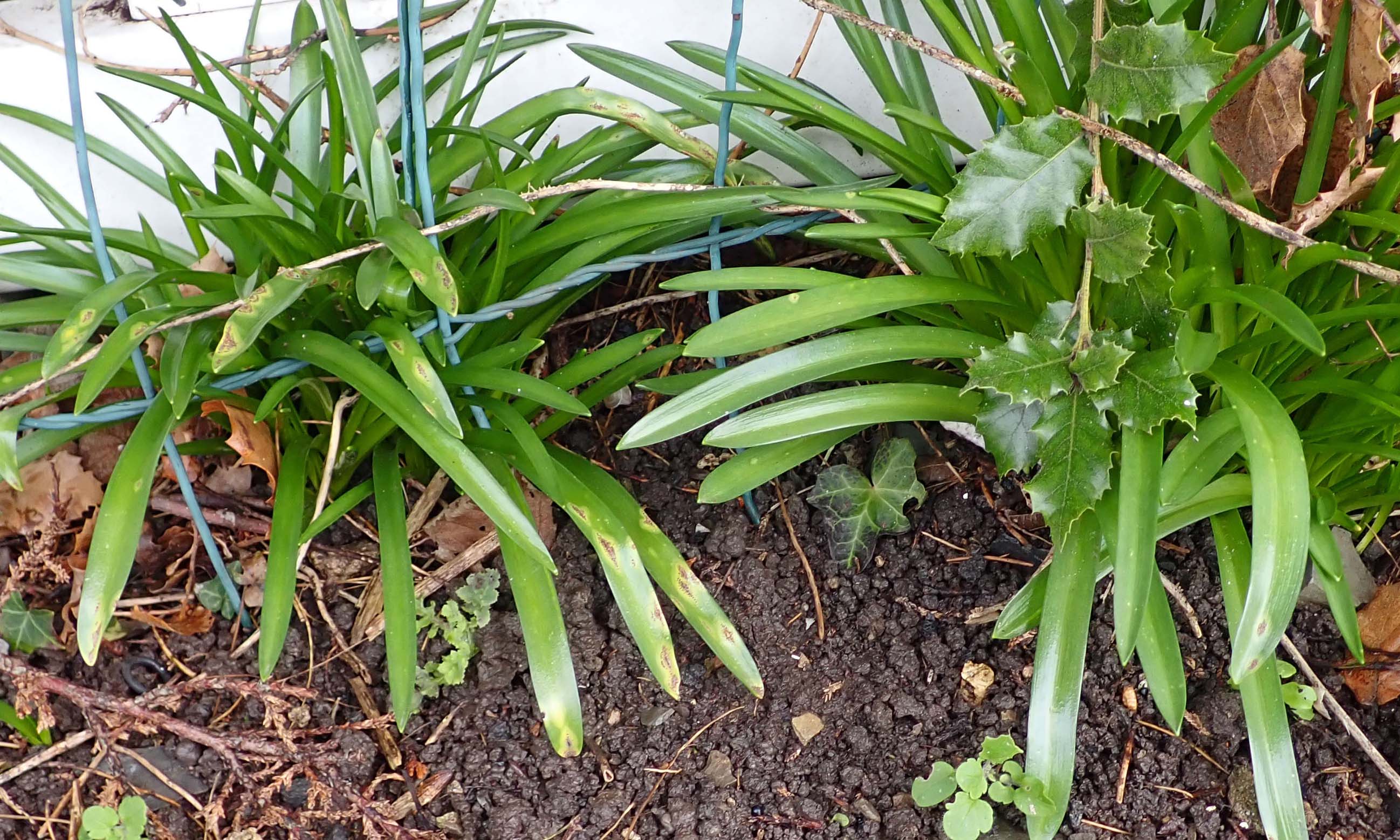
Now that the lush leaves of Bluebells are poking their fleshy heads above the soil, it’s time to check for Bluebell rust (Uromyces muscari), which can be found on native, cultivated and hybrid Bluebells.

210205 bluebell rust (2)

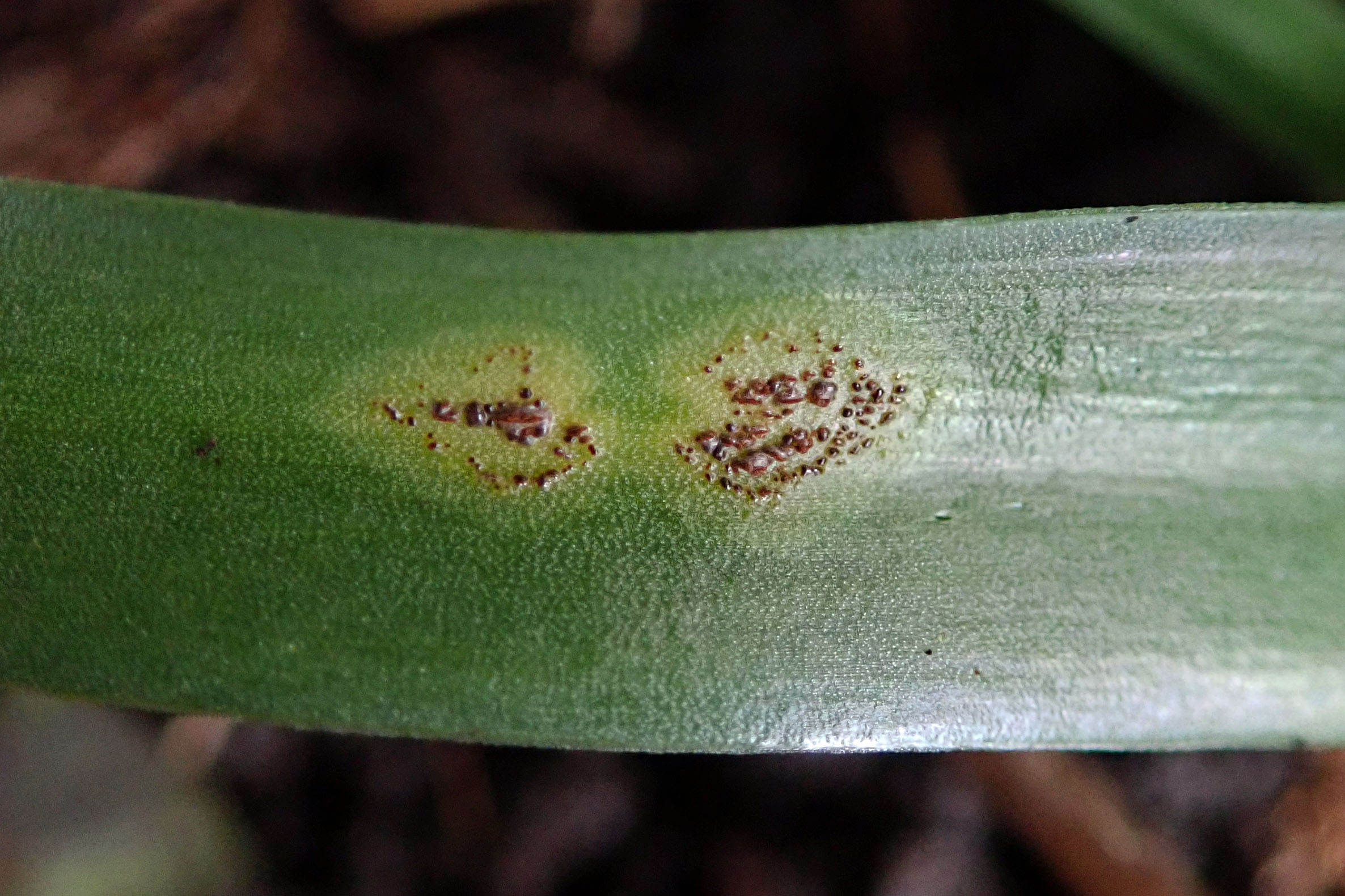
I’ve been looking during my recent local exercise walks but have found most of the locals are rust-less, except in one location, which is where I found these examples.

210205 bluebell rust (3)

This rust won’t affect the flowers, of course, and, as far as I’m aware, it doesn’t affect the health of the plant. In fact, most people won’t even notice it’s there but now you know about it, you might.

210205 bluebell rust (1)

Like Loading...

Dead man’s fingers

29 Friday Jan 2021

Posted by sconzani in fungi, nature

≈ Leave a comment

Tags

British fungi, Dead man's fingers, fungi, wood-rotting fungi, Xylaria polymorpha

210129 dead man's fingers
Be afraid! A dead man is poking his rotting blackened fingers up from the leaf litter, reaching for the passing ankles of unwary walkers.

Nah, not really, though the ‘fingers’ – really the fungal fruiting bodies of the aptly named Dead man’s fingers (Xylaria polymorpha) – can look rather spooky when first encountered.

As the First Nature website explains, these wood-rotting fungi play an important environmental role:

they specialise in consuming neither the softish cellulose nor the much tougher lignin but rather the polysaccharides … As a result, when these and various other ascomycetous fungi have consumed what they can of a dead stump the remainder is a nutrient-rich soft mess that insects and other small creatures are able to feed upon.

Like Loading...
← Older posts
Newer posts →

About me

sconzani

sconzani

I'm a writer and photographer; researcher and blogger; birder and nature lover; countryside rambler and city strider; volunteer and biodiversity recorder.

View Full Profile →

Follow earthstar on WordPress.com

Enter your email address to follow this blog and receive notifications of new posts by email.

Recent blog posts

  • Three Common sandpipers February 17, 2026
  • Beetle: Athous bicolor February 16, 2026
  • Crocus flower power February 15, 2026
  • Delightful doves February 14, 2026
  • Fan-like fungi February 13, 2026

From the archives

COPYRIGHT

Unless otherwise acknowledged, the text and photographs on this blog are my own and are subject to international copyright. Nothing may be downloaded or copied without my permission.

Fellow Earth Stars!

  • Unknown's avatar
  • Unknown's avatar
  • Unknown's avatar
  • Unknown's avatar
  • Unknown's avatar
  • Unknown's avatar
  • Unknown's avatar
  • Unknown's avatar
  • Unknown's avatar
  • Unknown's avatar
  • Unknown's avatar
  • Unknown's avatar
  • Unknown's avatar
  • Unknown's avatar
  • Unknown's avatar
  • Unknown's avatar
  • Unknown's avatar
  • Unknown's avatar
  • Unknown's avatar
  • Unknown's avatar
  • Unknown's avatar
  • Unknown's avatar
  • Unknown's avatar
  • Unknown's avatar
  • Unknown's avatar
  • Unknown's avatar
  • Unknown's avatar
  • Unknown's avatar
  • Unknown's avatar
  • Unknown's avatar
  • Unknown's avatar
  • Unknown's avatar
  • Unknown's avatar
  • Unknown's avatar
  • Unknown's avatar
  • Unknown's avatar
  • Unknown's avatar
  • Unknown's avatar
  • Unknown's avatar
  • Unknown's avatar
  • Unknown's avatar
  • Unknown's avatar
  • Unknown's avatar
  • Unknown's avatar
  • Unknown's avatar
  • Unknown's avatar
  • Unknown's avatar
  • Unknown's avatar
  • Unknown's avatar
  • Unknown's avatar

Blog at WordPress.com.

Privacy & Cookies: This site uses cookies. By continuing to use this website, you agree to their use.
To find out more, including how to control cookies, see here: Cookie Policy
  • Subscribe Subscribed
    • earthstar
    • Join 670 other subscribers
    • Already have a WordPress.com account? Log in now.
    • earthstar
    • Subscribe Subscribed
    • Sign up
    • Log in
    • Report this content
    • View site in Reader
    • Manage subscriptions
    • Collapse this bar
 

Loading Comments...
 

You must be logged in to post a comment.

    %d