Tags
autumn fruit, berries, fruit, haws, hips, rose hips, wild fruit
29 Saturday Oct 2016
Tags
autumn fruit, berries, fruit, haws, hips, rose hips, wild fruit
18 Tuesday Oct 2016

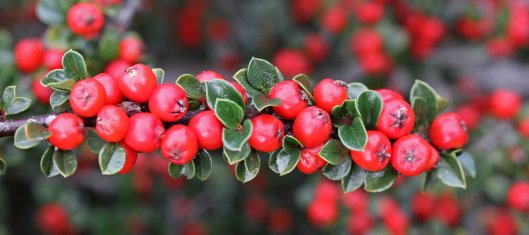
I’ve been planning a ‘berry’ blog for a while and have been photographing all the lovely berries I’ve seen while out on my wanders but then, in the process of collecting together my various photos for this blog, I began to wonder what actually is a berry? Is a berry a fruit? Should I include hips and haws? Should I only include the fruits of those plants that have berry in their name? At that point, I gave up and decided a berry by any other name would look as pretty and I would include all the lovely reddish-coloured things I’ve seen growing on assorted trees, bushes and plants, whether they be berries, drupes, hips, haws, pomes, or just plain fruit. So here you go …
02 Sunday Oct 2016

Seed well and harvest better. ~ Sicilian proverb

They tried to bury us. They didn’t know we were seeds. ~ Mexican proverb

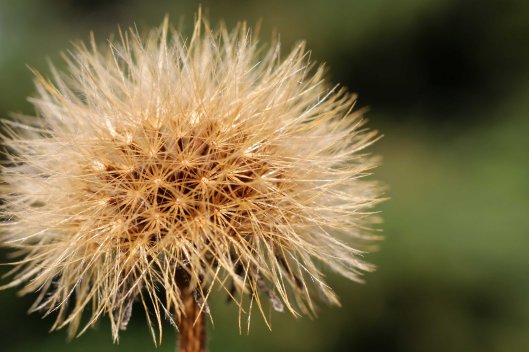
With a little seed of imagination, you can grow a field of hope. ~ African proverb

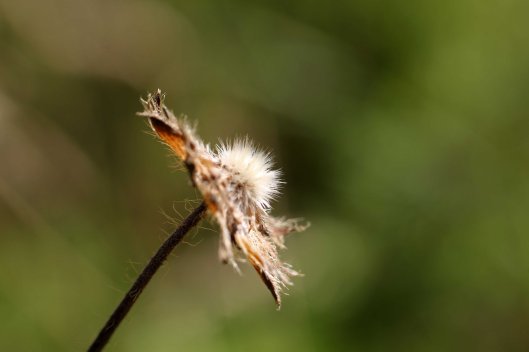
A harvest of peace grows from seeds of contentment. ~ Indian proverb

All work is as seed sown; it grows and spreads, and sows itself anew. ~ Turkish proverb

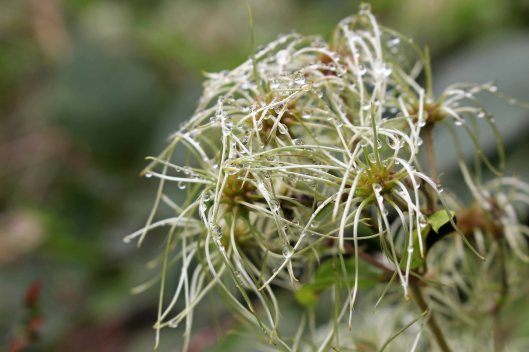
All the flowers of tomorrow are in the seeds of yesterday. ~ Italian proverb
23 Friday Sep 2016
Tags
American nightshade, American pokeweed, berries, berry, Bute Park, Phytolacca americana, pokeweed
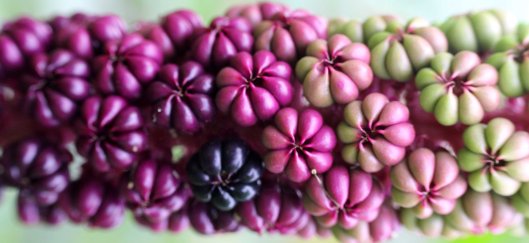
It’s toxic! If the sap touches your skin, it can burn. If you ingest the leaves, you might suffer a severe reaction. If you think these berries look delicious, think again – they will poison you. I think you get the picture – but what a beautiful picture it is, don’t you think? I am just entranced by the colours and shapes of the berries.

This is Phytolacca americana, the American pokeweed or American nightshade or just plain pokeweed, and I found it growing alongside the hydrangeas and rhododendrons in Cardiff’s Bute Park. It’s a herbaceous perennial that grows to a height of about 8 feet (2 metres) and is native to the USA, where it’s apparently considered a weed by the agricultural community. However, several species of bird and some small beasties are unaffected by its toxicity so enjoy an autumn feast on the berries. And, according to Mrs M. Grieve’s 1931 A Modern Herbal, various parts of the plant can be used for a range of natural remedies, from drenching cattle to treating chronic rheumatism and haemorrhoids. I think I’ll stick to admiring the berries!
22 Thursday Sep 2016
Tags
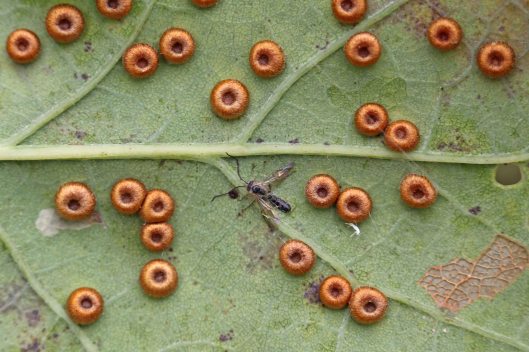
I sometimes get asked how I come up with enough ideas to post a blog every single day. This post goes some way to explaining how it works for me. I walk … a lot, and my camera is my constant companion, and I am by nature curious about … well, everything, really … and I’m also quite an observant person. So, for example, I went out for a wander around one of my local parks on Monday afternoon, thinking I would see if there were any fungi about, and also to get some photos of berries for a future blog. In the process of taking those photos, I noticed how many galls there were on this one particular oak tree so also took some photos of those … which then led me to check the neighbouring trees for galls. (If you’re not sure what galls are, there will now be a blog post on them as well!)

When I got home and started going through my photos, this particular image really grabbed my attention because, for me, this is such a good example of one of Nature’s whodunnits. I look at this and my brain is immediately flooded with questions: how were these galls made? Why are they that shape? What is the creature that’s dead on the leaf? Is it a wasp? Did it make the galls? What killed it? It looks like it has white strands around it – a spider’s web or some kind of fungus? What created the bare patch where the leaf’s veins are showing? Was it the larvae of the wasp? What created the almost perfectly round hole in the leaf? Was that a leafcutter bee or something else? Was it the wasp? And what is the teeny weeny white thing? The shed skin of a larva perhaps?
I don’t know the answers to any of these questions … yet. But, if I find out and if I can get more images related to the story, the result could be a blog or three from just this one photo. And so it goes on …
30 Tuesday Aug 2016

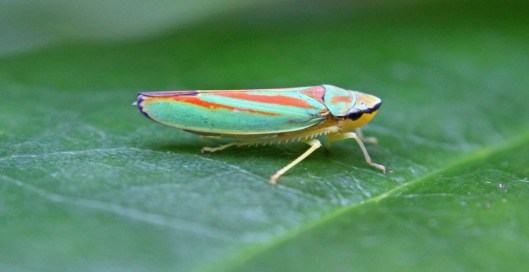
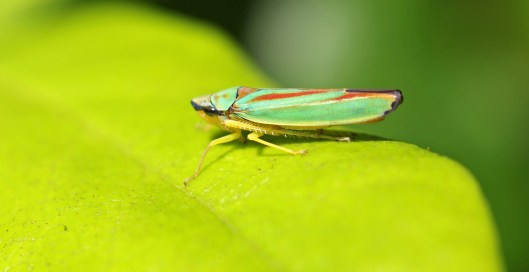
What dapper little critters these are, don’t you think? The fashionistas of the bug world in their pale-green orange-striped suits, with contrasting purple trim and coordinating pale yellow under-wear. No dull dark-grey pinstripes for these hoppers; they’re American immigrants and they’re happy to be noticed. It certainly makes them easy to identify, a huge bonus in the world of plant bugs!

Rhododendron leafhoppers (Graphocephala fennahi) were first introduced to Britain in the early 1900s and I was first introduced to them early last week, when walking a butterfly transect with a colleague, but I’ve been back twice to see them since then, just because they make me laugh. The ones in my pictures make their home in the rhododendron bushes in one small area of Cardiff’s Bute Park, and there are hundreds, if not thousands of them – so many, in fact, that you can actually hear the sproing as they flit from leaf to leaf. And, if you stand in front of the bushes, you’re in serious danger of straining your neck from watching them fly and spring back and forth. Yet another free entertainment package from Mother Nature (with a little voyeurism thrown in)!
28 Sunday Aug 2016
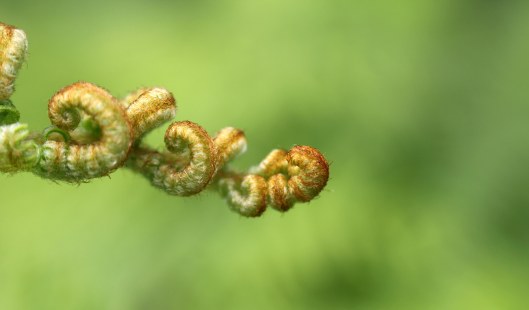
New Zealand Maori have a saying: ‘Ka hinga atu he tete-kura, ka hara-mai he tete-kura’, which loosely translates to ‘As one fern frond dies, one is born to take its place’.

Maori call the newborn, unfurling fern frond a koru. It symbolises creation and new life, and represents strength and peace. The koru also embodies the spiral motif, found in the art of many ancient cultures. Its circular shape suggests perpetual motion, and the spiral itself communicates not only the idea of constant growth through its outward movement but also, through its inward coil, the concept of returning to a point of origin. The koru, with its beautiful promise of hope and new life to come, is one of my favourite things in the natural world.
27 Saturday Aug 2016
Tags
bioblitz, biological diversity, biological recording, biological recording centre, Cwm Saerbren Woodland, Cwmsaerbren, SEWBReC
Each summer my local biological records centre, SEWBReC, runs a series of biological recording field days, partly to introduce members of the public to the world of biological recording, allowing them to rub shoulders with wildlife experts and learn species identification skills, and partly to record the biodiversity of particular areas. Last Thursday I went along to the field day-come-bioblitz at the Cwm Saerbren Woodland, adjacent to the small town of Treherbert at the top of the Rhondda Fawr Valley.

This assumed unicorn was the star of the show!
Though the turnout from the locals was disappointing (not a single person!) and despite the sometimes heavy rain (a common feature up the Valleys), we had a great day. With the SEWBReC crew, a couple of guys from Natural Resources Wales, and a few of us volunteers from the Mary Gillham Archives Project, we stomped around the trails of Cwm Saerbren, recording all we saw. And, after meeting up back at the town to identify and write up our afternoon list and then filling up on hot chips from the local takeaway shop, we also got out with the bat recorder and had moth-attracting lights running to see what flying critters we might find. All up, once everything is IDed, I reckon our list will be well over 200 species. Not bad for a day’s work!
26 Friday Aug 2016
Posted in flowers, nature, plants, wildflowers
First, the glorious flowers: some look like crushed paper tissue, others like crinkled pieces of silk. They range in colour from bleached white through parchment with the merest blush of pink to a pink that reminds me of the sticky candyfloss I ate as a child at the local fair.
Once the busy little pollinators have done their work, the fruit begins to develop and my taste buds start to stir as I look forward to the delicious juicy treats to come. First, the clusters of little green globes and then, as they ripen in the summer sun, the tinges of red appear, hinting at the lusciousness to come.
And then one day, when I’m out on one of my wanders, I spot it, the very first black berry. Will it still be a little sour and will it flood my mouth with those delectable full fruit flavours of perfect ripeness?
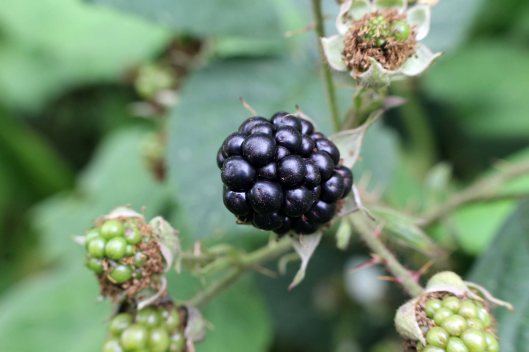
Here in Britain they are called brambles, in my New Zealand homeland we called them blackberries and, in scientific terms, they are all grouped together under the unprepossessing name of Rubus fruticosus agg. Agg stands for aggregate, as in a grouping together of a range of very closely related biological organisms, because Rubus fruticosus includes a myriad of hybridisations. But, whatever you call them, for me they are one of the things I most love about late summer and, yes, I have already eaten my first yummy blackberries of 2016.

08 Monday Aug 2016
‘From a small seed a mighty trunk may grow.’ ~ Aeschylus

‘Don’t judge each day by the harvest you reap but by the seeds that you plant.’ ~ Robert Louis Stevenson

‘To see things in the seed, that is genius.’ ~ Lao Tzu

‘Everyone who enjoys thinks that the principal thing to the tree is the fruit, but in point of fact the principal thing to it is the seed. — Herein lies the difference between them that create and them that enjoy.’ ~ Friedrich Nietzsche

‘Though I do not believe that a plant will spring up where no seed has been, I have great faith in a seed. Convince me that you have a seed there, and I am prepared to expect wonders.’ ~ Henry David Thoreau

You must be logged in to post a comment.