Three colour-ringed gulls

Tags

, , , , , , ,

Though I do sometimes see colour-ringed gulls in my local area, they’re often too distant for me to get photographs that are clear enough to read the details on their rings. So, during a recent walk around Roath Park Lake when I saw three ringed gulls, I made sure to get clear images so I could report my sightings. Not only does this provide valuable information on the movements of gull species, several of which are now endangered, but it’s also fascinating to find out where these gulls have been.

This male Lesser black-backed gull, with the orange ring inscribed R=U, was ringed at 5 weeks old on 5 July 2021 in Cardiff. Most of the subsequent reported sightings of this bird have been at Roath Park Lake, from September 2021 through to my sighting in September this year, but it has ventured much further afield; on 26 October 2022 it was seen in Matosinhos, a coastal city in northern Portugal. From Cardiff, that’s a straight-line distance of approximately 1,445 kilometers or 898 miles though, of course, the bird is unlikely to have flown straight there; it’s more likely that it followed the coasts of England and France to reach Portugal. And it’s also possible that it has been to Portugal or, indeed, other European destinations but hasn’t been sighted there, or hasn’t been reported when sighted.

This second Lesser black-backed gull, V&Z, a female, was also ringed in Cardiff but much more recently, on 17 July this year when it was just one week old. So far, it has only been reported from Roath Park Lake, on three occasions in September.

Today’s final colour-ringed gull has a very interesting story to tell. This Black-headed gull was initially ringed with a simple metal ring at Roath Park Lake in March 2019. That summer, the bird returned to its breeding grounds in Denmark, where it was recaptured by local bird ringers, who gave it the colour ring 9RK. It’s been reported wintering at Roath Park Lake annually ever since so it’s very likely that it makes the return trip to Denmark to breed every spring/summer.

Lesser emperor

Tags

, , , , , ,

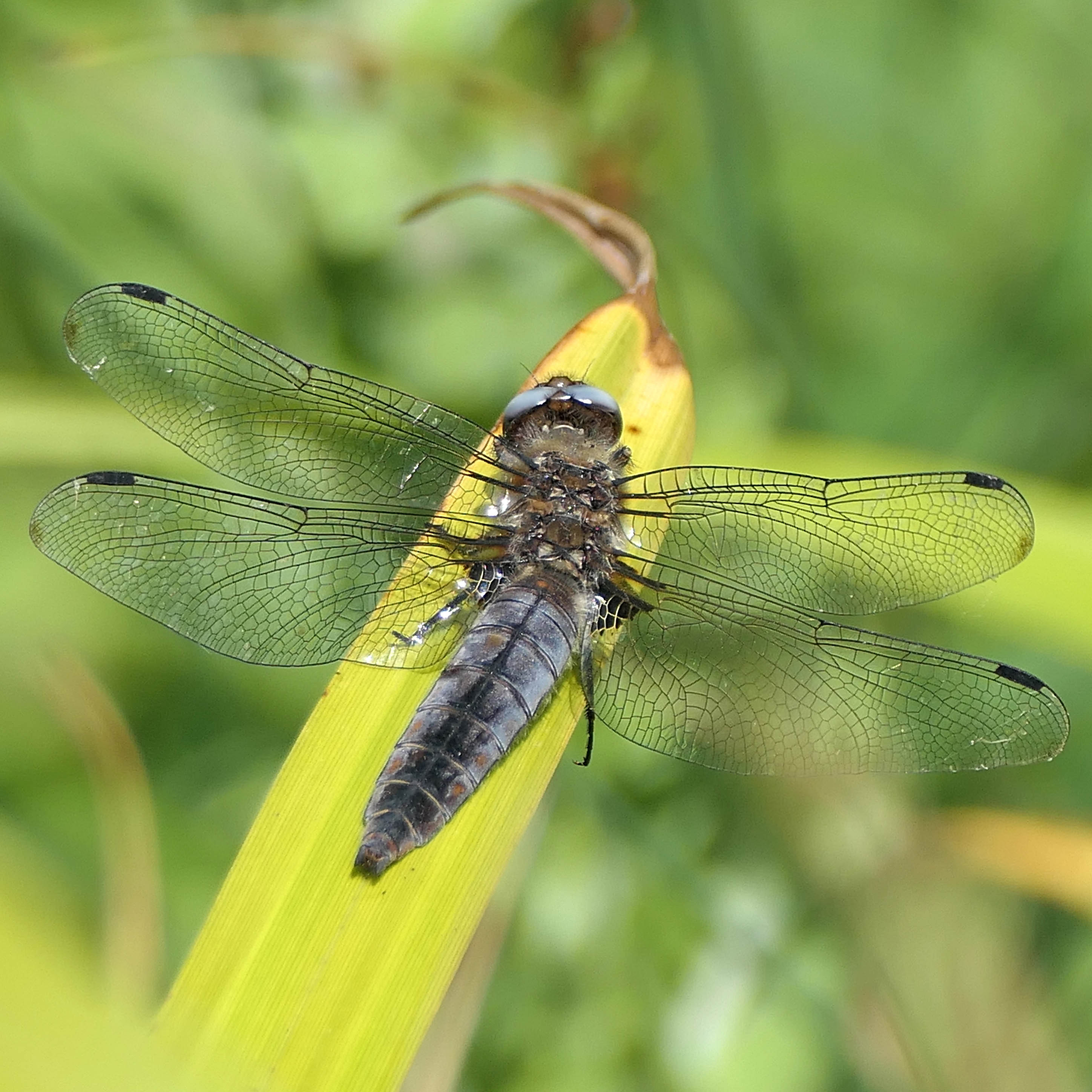
Last Tuesday, though I didn’t realise it until later in the day, I finally saw a stationary Lesser emperor dragonfly (Anax parthenope). My previous encounters with this dragon have been when I’ve seen one, usually fleetingly and at distance, hawking over a body of water. These stunning (ha!) flight shots of the Lesser emperor were taken at Cosmeston’s west lake on 16 August 2023 and looking over the River Ely at Grangemoor Park on 25 July 2025, where I only just managed to catch the dragon before it exited, frame right.

The British Dragonfly Society website reports that this dragonfly was first reported in the UK, in Gloucestershire, in 1996, and first recorded breeding in Cornwall in 1999. I don’t know whether the specimens we see here in south Wales are dragons that have bred here or migrants but I suspect the Lesser emperor I saw last Tuesday was a migrant as I found it at Lavernock Nature Reserve, just a few metres from the sea cliff edge. And, though there is a pond at Lavernock, it routinely dries up during the summer – and certainly did in this year’s drought, so the dragonfly is unlikely to have bred at the reserve.

As I admitted in my opening sentence, I didn’t initially recognise this dragon. ‘It’s just another Migrant hawker’, I thought to myself, and, as it was perched in some scrub and partially obscured by the vegetation, it was difficult to see and photograph. Now, I’m just glad I did take photos or I’d never have realised what I’d seen, nor been able to prove it.

Leafmines: Acrolepia autumnitella

Tags

, , , , , , ,

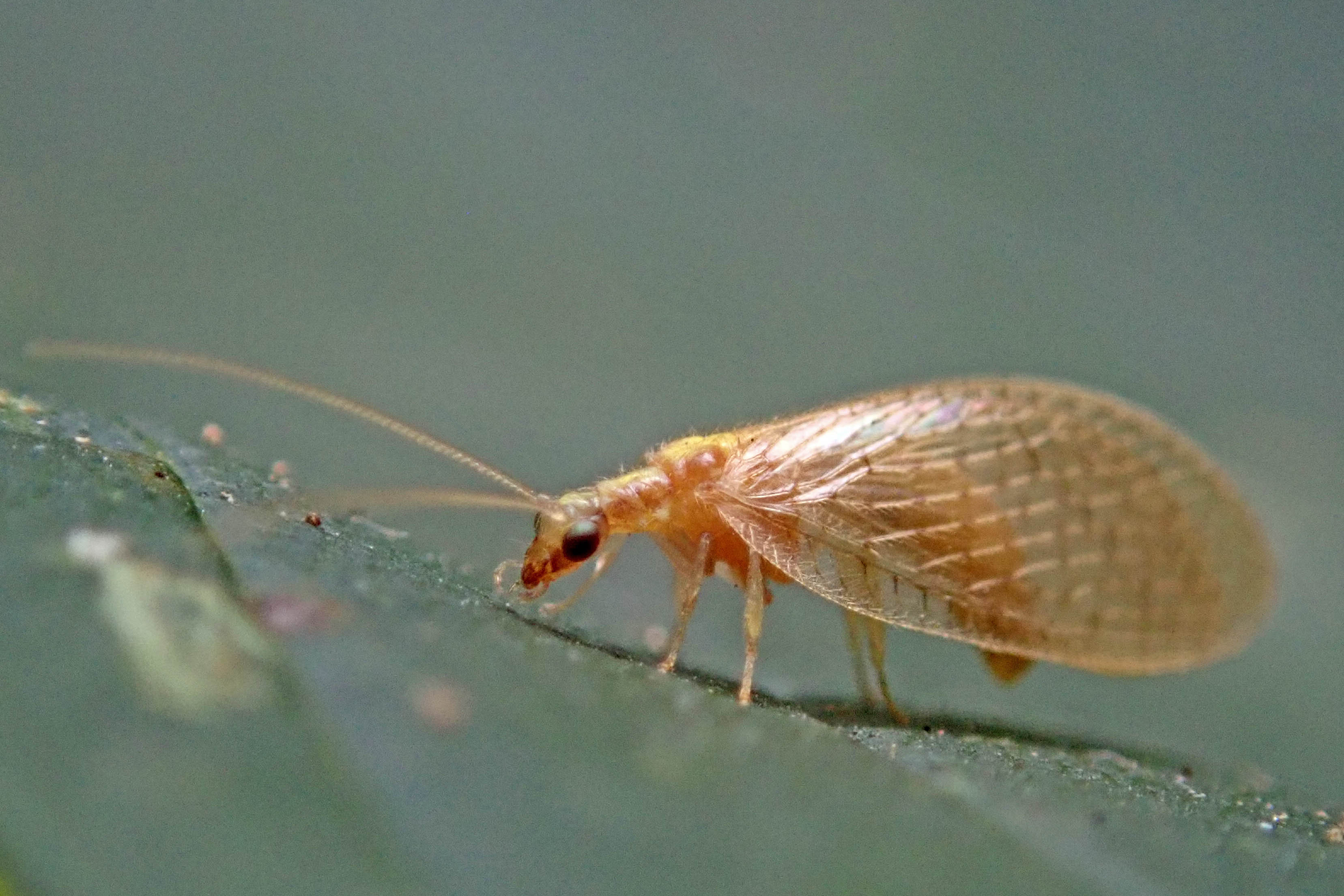
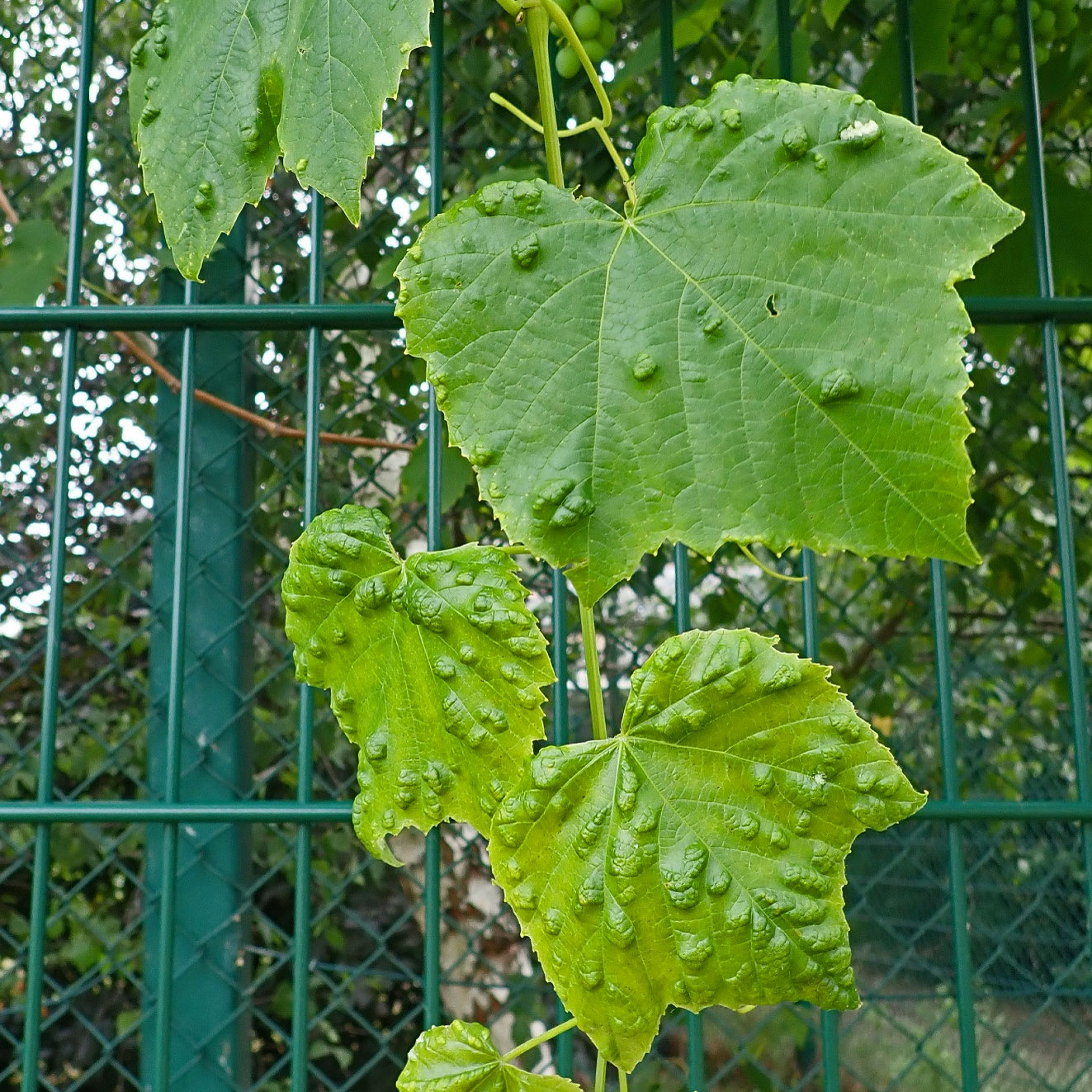
I don’t think I’ve seen leafmines on this plant before – this is Bittersweet (Solanum dulcamara), and the mines can also be found on other members of this plant genus, Tomato (S. lycopersicum) and Potato (S. tuberosum), as well as on Deadly nightshade (Atropa belladonna).

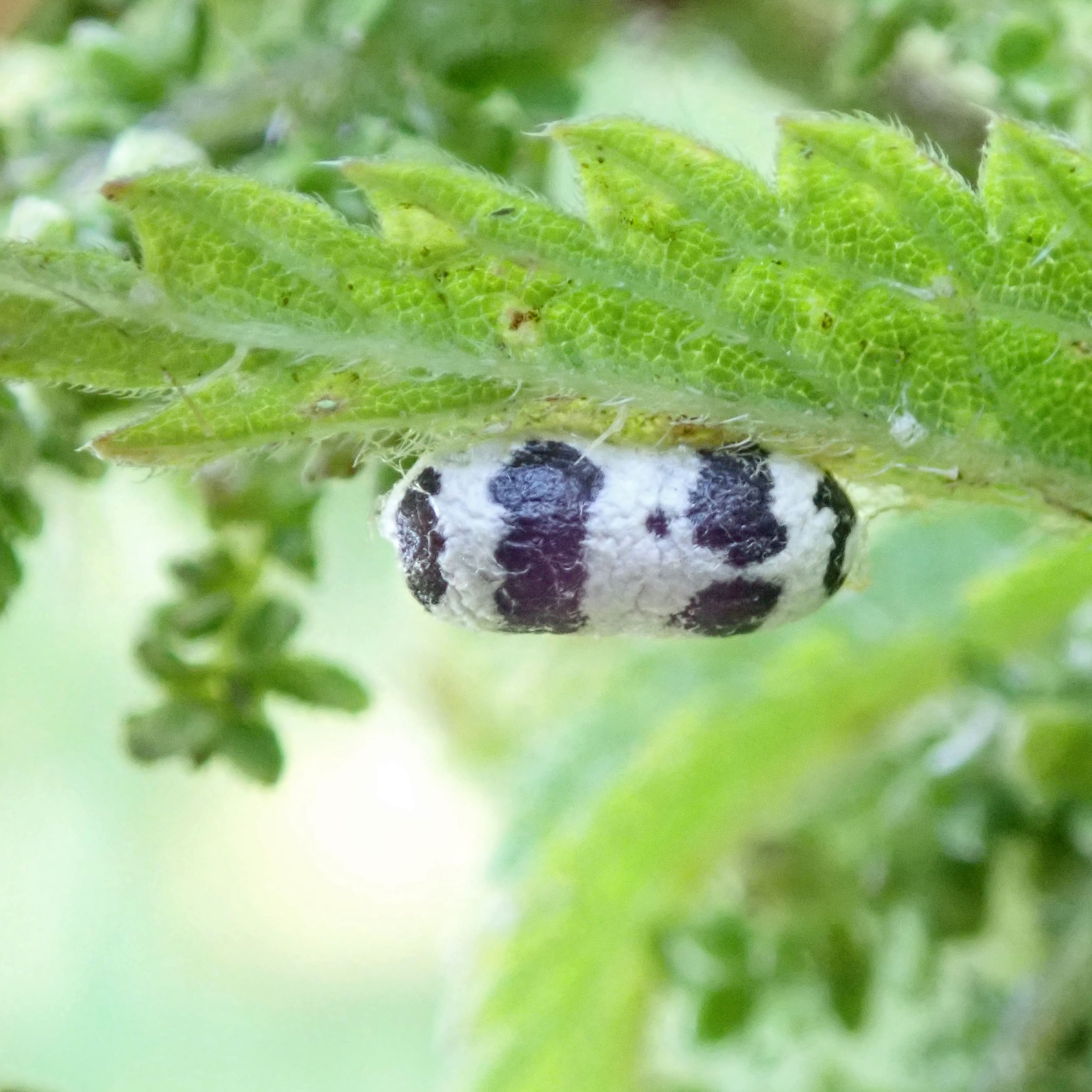
The miners here are the larvae of the moth Acrolepia autumnitella, a very pretty little chestnut-coloured creature, which is shown on the UK Moths website. As you can see in my images, the larvae create quite large blotch mines, and these can be found twice a year, in June and September. I haven’t yet found a pupa but I will keep looking because the silk cocoon that surrounds the pupa looks rather lovely, as a photo on the British Leafminers website shows.

Goldenrod

Tags

, , , , ,

Is there a more aptly named wildflower? This is Goldenrod (Solidago virgaurea), which, when in full bloom, looks exactly as you might expect a plant with that name to look. As it flowers in late summer – early autumn, not only does it provide a welcome burst of bright colour at a time when many other wildflowers are past their best, it also supplies much needed nourishment at that time of year to a multitude of insects. Butterfly Conservation have produced a pdf extolling the benefits of Goldenrod, which they say is a food source for around 40 moth species, as well as numerous species of flies.

I’m not sure why but this is not a flower I see locally; I found these plants in the quarries on the Isle of Portland. My wildflower guide book says it can be found growing in dry woodlands and grasslands, on cliffs and in sand dunes, throughout the British Isles – maybe I’ve overlooked it in my area.

I’ve read that Goldenrod contains certain beneficial chemicals that have anti-fungal and anti-inflammatory properties and, in Flora Britannica, Richard Mabey writes that ‘In the sixteenth and seventeenth centuries it was in great demand as a wound herb but, according to John Gerard [The Herball, 1597], fell from favour when it was discovered to be rather common.’ Whether or not the benefit to humans has been scientifically proven seems open to question, and I would certainly never advise anyone to ingest plant products rather than seek proper medical attention for any ailments they might have. Perhaps this is a plant best left for the insects to feast on.

A Shag even closer

Tags

, , , ,

As I mentioned in yesterday’s blog about the Common tern, there was another bird that held my attention during that walk around Cardiff Bay; it was, in fact, the reason I had walked that way in the first place. The previous evening, news reached me of a Shag that had roosted and was fishing in one of the old docks, providing exceptionally close views to those who chose to stop and watch.

After the close views I had enjoyed of the Common tern, I did wonder as I walked in the Shag’s direction whether I had already used up my luck for the day, but no. The Shag was still there, constantly diving for fish, at times surfacing just a few feet away from where I was standing. And, once it ventured out of the water to perch on the rocks for a short time, regurgitated some fish it had just caught, swallowed them again, then returned to its watery home.

As the old dock where the bird was is a relatively small body of water, now permanently closed off at both ends, I was surprised at how many fish it was catching. I was also very relieved to see that the fishing line it seemed to have swallowed was not affecting its feeding. Another wonderful close encounter of the avian kind!

A Common tern up close

Tags

, , , ,

It was Friday 26 September, about 10:15am – a late start for me, and I had just begun walking across Cardiff Bay Barrage when I heard someone call my name. That doesn’t happen very often, so I looked in the direction the shout had come from and saw two chaps standing at the lookout point, gesticulating madly. I knew them, of course, two of my local birding buddies but, for the life of me, I couldn’t work out what they were trying to get me to look at.

Then, as I walked over to them, the penny dropped – there was a Common tern flying around so close to where they were standing that they could almost have reached out and touched it. Okay, that’s a slight exaggeration, but this was certainly the closest I’d ever been to a Common tern. The views were phenomenal!

The close proximity actually made photography difficult, as terns are fast and agile fliers, effortlessly weaving and turning, before hovering and plunging to the water to pluck up a fish, all in the blink of an eye. So, I just had to stop and watch, and enjoy the spectacle this bird was providing.

Eventually, we three birders went our separate ways. I walked across the Barrage, spent some time watching the bird that will feature in tomorrow’s blog, then retraced my steps. Luckily for me, the tern had relocated to the northern side of the Barrage, so I plonked myself down on a bench at the water’s edge to watch it some more. I took a few short video clips of it, only one of which was in focus, and was shooting photographs in burst mode, which produced several series of images that show the bird’s flight quite well, so I stitched them all together into one video. If you want to see what had so enthralled me, you can watch it too.

A juvenile Garganey

Tags

, , , , , , , ,

It’s all about the birds at the moment, with autumn migration in full swing and with my local area fortunate to be enjoying visits by some stunning birds, like this one.

The day I saw the three phalaropes there was another cracking bird at Cardiff’s northern reservoirs but it was a bit overshadowed by the three rarities, and I doubt many birders bothered to walk to the far end of the adjacent Llanishen Reservoir to see this one, a beautiful juvenile Garganey (Anas querquedula).

An explanation is necessary here; I actually visited the reservoirs the day before I saw the Grey and Red-necked phalaropes, as one Grey phalarope had been reported that day. But it was literally blowing a gale so I had difficulty staying upright, let alone trying to scan the choppy waters with my binoculars to find a small grey bird. In fact, it was so windy that a marquee, which had been pegged close to the visitor centre, had come loose from its pegs and blown across the path to the reservoir where the phalarope had been reported, so the path had been closed off for safety reasons. Seeing that, I gave up looking but, enjoying the fresh air and wanting the exercise, I stomped briskly around Llanishen Reservoir. And, during that walk, I spotted the Garganey (the photo below was taken that first day) but, as I’m a bit hopeless with female/eclipse/juvenile ducks, I didn’t initially trust my identification skills. Amazingly, I’d got it right this time.

Two Grey phalaropes

Tags

, , , , , ,

This is a follow up to yesterday’s blog about the amazing sighting of three phalaropes on Cardiff’s Lisvane Reservoir last Tuesday – in fact, the birds stayed at the site for several days, giving happy birders from miles around the chance to see them, though, incredibly, there has been a much larger number of Grey phalaropes than normal in the waters around south Wales over the past ten days, driven inland by stormy seas.

North Wales birder, journalist and author Julian Hughes reported on social media on Sunday: ‘With several sites in Wales hosting multiple Grey Phalaropes over the weekend, 2025 is now the best year this century, with 112.’ Surprisingly, this is not the highest number on record; it seems 1960 ‘will take some beating, however. 227 were seen from The Smalls lighthouse alone in just 12 days, during 18-29 September’.

As I mentioned in yesterday’s blog about the Red-necked phalarope, the Grey phalarope is slightly larger than its cousin, and its bill is slightly thicker. The photo below shows all three phalaropes together, the Red-necked is the bird in between the two Greys.

Although these three birds were mostly foraging along the edge of the reservoir, phalaropes usually feed while sitting on the water and their feeding style is quite unique for wading birds: they often swim round in circles, which disturbs the water, stirring up insects, midges or other water-loving invertebrates. Amazingly, since seeing the three phalaropes on Lisvane Reservoir last week, we’ve had another local sighting, a single Grey phalarope on the River Taff near central Cardiff. This bird was a little more distant but I took a few short video clips of it feeding – not spinning right round due to the force of the water, but actively, constantly weaving from side to side as it picked at tasty titbits.

Lifer: Red-necked phalarope

Tags

, , , , , , , , ,

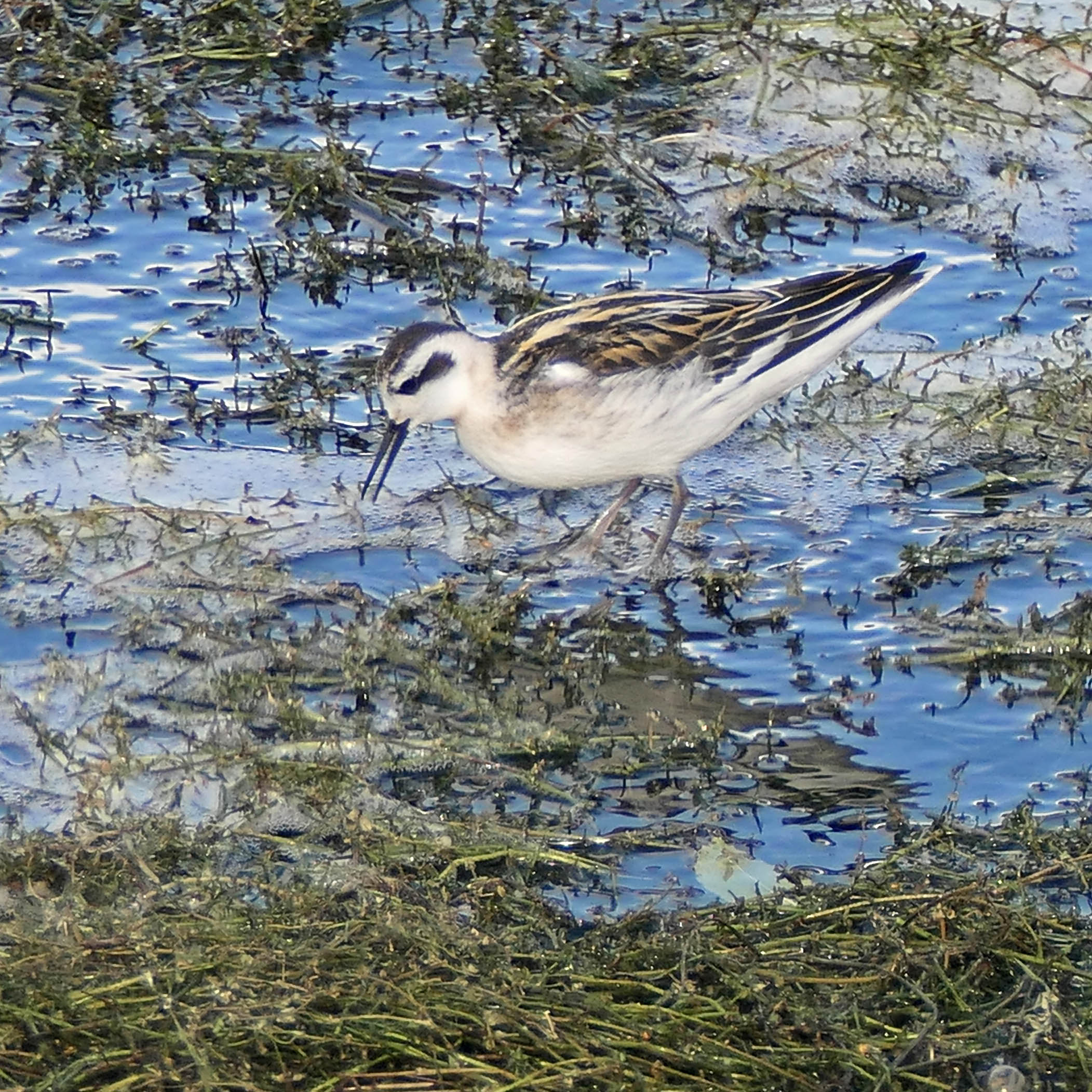
Last week was a red-letter week for Glamorgan birds. I didn’t get to see all the rare birds on offer but I did spend several wonderful hours at the Lisvane and Llanishen reservoirs in north Cardiff last Tuesday, in the company of smiling birders and interested locals, as we feasted our eyes on the three visiting phalaropes, two Grey (more on them tomorrow) and my first ever Red-necked.

The Red-necked phalarope (Phalaropus lobatus) is a bird of contradictions: it’s a wader that prefers to swim; the female is the more brightly coloured gender; she fights other females for the most desirable males to mate with; she lays her eggs then leaves the male to raise their young, sometimes even finding another male to breed with.

You may notice that this bird has no sign of the red neck it is named for; the characteristic rusty coloured neck band can only be seen on female birds during the breeding season. The presence of yellow stripes on this bird’s back marked it as a juvenile; in fact, looking at the illustrations in my guide book, this looks like a juvenile bird moulting to first winter colouring.

It can be difficult to tell Red-necked and Grey phalaropes apart so it was particularly informative, especially for folks like me who had not seen both species before, to see both species together. The Red-necked phalarope was noticeably smaller than the Grey, and it had a thinner, sharper bill. (There will be a photo of the two species side by side in tomorrow’s blog.)

Due to a significant decline in its breeding population in Britain, where it nests in very small numbers in northern Scotland and on the western isles, the Red-necked phalarope is red-listed. The bird also breeds in Siberia, Scandinavia, Iceland and North America, and the very rare sightings we’re lucky enough to see in southern Britain are birds on migration; apparently, European breeding birds winter in the Arabian Sea. What a wonderful treat it was to enjoy very close views of this rare bird!