T is for tits

Tags

, , , , , , ,

Other than the sweet little Blue tits (Spreading the word, 27 February, and Reappearing, 7 August), the other local species of tits haven’t appeared on this blog very often this year. Perhaps I am guilty of ignoring the commonplace, in which case shame on me, as they are amongst the birds I see and enjoy watching most often. Though I haven’t blogged about them, I have drawn four of our local tit species so, as this 2024 self-imposed bird-drawing challenge comes to a close, I’d like to share these …
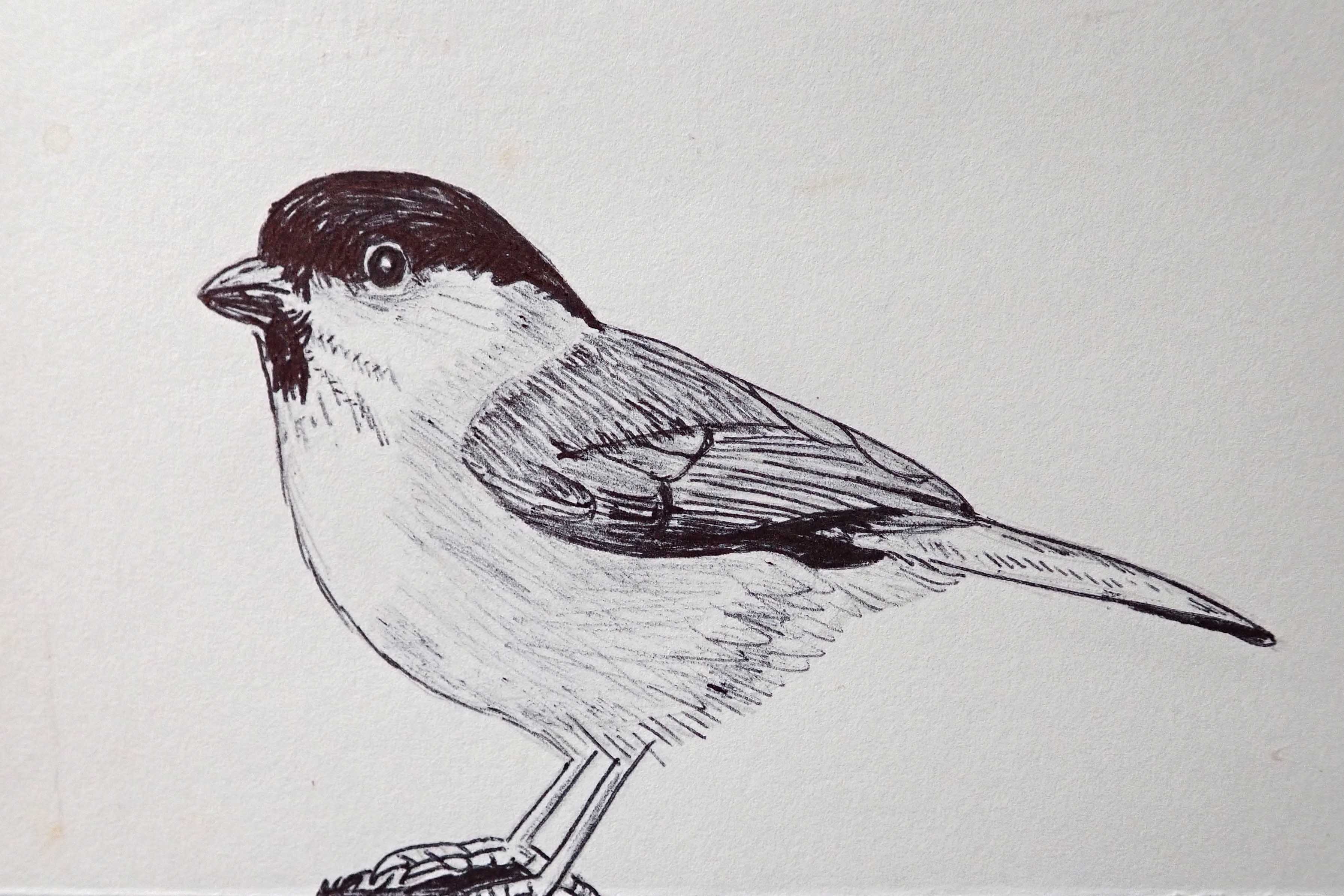
241224 t is for tit 1 marsh

Marsh tit

241224 t is for tit 2 coal

Coal tit

241224 t is for tit 3 great

Great tit

241224 t is for tit 4 blue

Blue tit

R is for Red-eyed damselfly

Tags

, , ,

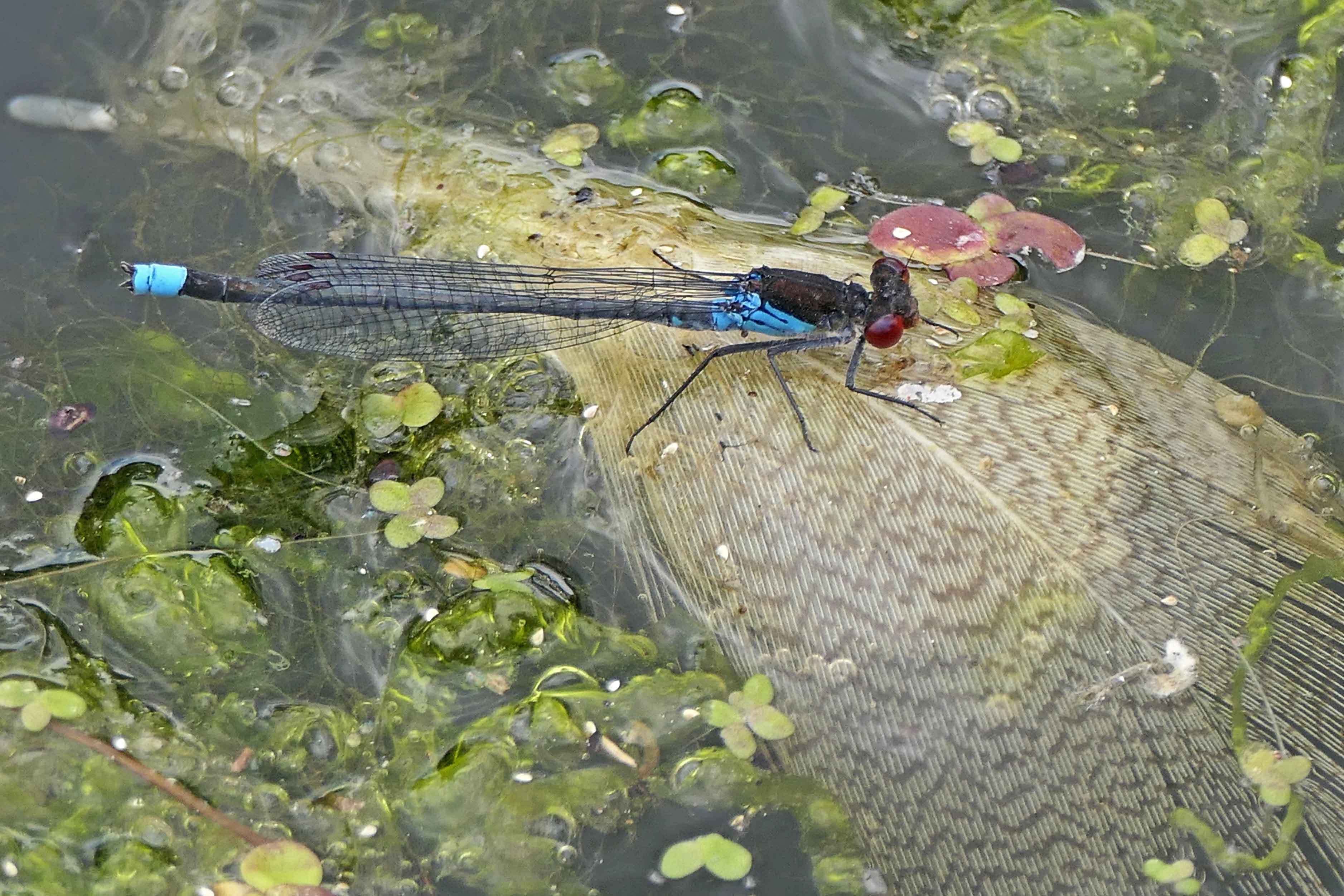
Finding my first-ever Red-eyed damselflies, and at a previously unrecorded local site alongside the River Ely, was another of my most treasured wildlife moments of 2024 (Lifer: Red-eyed damselfly, 24 May). Unfortunately, I’m not going to be able to see them at that location again for at least the next three or four years as the walkway access has recently been closed to pedestrians while adjacent apartment blocks are being re-clad. The good news is that there is another site, along one of Cardiff’s inner city canals (More Red-eyed damsels, 26 June), where I should be able to find them again next summer.

241223 r is for red-eyed damselfly

Q is for queen

Tags

, ,

Q is a difficult letter in my annual countdown. Quercus, the Latin name for the mighty Oak tree, has featured in my two previous countdowns but this year I thought I’d pay homage to those majestic creatures, the queen bumblebees. They’ve featured several times in this year’s blogs (for example, A bumblebee and its mimic, 11 March, and Early bumblebee, 26 March) but, right now, they’ll mostly be hibernating. Though they do emerge during the winter months when the weather’s unseasonably warm and sunny, it’s not until ground temperatures begin to rise and the warmth of springtime becomes more constant that they will be encouraged to awaken, find a cosy burrow, and lay the eggs that will produce the next generation of beautiful bumblebees.

241222 q is for queen bombus terrestris

P is for Puss moth larva

Tags

, , , ,

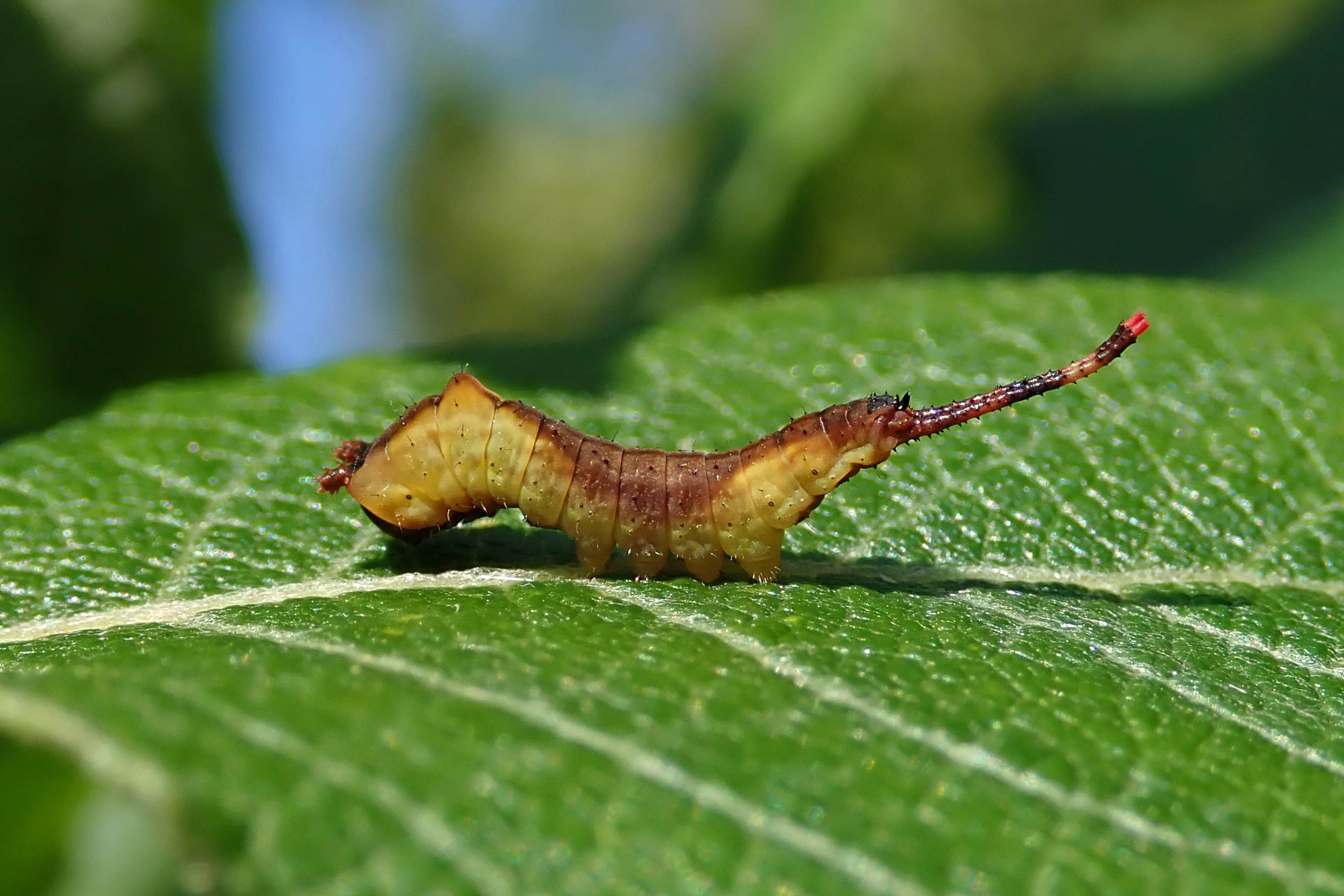
Finding these tiny Puss moth caterpillars was one of the highlights of my wildlife year (Puss moth kittens, 4 June). I’d seen photos of them, and oozed with envy when others posted their finds on social media, so to spot them sitting happily on a scruffy local willow tree was a magical moment. Sadly, I wasn’t able to follow them as they grew: I re-found them the second time I looked, then found one on my third visit, but nothing during any subsequent searches. So, either they wandered higher in the tree or fell victim to hungry birds. I hope the former is true.

241221 p is for puss moth larva

O is for Otter

Tags

, ,

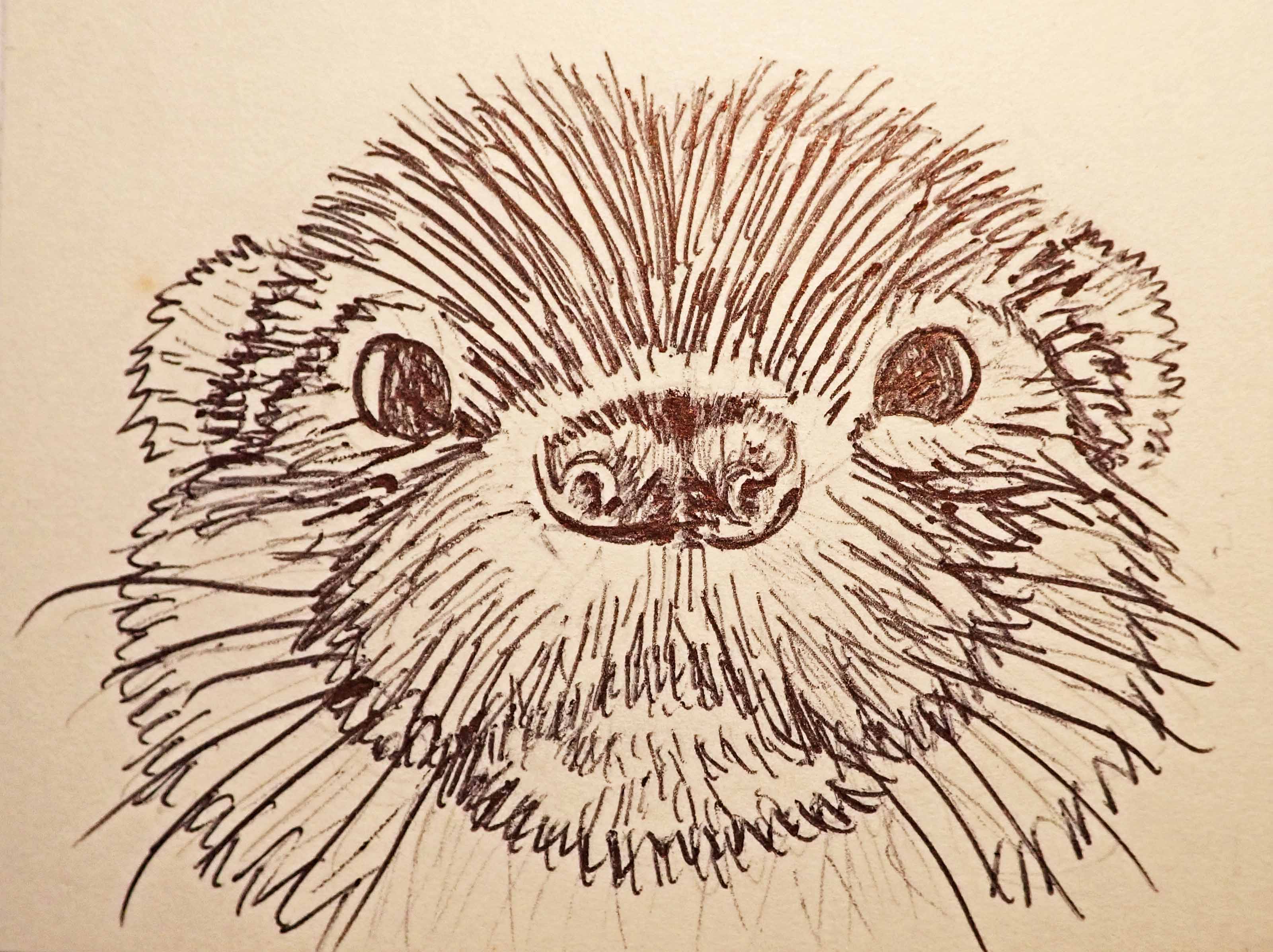
I can still vividly recall the tremendous thrill I felt when I saw my very first Otter!!! during a circuit of Cardiff Bay on 1 January. What a way to start the new year with one of my best ever, if very brief, nature experiences! Several months later, in a different area of the Bay, I was surprised by another very brief sighting but the creature disappeared, as if by magic, before I could even think of raising my camera. My first encounter only produced a couple of distant photographs so, as part of my self-imposed 2024 learn-to-draw challenge, I used an image I found online to draw an Otter’s face. I do so hope I will see another of these amazing creatures in 2025.

241220 o is for otter

N is for newt

Tags

, ,

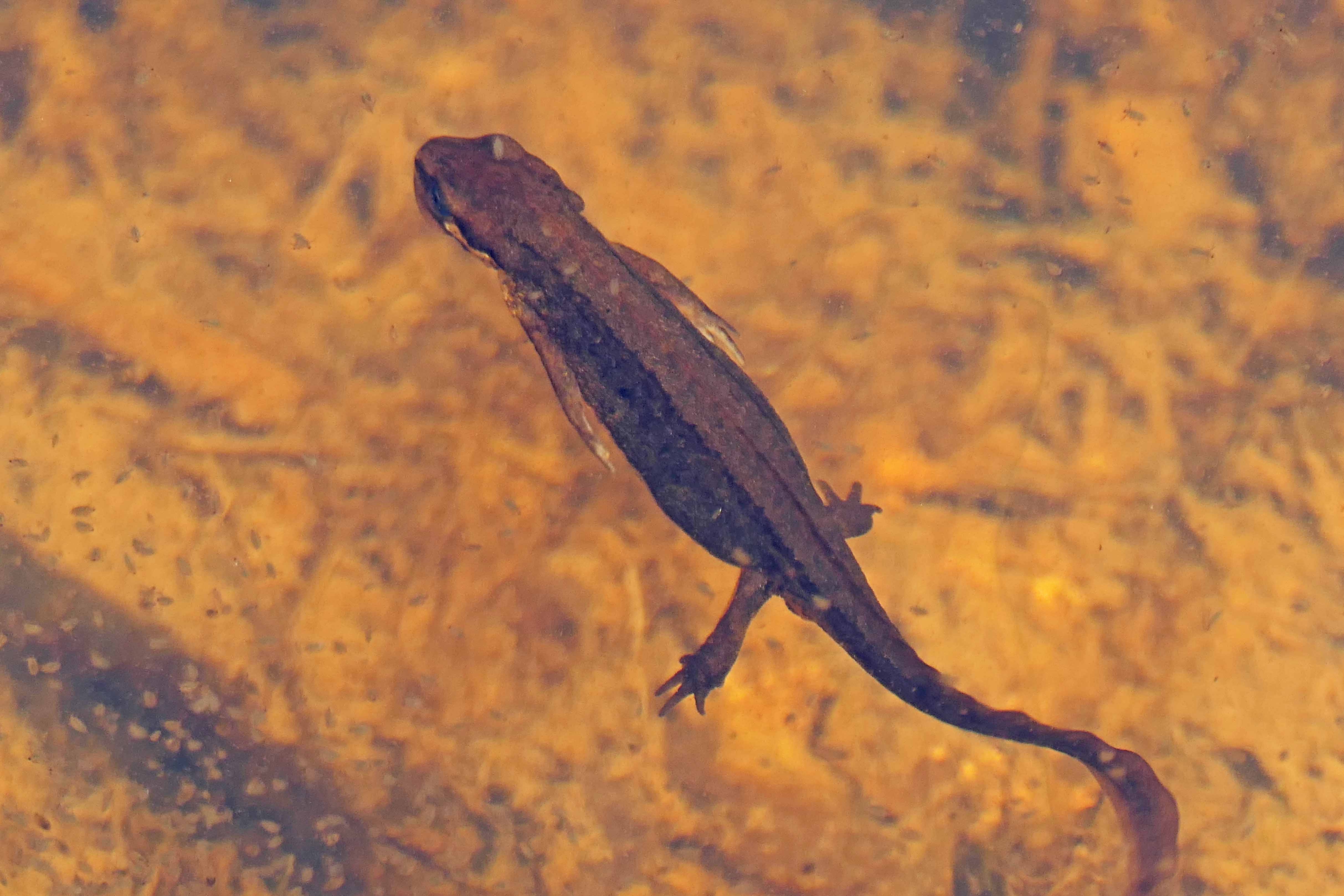
My very first newt encounter was a sad one to witness, as I watched a Moorhen whacking a Palmate newt to death in one of the dipping ponds at Cosmeston Lakes Country Park (My first Palmate newt, 29 February). Fortunately, for me and the newts, I saw several alive and thriving in the dragonfly pond at Forest Farm Nature Reserve three months later (Newts alive, 30 May). I must remember to look for them again in 2025 as they were spellbinding to watch as they floated serenely in the clear water.

241219 n is for newt

M is for martin

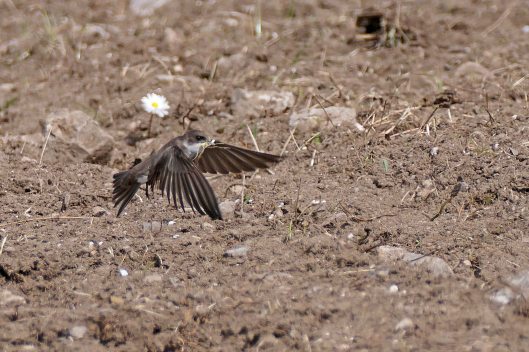
There’s always something magical about seeing the first Swallows and Swifts, Sand and House martins arrive from their warmer southern over-wintering locations – it feels like the promise of warmer weather and our northern summer is flowing along with them. I reported on the arrival of the first House martins in early April (Another new arrival, 11 April) (and you were treated [?] to one of the bird drawings I’ve struggled to produce during my self-imposed 2024 drawing challenge), and a couple of days later I wrote about the Sand martins I’d been watching as they began collecting nesting materials (Sand martin magic, 13 April). Several times that month I returned to watch the Sand martins as they went busily about their nesting preparations – the photo below was taken on one of those occasions, on the Cardiff Bay Barrage on 23 April.

L is for Long-tailed duck

Tags

, , , ,

Every couple of years we are fortunate to be visited by a passing, or lost, Long-tailed duck, and 2024 has been one of those years. In mid January this handsome juvenile touched down then lingered in Cardiff Bay for a week or so, and it was a real treat to see him on several occasions, a real highlight of my birding year (What a dude!, 27 January).

241217 l is for long tailed duck

K is for Kingfisher

Tags

, , , , ,

Kingfishers featured on this blog back in January (Flashes of teal, 20 January), though I’ve actually enjoyed even better sightings of these stunning birds during several recent visits to Forest Farm Nature Reserve in north Cardiff. The reserve is a well known local hotspot for these birds, and some Kingfisher aficionados spend hours sitting in the hides there, hoping to get the perfect diving photo. Personally, I prefer walking the canals to try to find these beautiful birds in a less contrived situation, and that’s exactly where the sequence of three images below was taken. I managed to catch the moment the bird spotted a fish and began its dive but, sadly, both its speed and my slow reaction meant I didn’t capture the instant the bird hit the water. Still, it was a magical moment.

241216 k is for kingfisher