L is for Long-tailed duck

Tags

, , , ,

Every couple of years we are fortunate to be visited by a passing, or lost, Long-tailed duck, and 2024 has been one of those years. In mid January this handsome juvenile touched down then lingered in Cardiff Bay for a week or so, and it was a real treat to see him on several occasions, a real highlight of my birding year (What a dude!, 27 January).

241217 l is for long tailed duck

K is for Kingfisher

Tags

, , , , ,

Kingfishers featured on this blog back in January (Flashes of teal, 20 January), though I’ve actually enjoyed even better sightings of these stunning birds during several recent visits to Forest Farm Nature Reserve in north Cardiff. The reserve is a well known local hotspot for these birds, and some Kingfisher aficionados spend hours sitting in the hides there, hoping to get the perfect diving photo. Personally, I prefer walking the canals to try to find these beautiful birds in a less contrived situation, and that’s exactly where the sequence of three images below was taken. I managed to catch the moment the bird spotted a fish and began its dive but, sadly, both its speed and my slow reaction meant I didn’t capture the instant the bird hit the water. Still, it was a magical moment.

241216 k is for kingfisher

J is for juveniles

Tags

, , , , ,

Seeing chicks and juvenile birds is always a delight, and I’m sure I’m not alone in spending hours watching their fluffy cuteness, and being entertained by their awkward antics as they discover the world around them and learn now to find food for themselves. And, of course, they feature often in this blog.

241215 j is for juvenile moorhen

During 2024, we’ve seen Moorhen chicks (like the little cutie shown above) (First chicks of the year, 30 April), followed fairly quickly by a double dose of Great crested grebe chicks and Mallard ducklings (More chicks, 4 May). Just a few days later, goslings were the stars of the show (Canada goslings, 7 May), and then not one but Eight cygnets stole our hearts on 18 May. In June, there were Hungry noisy Blue tit babies, and the annual saga of the breeding attempts of my local Lesser black-backed gull chicks (Sad news, good news, 13 June), and a circuit of Cardiff Bay produced Canada goslings, more Lesser black-backed gull chicks, and the lovely Oystercatchers (Chicks of Cardiff Bay, 22 June).

241215 j is for juvenile coot

A walk along Cardiff canals in late June offered close views of gawky little Cootlets that still had a bit of growing to do before they resembled the juvenile Coot shown above and a bundle of fluffy Mallard ducklings (Chicks of Cardiff’s canals, 27 June). The final blog of the bird breeding season was published in mid July when the plaintive cries of a Herring gull baby attracted my attention.

I is for Ichneumon

Tags

, , , , ,

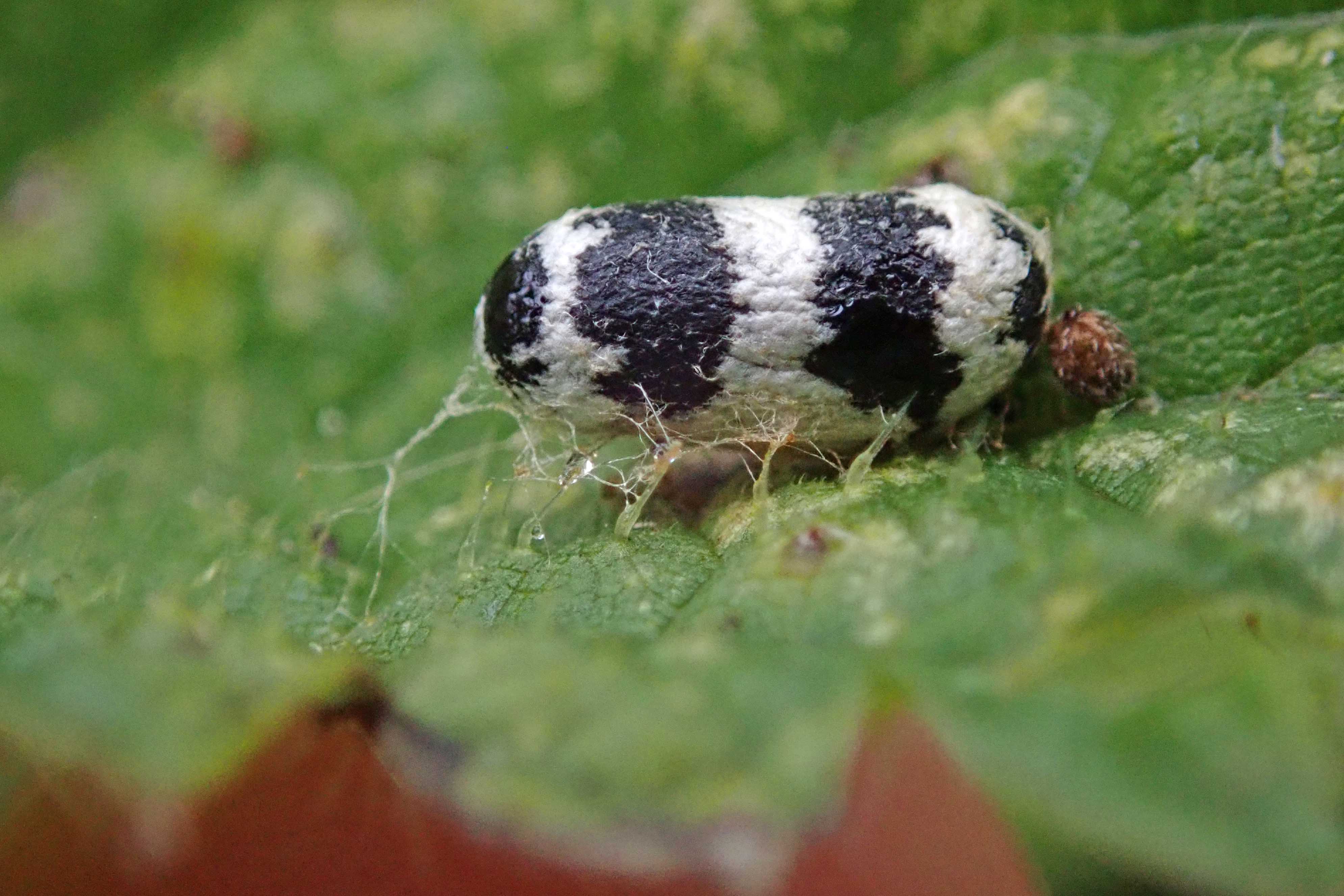
I might not have seen many adult Ichneumon wasps this year but I was fascinated by the discovery of my first ever wasp pupa (An Ichneumon wasp pupa, 13 July).

241214 i is for ichneumon

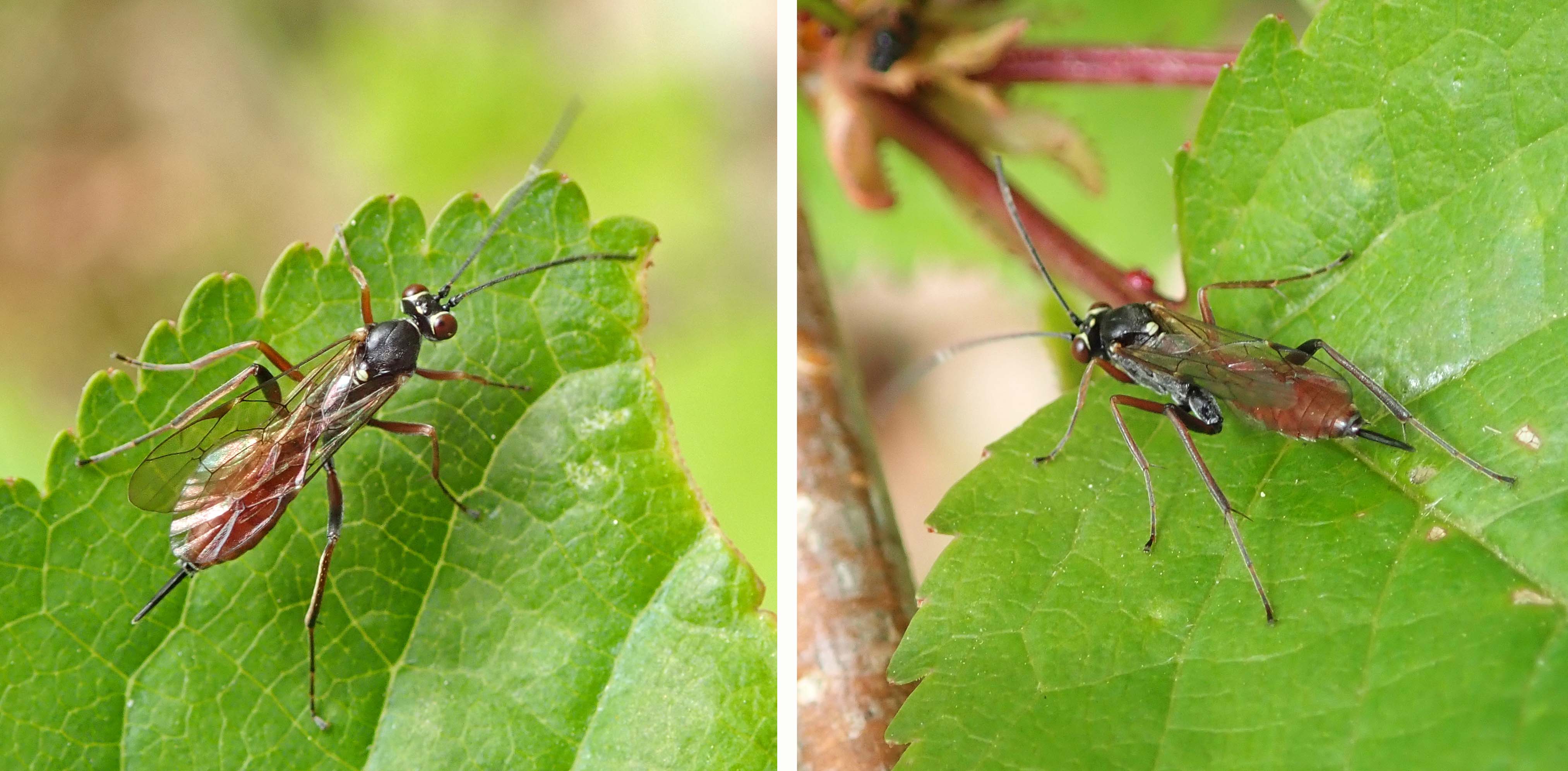
And I’ve only very recently had verification that I did manage to spot one new Ichneumon species back in April this year. This is a female Ischnus inquisitorius, a wasp I’m having difficulty finding much information about. The Nature Conservation Imaging website reports that it’s ‘an ectoparasitoid of tortricid [a family of moths] pupae’ and the Wild Bristol website says it prefers well-vegetated areas like gardens and allotments, parks and cemeteries, presumably because these are the places where Tortricid moth larvae feed and pupate.

241214 i is for ichneumon Ischnus inquisitorius

H is for horsefly

Tags

, , ,

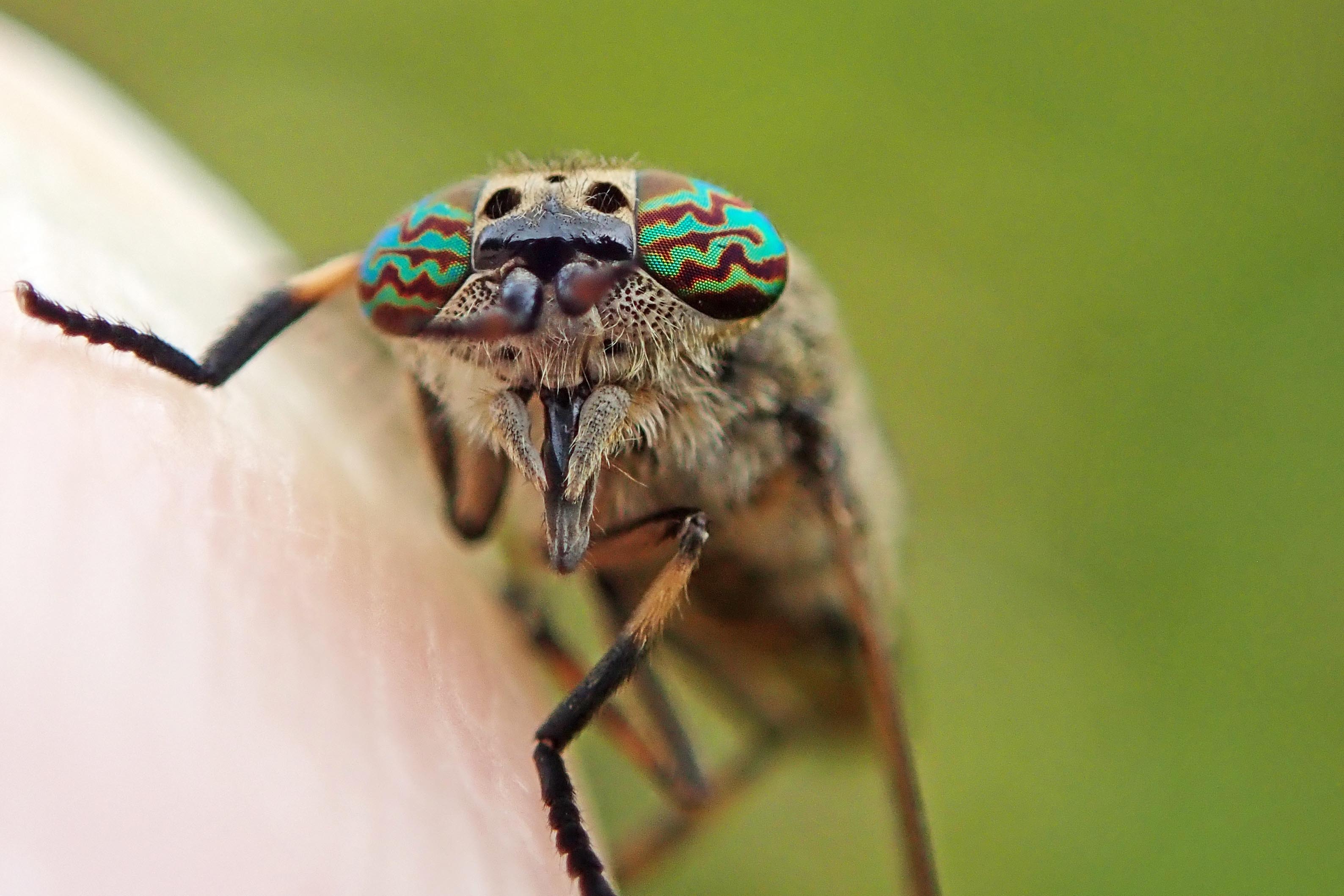
I try to avoid getting close to horseflies as I react quite badly to their bites – in fact, I wear insect repellent for much of the summer to try to keep these little beasties away from me. But, when I got the close up views of A horsefly’s eyes that I blogged about on 14 June, I hadn’t realised the insects were out and about already and was repellent free, so I was doubly lucky – no bites and good photos.

241213 h is for horsefly (1)

I actually enjoyed another close encounter with a horsefly in late June and got the photo shown below. The eyes are very different, and I wonder now if this might have been a male, as it was happily perched on a leaf and didn’t approach me at all.

241213 h is for horsefly (2)

G is for grebe

Tags

, , , , , ,

While Great crested grebes and Little grebes are resident birds in the lakes and rivers of my local area and always a delight to watch, it’s particularly nice to see some of their more exotic cousins. This year, in January, we had two of these rare visitors.

241212 g is for grebe red necked

First up was the lovely little Red-necked grebe, shown above, that I blogged about on 18 January, and, while that beauty was still present on Cardiff’s northern reservoir, another grebe turned up, this time a Black-necked grebe, pictured below, in Cardiff Bay (Another rare grebe, 24 January). I’m hoping we’ll see more of these grebes during the coming months of winter.

241212 g is for grebe black necked

F is for Figwort weevil

Tags

, , , ,

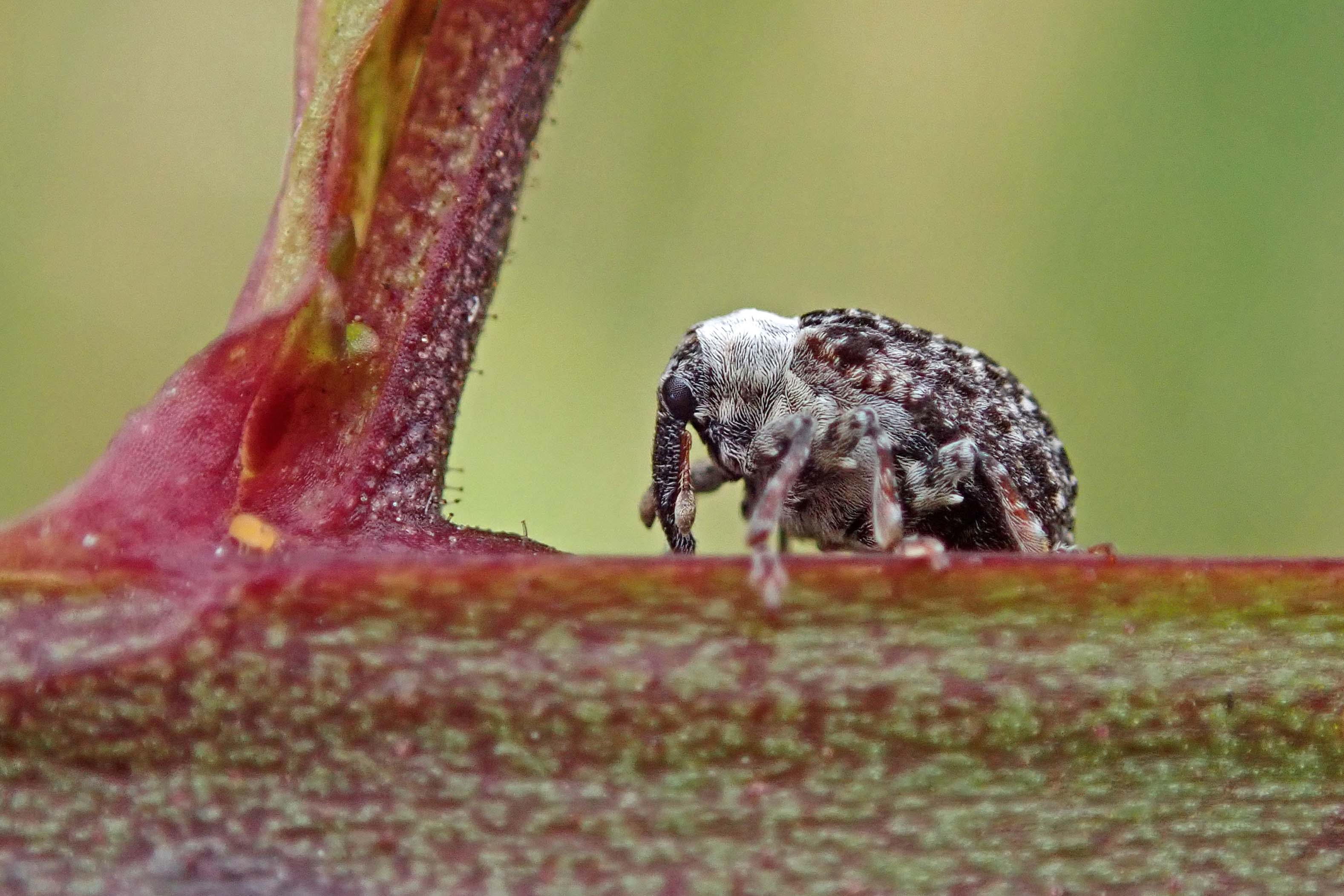
Weevils are some of my favourite insects, and the gorgeous Figwort weevil is, I think, the cutest of them all. Once I discovered where they lived in one of my local parks, I made sure to check their Figwort plants every time I went there and, as a result, I have lots of photos of them and have discovered more about their life cycle.

241211 f is for figwort weevil (1)

You might remember that, in June, I brought home a tiny cocoon. I had an idea what it might be but wasn’t entirely sure, and was fascinated to watch the ‘thing’ moving about within its casing as shown in the video on the blog (There’s an alien in my kitchen, 10 June). And then it hatched, my perfect tiny Figwort weevil, and I was over the moon, like a proud parent, and found great joy in returning it to its Figwort plant to live life amongst its family (The hatchling, and family, 12 June). Moments like these are why I spend so much time in Nature.

241211 f is for figwort weevil (2)

E is for eggs

Tags

, , , ,

Which came first, the chicken or the egg? An age-old question that I’ll leave you to discuss amongst yourselves. Eggs have featured in several blogs this year: a Coot and her eggs back in May (Coot eggs, 31 May); the spawn of Toads and frogs, 22 February; a lovely moth laying her eggs on grass stems (Pale tussock moth, 7 June); and, another insect, in Shieldbug eggs and hatchlings, 26 July.

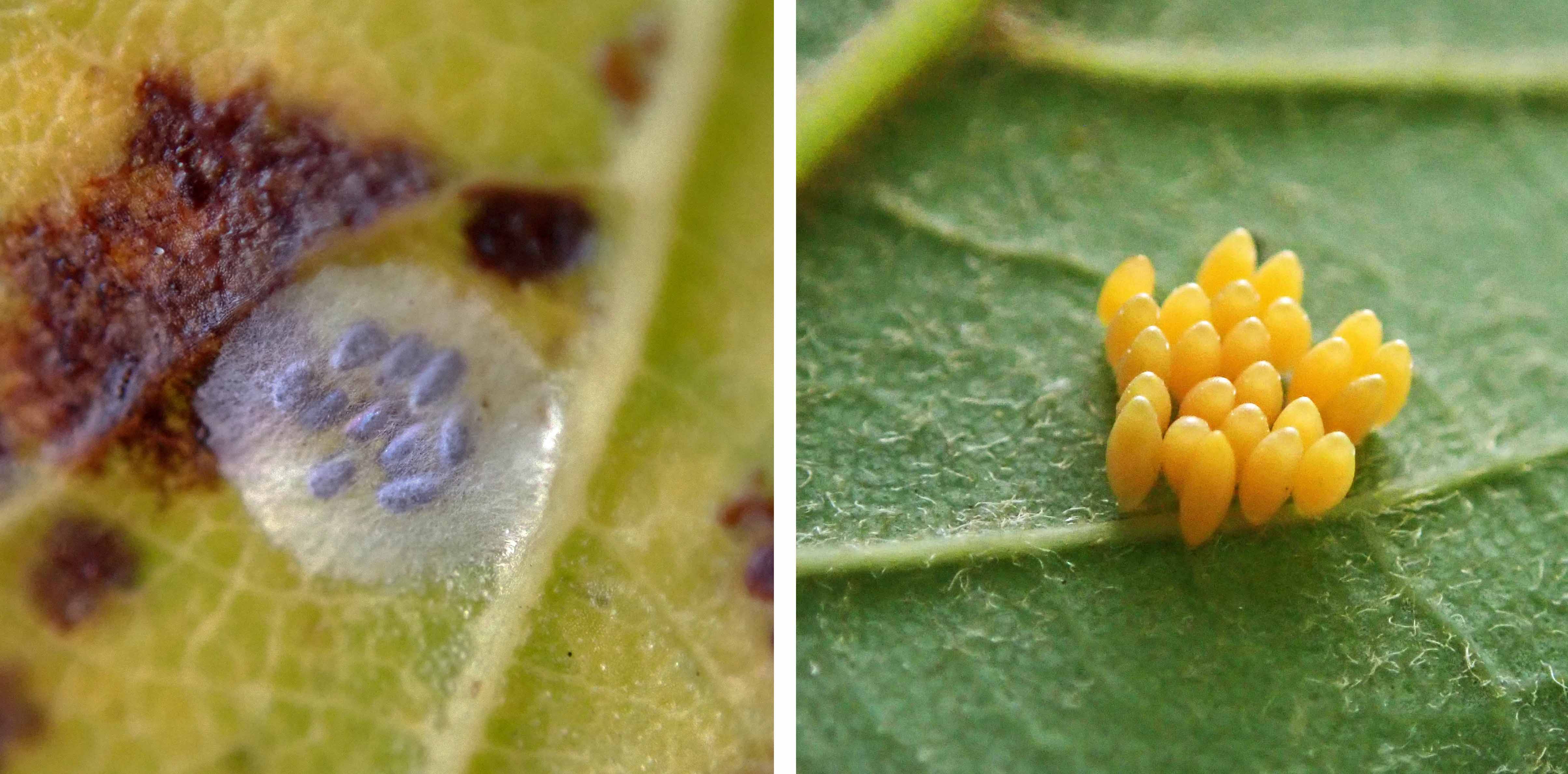
241210 e is for EGGS barkfly and ladybird

There have, of course, been lots of other eggs I’ve seen that I haven’t written about, at least not this year. Those shown above are the eggs of a barkfly species, encased in a lovely silken cover, and a little clutch of ladybird eggs. And, below, are the empty egg cases of a Buff-tip moth and the tiny caterpillars that had recently emerged from them.

241210 e is for EGGS buff-tip moth

C is for Cicadellidae

Tags

, , ,

What a fabulous year this has been for Cicadellidae, my lovely little leafhopping friends! I may have failed my self-imposed challenge to re-find the species I found ‘new to Wales’ back in 2016 but the search for that elusive leafhopper has led me to find 10 new species, including those shown below and blogged about during the year. Ten may sound like a lot but I’ve still only seen 28 of the c. 300 species of Cicadellidae in Britain and Ireland so I’ve a long way to go yet on my leafhopping journey, which will certainly continue in 2025.

241208 c is for cicadellidae acericerus sp and Populicerus confusus

Of the two species pictured above, the top one was the star in Leafhopper: Acericerus species, 12 September, and the lower one featured in Leafhopper: Populicerus confusus, 7 September.

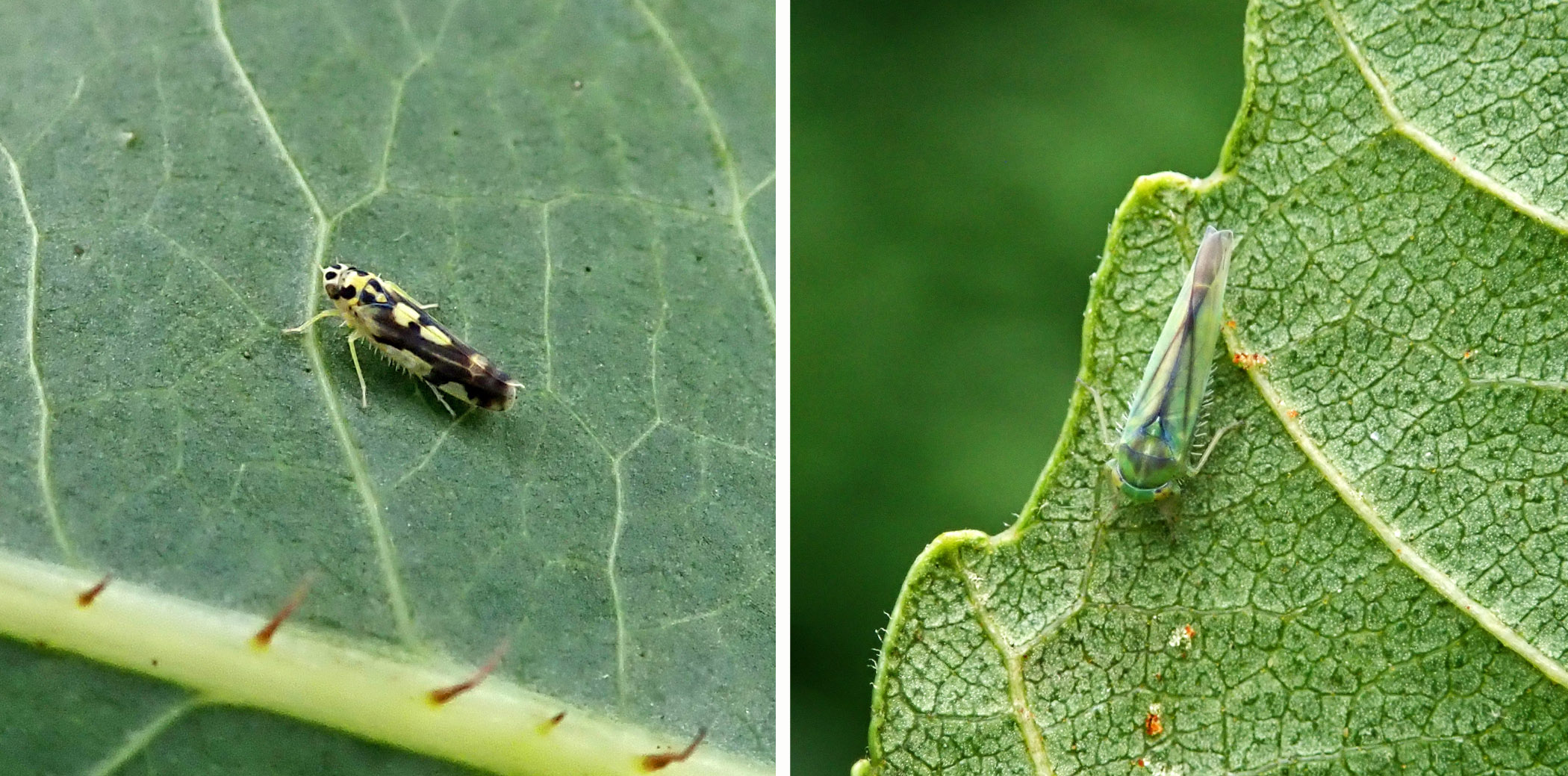
241208 c is for cicadellidae Eupteryx aurata and kybos sp

Leafhopper: Eupteryx aurata, 19 September, on the left and on the right, Leafhopper: Kybos species, 26 September

241208 c is for cicadellidae rhytidod etcTremulicerus vitreus

And, the two newbies shown above are Leafhopper: Rhytidodus decimusquartus, 24 October at the top, and the lower one is Leafhopper: Tremulicerus vitreus, 6 November.