Even more distant birds

Tags

, , , , , ,

The day was bitterly cold, a strong wind from the north cutting right through the many layers I was wearing, as I watched snow showers shedding their flakes above the hills of Exmoor on the opposite side of the Bristol Channel. Why was I standing on a beach in sub-zero temperatures? Birds, of course.
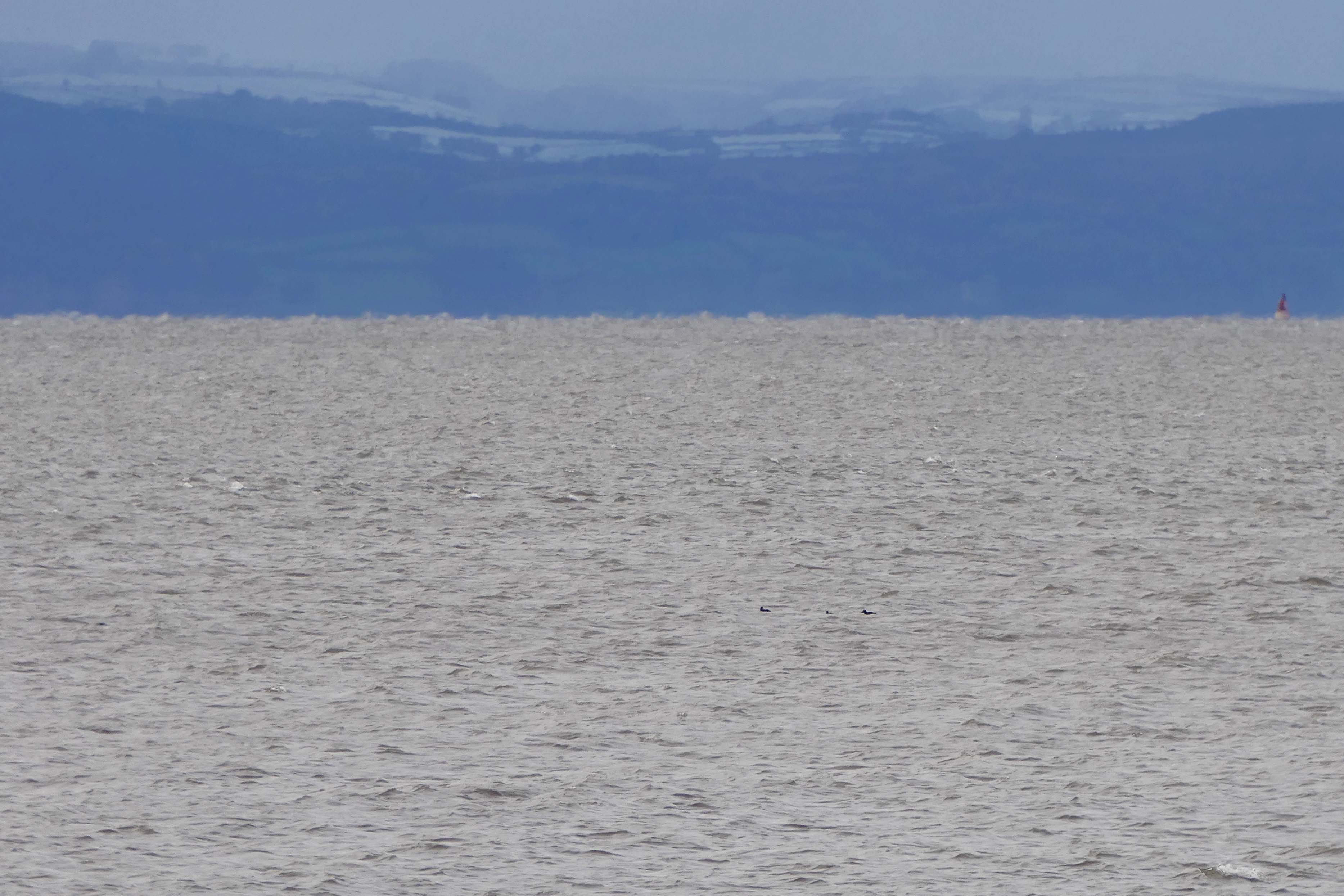
241127 scoters (1)

As I mentioned yesterday, cold stormy weather can bring in rarities, and it had, again, in the form of three scoters, two Common scoters (Melanitta nigra) and a Velvet scoter (Melanitta fusca). For me, using only binoculars, no telescope, these were even more distant than yesterday’s Red-breasted merganser, just three little black sea ducks bobbing along in the choppy waters off shore. We’d had Common scoters in Cardiff Bay earlier in the year (Distant birds, 25 April 2024) but I’d only ever seen a Velvet scoter once before, off Musselburgh beach, in Scotland, on a short birding trip with friends back in May 2018. So, it was definitely worth risking frostbite for even a distant glimpse of this one.
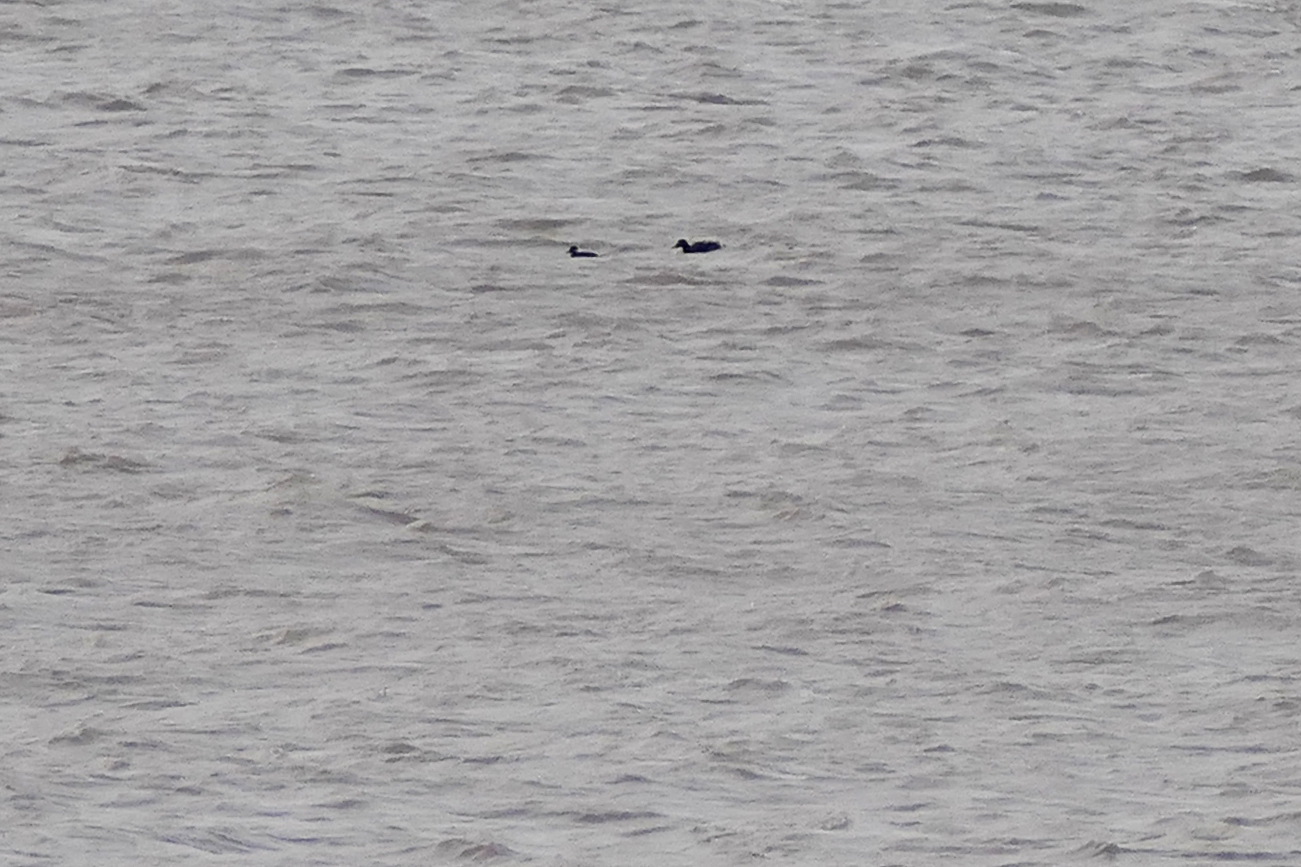
241127 scoters (2)
– one of the Common scoters is on the left; the larger duck on the right is the Velvet scoter
A distant bird

Tags

, , , , ,

Most folk prefer calm weather and warm temperatures but we birders often hope for the exact opposite. That’s because bad weather, especially cold stormy weather, often forces birds to seek shelter in locations where they wouldn’t normally be seen. That’s exactly what happened last week, and it brought a bird that’s usually more at home on the salty seas to Cosmeston Lakes Country Park.

241126 red-breasted merganser (1)

This is a Red-breasted merganser (Mergus serrator), a cousin of the Goosanders that overwinter in the non-saline waters (I hesitate to use the word ‘fresh’ to describe them) of Cardiff Bay, with a similar saw-like bill structure. I’ve only seen these mergansers a couple of times before and, sadly, this bird stayed quite far out from the lake shores so I didn’t get great views, despite trying to sneak a look from every possible direction. Still, it was wonderful to see one locally.

241126 red-breasted merganser (2)

Leafmines: Ectoedemia subbimaculella

Tags

, , , , ,

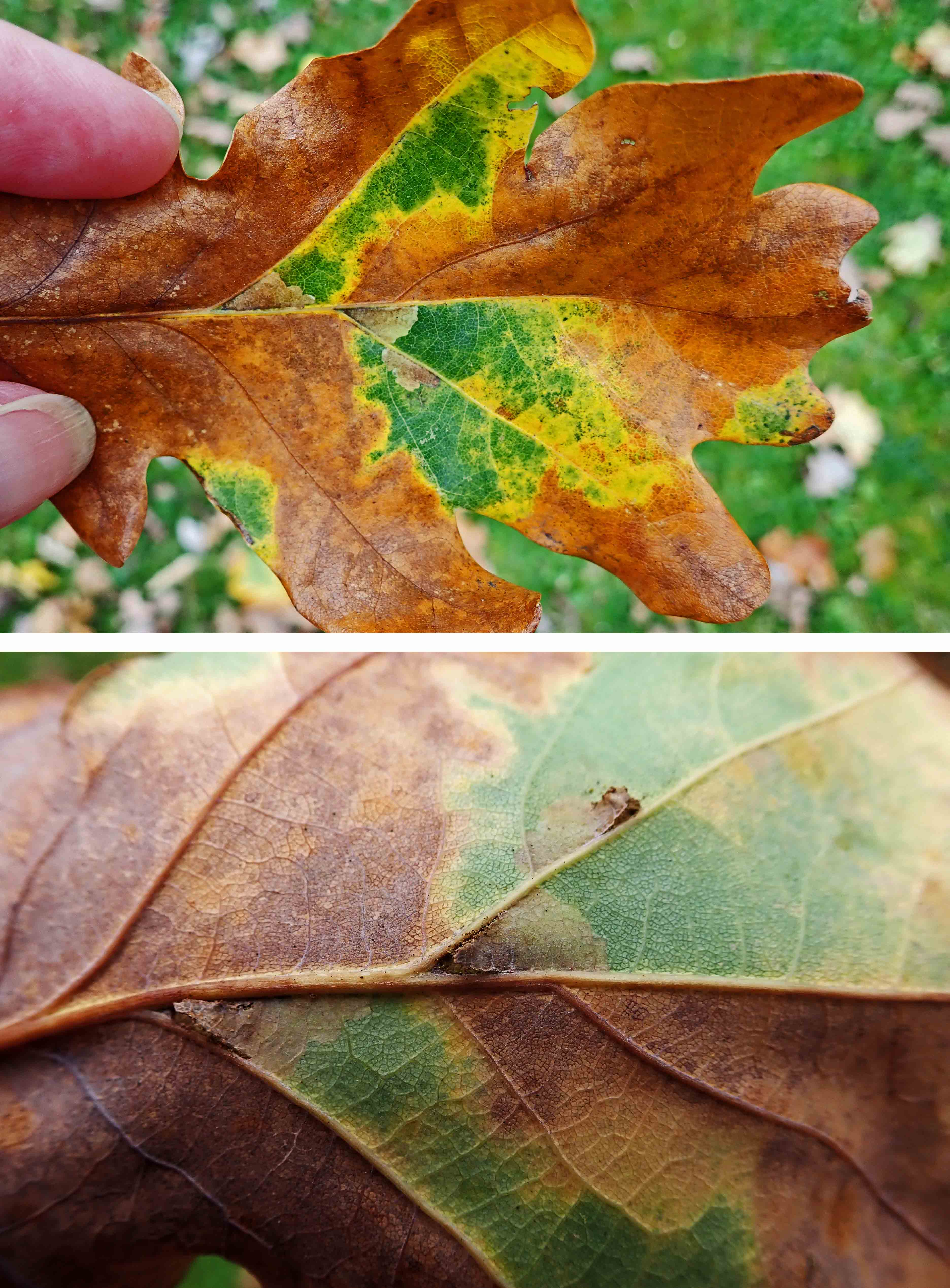
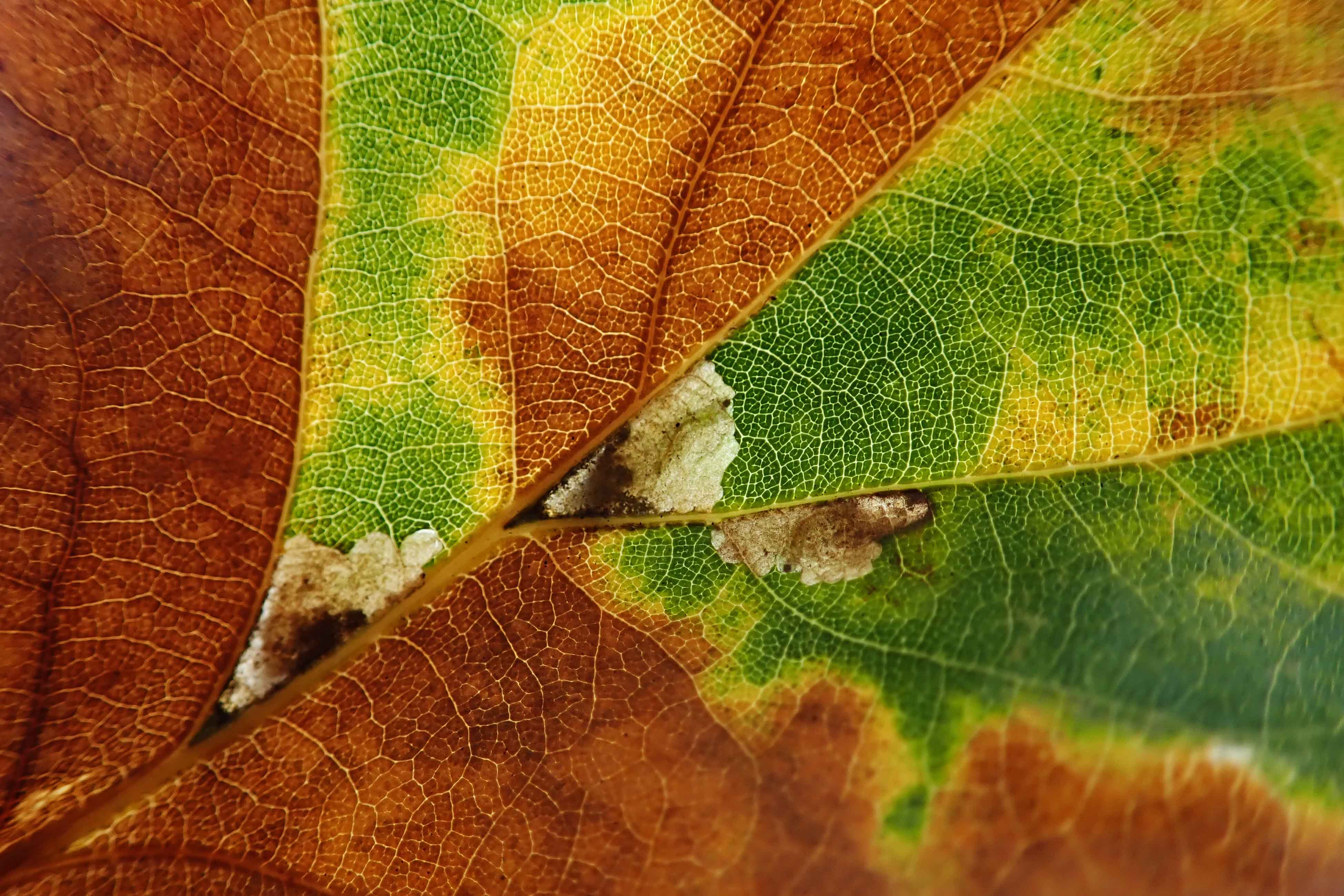
This is the second of the three new leafminers I recently found in ‘green islands’ on fallen Oak leaves during half an hour’s fossicking in one of my local parks. And this one, both the adult you can see on the UK Moths website and the mine of its larva, is very similar to the first of the three I blogged about (Leafmines: Ectoedemia heringi, 18 November).

241125 Ectoedemia subbimaculella (1)

Active during October and November, today’s leafmines were created by the larvae of the moth Ectoedemia subbimaculella, and the difference between the mines of the two species is the slit in the lower part of the mine, on the under side of the leaf, of this one. If you want further information and to see additional, better photos, check out the entry on the British Leafminers website.

241125 Ectoedemia subbimaculella (2)

Perennial wall-rocket

Tags

, , , ,

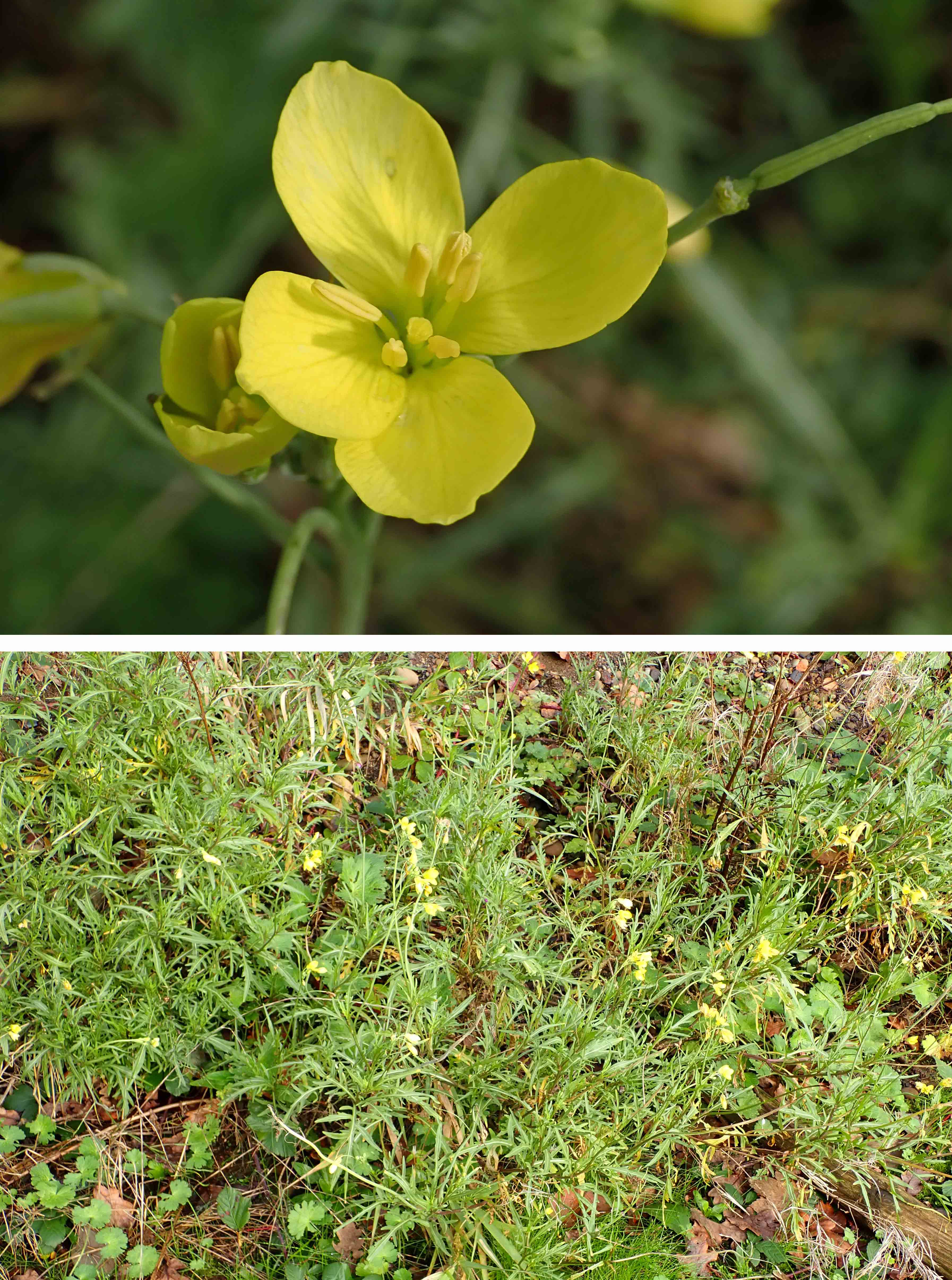
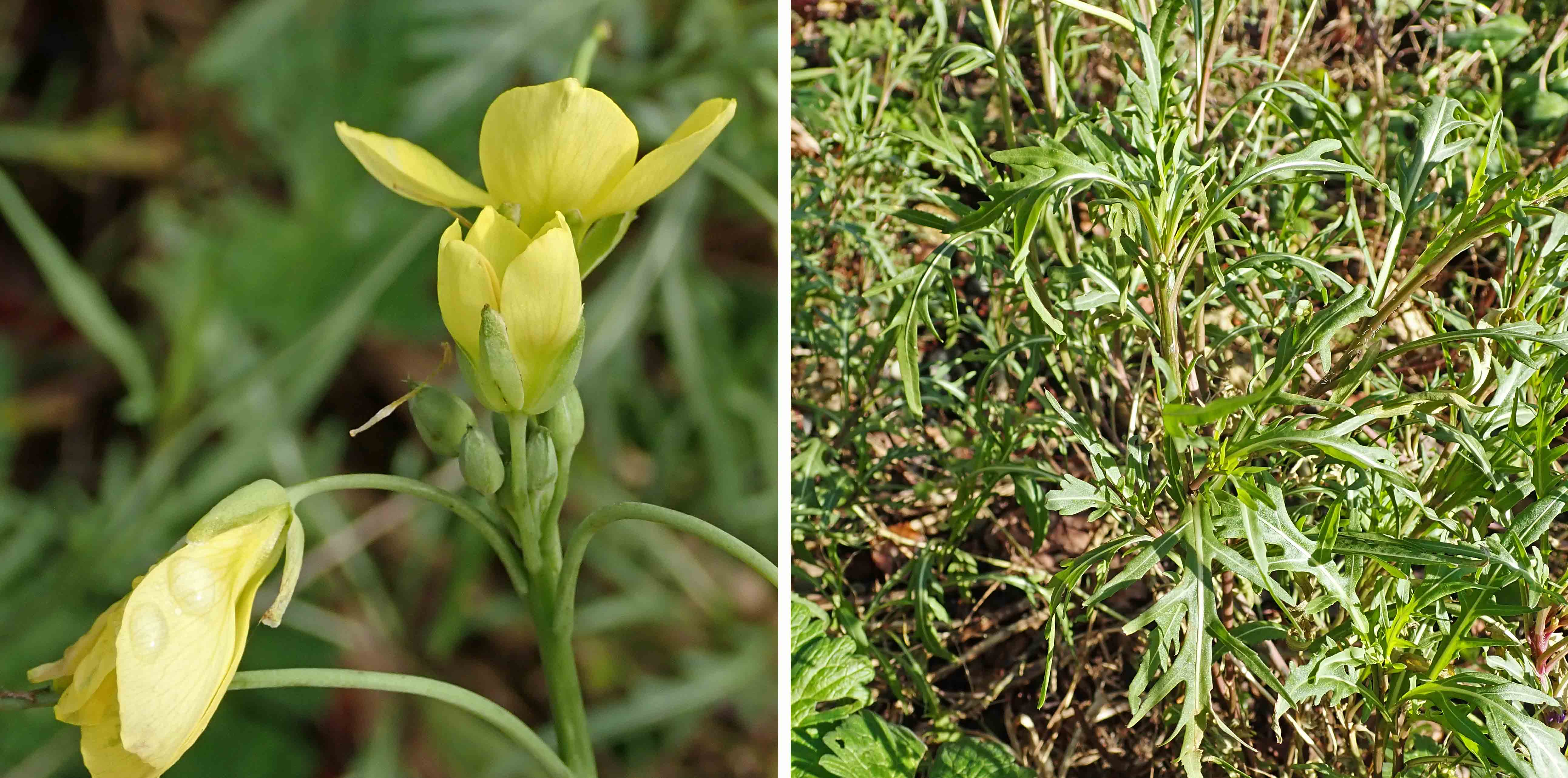
A new plant! As I’ve not been roaming far outside my local area this year, it can be difficult to find new plants to feature but, this week, I struck lucky as I had one of those ‘Oooo, that looks different!’ moments while wandering around Forest Farm Nature Reserve.

241124 perennial wall rocket (1)

I haven’t had this confirmed but I’m fairly certain this is Perennial wall-rocket (Diplotaxis tenuifolia). I found it growing on a spoil heap, a mound of dirt and stone chips and other wildflowers, which, from what I’ve read, is one of its preferred locations. It’s a member of the mustard family, and it seems gardeners also cultivate it as a vegetable, so I assume this particular plant has become naturalised, possibly from the nearby local allotments.

241124 perennial wall rocket (2)

Little egret on the canal

Tags

, , , , ,

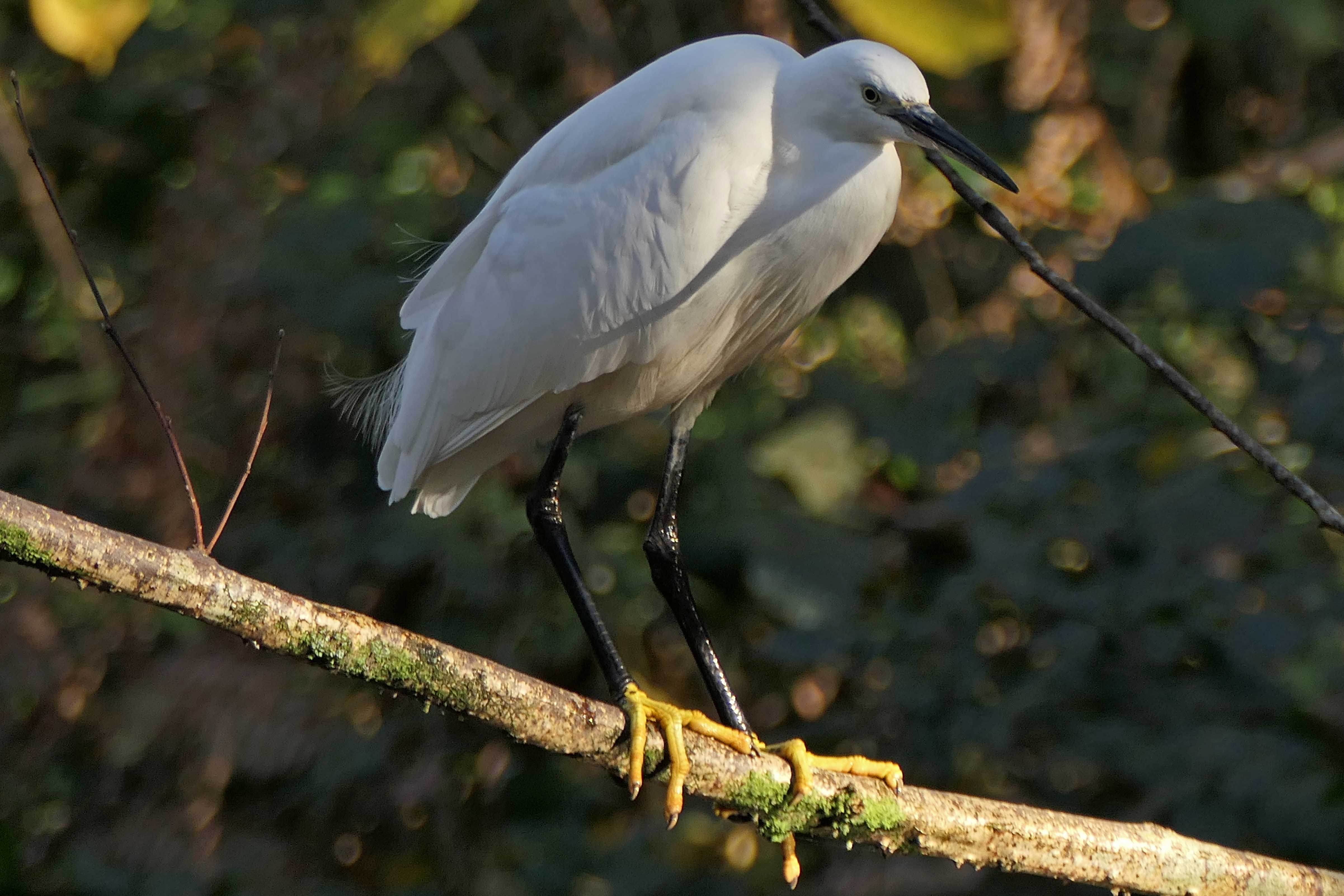
This gorgeous Little egret was foraging for food along the old Glamorgan Canal at Forest Farm Nature Reserve in north Cardiff yesterday.

241123 little egret

I took a short video to show how it uses its feet to stir up the sediment in the bottom of the canal to release tiny invertebrates and fish to feed on. It was fascinating to watch, and seemingly quite effective, and I couldn’t help but think it was almost like a dance, a leg shimmy, a Michael Jackson moonwalk in reverse.

Ballerinas and friends

Tags

, , , , , , , , , ,

I do like to take my friends walking in all the best places so, when I caught up with my friend Sharon last week (Hi, Shar!), part of our time was spent wandering around Cardiff’s Cathays Cemetery. This might sound a bit morbid but the cemetery is one of the best places I know for fungi. Here are some of the delights we found …

241122 ballerina waxcap

My first Pink (Ballerina) waxcaps (Porpolomopsis calyptriformis) of the year

241122 snowy waxcap

And also my first Snowy waxcaps (Cuphophyllus virgineus)

241122 smoky spindles

There were several clumps of Smoky spindles (Clavaria fumosa), most just past their best

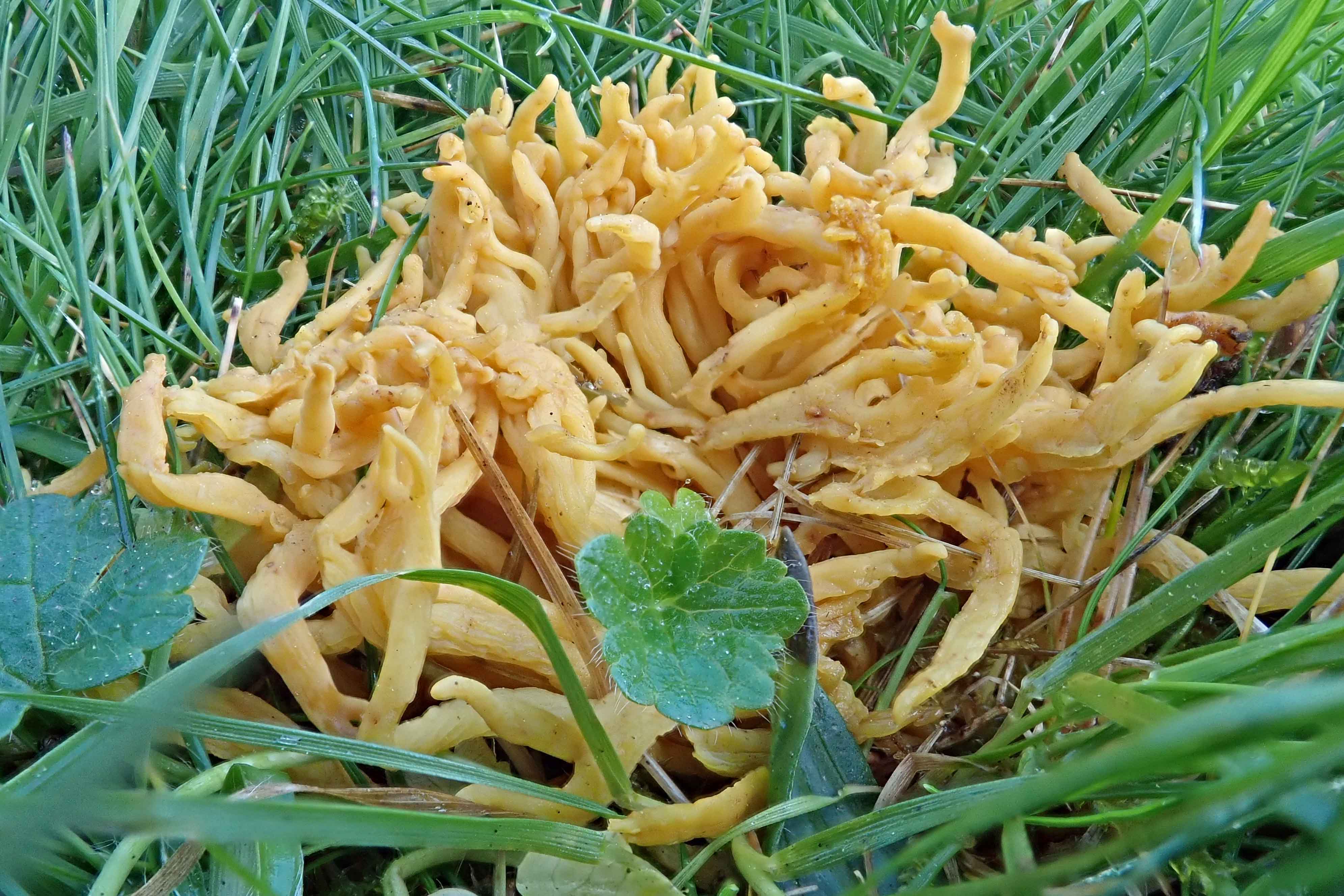
241122 meadow coral

And this clump of Meadow coral (Clavulinopsis corniculata) was a lovely find.

Aphid giving birth

Tags

, , , ,

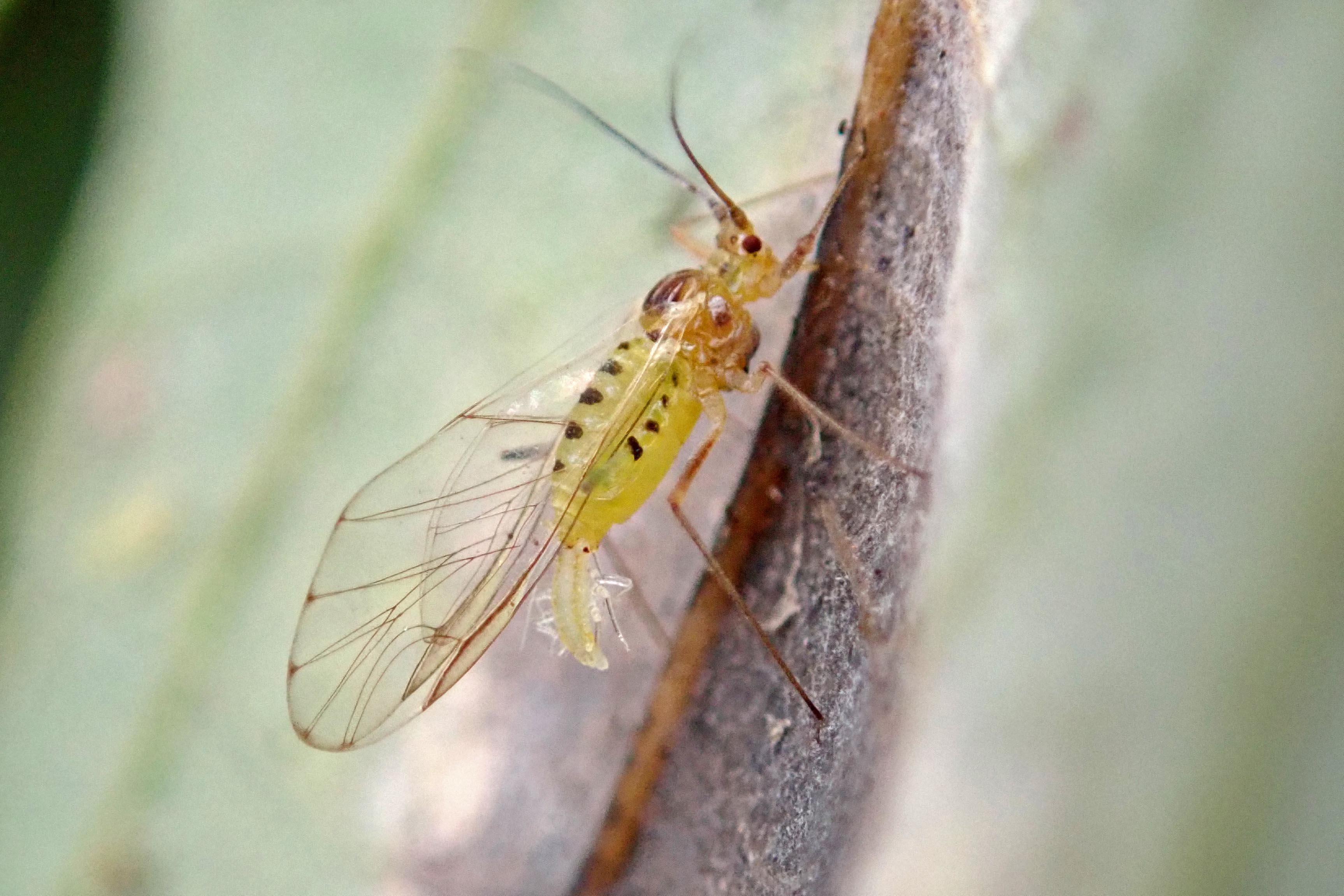
Did you know that aphids give birth to live young?

241121 sycamore aphid giving birth

When I was turning over Sycamore leaves one day last week, I noticed this adult Sycamore aphid (Drepanosiphum platanoidis) was in the process of giving birth. As well as the photo, I tried to capture a short video but that didn’t go well. You can just see the baby wiggle its legs before the end of the video, which I had to cut short because the passage of the other tiny creature through the frame caused the camera to lose focus, and the adult aphid scurried away before I could try again.

Winter 16 wildflowers

Tags

,

Those of us who love wildflowers are now checking each week to see which wildflowers we can find that are still in bloom. These are a selection of those I found when wandering around my local area last Sunday. I thought they’d make a nice cheery mid-week post, especially as the temperatures have now plunged towards winter levels and flower numbers will no doubt diminish accordingly.

241120 winter16

My image shows Bramble, Bush vetch, Creeping buttercup, Creeping thistle, Daisy, Dandelion, Field madder, Hedge woundwort, Herb Robert, Knapweed, Mayweed, Nipplewort, Pineapple weed, Ragwort, Self heal, and Sun spurge.

Scaly legs

Tags

, , , ,

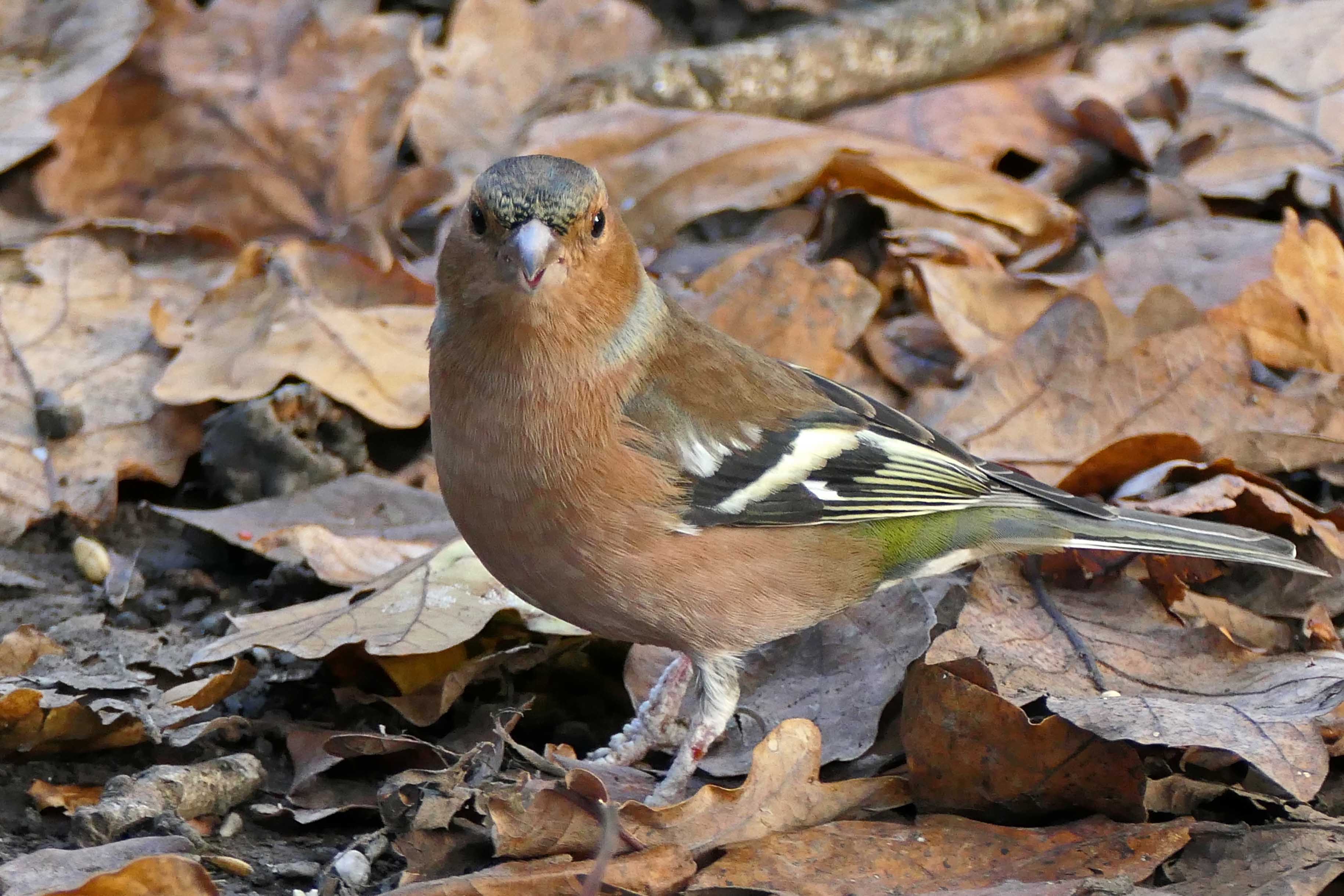
This lovely Chaffinch was one of the little birds that came to feed on some seed I’d sprinkled on and around a tree stump in a local woodland last week, and I couldn’t help but notice that the poor thing was suffering from swollen and scabby looking legs. According to the British Trust for Ornithology website, there could be several reasons for this: ‘mites of the genus Knemidocoptes‘; the virus Fringilla papillomavirus, which causes growths that look a bit like warts and affects Chaffinches and Bramblings; and bacterial infections. From the BTO’s description, this particular Chaffinch appears to be suffering from the ‘scaly legs’ caused by mites. The possibility of spreading diseases like these is why anyone who feeds birds in their garden should regularly and thoroughly clean their feeders to prevent cross-infection.

241119 chaffinch

Leafmines: Ectoedemia heringi

Tags

, , , , ,

There’s a local park I don’t often visit as it’s a bit too managed for my liking but, recently, when I didn’t have time for a longer walk, I headed in that direction. And I’m very glad I did as, during one 30-minute period of fossicking through fallen Oak leaves, I found three new leafminers, all feeding in the ‘green islands’ their own chemicals had induced in the leaves. This is the first, Ectoedemia heringi, distinguishable from a similar species Ectoedemia albifasciella by the brown head seen here on the larva in the mine. You can read more about this species on the British Leafminers website and see the very attractive adult moth on the UK Moths website.

241118 Ectoedemia heringi