Emergence

Tags

, , , ,

As well as the second broods of butterflies I blogged about on Thursday, there are three other butterfly species that have recently begun to emerge locally.** I didn’t include them in my previous post, as these species have different life cycles: they overwinter as adults, generally hibernating somewhere sheltered, though sometimes appearing briefly on unseasonably warm winter days.
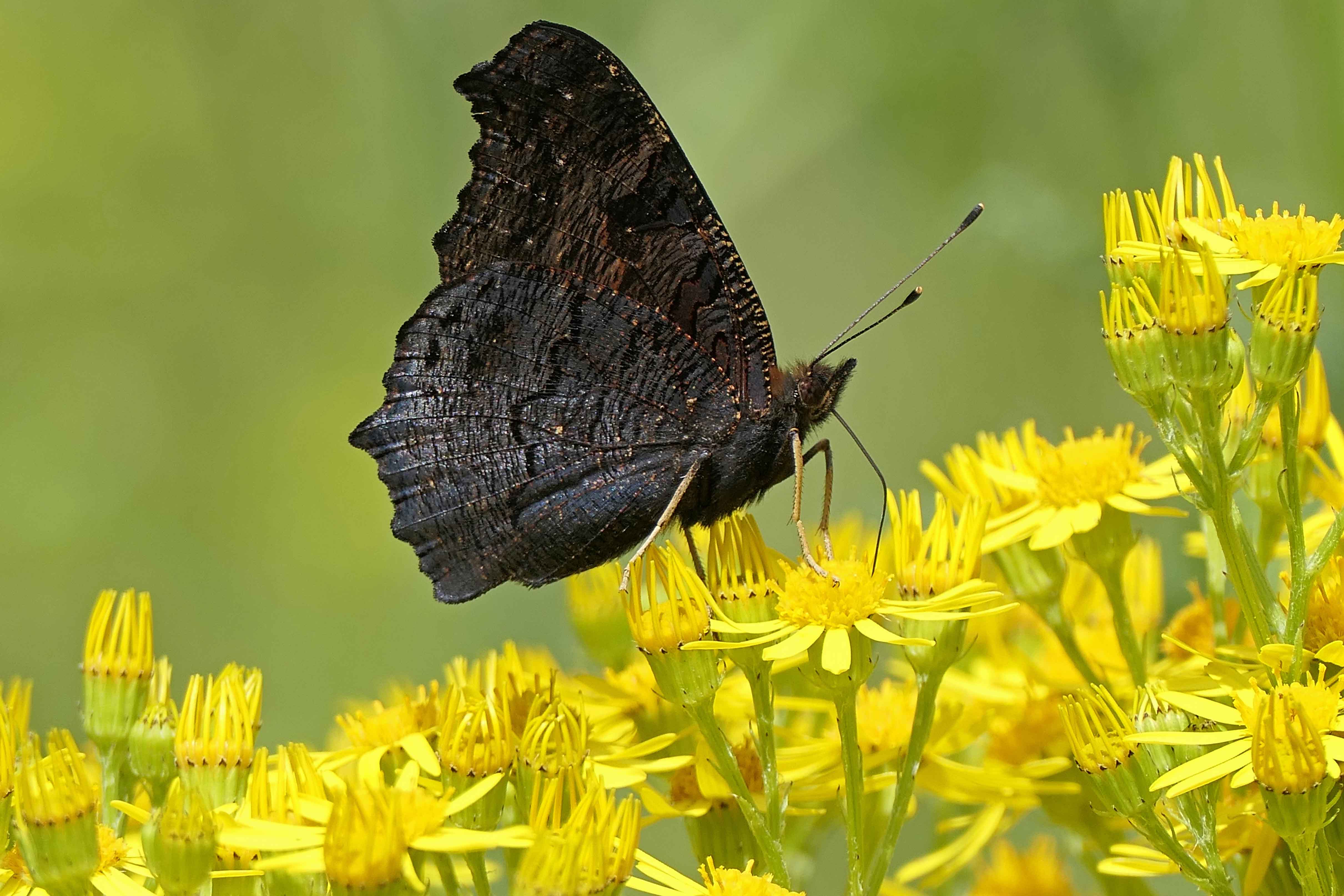
240808 peacock

Peacocks awaken in the Spring, laying their eggs during May, with the adults emerging from mid July.

240808 comma

The Comma’s life cycle is a little different. They also emerge from their winter sleep in springtime, but they usually have two broods each year, with the first eggs being laid between early April and mid May, and the second from late June to mid August.

240810 brimstone

The Brimstone is another British butterfly that spends most of its life as an adult, and enjoys the distinction of being ‘our longest-lived butterfly’ (Life Cycles of British & Irish Butterflies). It only has one brood per year, with eggs being laid between mid April and the start of June, with the adults emerging at the beginning of August.

** I would love to be able to include Small tortoiseshell in this blog, as they also overwinter as adults and their second broods should be emerging about now but, tragically, I have only seen one of this species in 2024, back at the start on April. And most of my butterfly-loving acquaintances have noticed a similarly disastrous decline in numbers, with some not having seen a single Small tortoiseshell this year.
Red and yellow and brown

Tags

, , ,

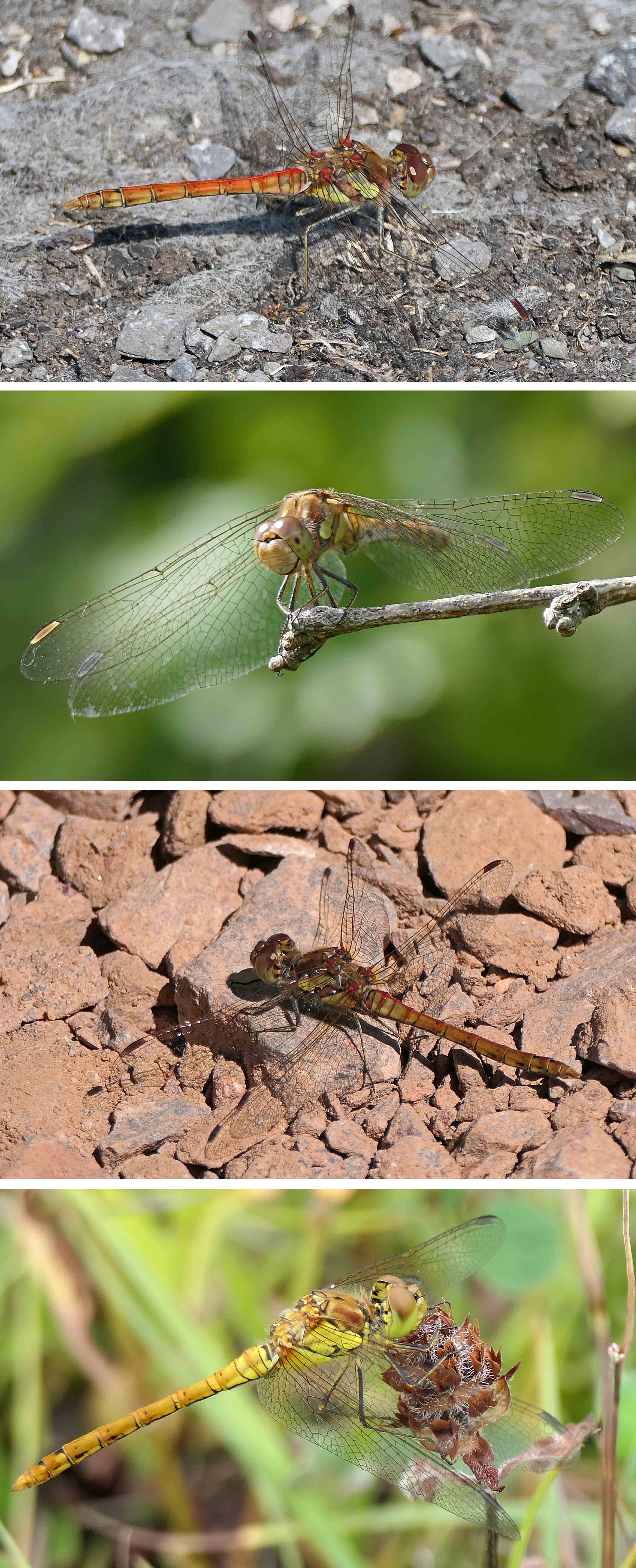
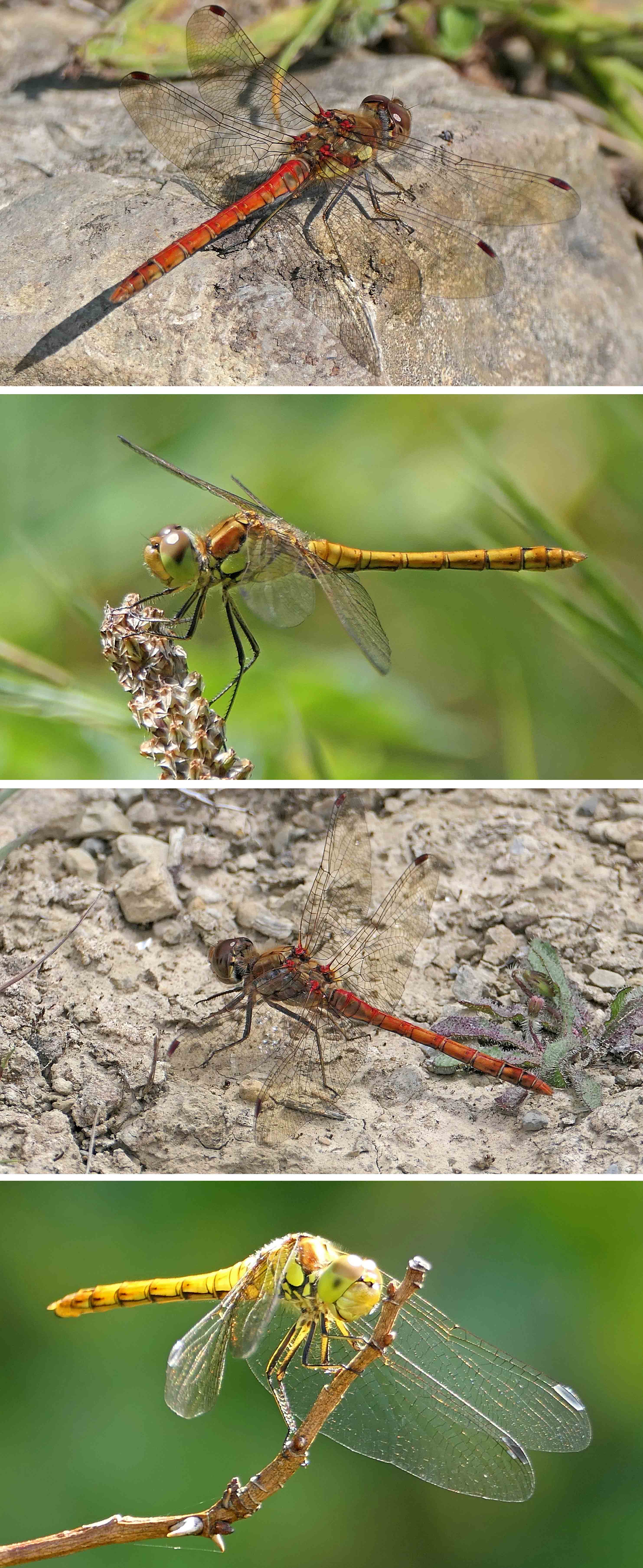
Generally speaking, female Common darters (Sympetrum striolatum) are yellow and males are red. However, as with so many things, the reality is not so black and white – or, rather, yellow and red.

240809 common darters (1)

Immature Common darters are usually yellow in colour, regardless of sex; and, as they age, the colours of both sexes often become dull, the males losing their vibrancy and looking quite brownish, the females turning reddish so they resemble males.

240809 common darters (2)

Second broods

Tags

, , , , , , ,

After seeing very low numbers of the first broods of butterflies earlier in the year, I’m hoping that the second broods that are now hatching will have better luck with the weather and be able to breed successfully so that population numbers recover in 2025. These are some of the beautiful butterflies I’ve seen that have recently emerged.

240808 brown argus

Brown argus

240808 common blue

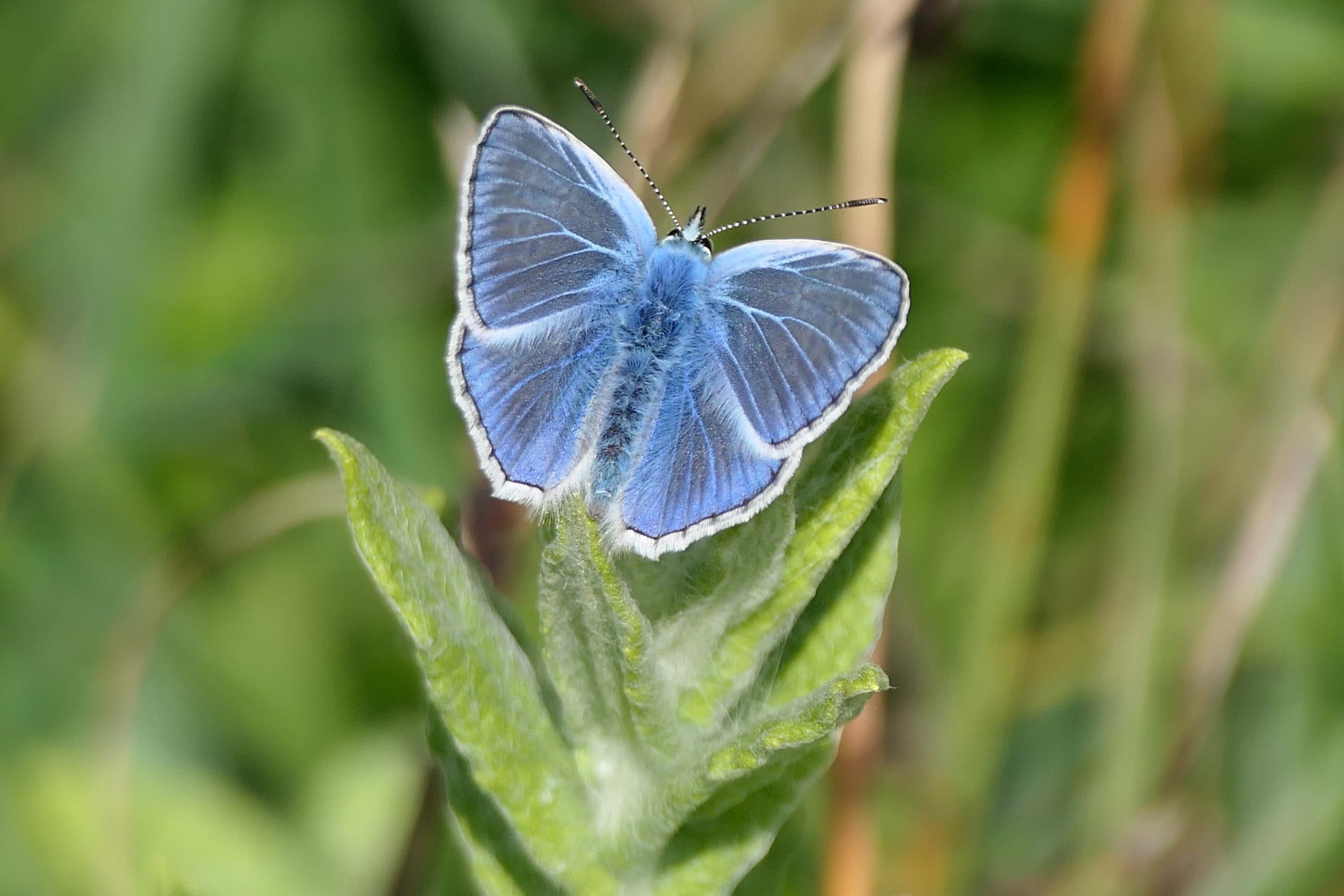
Common blue

240808 holly blue

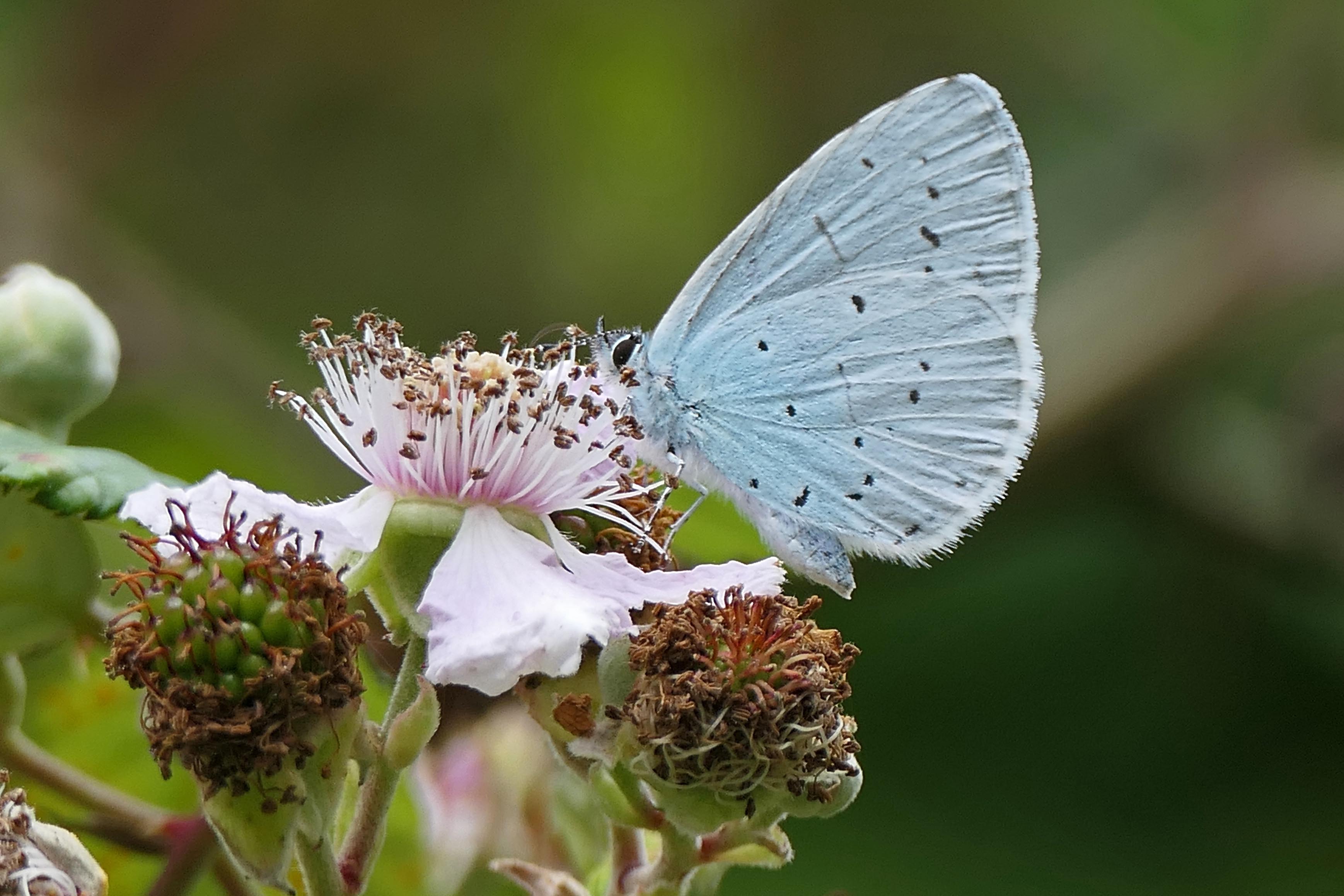
Holly blue

240808 small copper

Small copper

Reappearing

Tags

, , ,

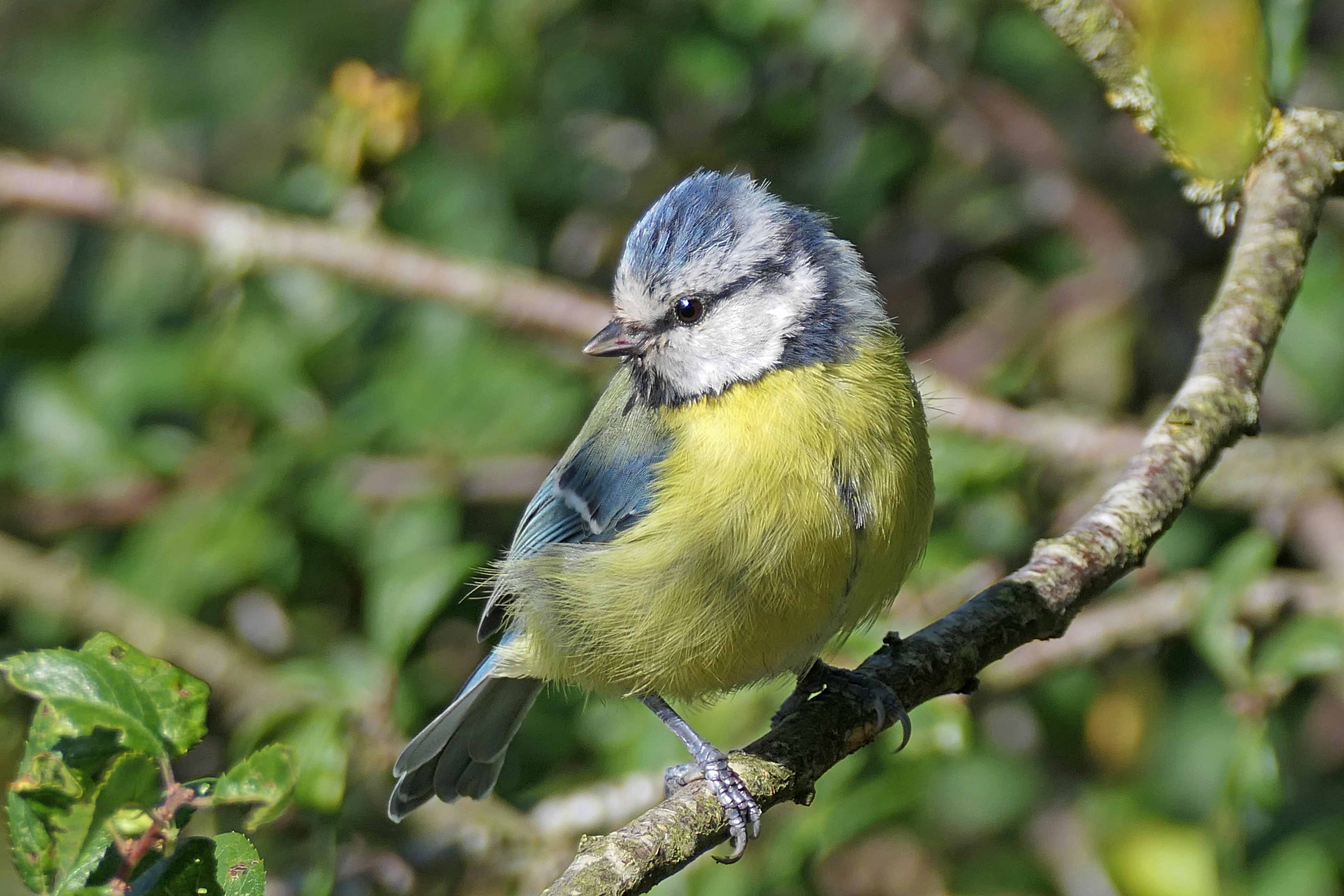
It’s been very quiet during my recent walks as the local birds have been recovering from raising their chicks and then going through their annual moult. But yesterday was different. Some birds were leading their youngsters through the trees and shrubs, all of them frequently emitting contact calls to keep in touch with each other. Others – like this little Blue tit – were singing again, and those joyous sounds made me realise how much I’d missed hearing them, and how cheering their songs can be.

240807 blue tit

Dead crab

Tags

, , , ,

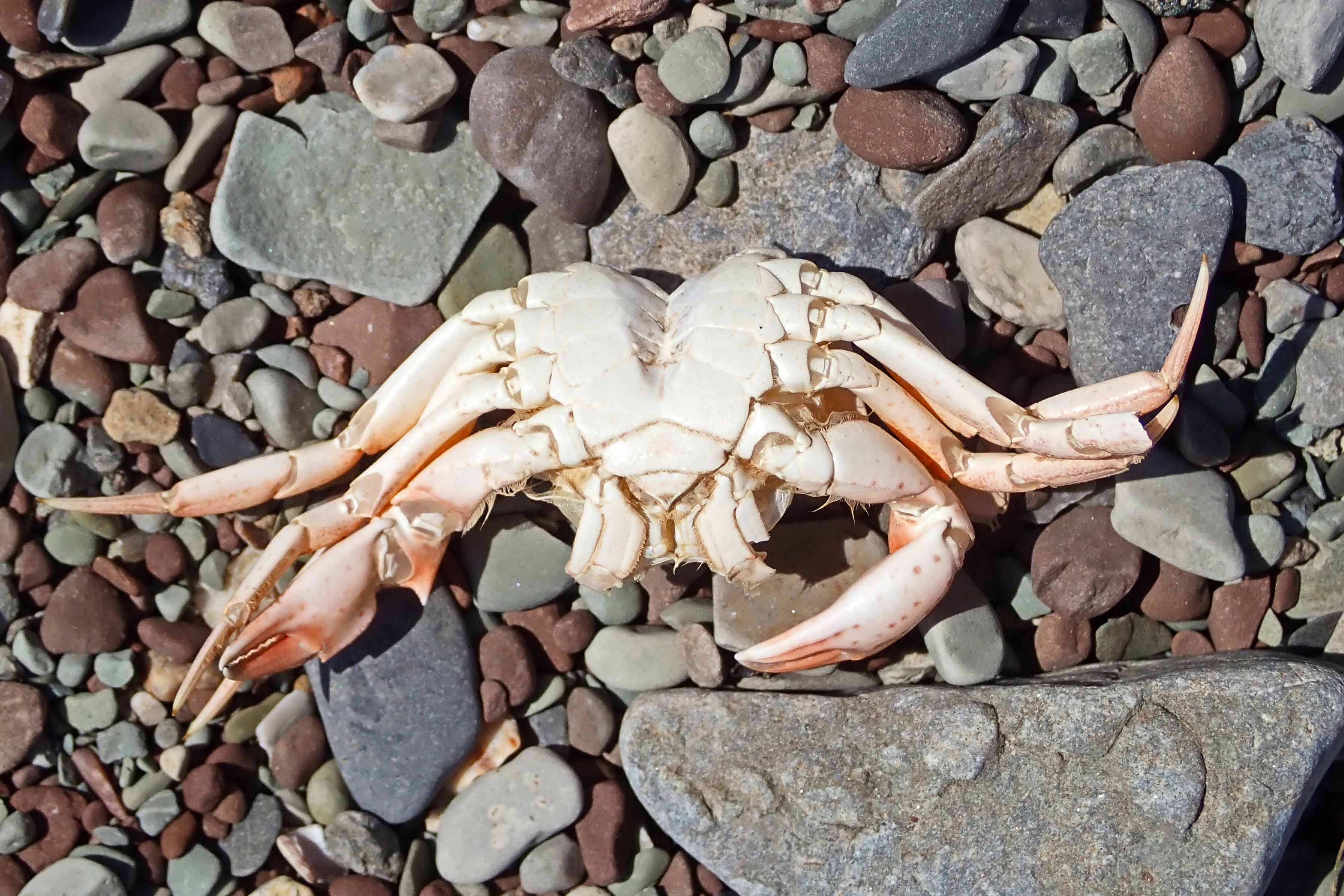
As the Shore crab (Carcinus maenas) is the most common crab found in rock pools on British beaches, I assume this dead crab I found on a local beach is one of those.

240805 shore crab (1)

The reason I can’t be sure is that you need to check the pattern of spikes on a Shore crab’s shell and, as you can see, this one was missing its shell, presumably because a seabird removed it to feast on the meat inside.

240805 shore crab (2)

Leafmines: Cameraria ochridella

Tags

, , , , ,

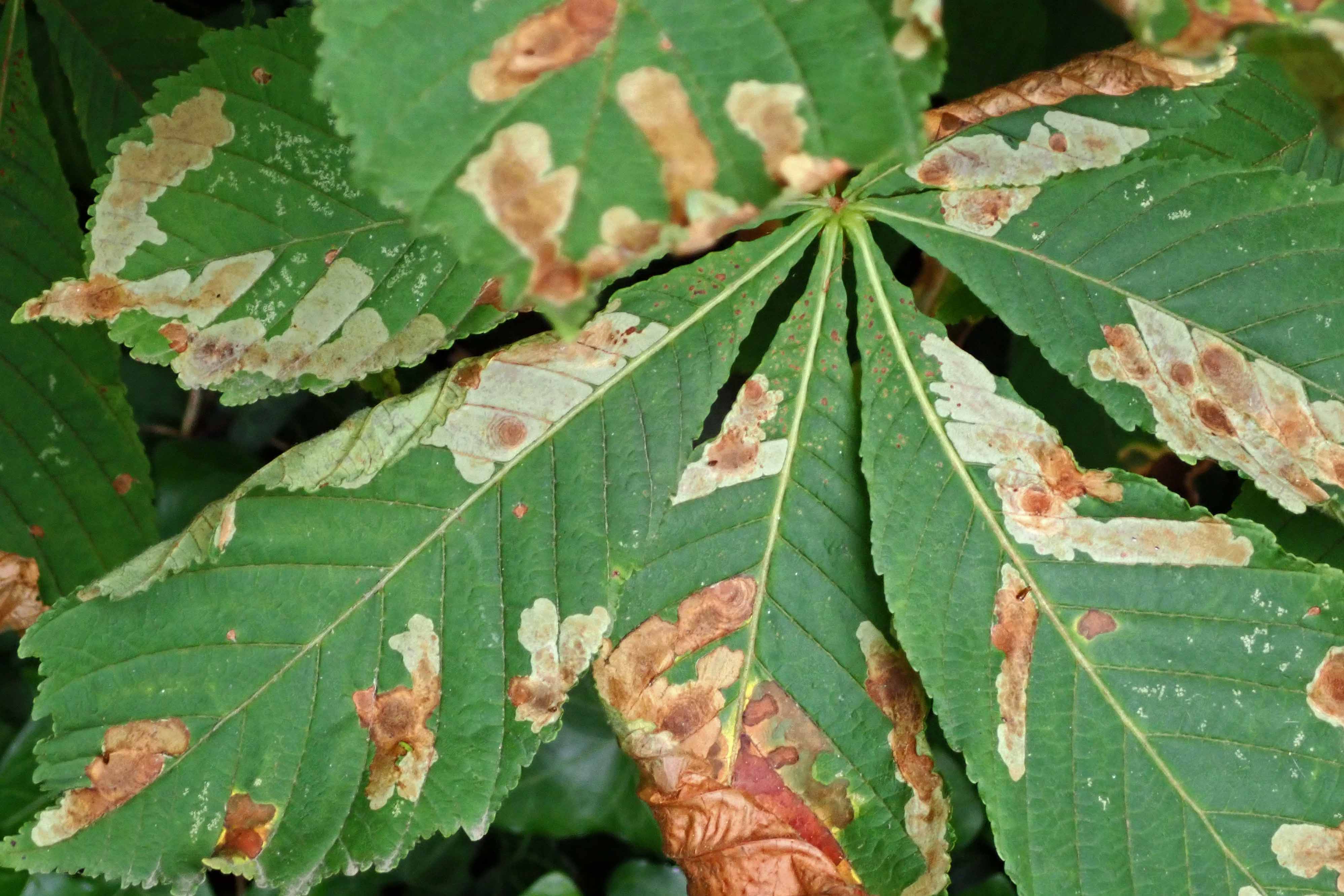
As it’s very common, I’m sure you’ve all seen this damage on the leaves of Horse chestnut trees. These are leafmines, made by the larvae of the Horse chestnut leafminer (Cameraria ochridella) (see my blog Horse chestnut leafminer, 18 July 2018).

240805 Cameraria ochridella (1)

Until last Friday, I’d only ever seen the leafmines, never the adult moth. But, as I walked past this particular Horse chestnut tree, lots of tiny creatures were flitting around its lower leaves. At first, I wasn’t sure what the creatures were – they looked like little flies. Then one of them landed on a leaf in front of me and I managed to get a closer look – a moth, not a fly, and very prettily marked too.

240805 Cameraria ochridella (2)

I must have stood watching for 15 minutes or more, waiting for a moth to settle and snapping a few quick photos before it zipped off … and again … and again. It was a good test of my patience, and I’m really glad I was in the right place at the right time to see these beautiful moths.

240805 Cameraria ochridella (3)

Upright hedge-parsley

Tags

, , ,

I’m not very good at identifying umbellifers – Wild carrot, Hogweed, Cow parsley, Wild parsnip are fairly straight forward but I tend to ignore the others. So, when I spotted this clump and immediately thought ‘That looks different’, I thought I’d make an effort to work out what it was. I took a few photos but, when I got home and started checking, I quickly realised I needed more detailed and specific images. Luckily, this plant was growing somewhere I often pass so I managed to get more photos last Wednesday. This is how, using photos and information I found on the Wildflower Finder website, I managed to identify the plant as Upright hedge-parsley (Torilis japonica).

240804 upright hedge-parsley (1)

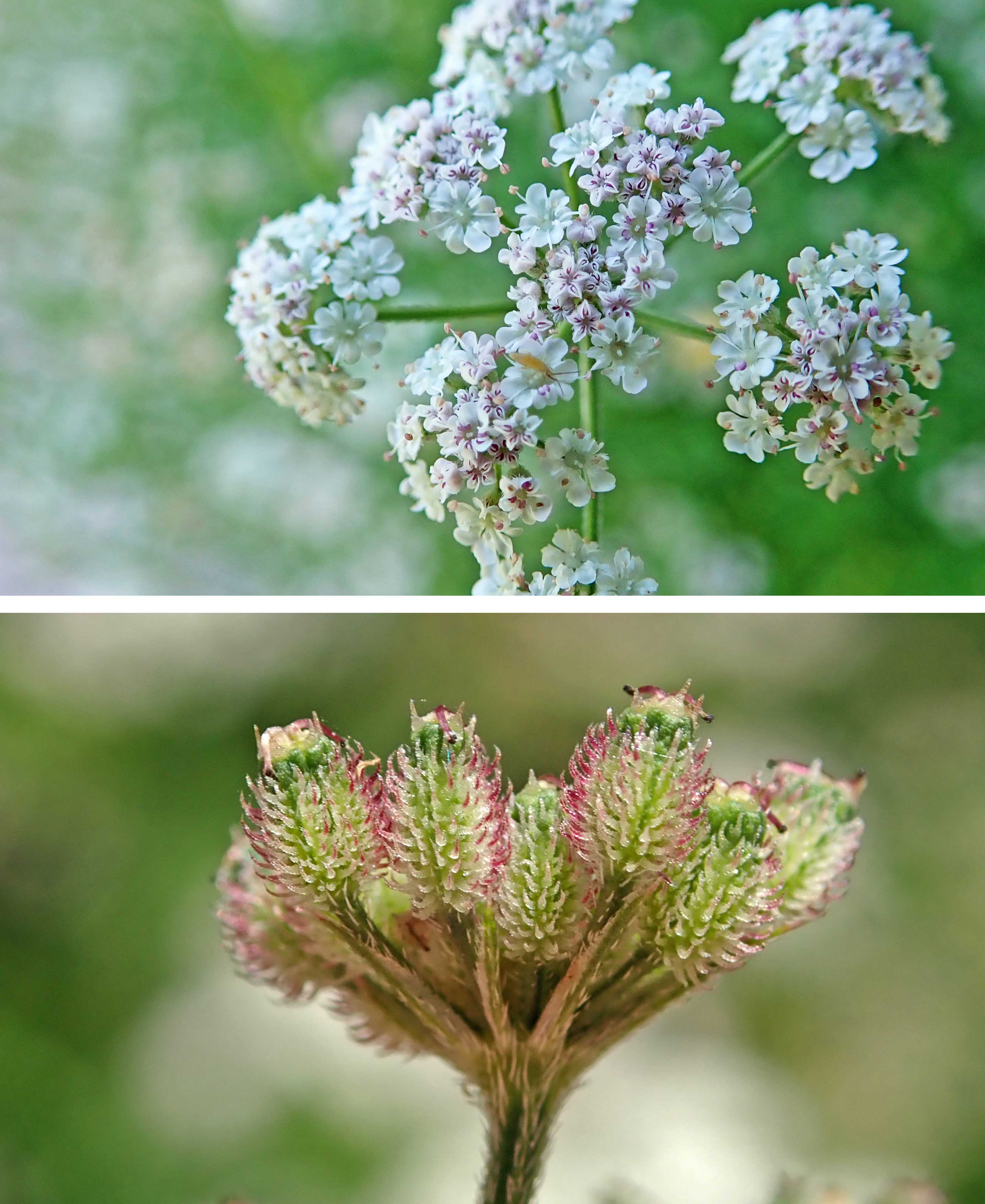
The stems of the plant are quite thin but stiff, and the flowers are held on umbels, which have between 5 and 9 umbellets (little clumps of flowers). The stems (and leaves) are covered in ‘white bristly hairs giving it a slight rough feel’. Beneath the umbels, there are bracts (like narrow leaves), which ‘are often just underneath the “spokes” of the umbels and therefore usually hidden from view’.

240804 upright hedge-parsley (2)

At each join, where a stalk branches out from the main stem, you can see a small leaf. The leaves are larger at the bottom of the plant, smaller towards the top. The shapes of the leaves match those I found on the Wildflower Finder website.

240804 upright hedge-parsley (3)

The flowers are mostly white, though some have a pinkish tinge, all with 5 red anthers. The fruits form immediately underneath the flowers, and can be seen more clearly when all the petals have fallen off. ‘The fruits are barrel-shaped and are surrounded by vertical rows of spines’ and ‘The white and red spines on the fruits are curved inwards like horns, and taper towards the tip….’

Hoverfly: Melangyna umbellatarum

Tags

, , , ,

My guide book, Britain’s Hoverflies (Ball and Morris, Princeton, 2015) says the Melangyna ‘is a challenging genus with several species which are very difficult to identify’, and I thought ‘Just my luck! I might as well give up now’.

240803 Melangyna umbellatarum (1)

Fortunately, I didn’t, and, as this particular species has a shiny thorax and pale, almost white abdominal markings, it proved easier than expected to identify my first ever hoverfly from this genus. This little beauty has now been confirmed as Melangyna umbellatarum, a female that was egg-laying on Hogweed in Cardiff’s Heath Park last week.

240803 Melangyna umbellatarum (2)

You may just be able to spot one of her tiny white eggs above her head in the top photo, and I was able to get a close up (photo above). This was also the first time I’d observed a hoverfly laying her eggs.

Flies: Sciara species

Tags

, , , , ,

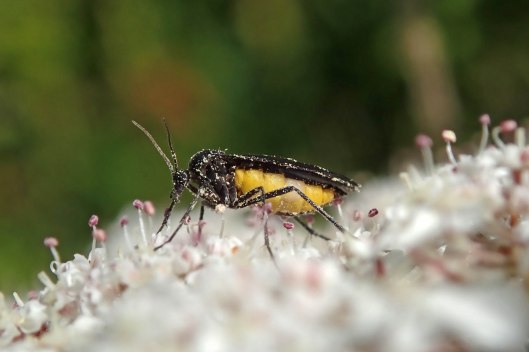
When I first noticed these little flies feasting on the nectar of Wild carrot flowers, I thought perhaps they were sawflies but, when looking at my photos on my laptop later, I realised their heads were far too small.

Turns out these are some kind of fungus gnat though, according to the NatureSpot website, there are several species with the same bright yellow abdomen. So, although these flies look very like the Sciara hemerobioides shown on that website, I’ve recorded them as Sciara species. As you may have worked out, it’s the larvae that feed on fungus, whereas the adults prefer umbellifers and other flora.

The weird & wonderful world of Sawfly larvae

Tags

, , , , , ,

I mentioned earlier in the week, in my post about the sawfly larva Heterarthrus vagans mining the leaves of Alder, that I’d found that miner while checking out leaves to see what small creatures had been munching holes in their leaves. And my recent staring at holey leaves on other trees and shrubs, in other locations, has produced a nice variety of Sawfly larvae, some that look like regular caterpillars, others like slimy slugs. I’ve linked the names to the Sawflies of Britain and Ireland website for those interested in more information on each species.

240801 Caliroa annulipes

Caliroa annulipes on Hawthorn

240801 Caliroa cerasi

Caliroa cerasi, also on Hawthorn

240801 cladius sp

An unidentified Cladius species, on Field rose

240801 eriocampa ovata

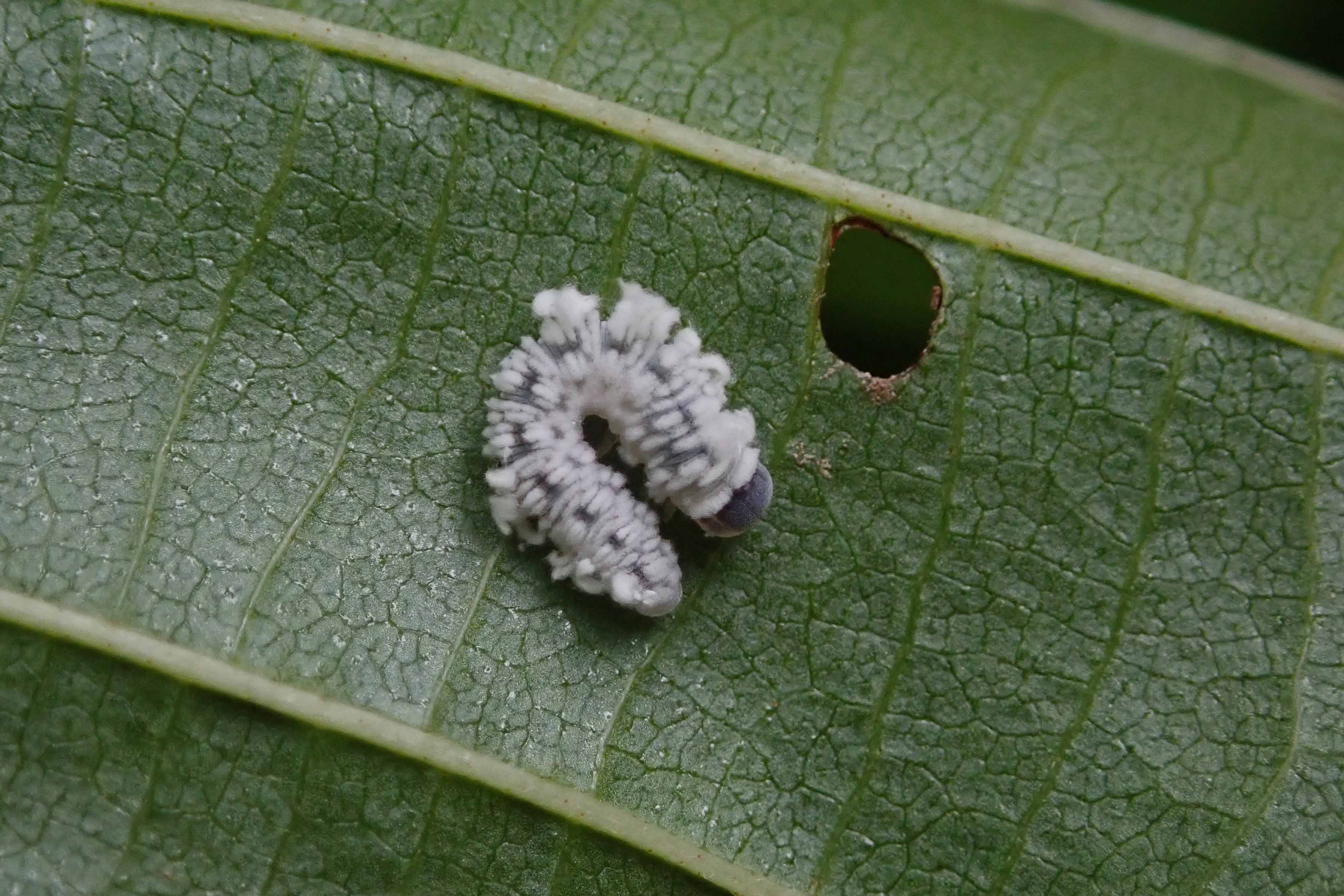
The one that looks like bird poo, Eriocampa ovata, on Alder

240801 Euura pavida

One of the bum-waggling species, Euura pavida, on Willow

240801 Nematus septentrionalis

Another bottom waggler, Nematus septentrionalis, on Birch. I love how their munching has created a heart from their leaf.