Azure bluets

Tags

, , , , ,

These beautiful creatures were my most recent odonata finds of the year. In Britain, we tend to call them Azure damselflies but they are more widely known as Azure bluets (Coenagrion puella), the Bluets being the family of small damselflies whose males are mostly blue and black. Together with the Common blues/bluets (Enallagma cyathigerum), these are the two most common blue damselfly species across Europe.

240514 azure damsels

Leafminers: Eriocrania sangii

Tags

, , , , ,

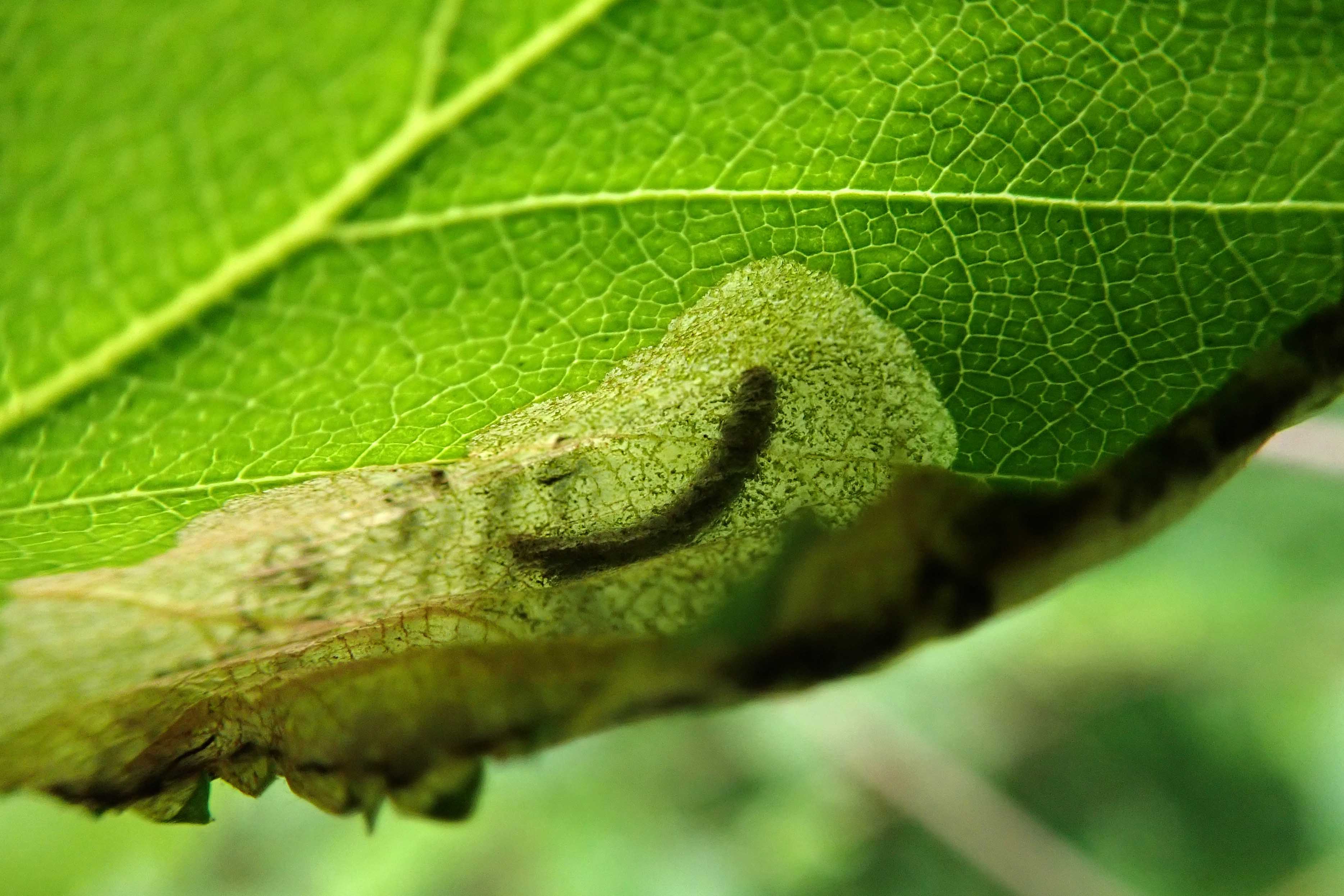
Last week I covered Eriocrania semipurpurella; this week’s leafminer is the second of the eight British Eriocraniidae moth species I’ve now found mining the leaves of Birch trees.

240513 Eriocrania sangii (1)

This dark grey larva (the colour makes this the easiest of the family to identify) will eventually develop into the moth Eriocrania sangii, which looks to be a very pretty sparkly purple if the image on the UK Moths website is true to life.

240513 Eriocrania sangii (2)

Yellow flag irises

Tags

, , , ,

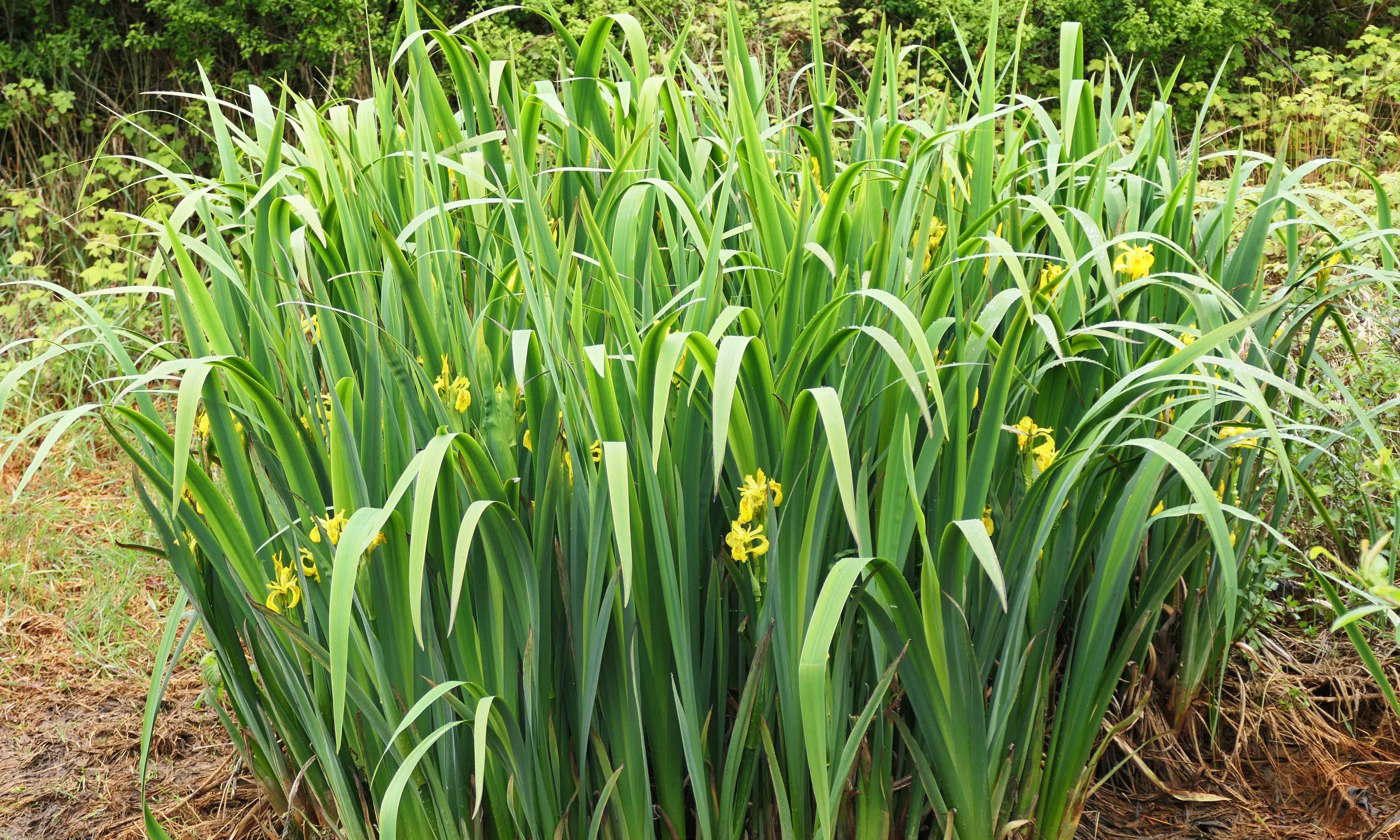
Until this last week of hot dry weather, this large clump of Yellow flag irises (Iris pseudacorus) had its roots in a pool of water, their preferred habitat, the leaves looked lush and verdant, the flowers sunny and glorious.

240512 yellow flag iris (1)

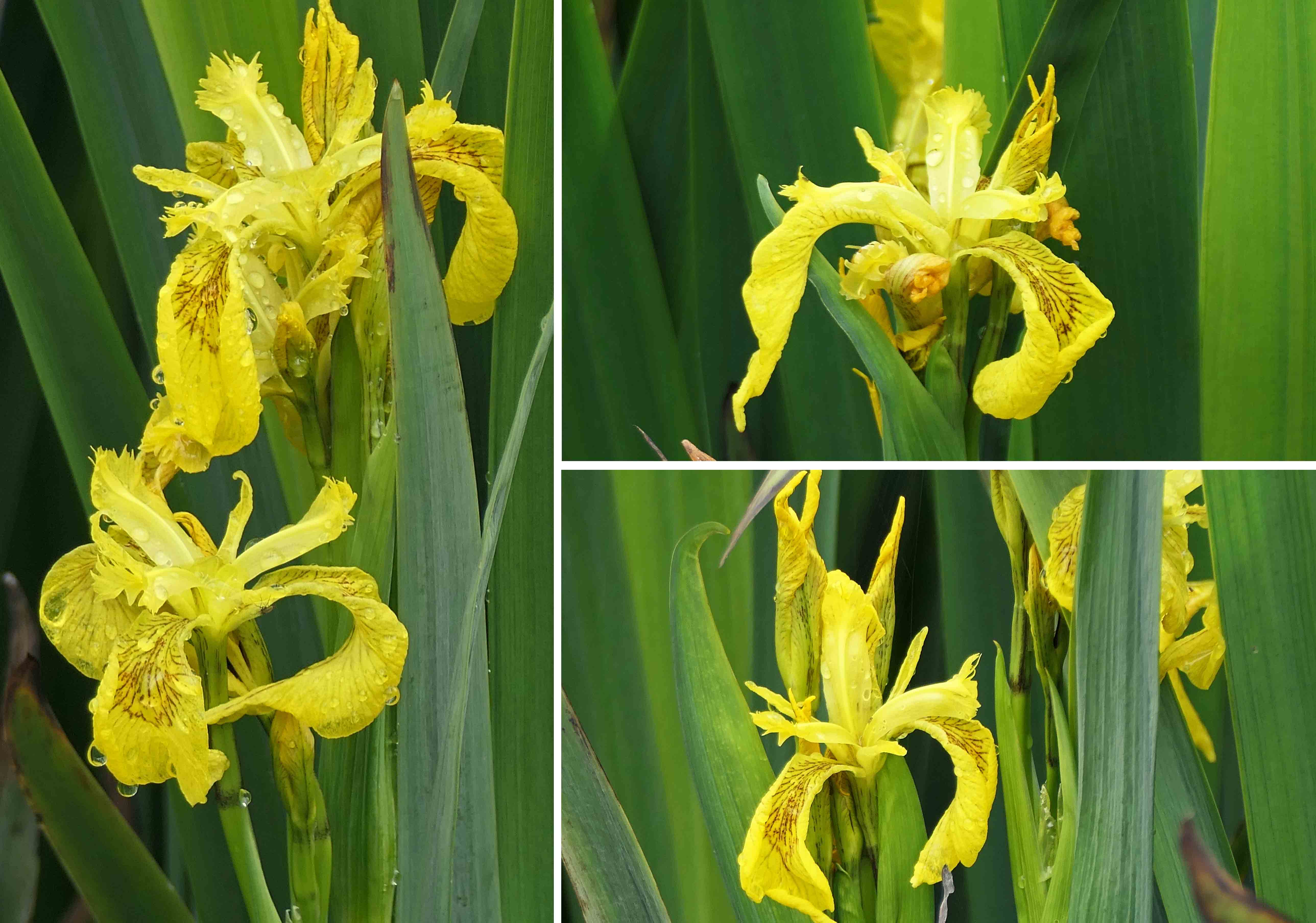
These plants can withstand quite dry conditions, but, as I write this late Sunday afternoon, we have constant thunder and torrential rain, so I think their feet will be damp once again and the irises will be looking lovely for some time yet.

240512 yellow flag iris (2)

Summer fire

Tags

, ,

While yesterday’s butterfly (a Dingy skipper) was late to arrive, today’s is about on time. I actually saw my first (the one pictured below) yesterday at Cosmeston Lakes Country Park, and another during today’s walk through the meadows at Casehill Woods. These vibrant Small coppers are such a delight, and their fiery colours are the very embodiment of summer for me.

240511 small copper

Delayed Dingy

Tags

, ,

They’re late this year compared to previous years, the Dingy skippers. I only saw my first on Wednesday 8 May whereas last year my first sighting was on 1 May; in 2022 it was 25 April; in 2021 23 April; in 2020 6 May and in 2019 my first Dingy was on 30 April. It just shows what a difference the climate makes: our cool wet spring weather seems to have had quite an impact on the emergence of many insects but this week has been warm and sunny, encouraging many mini-beasties to appear.

240510 dingy skipper

A surprising beetle find

Tags

, , ,

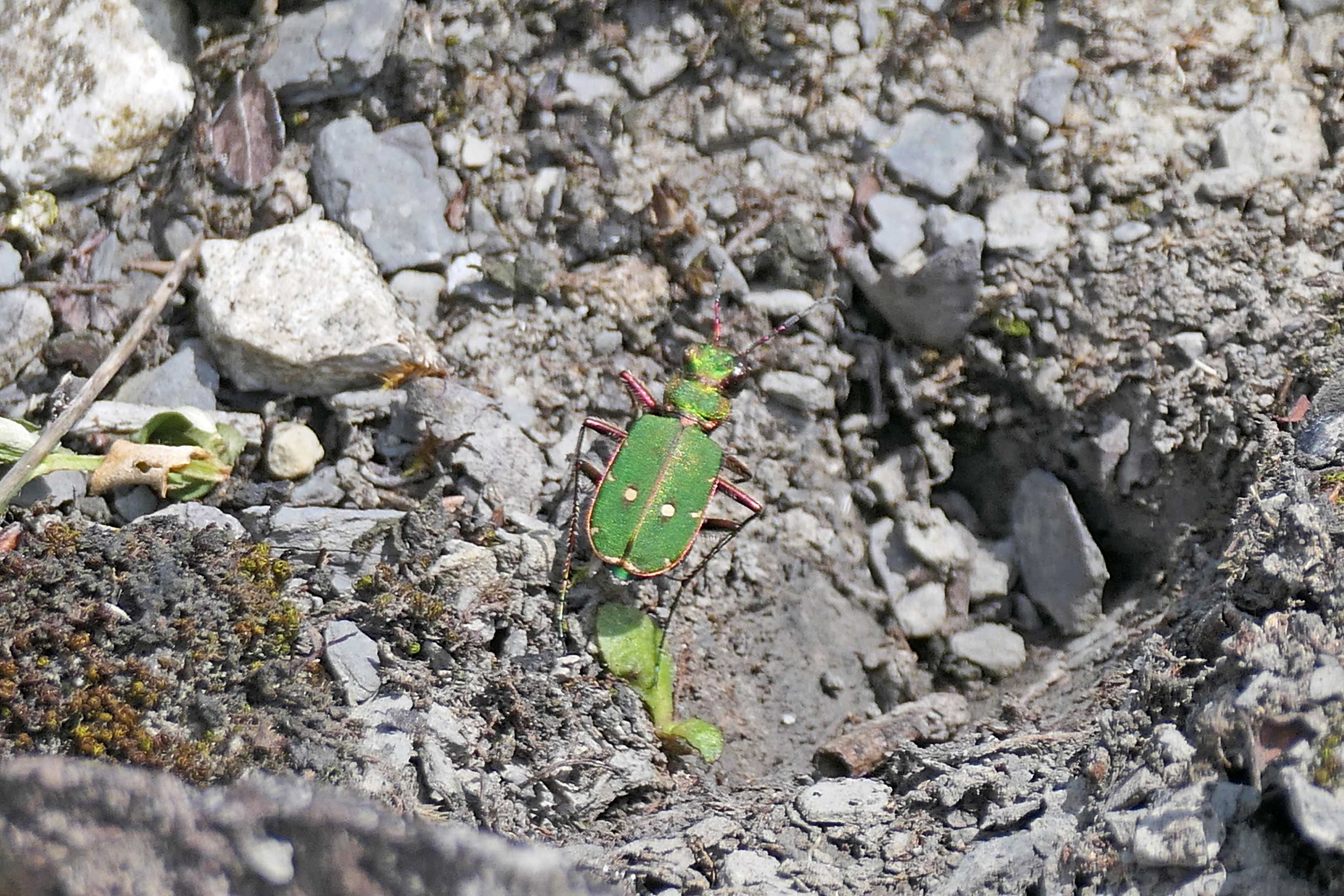
I am often amazed at how creatures manage to move long distances, especially small creatures like this Green tiger beetle (Cicindela campestris) I found at Cosmeston Lakes Country Park yesterday. At just 15mm long, this little beetle can run much faster than you might think, and it can also fly quite well for short distances, but it has never been recorded at Cosmeston before, and a check of the Welsh biodiversity database shows the nearest records were over 10 kilometres away and not recent. So, did it hitch a ride in someone’s car, catch a train and fly from the station, hop on a bus? And, if there’s one, are there more? I will be looking.

240509 green tiger beetle

Four Red kites

Tags

, , ,

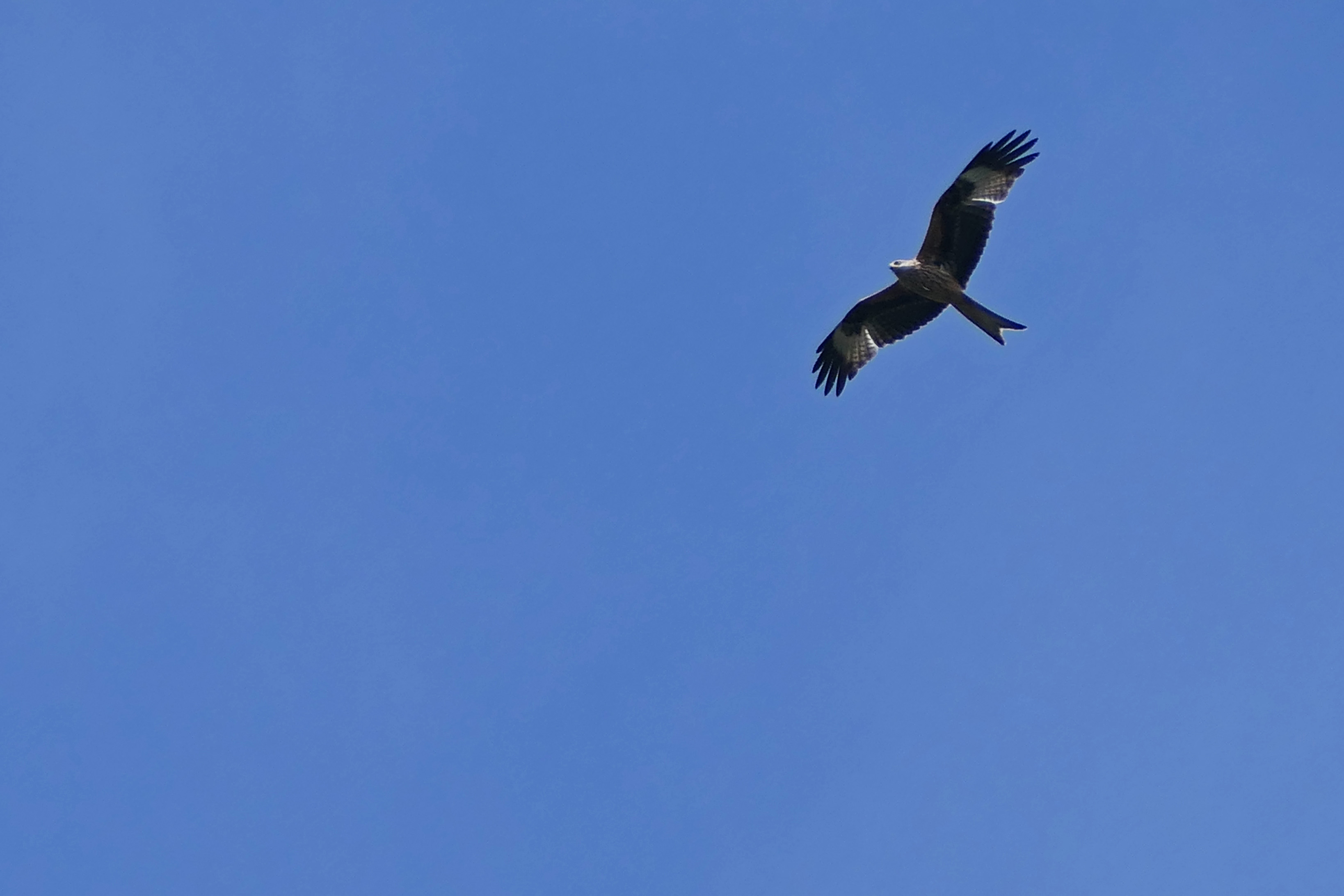
We don’t often see Red kites in my part of coastal south Wales so you can probably imagine my delight yesterday to see four gliding overhead while I was exploring Lavernock Nature Reserve. They gradually circled higher, taking advantage of the warm weather thermals, before slowly drifting over the coastal fields towards Penarth and Cardiff. What a treat!

240508 red kite

Canada goslings

Tags

, , , , ,

Yesterday’s star birds were these Canada geese and their two gorgeous goslings in an inlet along the River Ely in Cardiff. The male looks like he’s watching me but he’s actually watching a male Mute swan on the water below the path where I was standing. A pair of Mute swans also nest in this inlet (the female is currently sitting on their nest) and it seems the male was not at all happy about the presence of the Canada geese. He went storming across the inlet towards the geese, which promptly took evasive action. The female Canada goose quickly disappeared into the nearby reed bed with her offspring while the male goose headed toward the swan, and then, at the last minute, veered to one side, leading the swan, which continued to chase him, towards the open river, away from his vulnerable family. It was well done!

240507 canada goslings

Leafminers: Eriocrania semipurpurella

Tags

, , , , ,

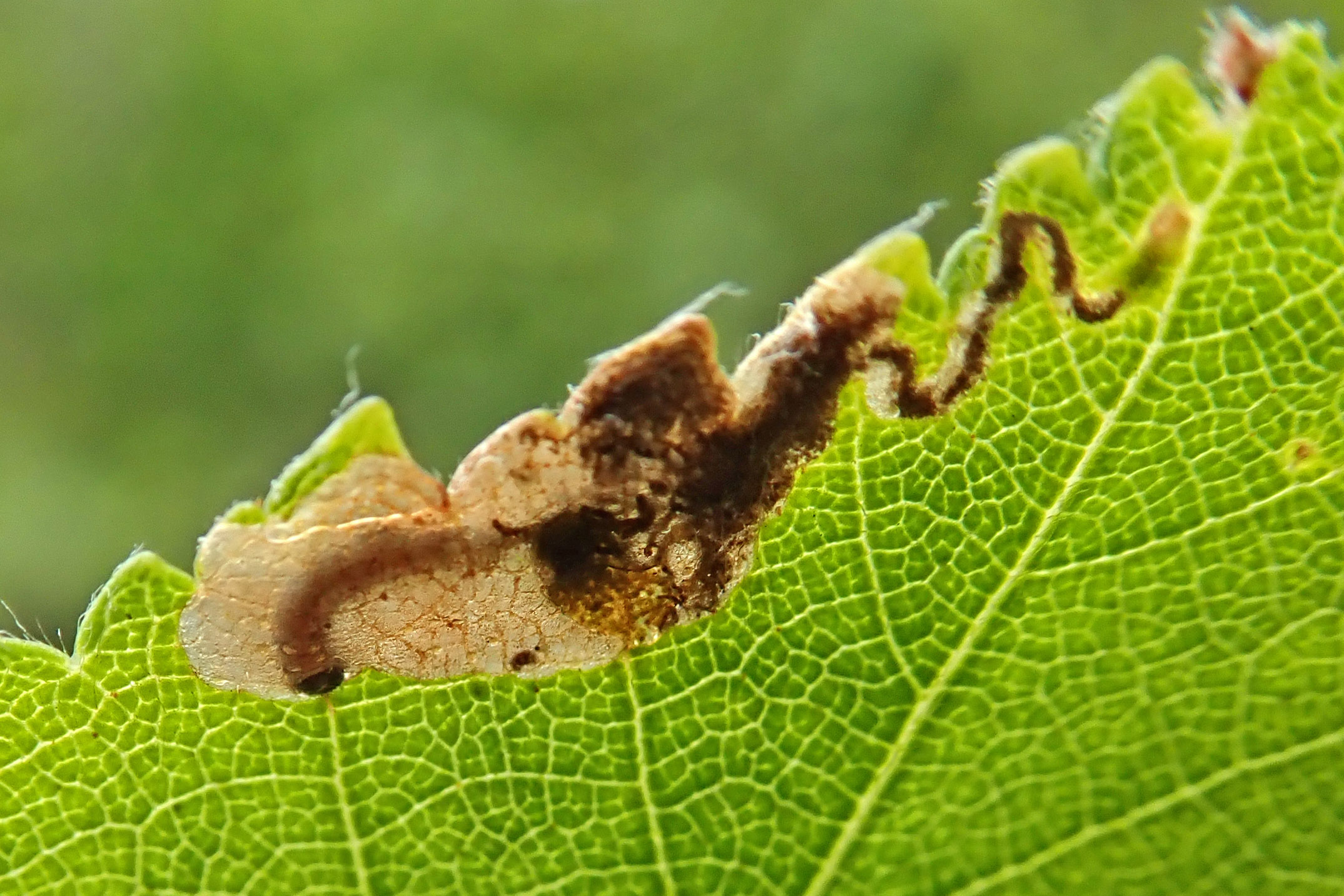
There are eight Eriocraniidae species of moth in Britain, the larvae of which can all be found mining the leaves of Birch trees at this time of year. And this means that, whenever I’m out walking and pass a Birch tree, I have to stop and stare at its leaves, looking for the signs of leaf mining. This is the first one I’ve found, Eriocrania semipurpurella, and it’s the biggest and most common of the Eriocraniidae. You can see what the adult moth looks like on the UK Moths website here.

240506 Eriocrania semipurpurella (1)

The entry on the British Leafminers website explains: ‘The mine starts at or near the leaf edge and then widens into a blotch. The young larva has a dark head and sclerotizations on the prothorax (as shown) [click the link to see the images]. As the larva matures it loses these dark markings….’ I am still finding these mines tricky to differentiate – the British Leafminers site has a page of images that is a good starting point, and I’m lucky to have contact with one of the site managers, Rob Edmunds, so can easily get my finds checked.

240506 Eriocrania semipurpurella (2)

Red-flowered Cowslips

Tags

, , , , ,

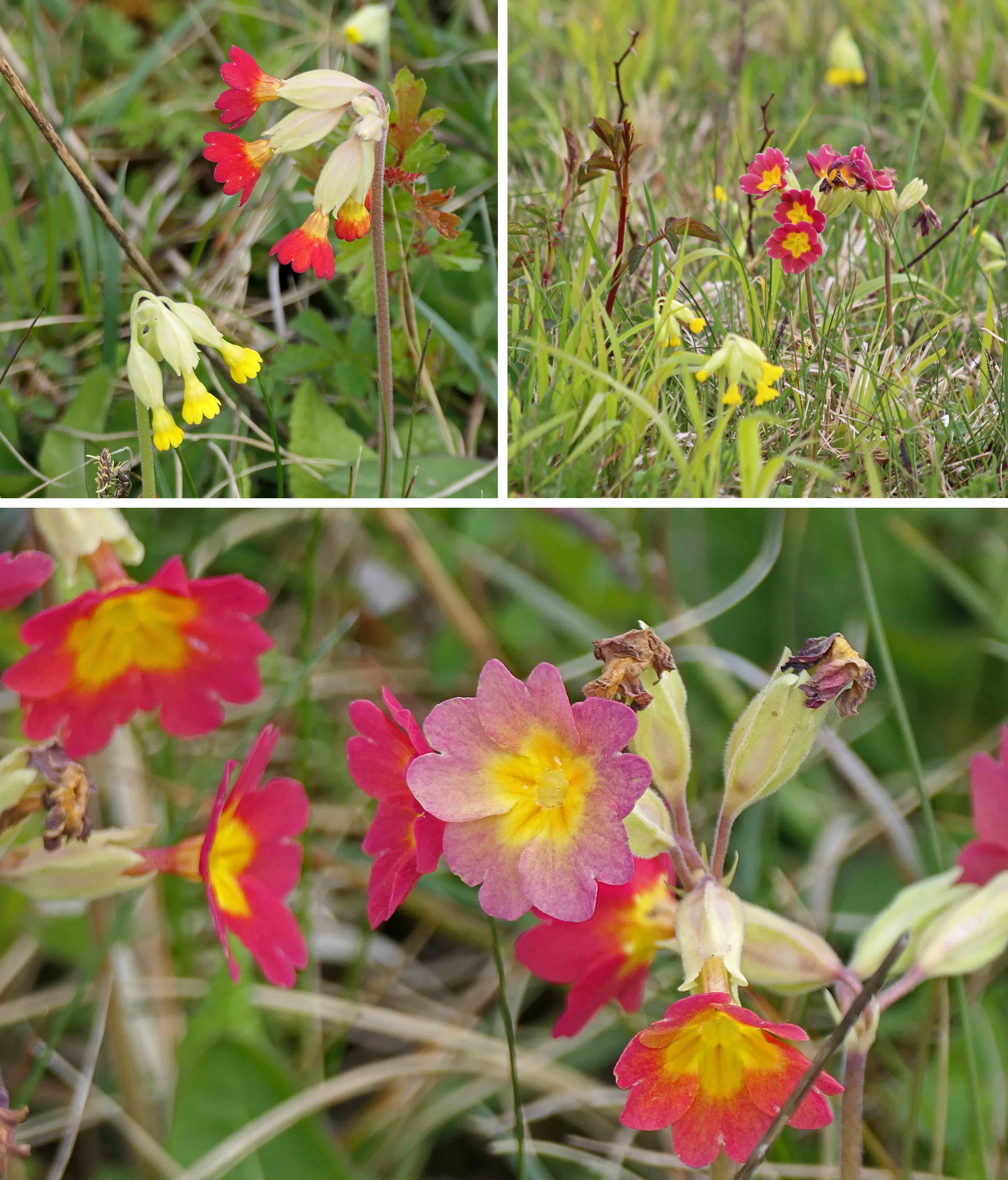
240505 red-flowered cowslips (1)

I wish I’d found these for #WildflowerHour’s recent Cowslip challenge: a small number of red-flowered Cowslips amongst a sea of yellow at Cosmeston Lakes Country Park. This is a natural variation, just like the occasional pink-flowered Primroses you might see growing in the wild, though I’ve only ever seen these at Cosmeston.

240505 red-flowered cowslips (2)