• ABOUT
  • BIRDING 2018
  • Birding 2019
  • BLOG POSTS
  • Butterflies 2018
  • Resources

earthstar

~ a celebration of nature

earthstar

Tag Archives: Brimstone

Refuelling

15 Thursday May 2025

Posted by sconzani in insects, spring

≈ Leave a comment

Tags

Brimstone, Brimstone and Red campion, British butterflies, butterfly, Red campion

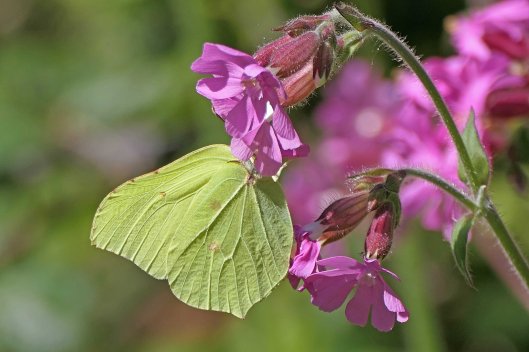
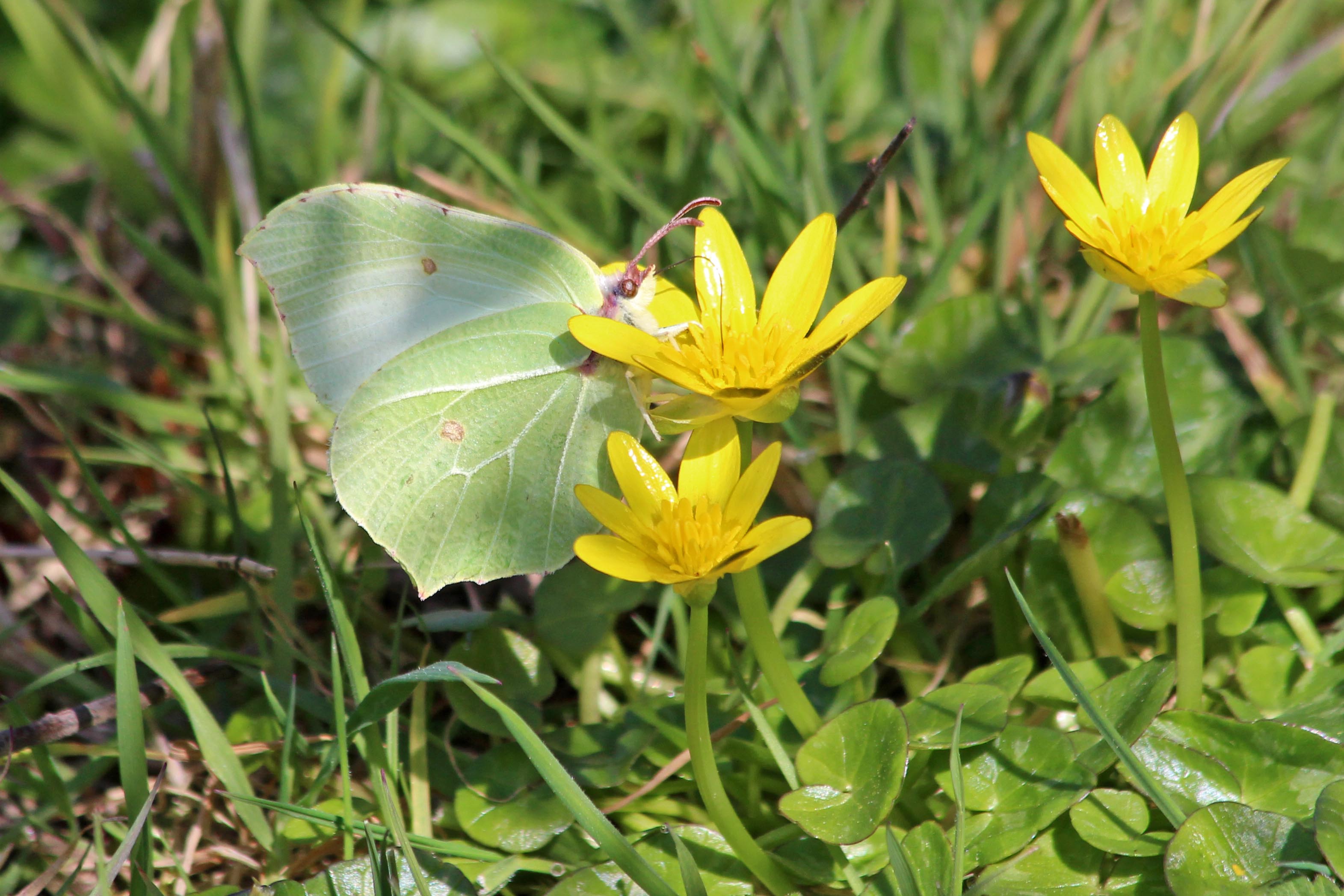
I feel a bit like these beautiful Brimstones, needing to refuel to restore my energy after yesterday’s house move. My surroundings are still chaotic but I made sure to get out for a short time today because walking in Nature is how I heal, how I find peace amongst the madness, how I refuel my mind and my spirit.

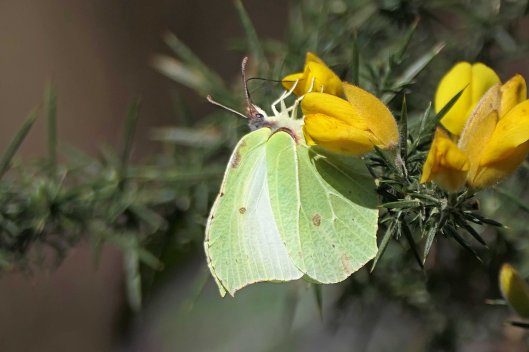
The image above shows a female Brimstone, which is paler than the more yellowy male in the photo below. Red campion was their flower of choice this day.

Like Loading...

Staring at willows

21 Friday Mar 2025

Posted by sconzani in insects, spring, trees

≈ Leave a comment

Tags

Bombus hypnorum, Bombus terrestris, Brimstone, British butterflies, Buff-tailed bumblebee, butterflies feeding on willow flowers, insects feeding on willow flowers, insects on willow, Small tortoiseshell, Tree bumblebee, willow

This is your occasional reminder, if you are interested in spotting flying insects, that it is a very good idea at this time of year, when the various willows (Salix species) are coming in to flower, to spend a little staring at these trees. That is partly how I came to find so many butterflies yesterday. Several of the Brimstones I saw, in particular the two females that were feeding up prior to egg-laying, and the beautiful Small tortoiseshell were all found initially on willow flowers.

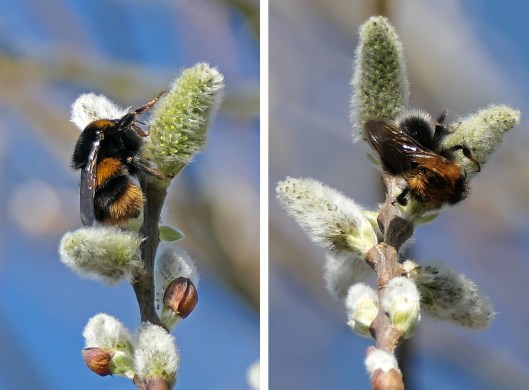
The fluffy yellow flowers were also providing much needed sustenance for a variety of flies, for honey bees and hoverflies. Due to their larger size, I was also able to see at least two species of bumblebee, Buff-tailed (Bombus terrestris) (left below) and Tree bumblebee (Bombus hypnorum) (below right).

Like Loading...

Happy Spring!

20 Thursday Mar 2025

Posted by sconzani in insects, spring

≈ Leave a comment

Tags

Brimstone, British butterflies, butterfly, Comma, female Brimstone, Red Admiral, Small tortoiseshell

With a high temperature of 18º Celsius, the warmest day of the year so far, and lashings of sunshine, butterflies appeared as if by magic during this morning’s five-mile walk. In total, I spotted 13 butterflies of four species today, and it was simply enchanting. What better way to celebrate the vernal equinox than with a profusion of butterflies!

Brimstones were the most abundant, with nine seen. This gorgeous creature was my first female Brimstone of the year.

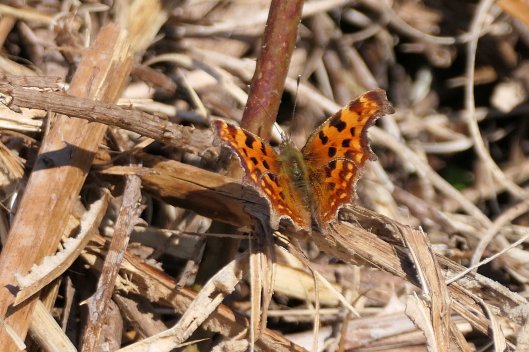
There were two Commas. One stayed high in the trees but this beauty was more obliging.

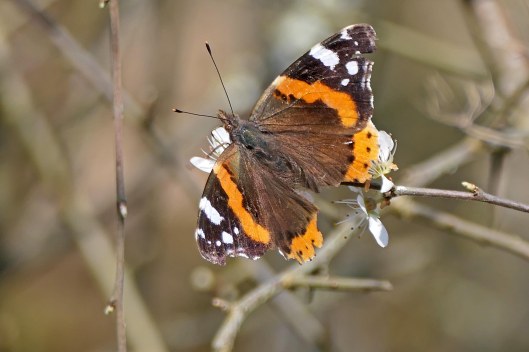
This Red admiral was looking quite tatty after surviving the long cold winter.

I was delighted to see this Small tortoiseshell, as they were very scarce here last year. At first, it was feeding high in a willow but my patience paid off when it came gliding down to perch on a nearby Bramble bush.

Like Loading...

My first Brimstone

01 Saturday Mar 2025

Posted by sconzani in insects

≈ 6 Comments

Tags

Brimstone, Brimstone butterfly, British butterflies, butterfly, signs of spring, spring butterflies

The sunshine is working its magic! Though our overnight temperatures are still dipping below zero (Celsius), the days are finally full of blue skies and sunshine, and that has encouraged more insects to awaken, including this handsome male Brimstone. As butterfly fanciers will know, these newly emerged males rarely stay still; they patrol their territory constantly, sprinkling their pheromones over the vegetation, always searching for the females that emerge a little later than them. As I watched this one though, I realised that, after every two or three circuits, he was resting in the same place, and I managed to fire off a few quick photographs before he flew off again on his relentless search for a mate.

Like Loading...

Emergence

10 Saturday Aug 2024

Posted by sconzani in insects

≈ 2 Comments

Tags

Brimstone, British butterflies, Comma, emerging butterflies, Peacock

As well as the second broods of butterflies I blogged about on Thursday, there are three other butterfly species that have recently begun to emerge locally.** I didn’t include them in my previous post, as these species have different life cycles: they overwinter as adults, generally hibernating somewhere sheltered, though sometimes appearing briefly on unseasonably warm winter days.
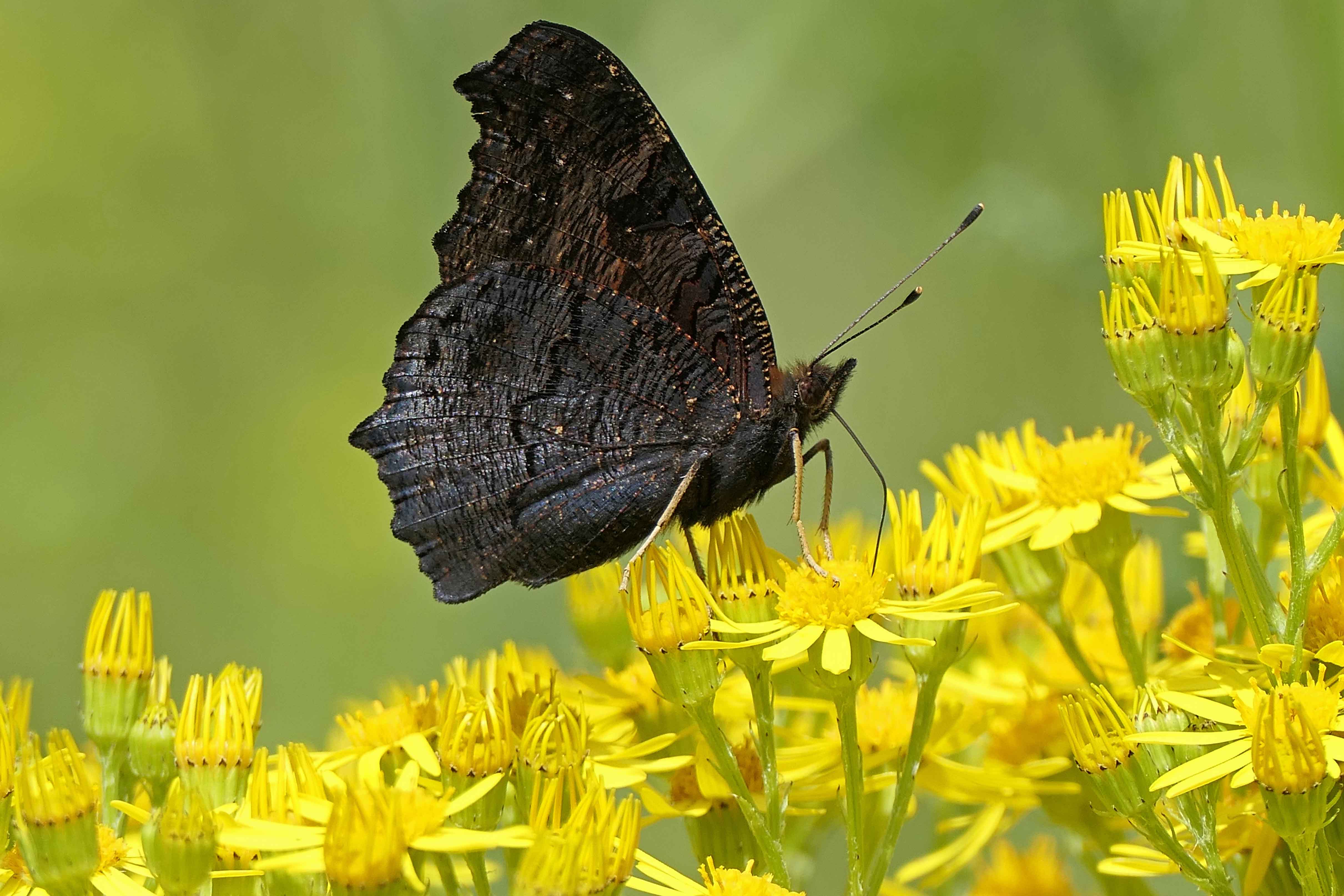
240808 peacock

Peacocks awaken in the Spring, laying their eggs during May, with the adults emerging from mid July.

240808 comma

The Comma’s life cycle is a little different. They also emerge from their winter sleep in springtime, but they usually have two broods each year, with the first eggs being laid between early April and mid May, and the second from late June to mid August.

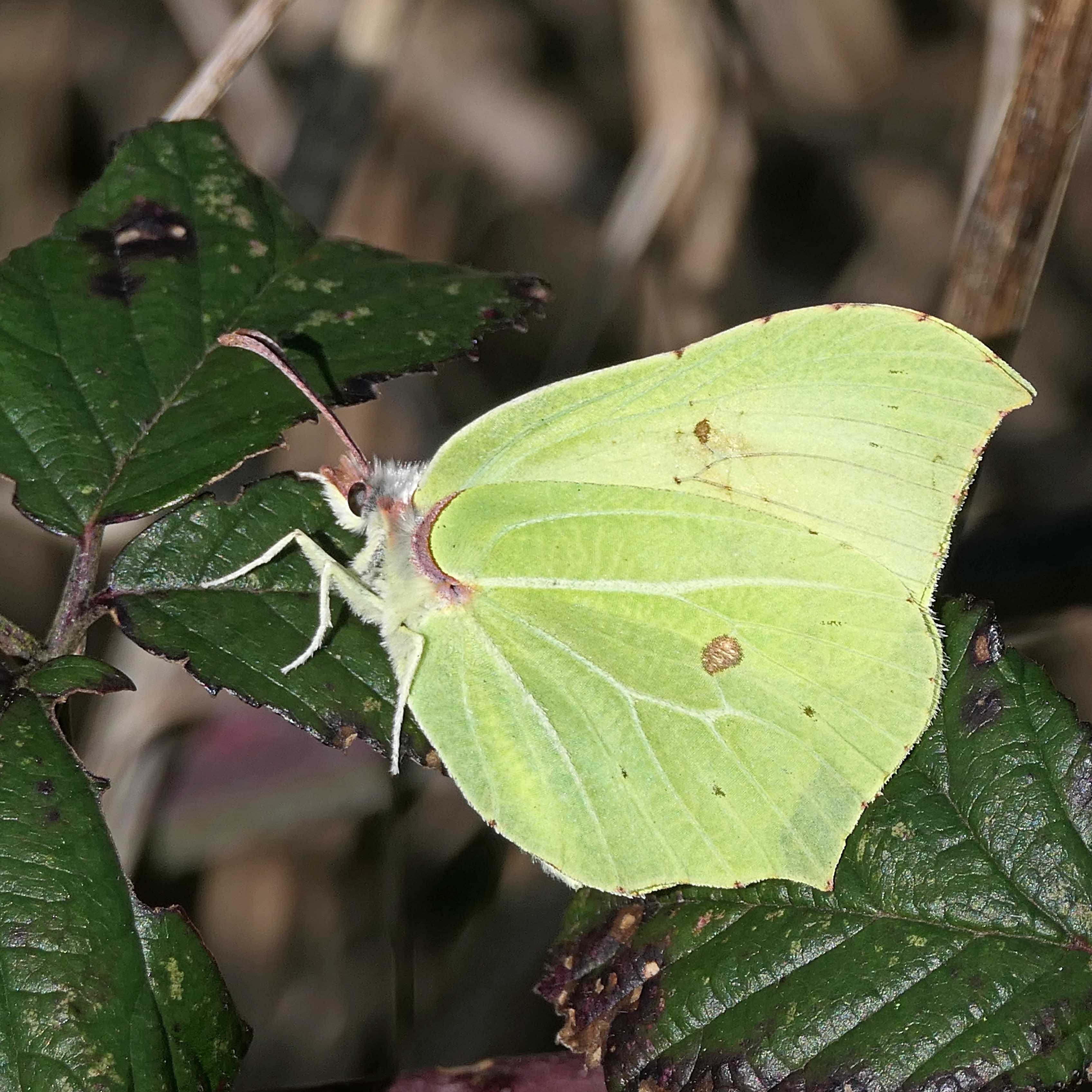
240810 brimstone

The Brimstone is another British butterfly that spends most of its life as an adult, and enjoys the distinction of being ‘our longest-lived butterfly’ (Life Cycles of British & Irish Butterflies). It only has one brood per year, with eggs being laid between mid April and the start of June, with the adults emerging at the beginning of August.

** I would love to be able to include Small tortoiseshell in this blog, as they also overwinter as adults and their second broods should be emerging about now but, tragically, I have only seen one of this species in 2024, back at the start on April. And most of my butterfly-loving acquaintances have noticed a similarly disastrous decline in numbers, with some not having seen a single Small tortoiseshell this year.

Like Loading...

The Brimstone and the Dandelion

29 Friday Mar 2024

Posted by sconzani in insects, spring

≈ 4 Comments

Tags

Brimstone, Brimstone and dandelion, British butterflies, butterfly, dandelion

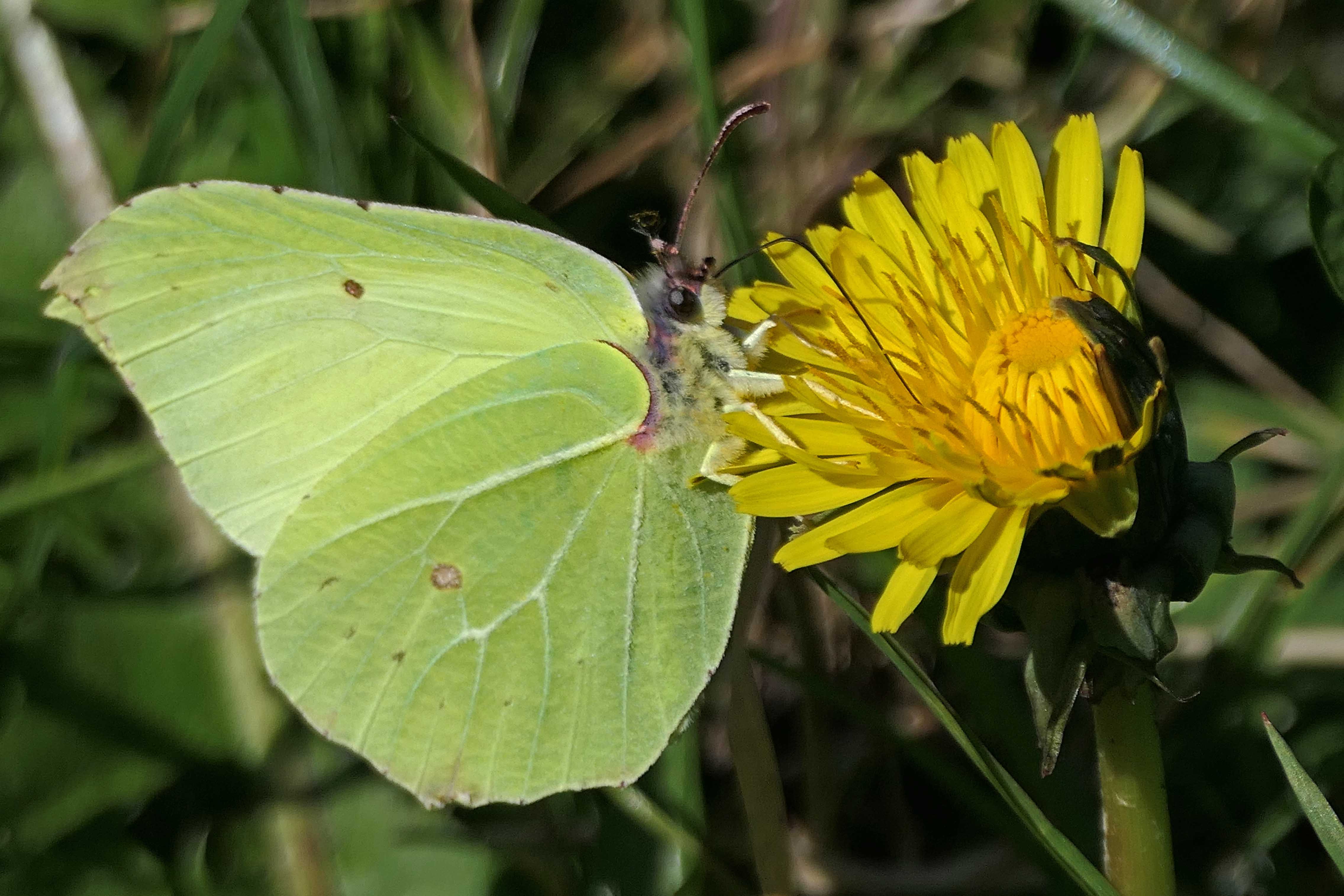
The few Brimstones I’ve seen so far this year – just three before today – have been buttery yellow males and have raced past at the speed of light, spreading their pheromones and patrolling their chosen area in the hope of finding themselves a female. Though determining their colour can sometimes be tricky without the other gender for comparison, I think today’s Brimstone, with its paler, more greenish-lemon colour, was a female. She was certainly hungry, happy to linger and make the most of the lush Dandelions.

240329 brimstone

Like Loading...

Snoozing Brimstone

03 Monday Apr 2023

Posted by sconzani in insects

≈ 4 Comments

Tags

Brimstone, Brimstone butterfly, British butterflies, butterfly

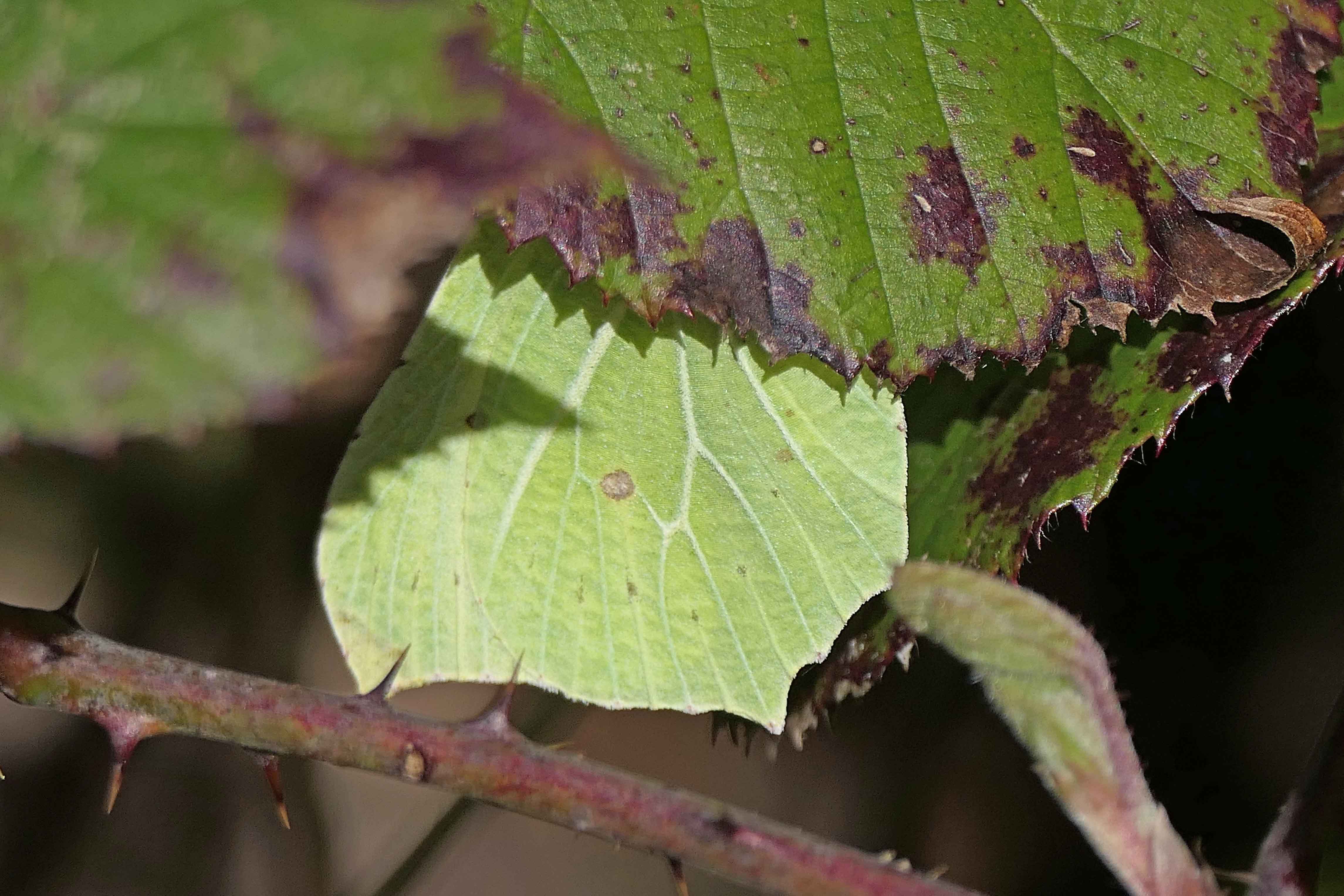
I’d seen ten Brimstones this year before I spotted this one today – nine of those zoomed past so rapidly I only managed blurry photos; one was still but very distant. So, I was delighted when I noticed this beauty snoozing under a bramble leaf. This may well have been where it had roosted during the night and it was waiting for the sunshine to warm it up before flying off.

230403 brimstone (1)

Like Loading...

The Brimstone, the vetch and the ants

20 Friday May 2022

Posted by sconzani in flowers, insects, wildflowers

≈ 2 Comments

Tags

ants, ants nectaring on EFNs, Brimstone, Common vetch, EFNs, extrafloral nectaries, Grass vetchling, nectar sources on plants, Vetches, Vicia species

Two for the price of one today: a lovely female Brimstone butterfly, which I was really happy to catch feeding on Common vetch.

220520 vetch and ants (1)

But, lurking beneath the flower, you may be able to spot a small creature. It’s an ant and, if you’ve ever looked closely at the flowers of any of the vetch family (Common, Bush, Tufted, and the vetchlings), you may have noticed they all prove attractive to ants.

220520 vetch and ants (2)

I’ve only recently discovered the reason for this: these plants all have extrafloral nectaries (EFNs), tiny glands on the stems and other areas of a plant, where nectar is secreted. The vetches aren’t the only plants to have these EFNs – according to a report on the University of Florida website (and there are many other scientific papers online, if this subject intrigues you), EFNs have been found in over 2000 plant species. Scientists don’t seem completely sure why plants ‘feed’ ants in this way, though it may be a means of rewarding ant species for their protection against the plant-munching larvae of other insect species.

Like Loading...

First female

01 Friday Apr 2022

Posted by sconzani in insects, spring

≈ Leave a comment

Tags

Brimstone, Brimstone butterfly, British butterflies, female Brimstone, spring butterflies

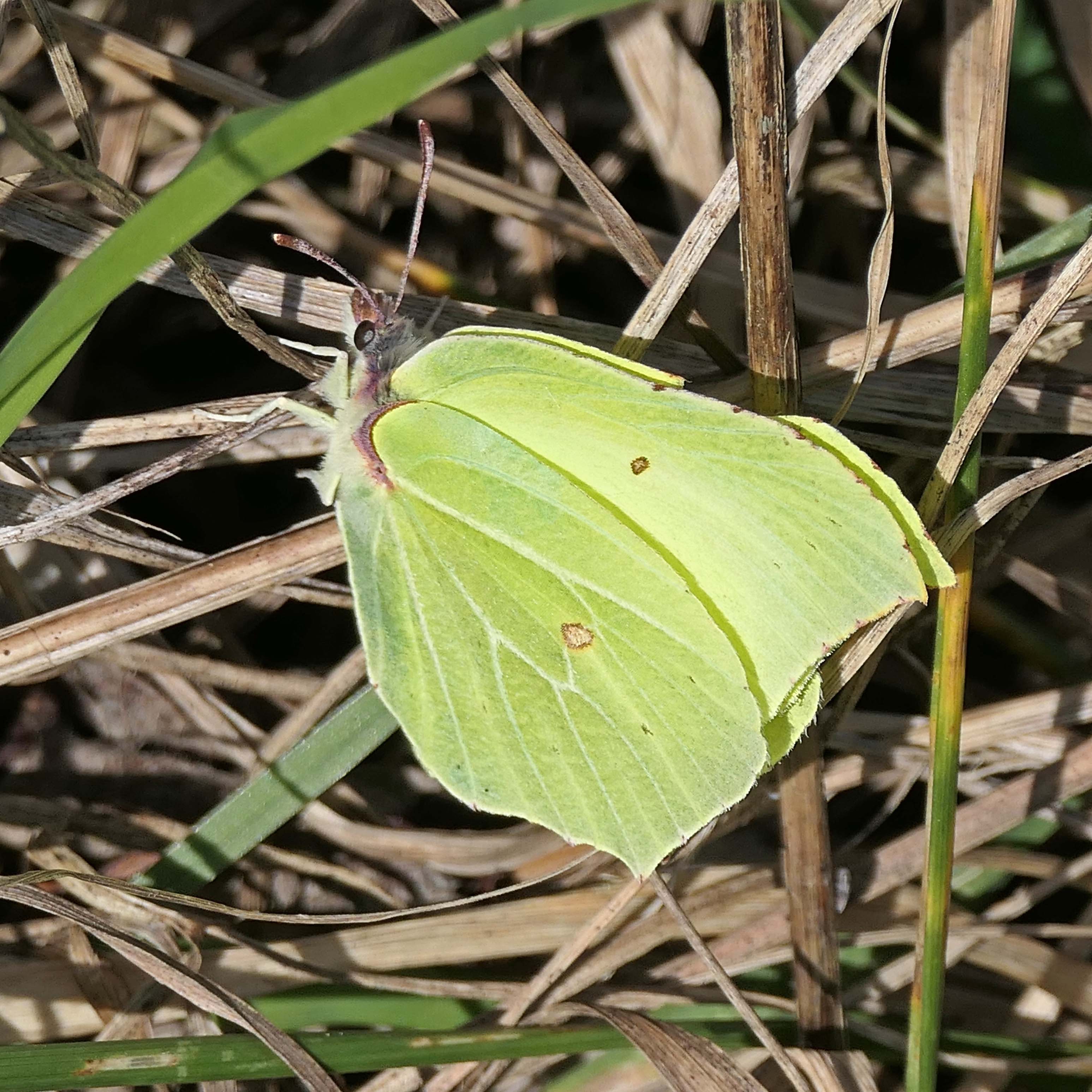
This pale lime beauty was my sixteenth Brimstone of the year (I saw my first on 27 February) but she was the first female, and the first to stay still long enough for a few photos. Male Brimstones usually emerge first from their winter hibernation (as adults) and can be seen flying purposefully up and down hedgerows, footpath edges and woodland rides, searching for females, which emerge a little later than their male suitors.

220401 brimstone

Like Loading...

B is for Brimstone

07 Tuesday Dec 2021

Posted by sconzani in insects

≈ Leave a comment

Tags

Brimstone, Brimstone butterfly, Brimstone caterpillars, Brimstone eggs, British butterflies, butterfly

Of course, my end-of-year countdown has to include butterflies. Today it’s the Brimstone – there may be others.

211207 brimstone

I was thrilled this year to discover more about the life cycle of this exquisite butterfly. In May, after watching a female laying on the leaves of Buckthorn saplings, I found my first Brimstone eggs and, after that, knowing what Buckthorn looked like, found many more and, of course, lots of lovely caterpillars in various stages of development. I’ve yet to find a chrysalis though – maybe next year.

Like Loading...
← Older posts

About me

sconzani

sconzani

I'm a writer and photographer; researcher and blogger; birder and nature lover; countryside rambler and city strider; volunteer and biodiversity recorder.

View Full Profile →

Follow earthstar on WordPress.com

Enter your email address to follow this blog and receive notifications of new posts by email.

Recent blog posts

  • Who’s watching who? January 8, 2026
  • Springtail: Orchesella cincta January 7, 2026
  • A good year for Redwings January 6, 2026
  • Bug: Anthocoris nemorum January 5, 2026
  • First birds January 4, 2026

From the archives

COPYRIGHT

Unless otherwise acknowledged, the text and photographs on this blog are my own and are subject to international copyright. Nothing may be downloaded or copied without my permission.

Fellow Earth Stars!

  • Unknown's avatar
  • Unknown's avatar
  • Unknown's avatar
  • Unknown's avatar
  • Unknown's avatar
  • Unknown's avatar
  • Unknown's avatar
  • Unknown's avatar
  • Unknown's avatar
  • Unknown's avatar
  • Unknown's avatar
  • Unknown's avatar
  • Unknown's avatar
  • Unknown's avatar
  • Unknown's avatar
  • Unknown's avatar
  • Unknown's avatar
  • Unknown's avatar
  • Unknown's avatar
  • Unknown's avatar
  • Unknown's avatar
  • Unknown's avatar
  • Unknown's avatar
  • Unknown's avatar
  • Unknown's avatar
  • Unknown's avatar
  • Unknown's avatar
  • Unknown's avatar
  • Unknown's avatar
  • Unknown's avatar
  • Unknown's avatar
  • Unknown's avatar
  • Unknown's avatar
  • Unknown's avatar
  • Unknown's avatar
  • Unknown's avatar
  • Unknown's avatar
  • Unknown's avatar
  • Unknown's avatar
  • Unknown's avatar
  • Unknown's avatar
  • Unknown's avatar
  • Unknown's avatar
  • Unknown's avatar
  • Unknown's avatar
  • Unknown's avatar
  • Unknown's avatar
  • Unknown's avatar
  • Unknown's avatar
  • Unknown's avatar

Blog at WordPress.com.

Privacy & Cookies: This site uses cookies. By continuing to use this website, you agree to their use.
To find out more, including how to control cookies, see here: Cookie Policy
  • Subscribe Subscribed
    • earthstar
    • Join 669 other subscribers
    • Already have a WordPress.com account? Log in now.
    • earthstar
    • Subscribe Subscribed
    • Sign up
    • Log in
    • Report this content
    • View site in Reader
    • Manage subscriptions
    • Collapse this bar
 

Loading Comments...
 

You must be logged in to post a comment.

    %d