• ABOUT
  • BIRDING 2018
  • Birding 2019
  • BLOG POSTS
  • Butterflies 2018
  • Resources

earthstar

~ a celebration of nature

earthstar

Tag Archives: British butterflies

The spider and the Speckled wood

13 Tuesday Aug 2024

Posted by sconzani in insects, spiders

≈ 2 Comments

Tags

British butterflies, British spiders, Crab spider, crab spider kills Speckled wood, Speckled wood, White crab spider

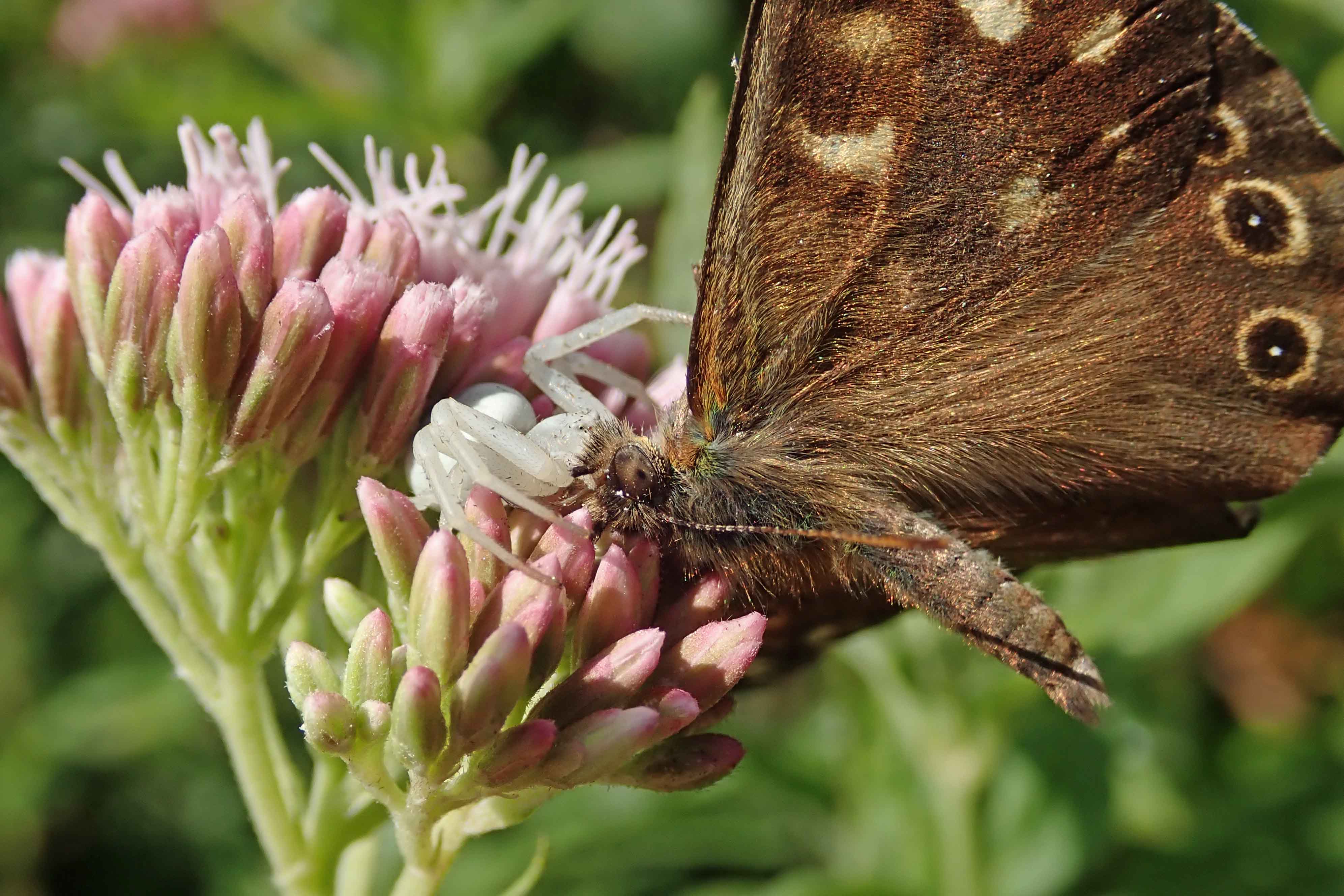
Me: ‘What on earth is that Speckled wood doing?’

240813 crab spider and speckled wood (1)

Speckled wood: ‘ . . . ‘
Crab spider: ‘Yum! Lunch!’

240813 crab spider and speckled wood (2)

Like Loading...

Emergence

10 Saturday Aug 2024

Posted by sconzani in insects

≈ 2 Comments

Tags

Brimstone, British butterflies, Comma, emerging butterflies, Peacock

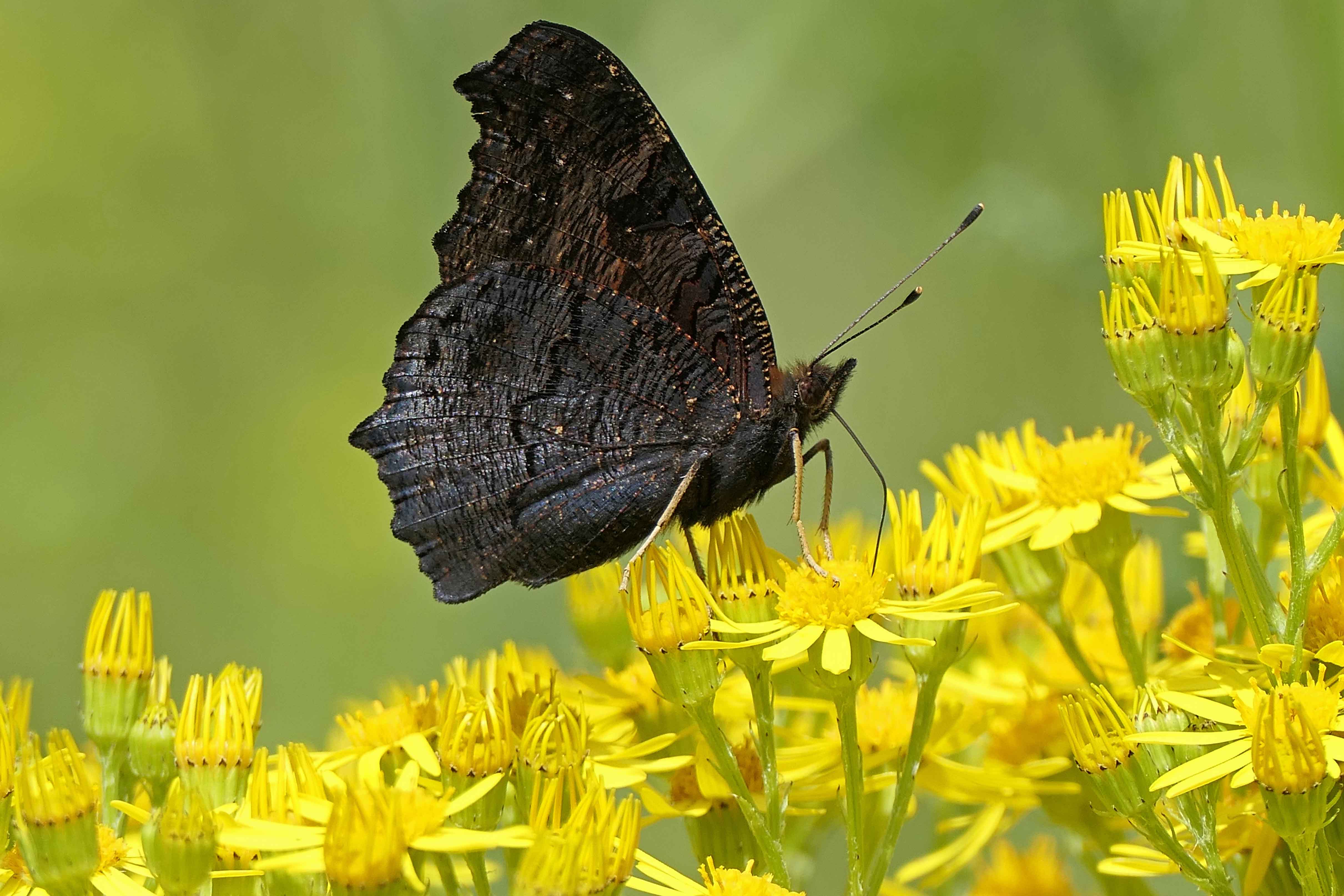
As well as the second broods of butterflies I blogged about on Thursday, there are three other butterfly species that have recently begun to emerge locally.** I didn’t include them in my previous post, as these species have different life cycles: they overwinter as adults, generally hibernating somewhere sheltered, though sometimes appearing briefly on unseasonably warm winter days.

240808 peacock

Peacocks awaken in the Spring, laying their eggs during May, with the adults emerging from mid July.

240808 comma

The Comma’s life cycle is a little different. They also emerge from their winter sleep in springtime, but they usually have two broods each year, with the first eggs being laid between early April and mid May, and the second from late June to mid August.

240810 brimstone

The Brimstone is another British butterfly that spends most of its life as an adult, and enjoys the distinction of being ‘our longest-lived butterfly’ (Life Cycles of British & Irish Butterflies). It only has one brood per year, with eggs being laid between mid April and the start of June, with the adults emerging at the beginning of August.

** I would love to be able to include Small tortoiseshell in this blog, as they also overwinter as adults and their second broods should be emerging about now but, tragically, I have only seen one of this species in 2024, back at the start on April. And most of my butterfly-loving acquaintances have noticed a similarly disastrous decline in numbers, with some not having seen a single Small tortoiseshell this year.

Like Loading...

Second broods

08 Thursday Aug 2024

Posted by sconzani in insects

≈ Leave a comment

Tags

British butterflies, Brown argus, Comma, Common blue, Holly blue, Peacock, second brood butterflies, Small copper

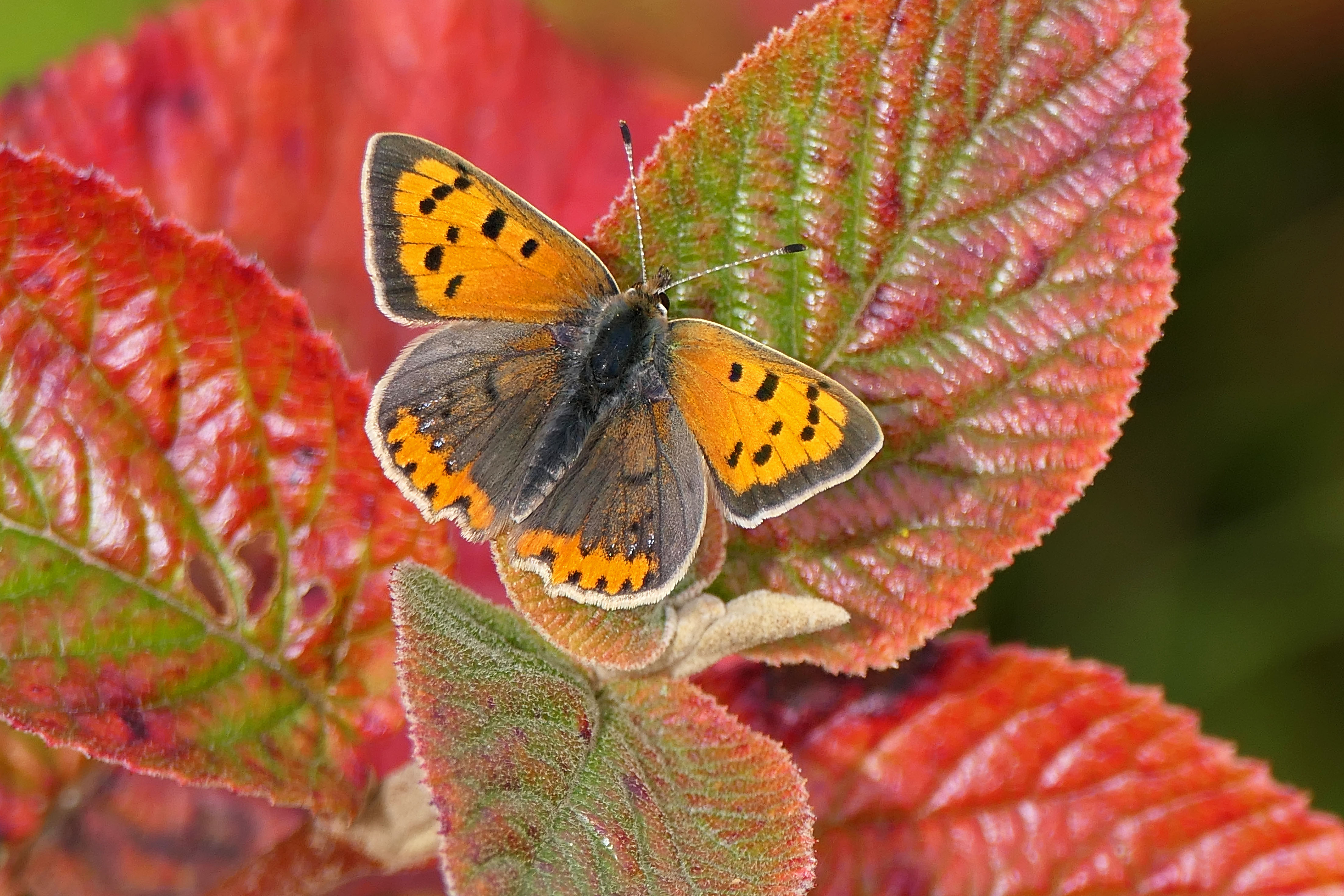
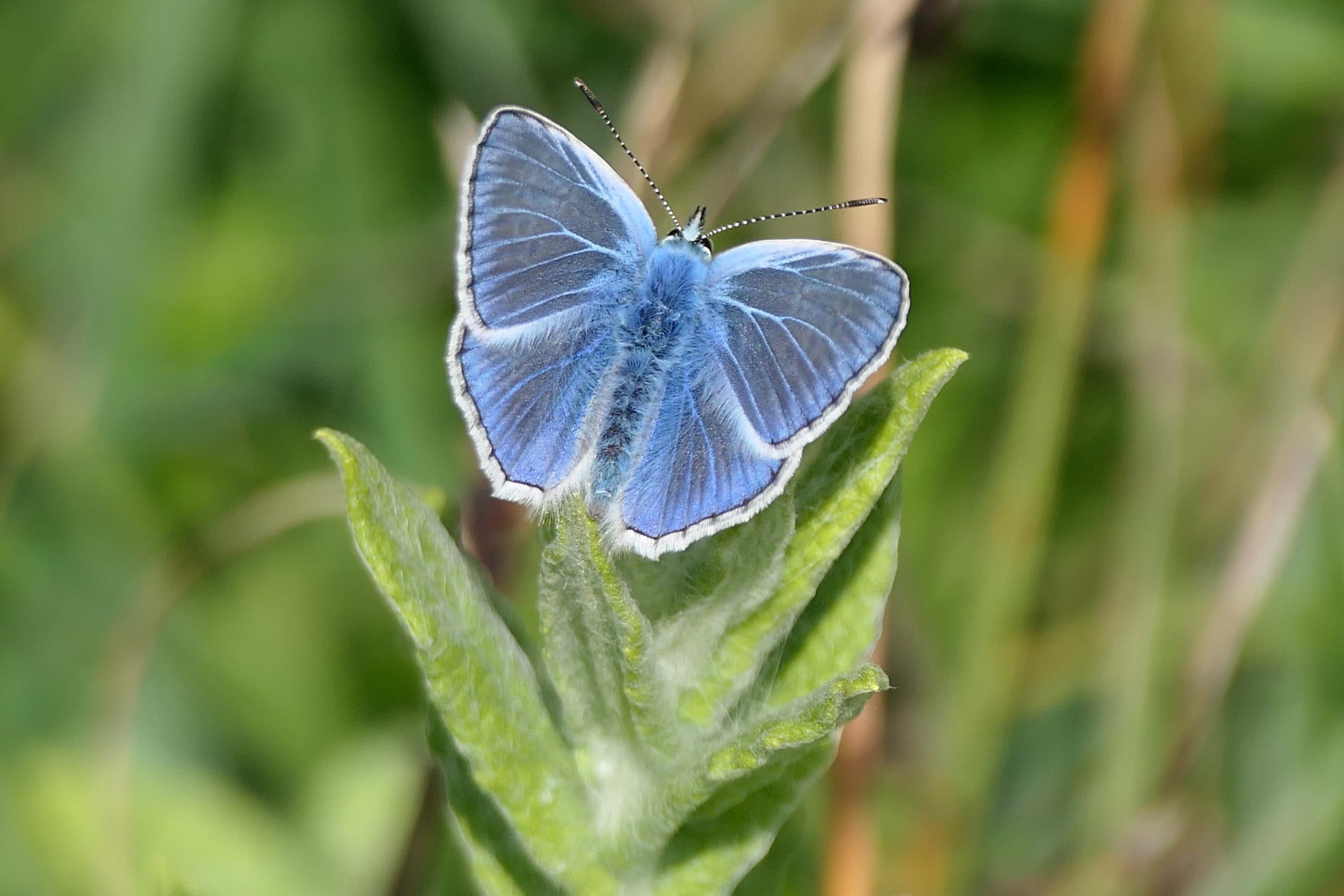
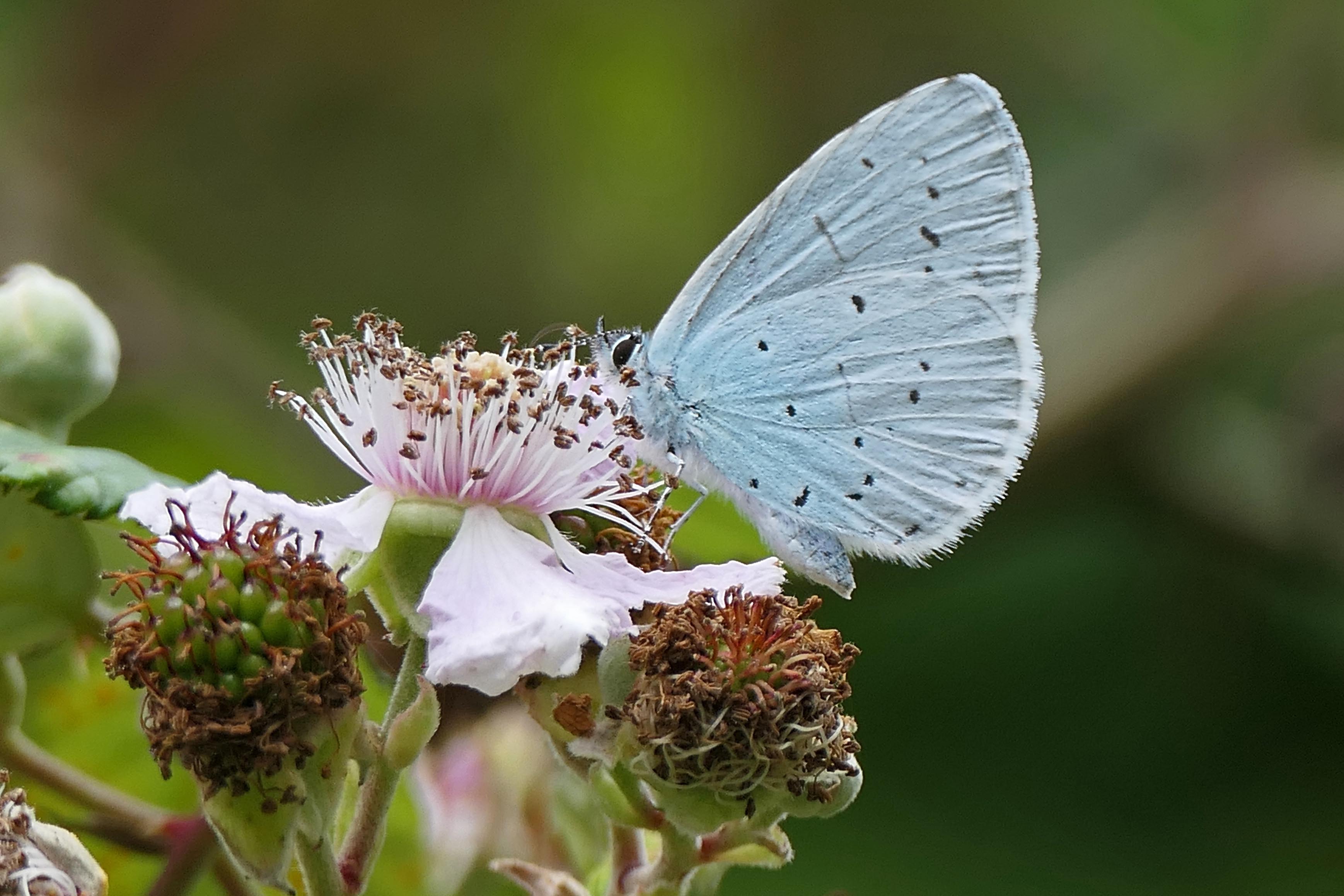
After seeing very low numbers of the first broods of butterflies earlier in the year, I’m hoping that the second broods that are now hatching will have better luck with the weather and be able to breed successfully so that population numbers recover in 2025. These are some of the beautiful butterflies I’ve seen that have recently emerged.

240808 brown argus

Brown argus

240808 common blue

Common blue

240808 holly blue

Holly blue

240808 small copper

Small copper

Like Loading...

New location for Purple hairstreak

30 Tuesday Jul 2024

Posted by sconzani in insects, trees

≈ Leave a comment

Tags

British butterflies, butterfly, butterfly on Oak, hairstreak butterflies, Heath Park, Oak, Purple hairstreak

Since I discovered a Purple hairstreak, a couple of years ago, at Cosmeston Lakes Country Park, where they’d never been recorded before, I’ve been convinced that these gorgeous little butterflies are more common than most people realise. It’s just that, because they’re very small and spend most of their time high up in the tops of Oak trees, nobody notices them. So, being an habitual leaf-starer anyway, I now spend 10-15 minutes at this time of year staring at Oak trees, just in case. Last week, my leaf-staring paid off once again, when I was exploring Cardiff’s Heath Park. There are lots of large old Oaks in the park so it seemed a likely location, despite there being no recorded sightings. And this was my reward – even better than I expected, as it fluttered down from the top of the tree to a lower branch and posed nicely while I got some photos.

240730 purple hairstreak

Like Loading...

Essex, at last

27 Saturday Jul 2024

Posted by sconzani in insects

≈ Leave a comment

Tags

British butterflies, butterfly, Essex skipper

The Essexes were late arriving this summer and, as I almost frantically checked the antennae of every Small skipper I could find (not as many of them as usual either), I had begun to think I wouldn’t see one. (For context, my first sightings in previous years have been as follows: 2019 9 July, 2020 25 June, 2021 11 July, 2022 29 June, 2023 23 June.) Then, finally, on 17 July I spotted not one but two male Essex skippers involved in a little skirmish over territory in a local coastal field. And the next day one popped up most obligingly at Cosmeston Lakes Country Park. And there have been a couple more since then … so, I’m a happy butterflier once more.

240727 essex

Like Loading...

Endangered Graylings

20 Saturday Jul 2024

Posted by sconzani in insects

≈ Leave a comment

Tags

Aberbargoed spoil tip, British butterflies, endangered butterfly, endangered Grayling, Grayling, Grayling butterfly, Hipparchia semele

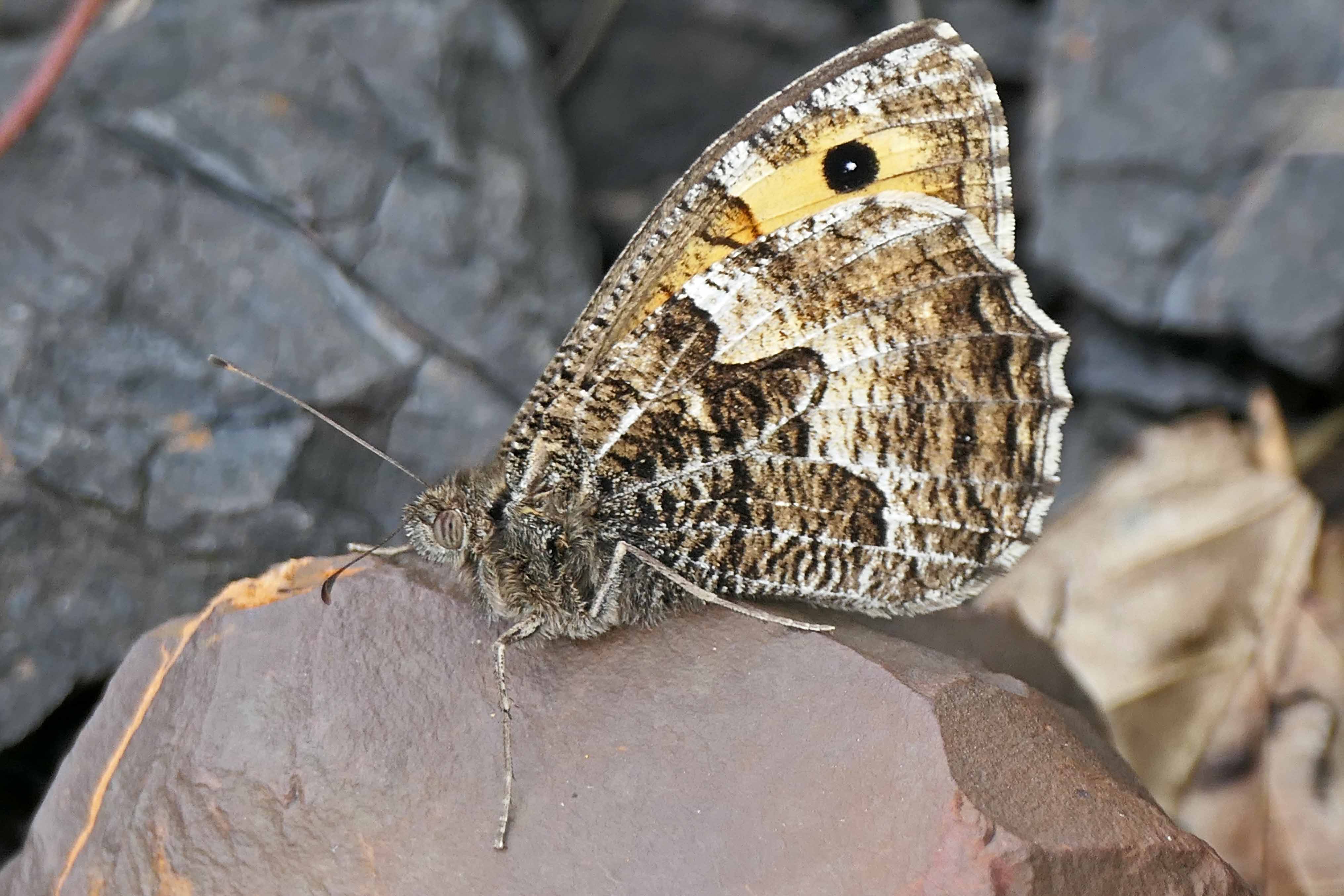
When Butterfly Conservation published the last butterfly Red List for Great Britain in 2010, the Grayling (Hipparchia semele) was listed as vulnerable but, unfortunately, this butterfly experienced a 52% decrease in distribution between 2010 and 2019, and its status has now been reclassified as endangered.
240720 graylings (1)

I feel privileged, then, to have enjoyed watching several of these gorgeous butterflies atop the Aberbargoed coal spoil tip last week, but also saddened to know that they too are threatened.

240720 graylings (2)

Spoil tips can be dangerous places, as I’m sure many of you are aware – the horrific collapse, on 21 October 1966, of the tip at Aberfan, not very far from Aberbargoed, which resulted in the deaths of 116 school children and 28 adults, is a well known, annually commemorated tragedy.
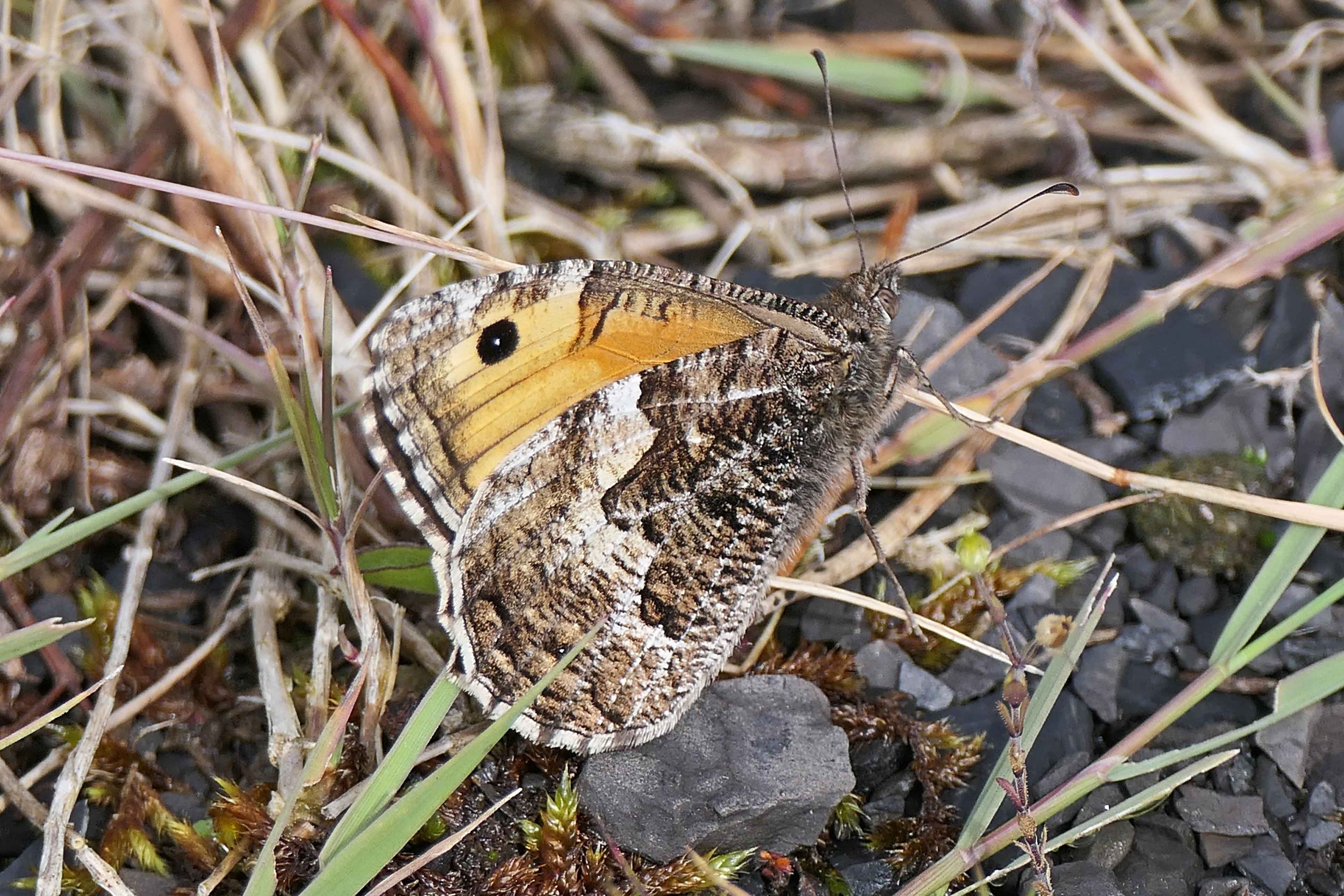
240720 graylings (3)

Though Aberbargoed’s spoil tip is mostly well anchored by the planting of trees, and a robust series of drainage channels efficiently remove rain water from the artificial hill, some bare areas remain and show the damage of heavy rain scouring their surfaces. And, though the authorities have tried to prevent it, the stability of some areas has also been undermined by the irresponsible actions of dirt-bikers using the tip as a race track.
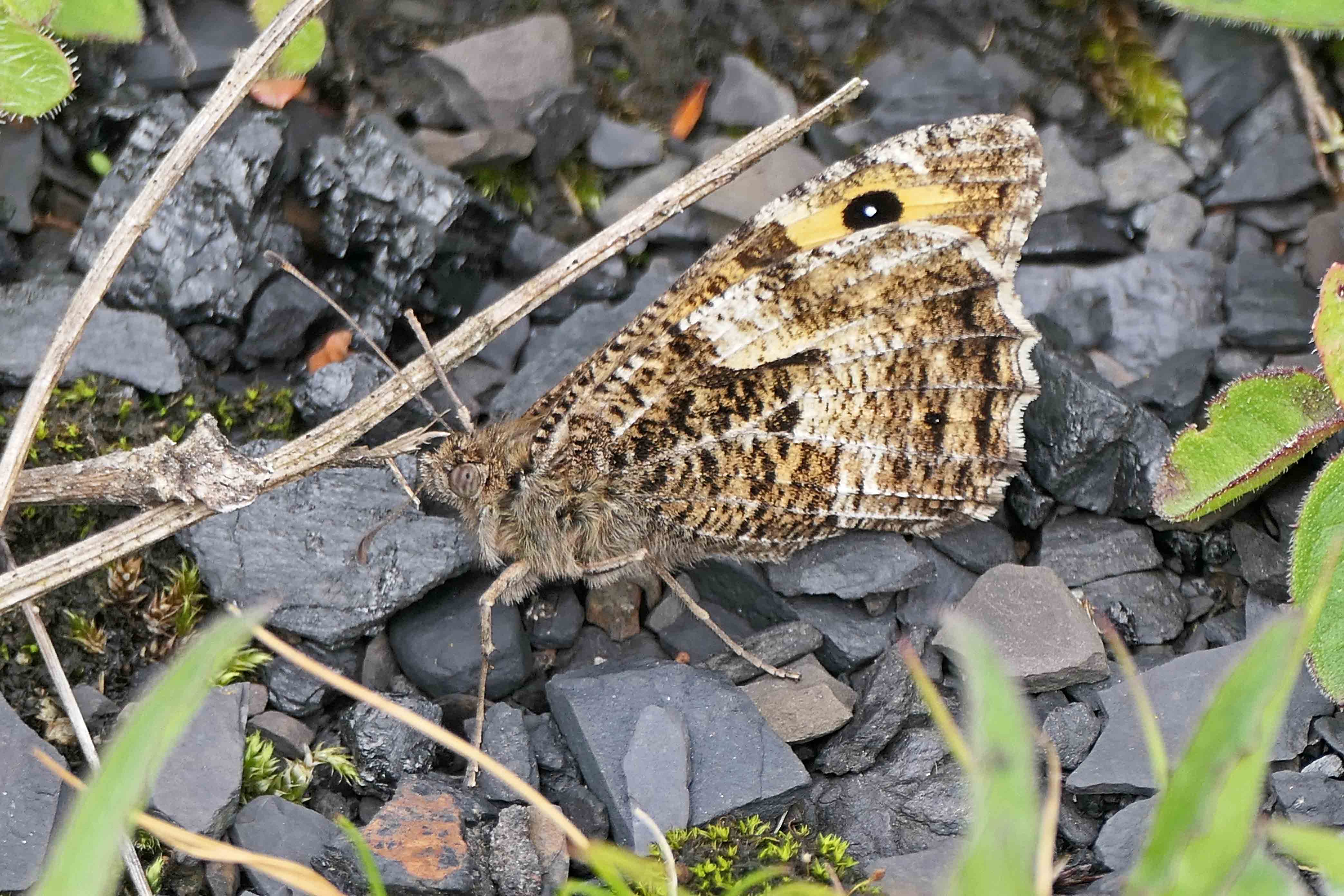
240720 graylings (4)

Judging by a series of wooden pegs dotted around the area where the Grayling colony lives, some additional stabilisation work is planned there, which could destroy the butterflies. Seeing this, I made contact with a local group trying to promote the importance of the biodiversity of colliery spoil tips, and they are following up with local authorities to try to prevent any damage to the colony. Hopefully, a compromise can be reached between the necessity of ensuring the safety of the tip and the need to conserve an endangered species of butterfly.


240720 graylings (5)

Like Loading...

Brightening up the hedgerows

17 Wednesday Jul 2024

Posted by sconzani in insects

≈ Leave a comment

Tags

British butterflies, butterfly, Gatekeeper, Pyronia tithonus

Brightening up the hedgerows with the vivid orange of their upper wings, Gatekeepers (Pyronia tithonus) are a summer delight for nature-lovers.

240717 gatekeeper (1)

Over the centuries, Gatekeepers have enjoyed a range of common names, most attempts to provide a definite description of their appearance: the ‘Lesser double-eyed butterfly’ (James Petiver, Musei Petiveriani, 1695); the ‘Large heath’ (Adrian Haworth, Lepidoptera Britannica, 1803); the ‘Small meadow brown’ (George Samouelle, The Entomologist’s Useful Compendium, 1819); and ‘Hedge brown’, a name used by many since the 1800s. The name ‘Gatekeeper’ was bestowed on this beautiful butterfly by Moses Harris in his publication The Aurelian in 1766. (Naming details come from Peter Eeles’s Life Cycles of British & Irish Butterflies, 2019.)

240717 gatekeeper (2)

Like Loading...

The gliders of Slade Wood

09 Tuesday Jul 2024

Posted by sconzani in insects

≈ Leave a comment

Tags

British butterflies, butterfly, Limenitis camilla, Slade Wood, White admiral

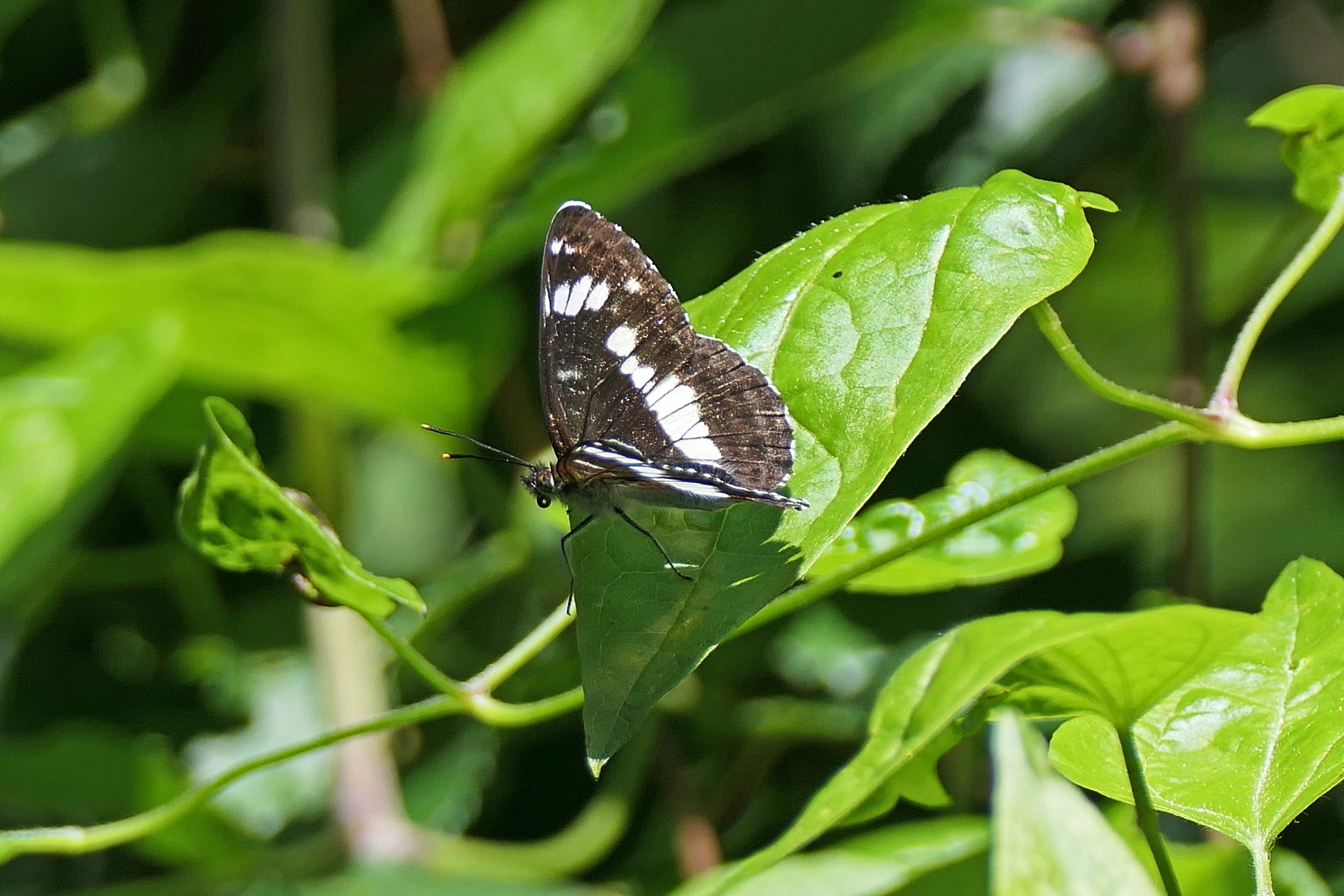
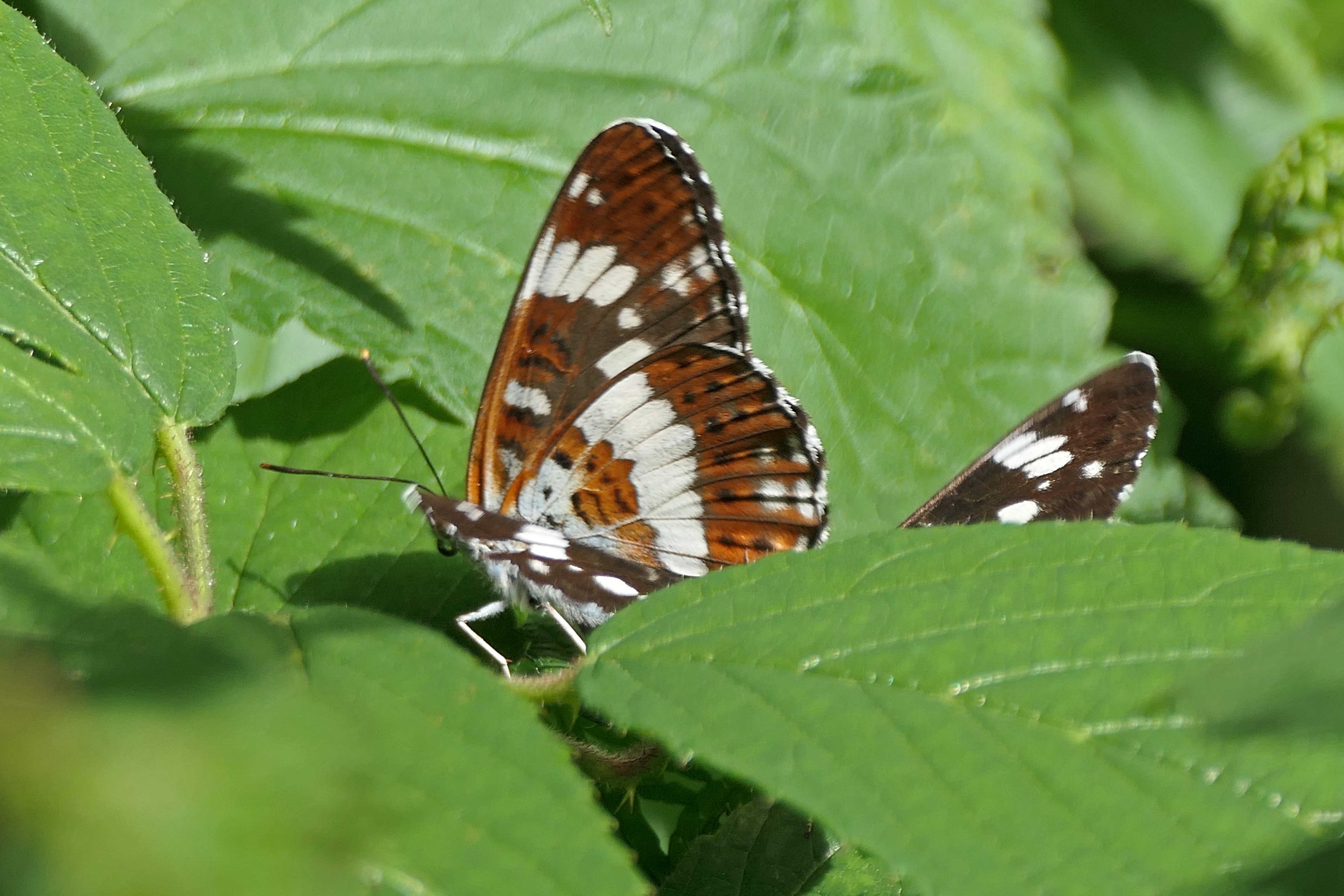
Last Thursday I took my annual train trip to Severn Tunnel Junction to look for White admirals in nearby Slade Wood, one of the few sites for this butterfly in Wales and the closest to me.

240709 white admirals (1)

And, despite it being very windy and not particularly warm, I was not disappointed.

240709 white admirals (2)

Three of these gorgeous gliders were seen along a side track where it was somewhat sheltered, but I saw none at all along the main ride, probably because of the weather conditions (seven White admirals had been seen the previous weekend when it had been sunny and still).

240709 white admirals (3)

The White admiral (Limenitis camilla) adults feed on the blossom of Brambles and on honeydew, whereas their caterpillars feed on Honeysuckle so both plants are essential for a colony of these gliding beauties to thrive.

240709 white admirals (4)

Like Loading...

Small and precious

06 Saturday Jul 2024

Posted by sconzani in insects

≈ Leave a comment

Tags

British butterflies, butterfly, skipper butterflies, Skippers, Small skipper

Back in the summer of ’22, I blogged about how few Small skippers I had been seeing (Skippers, small but few, 27 June 2022), and how some of the local sites where they’d previously been abundant had been spoiled by human interference. Sadly, the situation has not improved and, this year, the very wet Spring weather seems to have made things worse, so I’m seeing very few Small skippers during my daily nature walks. It saddens me but also makes me appreciate how precious my few sightings are and value them all the more.

240706 small skipper

Like Loading...

Third time’s the charm

02 Tuesday Jul 2024

Posted by sconzani in insects

≈ 2 Comments

Tags

Aberbargoed Grasslands, British butterflies, butterfly, fritillaries, Small Pearl-bordered Fritillary

It took three train trips up a Welsh valley and a lot of stomping around cow-pat filled fields to see my first Small pearl-bordered fritillary of the year. On the first two visits, the ‘conservation’ cattle had been in the two fields at Aberbargoed Grasslands National Nature Reserve where I usually find these locally scarce butterflies, which did rather restrict my explorations – the cattle were large, had calves with them, blocked several of the paths across the fields, and there was constant loud bellowing between the herds in the two fields, which wasn’t exactly reassuring as to the safety of the situation. (One of my Twitter followers suggested I just loudly shout ‘Boo’ at them and was certain they’d then move away but every year there are news stories of walkers being trampled by cows so, as an elderly woman walking alone, I was not prepared to risk it.)

240702 small pearl bordered fritillary (1)

Fortunately, during my third visit the cattle were in adjoining fields, which meant I could more easily wander all the pathways. Unfortunately, butterfly numbers were still very low compared to previous years so, although I saw perhaps six Small pearl-bordered fritillaries in total, I was only able to get close enough to photograph one of them. And, as you can see, the photos are not my best. Still, I was pleased to see at least a few of these magical butterflies flitting about the paddocks, and can only hope their numbers will bounce back next year.

240702 small pearl bordered fritillary (2)

Like Loading...
← Older posts
Newer posts →

About me

sconzani

sconzani

I'm a writer and photographer; researcher and blogger; birder and nature lover; countryside rambler and city strider; volunteer and biodiversity recorder.

View Full Profile →

Follow earthstar on WordPress.com

Enter your email address to follow this blog and receive notifications of new posts by email.

Recent blog posts

  • Cormorants, young and old March 12, 2026
  • Bay bunnies March 11, 2026
  • Beating the gloom March 10, 2026
  • No booming Bittern but … March 9, 2026
  • Danish scurvygrass March 8, 2026

From the archives

COPYRIGHT

Unless otherwise acknowledged, the text and photographs on this blog are my own and are subject to international copyright. Nothing may be downloaded or copied without my permission.

Fellow Earth Stars!

  • Unknown's avatar
  • Unknown's avatar
  • Unknown's avatar
  • Unknown's avatar
  • Unknown's avatar
  • Unknown's avatar
  • Unknown's avatar
  • Unknown's avatar
  • Unknown's avatar
  • Unknown's avatar
  • Unknown's avatar
  • Unknown's avatar
  • Unknown's avatar
  • Unknown's avatar
  • Unknown's avatar
  • Unknown's avatar
  • Unknown's avatar
  • Unknown's avatar
  • Unknown's avatar
  • Unknown's avatar
  • Unknown's avatar
  • Unknown's avatar
  • Unknown's avatar
  • Unknown's avatar
  • Unknown's avatar
  • Unknown's avatar
  • Unknown's avatar
  • Unknown's avatar
  • Unknown's avatar
  • Unknown's avatar
  • Unknown's avatar
  • Unknown's avatar
  • Unknown's avatar
  • Unknown's avatar
  • Unknown's avatar
  • Unknown's avatar
  • Unknown's avatar
  • Unknown's avatar
  • Unknown's avatar
  • Unknown's avatar
  • Unknown's avatar
  • Unknown's avatar
  • Unknown's avatar
  • Unknown's avatar
  • Unknown's avatar
  • Unknown's avatar
  • Unknown's avatar
  • Unknown's avatar
  • Unknown's avatar
  • Unknown's avatar

Blog at WordPress.com.

Privacy & Cookies: This site uses cookies. By continuing to use this website, you agree to their use.
To find out more, including how to control cookies, see here: Cookie Policy
  • Subscribe Subscribed
    • earthstar
    • Join 668 other subscribers
    • Already have a WordPress.com account? Log in now.
    • earthstar
    • Subscribe Subscribed
    • Sign up
    • Log in
    • Report this content
    • View site in Reader
    • Manage subscriptions
    • Collapse this bar
 

Loading Comments...
 

You must be logged in to post a comment.

    %d