• ABOUT
  • BIRDING 2018
  • Birding 2019
  • BLOG POSTS
  • Butterflies 2018
  • Resources

earthstar

~ a celebration of nature

earthstar

Tag Archives: British moths

The cases of Coleophora trifolii

22 Thursday Aug 2024

Posted by sconzani in insects, wildflowers

≈ Leave a comment

Tags

British moths, case-bearing moths, Coleophora trifolii, Large clover case-bearer, Melilotus species, moth larvae on Melilot, moth larval cases on Melilot, seed-mining moth larvae

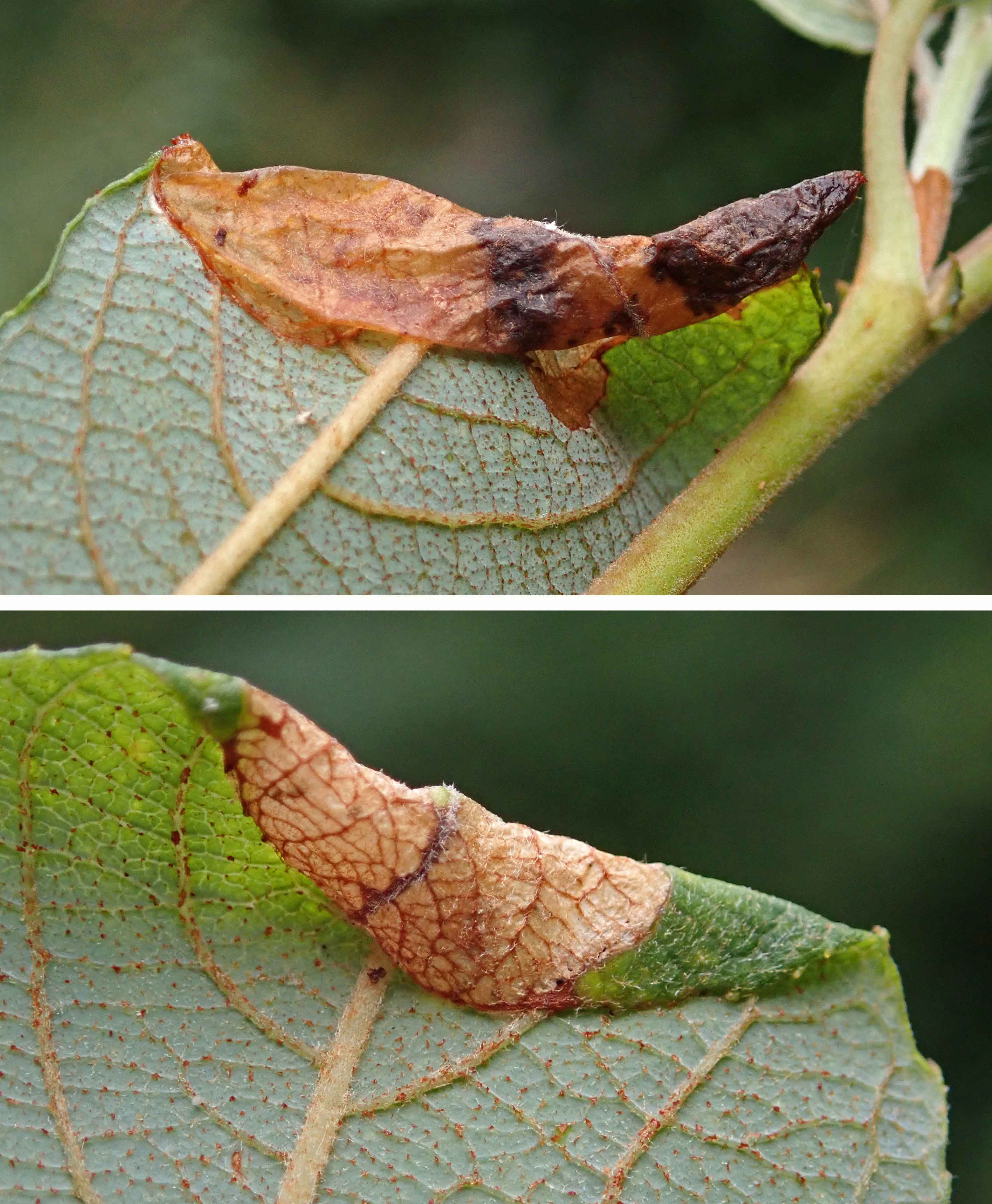
After being prompted by a post on Twitter/X by British Leafminers man Rob, I started searching for this moth, Coleophora trifolii, a couple of weeks ago. At that stage, Rob said you could pick out the moth larva’s presence by looking at the seeds of Melilot, where he’d found ‘Two seed cases (blackened) fused together whilst the larva inside feeds on the third seed (still green)’. Looking for those proved much more tricky than I expected as the seeds are tiny and, as the plants die off, the seeds seem naturally to go black. So, I failed to find my target.

240822 coleophora trifolii (1)

Then, a few days ago, Rob posted again, noting the formation of the little cases the moth larva moves in to while it continues to feed within the Melilot seeds and later to pupate within. And these cases have proved much easier to spot. In fact, I found at least 15, probably more, in one clump of plants where the adult moth must have laid a lot of eggs all at once. There were so many cases that I’ve actually brought a couple home to see what emerges – I don’t usually like to do that but, in this case, there were so many that I didn’t think I would be interfering too much and I’ll return any adults that appear back to the area. And I’ll share photos of them in another post if they emerge successfully.

240822 coleophora trifolii (2)

Like Loading...

Leafmines: Cameraria ochridella

05 Monday Aug 2024

Posted by sconzani in insects, trees

≈ Leave a comment

Tags

British moths, Cameraria ochridella, Horse chestnut leaf-mining moth, Horse chestnut leafminer, Horse chestnut tree, leaf-mining moth larvae

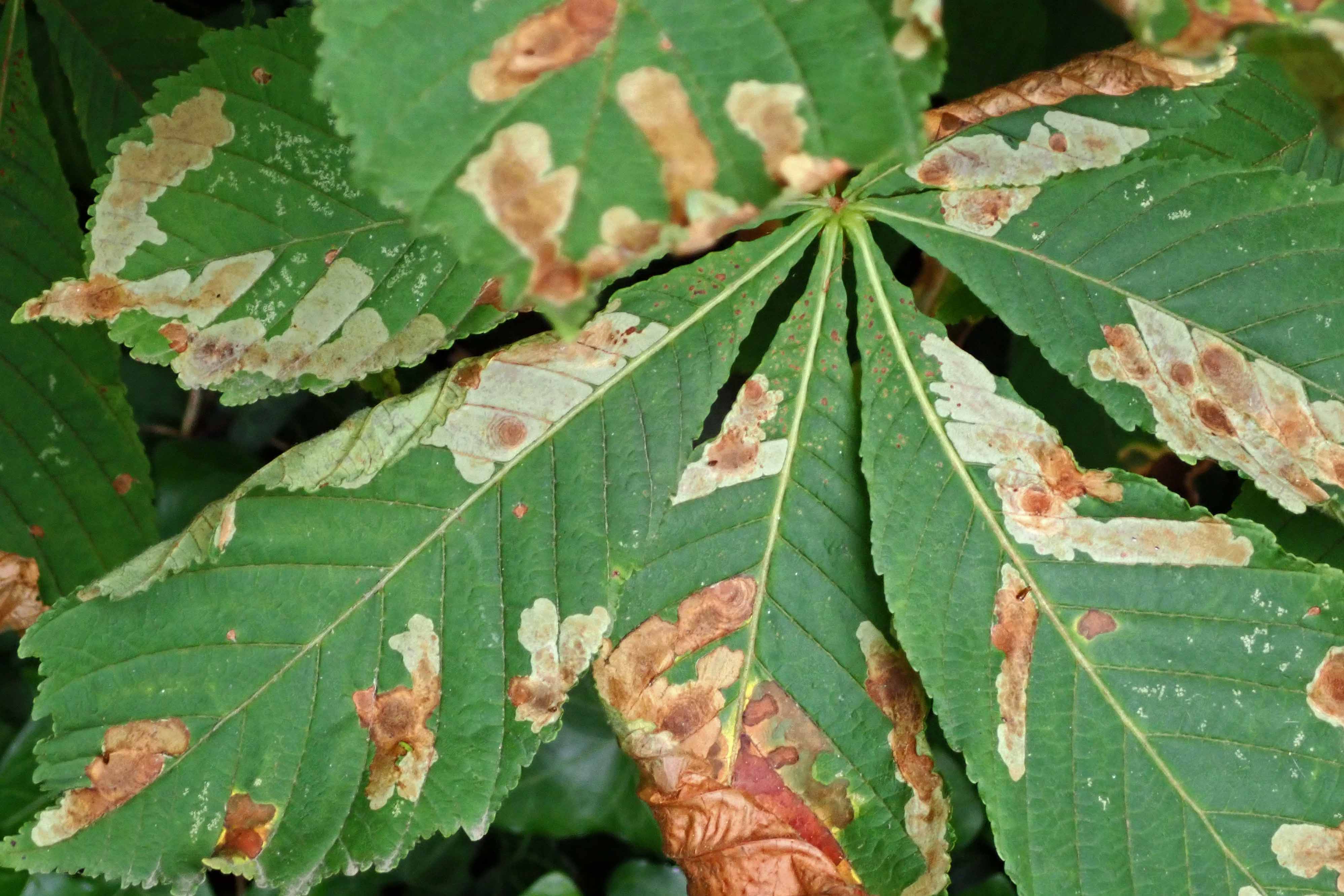
As it’s very common, I’m sure you’ve all seen this damage on the leaves of Horse chestnut trees. These are leafmines, made by the larvae of the Horse chestnut leafminer (Cameraria ochridella) (see my blog Horse chestnut leafminer, 18 July 2018).

240805 Cameraria ochridella (1)

Until last Friday, I’d only ever seen the leafmines, never the adult moth. But, as I walked past this particular Horse chestnut tree, lots of tiny creatures were flitting around its lower leaves. At first, I wasn’t sure what the creatures were – they looked like little flies. Then one of them landed on a leaf in front of me and I managed to get a closer look – a moth, not a fly, and very prettily marked too.

240805 Cameraria ochridella (2)

I must have stood watching for 15 minutes or more, waiting for a moth to settle and snapping a few quick photos before it zipped off … and again … and again. It was a good test of my patience, and I’m really glad I was in the right place at the right time to see these beautiful moths.

240805 Cameraria ochridella (3)

Like Loading...

A miscellany of moths

24 Wednesday Jul 2024

Posted by sconzani in insects

≈ Leave a comment

Tags

#MothsMatter, Alder signal, Angerona prunaria, British moths, Eucosma cana, Evergestis forficalis, Garden pebble, Hoary tortrix, Orange moth, Stathmopoda pedella

From all the leafmine blogs I post, you might well get the impression that I only ever see moths in their larval form, and often those are hidden within leaves. I don’t operate a moth trap – my living accommodation has no outside space for such things, and, though I’m sure there is some value in knowing what moths are around at any given time, I’m not convinced that artificially luring all the moths in your garden to spend the night confined inside a trap is actually a good thing. Still, I do occasionally spot day-flying moths or momentarily disturb roosting night-flying moths during my walks. So, here are a few recent finds (for each species I’ve added links to the UK Moths website in case you want to learn more about them).

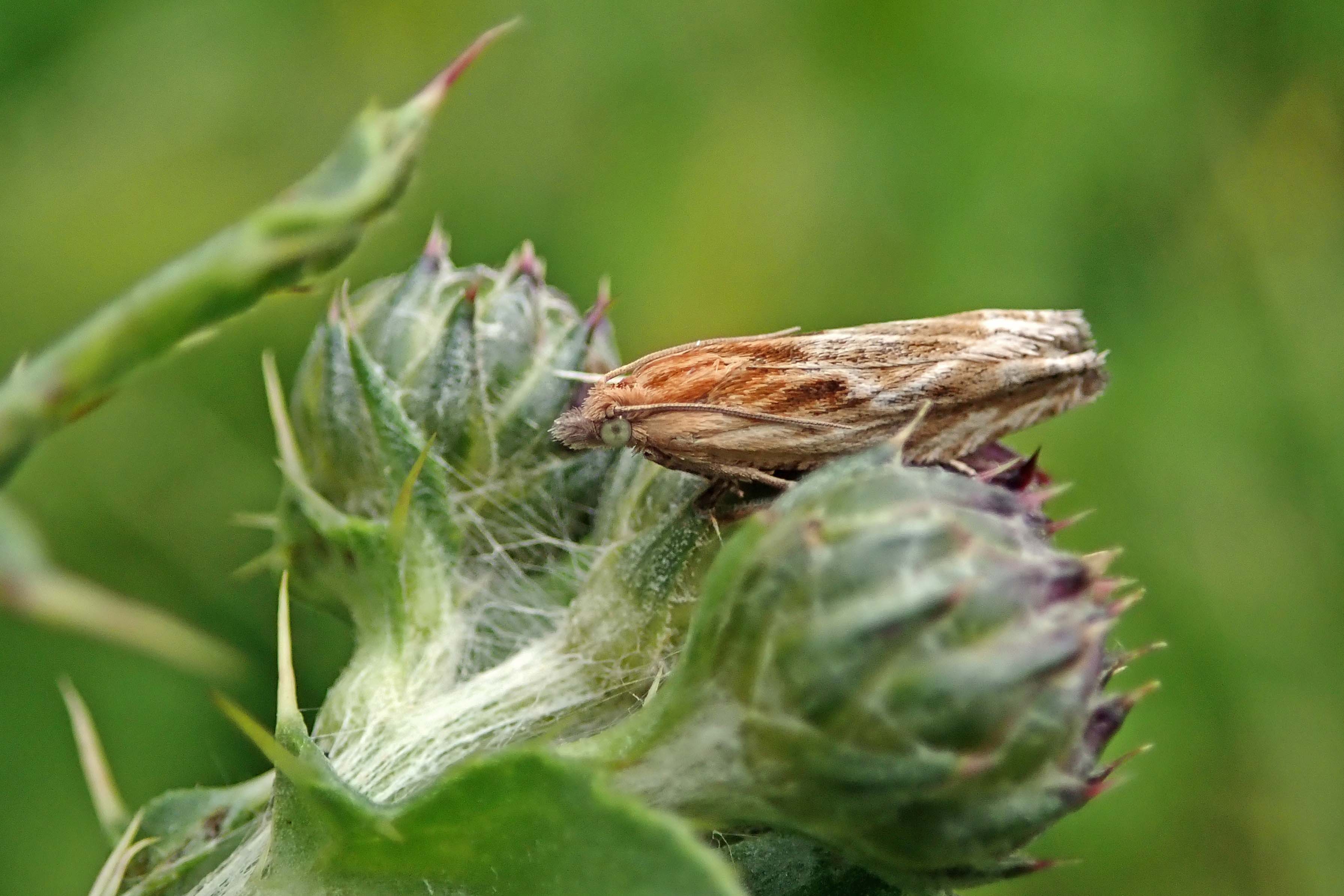
240724 Eucosma cana

Eucosma cana, also known as Hoary tortrix or Hoary bell, found on thistle in a local meadow.

240724 garden pebble Stathmopoda pedella

On the left, Evergestis forficalis, common name Garden pebble, spotted in its distinctive resting posture in vegetation by a local path.
On the right, Stathmopoda pedella, another moth with a unique method of sitting, this one found on an Alder leaf, which presumably is why its common names are Alder signal or Alder signaller.

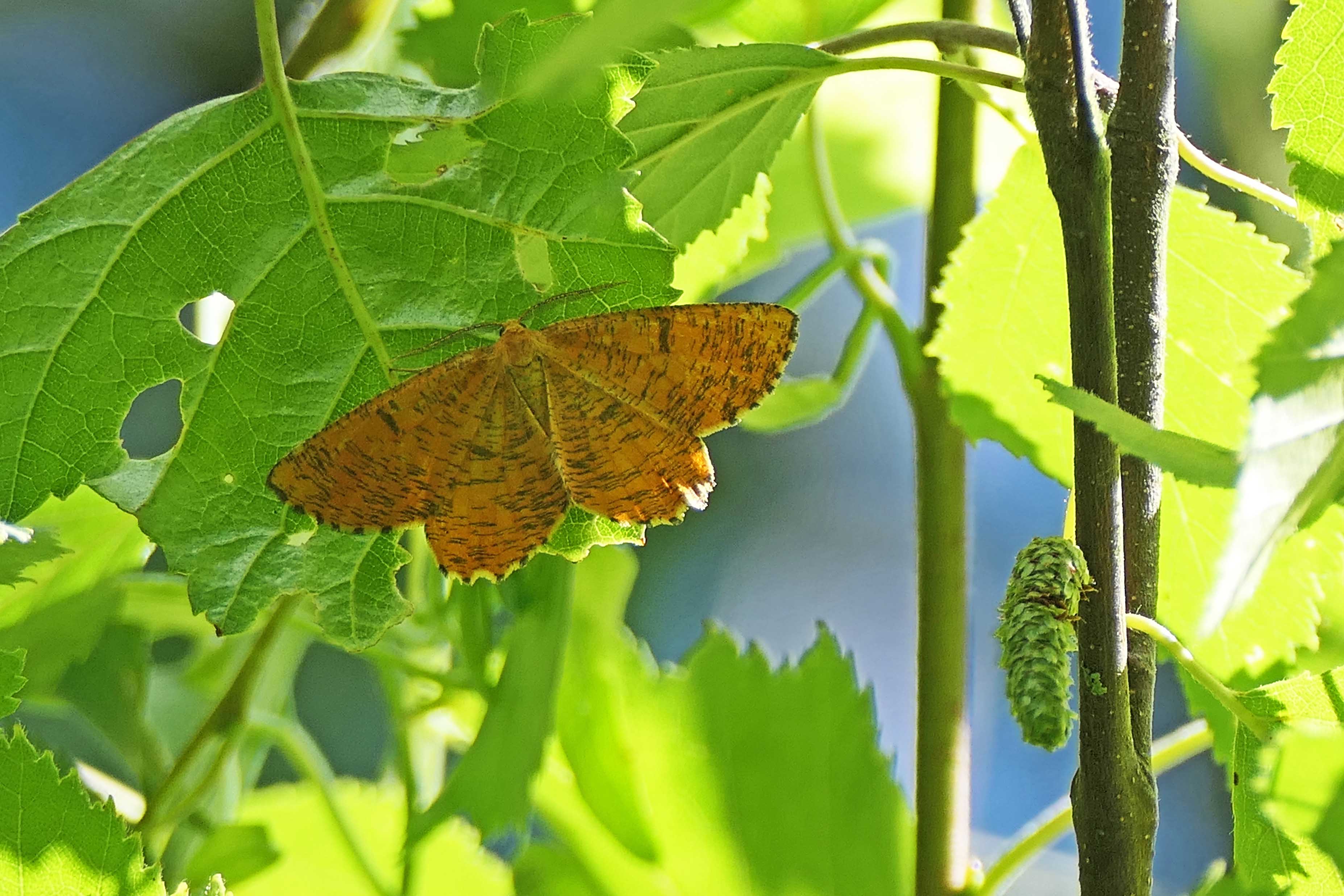
240724 orange moth

Angerona prunaria or Orange moth. Not a common moth locally so I was fortunate that it fluttered up from vegetation during my recent visit to Slade Wood.

Like Loading...

Leafmines: Coleophora siccifolia

22 Monday Jul 2024

Posted by sconzani in insects, trees

≈ Leave a comment

Tags

British moths, Coleophora mining Hawthorn, Coleophora siccifolia, Hawthorn, leaf-mining moth larvae, leafmines on Hawthorn

As often happens, my search for these leafmines was inspired by a post on Twitter/X. In this instance, George, a locally based senior ecologist with Butterfly Conservation, posted that he had found, for the first time in Glamorgan, the larval cases of the tiny moth Coleophora siccifolia. The find site was on a part of the south Wales coastal path within bus-and-walking distance from home so, on the next fine day, off I set.

240722 Coleophora siccifolia (1)

Searching the leaves of Hawthorn, I found lots of evidence where Coleophora larvae had been feeding. As they live in cases, there’s usually a tiny hole where the larva has parked its case and poked its head and part of its body inside the layers of the leaf to feed, thus creating a distinctive blotch (as you can see in the photograph above).

240722 Coleophora siccifolia (2)

As the British leafminers website relates, the larvae also mine the leaves of Apple, Rowan and Birch, and the cases they create from bits of leaves are quite distinctive. George had found several cases but I only managed to find one, and that one was empty. Still, now that we know Coleophora siccifolia can be found locally, I’ll keep on looking for more.

Like Loading...

The spinnings of Depressaria radiella

15 Monday Jul 2024

Posted by sconzani in insects

≈ Leave a comment

Tags

British moths, Depressaria radiella, moth larvae on Hogweed flower heads, moth larvae on Wild parsnip, Parsnip moth

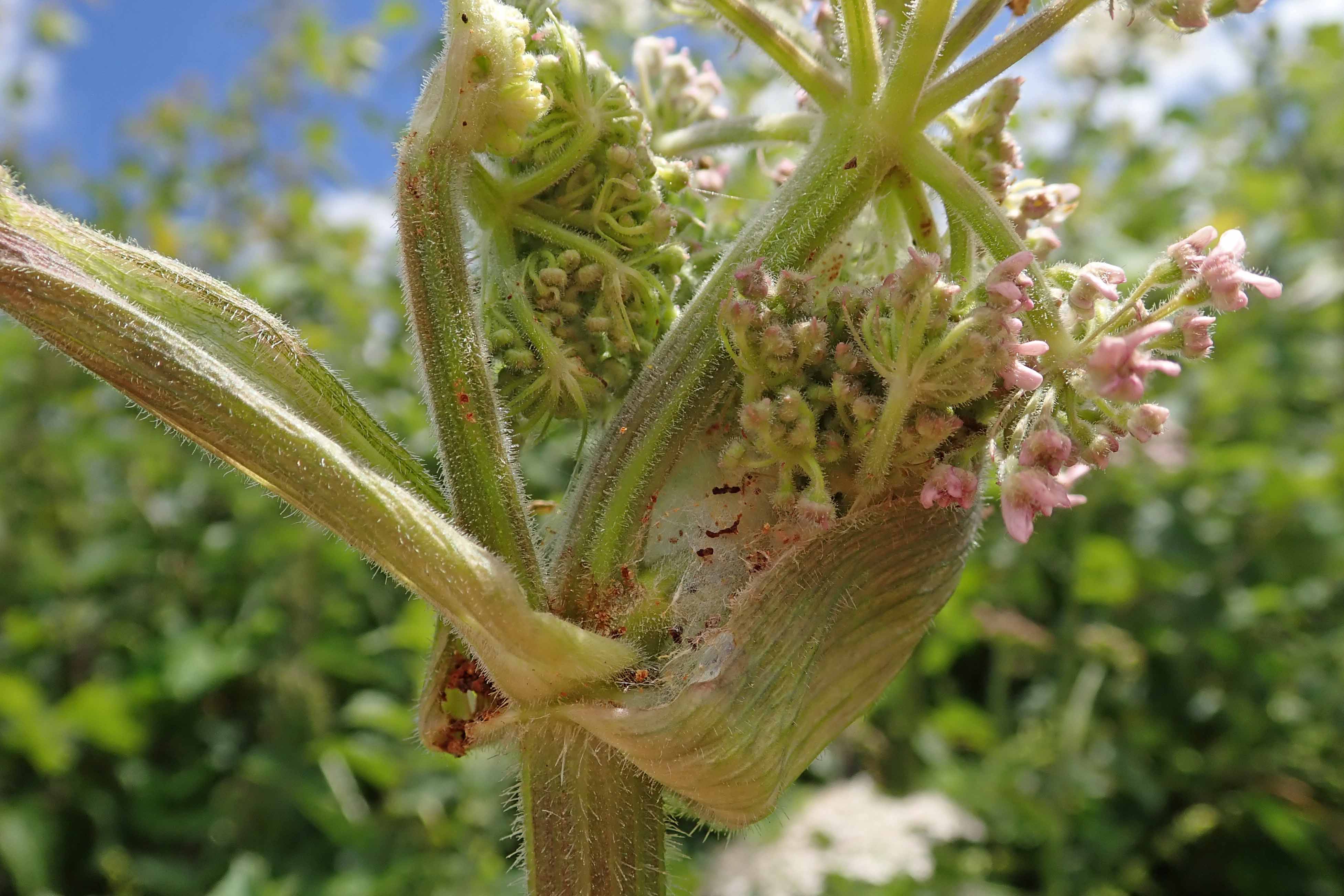
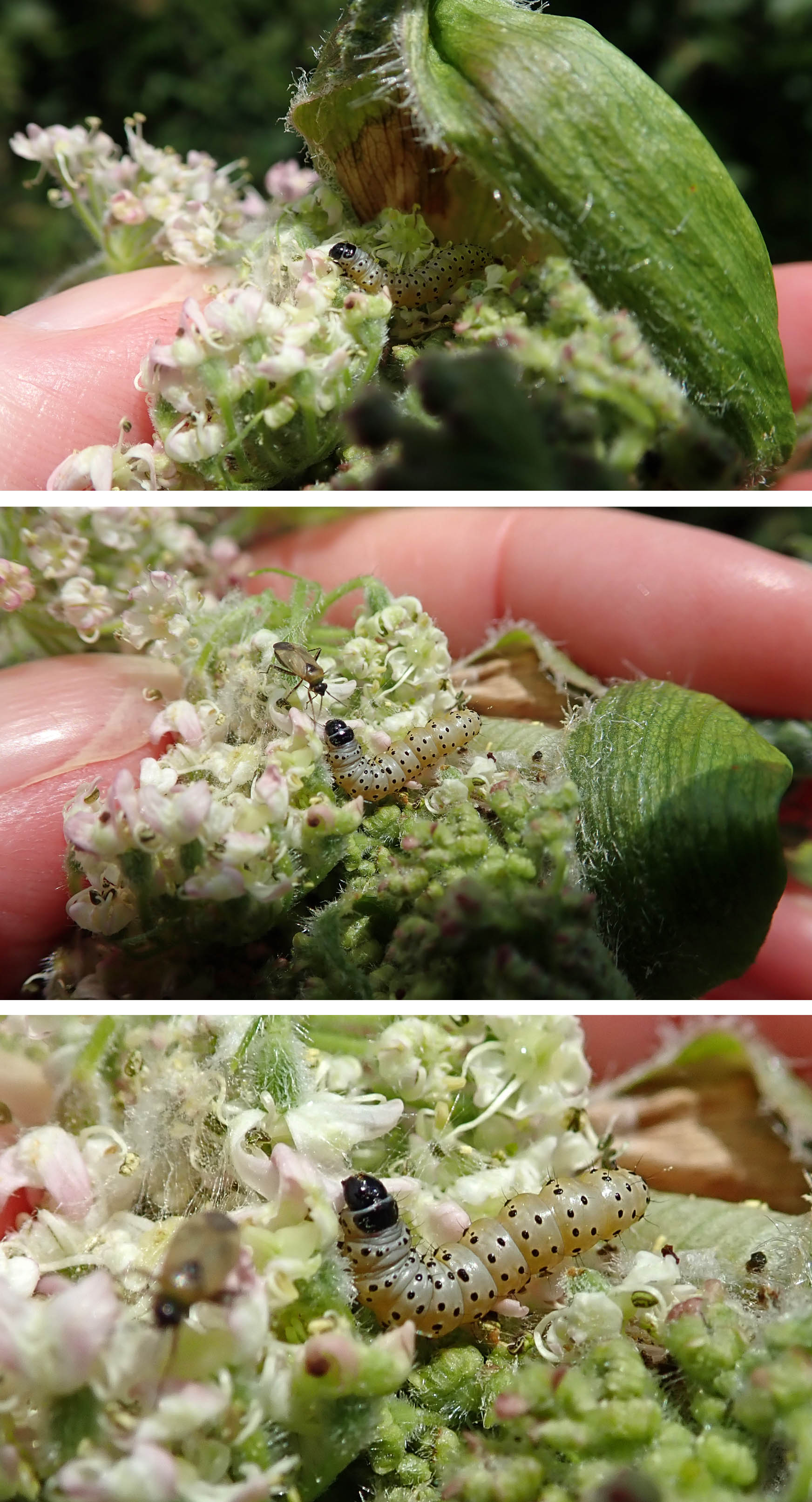
I had found this once before, in a Cardiff Park back in July 2016, but was reminded by a post on Twitter/X to start once again checking the flower heads of Hogweed (Heracleum species) and Wild parsnip (Pastinaca sativa) for the larvae of the bland-looking little moth Depressaria radiella, the Parsnip moth.

240715 Depressaria radiella (1)

I wasn’t checking very thoroughly but still found two examples during my recent visit to Slade Wood, where they were living in Hogweed growing along the side of the lane that leads to the woodland. The larvae spin silk to bind parts of the flower heads together, making themselves a cosy little home amongst their food source. The UK Moths website reports that the larvae will eventually insinuate themselves into the plant stem to pupate, hatching in early Autumn and overwintering as adults, before beginning the whole lifecycle once again the following Spring.

240715 Depressaria radiella (2)

Like Loading...

A thistle muncher

29 Saturday Jun 2024

Posted by sconzani in insects

≈ Leave a comment

Tags

Agonopterix arenella, British moths, larva on thistle, moth caterpillar, moth caterpillar eating Spear thistle, moth larva

Yesterday, at a local park, as our mini heatwave had passed and the weather was once again overcast, I was doing a little leaf-bothering, as one of my Twitter friends calls it, and noticed that some small mystery creatures had been munching on the leaves of Spear thistle (Cirsium vulgare). I saw similar leaf damage on several plants but it wasn’t easy turning over the leaves to look for the culprits – my skin kept getting punctured by the vicious spines. Eventually, when I turned this leaf over, a little caterpillar poked its head – or possibly its bottom – out of the cosy little hideaway it had spun for itself to check what was happening, and I managed to get some photos. Turns out this is the caterpillar of the moth Agonopterix arenella, and you can see the adult moth it will eventually develop into on the UK Moths website.

Like Loading...

Pale tussock moth

07 Friday Jun 2024

Posted by sconzani in insects

≈ Leave a comment

Tags

British moths, Calliteara pudibunda, egg-laying moth, moth, Pale tussock moth, Pale tussock moth egg-laying

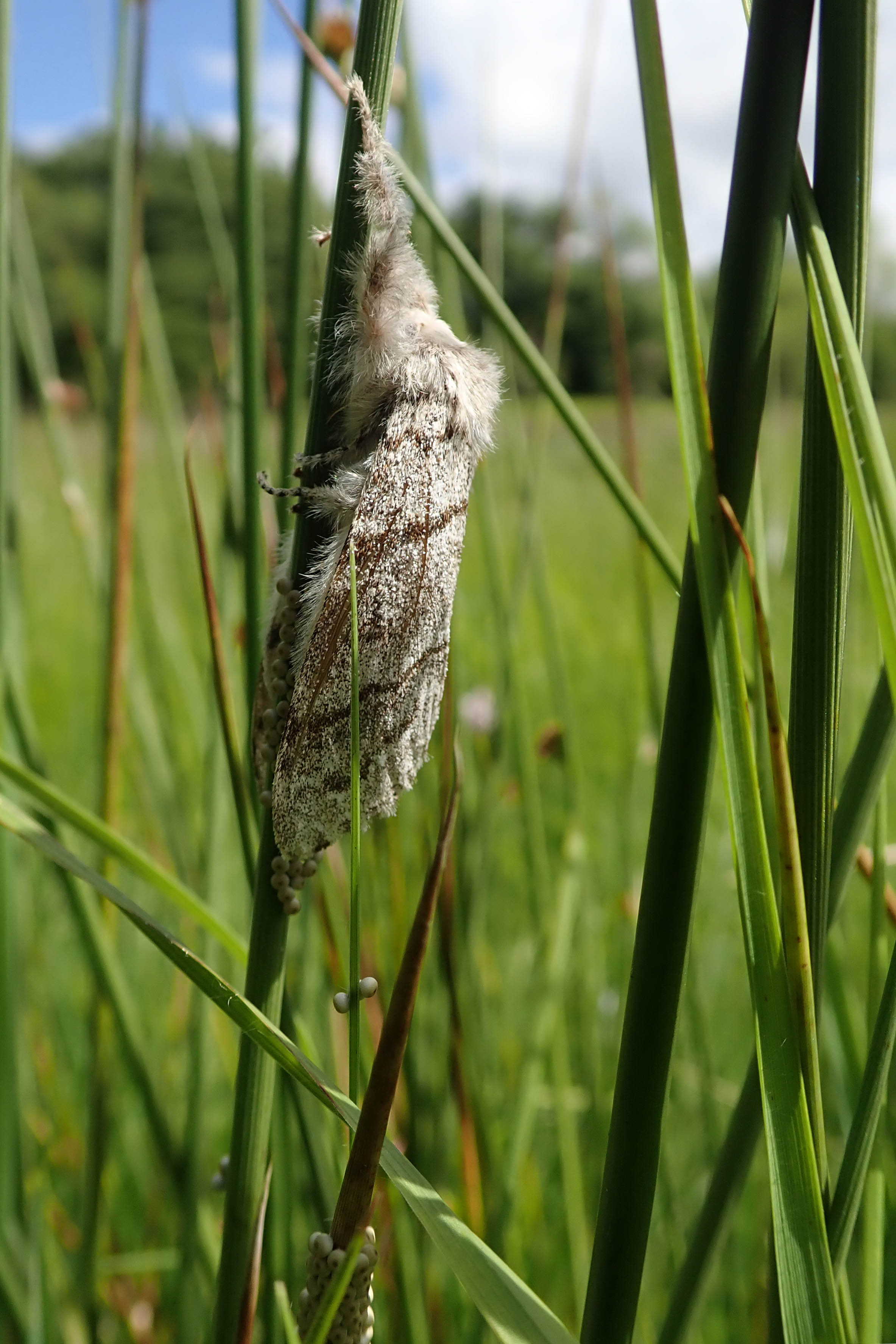
240607 pale tussock (1)I probably wouldn’t have noticed this gorgeous moth but, when I was standing chatting to an ecologist I hadn’t seen for a while, he spotted it, clinging on to a piece of grass close to the ground.
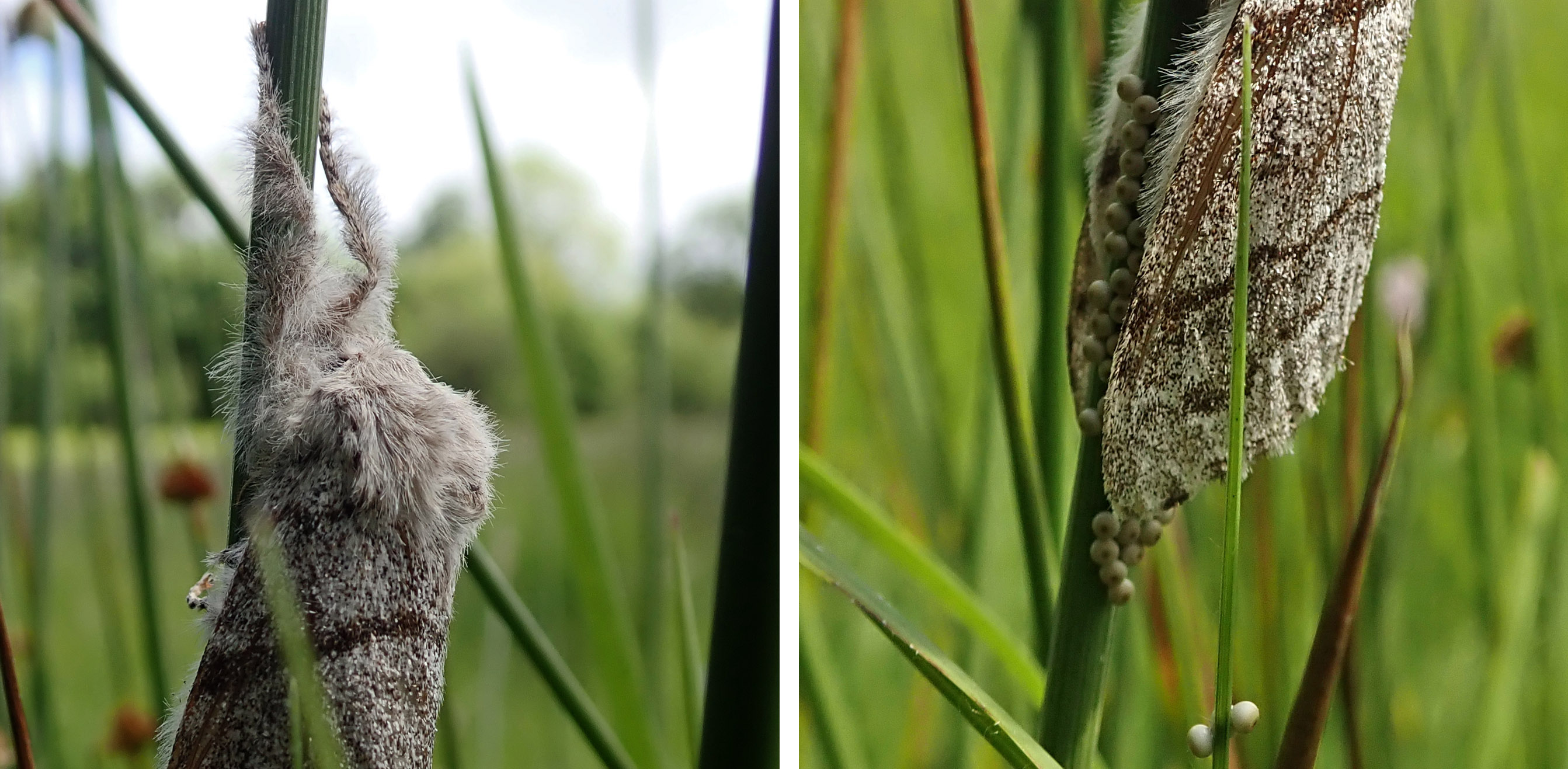
It’s a Pale tussock moth (Calliteara pudibunda), a female who was busy laying an abundance of eggs – hopefully, you will be able to see them, on the grass stem underneath and below her body, in my first photo and in the photo on the right below. I’m sure many of you will have seen the amazing tufty yellow caterpillars that will emerge from those eggs (see my blog Pale tussock moth caterpillar, 3 September 2022).

I’ve included the photo below left not only to show more detail of this beautiful moth but also so that you can see a distinctive aspect of her behaviour, what the UK Moths website describes as the ‘forward-facing “furry” legs at rest’.

240607 pale tussock (2)

Like Loading...

Puss moth kittens

04 Tuesday Jun 2024

Posted by sconzani in insects

≈ Leave a comment

Tags

British moths, Cerura vinula, moth larvae on willow, Puss moth, Puss moth caterpillars, Puss moth eggs, Puss moth larvae

As I wrote when I posted about this on Twitter/X, sometimes Nature is mind blowing!

240604 puss moth eggs larvae (1)

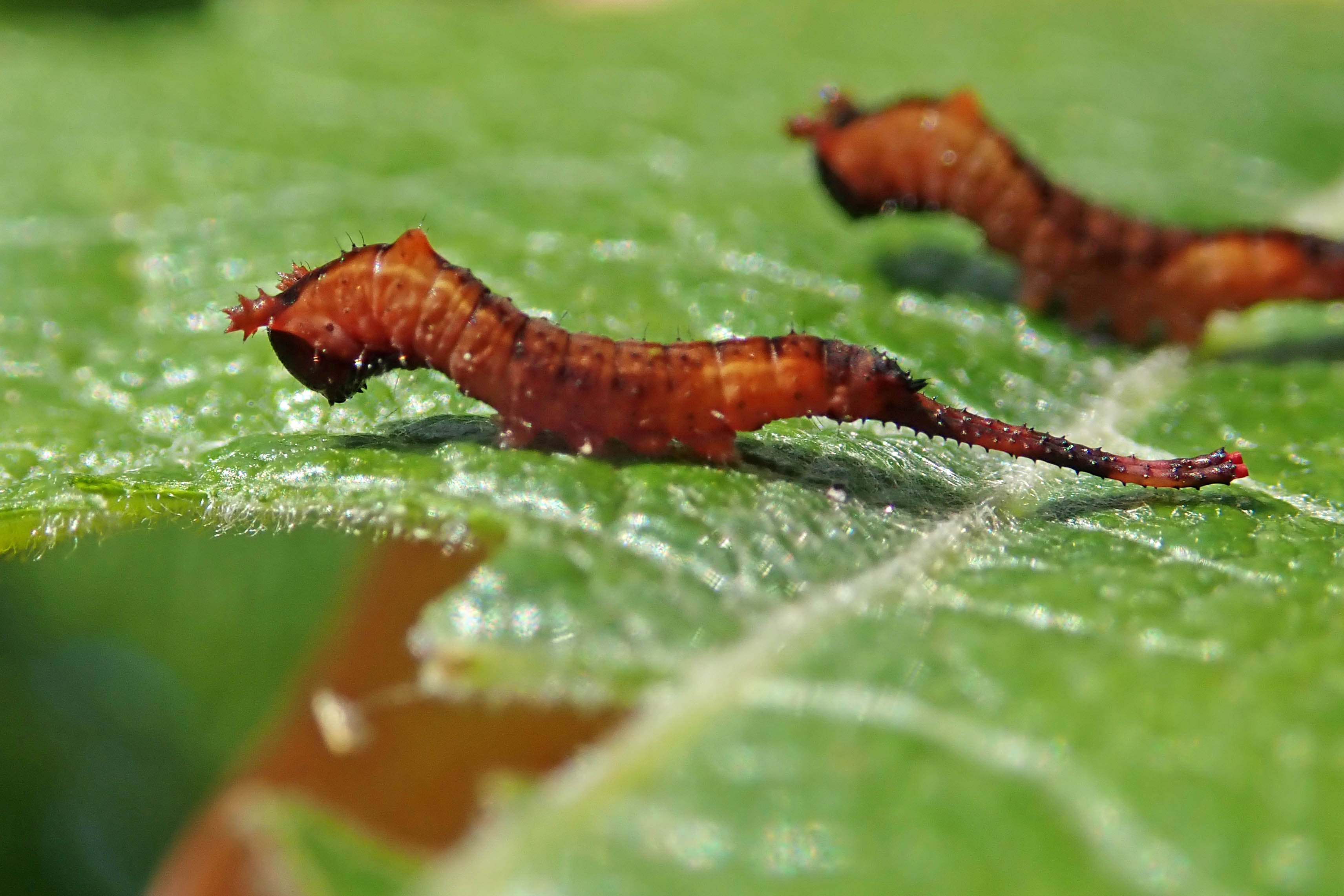
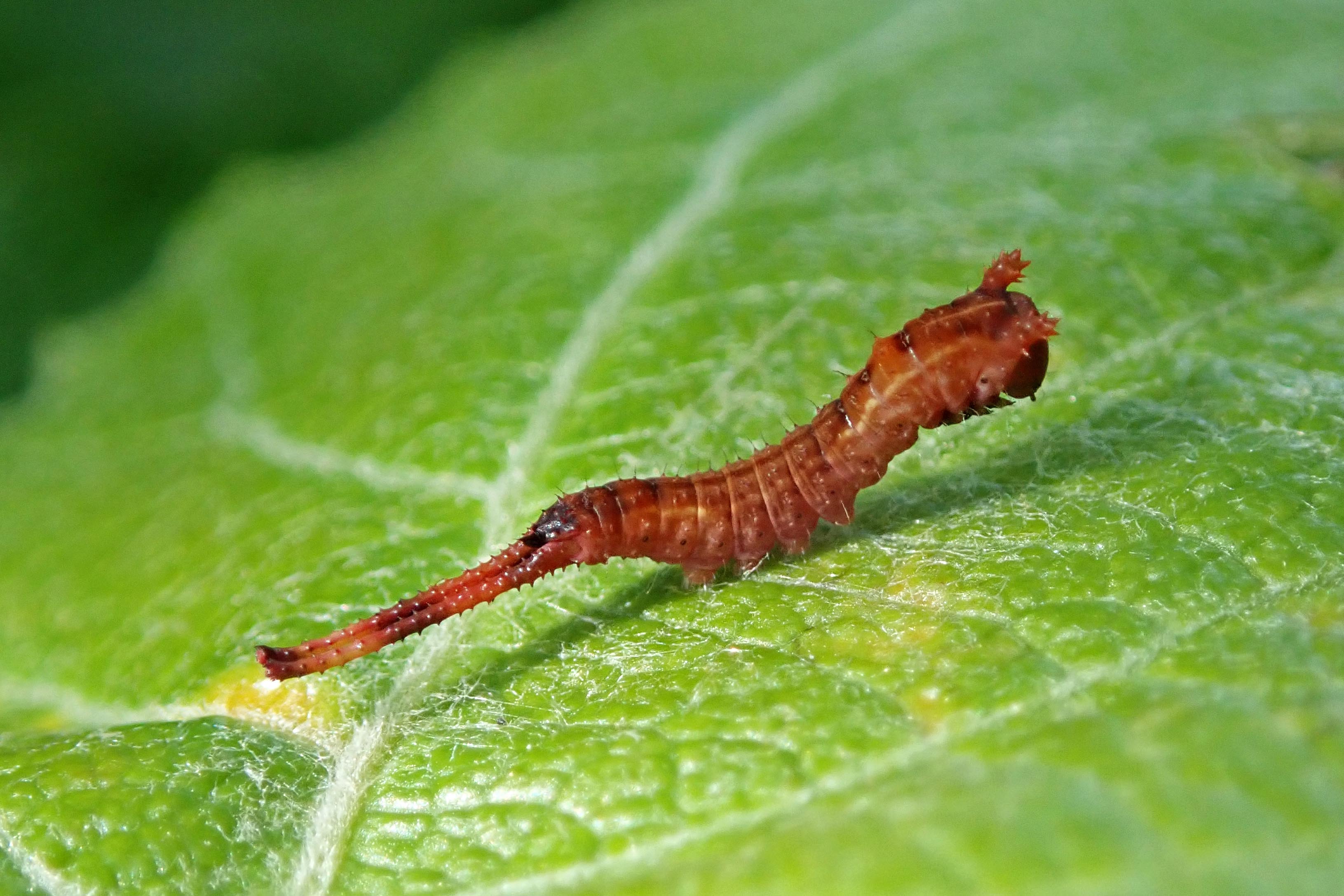
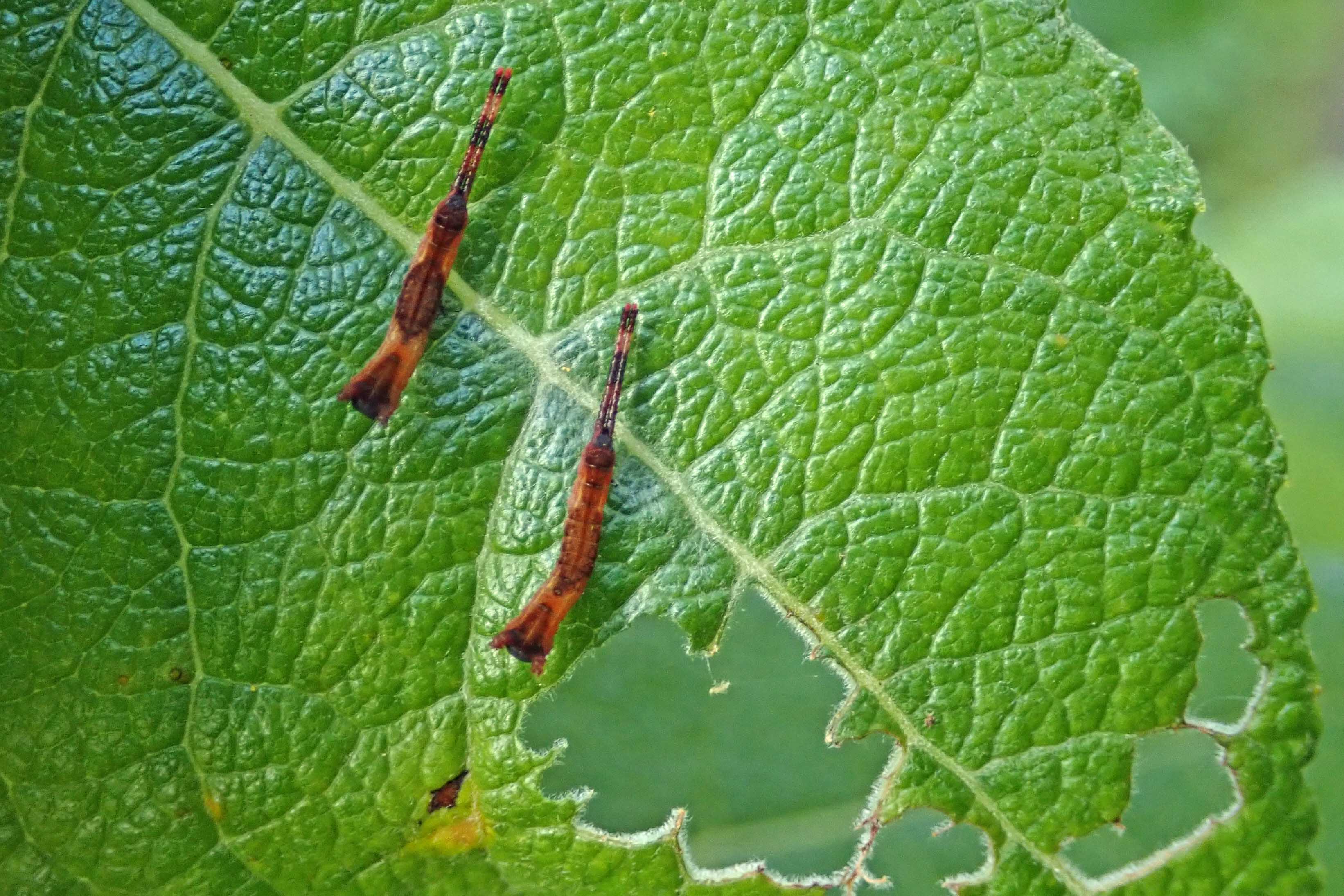
These are the empty eggs cases of a Puss moth (Cerura vinula), and the damage to a willow leaf from their initial feeding.

240604 puss moth eggs larvae (4)

And these are the three incredible larvae that had emerged from those eggs cases. One person commented that they thought they looked like aliens; I think they look a little like seahorses out of water. As they grow, they will develop in to even more beautiful larvae (and, fingers crossed, I’m hoping to be able to re-find them).

240604 puss moth eggs larvae (2)

I’ve never seen an adult Puss moth but it too is an amazing-looking creature (see the photos of both adults and larvae on the UK Moths website here).

240604 puss moth eggs larvae (3)

Like Loading...

Leafmines: Coleophora follicularis

20 Monday May 2024

Posted by sconzani in insects, plants

≈ Leave a comment

Tags

Agrimony case-bearer, British moths, casebearing moth larvae, Coleophora follicularis, Hemp-agrimony, leaf-mining moth larvae, leafminers on Hemp agrimony

As often happens, I was alerted to the existence of this leafminer by a post on Twitter of someone else finding one. So, in the following days, I pointed my walking shoes in the direction I knew I would find their host plant for a little leaf staring, and Bob’s your uncle (such a strange expression, don’t you think?)! After checking two or three clumps of Hemp-agrimony (Eupatorium cannabinum), I spotted the tell-tale feeding signs (see photos below) and, lurking beneath a leaf, my first Coleophora follicularis (Agrimony case-bearer).

240520 Coleophora follicularis

According to the British Leafminers website, as well as feeding on Hemp-agrimony, these larvae also feed on Common fleabane (Pulicaria dysenterica) and Ploughman’s-spikenard (Inula conyzae), and the times of year of the appearance of the larvae and adults vary depending on the larval food plant. When Hemp-agrimony is used, the mines can be found in April-May and then again in July-August. The UK Moths website shows an adult moth that has a subtle pattern of beige and cream stripes, a smart-looking little flier.

Like Loading...

Migrant lepidoptera

15 Wednesday May 2024

Posted by sconzani in insects

≈ Leave a comment

Tags

British butterflies, British moths, lepidoptera migration, migrating butterflies, migrating moths, Painted Lady, Silver Y

Despite a couple of days of cool rain this week, the cumulative effects of last week’s heat and southerly winds and today’s intermittent sunshine have brought us the first migrant Lepidoptera of the season. I actually saw my first Silver Y moth last week but, during today’s walk, another flitted up and away as I walked past, settling amongst a patch of long grass, quivering for 30 seconds or more as they do before stilling itself.

And today’s walk also produced my first Painted lady butterfly, looking remarkably well considering it had probably recently arrived from France, Portugal or Spain. The migration journeys of these smaller invertebrates never cease to astonish me.

Like Loading...
← Older posts
Newer posts →

About me

sconzani

sconzani

I'm a writer and photographer; researcher and blogger; birder and nature lover; countryside rambler and city strider; volunteer and biodiversity recorder.

View Full Profile →

Follow earthstar on WordPress.com

Enter your email address to follow this blog and receive notifications of new posts by email.

Recent blog posts

  • O is for Odonata December 20, 2025
  • N is for nest December 19, 2025
  • M is for mite December 18, 2025
  • L is for lepidopteran lifers December 17, 2025
  • K is for Keeled skimmers December 16, 2025

From the archives

COPYRIGHT

Unless otherwise acknowledged, the text and photographs on this blog are my own and are subject to international copyright. Nothing may be downloaded or copied without my permission.

Fellow Earth Stars!

  • Unknown's avatar
  • Unknown's avatar
  • Unknown's avatar
  • Unknown's avatar
  • Unknown's avatar
  • Unknown's avatar
  • Unknown's avatar
  • Unknown's avatar
  • Unknown's avatar
  • Unknown's avatar
  • Unknown's avatar
  • Unknown's avatar
  • Unknown's avatar
  • Unknown's avatar
  • Unknown's avatar
  • Unknown's avatar
  • Unknown's avatar
  • Unknown's avatar
  • Unknown's avatar
  • Unknown's avatar
  • Unknown's avatar
  • Unknown's avatar
  • Unknown's avatar
  • Unknown's avatar
  • Unknown's avatar
  • Unknown's avatar
  • Unknown's avatar
  • Unknown's avatar
  • Unknown's avatar
  • Unknown's avatar
  • Unknown's avatar
  • Unknown's avatar
  • Unknown's avatar
  • Unknown's avatar
  • Unknown's avatar
  • Unknown's avatar
  • Unknown's avatar
  • Unknown's avatar
  • Unknown's avatar
  • Unknown's avatar
  • Unknown's avatar
  • Unknown's avatar
  • Unknown's avatar
  • Unknown's avatar
  • Unknown's avatar
  • Unknown's avatar
  • Unknown's avatar
  • Unknown's avatar
  • Unknown's avatar
  • Unknown's avatar

Blog at WordPress.com.

Privacy & Cookies: This site uses cookies. By continuing to use this website, you agree to their use.
To find out more, including how to control cookies, see here: Cookie Policy
  • Subscribe Subscribed
    • earthstar
    • Join 667 other subscribers
    • Already have a WordPress.com account? Log in now.
    • earthstar
    • Subscribe Subscribed
    • Sign up
    • Log in
    • Report this content
    • View site in Reader
    • Manage subscriptions
    • Collapse this bar
 

Loading Comments...
 

You must be logged in to post a comment.

    %d