• ABOUT
  • BIRDING 2018
  • Birding 2019
  • BLOG POSTS
  • Butterflies 2018
  • Resources

earthstar

~ a celebration of nature

earthstar

Tag Archives: Brown argus

A day in Tiddesley Wood

10 Thursday Jul 2025

Posted by sconzani in insects

≈ Leave a comment

Tags

British butterflies, Brown argus, butterflies in Tiddesley Wood, butterfly, Painted Lady, Silver-washed fritillary, Tiddesley Wood, White admiral, Worcestershire butterflies

My main aim for my little trip to Cheltenham was to try to see my first ever Purple emperor butterfly: I failed. Yet, in spite of that failure, and the late afternoon train chaos (caused by a fault at Birmingham New Street station) that meant I arrived back at my guest house almost two hours later than planned, I had the most wonderful day in Tiddesley Wood in Worcestershire.
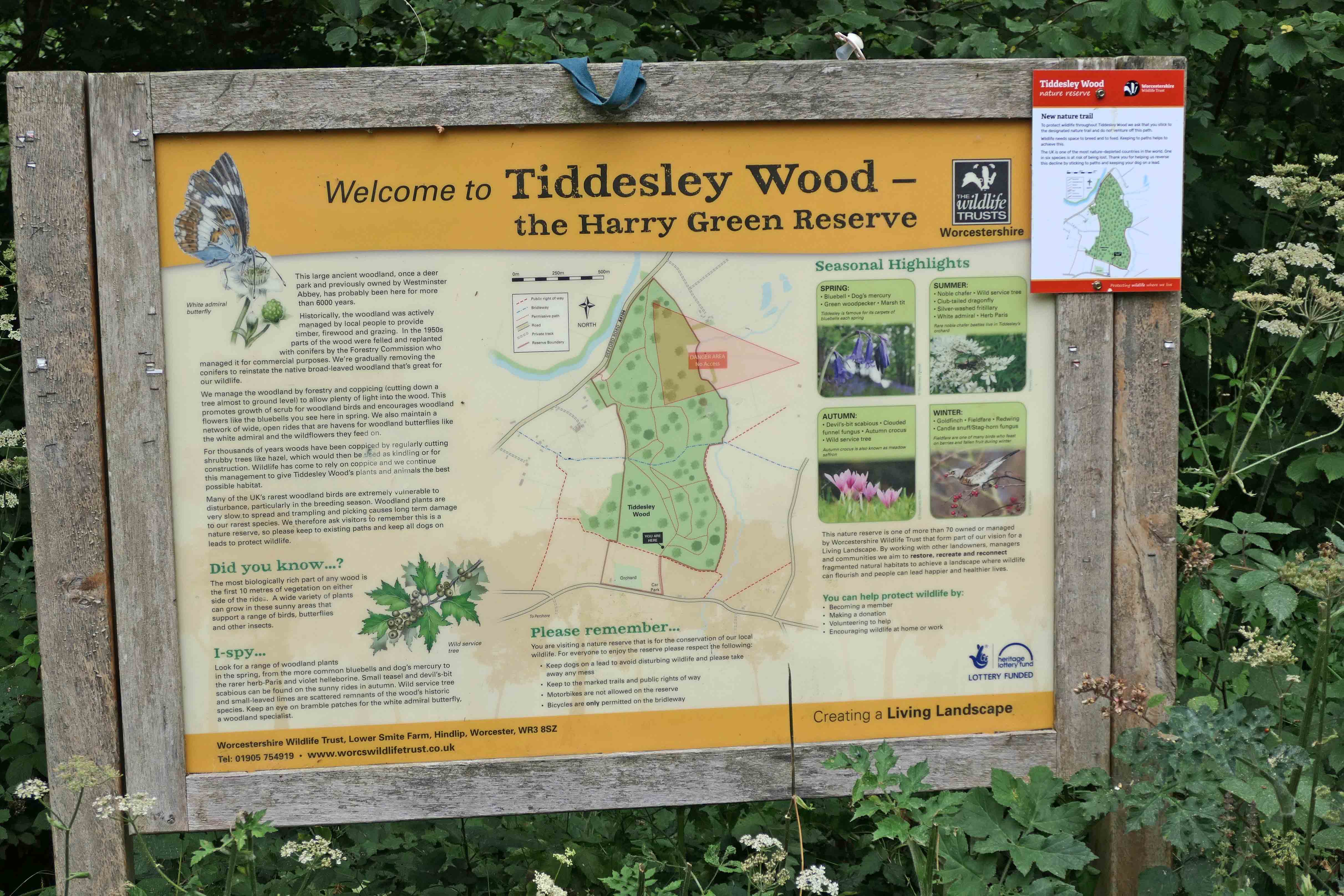
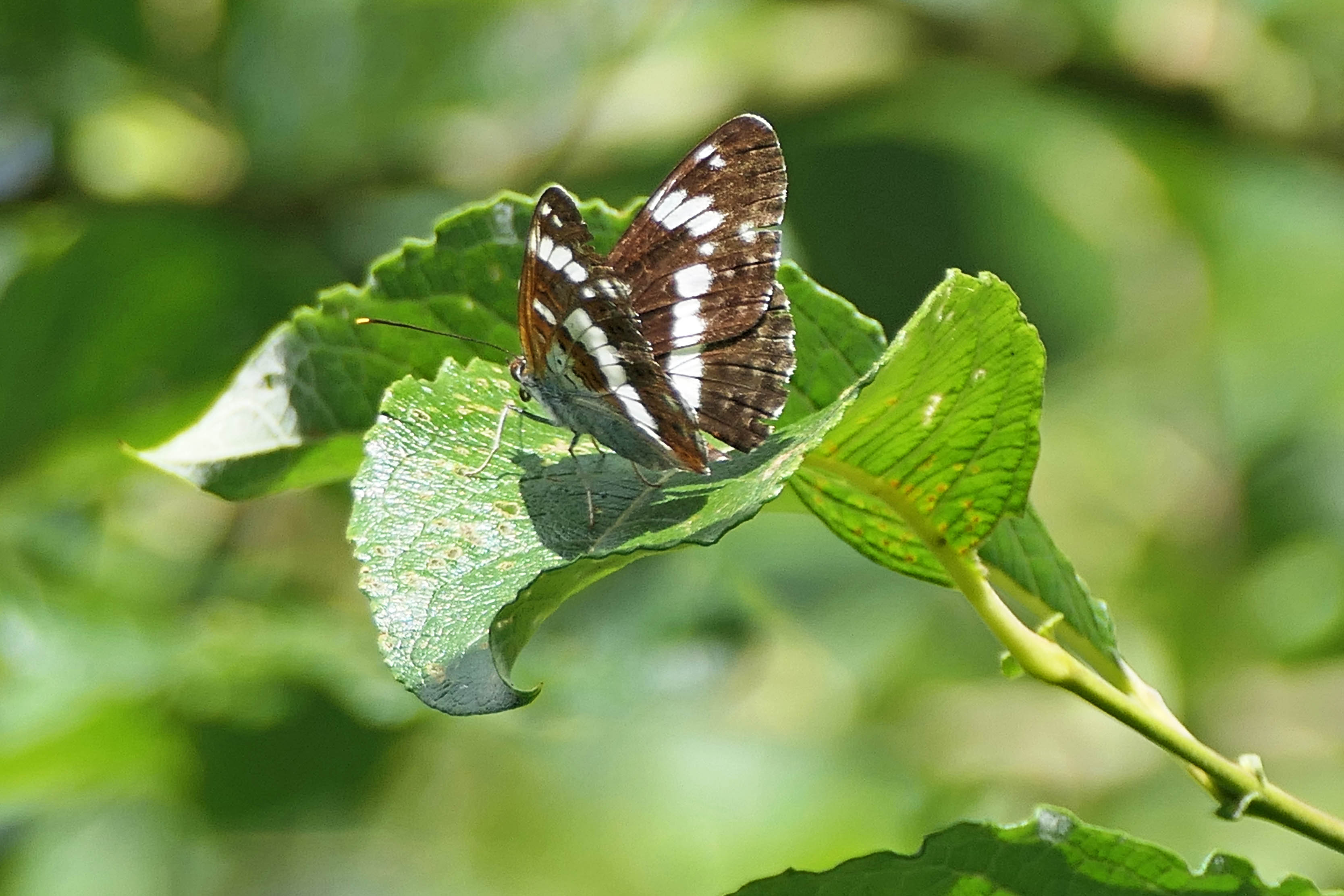
The reason this was such a wonderful day was the sheer abundance of butterflies I saw in this woodland, an abundance that has been very sadly lacking in recent years at the various locations I visit in south Wales. The first treat was getting very good views of several White admirals as they were gliding along the woodland rides. (The previous week I’d been to Slade Wood, in Gwent, the only local place I can find this species and seen two, but only distantly and fleetingly.)
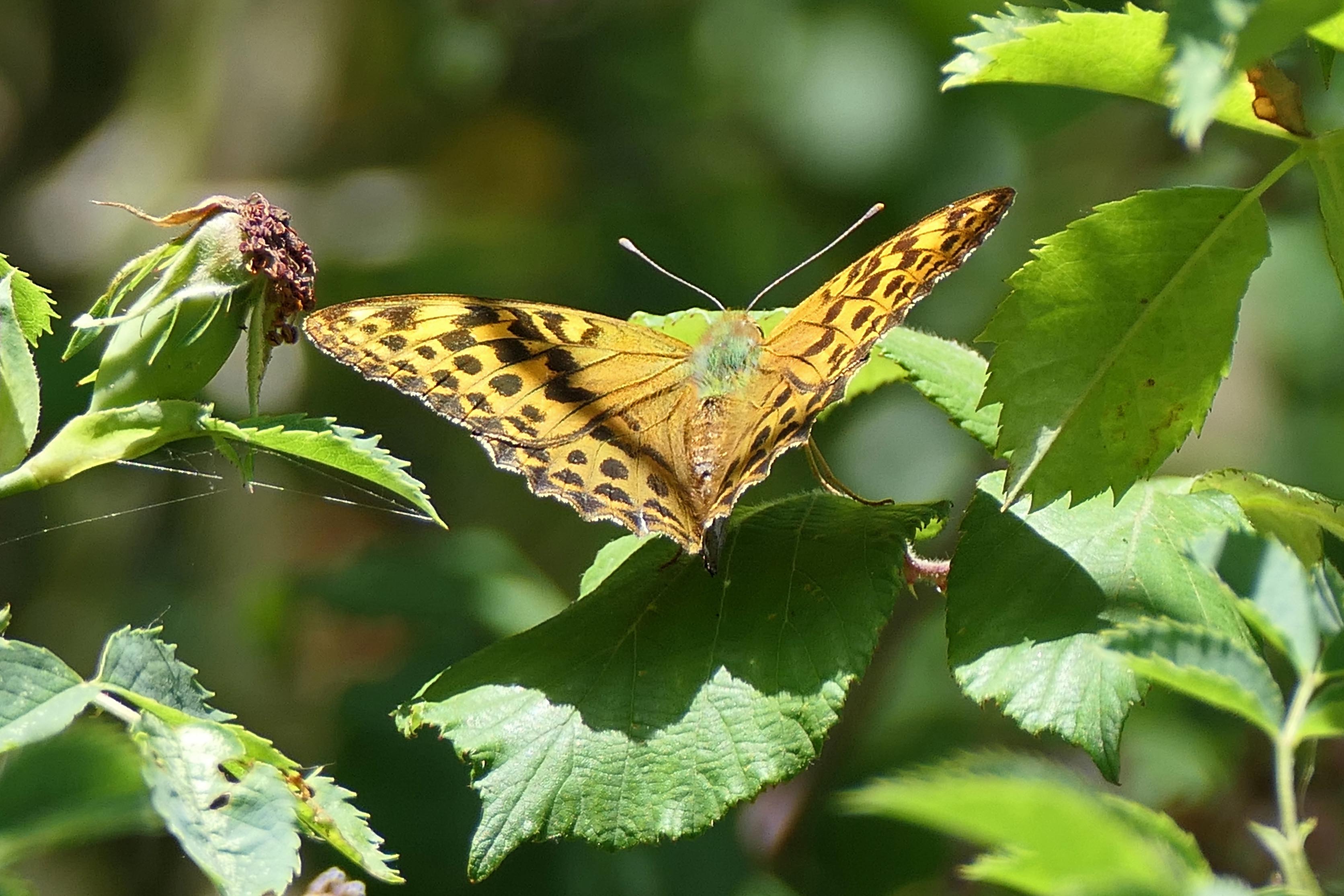
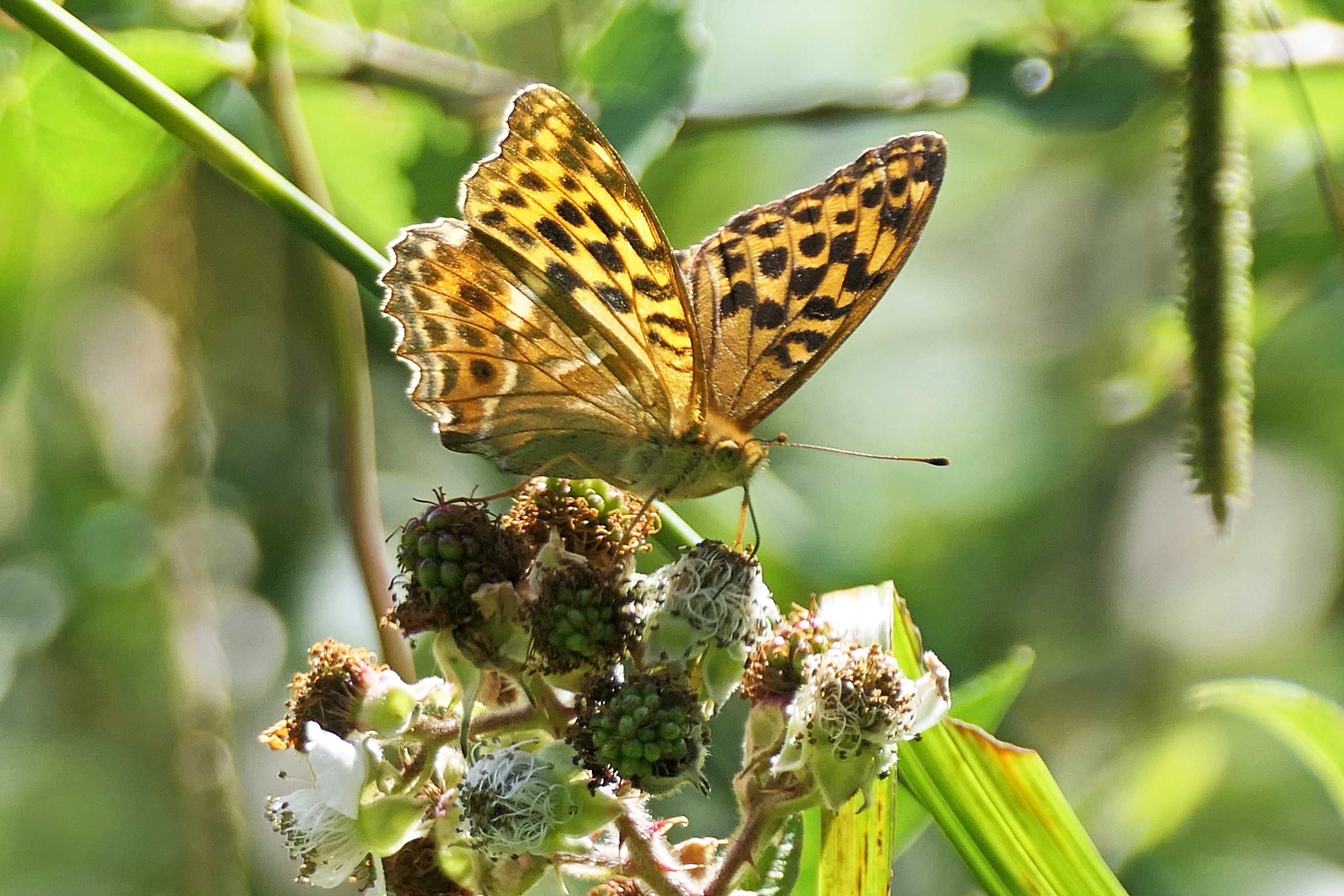
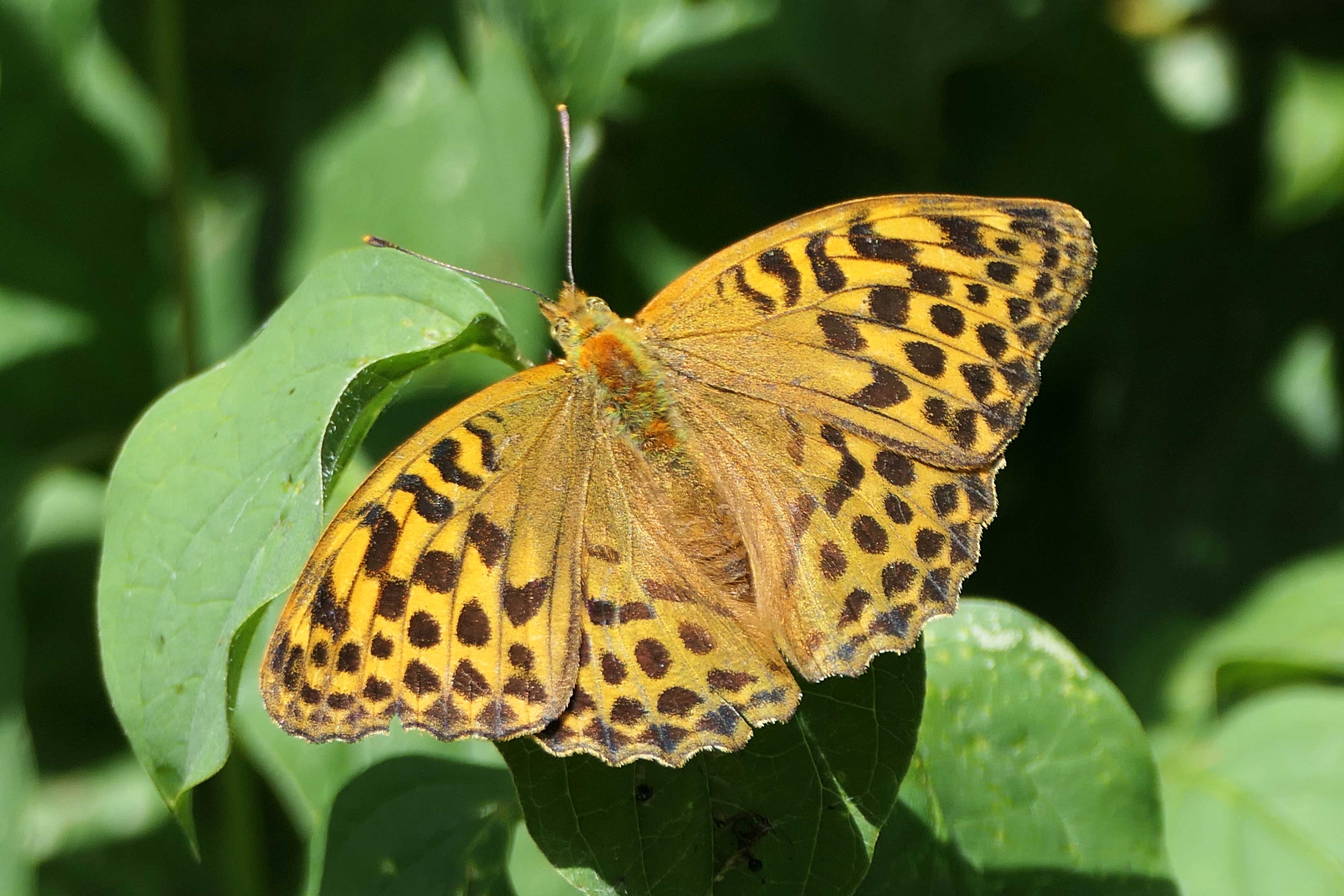
The second source of delight was the profusion of Silver-washed fritillaries living in the wood. These are big showy butterflies, the largest of Britain’s fritillaries, and they thrive in the wide wildflower-filled rides of woodlands like Tiddesley. The only location where I’d ever seen such a large quantity before was on a visit to Lower Woods Nature Reserve in south Gloucestershire back in 2019 so I was in butterfly heaven watching them at Tiddesley.
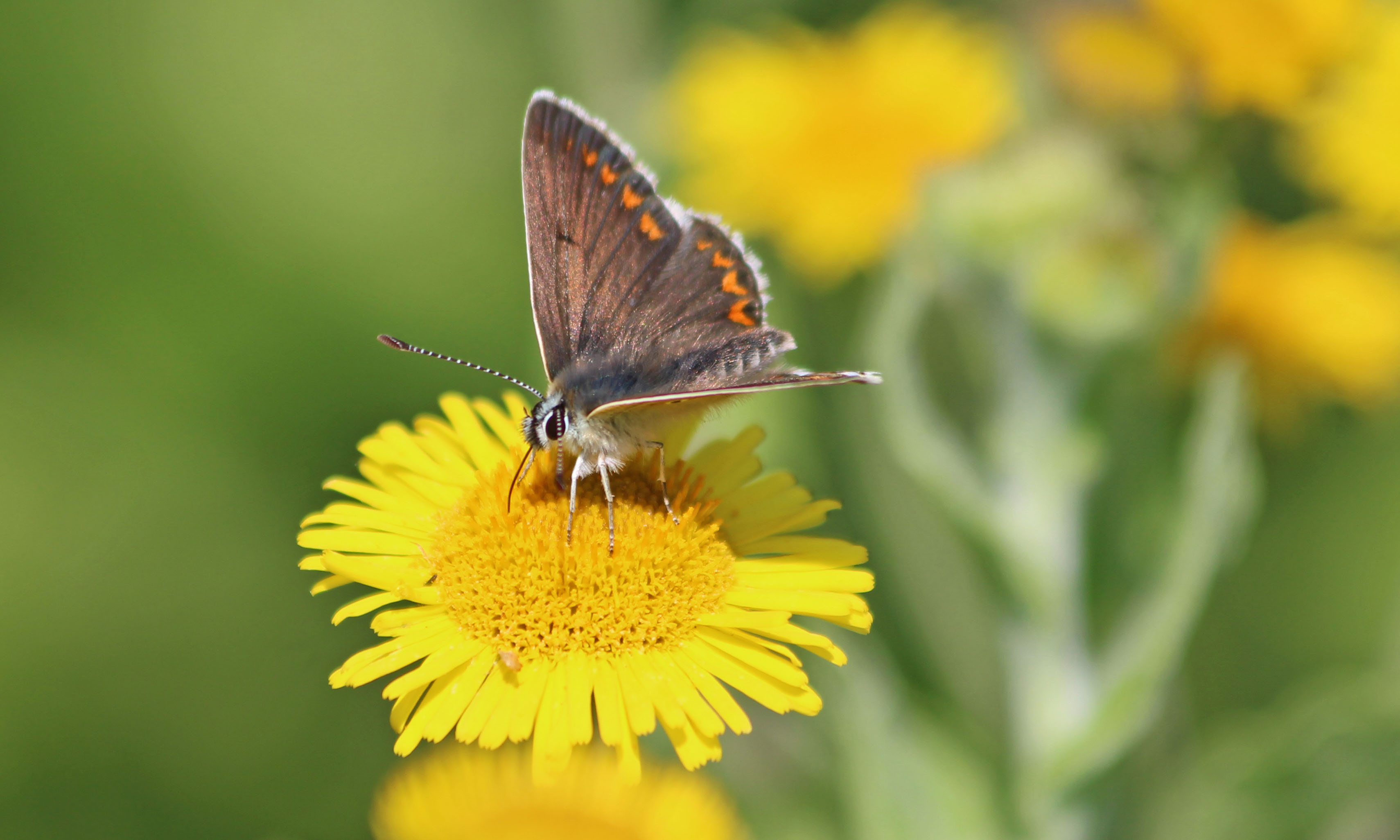
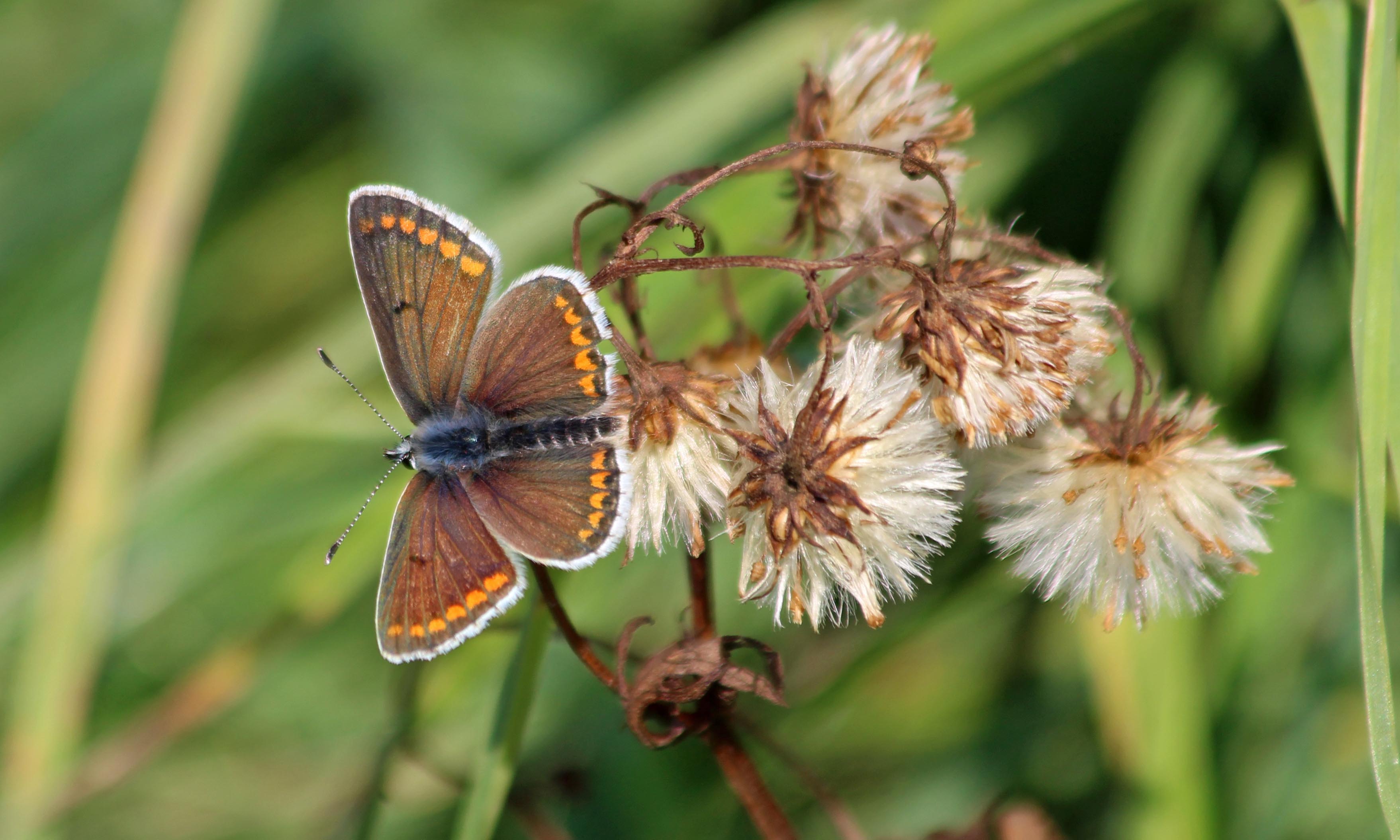
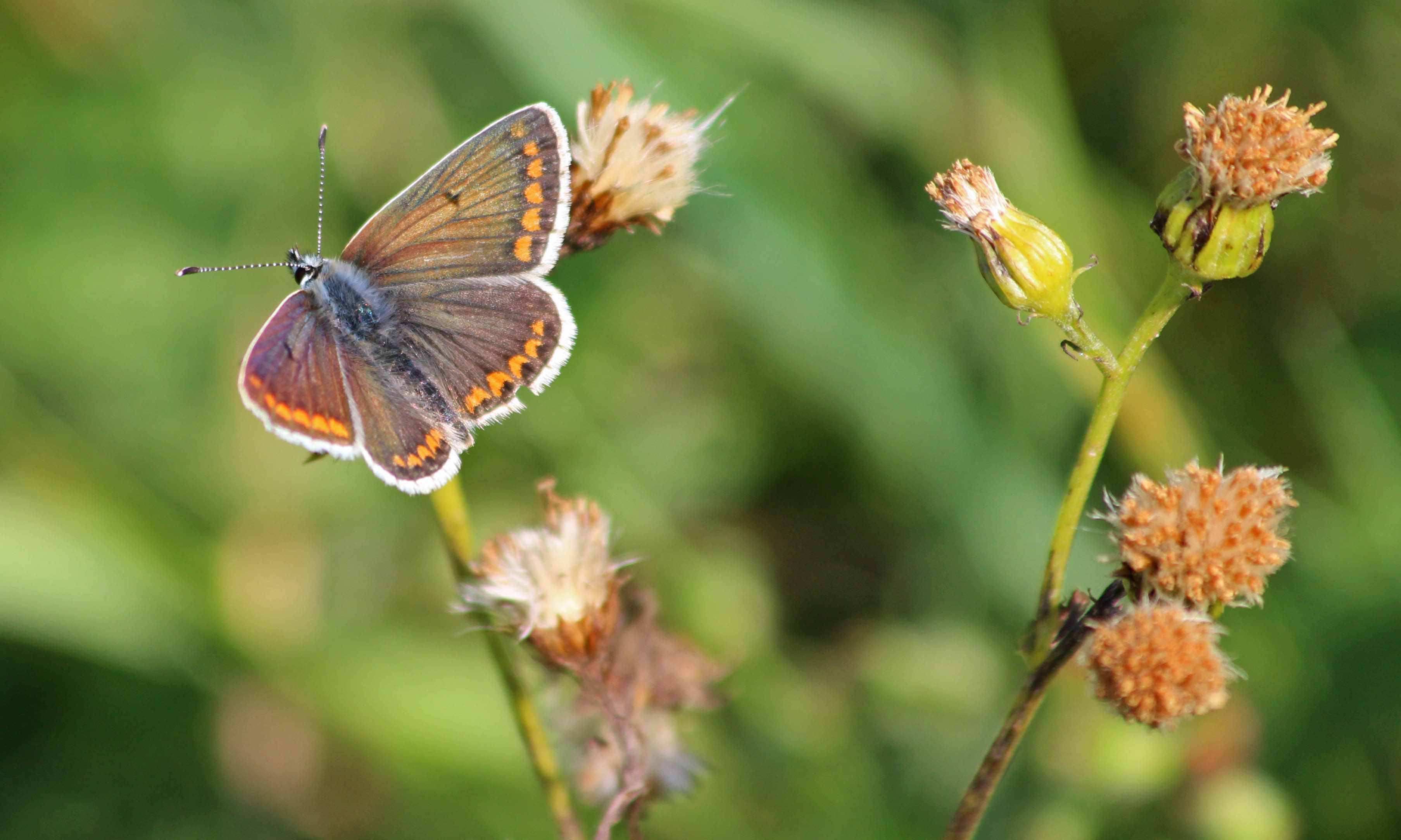
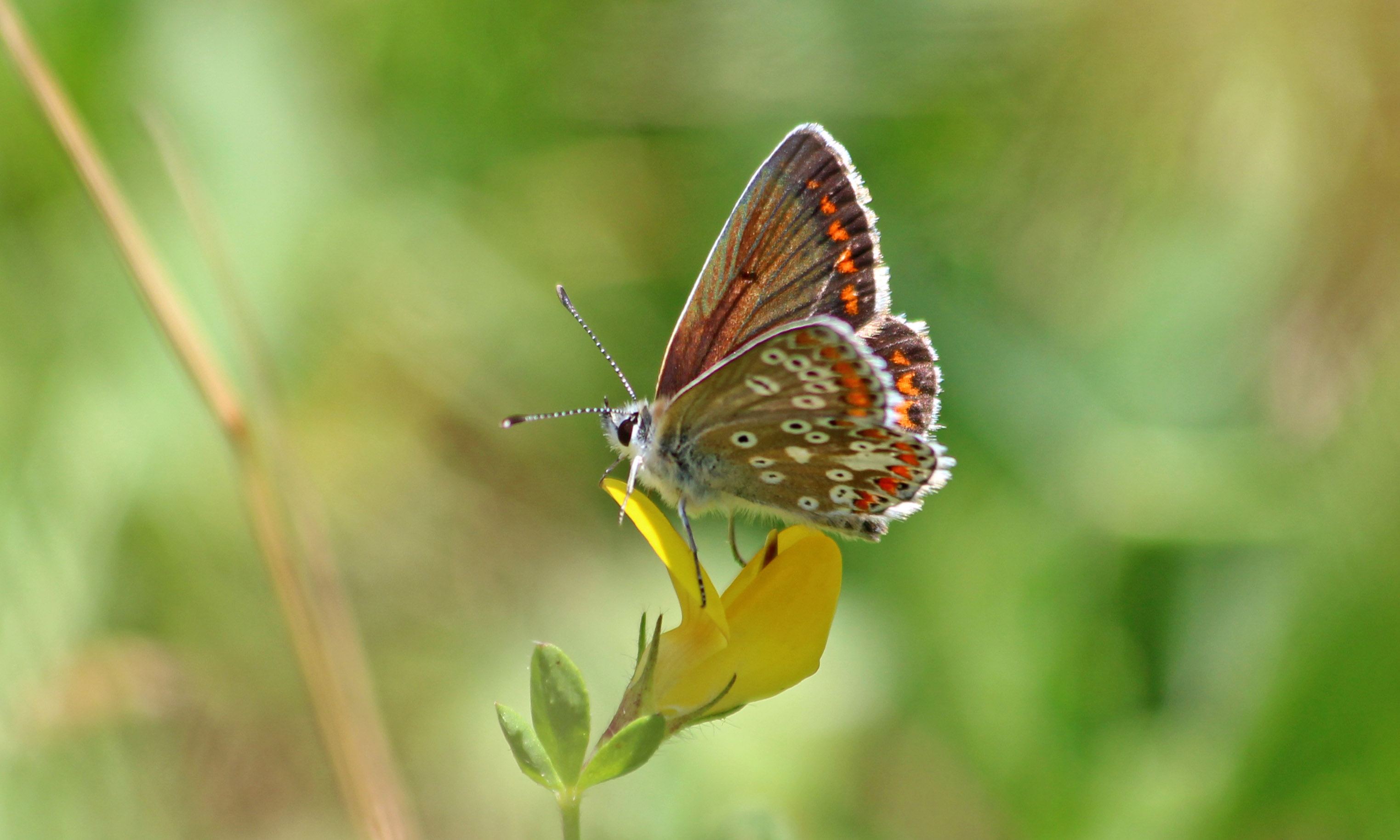
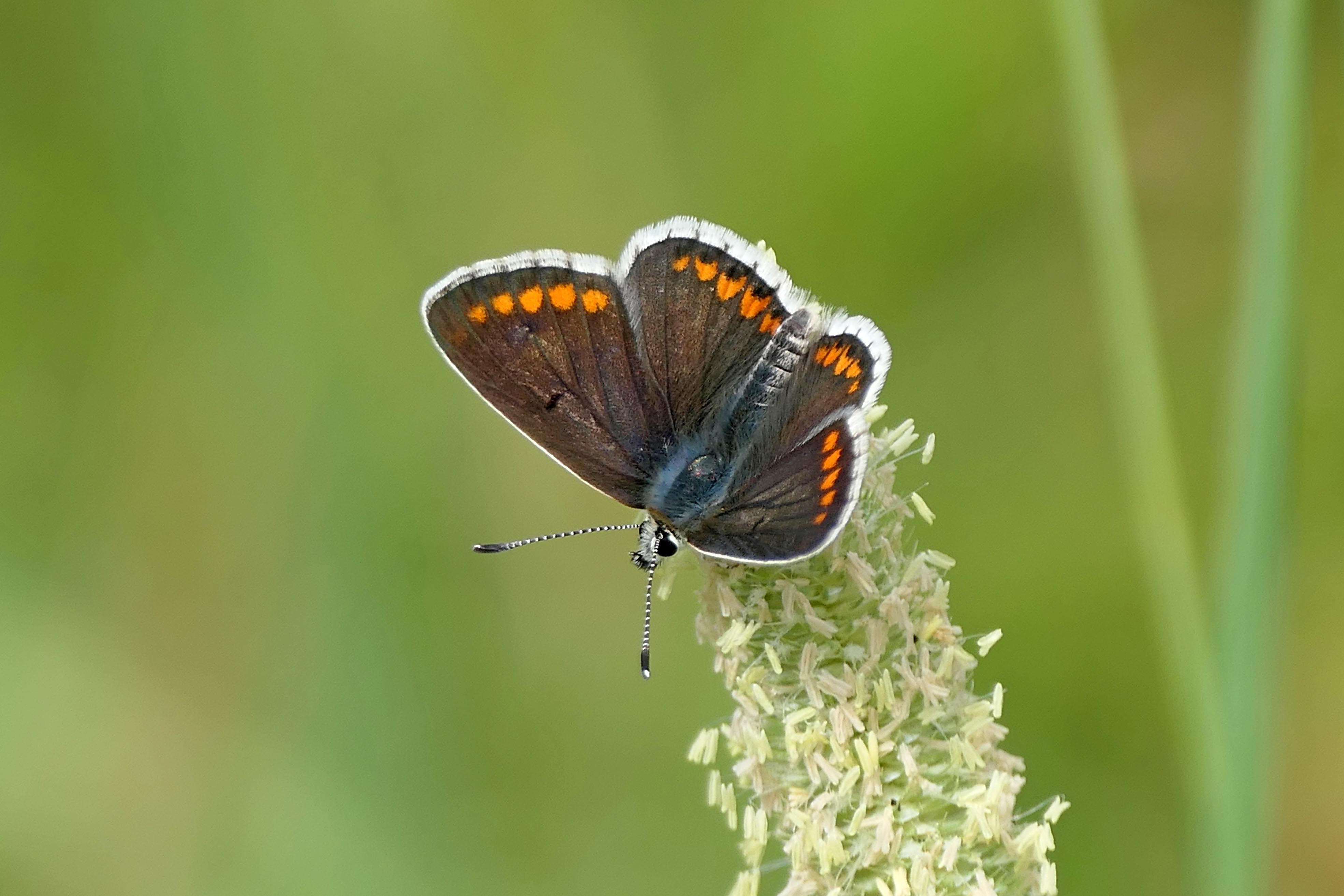
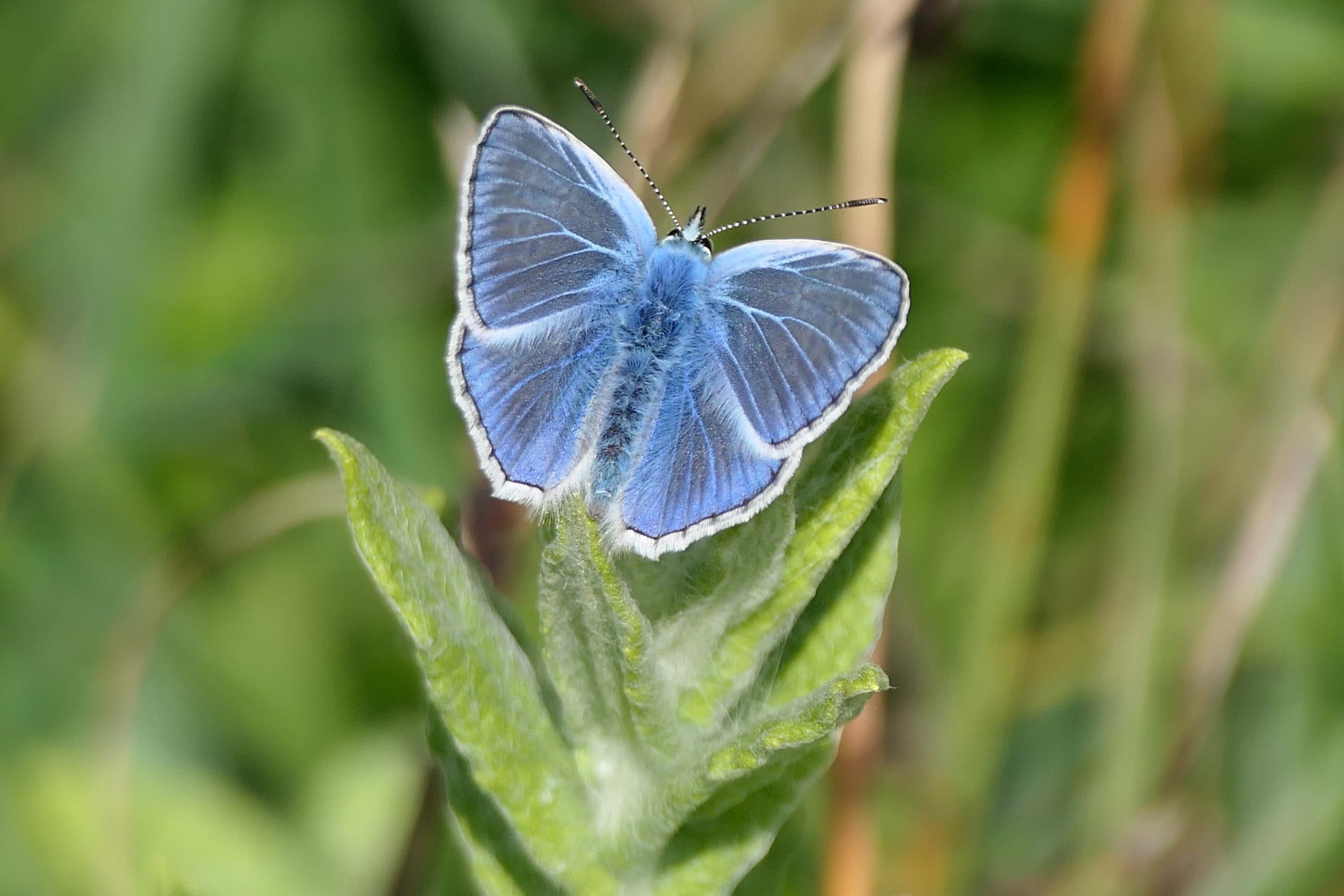
And then there were the ‘ordinary’ butterflies, like this handsome little Brown argus, a gang of which were patrolling small territories along the edges of the rides.
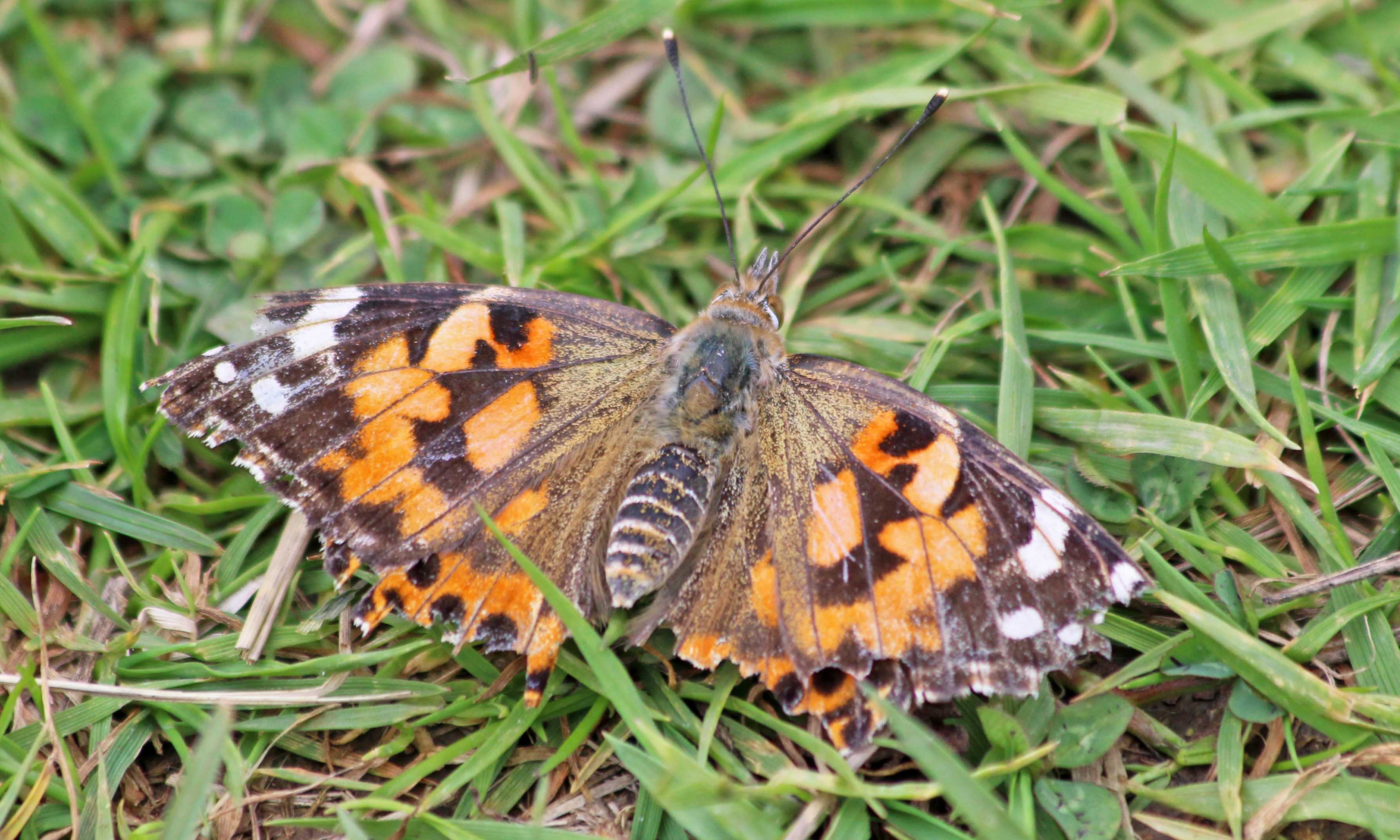
And this stunning Painted lady that flew right to my feet, as if to insist that it was also worthy of a photograph. I was happy to oblige.
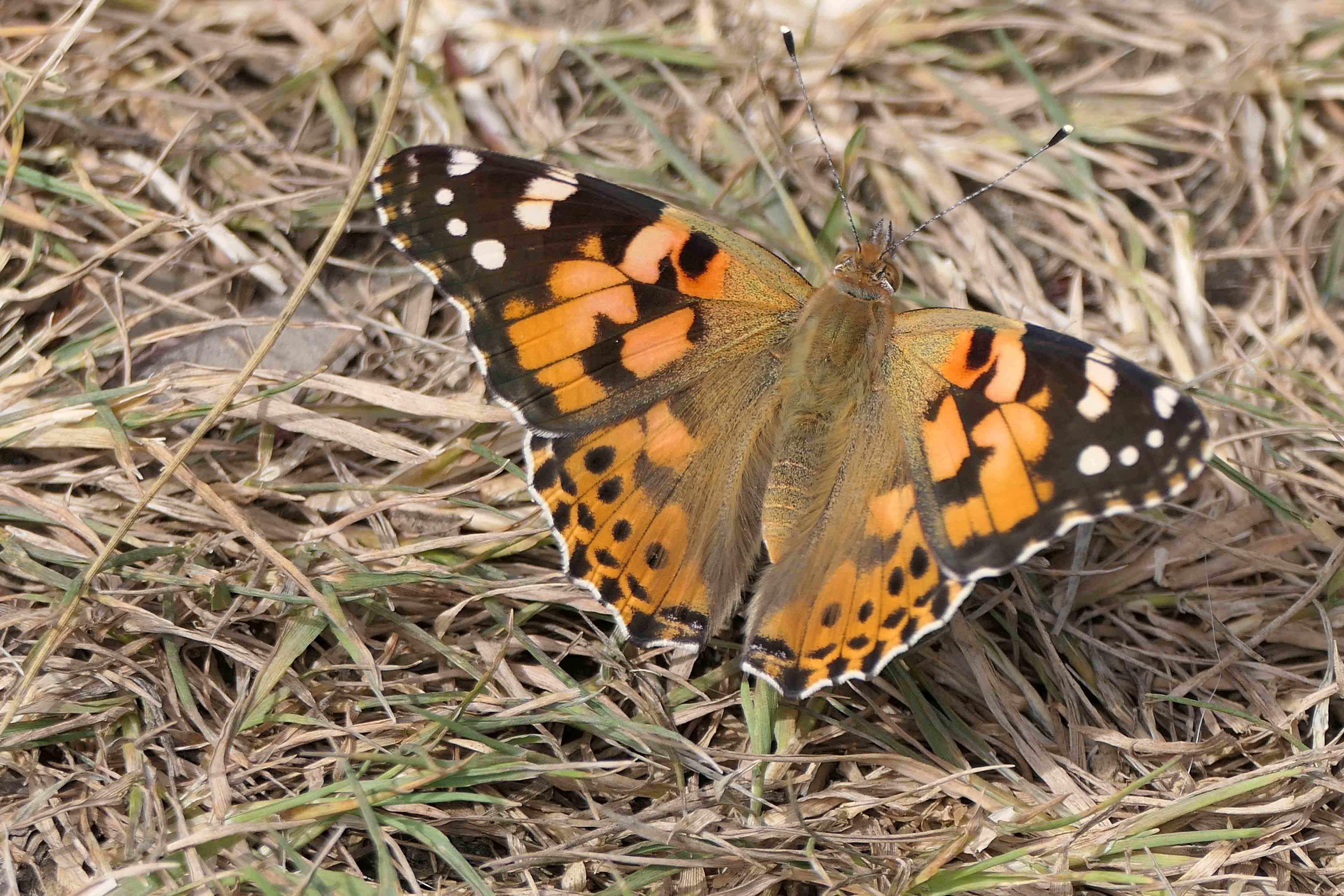
For those interested, the total butterfly species list for the day was 19. They were: Ringlet, Meadow brown, Speckled wood, Gatekeeper, Small skipper, Large skipper, Brown argus, Small white, Large white, Green-veined white, Marbled white, Brimstone, Red admiral, Comma, Peacock, Small copper, Painted lady, White admiral, and Silver-washed fritillary. I may have missed out on seeing my first Purple emperor but I headed home smiling after a magical day in the woods.

Like Loading...

Second broods

08 Thursday Aug 2024

Posted by sconzani in insects

≈ Leave a comment

Tags

British butterflies, Brown argus, Comma, Common blue, Holly blue, Peacock, second brood butterflies, Small copper

After seeing very low numbers of the first broods of butterflies earlier in the year, I’m hoping that the second broods that are now hatching will have better luck with the weather and be able to breed successfully so that population numbers recover in 2025. These are some of the beautiful butterflies I’ve seen that have recently emerged.

240808 brown argus

Brown argus

240808 common blue

Common blue

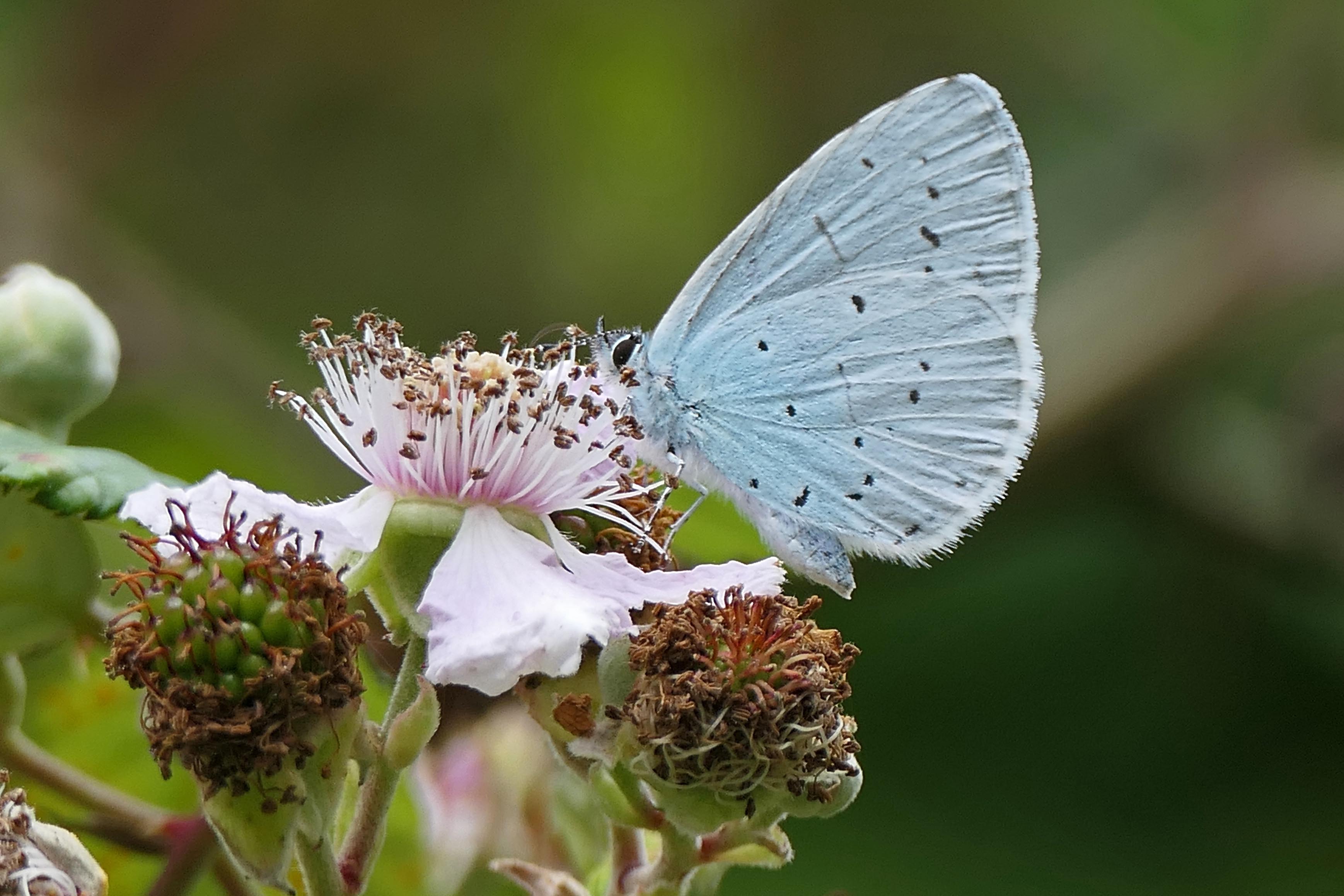
240808 holly blue

Holly blue

240808 small copper

Small copper

Like Loading...

The zigzagger

22 Thursday Jun 2023

Posted by sconzani in insects

≈ Leave a comment

Tags

Aricia agestis, British butterflies, Brown argus, butterfly

In his magnificent publication Life Cycles of British & Irish Butterflies, Peter Eeles quotes the words of James Tutt, from his 1906 work A Natural History of British Lepidoptera, about the flight pattern of the beautiful Brown argus (Aricia agestis)

This species may be called the ‘zigzagger’, for it darts swiftly to and fro in flight, showing first its grey underside and then its black upperside, so that one can hardly follow it with the eye.

230622 brown argus (1)

Tutt describes the Brown argus’s movement perfectly. If you take your eye off this tiny butterfly for a second, it disappears, and I’ve spent many a minute, or ten, waiting patiently for it to move again before being able to get a good enough view first to identify the butterfly and then to edge close enough for photos. It’s certainly worth the wait though.

230622 brown argus (2)

Like Loading...

Finally, Brown argus

10 Wednesday Aug 2022

Posted by sconzani in insects

≈ Leave a comment

Tags

Aricia agestis, British butterflies, Brown argus, butterfly

The Brown argus butterfly (Aricia agestis) usually has two broods each year, the first adults flying during May and June, the second brood appearing in late July and fading away in late September. Somehow, I missed the first brood this year so, for the last couple of weeks, I’ve been systematically checking the spots of every female Common blue (at a glance, they look quite similar to Brown argus – see my July 2018 blog Flying on the wings of confusion for tips on how to differentiate the two species). Finally, last Friday, this beautiful Brown argus flitted into my field of vision. I didn’t quite do a happy dance but there was a not-too-loud ‘Whoop’!

220810 brown argus

Like Loading...

The brown blue

07 Saturday Aug 2021

Posted by sconzani in insects

≈ Leave a comment

Tags

British butterflies, Brown argus, butterfly, butterflying, mud-puddling, puddling, the brown blue butterfly

According to my Life Cycles of British & Irish Butterflies, William Lewin named this butterfly the ‘Brown blue’ in his 1795 publication The Papilios of Great Britain, but its current name comes from the earlier 1702 work Gazophylacium naturae et artis by James Pettiver, who gave it the name the ‘edg’d brown Argus’. The argus part of the Brown argus’s name comes from ‘the many-eyed shepherd of Greek mythology, which is a reference to the numerous spots on the butterfly’s underside’.

210807 brown argus (1)

The beauties in my photos are from this year’s second generation of Brown argus, seen in two locations earlier this week. I only saw three of the first generation back in June as, like many local butterflies, their numbers were well down after a very wet spring. I’m hoping this second brood fares better.

210807 brown argus (2)

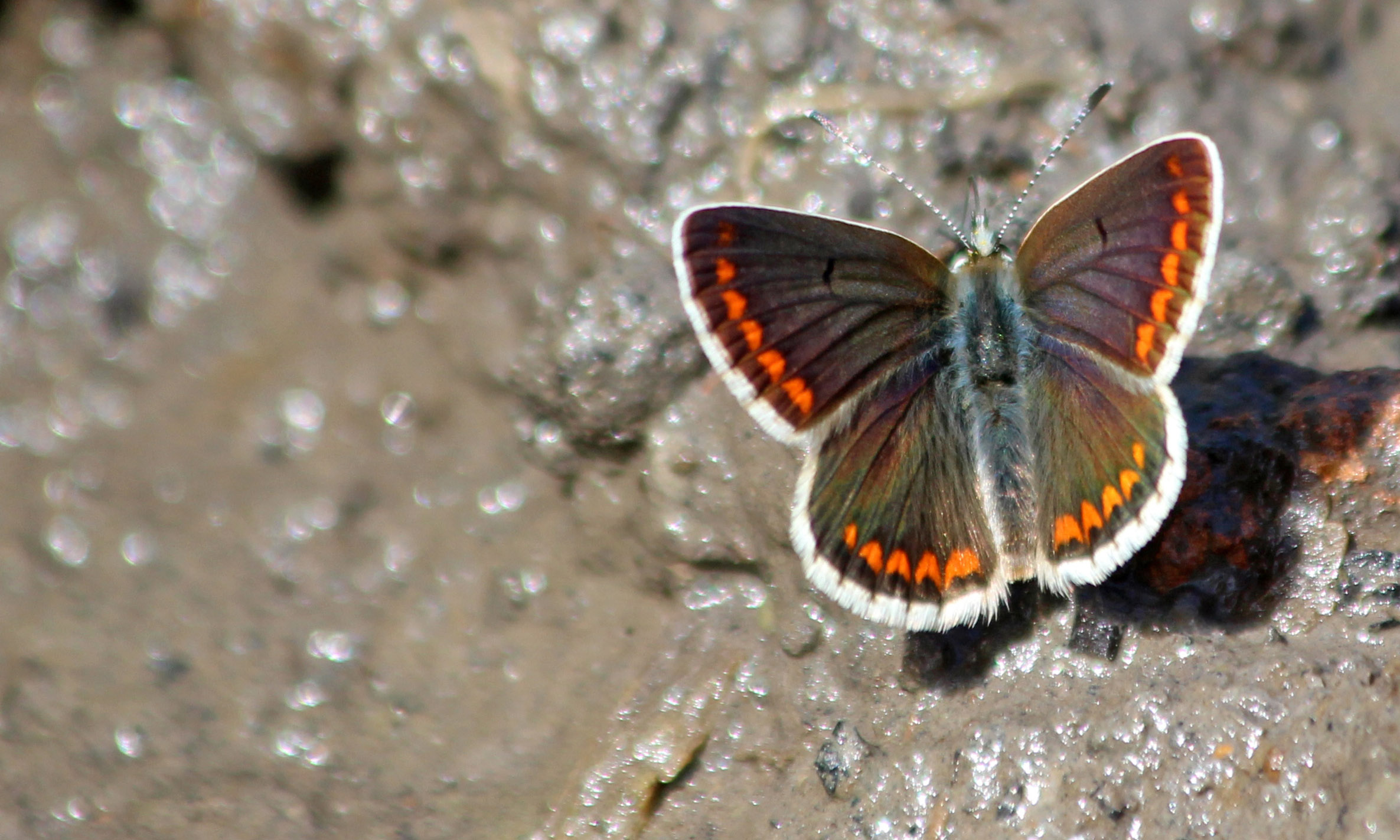
I was interested, and just a little revolted, when I watched one of these Brown argus butterflies stocking up on nutrients, probably salts and amino acids, by slurping at a damp mixture of mud and horse pooh, an activity known as puddling or mud-puddling. Don’t try this at home!

210807 brown argus (3)

Like Loading...

274/366 Another extra brood

30 Wednesday Sep 2020

Posted by sconzani in autumn, insects

≈ Leave a comment

Tags

Aricia agestis, British butterflies, Brown argus, butterfly, butterflying, Cosmeston Lakes Country Park, Lavernock Nature Reserve, second brood Brown argus

This year I saw my first Brown argus butterfly (Aricia agestis) on 11 July and thought I’d seen my last on 26 August, a short but very sweet season of sightings. Then, to my astonishment and absolute delight, I discovered two more on the same day, 16 September, one at Lavernock Nature Reserve and the other at Cosmeston Lakes Country Park.

200930 brown argus (1)

These had to be the product of the first brood of butterflies breeding and so were a second brood, not something I’d seen before with this butterfly. As the local populations of Dingy skippers have also produced a second brood and the Small coppers a third brood this year and nothing has changed in their environments, I can only assume this has been caused by the warmer climate.

200930 brown argus (2)

I haven’t managed to find the Lavernock Brown argus again but the Cosmeston butterfly was still in the same spot last week. A late summer-early Autumn treat!

Like Loading...

225/366 Battered & bird-pecked

12 Wednesday Aug 2020

Posted by sconzani in insects, nature

≈ 2 Comments

Tags

battered butterflies, bird-pecked butterflies, British butterflies, Brown argus, Comma, Essex skipper, Gatekeeper, Painted Lady, Peacock, Ringlet, Small copper

Though second-brood butterflies are still looking pristine, many of the others are now well past their best, as life is tough for such fragile creatures. Some butterflies are so battered that I’m amazed they’re able to fly at all, yet this Gatekeeper and Ringlet were still moving from plant to plant.

200812 battered gatekeeper
200812 battered ringlet

Birds looking for an easy snack often attack butterflies and it’s easy to see the tell-tale signs of bird pecks on butterflies’ wings, like those on these: a Ringlet, Comma, Small copper and Peacock, and another Gatekeeper.

200812 birdpecked ringlet

200812 birdpecked 1 comma
200812 birdpecked 2 small copper
200812 birdpecked 3 peacock

200812 birdpecked gatekeeper

Is it the blazing sun that has caused this Essex skipper’s orange to fade so dramatically or has it lost most of its wing scales?

200812 faded essex skipper

I’m 99% sure this is the same Brown argus, seen first on 1 August and again on 10 August. It already had some bird pecks when I first saw it but, nine days later, it was looking rather faded and more than a little ragged around the edges.

200812 faded brown argus 0108
200812 faded brown argus 1008

This Painted lady is looking battered, bird-pecked, faded and jaded, perhaps the affects of a long migration journey, or simply a tough life well survived.

200812 jaded painted lady

Like Loading...

205/366 Sightings at Slade Wood

23 Thursday Jul 2020

Posted by sconzani in birds, insects, nature

≈ 1 Comment

Tags

British birds, British butterflies, Brown argus, Gatekeeper, juvenile Spotted flycatcher, mating Gatekeepers, Minnetts Field, Peacock butterfly, Siskin, Slade Wood, Spotted flycatcher

On Wednesday I ventured on to public transport for the first time in four months – suitably masked, of course – for a visit to Slade Wood, near Rogiet. This was a site where I’d seen Silver-washed fritillaries and White admiral butterflies last summer so I was hoping for more of those but, unfortunately, huge areas of the woodland have been felled over the winter months, which has destroyed a lot of the butterflies’ habitat.

200723 1 peacock200723 2 gatekeepers

I did still see a lot of butterflies on the Buddleja bushes – in fact, probably more Peacocks than I’ve seen in one day before, and I got some pics of a pair of Gatekeepers mating – but only spotted one Silver-washed fritillary (and didn’t manage a photo) and no White admirals. There was also a butterfly consolation prize in the form of a Brown argus, a butterfly that’s not common locally, which was in Minnett’s Field, a nearby meadow managed by Gwent Wildlife Trust.

200723 3 brown argus

Though the butterflies were a little disappointing, the birds were a huge bonus as I managed to find a family of Spotted flycatchers, with two adults and a couple of juveniles (below left), which I’d not seen before.

200723 4 spotted flycatcher
200723 5 spotted flycatcher

And the flycatchers were joined at their watering hole, a couple of muddy puddles, by two beautiful bright Siskin.

200723 6 siskin and spot fly200723 7 siskin

I may not have seen what I was expecting and I was saddened to see how many trees had been felled but I still had a wonderful day out. The sense of freedom was exhilarating, and Nature certainly didn’t disappoint!

Like Loading...

196/366 First Brown argus of 2020

14 Tuesday Jul 2020

Posted by sconzani in insects, nature

≈ 1 Comment

Tags

British butterflies, Brown argus, butterfly, butterflying, Grangemoor Park

By this date last year, I had managed to find Brown argus butterflies at two different local sites (and one of those was the first Cardiff record in eight years). This year I only spotted my first Brown argus last Saturday, almost two months later than last year. The Polyommatinae family (that’s the blues and arguses) are not faring well in my part of south Wales this year, which is a great shame, as they are all gorgeous little butterflies.

200714 brown argus (1)

If you’re having trouble telling a Brown argus from a Common blue female, my blog Flying on the wings of Confusion, July 2018, has ID pointers and photos that should help.

200714 brown argus (2)

Like Loading...

151/365 Leptastic

31 Friday May 2019

Posted by sconzani in 365DaysWildin2019, insects, nature

≈ 2 Comments

Tags

#365DaysWild, British butterflies, British moths, Brown argus, butterflies, Cosmeston Lakes Country Park, Grangemoor Park, Large skipper, Latticed heath, Mother Shipton, moths

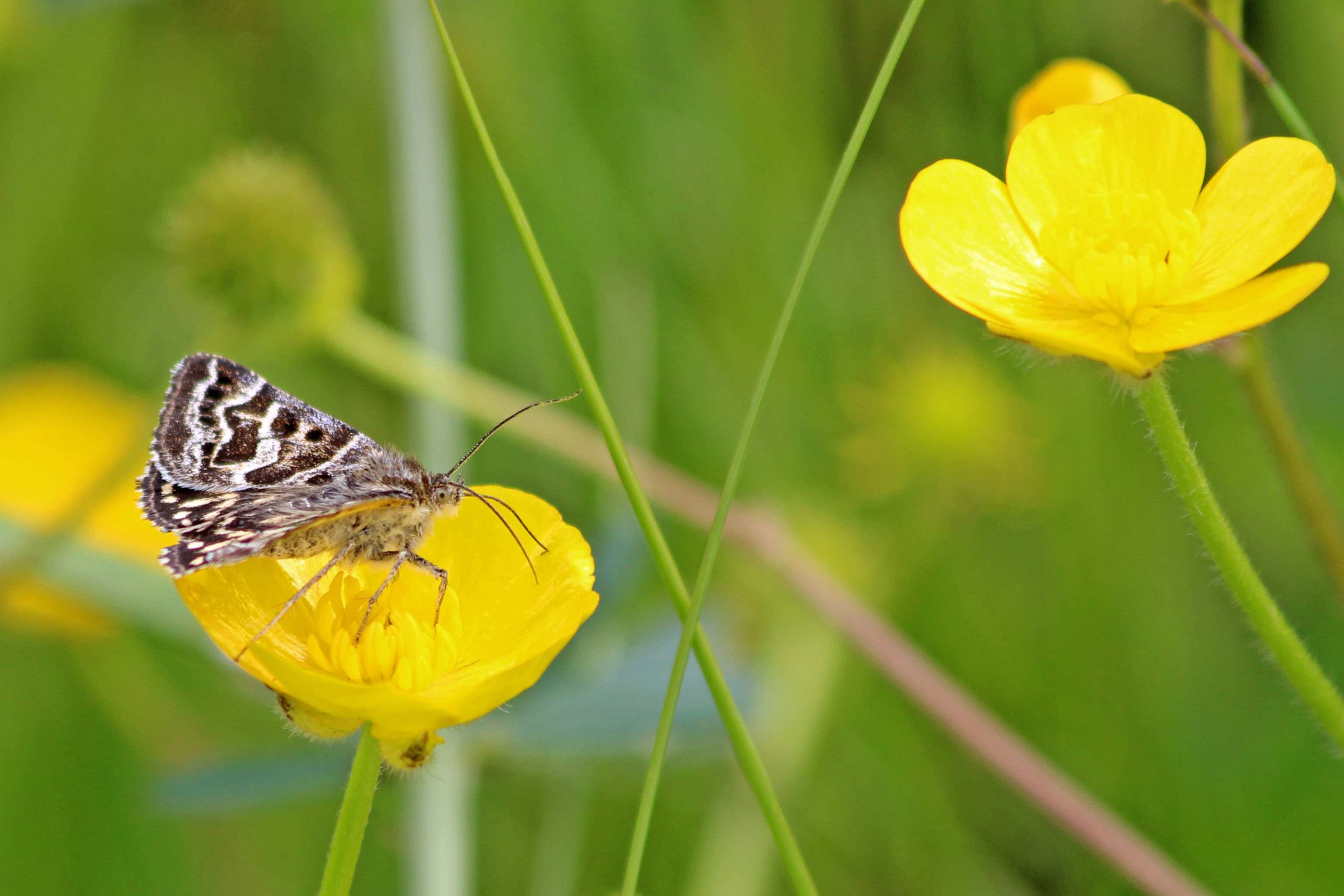
I’ve had a lucky week with my Lepidoptera sightings – that’s moths and butterflies, for those who didn’t know – and the week’s not over yet. As well as the Narrow-bordered Bee Hawk-moth on Monday and the Burnet Companions on Tuesday, yesterday I found my first (three) Large Skipper butterflies for the year at Cosmeston.

190531 large skipper (1)190531 large skipper (2)

And, today, my wander around Grangemoor Park was something of a Lep-fest, with the first (five) Mother Shipton moths I’ve seen in 2019.

190531 mother shipton (1)190531 mother shipton (2)

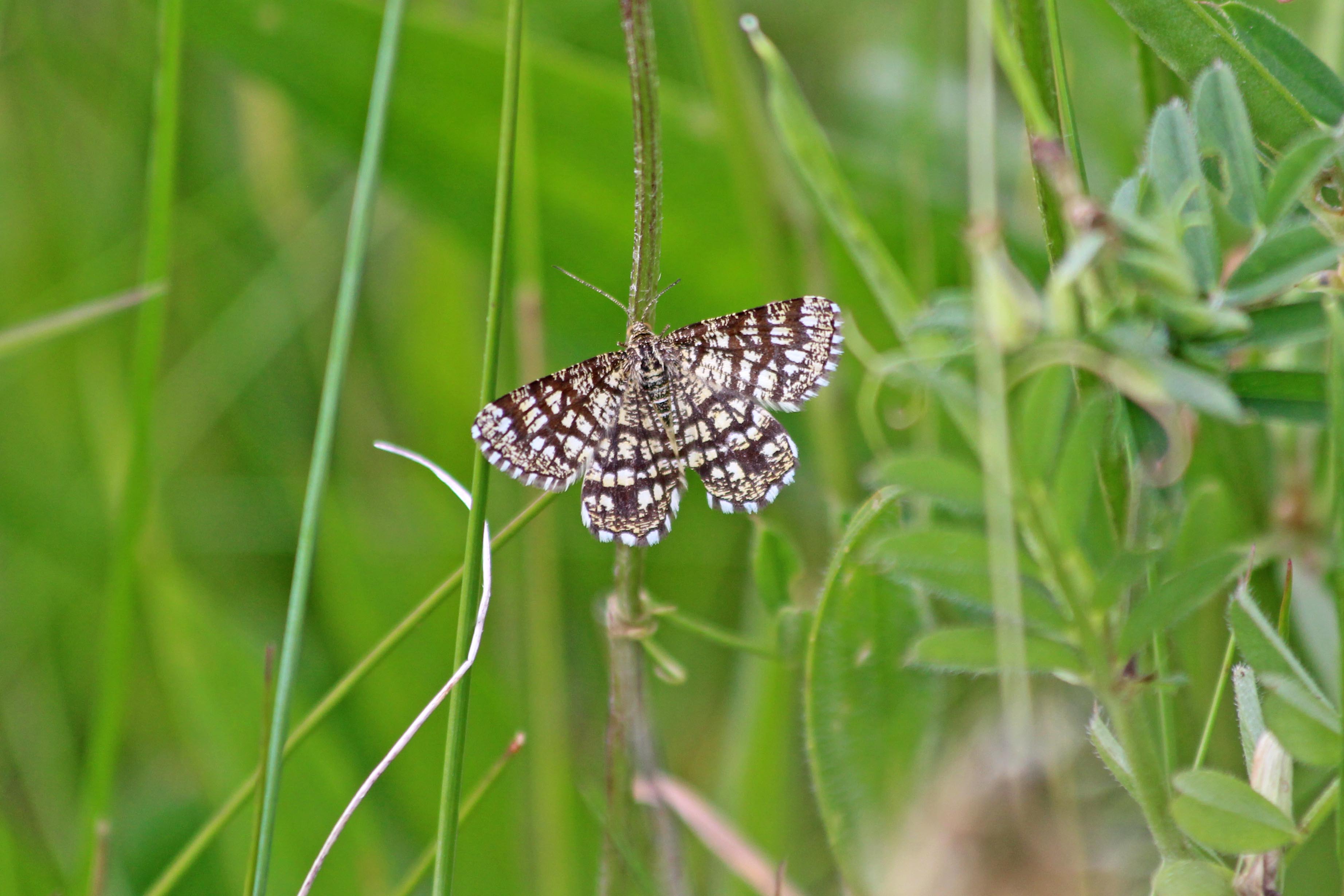
And I spotted a nice Latticed Heath moth trying to hide in the grass.

190531 latticed heath

And, then, just as I was about to head for home, I noticed something small flitting about along a side path, went to investigate and found two Brown Argus butterflies, which I have seen already this year but not in Wales. You can see why I named this blog ‘leptastic’!

190531 brown argus (1)190531 brown argus (2)

Like Loading...
← Older posts

About me

sconzani

sconzani

I'm a writer and photographer; researcher and blogger; birder and nature lover; countryside rambler and city strider; volunteer and biodiversity recorder.

View Full Profile →

Follow earthstar on WordPress.com

Enter your email address to follow this blog and receive notifications of new posts by email.

Recent blog posts

  • M is for mite December 18, 2025
  • L is for lepidopteran lifers December 17, 2025
  • K is for Keeled skimmers December 16, 2025
  • J is for Jersey tiger December 15, 2025
  • I is for Ichneumon December 14, 2025

From the archives

COPYRIGHT

Unless otherwise acknowledged, the text and photographs on this blog are my own and are subject to international copyright. Nothing may be downloaded or copied without my permission.

Fellow Earth Stars!

  • Unknown's avatar
  • Unknown's avatar
  • Unknown's avatar
  • Unknown's avatar
  • Unknown's avatar
  • Unknown's avatar
  • Unknown's avatar
  • Unknown's avatar
  • Unknown's avatar
  • Unknown's avatar
  • Unknown's avatar
  • Unknown's avatar
  • Unknown's avatar
  • Unknown's avatar
  • Unknown's avatar
  • Unknown's avatar
  • Unknown's avatar
  • Unknown's avatar
  • Unknown's avatar
  • Unknown's avatar
  • Unknown's avatar
  • Unknown's avatar
  • Unknown's avatar
  • Unknown's avatar
  • Unknown's avatar
  • Unknown's avatar
  • Unknown's avatar
  • Unknown's avatar
  • Unknown's avatar
  • Unknown's avatar
  • Unknown's avatar
  • Unknown's avatar
  • Unknown's avatar
  • Unknown's avatar
  • Unknown's avatar
  • Unknown's avatar
  • Unknown's avatar
  • Unknown's avatar
  • Unknown's avatar
  • Unknown's avatar
  • Unknown's avatar
  • Unknown's avatar
  • Unknown's avatar
  • Unknown's avatar
  • Unknown's avatar
  • Unknown's avatar
  • Unknown's avatar
  • Unknown's avatar
  • Unknown's avatar
  • Unknown's avatar

Blog at WordPress.com.

Privacy & Cookies: This site uses cookies. By continuing to use this website, you agree to their use.
To find out more, including how to control cookies, see here: Cookie Policy
  • Subscribe Subscribed
    • earthstar
    • Join 667 other subscribers
    • Already have a WordPress.com account? Log in now.
    • earthstar
    • Subscribe Subscribed
    • Sign up
    • Log in
    • Report this content
    • View site in Reader
    • Manage subscriptions
    • Collapse this bar
 

Loading Comments...
 

You must be logged in to post a comment.

    %d