• ABOUT
  • BIRDING 2018
  • Birding 2019
  • BLOG POSTS
  • Butterflies 2018
  • Resources

earthstar

~ a celebration of nature

earthstar

Tag Archives: parasitic wasp

Ichneumon: Tromatobia lineatoria

13 Thursday Nov 2025

Posted by sconzani in insects

≈ 2 Comments

Tags

British ichneumons, ichneumon, Ichneumon wasps, parasitic wasp, parasitoid of spider egg sacs, Tromatobia lineatoria

Different days, different ways, different directions …
I have no real plan for my daily walks but, recently, my feet have been taking me past the local park whose railings have turned up some nice insects in the past, and the location is again proving productive.
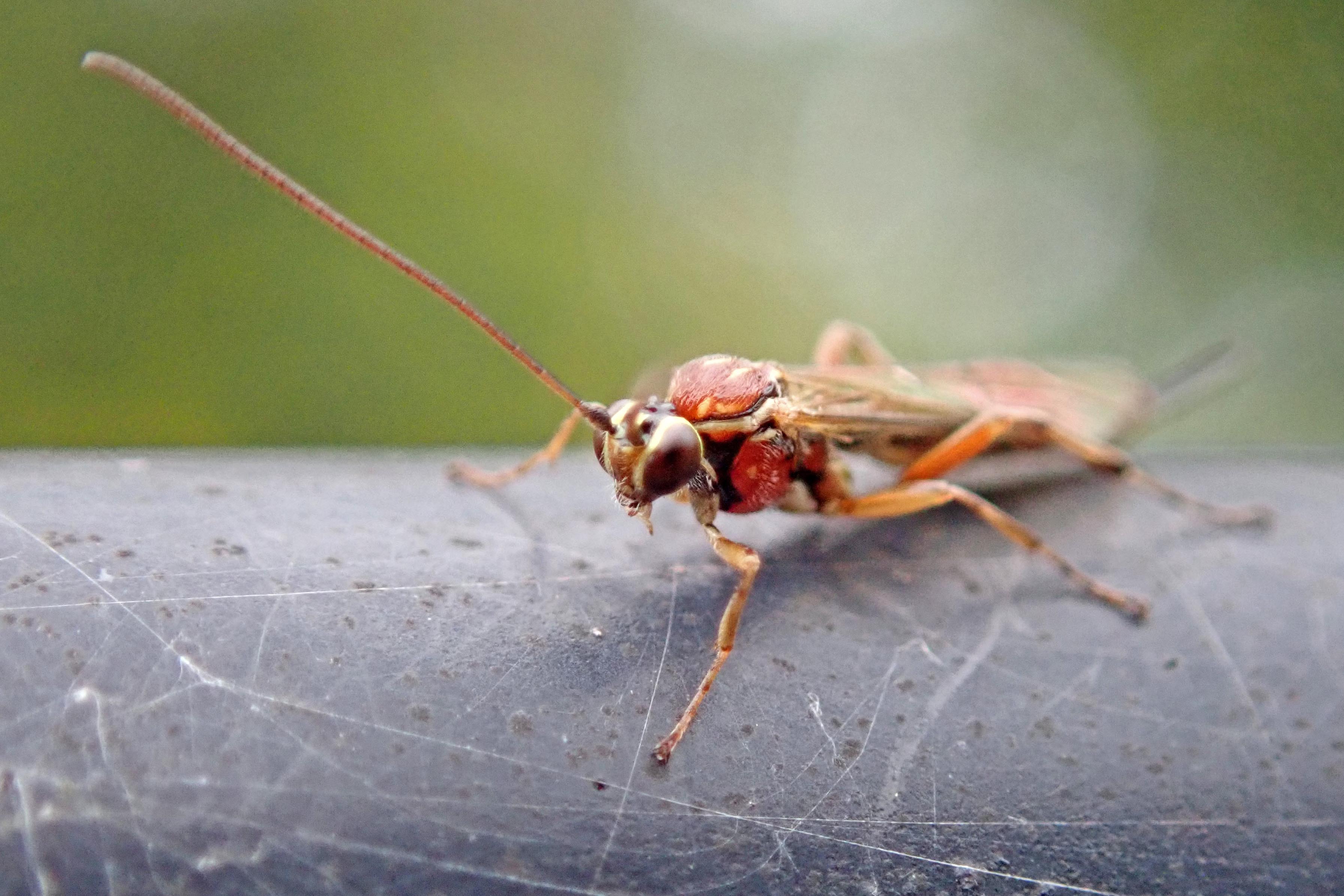
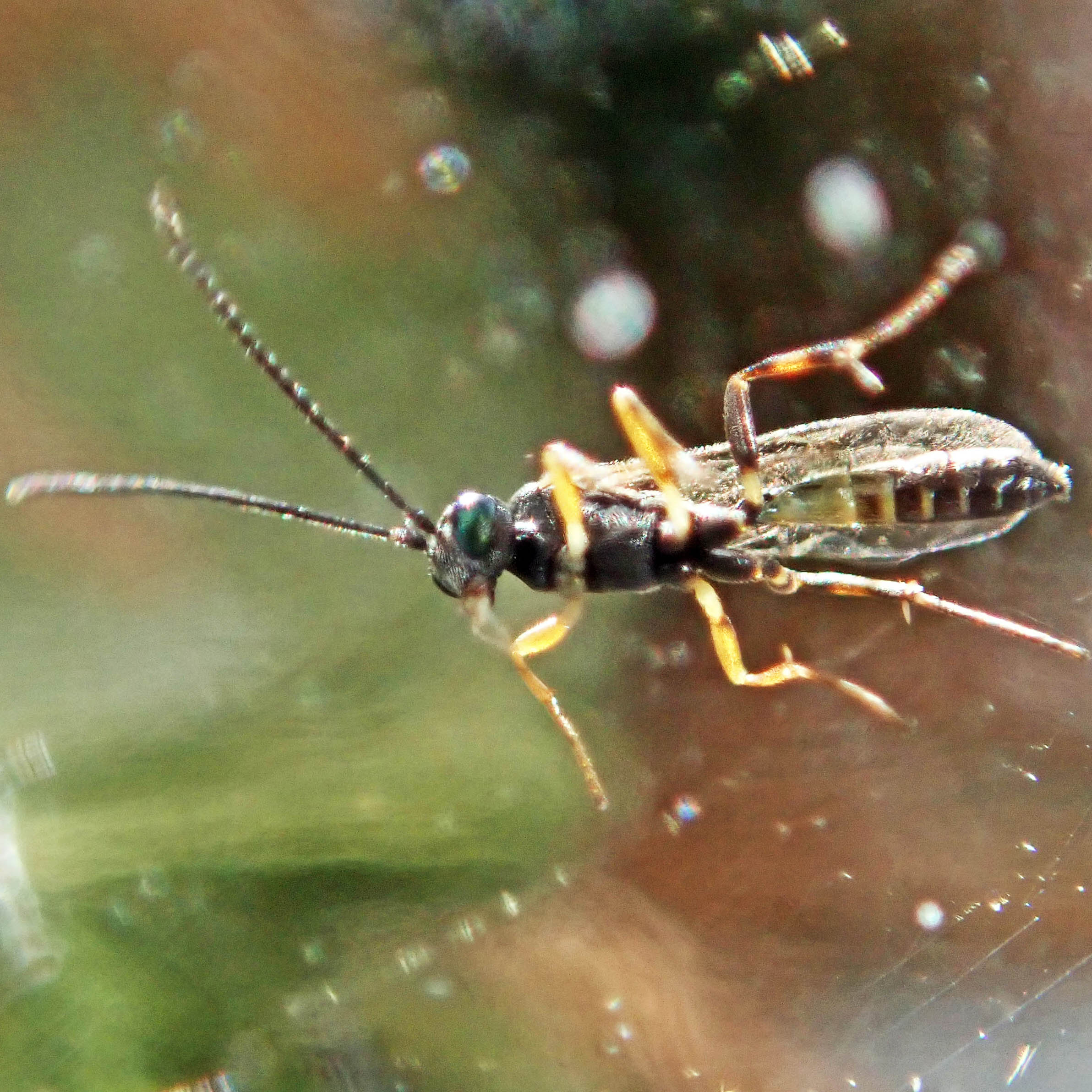
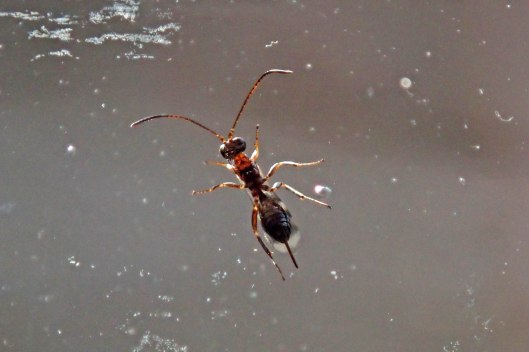
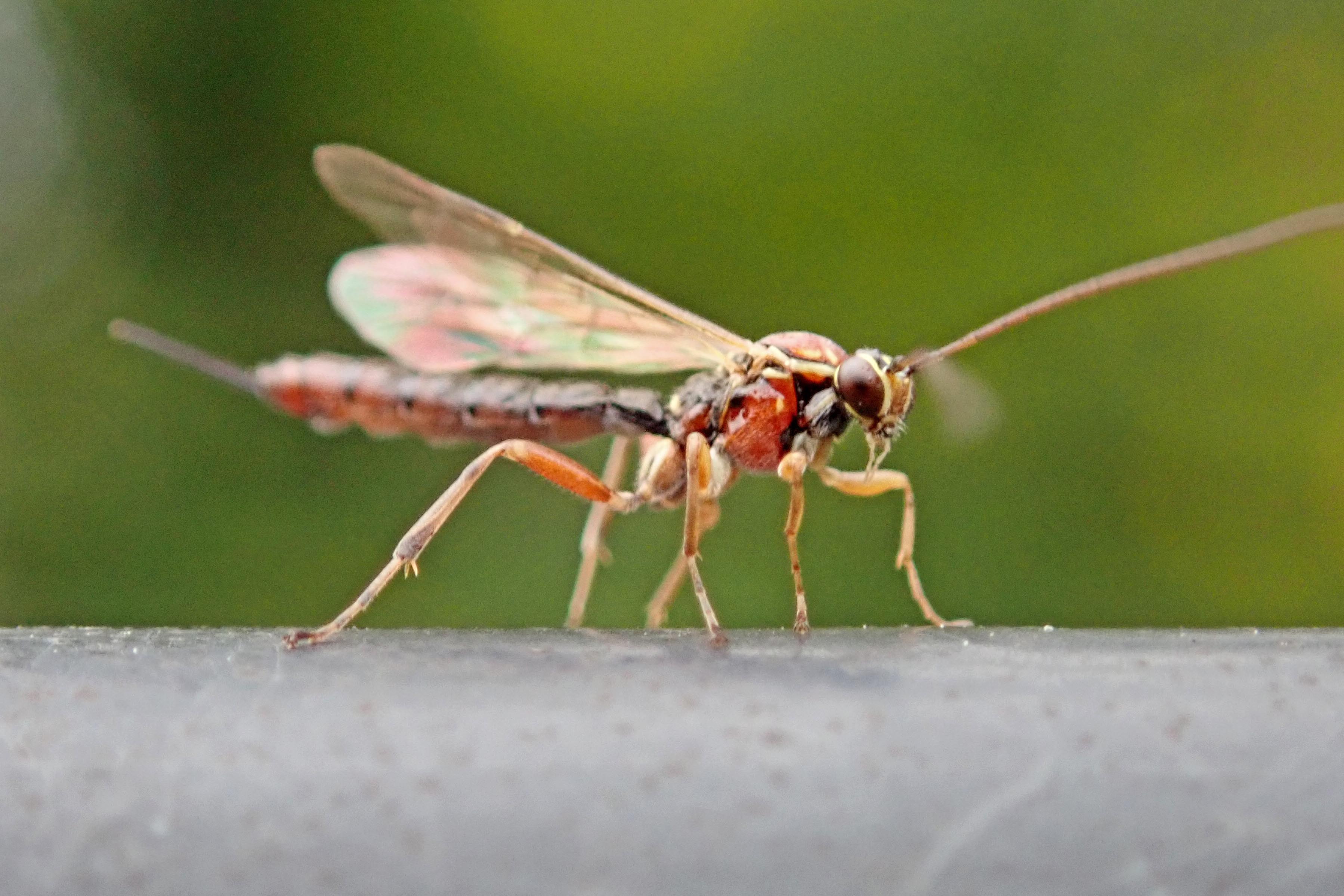
This handsome ichneumon is one of my finds from last week and, though it hasn’t been confirmed (there doesn’t seem to be anyone nationwide verifying ichneumon records, unfortunately), I think this is Tromatobia lineatoria. There is another very similar looking ichneumon, Perithous scurra, but the female of that species has a much longer ovipositor.
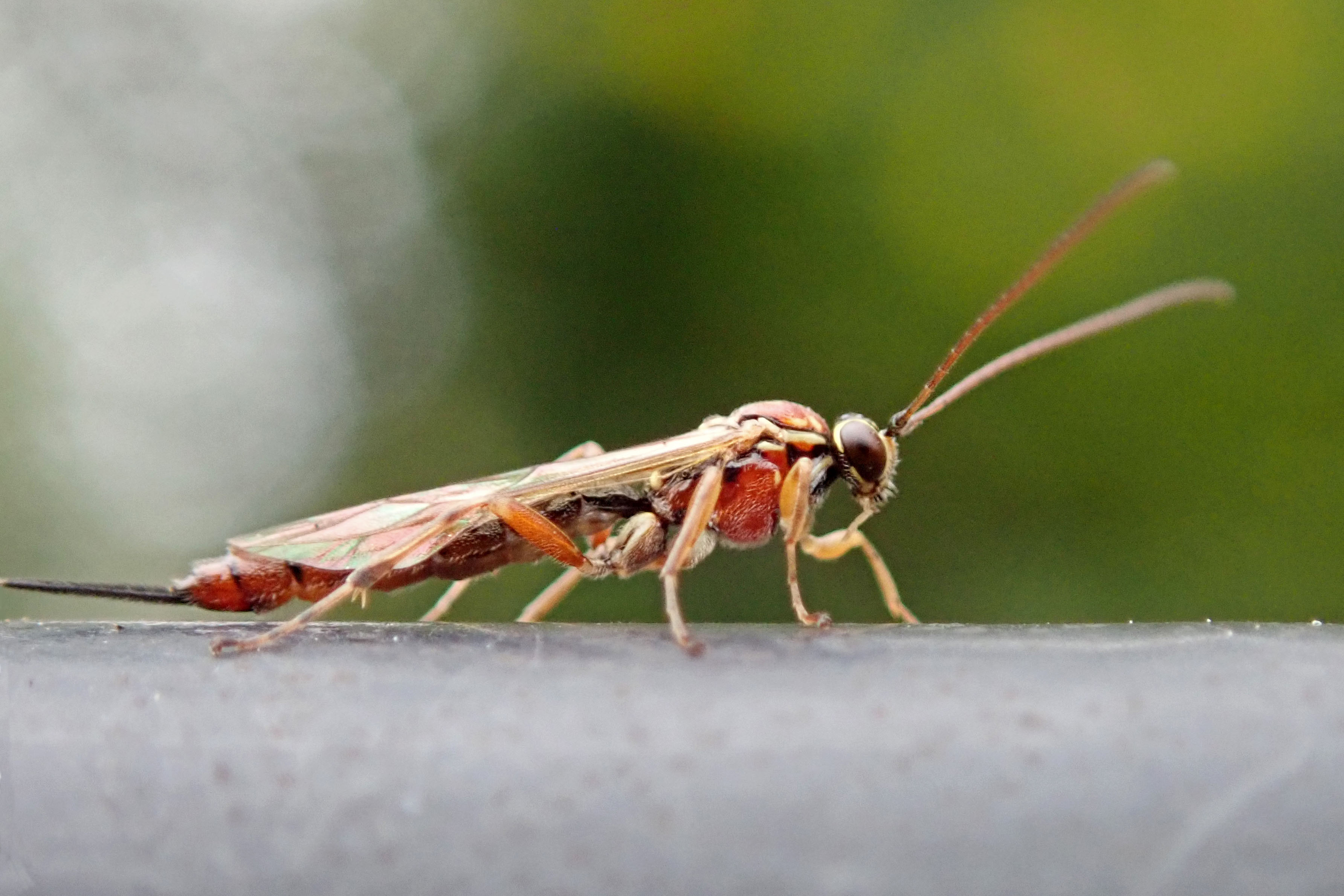
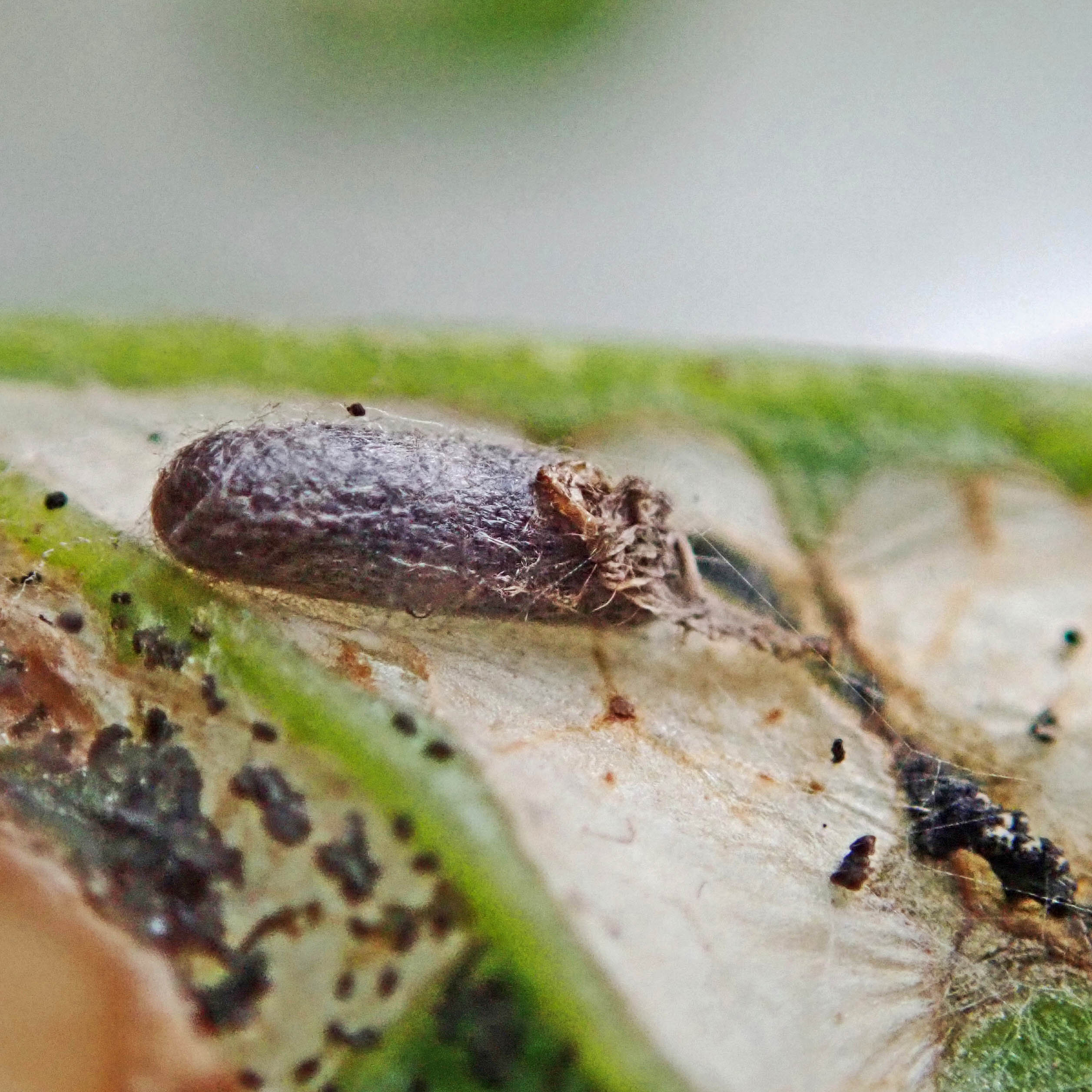
I was a little surprised to find an ichneumon this late in the year but the Naturespot website says this species can be found between May and November, so this is right at the end of its date range. The website entry also says this ichneumon is a parasitoid of spider egg sacs; there are plenty of spider webs strung along the railings so my sighting in this location is understandable.
Like Loading...

Parasite of Bedellia somnulentella

27 Monday Oct 2025

Posted by sconzani in insects, leaves, plants

≈ 4 Comments

Tags

Bedellia somnulentella larva, British moths, British parasitic wasps, parasite of Bedellia somnulentella, parasitic wasp, wasp that parasitises Bedellia somnulentella, wasp that parasitises moth larvae

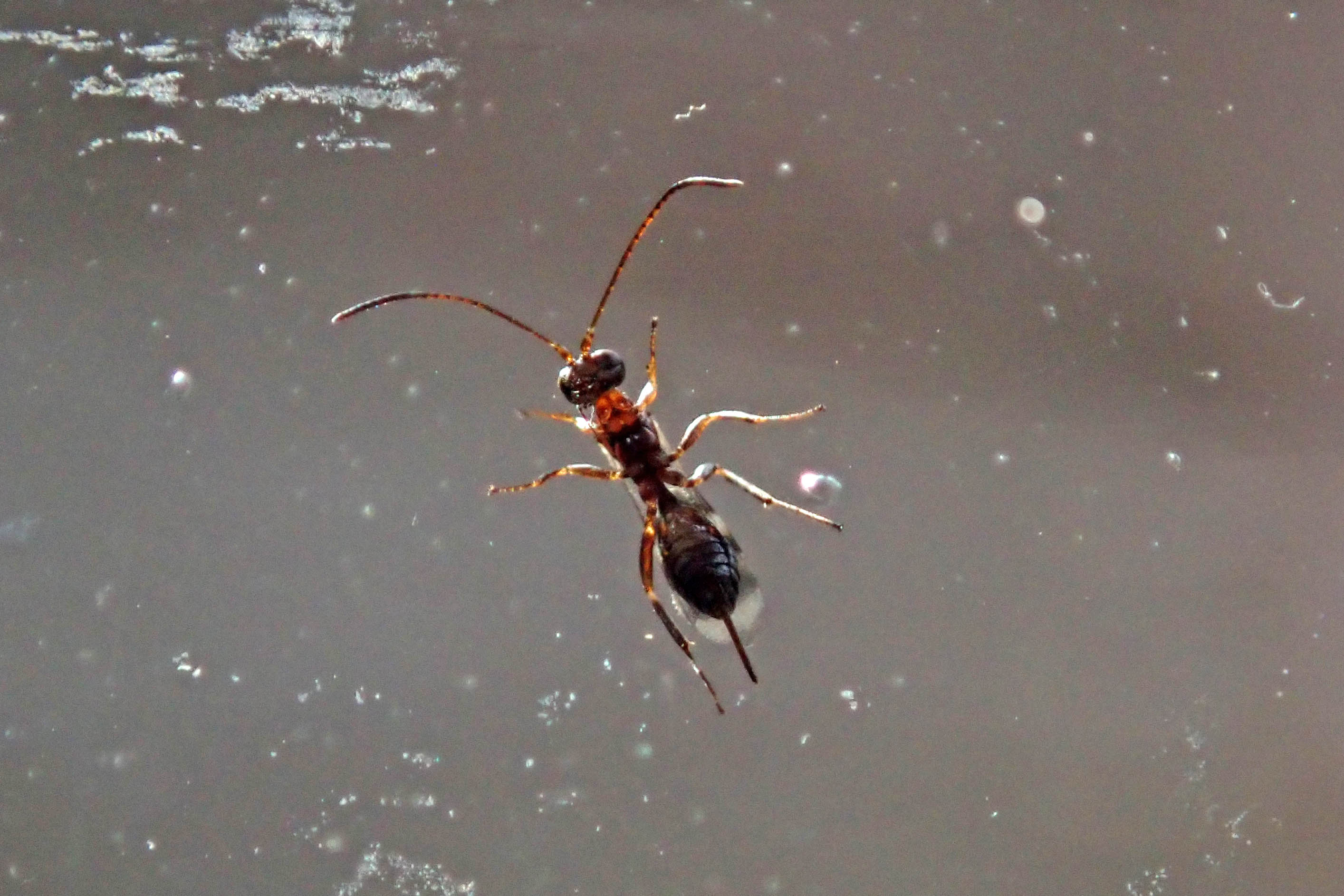
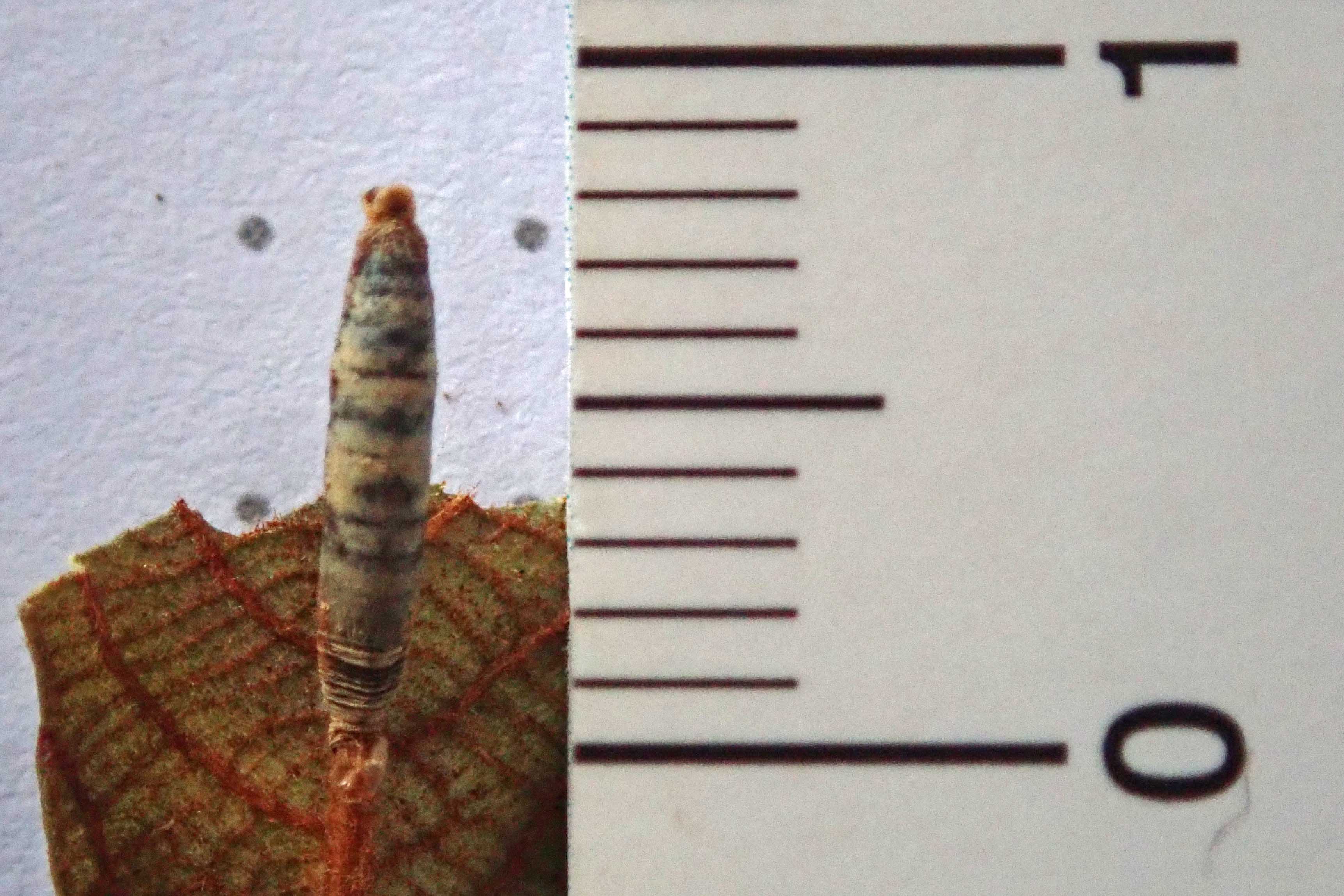
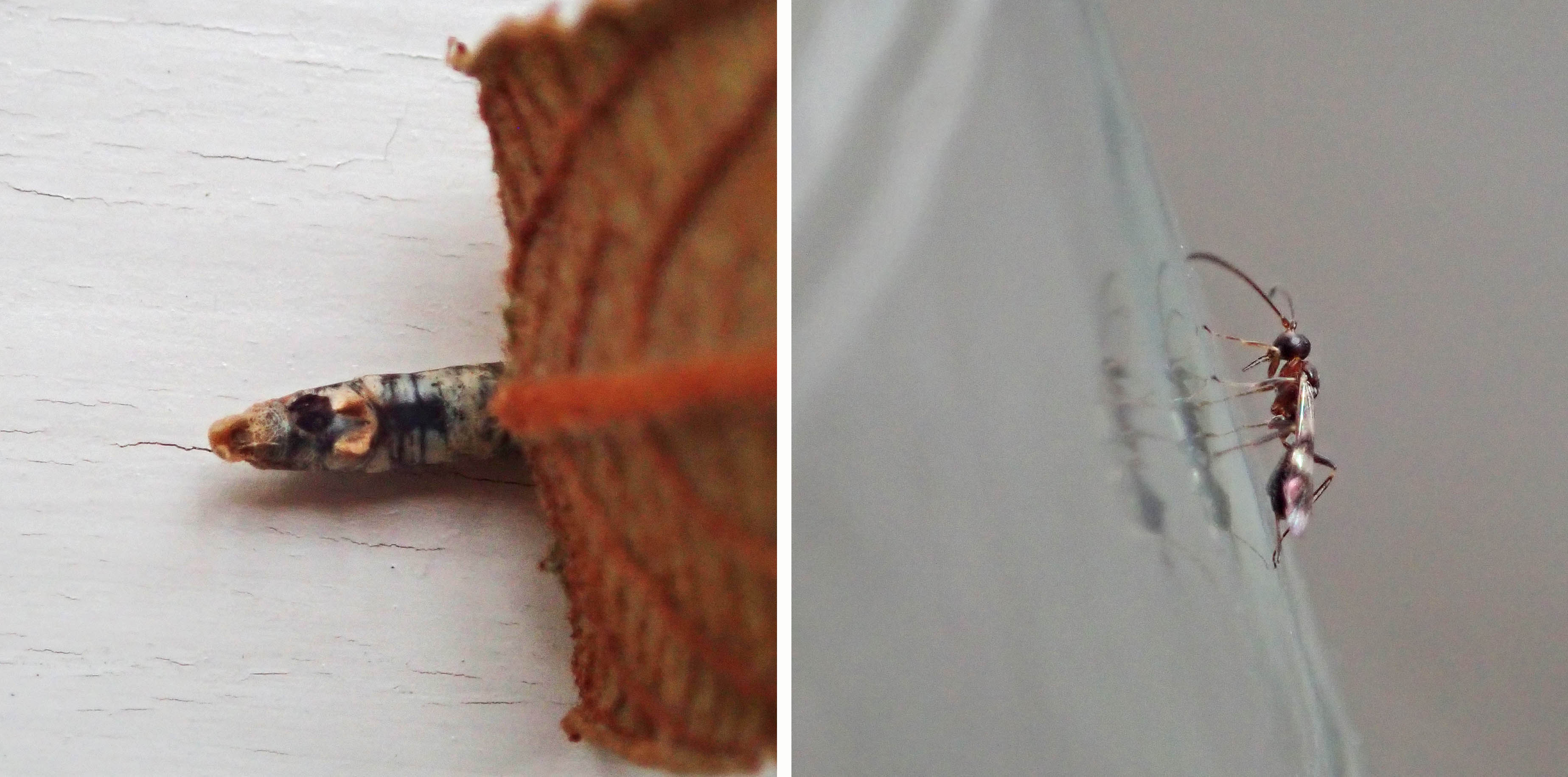
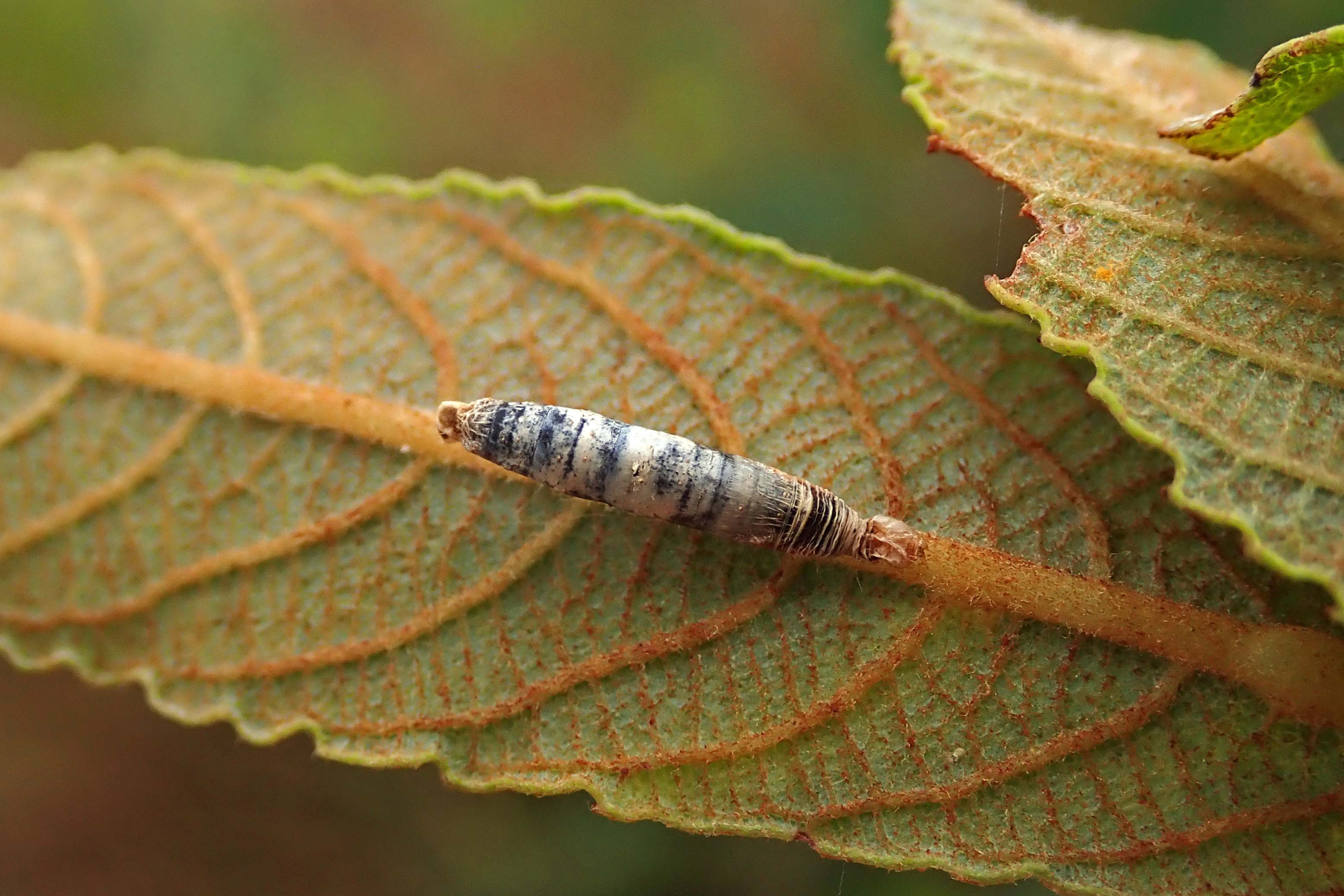
The two Field bindweed leaves I brought home from my coastal walk nearly two weeks ago, on the 14th, are the leaves that just keep on giving. As well as the three moth pupae I found on them – the reason I brought them home in the first place (see my blog Bedellia somnulentella revisited, 20 October), there was another pupa that looked to me to be that of a wasp, probably one that had parasitised another B. somnulentella larva.

That tiny wasp has now hatched. As is often the case with these miniscule creatures, I have no way of determining which exact species of parasitic wasp it is, and I do realise that the whole concept of a wasp larva eating a moth larva from the inside while it’s still alive is a bit gory (perhaps I should’ve posted this on Halloween!), but I find it fascinating, both the process of parasitism and also bringing the occasional things home to see what emerges. The little wasp, a male, has been released to live its best life.

Like Loading...

A wasp but which

18 Saturday Oct 2025

Posted by sconzani in insects, leaves

≈ Leave a comment

Tags

Adelius species, British parasitic wasps, moth larva parasite, parasite of Stigmella trimaculella, parasitic wasp, Stigmella trimaculella, wasp that parasitises leaf-mining moth larvae

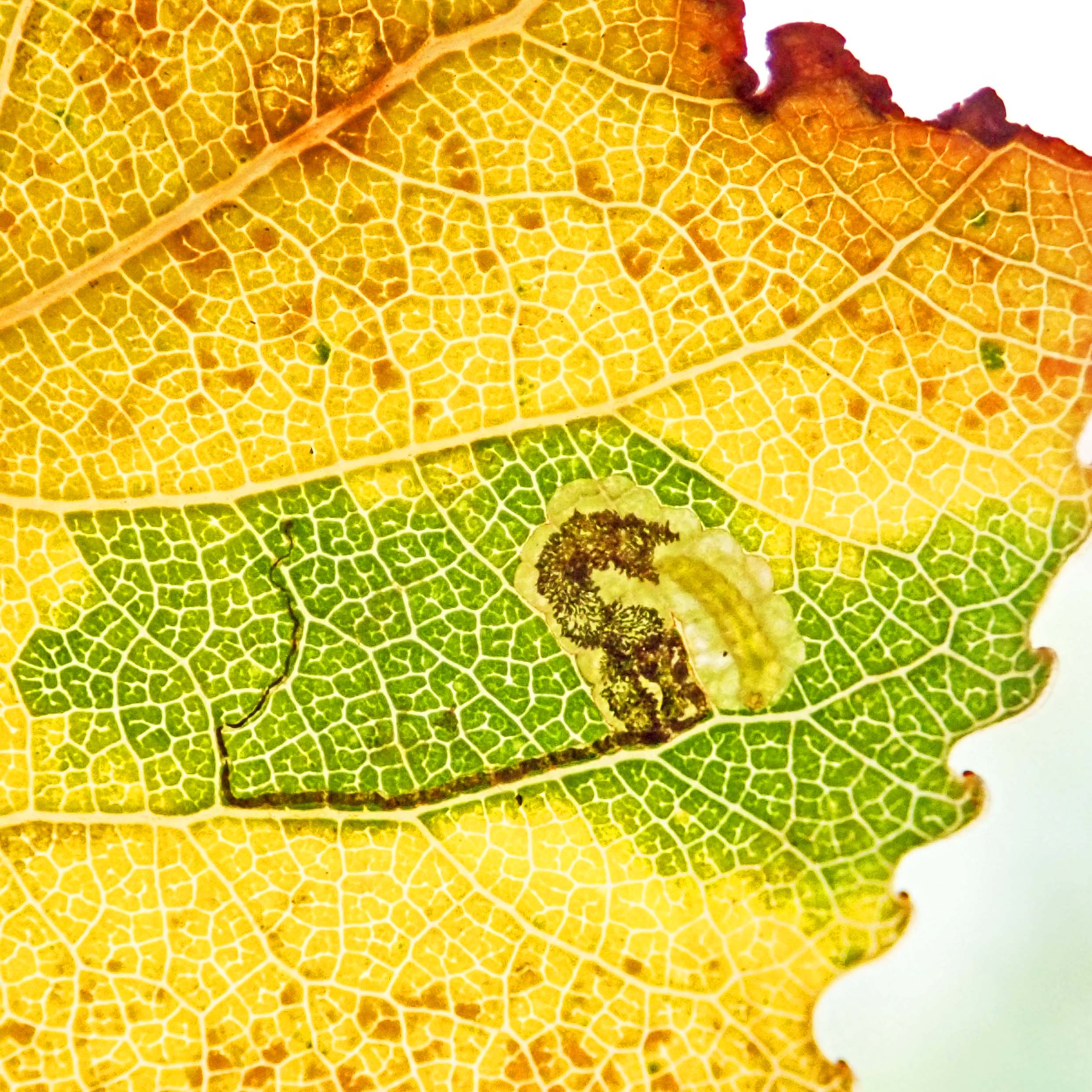
Back in July, when the leaves were falling early from the trees due to the hot dry conditions, I noticed several ‘green islands’ in the Poplar leaves at a local park and, as I didn’t have my macro camera with me, brought a few home to photograph.

Once home I realised that two of the leaves still had live larvae in them, larvae of the moth Stigmella trimaculella, happily munching away within their green island homes (see Leafmines: Stigmella trimaculella, 21 October 2024).

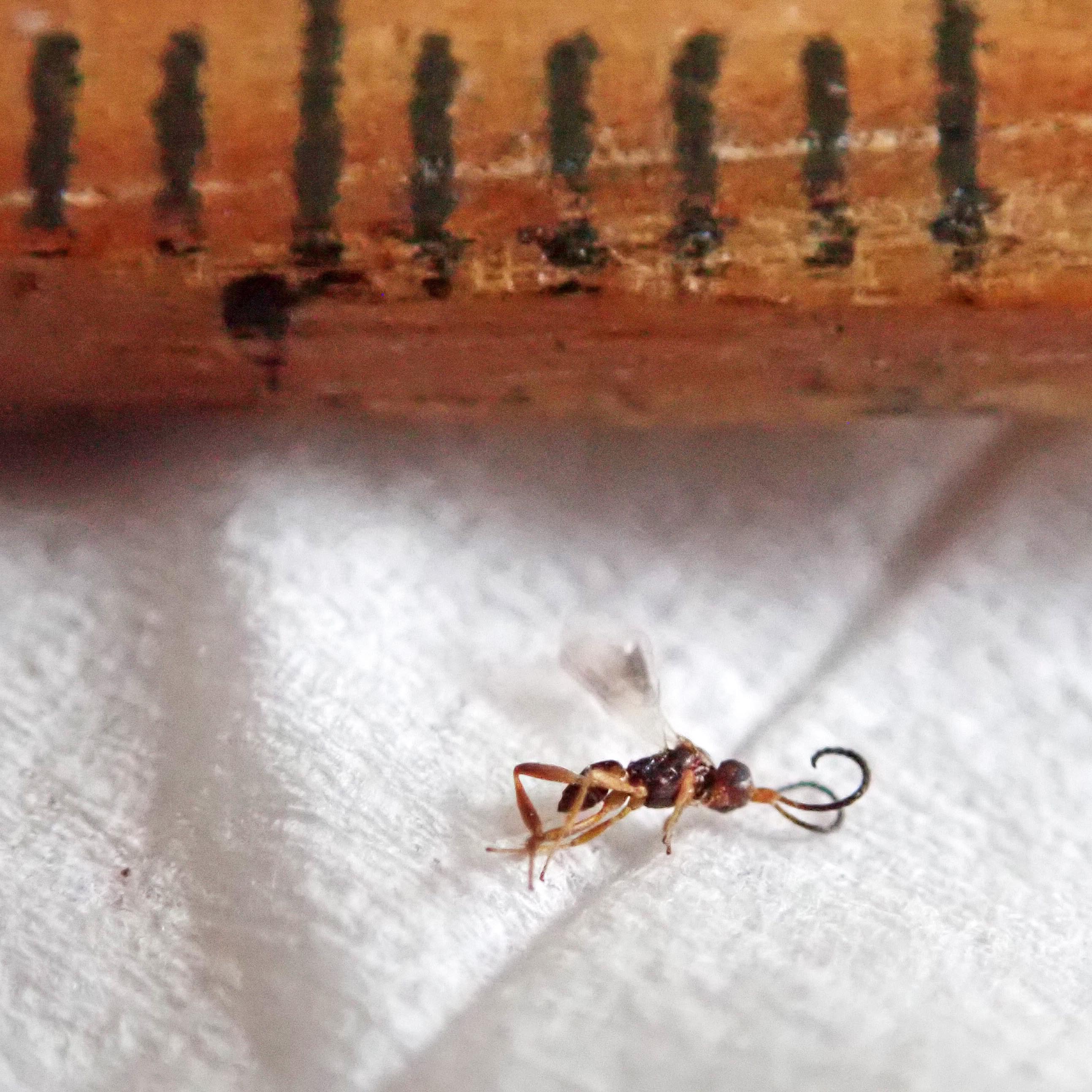
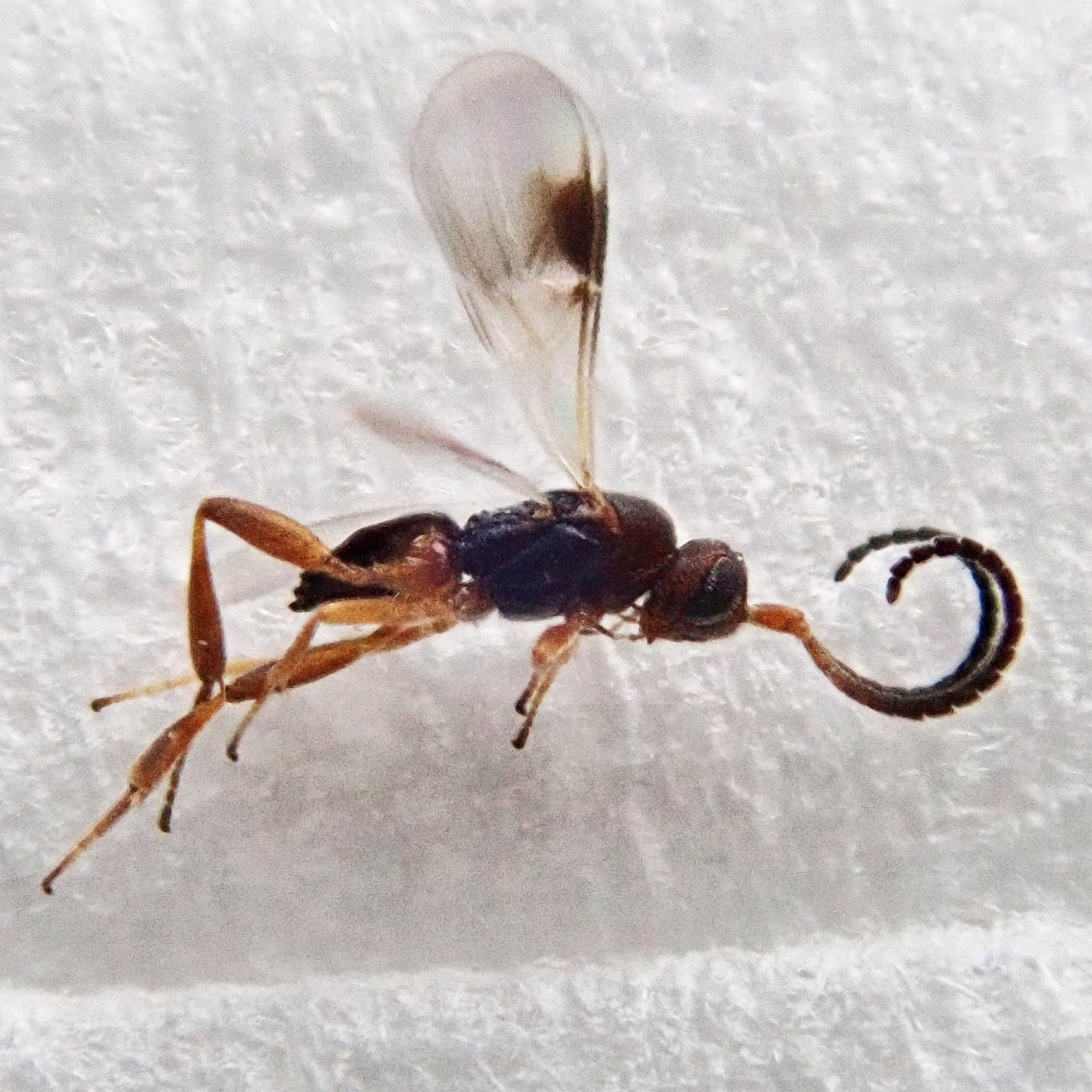
Rather than return them to the park, I put the leaves in a jar to see whether the larvae would go on to pupate and hatch as adult moths. Though I checked the jar regularly, nothing seemed to be happening. The leaves had dried up as expected but, as the larvae usually pupate in leaf debris on the ground, I didn’t think that would be a problem. This week I decided to empty the jar so tipped everything out on to a sheet of white paper … and found this.

It appears that, although the two larvae seemed to be acting and eating as normal, at least one of them had been parasitised by a wasp, and this adult had emerged. It was miniscule, less than 2mms long, more like a speck of dust than a creature. I didn’t expect to get a decisive answer as to what it was but I took some photos and posted them online. Luckily for me, the wasp person I knew was able to connect me with a national parasitic wasp expert. He gave me a tentative identification based on what he could see and referred me to a document I could follow to try to key the wasp to species. The problem is that the key was very specific and, without a microscope, I simply couldn’t see the features clearly enough. So, this little creature would appear to belong to the family Braconidae, the subtribe Adeliinae, one of the Adelius species of parasitic wasp, but I can’t be 100% sure.

Like Loading...

Large whites and parasitism, part 2

24 Tuesday Jun 2025

Posted by sconzani in insects

≈ Leave a comment

Tags

British butterflies, butterfly, butterfly pupae, Large white butterfly, Large white pupae, parasitic wasp, Pteromalus puparum, wasp parasitising Large white pupae, White butterfly pupal parasitoid wasp

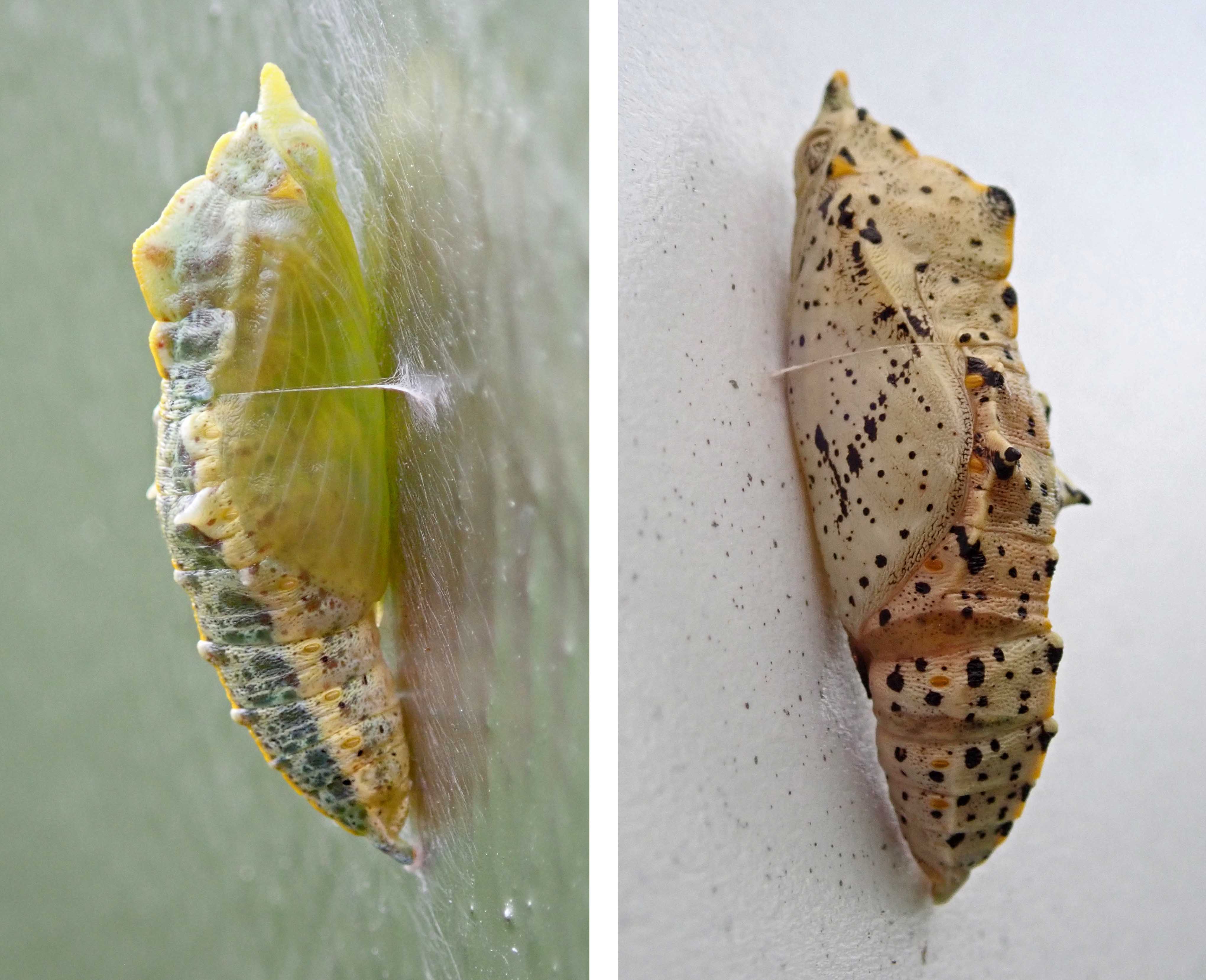
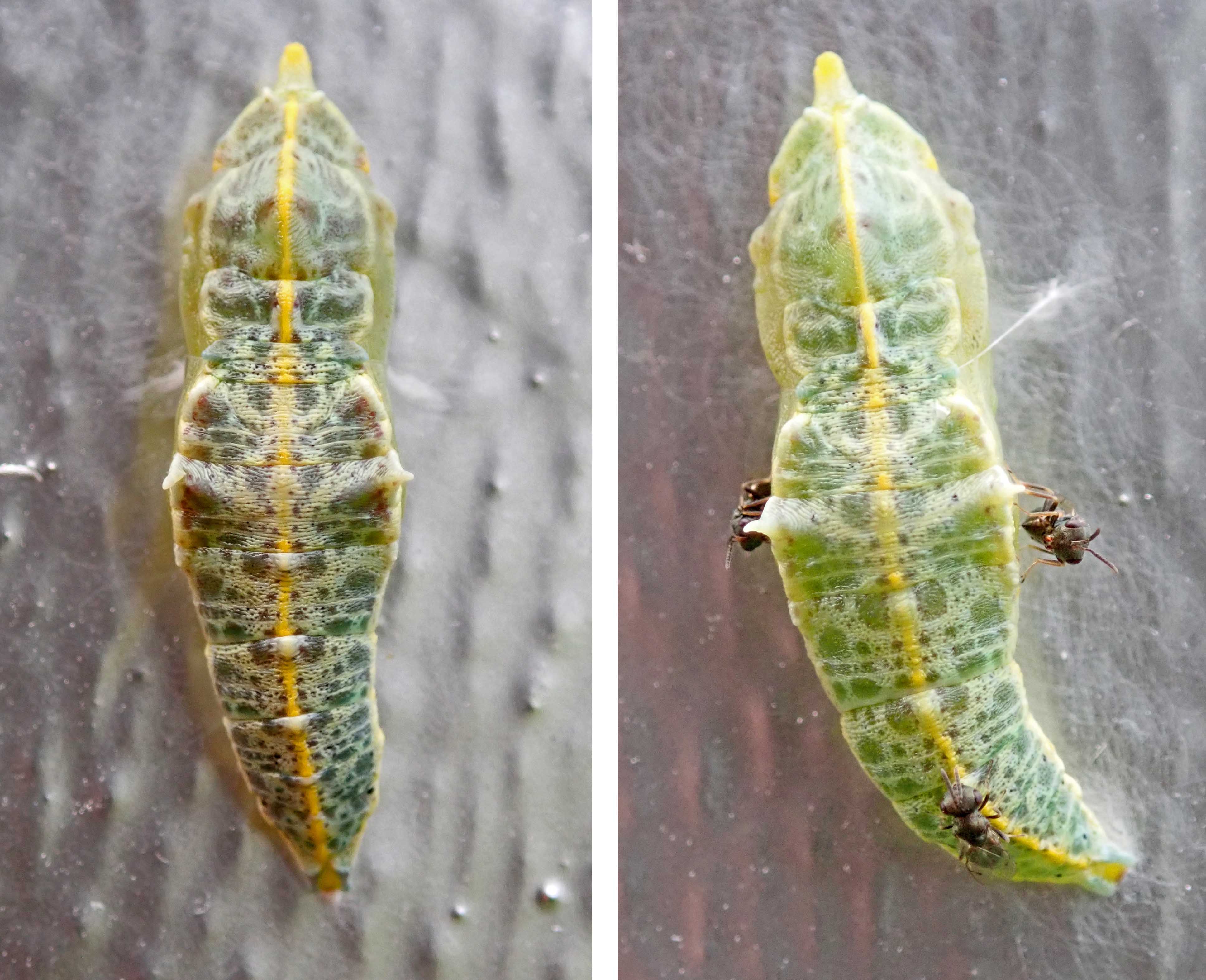
A week after my sighting of Large white butterfly larvae that had been parasitised by wasps (see yesterday’s blog post) I returned to the same location to see what might have changed during that time and was surprised to see six pupae, beautiful sculptural objects whose markings varied depending on how long it was since they had pupated. These can’t have been the parasitised larvae I don’t think, so there must have been a large number of larvae munching unnoticed in the grassy area below the signage they were on.

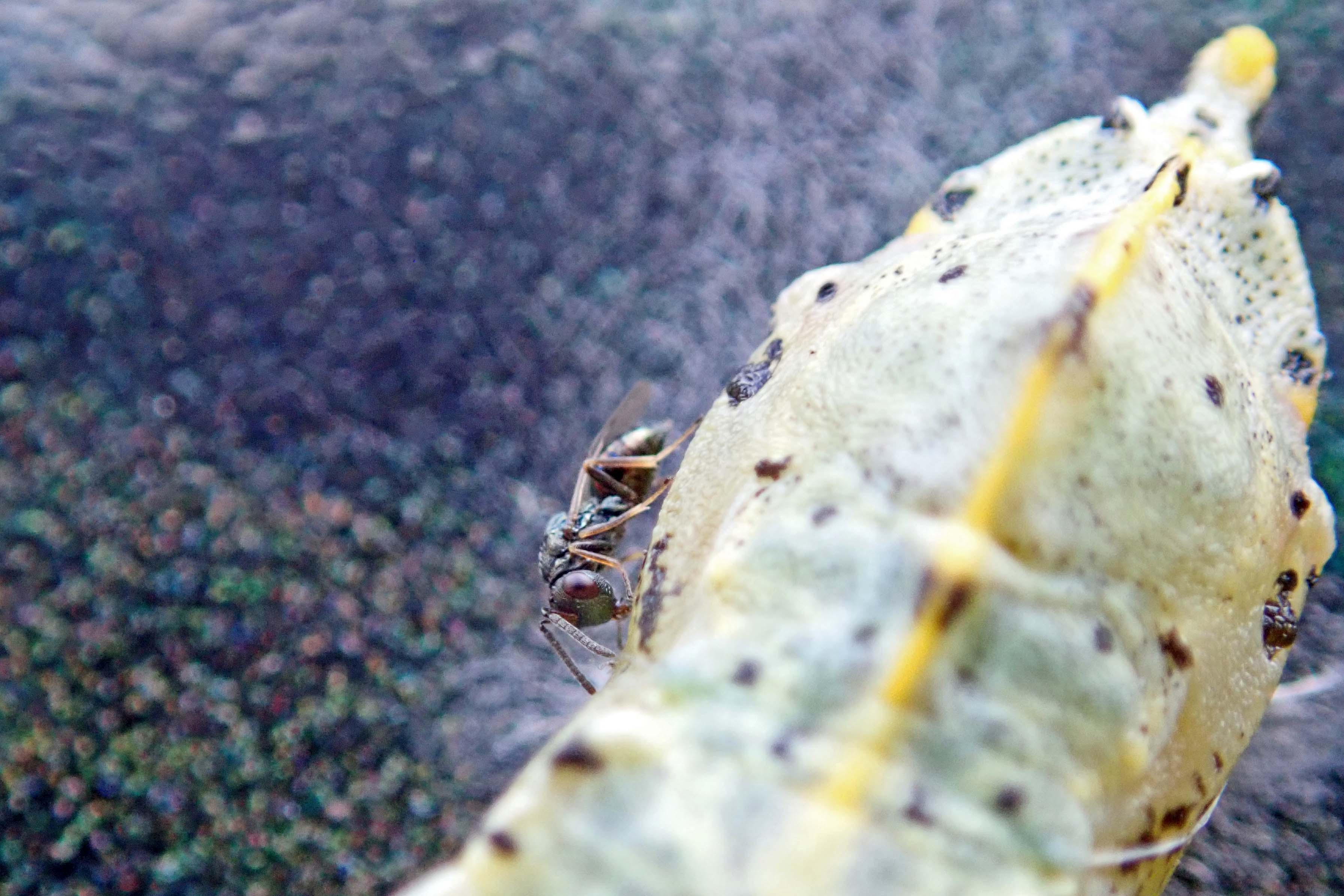
This time, as well as these pupae, a few parasitised larvae and a few caterpillars that looked normal but may still have had wasp larvae in their bodies, there was a new species of parasitic wasp in residence. They looked completely different to the wasp I’d seen the previous week and, rather than the larvae, these tiny wasps were all congregating around the Large white pupae.

As usual, I took a lot of photos and, when I got home, set about researching the possibilities. This time, my guide book offered no assistance but googling produced one probable answer. There exists a wasp that is actually named the White butterfly pupal parasitoid wasp, scientific name Pteromalus puparum, which seems the likely culprit, though this hasn’t yet been confirmed by any experts. I’m intending to revisit the site to see what’s happened while I’ve been away on my little holiday.

Like Loading...

Another day, another parasitic wasp

24 Tuesday Sep 2024

Posted by sconzani in insects

≈ 6 Comments

Tags

Green shieldbug eggs, parasitic wasp, parasitised Green shieldbug eggs, Scelionidae, Trissolcus, Trissolcus sp wasp

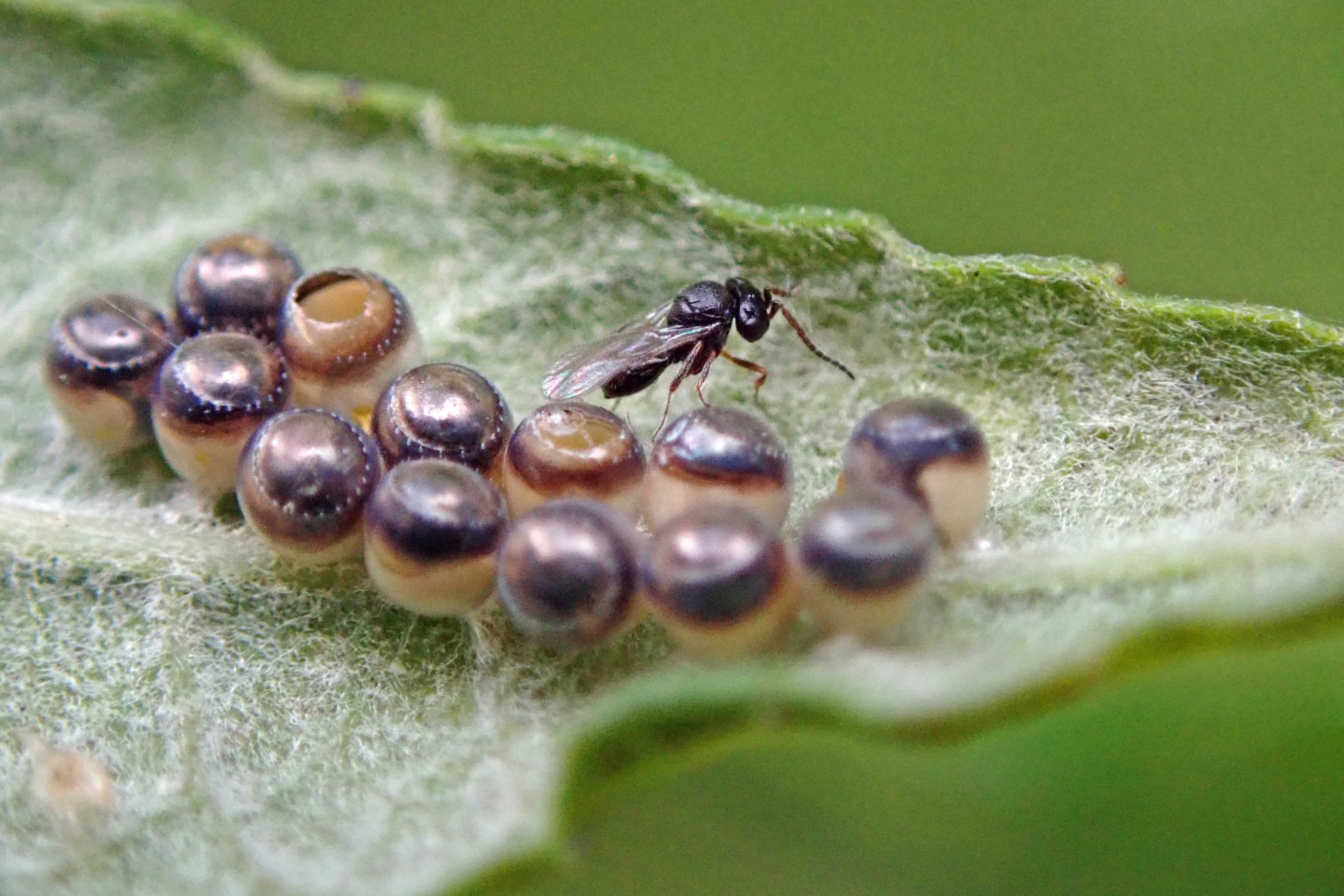
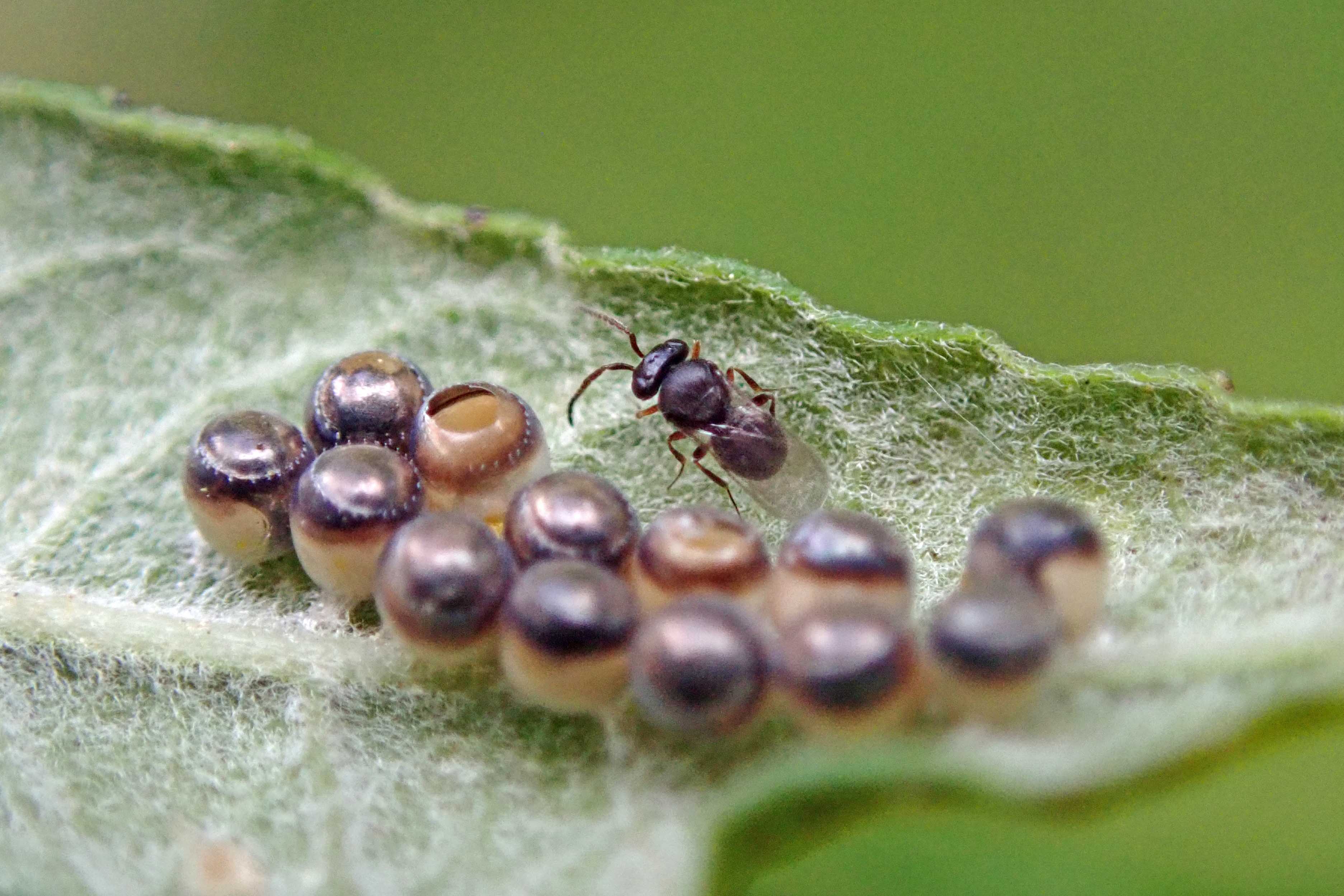
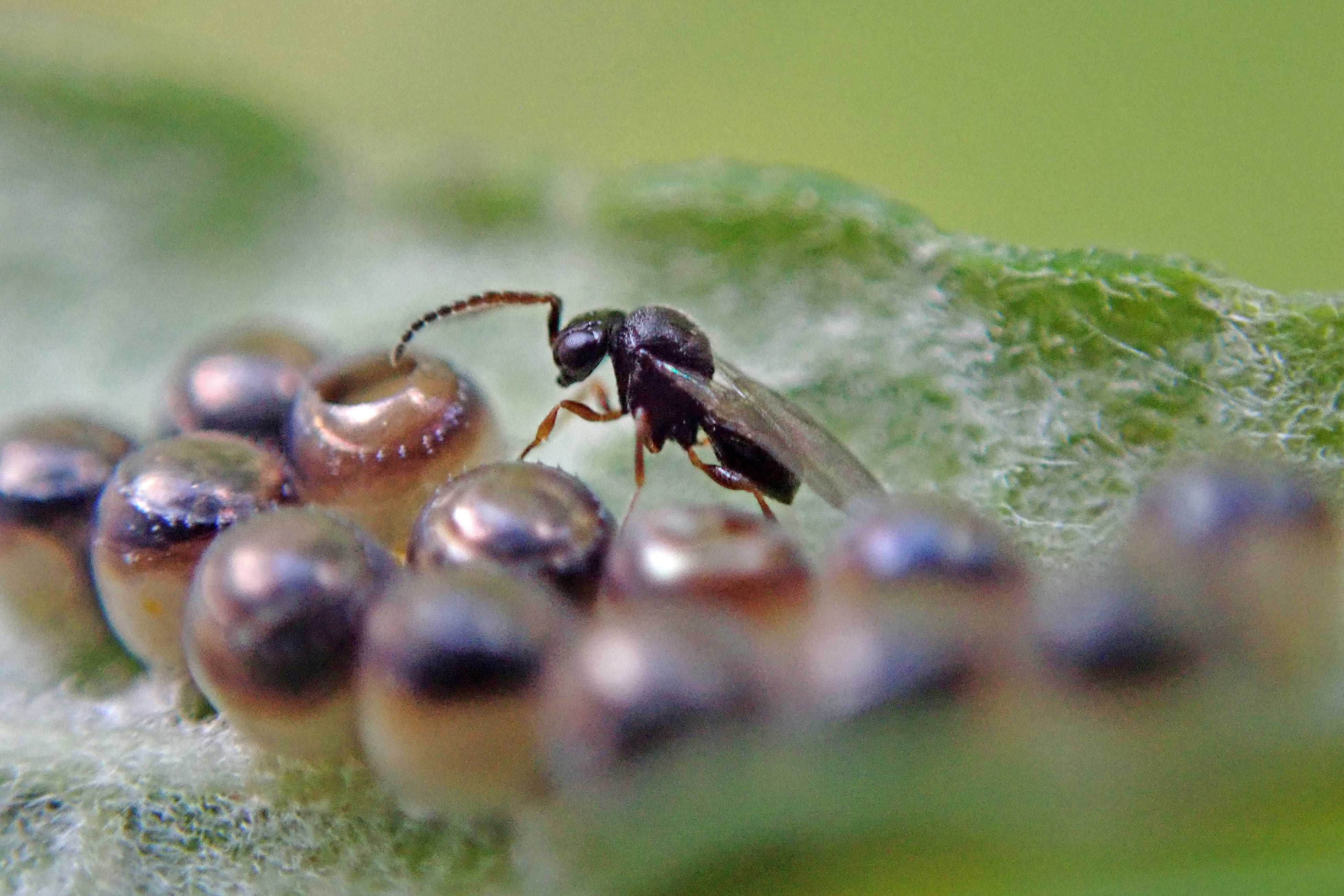
Here’s another fascinating leaf-bothering find, this time on a willow leaf, found during a recent wander around Cardiff’s Cathays Cemetery. I was fairly sure, from their size, shape and number, that these were Green shieldbug eggs and, as their colour had changed from the usual green, that the eggs had been parasitised. And, of course, that led me to wonder whether the tiny wasp might be the parasite.

240924 Trissolcus sp wasp (1)

At home, my online research didn’t come up with anything in the UK but I did find information on the website of American Utah State University about ‘two families of stink bug [the American name for shieldbug] parasitoids in Utah, Eupelmidae and Scelionidae.’ The webpage provided information on and images of the two wasp genera and, from that, I decided the Scelionidae looked most promising, and that my wasp looked very similar to the Trissolcus species shown there.

240924 Trissolcus sp wasp (2)

The website entry explained how the parasitic wasp lays its eggs in the shieldbug eggs, where the wasp larvae hatch, eat their hosts, and eventually pupate. Also,

There is usually a skewed sex ratio in emerging wasps. In a typical stink bug egg mass that consists of 14-28 eggs, one to three wasps will be male, and the rest will be female.
Male wasps will emerge first and wait for the females to emerge. Once mated, the females fly off in search of new egg masses to sting.

That behaviour, of the male wasp waiting by the parasitised eggs for a female to hatch, fitted with what I had observed. Despite me carefully turning the leaf this way and that to try to get better light and closer photos, the little wasp didn’t fly off – now I knew why.

240924 Trissolcus sp wasp (3)

Later, after I’d posted photos and my speculation on social media, my identification of this being a Trissolcus sp. wasp was confirmed by a wasp expert on Bluesky, though I haven’t yet had official verification of my record.

Like Loading...

The parasitic wasp had been parasitised!

13 Friday Sep 2024

Posted by sconzani in insects

≈ Leave a comment

Tags

Aleiodes wasp, Gelis species, Gelis wasp, moth larva parasitised by wasp, parasitic wasp, wasp larva parasitised by wasp

This is an update on two previous blogs: Aleiodes mummy wasp, posted 28 August and Aleiodes wasp update, 5 September.
You might think this is like something out of a horror movie but I find it fascinating. I got an email a couple of days ago through iRecord (the national system through which biodiversity records are channelled so the verifiers can check them) from Gavin Broad of the Natural History Museum: ‘The mummy was indeed caused by an Aleiodes. However, the wasp which emerged is a Gelis sp. (probably Gelis areator), which has parasitized the Aleiodes.’
So, just to be clear …

a moth caterpillar was parasitised by an Aleiodes wasp

and the Aleiodes wasp larva was parasitised by a Gelis wasp. Amazing!

Like Loading...

Aleiodes wasp update

05 Thursday Sep 2024

Posted by sconzani in insects

≈ Leave a comment

Tags

Aleiodes wasp, British wasps, mummy wasp, parasitic wasp

When I checked the jars on my kitchen window sill yesterday morning, I discovered the Aleiodes wasp I blogged about last week had hatched (Aleiodes mummy wasp, 28 August). And here she is …

240905 aleiodes wasp (3)

The photo above was taken through the glass of its jar so apologies that it’s not very sharp, but you can see she’s a female by the presence of the sharp ovipositor poking out the bottom of her body. And a reminder, below, of how small the cocoon was: approximately 7mm long, so I would guess the wasp was around 6mm.

240905 aleiodes wasp (2)

Finally, the image on the left below (also not very clear) shows the small circular dark hole on the underside of the cocoon where the tiny wasp had chewed her way out into the world. And, on the right, the wasp sitting, very briefly, on the outside of the jar before she flew off to begin her life in the wild.

240905 aleiodes wasp (1)

Like Loading...

Aleiodes mummy wasp

28 Wednesday Aug 2024

Posted by sconzani in insects

≈ Leave a comment

Tags

Aleiodes wasp, British wasps, caterpillar parasitised by wasp, mummy wasp, parasitic wasp

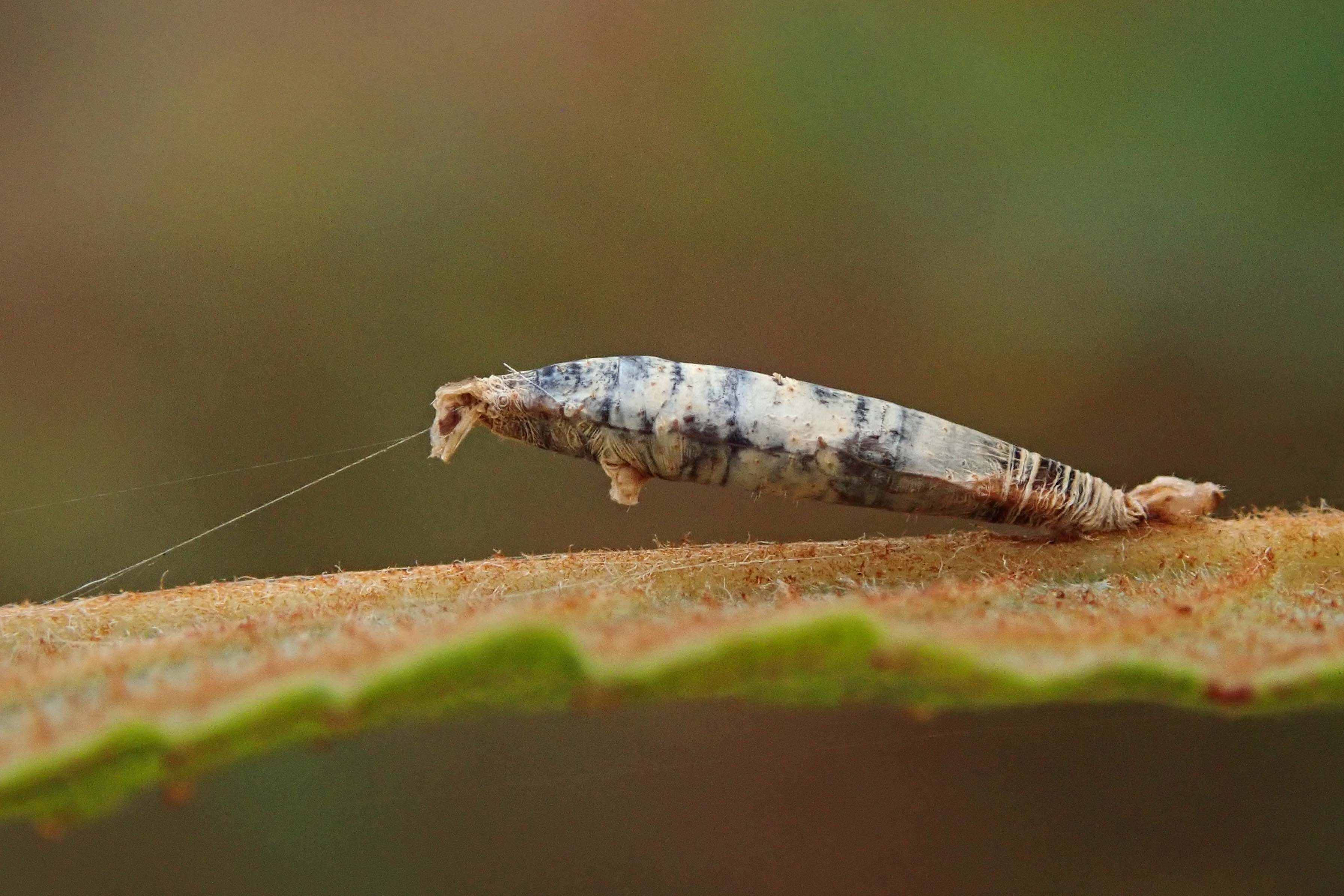
I found this remarkable but tiny object a couple of weeks ago when checking out some Buff-tip moth caterpillars on a small willow tree, but I’ve delayed posting about it until I had confirmation of identification.

240828 aleiodes (2)

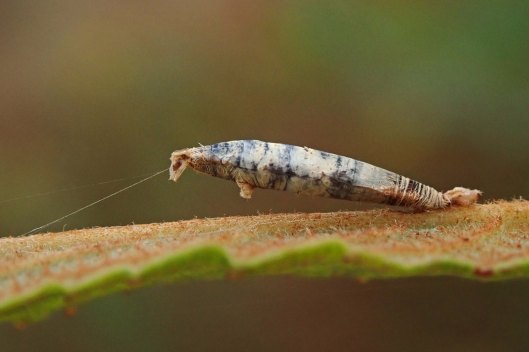
The situation is this: a female Aleiodes wasp (species unknown) laid her egg in a caterpillar (species also unknown). When the egg hatched, it fed inside the caterpillar, eventually leaving the skin of the caterpillar hardened, in a state many people describe as a ‘mummy’, which is why the Aleiodes wasps are commonly referred to as mummy wasps. The wasp larva pupates inside the mummy, and will eventually bite a hole in the outer skin to emerge as an adult. As I was intrigued to see what might emerge, I’ve brought this mummy home, and it’s currently in a jar on my kitchen window. If/when something emerges, I’ll post about it.

240828 aleiodes (1)

There’s an image on Bug Guide website that looks quite similar to the mummy I found, and another on Jungle Dragon, where you can see the exit hole made by the adult wasp (or wasps) when it/they emerged from pupation.

Like Loading...

Black mummies

19 Thursday Oct 2023

Posted by sconzani in insects

≈ Leave a comment

Tags

Aphelinus species, aphid, aphid mummies, aphid parasitised by wasp, British aphids, Drepanosiphum platanoidis, parasitic wasp, parasitised aphids

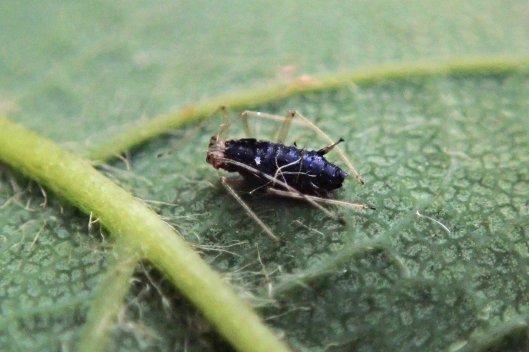
Unless I find something particularly noteworthy, this might be my last venture into the confusing world of aphids and their parasites, at least for the winter months. You might remember my post about Aphid mummies on 26 September. Well, the tiny creature pictured below is also an aphid mummy and, thanks to my local expert, I can identify this as a nymph of the aphid Drepanosiphum platanoidis that has been parasitised by one of the Aphelinus species of parasitic wasps. Within its now-blackened body, a wasp larva has been eating its host, will pupate and eventually emerge as an adult wasp. (Perhaps I should have saved this post until 31 October as it has something of the Halloween / zombie / walking dead feel to it.)

Like Loading...

A confusion of pie crusts

10 Tuesday Oct 2023

Posted by sconzani in insects

≈ Leave a comment

Tags

aphids parasitised by wasps, Drepanosiphum platanoidis, Drepanosiphum platanoidis parasitised by Dyscritulus planiceps, Dyscritulus planiceps, parasitic wasp, parasitised aphids, Praon flavinode, Tuberculatus parasitised by Praon flavinode, Tuberculatus species

You can tell I’m no baker – I got my pie crusts confused, what should’ve been puff pastry was really a pizza base. And now you’re confused … let me explain.

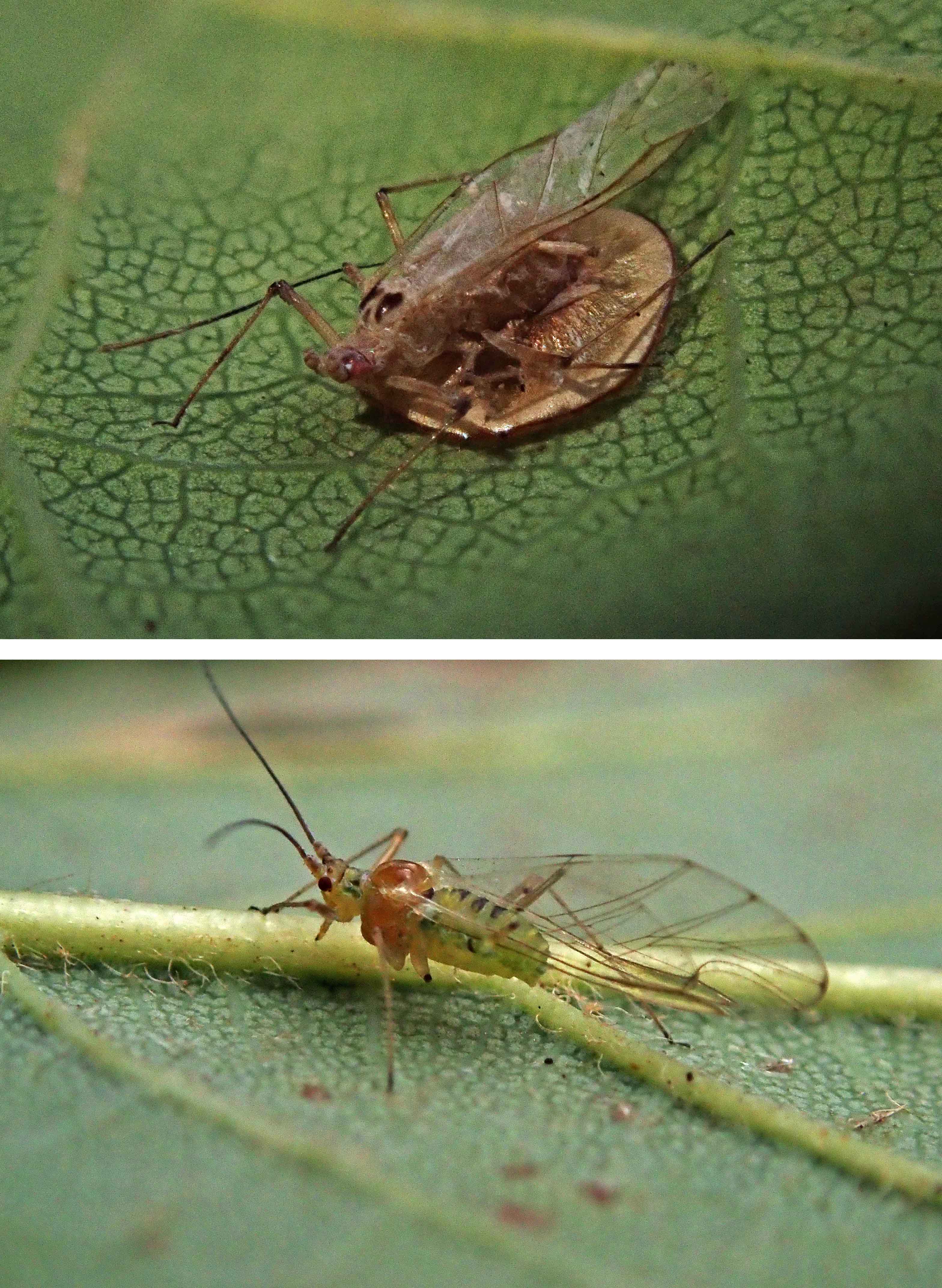
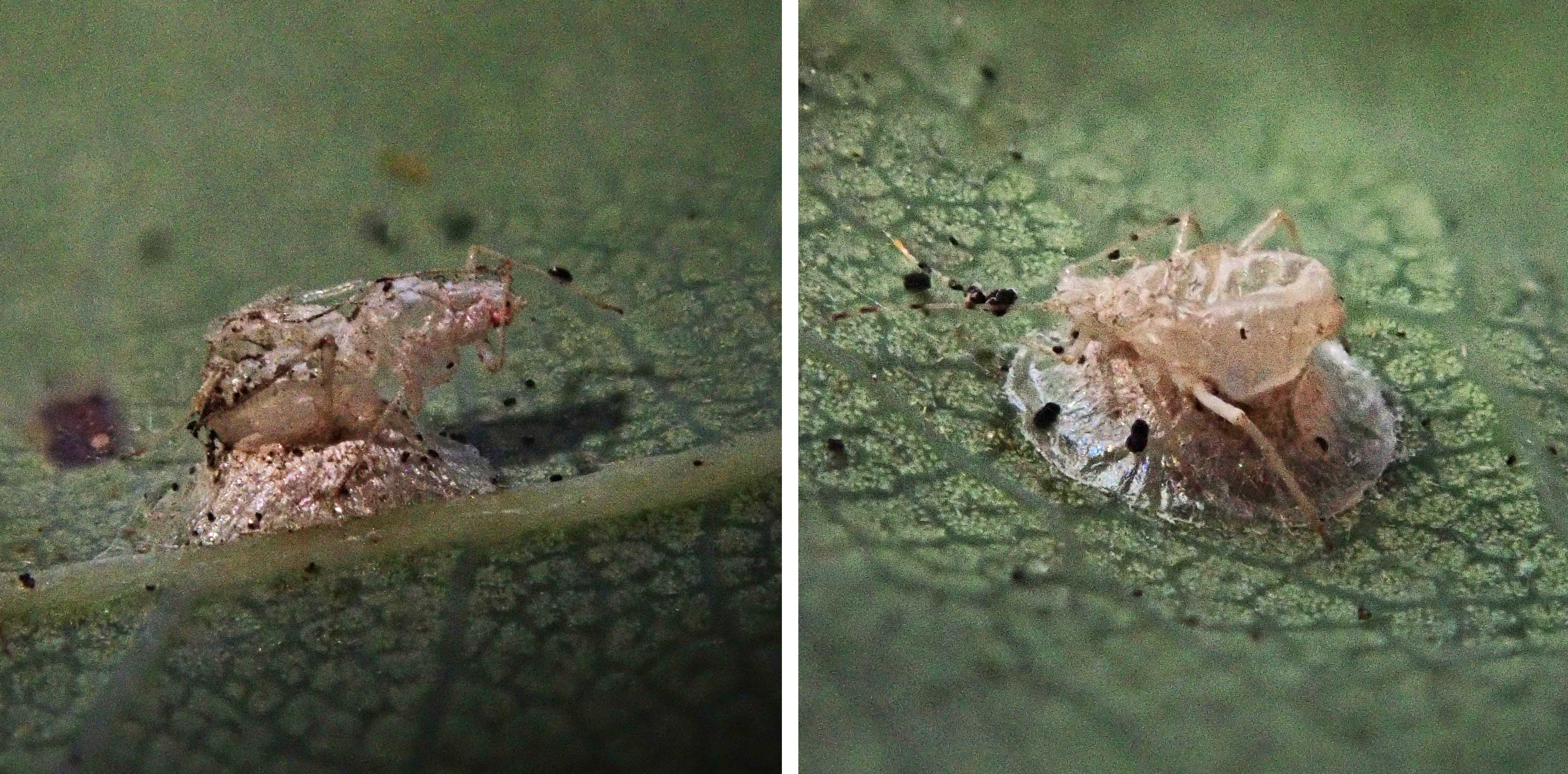
Back on 19 September, I wrote about A parasitised aphid, and said that ‘The Praon genus of parasitic wasps are the only ones that create this disc-shaped attachment beneath their host’. That was wrong (and I’ve now edited that post). The Praon wasps are actually responsible for an attachment beneath their host that looks more like puff pastry. Here are examples of the two types of pie crust.

231010 Drepanosiphum platanoidis parasitised by Dyscritulus planiceps and live

First, the pizza base. The first photo above shows the aphid Drepanosiphum platanoidis, which has been parasitised by the wasp Dyscritulus planiceps. The second photo, just for comparison, shows the same species of aphid when alive.

231010 Tuberculatus parasitised by Praon flavinode

Second, the puff pastry. And these two are both Tuberculatus species of aphids that have been parasitised by Praon wasps, most likely Praon flavinode (the local expert I’ve now made contact with tells me ‘There are quite a few species of Praon/Praini but flavinode will almost certainly be the species involved with Tuberculatus on oak’). What was that I said about ‘standing at the top of a very slippery slope, at the bottom of which is a chasm filled with aphids and their parasites!’ (Aphid mummies, 26 September)? Always learning!

Like Loading...
← Older posts

About me

sconzani

sconzani

I'm a writer and photographer; researcher and blogger; birder and nature lover; countryside rambler and city strider; volunteer and biodiversity recorder.

View Full Profile →

Follow earthstar on WordPress.com

Enter your email address to follow this blog and receive notifications of new posts by email.

Recent blog posts

  • M is for mite December 18, 2025
  • L is for lepidopteran lifers December 17, 2025
  • K is for Keeled skimmers December 16, 2025
  • J is for Jersey tiger December 15, 2025
  • I is for Ichneumon December 14, 2025

From the archives

COPYRIGHT

Unless otherwise acknowledged, the text and photographs on this blog are my own and are subject to international copyright. Nothing may be downloaded or copied without my permission.

Fellow Earth Stars!

  • Unknown's avatar
  • Unknown's avatar
  • Unknown's avatar
  • Unknown's avatar
  • Unknown's avatar
  • Unknown's avatar
  • Unknown's avatar
  • Unknown's avatar
  • Unknown's avatar
  • Unknown's avatar
  • Unknown's avatar
  • Unknown's avatar
  • Unknown's avatar
  • Unknown's avatar
  • Unknown's avatar
  • Unknown's avatar
  • Unknown's avatar
  • Unknown's avatar
  • Unknown's avatar
  • Unknown's avatar
  • Unknown's avatar
  • Unknown's avatar
  • Unknown's avatar
  • Unknown's avatar
  • Unknown's avatar
  • Unknown's avatar
  • Unknown's avatar
  • Unknown's avatar
  • Unknown's avatar
  • Unknown's avatar
  • Unknown's avatar
  • Unknown's avatar
  • Unknown's avatar
  • Unknown's avatar
  • Unknown's avatar
  • Unknown's avatar
  • Unknown's avatar
  • Unknown's avatar
  • Unknown's avatar
  • Unknown's avatar
  • Unknown's avatar
  • Unknown's avatar
  • Unknown's avatar
  • Unknown's avatar
  • Unknown's avatar
  • Unknown's avatar
  • Unknown's avatar
  • Unknown's avatar
  • Unknown's avatar
  • Unknown's avatar

Blog at WordPress.com.

Privacy & Cookies: This site uses cookies. By continuing to use this website, you agree to their use.
To find out more, including how to control cookies, see here: Cookie Policy
  • Subscribe Subscribed
    • earthstar
    • Join 667 other subscribers
    • Already have a WordPress.com account? Log in now.
    • earthstar
    • Subscribe Subscribed
    • Sign up
    • Log in
    • Report this content
    • View site in Reader
    • Manage subscriptions
    • Collapse this bar
 

Loading Comments...
 

You must be logged in to post a comment.

    %d