• ABOUT
  • BIRDING 2018
  • Birding 2019
  • BLOG POSTS
  • Butterflies 2018
  • Resources

earthstar

~ a celebration of nature

earthstar

Tag Archives: wildflowers

Mignonette

31 Sunday Aug 2025

Posted by sconzani in flowers, wildflowers

≈ Leave a comment

Tags

British wildflowers, Mignonette, Reseda lutea, Reseda odorata, Wild mignonette, wildflowers

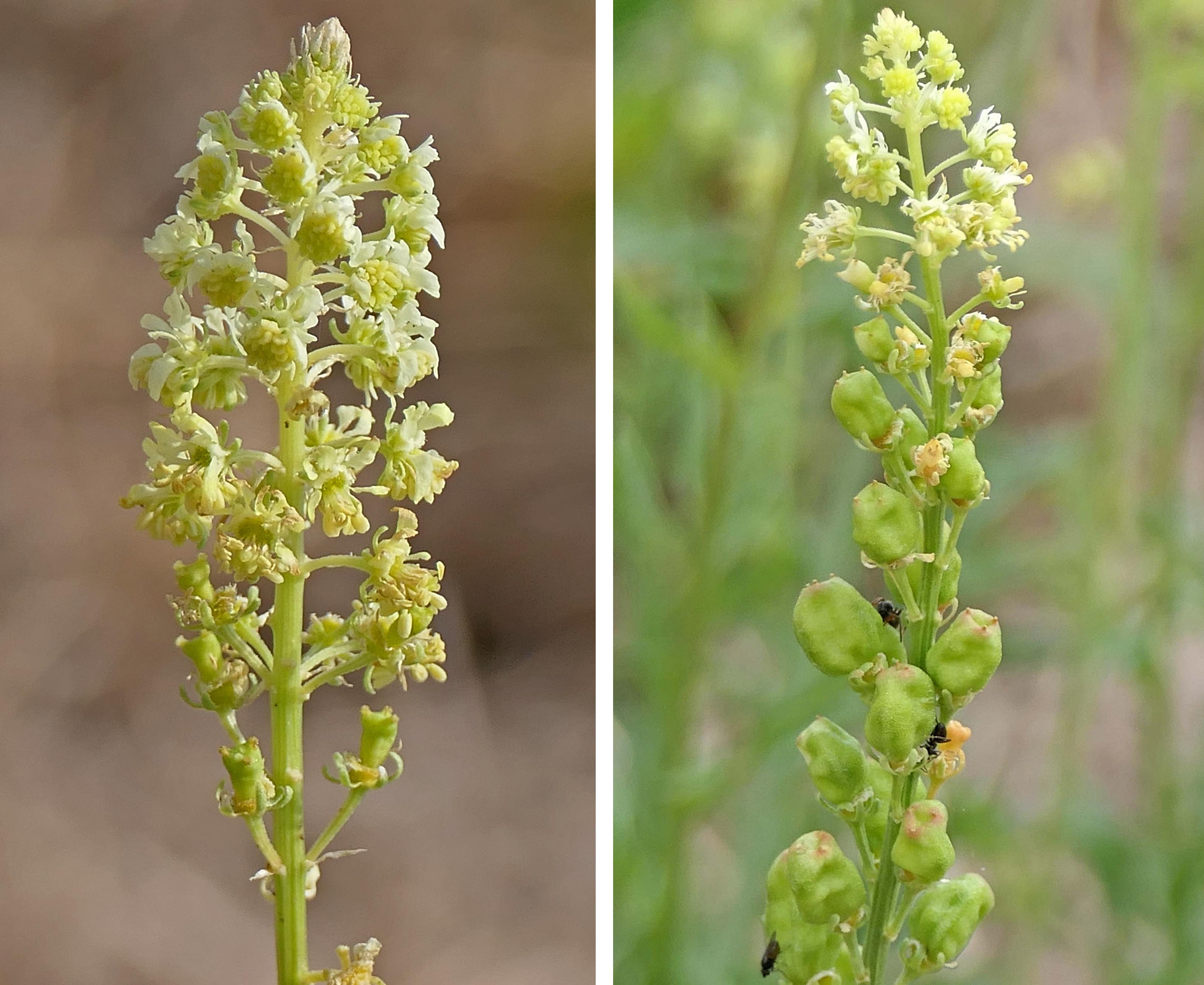
As I’ve never sniffed their flowers, I’m not sure whether the Mignonette plants I see in various locations around Cardiff Bay are Wild Mignonette (Reseda lutea) or the escaped and naturalised garden variety Reseda odorata (the latter, a plant that’s more at home in Mediterranean countries, has a musky scent apparently).
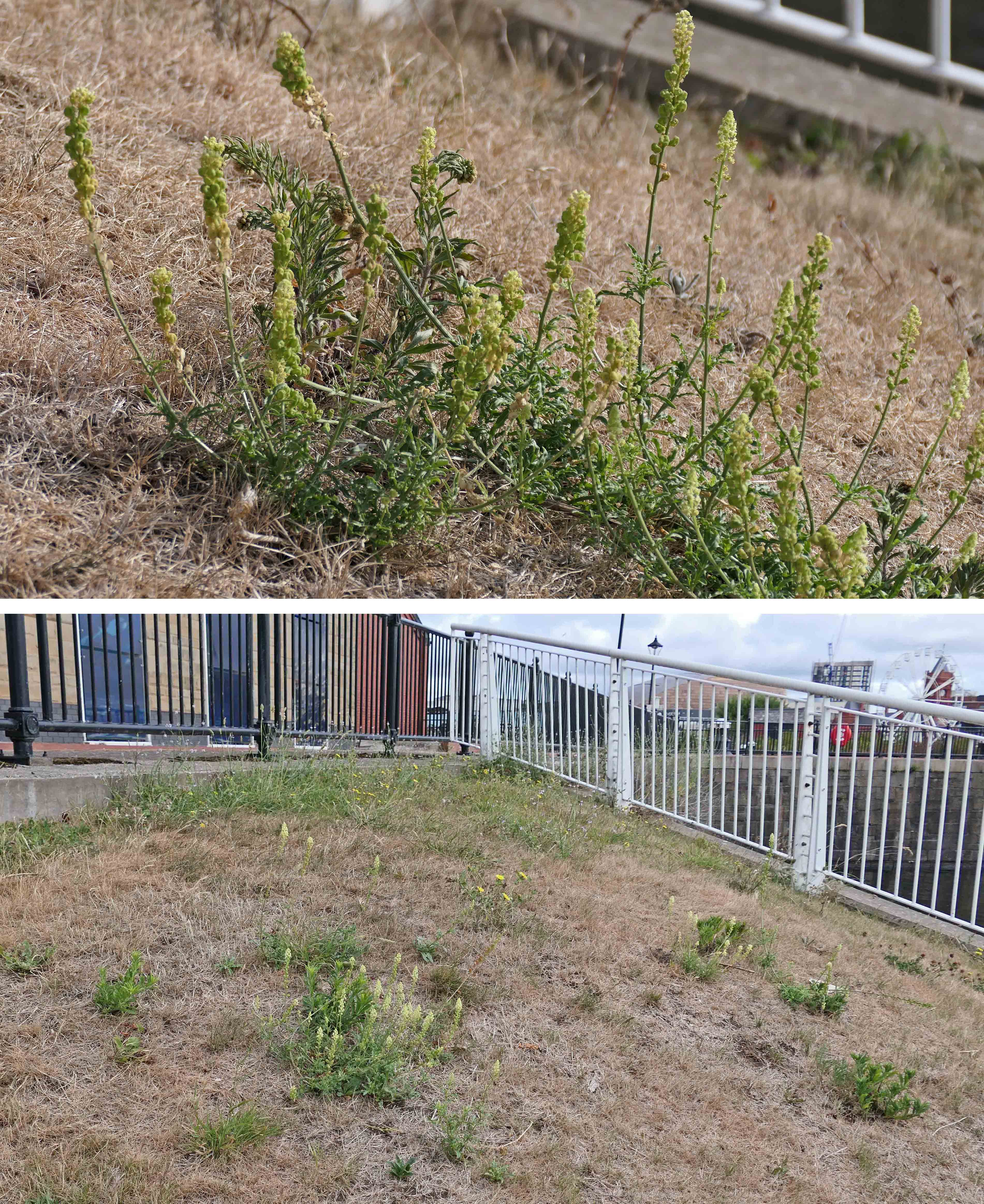
Both species are common throughout the UK, in a wide variety of locations – along the edges of railway lines, on areas of waste ground, bordering car parks and garbage tips, around arable fields – in general, anywhere the ground has been disturbed and is mostly dry. You can see in the photos below how well the Mignonette plants are coping with the current drought conditions here in south Wales, compared to most other plants that are shrivelled, crispy and dying.
Like Loading...

Mad with joy

30 Sunday Mar 2025

Posted by sconzani in flowers, spring

≈ 3 Comments

Tags

British wildflowers, Spring colour, spring wildflowers, wildflowers

People from a planet without flowers would think we must be
mad with joy the whole time to have such things about us.
~ Iris Murdoch, from the novel A Fairly Honourable Defeat, Vintage, 1970

Mad as a hatter, me, as the Spring wildflowers begin to bloom. I hope you’re enjoying them too!


Like Loading...

Lady’s-mantle

02 Sunday Jul 2023

Posted by sconzani in flowers, plants, wildflowers

≈ Leave a comment

Tags

Alchemilla, British wildflowers, Lady's-mantle, wildflowers, yellow flowers

Lady’s-mantle is one of those plants that’s difficult to determine to exact species. The large Garden lady’s-mantle (Alchemilla mollis) has escaped its original garden setting and become naturalised in many places, and, just to increase identification difficulties, some species have hybridised with others. It’s a plant I’ve found growing in a variety of places: in grassland at the local country park, along a nearby woodland ride, on a former coal spoil tip and, below, in a former quarry.

230702 Lady's-mantle (1)

Richard Mabey provides some interesting information about this plant in Flora Britannica:

The often nine-lobed leaves of lady’s-mantle, like cloaks or umbrellas, fold up overnight and catch the dew on their soft hairs. Plant-dew was highly valued by early herbalists … and this made Alchemilla prized as a simple [sic], prescribed for wounds, infertility, and impotence. The alchemists also required the purest dew for turning base metal into gold – hence the name Alchemilla, ‘little alchemist’. Such a powerful and magical herb was bound to be christianised, and some time in the Middle Ages it was named Our Lady’s Mantle, and eventually lady’s-mantle.

230702 Lady's-mantle (2)

Like Loading...

April flowers

23 Sunday Apr 2023

Posted by sconzani in flowers, spring, wildflowers

≈ 6 Comments

Tags

British wildflowers, Spring colour, spring flowers, wildflowers

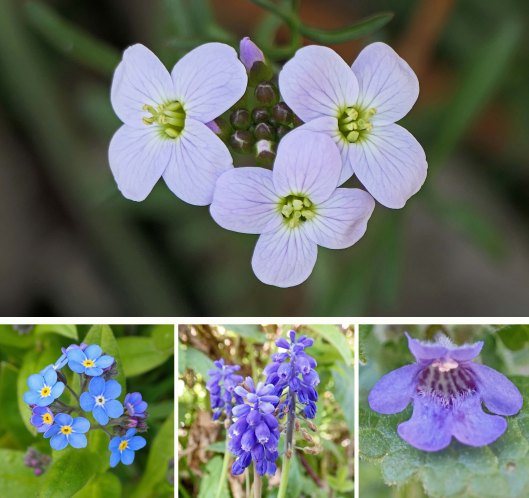
As I write this, we actually have April showers but, luckily, they weren’t falling on me or this random selection of April flowers from today’s walk. First one to name them all gets … a gold star!

230423 wildflowers

Like Loading...

216/366 Red bartsia

03 Monday Aug 2020

Posted by sconzani in nature, plants, wildflowers

≈ 2 Comments

Tags

British wildflowers, Cosmeston Lakes Country Park, Odontites vernus, Red bartsia, wildflowers

Red bartsia (Odontites vernus) is an unobtrusive wildflower that I have tended to overlook until now but it’s very common in Cosmeston Lakes Country Park, one of my local haunts, so I thought I should take a closer look at it.

200803 red bartsia (1)

The Wildlife Trust website says Red bartsia can be found growing on low-fertility soils – places like waste ground, brownfield sites, along the edges of roads and railway tracks, and it survives in these more barren places because it’s semi-parasitic on the plants around it, tapping in to their root systems to gather extra nutrients.

200803 red bartsia (2)
200803 red bartsia (3)

Its scientific name is interesting: Odontites comes from Ancient Greek ὀδούς meaning tooth and apparently refers to the fact that Pliny the Elder used this plant to treat toothache; vernus refers to springtime, presumably when this plant comes to life for the year. It flowers for several months over the summer, providing a good nectar source for many species of bee and wasp.

200803 red bartsia (4)

Like Loading...

173/366 Beautiful Betony

21 Sunday Jun 2020

Posted by sconzani in nature, wildflowers

≈ Leave a comment

Tags

Betonica officinalis, Betony, British wildflowers, Stachys officinalis, wildflowers, wildflowers in road verges

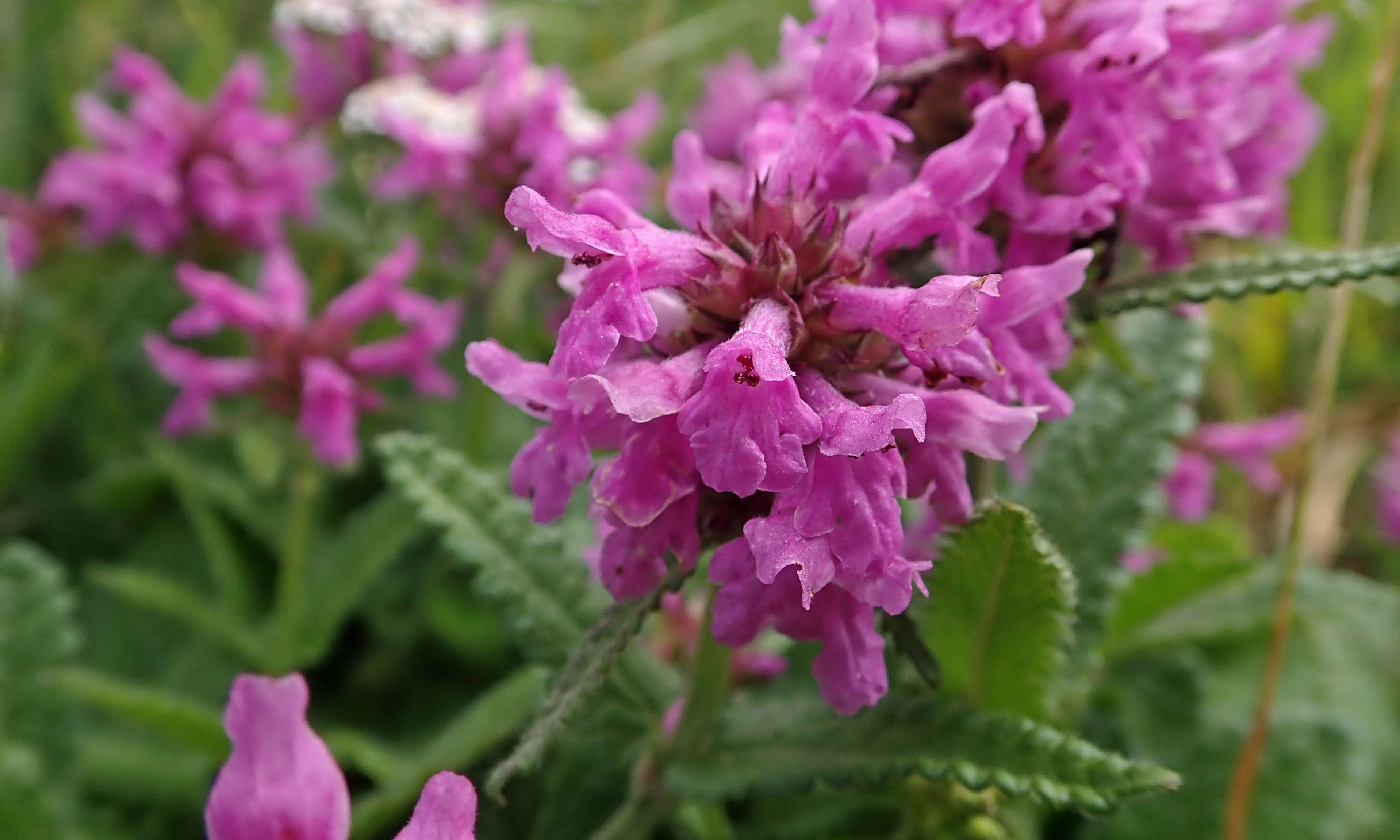
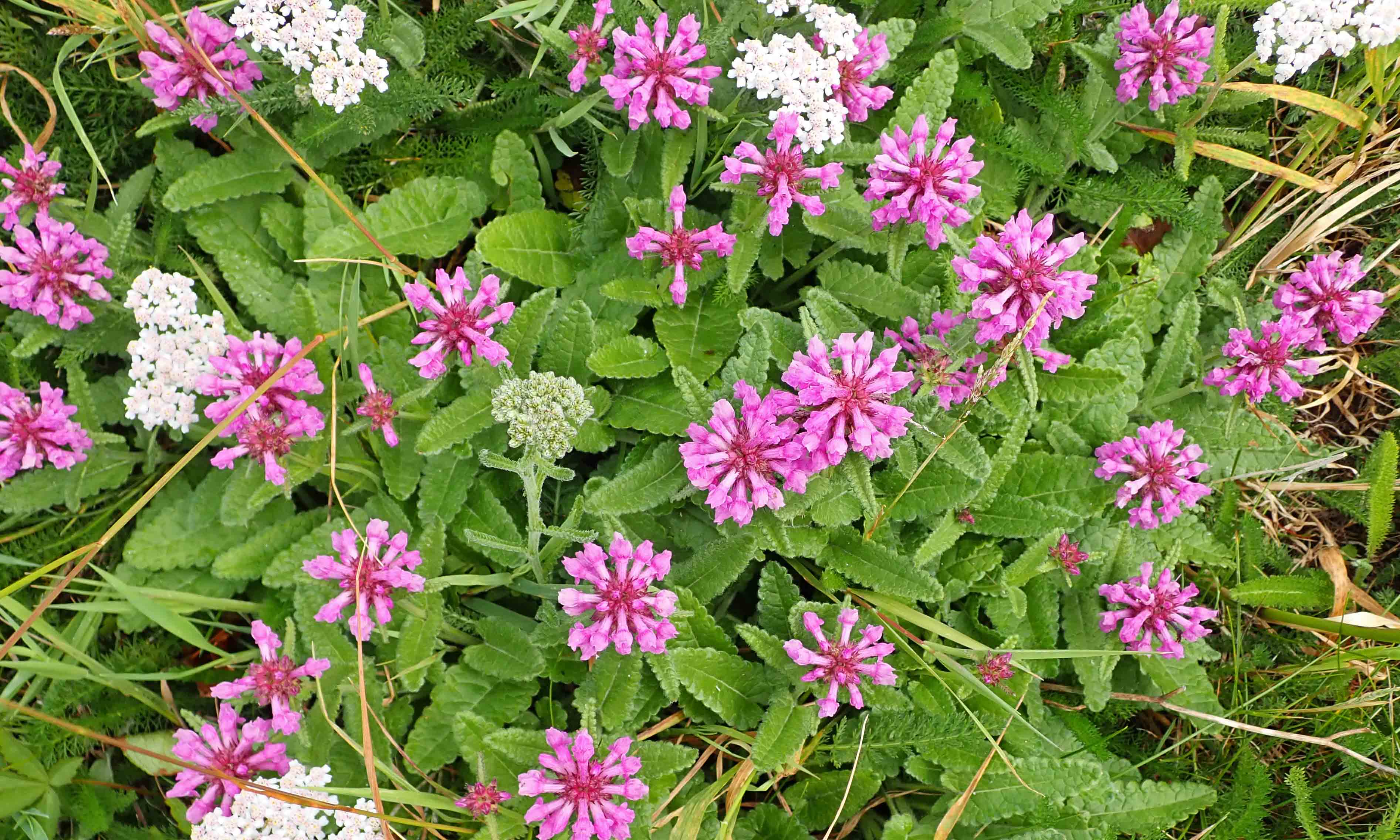
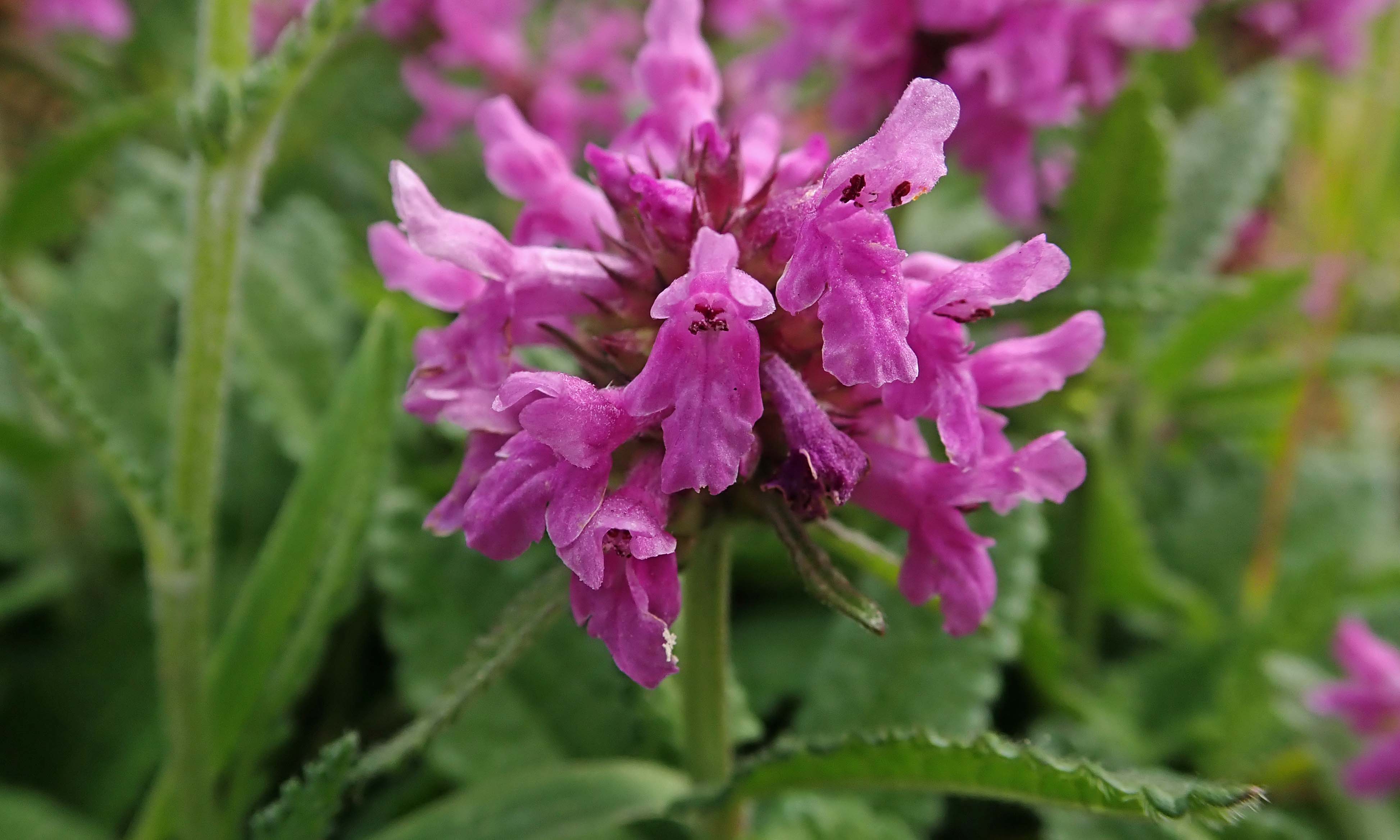
This was a pretty find in an unmown roadside verge earlier this week. It looks more pink than my wildflower guide and most online images show, but I’m fairly sure this is Betony, which now goes by the scientific name of Betonica officinalis, but was previously Stachys officinalis.

200621 betony (2)

Its common names include Common hedgenettle, and Bishopwort or Bishop’s wort, and my Flora Britannica labels it ‘one of the great “all-heals” of medieval herbalists’. The various old herbals claim it was effective for everything from treating arthritis and gout, to preserving the liver and curing drunkenness. Roman physician Antonius Musa reckoned it counteracted sorcery, and Christians planted Betony in churchyards as a ghost-busting tool.

200621 betony (1)

I’ve read that various subspecies are available that produce different flower colours so perhaps this is one of those and the plants have developed from seed dropped via bird droppings, though the verge contains a wealth of other wildflowers – Yarrow, as you can see in one of my photos; Oxeye daisies; Knapweed; Bird’s-foot trefoil; and even three Pyramidal orchids. Before the high-rise apartment blocks and office blocks were built, this riverside location must have contained a wealth of wonderful plants and, perhaps now that the verge is not being mowed, the plants are making a comeback.

200621 betony (3)

200621 pyramidal orchid

Like Loading...

159/366 Daisy power

07 Sunday Jun 2020

Posted by sconzani in flowers, insects, nature, wildflowers

≈ Leave a comment

Tags

British wildflowers, daisies, insects on Oxeye daisies, Oxeye daisy, wildflowers

I walk past this magnificent display of Oxeye daisies quite often, and it always makes me smile.

200607 ox-eye daisies (1)

It runs alongside a local footpath, behind a wire fence that borders a school playground, and transforms an ugly bank of earth, which prevents footpath walkers from seeing the children at play, into a stunning floral flourish.

200607 ox-eye daisies (2)

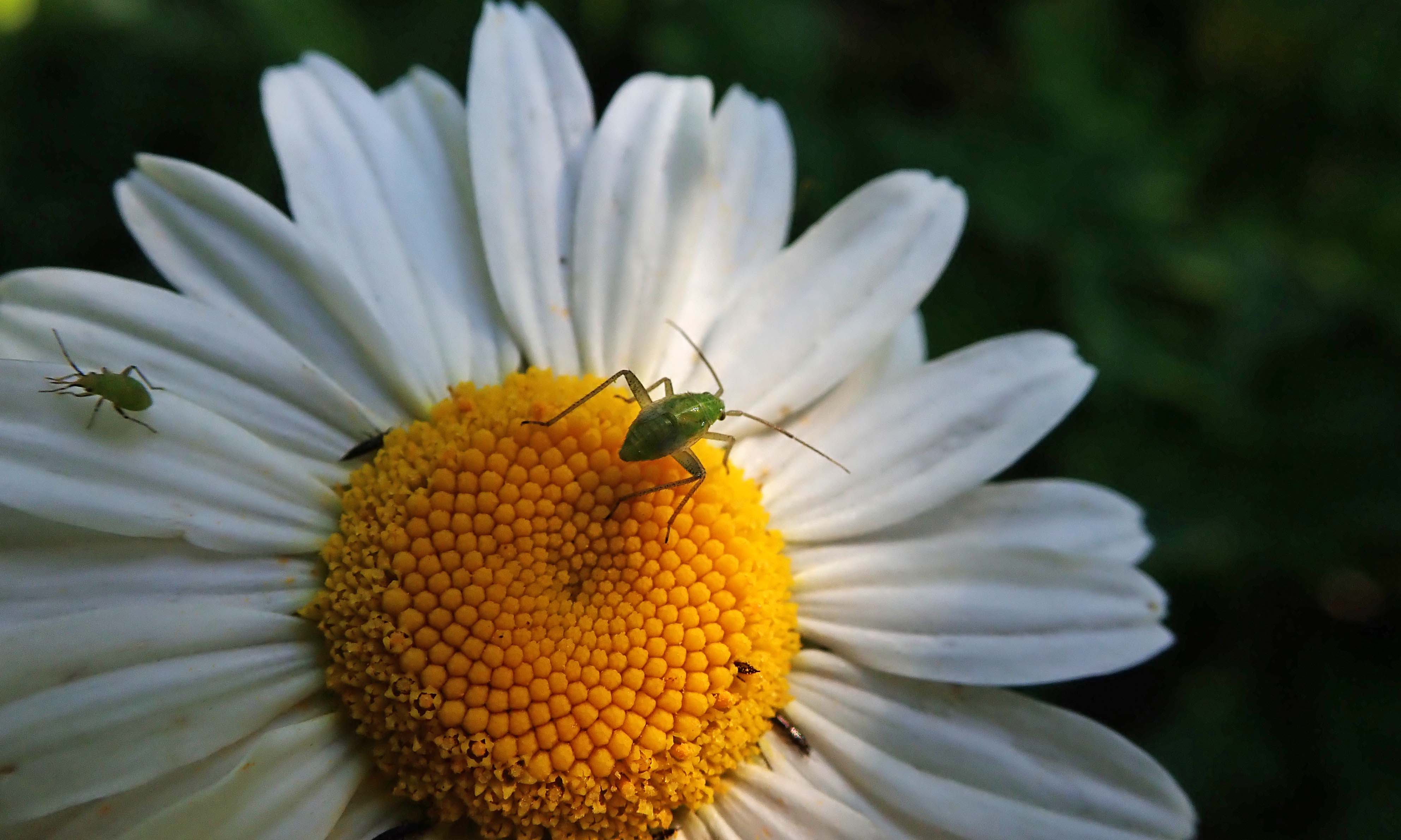
You might be forgiven for thinking the flowers look a bit ‘empty’ – where are all the insects that love feasting on these wildflowers? Well, though sunny, this was quite a windy day, with huge clouds scudding rapidly across the sky, changing bright warmth to grey coolness in the blink of an eye. But, when I looked closely in the more sheltered spots, the insects were there, sometimes more than I expected on a single flower head, sharing the nutrient power of these glorious daisies.

200607 ox-eye daisies (3)

Like Loading...

229/365 Field scabious

17 Saturday Aug 2019

Posted by sconzani in flowers, nature, wildflowers

≈ 4 Comments

Tags

British wildflowers, Cosmeston Lakes Country Park, Field scabious, Knautia arvensis, scabious, wildflowers

190817 field scabious

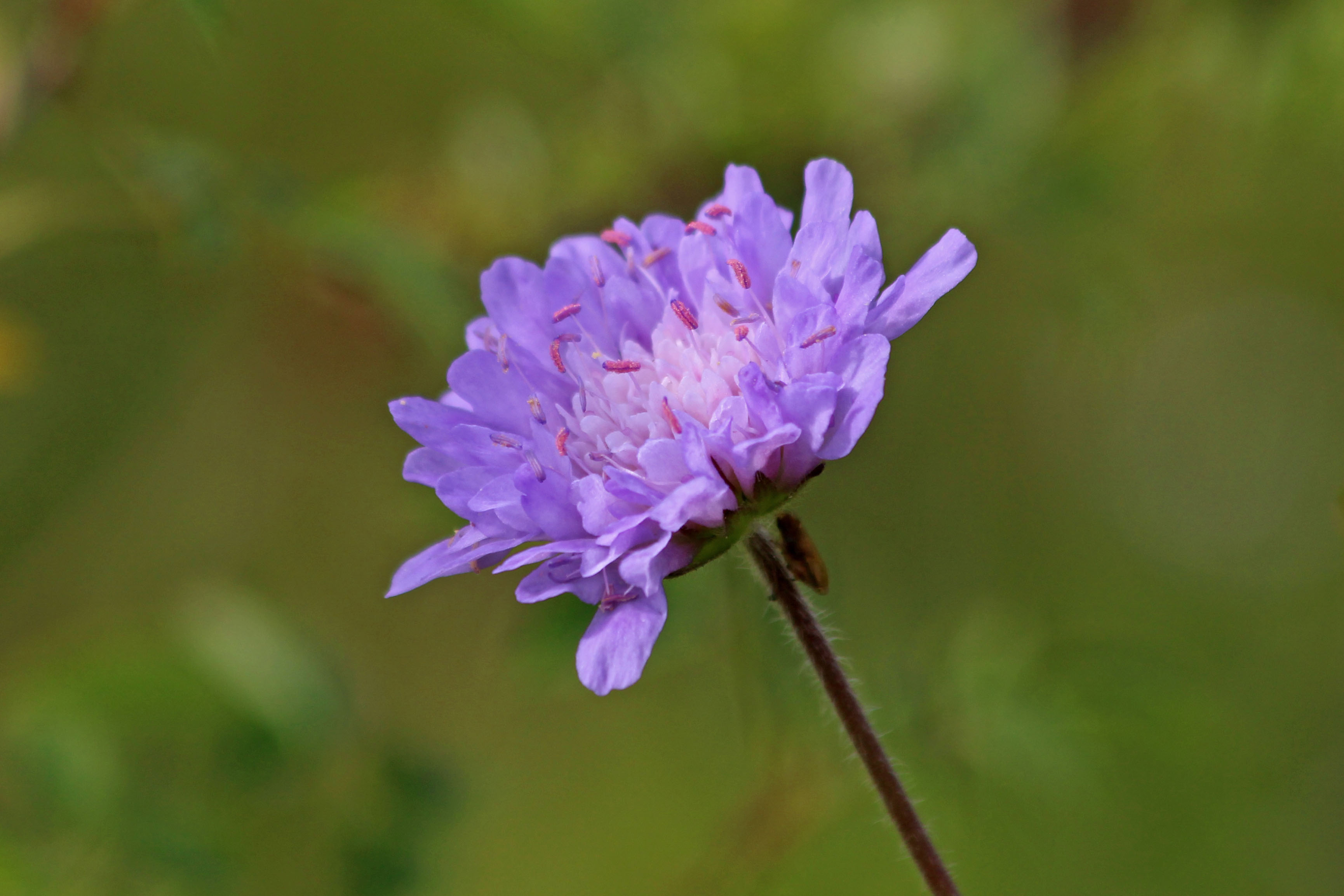
Most of the scabious I see in local parks and reserves is Devil’s-bit but there is a small area of Field scabious (Knautia arvensis) at Cosmeston Lakes Country Park. The insects love it for its nectar and the birds, in autumn, for its seeds. Can you see what’s lurking on the stem?

Like Loading...

199/365 Short and prickly

18 Thursday Jul 2019

Posted by sconzani in 365DaysWildin2019, nature, plants, wildflowers

≈ 3 Comments

Tags

#365DaysWild, British flora, Cirsium acaule, Cosmeston, Cosmeston Lakes Country Park, Dwarf thistle, thistle, wildflowers

During today’s walk around Cosmeston I spotted a plant I’ve not seen before – or, at least, I’ve not consciously noticed before. It’s so easy to just walk over the things growing under your feet – although, in this case, if you were walking barefoot you couldn’t help but notice it!

190718 dwarf thistle (1)

It’s the Dwarf thistle (Cirsium acaule), and it’s easily identifiable as its single flower almost completely lacks a stem – the gorgeous purple flower sits right on top of a rosette of wavy and spiny edged leaves.

190718 dwarf thistle (4)
190718 dwarf thistle (2)

This thistle prefers to grow in low grasslands, particularly on calcareous soils, so it does tend to be quite localised but can be found in England as far north as Yorkshire and in south Wales.

190718 dwarf thistle (3)

Like Loading...

178/365 Oxeyes

27 Thursday Jun 2019

Posted by sconzani in 365DaysWildin2019, flowers, nature, wildflowers

≈ 2 Comments

Tags

British wildflowers, daisies, Dog daisy, Horse daisy, Moon daisy, Moonpenny, Oxeye daisy, white wildflowers, wildflowers

I’ve gone butterflying today – fingers crossed I’ll have some beauties to show you tomorrow. In the meantime, I hope these Oxeye daisies will brighten your day as much as they always do mine.

190627 ox-eye daisy (j)

These are Leucanthemum vulgare, also known as Dog daisies, Horse daisies, Moon daisies, Moonpennies and Marguerites. Once abundant in agricultural grasslands, they’ve been driven out of those areas, mostly because of the industrialisation and chemicalisation of modern farming, so now they’re the early colonisers of brown-field sites and roadside verges, and flourish in unimproved grasslands.

190627 ox-eye daisy (a)
190627 ox-eye daisy (b)
190627 ox-eye daisy (c)
190627 ox-eye daisy (d)
190627 ox-eye daisy (e)
190627 ox-eye daisy (f)
190627 ox-eye daisy (g)
OLYMPUS DIGITAL CAMERA
190627 ox-eye daisy (i)

If you want to know more about these cheery flowers, check out Plantlife’s website, which always has a wealth of fascinating information about Britain’s wildflowers.

Like Loading...
← Older posts

About me

sconzani

sconzani

I'm a writer and photographer; researcher and blogger; birder and nature lover; countryside rambler and city strider; volunteer and biodiversity recorder.

View Full Profile →

Follow earthstar on WordPress.com

Enter your email address to follow this blog and receive notifications of new posts by email.

Recent blog posts

  • N is for nest December 19, 2025
  • M is for mite December 18, 2025
  • L is for lepidopteran lifers December 17, 2025
  • K is for Keeled skimmers December 16, 2025
  • J is for Jersey tiger December 15, 2025

From the archives

COPYRIGHT

Unless otherwise acknowledged, the text and photographs on this blog are my own and are subject to international copyright. Nothing may be downloaded or copied without my permission.

Fellow Earth Stars!

  • Unknown's avatar
  • Unknown's avatar
  • Unknown's avatar
  • Unknown's avatar
  • Unknown's avatar
  • Unknown's avatar
  • Unknown's avatar
  • Unknown's avatar
  • Unknown's avatar
  • Unknown's avatar
  • Unknown's avatar
  • Unknown's avatar
  • Unknown's avatar
  • Unknown's avatar
  • Unknown's avatar
  • Unknown's avatar
  • Unknown's avatar
  • Unknown's avatar
  • Unknown's avatar
  • Unknown's avatar
  • Unknown's avatar
  • Unknown's avatar
  • Unknown's avatar
  • Unknown's avatar
  • Unknown's avatar
  • Unknown's avatar
  • Unknown's avatar
  • Unknown's avatar
  • Unknown's avatar
  • Unknown's avatar
  • Unknown's avatar
  • Unknown's avatar
  • Unknown's avatar
  • Unknown's avatar
  • Unknown's avatar
  • Unknown's avatar
  • Unknown's avatar
  • Unknown's avatar
  • Unknown's avatar
  • Unknown's avatar
  • Unknown's avatar
  • Unknown's avatar
  • Unknown's avatar
  • Unknown's avatar
  • Unknown's avatar
  • Unknown's avatar
  • Unknown's avatar
  • Unknown's avatar
  • Unknown's avatar
  • Unknown's avatar

Blog at WordPress.com.

Privacy & Cookies: This site uses cookies. By continuing to use this website, you agree to their use.
To find out more, including how to control cookies, see here: Cookie Policy
  • Subscribe Subscribed
    • earthstar
    • Join 667 other subscribers
    • Already have a WordPress.com account? Log in now.
    • earthstar
    • Subscribe Subscribed
    • Sign up
    • Log in
    • Report this content
    • View site in Reader
    • Manage subscriptions
    • Collapse this bar
 

Loading Comments...
 

You must be logged in to post a comment.

    %d