• ABOUT
  • BIRDING 2018
  • Birding 2019
  • BLOG POSTS
  • Butterflies 2018
  • Resources

earthstar

~ a celebration of nature

earthstar

Monthly Archives: November 2020

335/366 In praise of Beech

30 Monday Nov 2020

Posted by sconzani in autumn, leaves, nature, trees

≈ 2 Comments

Tags

autumn colour, autumn leaves, beech, British trees

In his ‘Ode to a Nightingale’, Keats wrote of a ‘light-winged Dryad of the trees’ singing of summer in ‘some melodious plot of beechen green’. The beechen green has now become beechen gold and brown, but I can still imagine Dryads singing of the beauty of mighty Beech trees, in all their autumnal finery, and even performing paeans in praise of their statuesque forms once those golden leaves have fallen.

201130 beech (1)
201130 beech (2)

201130 beech (3)

201130 beech (4)
201130 beech (5)

Like Loading...

334/366 From flower to seed

29 Sunday Nov 2020

Posted by sconzani in autumn, wildflowers

≈ Leave a comment

Tags

British wildflowers, clematis vitalba, Old Man's Beard, seedheads, Traveller's joy

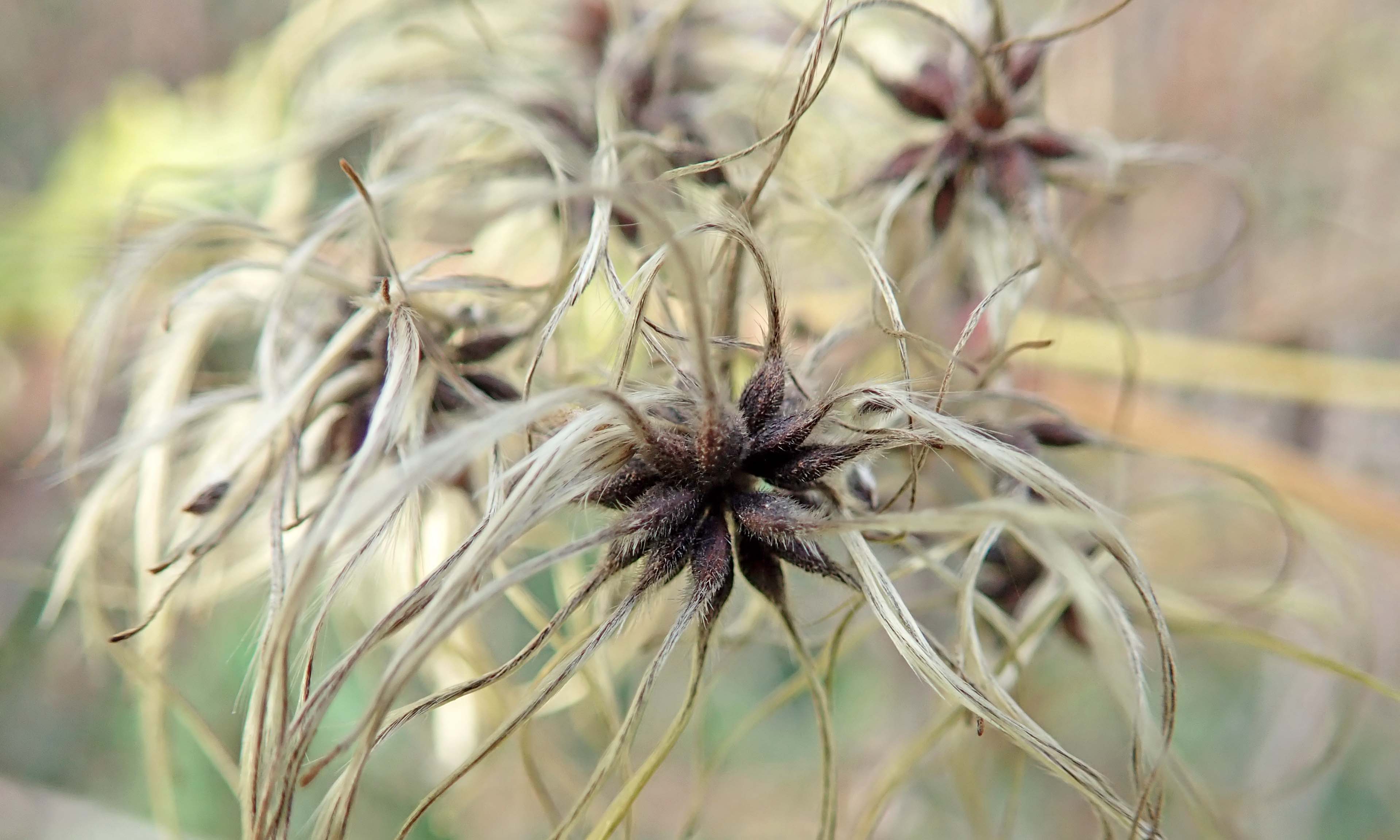
The seedheads of Old-man’s-beard – or perhaps you prefer to call it Traveller’s-joy – the native British Clematis vitalba, are a feathery delight, and I can rarely refrain from taking photos of them.

201129 old mans beard (3)

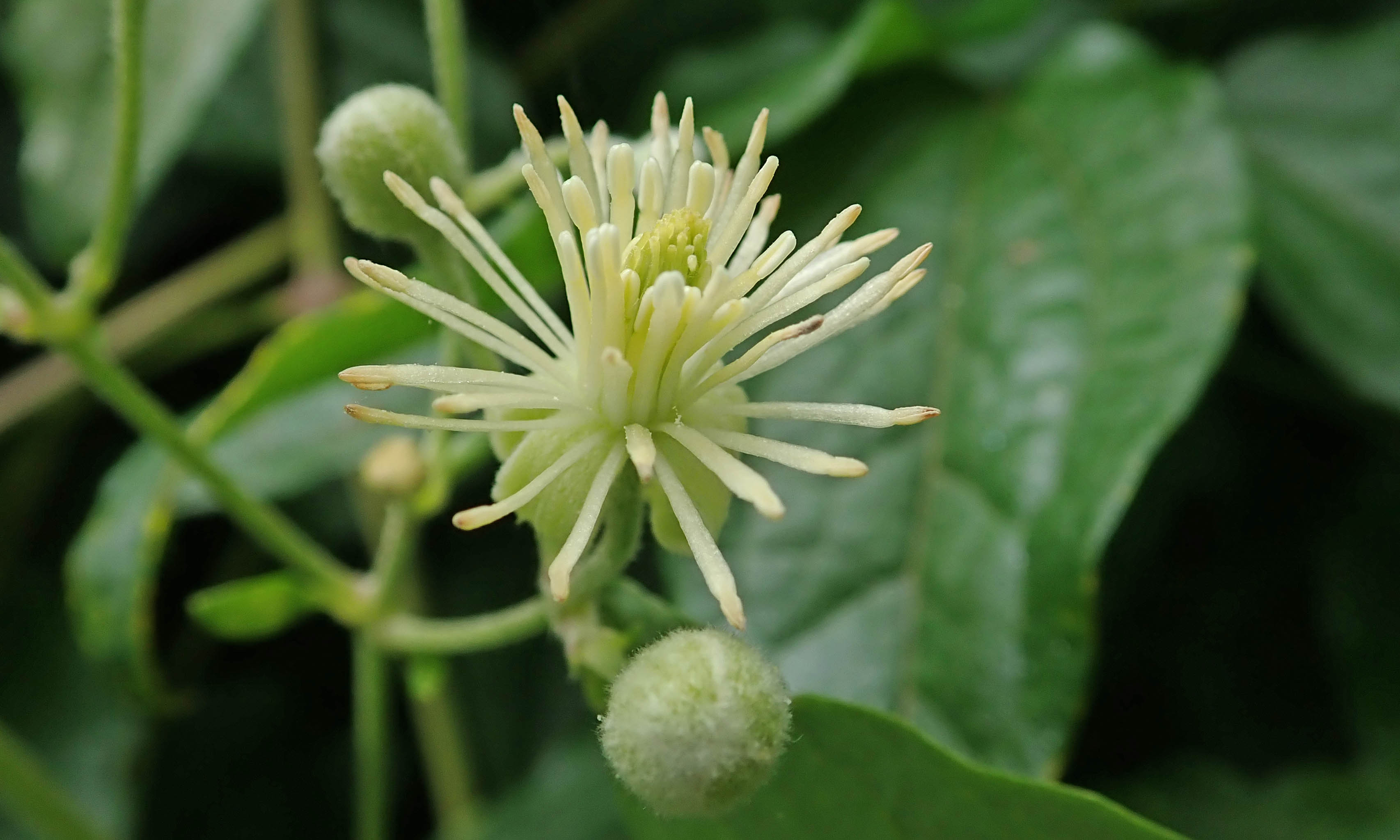
I also relish the delicate vanilla fragrance of the plant’s spiky flowers.

201129 old mans beard (1)

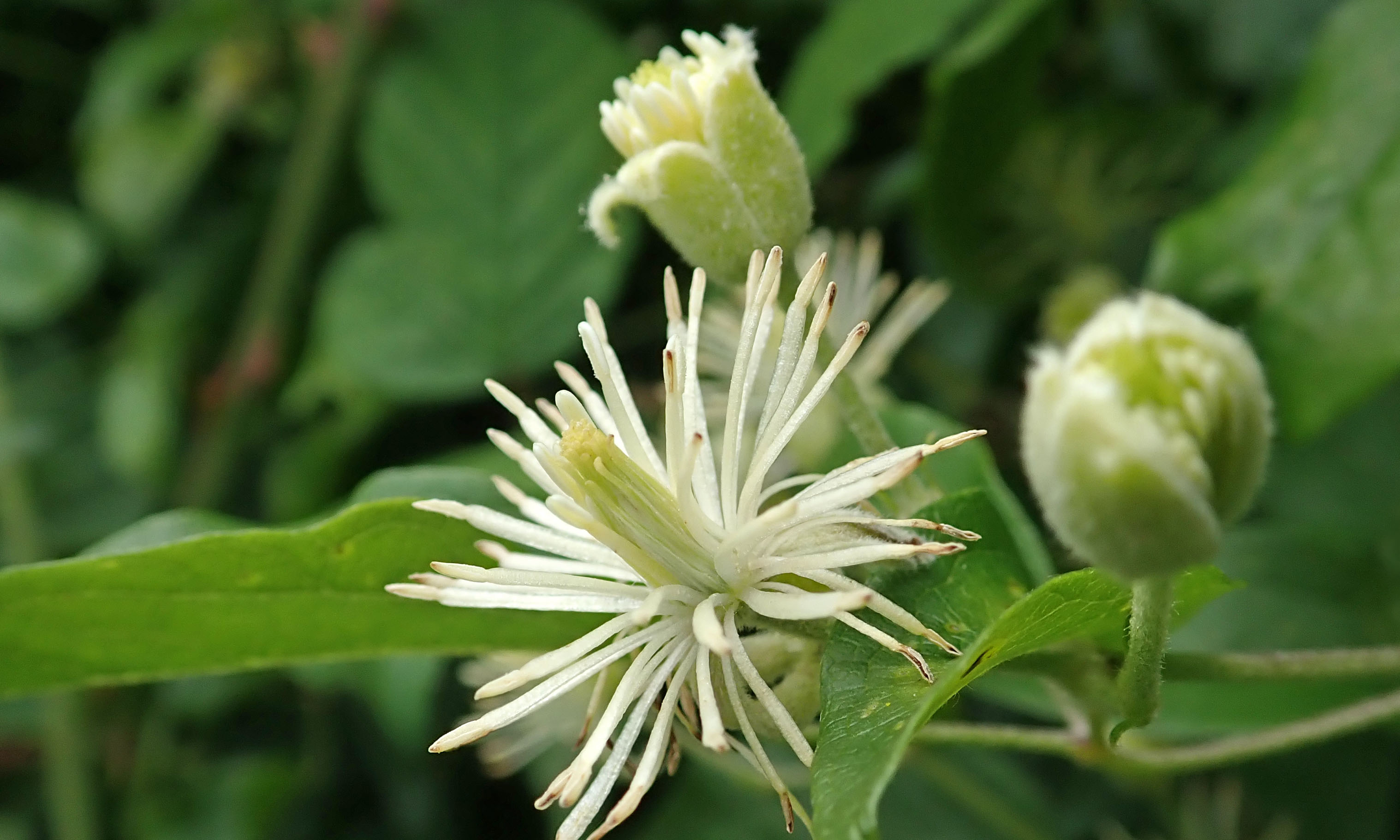
So, imagine my delight during today’s walk when I found both flowers and seedheads on the same plant. Spring and autumn, scent and seeds – a delicious, if slightly strange combination.

201129 old mans beard (2)

Like Loading...

333/366 Striped snail

28 Saturday Nov 2020

Posted by sconzani in molluscs

≈ Leave a comment

Tags

Banded snail, British molluscs, British snails, Cernuella virgata, snails, Striped snail

And now for something completely different….

201128 striped snail (1)

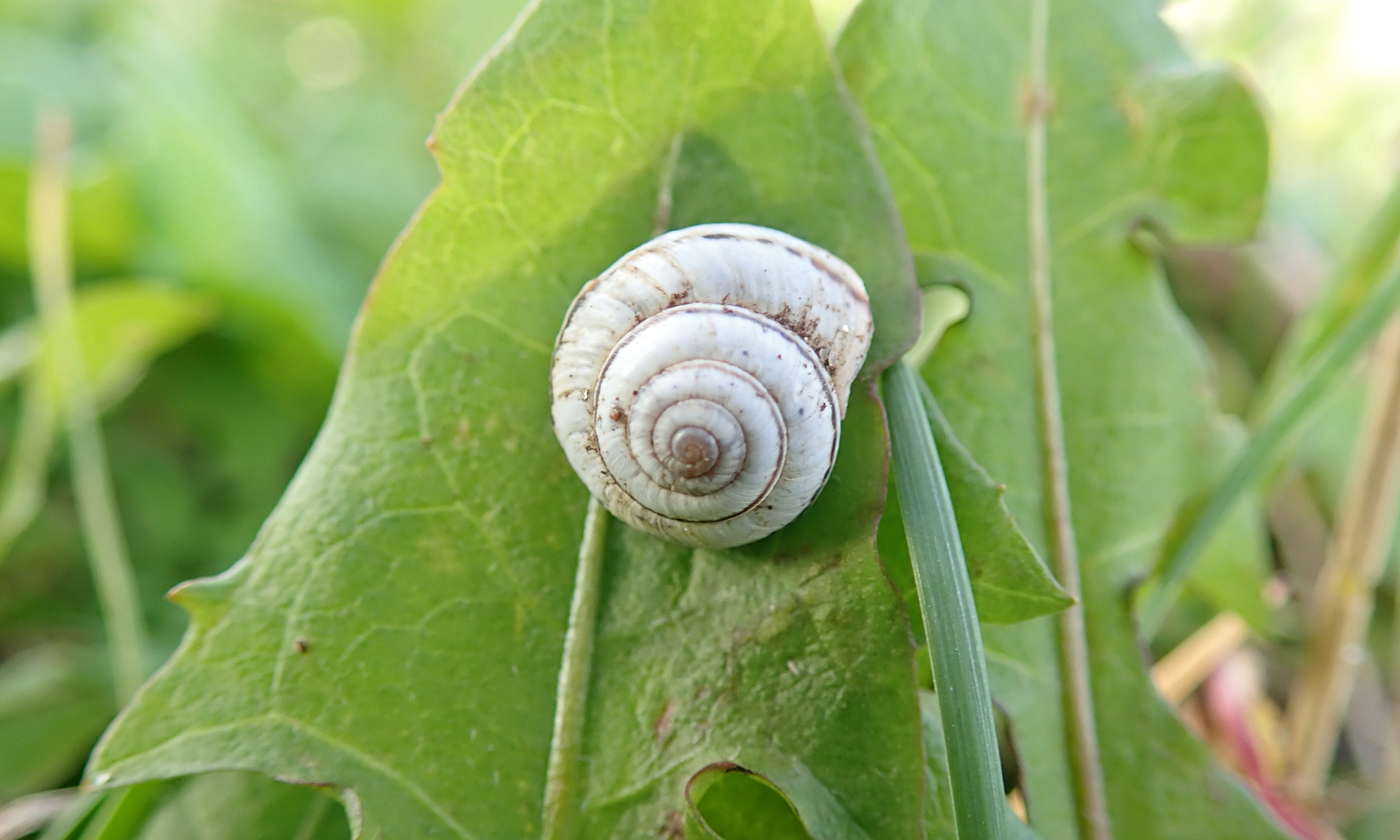
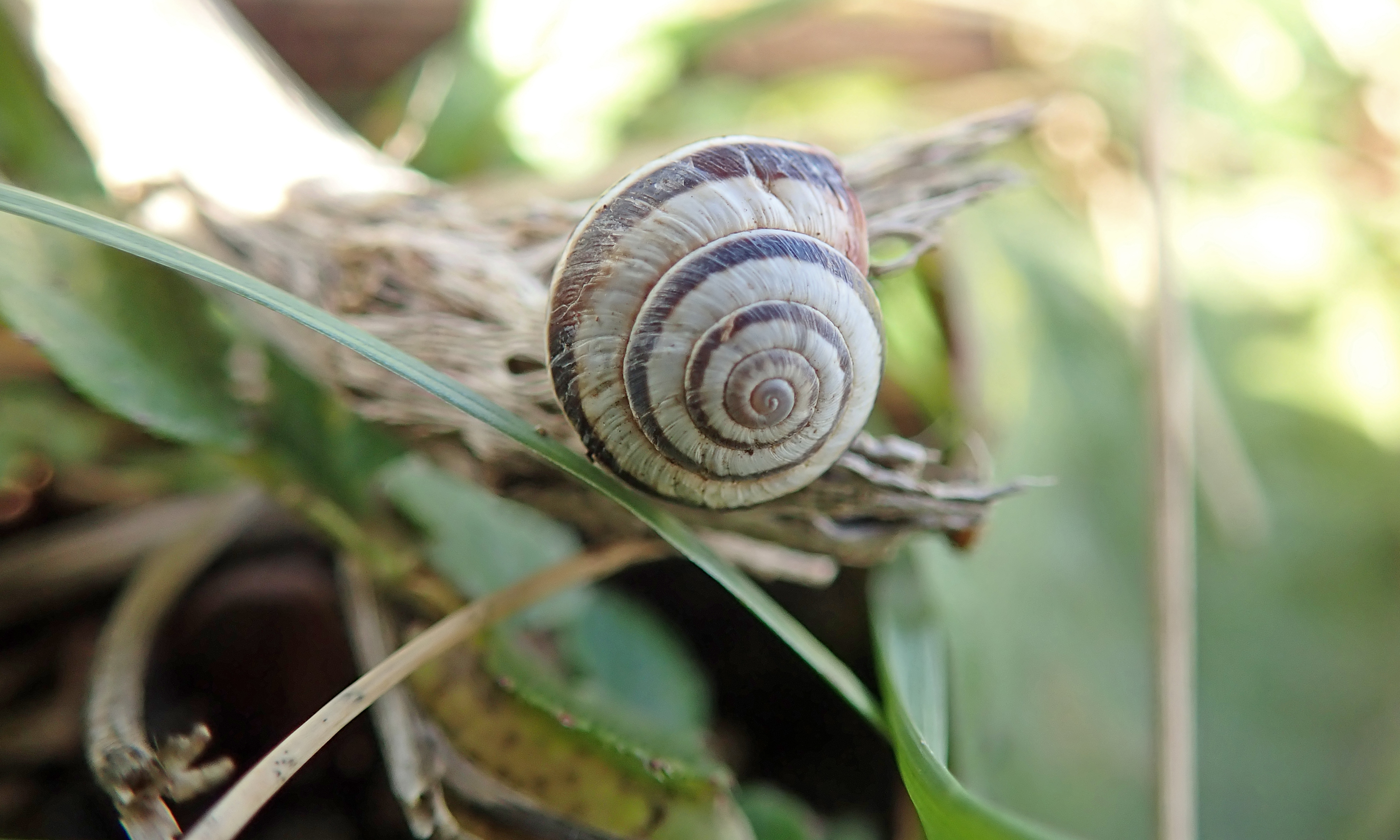
I don’t often look at molluscs but these banded beauties caught my eye when I was walking across the Cardiff Bay Barrage earlier this week. I’m fairly sure they’re Cernuella virgata, Striped or Banded snails.

201128 striped snail (3)
201128 striped snail (4)

The presence of dark-on-light spiralling bands on their shells is one defining feature, as is their semi-spherical, rather than flat, shape, and the small open umbilicus. And they’re usually found on coastal sites, particularly in calcareous grassland, which fits the Barrage location.

201128 striped snail (2)

Like Loading...

332/366 Redlead roundhead

27 Friday Nov 2020

Posted by sconzani in autumn, fungi

≈ Leave a comment

Tags

British fungi, fungi on wood, Leratiomyces ceres, Redlead roundhead

Redlead roundhead – try saying that name several times at speed – a real tongue-twister! Its scientific name is also a bit of a mouthful: Leratiomyces ceres, the ceres epithet a reference to the red of its cap, though I’ve found they’re more of a rusty red than cerise.

This fungus is an ‘alien from Australia’ that favours wood chip, particularly on sandy soil, and it owes its spreading distribution to the way many park departments cover areas of ‘gardens’ with chippings of trees from wide and varied sources. I found this particular specimen on the Cardiff Bay Barrage, growing on bits of wood washed down the Rivers Ely and Taff during flooding events.

Like Loading...

331/366 Leafmines: Phyllonorycter leucographella

26 Thursday Nov 2020

Posted by sconzani in autumn, insects, plants

≈ Leave a comment

Tags

British moths, Firethorn leaf miner, leaf mines, leaf mines on Pyracantha, leaf-mining larvae, leaf-mining moth, leafminer, moth larvae, moth larvae in leaf mines, Phyllonorycter leucographella

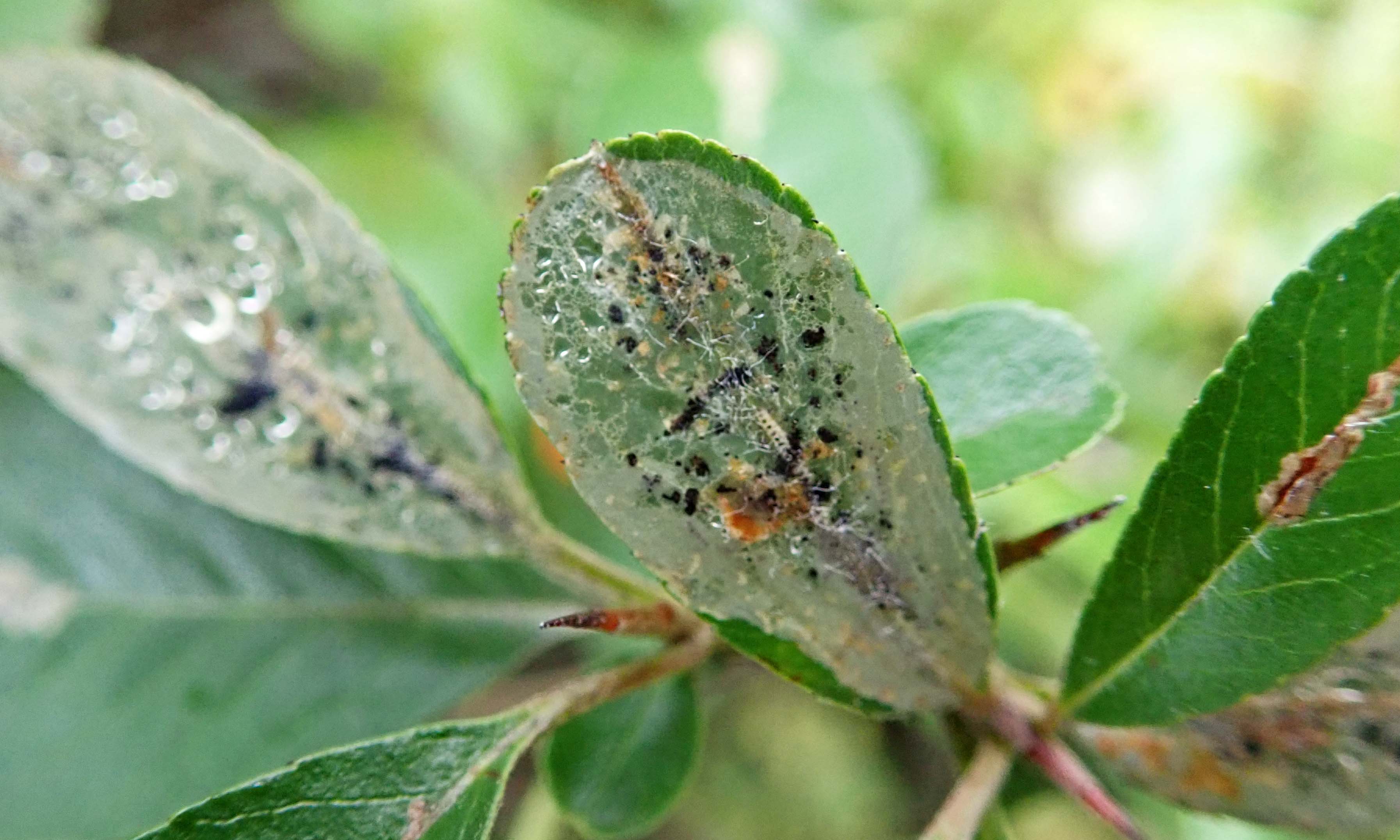
I stumbled across these leaf mines by accident but I simply can’t resist including them … because the tiny striped larvae are so darn cute!

201126 phyllonorycter leucographella (1)

These are the larvae of the moth Phyllonorycter leucographella, the adult of which is also rather striking – you can see photos of it on the UK Moths website here. As the website reports, this moth is a recent arrival to Britain, first spotted in Essex just 40 years ago, but for such a small creature – its wingspan is only 7-9mm – it’s managed to fly and settle far and wide, from Yorkshire in the north of England to Pembrokeshire in the west of Wales, and all points in between. This may partly be due to the fact that its larvae feed on many garden plants: I found an abundance of leaf mines on an orange-berried variety of Firethorn (Pyracantha coccinea), which explains why the moth’s common name is Firethorn leaf miner.

201126 phyllonorycter leucographella (2)
201126 phyllonorycter leucographella (3)
201126 phyllonorycter leucographella (4)
201126 phyllonorycter leucographella (5)

As you can see from my pictures, the larval ‘mine’ is like a blister, centred over the midrib on the upper side of the leaf. The larva, which, with black blobs on a white body, is very distinctive, can often be seen through the membrane of the mine, especially when it’s feeding at the edge of the blister. You can read more about this leaf miner, its life cycle and preferred larval plants on the UK Fly Mines website here.

201126 pyracantha

Like Loading...

330/366 The Bay on Monday

25 Wednesday Nov 2020

Posted by sconzani in autumn, birds, walks

≈ Leave a comment

Tags

birding birdwatching, birdwatching, British birds, Cardiff Bay, Cardiff Bay birding, Cardiff Bay birds

Monday’s walk saw me striding out on a circuit of Cardiff Bay, a walk of just under 8 miles that day as I meandered here and there to look at particular things. (This panorama of the Bay was taken in April a couple of years ago and a few things have since changed but I just wanted to give those unfamiliar with the Bay a general idea of my walk. The Bristol Channel is to the right; Cardiff city centre at the top, slightly left of centre; the view is as seen from the town of Penarth.)

201125 1 Cardiff Bay

These are some of the birds I encountered on my circuit: three of four Redshanks that flew in to the embankment of the River Ely where it flows in to the Bay.

201125 2 redshank

A Grey heron using some of the old dock infrastructure as a lookout.

201125 3 grey heron

A pair of Goosanders on the embankment near Mermaid Quay – the red-headed female mostly snoozing, her partner using the time out of the water to spruce himself up.

201125 4 goosander female201125 5 goosander male

One of a pair of Mute swans also preening, then snoozing.

201125 6 mute swan

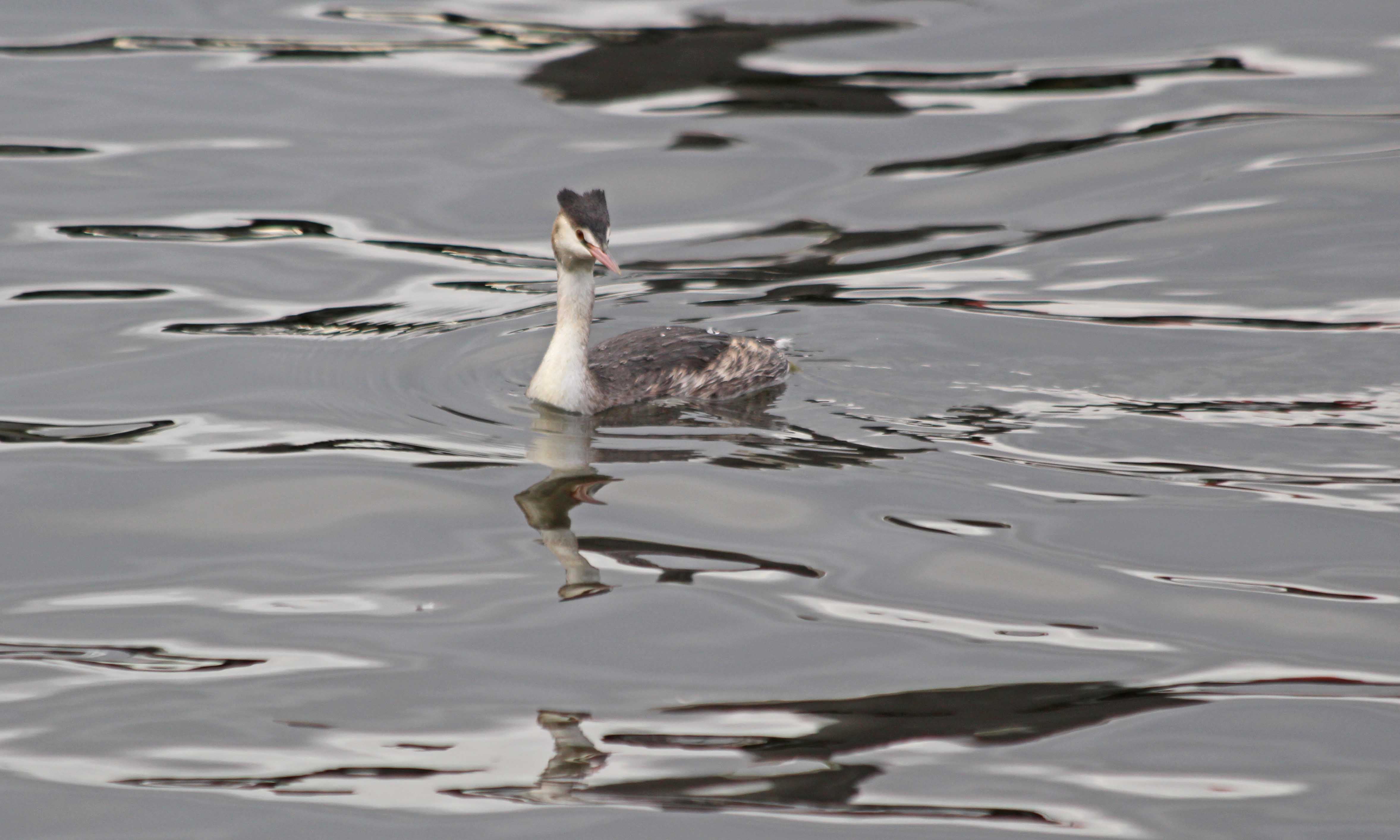
One of many Great crested grebes that make their home in the Bay.

201125 7 great crested grebe

I counted 20 Turnstones in total on Monday; this one had lost a chunk of feathers on its back, perhaps an encounter with a bird of prey that the Turnstone was fortunate to survive.

201125 8 turnstone

And, last but probably the most numerous, one of hundreds, perhaps thousands of Black-headed gulls to be seen around Cardiff Bay.

201125 9 black-headed gull

Like Loading...

329/366 Raindrops …

24 Tuesday Nov 2020

Posted by sconzani in autumn, plants, weather

≈ 2 Comments

Tags

moss, raindrops, raindrops on moss

… on mosses.

201124 raindrops on mosses

Like Loading...

328/366 The cutest

23 Monday Nov 2020

Posted by sconzani in autumn, birds

≈ Leave a comment

Tags

birding, birdwatching, British birds, robin

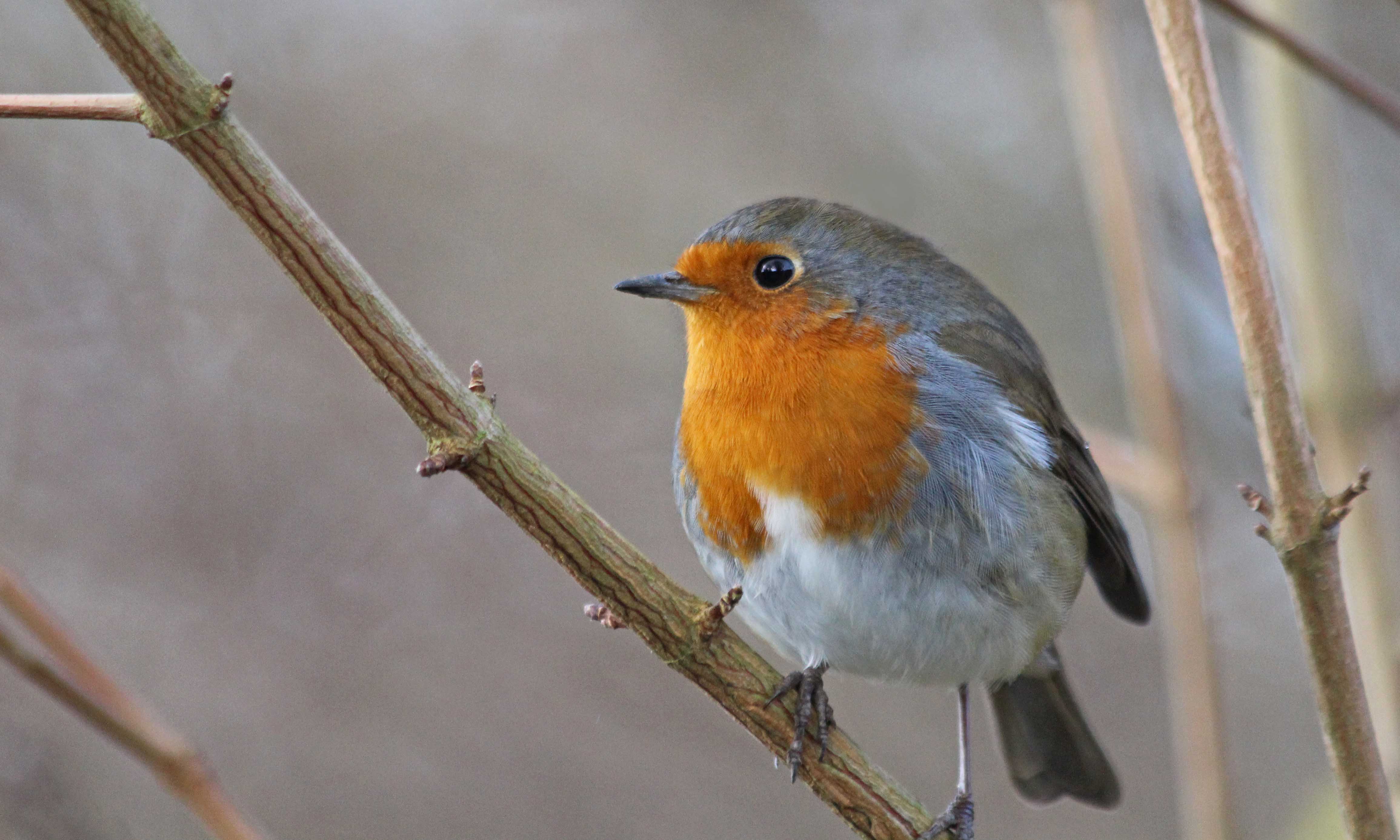
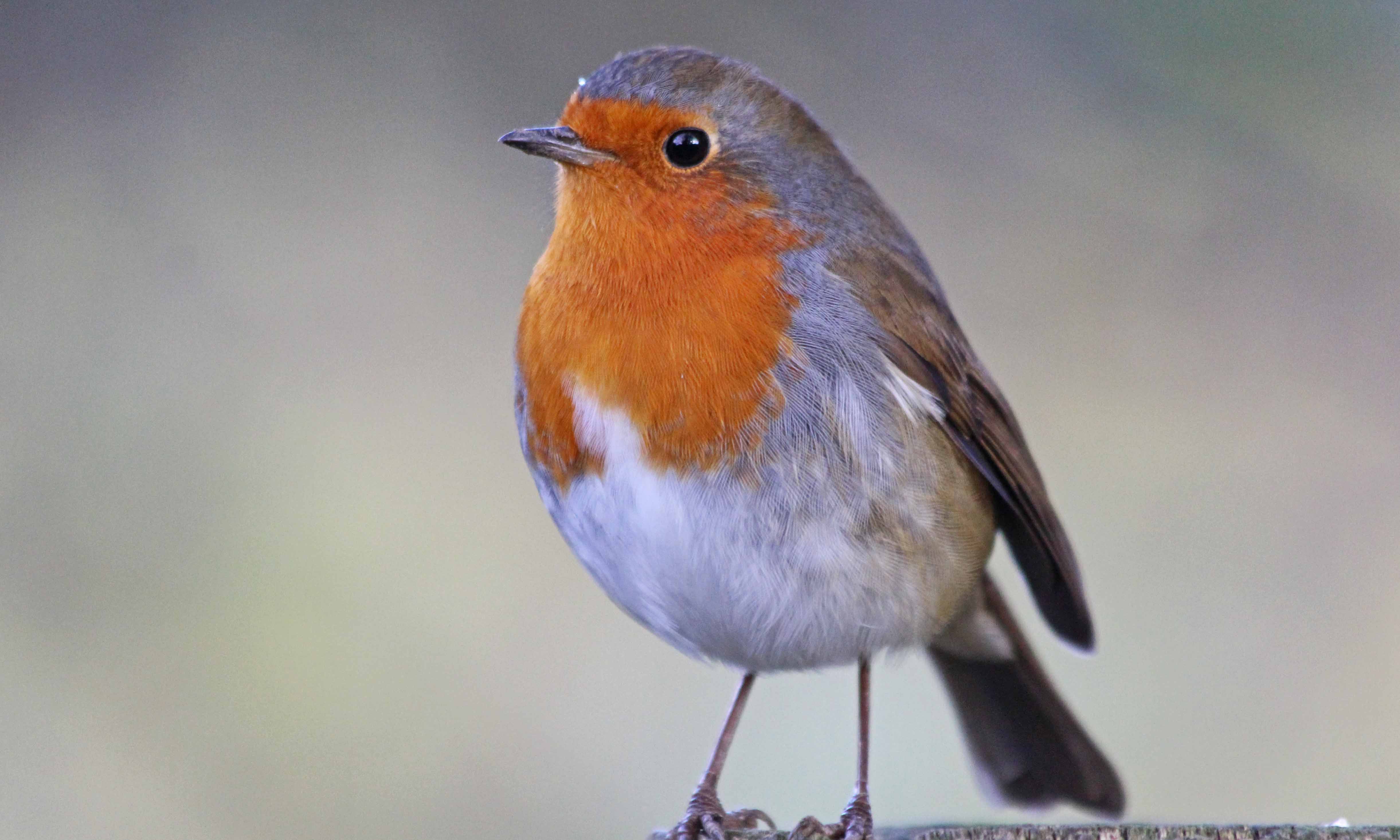
It’s that time of year when the Robins fluff up their feathers and sing.

201123 robin (1)

The facts, that the feather-fluffing is to keep them warm and the singing is part of what can be quite aggressive behaviour to establish winter territories, are completely lost on most humans, who are simply beguiled by their cuteness … as I was by this songster.

201123 robin (2)

Like Loading...

327/366 Around the town

22 Sunday Nov 2020

Posted by sconzani in autumn, wildflowers

≈ 4 Comments

Tags

autumn colour, autumn wildflowers, British wildflowers, wildflowers in bloom

For this week’s wildfloral fest, I’ve taken a couple of meanders around my town to see what I could find along the back lanes, in cracks on stone walls, on the verges, bordering the pavements, in the churchyard and cemetery. And here are the bloomers: Bramble, Daisy, Dandelion, Field speedwell, Hedge bindweed and Hedge woundwort, Hemp agrimony, Herb Robert, Ivy-leaved toadflax, Nipplewort, Oxeye daisy, my first Primrose of the season, Purple toadflax, Red dead-nettle, Red valerian, and Wood avens. Not a bad haul for late November.

Like Loading...

326/366 Leaf mines: on Beech

21 Saturday Nov 2020

Posted by sconzani in autumn, insects, leaves, trees

≈ Leave a comment

Tags

beech, leaf mines on Beech, moth larvae in leaf mines, moth leafmines, Parornix fagivora, Phyllonorycter maestingella, Phyllonorycter messaniella, Stigmella hemargyrella, Stigmella tityrella

Five species of Lepidoptera larvae can be found in the leaves of Beech (Fagus species) and, with a lot of searching, much head-scratching, some rejections, and the much appreciated assistance of our county moth recorder Dave, I’ve now found and positively identified all five in my local area.

201121 beech (1)
201121 beech (2)

Stigmella tityrella: This moth’s larval leaf mines featured in last week’s post about green islands. The gallery (like a corridor) mine is usually compact and angular and, in particular, the larva stays between the veins when creating its mine – that is the feature I find helps most with its identification. As you can see from the two mines below, the galleries are very narrow to begin with, then broaden as the larvae grow.

OLYMPUS DIGITAL CAMERA

Stigmella hemargyrella: These larvae also create a gallery mine, but the mine is most often wider and longer than that of S. tityrella, and the larvae have no issue with crossing over the leaf veins.

201121 Stigmella hemargyrella (1)
201121 Stigmella hemargyrella (2)

Parornix fagivora: This is the mine I’ve found least in my local area, though I’m not sure if that’s a reflection on the moth’s rarity or my finding skills. Look for a blister, where the larva lives at first, and then a folded leaf edge, which it inhabits a bit like a cave.

201121 Parornix fagivora (1)
201121 Parornix fagivora (2)

Phyllonorycter messaniella: Both Phyllonorycter species on Beech create blisters; this one is usually an oval shape, almost rectangular, and quite broad. I’ve found the upper side of the leaf can be almost featureless but the blister on the underside is quite obvious so, if recording these, it’s best to include a photo of both sides of the leaf.

201121 Phyllonorycter messaniella (1)
201121 Phyllonorycter messaniella (2)
201121 Phyllonorycter messaniella (4)
201121 Phyllonorycter messaniella (3)

Phyllonorycter maestingella: This blister mine is long and quite narrow, and often placed between leaf veins. By spinning silk, the larva draws the leaf together to create a cosy tunnel, which looks a bit like a crease on the upper side of the leaf.

201121 Phyllonorycter maestingella (1)

201121 Phyllonorycter maestingella (2)
201121 Phyllonorycter maestingella (3)

I’ve attached to each of the moths’ names a link to the species description on the British Leafminers website, which is an excellent resource for anyone wanting to learn more.

Like Loading...
← Older posts

About me

sconzani

sconzani

I'm a writer and photographer; researcher and blogger; birder and nature lover; countryside rambler and city strider; volunteer and biodiversity recorder.

View Full Profile →

Follow earthstar on WordPress.com

Enter your email address to follow this blog and receive notifications of new posts by email.

Recent blog posts

  • Gorse and its weevil April 5, 2026
  • Chiffchaffs chiffchaffing April 4, 2026
  • Bearded tit!!! April 3, 2026
  • A Portland Bill Kestrel April 2, 2026
  • A proliferation of Peacocks April 1, 2026

From the archives

COPYRIGHT

Unless otherwise acknowledged, the text and photographs on this blog are my own and are subject to international copyright. Nothing may be downloaded or copied without my permission.

Fellow Earth Stars!

  • Unknown's avatar
  • Unknown's avatar
  • Unknown's avatar
  • Unknown's avatar
  • Unknown's avatar
  • Unknown's avatar
  • Unknown's avatar
  • Unknown's avatar
  • Unknown's avatar
  • Unknown's avatar
  • Unknown's avatar
  • Unknown's avatar
  • Unknown's avatar
  • Unknown's avatar
  • Unknown's avatar
  • Unknown's avatar
  • Unknown's avatar
  • Unknown's avatar
  • Unknown's avatar
  • Unknown's avatar
  • Unknown's avatar
  • Unknown's avatar
  • Unknown's avatar
  • Unknown's avatar
  • Unknown's avatar
  • Unknown's avatar
  • Unknown's avatar
  • Unknown's avatar
  • Unknown's avatar
  • Unknown's avatar
  • Unknown's avatar
  • Unknown's avatar
  • Unknown's avatar
  • Unknown's avatar
  • Unknown's avatar
  • Unknown's avatar
  • Unknown's avatar
  • Unknown's avatar
  • Unknown's avatar
  • Unknown's avatar
  • Unknown's avatar
  • Unknown's avatar
  • Unknown's avatar
  • Unknown's avatar
  • Unknown's avatar
  • Unknown's avatar
  • Unknown's avatar
  • Unknown's avatar
  • Unknown's avatar
  • Unknown's avatar

Blog at WordPress.com.

Privacy & Cookies: This site uses cookies. By continuing to use this website, you agree to their use.
To find out more, including how to control cookies, see here: Cookie Policy
  • Subscribe Subscribed
    • earthstar
    • Join 642 other subscribers
    • Already have a WordPress.com account? Log in now.
    • earthstar
    • Subscribe Subscribed
    • Sign up
    • Log in
    • Report this content
    • View site in Reader
    • Manage subscriptions
    • Collapse this bar
 

Loading Comments...
 

You must be logged in to post a comment.

    %d