• ABOUT
  • BIRDING 2018
  • Birding 2019
  • BLOG POSTS
  • Butterflies 2018
  • Resources

earthstar

~ a celebration of nature

earthstar

Monthly Archives: December 2025

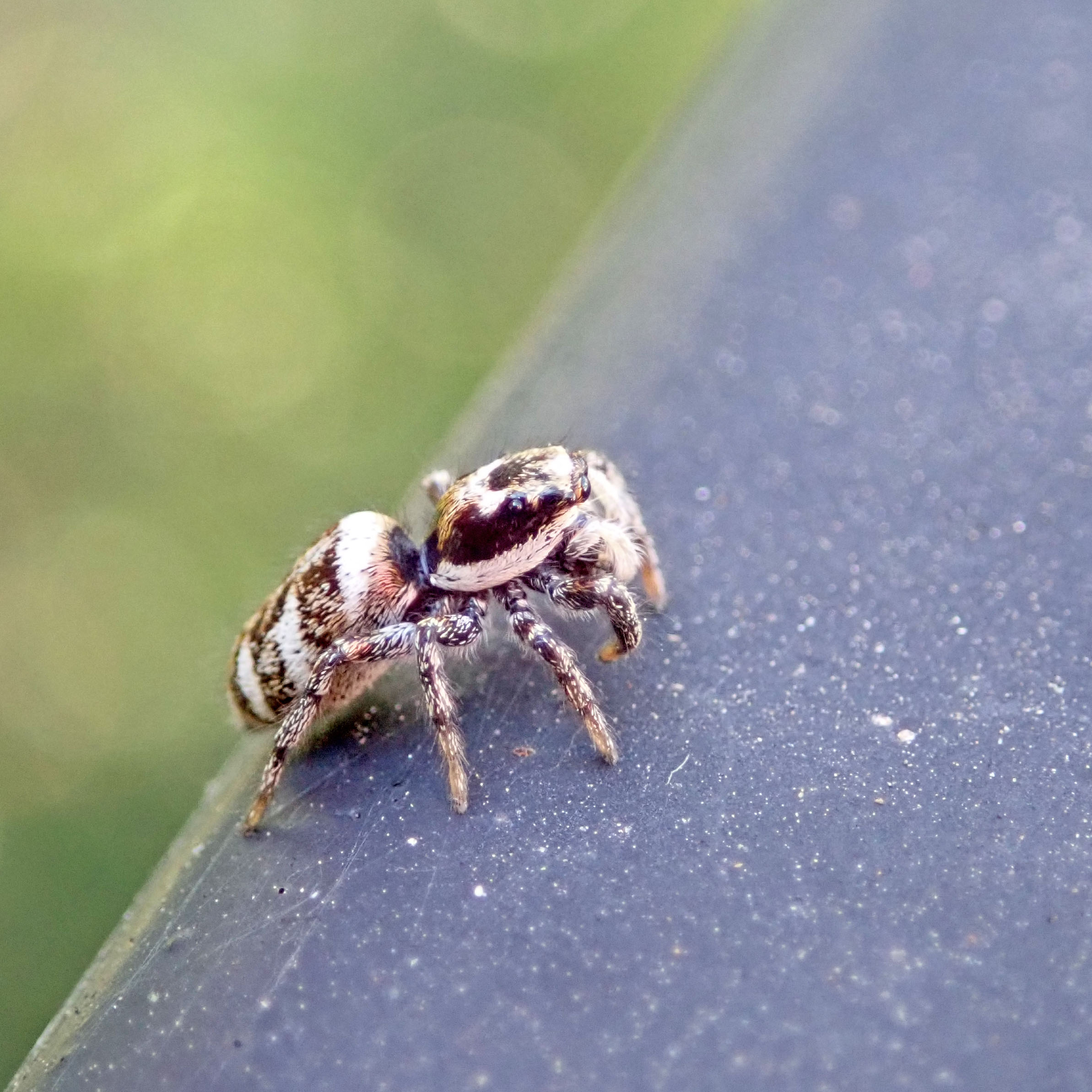
Z is for Zebra spider

31 Wednesday Dec 2025

Posted by sconzani in spiders

≈ 4 Comments

Tags

British spiders, Salticus scenicus, Zebra spider

My 2025 countdown finishes with one of the cutest little life forms that I’ve encountered many times this year, the Zebra spider (blogged on 8 March).

Happy 2026 to all my wonderful followers and fellow Nature lovers!
I hope the coming year brings you many fabulous encounters with the flora and fauna that surround you, and the peace and calmness that spending time in Nature can bring us all.

Like Loading...

Y is for Yellow

30 Tuesday Dec 2025

Posted by sconzani in insects

≈ Leave a comment

Tags

Clouded yellow, Colias croceus, female Red-veined darter, immature Red-veined darter, Misumena vatia, Scathophaga stercoraria, Sympetrum fonscolombii, yellow crab spider, Yellow dung fly, yellow insects, yellow-colour wildlife

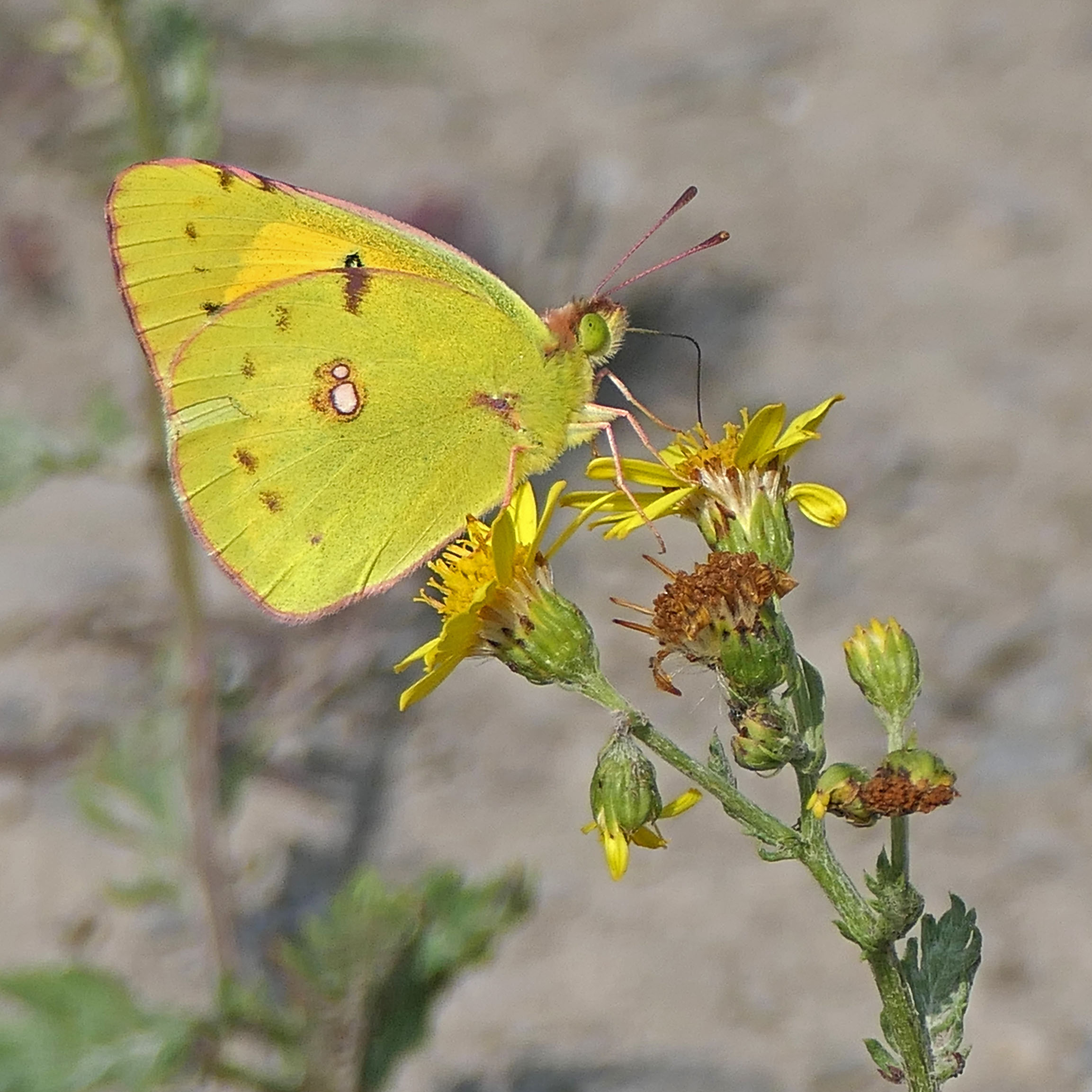
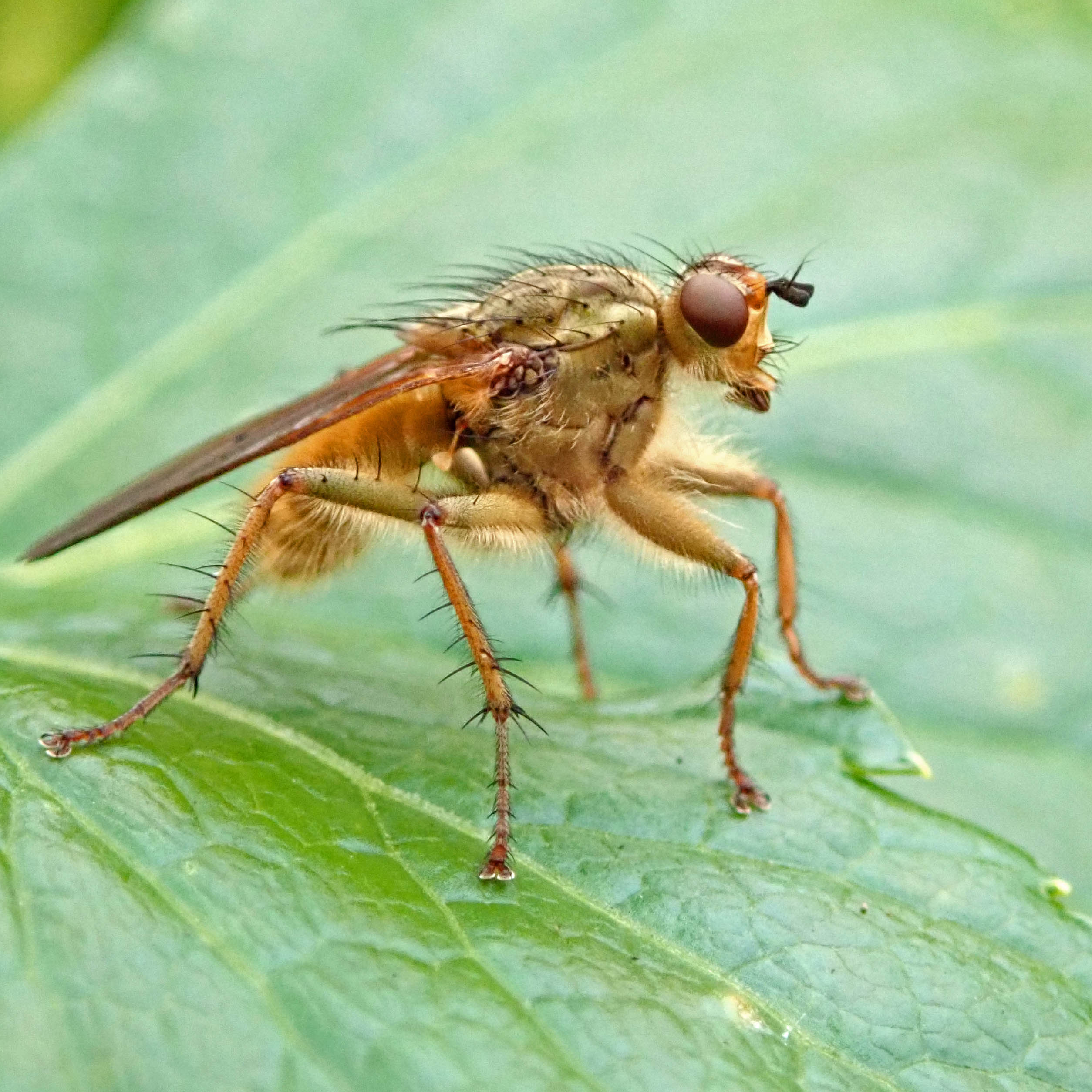
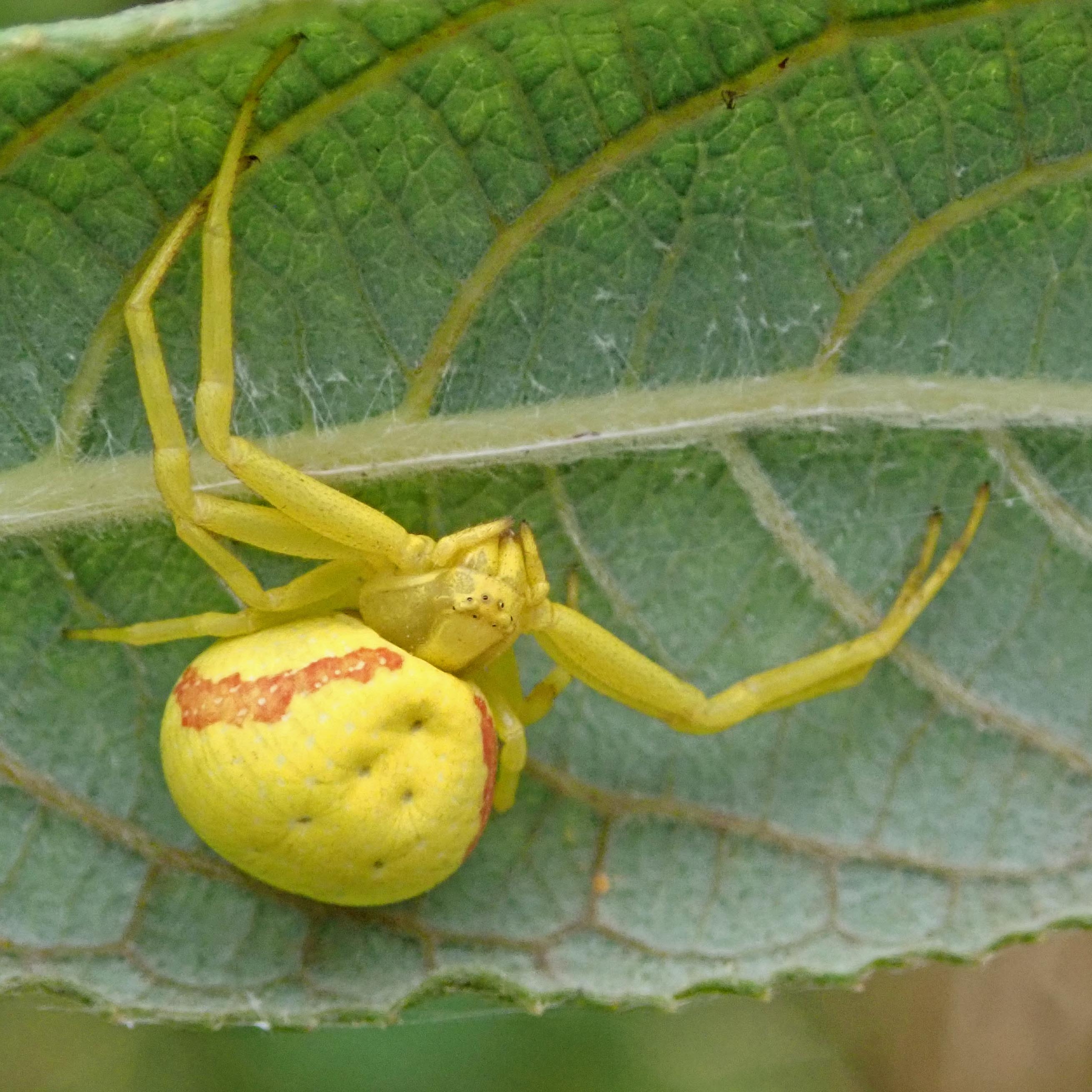
Yellow is such a cheery hue, the colour of so many beautiful wildflowers but also of many of the small creatures that share our world with us, like …

The migrant Clouded yellow butterfly (Colias croceus), which I was lucky enough to see several times in 2025.

The Yellow dung fly (Scathophaga stercoraria) is one of those flies that seems always to be around, often just sitting on a leaf observing its surroundings and the antics of passing humans.

The crab spider Misumena vatia that can change colour to match the flower upon which it sits … or not.

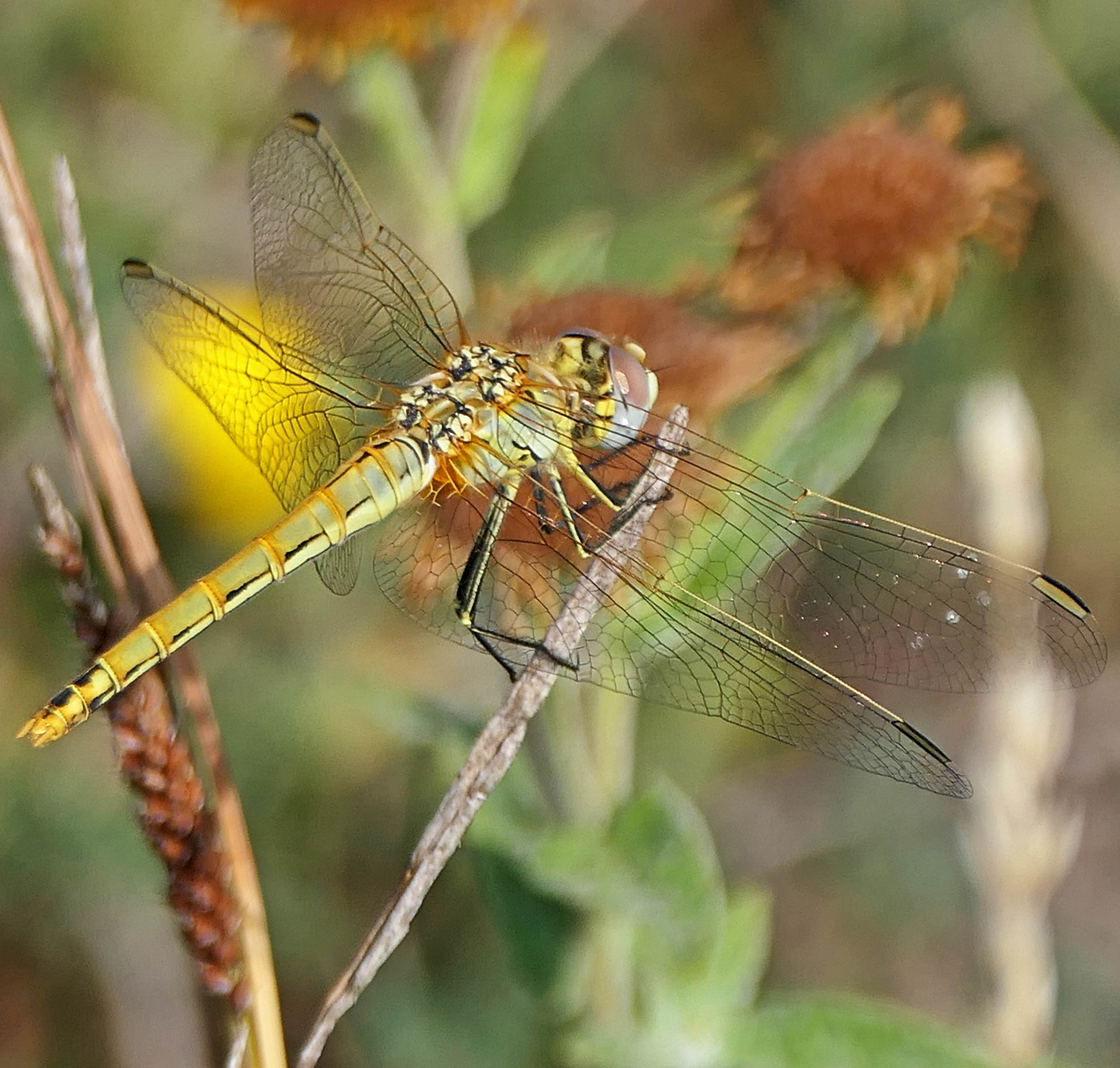
Named for the colour of the male’s attributes but the female/immature Red-veined darter (Sympetrum fonscolombii) is a glorious golden colour.

I would very much have liked to have been able to include Yellow-browed warbler in this selection of yellow-coloured fauna but I managed not to find the one local visitor, despite three times standing staring at the trees where it was meant to be. Oh well, there’s always next year.

Like Loading...

X is for Xyphosia miliaria

29 Monday Dec 2025

Posted by sconzani in insects

≈ Leave a comment

Tags

British flies, fly, Xyphosia miliaria

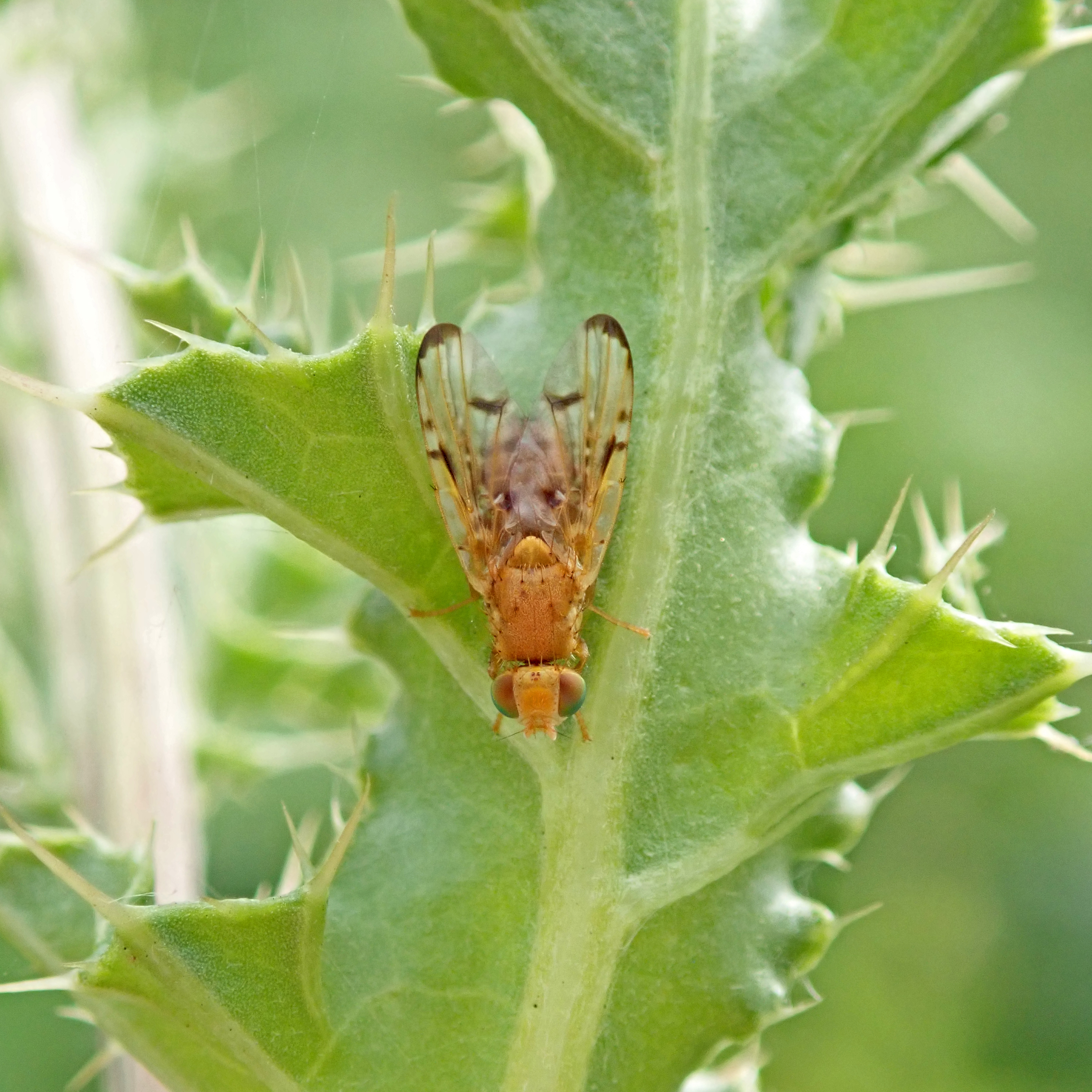
It can be tricky to find a subject for the letter X in this countdown but this year it was made easier when I found a new fly last July (see Fly: Xyphosia miliaria, 31 July). Here is that little cutie.

Like Loading...

W is for whites

28 Sunday Dec 2025

Posted by sconzani in insects

≈ Leave a comment

Tags

British butterflies, butterfly, Large white, Large white butterfly, Large white larvae, Large white pupae, Marbled white, wasp parasitising Large white pupae

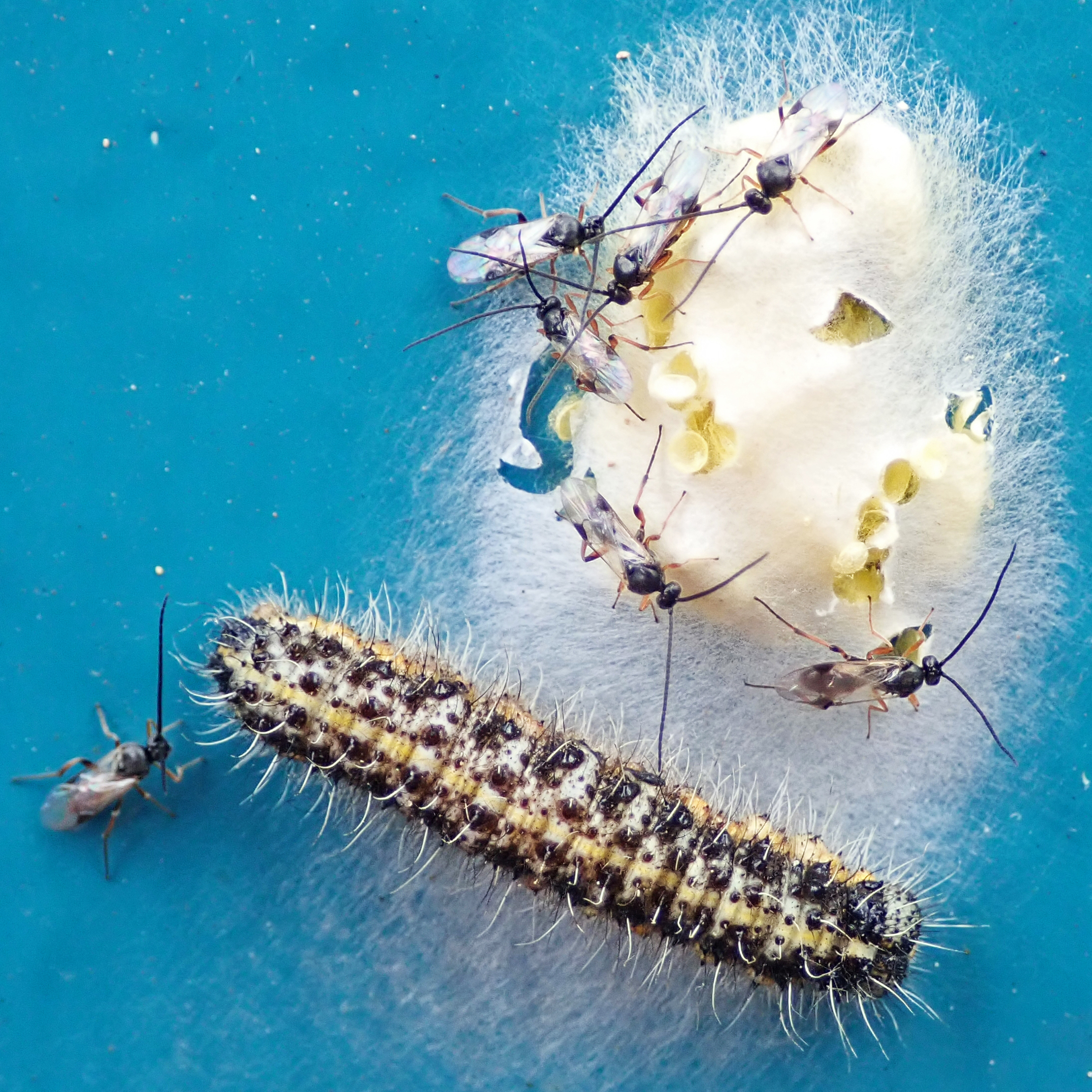
In this 2025 countdown, W is for white, as in white butterflies, specifically Large white and Marbled white butterflies. When I found my first Large white pupae this summer, I had no idea that those finds would also lead to an interesting if rather gory tale of parasitism, of both the Large white larvae and the pupae being prey to parasitic wasps and to those wasps also becoming the prey of another species of parasitic wasp. If you dare, check out my posts: Large whites and parasitism , part 1, 23 June, and Large whites and parasitism, part 2, 24 June.

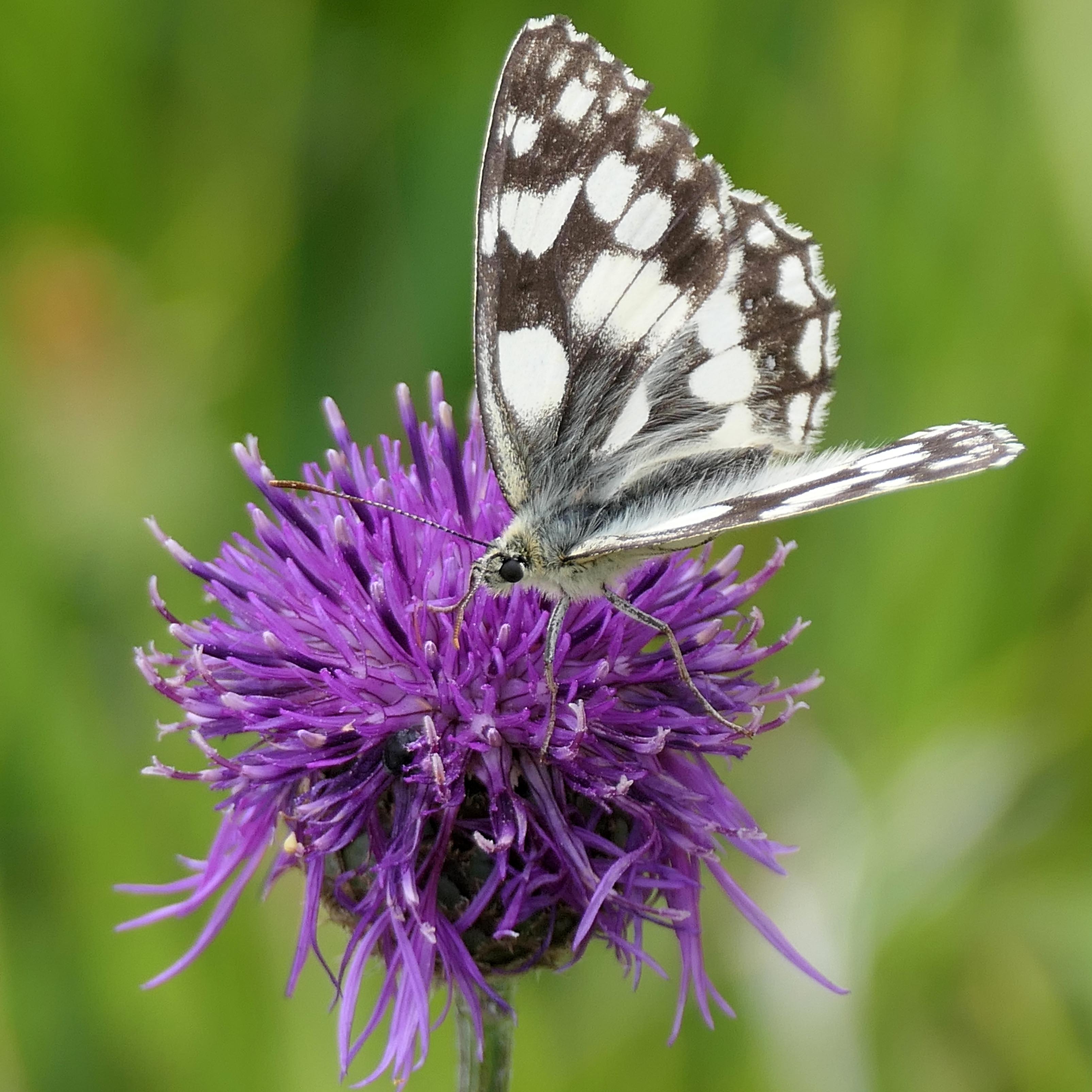
On a more positive and, for me, absolutely delightful note, this was a fabulous year for Marbled white butterfly sightings, from my first of the year seen during my first mini break in Weymouth (The Marbled white and the Skylark, 21 June); to a day wandering around Leckhampton Hill near Cheltenham, bewitched by the sight of more Marbled white butterflies than I’d ever seen before (An exuberance of Marbled whites, 8 July); and, a couple of days later, seeing even more of these stunning butterflies during a wonderful day Roaming Rodborough Common (11 July). Simply magical!

Like Loading...

V is for Vole

27 Saturday Dec 2025

Posted by sconzani in animals, mammal

≈ Leave a comment

Tags

Bank vole, British mammals, British voles, vole, Water vole

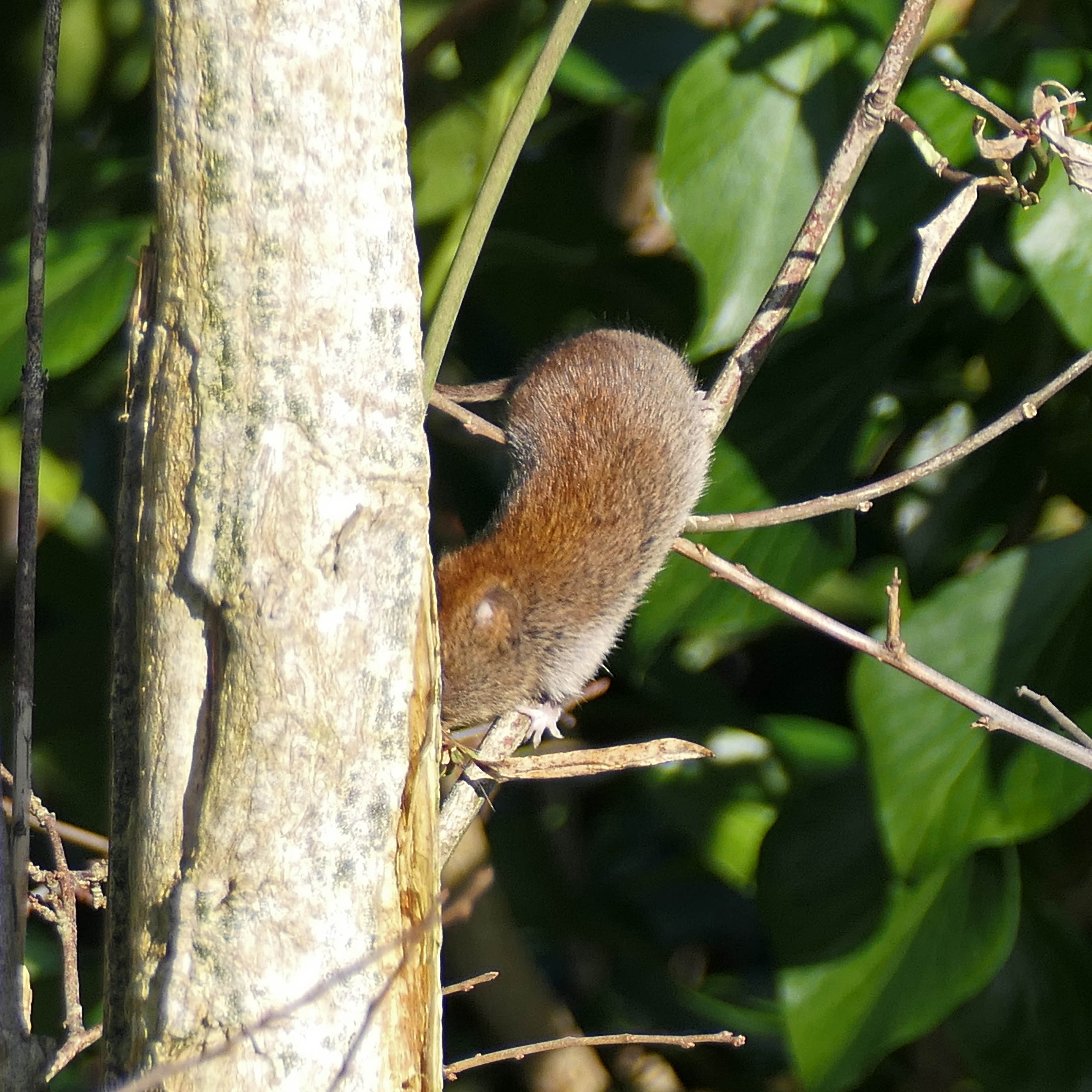
We’ve had Foxes (F is for Foxes) and Grey seal (G is for Grey seal) in this countdown so far; our third mammal is the vole – in fact, two species of vole. In January, I was very pleasantly surprised to see a live Bank vole, albeit only fleetingly. It was only the third time I’d seen this vole species though, to be honest, I’m still not one hundred percent sure this is a Bank vole (Bank vole, 11 January).

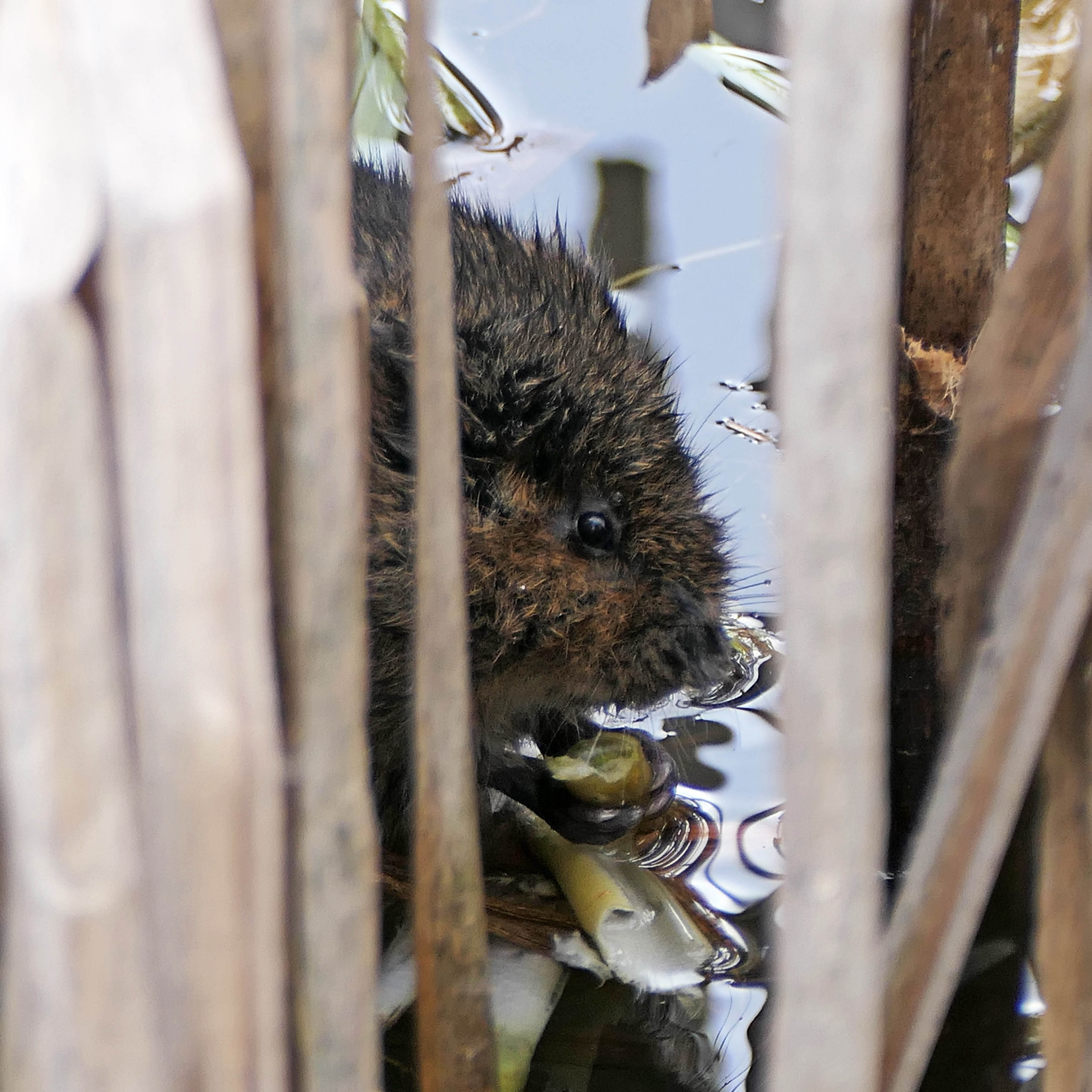
And it’s always such a delight to see the local Water voles, particularly this First Water vole of the year (24 February).

Like Loading...

U is for Urophora stylata

26 Friday Dec 2025

Posted by sconzani in insects

≈ Leave a comment

Tags

British gall flies, Bulb thistle gall fly, Cirsium vulgare, gall fly on Spear thistle, Spear thistle, thistle gall flies, Urophora stylata

As each of the seven species of Urophora gall flies found in Britain has its own distinctive wing pattern and is mostly plant-species specific, this is one of the few genera of flies to be relatively easy to identify (I write ‘relatively’ as some wing patterns can look similar if you don’t manage to get clear photos, and you’d want to be a good enough botanist to tell which thistle or knapweed species you’re looking at). Fortunately for me, Urophora stylata has a unique wing pattern and almost always uses Spear thistle (Cirsium vulgare) as its host plant, so I was able to identify my first flies of this species when I saw them this summer (Urophora stylata gall flies, 2 July).

Like Loading...

T is for tern

25 Thursday Dec 2025

Posted by sconzani in birds

≈ Leave a comment

Tags

Arctic tern, birding, birdwatching, British birds, British terns, Common tern, Little tern, Sandwich tern, terns

Terns are such skilled fliers that they are always a real delight to watch in motion and, during 2025, I’ve had the absolute pleasure of spending time watching four different species, mostly because of my three summer visits to Weymouth but we’ve also had a couple of tern visitors in Cardiff Bay as well.

First up were Common terns (Sterna hirundo) (above), seen in large numbers during my first visit of the year to Weymouth, which was particularly special as these birds breed at Lodmoor Nature Reserve (Breeding Common terns, 17 June). I saw the Common terns during subsequent visits too, and we were treated to super close views of a rare visitor to Cardiff in later September (below) (A Common tern up close, 26 September).
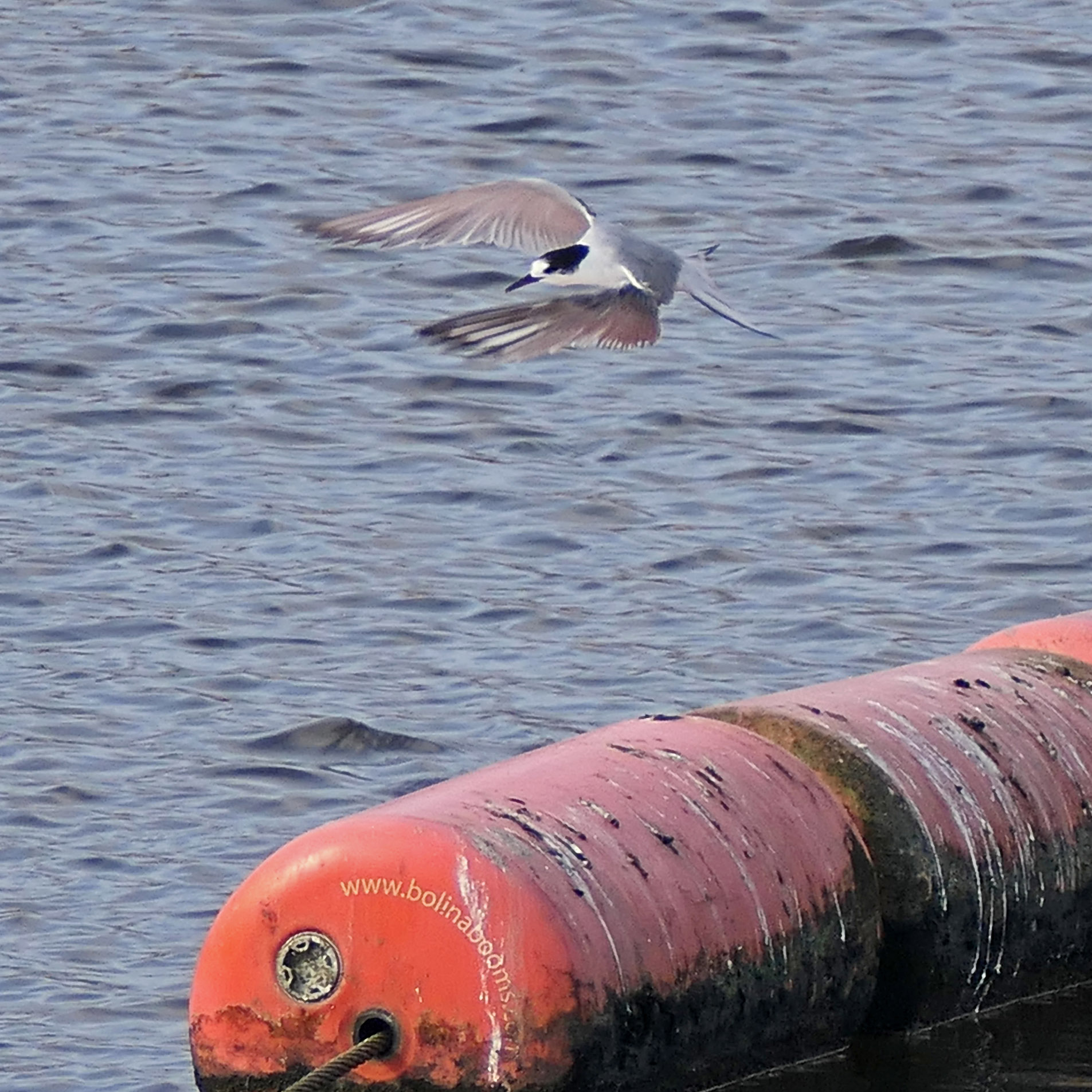
Little terns (Sternula albifrons) breed at Chesil beach in Weymouth and I saw several of these little beauties during an earlier visit to Weymouth, at Ferrybridge, on 10 June, though I didn’t see any of the chicks and my photos from that visit only showed distant specks along the beach. I managed to get better, though still not close views of Little terns during my second Weymouth visit – these are included in a post about Lodmoor’s distant birds, 7 August (shown below).
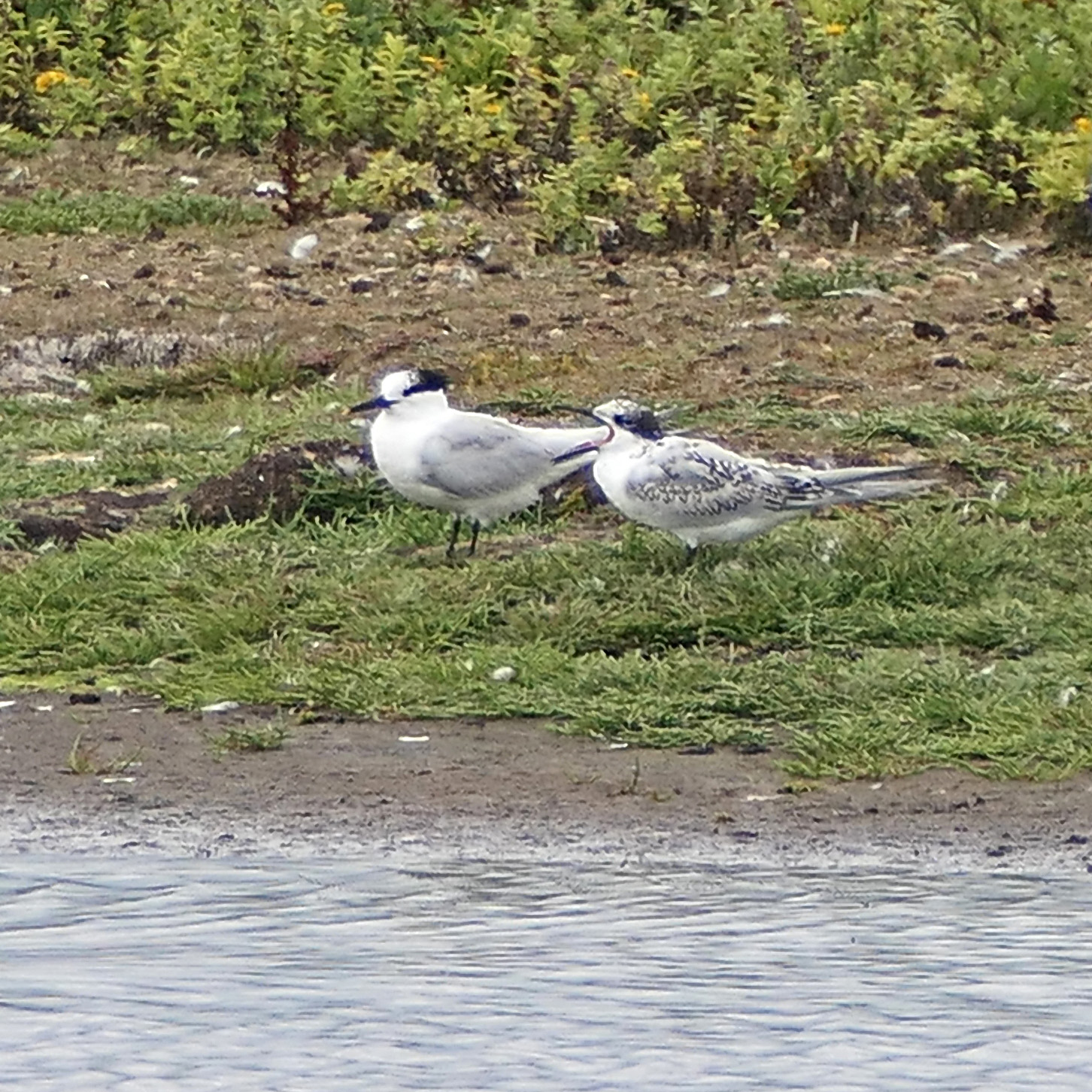
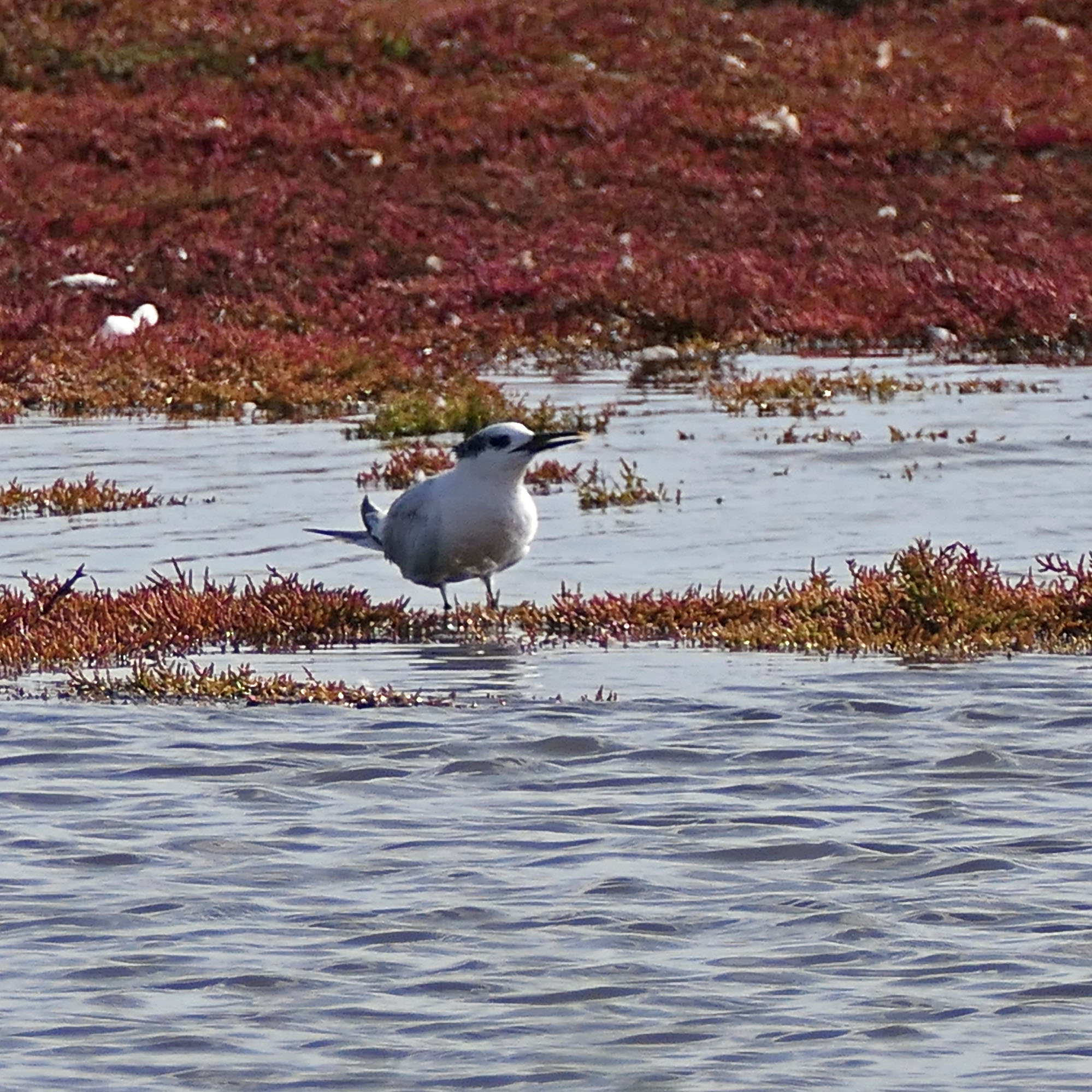
We had an Arctic tern (Sterna paradisaea) visitor in Cardiff Bay in September but it was always too distant for anything other than distant blurry record photographs, which is why I didn’t blog about that sighting. And my final tern species for the year was the Sandwich tern (Thalasseus sandvicensis) (below). These beauties were on show at Ferrybridge on 9 September and at Lodmoor on 11 September (Sandwich terns, 19 September). It was a terrific year for terns!

Like Loading...

S is for spiders

24 Wednesday Dec 2025

Posted by sconzani in spiders

≈ Leave a comment

Tags

Agalenatea redii, Agelena labyrinthica, Anyphaena accentuata, British spiders, Cheiracanthium erraticum, Eratigena species, Larinioides cornutus, Larinioides sclopetarius, Metellina segmentata, Pardosa species, Philodromus spiders, Platnickina tincta, Segestria florentina, spider, Steatoda nobilis, Zygiella x-notata

What a fabulous year this has been for new spider sightings, mostly inspired by the new spider guide book I bought with the financial support my local biodiversity records centre provides to its recorders. (I hope they’re pleased with the new records I’ve now provided.)

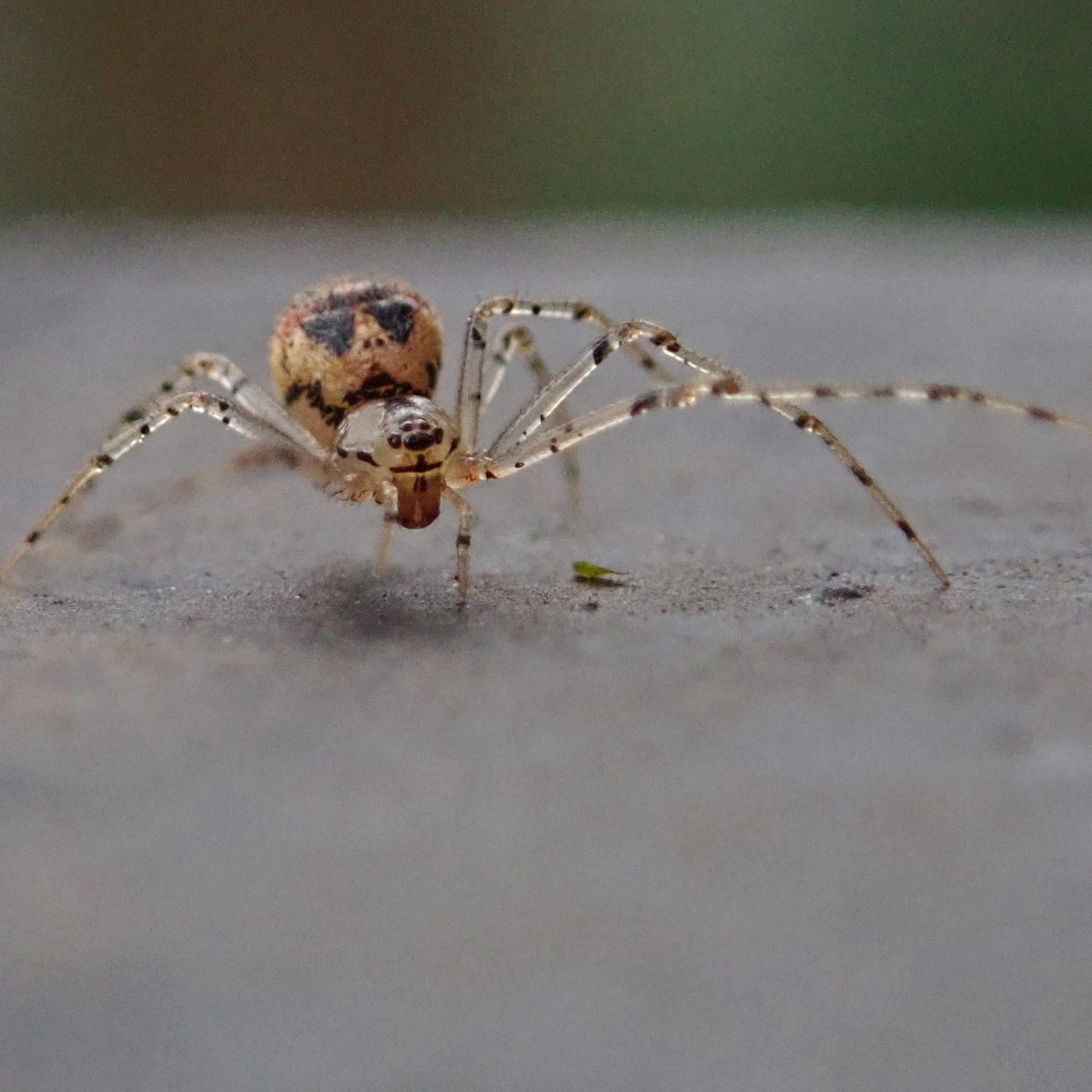
The image above is one of my new finds, Platnickina tincta (Spider: Platnickina tincta, 21 February), though this particular specimen was found very recently, on 14 December, on my local park railings. If you’re an arachnophile, you might enjoy perusing my list of this year’s finds; if not, I will completely understand if you prefer simply to scroll on. This year’s blogs: Spider: Steatoda nobilis, 25 March; Spider: Zygiella x-notata, 31 March; Spider: Larinioides cornutus, 7 April; Spiders: Philodromus species, 6 May; Spider: Segestria florentina, 21 May; Spider: Cheiracanthium erraticum, 31 May; Spider: Anyphaena accentuata, 4 June; Spider: Pardosa species, 11 June; Spider: Agelena labyrinthica, 9 July; Spider: Agalenatea redii, 9 September; Spider: Metellina segmentata, 20 September; Spider: Eratigena species, 13 October; and Spider: Larinioides sclopetarius, 28 October.

Like Loading...

R is for Red-throated diver

23 Tuesday Dec 2025

Posted by sconzani in birds

≈ Leave a comment

Tags

birding, birdwatching, British birds, Red-throated diver, Red-throated loon

For several days at the end of September, I and many local birders were treated to the rare appearance in the sea just off Cardiff Bay’s Barrage of this Red-throated diver (1 November). For me, this was quite special, as it was only the second time I’d seen this species, and I’d love one day to see the bird in full breeding plumage, but I think that’s probably unlikely.

Like Loading...

Q is for Quercus

22 Monday Dec 2025

Posted by sconzani in fungi, insects, trees

≈ 2 Comments

Tags

bugs on Oak trees, fungi on Oak tree, insects on Oak trees, Oak, Quercus species

As I know I’ve stated on this blog many times before, the various species of Oak tree (Quercus species) play host to a huge number of organisms of many types, forms, and colours. These are some I’ve been lucky to see this year: two species of fungus, the Oak mazegill (21 November) and Black bulgur (Fungi: Black bulgar, 24 October); several species of bug that have all featured in this update already (B is for bugs and beetles) but are worth another mention as they spend all or most of their lives on Oak trees: Cyllecoris histrionius, adult and nymph (12 May), Rhabdomiris striatellus (10 June), and Bug: Megacoelum infusum (12 September).

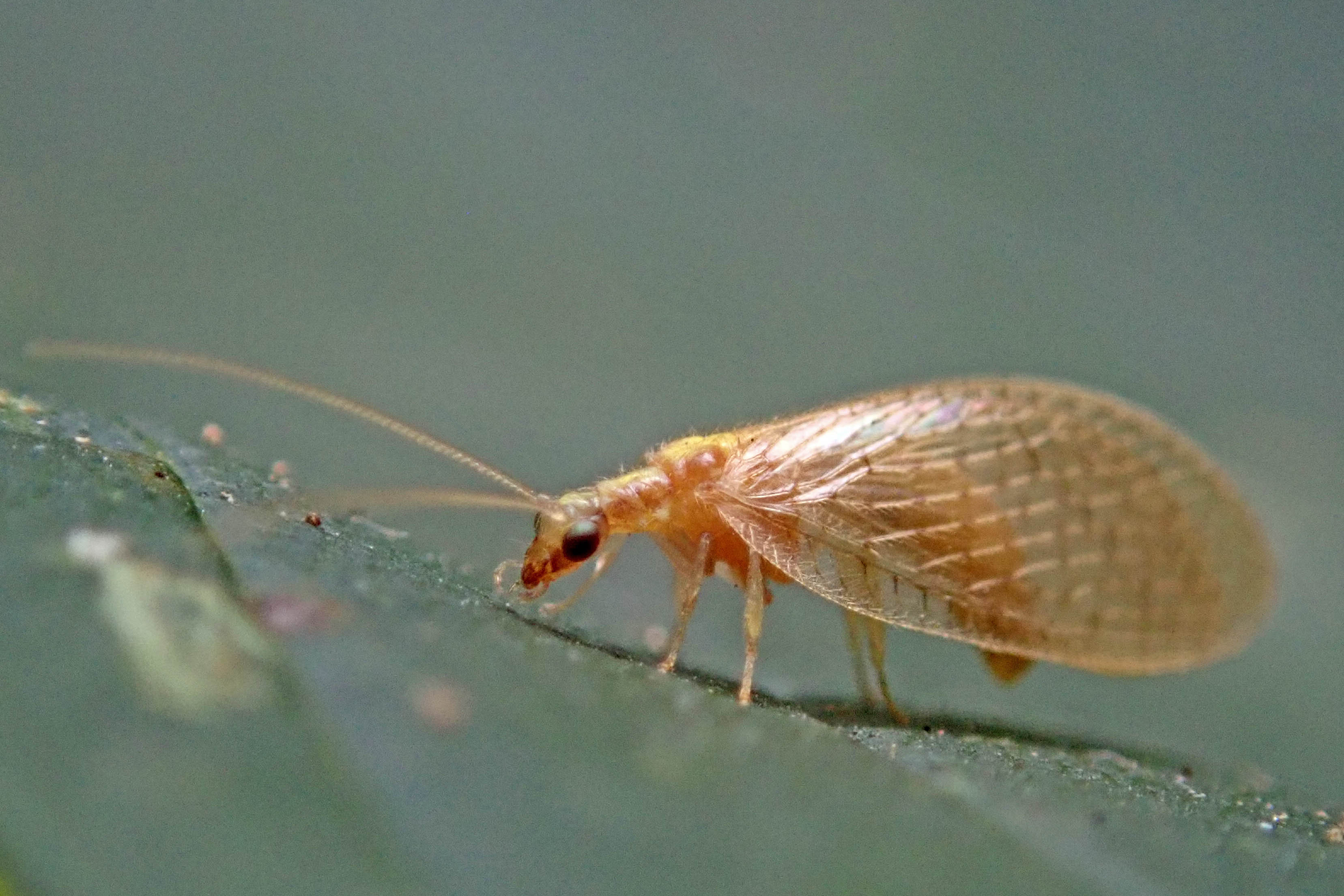
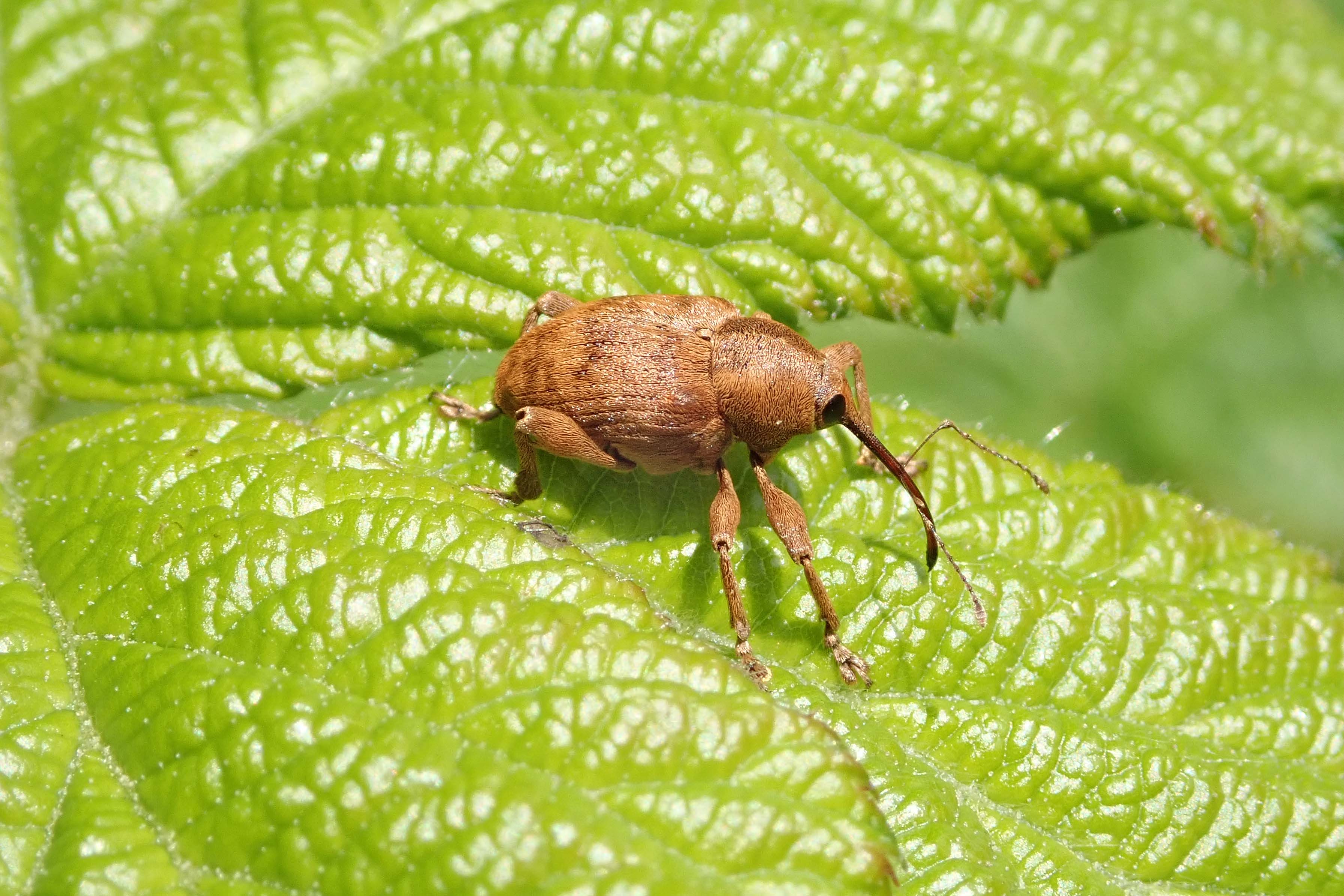
I also managed to find several Common quaker (Orthosia cerasi) caterpillars on a single Oak (included in Cool cats, 2, 5 June); the gorgeous lacewing shown above that has since been verified as Hemerobius micans and is found especially on mature oaks (Two lacewings, 4 September); the folded-over Oak leaf lobes created by a gall midge (Galls: Macrodiplosis pustularis, 2 June); and the stunning little Acorn weevil, shown below, that lives in Oak trees and lays its eggs inside acorns (Weevil: Curculio glandium, 1 August).

Like Loading...
← Older posts

About me

sconzani

sconzani

I'm a writer and photographer; researcher and blogger; birder and nature lover; countryside rambler and city strider; volunteer and biodiversity recorder.

View Full Profile →

Follow earthstar on WordPress.com

Enter your email address to follow this blog and receive notifications of new posts by email.

Recent blog posts

  • Bearded tit!!! April 3, 2026
  • A Portland Bill Kestrel April 2, 2026
  • A proliferation of Peacocks April 1, 2026
  • Little owl March 31, 2026
  • Distant seabirds March 30, 2026

From the archives

COPYRIGHT

Unless otherwise acknowledged, the text and photographs on this blog are my own and are subject to international copyright. Nothing may be downloaded or copied without my permission.

Fellow Earth Stars!

  • Unknown's avatar
  • Unknown's avatar
  • Unknown's avatar
  • Unknown's avatar
  • Unknown's avatar
  • Unknown's avatar
  • Unknown's avatar
  • Unknown's avatar
  • Unknown's avatar
  • Unknown's avatar
  • Unknown's avatar
  • Unknown's avatar
  • Unknown's avatar
  • Unknown's avatar
  • Unknown's avatar
  • Unknown's avatar
  • Unknown's avatar
  • Unknown's avatar
  • Unknown's avatar
  • Unknown's avatar
  • Unknown's avatar
  • Unknown's avatar
  • Unknown's avatar
  • Unknown's avatar
  • Unknown's avatar
  • Unknown's avatar
  • Unknown's avatar
  • Unknown's avatar
  • Unknown's avatar
  • Unknown's avatar
  • Unknown's avatar
  • Unknown's avatar
  • Unknown's avatar
  • Unknown's avatar
  • Unknown's avatar
  • Unknown's avatar
  • Unknown's avatar
  • Unknown's avatar
  • Unknown's avatar
  • Unknown's avatar
  • Unknown's avatar
  • Unknown's avatar
  • Unknown's avatar
  • Unknown's avatar
  • Unknown's avatar
  • Unknown's avatar
  • Unknown's avatar
  • Unknown's avatar
  • Unknown's avatar
  • Unknown's avatar

Blog at WordPress.com.

Privacy & Cookies: This site uses cookies. By continuing to use this website, you agree to their use.
To find out more, including how to control cookies, see here: Cookie Policy
  • Subscribe Subscribed
    • earthstar
    • Join 642 other subscribers
    • Already have a WordPress.com account? Log in now.
    • earthstar
    • Subscribe Subscribed
    • Sign up
    • Log in
    • Report this content
    • View site in Reader
    • Manage subscriptions
    • Collapse this bar
 

Loading Comments...
 

You must be logged in to post a comment.

    %d