• ABOUT
  • BIRDING 2018
  • Birding 2019
  • BLOG POSTS
  • Butterflies 2018
  • Resources

earthstar

~ a celebration of nature

earthstar

Author Archives: sconzani

Choughed

10 Friday Oct 2025

Posted by sconzani in birds

≈ Leave a comment

Tags

birding, birdwatching, British birds, British corvids, Chough, corvid with red beak and legs, Pyrrhocorax pyrrhocorax

I heard them before I saw them and, the first time, I only saw them circle overhead before they flew west along the beach and adjacent cliffs, quickly out of sight.

But then I walked around the old harbour and out to the tip of the neighbouring headland, where, amazingly, I heard them calling again. And, incredibly, moments later they flew in and landed on the rough grass not far in front of me.

I managed to get a little closer and quickly snapped off as many photos as I was able, as I could see a couple with two dogs approaching along the headland and knew the birds would fly once they got closer. And that’s exactly what happened, with the birds following the same flight line as when I first saw them.
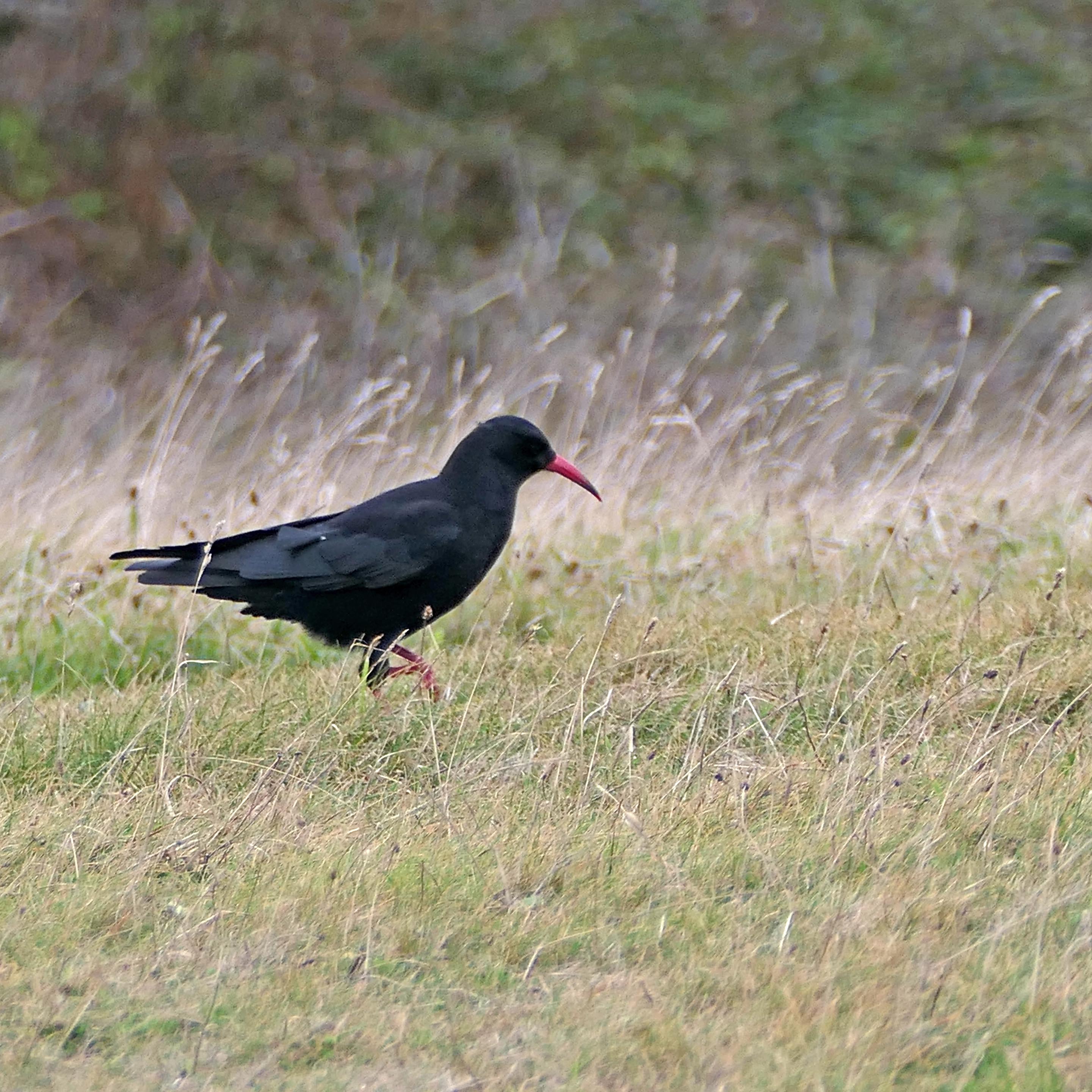
These are Choughs (Pyrrhocorax pyrrhocorax), Britain’s rarest corvid and the only member of the crow family to have a red beak and legs. Choughs are only found in the western parts of Britain and they’re not a bird I usually see – in fact, it must be several years since I last saw one, so this was a real treat, and most unexpected.

Though I was having a wander around the seaside town of Barry, half an hour’s train ride west of where I live, that is still outside the area where Choughs are normally seen. Maybe their population has expanded, meaning this pair are now venturing outside their usual territory. Whatever the reason, I was absolutely chuffed/Choughed to see them.
Like Loading...

A young squirrel

09 Thursday Oct 2025

Posted by sconzani in animals, mammal

≈ Leave a comment

Tags

British animals, British mammals, grey squirrel, juvenile Grey squirrel, juvenile squirrel, young squirrel

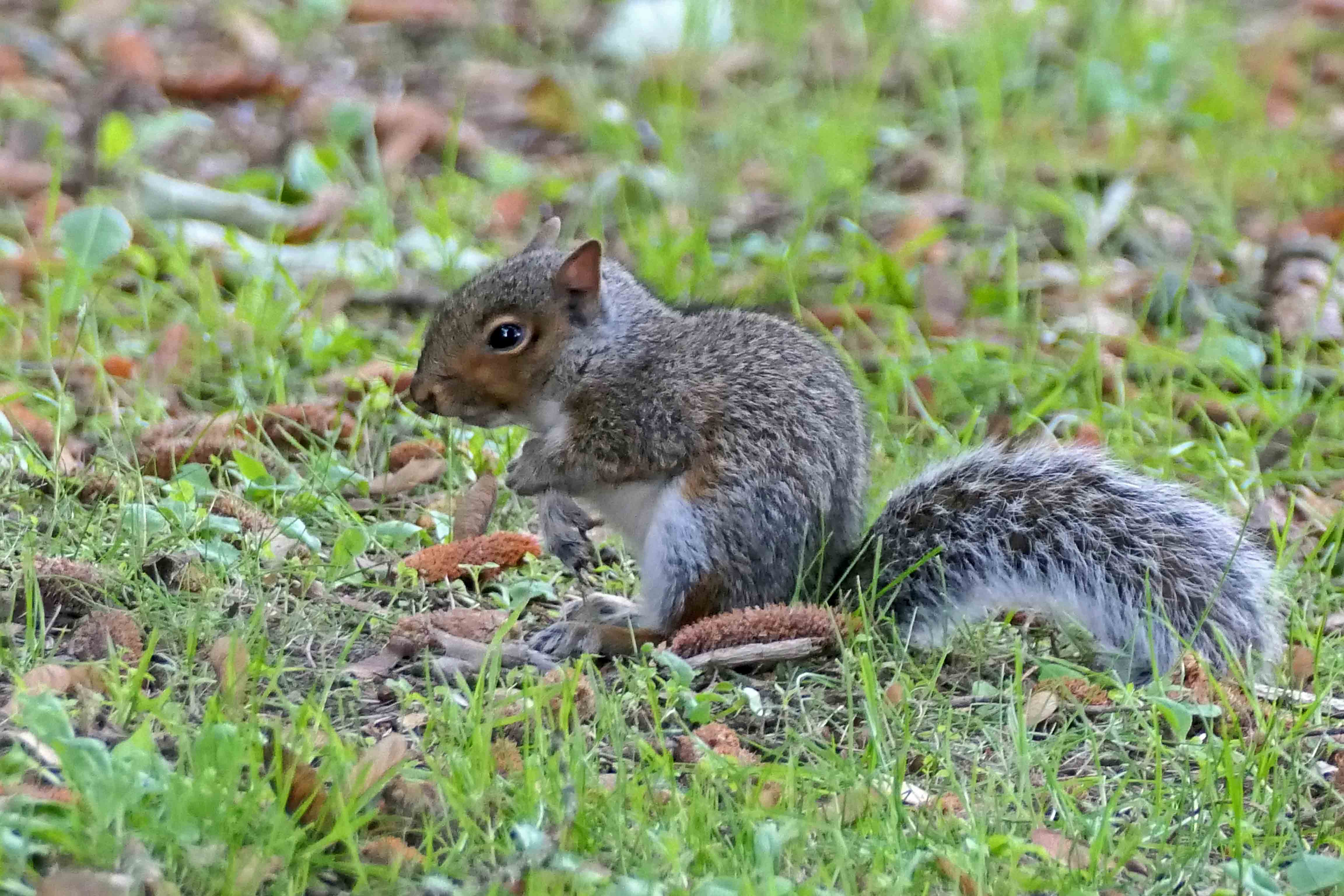
I’d never knowingly seen a juvenile Grey squirrel, until yesterday.

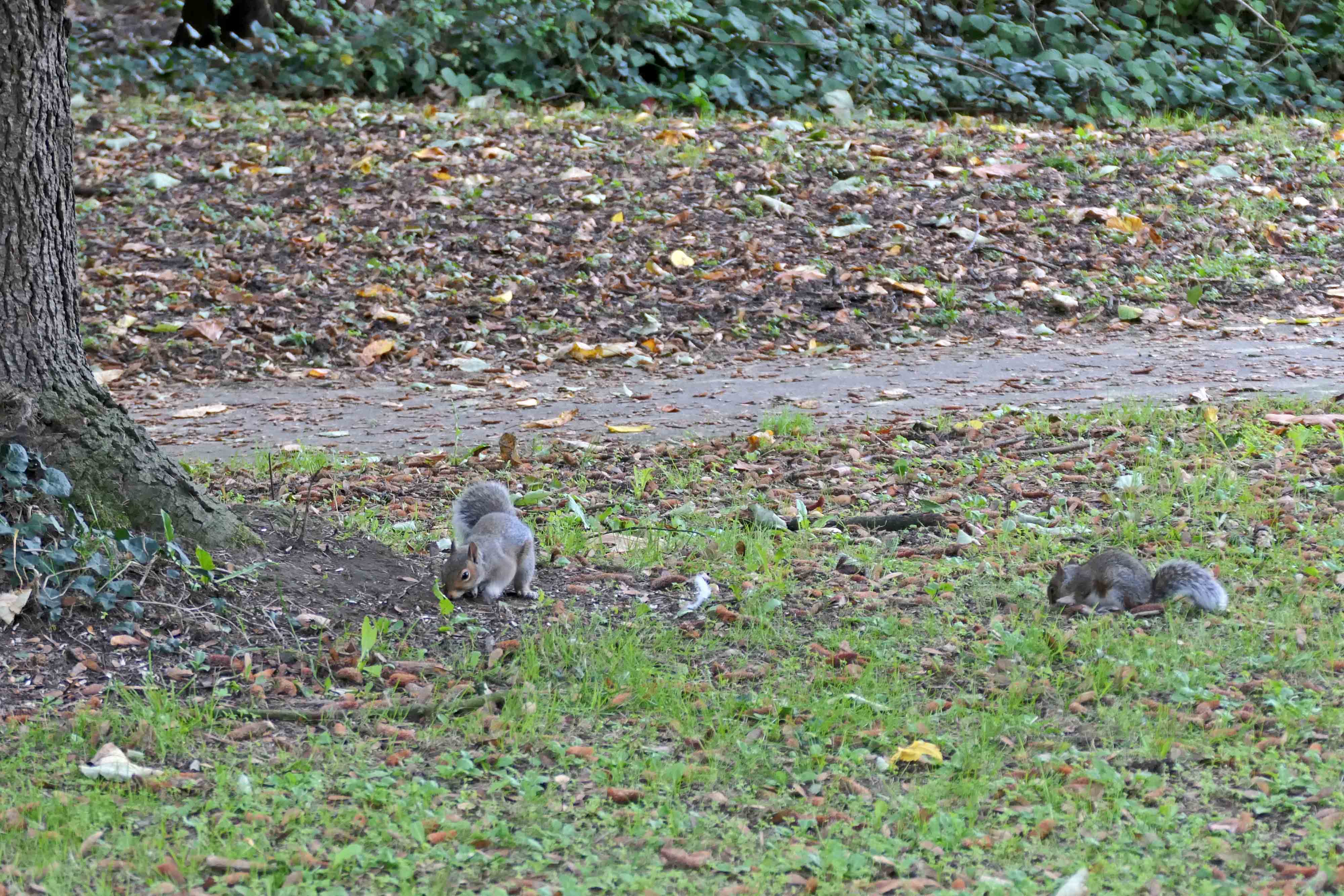
First one adult, then a second came hurtling down a tree trunk to forage on the grass beneath the tree, followed more slowly, more hesitatingly by a much smaller squirrel. It looked like a littler version of the adults so I’m fairly sure this was a young one.

Like Loading...

Hobbies!!

08 Wednesday Oct 2025

Posted by sconzani in autumn, birds

≈ Leave a comment

Tags

bird migration, birding, birdwatching, British birds, British falcons, Falco subbuteo, falcon, Hobby, juvenile Hobby

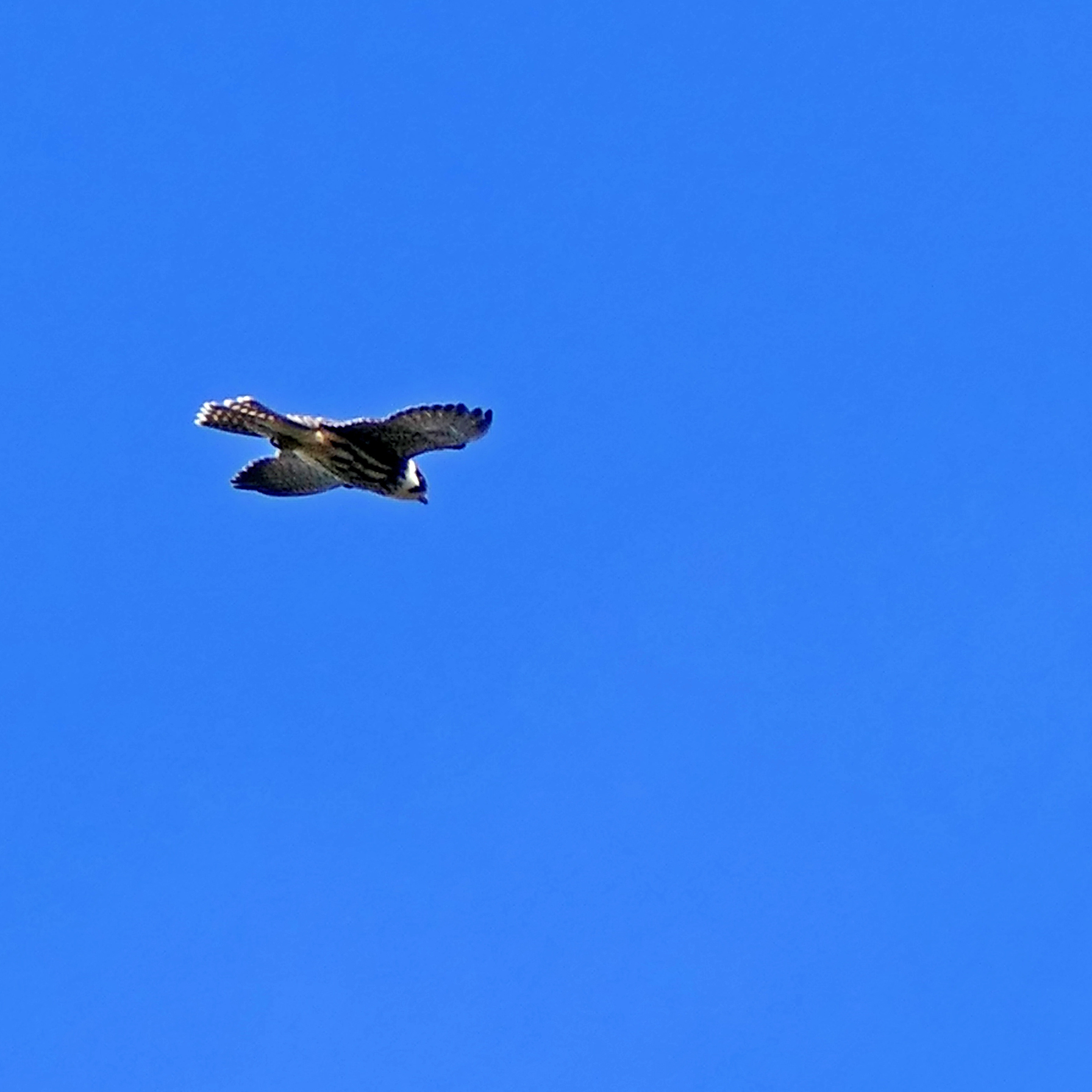
In recent days, birders and passers-by, who have noticed the birders and asked what they’re looking at, have been treated to the incredible aerial displays of two juvenile Hobbies, expertly catching dragonflies along the River Ely in Cardiff.

I’ve seen Hobbies before but never as close as these birds so watching them has been truly amazing. With their scythe-like wings, they resemble Swifts in flight, though they’re a little larger, more the size of a Kestrel. And they are super speedy; I found it difficult to capture photographs of them in flight. In the end, I put the camera down and just watched, spellbound, as they wove their aerial magic.

The Hobby (Falco subbuteo) used to be quite scarce in the UK but their population has increased in recent years. The fact that these two are juvenile birds means we can probably assume they have bred nearby, possibly in the woodland adjacent to where they have been flying. Fortunately, it is privately owned land, with no footpaths, so wildlife is left in peace amongst the trees, a rare situation these days.

Hobbies are long-distance migrants that arrive here around April and depart again around September-October, heading to Africa to over-winter in warmer climes. Fortunately for them (though not for the dragonflies), these two young birds were finding plenty of prey to fuel the long flight to come.

Like Loading...

Amorous Foxes

07 Tuesday Oct 2025

Posted by sconzani in animals, mammal

≈ Leave a comment

Tags

British mammal, fox, Fox family, Red fox

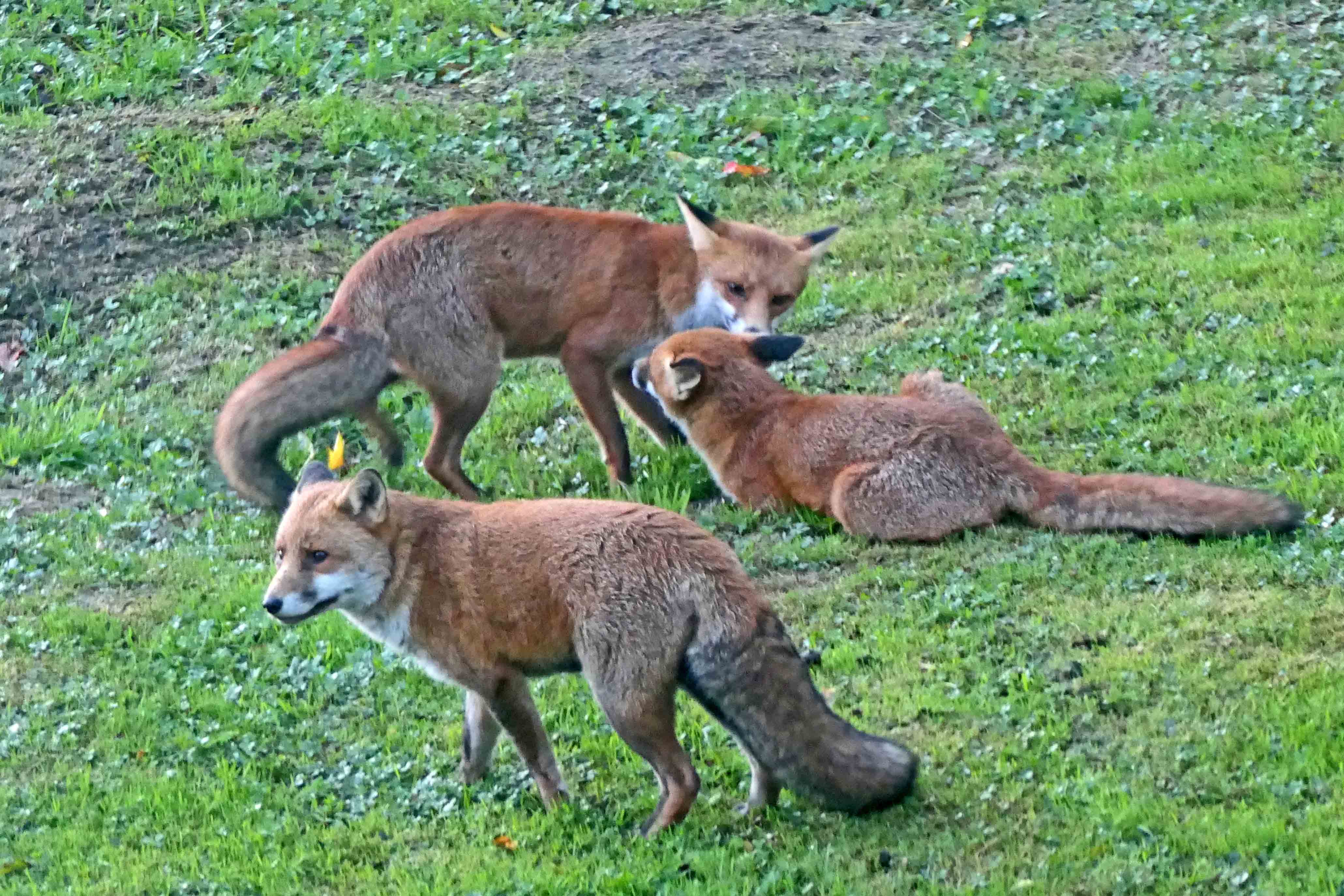
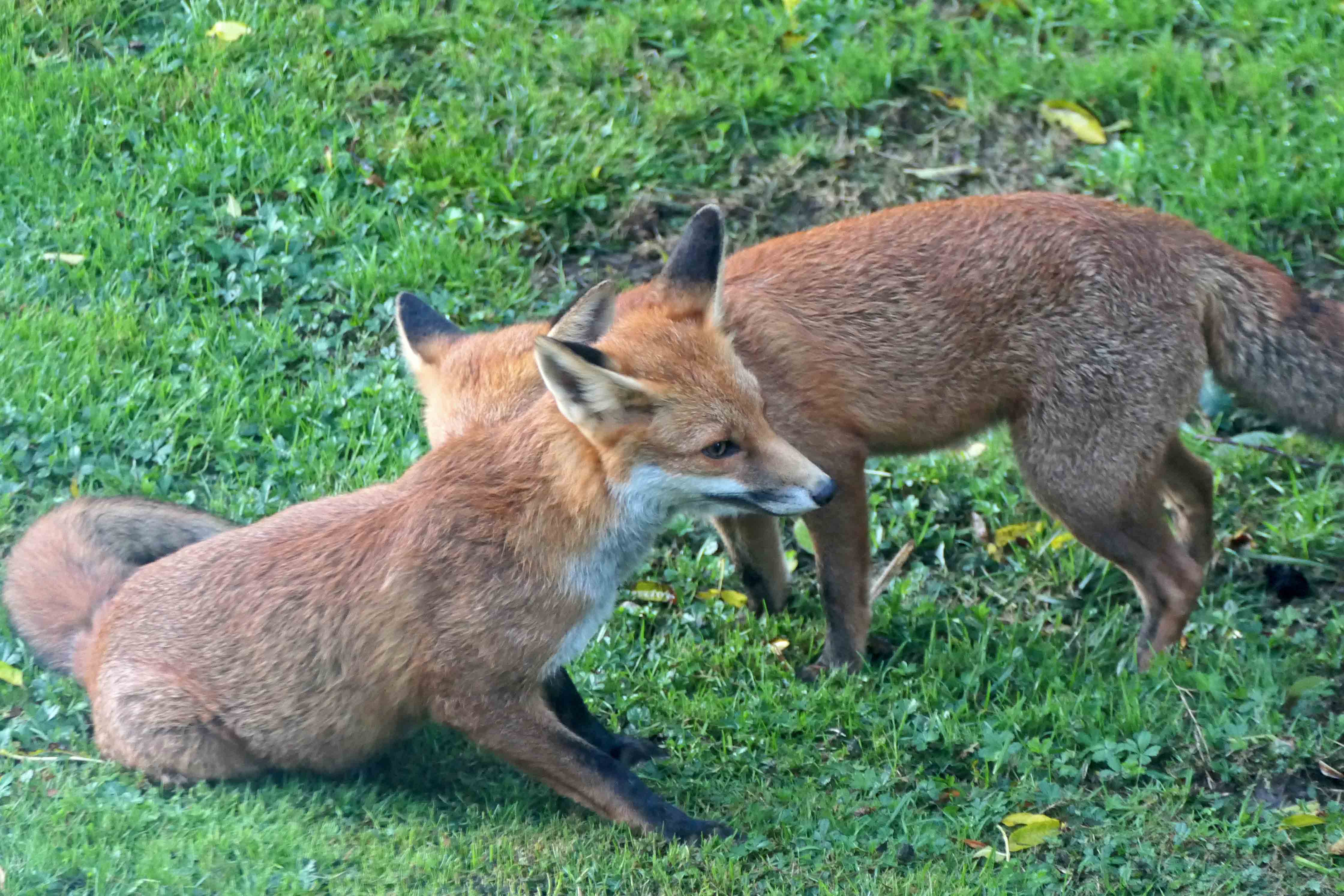
Early last Saturday morning, after Storm Amy had raged through the night – and she continued to blow through much of Saturday as well, our resident Fox family came out for a race around the garden.

In the photo above, I think that’s the adult male and female, left to right at the back, with one of this year’s cubs in front. And just look at how magnificently bushy the cub’s tail is!

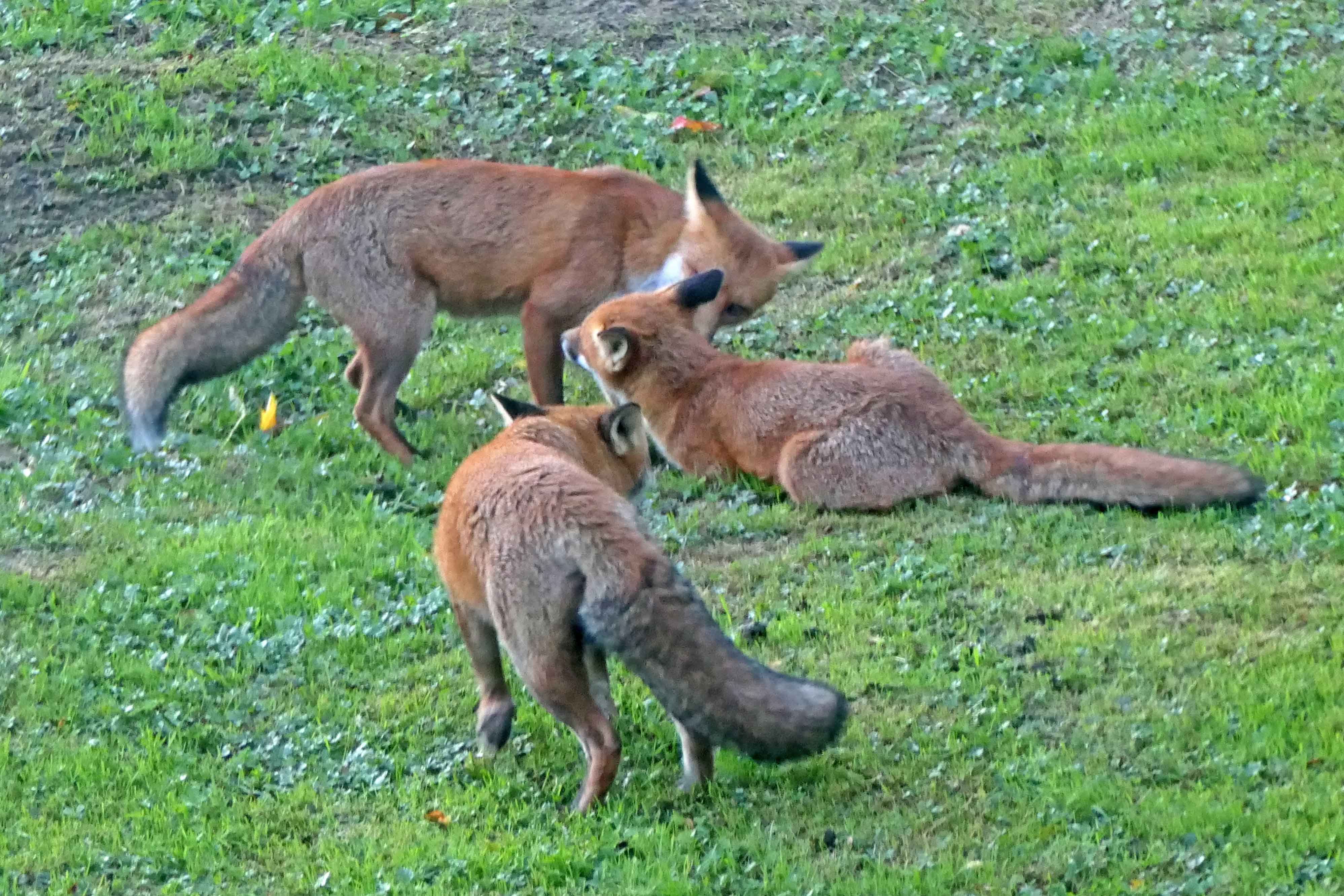
As I watched the cub watching his parents sharing some tender moments, I couldn’t help but think of how teenagers react to the idea of their parents being intimate: ‘Oooooo. Get a room!’ Or, in this case, get a den.

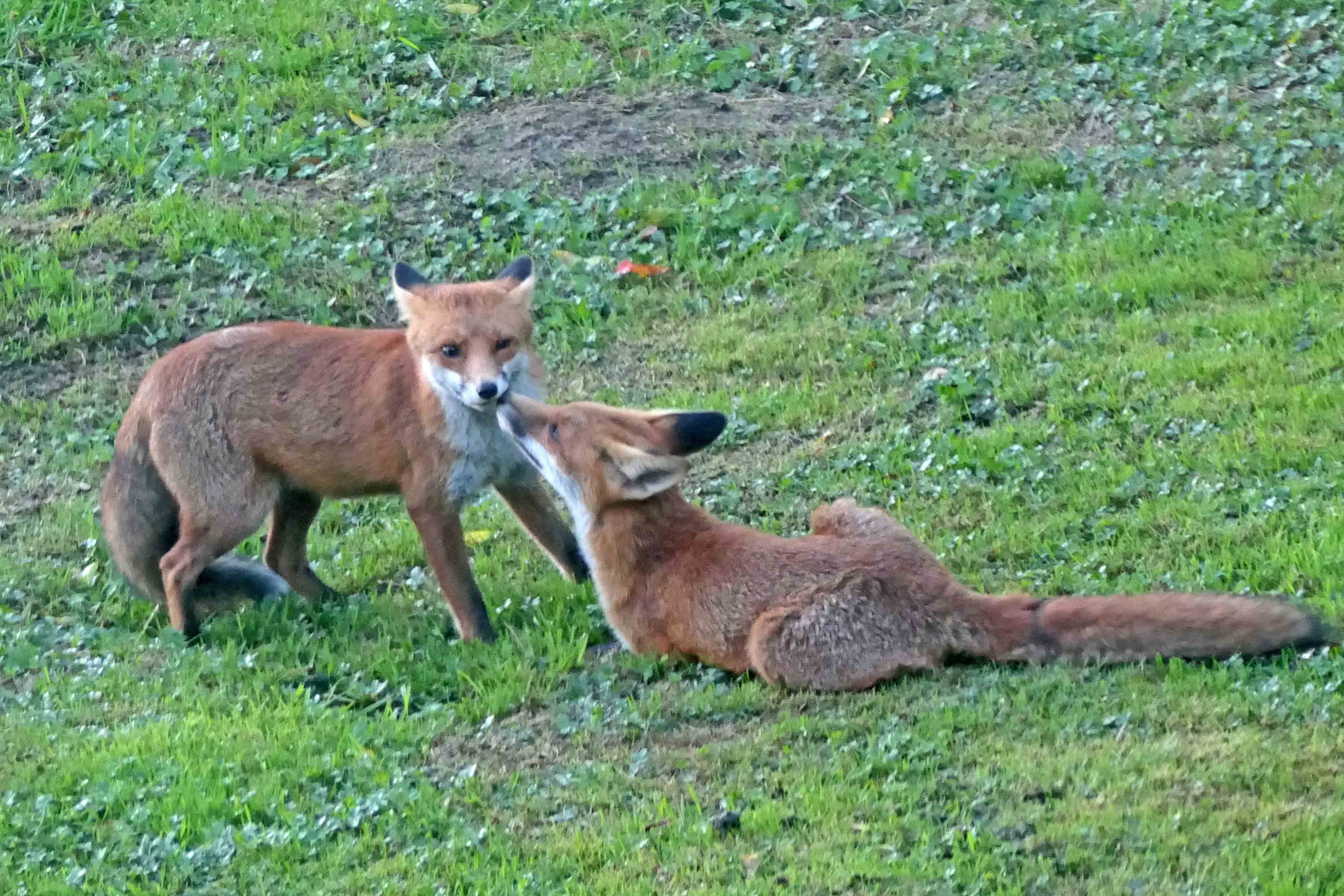
The cub disappeared into the adjacent woodland but his Mum and Dad continued to sit on the grass for some time, indulging in some mutual grooming and nuzzling.

It was wonderful to be able to observe their behaviour from the comfort of my living room, while enjoying my morning cuppa. (My photos are not sharp as I was photographing them from behind double glazing – opening a window would have disturbed them.)

Like Loading...

Leafmines: Chrysoesthia sexgutella

06 Monday Oct 2025

Posted by sconzani in insects, plants

≈ Leave a comment

Tags

British leafminers, British moths, leaf-mining moth larvae, leafmines, leafmines on Goosefoot, leafmines on Orache

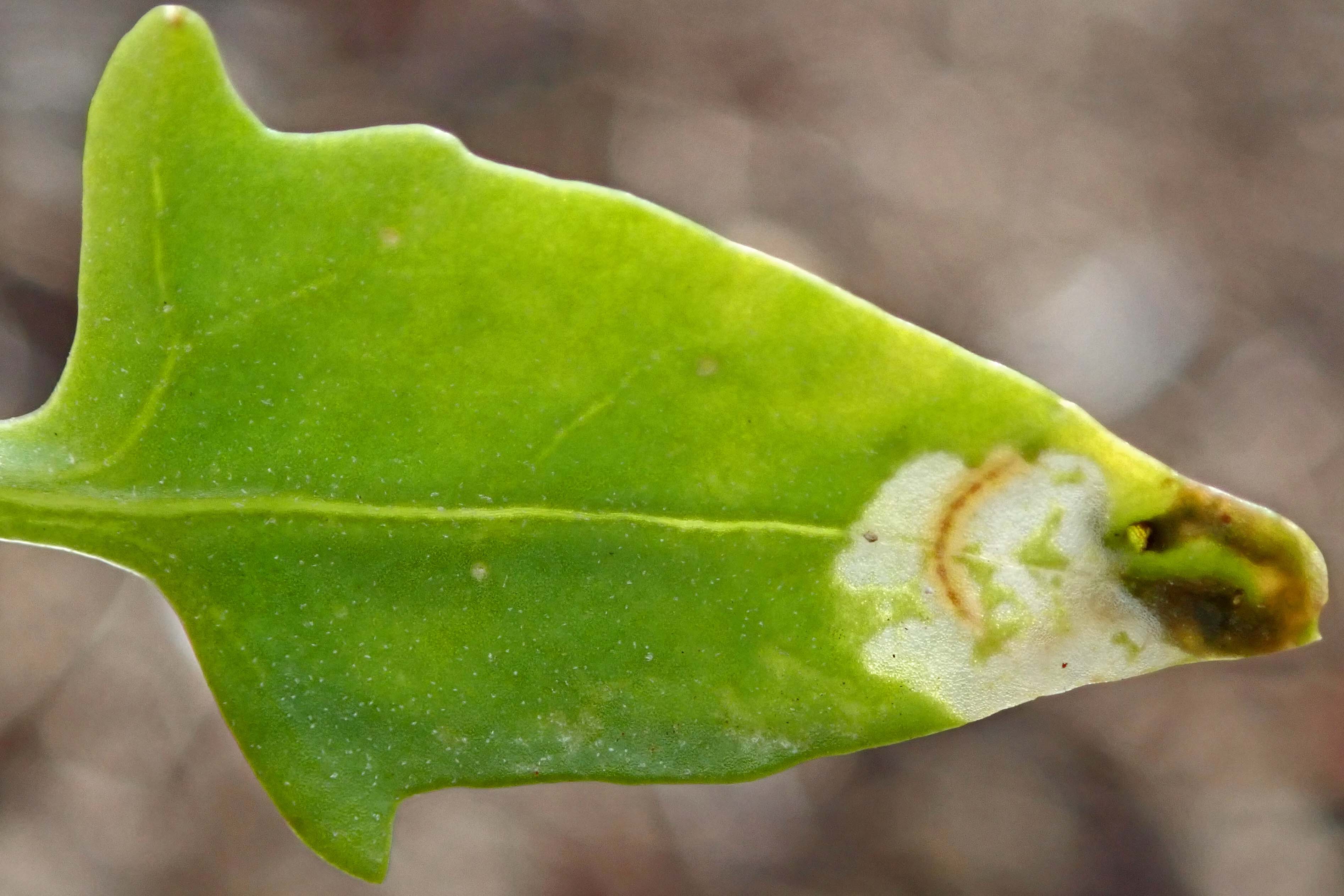
Last Wednesday evening I got a message from local moth expert George that another local moth-er had found the leafmines of the moth Chrysoesthia drurella, a new find for the county of Glamorgan, in a suburb on the opposite side of Cardiff to where I live. As he knows I’m a keen seeker of leafmines, George just wanted to let me know to keep an eye out for them when I’m out walking.

The moth larvae mine the leaves of Orache (Atriplex sp.) and Goosefoot (Chenopodium sp.), neither of which plants I’m familiar with so that was my first hurdle, being able to recognise the plants and knowing where to find them. Out came my plant books! Sometime later I was fairly confident I’d recognise the plants, though not be able to distinguish one from the other; fortunately, in this case that didn’t matter.
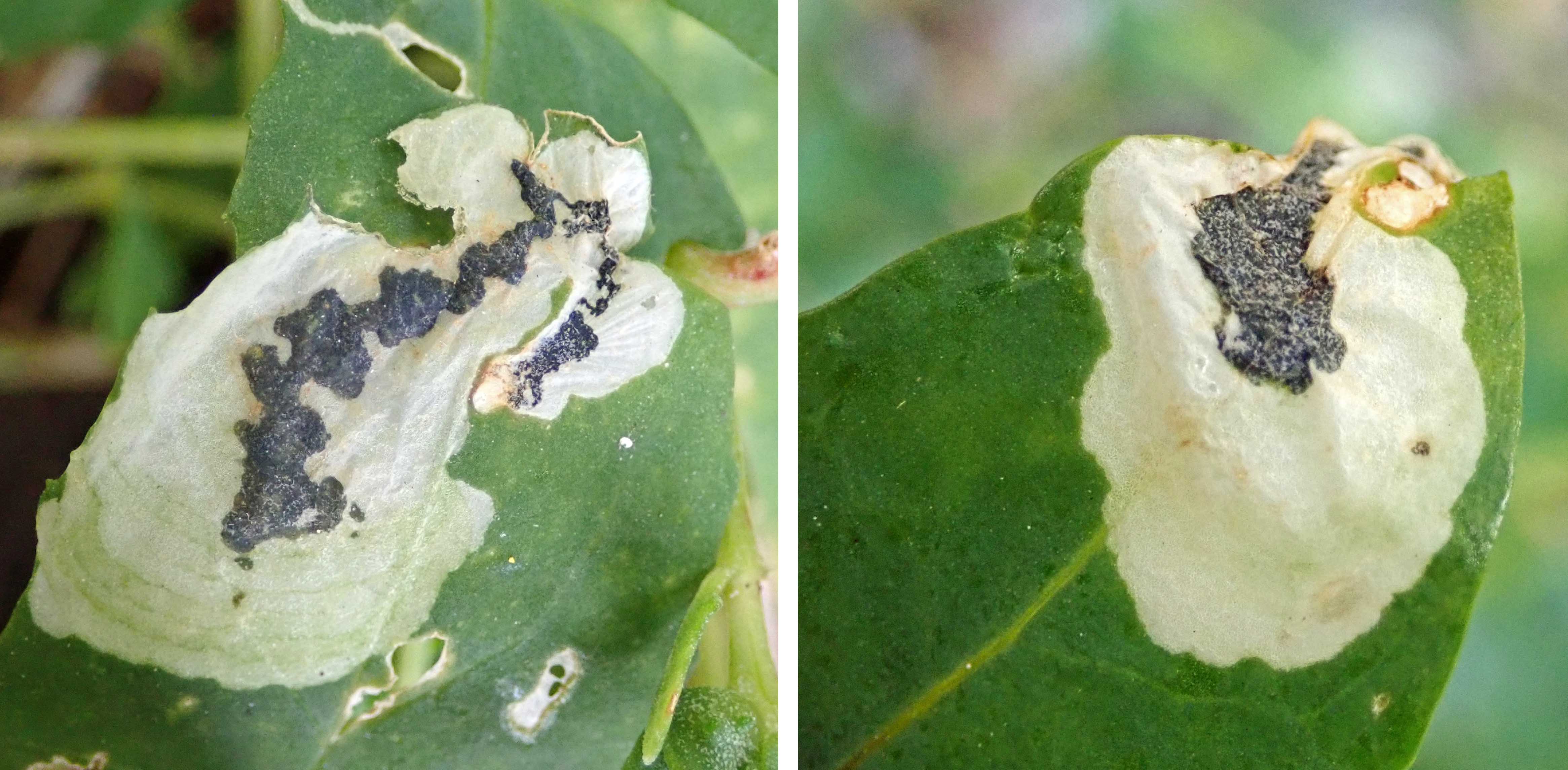
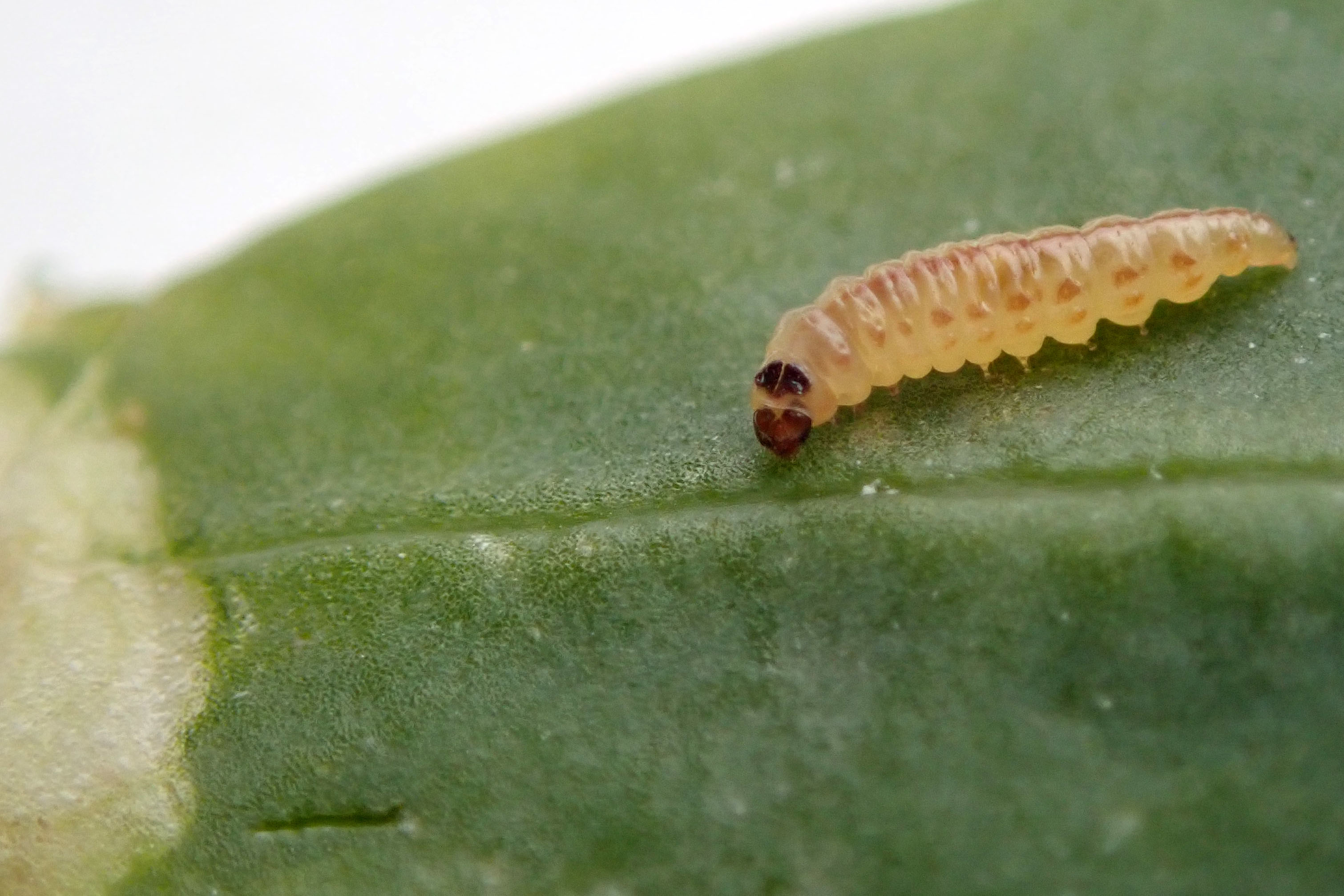
Thursday dawned and, after dealing with some necessary chores, I headed out for a walk, deciding to detour to a local beach in the hope of finding the correct plants. I was in luck, and the plants had mines on their leaves, though they didn’t look like how they should for the moth larvae I was seeking. So, finding a mine that still had a larva in it, I plucked it off the plant and brought it home to take a closer look at it, as the larva’s markings would tell me one way or the other whether I’d found C. drurella. I hadn’t!

However, I had found a closely related species, Chrysoesthia sexgutella, which mines the leaves of the same plants and was a new find for me. This moth breeds twice each year, with the first brood adults flying in May/June and the second on the wing in August. You can see what the adult moth looks like on the UK Moths website. And my search for the rarer Chrysoesthia drurella continues.

Like Loading...

Autumn wildflowers

05 Sunday Oct 2025

Posted by sconzani in autumn, flowers, wildflowers

≈ Leave a comment

Tags

autumn colour, autumn wildflowers, autumn wildflowers in bloom, British wildflowers

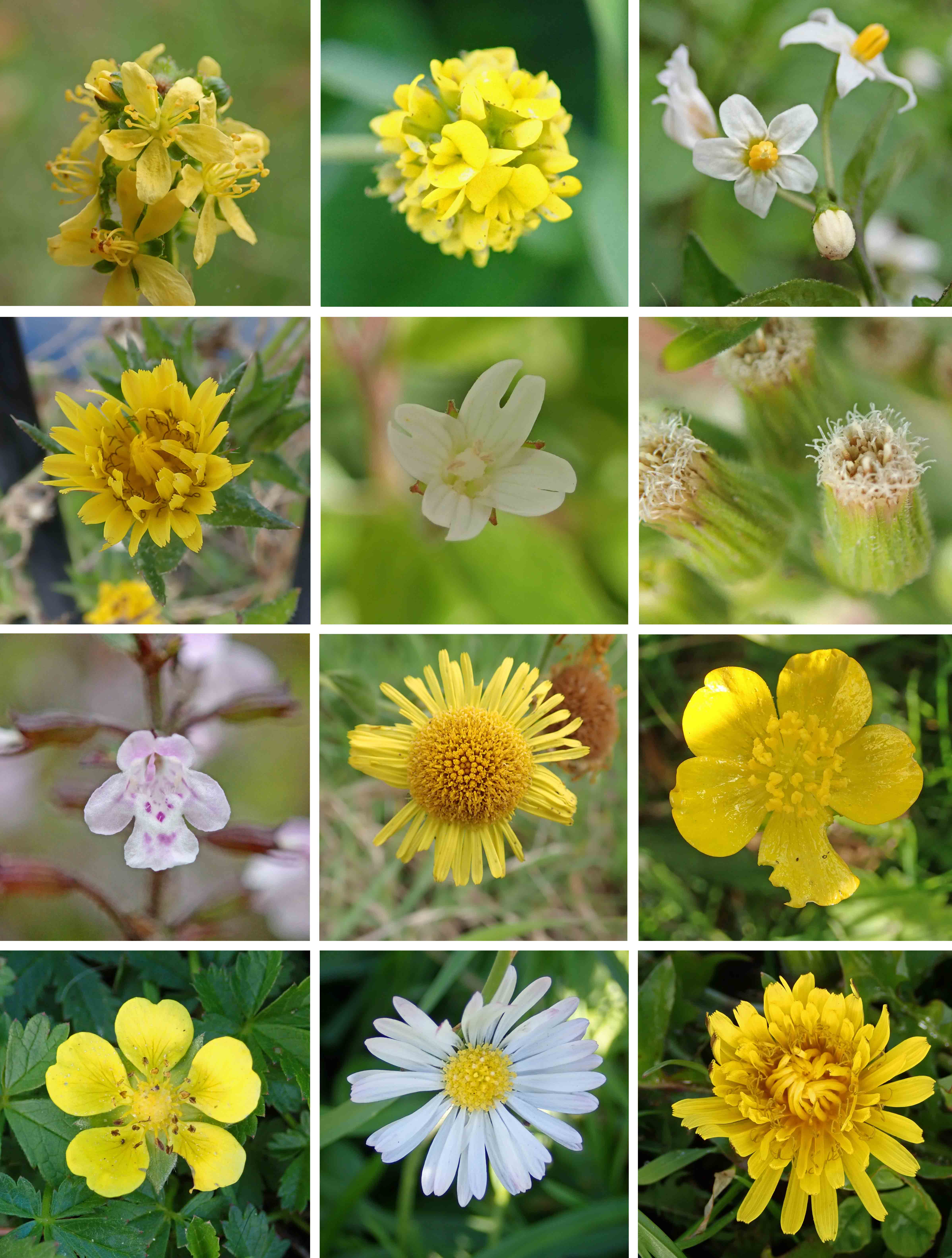
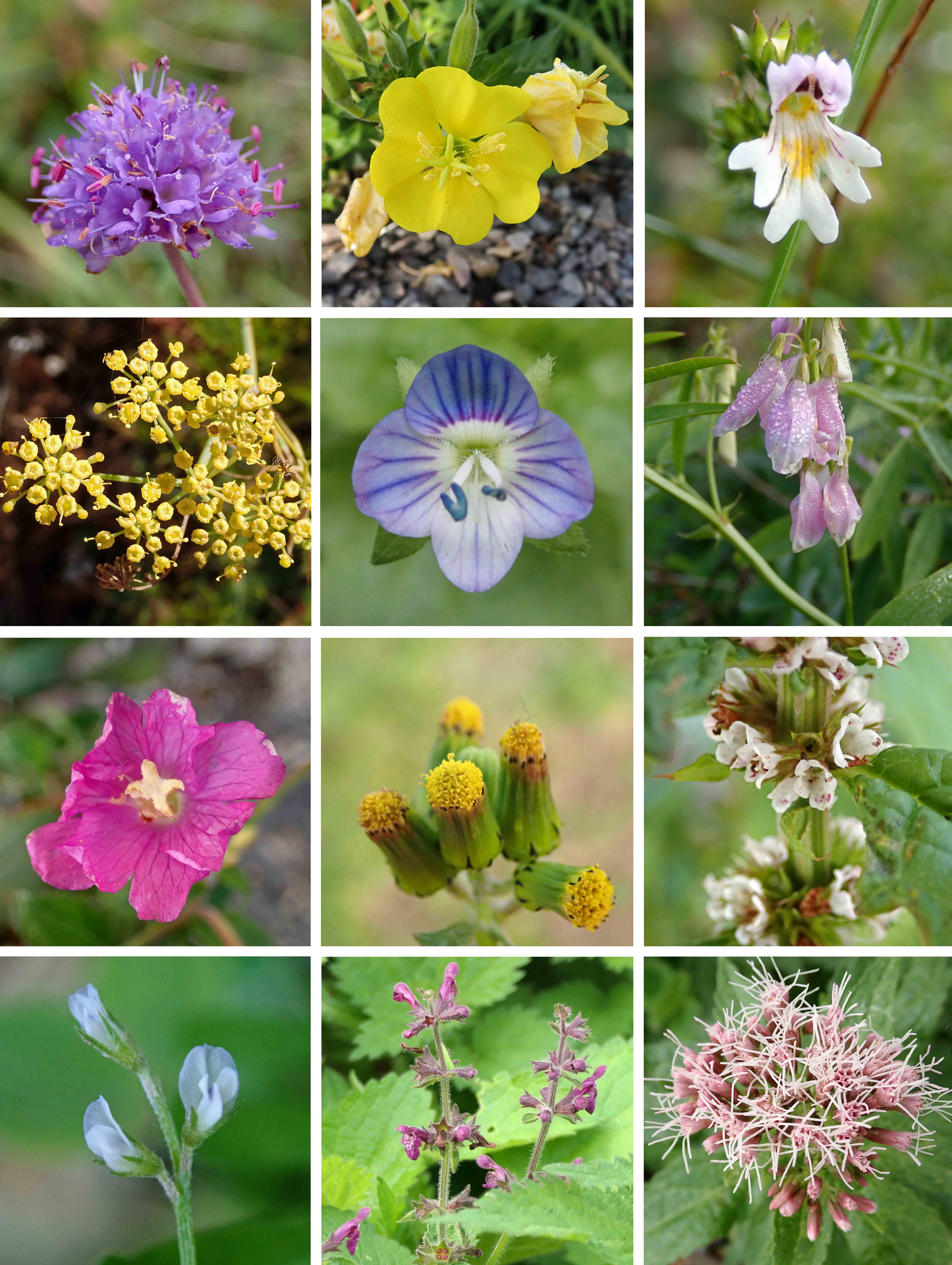
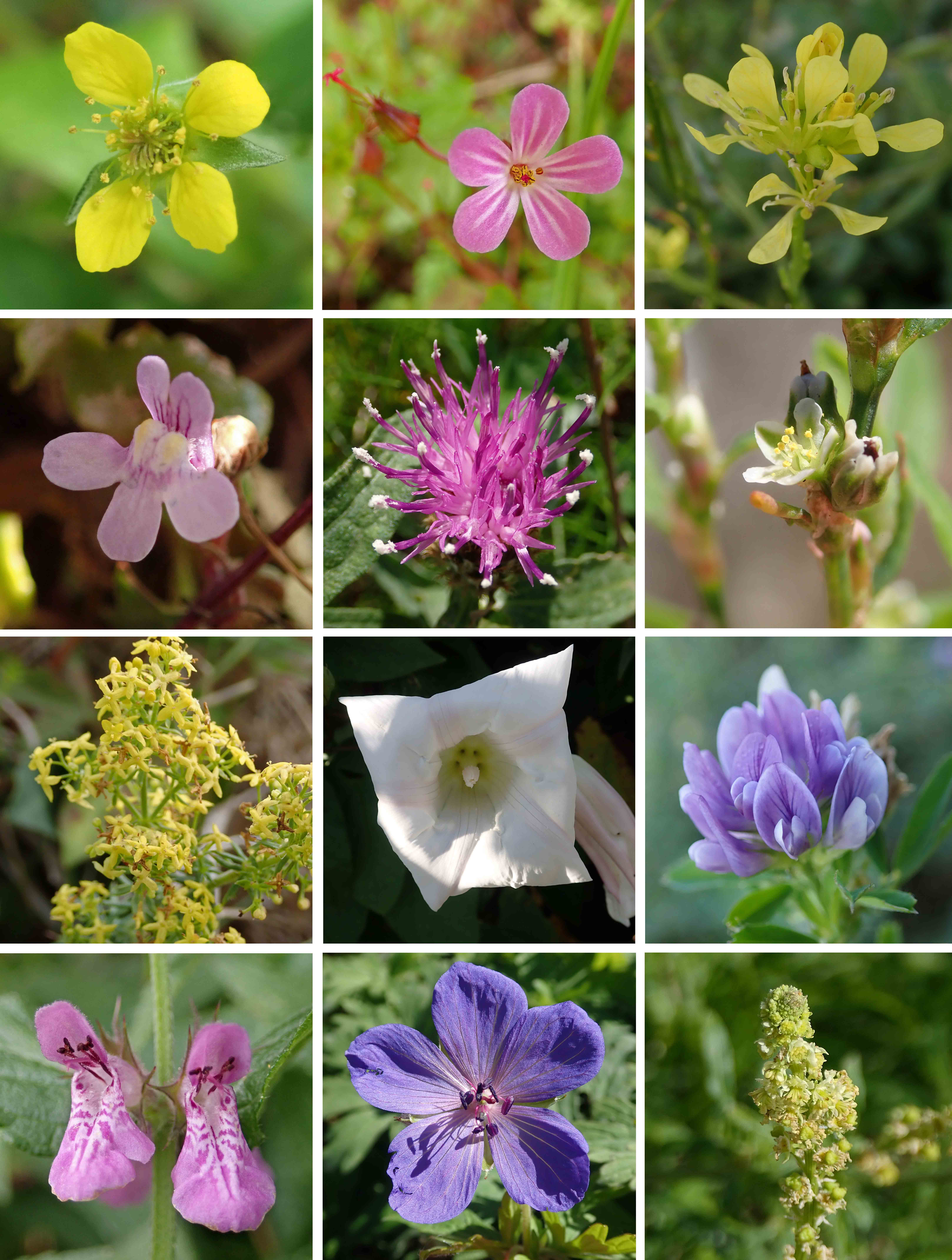
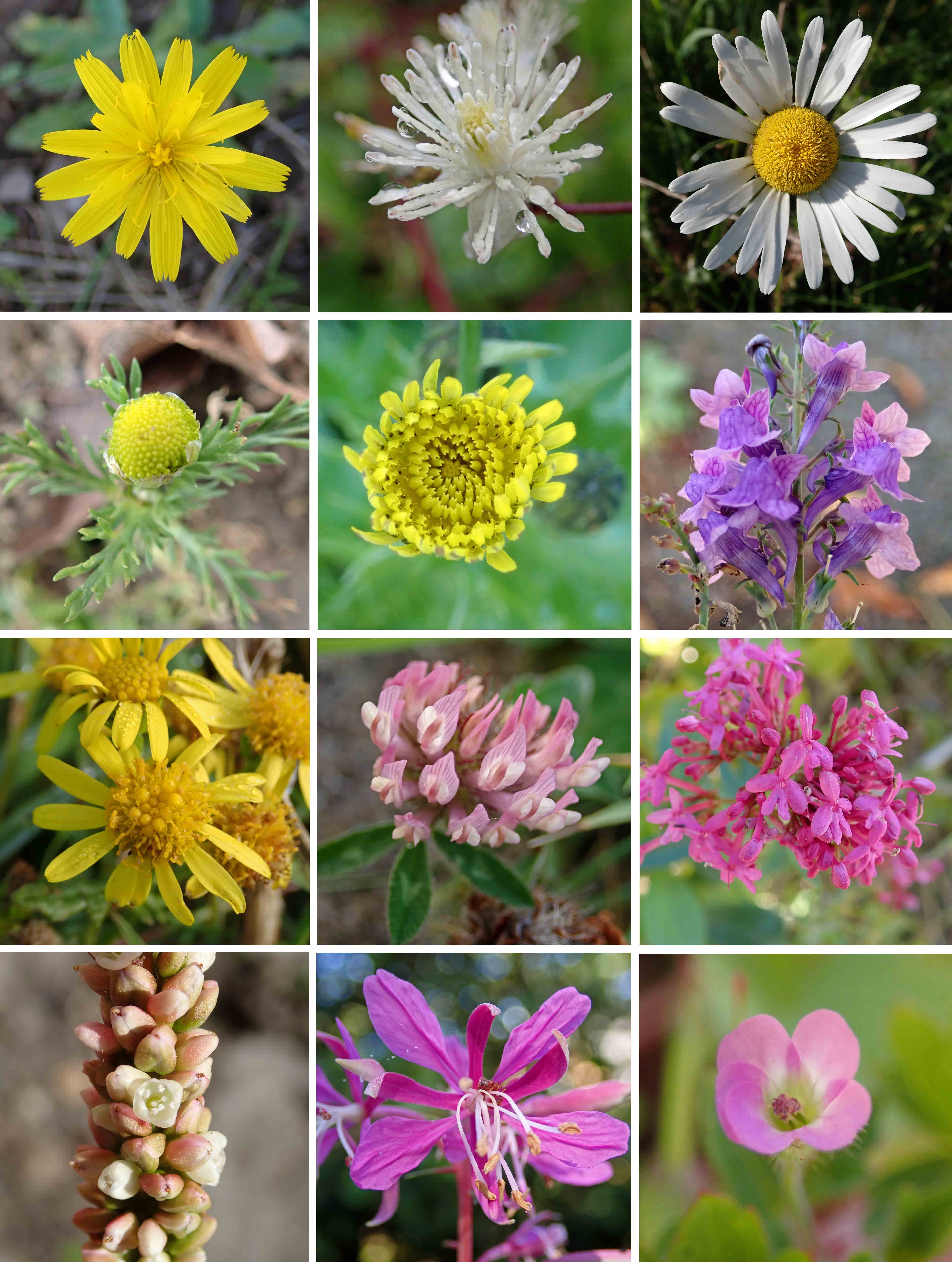
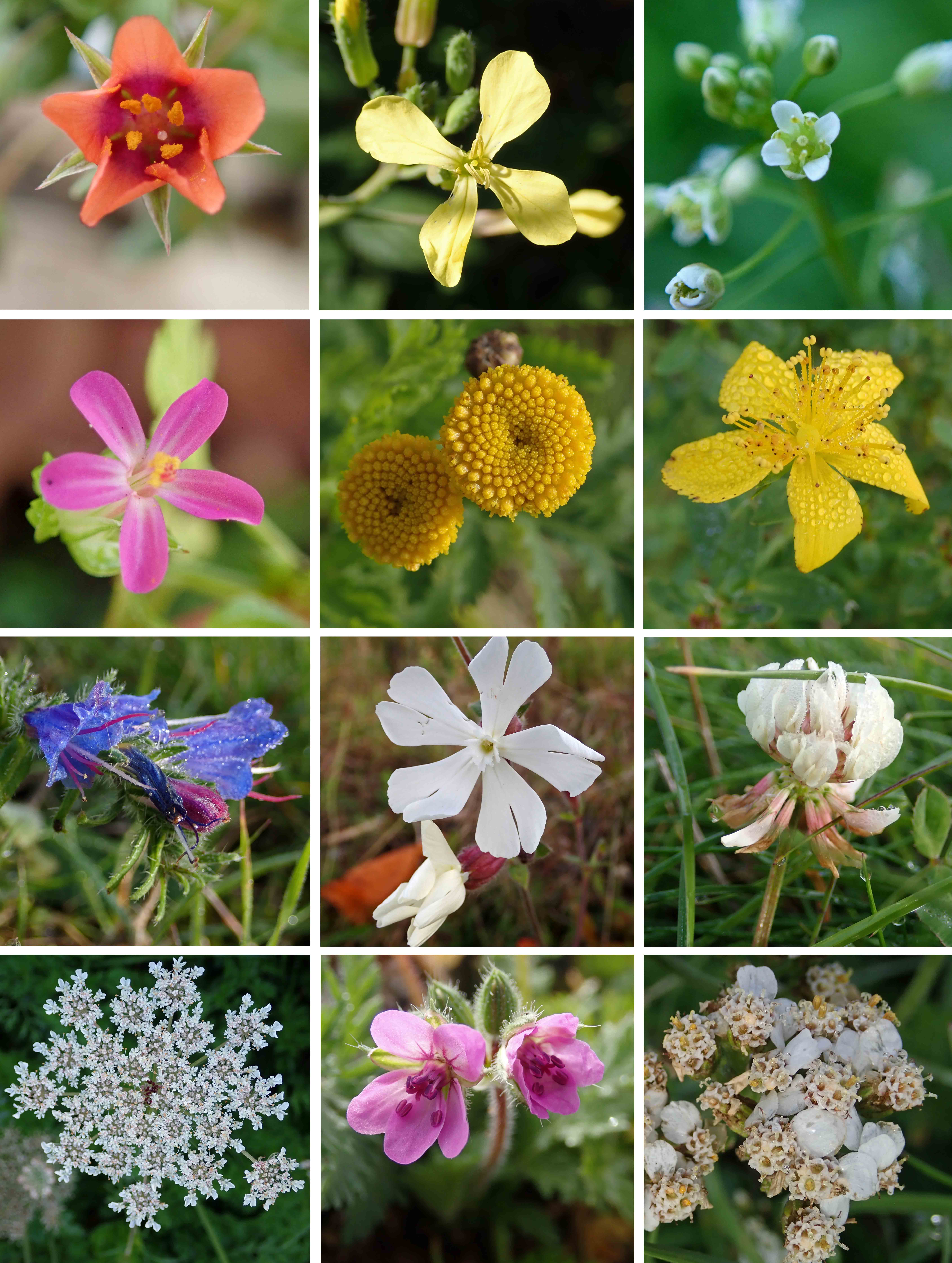
It’s been a while since I informally surveyed which wildflowers were in bloom at any specific point in time, so I did that during two of this week’s walks, the first a full circuit of Cardiff Bay, the other a walk along the local section of the Welsh coastal path. I was surprised to find 60 species flowering and suspect this total has something to do with this year’s weather. After our hot, dry summer, the wildflowers are making up for lost time now that we’re getting more rain. These are what I found …

Agrimony, Black medick, Black nightshade, Bristly oxtongue, Broad-leaved willowherb, Canadian fleabane, Common calamint, Common fleabane, Creeping buttercup, Creeping Jenny, Daisy, and Dandelion.

Devil’s-bit scabious, Evening primrose, Eyebright, Fennel, Field speedwell, Goat’s-rue, Great willowherb, Groundsel, Gypsywort, Hairy tare, Hedge woundwort, and Hemp agrimony.

Herb Bennett, Herb Robert, Hoary mustard, Ivy-leaved toadflax, Knapweed, Knotgrass, Lady’s bedstraw, Large bindweed, Lucerne, Marsh woundwort, Meadow crane’s-bill, and Mignonette.

Mouse-ear-hawkweed, Old man’s beard, Oxeye daisy, Pineappleweed, Prickly sow-thistle, Purple toadflax, Common Ragwort, Red clover, Red valerian, Redshank, Rosebay willowherb, and Round-leaved crane’s-bill.

Scarlet pimpernel, Sea radish, Shepherd’s-purse, Shining crane’s-bill, Tansy, Tutsan, Viper’s-bugloss, White campion, White clover, Wild carrot, Common stork’s-bill, and Yarrow.

Like Loading...

This year’s Wheatears

04 Saturday Oct 2025

Posted by sconzani in autumn, birds

≈ 4 Comments

Tags

autumn migration, birding, birdwatching, British birds, British chats, Cardiff Bay birding, Wheatear, Wheatear migration, Wheatears on passage

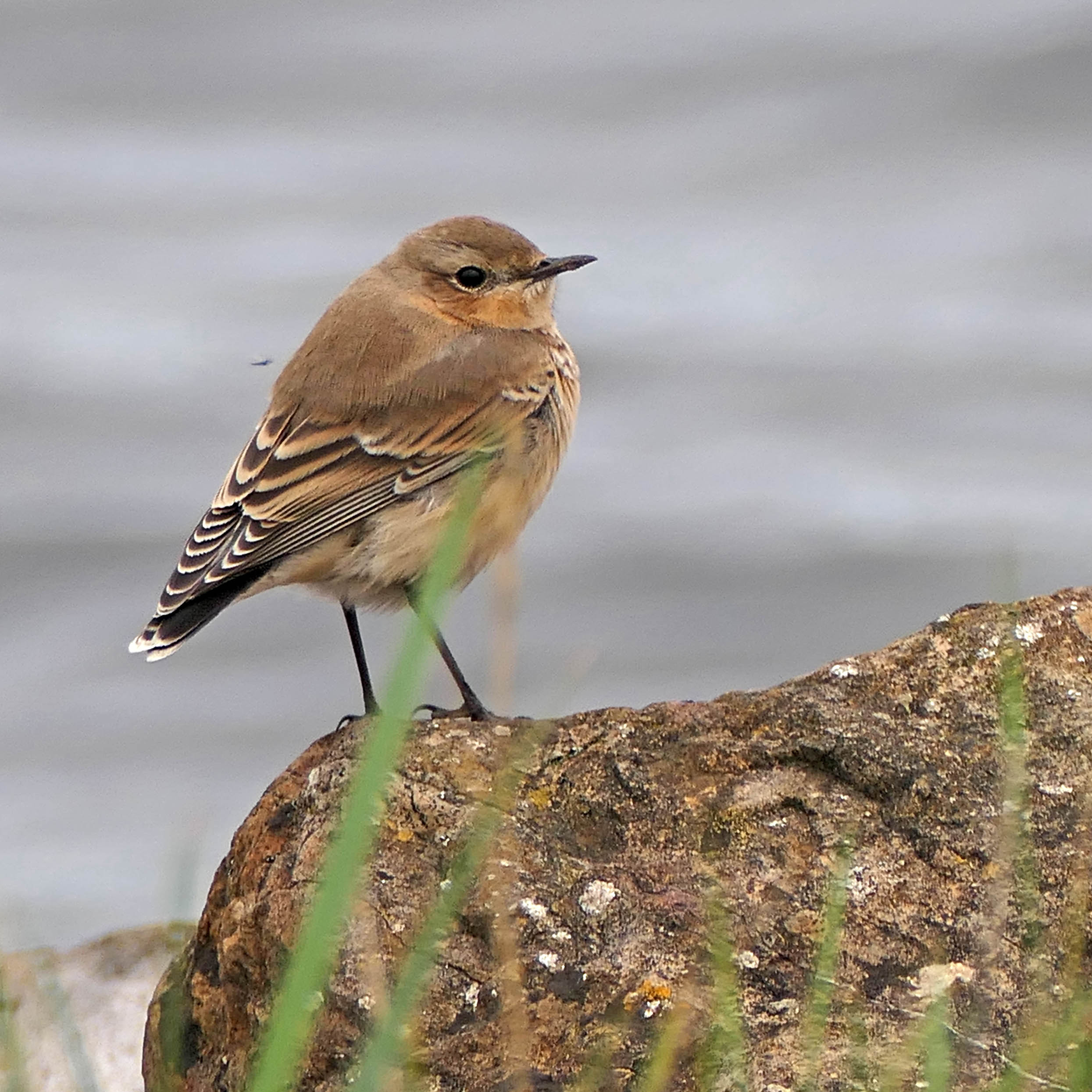
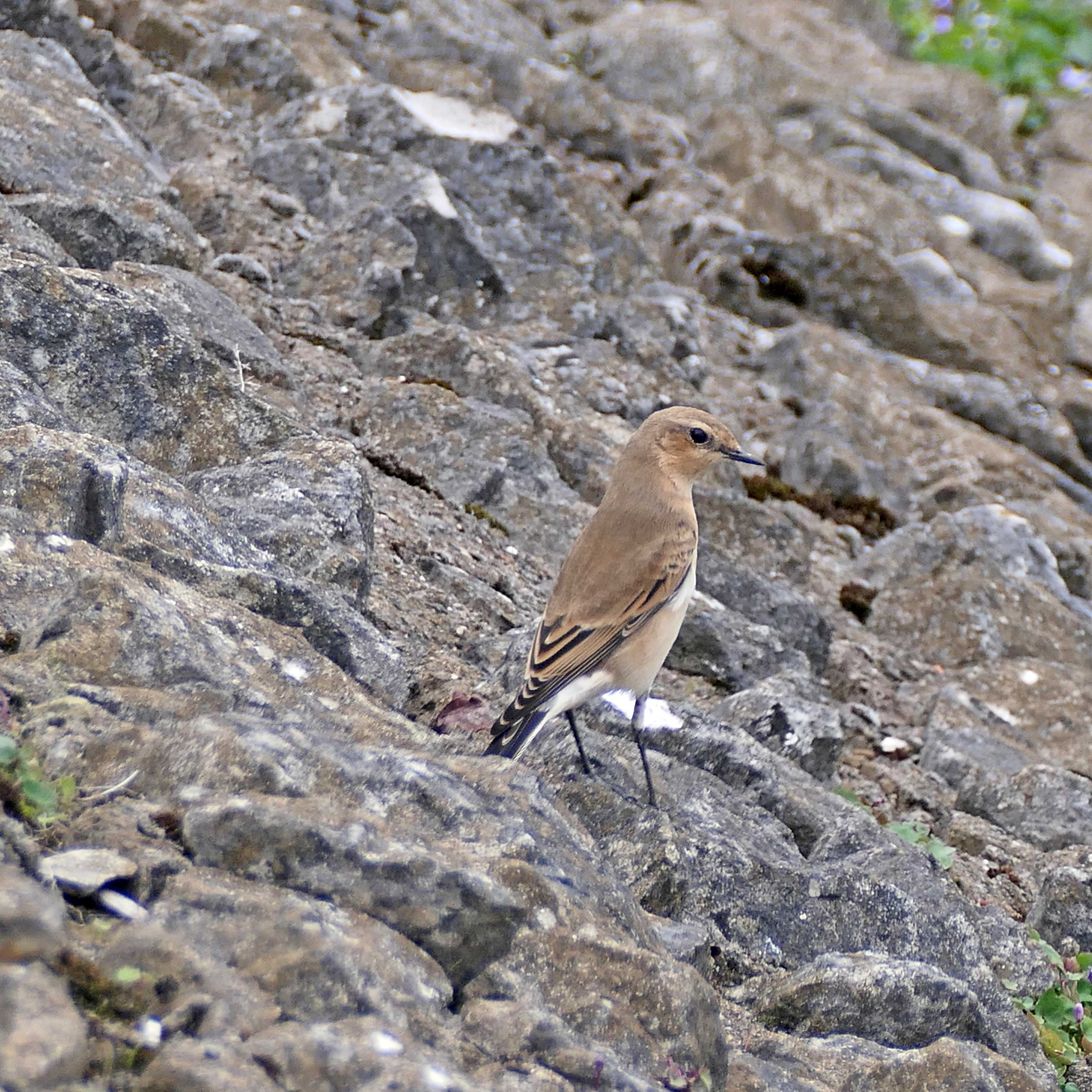
Judging by the numbers I’ve been seeing in Cardiff Bay during this autumn’s migration, Wheatears have benefitted from a good breeding season.

These birds don’t breed locally, preferring the wide open spaces and heathland in upland areas like the Brecon Beacons National Park (Bannau Brycheiniog) and the Snowdonia National Park (Eryri).

As well as northern England and parts of Scotland, Wales is a stronghold for the British population of Wheatear, together with other members of the chat family, the Whinchat and Stonechat. This was confirmed by a specialised survey conducted by volunteers across Wales in 2012-2013; the BTO website has an abridged scientific paper available on its website for anyone interested in reading further.

We are lucky to see them on passage, as they pause briefly on the south Wales coast before heading across the Bristol Channel en route to their over-wintering locations in Africa.

Did you know their name refers to their white rear end, which flashes when they fly and is one of the best ways to identify a Wheatear seen at distance? Wheat comes from the Old English for ‘white’ and ear comes from the word for ‘arse’.

Like Loading...

Slippery Jacks

03 Friday Oct 2025

Posted by sconzani in autumn, fungi

≈ Leave a comment

Tags

#FungiFriday, boletes, boletes under pine trees, British boletes, British fungi, Slippery jack, Suillus luteus

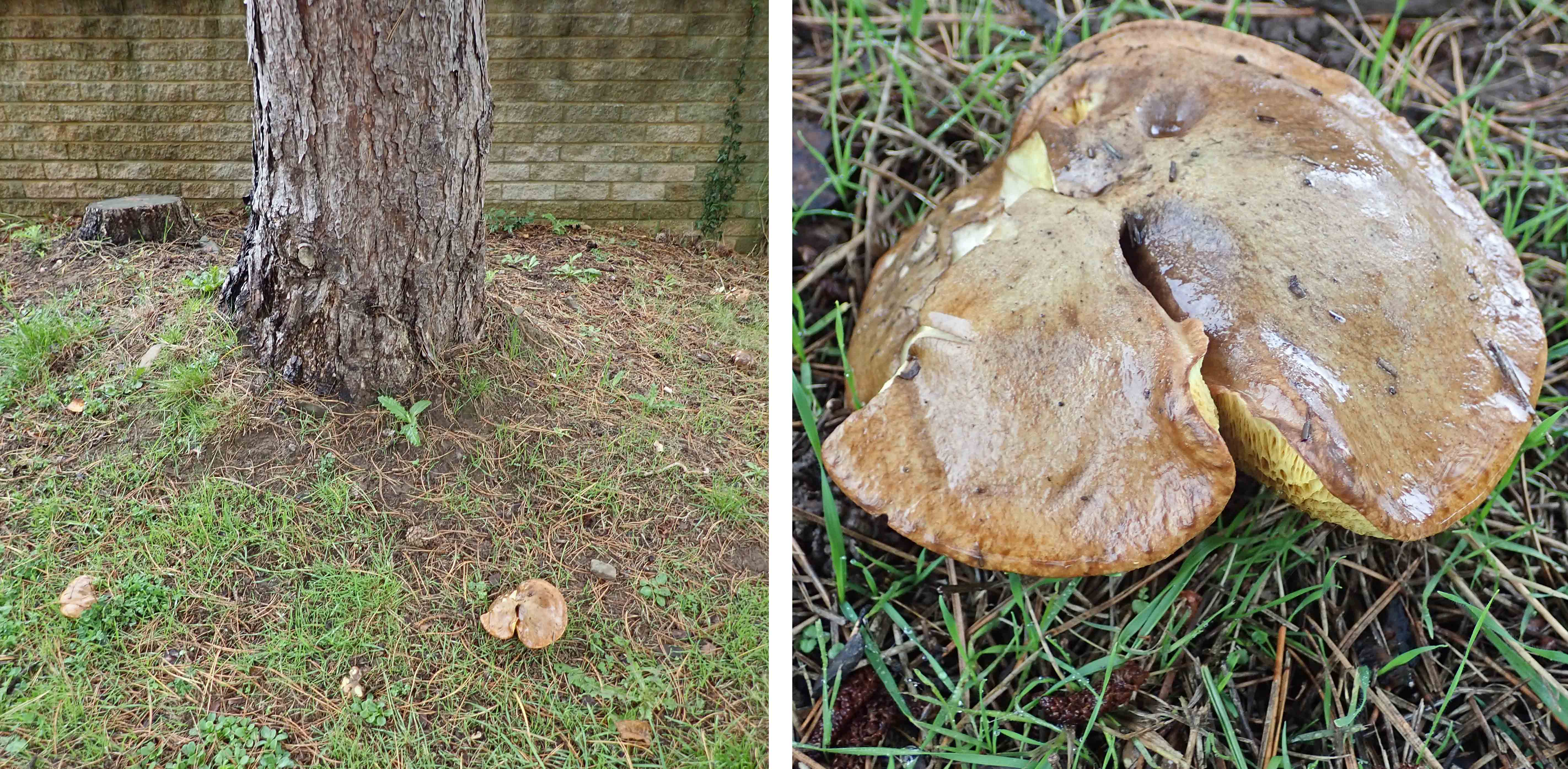
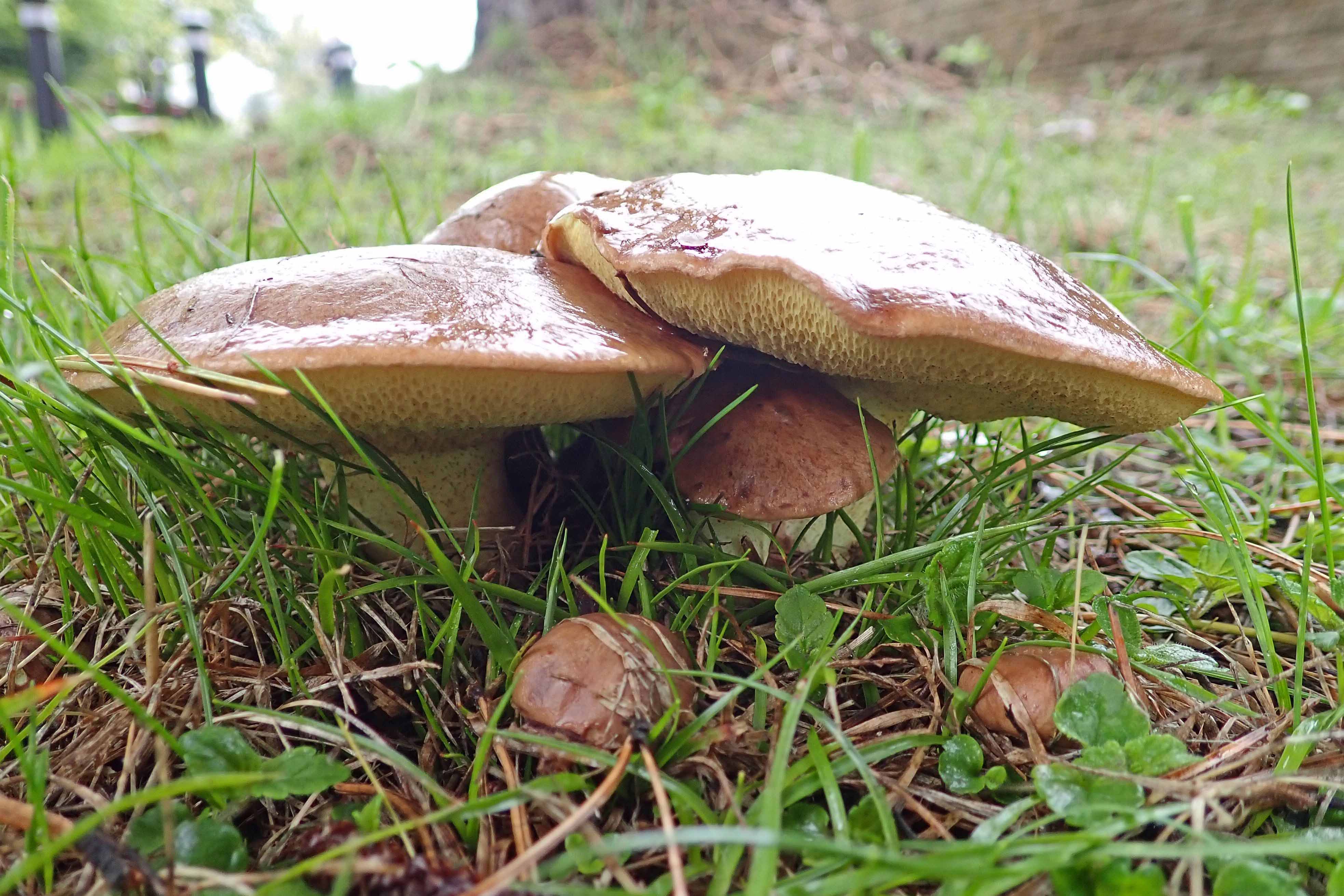
We’re currently in the grip of Storm Amy, our first named storm of the season; thus far, she’s just bringing constant heavy rain to us in south Wales but is forecast to bring strong winds later tonight and tomorrow. Still, after this summer’s drought, rain is welcome and, though I got drenched during my quick morning walk, I did find some of the positive effects of the rain: fungi.

I’m a bit out of practice identifying fungi – my enthusiasm diminished when I was confronted with the need to examine many finds with a microscope to identify them, and died completely when potential foragers wanted to know where my finds were located. For me, fungi should be left for small creatures to consume; humans can buy theirs at the supermarket or grow their own!

Anyhoo, I may be wrong but I think these boletes are the species Suillus luteus, also known as Slippery Jacks, a name that is probably derived from the viscous feel of their caps when wet. These were very slimy, and they fit the criteria listed in my guide book: growing under a pine tree, with yellow pores, and a yellowish stem with small brownish dots. They are edible … but don’t ask me where I found them.

Like Loading...

I see red

02 Thursday Oct 2025

Posted by sconzani in autumn, insects, plants, seasons

≈ 2 Comments

Tags

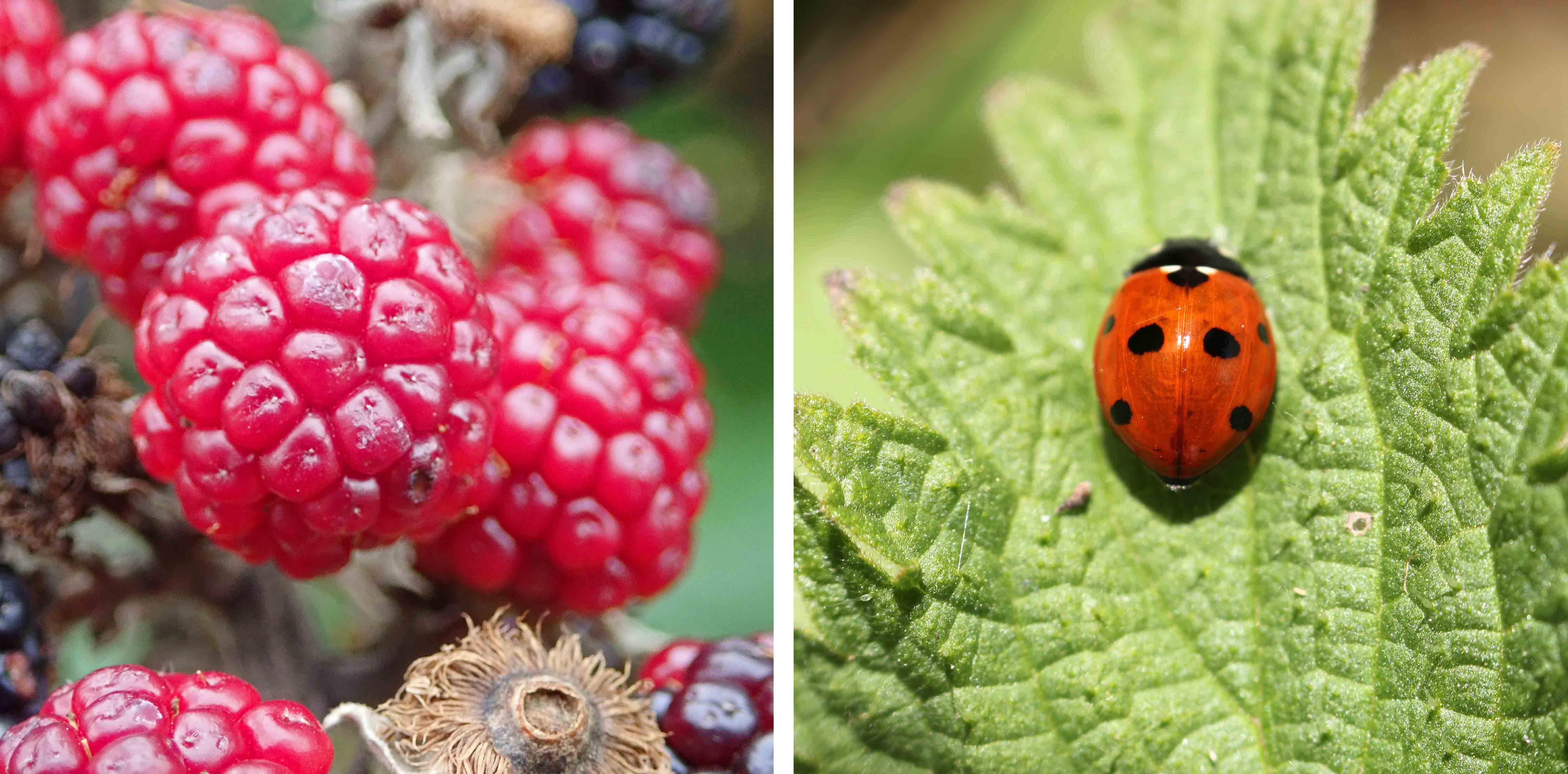
7-spot ladybird, autumn colour, Black Bryony berries, blackberries, Common Darter, Field rose hips, Guelder rose berries, Hawthorn berries, red berries, red colour in nature, Robin's pincushion

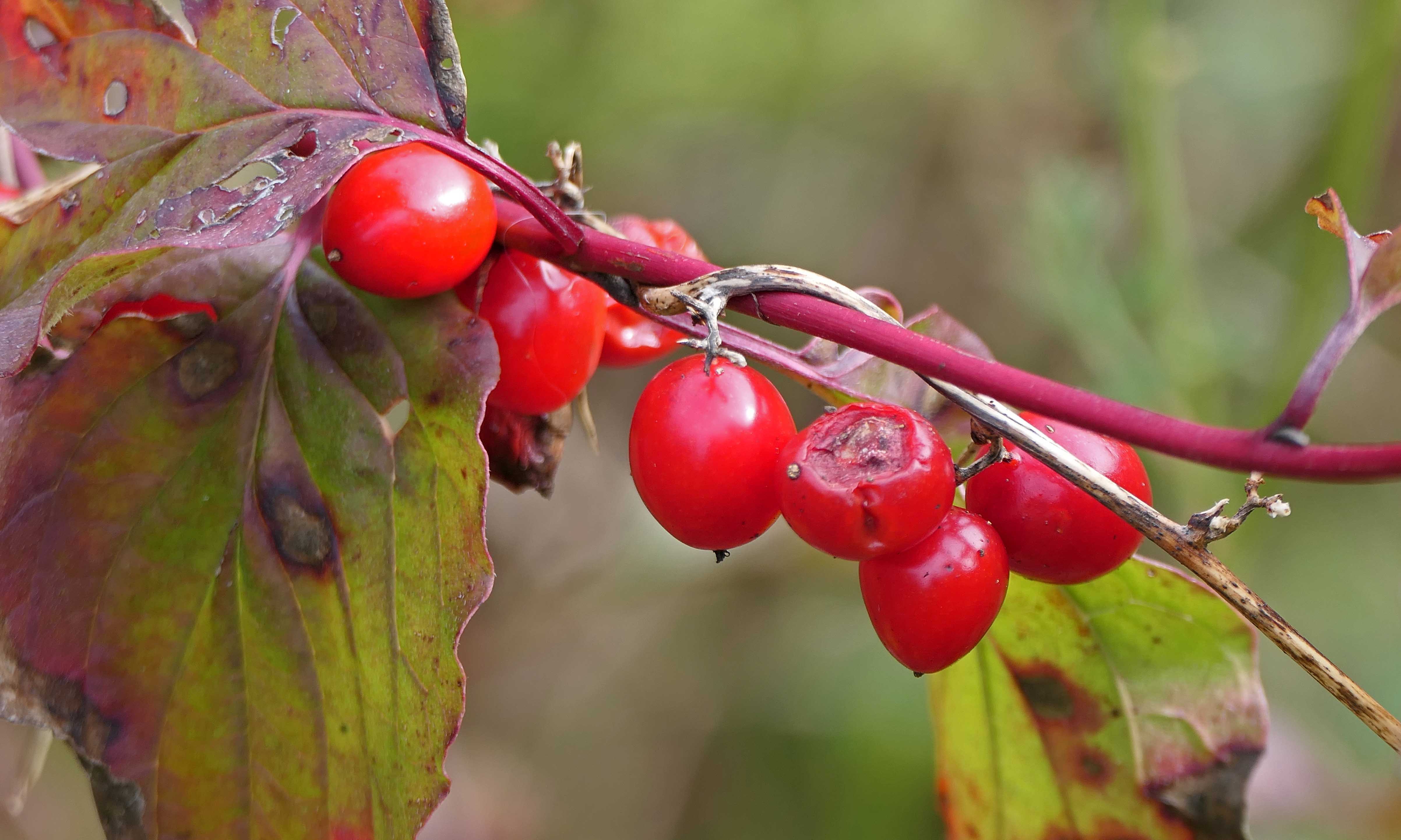
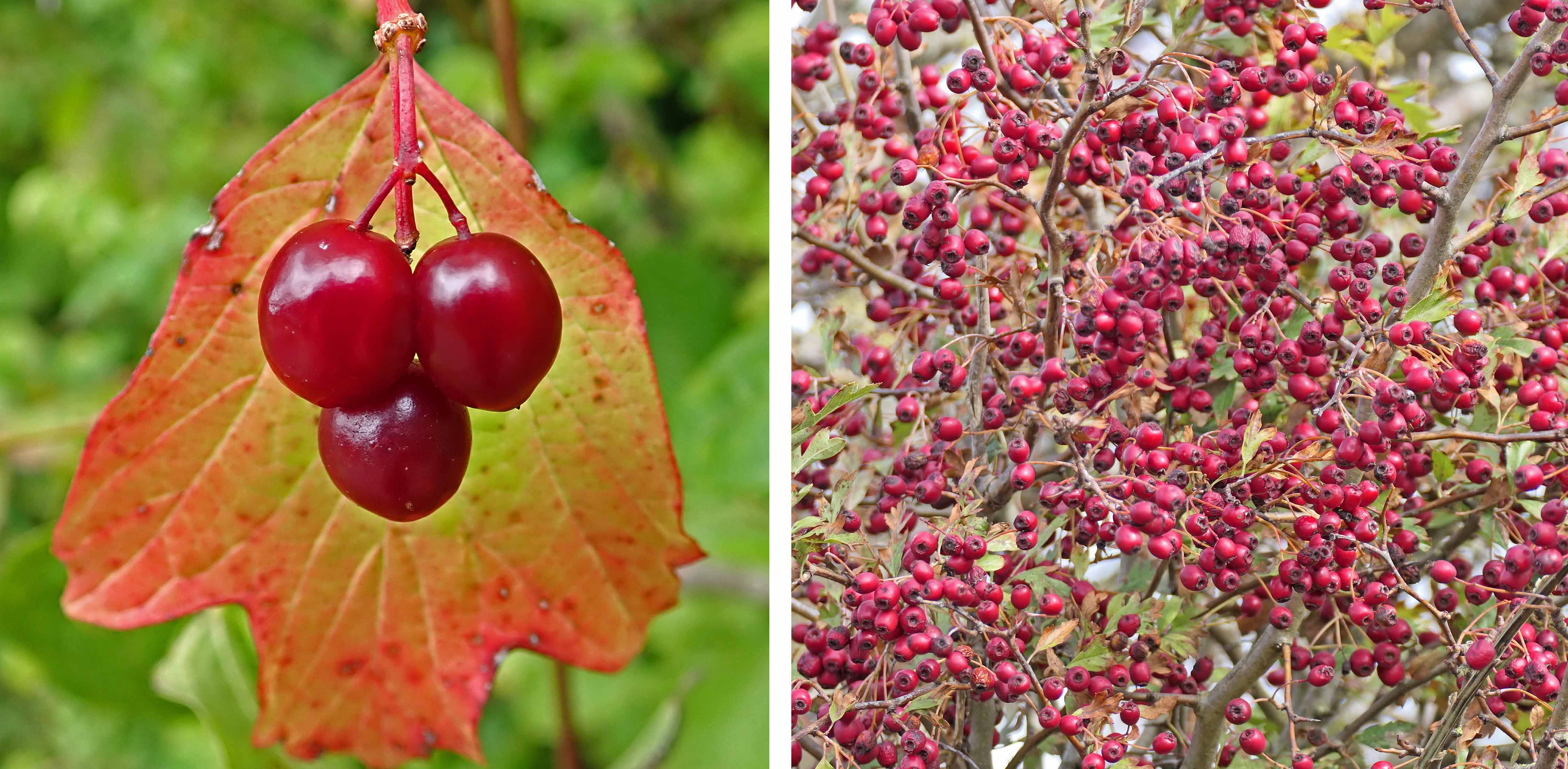
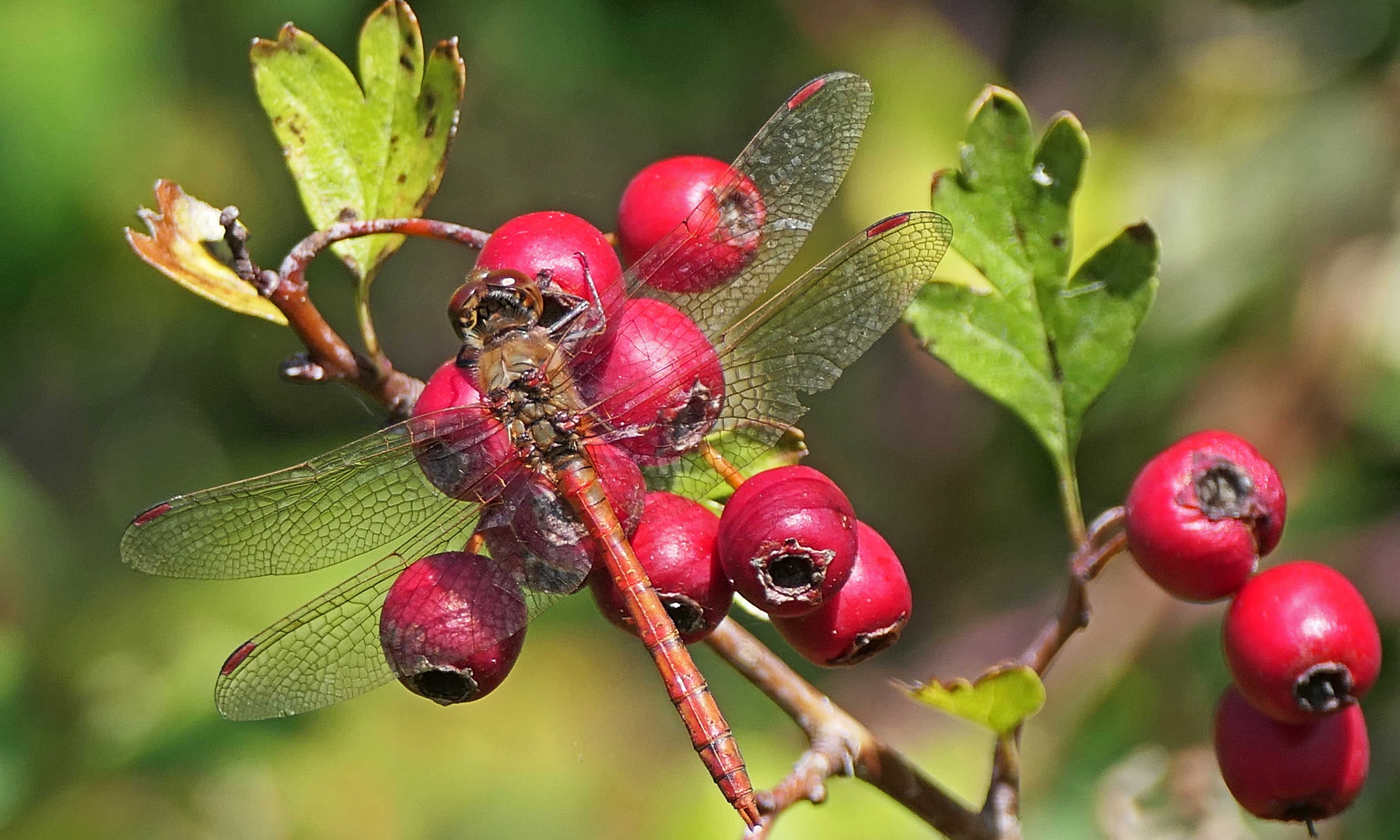
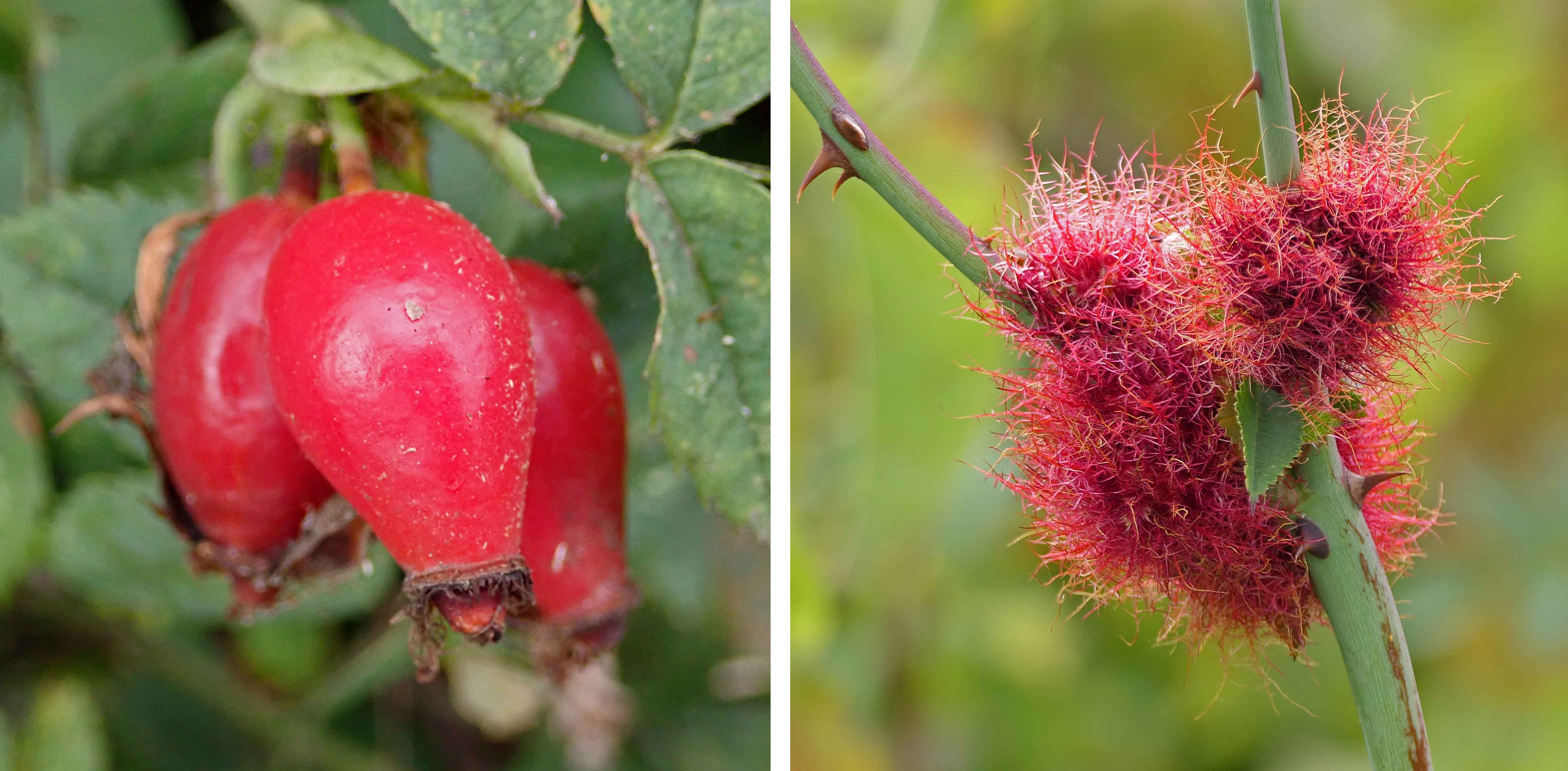
When I’m out walking at the moment, it seems that everywhere I look, I see red …

I see red

I see red

I see red

I see re-e-ed

Like Loading...

Three colour-ringed gulls

01 Wednesday Oct 2025

Posted by sconzani in birds

≈ Leave a comment

Tags

birding, birdwatching, British birds, colour-ringed birds, colour-ringed Black-headed gull, colour-ringed gulls, colour-ringed Lesser black-backed gull, Roath Park Lake

Though I do sometimes see colour-ringed gulls in my local area, they’re often too distant for me to get photographs that are clear enough to read the details on their rings. So, during a recent walk around Roath Park Lake when I saw three ringed gulls, I made sure to get clear images so I could report my sightings. Not only does this provide valuable information on the movements of gull species, several of which are now endangered, but it’s also fascinating to find out where these gulls have been.

This male Lesser black-backed gull, with the orange ring inscribed R=U, was ringed at 5 weeks old on 5 July 2021 in Cardiff. Most of the subsequent reported sightings of this bird have been at Roath Park Lake, from September 2021 through to my sighting in September this year, but it has ventured much further afield; on 26 October 2022 it was seen in Matosinhos, a coastal city in northern Portugal. From Cardiff, that’s a straight-line distance of approximately 1,445 kilometers or 898 miles though, of course, the bird is unlikely to have flown straight there; it’s more likely that it followed the coasts of England and France to reach Portugal. And it’s also possible that it has been to Portugal or, indeed, other European destinations but hasn’t been sighted there, or hasn’t been reported when sighted.

This second Lesser black-backed gull, V&Z, a female, was also ringed in Cardiff but much more recently, on 17 July this year when it was just one week old. So far, it has only been reported from Roath Park Lake, on three occasions in September.

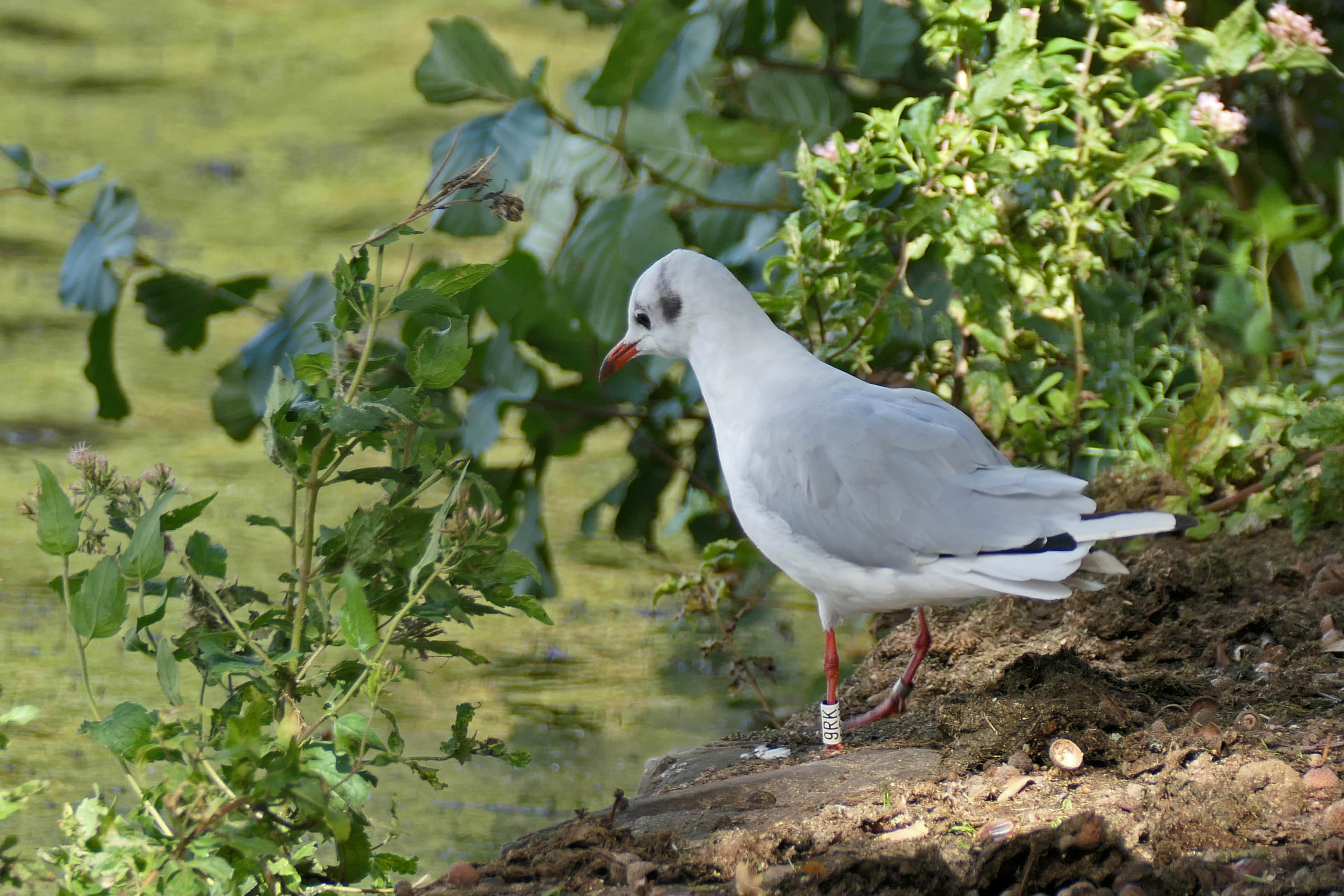
Today’s final colour-ringed gull has a very interesting story to tell. This Black-headed gull was initially ringed with a simple metal ring at Roath Park Lake in March 2019. That summer, the bird returned to its breeding grounds in Denmark, where it was recaptured by local bird ringers, who gave it the colour ring 9RK. It’s been reported wintering at Roath Park Lake annually ever since so it’s very likely that it makes the return trip to Denmark to breed every spring/summer.

Like Loading...
← Older posts
Newer posts →

About me

sconzani

sconzani

I'm a writer and photographer; researcher and blogger; birder and nature lover; countryside rambler and city strider; volunteer and biodiversity recorder.

View Full Profile →

Follow earthstar on WordPress.com

Enter your email address to follow this blog and receive notifications of new posts by email.

Recent blog posts

  • Nesting material April 28, 2026
  • Lifer: Box bug April 27, 2026
  • Peak Wild garlic April 26, 2026
  • First damsels of 2026 April 25, 2026
  • NFY: Green-veined white April 24, 2026

From the archives

COPYRIGHT

Unless otherwise acknowledged, the text and photographs on this blog are my own and are subject to international copyright. Nothing may be downloaded or copied without my permission.

Fellow Earth Stars!

  • Unknown's avatar
  • Unknown's avatar
  • Unknown's avatar
  • Unknown's avatar
  • Unknown's avatar
  • Unknown's avatar
  • Unknown's avatar
  • Unknown's avatar
  • Unknown's avatar
  • Unknown's avatar
  • Unknown's avatar
  • Unknown's avatar
  • Unknown's avatar
  • Unknown's avatar
  • Unknown's avatar
  • Unknown's avatar
  • Unknown's avatar
  • Unknown's avatar
  • Unknown's avatar
  • Unknown's avatar
  • Unknown's avatar
  • Unknown's avatar
  • Unknown's avatar
  • Unknown's avatar
  • Unknown's avatar
  • Unknown's avatar
  • Unknown's avatar
  • Unknown's avatar
  • Unknown's avatar
  • Unknown's avatar
  • Unknown's avatar
  • Unknown's avatar
  • Unknown's avatar
  • Unknown's avatar
  • Unknown's avatar
  • Unknown's avatar
  • Unknown's avatar
  • Unknown's avatar
  • Unknown's avatar
  • Unknown's avatar
  • Unknown's avatar
  • Unknown's avatar
  • Unknown's avatar
  • Unknown's avatar
  • Unknown's avatar
  • Unknown's avatar
  • Unknown's avatar
  • Unknown's avatar
  • Unknown's avatar
  • Unknown's avatar

Blog at WordPress.com.

Privacy & Cookies: This site uses cookies. By continuing to use this website, you agree to their use.
To find out more, including how to control cookies, see here: Cookie Policy
  • Subscribe Subscribed
    • earthstar
    • Join 642 other subscribers
    • Already have a WordPress.com account? Log in now.
    • earthstar
    • Subscribe Subscribed
    • Sign up
    • Log in
    • Report this content
    • View site in Reader
    • Manage subscriptions
    • Collapse this bar
 

Loading Comments...
 

You must be logged in to post a comment.

    %d