• ABOUT
  • BIRDING 2018
  • Birding 2019
  • BLOG POSTS
  • Butterflies 2018
  • Resources

earthstar

~ a celebration of nature

earthstar

Author Archives: sconzani

Hoverfly: Ferdinandea cuprea

22 Tuesday Jul 2025

Posted by sconzani in insects

≈ 2 Comments

Tags

British hoverflies, Ferdinandea cuprea, hoverfly, hoverfly in woodland

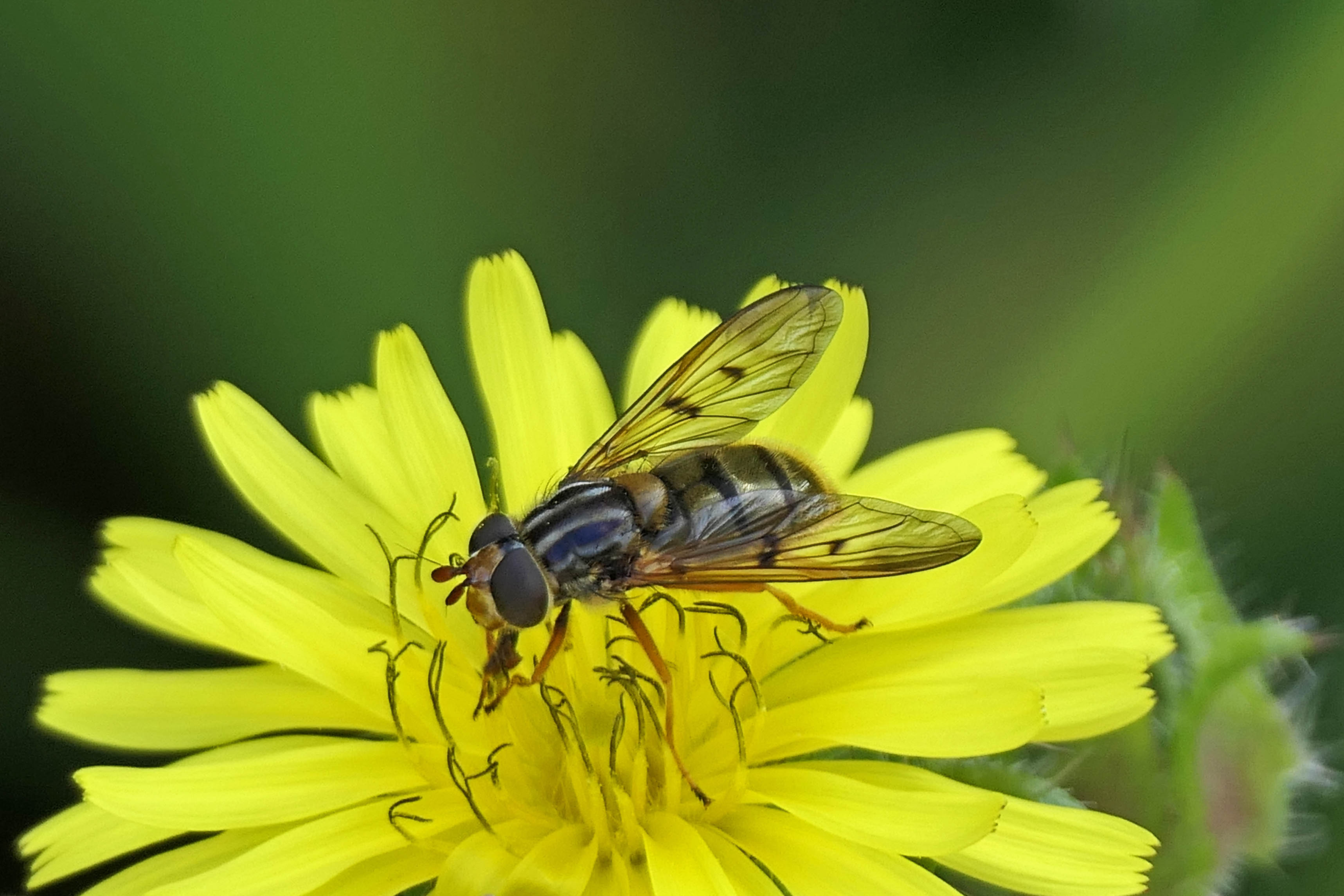
You could easily be fooled into thinking you were looking at a fly when you first saw the hoverfly Ferdinandea cuprea – I’m happy to admit I was. Fortunately, it looked unusual enough – and was settled enough – for me to take a few photos and, when I got home and looked more closely at those on my laptop, I realised this was no ordinary fly.

Now that I’ve seen one and know what to look for, I can agree with what’s written in my Britain’s Hoverflies guide book: ‘An instantly recognisable and very attractive hoverfly with a metallic, brassy abdomen, grey stripes running along the thorax, wing markings and yellow legs’. Ferdinandea cuprea favours wooded areas, mostly in southern parts of Britain and are, apparently, quite common. I presume I’ve been overlooking them for years!
Like Loading...

Leafhopper: Ribautiana ulmi

21 Monday Jul 2025

Posted by sconzani in insects, leaves, trees

≈ Leave a comment

Tags

British leafhoppers, Cicadellidae, leafhoppers on elm trees, leafhoppers on Wych elm, Ribautiana ulmi

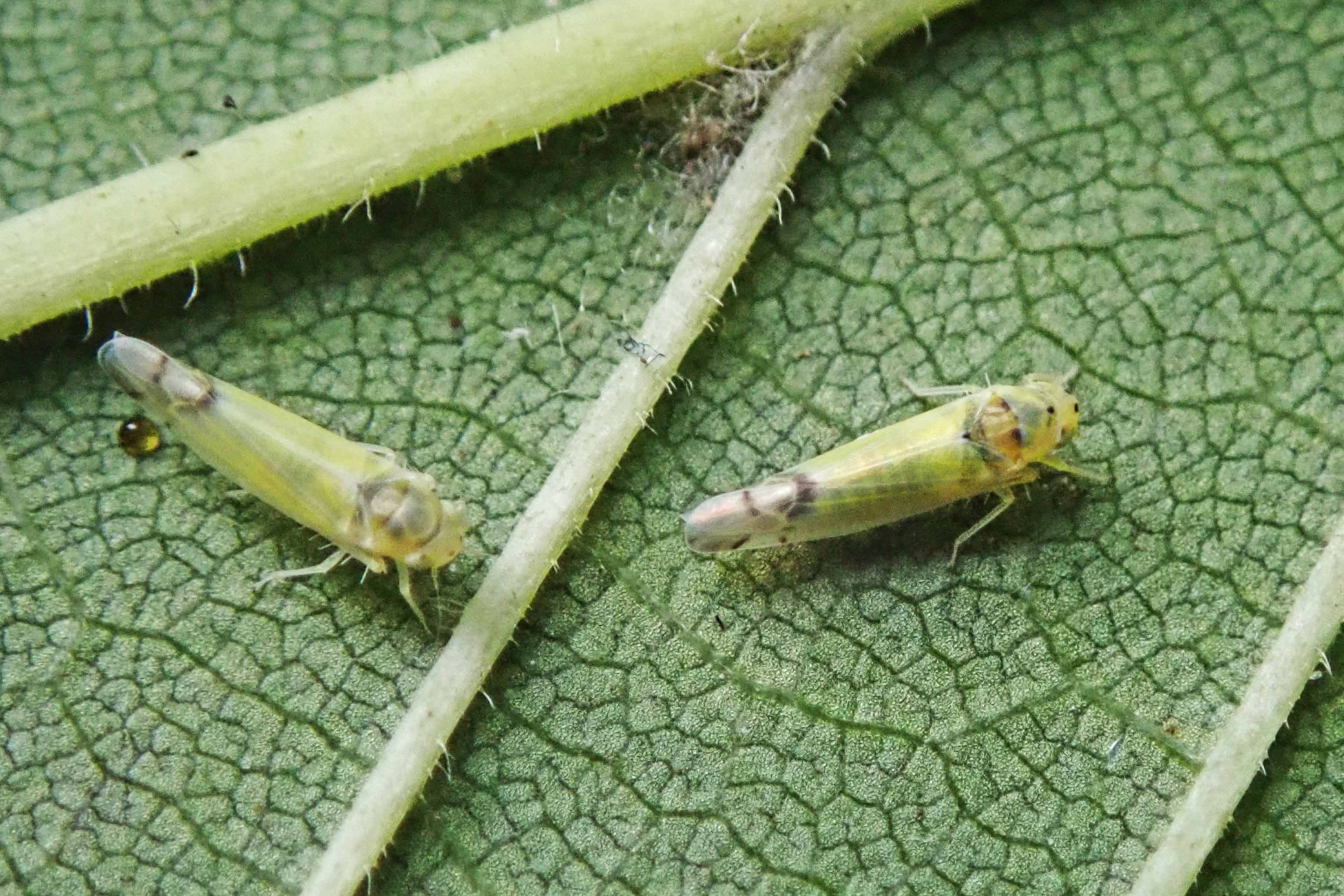
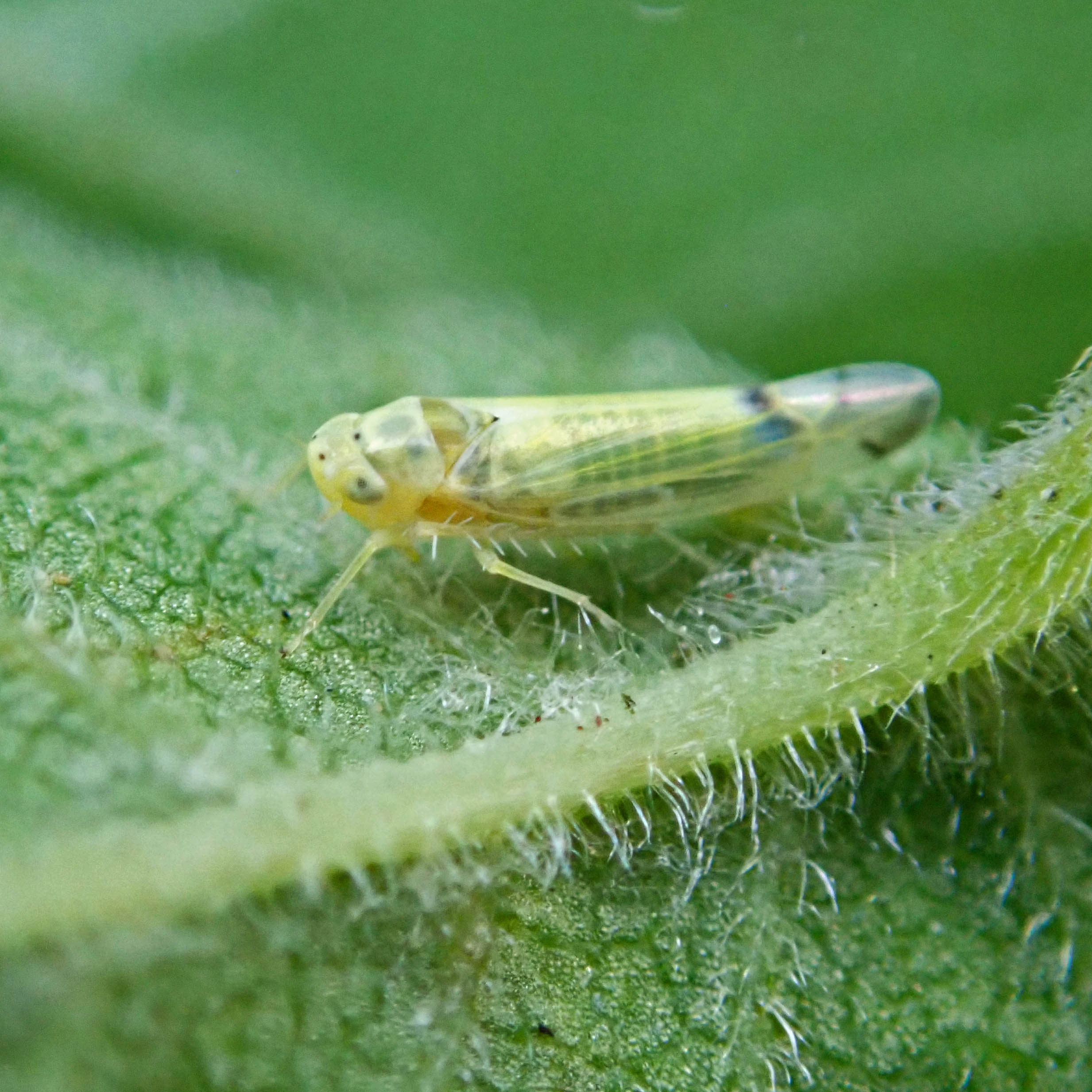
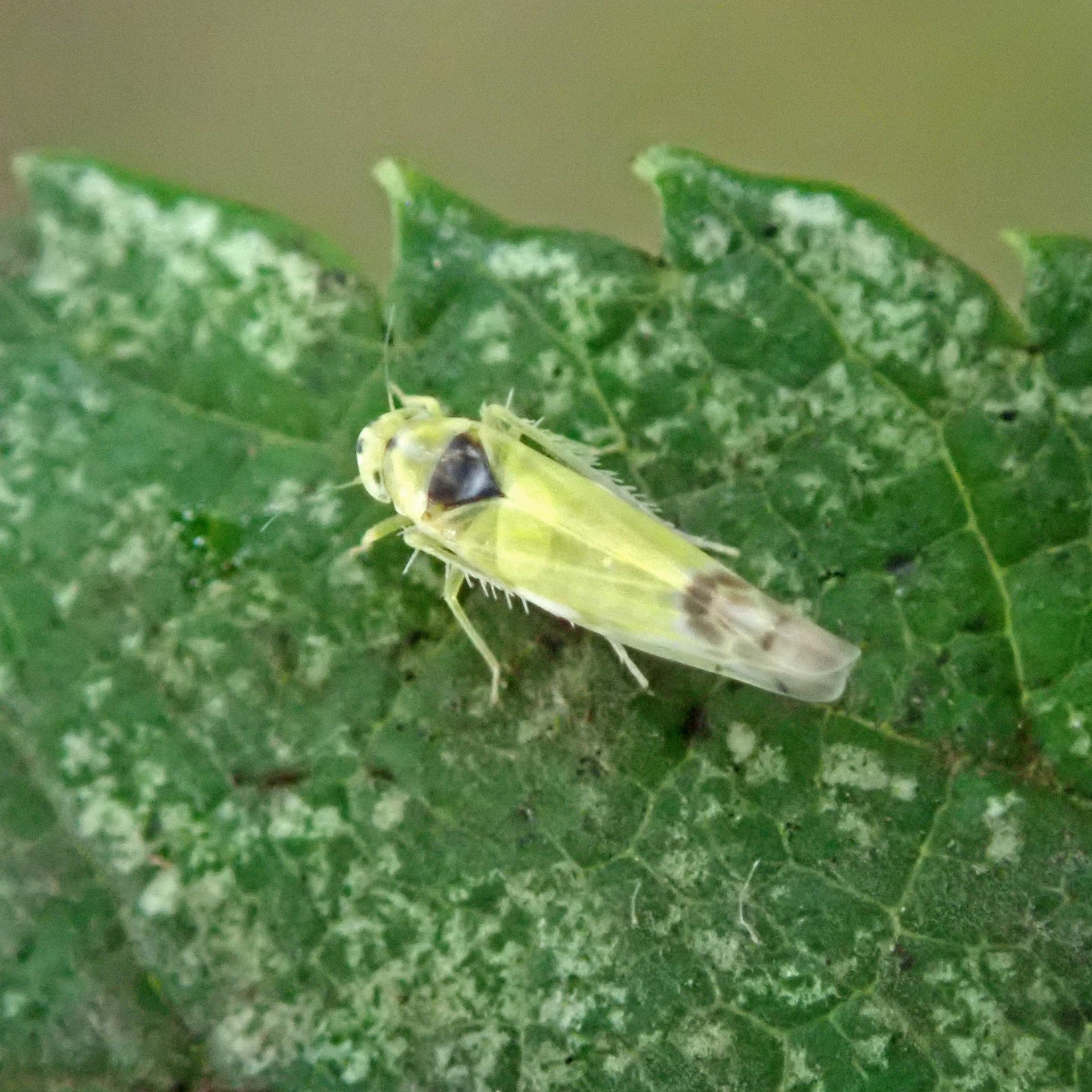
I’ve found this tiny leafhopper, between 3.5 and 4mm long, a few times now, and hope to see more this year, as the adults are out and about from May through to November.

The trouble is that, as my eyes are not the best and these hoppers are so small, I find them hard to identify in the field. My solution is to take as many photos as I can of the many small green species of leafhopper I spot, noting their location and which tree species I found them on, then I try to work out what I’ve found when I get home.

Fortunately, the five British Ribautiana species have quite distinctive markings, and this one, Ribautiana ulmi, has three black spots that are unique to the species. You might think from the ‘ulmi’ in its name that this species is only found on Elm / Wych elm trees but it has been recorded on several other trees, which can be confusing. It’s a little cutie though, so keep your eyes peeled if you find yourself staring at leaves in the next few months (though I do realise that I may be the only of us who does that 😉 ).

Like Loading...

Woolly thistles

20 Sunday Jul 2025

Posted by sconzani in wildflowers

≈ Leave a comment

Tags

British thistles, British wildflowers, Cirsium eriophorum, symmetry in flower heads, symmetry in nature, thistles, Woolly thistle

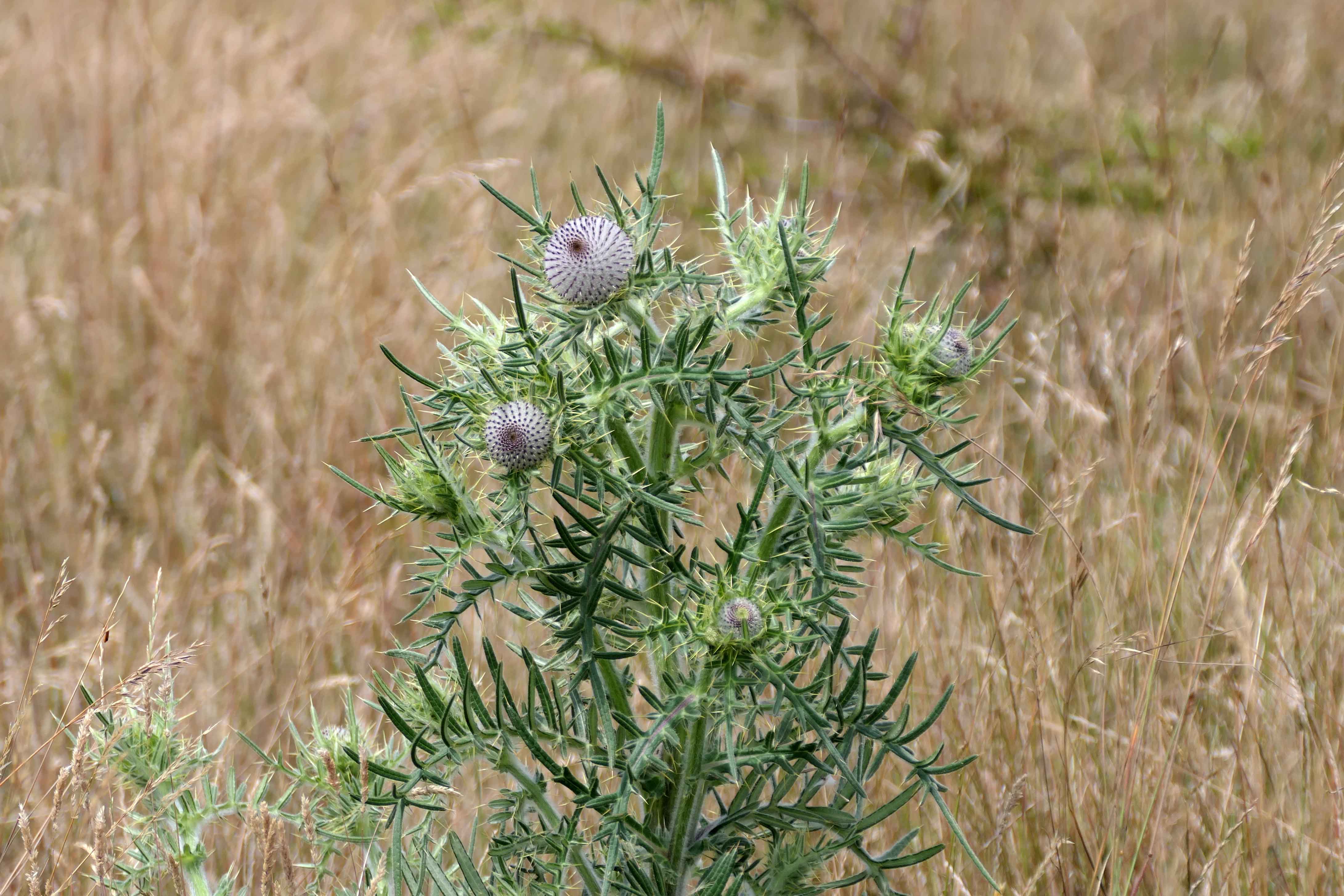
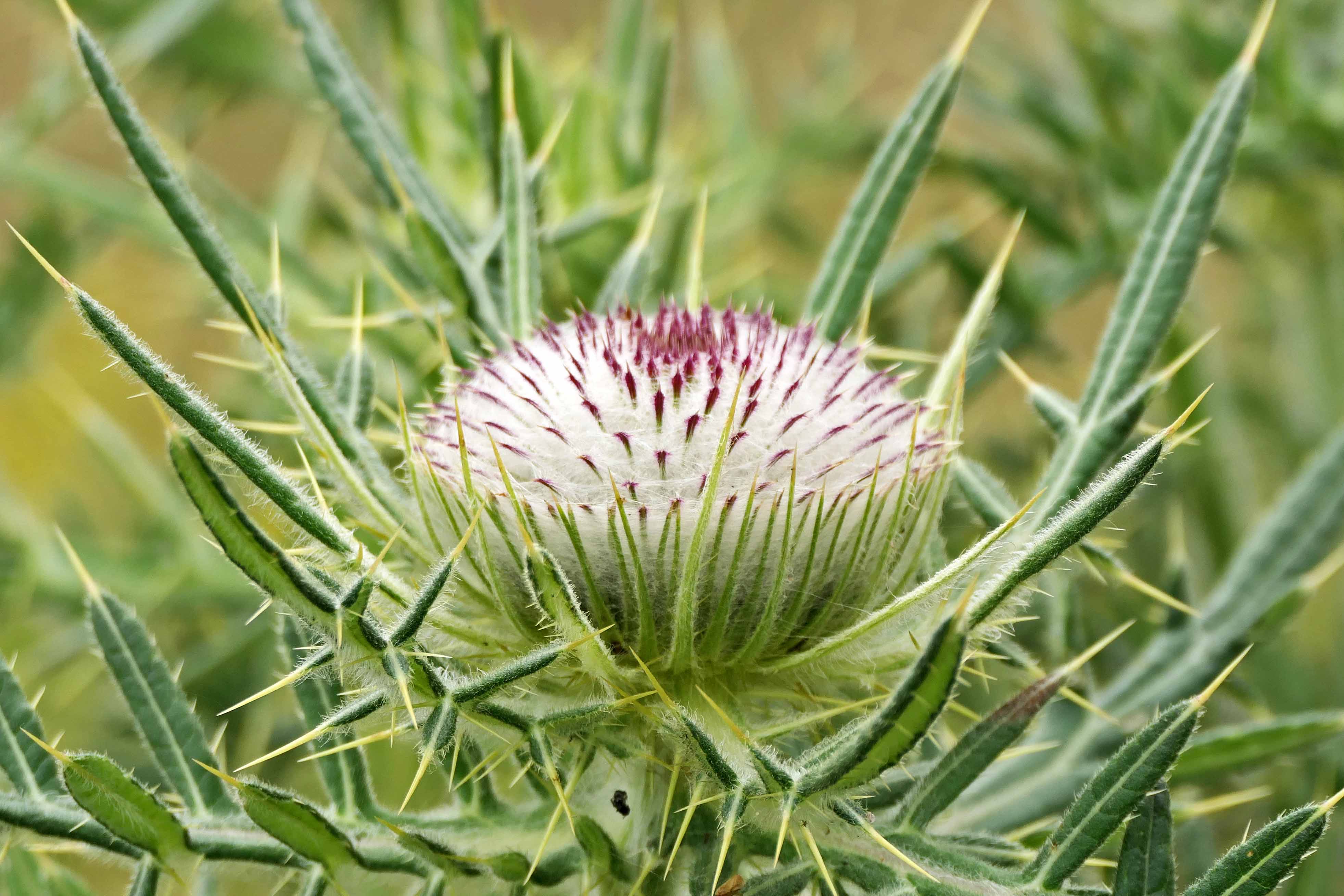
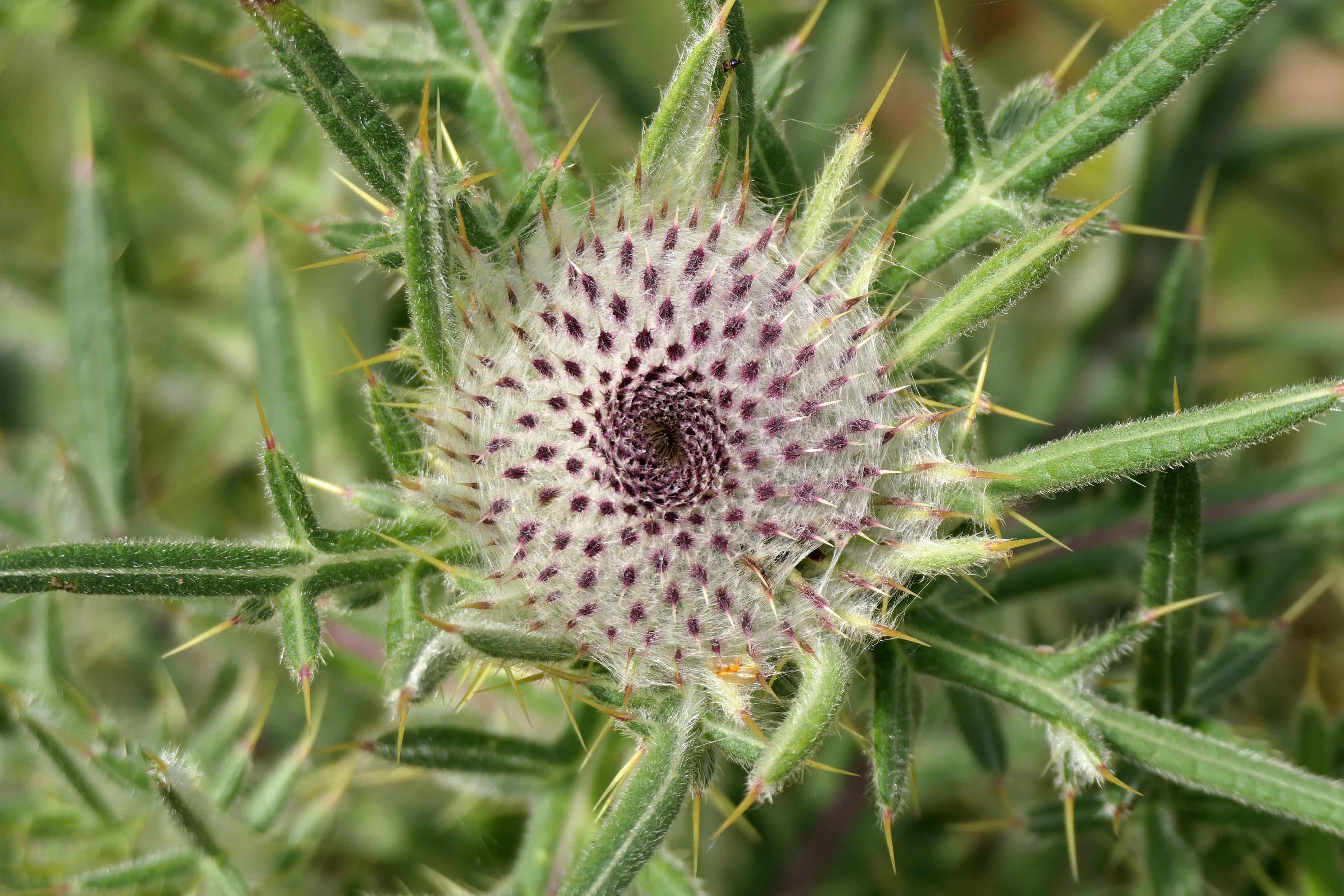
I’m a big fan of all thistle species; I love the purple colour and the shape of their flowers, and I appreciate what valuable plants they are for wildlife, both for insects and birds.

I don’t see Woolly thistle (Cirsium eriophorum) very often but it is certainly one of my favourite thistles, for the woolly looking stems and the generous size of its flowers and, most especially, for the spiralling symmetry of the flower heads.

Like Loading...

Grebe vs eel

19 Saturday Jul 2025

Posted by sconzani in birds, fish

≈ Leave a comment

Tags

birding, birdwatching, British birds, eel, Great Crested Grebe, Great crested grebe catching eel, Great crested grebe chick, Great crested grebe eating eel, juvenile Great crested grebe

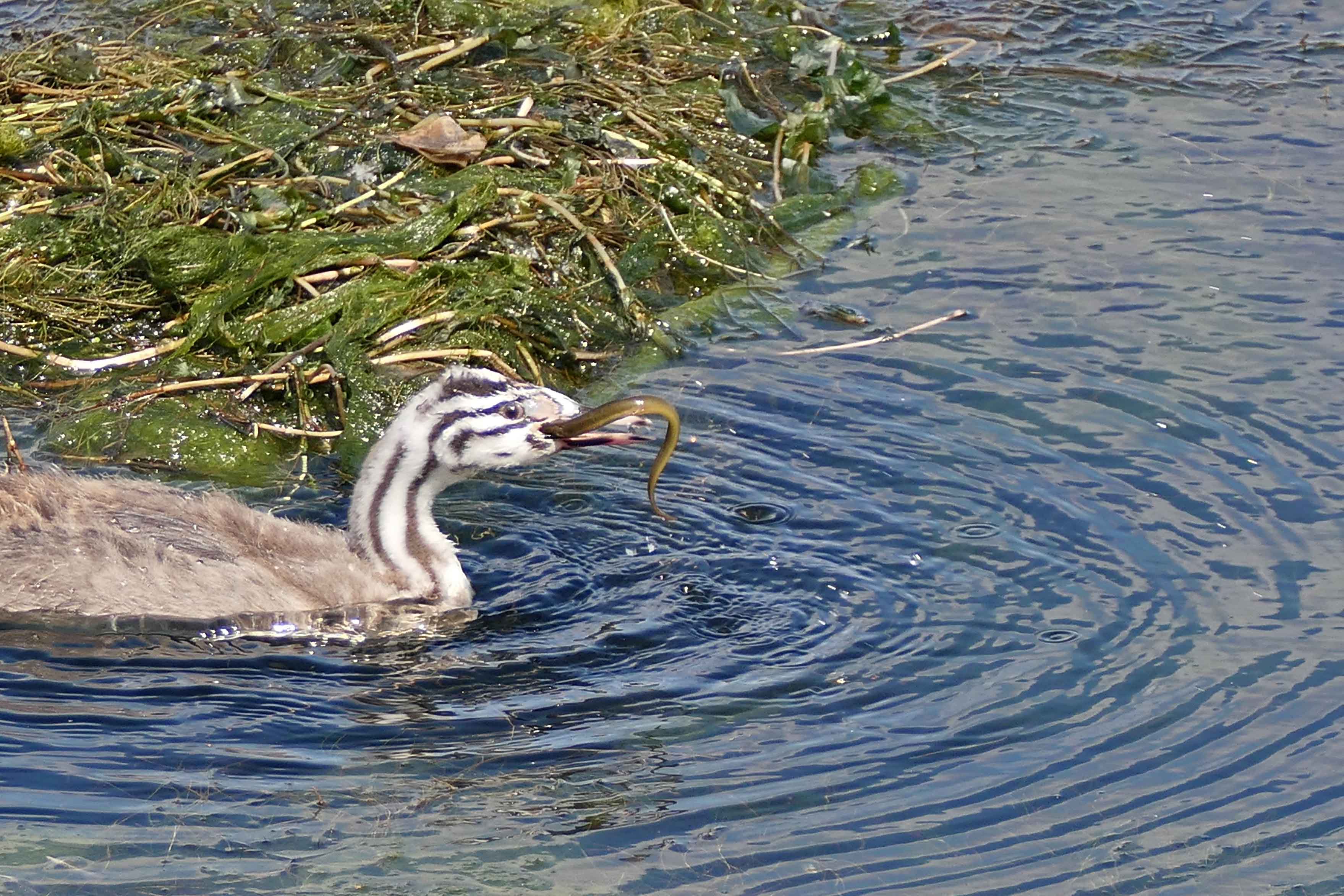
The Great crested grebe chick would not shut up, squeaking incessantly for food even while it was preening.

So, abandoning its attempt at a snooze, the parent grebe slid off its pile of weed to head off in search of fish.

What the parent brought back to feed its ever-hungry youngster was an eel, a squirming struggling eel that was putting up a strong fight for its life.

The grebe parent tried to at least stun the eel, bashing it repeatedly against the surface of the water.

However, the eel was definitely still alive and wriggling when the parent passed it to its chick.

The chick struggled to find a way to swallow the still moving eel but appeared, after a few minutes, to gulp it down.

To the youngster’s surprise, and mine, the eel was not done with its fight for life, somehow managing to slither back up the grebe’s throat and back out of its beak.

It took perhaps five more minutes before the youngster managed to grab it, poke it, manoeuvre it into position and once again swallow down the eel. This time it stayed down.

Like Loading...

Why did the shrew cross the road?

18 Friday Jul 2025

Posted by sconzani in animals, mammal

≈ Leave a comment

Tags

British mammals, Common shrew, Grangemoor Park, shrew

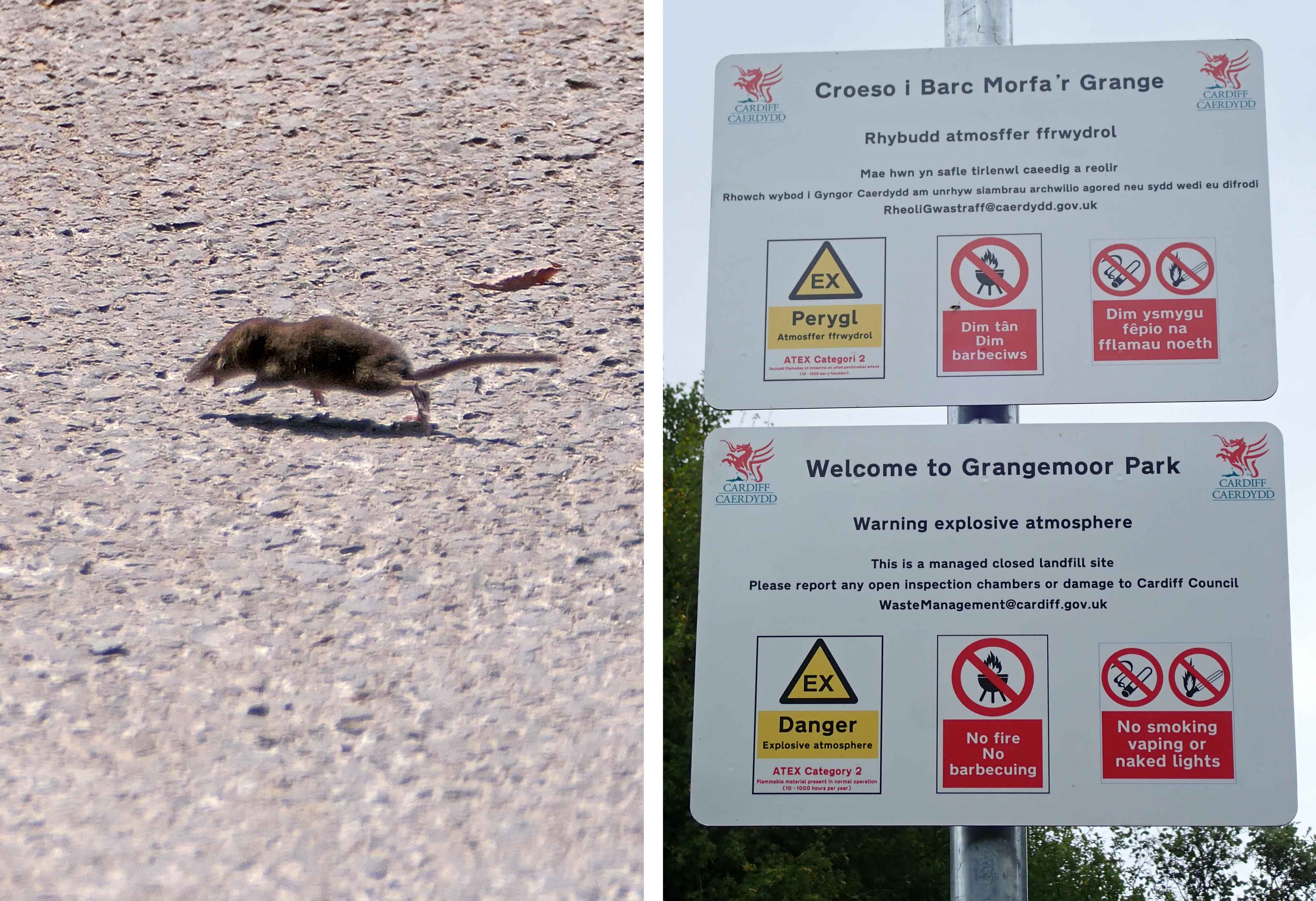
Why did the shrew cross the road? Perhaps it was to escape the ‘explosive atmosphere’.

These signs at Grangemoor Park are new so, presumably, recent tests have shown an increase in the gases leaking through the soil from whatever toxic combination of rubbish and dumped materials are lurking, mouldering beneath the ground in this former town rubbish dump. I don’t feel endangered but it did make wonder what effect it might have on the much smaller creatures that inhabit the park.

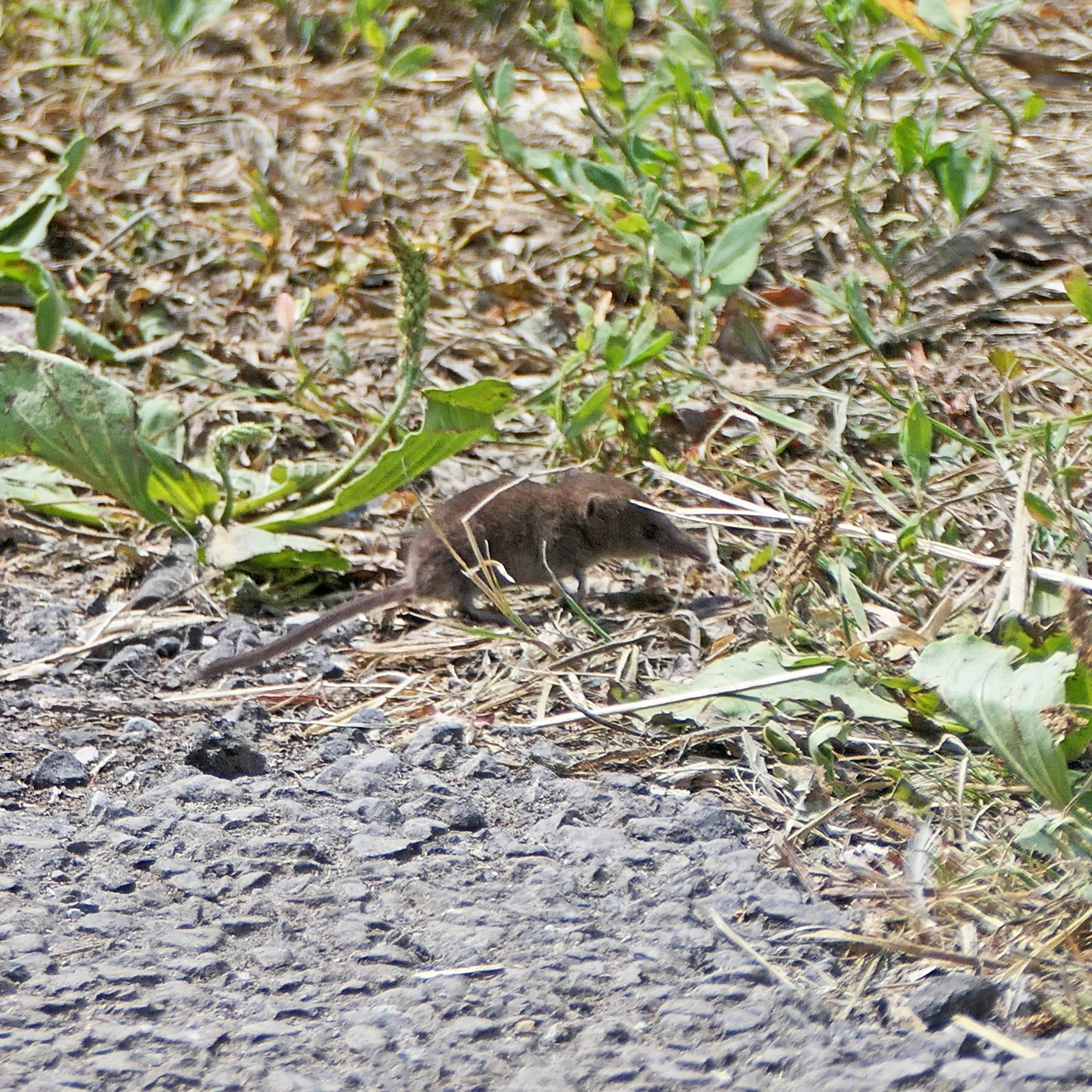
The fact that I saw the (probably Common, but they can be hard to positively identify) shrew was mere coincidence, and a wonderful chance encounter. Usually, I only see dead shrews so it was lovely to be able to watch this little mammal, scurry about at the edge of the tarmac path, race half way across then back again, sniff about in the low vegetation once more, before finally racing right across the road and disappearing into the foliage.

Like Loading...

A new kid in town

17 Thursday Jul 2025

Posted by sconzani in birds

≈ Leave a comment

Tags

birding, birdwatching, British birds, Carrion crow, crow family, crow fledgling, crow youngster

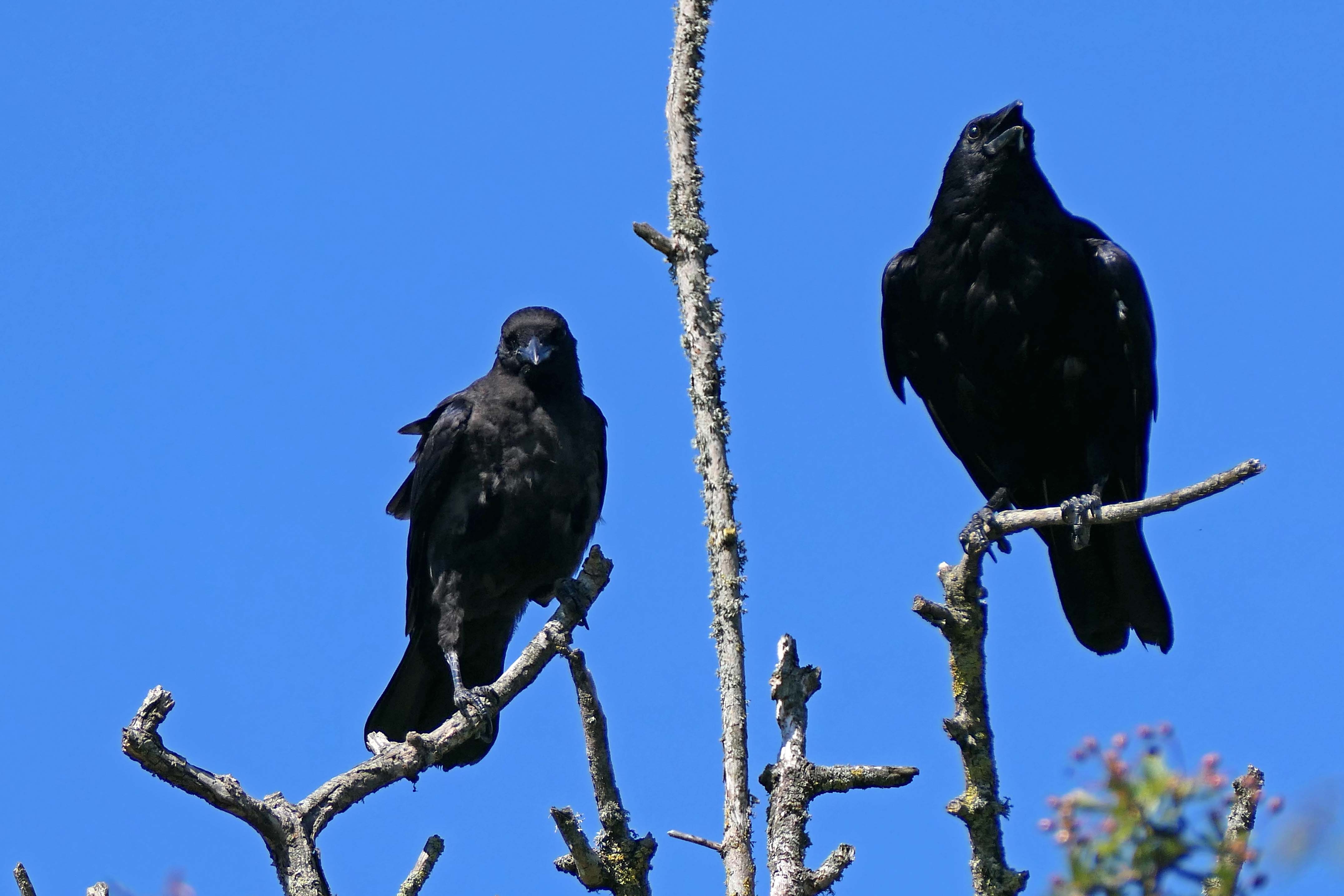
‘My’ crows have a kid!

~ youngster and its mother

Last time I visited I thought they might perhaps be having a second try at breeding as, rather than flying down together, the female Carrion crow came first. She’s always more hesitant at approaching me, whereas the male will fly almost to my feet and walk towards me. Twice the female flew off towards the woodland with food, rather than caching it in the field that is their territory, and the male only appeared for his share just as I leaving their area.

~ always curious

During my most recent visit, I heard the raucous calls of a youngster before I saw it. Mum and Dad flew in together, very eager for the suet pellets I take for them, and then flew to the tree where their youngster was waiting, as well as caching stashes of pellets on the ground for later. There was only one fledgling but, given how dry this summer has been and how few insects there are, one hungry mouth is probably more than enough for the adult birds to cope with and satisfy.

~ always hungry

Like Loading...

Glorious Graylings

16 Wednesday Jul 2025

Posted by sconzani in insects

≈ Leave a comment

Tags

Aberbargoed coal tip, Aberbargoed spoil tip, British butterflies, butterfly, endangered butterfly, endangered Grayling, Grayling, Grayling butterfly

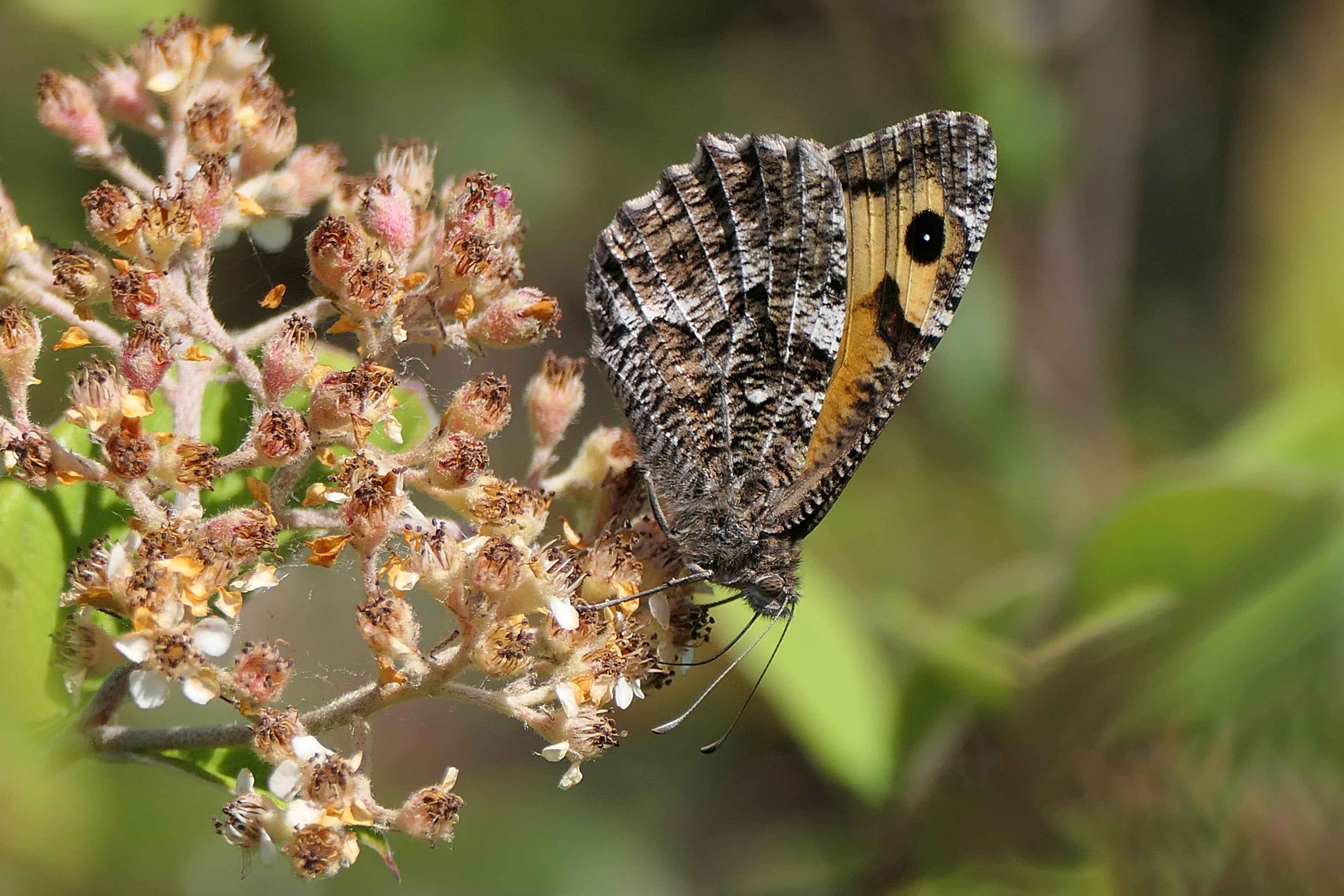
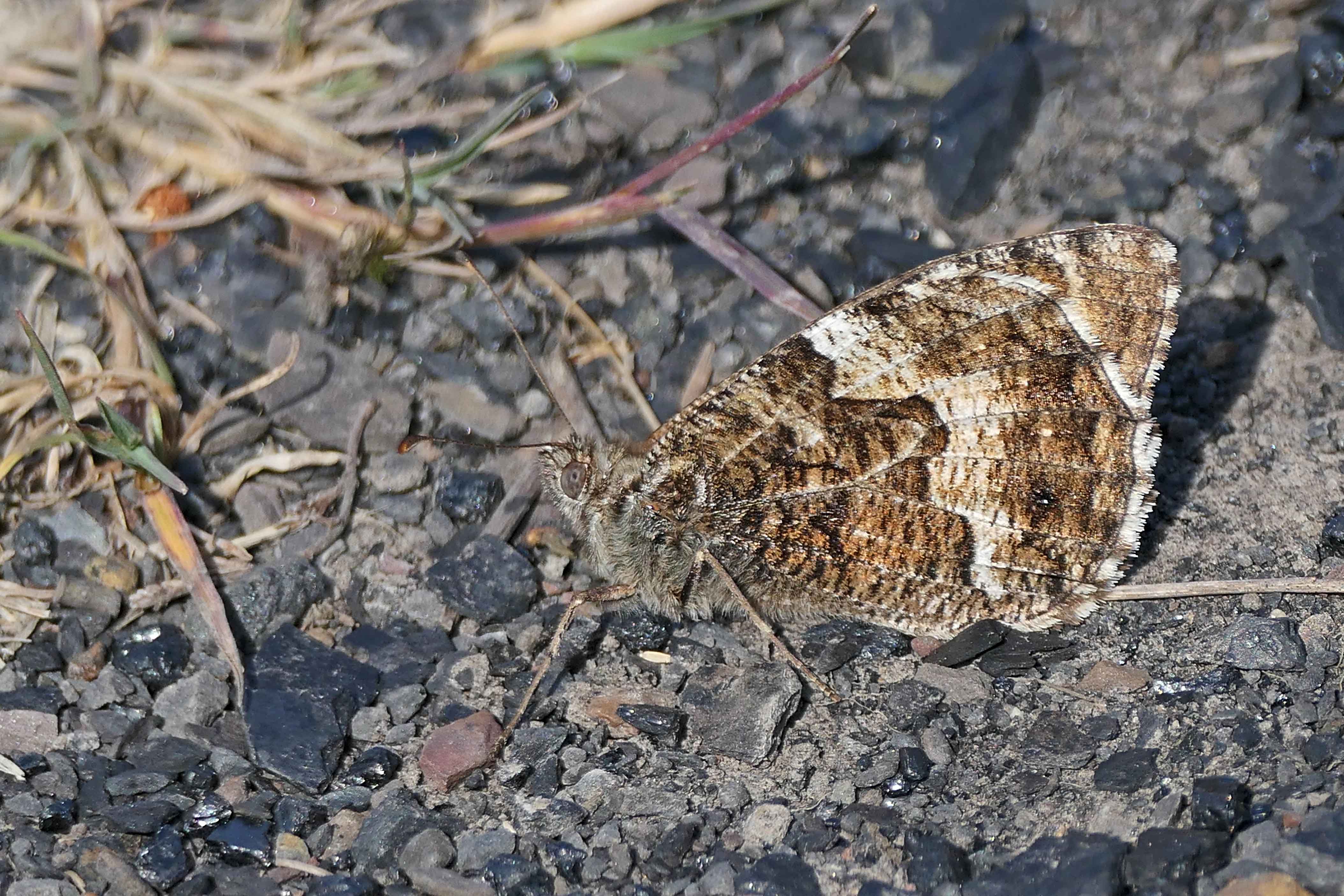
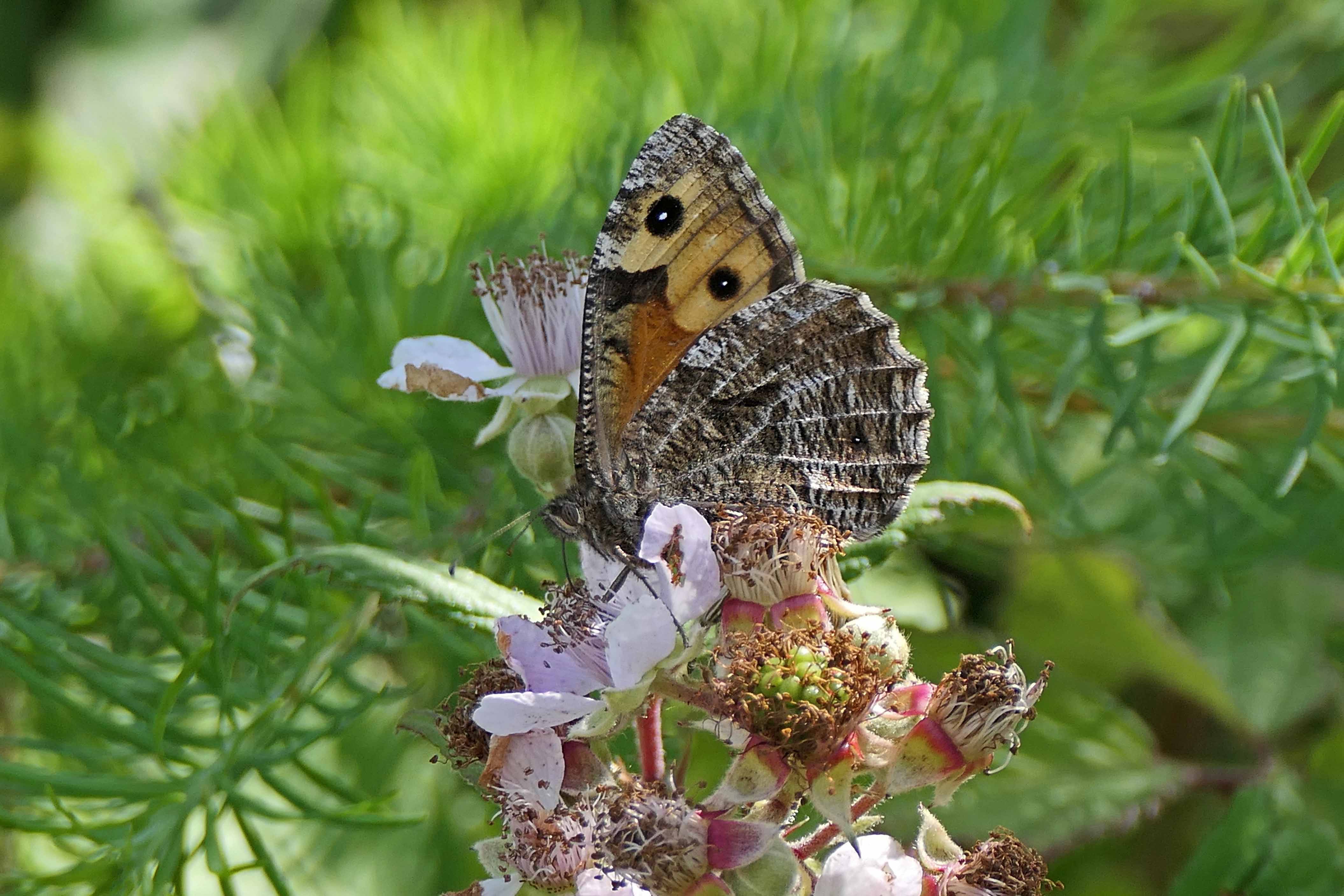
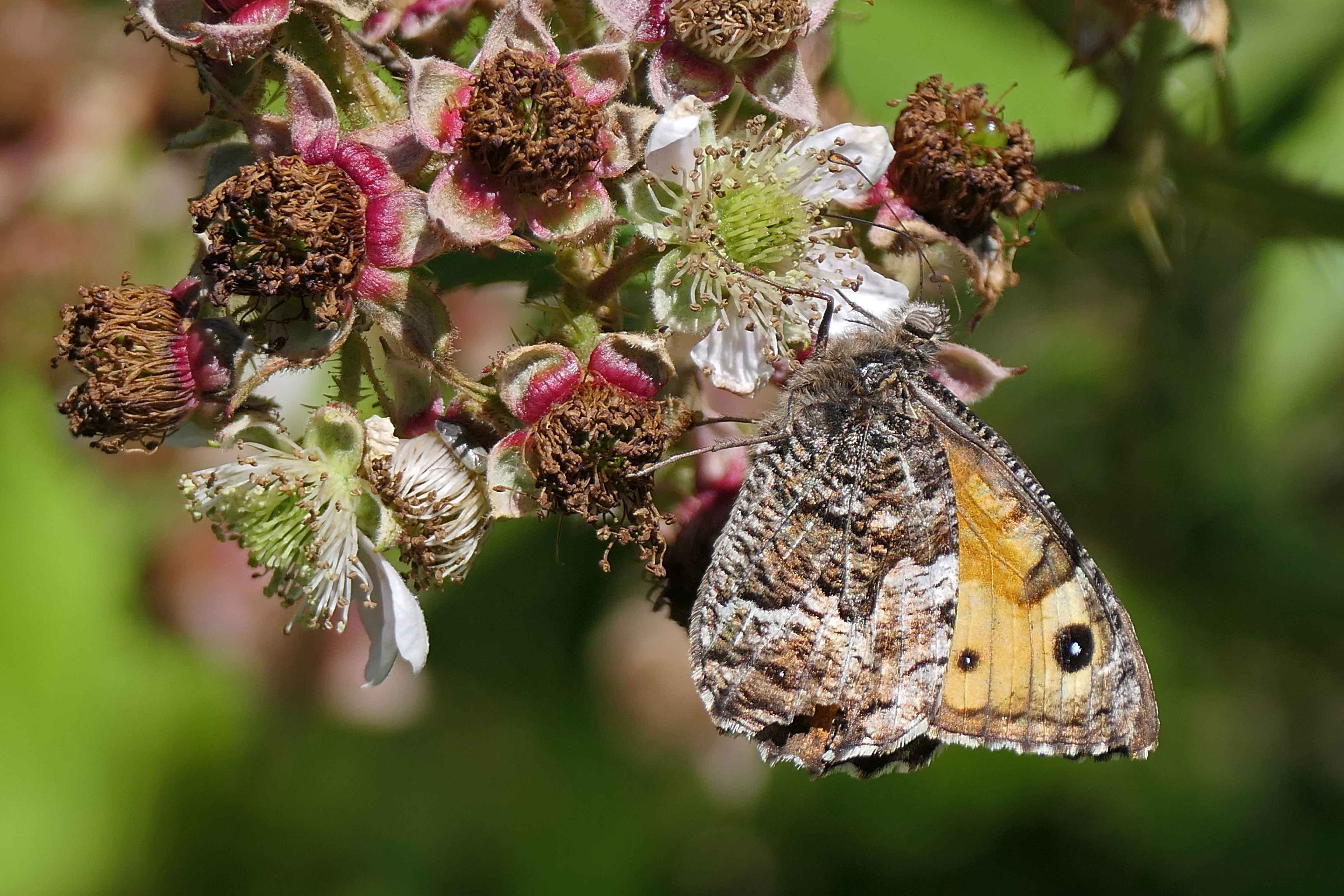
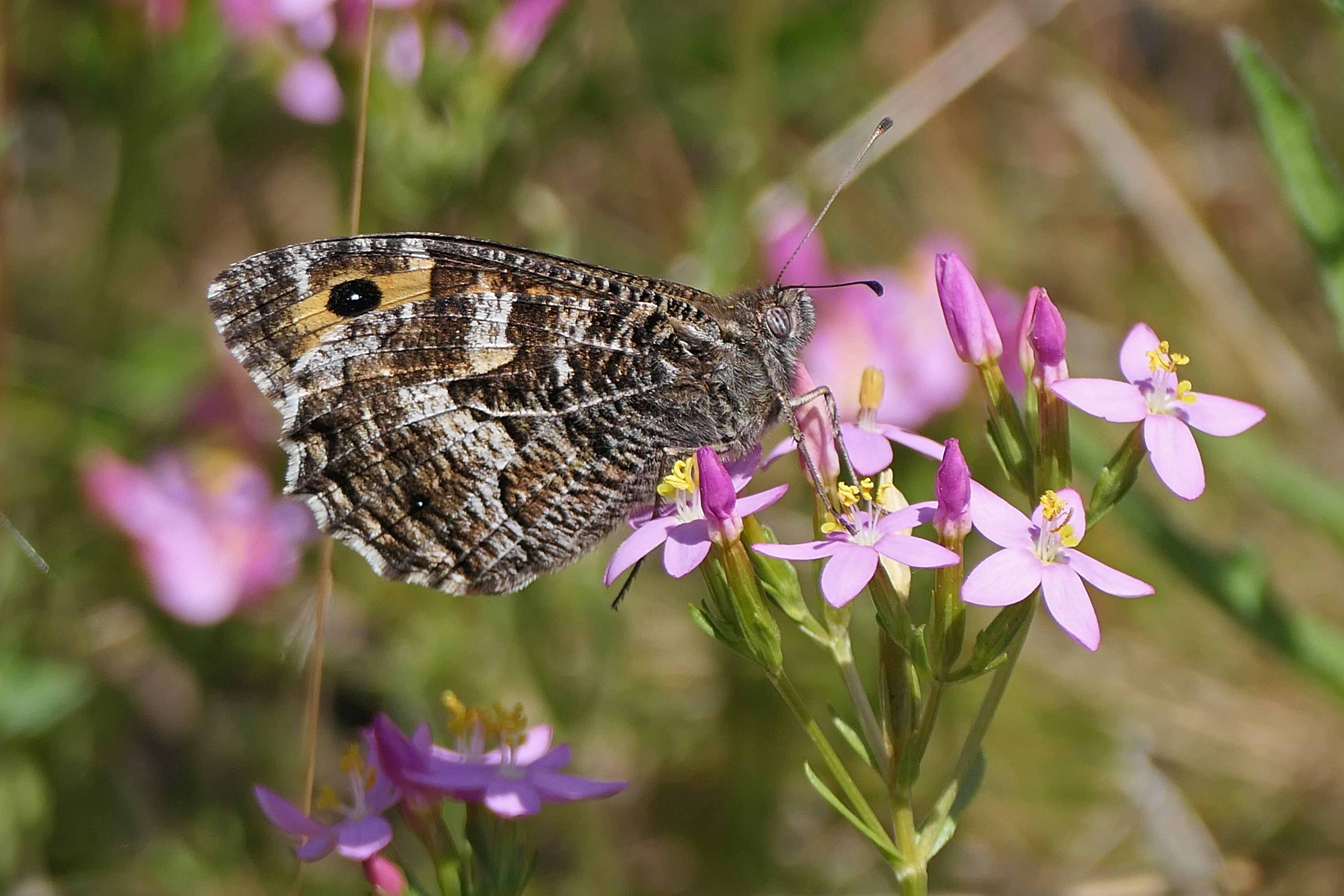
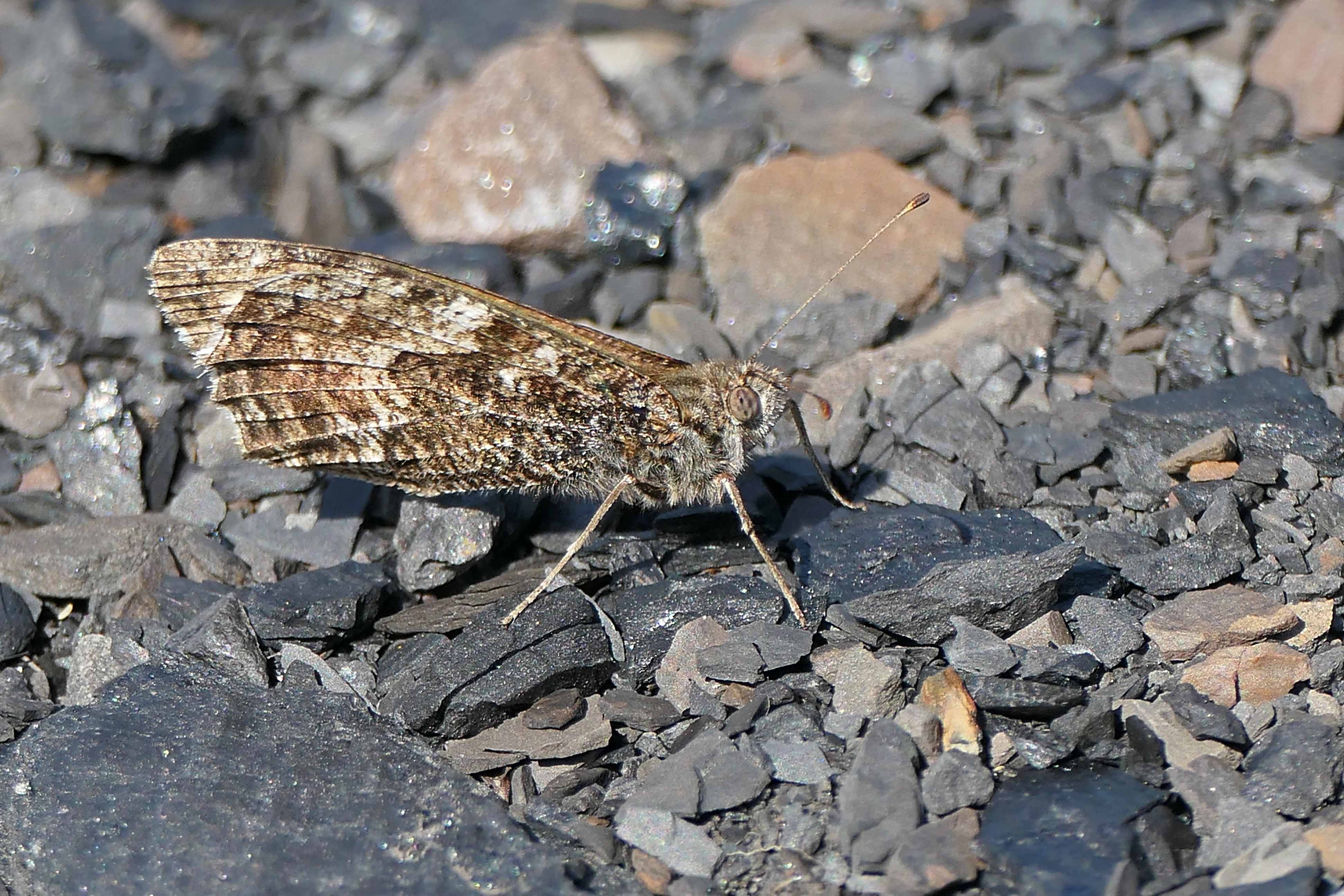
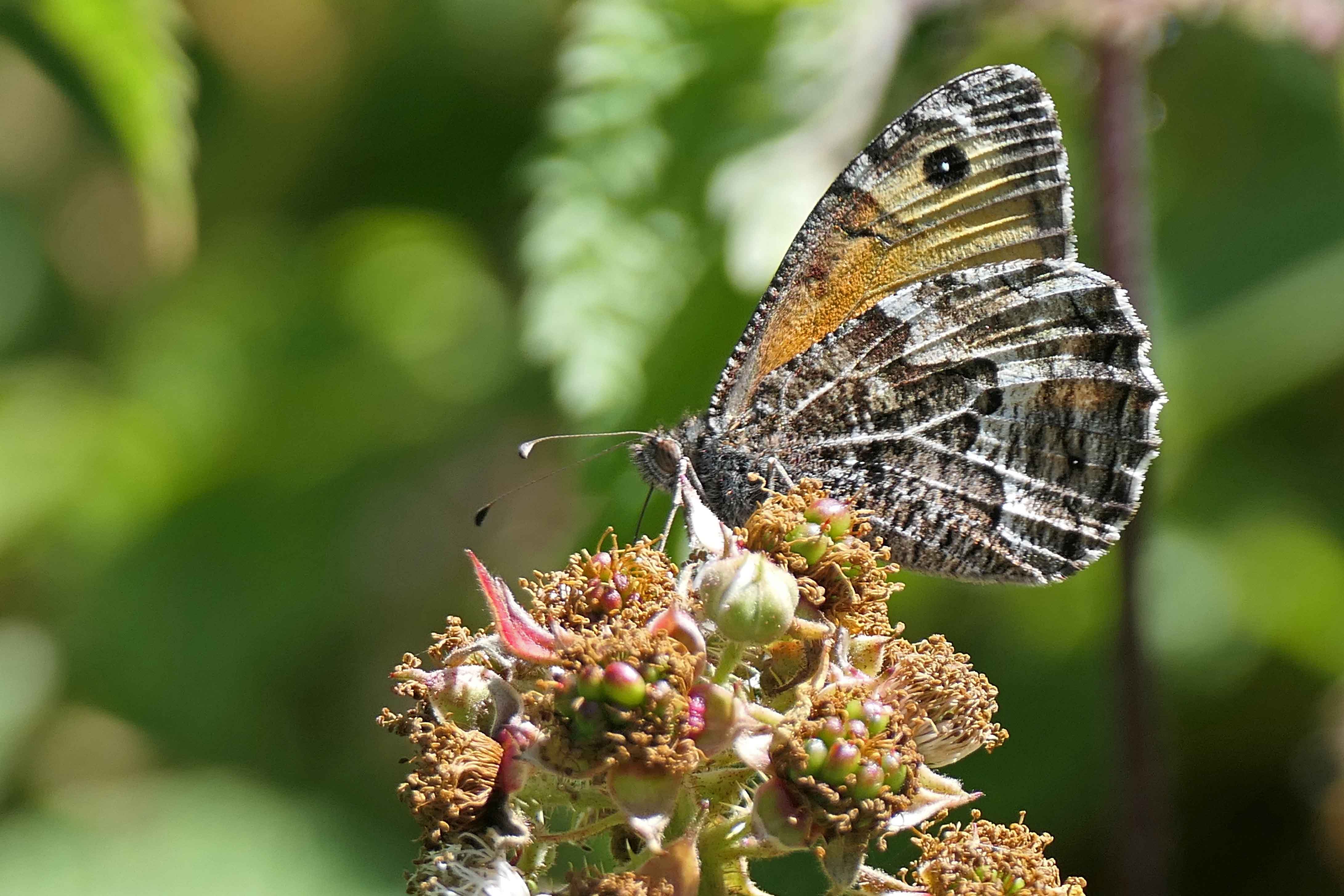
Last Tuesday’s walk was strenuous but the result of my efforts was magical!

As I try to do around this time every year, I caught a train up to Bargoed, then trudged down to the River Rhymney, up the steep slope on the other side to Aberbargoed, then up the even steeper hill that is the former colliery spoil tip.

Why? Because this is the closest and most accessible location I know where I might find Grayling butterflies.

And, yes, as you can clearly see from the extravagance of photographs in this post, my quest was successful.

In fact, I saw more Graylings this year than in any previous year, and they were also more widely spread across the site than I have seen previously.

The national population of Graylings has plummeted in recent decades and they are now officially classified as an endangered species, so their abundance was particularly heartening to see.

It may be that this year’s warm weather suits them, though I think it is likely also to be at least one of the reasons they have dispersed more widely across the tip; the heat means plants are not producing as much nectar so the butterflies have to fly further to find food.

That did mean I was able to photograph these glorious Graylings on a variety of wildflowers and in settings other than them simply sitting on the coal spoil, which made my time spent amongst them even more special.

Like Loading...

Goldfinch envy

15 Tuesday Jul 2025

Posted by sconzani in birds

≈ Leave a comment

Tags

birding, birds in puddle, birdwatching, British birds, Goldfinch, Goldfinches bathing

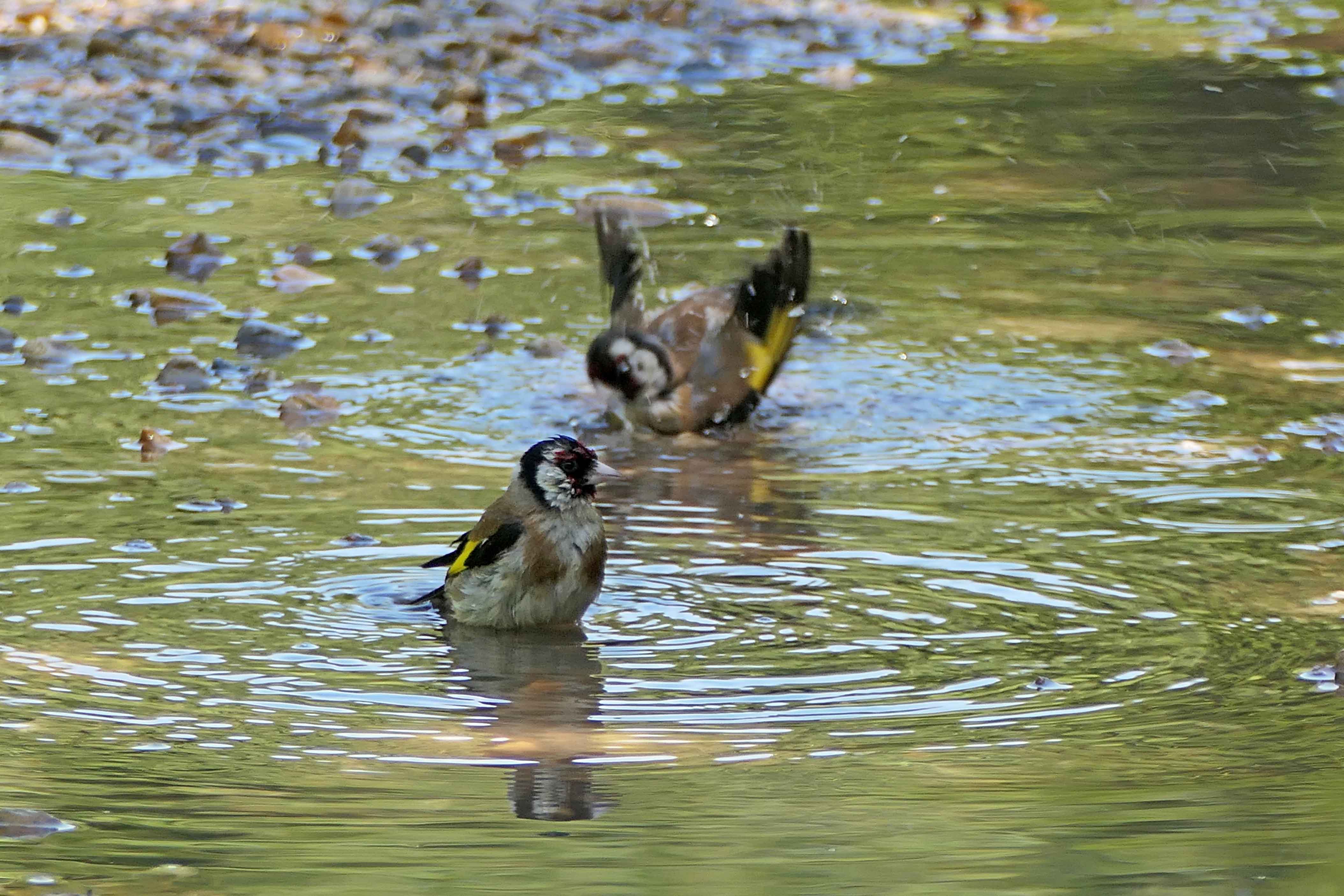
I’ve just taken a look at today’s weather forecast and the temperature peak will feel like 12 degrees Celsius. That’s a whopping 20 degrees lower than last Friday when I took these photos and our highs here in south-east Wales, during our third heatwave of the summer, reached a sweltering 32º C.

Then, I was feeling very envious of these Goldfinches and their big puddle of water (though it’s at the start of someone’s driveway along a countryside lane, I think this is actually a pipe leak, as we haven’t had rain in sufficient quantity to create this big a puddle, and there is always water at this location).

Next in after the two Goldfinches finished their refreshing dunking were a Robin and a Blackbird, with two Woodpigeons waiting close by for their turn to cool down.

Like Loading...

Leafmines: Phyllonorycters on Alder

14 Monday Jul 2025

Posted by sconzani in insects, trees

≈ Leave a comment

Tags

British leafmines, British moths, leaf-mining moth larvae, leafmines on Alder, moth larvae on Alder, Phyllonorycter rajella, Phyllonorycter stettinensis

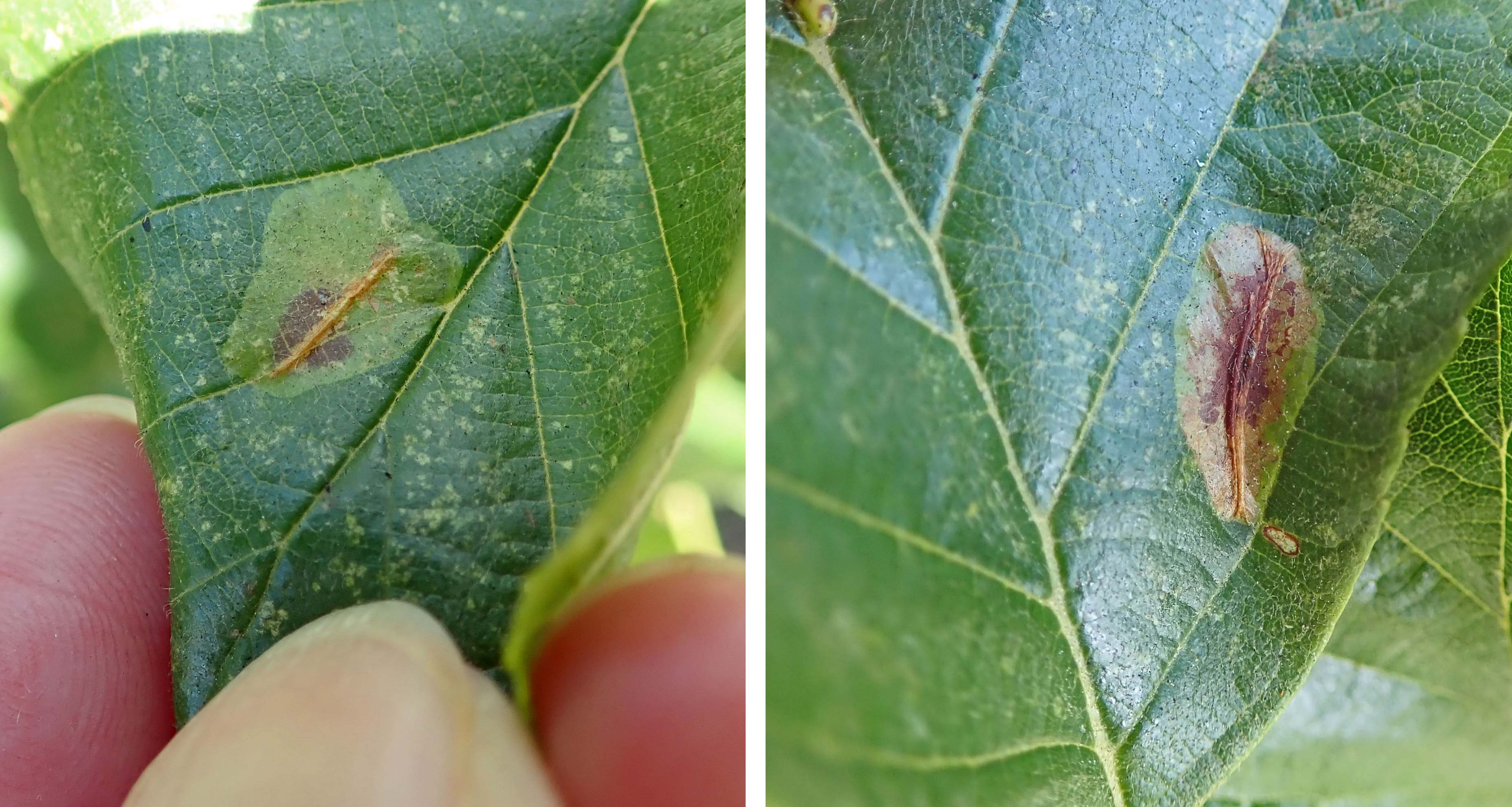
It’s been a while since I’ve blogged about a new leaf-mining moth, and today you get two for the price of one.

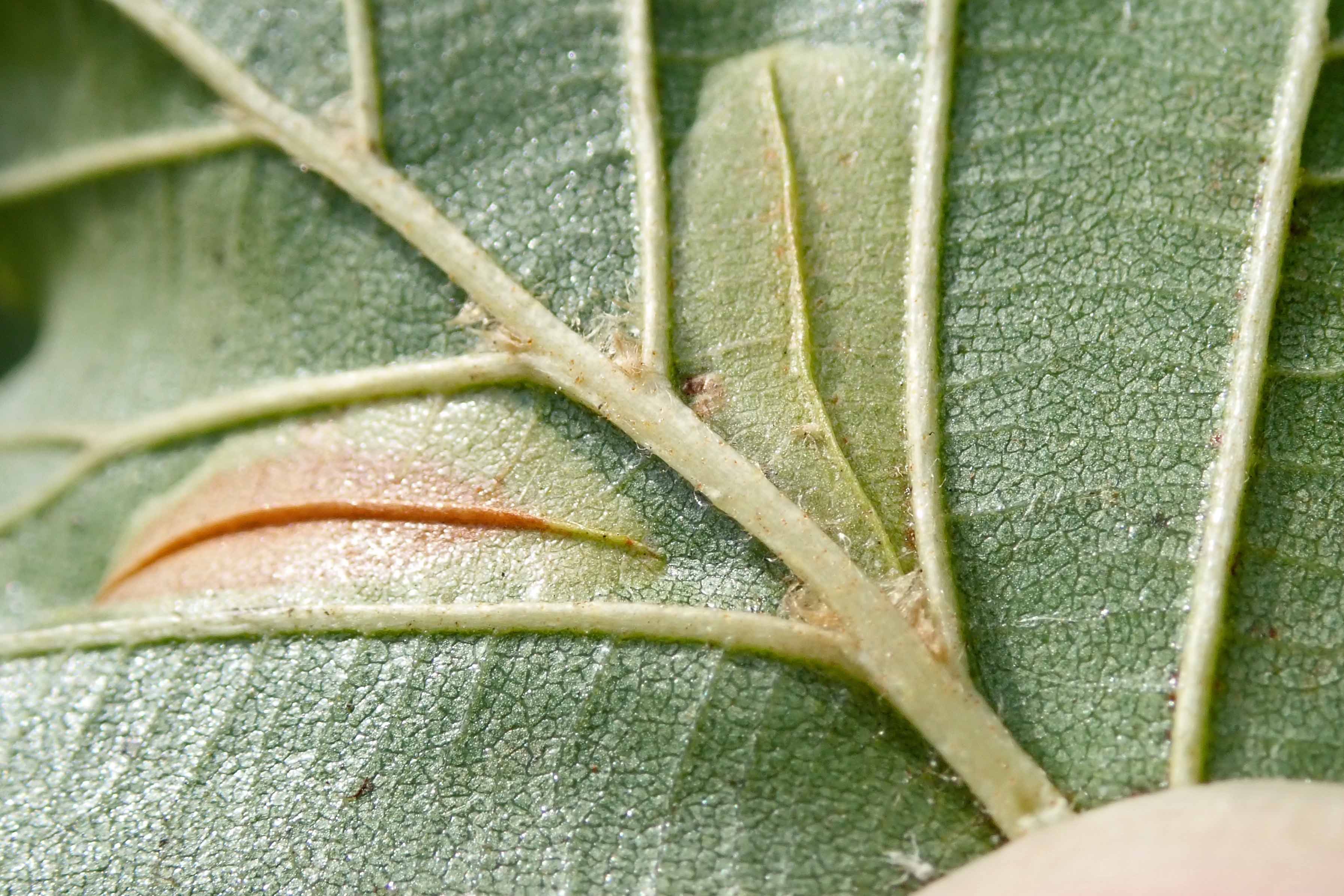
You see, the larvae of both these moths mine the leaves of Alder trees, creating a blotch with a single strong crease along the mine’s centre but, fortunately for those of us trying to identify these mines, there is one vital difference: the larval mines of Phyllonorycter rajella (below) can be found on the underside of the leaf, whereas the mines of Phyllonorycter stettinensis (above) are on the upper side of the leaf.

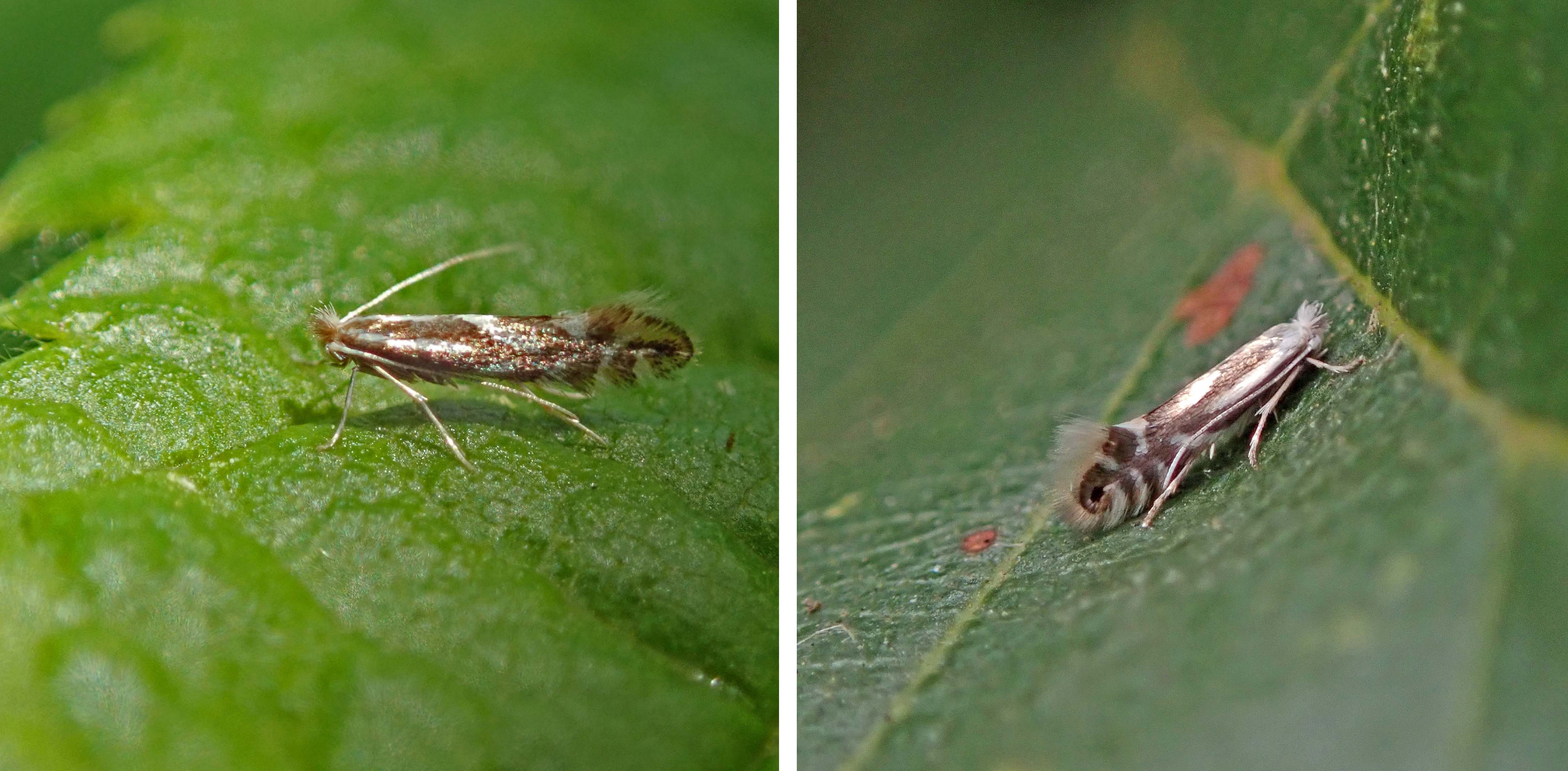
Both moths are bivoltine, i.e. they produce two generations each year; in both cases, the adult moths are active in May and again in August, so there’s a good chance of seeing the mines right through the summer. Amazingly, I’ve actually seen the adult Phyllonorycter rajella moth several times – two instances are shown below, but you can see better images of the very pretty adult moths of both these species on the UK Moths website: click the name to see Phyllonorycter rajella here, and Phyllonorycter stettinensis here.

Like Loading...

Harebells

13 Sunday Jul 2025

Posted by sconzani in flowers, wildflowers

≈ Leave a comment

Tags

blue wildflowers, British wildflowers, Campanula rotundifolia, Harebell, Rodborough Common, wildflowers on Rodborough Common

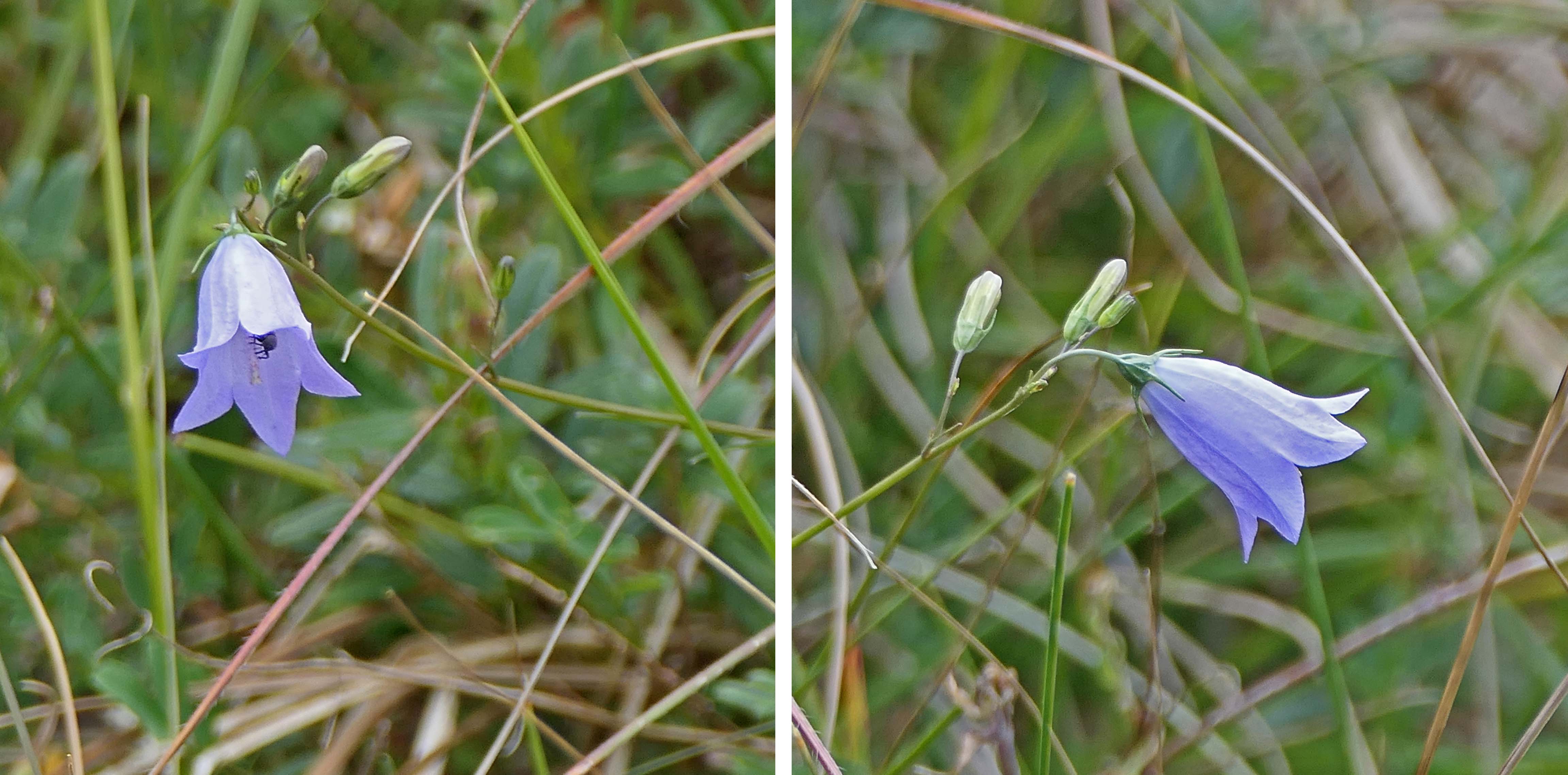
Though my Flora Britannica tells me the Harebell (Campanula rotundifolia) is ‘one of the most catholic in its choice of habitats’, growing on almost ‘any kind of dry, open and relatively undisturbed ground, from mountain-tops to sand-dunes’, it does not grow in my part of coastal south Wales.

So, for me, it was a delight to see the delicate blue bell-shaped flowers of this lovely wildflower nodding in the breeze on Rodborough Common during my recent visit to Gloucestershire. (In fact, I really must plan an earlier visit up that way as the Common is known for its wonderful wildflowers, especially several species of orchid, but everything was looking rather frazzled in the summer heat.)

It’s probably no surprise that the Scots often call Harebells ‘bluebells’ – the name fits well their flower’s colour and shape, though the Harebell blooms later, between July and September. The Wildlife Trusts website says Harebells have other vernacular names that allude to their magical associations: ‘witches’ thimbles’ and ‘fairy bells’, but I haven’t found any more detail about why that is.

Like Loading...
← Older posts
Newer posts →

About me

sconzani

sconzani

I'm a writer and photographer; researcher and blogger; birder and nature lover; countryside rambler and city strider; volunteer and biodiversity recorder.

View Full Profile →

Follow earthstar on WordPress.com

Enter your email address to follow this blog and receive notifications of new posts by email.

Recent blog posts

  • Nesting material April 28, 2026
  • Lifer: Box bug April 27, 2026
  • Peak Wild garlic April 26, 2026
  • First damsels of 2026 April 25, 2026
  • NFY: Green-veined white April 24, 2026

From the archives

COPYRIGHT

Unless otherwise acknowledged, the text and photographs on this blog are my own and are subject to international copyright. Nothing may be downloaded or copied without my permission.

Fellow Earth Stars!

  • Unknown's avatar
  • Unknown's avatar
  • Unknown's avatar
  • Unknown's avatar
  • Unknown's avatar
  • Unknown's avatar
  • Unknown's avatar
  • Unknown's avatar
  • Unknown's avatar
  • Unknown's avatar
  • Unknown's avatar
  • Unknown's avatar
  • Unknown's avatar
  • Unknown's avatar
  • Unknown's avatar
  • Unknown's avatar
  • Unknown's avatar
  • Unknown's avatar
  • Unknown's avatar
  • Unknown's avatar
  • Unknown's avatar
  • Unknown's avatar
  • Unknown's avatar
  • Unknown's avatar
  • Unknown's avatar
  • Unknown's avatar
  • Unknown's avatar
  • Unknown's avatar
  • Unknown's avatar
  • Unknown's avatar
  • Unknown's avatar
  • Unknown's avatar
  • Unknown's avatar
  • Unknown's avatar
  • Unknown's avatar
  • Unknown's avatar
  • Unknown's avatar
  • Unknown's avatar
  • Unknown's avatar
  • Unknown's avatar
  • Unknown's avatar
  • Unknown's avatar
  • Unknown's avatar
  • Unknown's avatar
  • Unknown's avatar
  • Unknown's avatar
  • Unknown's avatar
  • Unknown's avatar
  • Unknown's avatar
  • Unknown's avatar

Blog at WordPress.com.

Privacy & Cookies: This site uses cookies. By continuing to use this website, you agree to their use.
To find out more, including how to control cookies, see here: Cookie Policy
  • Subscribe Subscribed
    • earthstar
    • Join 642 other subscribers
    • Already have a WordPress.com account? Log in now.
    • earthstar
    • Subscribe Subscribed
    • Sign up
    • Log in
    • Report this content
    • View site in Reader
    • Manage subscriptions
    • Collapse this bar

Loading Comments...

You must be logged in to post a comment.

    %d