• ABOUT
  • BIRDING 2018
  • Birding 2019
  • BLOG POSTS
  • Butterflies 2018
  • Resources

earthstar

~ a celebration of nature

earthstar

Author Archives: sconzani

Bug: Arocatus roeselii

12 Saturday Jul 2025

Posted by sconzani in insects, trees

≈ Leave a comment

Tags

Arocatus longiceps, Arocatus longiceps / roeselii, Arocatus roeselii, British bugs, bugs on Alder trees

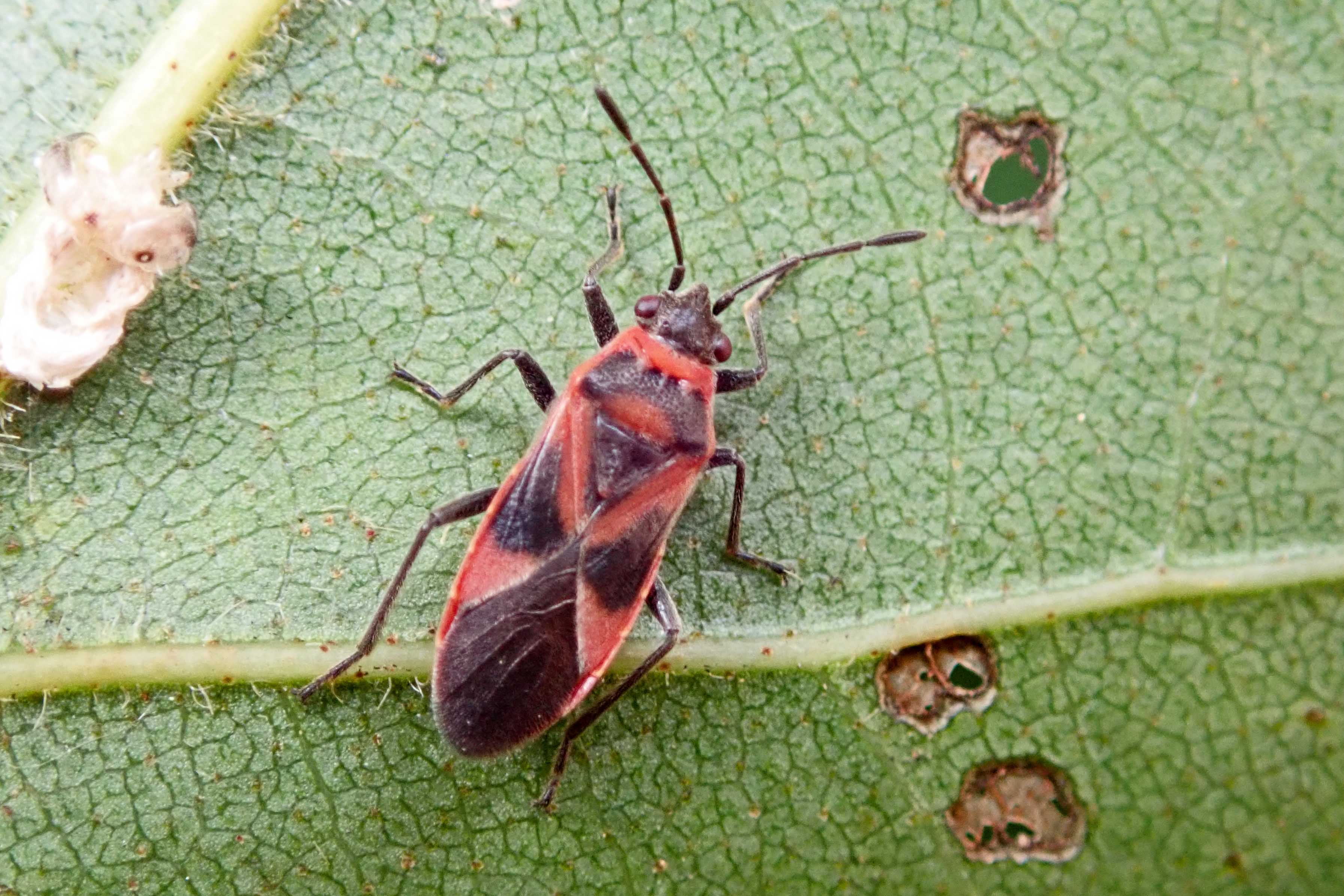
This new bug is intriguing. According to the British Bugs website, it was only found in England in 2007, and only on Plane trees in London and the southern counties. Due to that association with Plane trees, the experts decided that the bug they’d found was Arocatus longiceps, and, when an extremely similar-looking bug was found in the same locations several years later, but was found to be feeding only on the seeds of Alder trees, the consensus was that it must be Arocatus roeselii. Since that time, German scientists have checked the genes of the two species and found no difference between them; the red and black colours of the Alder seed-eaters are apparently more intense but this is likely to be due to their diet, rather than an indication that they are two separate species.
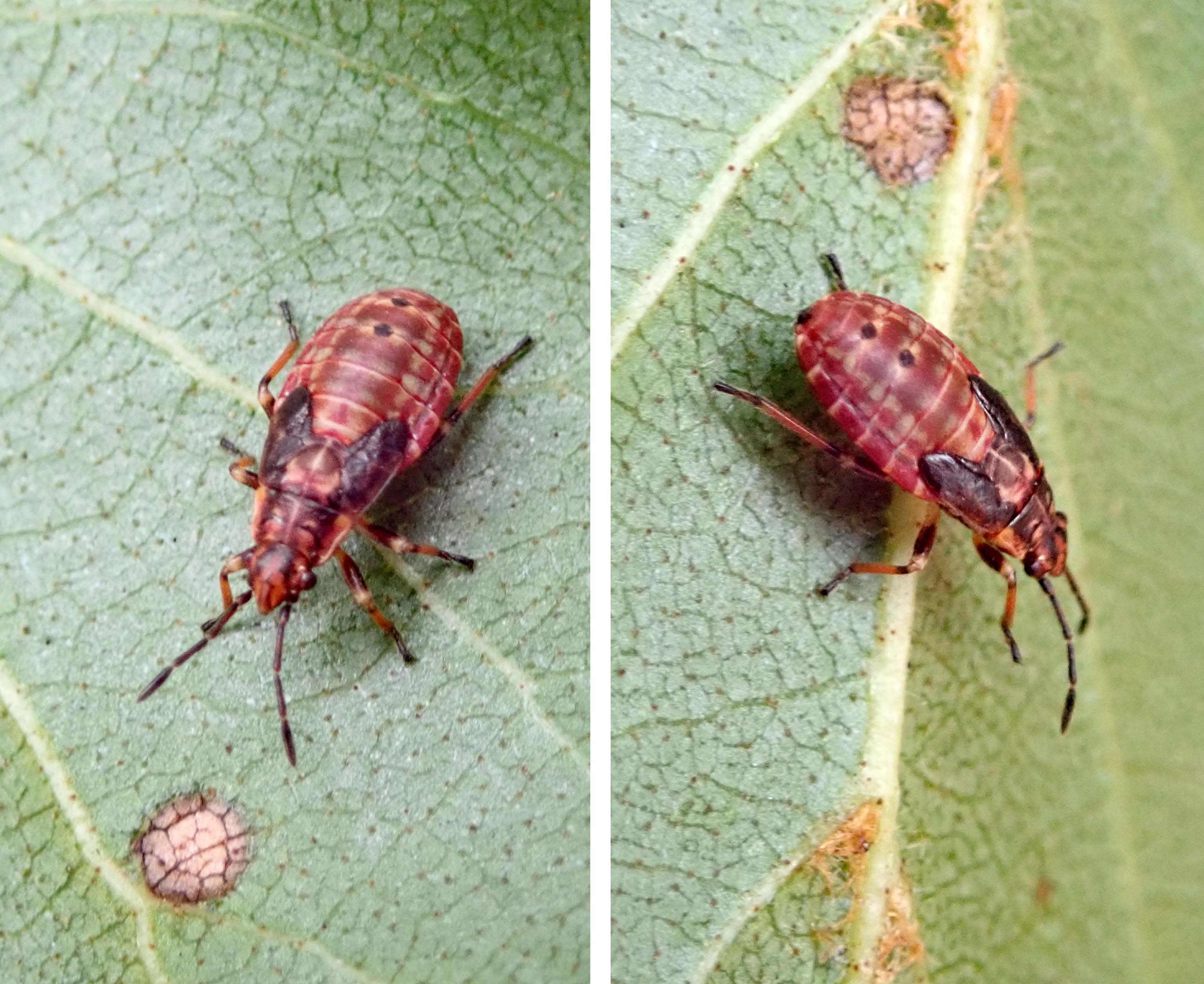
So, if you were to google or research these bugs, you might see them referred to as Arocatus longiceps / roeselii. I found my bugs, both the nymph in the photos above and the adult in the image below, on a roadside Alder tree last Sunday, so I’m going to stick with the name Arocatus roeselii until any possible species confusion is irrevocably settled. And aren’t they super looking little bugs, whatever you might want to call them?

** EDIT: I found out on 1 August that this find was the first for Wales! **
Like Loading...

Roaming Rodborough Common

11 Friday Jul 2025

Posted by sconzani in insects, walks

≈ 2 Comments

Tags

British butterflies, butterfly, Common blue, Dark Green Fritillary, Gloucestershire butterflies, Marbled white, Rodborough Common, Silver-washed fritillary, Small heath

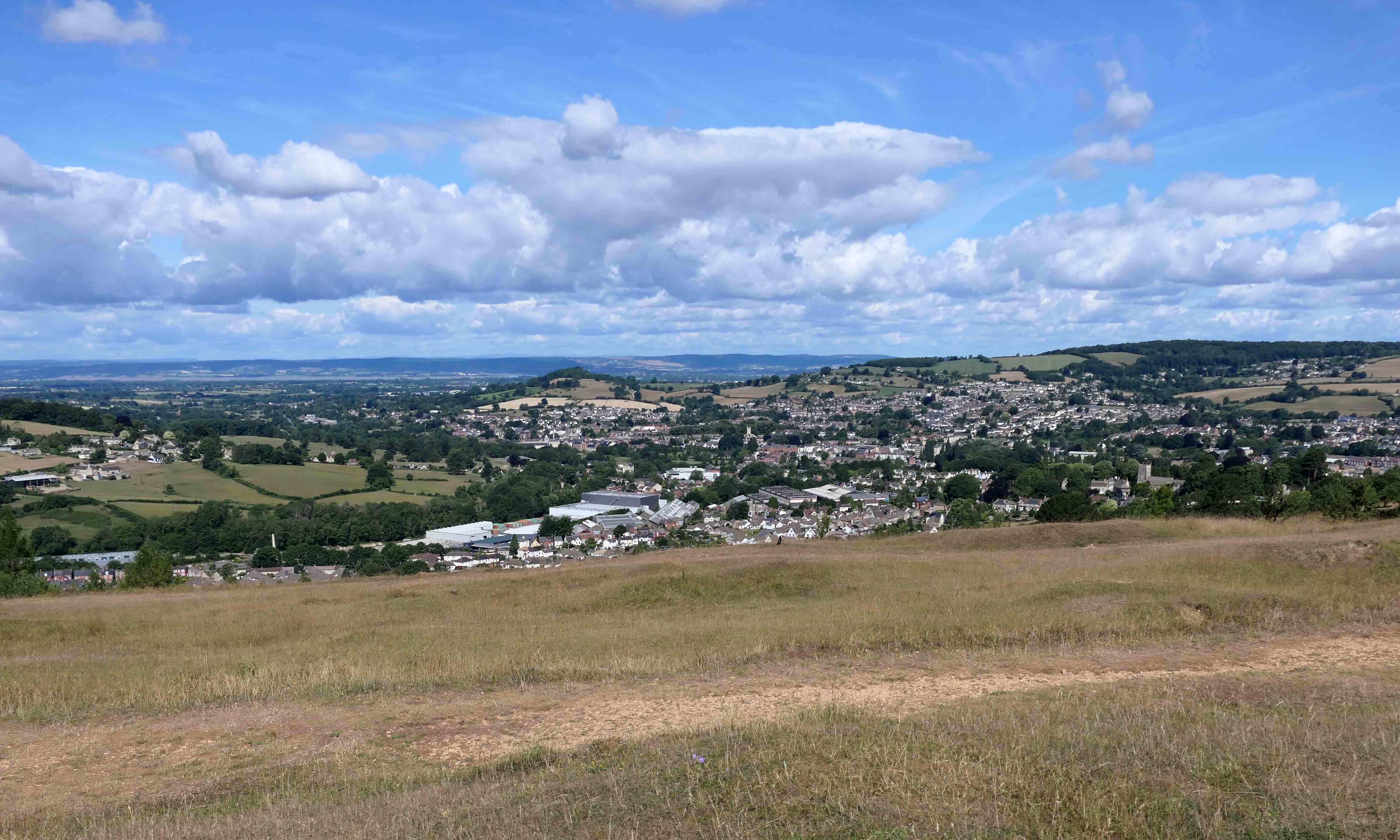
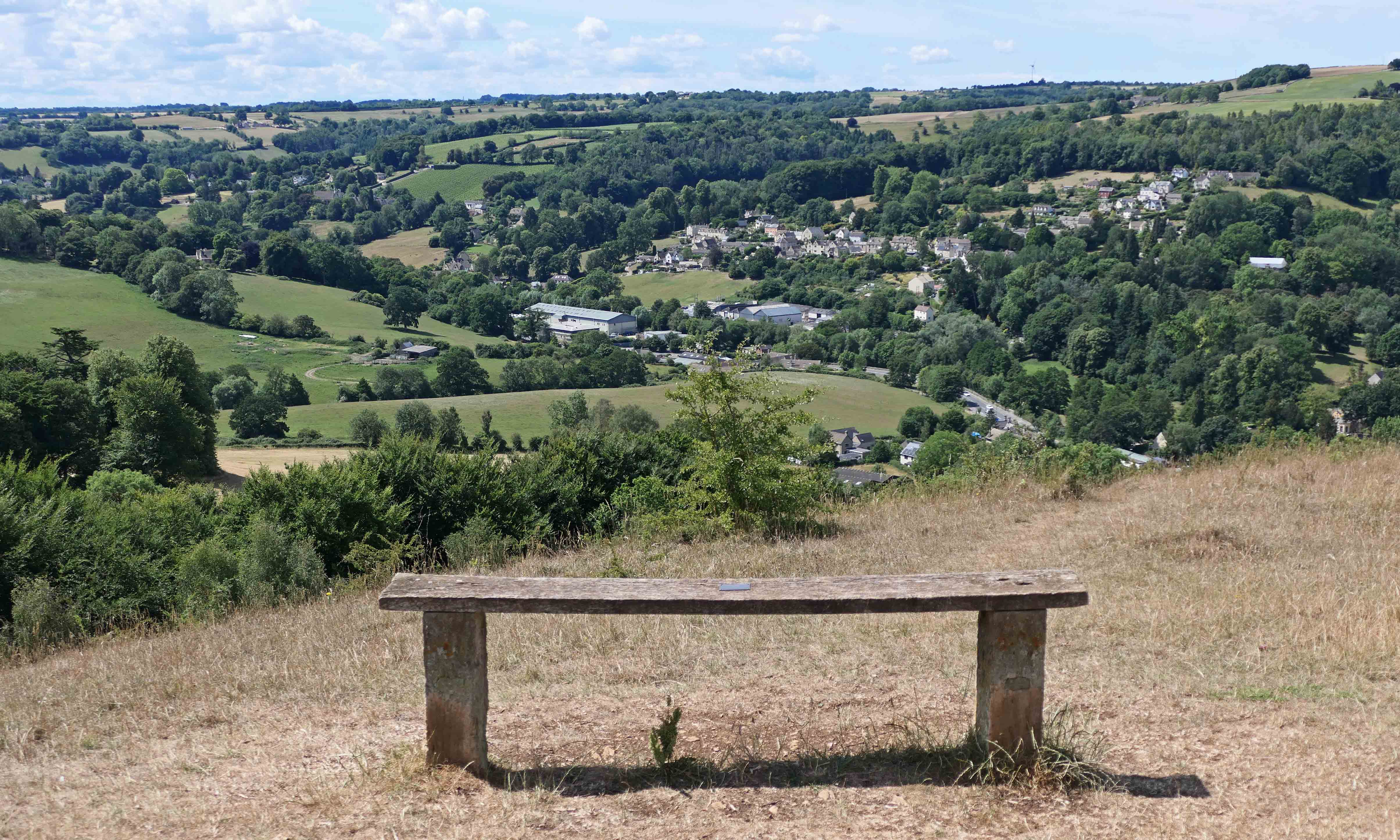
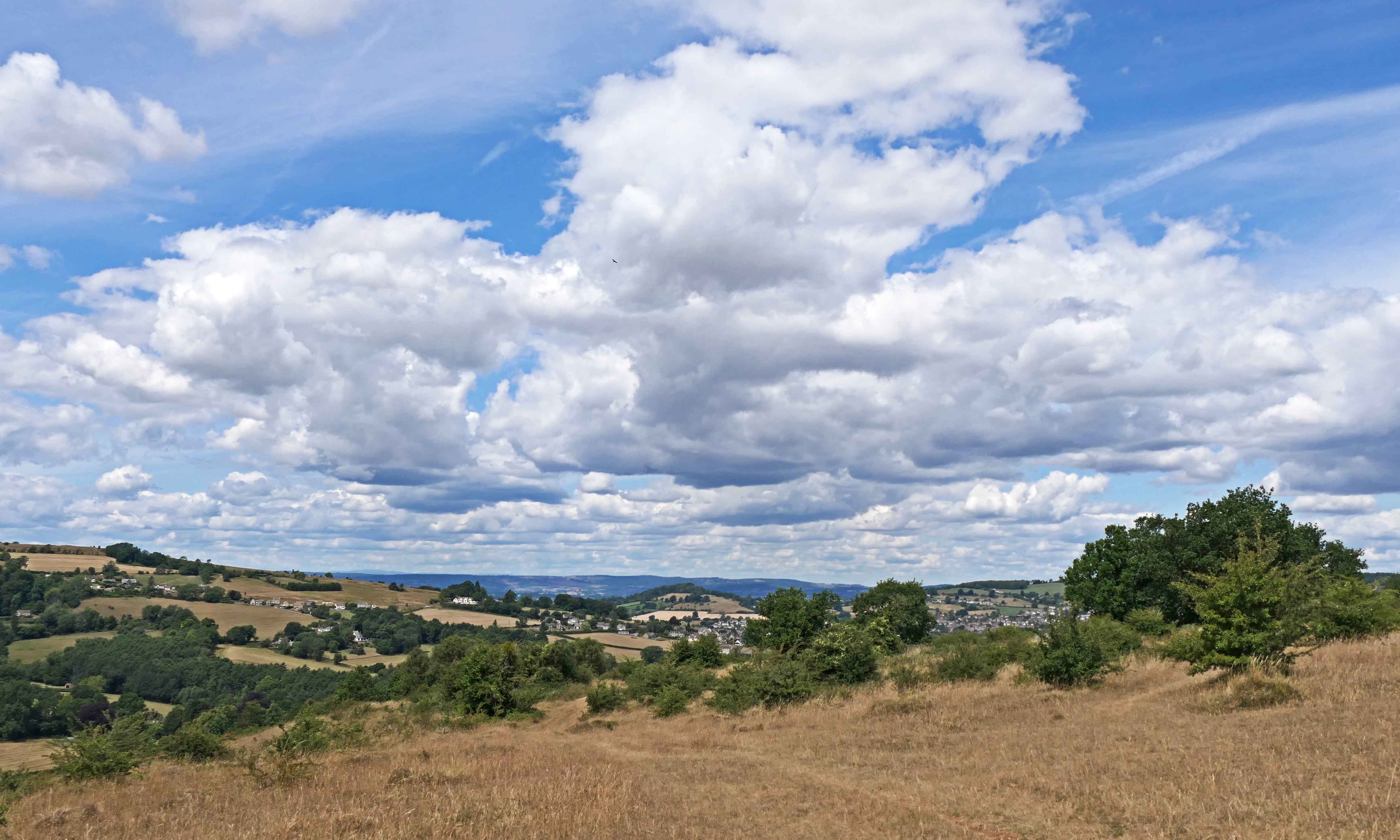
On my last full day in Gloucestershire I caught the train to Stroud and spent several hours roaming around Rodborough Common, another hot spot for butterflies and a location with stunning views over the beautiful surrounding hills and valleys of the Cotswolds.

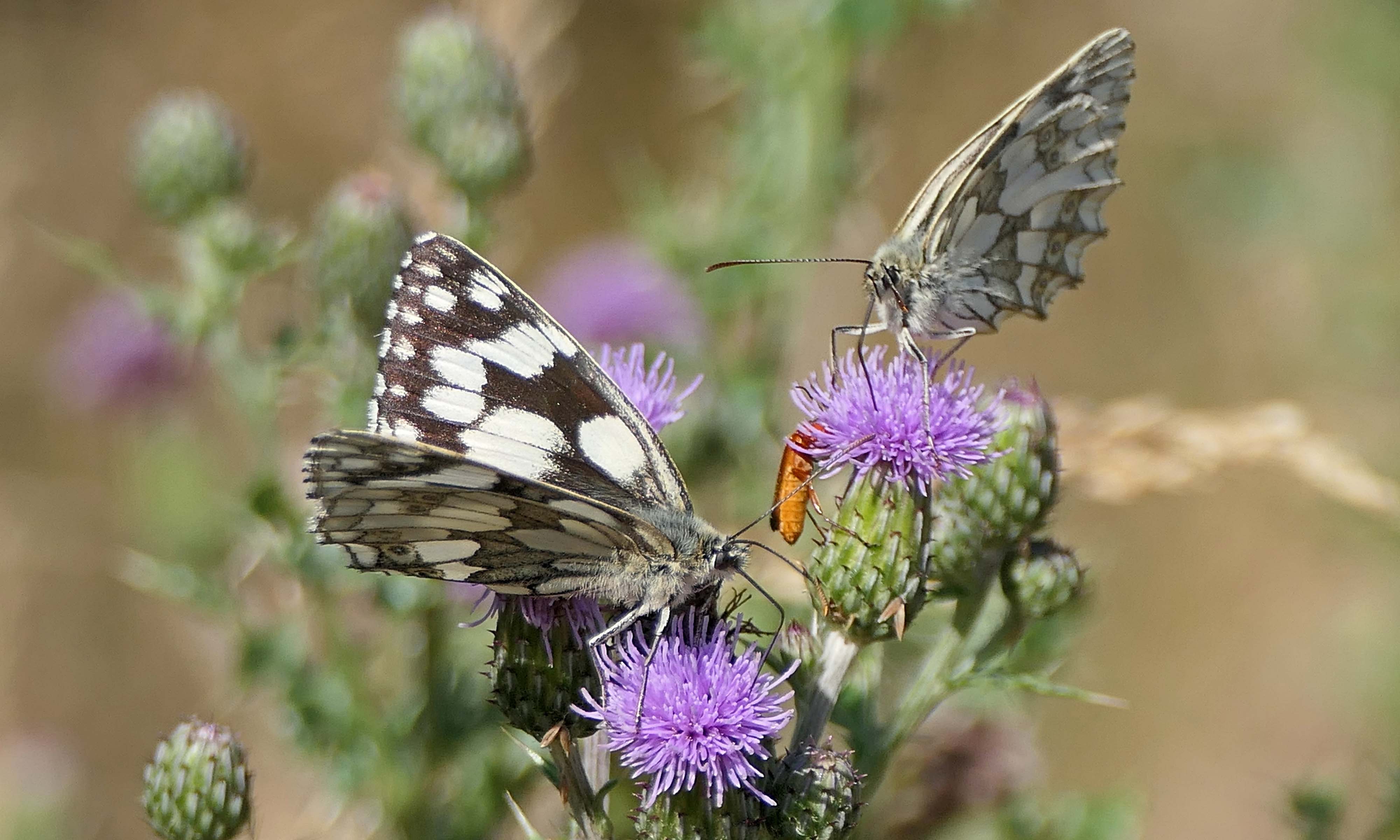
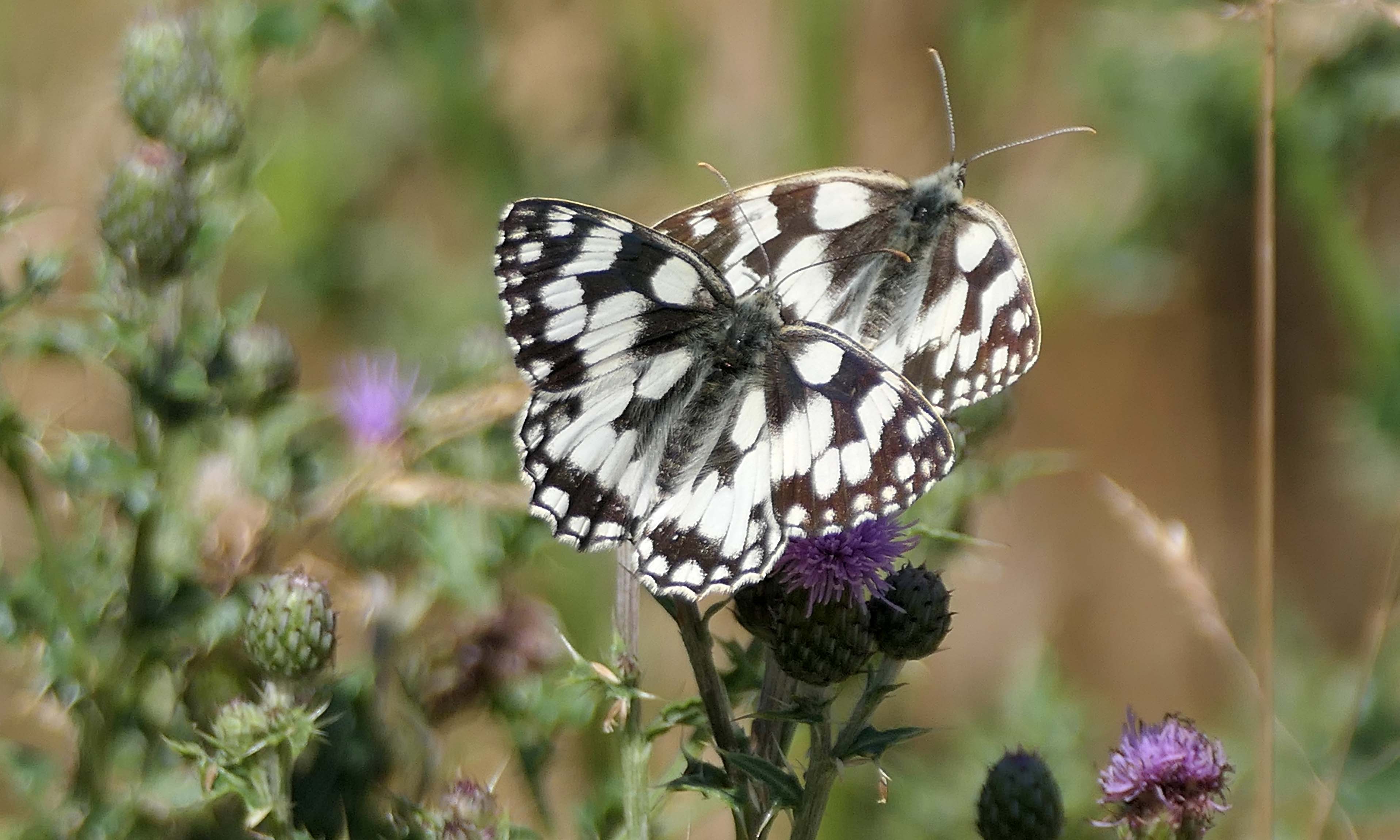
And here they were again, those gorgeous flying black-and-white chequerboards, the Marbled whites. After Tuesday’s remarkable butterfly numbers, I already had more than enough photos of Marbled whites but, as any photographer knows, you can always do better, so I couldn’t resist taking more images.

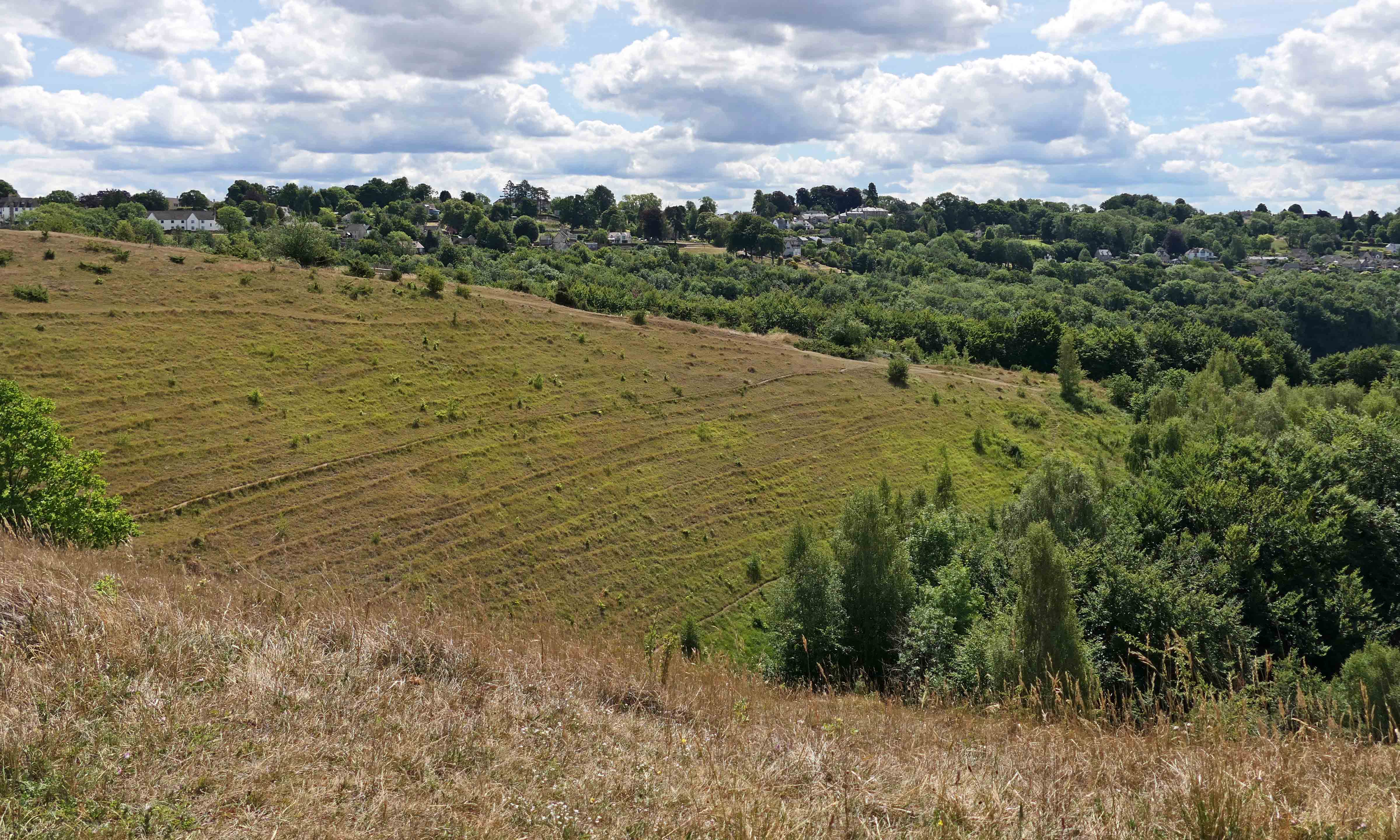
Though the top plateau of the Common is relatively flat, the hillsides are steep and criss-crossed with narrow paths, for use by people and the cattle that help to maintain the grassland habitat.

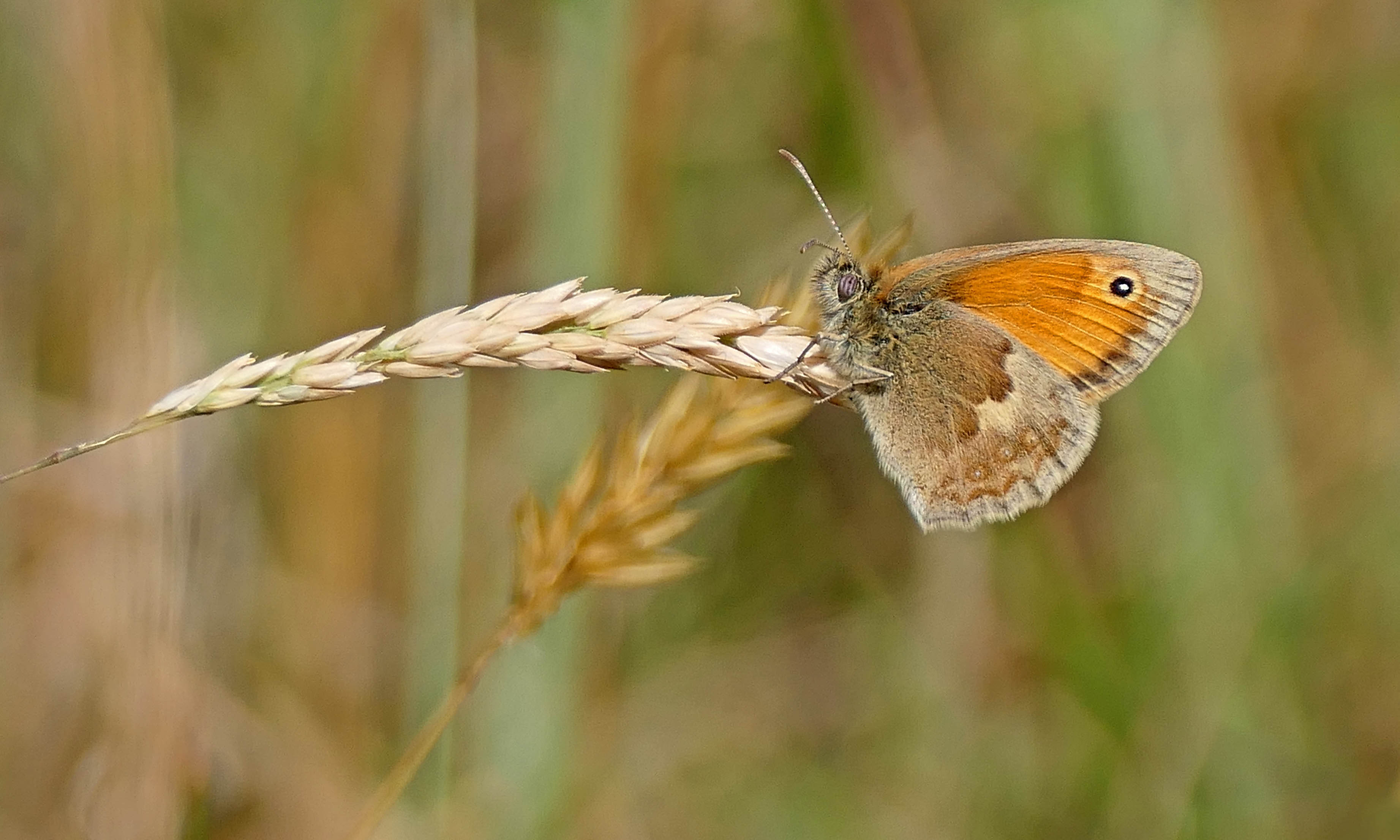
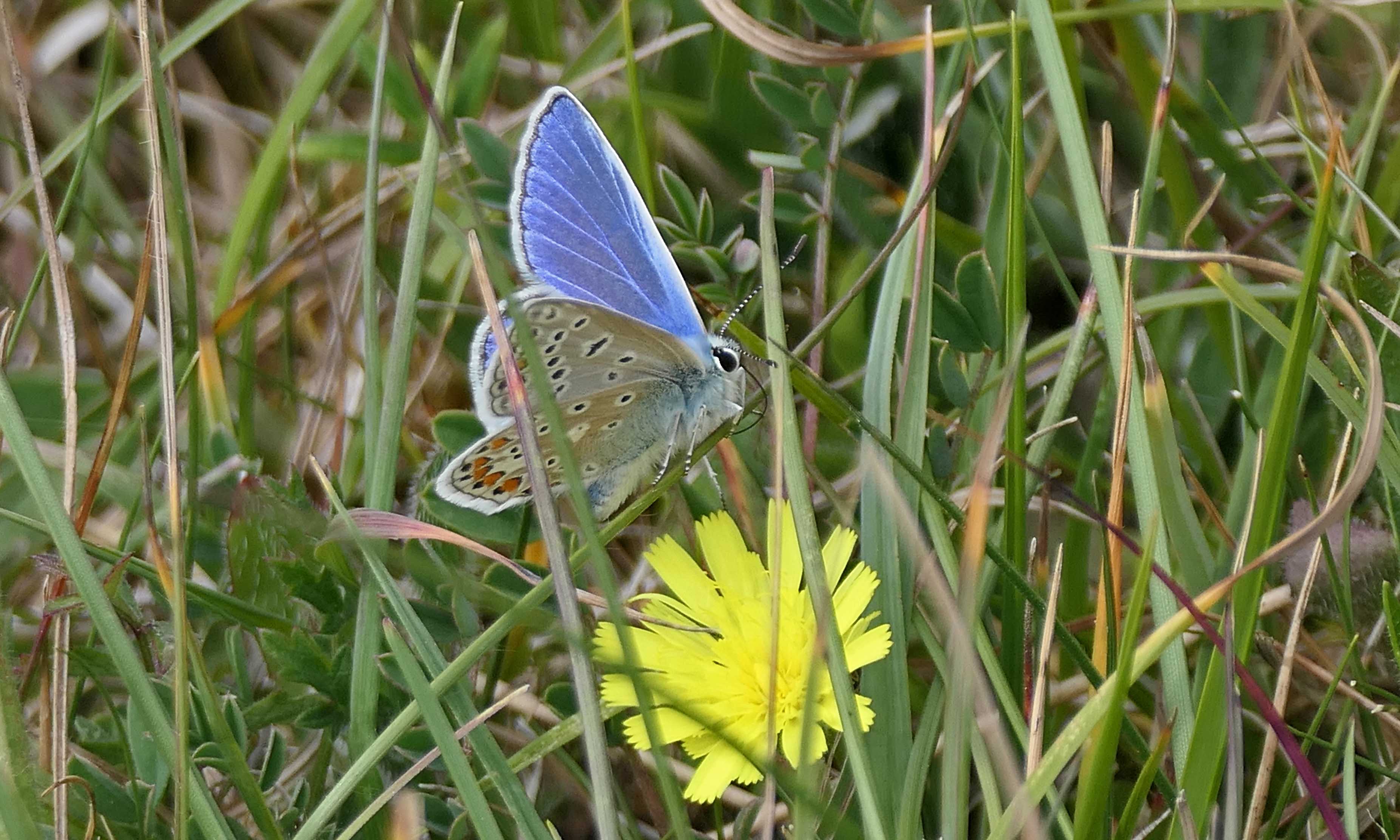
This was a 15-butterfly-species day, with many of the more common butterflies I see in other locations. This Small heath posed very prettily for me. And the sight of the blue caused a slight heart flutter, as the very rare Large blues have been re-introduced and are thriving here, and there was a slight chance I might see one. However, my sighting was of a Common blue; it was the end of the season for Large blues and I understand they are more likely to be seen on neighbouring Minchinhampton Common, so an earlier visit to this location is already on the list for next year.

Fortunately, a refreshing breeze was blowing across the Common so my choice of this bench for a lunch stop was just perfect.

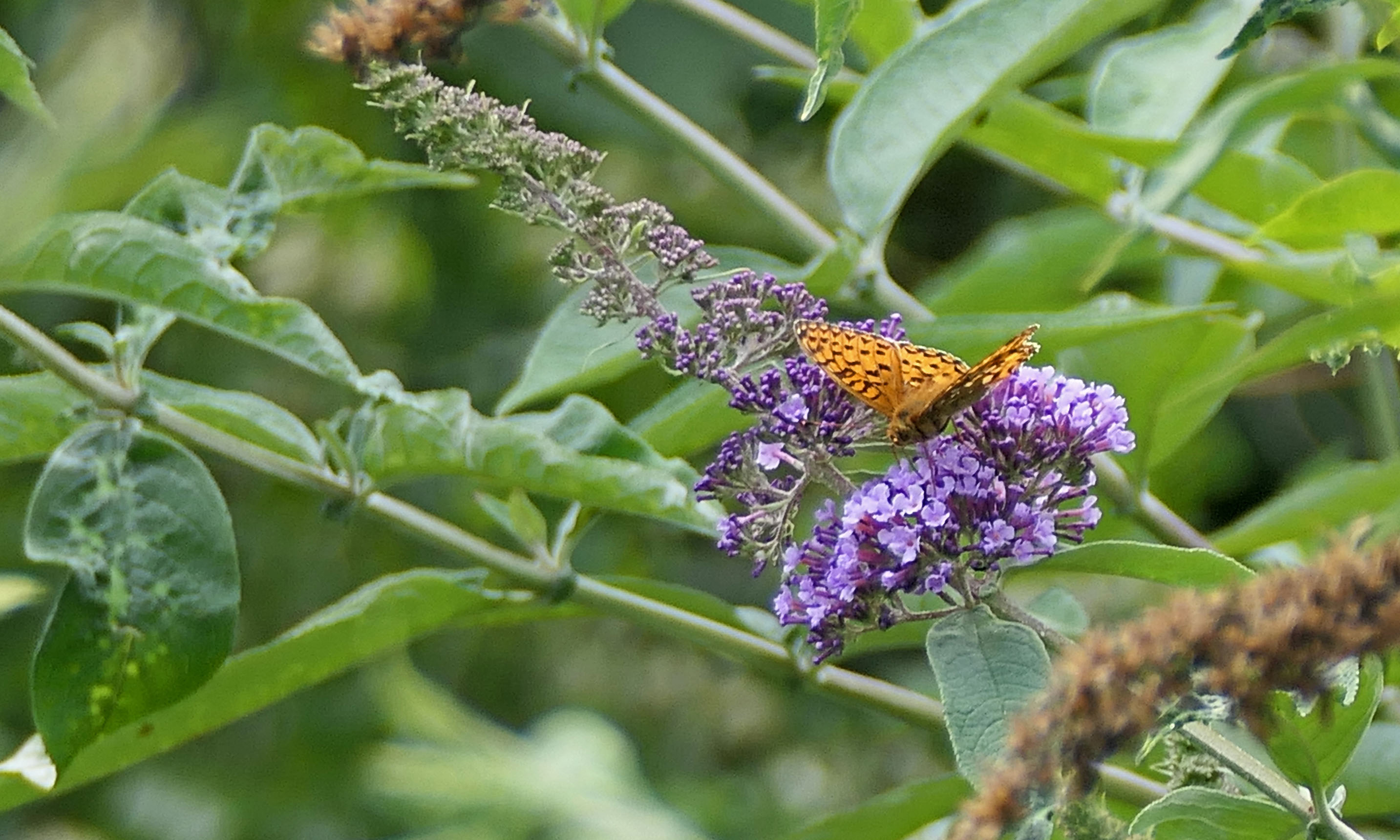
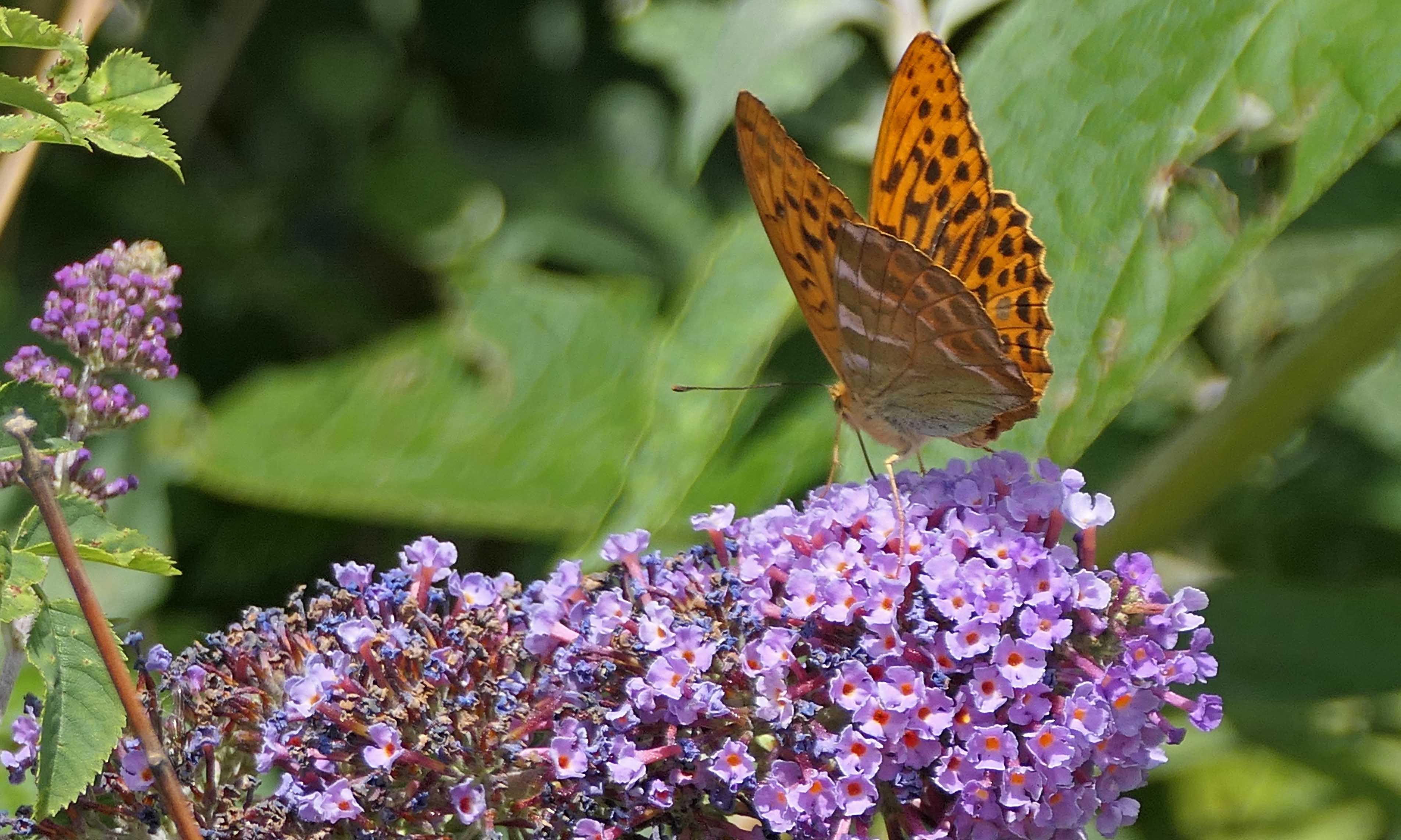
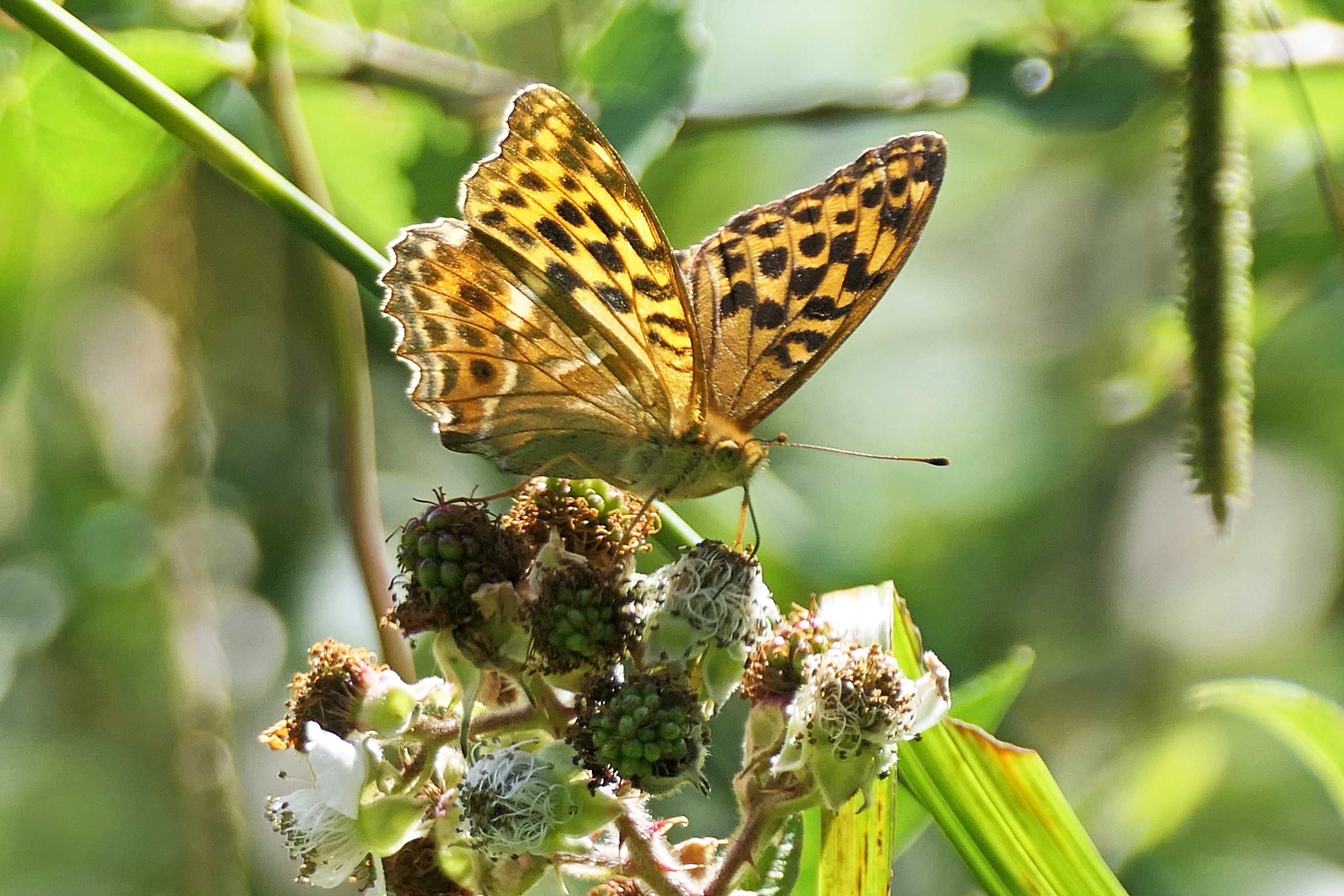
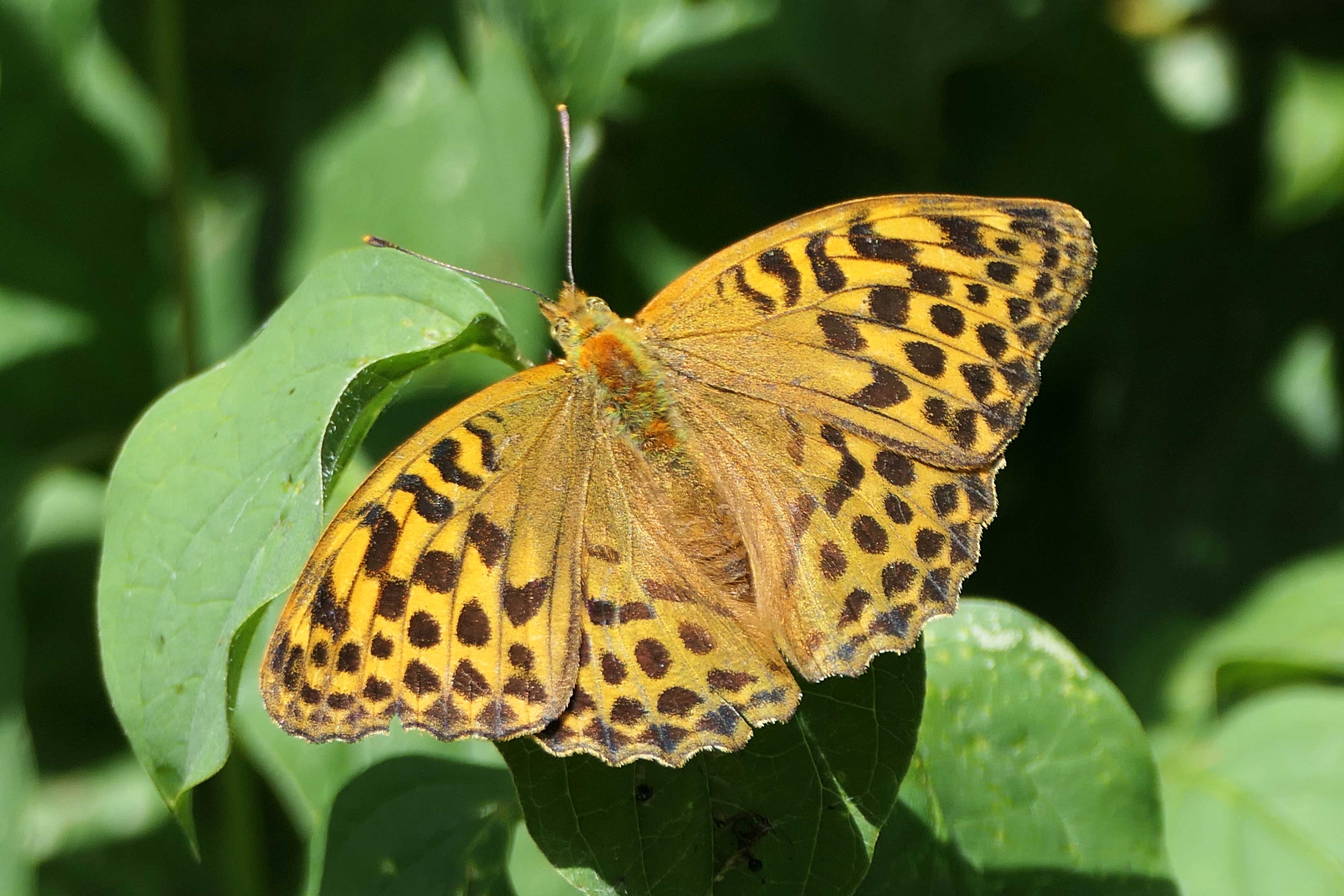
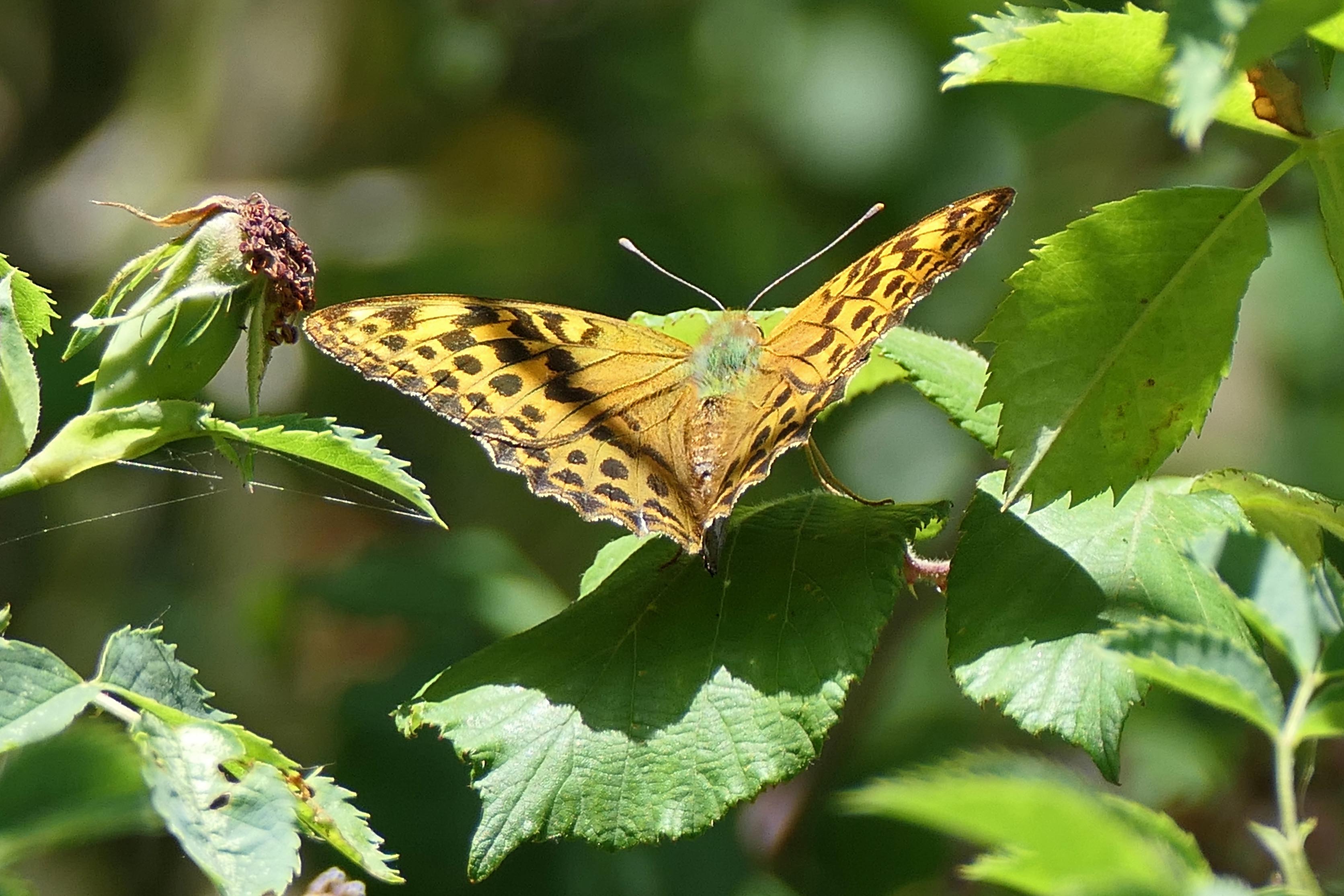
Prior to my visit, a fellow butterfly enthusiast I follow on social media had posted of his sighting of singles of Dark green fritillary and Silver-washed fritillary, and had kindly given me details of where I might look for them. And I was lucky – I also saw singles of these two beauties.

And then it was time to walk back down the hill and in to Stroud to catch the train back to Cheltenham. What a fabulous day to end the fabulous three days of my mini break!

Like Loading...

A day in Tiddesley Wood

10 Thursday Jul 2025

Posted by sconzani in insects

≈ Leave a comment

Tags

British butterflies, Brown argus, butterflies in Tiddesley Wood, butterfly, Painted Lady, Silver-washed fritillary, Tiddesley Wood, White admiral, Worcestershire butterflies

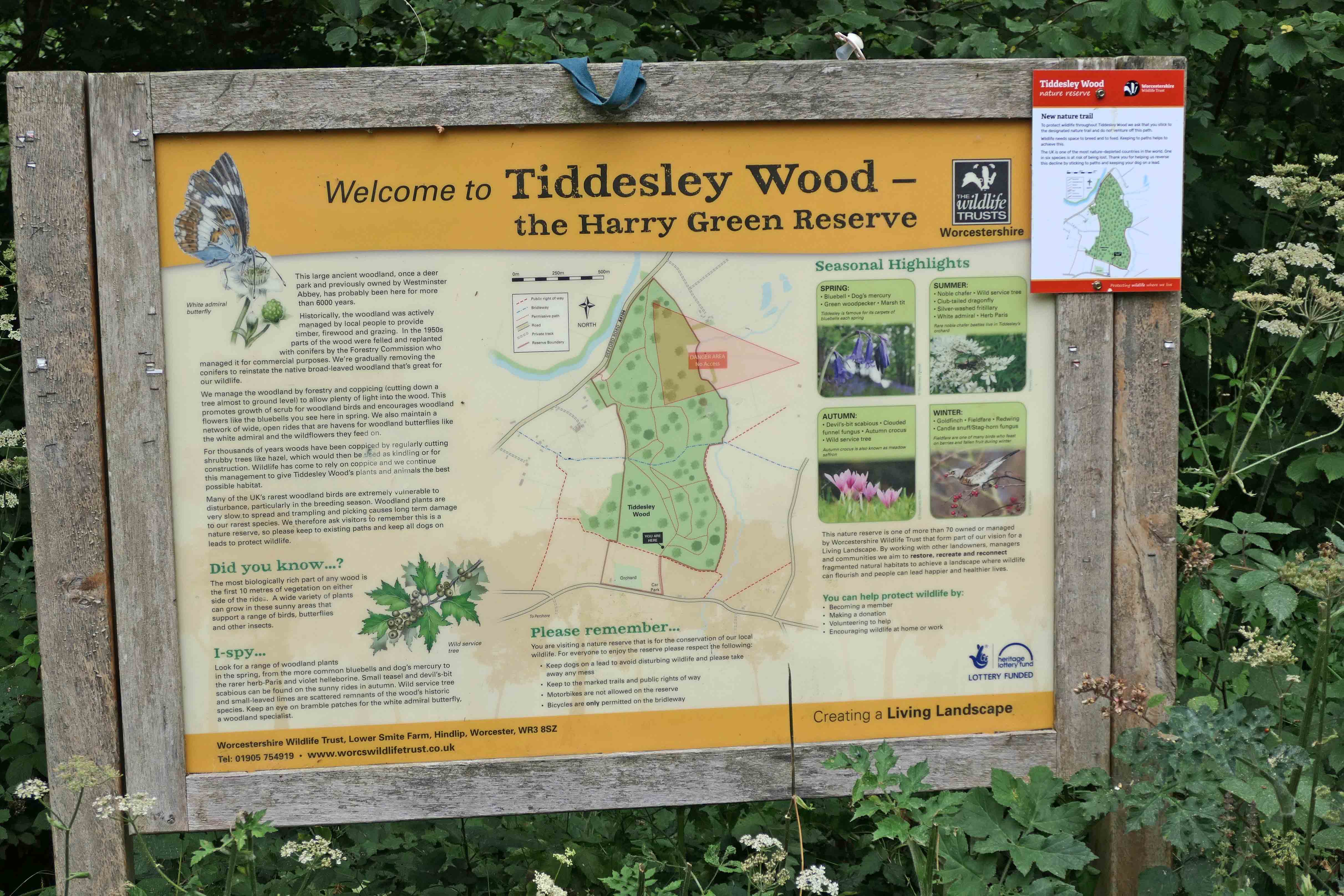
My main aim for my little trip to Cheltenham was to try to see my first ever Purple emperor butterfly: I failed. Yet, in spite of that failure, and the late afternoon train chaos (caused by a fault at Birmingham New Street station) that meant I arrived back at my guest house almost two hours later than planned, I had the most wonderful day in Tiddesley Wood in Worcestershire.

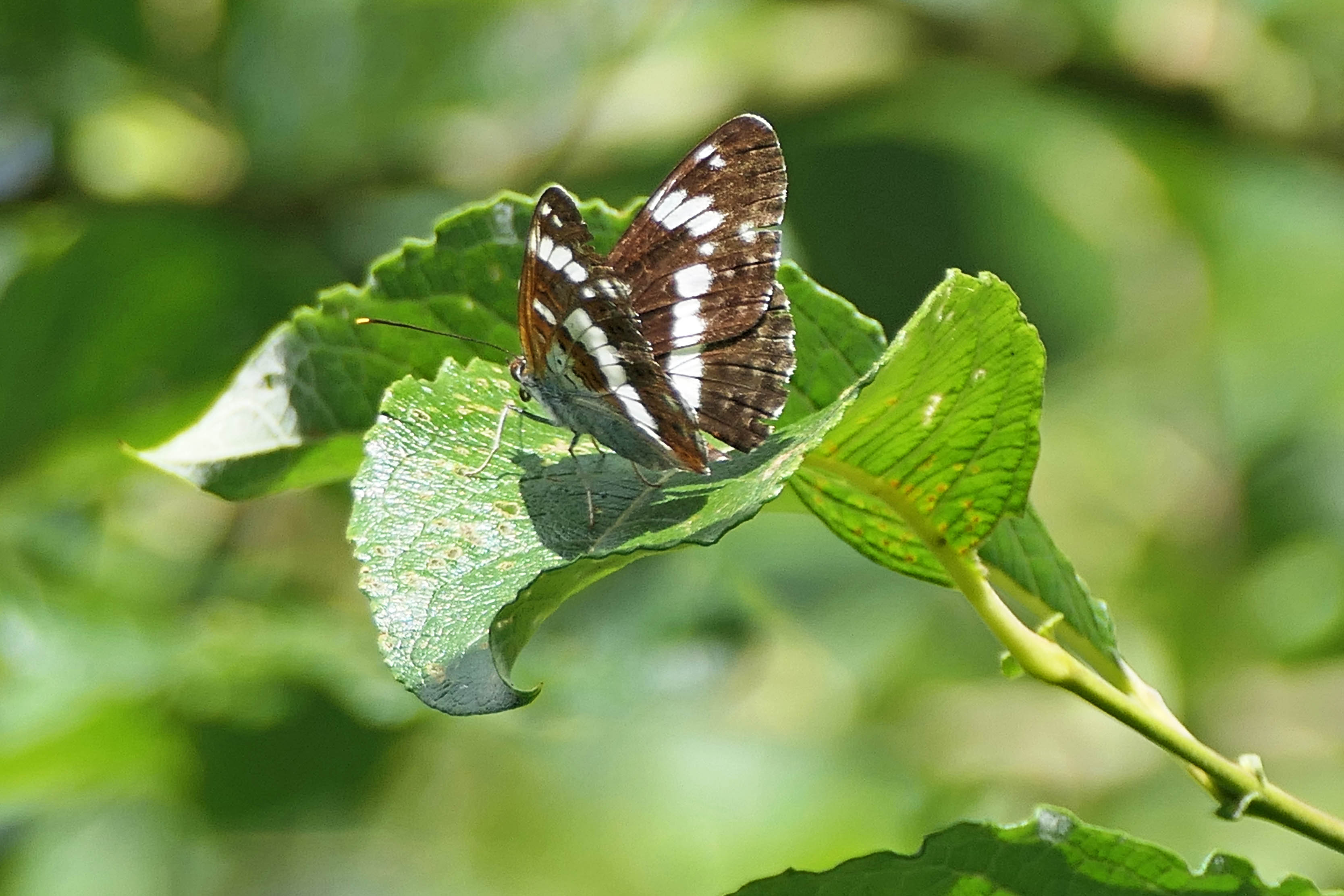
The reason this was such a wonderful day was the sheer abundance of butterflies I saw in this woodland, an abundance that has been very sadly lacking in recent years at the various locations I visit in south Wales. The first treat was getting very good views of several White admirals as they were gliding along the woodland rides. (The previous week I’d been to Slade Wood, in Gwent, the only local place I can find this species and seen two, but only distantly and fleetingly.)

The second source of delight was the profusion of Silver-washed fritillaries living in the wood. These are big showy butterflies, the largest of Britain’s fritillaries, and they thrive in the wide wildflower-filled rides of woodlands like Tiddesley. The only location where I’d ever seen such a large quantity before was on a visit to Lower Woods Nature Reserve in south Gloucestershire back in 2019 so I was in butterfly heaven watching them at Tiddesley.

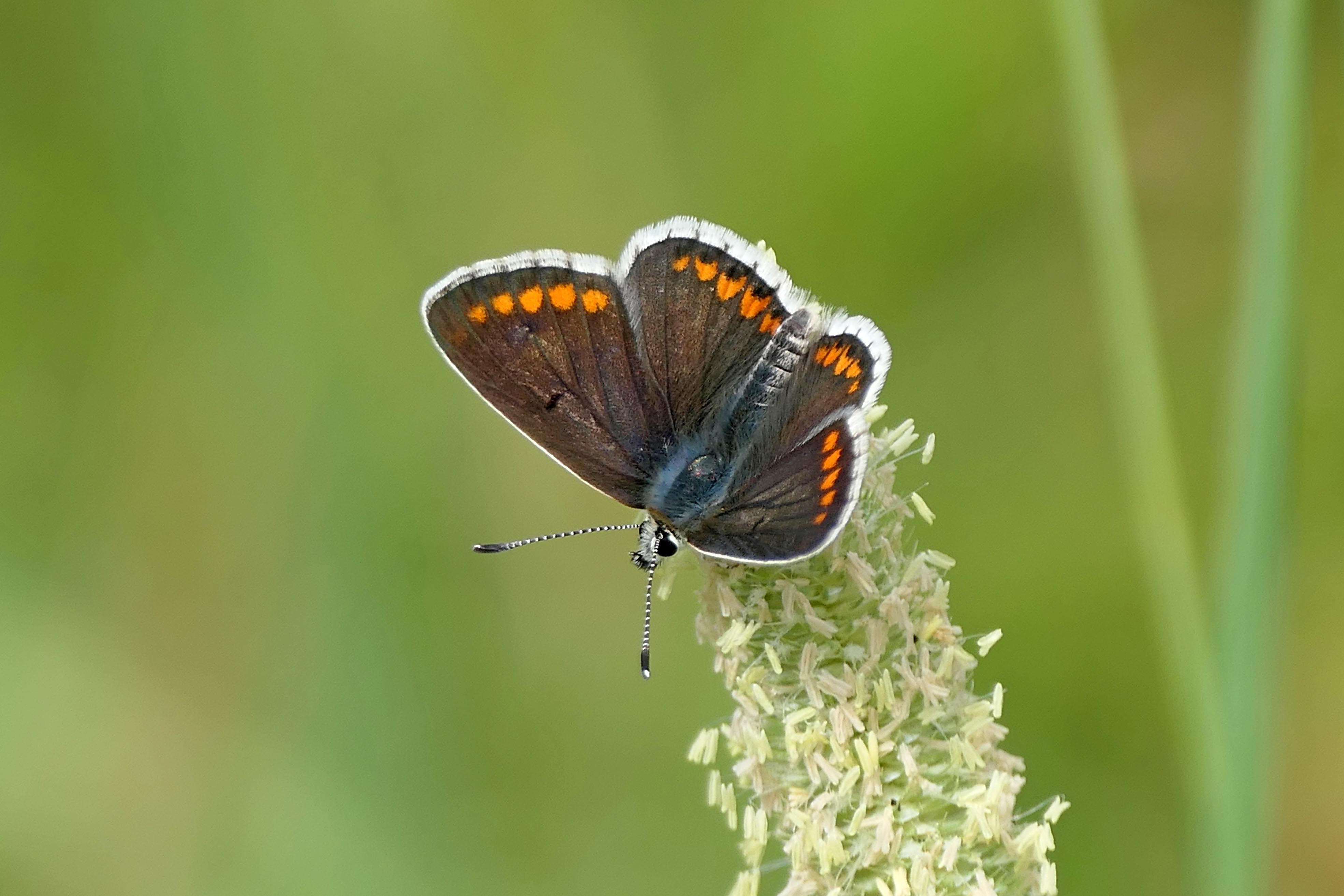
And then there were the ‘ordinary’ butterflies, like this handsome little Brown argus, a gang of which were patrolling small territories along the edges of the rides.

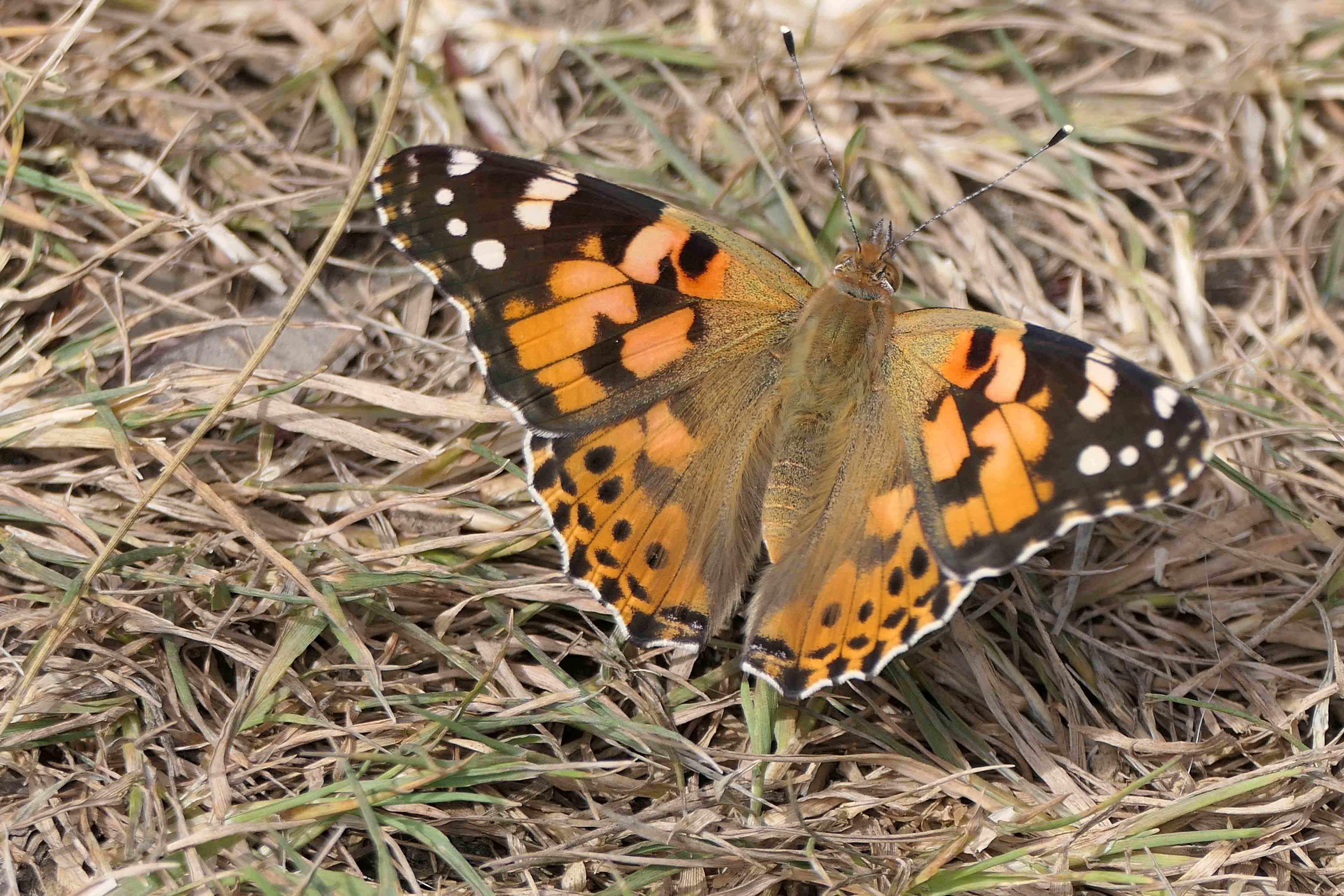
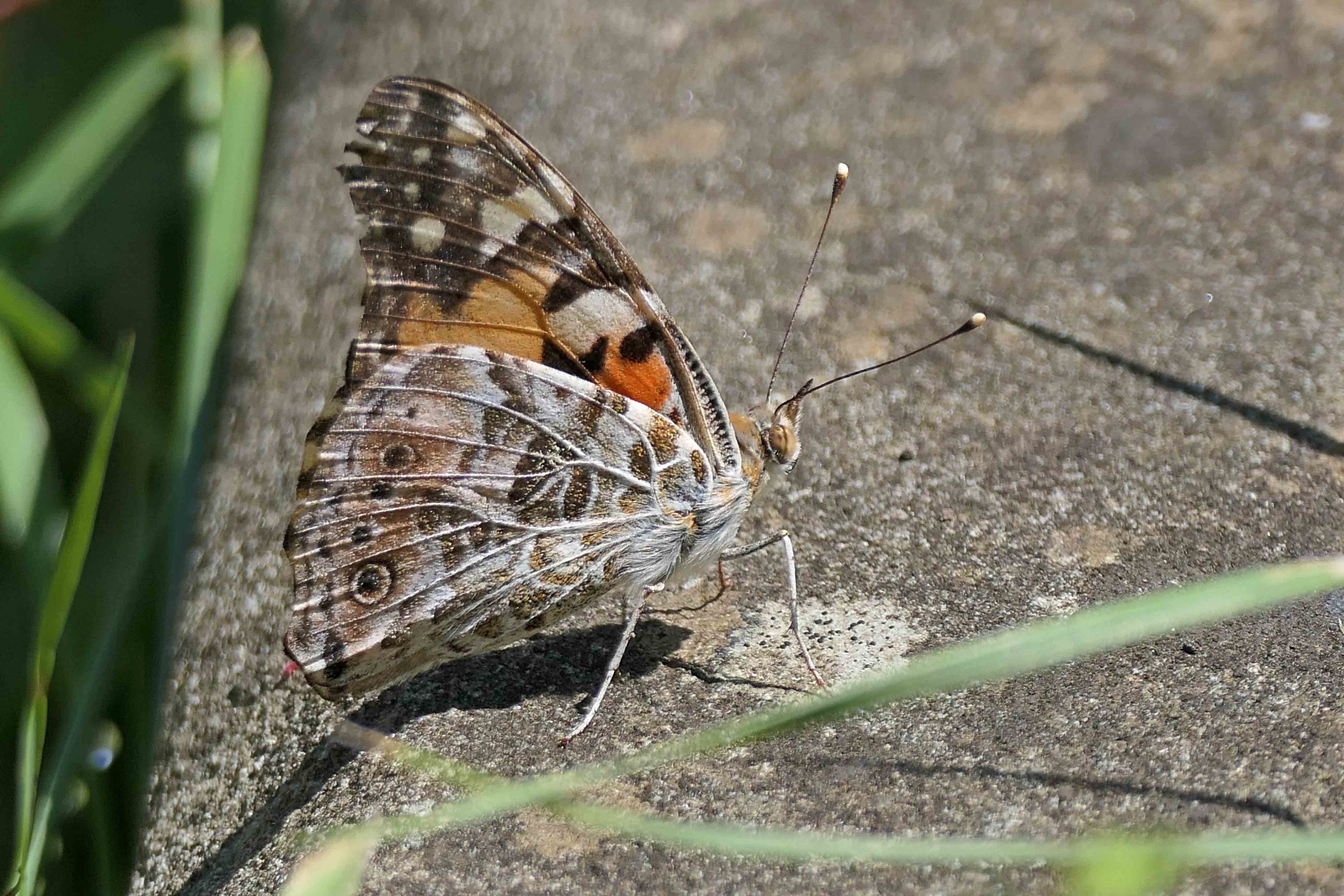
And this stunning Painted lady that flew right to my feet, as if to insist that it was also worthy of a photograph. I was happy to oblige.

For those interested, the total butterfly species list for the day was 19. They were: Ringlet, Meadow brown, Speckled wood, Gatekeeper, Small skipper, Large skipper, Brown argus, Small white, Large white, Green-veined white, Marbled white, Brimstone, Red admiral, Comma, Peacock, Small copper, Painted lady, White admiral, and Silver-washed fritillary. I may have missed out on seeing my first Purple emperor but I headed home smiling after a magical day in the woods.

Like Loading...

Spider: Agelena labyrinthica

09 Wednesday Jul 2025

Posted by sconzani in spiders

≈ Leave a comment

Tags

Agelena labyrinthica, Agelena labyrinthica with sawfly prey, British spiders, Labyrinth spider, mating Agelena labyrinthica spiders, Rhogogaster sawfly, spider

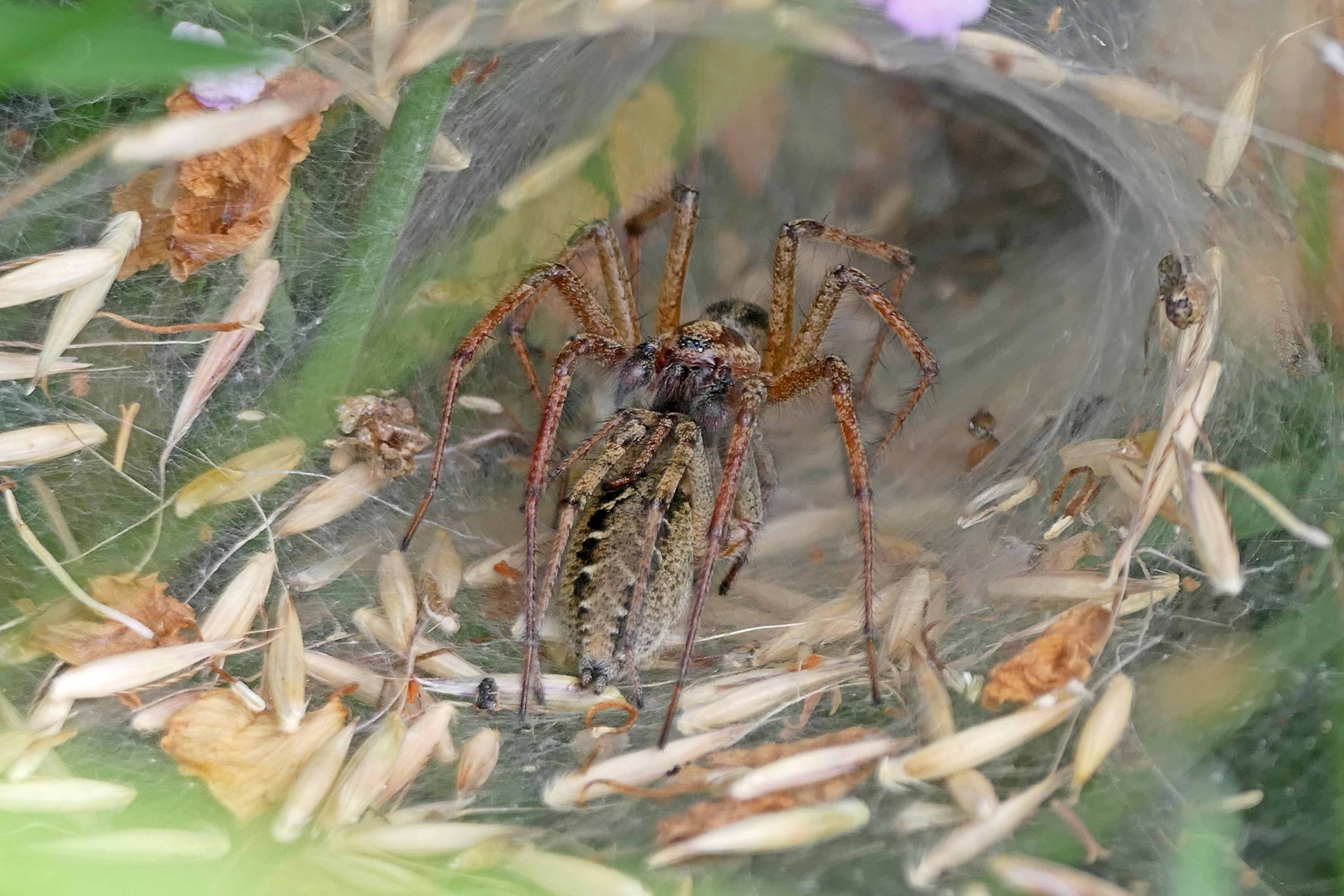
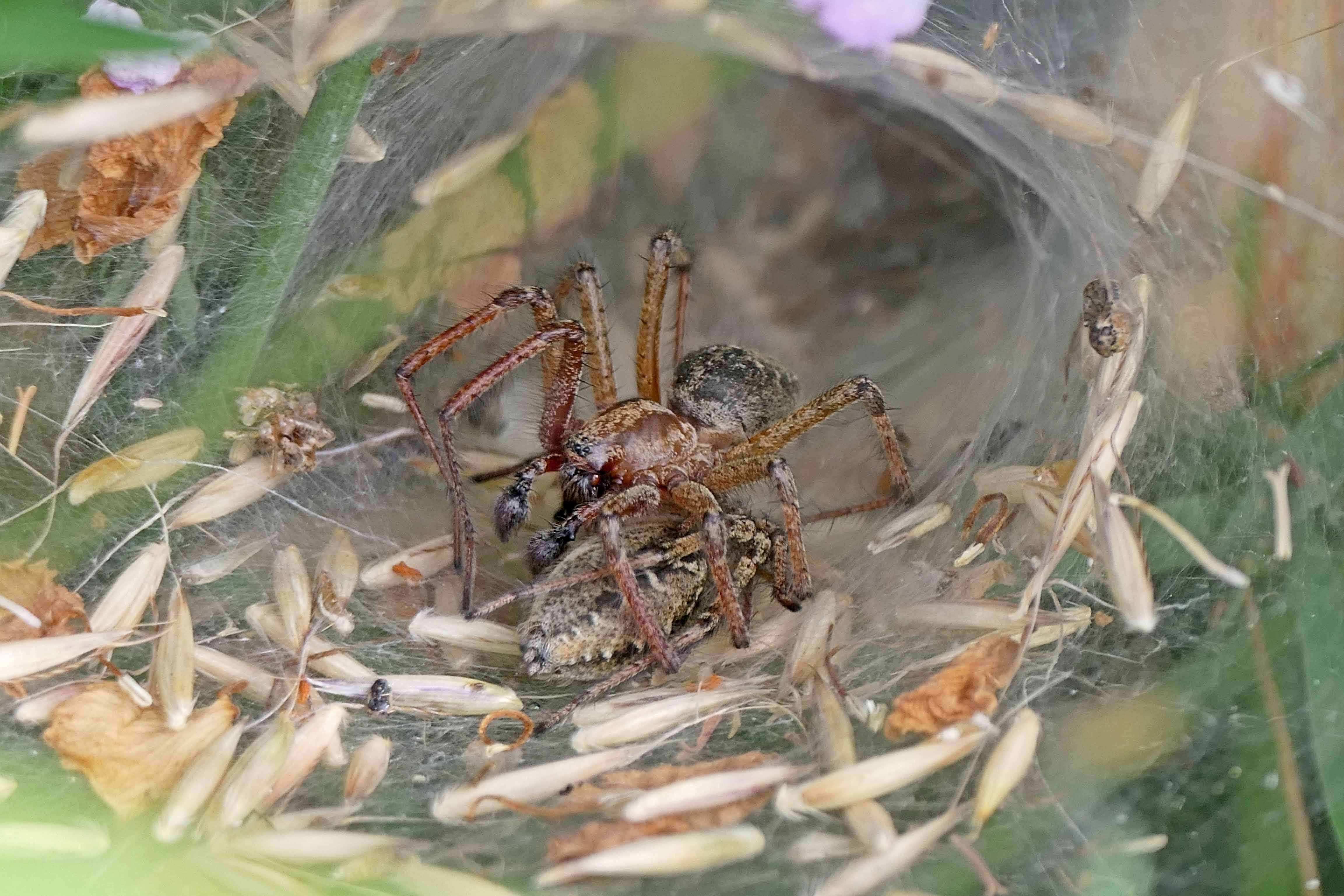
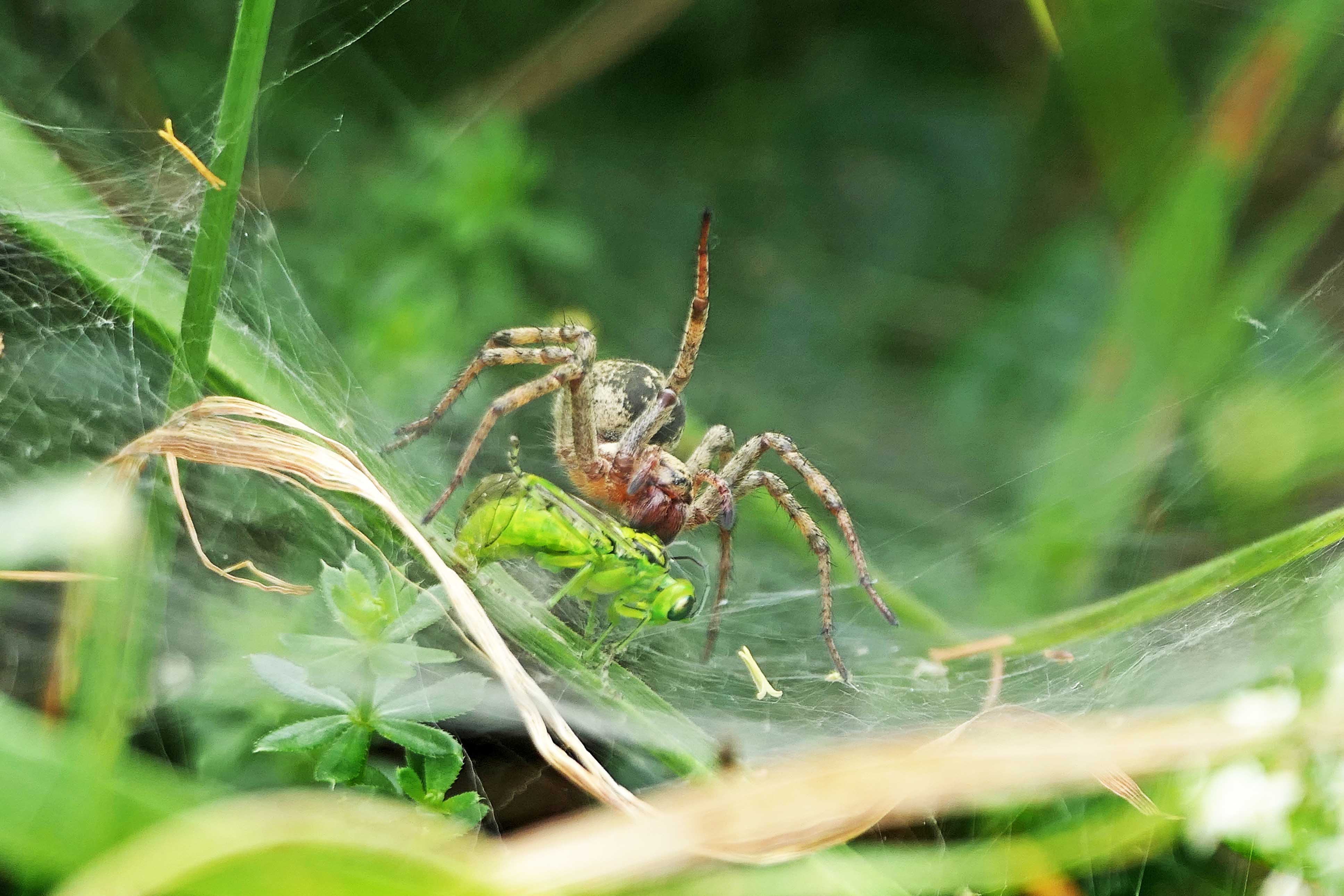
Though the distribution of this spider is quite patchy in south Wales, I’ve seen the extensive sheet-like webs they construct in and over and around vegetation in wild meadows, grasslands and on rough ground several times before, but the webs’ creators, the Labyrinth spiders (Agelena labyrinthica), are usually tucked away in their tunnel-like sanctuary at the back of the web structure. So, I was very pleased to see not one, but three of these handsome beasties on the first day of my little trip to Gloucestershire.

I’m sure the reason I saw all of them is because they were so preoccupied with other activities that they either didn’t even notice me or considered me a presence that could be ignored. The first two I spotted, shown above and below, were locked together, and I wasn’t sure if this was a fight in progress or something else. Turns out these were male and female Labyrinth spiders in the act of mating. I’m advised by those much more expert than me that the male is at the back in the first photo and on top in the second.

And the third handsome Agelena labyrinthica specimen I found had just that moment rushed out of its tunnel to secure a sawfly, one of the vivid green Rhogogaster species, that had inadvertently strayed on to the spider’s web and was about to be dragged back to the lair for consumption. A sad end for the sawfly but a happy co-incidence for me and the hungry spider.

Like Loading...

An exuberance of Marbled whites

08 Tuesday Jul 2025

Posted by sconzani in insects, walks

≈ 2 Comments

Tags

British butterflies, butterfly, Charlton Kings Common, Leckhampton Hill, Marbled white

The first full day of last week’s mini break, based in Cheltenham, was forecast to be the hottest day of the year so far so, rather than catch a train to one of the nearby locations I was planning to visit, I decided to stay in the Cheltenham area. I still ended up red-faced and sweaty after a six-hour eight-mile walk up and down and around Leckhampton Hill and Charlton Kings Common but what a fabulous day it was! As well as 13 other species of butterfly, I saw more Marbled whites than I’ve ever seen in my life before. I stopped counting at 50; they were everywhere, especially on the Knapweed flowers, which seemed to be their favourite nectar source.

As I didn’t take many landscape photos during this walk, I’ve included in my little slide show a few images from the last time I walked this way, in early June 2023, just to show you something of this beautiful place. You can see how much browner everything is this year after all our hot weather and with little rain to water the plants. It was a magical day!

Like Loading...

Leafhopper: Issus coleoptratus

07 Monday Jul 2025

Posted by sconzani in insects

≈ Leave a comment

Tags

British cicadellidae, British leafhoppers, Cicadellidae, Issus coleoptratus, leafhopper

A couple of months ago I blogged about a couple of leafhopper nymphs I’d found on the local park railings (Leafhopper: Issus species, 5 May). At the time I was fairly certain these were Issus coleoptratus, and I explained why I’d reached that conclusion but, when I recorded my finds, the national recorder redetermined my records to Issus species.

I’m feeling just a little smug that my earlier conclusion has been vindicated by the fact that I’ve now found an adult Issus coleoptratus just along the railings from where I found the nymphs, and its identity has been verified by the national recorder. Of course, the little leafhopper wanted to run away when I got close to photograph it but then, when I put my hand against the railings to stop it scooting down the other side, rather than hopping away as they usually do, it crawled on to said hand and was very tickly as it wandered around on my skin. It was a delightful encounter with a very handsome little bug.

Like Loading...

Wild madder

06 Sunday Jul 2025

Posted by sconzani in plants, wildflowers

≈ Leave a comment

Tags

British wildflowers, coastal plants, dye plants, plants with spines, Rubia peregrina, Wild madder

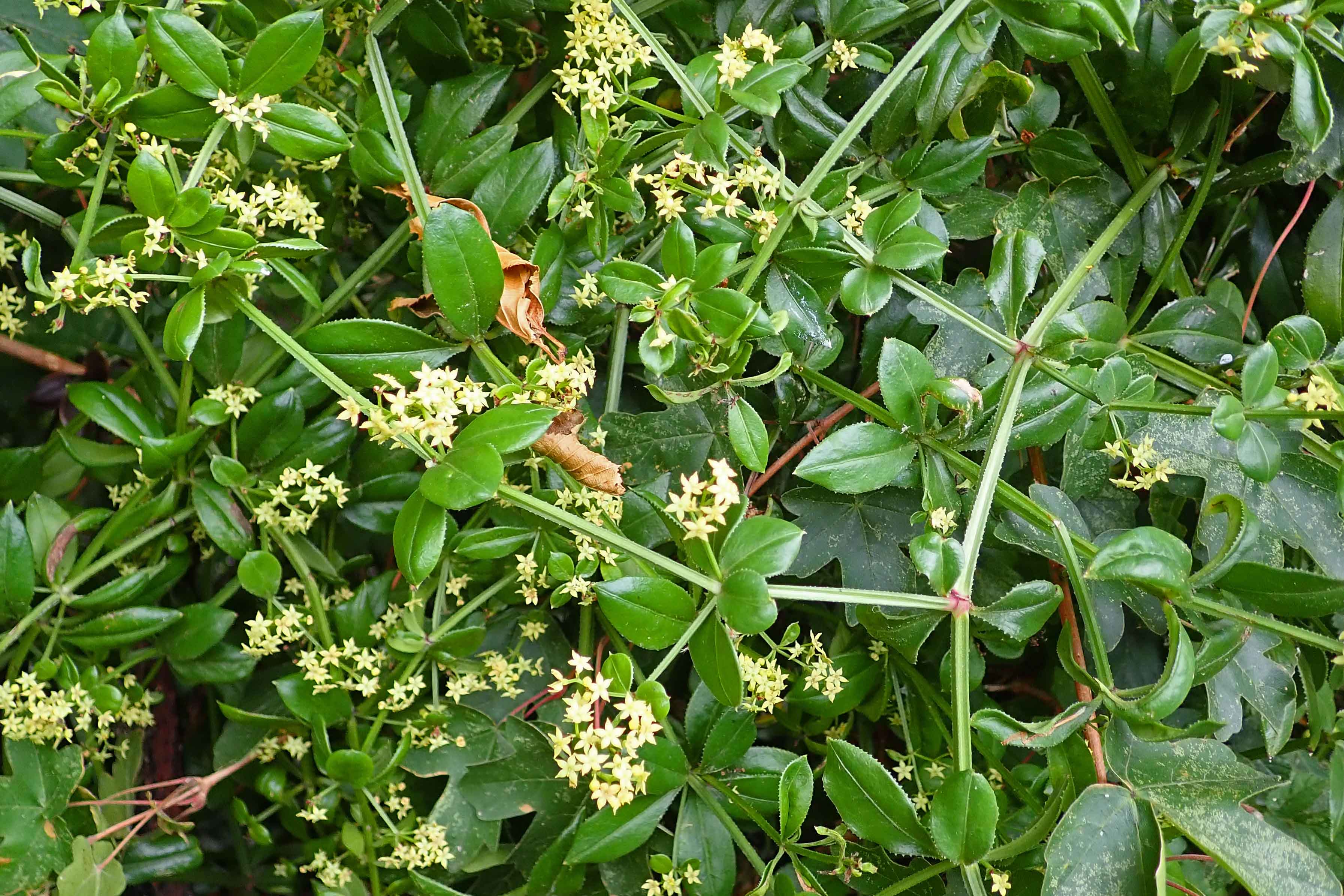
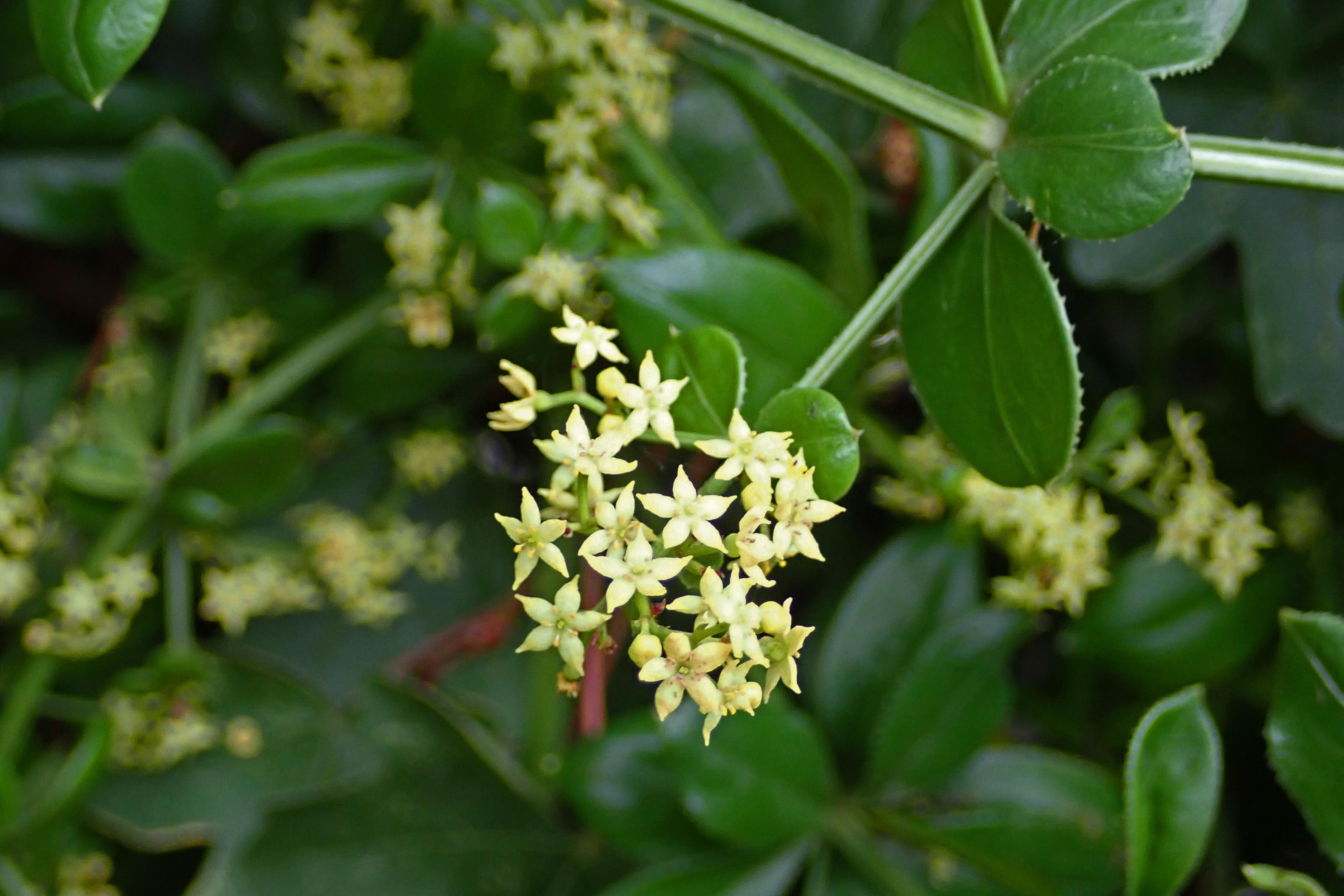
With short sharp hooked spines along the edges of its stems and leaves, Wild madder (Rubia peregrina) is one vicious-looking plant. You wouldn’t want to fall into a patch of it or mistakenly grab a stem for support if you lost your footing on one of the rocky slopes it likes to scramble over. Fortunately, my local plant was confined behind a metal fence though, even there, it was almost smothering the other scrub and was reaching its nasty tendrils through the railings as if to grab its next potential victim.

This is a coastal plant, found mainly in the south and west of Britain so along England’s southern coastline, right around the Welsh coast, and around Ireland’s southern coastline. In Flora Britannica, Richard Mabey writes that Wild madder is related ‘to the dye plant, madder, R. tinctorum, and its roots have been used to give a pink tone by English dyers’.

Like Loading...

A Stonechat surprise

05 Saturday Jul 2025

Posted by sconzani in birds

≈ Leave a comment

Tags

birding, birdwatching, British birds, juvenile Stonechat, Stonechat, young Stonechat

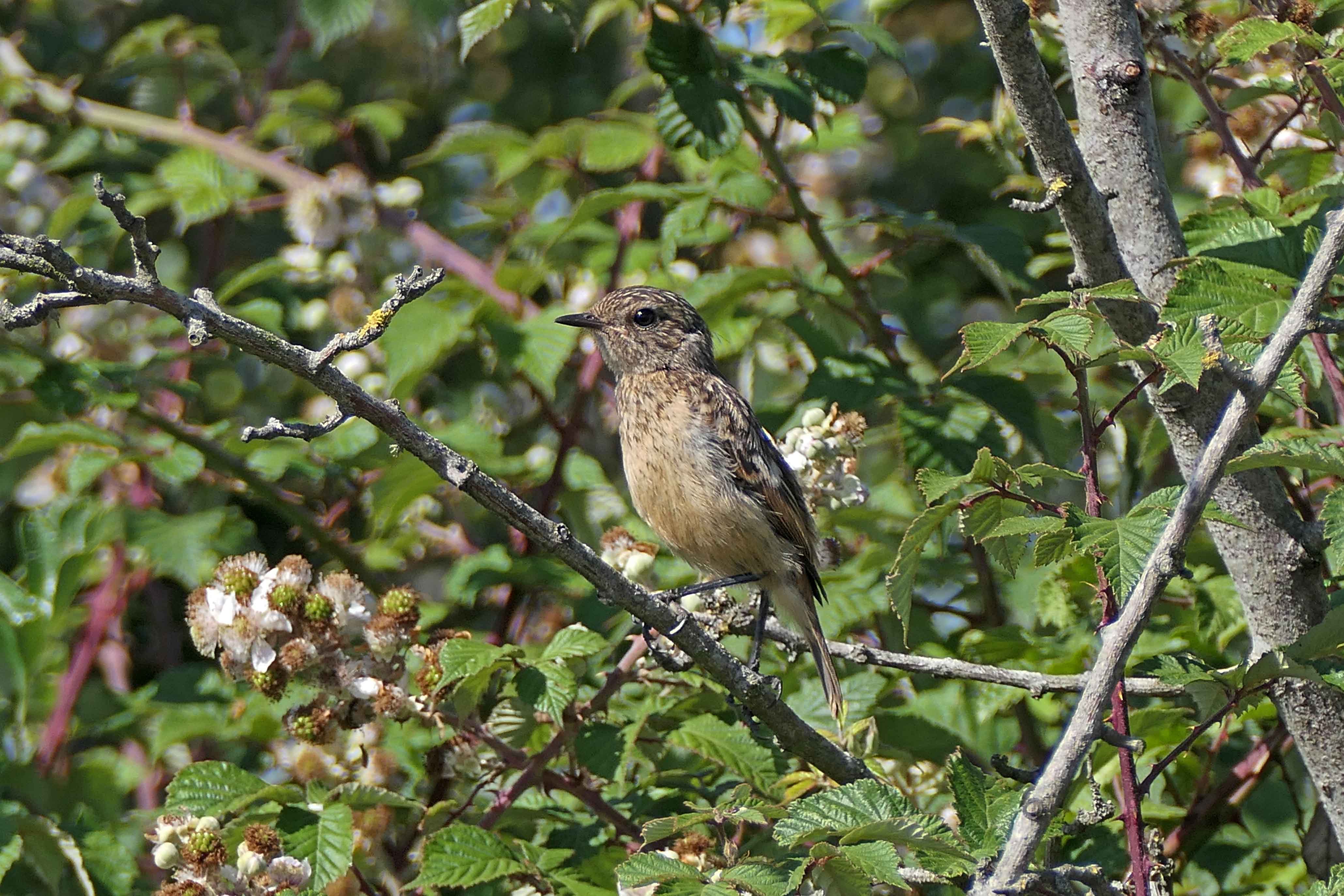
I’m just home from another mini break away, this time based in Cheltenham, but branching out from there to other places in Gloucestershire and Worcestershire, so expect a few blogs in the coming week about my finds. My trip was inspired by a desire to see one particular butterfly species but, of course, I appreciate all the wildlife I see around me, and this young Stonechat that I spotted sitting on a tree in Stroud on Thursday was a wonderful surprise and was definitely the birding highlight of this little adventure.

Like Loading...

The Gatekeeper and the Painted lady

04 Friday Jul 2025

Posted by sconzani in insects

≈ 2 Comments

Tags

British butterflies, butterfly, Essex skipper, Gatekeeper, Painted Lady, Silver-washed fritillary, White-letter hairstreak

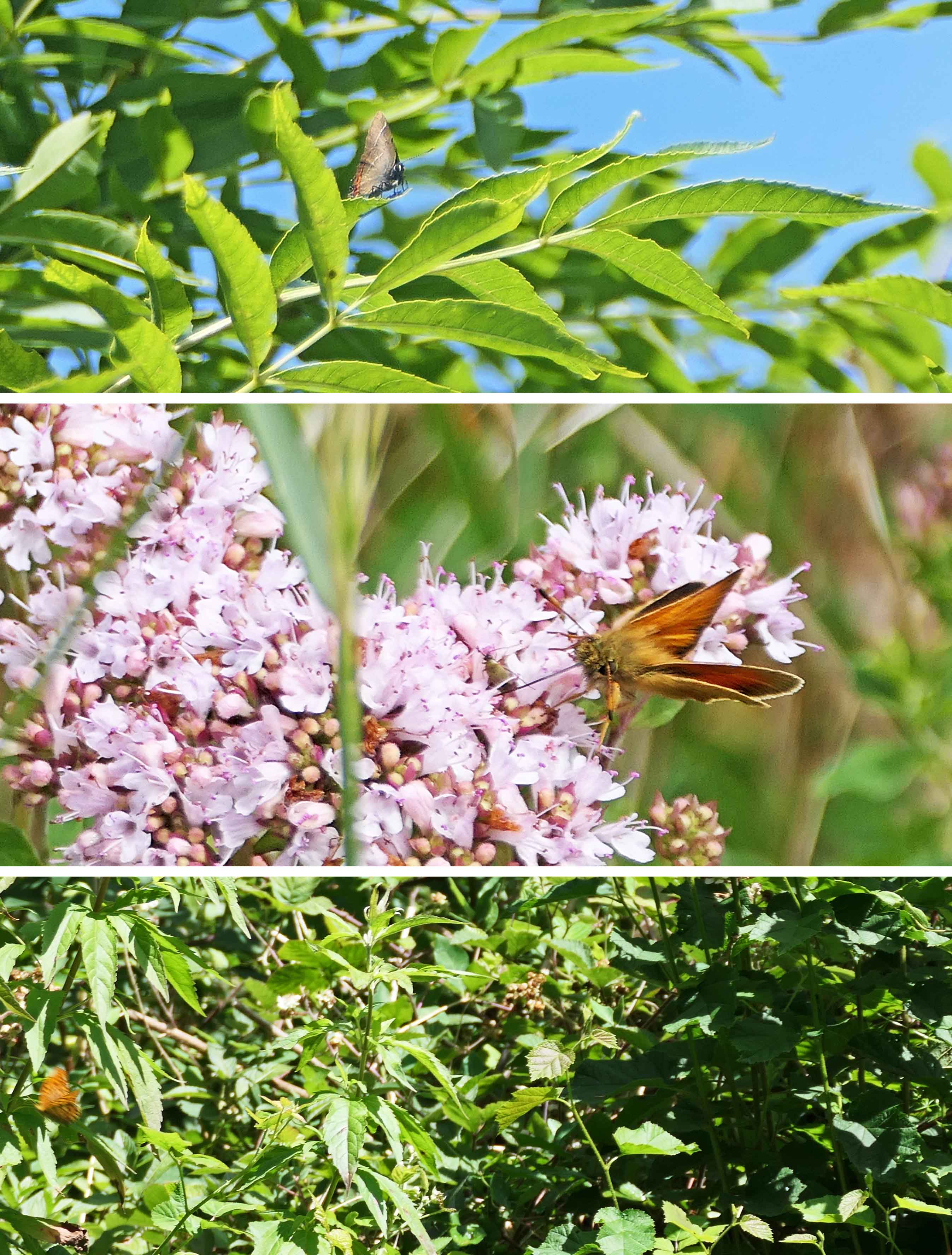
During the three days from to 25 to 28 June I saw six new species of butterfly: Gatekeeper, White-letter hairstreak, Essex skipper, White admiral, Silver-washed fritillary and Painted lady. Seeing so many in such a short time was an amazing experience, and I thoroughly enjoyed the time I spent watching each and every one of them.

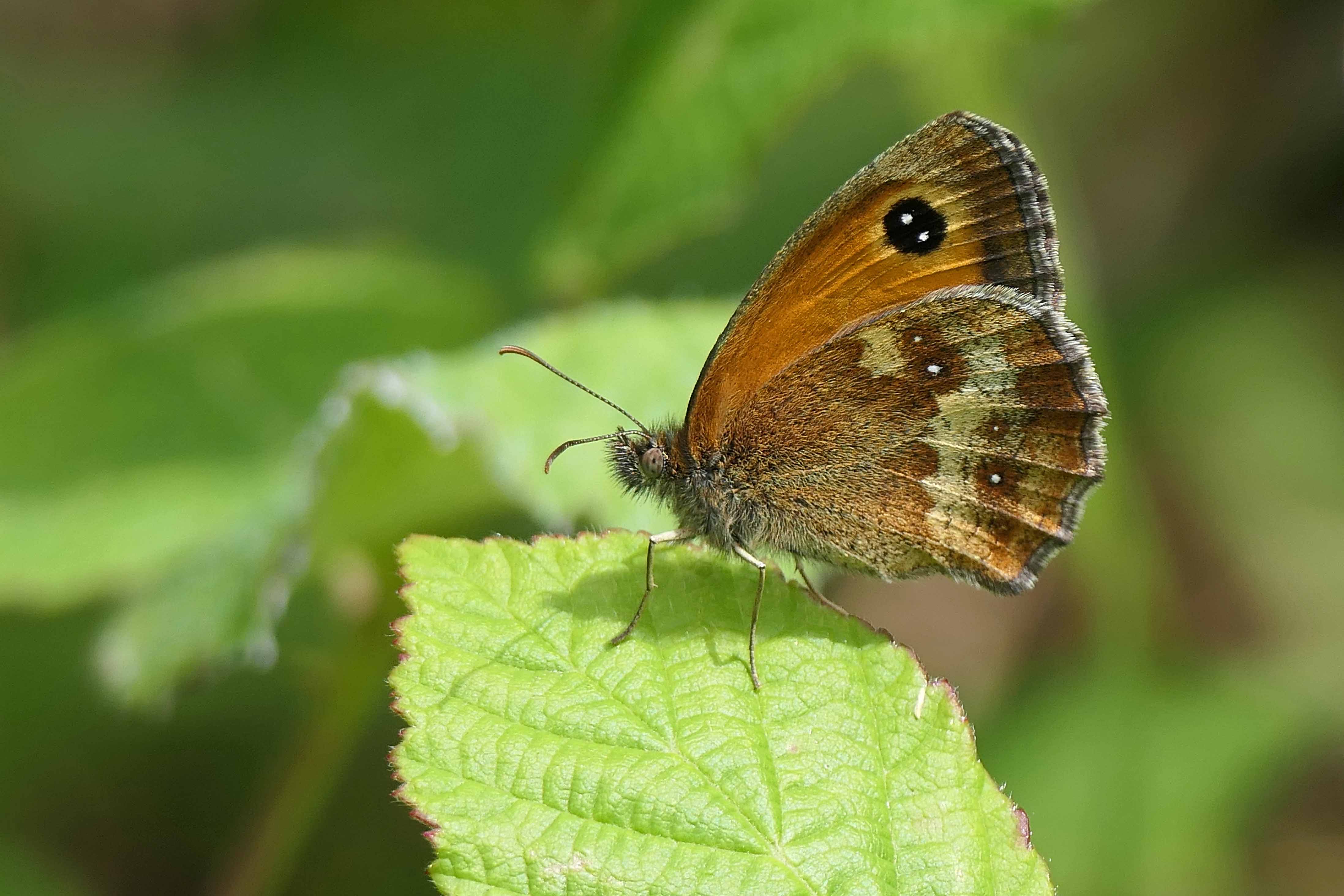
Disappointingly, the only ones I can show you reasonable images of are the Gatekeeper (above) and the Painted lady (below).

The other species were either flitting around high in the tree tops (White-letter hairstreak), paused for the briefest of moments on some flowers before disappearing in to the farm field behind (Essex skipper), weren’t stopping for a moment in their endless quest for a female (a Silver-washed fritillary exits stage left), or weren’t stopping at all ever (not even a blurry photo of the two White admirals I saw).

Like Loading...

Mayfly: Ephemera danica

03 Thursday Jul 2025

Posted by sconzani in insects

≈ Leave a comment

Tags

British mayflies, Ephemera danica, Ephemera vulgata, Green drake mayfly, male mayflies, mayfly

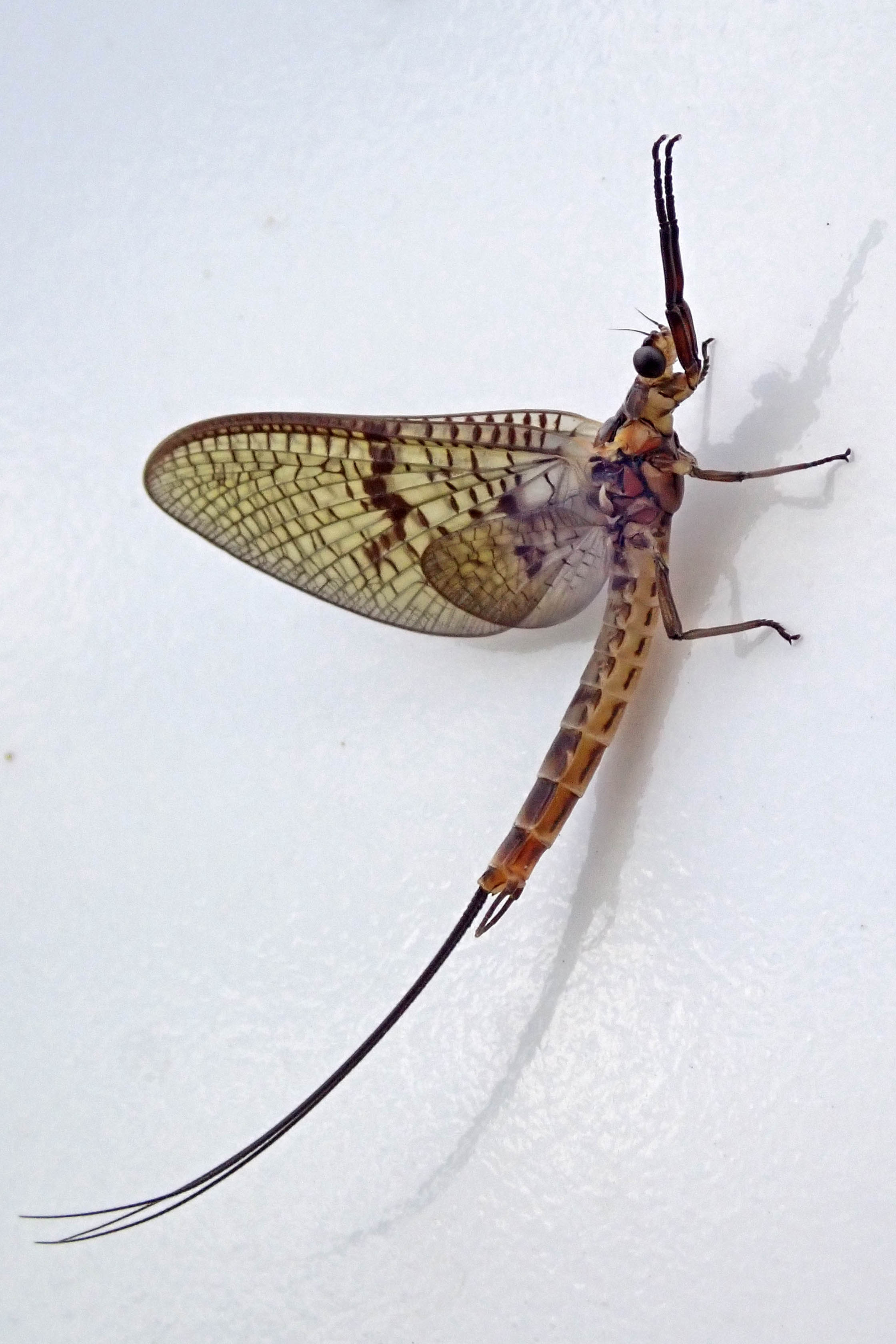
There is sadness here on the blog today for the subjects of my photos are male mayflies that have almost certainly retreated from the river where they have just mated with as many females as possible, to die amongst vegetation or, in the case below, clinging to a fence panel.

I’m sure you’re all familiar with the mayfly’s life cycle: after spending between two weeks and two years as larvae beneath the water, on the day of hatching the males fly up to dance, often in huge swarms, above the water’s surface. The female mayflies fly up in to the swarm to mate, in flight, after which they fall to the water to lay their eggs, numbering in the hundreds, if not thousands, before, probably, becoming the meal of a waiting fish or canny bird. Sometimes the males seek shelter for a time before rejoining the swarm but it’s more likely that they simply find a place to perch and die.

From the distinctive markings on their abdomens and wings, I think these particular mayflies are the species Ephemera vulgata. It is the pair of earwig-like pincers near their tails that indicate these are both males.

***EDIT November 2025. As you can see from my previous paragraph, I initially identified these mayflies as Ephemera vulgata but I have just had notification that my records have been redetermined to species Ephemera danica.

Like Loading...
← Older posts
Newer posts →

About me

sconzani

sconzani

I'm a writer and photographer; researcher and blogger; birder and nature lover; countryside rambler and city strider; volunteer and biodiversity recorder.

View Full Profile →

Follow earthstar on WordPress.com

Enter your email address to follow this blog and receive notifications of new posts by email.

Recent blog posts

  • Nesting material April 28, 2026
  • Lifer: Box bug April 27, 2026
  • Peak Wild garlic April 26, 2026
  • First damsels of 2026 April 25, 2026
  • NFY: Green-veined white April 24, 2026

From the archives

COPYRIGHT

Unless otherwise acknowledged, the text and photographs on this blog are my own and are subject to international copyright. Nothing may be downloaded or copied without my permission.

Fellow Earth Stars!

  • Unknown's avatar
  • Unknown's avatar
  • Unknown's avatar
  • Unknown's avatar
  • Unknown's avatar
  • Unknown's avatar
  • Unknown's avatar
  • Unknown's avatar
  • Unknown's avatar
  • Unknown's avatar
  • Unknown's avatar
  • Unknown's avatar
  • Unknown's avatar
  • Unknown's avatar
  • Unknown's avatar
  • Unknown's avatar
  • Unknown's avatar
  • Unknown's avatar
  • Unknown's avatar
  • Unknown's avatar
  • Unknown's avatar
  • Unknown's avatar
  • Unknown's avatar
  • Unknown's avatar
  • Unknown's avatar
  • Unknown's avatar
  • Unknown's avatar
  • Unknown's avatar
  • Unknown's avatar
  • Unknown's avatar
  • Unknown's avatar
  • Unknown's avatar
  • Unknown's avatar
  • Unknown's avatar
  • Unknown's avatar
  • Unknown's avatar
  • Unknown's avatar
  • Unknown's avatar
  • Unknown's avatar
  • Unknown's avatar
  • Unknown's avatar
  • Unknown's avatar
  • Unknown's avatar
  • Unknown's avatar
  • Unknown's avatar
  • Unknown's avatar
  • Unknown's avatar
  • Unknown's avatar
  • Unknown's avatar
  • Unknown's avatar

Blog at WordPress.com.

Privacy & Cookies: This site uses cookies. By continuing to use this website, you agree to their use.
To find out more, including how to control cookies, see here: Cookie Policy
  • Subscribe Subscribed
    • earthstar
    • Join 642 other subscribers
    • Already have a WordPress.com account? Log in now.
    • earthstar
    • Subscribe Subscribed
    • Sign up
    • Log in
    • Report this content
    • View site in Reader
    • Manage subscriptions
    • Collapse this bar

Loading Comments...

You must be logged in to post a comment.

    %d