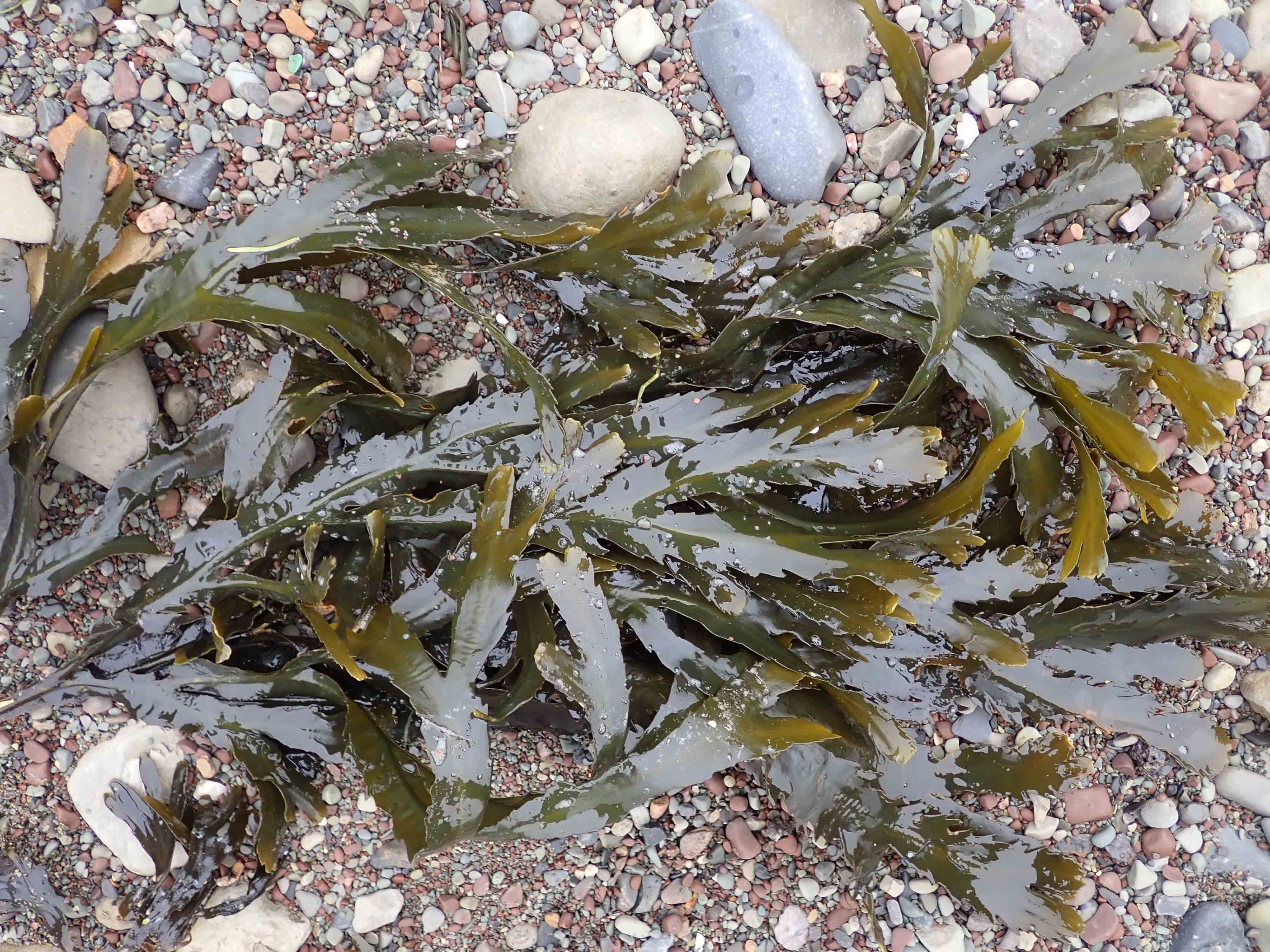
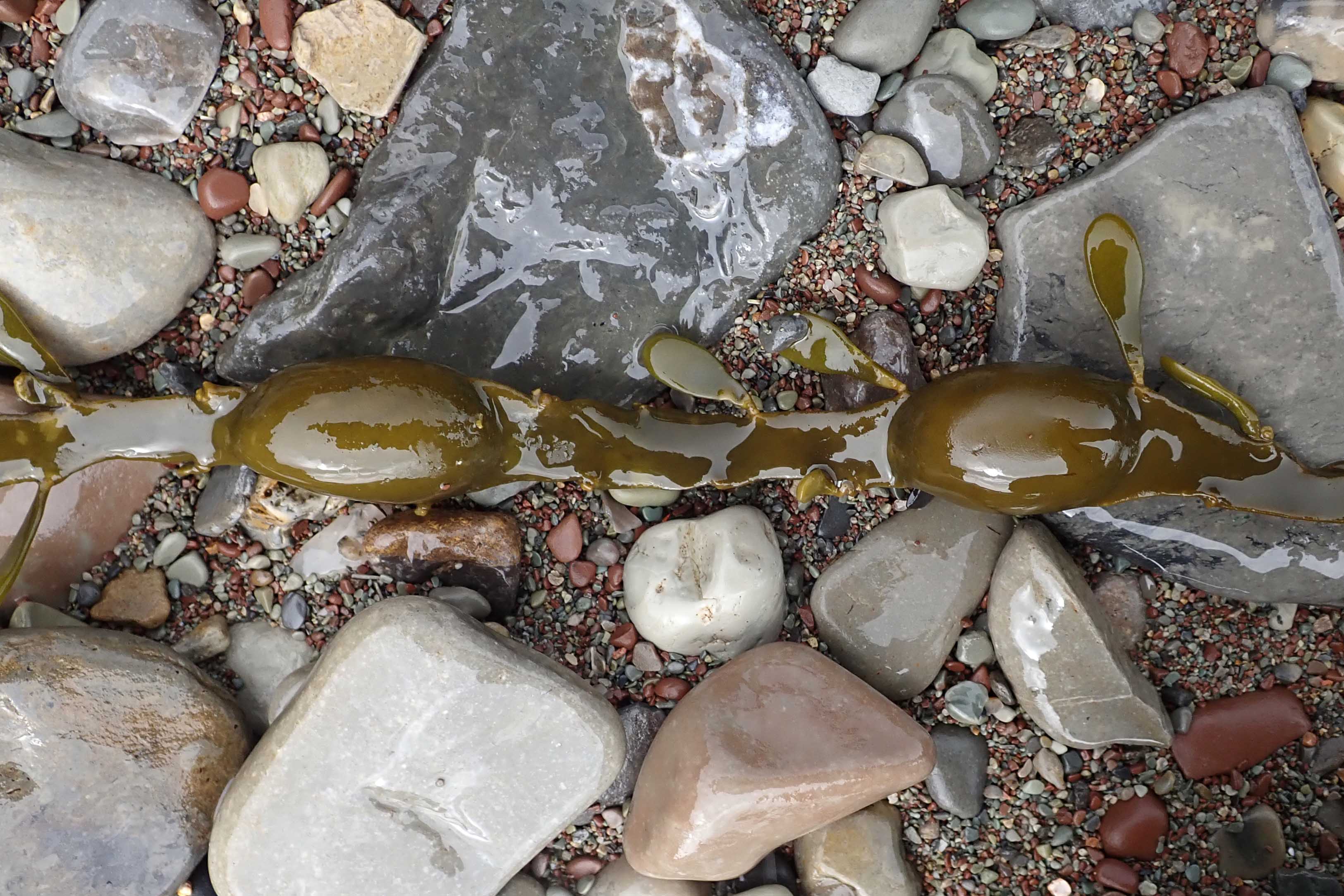
Here’s another new-to-me seaweed, which the British beachcombers amongst you have probably seen many many times already, as it’s very common and found all around the coasts of Britain and Ireland.
This is Toothed wrack (Fucus serratus), also known as Serrated wrack, named for the sharp-looking toothed edges of its fronds.
As seen here, it is a brownish-green in colour, grows from a short stalk (shown in the photo at left), and its fronds are flat, with no air bladders.
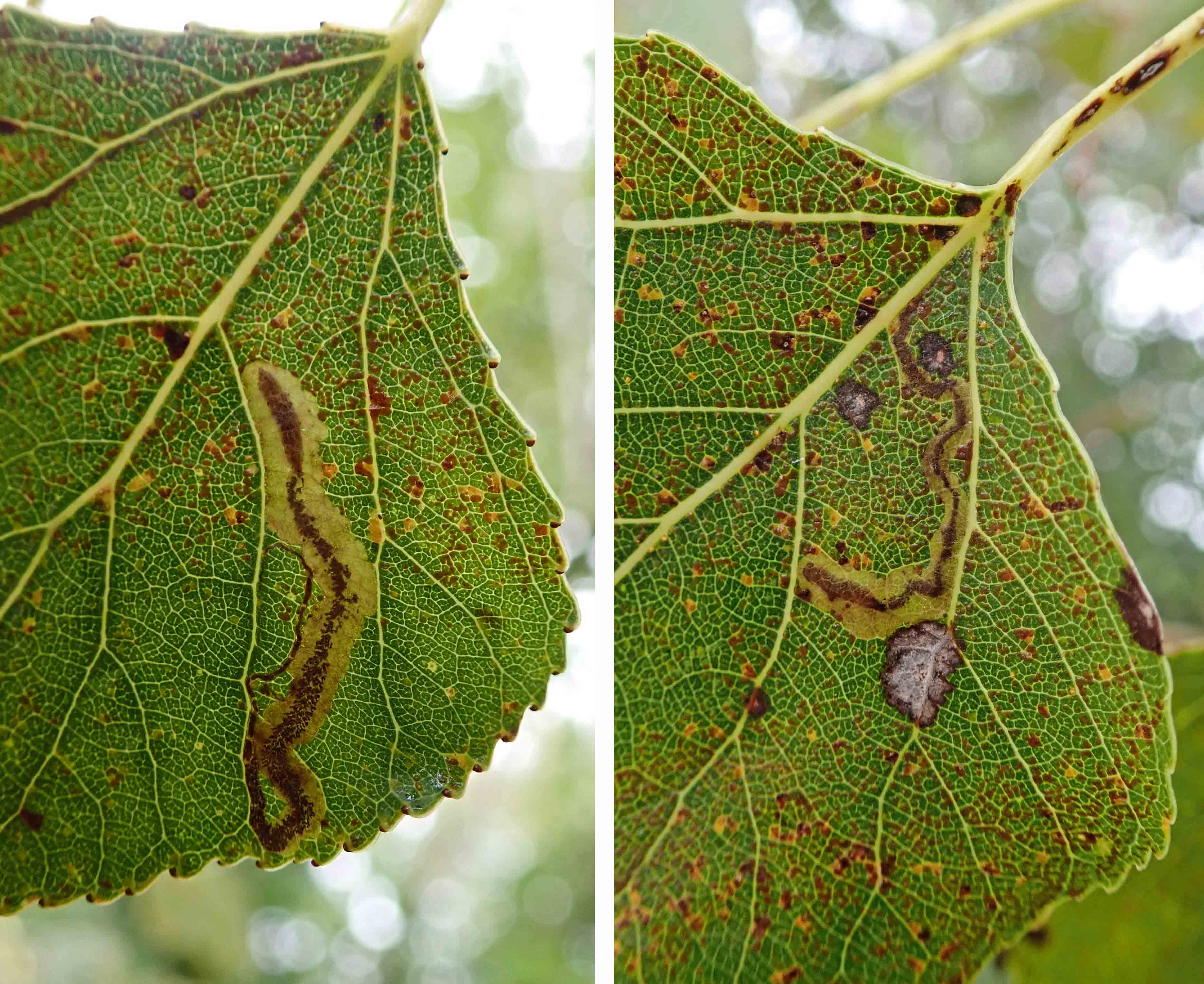
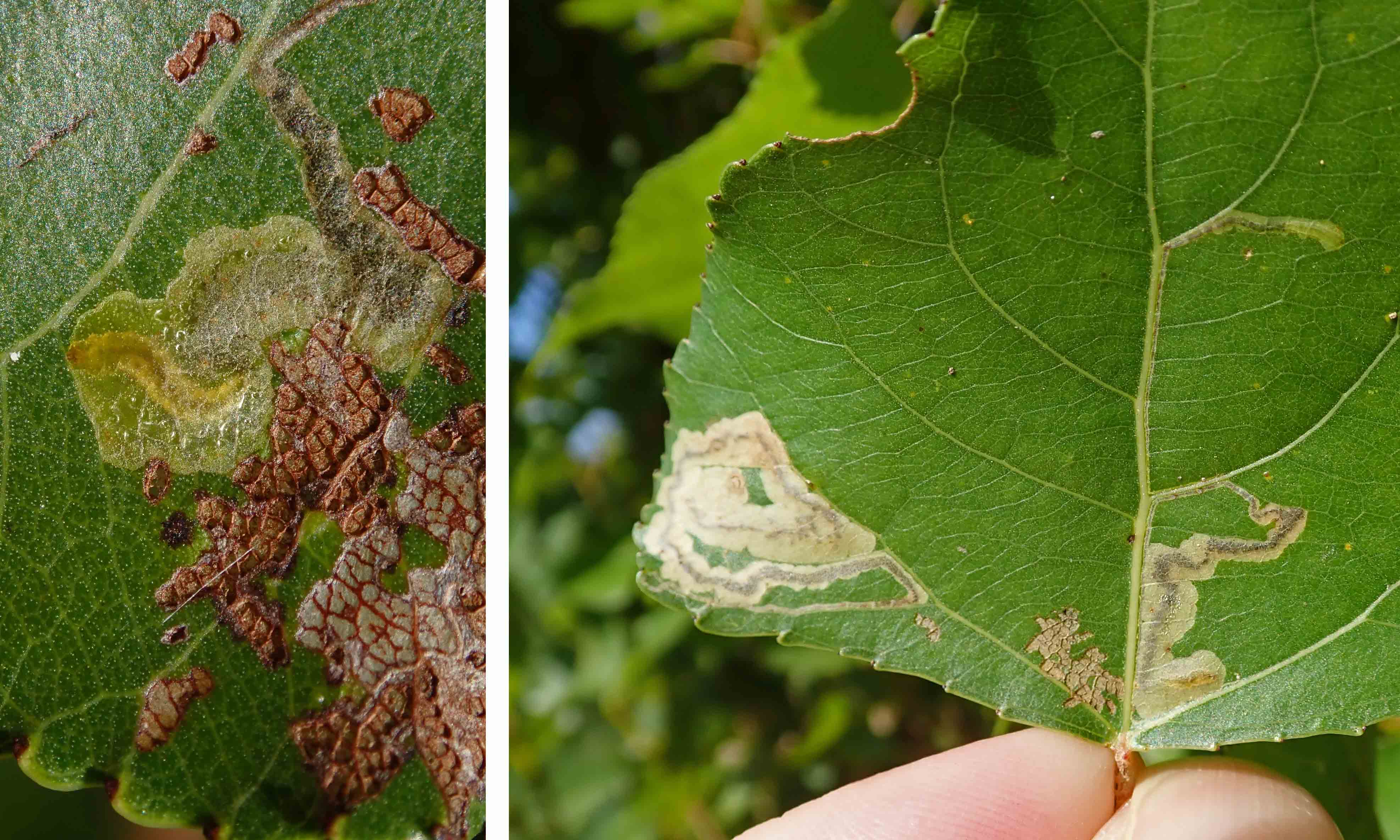
My leaf-mining contacts on X/Twitter and now on Bluesky were posting their lovely images of a mine on Poplar leaves that I hadn’t seen before so, of course, I went looking. These photos (and many more) are the result.
Though the UK Moths website information on their distribution states that this moth can be found ‘throughout England, where it is fairly common except in the west’ and that ‘there are records from Scotland and Wales, but very few’, there are, in fact, over a hundred Welsh records and they are scattered throughout the country.
This is Stigmella trimaculella (I love its common name: Three-spot dot), whose larvae munch on the leaves of Populus species – that’s all the various types of Poplar, as well as Aspen. The mine starts out as a thin gallery, widening as the larva grows in size, eventually becoming a silvery blotch. As you can see in the photo below left, the larva is a greenish-yellow in colour and has a brown head. The mines can be found twice each year, between June and July and again from September to October.
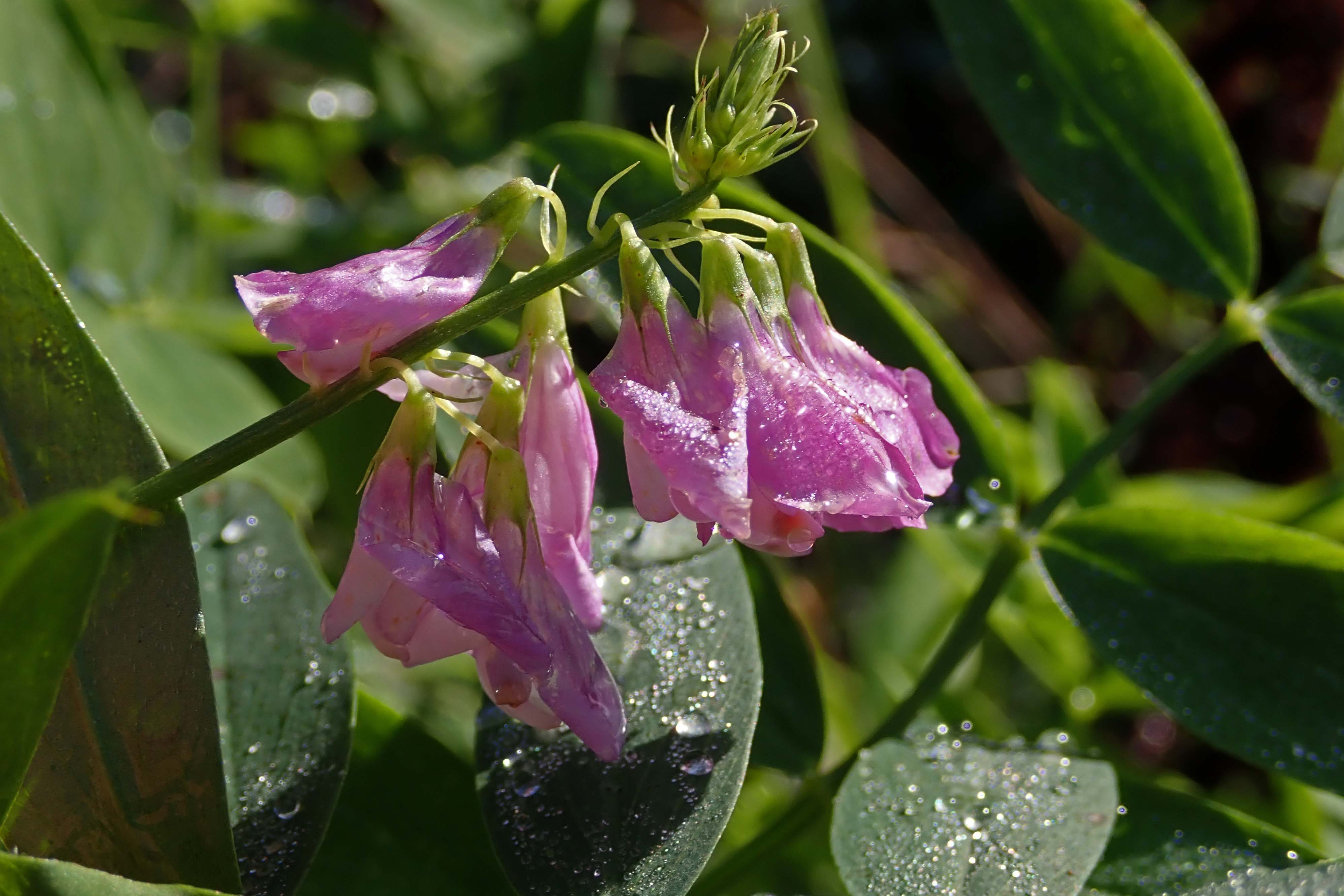
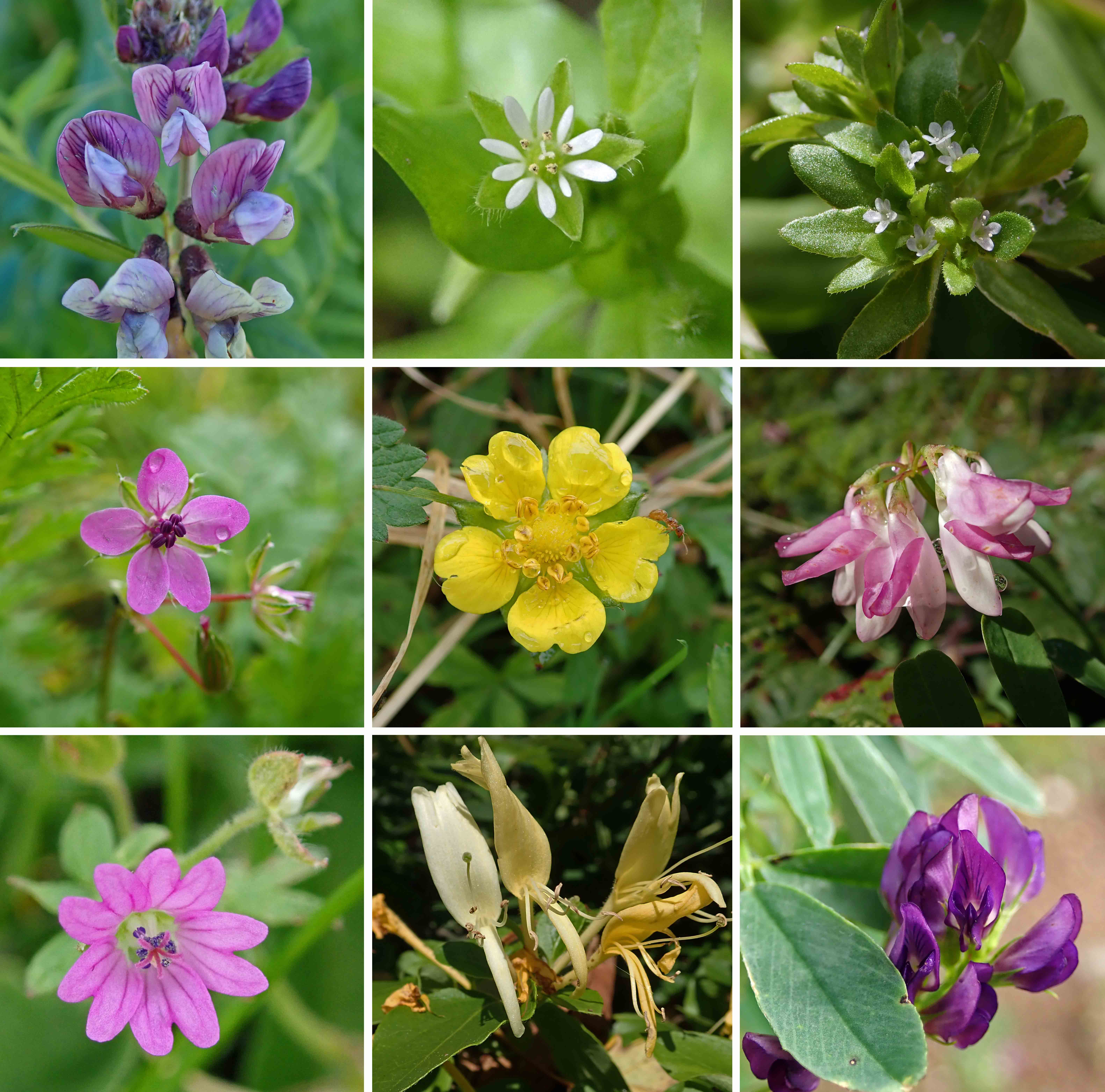
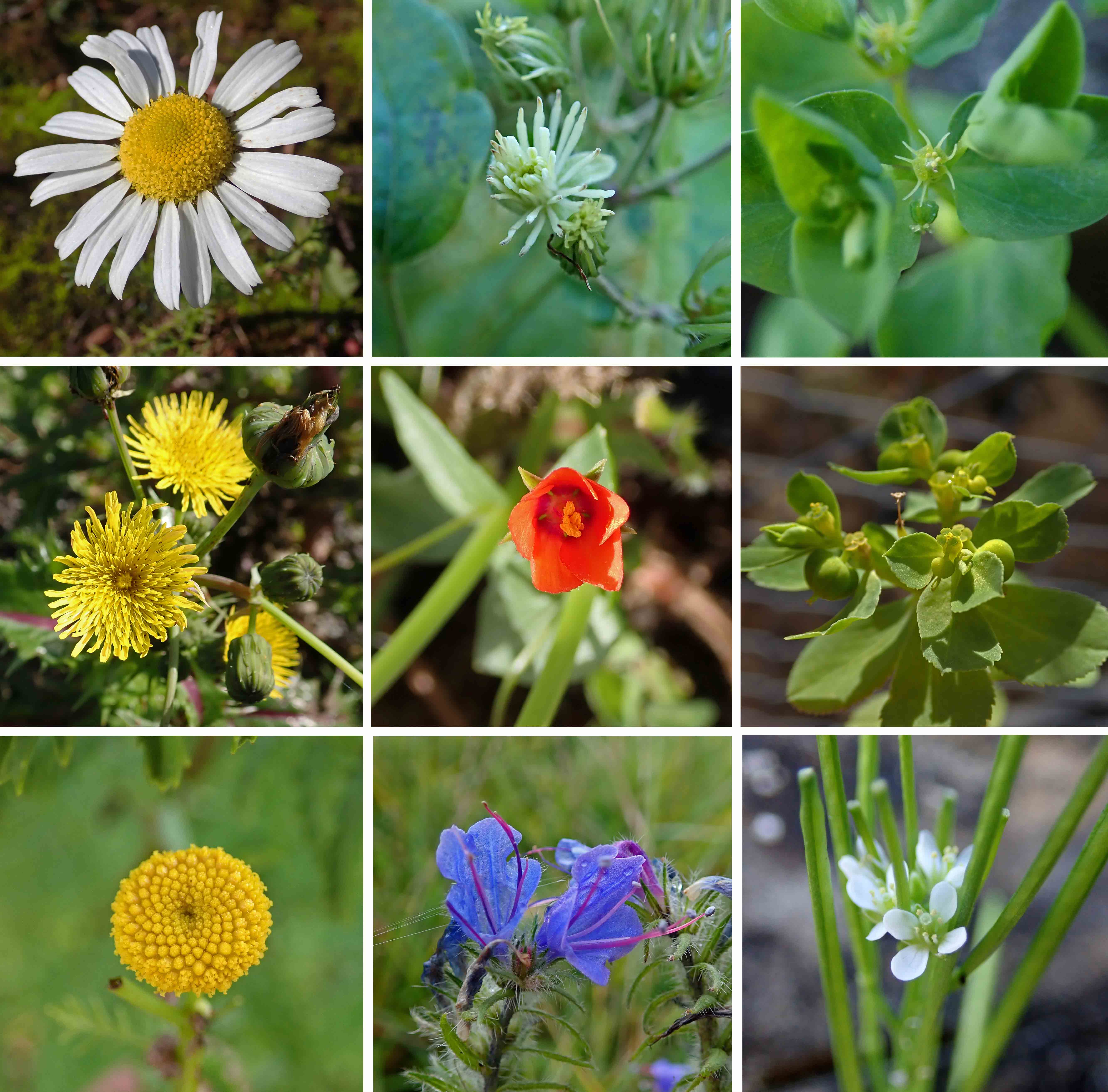
These are some of the wildflowers I missed from last Sunday’s mid-autumn wildflowers-still-in-flower video and have found during this past week, many found during a thorough walk around Cardiff Bay where the vetches, in particular, but also plants like Viper’s bugloss are still in bloom.
Goat’s-rue
Bush vetch, Common chickweed, Common cornsalad, Common stork’s-bill, Creeping cinquefoil, Crown vetch, Dove’s-foot crane’s-bill, Honeysuckle, and Lucerne.
Mayweed, Old man’s beard, Petty spurge, Prickly sowthistle, Scarlet pimpernel, Sun spurge, Tansy, Viper’s bugloss, and Wavy bittercress.
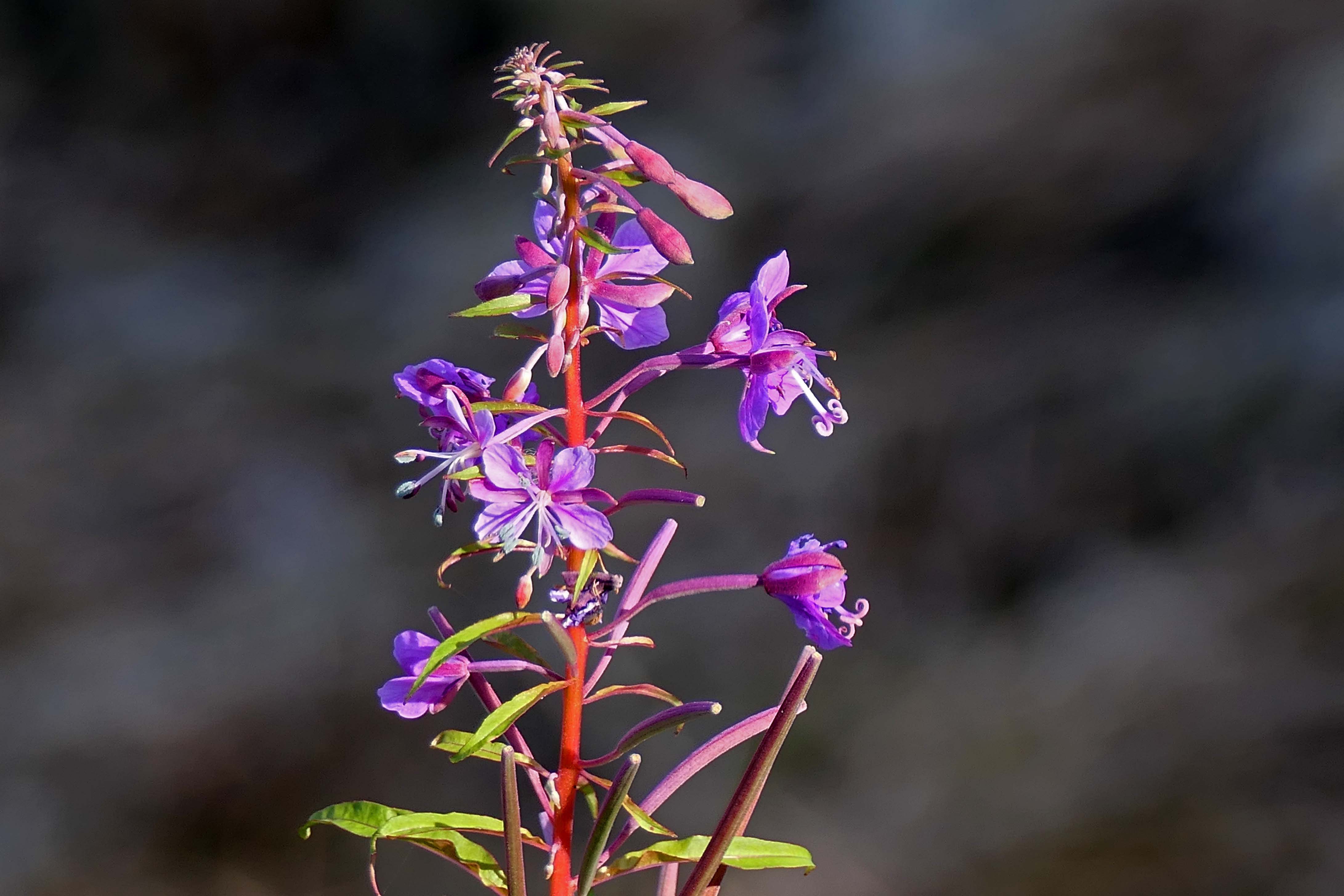
And, last but certainly not least, Rosebay willowherb, which I had to use my long lens to capture as it was growing down a riverside embankment.
Another bird sighting that brightened a dull Tuesday was that of my first Common gulls (Larus canus) of the autumn – this is one of them trying to keep its balance on the yellow buoy behind the Black-headed gulls.
According to the BTO website, these beauties breed ‘in the north and west of both Britain and Ireland with a preference for upland areas’, which is why we don’t see them around Cardiff Bay or along the adjacent coastline until the temperatures begin to cool.
At first, I only spotted the one sitting on the yellow ball but then it flew towards the adjacent string of orange buoys that mark the entrance to the Barrage locks and upset another of its species that had been sitting on the ‘Keep clear’ sign. That was a bonus as it helped me get flight shots of the two of them.
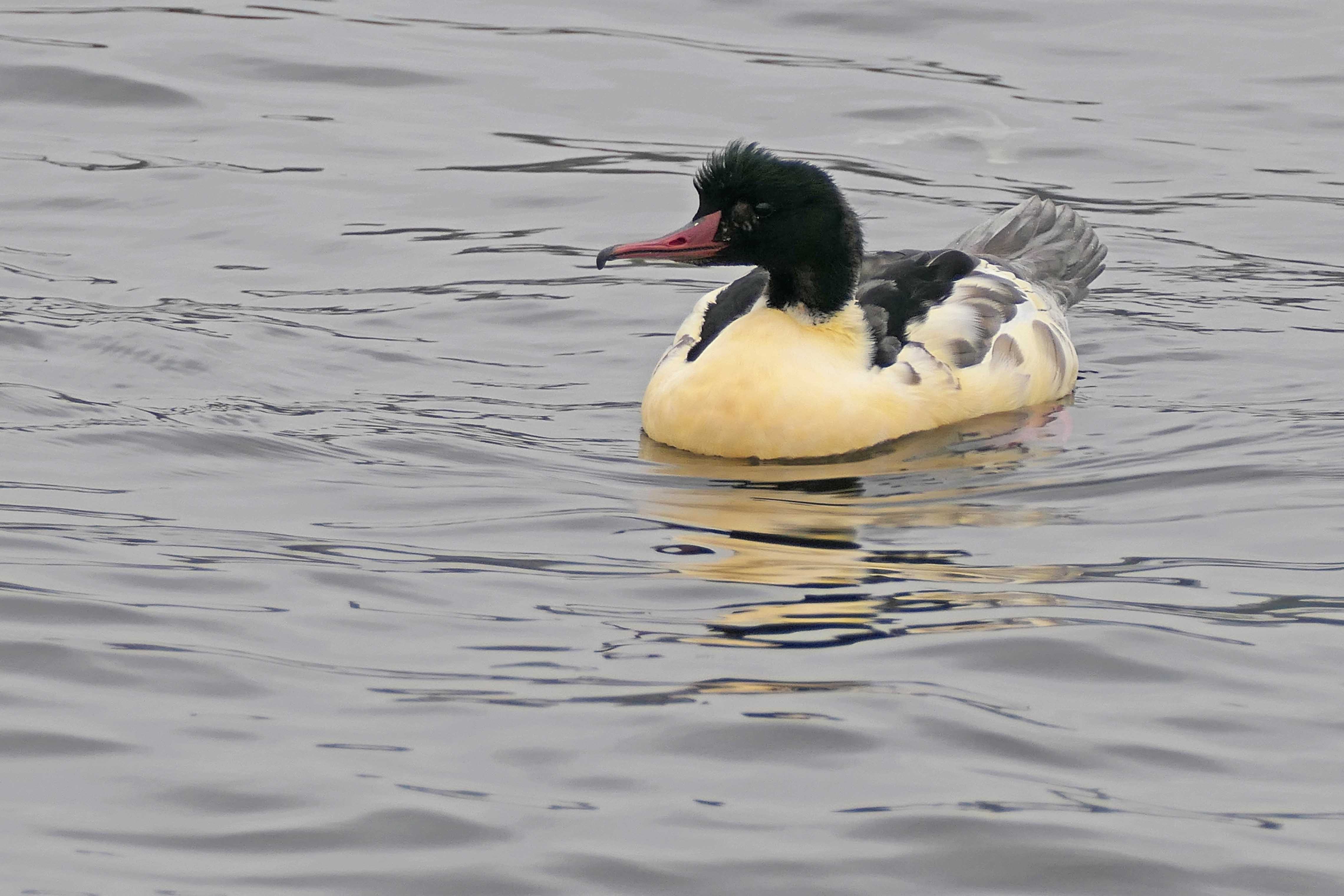
The damp gloom of Tuesday’s walk around part of Cardiff Bay was much improved by the birds, in particular the presence of species that disappear to breed in other parts of the country before returning to spend their winter days in the local area.
One such species is the Goosander, though they’re not yet looking in their best condition. These birds are still in what is called eclipse plumage, where it’s difficult to tell which is male and which is female, as the male birds assume a kind of in-between plumage after they finish breeding and before their full winter plumage grows in. So, the redhead above might be a female but, equally, it might be an eclipse male, whereas the Goosander below is definitely a male.
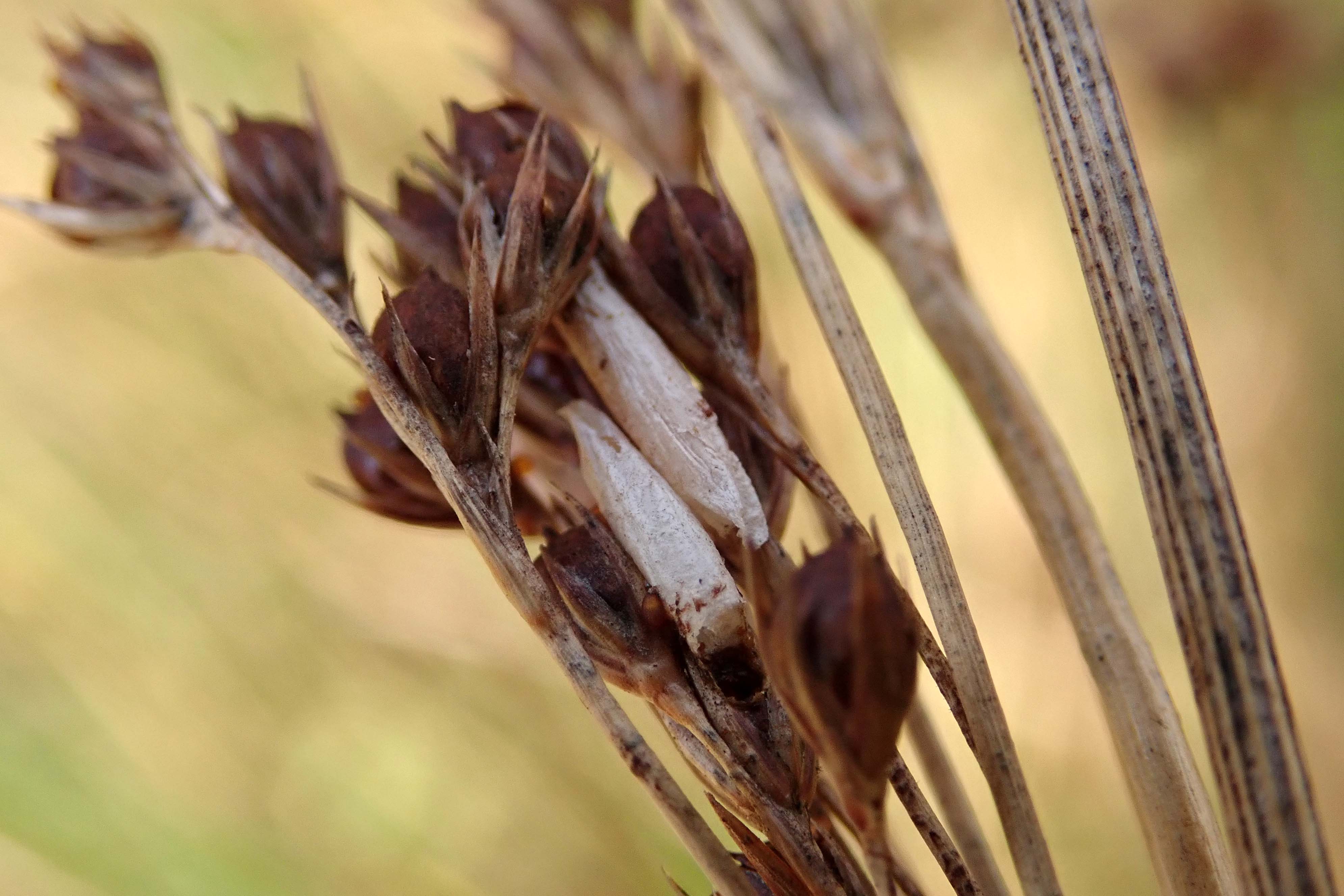
I haven’t posted this in my usual ‘Leafmines Monday’ spot as a) there are no leaves to speak of and b) the larvae actually feed on the seeds of the plants they inhabit. And I’ve never looked at reeds for any kind of leaf-mining creature or the cases of coleophora species of moths before but was, once again, prompted by a post of a rare find by a contact on social media. My find is not the rare one – in fact, I found so many of these in two different locations that they must be one of the most common coleophora species I’ve ever seen.
So, let me introduce you to Coleophora alticolella/glaucicolella; the slash between the two names indicates that these could actually be either Coleophora alticolella or Coleophora glaucicolella but it’s very difficult to differentiate between the two species without examining the larvae, which I didn’t do, or by breeding the larvae through to adulthood and examining their genitalia, which I also won’t be doing.
That social media post, and this find, have now prompted me to learn more about the various species of reed. The finds shown here were on Hard Rush (Juncus inflexus) but the rare species I want to try to find only feeds on two less common rush species. I like how one find leads me to have to learn more to find another!
The aphid-eating hoverfly larva (likely one of the Syrphus species) missed its chance here. As you’ll see, though, the ladybird was more on the ball and the aphid lost its second chance.
(I’ve set the video to mute as this park railing is next to a very busy road but I’m not sure that setting has worked, so best to mute your sound before viewing the video.)
Although I live in a coastal town, it’s not exactly a seaside town, as the waterway immediately offshore is officially part of the Severn Estuary, which becomes the Bristol Channel just a mile or so downstream. However, the Severn Estuary is still home to at least 100 different species of seaweed and, during a recent walk, I found a couple of species I hadn’t noticed before.
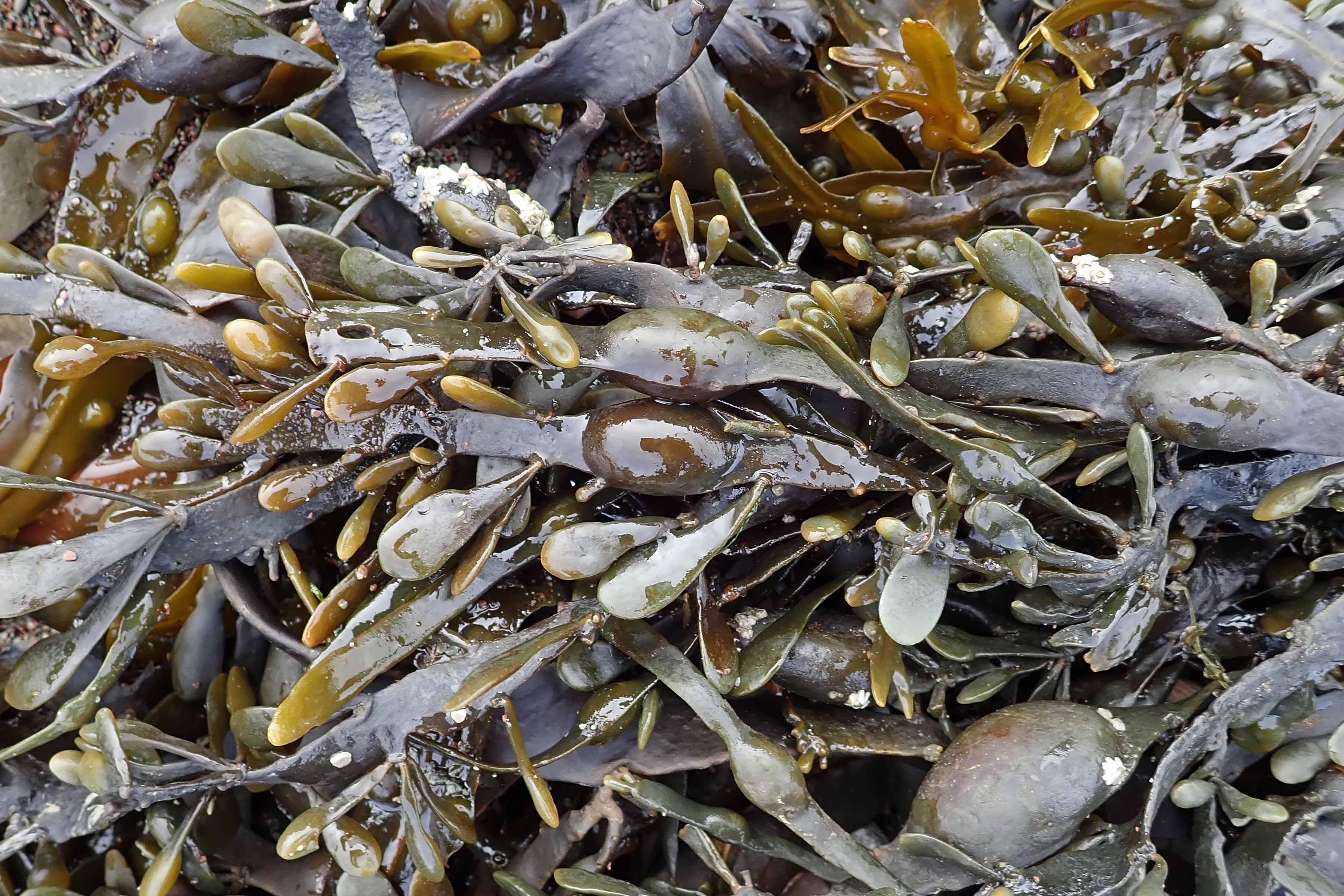
This one is, I think, Knotted wrack (Ascophyllum nodosum). It certainly fits the description on the Marine Conservation Society website: ‘Knotted wrack has narrow, strap-like fronds with large single air bladders’, and looks like their photo. (The reason I sound hesitant is because I found a very similar photo on another website which was labelled Channel wrack).
Recently, when checking Hawthorn leaves for leafmines, I spotted two of these larvae spinning on separate but close Hawthorn bushes so took several photos of both and a short video of one.
As the majority of photographs show larvae from above not below, and these both looked to have dark spot-like markings, I was confused about which species they might be, perhapsParornix anglicella or maybe Phyllonorycter oxyacanthae. And I wasn’t the only one scratching my head, as my online expert contacts weren’t sure either – one of them even contacted their own expert to get an opinion. A return visit by me was clearly required, to try to re-find the larvae, possibly get more images, and see what had developed from their spinning activities.
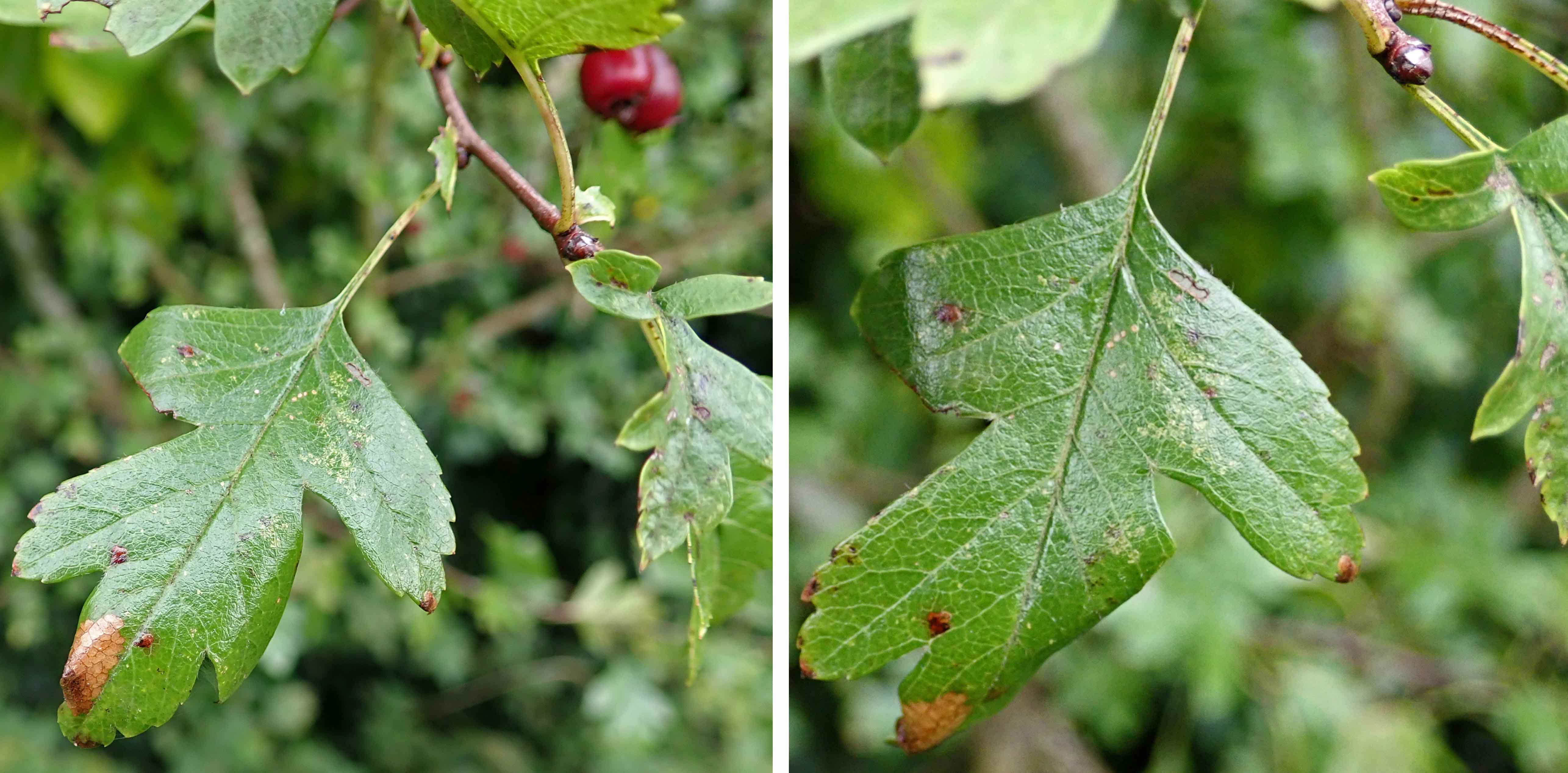
So, while the location was fresh in my memory, I walked that way again the following day, and, amazingly, managed to find one of the leaves – not an easy task finding an individual leaf in a Hawthorn bush but the photo below shows the leaf in question, on consecutive days.
And, when I turned the leaf over, there was the proof of identification, the distinctive cone of Parornix anglicella, still very green as the larva within hadn’t yet had time to eat all the leaf from inside. Turns out the expert’s expert had been correct!
For the past ten days or so, during my daily meanders around the local countryside, I’ve been on the lookout for any wildflowers still in bloom and, as we’ve only just experienced our first frost of the season and temperatures generally have been quite mild, many plants still have flowers, albeit, occasionally, on a very limited scale – a single Black horehound flower on the one plant I found, for example. Other plants, like Common ragwort, are still producing abundant numbers of flowers, much to the delight and relief of those insects still out and about. Here’s what I’ve found; I’m sure there are more that I’ve missed.








 earthstar
You must be logged in to post a comment.