• ABOUT
  • BIRDING 2018
  • Birding 2019
  • BLOG POSTS
  • Butterflies 2018
  • Resources

earthstar

~ a celebration of nature

earthstar

Author Archives: sconzani

Raucous parakeets

16 Saturday Nov 2024

Posted by sconzani in birds

≈ 2 Comments

Tags

Alexandrine parakeet, birding, birds of Bute Park, birdwatching, British birds, Bute Park, Ring-necked parakeet

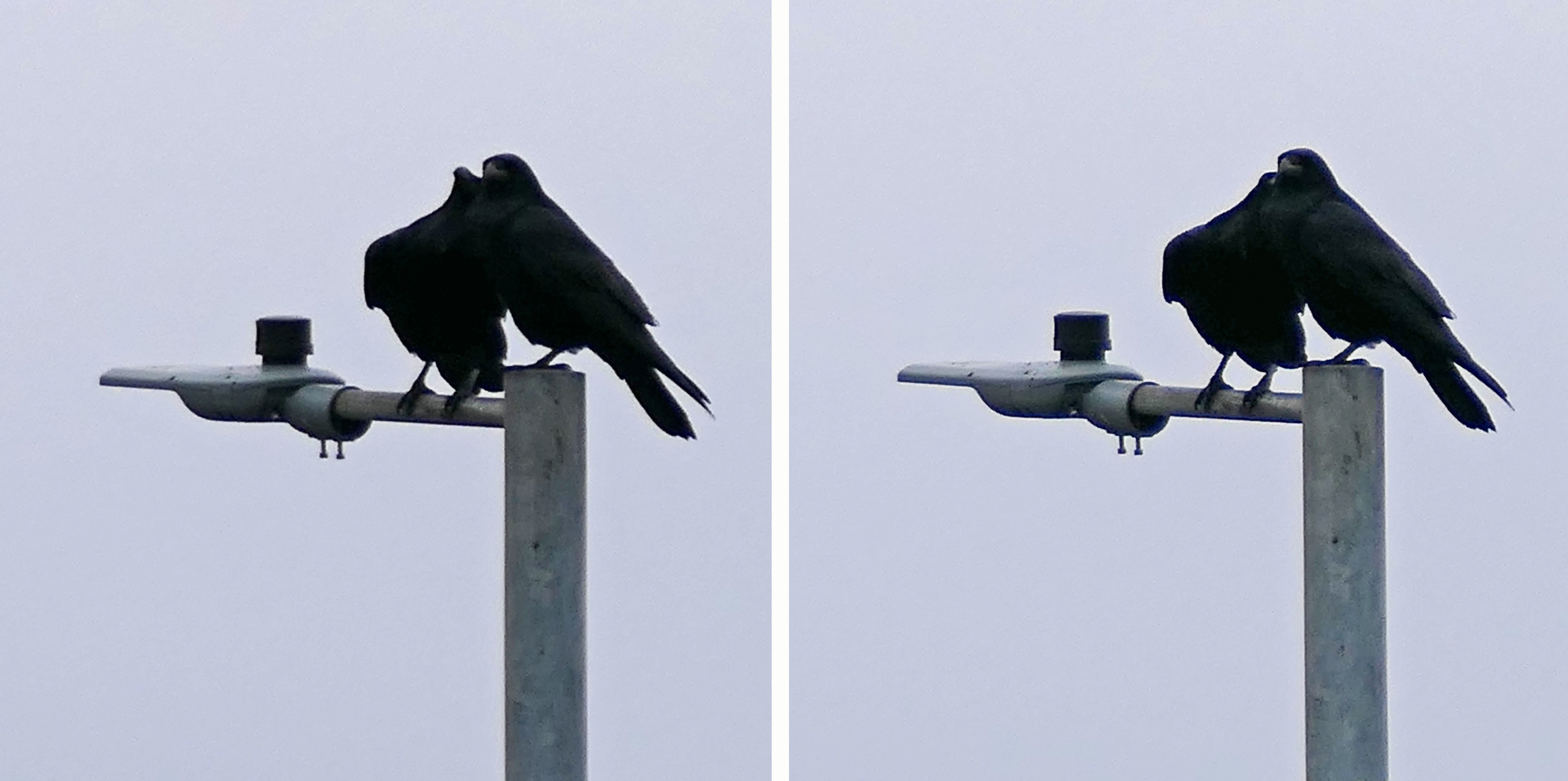
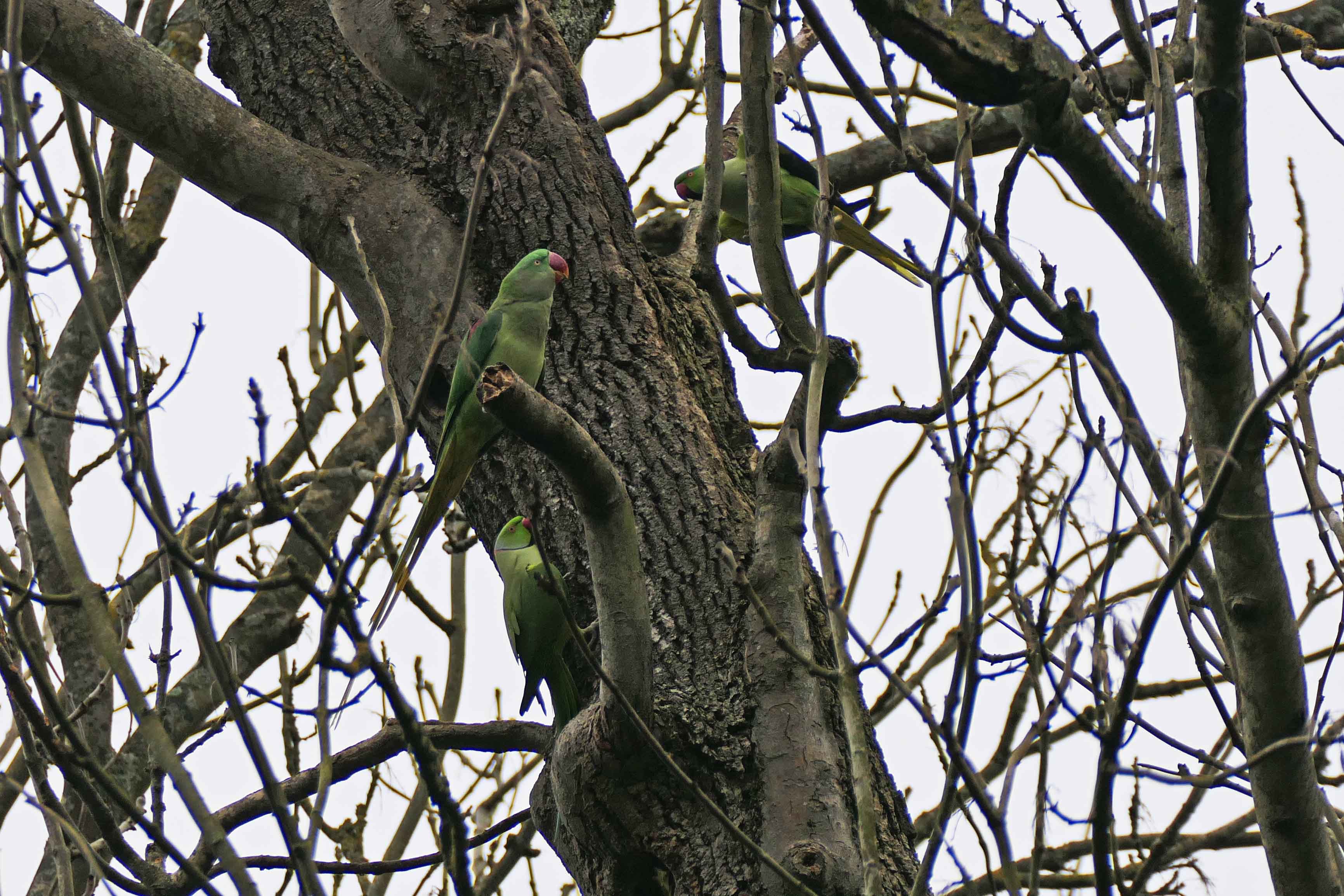
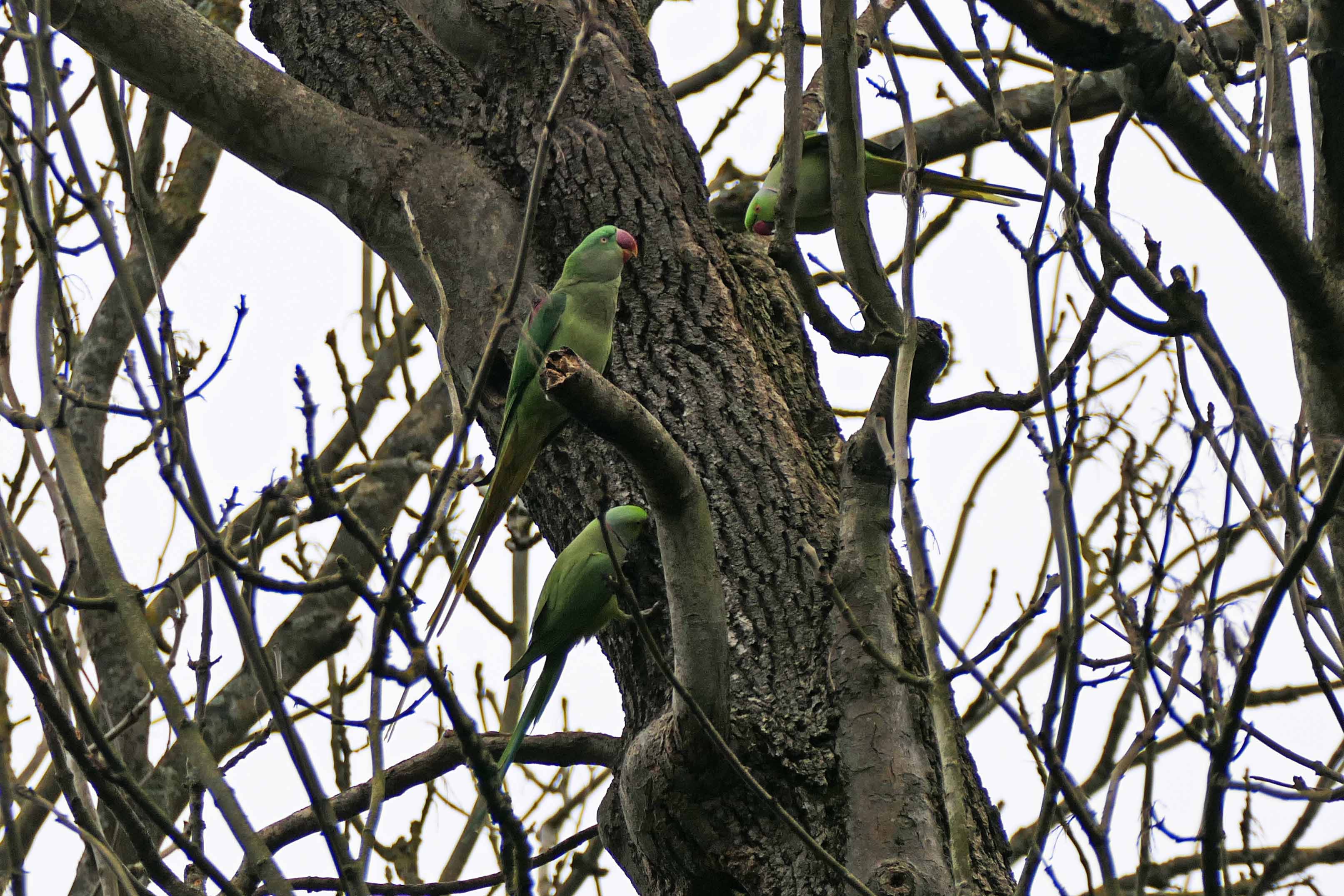
Last week, to counter the continuing anticyclonic gloom, I took myself for a lovely wander around Cardiff’s Bute Park, admiring and photographing the beautiful autumn colours (I’ll post those tomorrow), and was entertained by five raucous Ring-necked parakeets and their companion, an Alexandrine parakeet, the first I’ve seen in the city.
241116 parakeets (1)

Due to the grey misty weather and having to look straight up in to a tall tree, my photos are not the best (please excuse the dreadful chromatic aberration) but I think you can see the difference in the two parakeet species. The Alexandrine, which is in the centre and was probably someone’s pet before it escaped to live life on the wild side, is quite a bit bigger than the Ring-necked parakeets. The Alexandrine also has a much longer tail and, though it’s not easy to see here, it has red patches on its ‘shoulders’.
241116 parakeets (2)

I’m not sure the Ring-necked parakeets were very happy with the Alexandrine’s presence as it seemed to be a bit of a bully. And the Carrion crows were not at all happy with either species of parakeet being in their woodland, but I think the parakeets are probably here to stay.
Like Loading...

Outstanding in their field

15 Friday Nov 2024

Posted by sconzani in fungi

≈ Leave a comment

Tags

#FungiFriday, British fungi, Coprinus comatus, inkcaps, Shaggy inkcaps

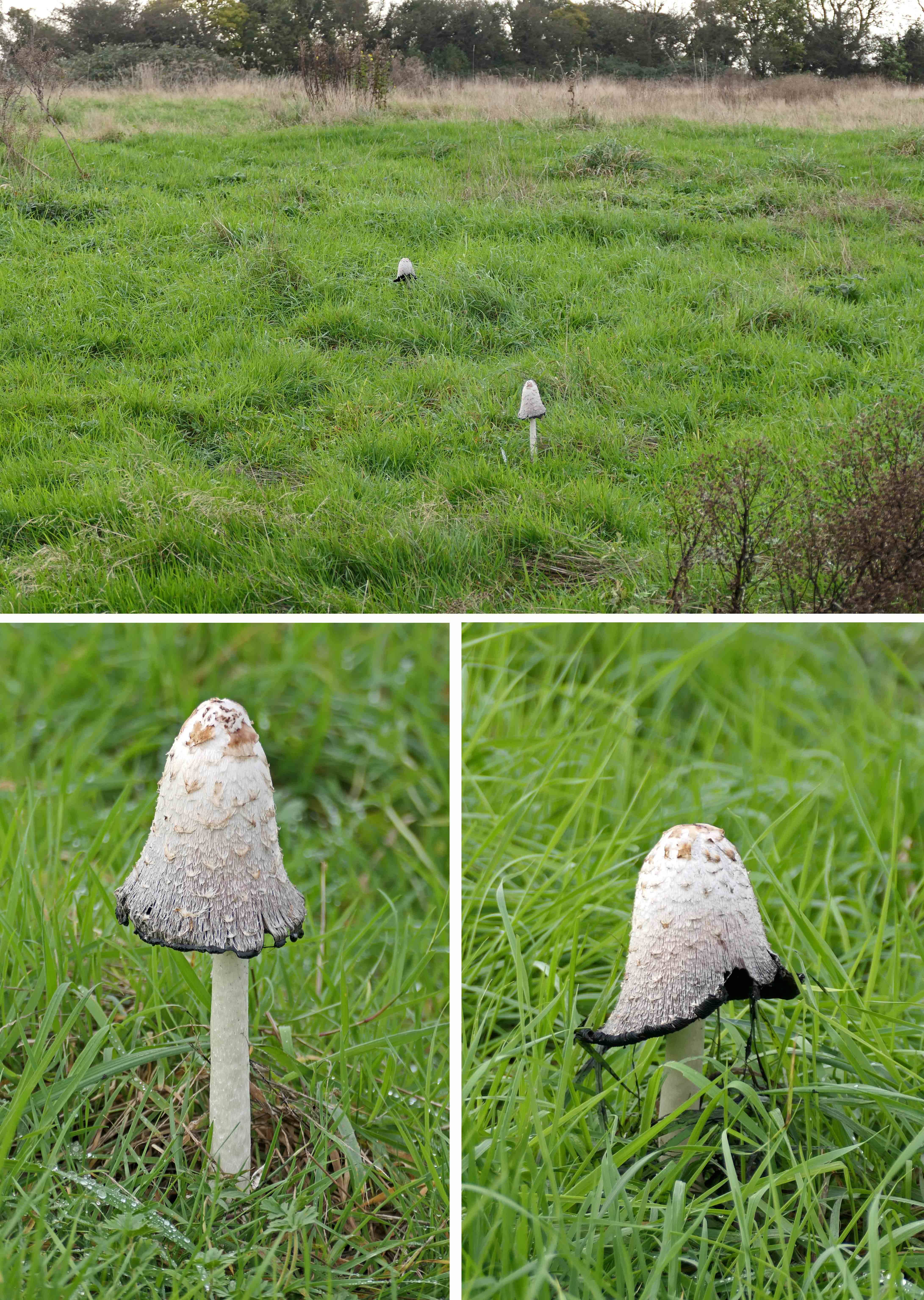
At well over 12 inches, these must be the tallest Shaggy inkcaps (Coprinus comatus) I’ve ever seen, spotted growing in a nearby coastal field earlier this week. And just this morning, on social media, I read a post by a ranger at RSPB Lakenheath Fen saying he’d also seen his biggest there this week. Something about this year’s climatic conditions must be suiting them.

241115 shaggy inkcap

Like Loading...

Lucky last?

14 Thursday Nov 2024

Posted by sconzani in autumn, insects

≈ 2 Comments

Tags

autumn butterflies, autumn colour, British butterflies, butterfly, Red Admiral

Is this the last butterfly I’ll see in 2024? Quite possibly, as the overnight temperatures have now started to fall to single digits. Still, Red admirals are very resilient and, though they should have migrated south by now, I’m seeing reports of the odd one, like this beauty I spotted in a local field on Tuesday, still flying when the sun occasionally appears.

241114 red admiral

Like Loading...

Leafmines: Gypsonoma dealbana

13 Wednesday Nov 2024

Posted by sconzani in insects, leaves, trees

≈ Leave a comment

Tags

British leafminers, British moths, Gypsonoma dealbana, Gypsonoma species, leaf-mining moth larvae, moth larvae on Oak, Oak leafmines

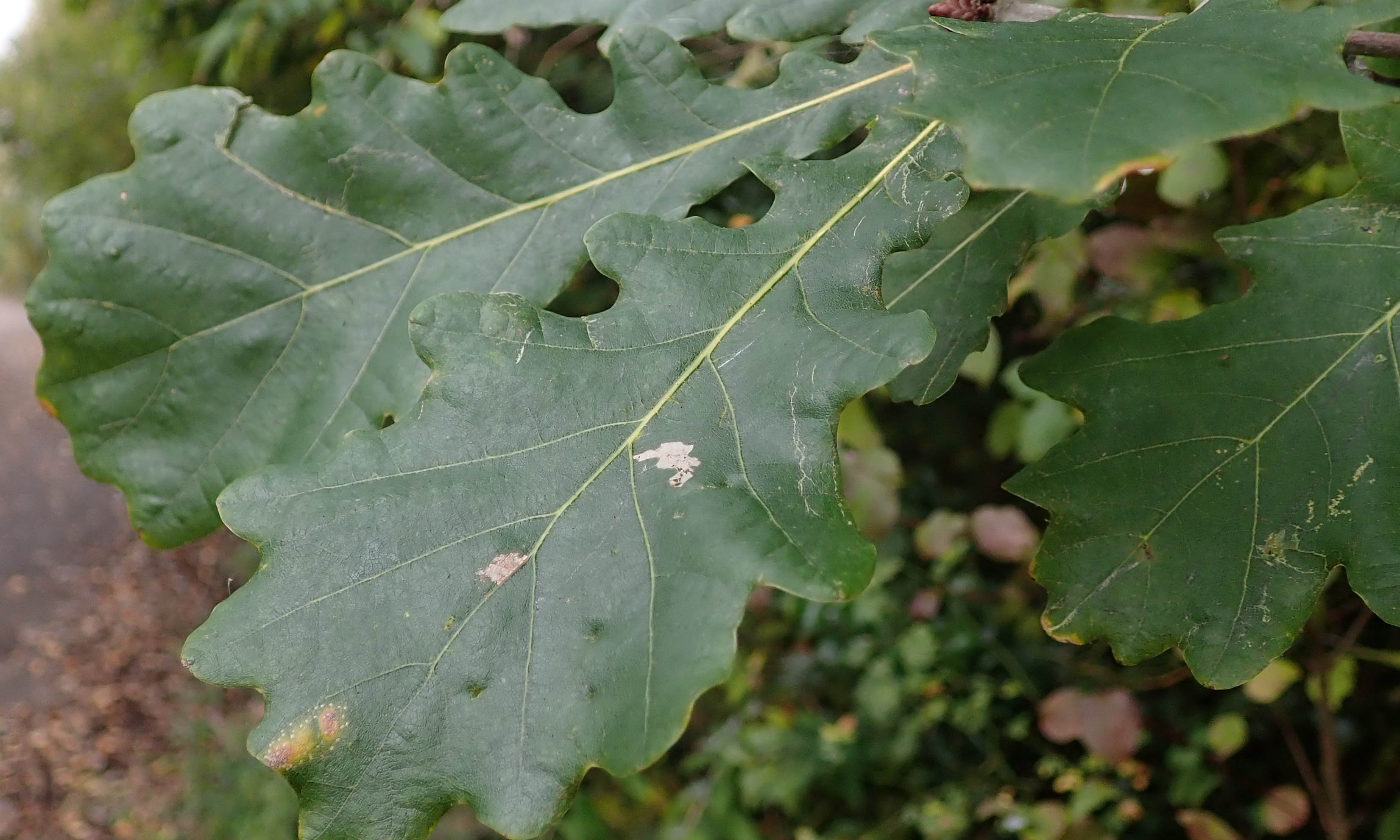
Two leafmine posts on one week may be a bit much for the uninterested amongst you, but this is really just a postscript to my recent post on the leafmines of two possible Gypsonoma species of moths (Leafmines: Gypsonoma species, 28 October). As I outlined in that blog I hadn’t been able to be precise in my identification as there are two Gypsonoma species that mine the leaves of Poplar. Fortunately for me, there is only one that mines Oak leaves and I managed to find several examples on an Oak sapling at Cardiff’s Grangemoor Park during a walk last week.

241113 Gypsonoma dealbana (2)

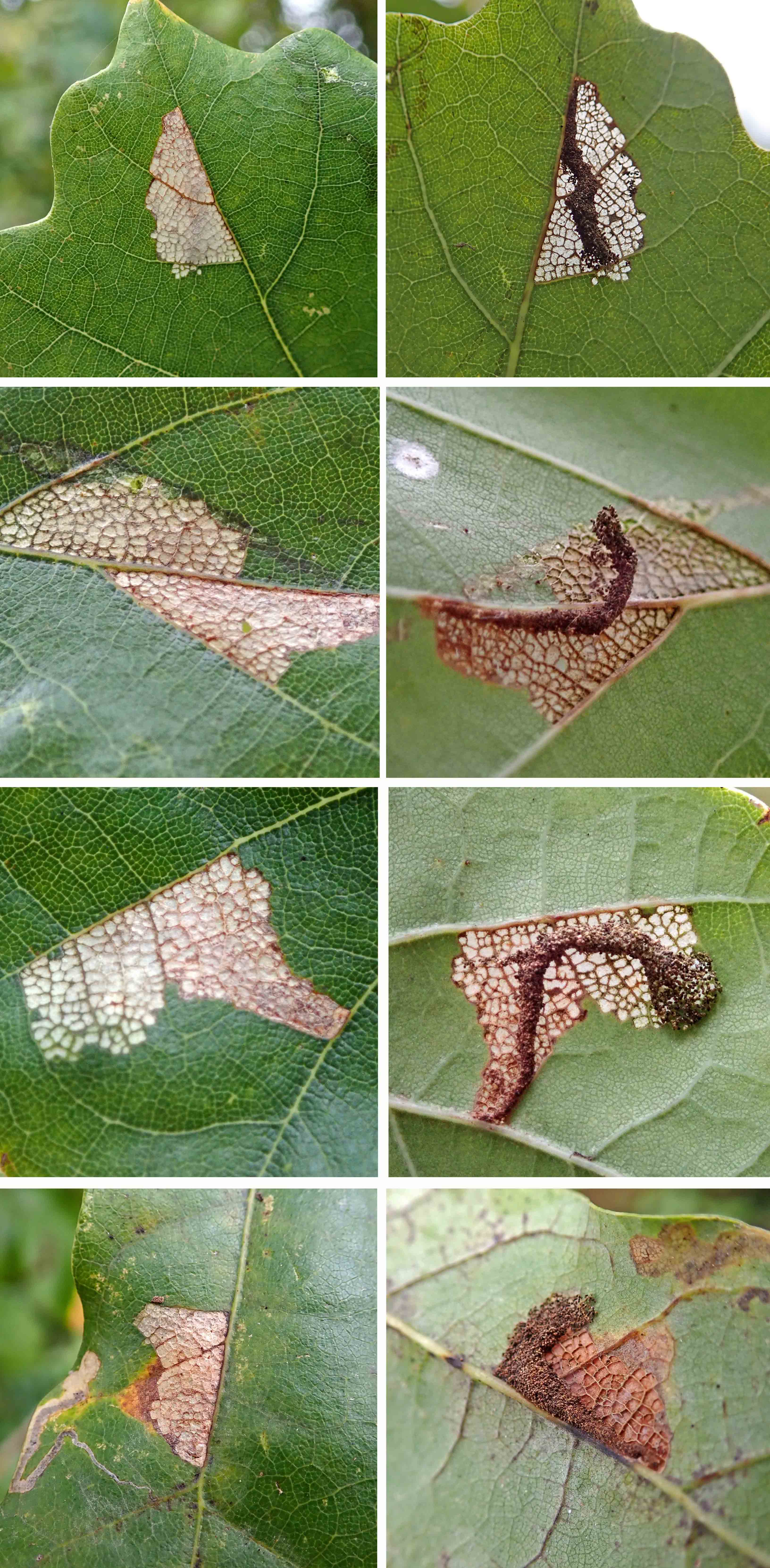
I was investigating any signs of leaf damage, which may have been caused by munching beetles or snails or various other hungry mini-beasties but, in this case, I was lucky to spot these four examples of Gypsonoma dealbana, where the moth larvae have used silk and their own frass to spin themselves tiny tubes to hide in (I’ve shown the upper and lower sides of the leaves so you can get an idea what to look for, if you’re so inclined). I’m not sure if the larvae were still present – I didn’t prod them to find out, though it’s likely they’ve already moved down into the soil below the tree, spun a little cocoon, and begun hibernating the winter months away.

241113 Gypsonoma dealbana (1)

Like Loading...

A squadron of Cormorants

12 Tuesday Nov 2024

Posted by sconzani in birds

≈ Leave a comment

Tags

birding, birdwatching, British birds, Cardiff Bay birding, Cormorant, rafting Cormorants, squadron of Cormorants

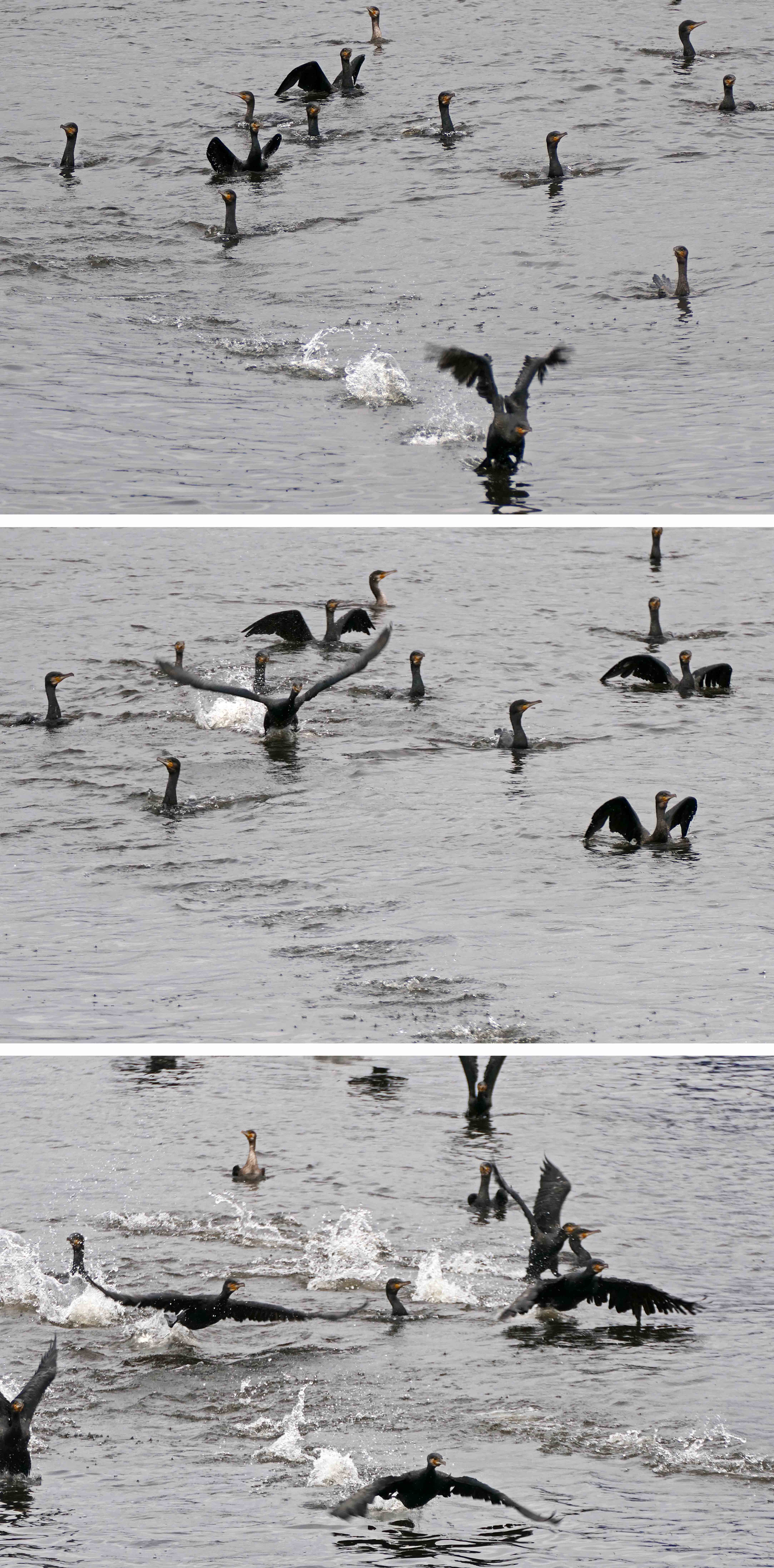
This squadron of Cormorants was rafting, quite successfully, in Cardiff Bay, though they were constantly being disturbed by all the marine traffic.

241114 cormorants (1)

I’ve blogged about this rafting behaviour before, including a quote from research covering the effectiveness of this fishing behaviour, in Rafting Cormorants, December 2022. I thought I’d cover this again, as the squadron was quite close, and it was large, and my photos are better than previously, and I was only one of several people who stopped to watch them.

241114 cormorants (2)

When preparing this blog I discovered that the collective nouns for Cormorants include squadron (hence the title of this blog), raft (a reference to the behaviour shown here), the standard bird word flock, and – I loved this one – gulp, presumably a nod to how they manage to swallow down enormous fish.

241114 cormorants (3)

Like Loading...

Leafmines: Ectoedemia argyropeza

11 Monday Nov 2024

Posted by sconzani in autumn, insects, leaves, trees

≈ Leave a comment

Tags

Aspen, British leafmines, Ectoedemia argyropeza, leaf-mining moth larvae, leafmines on Aspen

The new leafmines are coming thick and fast this year, not because my skills are improving but rather because I’m following the right people on social media and take my inspiration for searching from what they’re finding.

241111 Ectoedemia argyropeza (1)

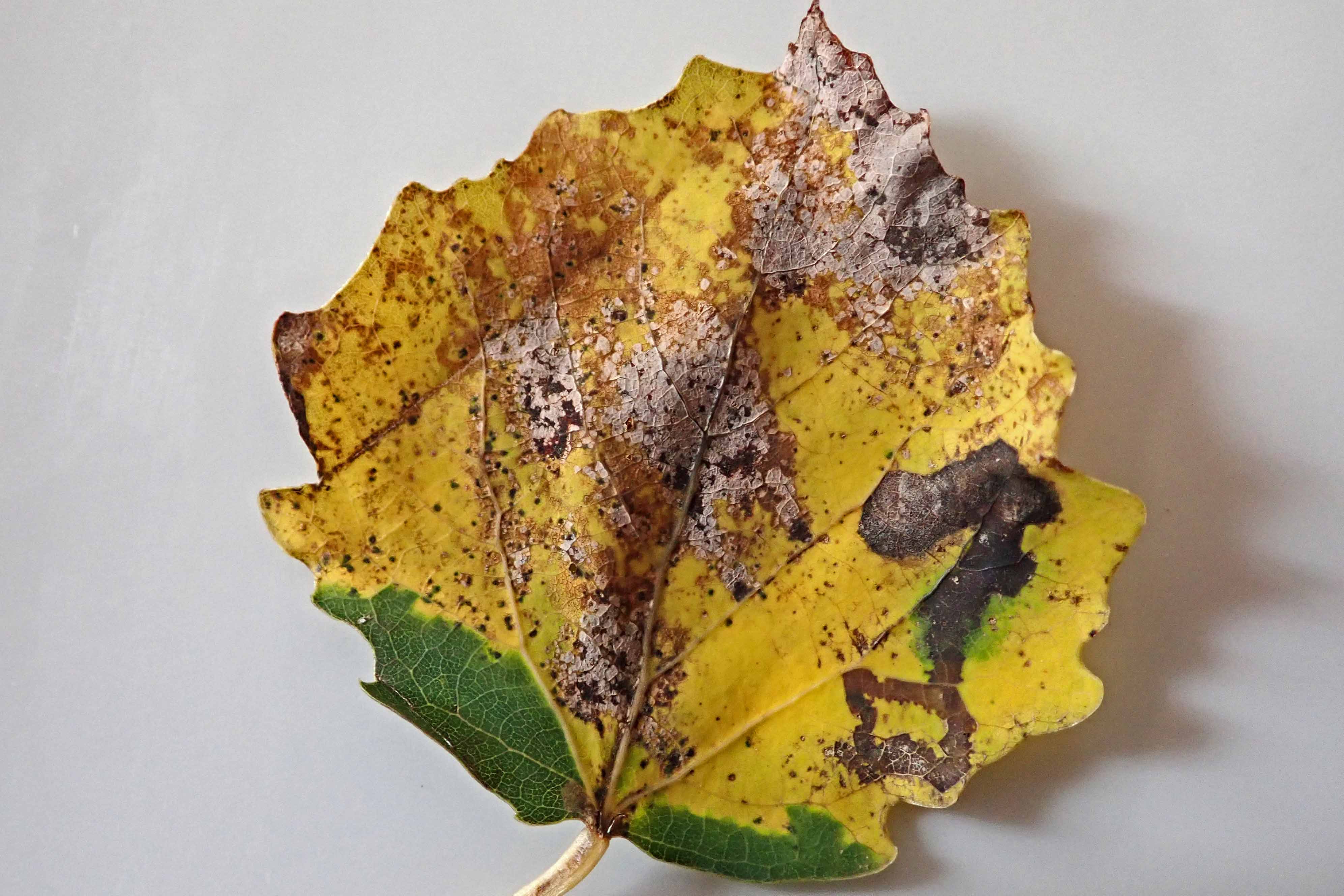
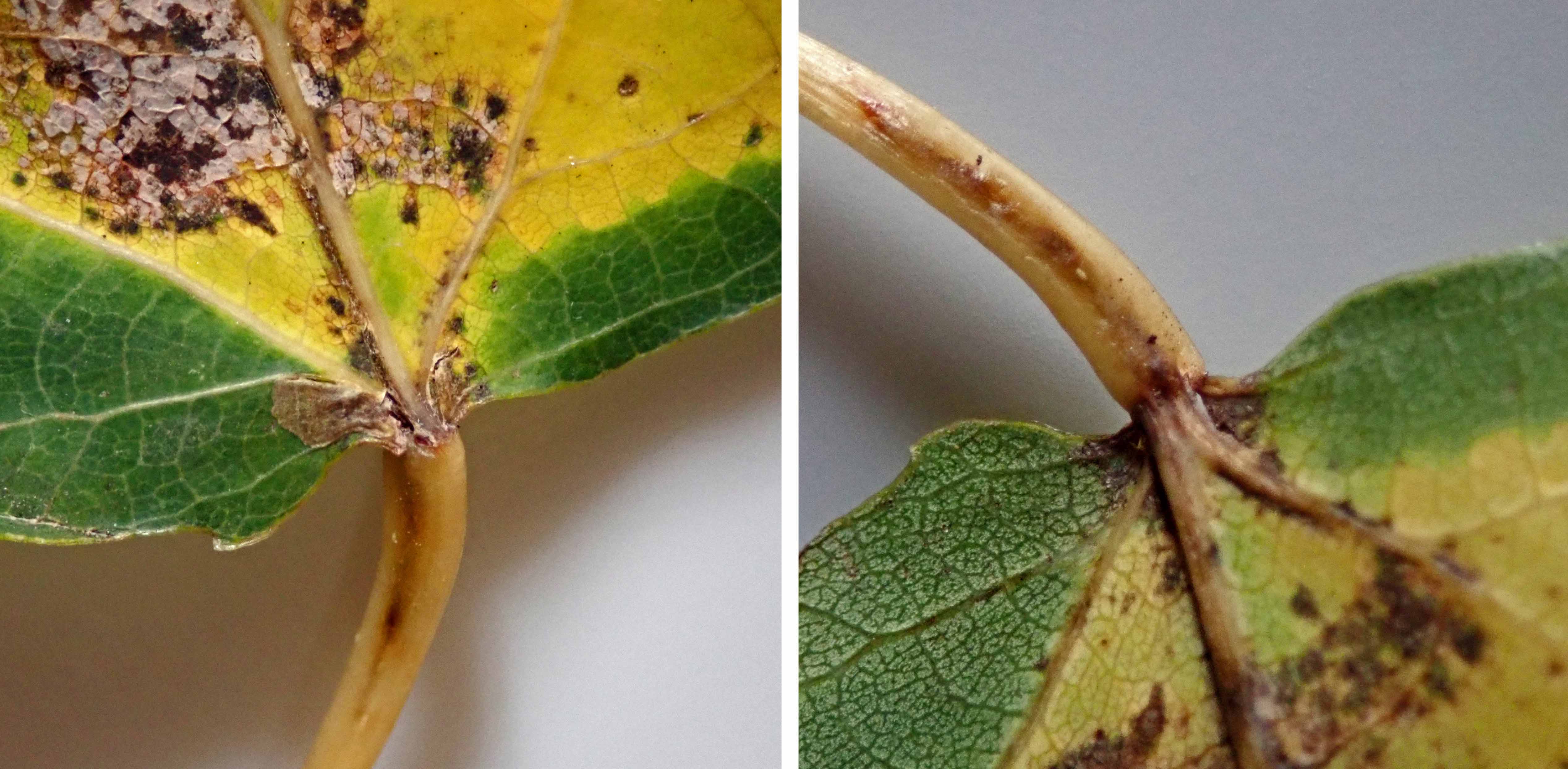
Today’s leafmines, made by the larvae of the moth Ectoedemia argyropeza, can be found on Aspen (Populus tremula) between July and November. They are easier to spot later in the season when the leaves turn brown and begin to fall as the mines cause the surrounding leaf area to remain green – the so-called ‘green islands’ that some moth species have the ability to create through the chemicals they secrete, which allows them to continue feeding in their portion of the leaf. The other thing to look for with these miners is the brown mark in the leaf petiole, where the mine originated.

241111 Ectoedemia argyropeza (2)

Though I don’t often bring home the mines I find, in this instance I had been unable to get good photos along the busy road so brought home one leaf. I temporarily forgot about the leaf for a couple of days and , when I opened the little pot it was in, found the larva had left the mine so I am also able to show you what it looks like, below.

241111 Ectoedemia argyropeza (3)

Like Loading...

The Blackberry man

10 Sunday Nov 2024

Posted by sconzani in autumn, plants, wildflowers

≈ Leave a comment

Tags

autumn colour, blackberries, bramble, Bramble autumn colour, Bramble berries, Bramble flowers

This post was prompted by my bumping in to ‘The Blackberry man’ during yesterday’s walk. I don’t know his name; he’s just a random stranger I got talking to two winters ago during a walk around Cardiff’s Grangemoor Park. I was picking a few Blackberries to eat, he was filling a small container to take home for his family. He’s an older man, originally from a Middle Eastern country, and doesn’t have great English, but we got by. And now, whenever we see each other at the park, we stop and chat for a few minutes.

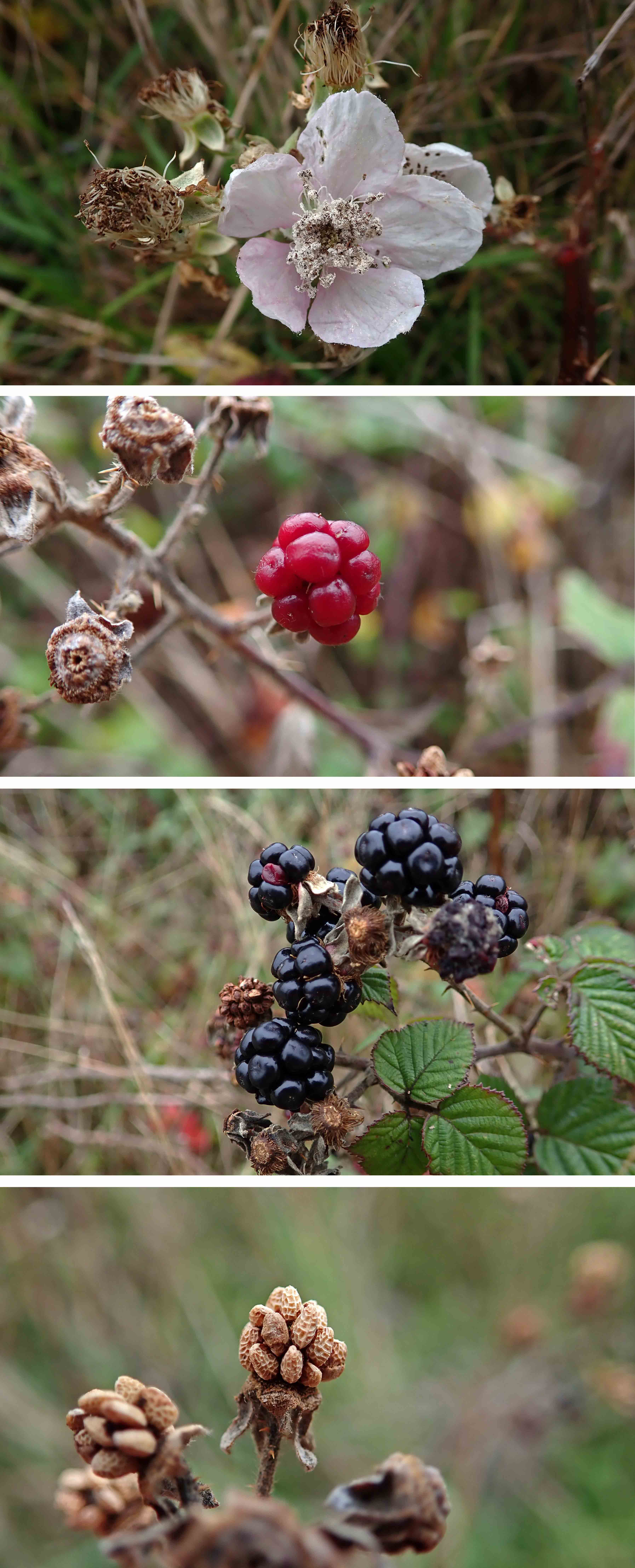
Seeing him led me to look more closely at the Brambles. The majority of plants had already flowered, produced berries and the fruit that hadn’t been eaten had gone to seed but, scattered here and there amongst the plants, there were still a few flowers, and a few immature and ripe berries.

241110 brambles (1)

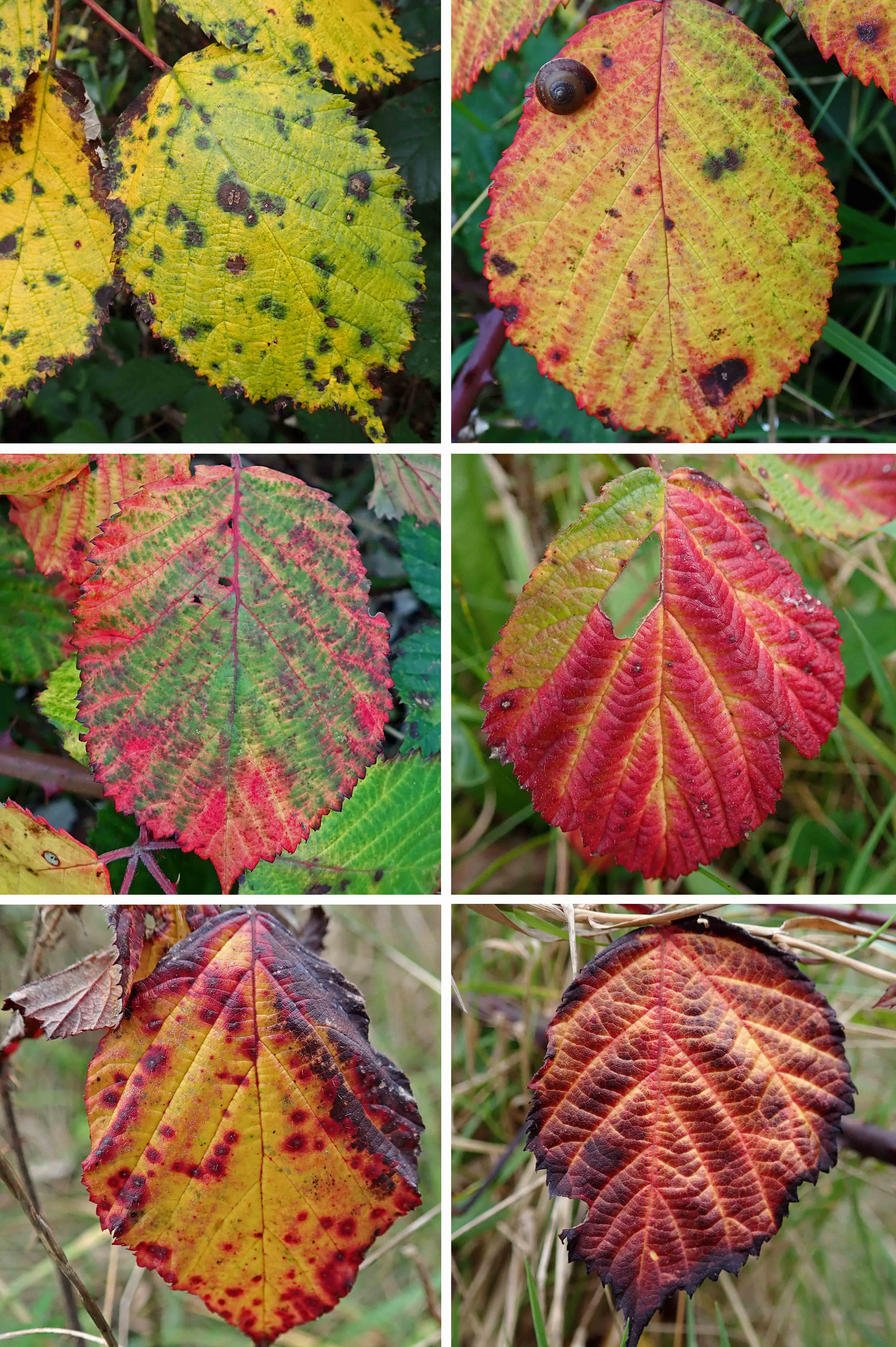
I also couldn’t help but admire the exceptional colour variations and intensity of colour displayed by the Bramble leaves as autumn progresses. So, thank you Blackberry man, for reminding me to look more closely at these often-overlooked plants.

241110 brambles (2)

Like Loading...

The voiceless Raven

09 Saturday Nov 2024

Posted by sconzani in birds

≈ Leave a comment

Tags

birding, birdwatching, British birds, Cardiff Bay birding, Raven

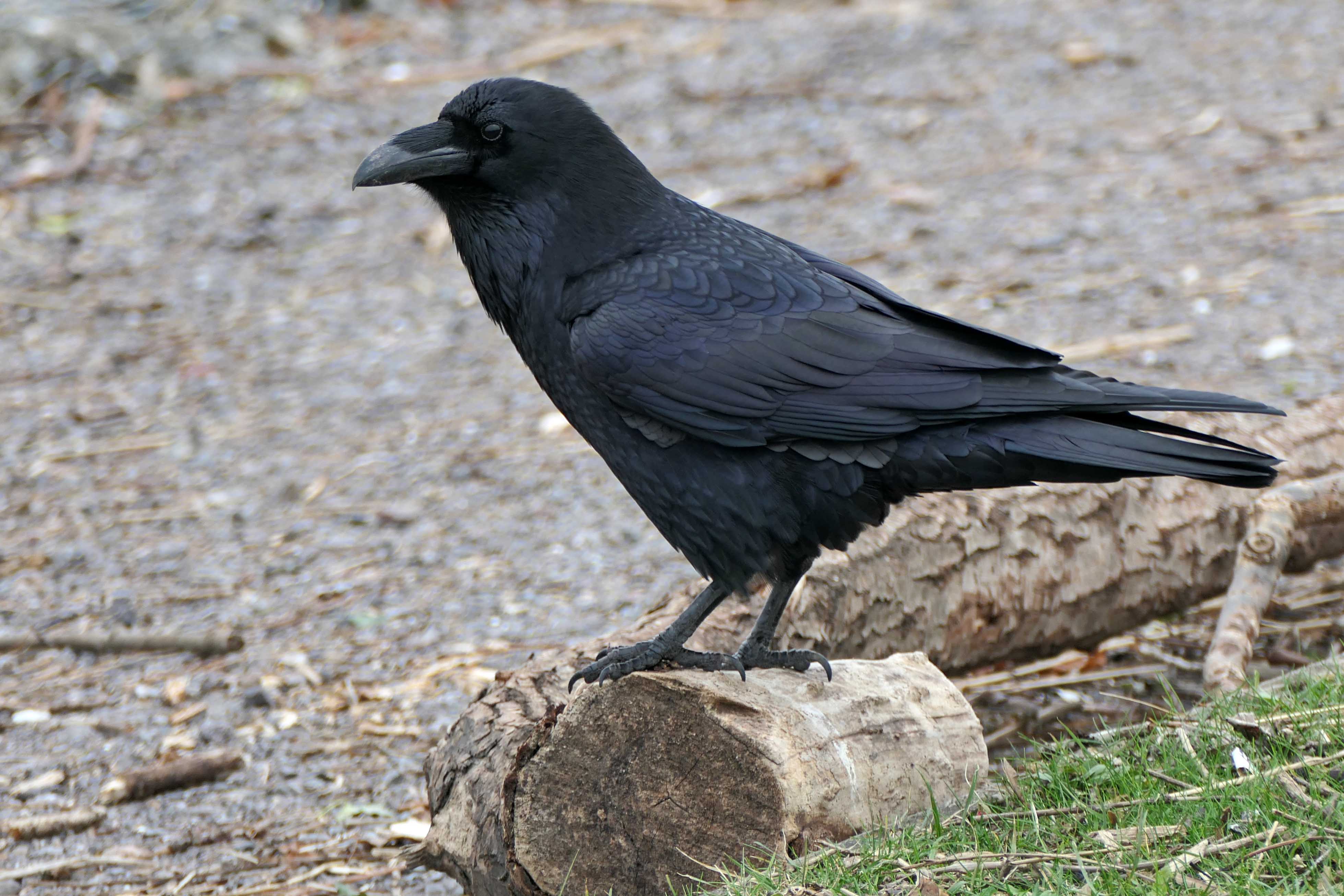
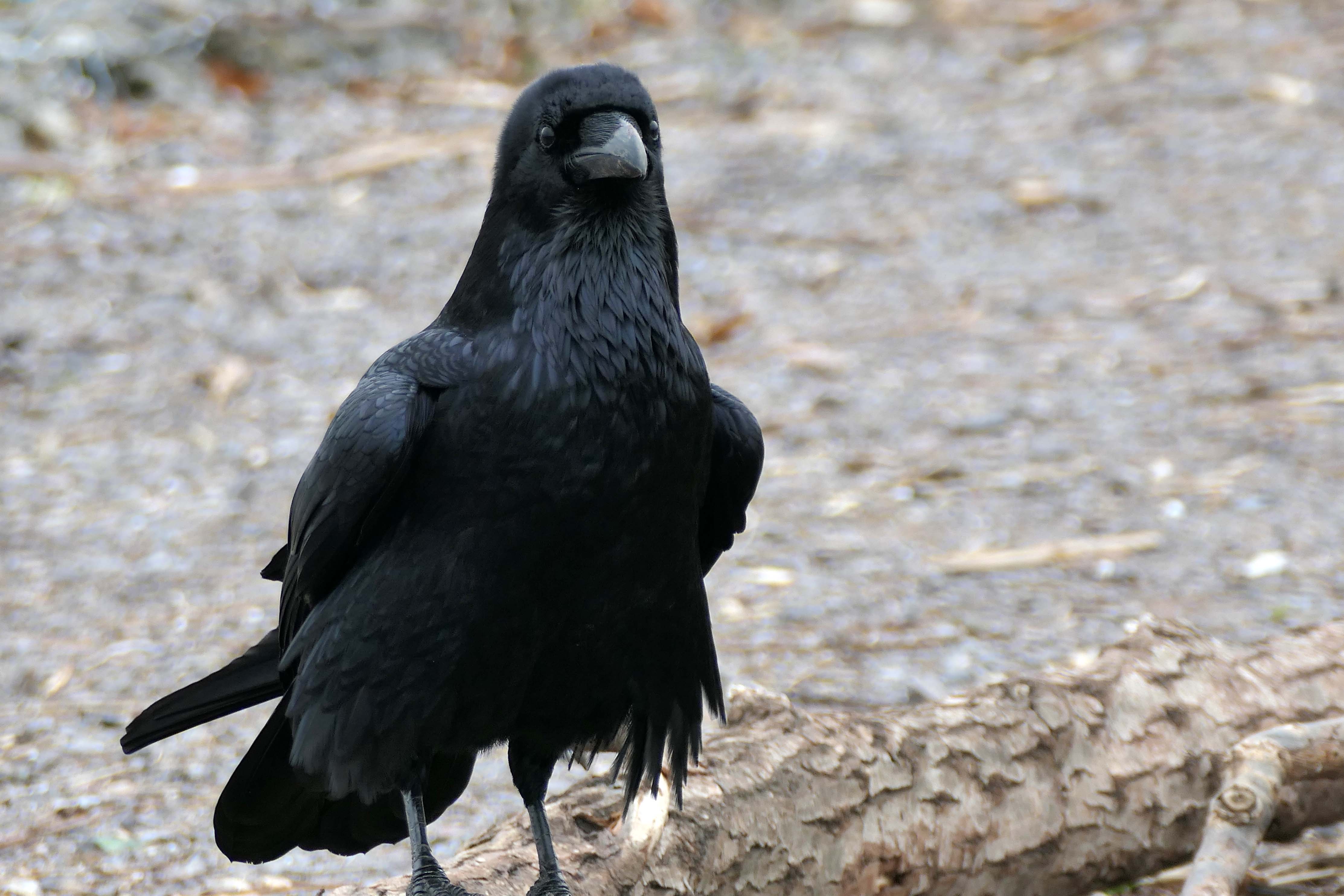
This beautiful creature is one of the pair of Ravens that live in Cardiff Bay.

241109 raven (1)

As well as being a stunning bird, it has one special quality that marks it out – it has no voice.

241109 raven (2)

It tries very very hard to kronk but barely any sound comes out.

241109 raven (3)

Luckily, its mate doesn’t seem to mind.

241109 raven (4)

Like Loading...

More grassland gems

08 Friday Nov 2024

Posted by sconzani in autumn, fungi

≈ Leave a comment

Tags

#FungiFriday, British fungi, British waxcaps, grassland fungi, grassland waxcaps, waxcaps

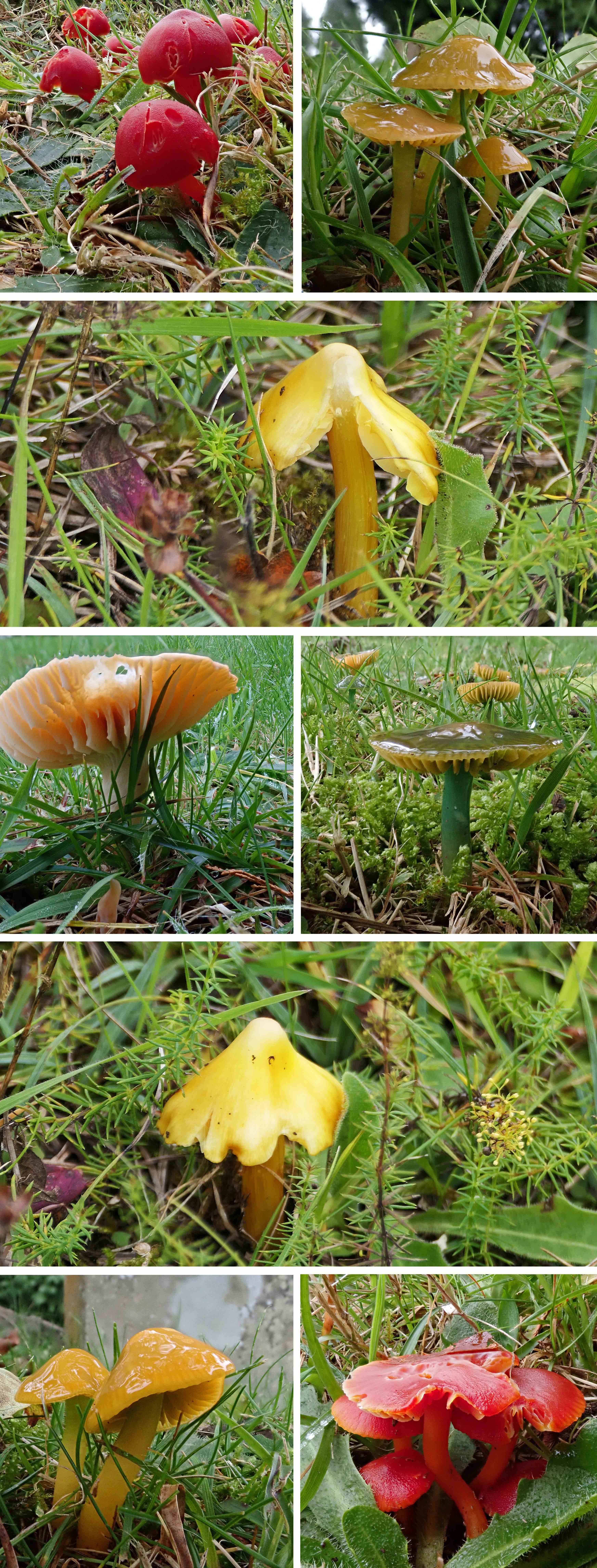
After a week when our skies have been grey and damp and low-cloudy due to something the weather forecasters have labelled ‘anti-cyclonic gloom’, and when voters’ choices have darkened the world around us even more, I feel the need for some colour for fungi Friday. So, here are more lovely waxcaps, photographed during another recent cemetery visit and at my local country park.

241108 waxcaps

Like Loading...

68!

07 Thursday Nov 2024

Posted by sconzani in autumn, insects

≈ Leave a comment

Tags

British hoverflies, Epistrophe grossulariae, Epistrophe grossulariae larvae, fly larvae, hoverfly larvae, larvae on Sycamore leaves, leaf fossicking, Syrphus species, Syrphus species larvae

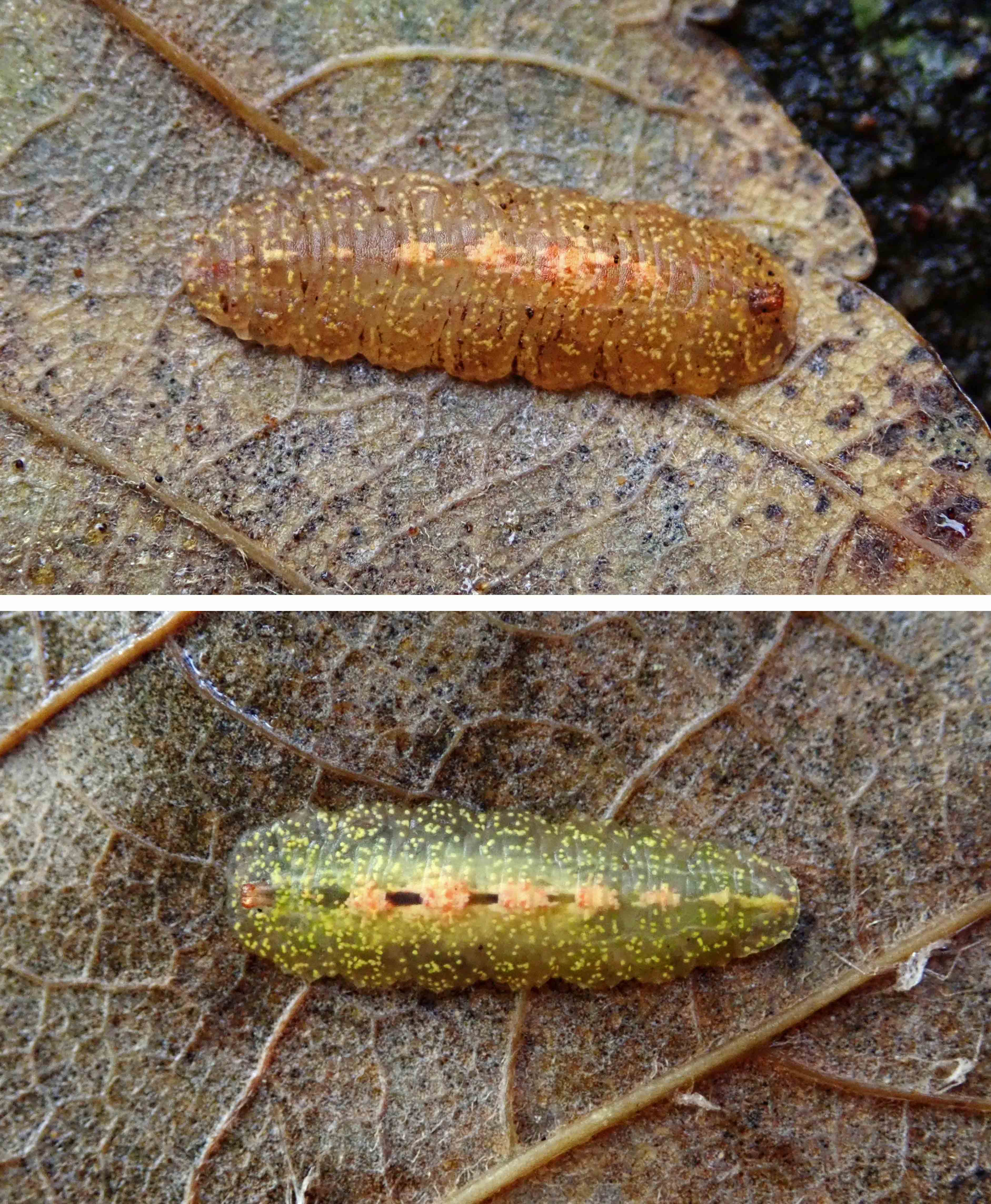
68! That’s the number of hoverfly larvae I found when turning over Sycamore leaves in a damp shady spot in one of my local parks last week. And they were all plump and well grown so had obviously been feasting well on aphids. (I have noticed during my leaf fossicking this year that, while insect numbers overall have been well down on previous years, the numbers of aphid seem about usual, which means that those creatures feeding on aphids seem also to have been thriving.)

241107 Epistrophe grossulariae

The hoverfly larvae were of only two types, the Epistrophe grossulariae shown above (these larvae are usually green but turn an orange-brown colour in the autumn, an effective camouflage tactic – hence the two colour variations shown here), and those from the various Syrphus species shown below (it’s not possible to be more specific as to the exact identification of these larvae).

241107 syrphus sp

Like Loading...
← Older posts
Newer posts →

About me

sconzani

sconzani

I'm a writer and photographer; researcher and blogger; birder and nature lover; countryside rambler and city strider; volunteer and biodiversity recorder.

View Full Profile →

Follow earthstar on WordPress.com

Enter your email address to follow this blog and receive notifications of new posts by email.

Recent blog posts

  • Blood bees April 29, 2026
  • Nesting material April 28, 2026
  • Lifer: Box bug April 27, 2026
  • Peak Wild garlic April 26, 2026
  • First damsels of 2026 April 25, 2026

From the archives

COPYRIGHT

Unless otherwise acknowledged, the text and photographs on this blog are my own and are subject to international copyright. Nothing may be downloaded or copied without my permission.

Fellow Earth Stars!

  • Unknown's avatar
  • Unknown's avatar
  • Unknown's avatar
  • Unknown's avatar
  • Unknown's avatar
  • Unknown's avatar
  • Unknown's avatar
  • Unknown's avatar
  • Unknown's avatar
  • Unknown's avatar
  • Unknown's avatar
  • Unknown's avatar
  • Unknown's avatar
  • Unknown's avatar
  • Unknown's avatar
  • Unknown's avatar
  • Unknown's avatar
  • Unknown's avatar
  • Unknown's avatar
  • Unknown's avatar
  • Unknown's avatar
  • Unknown's avatar
  • Unknown's avatar
  • Unknown's avatar
  • Unknown's avatar
  • Unknown's avatar
  • Unknown's avatar
  • Unknown's avatar
  • Unknown's avatar
  • Unknown's avatar
  • Unknown's avatar
  • Unknown's avatar
  • Unknown's avatar
  • Unknown's avatar
  • Unknown's avatar
  • Unknown's avatar
  • Unknown's avatar
  • Unknown's avatar
  • Unknown's avatar
  • Unknown's avatar
  • Unknown's avatar
  • Unknown's avatar
  • Unknown's avatar
  • Unknown's avatar
  • Unknown's avatar
  • Unknown's avatar
  • Unknown's avatar
  • Unknown's avatar
  • Unknown's avatar
  • Unknown's avatar

Blog at WordPress.com.

Privacy & Cookies: This site uses cookies. By continuing to use this website, you agree to their use.
To find out more, including how to control cookies, see here: Cookie Policy
  • Subscribe Subscribed
    • earthstar
    • Join 642 other subscribers
    • Already have a WordPress.com account? Log in now.
    • earthstar
    • Subscribe Subscribed
    • Sign up
    • Log in
    • Report this content
    • View site in Reader
    • Manage subscriptions
    • Collapse this bar

Loading Comments...

You must be logged in to post a comment.

    %d