• ABOUT
  • BIRDING 2018
  • Birding 2019
  • BLOG POSTS
  • Butterflies 2018
  • Resources

earthstar

~ a celebration of nature

earthstar

Author Archives: sconzani

Endangered Graylings

20 Saturday Jul 2024

Posted by sconzani in insects

≈ Leave a comment

Tags

Aberbargoed spoil tip, British butterflies, endangered butterfly, endangered Grayling, Grayling, Grayling butterfly, Hipparchia semele

When Butterfly Conservation published the last butterfly Red List for Great Britain in 2010, the Grayling (Hipparchia semele) was listed as vulnerable but, unfortunately, this butterfly experienced a 52% decrease in distribution between 2010 and 2019, and its status has now been reclassified as endangered.
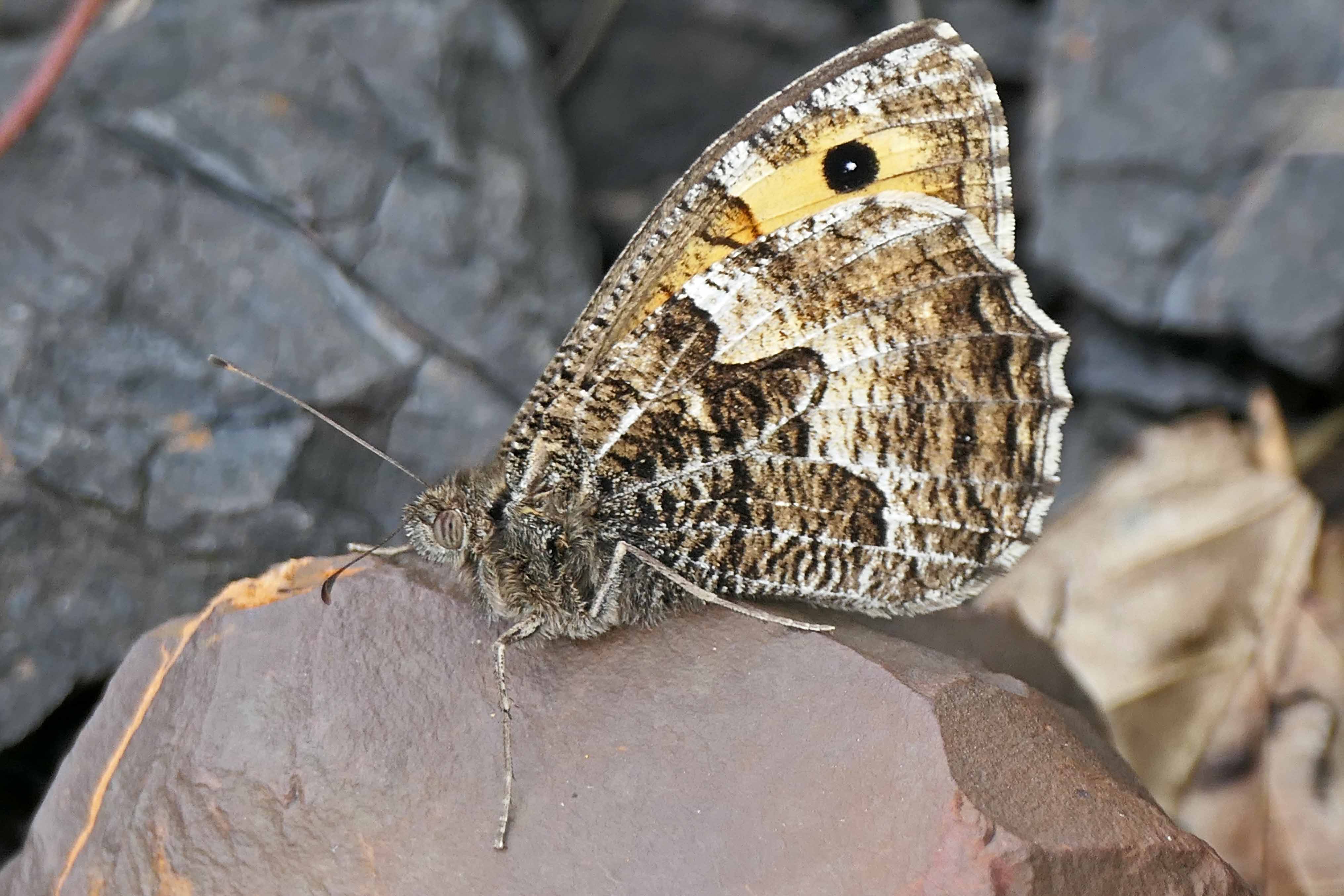
240720 graylings (1)

I feel privileged, then, to have enjoyed watching several of these gorgeous butterflies atop the Aberbargoed coal spoil tip last week, but also saddened to know that they too are threatened.

240720 graylings (2)

Spoil tips can be dangerous places, as I’m sure many of you are aware – the horrific collapse, on 21 October 1966, of the tip at Aberfan, not very far from Aberbargoed, which resulted in the deaths of 116 school children and 28 adults, is a well known, annually commemorated tragedy.
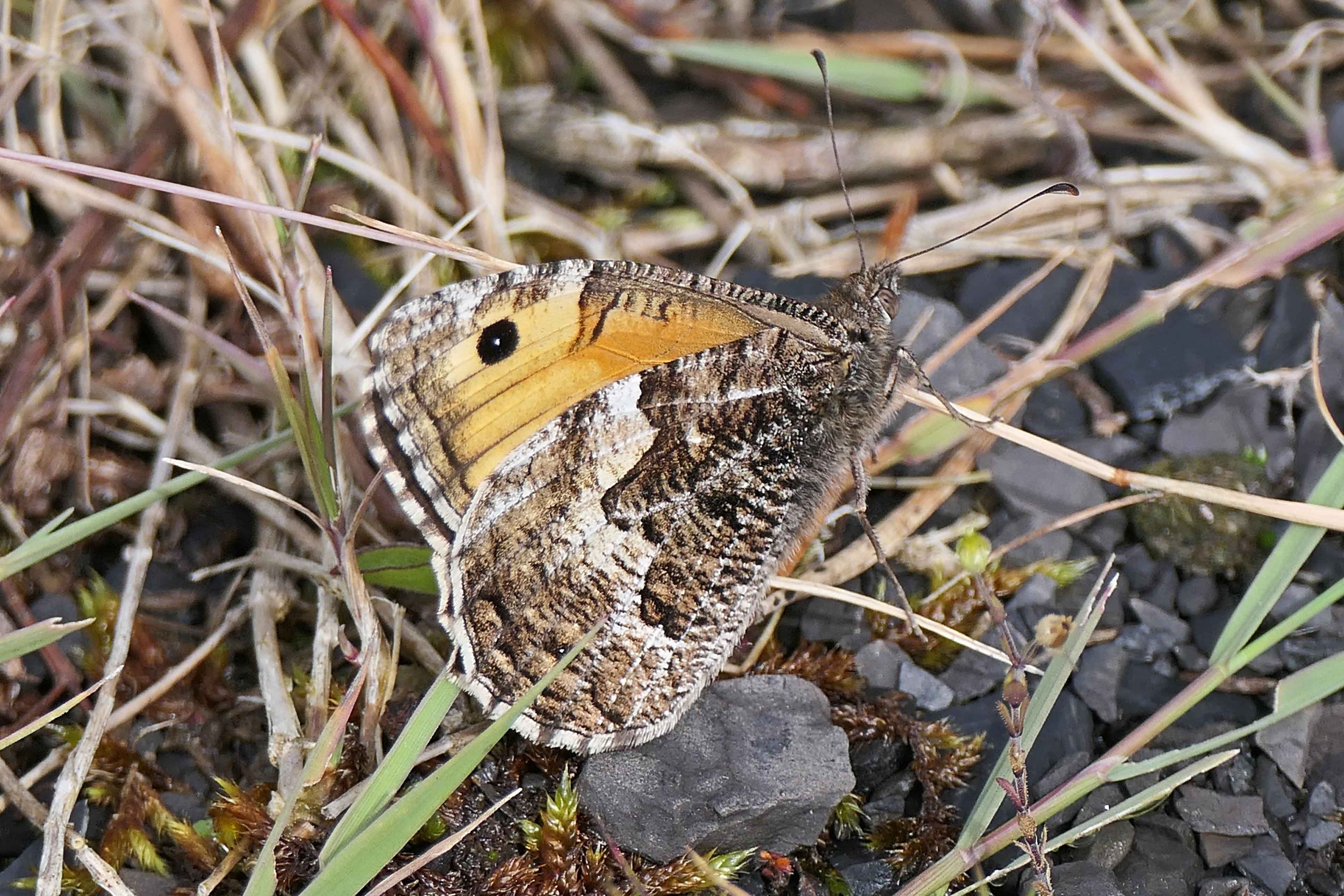
240720 graylings (3)

Though Aberbargoed’s spoil tip is mostly well anchored by the planting of trees, and a robust series of drainage channels efficiently remove rain water from the artificial hill, some bare areas remain and show the damage of heavy rain scouring their surfaces. And, though the authorities have tried to prevent it, the stability of some areas has also been undermined by the irresponsible actions of dirt-bikers using the tip as a race track.
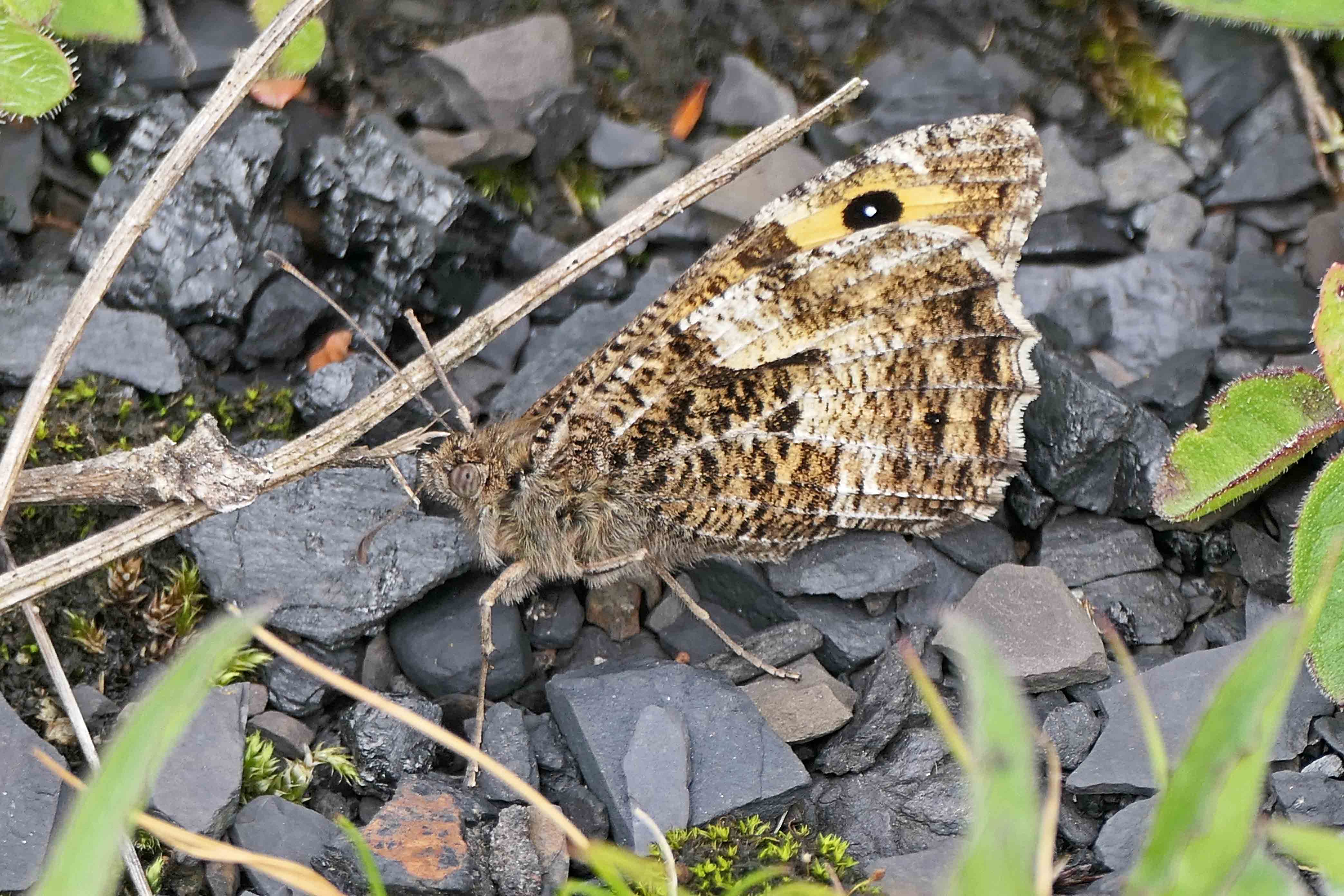
240720 graylings (4)

Judging by a series of wooden pegs dotted around the area where the Grayling colony lives, some additional stabilisation work is planned there, which could destroy the butterflies. Seeing this, I made contact with a local group trying to promote the importance of the biodiversity of colliery spoil tips, and they are following up with local authorities to try to prevent any damage to the colony. Hopefully, a compromise can be reached between the necessity of ensuring the safety of the tip and the need to conserve an endangered species of butterfly.

240720 graylings (5)

Like Loading...

Herring gull baby

19 Friday Jul 2024

Posted by sconzani in birds

≈ Leave a comment

Tags

birding, birdwatching, British birds, Herring gull, Herring gull chick

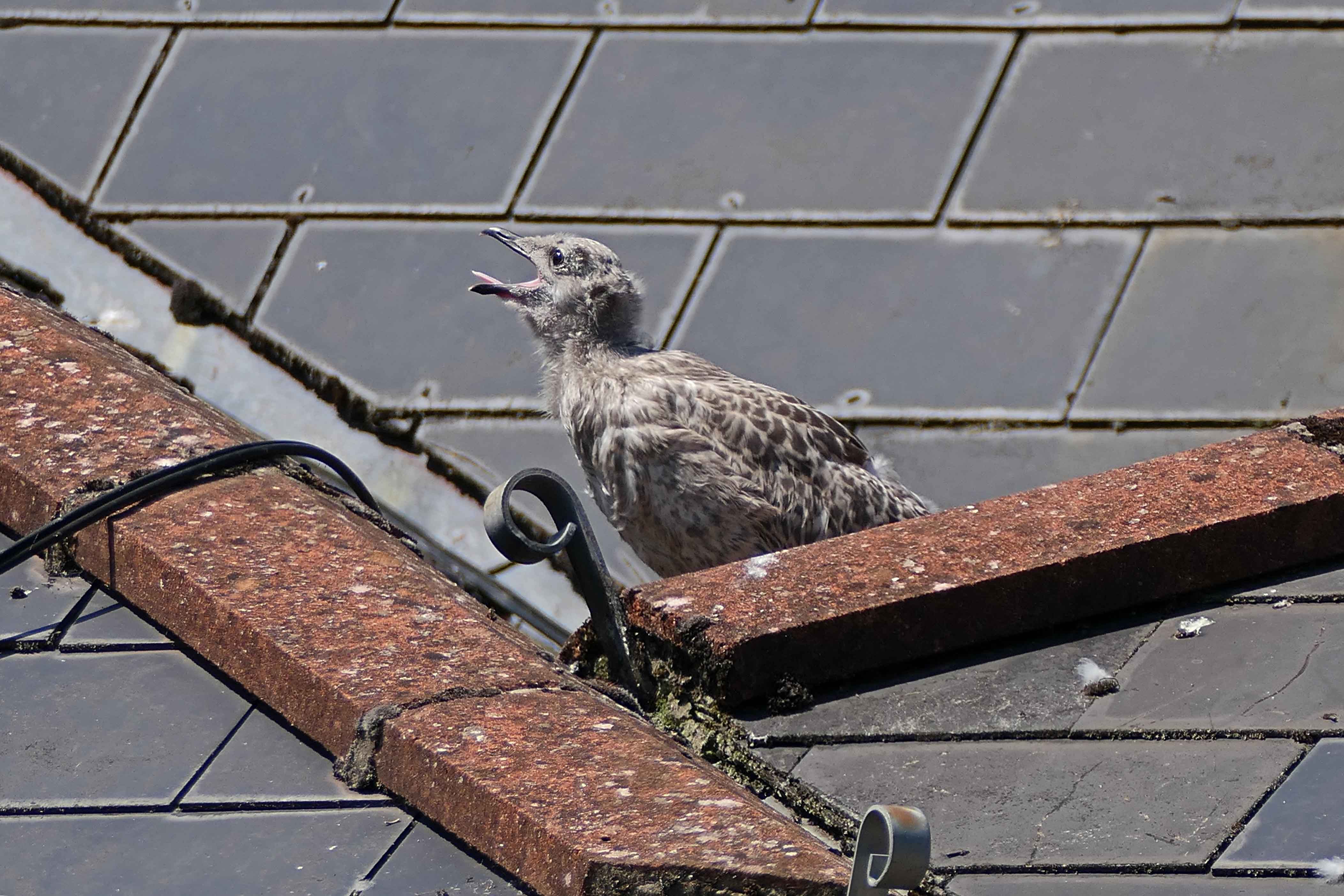
Having picked up a bottle of milk, I was coming out of my local shop when I heard the plaintive calling: ‘Feed me! I’m starving! Feed me!’

240718 herring gull baby (1)

A pair of Herring gulls seems to breed on the shop rooftop every year; last year’s single chick fledged successfully, thanks in part to the titbits of food donated to its cause by both shoppers and the shop owners feeding the parents.

240718 herring gull baby (2)

This year’s chick is already well grown, though it looked to be suffering from the heat during our mini heat wave. Let’s hope it continues to thrive.

240718 herring gull baby (3)

Like Loading...

Alder leaf beetles

18 Thursday Jul 2024

Posted by sconzani in insects

≈ Leave a comment

Tags

Agelastica alni, Alder leaf beetles, blue beetles, British beetles, leaf beetles

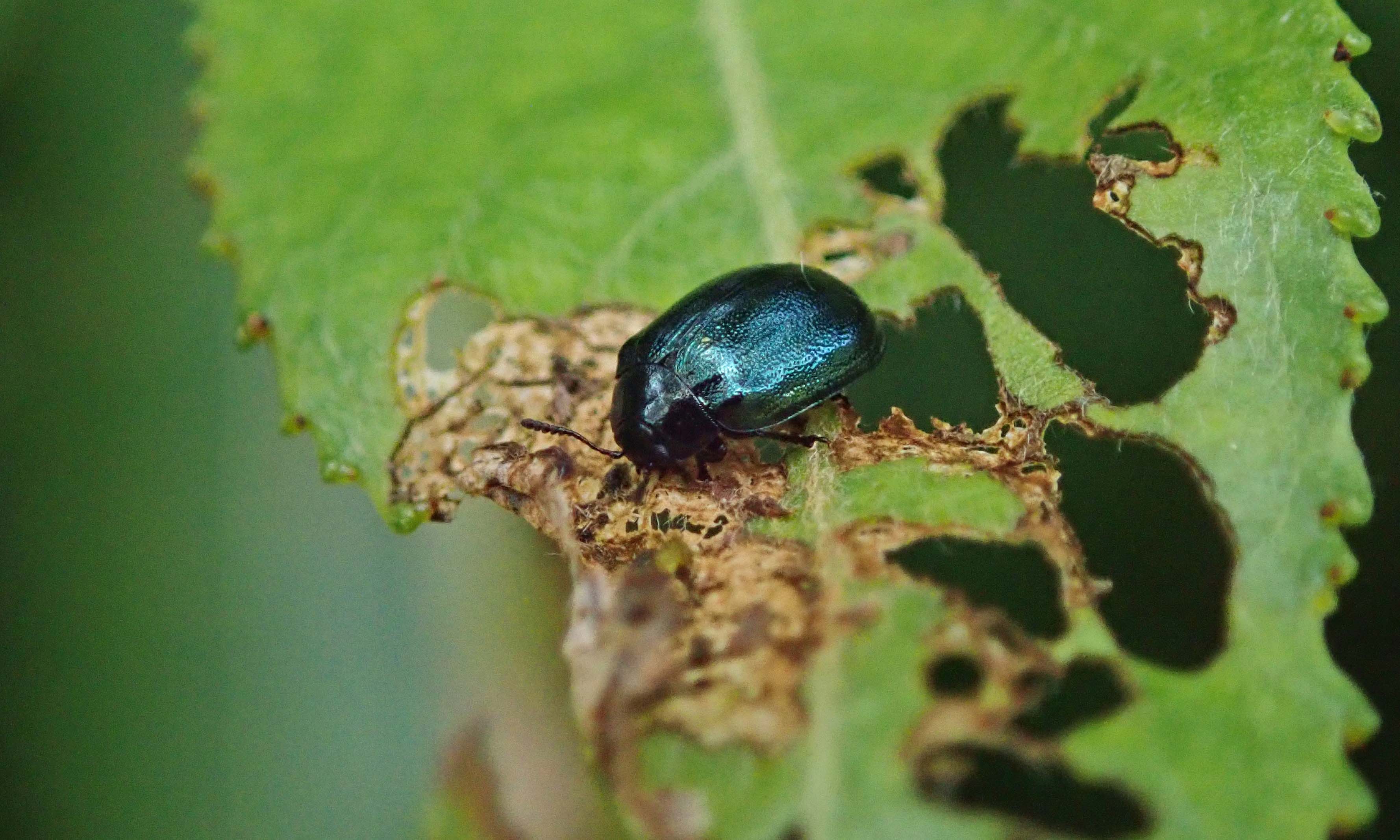
Much to my surprise, my record of Alder Leaf Beetle (Agelastica alni) was the SEWBReC (South East Wales Biodiversity Records Centre) record of the week for week ending 12 July. I had thought these beetles were common so was a little surprised to read in SEWBReC’s social media post that ‘It is expanding its range, so any records help track its spread.’ So, I took a look at the NBN Atlas map, which shows there are few records so far in south Wales, and I also checked the UK Beetles website, which notes

It was formerly considered extinct in the UK; it was recorded a few times from widely scattered localities across England during the mid-20th century but following its rediscovery in 2004 in northwest England it has spread rapidly and it is now locally common and often abundant across the south of England and the midlands and it seems to be increasing in range and abundance.

240718 alder leaf beetles (1)

As well as several of the shiny blue adult beetles, my leaf-bothering had turned up lots of larvae. The UK Beetles website also gives interesting details about these tiny creatures:

females oviposit during May and June …attach groups of eggs to the underside of host foliage, usually between 50 and 70 eggs in each batch and each will lay between 200 and 250 … Larvae emerge 10-12 days later, they pass through 3 instars and are fully grown within 25-30 days; they feed communally but in the last instar disperse throughout the host plant, they are very distinctive and easily recognized; elongate and pale grey when small and shiny black as final instars.

240718 alder leaf beetles (2)

Like Loading...

Brightening up the hedgerows

17 Wednesday Jul 2024

Posted by sconzani in insects

≈ Leave a comment

Tags

British butterflies, butterfly, Gatekeeper, Pyronia tithonus

Brightening up the hedgerows with the vivid orange of their upper wings, Gatekeepers (Pyronia tithonus) are a summer delight for nature-lovers.

240717 gatekeeper (1)

Over the centuries, Gatekeepers have enjoyed a range of common names, most attempts to provide a definite description of their appearance: the ‘Lesser double-eyed butterfly’ (James Petiver, Musei Petiveriani, 1695); the ‘Large heath’ (Adrian Haworth, Lepidoptera Britannica, 1803); the ‘Small meadow brown’ (George Samouelle, The Entomologist’s Useful Compendium, 1819); and ‘Hedge brown’, a name used by many since the 1800s. The name ‘Gatekeeper’ was bestowed on this beautiful butterfly by Moses Harris in his publication The Aurelian in 1766. (Naming details come from Peter Eeles’s Life Cycles of British & Irish Butterflies, 2019.)

240717 gatekeeper (2)

Like Loading...

Two longhorns

16 Tuesday Jul 2024

Posted by sconzani in insects

≈ Leave a comment

Tags

British beetles, Longhorn beetles, Rutpela maculata, Spotted longhorn beetle, Stenocorus meridianus

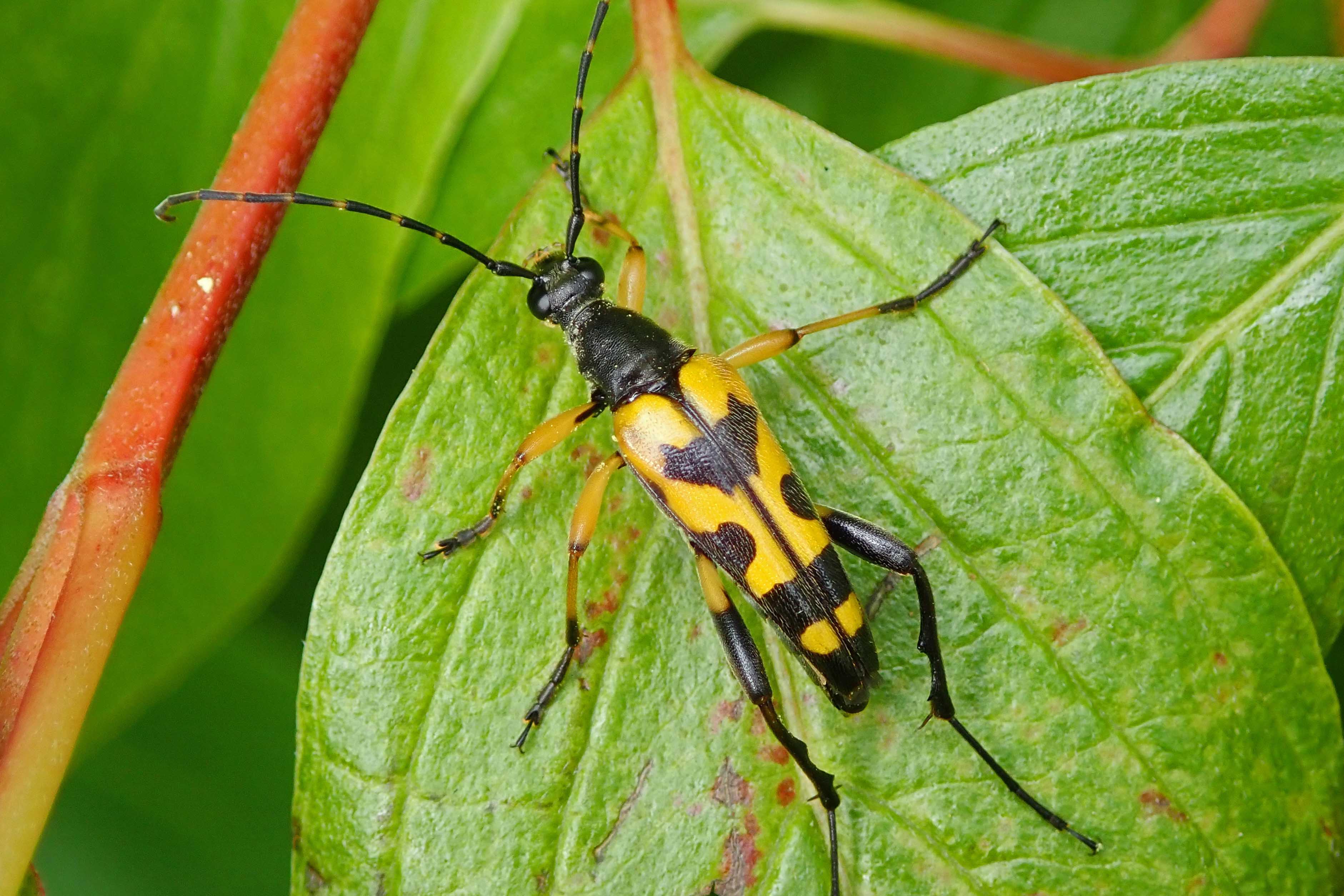
I’m sure many of you will have seen this first longhorn beetle, the Spotted longhorn (Rutpela maculata). Though the patterns may vary, its colourful yellow-and-black colouring is quite distinctive, and it is our most common longhorn beetle, though it doesn’t frequent the more northerly parts of Britain. Look for it along the edges of woodland rides and in hedgerows, particularly on the flowers of Hawthorn and various species of umbellifer, throughout the summer months.

240716 rutpela maculata

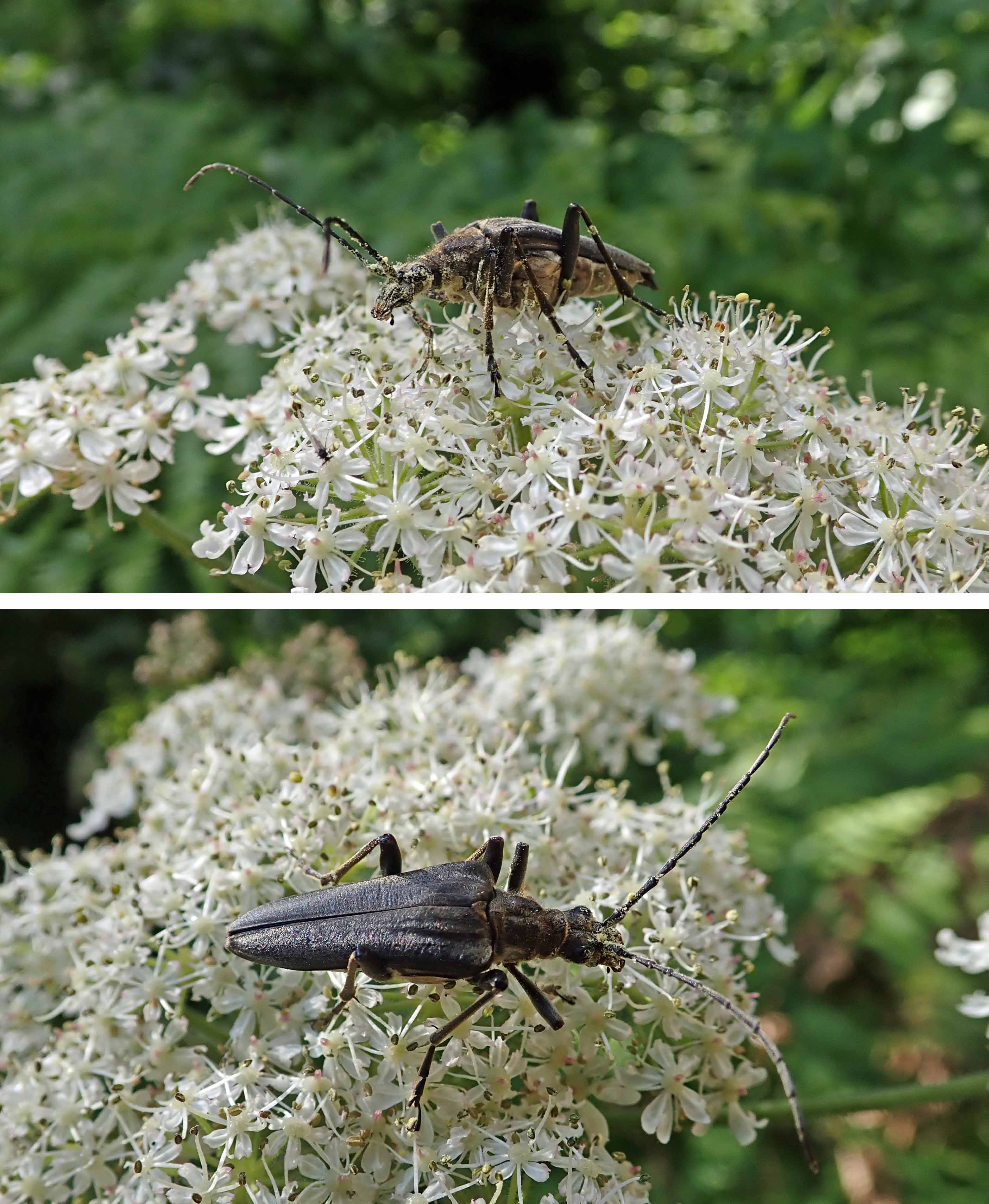
My second longhorn was a new discovery for me, once again from my recent visit to Slade Wood: this is Stenocorus meridianus (no common name). The fragmented broadleaf woodland of Slade Wood – where a lot of non-native trees have been felled in recent years to make way for native species – is the ideal habitat for this beetle, as it likes to feed on the flowers growing in sunny locations along woodland rides and on the edges of clearings. It is a large beetle, between 15 and 25mm, quite triangular in shape with its broad shoulders tapering to a more narrow apex. Its head and thorax are black (though that’s not so obvious when it’s covered in white pollen like this beastie), and the colour of its electra (wing covers) can vary from pale brown to black.

240716 Stenocorus meridianus

Like Loading...

The spinnings of Depressaria radiella

15 Monday Jul 2024

Posted by sconzani in insects

≈ Leave a comment

Tags

British moths, Depressaria radiella, moth larvae on Hogweed flower heads, moth larvae on Wild parsnip, Parsnip moth

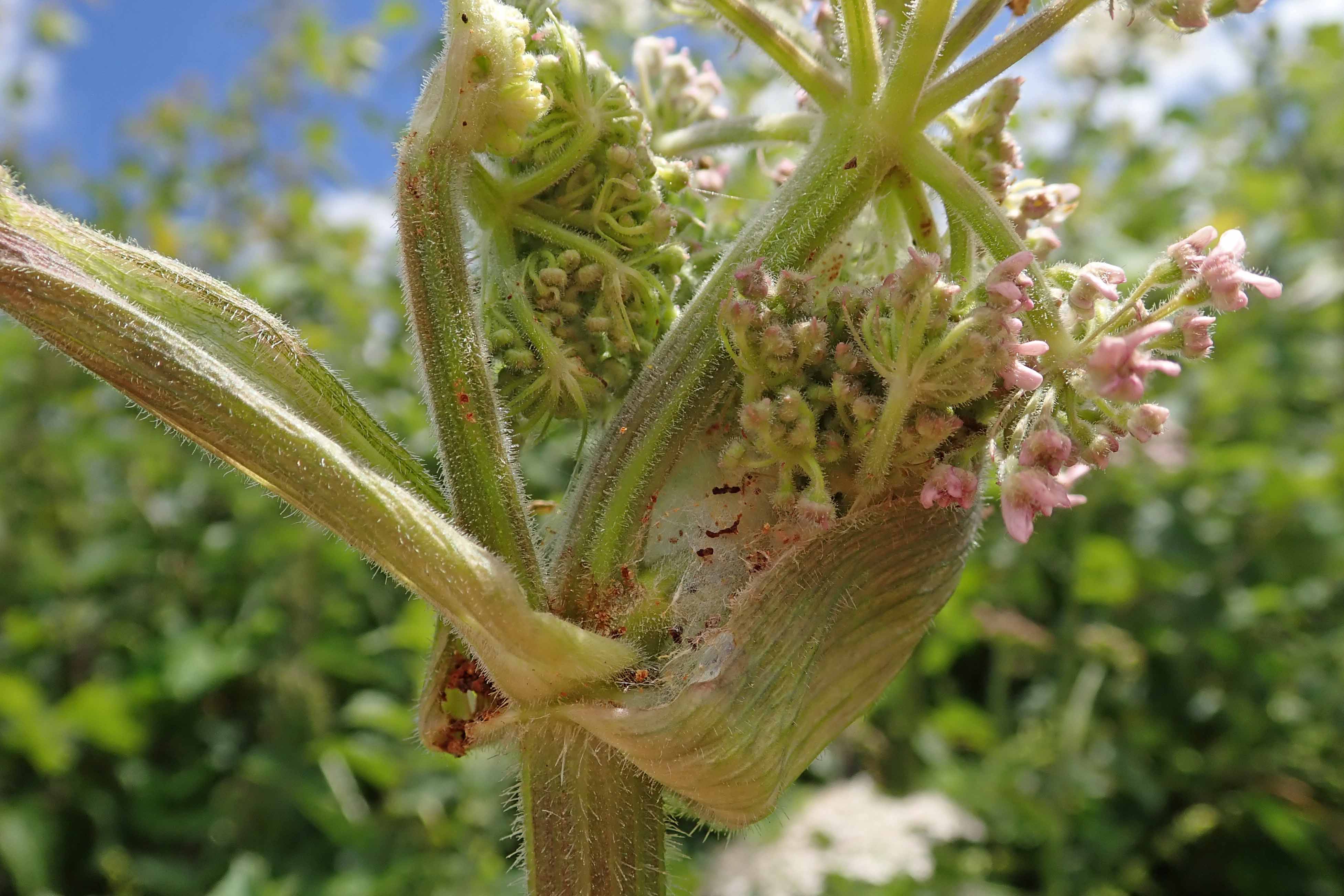
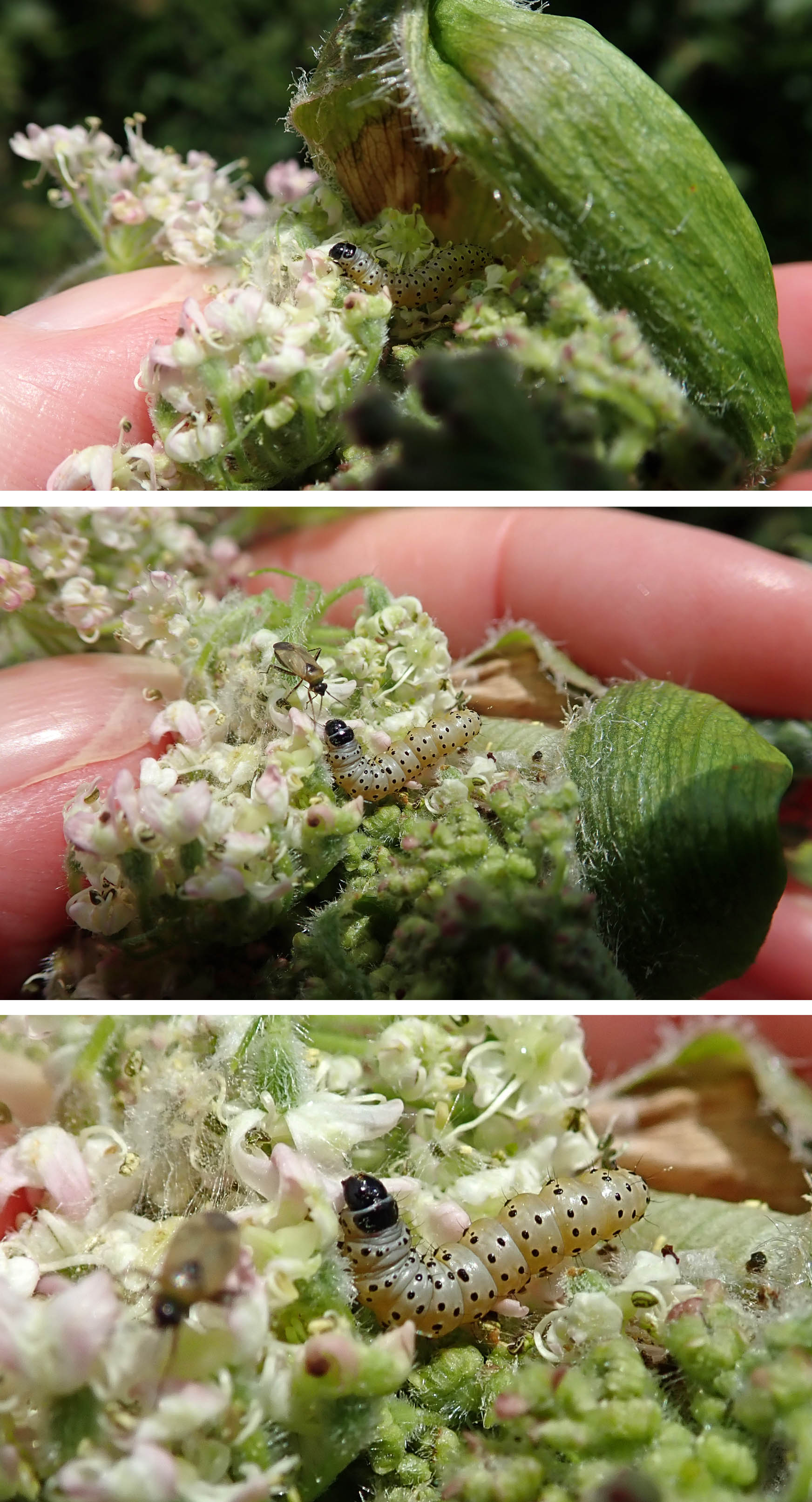
I had found this once before, in a Cardiff Park back in July 2016, but was reminded by a post on Twitter/X to start once again checking the flower heads of Hogweed (Heracleum species) and Wild parsnip (Pastinaca sativa) for the larvae of the bland-looking little moth Depressaria radiella, the Parsnip moth.

240715 Depressaria radiella (1)

I wasn’t checking very thoroughly but still found two examples during my recent visit to Slade Wood, where they were living in Hogweed growing along the side of the lane that leads to the woodland. The larvae spin silk to bind parts of the flower heads together, making themselves a cosy little home amongst their food source. The UK Moths website reports that the larvae will eventually insinuate themselves into the plant stem to pupate, hatching in early Autumn and overwintering as adults, before beginning the whole lifecycle once again the following Spring.

240715 Depressaria radiella (2)

Like Loading...

Heather or Ling

14 Sunday Jul 2024

Posted by sconzani in wildflowers

≈ Leave a comment

Tags

British wildflowers, Calluna vulgaris, Heather, Heather flowers, Ling

Many of you will, I’m sure, be familiar with this plant, with the way it paints hillsides, heaths and moorlands in subtle shades of pink, lilac and purple when flowering, but have you looked more closely at its flowers? They are really quite beautiful. This is, of course, Calluna vulgaris, commonly known as Heather, and also Ling. As the Wildlife Trusts website reminds us

Historically, heather has been used for many purposes, such as fuel, fodder, building materials, thatch, packing and ropes. It was also used to make brooms, which is how it got its Latin name – Calluna is derived from the Greek word meaning ‘to brush’.

240714 heather

Like Loading...

An Ichneumon wasp pupa

13 Saturday Jul 2024

Posted by sconzani in insects

≈ 4 Comments

Tags

ichneumon wasp pupa, Ichneumon wasps, parasitic wasps, wasp pupa

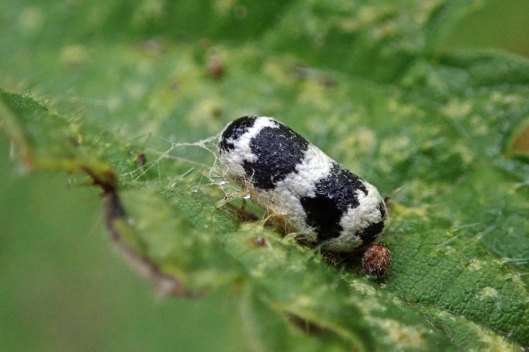
I was standing in front of a tall patch of nettles, moving from side to side, searching intently through the plant stems, hoping to find the chrysalis of one of the fat Peacock butterfly caterpillars I’d seen munching here just a few days previously (didn’t) when I spotted this black-and-white ‘thing’. It looked almost like a blob of poop but, when I edged cautiously closer (those bl**dy nettles sting!), I could see that it looked a bit furry. At home, some careful googling quickly turned up an identification – it’s the pupa of an Ichneumon wasp, which may well have parasitized one of those lovely fat caterpillars I had been admiring.

Like Loading...

Parent bug mother and babies

12 Friday Jul 2024

Posted by sconzani in insects

≈ 2 Comments

Tags

British insects, British shieldbugs, early instar Parent bug nymphs, Elasmucha grisea, Parent bug, Parent bug nymphs, shieldbug

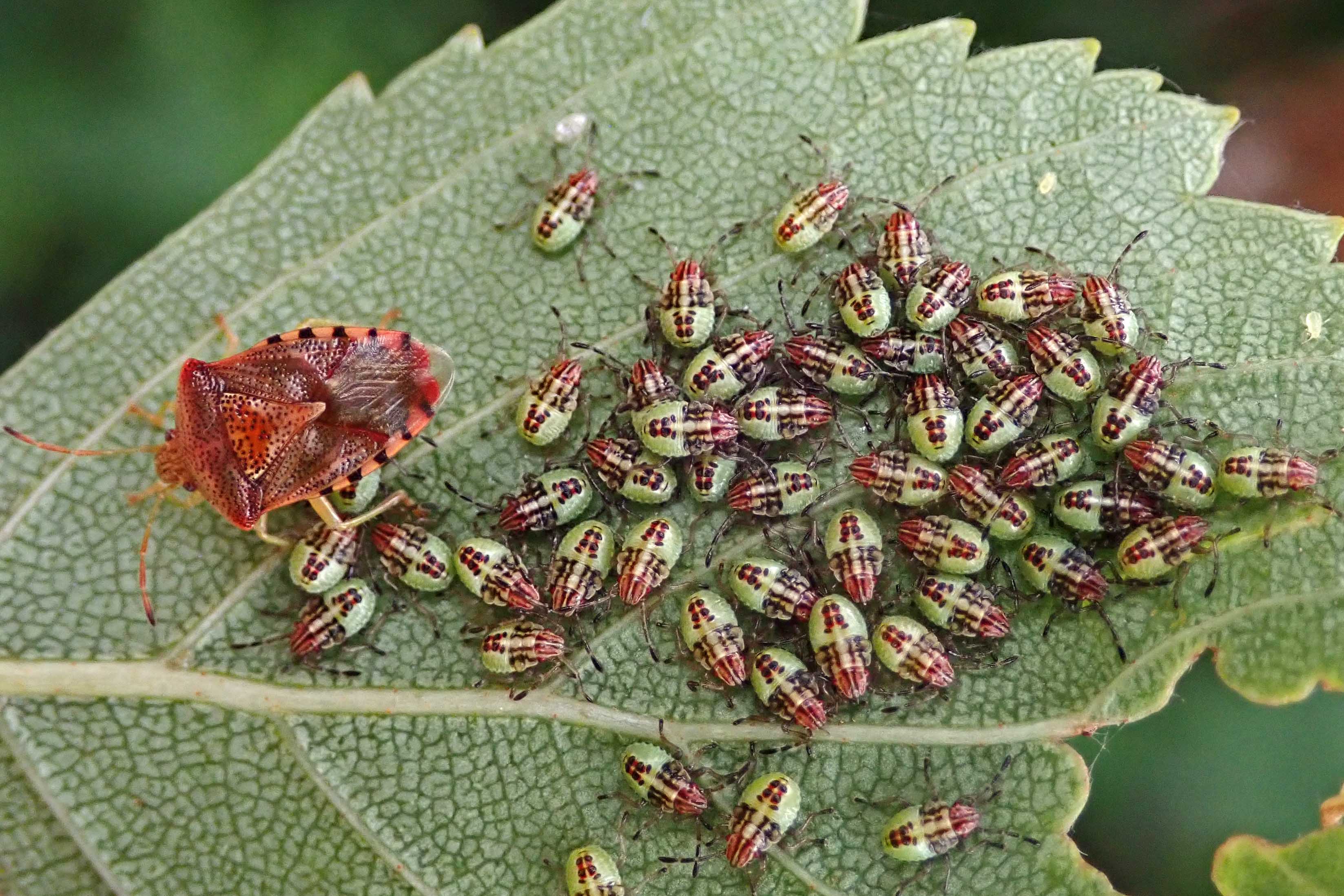
Leaf-bothering is quickly becoming one of my favourite things, especially when the weather isn’t good for bird-watching or spotting beautiful insects like butterflies and dragonflies. And it is most special when I turn over a leaf to see scenes like this, of a Parent bug (Elasmucha grisea) and her many babies (according to the British Bugs website, the male bug dies soon after mating while the female lives on to brood her eggs and young offspring). And these weren’t all of the Parent bug’s nymphs, as a neighbouring leaf held even more – I stopped counting at 80! At least she doesn’t have to feed them all.

240712 parent bug and babies

Like Loading...

First Southern hawker for 2024

11 Thursday Jul 2024

Posted by sconzani in insects

≈ Leave a comment

Tags

Aeshna cyanea, British dragonflies, dragonfly, Hawker dragonflies, Odonata, Southern hawker

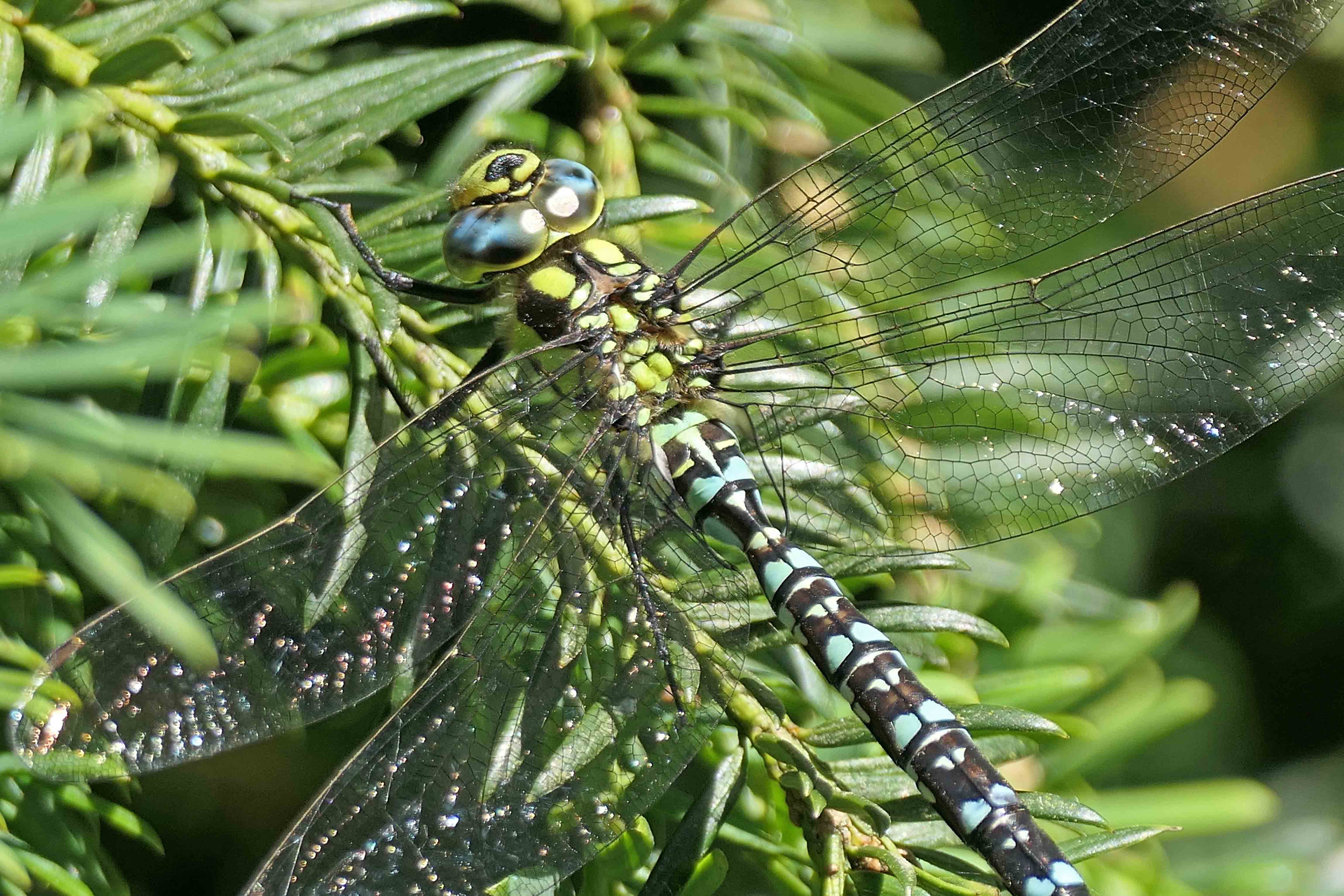
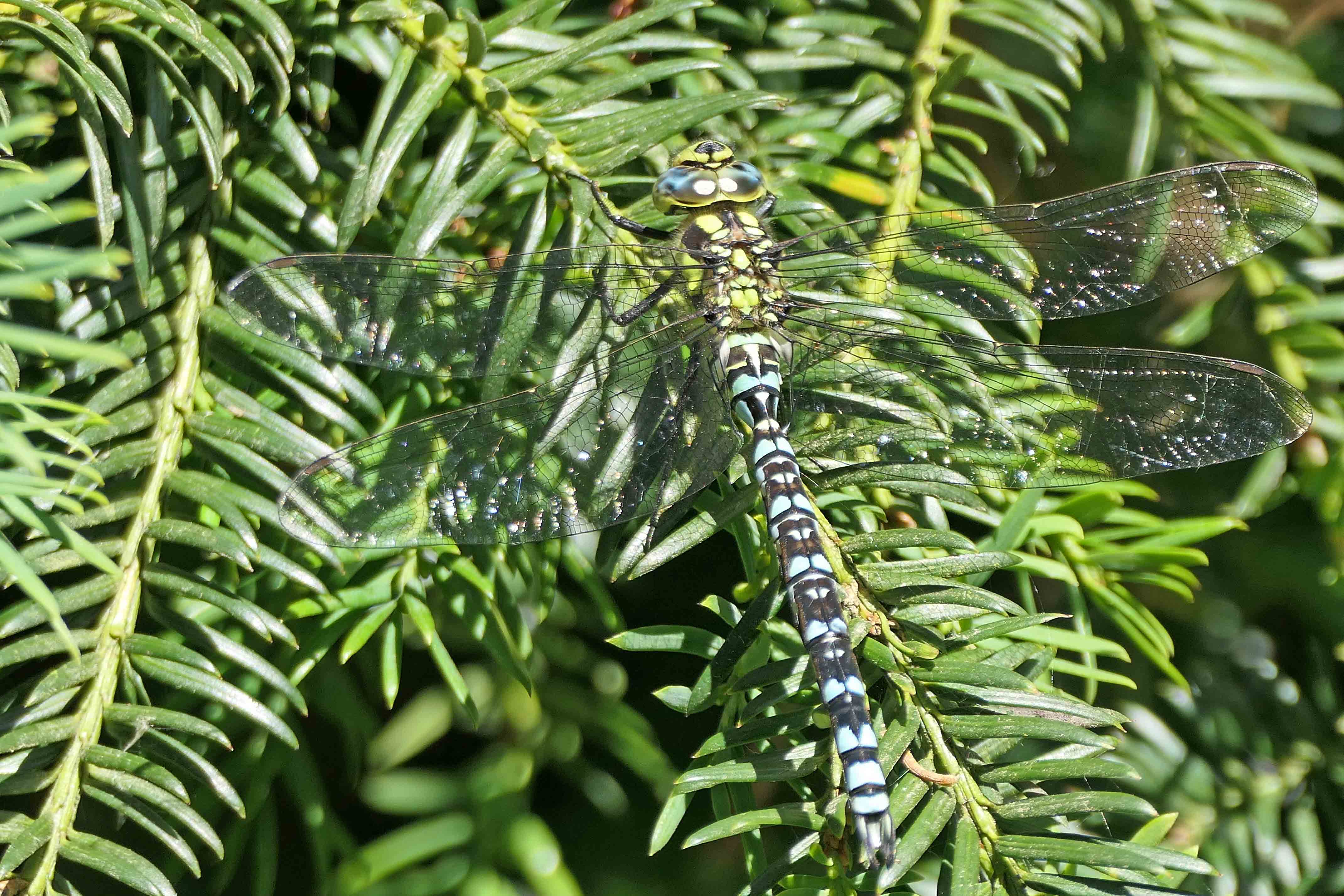
This handsome beastie was another wonderful find from my recent trip to Slade Wood in Gwent. The Southern hawker, also known as the Blue hawker (Aeshna cyanea), though quite similar to the Migrant hawker, can be identified by the broad yellow stripes on the top of its thorax, and, with a flight period running from the beginning of July to the end of September, is seen flying a month or so earlier than the Migrant.

240711 southern hawker (2)

Woodland rides like those at Slade Wood provide the ideal environment for its hawking of insects and, when it finds an ideal location, the Southern hawker will often defend its territory quite aggressively from other dragonfly intruders.

240711 southern hawker (1)

Like Loading...
← Older posts
Newer posts →

About me

sconzani

sconzani

I'm a writer and photographer; researcher and blogger; birder and nature lover; countryside rambler and city strider; volunteer and biodiversity recorder.

View Full Profile →

Follow earthstar on WordPress.com

Enter your email address to follow this blog and receive notifications of new posts by email.

Recent blog posts

  • Cute cootlet April 30, 2026
  • Blood bees April 29, 2026
  • Nesting material April 28, 2026
  • Lifer: Box bug April 27, 2026
  • Peak Wild garlic April 26, 2026

From the archives

COPYRIGHT

Unless otherwise acknowledged, the text and photographs on this blog are my own and are subject to international copyright. Nothing may be downloaded or copied without my permission.

Fellow Earth Stars!

  • Unknown's avatar
  • Unknown's avatar
  • Unknown's avatar
  • Unknown's avatar
  • Unknown's avatar
  • Unknown's avatar
  • Unknown's avatar
  • Unknown's avatar
  • Unknown's avatar
  • Unknown's avatar
  • Unknown's avatar
  • Unknown's avatar
  • Unknown's avatar
  • Unknown's avatar
  • Unknown's avatar
  • Unknown's avatar
  • Unknown's avatar
  • Unknown's avatar
  • Unknown's avatar
  • Unknown's avatar
  • Unknown's avatar
  • Unknown's avatar
  • Unknown's avatar
  • Unknown's avatar
  • Unknown's avatar
  • Unknown's avatar
  • Unknown's avatar
  • Unknown's avatar
  • Unknown's avatar
  • Unknown's avatar
  • Unknown's avatar
  • Unknown's avatar
  • Unknown's avatar
  • Unknown's avatar
  • Unknown's avatar
  • Unknown's avatar
  • Unknown's avatar
  • Unknown's avatar
  • Unknown's avatar
  • Unknown's avatar
  • Unknown's avatar
  • Unknown's avatar
  • Unknown's avatar
  • Unknown's avatar
  • Unknown's avatar
  • Unknown's avatar
  • Unknown's avatar
  • Unknown's avatar
  • Unknown's avatar
  • Unknown's avatar

Blog at WordPress.com.

Privacy & Cookies: This site uses cookies. By continuing to use this website, you agree to their use.
To find out more, including how to control cookies, see here: Cookie Policy
  • Subscribe Subscribed
    • earthstar
    • Join 642 other subscribers
    • Already have a WordPress.com account? Log in now.
    • earthstar
    • Subscribe Subscribed
    • Sign up
    • Log in
    • Report this content
    • View site in Reader
    • Manage subscriptions
    • Collapse this bar

Loading Comments...

You must be logged in to post a comment.

    %d