
Oooooooo, what’s this lurking on my window?

I still don’t know but it is kind of cute!

27 Saturday Jul 2019
Posted in 365DaysWildin2019, insects, nature
Oooooooo, what’s this lurking on my window?
I still don’t know but it is kind of cute!
26 Friday Jul 2019
Posted in 365DaysWildin2019, insects, nature
Tags
Brimstone, British butterflies, butterflying, Gatekeeper, Gloucestershire woodland, Lower Woods Nature Reserve, Purple hairstreak, Silver-washed fritillary, Small copper, woodland trenches
On the hottest July day on record, yesterday, three mad gents and a Kiwi woman went butterflying in the noon day sun!
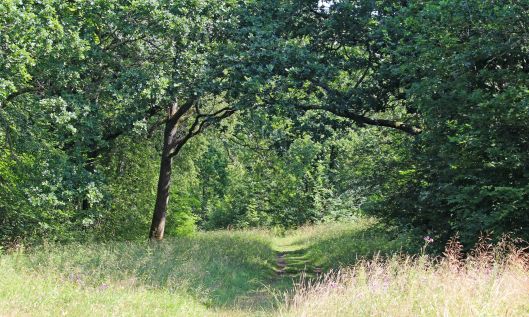
Our destination was the Gloucestershire Wildlife Trust’s Lower Woods Nature Reserve, which, according to their website, is ‘one of the largest ancient woodlands in the south-west of England’. I can believe it!
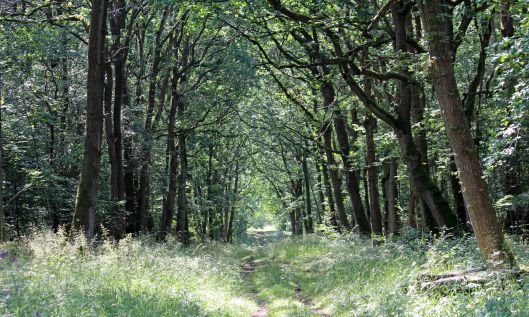
We walked most of the Horton Great Trench, one of the long grassy roads that have been in existence since Medieval times, as well as detouring in through the woods on one of the many tracks, and it was beautiful – extremely hot, but beautiful! Towering old trees edged the ancient trackway, with clearings widening out to wildflower meadows in many places along the way.
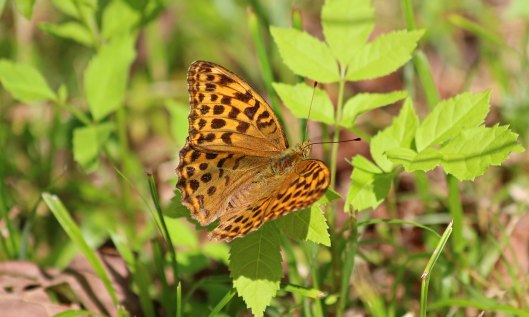
The trench was perfect for butterflies. I have never seen so many Silver-washed fritillaries before, and there was also an abundance of Peacocks, flashing their brilliant colours on the bramble flowers. We spotted several Purple hairstreaks up high in the ancient oaks and then had the delight of watching one come down to the grass to drink from the overnight dew – fabulous!

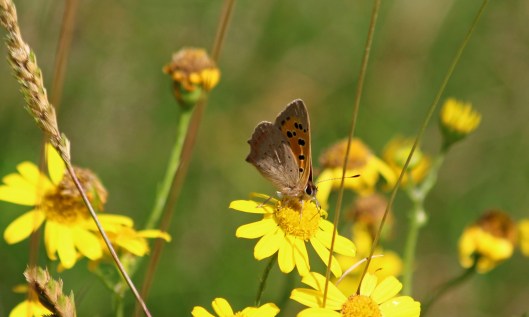
Our list for the site came to 17 species: Silver-washed fritillary, Purple hairstreak, Peacock, Red admiral, Comma, Large and Small and Marbled whites, Brimstone, Small skipper, Common blue and Brown argus, Speckled wood, Meadow brown, Ringlet and Gatekeeper, and two gorgeous Small coppers.
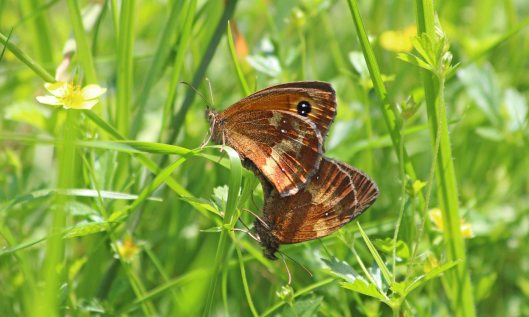

We didn’t actually find our target species, the White admiral, at Lower Woods but a detour to Slade Wood on the way home produced one individual, bringing our top-spotter car-driver his 50th butterfly species of the year. Congratulations, Gareth!
25 Thursday Jul 2019
Posted in 365DaysWildin2019, insects, nature
Tags
#365DaysWild, British butterflies, butterfly, Essex and Small skipper differences, Essex skipper, Skippers
Before this year, I had only seen an Essex skipper once, and that was only a possibility, not a certainty, based on a photo I took in July 2017 of what I thought at the time was a Small skipper. This year I’ve found them at three different sites, reinforcing my thinking that, for me personally, there’s really no substitute for taking the time to observe something closely.
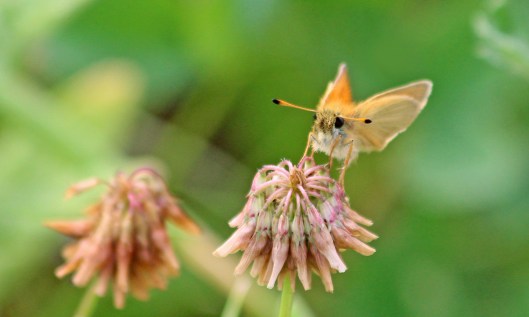
There are physical differences that differentiate the Essex from the Small skipper – the black tips of its antennae and, in the male, the size and angle of the sex brand on its upper wings (see images below). But I’ve found that they seem to act differently too. Their flight pattern seems more relaxed, less frantic than the Small skippers, and they also seem more inclined to perch and be looked at – or maybe I’ve just been lucky!


Small skippers on the left, Essex skippers on the right
Close observation and taking lots of photos of their antennae for verification has meant I’ve now found Essex skippers at Cardiff’s Hailey and Grangemoor Parks, and also at Cosmeston. But will I remember what to look for when they begin to appear next year? Only time will tell.

24 Wednesday Jul 2019
Posted in 365DaysWildin2019, insects, nature
Tags
#365DaysWild, British beetles, Longhorn beetles, Rutpela maculata, Slade Wood, Spotted longhorn beetle
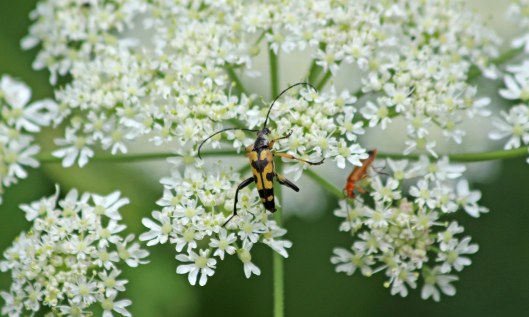
I thought I’d found a new variety of longhorn beetle when I spotted these creatures at Slade Wood on Monday but no. It turns out the yellow-and-black markings of Spotted longhorn beetles (Rutpela maculata) are quite changeable and these were just variations on a theme.

As their larvae inhabit rotten wood, the adult beetles can usually be found near woody areas, on hedgerows and along woodland rides, where they enjoy nectaring on umbellifer flowers.


I’ve just been reading that the adults only live for a few weeks between May and August so eyes peeled – you haven’t got long to spot these little stunners.
23 Tuesday Jul 2019
Posted in 365DaysWildin2019, insects, nature
Tags
#365DaysWild, British butterflies, butterfly, Holly blue, Holly blue butterfly, Lavernock Nature Reserve, summer butterflies
The Holly blue is one of several British butterflies that goes through more than one life cycle per year (you can read more about them here), and the second generation of these stunning little butterflies is now on the wing in my local reserves and wild places.


I saw my first of the summer brood on 14 July at Grangemoor Park, and this perfect little female was feeding on bramble flowers when I visited Lavernock Nature Reserve on Saturday, 20 July. Look out for them on ivy bushes, as that’s where the second generation females lay their eggs.


22 Monday Jul 2019
Posted in 365DaysWildin2019, birds, nature
Tags
#365DaysWild, birding, birdwatching, British birds, Cosmeston, Cosmeston Lakes Country Park, Green woodpecker, juvenile Green woodpecker
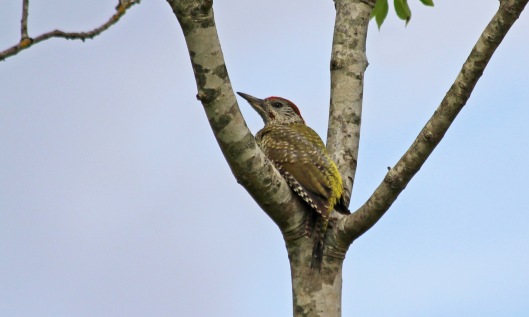
Two visits in a row I’ve seen this juvenile Green woodpecker and its parent in the same area at Cosmeston Lakes Country Park. (You can tell it’s a juvenile by the dark streaking on its face and underparts.)
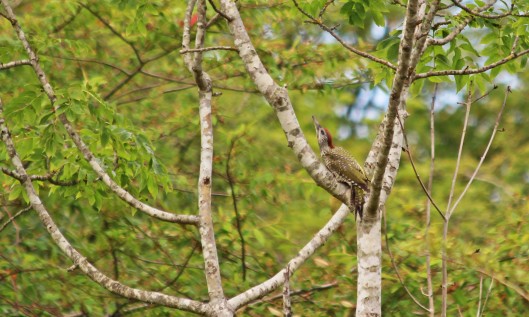
it was checking out a Nuthatch further up the tree
It’s a small fenced off area where not too many people venture but that makes it all the more attractive to me. The lack of frequent foot traffic means it’s a good place to observe birds and butterflies, and I guess the adult woodpecker has also realised it’s a safer place for its offspring as the juvenile begins to make its own way in the world.
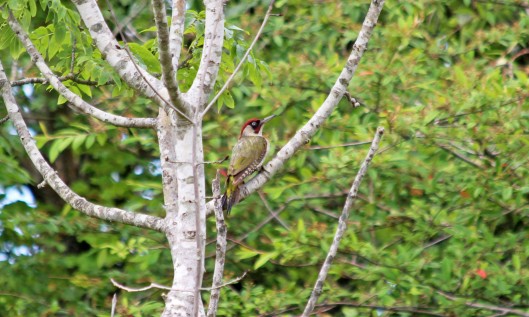
the adult Green woodpecker
This is not the only juvenile Green woodpecker in the park at the moment. After seeing these two the other day, I also heard a lot of yaffling in another location and, as I approached, saw four Green woodpeckers fly up from the ground into the neighbouring trees. Whether that was two adults and two juveniles, or one adult and three juveniles, I’ve yet to discover.
21 Sunday Jul 2019
Posted in 365DaysWildin2019, insects, nature
Tags
British butterflies, butterfly, Gatekeeper, Sexing Gatekeepers, working out gender of Gatekeepers
The orange-and-brown Gatekeepers have been brightening my local wanderings for a couple of weeks now, eclipsing the now-fading Meadow browns and Ringlets with their newly emerged vibrancy, but I’m struggling to tell which are the males and which the females.

It’s easy when they sit with their wings open, as the males have dark streaks of colour through the centre of their upper wings. So, that’s a male posing perfectly in the photograph above and a female being not quite as co-operative in the image below.
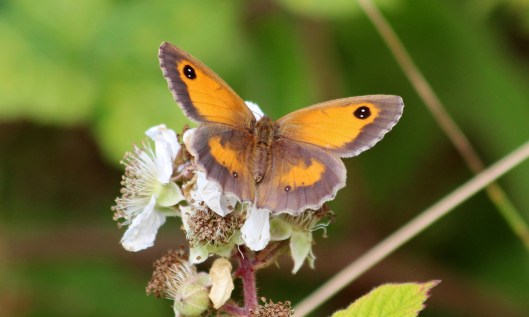
For some reason though – and I have spent several hours lately observing them – I don’t see females sitting open-winged very often. As butterfly observers in other parts of south Wales tell me they frequently see females perched open-winged in their areas, I’m wondering why there’s a difference locally. Is there an imbalance in the local population, with many more males than females? Are the males more aggressive here, so the females prefer not to advertise their presence? I don’t know the answers so if someone does, I’d love to know.


In the meantime, I’ve been trying to spot which are male and female when their wings are closed. The females should be lighter in colour, I believe, but lightness and darkness are so subjective and very changeable, depending on the prevailing weather conditions and the habitat. Females are also a little larger but, again, it’s difficult to make that comparison unless you see the two sexes sitting side by side. Take the three butterflies above – I know the one of the left is a female as I saw her upper wings, and I would guess that the individual on the right is a male as it does look quite dark, but the one in the middle?

I’ll keep trying to improve my observation skills but, in a couple of weeks, the Gatekeepers will be looking as faded as the Meadow browns and Ringlets are now – like the female above, photographed in mid August – and then my queries will have to wait until the cycle begins again next year.
20 Saturday Jul 2019
Posted in 365DaysWildin2019, nature, weather
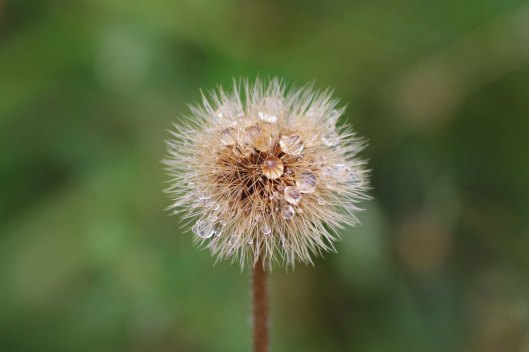
Yesterday it rained, it poured, it bucketed down and, after several weeks with scarcely a drop of rain, it was life-giving, cleansing, greening, quenching, reviving, freshening …
19 Friday Jul 2019
Posted in 365DaysWildin2019, birds, nature
Tags
#365DaysWild, Cosmeston, Cosmeston Lakes Country Park, juvenile Long-tailed tit, long-tailed tit
A pack of juveniles they may be but I saw no delinquents here.
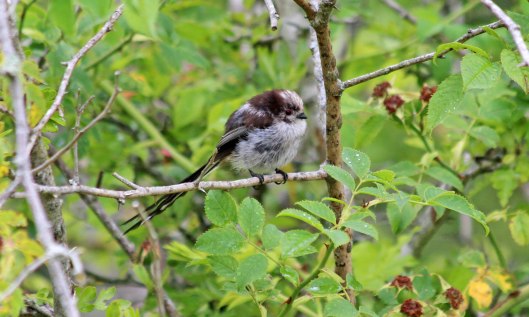

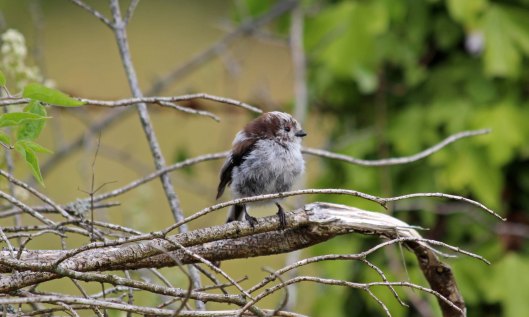
These are the cute little bundles of fluff known officially as Long-tailed tits, and yesterday, at Cosmeston, I followed a flock of perhaps 40 of these, with an assortment of Great and Blue tits and Chiffchaffs, all young birds, as they were feeding.
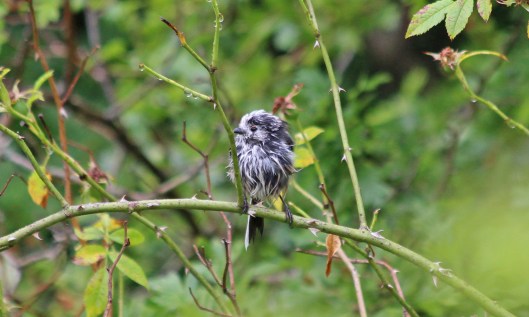

Following a shrubby fence line, they pecked about amongst the low trees and bushes, and also ventured out into the field of wildflowers, perching precariously on the stems of tall umbellifers while surveying the surrounding plants for small insects and caterpillars.


It was a great delight to watch them and, being young, they were not as wary of my presence as adults might be, so I managed to get some reasonable photos.

18 Thursday Jul 2019
Posted in 365DaysWildin2019, nature, plants, wildflowers
Tags
#365DaysWild, British flora, Cirsium acaule, Cosmeston, Cosmeston Lakes Country Park, Dwarf thistle, thistle, wildflowers
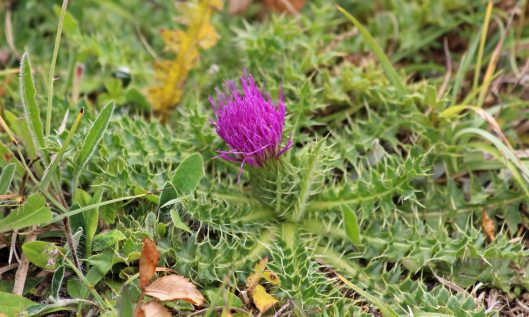
During today’s walk around Cosmeston I spotted a plant I’ve not seen before – or, at least, I’ve not consciously noticed before. It’s so easy to just walk over the things growing under your feet – although, in this case, if you were walking barefoot you couldn’t help but notice it!

It’s the Dwarf thistle (Cirsium acaule), and it’s easily identifiable as its single flower almost completely lacks a stem – the gorgeous purple flower sits right on top of a rosette of wavy and spiny edged leaves.


This thistle prefers to grow in low grasslands, particularly on calcareous soils, so it does tend to be quite localised but can be found in England as far north as Yorkshire and in south Wales.
 earthstar
You must be logged in to post a comment.