• ABOUT
  • BIRDING 2018
  • Birding 2019
  • BLOG POSTS
  • Butterflies 2018
  • Resources

earthstar

~ a celebration of nature

earthstar

Category Archives: autumn

Pinkish wildflowers

12 Wednesday Nov 2025

Posted by sconzani in autumn, flowers, wildflowers

≈ 4 Comments

Tags

autumn colour, autumn wildflowers, British wildflowers, pink flowers, pink wildflowers

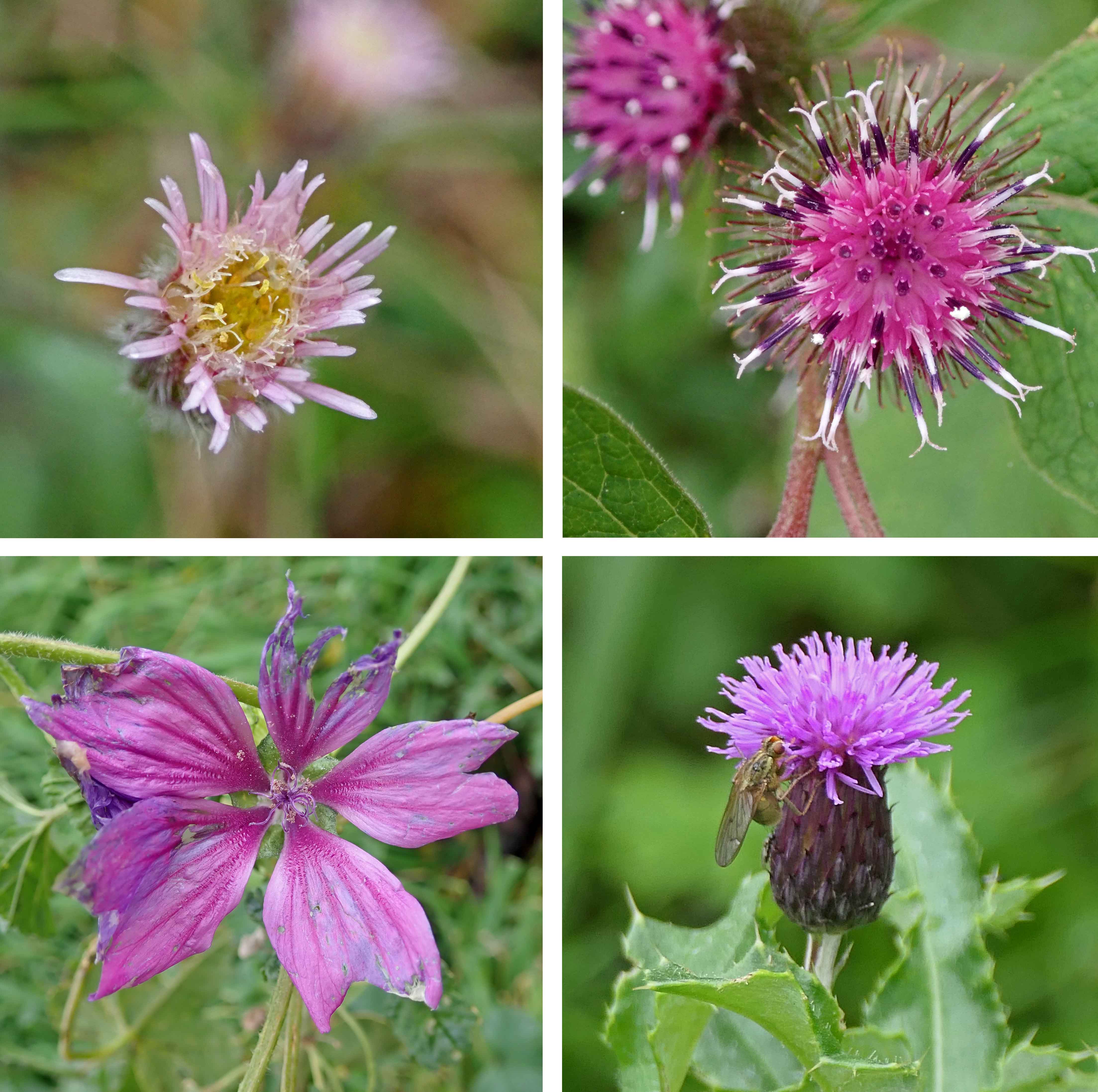
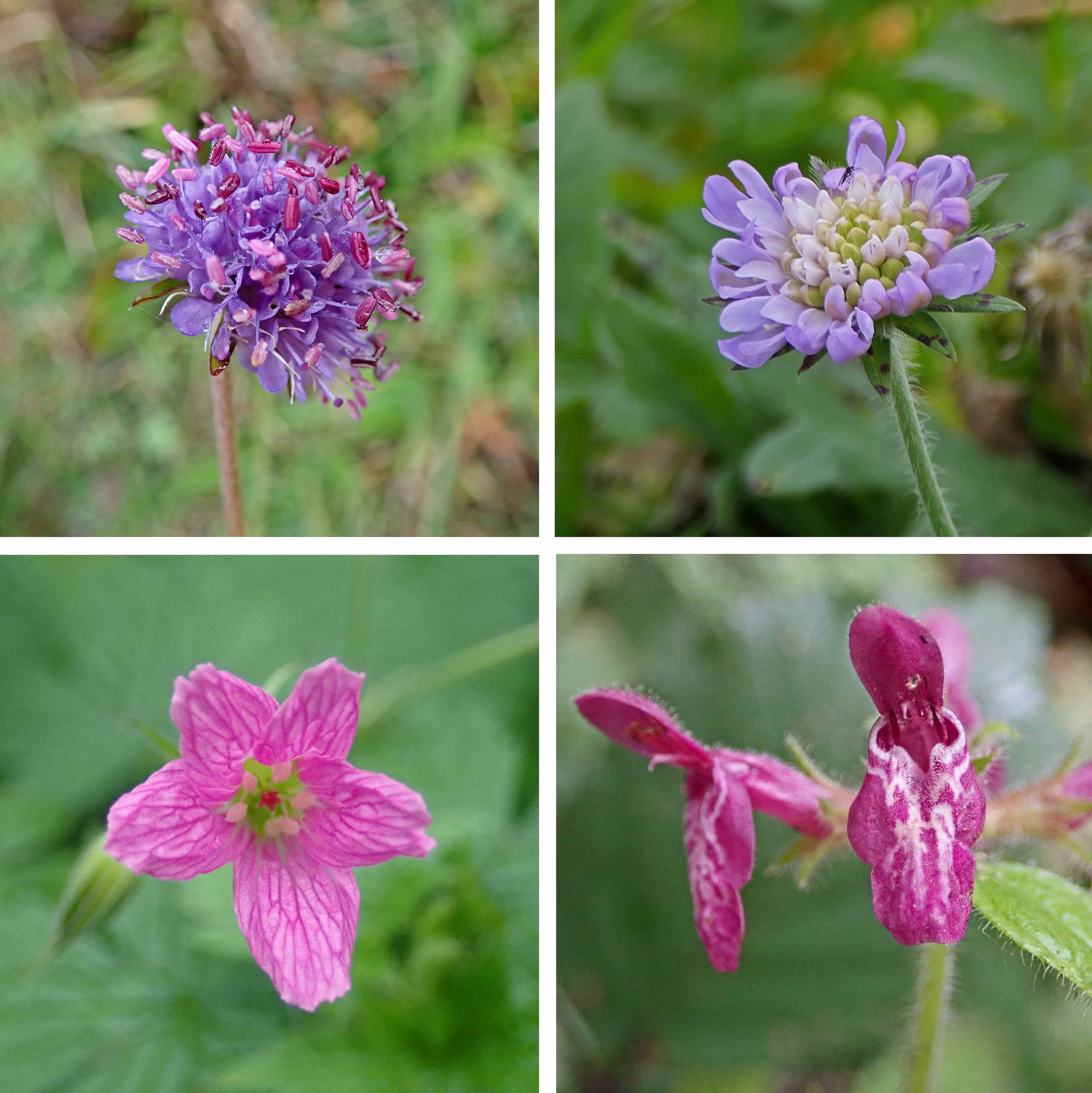
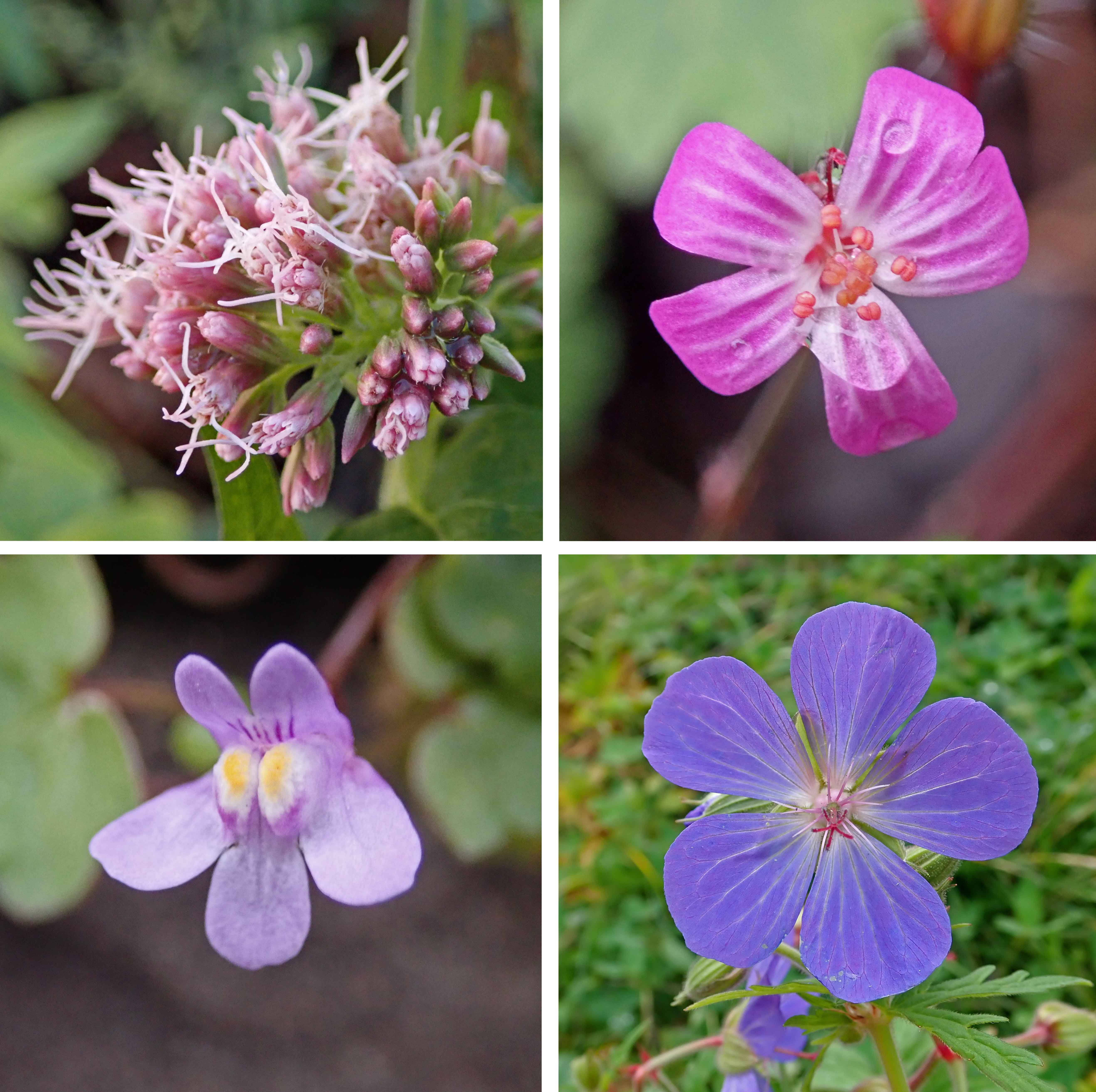
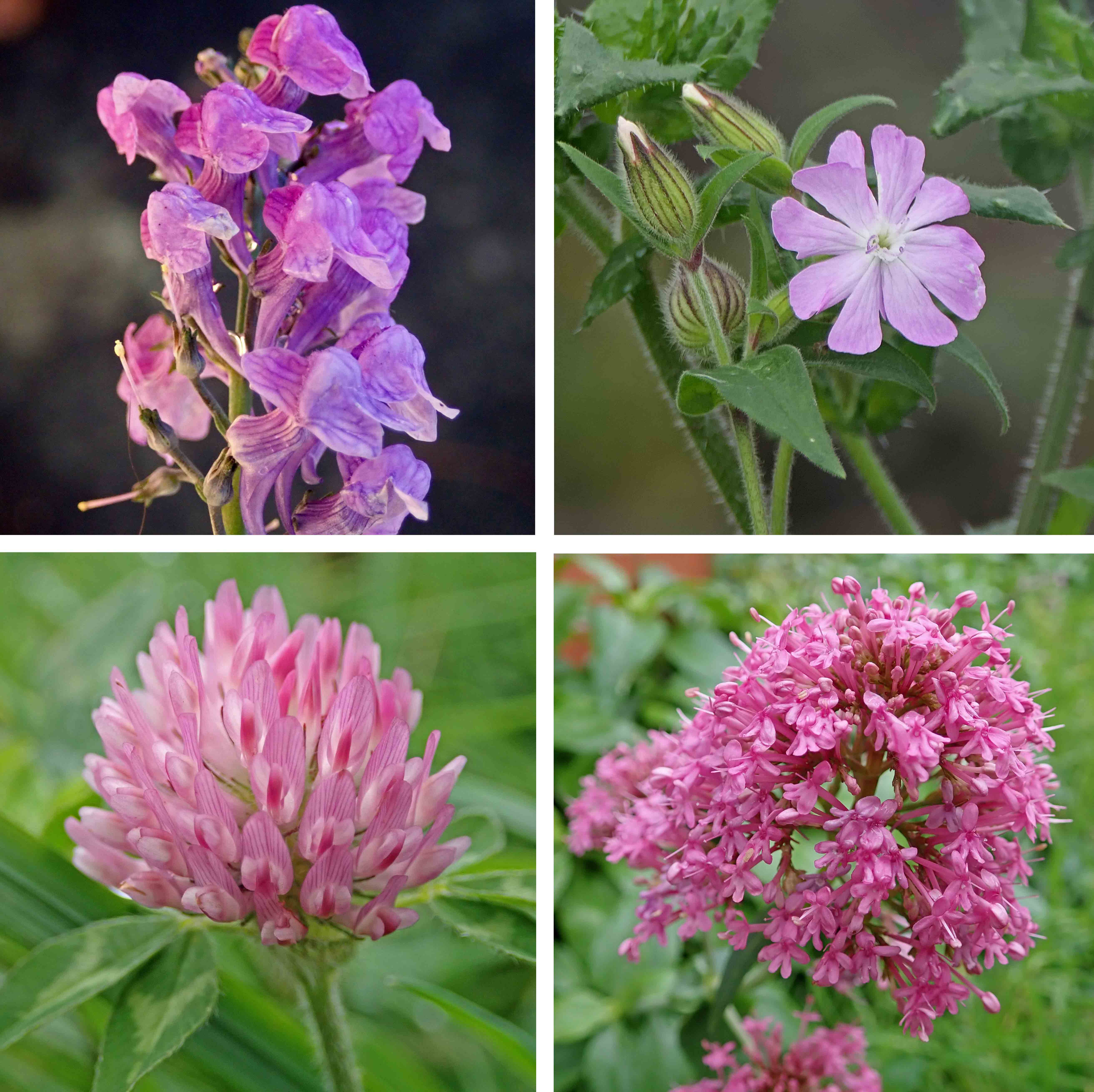
It’s been a very grey week here so I thought I’d change things up and we’d have a splash of mid week colour. During my daily walks last week, I took photos of all the pinkish-coloured wildflowers I found – more than I expected but, after our very dry summer, the wet but mild autumn weather has caused a flush of late growth and flowering in the local flora.

Blue fleabane, Burdock, Common mallow, and Creeping thistle

Devil’s-bit and Field scabious, Pencilled geranium, and Hedge woundwort

Hemp agrimony, Herb Robert, Ivy-leaved toadflax, and Meadow crane’s-bill

Purple toadflax, Red campion, Red clover, and Red valerian

Like Loading...

Woodpigeon migration

10 Monday Nov 2025

Posted by sconzani in autumn, birds

≈ 2 Comments

Tags

autumn migration, birding, birdwatching, British birds, Woodpigeon, Woodpigeon migration

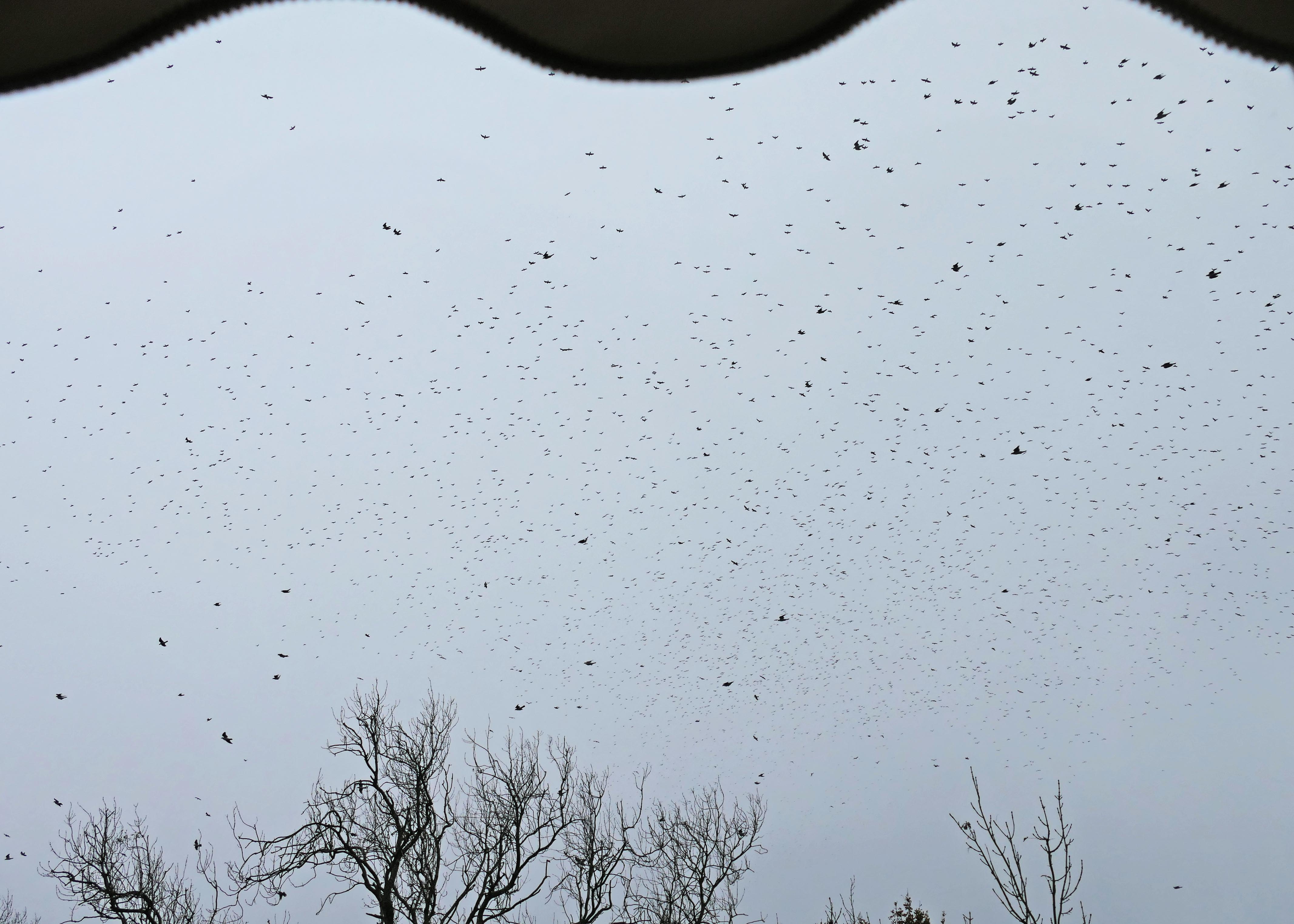
Last Friday morning, one of the autumn’s massive flocks of migrating Woodpigeons passed over my house, and what an incredible sight it was as they headed south along the coast. There were, perhaps, several thousand birds in the flock, which seemed an enormous number to me but, the very next day, there was a report on social media from a birder who’d had his second highest ever count on the Severn of 242,160 Woodpigeons, viewed from the sea wall at Goldcliff.

Despite the enormous quantities of birds that participate in these autumn migrations, they are something of a mystery in the bird world. No one truly knows where the birds originate from or where they’re going. Even expert birders have different theories; last week I read the blog of a well known ornithologist (Pigeons move in mysterious ways) who suggested ‘They may be Scandinavian birds heading for the Cork Oak forests of Iberia, as there is good evidence of migration from ringed birds but perhaps their visits through southern Britain are so rapid that no rings are recovered.’ But another birder, who seems to have a very good understanding of the autumn migration of most species of birds (see this presentation on YouTube: An Introduction to Visible Migration – Dan Webb), commented on the blog, writing that the Woodpigeons are

Almost certainly not Scandinavian birds. Most likely to be British birds moving to the Continent and south western Britain in search of acorns and mast backed up by observers recording departing flocks from Start Point in Devon and further evidenced by a spring return passage along the English side of the Severn in early spring. Scandinavian woodpigeon movement through the Continent peaks several weeks before ours.

Some, perhaps 100, of the Woodpigeons that flew over my house stopped off briefly in the local trees, until the local crows made a fuss and sent them packing.

Like Loading...

Autumn trees: Aspen

09 Sunday Nov 2025

Posted by sconzani in autumn, leaves, trees

≈ Leave a comment

Tags

Aspen, Aspen in autumn, autumn colour, autumn leaves, autumn trees, Populus tremula

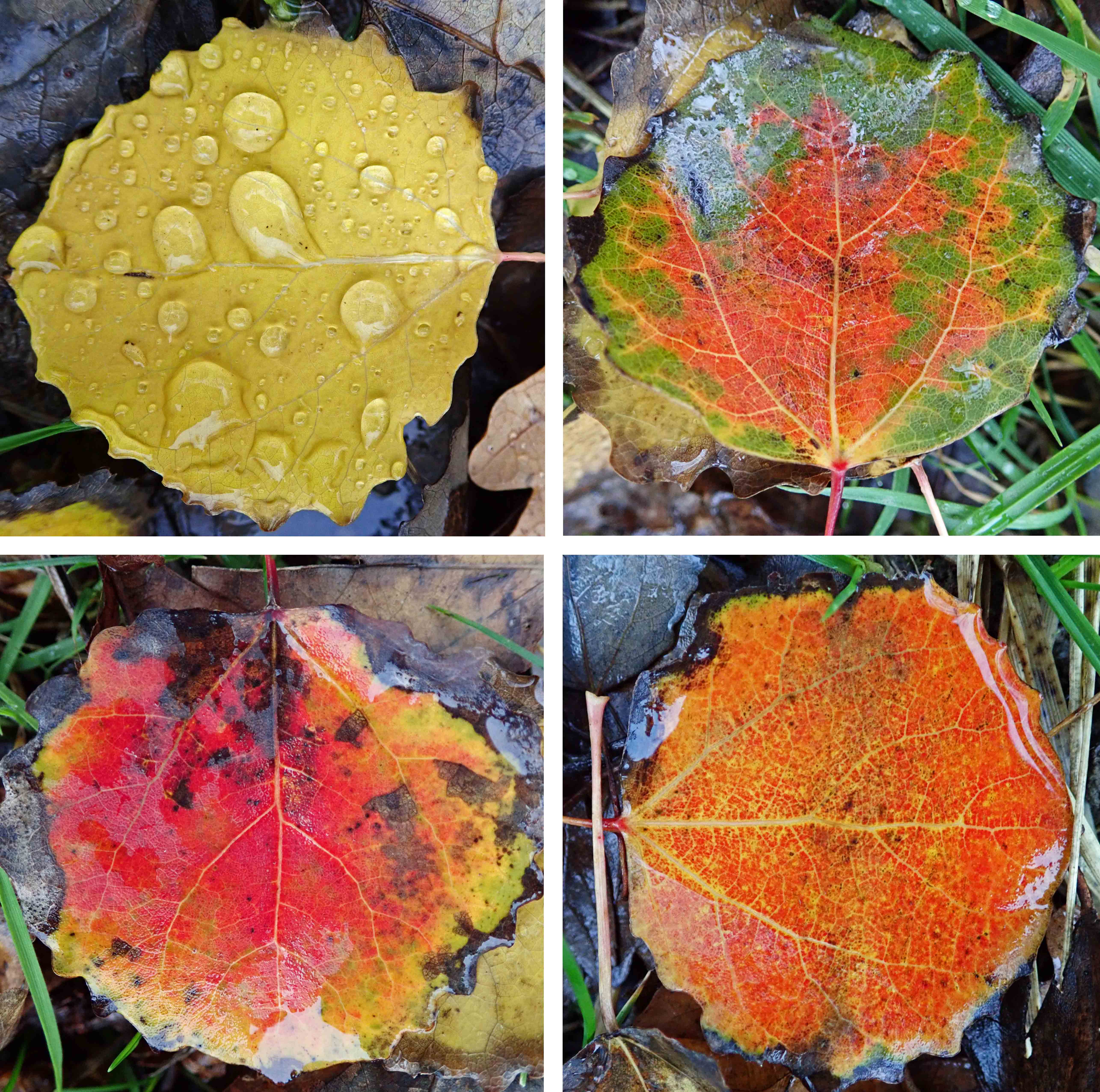
The leaves of the Aspen (Populus tremula) are some of the most stunning autumn leaves, their summer green changing to yellow and orange and red and every combination of those colours, sometimes all in one leaf. Those colours, together with the way the leaves of the Aspen seem to quiver and rustle (tremula is Latin for trembling or quaking) at the merest hint of a breeze, make this tree a favourite of mine – and I’m sure with many of you, as well.

Aspen are usually associated with cold places, growing best in mountains near rivers – they prefer moist but well-drained soil, so coastal south Wales is not their preferred habitat but, for some reason, they seem often to be used in ornamental plantings in parks and alongside roads, in the landscaping around business and housing developments, so these are the Aspens I’m most familiar with. Some day I’d like to make an autumn trip to a place where Aspen are at their most spectacular – I’ve read the trees in the north west of Scotland put on a particularly fine autumn display.

Like Loading...

Coral in the grass

07 Friday Nov 2025

Posted by sconzani in autumn, fungi

≈ 4 Comments

Tags

British fungi, CHEG fungi groups, CHEGD fungi groups, Clavulinopsis corniculata, coral fungi, grassland fungi, Meadow coral

The clubs and corals, properly known as the Clavariacae, come in many shapes and colours; some are small, simple and singular, resembling worms standing upright in the grass, while others form in multi-branching clumps that really do resemble the corals you can find growing under the sea.
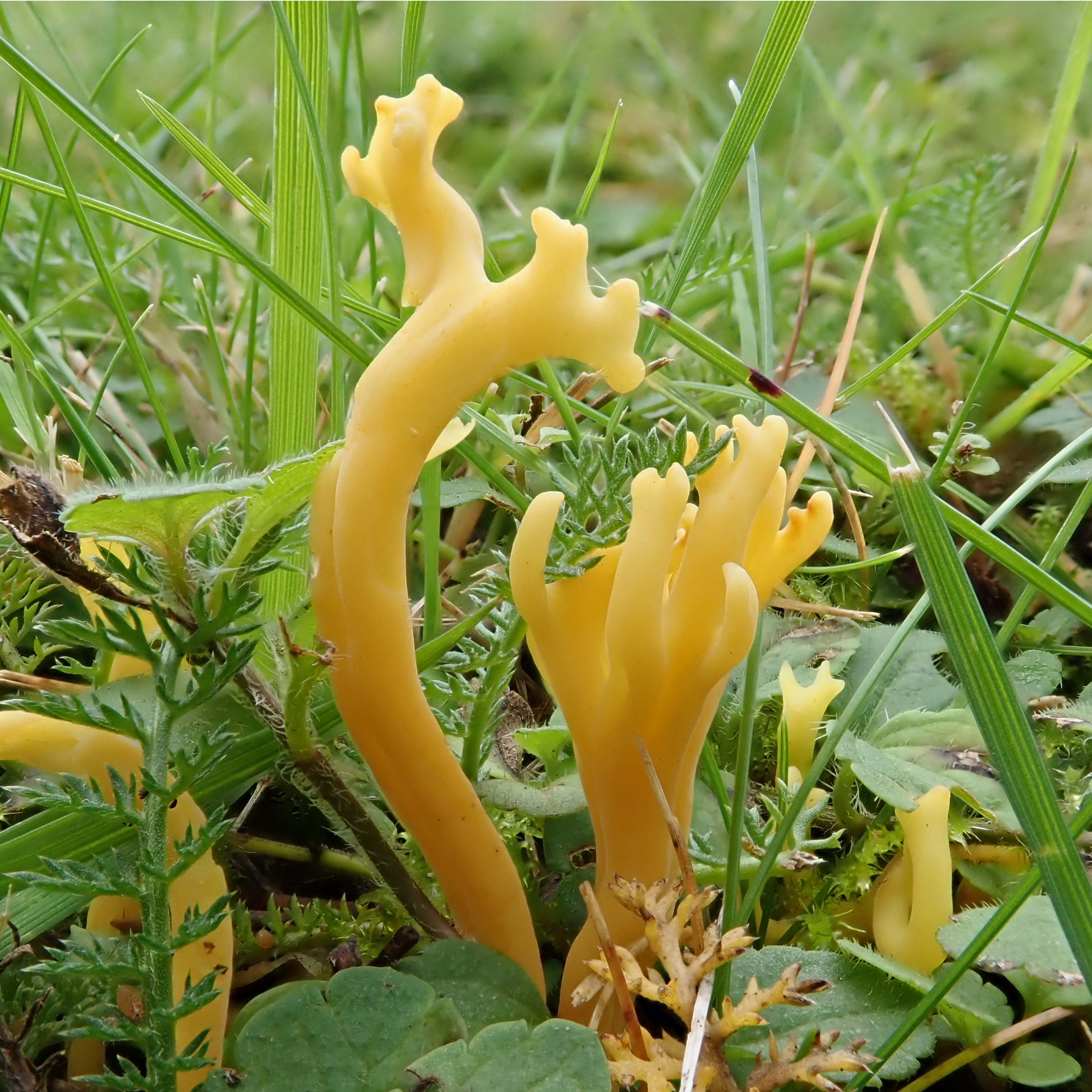
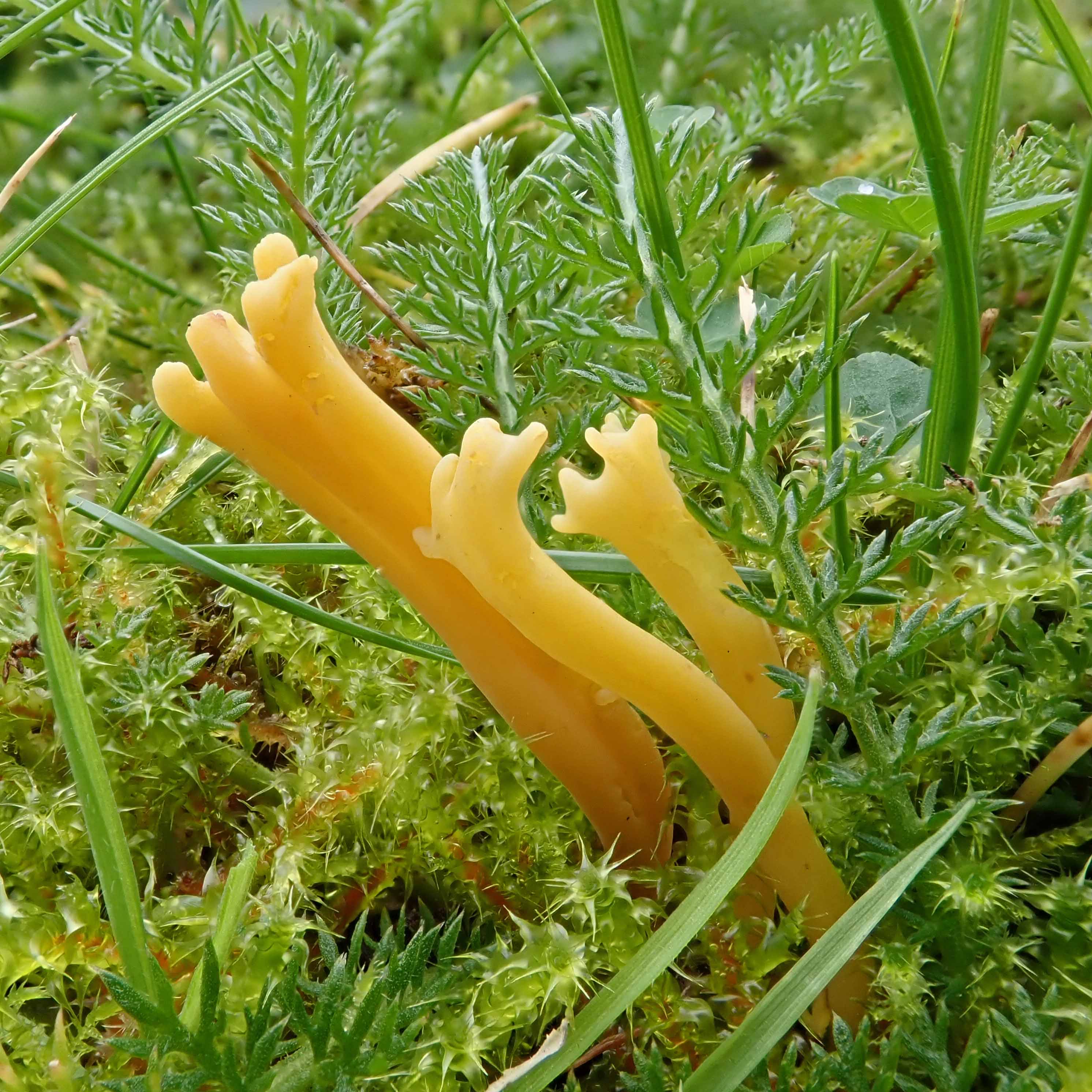
Today’s offerings slot somewhere in between the two, sometimes growing as individual stems but mostly in loose clumps of multi-branched stems that divide, like antlers, near the stem tops. Standing between 4 and 8cm tall, these lovely little yellow fungi are Meadow coral (Clavulinopsis corniculata).
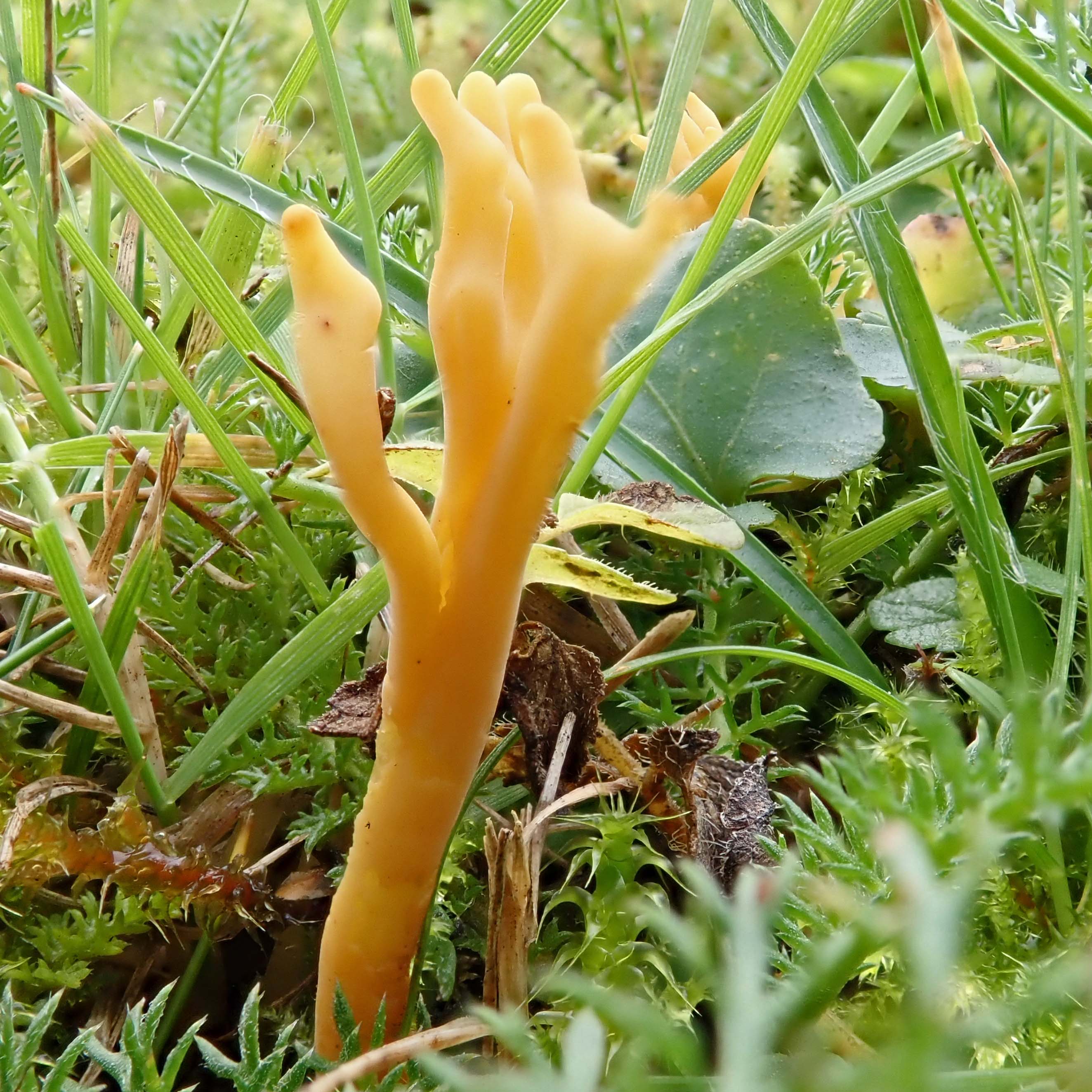
Clavarioid fungi are usually found growing in unimproved grasslands and are one of the 4 (or 5) groups used to assess the conservation value of grasslands; the CHEG (or CHEGD) system assigns a value to the number of species of each of the fungal groups found at particular location (see this page on Wikipedia for a more detailed, though still simple explanation).
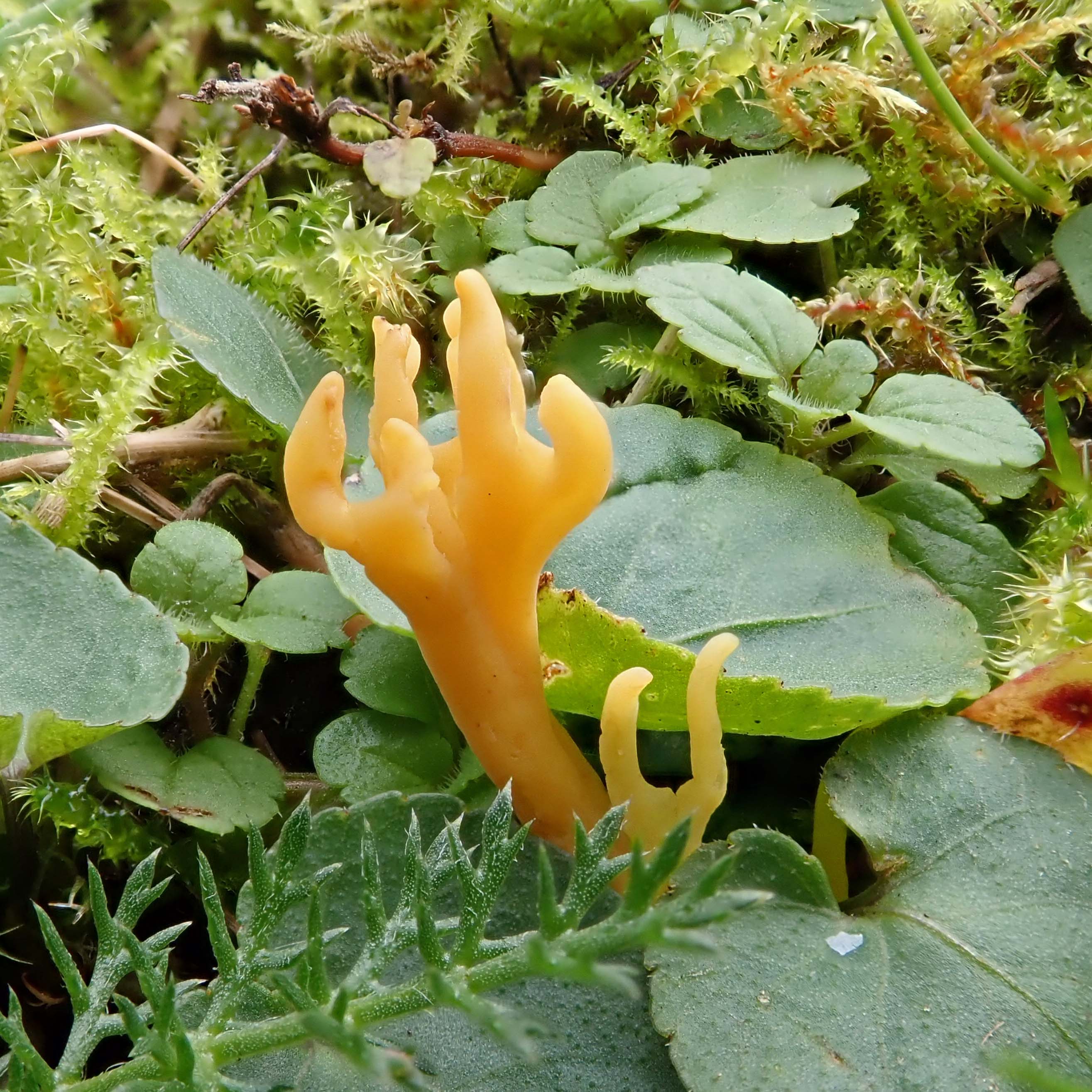
I found these examples of Meadow coral growing on a road verge that, presumably, was once grassland before houses and roads, a supermarket, a petrol station and a restaurant, and, of course, the ubiquitous car parks were built in the area.
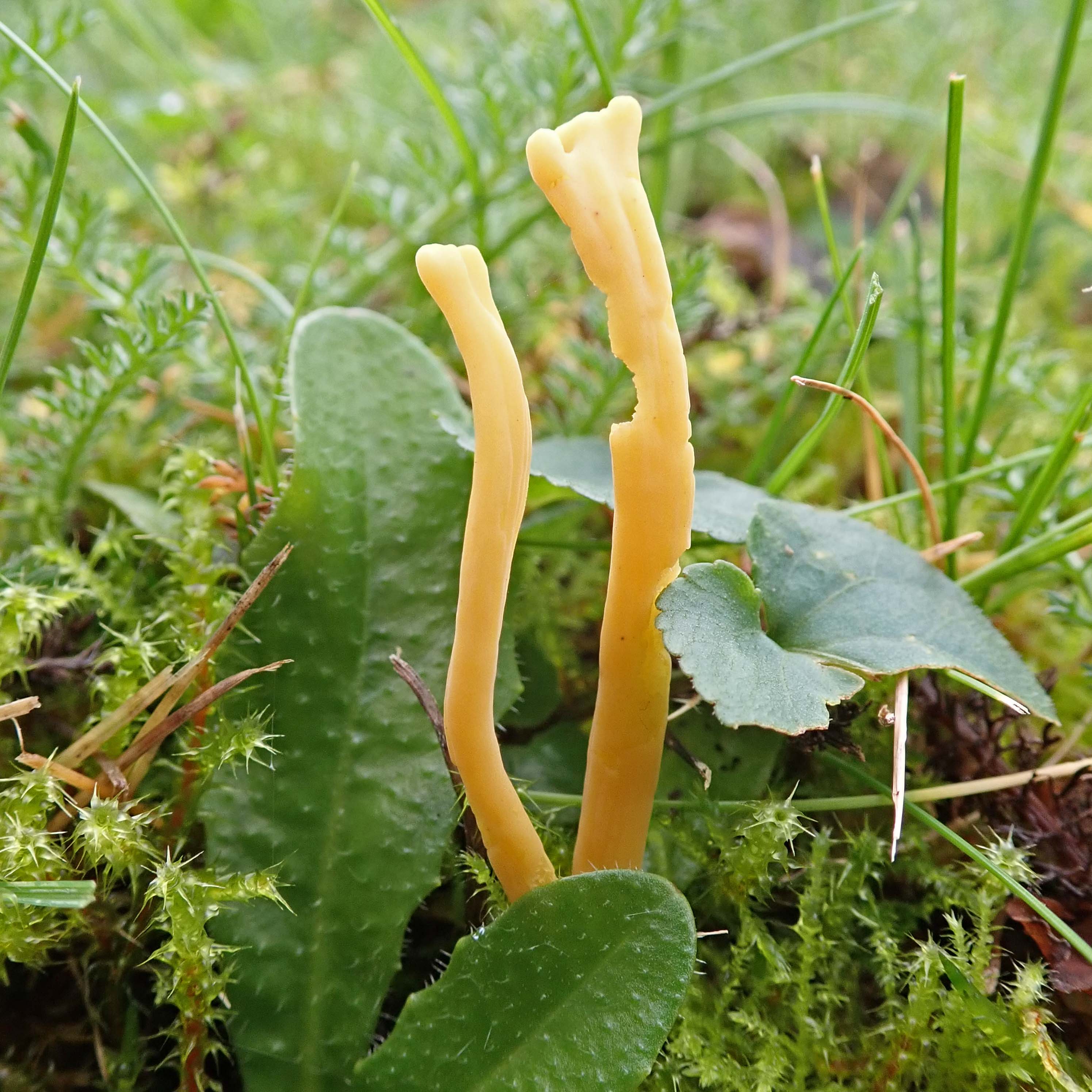
When I spotted them, I was actually looking for the Hairy earthtongue fungi (Trichoglossum hirsutum, another of the CHEG/CHEGD fungi) I’ve found previously at this location. My disappointment at not finding any of those turned quickly to delight when I spotted the Meadow coral, which I don’t often find in my local area.

Like Loading...

Lingering Chiffchaffs

03 Monday Nov 2025

Posted by sconzani in autumn, birds

≈ 5 Comments

Tags

autumn migration, bird migration, birding, birdwatching, British birds, Cardiff Bay birding, Chiffchaff

During my most recent circuit of Cardiff Bay, one day last week, I counted at least nine Chiffchaffs, and I’m sure there were probably more.

Most of those Chiffchaffs that intended to migrate should have moved through by now so it’s likely that these remaining birds will linger a while longer, possibly right through the winter, if the weather doesn’t get too cold. It’s lovely to see and hear them still dotting about the trees.

Like Loading...

Autumn trees: Hawthorn

02 Sunday Nov 2025

Posted by sconzani in autumn, leaves, trees

≈ Leave a comment

Tags

autumn colour, autumn leaves, autumn trees, berries, British trees, Crataegus monogyna, Hawthorn, Hawthorn berries, Hawthorn leaves

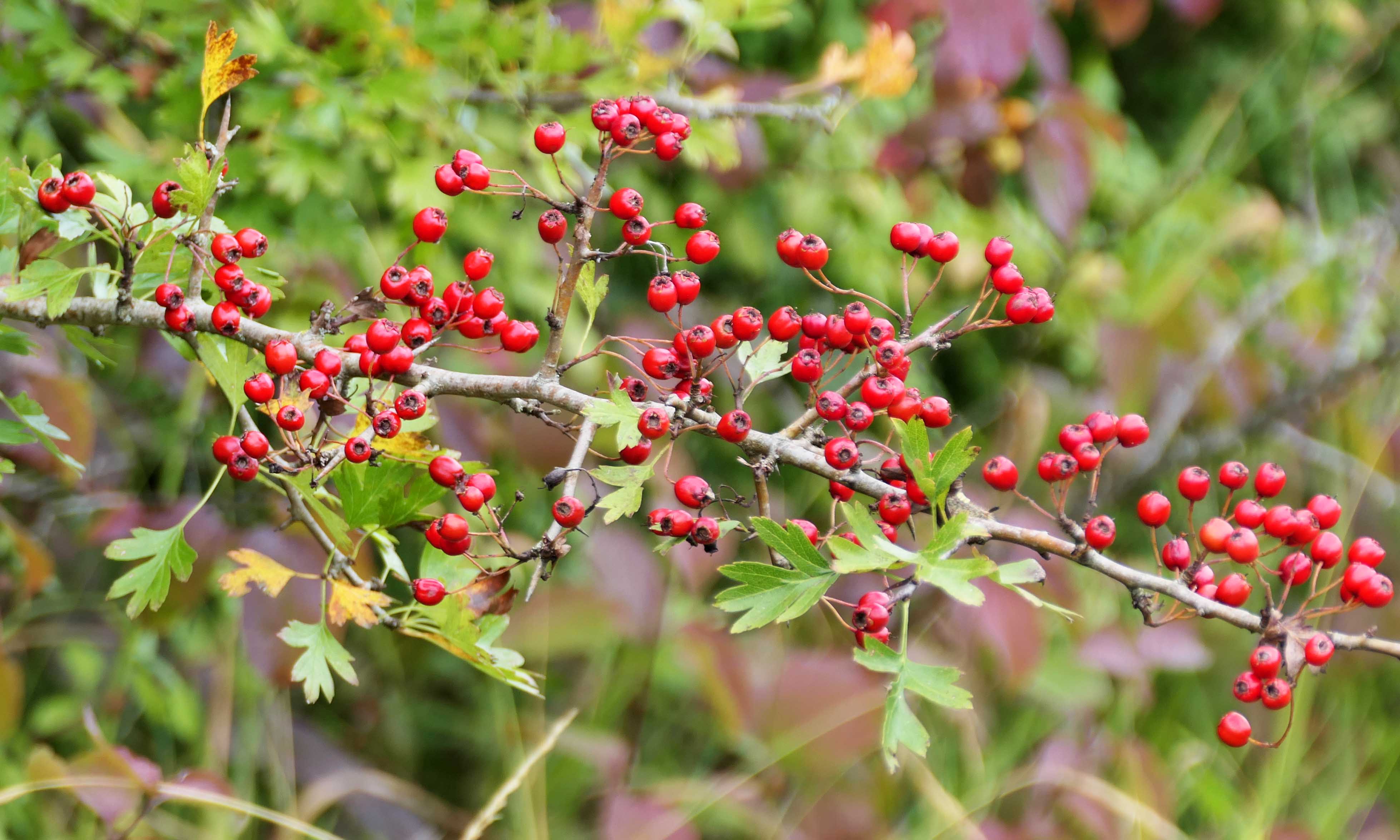
The Hawthorn (Crataegus monogyna) is not really a tree we notice for its foliage, though its leaves were, apparently, one of the models for the foliage that wreathes the faces of Green Men seen in carvings in churches.

And, according to Richard Mabey’s Flora Britannica, Bread-and-cheese is a vernacular name given to the leaves of the Hawthorn in some places around Britain. He says: ‘This is usually explained as referring to their rudimentary culinary qualities’ but then quotes a correspondent who writes:

We would pick the red berries and green leaves in the autumn. These were known as “bread and cheese” – the leaf the bread, the berry the cheese.

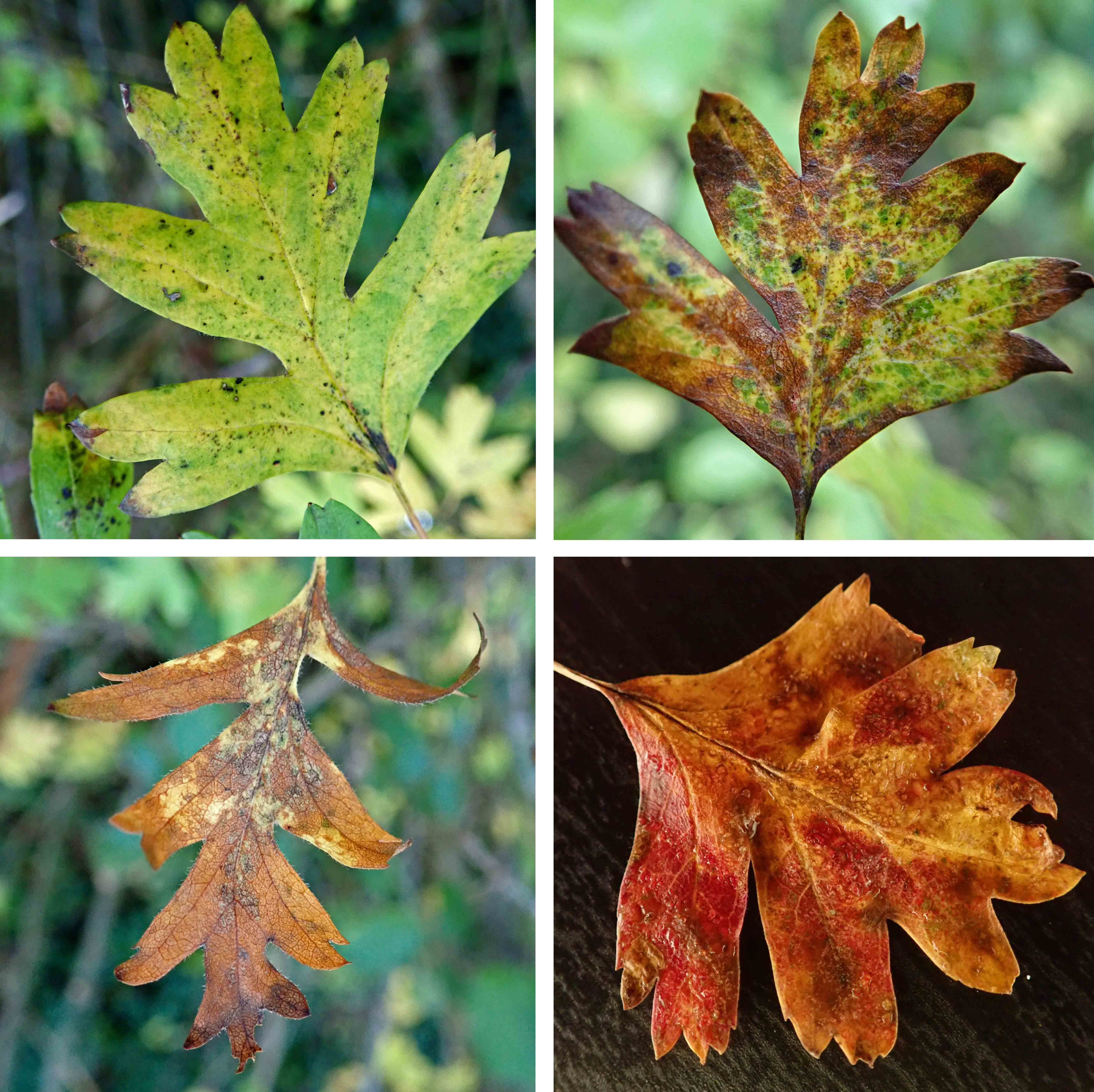
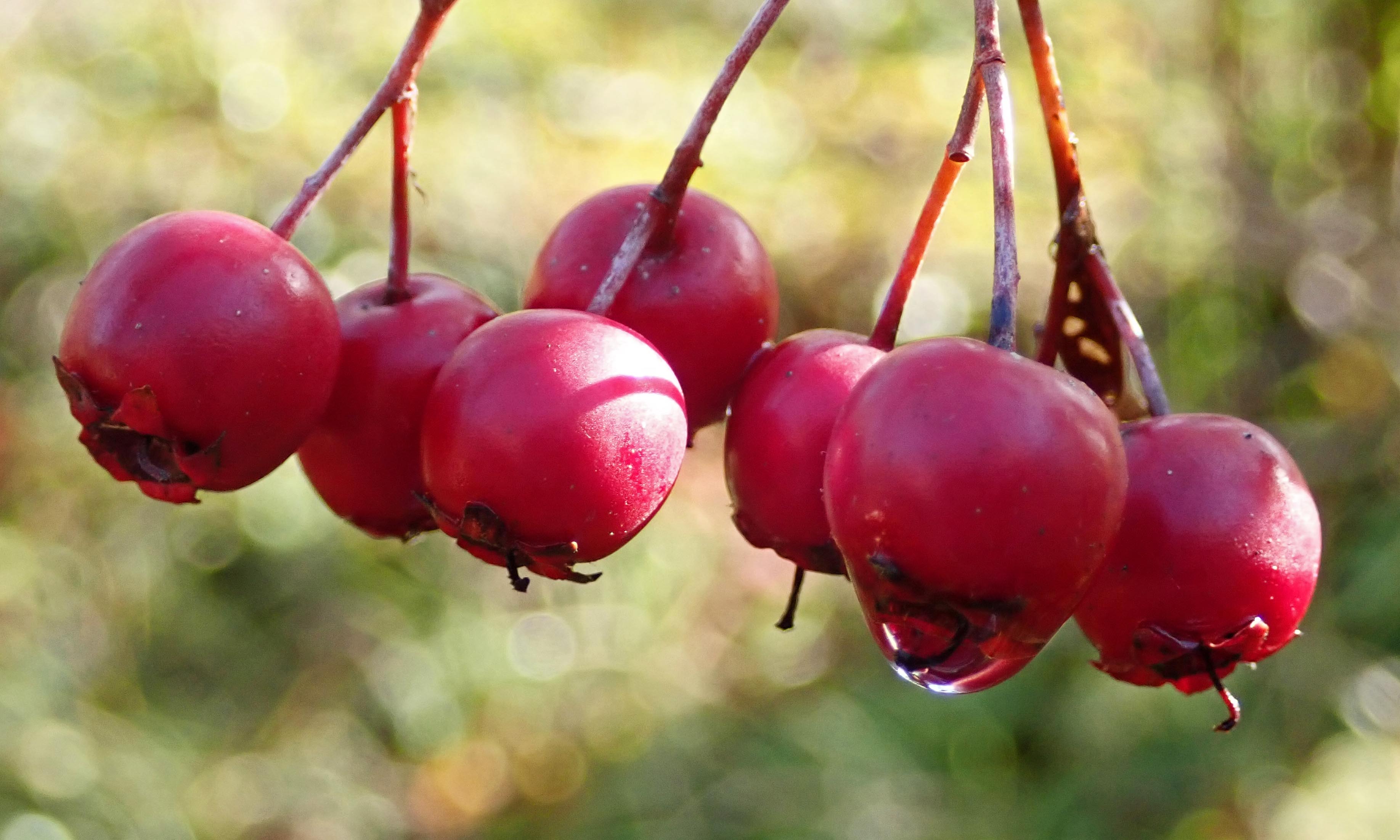
In the autumn, though the leaves of the Hawthorn do, of course, change colour, the hues are mostly yellow and brown, with just the merest hint of red. So it’s the stunning red berries rather than the tree’s leaves that makes the Hawthorn stand out in the autumnal landscape. I’ve never tried eating the berries but Mabey notes that the ‘flesh is a little like overripe avocado pear or, more fancifully, a whey cheese.’ That doesn’t sounds very appetising to me so I think I’ll continue to admire, not to eat them.

Like Loading...

Ghostly fungi

31 Friday Oct 2025

Posted by sconzani in autumn, fungi

≈ 2 Comments

Tags

British fungi, Helvella crispa, saddle fungi, White saddle

‘Tis All Hallows’ Eve and all round the globe
the spirits are rising to roam and to probe,
to spook and to scare,
while you wonder ‘Who’s there?’

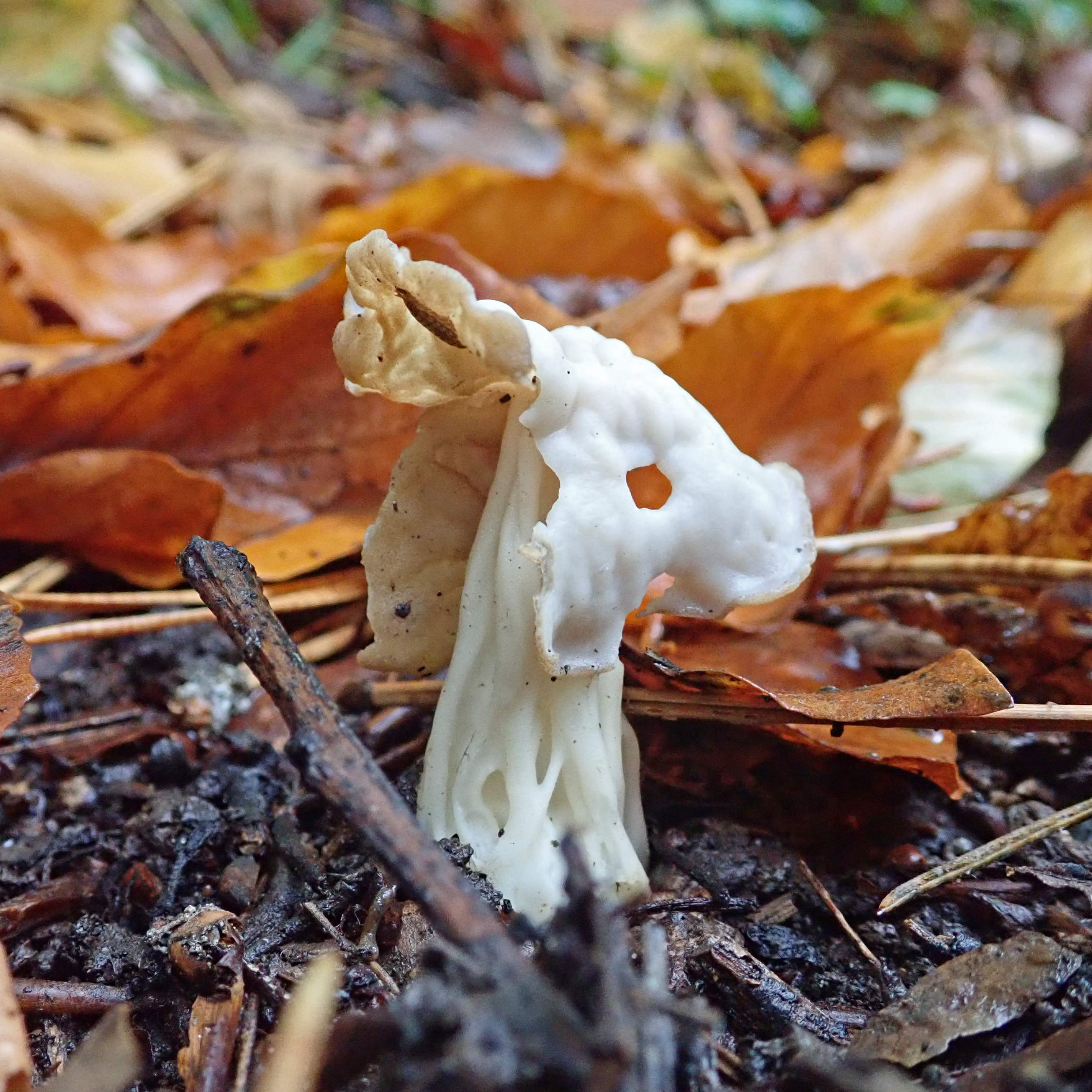
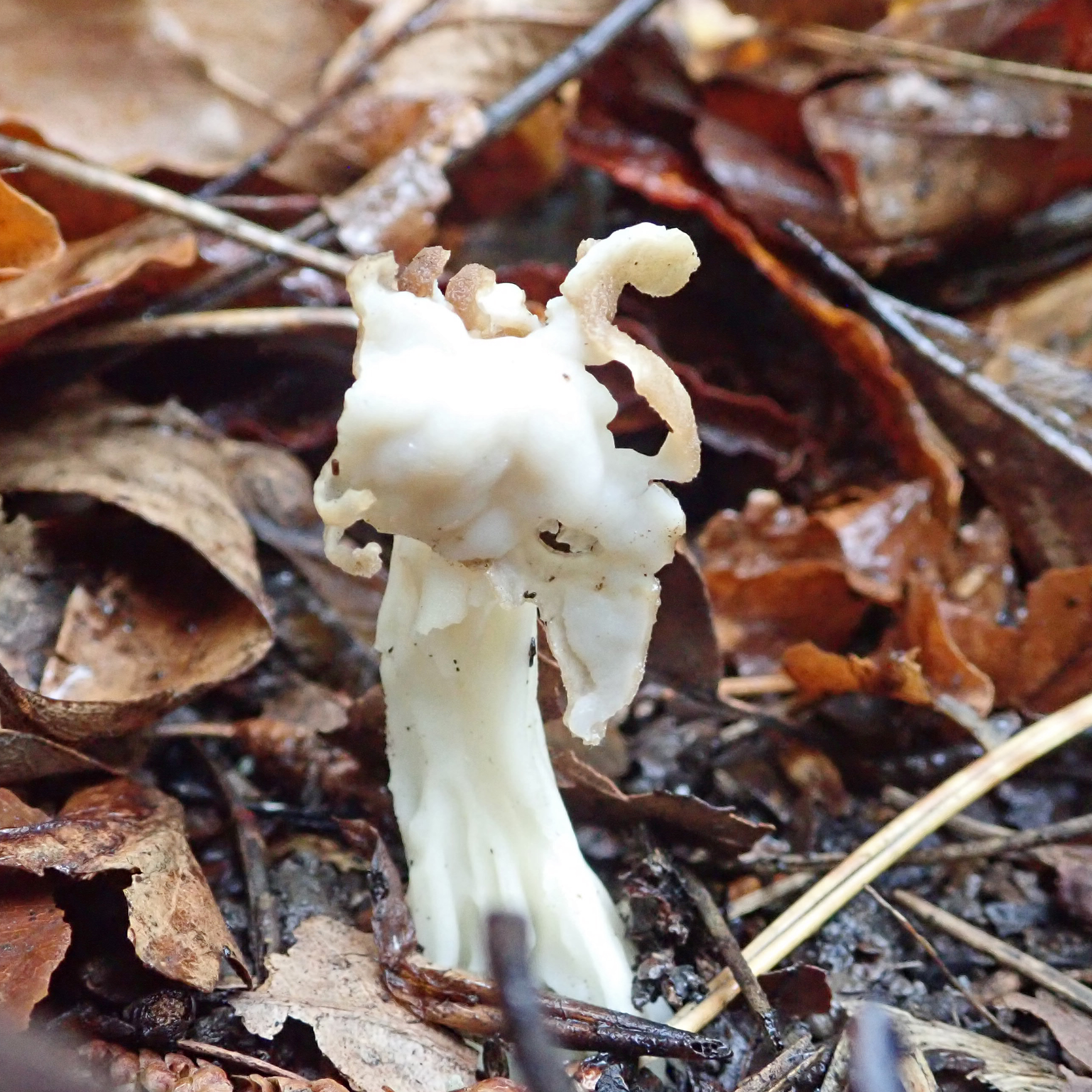
With their white colour and partial resemblance to the classic ‘white sheet over the head with holes for eyes’ ghost imitation, these fungi I found on Wednesday in a local park seem particularly appropriate for Halloween. These are White saddle (Helvella crispa), fungi that grow at this time of year in damp soil in deciduous woodland, often alongside paths, which is exactly where I found these.

Like Loading...

Pretty in Porcelain

29 Wednesday Oct 2025

Posted by sconzani in autumn, fungi

≈ 4 Comments

Tags

Beech fungi, British fungi, fungi on Beech, Oudemansiella mucida, Porcelain Fungus

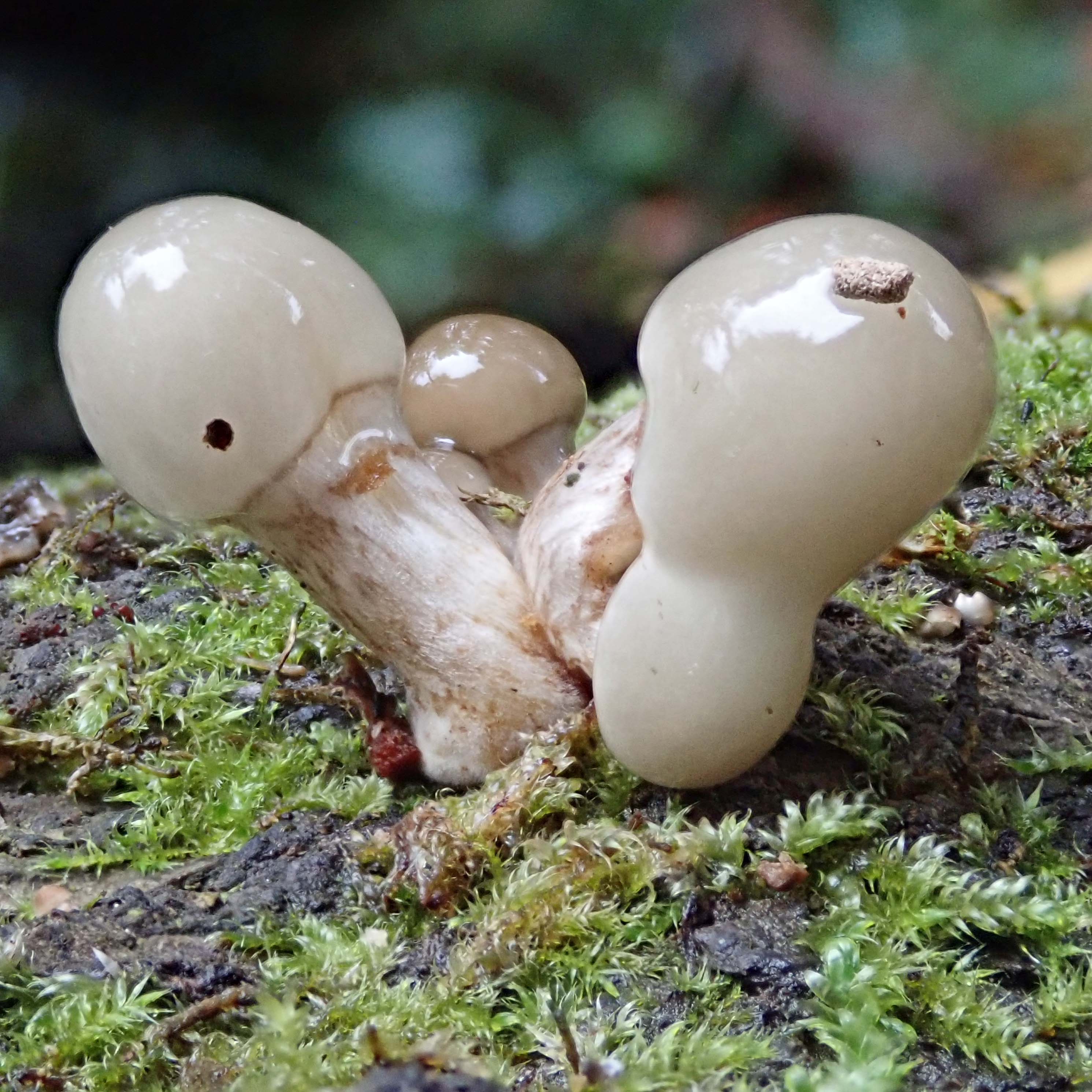
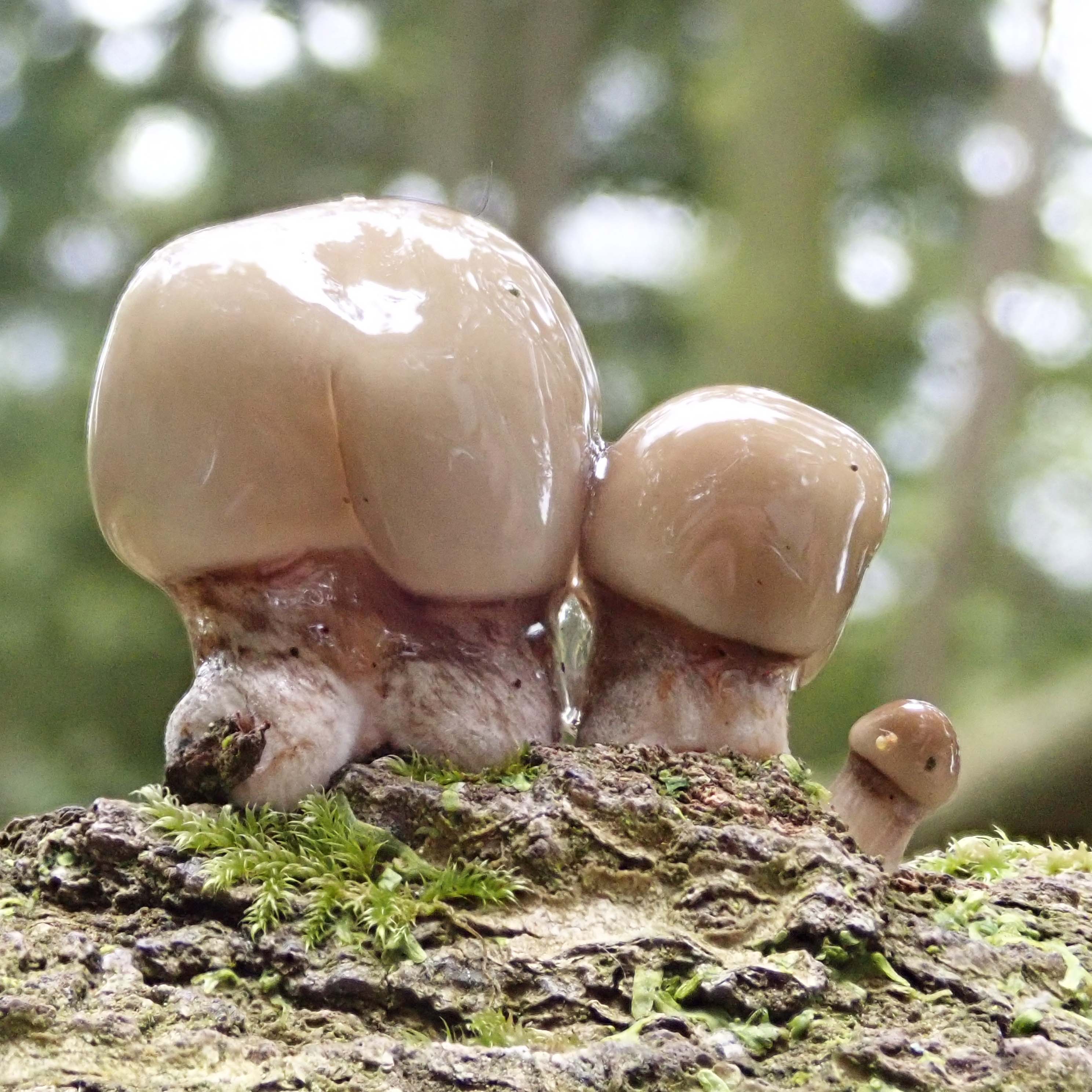
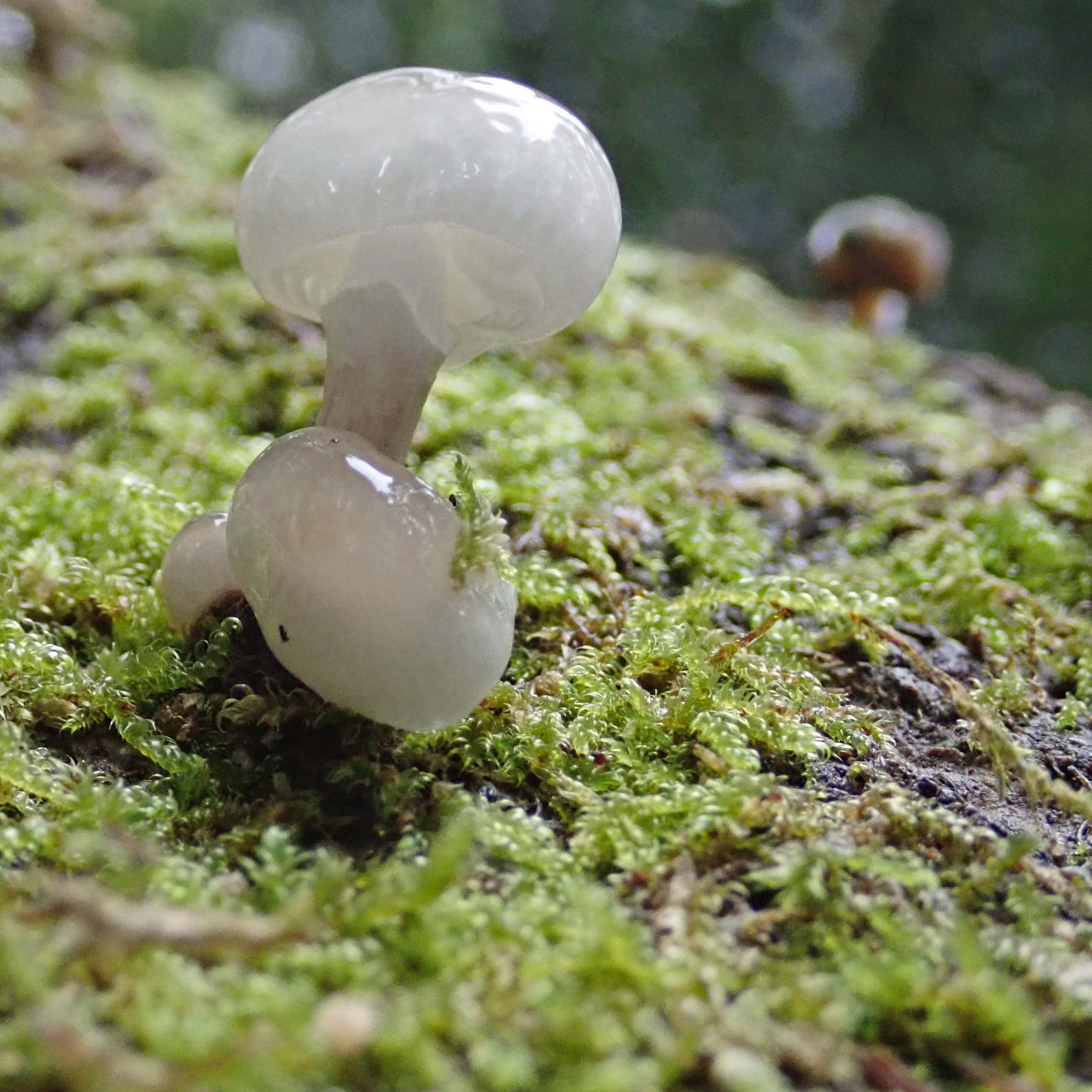
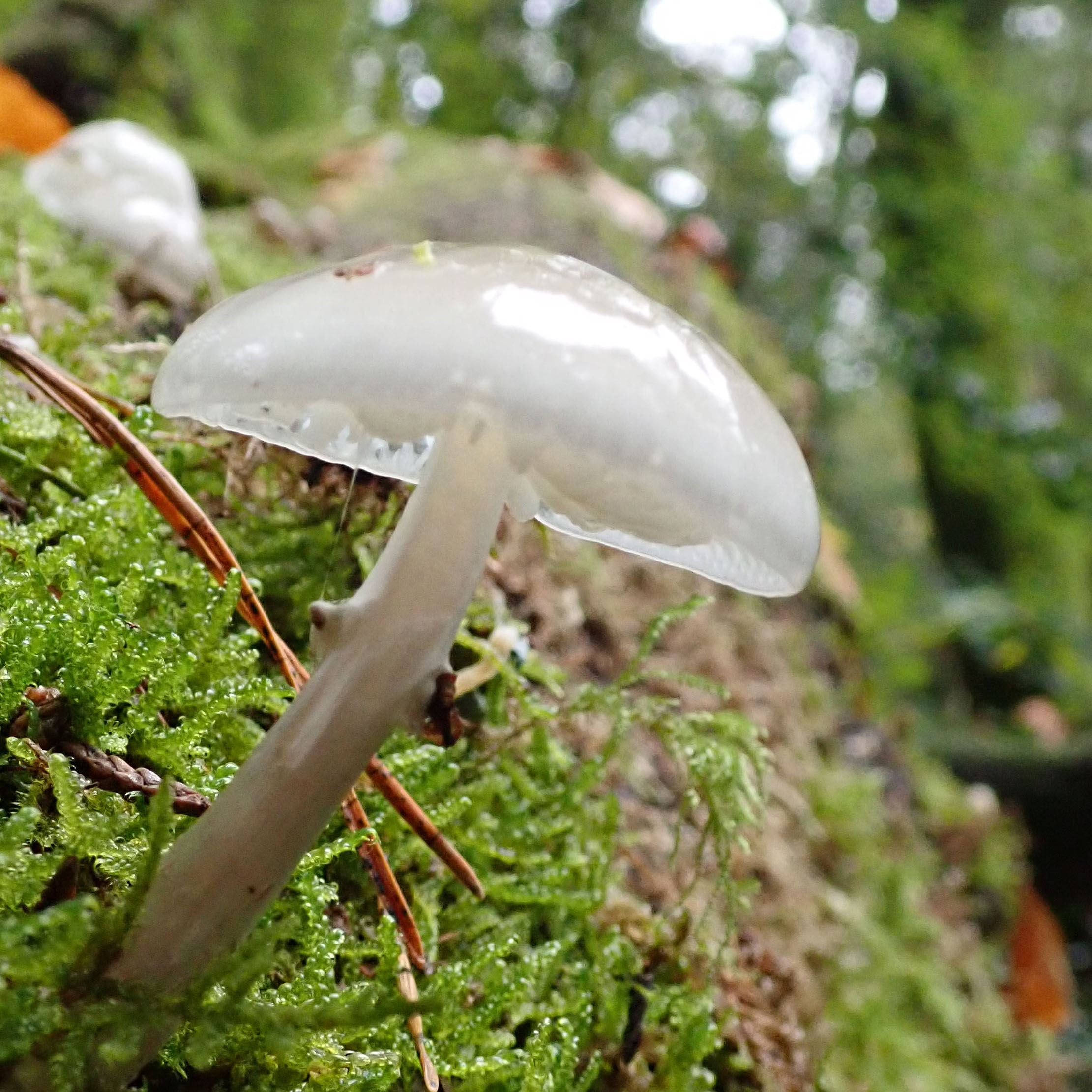
It’s been ages since I’ve seen Porcelain fungus (Oudemansiella mucida) so, though it was a bit sad to see an enormous old Beech tree had lost one of its huge branches, it was a real treat for me to see tiny bulb-shaped fungi emerging all over the wood.

There were hundreds of them, and I’ve just read on the First Nature website that this is due to the fact that ‘Oudemansiella mucida releases a powerful fungicide that deters or even annihilates competitors’, giving Porcelain fungus exclusive access to the nutrients of the fallen Beech.

Porcelain fungus is found exclusively on Beech, usually on dead or dying fallen branches on the ground but sometimes on dead branches high up in the canopy of an old tree.

The mucida in its scientific name refers to the slimy mucus that covers the upper sides of the caps of this fungus. And, though the idea of mucus might give a negative impression, these are stunning fungi, especially when the fruiting bodies are fully open. Their pure white colour and the translucence of their caps is where the common name Porcelain comes from.

Like Loading...

Autumn trees: Norway maple

26 Sunday Oct 2025

Posted by sconzani in autumn, trees

≈ 1 Comment

Tags

autumn colour, autumn leaves, colourful autumn leaves, Norway maple, trees in autumn

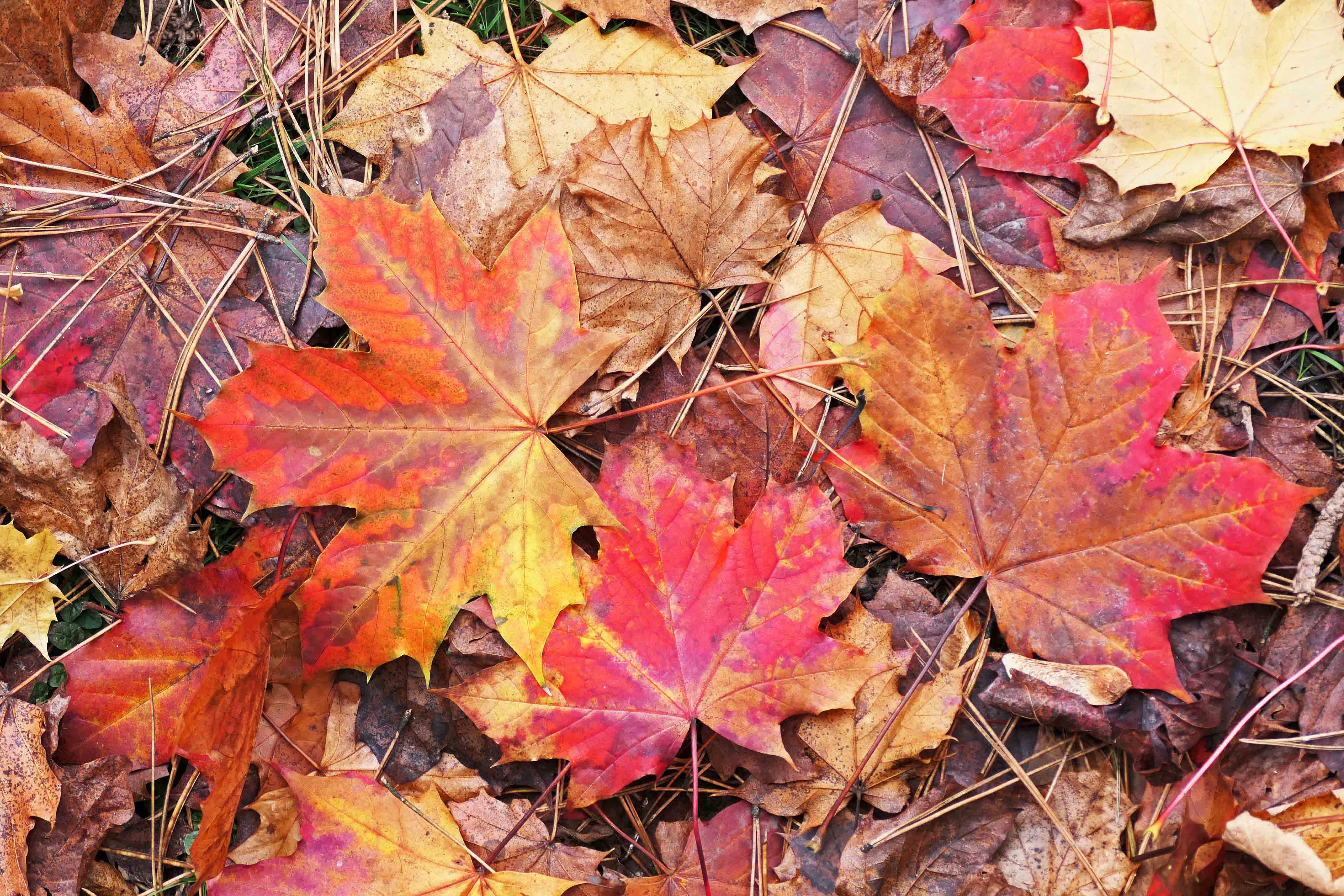
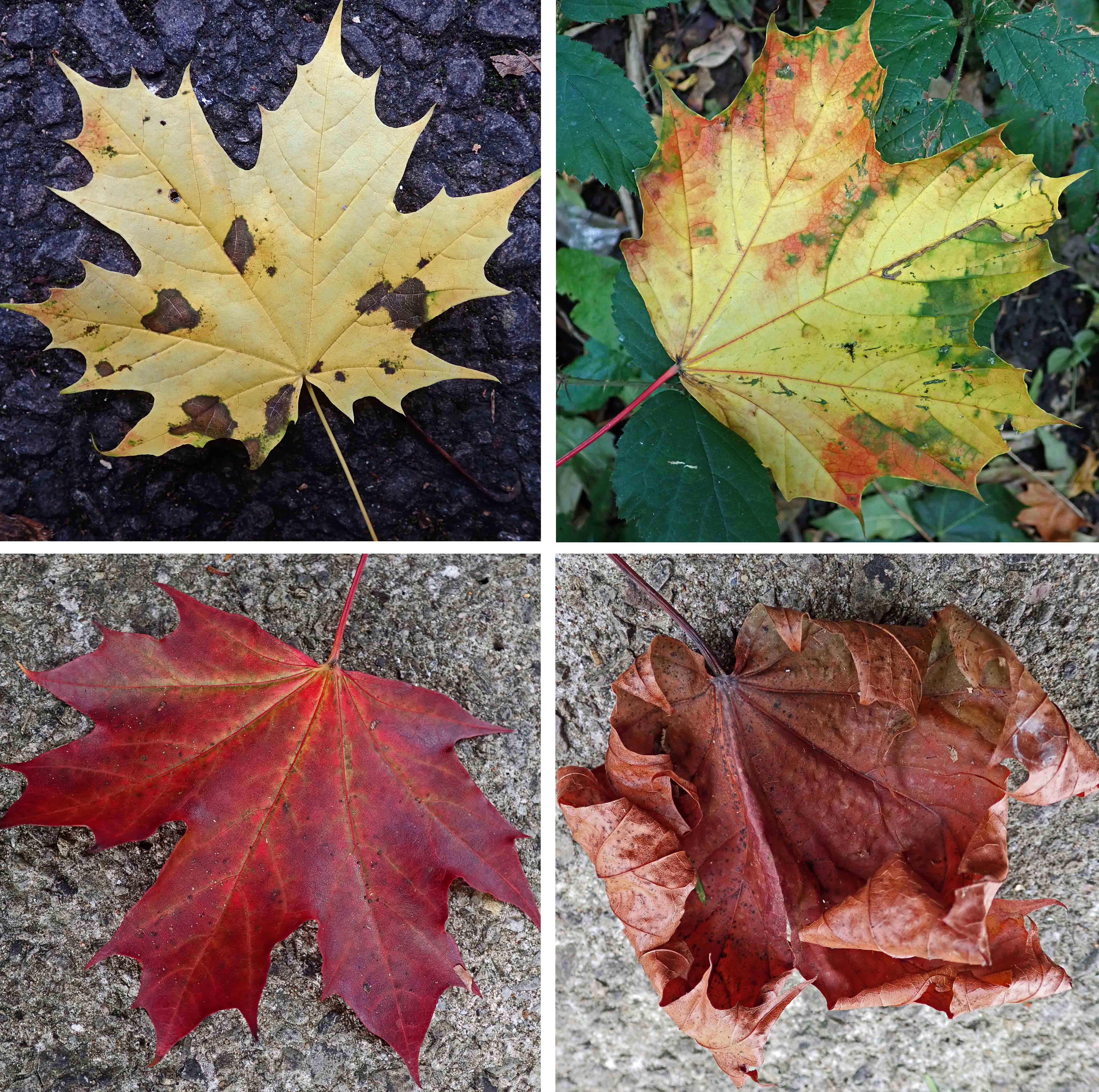
Today’s tree is not a British native – it was introduced as an ornamental, has been planted throughout Britain in parks and gardens, and from there has become naturalised, seeded by the wind, birds and critters, making itself at home in hedgerows, on scrubby waste ground and even in woodlands – I can see one from my living room window, growing on the edge of a small slice of regenerating ancient woodland.

The Norway maple (Acer platanoides) is handsome at all times of the year but, for me, the highlight of this tree, as with many maples, is its leaves in autumn. Their vibrant colours range from yellow through to the deepest red, and everything in between, sometimes all in one leaf.

Like Loading...

Autumn on the Ivy

25 Saturday Oct 2025

Posted by sconzani in autumn, insects

≈ 2 Comments

Tags

autumn bees, bees on ivy, British solitary bees, Colletes hederae, Ivy bee

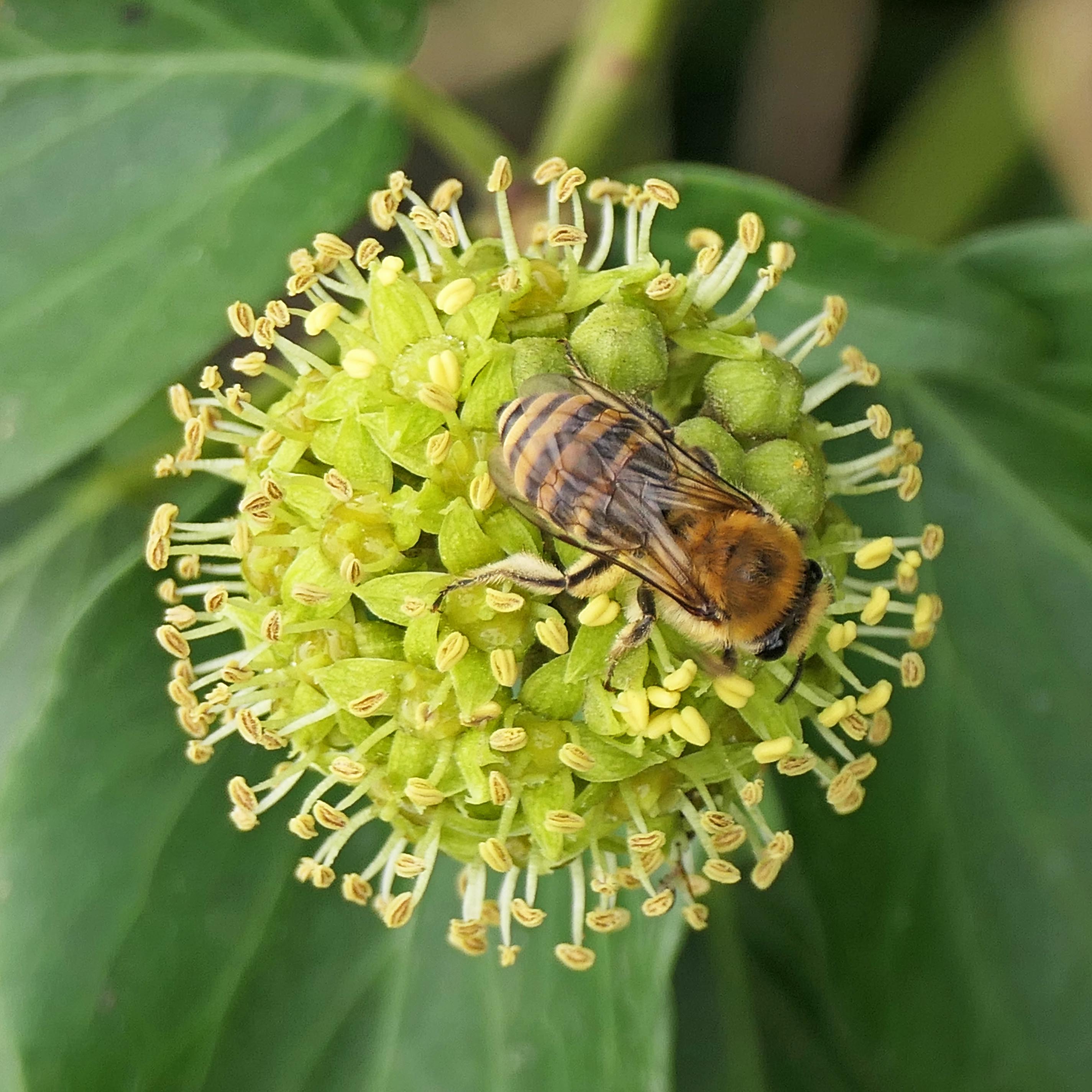
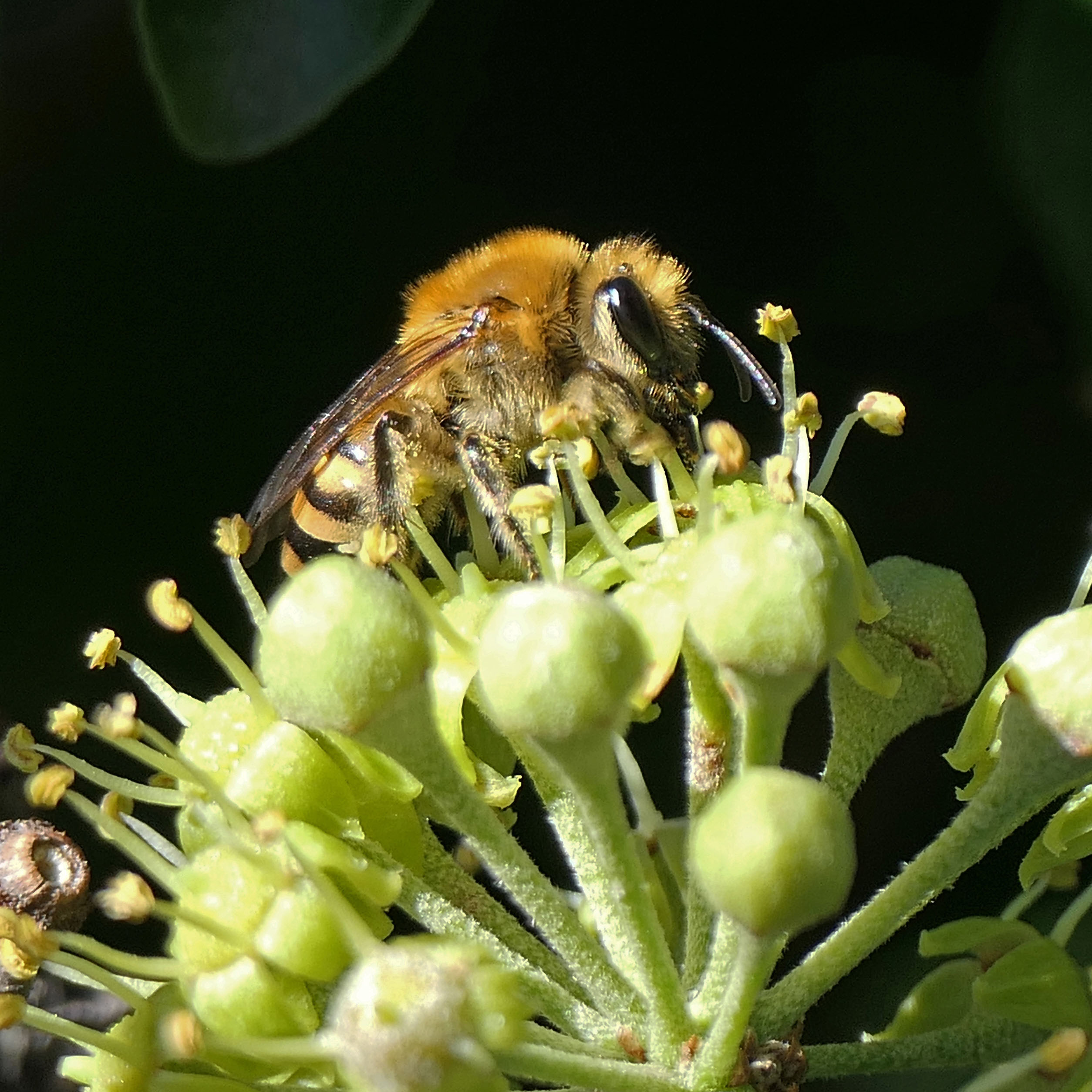
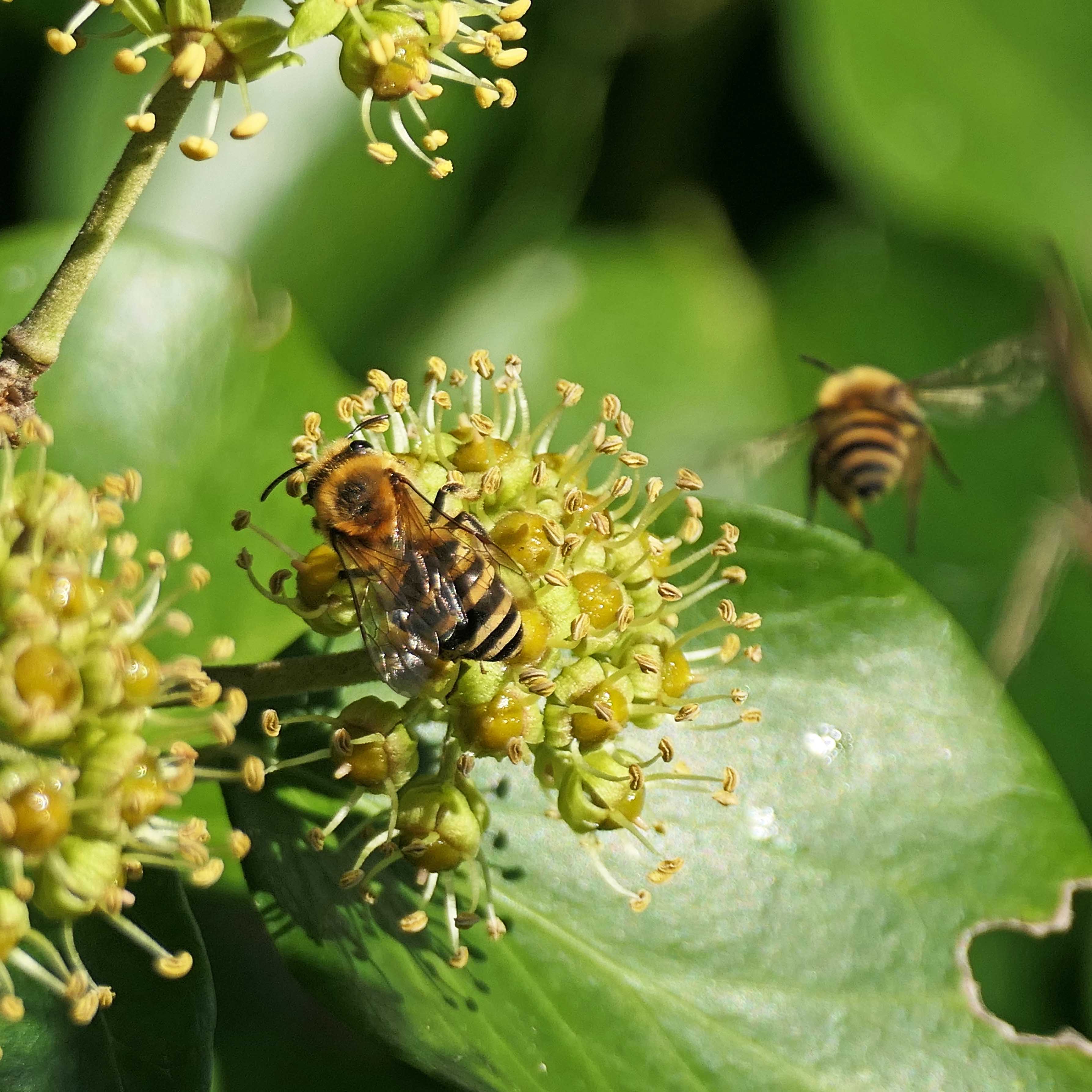
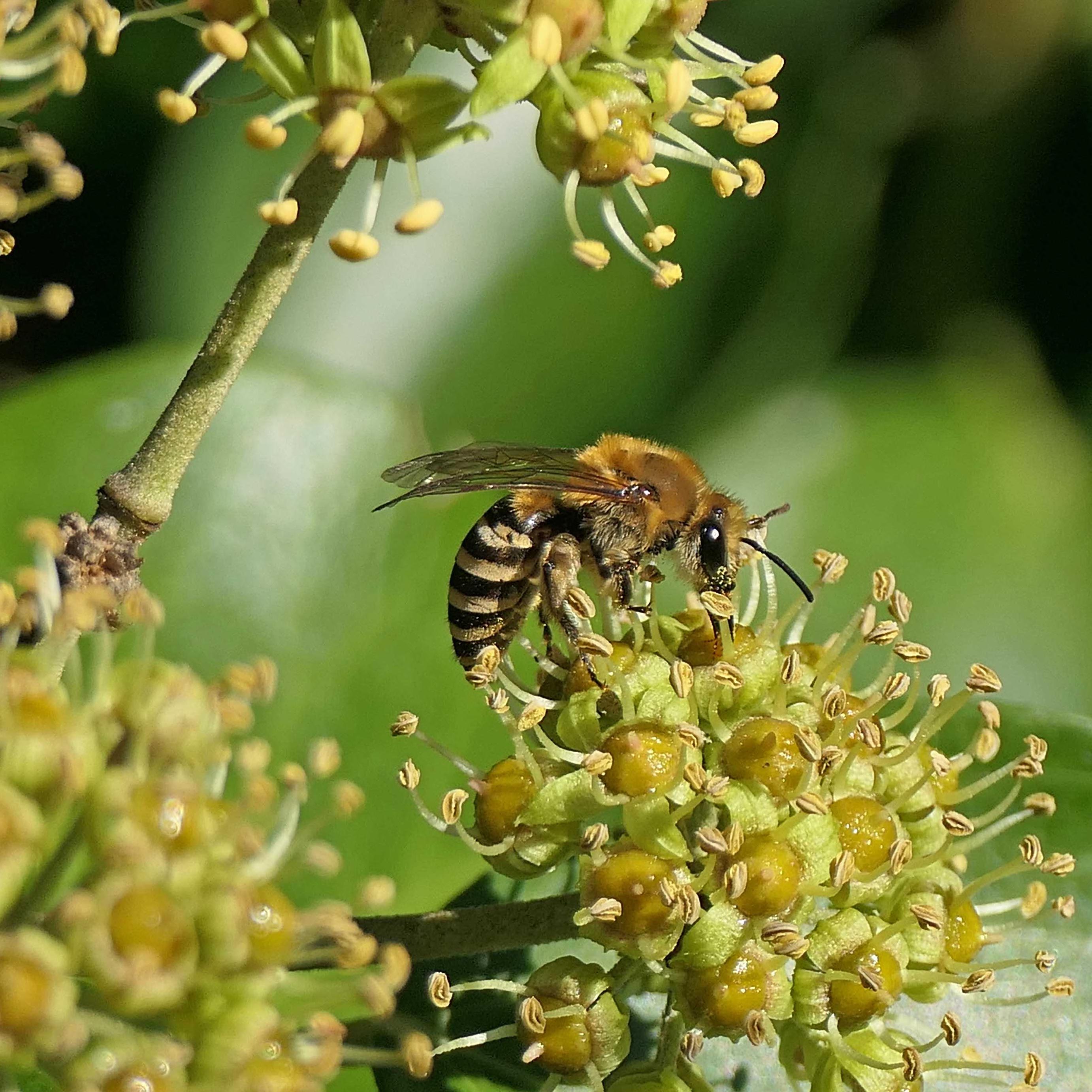
As soon as I get a whiff of the ‘wet flour’ smell of Ivy flowers, I know to keep an eye out for my first Ivy bees (Colletes hederae).

They appeared locally back in mid September – the Bumblebee Conservation Trust says they can be seen from late August through to early November – but, after a week of anti-cyclonic gloom when we didn’t see the sun at all, and then a week of mostly wet weather, I figured I probably wouldn’t see any more this year.

Fortunately for me, I was wrong. I happened to be in the right place at the right time earlier this week when the sun came out for a couple of hours and my walk had taken me past a row of old trees, all covered in Ivy whose flowers hadn’t yet begun to form fruit.

With its furry ginger thorax and ginger-and-black-striped abdomen, Colletes hederae is such an attractive little bee that is slowly colonising the British countryside, moving ever north, since its arrival here back in 2001.

Like Loading...
← Older posts
Newer posts →

About me

sconzani

sconzani

I'm a writer and photographer; researcher and blogger; birder and nature lover; countryside rambler and city strider; volunteer and biodiversity recorder.

View Full Profile →

Follow earthstar on WordPress.com

Enter your email address to follow this blog and receive notifications of new posts by email.

Recent blog posts

  • M is for mite December 18, 2025
  • L is for lepidopteran lifers December 17, 2025
  • K is for Keeled skimmers December 16, 2025
  • J is for Jersey tiger December 15, 2025
  • I is for Ichneumon December 14, 2025

From the archives

COPYRIGHT

Unless otherwise acknowledged, the text and photographs on this blog are my own and are subject to international copyright. Nothing may be downloaded or copied without my permission.

Fellow Earth Stars!

  • Unknown's avatar
  • Unknown's avatar
  • Unknown's avatar
  • Unknown's avatar
  • Unknown's avatar
  • Unknown's avatar
  • Unknown's avatar
  • Unknown's avatar
  • Unknown's avatar
  • Unknown's avatar
  • Unknown's avatar
  • Unknown's avatar
  • Unknown's avatar
  • Unknown's avatar
  • Unknown's avatar
  • Unknown's avatar
  • Unknown's avatar
  • Unknown's avatar
  • Unknown's avatar
  • Unknown's avatar
  • Unknown's avatar
  • Unknown's avatar
  • Unknown's avatar
  • Unknown's avatar
  • Unknown's avatar
  • Unknown's avatar
  • Unknown's avatar
  • Unknown's avatar
  • Unknown's avatar
  • Unknown's avatar
  • Unknown's avatar
  • Unknown's avatar
  • Unknown's avatar
  • Unknown's avatar
  • Unknown's avatar
  • Unknown's avatar
  • Unknown's avatar
  • Unknown's avatar
  • Unknown's avatar
  • Unknown's avatar
  • Unknown's avatar
  • Unknown's avatar
  • Unknown's avatar
  • Unknown's avatar
  • Unknown's avatar
  • Unknown's avatar
  • Unknown's avatar
  • Unknown's avatar
  • Unknown's avatar
  • Unknown's avatar

Blog at WordPress.com.

Privacy & Cookies: This site uses cookies. By continuing to use this website, you agree to their use.
To find out more, including how to control cookies, see here: Cookie Policy
  • Subscribe Subscribed
    • earthstar
    • Join 667 other subscribers
    • Already have a WordPress.com account? Log in now.
    • earthstar
    • Subscribe Subscribed
    • Sign up
    • Log in
    • Report this content
    • View site in Reader
    • Manage subscriptions
    • Collapse this bar
 

Loading Comments...
 

You must be logged in to post a comment.

    %d