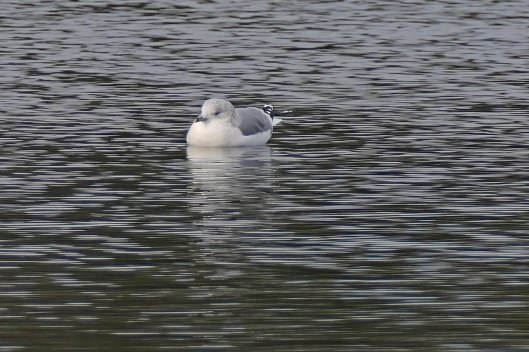
When life finally gives you a little winter sunshine, you might as well relax and enjoy it. This Common gull was doing just that, snoozing in the relative warmth of the midday sun.

23 Monday Jan 2023
Posted in birds
When life finally gives you a little winter sunshine, you might as well relax and enjoy it. This Common gull was doing just that, snoozing in the relative warmth of the midday sun.
22 Sunday Jan 2023
Posted in wildflowers, winter
Tags
British wildflowers, Daisy, dandelion, Field speedwell, wildflowers in bloom, Winter heliotrope, winter wildflowers
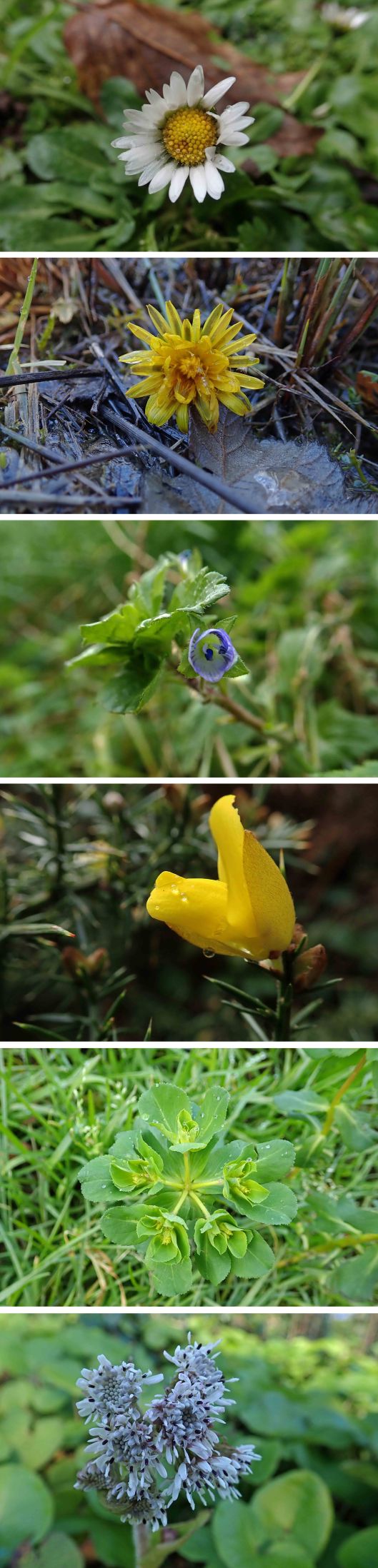
After a week of hard frosts and bitterly cold winds, it’s not surprising that I’ve found very few wildflowers in bloom. Indeed, I’m rather surprised to have found any. But those I have found seem to be particularly hardy plants and are wildflowers I’ve previously found during the winter months. They are Daisy and Dandelion, Field speedwell, Gorse, Sun spurge, and Winter heliotrope.
21 Saturday Jan 2023
Posted in birds
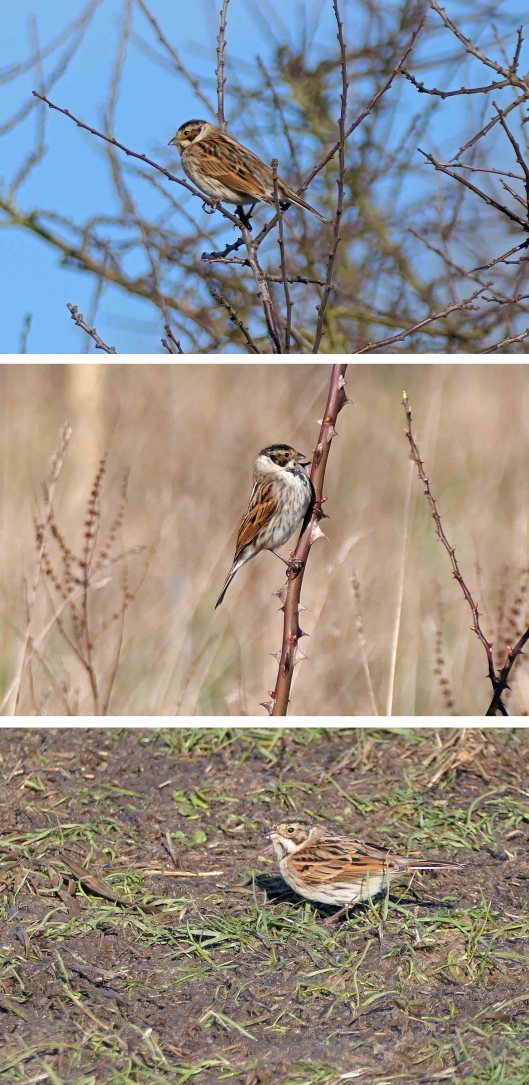
I was hoping to hear my first Skylarks of the year but was instead entertained by a little posse of Reed buntings, fossicking for titbits amongst the tall tufts of meadow grasses. If a noise alarmed them, they’d flit up to a higher vantage point, on a branch of Field rose or the twigs of a nearby tree, to survey the area and check out its source but, as I kept very still, the birds seemed unconcerned by my presence.
20 Friday Jan 2023
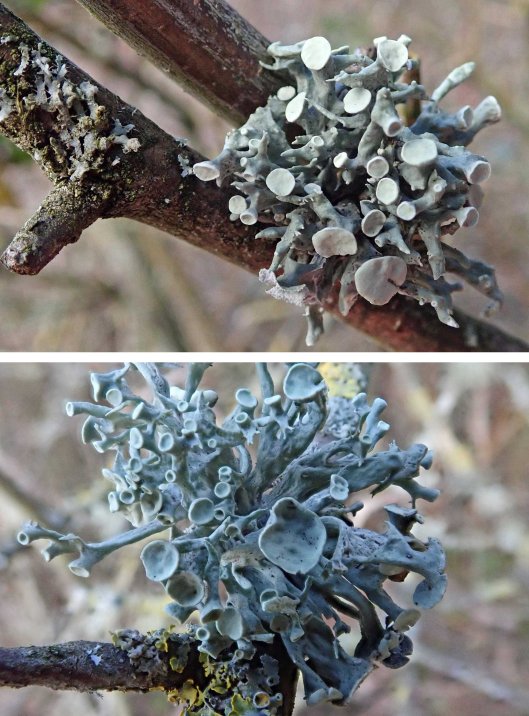
I’ve seen this lichen described as a fanfare of trumpets, which is just the most perfect description for a lichen that can be found adorning the branches and trunks of trees throughout the year almost everywhere in Britain. Meet Ramalina fastigiata.
19 Thursday Jan 2023
Posted in insects
Tags
Drinker, Drinker moth caterpillar, hairy caterpillar, moth caterpillar, moth larva, Philudoria potatoria
It will be a few months yet before I will be seeing any of these hairy beauties but they are worth the wait. These photos show the larva of the Drinker moth (Philudoria potatoria), which can usually be found feeding on grasses and reeds, particularly in damp places. The UK moths website reports that ‘This species gets its English (and Latin) name from the habits of the caterpillar, which is supposed to have a liking for drops of dew.’

In theory, these caterpillars can be found now, as they hibernate when only partly grown, emerging in the spring to continue their development, but I imagine they are currently well hidden from hungry birds. My photos were taken last May, when these caterpillars were almost fully grown and would soon be pupating. I’ve never seen the adult moth but it is also a beautiful creature.

18 Wednesday Jan 2023
Posted in birds
Tags
birding, birdwatching, British birds, Cardiff Bay birding, drake Goldeneye, female Goldeneye, Goldeneye
I know I’ve blogged about this drake Goldeneye very recently but I want to share yesterday’s magical experience. The drake was much closer than usual to the boardwalk along the edge of Cardiff Bay so I was able to watch its almost constant diving for food and to admire its stunning plumage when it washed and flapped its wings.
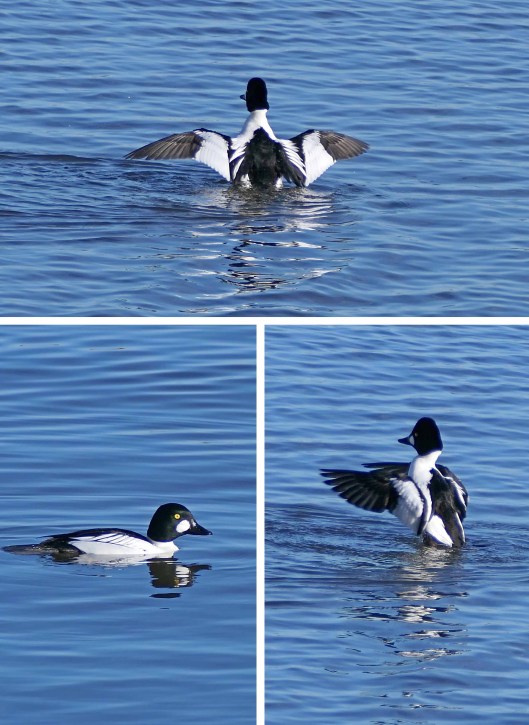
Suddenly, a flock of Tufted ducks flew in to join the couple of hundred already present and, amazingly, they were accompanied by two female Goldeneyes. It took ten minutes or so for the three Goldeneyes to find each other, and then I was able to watch all three interacting. It was enchanting!

17 Tuesday Jan 2023
Posted in insects
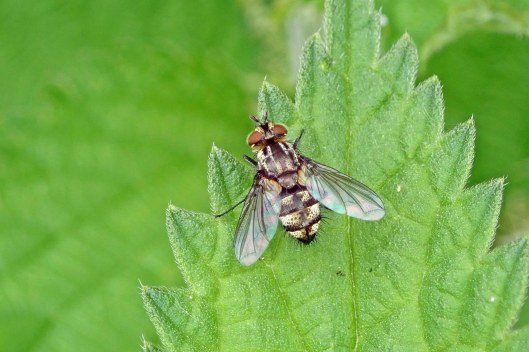
Another day, another summer fly. This one, from last May, is a little bristly beauty called Nemorilla floralis, whose name means something like ‘little visitor to the flowery glade’ (according to a tweet by @ivysuckle). Unfortunately, this fly doesn’t live up to its pretty name as it’s a parasitoid, laying its eggs in the living larvae of various micro moths and butterflies.
16 Monday Jan 2023
Posted in insects
I was going through my ‘pending’ photos and realised how many images I have from last summer that never got posted, just because each day’s walk in the warmer weather often produces several potential blog subjects. So, while we wait for the weather to improve, I’ll share the occasional 2022 find. And here’s one I’m sure many of you have seen as it has a very wide distribution – meet the Yellow dung fly (Scatophaga stercoraria). The etymology of its scientific name explains this little creature’s preferred habitat: Scatophaga comes from the Greek skatophagos, from skat-, skōr excrement and phagein to eat, and stercoraria is from the Medieval Latin stercorarium meaning toilet (stercorary is an archaic name for a place [e.g. a covered pit] for the storage of manure secure from the weather) (Merrian-Webster Dictionary). So, Scatophaga stercoraria is the dung eater from the dung pit.

15 Sunday Jan 2023
Posted in trees
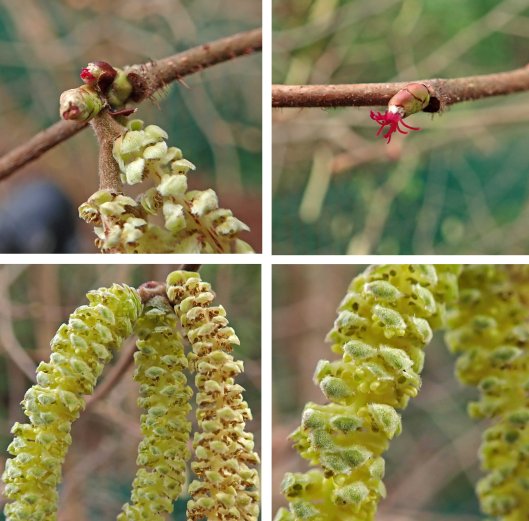
On most of the Hazels I’ve checked, the male catkins look almost fully formed but are still tightly closed and the female flowers are mere buds but, during Friday’s meander, I found one Hazel that’s ahead of the rest in its development. The male catkins were open and shedding cloud-like bursts of yellow pollen when the wind caught them, and the tiny crimson-pink female flowers, looking for all the world like miniscule sea anemones, were open and receptive. Hazel nuts in the making!
14 Saturday Jan 2023
Posted in birds
Almost a month ago we had the pleasure of two Goldeneyed gals cruising around in Cardiff Bay. Now, and for the past few days, perhaps due to the very blustery weather we’ve been experiencing, we’ve had a drake Goldeneye visiting. He mostly maintains a discrete distance from the water’s edge but, yesterday, was close enough for slightly better photographs. He’s a very handsome bird, his head a glossy dark green, his body and wings a stunning pattern of blacks and whites, and I particularly like his white cheek patches. If yet another squall hadn’t come in, I would’ve stayed longer to watch him but I’m hoping he will linger and provide more viewing opportunities in more clement weather.

 earthstar
You must be logged in to post a comment.