For Fungi Friday, here’s a selection of the colourful waxcap and russula fungi I’ve discovered during recent local meanders. Enjoy!

04 Friday Nov 2022
For Fungi Friday, here’s a selection of the colourful waxcap and russula fungi I’ve discovered during recent local meanders. Enjoy!
03 Thursday Nov 2022
Posted in insects
Tags
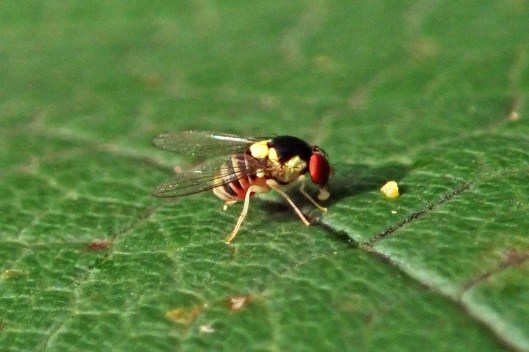
And just like that yesterday’s cute little fly has a name, Acletoxenus formosus, thanks to a fellow biodiversity recorder, Graham. Amazingly, my sighting appears to be just the second record of this species in Wales, though I’m sure that’s due to the fact that it’s under-recorded because of its tiny size, rather than because of its rarity. Once I knew its name, I was able to find a short video of its trademark sideways shuffle, thanks to wildlife photographer and enthusiast Phil Booker, who also gives a bit more information about the fly in the description box of his video.
02 Wednesday Nov 2022
Posted in insects
Tags
Silly me thinking that this tiny fly was so distinctively marked that it would be easy to identify. It may be part of the Chloropidae family of flies but then again it may not. I think it’s a shame the online resources for fly identification are so limited or require a degree of familiarity with the various fly families that the lay person simply doesn’t have. It certainly doesn’t encourage more people to become interested in flies, yet they can be such visually attractive little creatures.

01 Tuesday Nov 2022
Posted in birds
Tags
birding, birdwatching, British birds, Cardiff Bay birding, Into the Red, Scaup, supporting Britain's red-listed birds
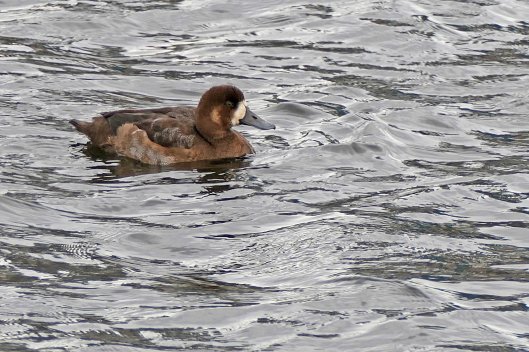
My sighting of this gorgeous bird during Saturday’s circuit of Cardiff Bay could not have been more appropriate because this is the species I wrote about in the recently released Into the Red, the British Trust for Ornithology’s publication about Britain’s red-listed birds. My piece describes how tricky it can be to distinguish the various species of confusingly brown female ducks one from the other, and tells the story of my pride in identifying for myself my very first female Scaup earlier this year.
You can still purchase a copy (or copies – they would make perfect affordable presents for the nature-lovers amongst your family and friends) of the book on the BTO website here: www.bto.org/intothered.
31 Monday Oct 2022
‘Tis All Hallows’ Eve and deep in the wood, dead men are stirring, getting ready to rise up out of the earth …
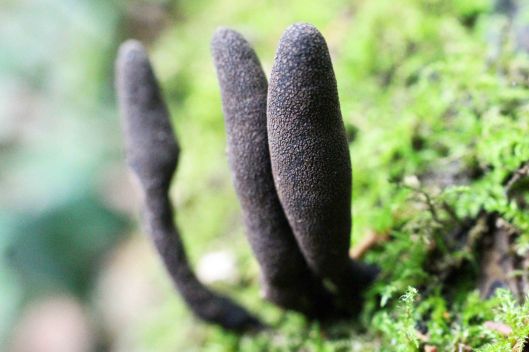
What could be more appropriate for Halloween than these Dead man’s fingers (Xylaria polymorpha), perfectly innocent, always spooky looking.

30 Sunday Oct 2022
Posted in autumn, wildflowers
Tags
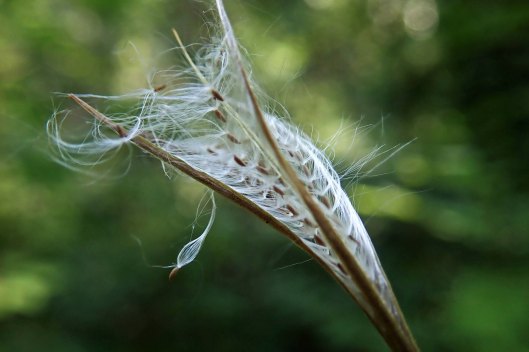
‘A seed neither fears light nor darkness, but uses both to grow.’ ~ Matshona Dhliwayo
29 Saturday Oct 2022
Posted in birds
The ubiquitous little brown birds of the Bay, the Rock pipits (Anthus petrosus), are often overlooked by birders but I rather like them. Whether grazing in the grass or dotting about on the rocks, they’re always active, and, it seems, frequently in competition with the local population of Pied wagtails, with whom they have minor noisy scuffles.

28 Friday Oct 2022
Tags
Ballerina waxcap, British fungi, British waxcaps, Hygrocybe calyptriformis, Large red slug, Pink waxcap, waxcap fungi
Two slugs in one week – what were the chances? But when I glimpsed this gorgeous Pink waxcap (also known as the Ballerina waxcap) (Hygrocybe calyptriformis) almost hidden in a small grassy hollow and gently smoothed back the grass around it to take my photo, I found this Large red slug nestled alongside. If a slug could smile, this one would be grinning from ear to ear, and I imagine the waxcap had mostly been consumed by the next morning.

27 Thursday Oct 2022
Posted in insects
Shots like this usually go straight into the recycle bin but something stopped me deleting this one. Yes, it’s blurry, the ivy is out of focus, but I really like the sense of movement as the butterfly, a Red admiral, began to fly to another flower. What do you think? Save or delete?

26 Wednesday Oct 2022
Posted in birds
The look: ‘Do you have any food for me?’

The glare: ‘Why don’t you have any food for me?’
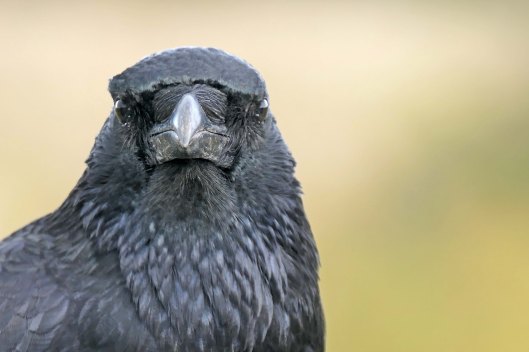
My small black friend and I have become better acquainted since the summer and, these days, as soon as I walk in to its territory, it flies over. Call me crazy but I talk to it and, when I remember, I take it a few morsels of food. When I forget … well, the photo above tells that story.
 earthstar
You must be logged in to post a comment.