Hungry Robin

Tags

, , , , ,

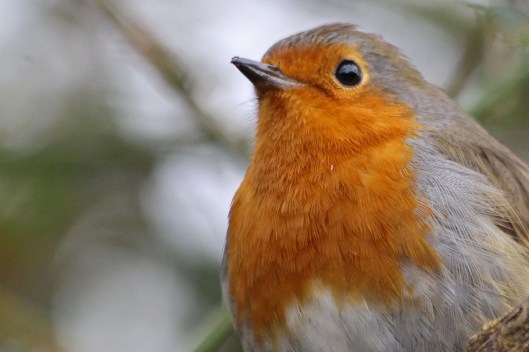
I felt guilty during yesterday’s meander around Cosmeston Lakes Country Park, my first there for a couple of weeks, as I’d gone without my backpack and so wasn’t carrying my usual small supply of bird seed. After the cooler temperatures of recent nights and the absence now of many insect species, the birds are already looking to passing humans for supplementary supplies. This Robin wasn’t the only little bird looking disappointed.

211201 robin

Sick rabbit, dead fox

Tags

, , , ,

During Sunday’s walk I came across this very sick-looking rabbit, sitting at the end of a local no exit road. I don’t think it had been hit by a car – no obvious signs of injury, and I doubt it had myxomatosis – eyes clear and bright. But, later, on Twitter, a contact suggested it might have had RVHD2 (rabbit viral haemorrhagic disease) as that often shows no outward signs. The only positive thing about that diagnosis is that the rabbit usually dies quickly, instead of suffering the horrific lingering torture of myxomatosis.

211130 sick rabbit

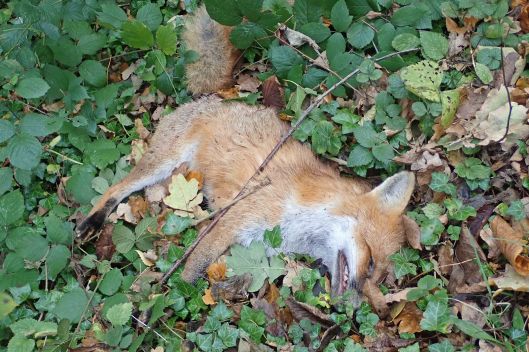
Monday’s walk took me round various Cardiff streets on the hunt for particular leafmines (more on that next Monday) and, sadly, this time I found a dead fox. In this case, I think the poor creature probably was hit by a car as it was lying just off the verge of a very busy road.

211130 dead fox

I was almost dreading what today’s walk might bring but I’m extremely relieved to report that I found nothing injured or deceased!

Leafmines: Stigmella microtheriella

Tags

, , , , ,

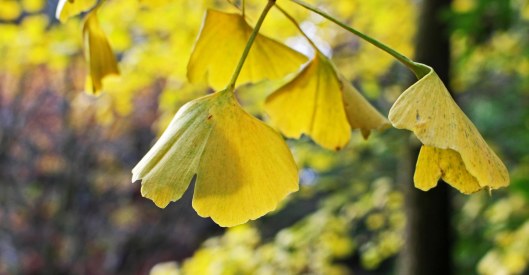
Hornbeam is a tree that’s somehow escaped my attention but, at this time of year, when its leaves turn gorgeous and vibrant shades of yellow, I can’t help but notice how widespread it is and, while admiring its autumn colour, I’ve also spotted some leafmines on its leaves.

211129 Stigmella microtheriella (1)

Reading the mine description on the British Leafminers website, I thought I had found Stigmella microtheriella (egg laid, so mine starting, on or near a vein but not in the axil) but, as there was potential confusion with another moth, Stigmella floslactella, I checked with the experts. Rob, one of those behind the British Leafminers website, kindly confirmed that my identification was correct and also commented that ‘Although S floslactella is said to mine Hornbeam I don’t know anyone who has found it on that host. It’s a very doubtful record.’ Now I – and you, if you see mines like these – can record them as Stigmella microtheriella with confidence!

Oozing brackets

Tags

, , , ,

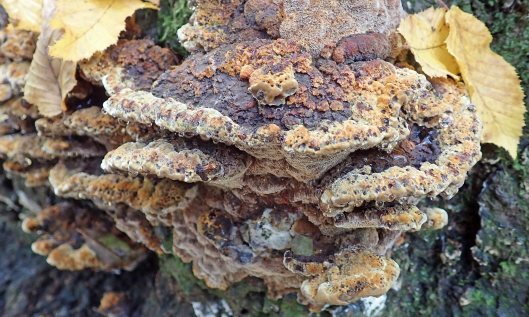
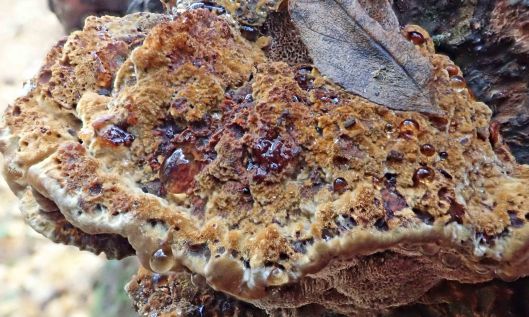
It was the weak sunlight filtering through the almost-leafless overhead branches that drew my eyes to these fungi, their droplets of oozing liquid glinting as the light fell on them.
211126 alder brackets (1)

These are Alder brackets, Inonotus radiatus, a common species which, as you might expect from the name, is most often found on dead and dying Alder trees, though it does also grow on other species of hardwood trees.
211126 alder brackets (2)

According to the First Nature website, ‘Inonotus, the genus name of the Alder Bracket fungus, comes from ino– a prefix meaning fibrous, and ot which means an ear; the ending –us merely turns it into the form of a Latinised noun. The specific name radiatus comes from the Latin radi– meaning a ray, spoke or plate, and it is probably a reference to the radial wrinkles that are often evident on the upper surfaces of mature Alder Brackets.’

211126 alder brackets (3)

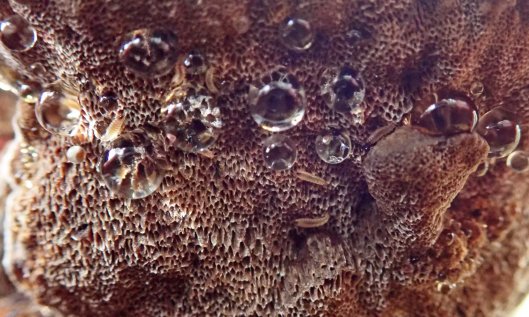
As you can see from my last photograph, these particular brackets were also home to several tiny larvae, perhaps of fungus gnats, though I can’t be sure of that.

211126 alder brackets (4)

A Barkfly

Tags

, , ,

Looking for leafmines has had all sorts of spin-off benefits this year, as I’ve learned to recognise more tree species and encountered creatures I’ve never seen before. This little creature is a prime example: it has been confirmed as the Barkfly species Valenzuela flavidus.

211124 Valenzuela flavidus Barkfly (1)

Perhaps due to their tiny size (this one’s c.3mm), Barkflies are much under-recorded – I’d never even heard of them – but, as the Barkfly Recording Scheme website notes ‘The lack of recording ensures that even casual recorders of the group have a good chance of making significant finds. Wherever you live you are likely to turn up species previously unrecorded in the area and may even find species new to Britain.’ Seven new species of Barkfly have been discovered in just the past 10 years. So, that’s another insect group to keep a look out for.

211124 Valenzuela flavidus Barkfly (2)

Leafmines: Bucculatrix thoracella

Tags

, , , ,

I found these mines on Lime leaves a few weeks ago but they will still be visible on the yellowing leaves, just not occupied any more. The tiny white tick shape is distinctive, making it easy to identify these as the mines of the little brown and yellow moth Bucculatrix thoracella.

After the ‘tick’ has been formed, the moth larvae graze beneath the leaves, creating small bare areas known as feeding windows. When they moult, the larvae retreat to cocoons – one of the leafmining experts calls them ‘cocoonets’ (shown below), but their final cocoons can be found either in the leaf litter below the tree or on the Lime’s trunk. I’ve yet to find one of those.