F is for fox

Tags

, ,

Though often more common than we realise, especially in urban locations, the fox is still quite an elusive creature, and I’m seldom lucky enough to see one – or, if I do, it’s often just a fleeting glimpse as one crosses my path in the distance (as happened back in July). Better those fleeting glimpses though, than the sight of a dead fox lying beside a busy road (as happened very recently), which is very upsetting to see.

211211 fox

D is for Dunlin

Tags

, , , , ,

Seeing this Dunlin was a delightful surprise back in May (a fellow birder had spotted it and put the word out), as these shorebirds rarely stop over in Cardiff Bay. Sadly, the chances of seeing Dunlins at all have declined dramatically in recent years, as their population has plummeted, and, according to British Birds recently published report of ‘The status of our bird populations’, these birds have recently been added to the IUCN Red List, meaning they are now at extreme risk of extinction in Britain.

211209 dunlin

C is for craneflies

Tags

, , ,

The cranefly family of insects is another I have often overlooked as I mostly see the same species in my local areas. But, with some more thorough investigation of different habitats, I think I should be able to expand my list.

211208 cranefly

I thought craneflies would long since have disappeared so this little beauty, possibly Tipula oleracea, was a surprise find during last Saturday’s (4 December) walk. But, as a spokesperson for the Cranefly Recording Scheme kindly explained: ‘Potentially you can see Craneflies during any month of the year. Last Christmas I was doing the washing up and one flew by the window. Climate change has extended and altered the seasons for these flies.’ So, do please let me know if you too have a cranefly Christmas!

B is for Brimstone

Tags

, , , , ,

Of course, my end-of-year countdown has to include butterflies. Today it’s the Brimstone – there may be others.

211207 brimstone

I was thrilled this year to discover more about the life cycle of this exquisite butterfly. In May, after watching a female laying on the leaves of Buckthorn saplings, I found my first Brimstone eggs and, after that, knowing what Buckthorn looked like, found many more and, of course, lots of lovely caterpillars in various stages of development. I’ve yet to find a chrysalis though – maybe next year.

A is for aphids

Tags

, , , ,

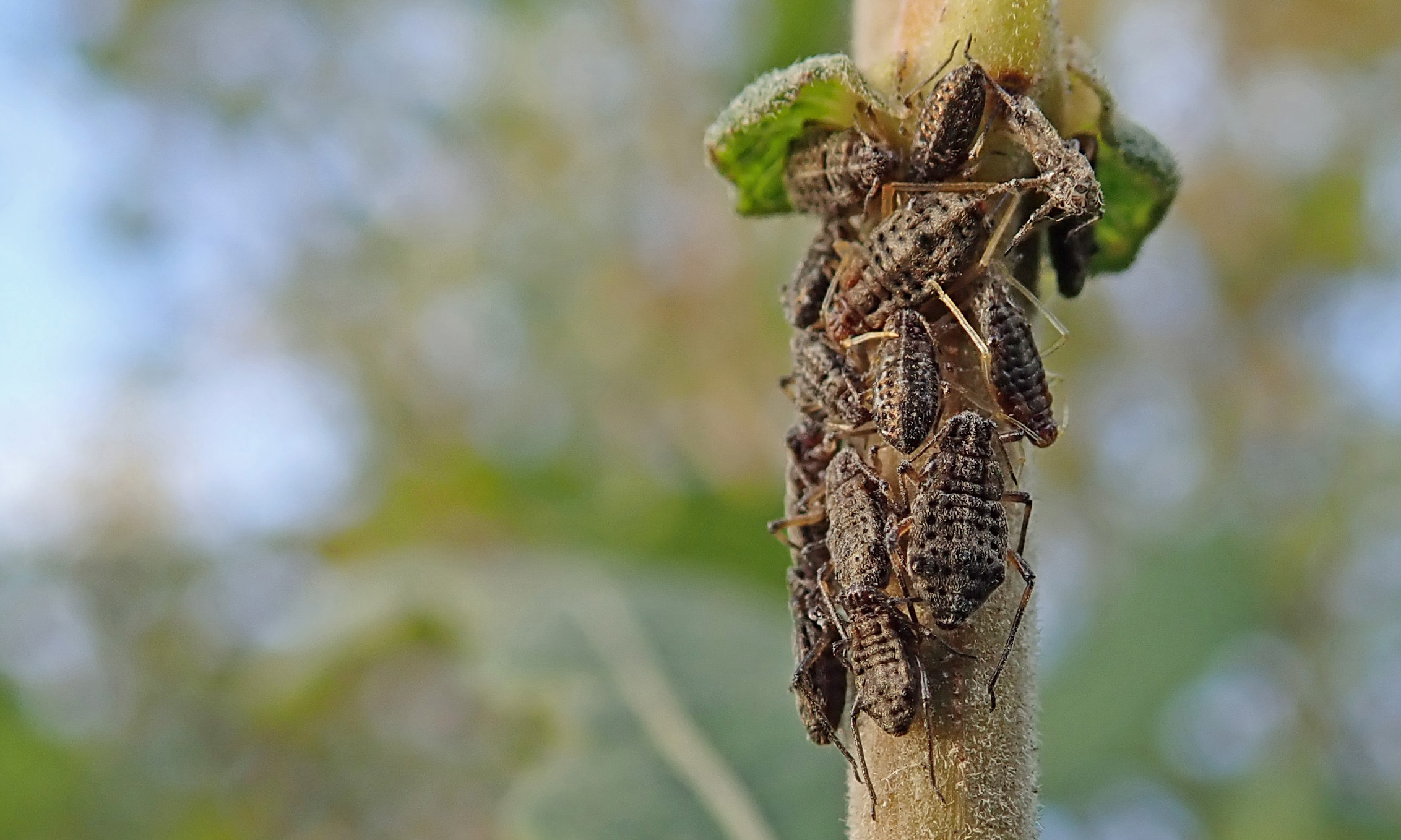
This year I thought I’d finish 2021 with something different, an A-to-Z 26-day countdown to the end of the year. So, first up, A is for aphids, a family I intend to look closer at in the coming year. Many species look very similar to each other and so are hard to identify, like these.

But there are other species that are specific to particular plants, like the one shown below. Though my finds haven’t yet been confirmed, from their relatively large size, the fact that I’ve found them twice now on Grey willow, and their markings and the distinctive horny bumps on their rear ends, I’m fairly sure these are Giant willow aphids (Tuberolachnus salignus).

211206 aphids (4)

Grey knights

Tags

, , ,

Happy Fungi Friday!

211203 grey knight (1)

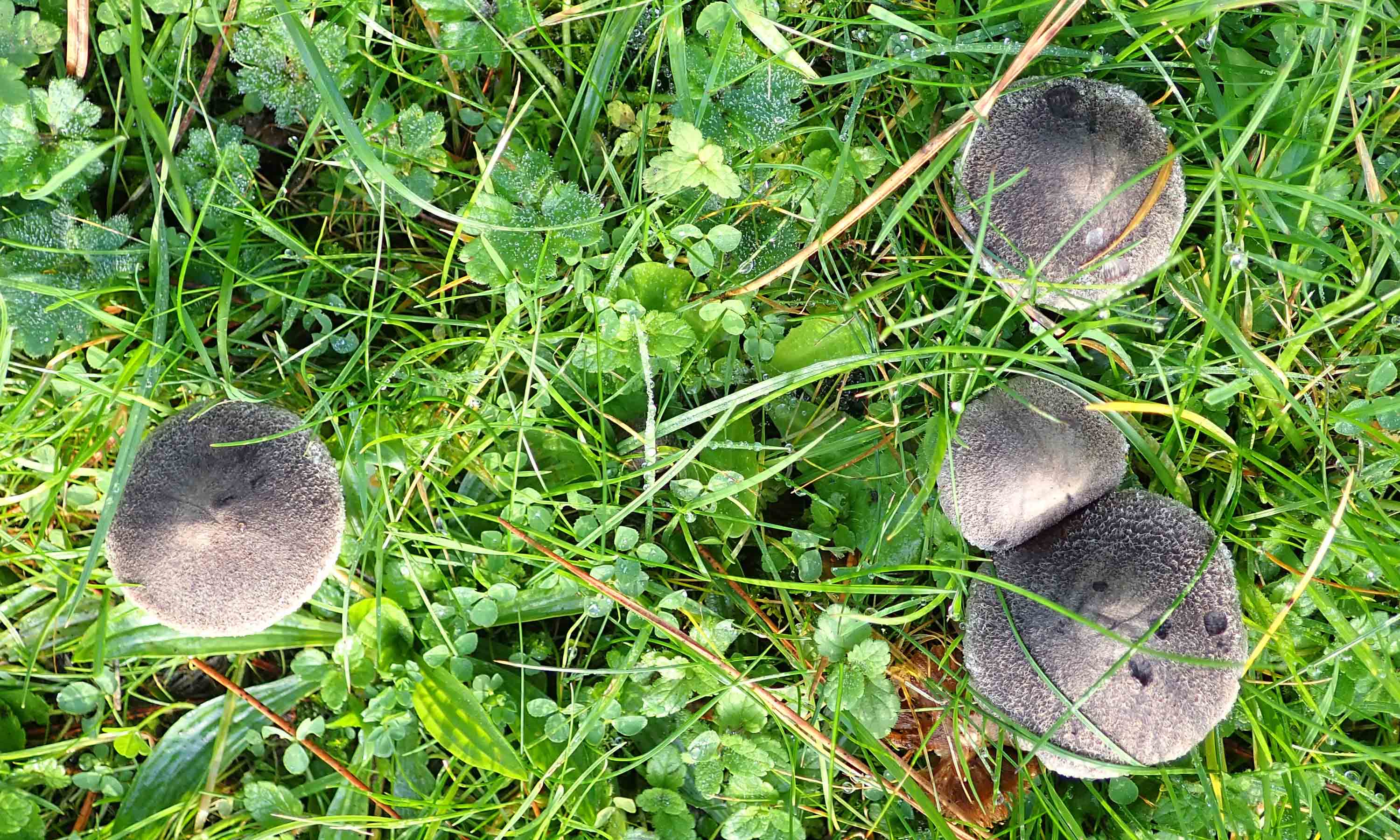
I’m fairly sure these are Grey knights (Tricholoma terreum), though, as with many fungi, I’m not exactly sure of my identification and it can be difficult to separate the grey Tricholoma species. According to the First Nature website, Grey Knights are usually found in coniferous forests – mine were in a cemetery but there were several conifers growing nearby, and I know these fungi have been found at this cemetery previously.