350/365 Ratty stocks up

Tags

, , ,

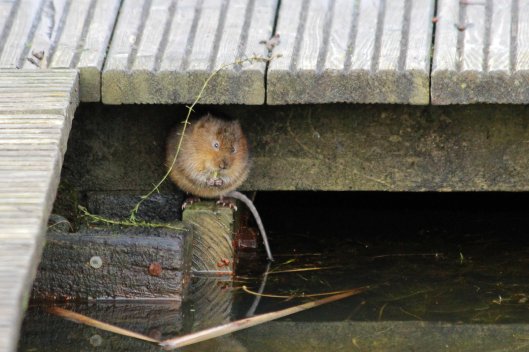
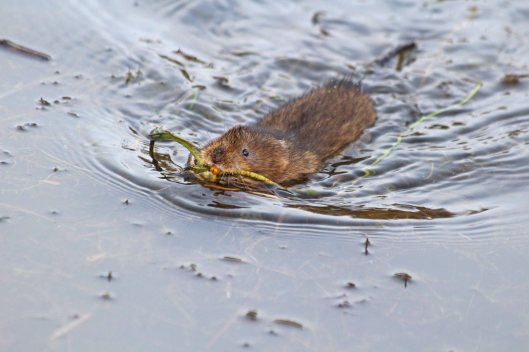
One of the Cosmeston water voles was out and about today, munching on vegetation and also hauling in supplies, taking them under the dipping pond’s boardwalk and presumably stashing them somewhere.

191216 water vole (3)191216 water vole (1)

Luckily, I was the only person around and, by staying quiet and still, I was able to watch it coming and going for quite some time. It was a delight!

191216 water vole (2)191216 water vole (4)

349/365 Another winter 10

Tags

, , , ,

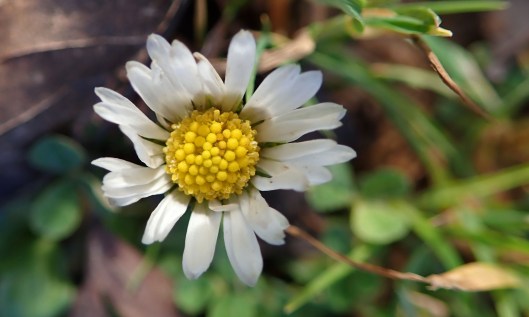
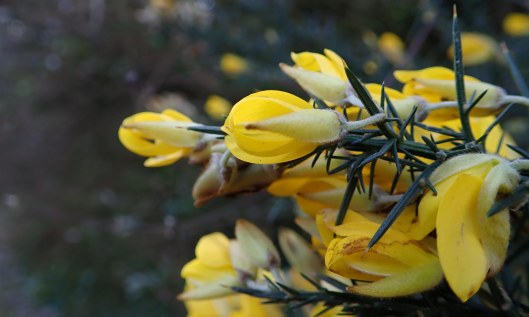
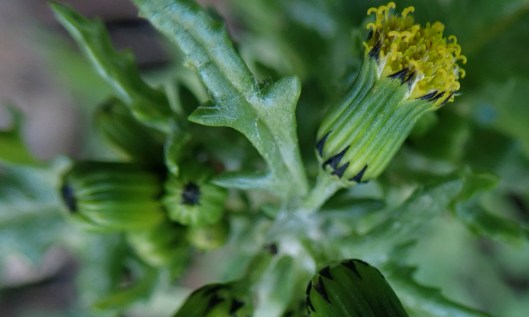
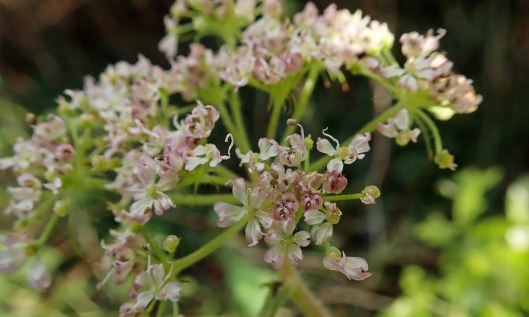
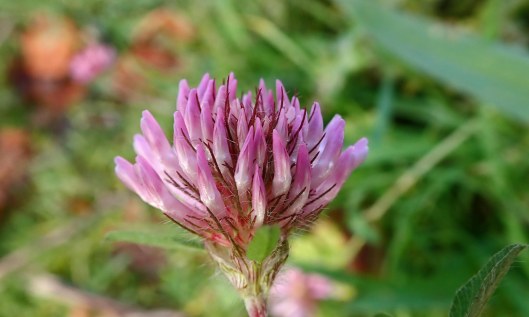
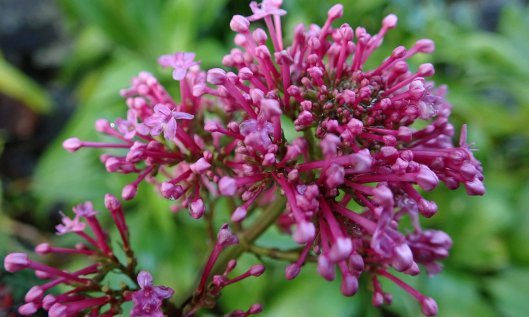
I think I could have found more than ten wildflowers in bloom for this week’s wildflowerhour but my walks were a little restricted by the weather and chores. Still, I am happy to have seen these ten: a Buttercup species, Daisy, a Gorse species, Groundsel, Hemlock water dropwort, Ivy-leaved toadflax, Ragwort, Red clover and Red valerian, and the lovely Yarrow.

191215 buttercup sp191215 daisy191215 gorse sp191215 groundsel191215 Hemlock water dropwort191215 ivy-leaved toadflax191215 ragwort191215 red clover191215 red valerian191215 yarrow

348/365 The final brood

Tags

, , , , , ,

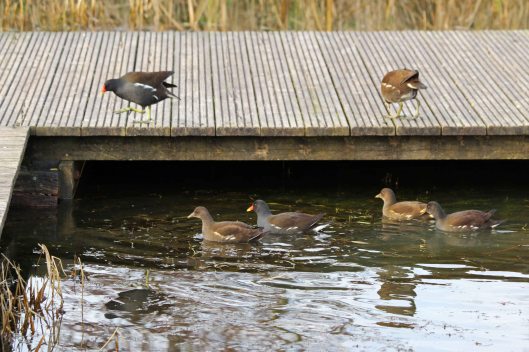
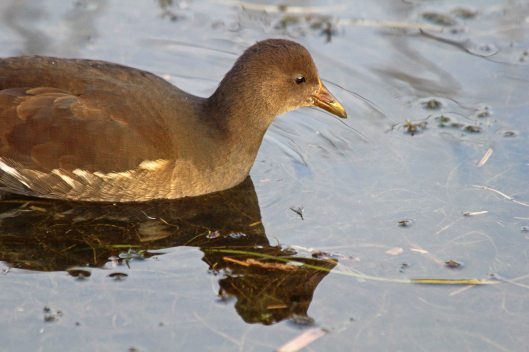
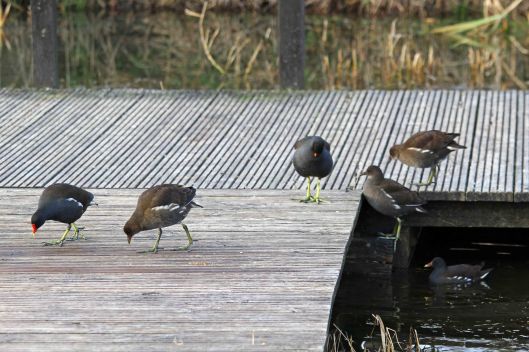
The Moorhens of Cosmeston’s dipping pond have had a bumper year.

191214 moorhen family (1)

I blogged about their first brood of five on the day they hatched 1 April ‘91/365 New arrivals’ and then reported on their progress on 28 April 118/365 Chick update’.

191214 moorhen family (3)

Then, on 25 June, in 176/365 More new arrivals, I happily announced the arrival of five more chicks.

191214 moorhen family (4)

I must have missed the hatching of the third brood, which probably arrived in early September. I’m not sure how many there were but four have survived and flourished, as you can see in this latest set of family photos.

191214 moorhen family (2)

These adult Moorhens are obviously excellent parents!

347/365 Early catkins

Tags

, , , ,

As I always do when I need to be ‘soothed and healed’, I went for a long walk with Nature as soon as I could get away today. There was a bitterly cold wind blowing but I was well wrapped up and, to my delight, I found a few wildflowers still in bloom, fed sunflower hearts to the hungry small birds, and then, much to my surprise, found some Hazel catkins out already – and not just the male catkins, but several of the tiny pink female flowers, which seems quite early.

191213 hazel catkins

346/365 Sea shells

Tags

, , ,

When the rain finally abated mid afternoon, I went to vote and then headed down to the seaside, to clear my head with some fresh air. The tide was out so I couldn’t resist having a brief fossick along the beach. It’s a stony shore and there are never many shells to be found but I did find a few nestled amongst the stones.

345/365 Yew berries

Tags

, , , , , , ,

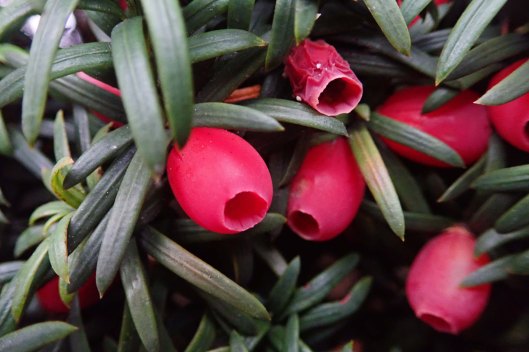
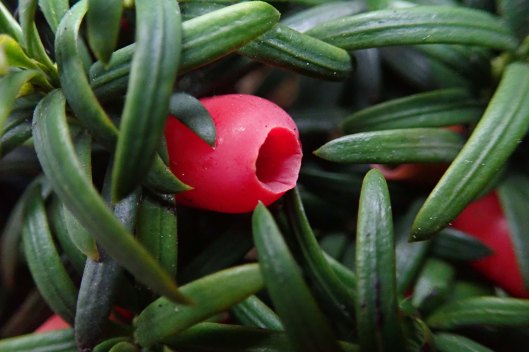
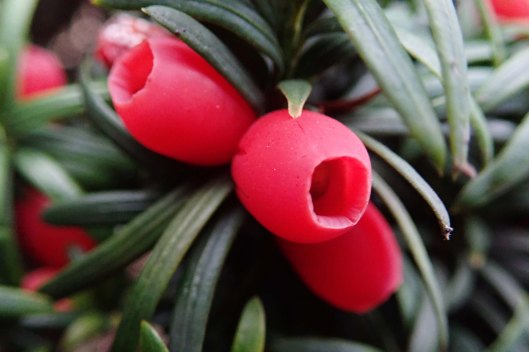
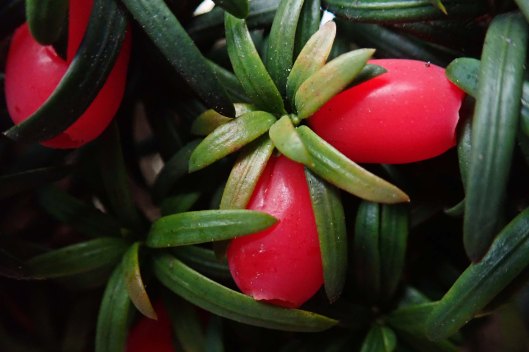
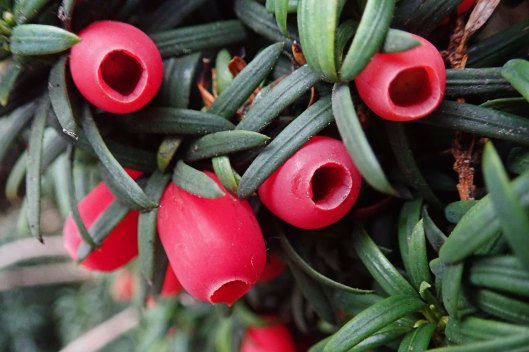
If the two large Yew trees I passed on my way to the library this morning were not growing on a main road, I’m sure their copious quantities of red berries would all have been scoffed by now by hungry winter thrushes.

191211 yew berries (1)

And if the berries last a while longer and the weather gets colder, they still might be, the birds forced to brave the passing traffic and pedestrians in search of nourishing food.

191211 yew berries (2)

The stones inside those juicy red berries (which are more correctly named arils) are poisonous to most creatures but they pass right through a bird’s digestive system so the bird remains unharmed.

191211 yew berries (3)

In fact, birds are essential to the growth and spread of Yew trees – their digestive system helps to weaken the seed’s tough coating, which enables it to sprout, and birds are the main dispersal agents for Yew seeds.

191211 yew berries (4)

We humans should never eat the seeds, however, as our stomach acids are strong enough to break down the seed coating, thereby releasing the taxanes (the poisonous alkaloids) into our bodies.

191211 yew berries (5)

343/365 The nut warbler

Tags

, , , , , ,

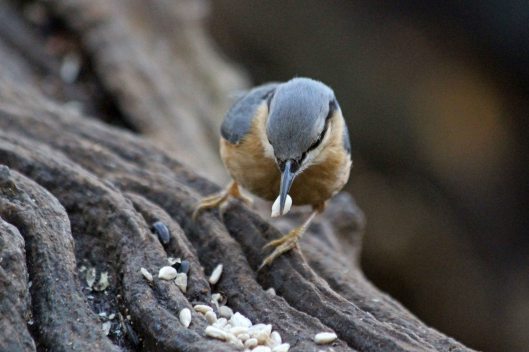
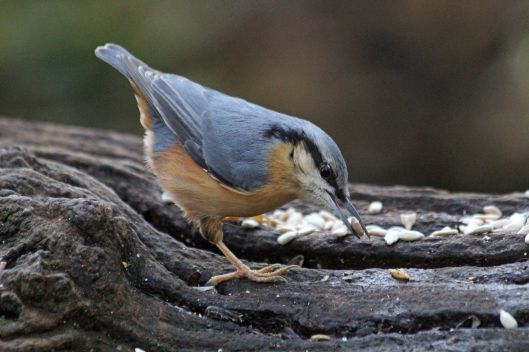
The Nuthatch is such an entertaining bird, with its propensity to run, quite quickly, headlong down tree trunks.
191209 nuthatch (1)

Over the centuries, and throughout Britain, this very handsome bird has acquired a wealth of vernacular names. My Fauna Botannica lists the following: mud dabber and mud stopper (I’ve never seen one near mud but this, apparently, refers to its plastering of mud around the entrance to its nest); nutcracker, nutback, nut jobber and nut topper (it is rather partial to nuts); woodcracker, woodbacker and woodjar (it likes to wedge the nuts it collects in cracks in tree bark, to hold them firm while it attacks them with its beak); and jar bird and jobbin (‘to job’ meaning ‘to jab’, at the nuts).

191209 nuthatch (2)

In Welsh the Nuthatch is Telor y Cnau, which translates as Nut warbler. I’m not sure I would label its rather strident call a warble – to me it’s more of a trill, but that’s just my interpretation.

191209 nuthatch (3)

This particular bird was stocking up on the sunflower hearts I had put out for the small birds to snack on at Cosmeston today.

191209 nuthatch (4)

342/365 Winter 10, again

Tags

, , , , ,

Though my title is ‘Winter 10’, I’ve actually found 18 wildflowers in bloom during this week’s meanderings. They are: Bittercress species, Black nightshade, Bristly oxtongue, Daisy, a Gorse species, Groundsel, one of the Hawkbits, Herb Robert, the invasive Himalayan balsam, still one flower of Meadow crane’s-bill, Petty spurge, Common ragwort, Red clover, Red valerian, one of the umbellifer species, Winter heliotrope (this bud is not quite open but I couldn’t reach the one that was), and Yarrow.

My apologies for the sometimes blurry images and my fingers appearing in some shots – it’s been a week of frequent gusty winds and rain, not conducive to macro photography.

341/365 Marsh tit

Tags

, , , , , ,

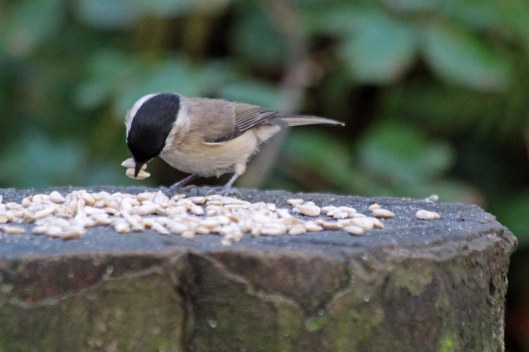
Having stocked up on bird seed yesterday (the littlies are rather partial to sunflower hearts, I’ve found), I was delighted today to tempt out one of the resident Marsh tits in Cosmeston’s Cogan Wood.

191207 Marsh tit (1)

Actually, it wasn’t all that difficult. I was mobbed by Great and Blue tits as soon as I began sprinkling the seeds on an old tree stump, with one particularly cheeky Great tit grabbing a seed from my container before I’d even started tipping them out.

191207 Marsh tit (2)

I wasn’t sure the Marsh tit would come but it soon appeared and, although initially a little hesitant to compete with the other birds, it didn’t take long to summon its courage and was picking up 2 or 3 seeds at a time before flying off to find somewhere quiet to eat them.

191207 Marsh tit (3)

We’re lucky to have this bird at Cosmeston as it’s now an ‘uncommon and thinly distributed resident breeder’, according to the Glamorgan Bird Club’s Eastern Glamorgan Bird Report No.56, and these tits were only recorded in 8 locations in our county in 2017.