Wild out the window

Tags

, , , , , , , ,

‘The best laid plans….’ Due to the unforeseen circumstance of untimely tradesmen I was forced to set aside my plan to go searching for butterflies today and instead spent day 11 of #30DaysWild at home. Still, there is always something wild to be found, just by looking out the window.

In the lovely tree outside my living room window, a young Feral pigeon has recently been spending much of its time, either perched or moving tentatively along the swaying branches, while it waits for its parents to return and feed it. Each time I heard it make its faint pleading peep, I popped up with my camera to try to get photos, though mostly the leaves got in the way. – a fact which, in fact, might please you when I tell you the pigeons regurgitate a type of ‘milk’ to feed their young!

180611 (6) House sparrow females

House sparrows also popped in and out of the tree, heralded by their familiar cheep cheep, and I also caught them sitting on the back wall downstairs, looking around for anything edible.
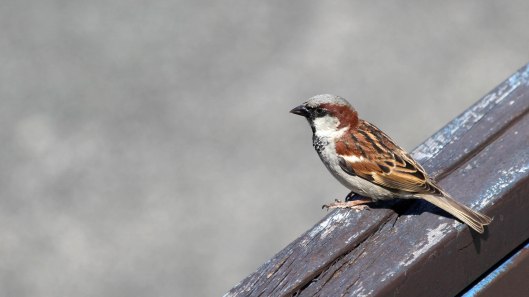
180611 (7) House sparrow male

The Swifts have been very active overhead much of the day, with four sweeping very low around the back of the house at times, even coming very close to the eaves. I’m not sure if they were checking the area for potential nesting sites or, more likely, swooping in to pick off insects to eat. They move so quickly I only managed one photo but watching their aerial agility was certainly the highlight of my wild day at home.

180611 (8) Swift

Here be dragons

Tags

, , , , , , , , ,

This is Wales. We have dragons!
More specifically, this was Cosmeston Lakes Country Park on day 10 of #30DaysWild, where I managed to find three different species of dragonfly.

180610 Black-tailed skimmer immature male

An immature male Black-tailed skimmer

180610 Broad-bodied chaser male

A mature male Black-tailed skimmer

180610 Emperor female (1)

Above and below, a female Emperor, ovipositing (i.e. egg-laying)

180610 Emperor female (2)

180610 Four-spotted chaser (1)

As above, so below: Four-spotted chasers

180610 Four-spotted chaser (2)

From garbage to glorious

Tags

, , , , , , , , , , , , , ,

Day 9 of #30DaysWild saw me at Grangemoor Park, a place that used to be Cardiff’s rubbish dump: when it closed in 1994, it contained an estimated four million cubic metres of garbage, both commercial and household. Now, it’s not only a public park but also a SINC (Site of Importance for Nature Conservation), and is home to a wonderfully diverse range of flora and fauna. My photos show just some of what I discovered there today …

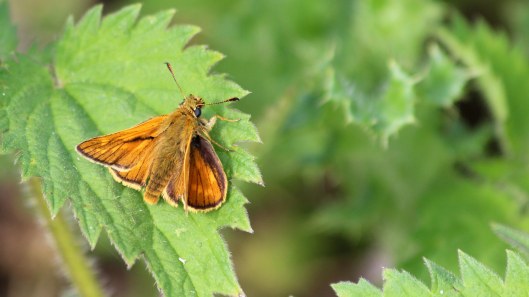
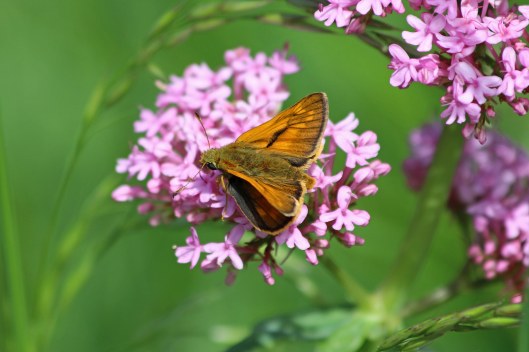
180609 1 Large skipper

Large skipper butterfly

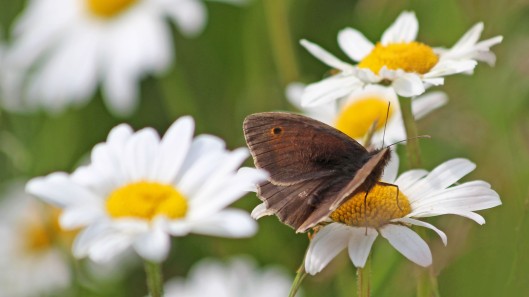
180609 2 Meadow brown

One of seven Meadow brown butterflies seen today

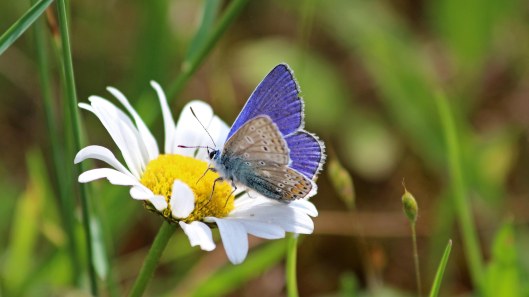
180609 3 Common blue

Male Common blue butterfly

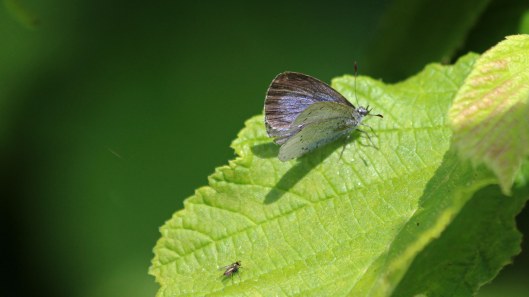
180609 4 Holly blue

Holly blue butterfly (and tiny friend)

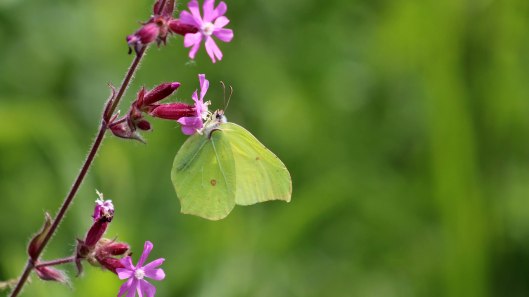
180609 5 Brimstone

Brimstone butterfly (one of my favourites)

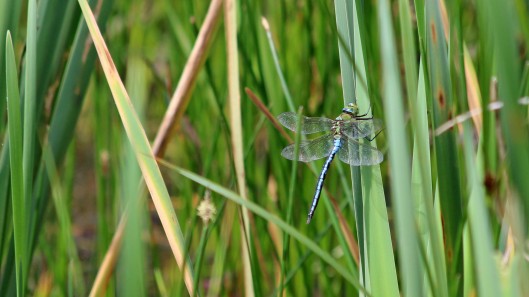
180609 6 Emperor dragonfly

Emperor dragonfly. There were many other dragonflies and damselflies at the pond but they were a bit distant for photos.

180609 7 Long-tailed tit fledgling

One of four newly fledged Long-tailed tits, foraging with their parents

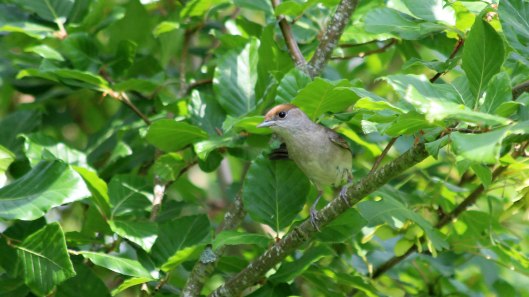
180609 8 Blackcap female

Female Blackcap busy foraging for her family

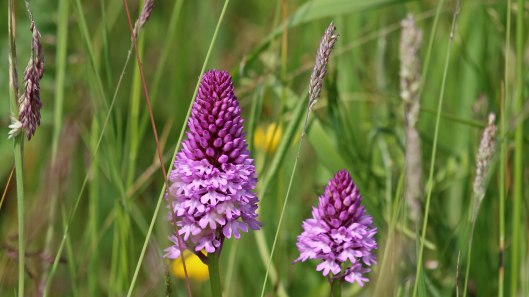
180609 9 Pyramidal orchid

Pyramidal orchids

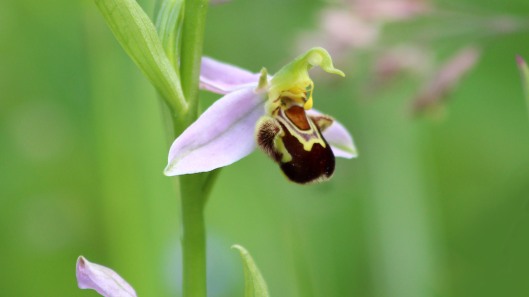
180609 10 Bee orchid

Bee orchid – love their ‘faces’!

180609 11 Southern marsh orchid

Southern marsh orchid (I think)

180609 12 Common spotted orchid

Common spotted orchids

Aberbargoed Grasslands

Tags

, , , , , , , , ,

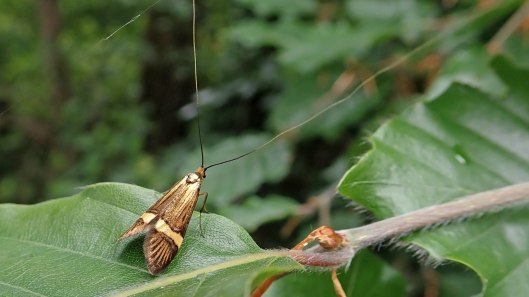
On day 8 of #30DaysWild I paid my first visit to the Aberbargoed Grasslands, with my friend Sharon. We were hoping to spot some of the Marsh fritillaries this National Nature Reserve is known for but, sadly, we didn’t even see one. Perhaps the overcast weather had sent them into hiding. The good news is that I saw my first Small copper butterfly for the year, we saw a small number of Common blue butterflies and a few whites. We also spotted several moths, the most spectacular of which was a group of five male long-horn moths, Nemophora degeerella. They were dazzling, even on a grey day, and just look at the length of those horns!

180608 1 Small copper

Small copper butterfly

180608 2 Common blue

A Common blue butterfly feeding on meadow thistles

180608 Large white

Large white butterfly

180608 4 Nemophora degeerella

A long-horn moth, Nemophora degeerella

180608 5 Nemophora degeerella

Look at the length of those horns!

Practising stealth

Tags

, , , ,

For day 7 of #30DaysWild I decided to spend a couple of hours practising my stealth tactics during a walk along the coastal path from Penarth to Lavernock. Sometimes I photograph wildlife with my DSLR camera but I also have a point-and-shoot camera with a macro feature that is good for capturing close-up detail. The only trouble is that you need to get the camera as close as possible to your subject – and I am talking close – no more than a couple of inches away. As you might imagine, this tends to freak out and frighten off a lot of creatures, but I find that if I approach slowly, watch the light and shadow, make no noise, then I can often get very close. Here are the ones I didn’t freak out or frighten off today. I think I did quite well.

Environmental enlightenment at St Augustine’s

Tags

, , , , , ,

I seem to be constantly angry these days at the environmental vandalism of local authorities so it was an absolute delight on day 6 of #30DaysWild to spend time in the churchyard of St Augustine’s here in Penarth.

180606 Large skipper (3)

The church authorities have taken the enlightened step of helping to ‘safeguard the environment of the plants and animals that live in the churchyard while at the same time promoting enjoyment of the space by the local community. The area is an ideal resource for encouraging greater understanding of wildlife and biodiversity. Bird, bat and swift boxes have been put up….’

180606 Large skipper (1)

The grass is long, wildflowers are blooming, a family of Blue tits were feeding in the trees, and these Large skippers were basking in the sunshine. Congratulations to the Friends of St Augustine’s for leading the way!

180606 Large skipper (2)

The teeny-weenies

Tags

, , , , , ,

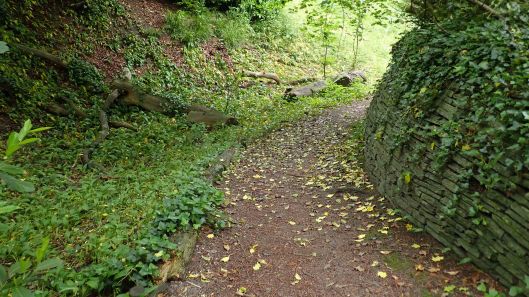
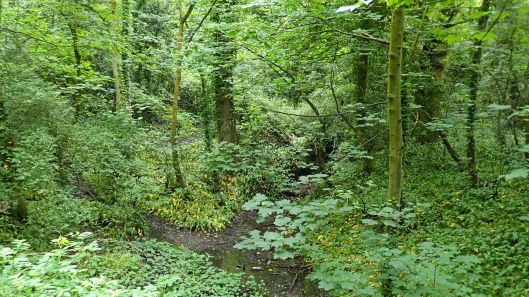
My wildness was a little restricted today, on day 5 of #30DaysWild: I was dosed up on antihistamines due to a nasty reaction to Horsefly bites and, as even the non-drowsy pills make me feel a bit wonky, I just went for a mini meander around my local park, Penarth’s Alexandra Park. It’s a relic of the Victorian era – think topiary and bird cages, manicured lawns and artificial-looking flower beds – but there are also some wonderful wild areas.

180605 wild places180605 wild places

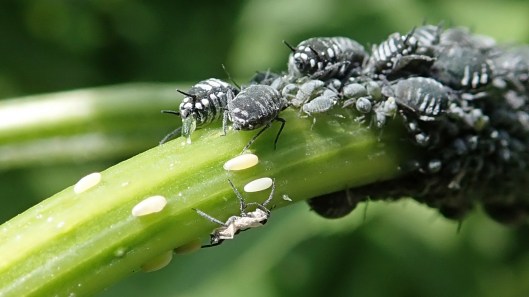
I wasn’t sure what I might find, as it was cooler and quite windy here today, but that also meant there weren’t too many people around to stare at me as I indulged in a spot of leaf turning … because you never know what teeny-weeny creatures you might find when you look at the underside of a leaf (or even the top side, for that matter). The bright reddish-pink constructions caused by one of the Sycamore gall mites were easy to spot on the tops, and various immature bugs crawled around underneath most of the leaves I looked at.

My favourites, though, were these aphid communities. I think these are Elder aphids (Aphis sambuci) but please do correct me if I’m wrong.

180605 Elder aphids (1)180605 Elder aphids (2)180605 Elder aphids (3)

Cardiff’s old canals

Tags

, , , , , , , , , , , , ,

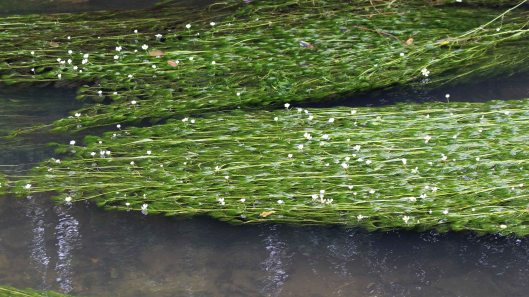
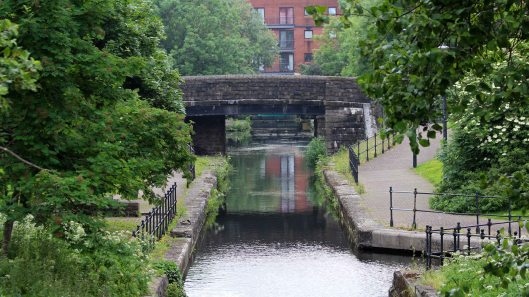
I had to go in to Cardiff city today to do a few chores so, for day four of #30DaysWild, I thought I’d take a wander along the old canals, an area known locally as Little Venice. The area closest to the main road is quite unkempt, but, except for the human rubbish, I like how overgrown it is – and I’m sure the wildlife does too – and the submerged plants are particularly lovely at the moment, with long streaming fronds covered in pretty white flowers.

180604 1 flowering plant in canal180604 2 flowering plant in canal

The canals flow in a couple of different directions, both ultimately emptying into East Bute Dock, where once a million tons of coal a year was loaded on to waiting ships. The canals are bordered by various types of accommodation and office blocks, have footpaths along both sides, and in places are adorned with beautiful, currently flowering native Fringed Water Lily (Nymphoides peltata).

180604 3 canal180604 4 water lily in canal180604 5 water lily in canal

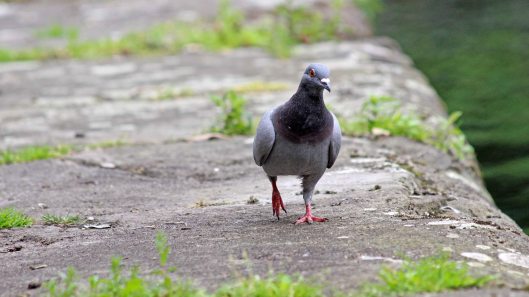
The canals also support a range of wildlife. Drake mallards snoozed on the warm stone edges, Common blue damselflies flitted back and forth, and a feral pigeon strutted towards me, hopeful of a spot of lunch.

180604 8 feral pigeon

The big drawcard of these waterways for me, though, is that Coots can usually be found nesting here, often very successfully. In their large sturdy nest structures, built of sticks and plant material and human detritus, I’ve seen broods of up to 6 chicks.

Today there were two pairs with quite well-grown young, and three more birds sitting, possibly with little ones tucked under their wings. And very cute they all were too!


Orchidelicious

Tags

, , , , , , , , ,

180603 orchids at Cosmeston

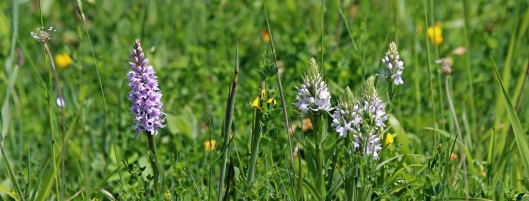
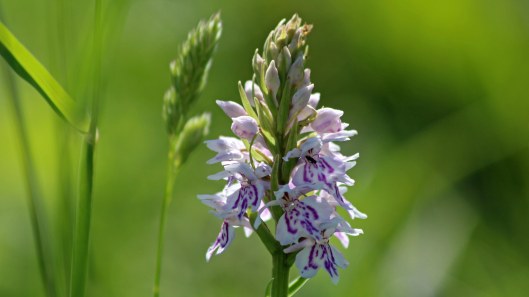
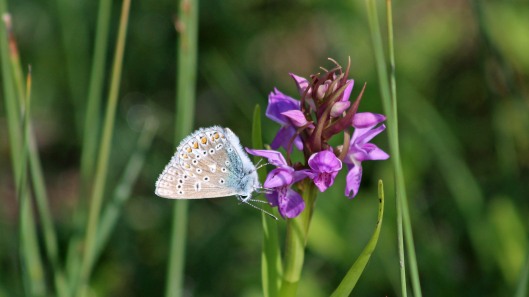
For day three of #30DaysWild I went searching for orchids at Cosmeston Lakes Country Park, and I got lucky. The Common spotted-orchids are blooming in good numbers now, two of the small number of well hidden Greater butterfly-orchids are flowering, I found my first Bee orchid of the season, and I think I found my first Southern marsh-orchid as well. It couldn’t get much better than that!

Common spotted-orchid (Dactylorhiza fuchsii)

180603 Common spotted orchid (1)

Greater butterfly-orchid (Platanthera chlorantha)

Bee orchid (Ophrys apifera)

Southern marsh-orchid (Dactylorhiza praetermissa) (and Common blue butterfly)

180603 Southern marsh orchid

Mystery solved!

Tags

, , , , , ,

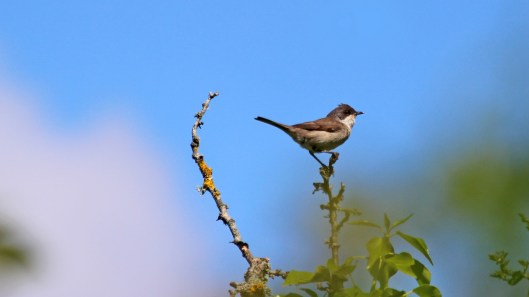
On day two of #30DaysWild I decided to try to solve a mystery. Last Monday, 28 May, I was having a wander around Lavernock Nature Reserve when I heard a bird making an unusual ‘tech tech’ sound in a group of nearby shrubs and trees (you can hear it at the beginning of this short video clip I recorded). I edged closer and got glimpses of a dark head and back with a much lighter front and belly, but I couldn’t get a clear view or any photos.

180602 Lesser whitethroat (4)

Silly me thought it might have been a Pied flycatcher but I knew that was probably wrong, and I was soon put straight about how extremely unlikely that possibility was for the Lavernock site by a much more experienced birding friend. But what was it?

180602 Lesser whitethroat (2)

I wasn’t sure if the bird would still be around but today was a lovely day for a walk and Lavernock is a wonderful nature reserve – I knew I would find things of interest even if I couldn’t find the bird again.

180602 Lesser whitethroat (1)

Well, as you’ve guessed from the title of this post and from the photos here, I found my bird and solved the mystery. It’s a Lesser whitethroat – in fact, I’m 99% sure there were two of them and that they’re nesting, as I watched the bird repeatedly foraging for food in the greenery, then flying back and forth to the same location in a clump of bushes.

180602 Lesser whitethroat (3)

These are usually very skulky birds, more often staying within trees and bushes and not easily seen, so I was very lucky to get some decent views of one bird sitting high in the tree tops. A perfect result for the second day of my 30 Days Wild!