Woodpigeon migration

Tags

, , , , ,

An amazing bird migration occurred last week, and the whole phenomenom is a bit of a mystery.

241029 woodpigeon migration (1)

The migrating birds were Woodpigeons (Columba palumbus), which may surprise you – who knew Woodpigeons migrated? Even more surprising is the numbers heading south west, estimated to be between 50,000 and 150,000 birds. I saw some of the flocks passing over and they were huge – it is truly an amazing spectacle to witness, and it happens every year, in late October / early November, the timing probably dependant on various weather conditions.

241029 woodpigeon migration (2)

What’s mysterious about this migration is where the birds come from and where they are going. These do not seem to be local British birds, as our population seems either to be mostly stationary or restricts its movements to within the UK, so the current assumption is that these are predominantly Woodpigeons passing through Britain, possibly originating in Scandinavia and likely heading to Spain and Portugal to over-winter.
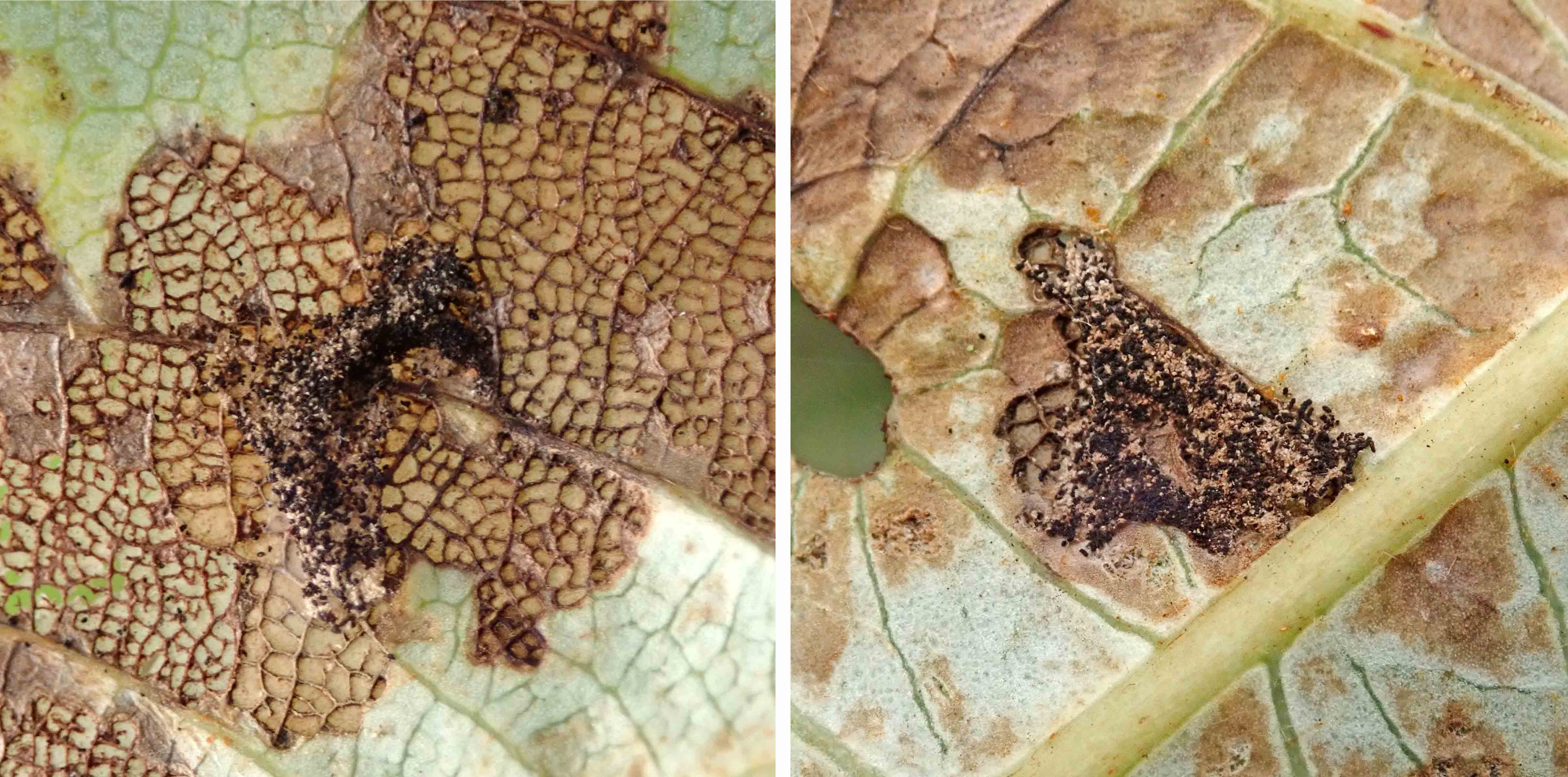
Leafmines: Gypsonoma species

Tags

, , , , ,

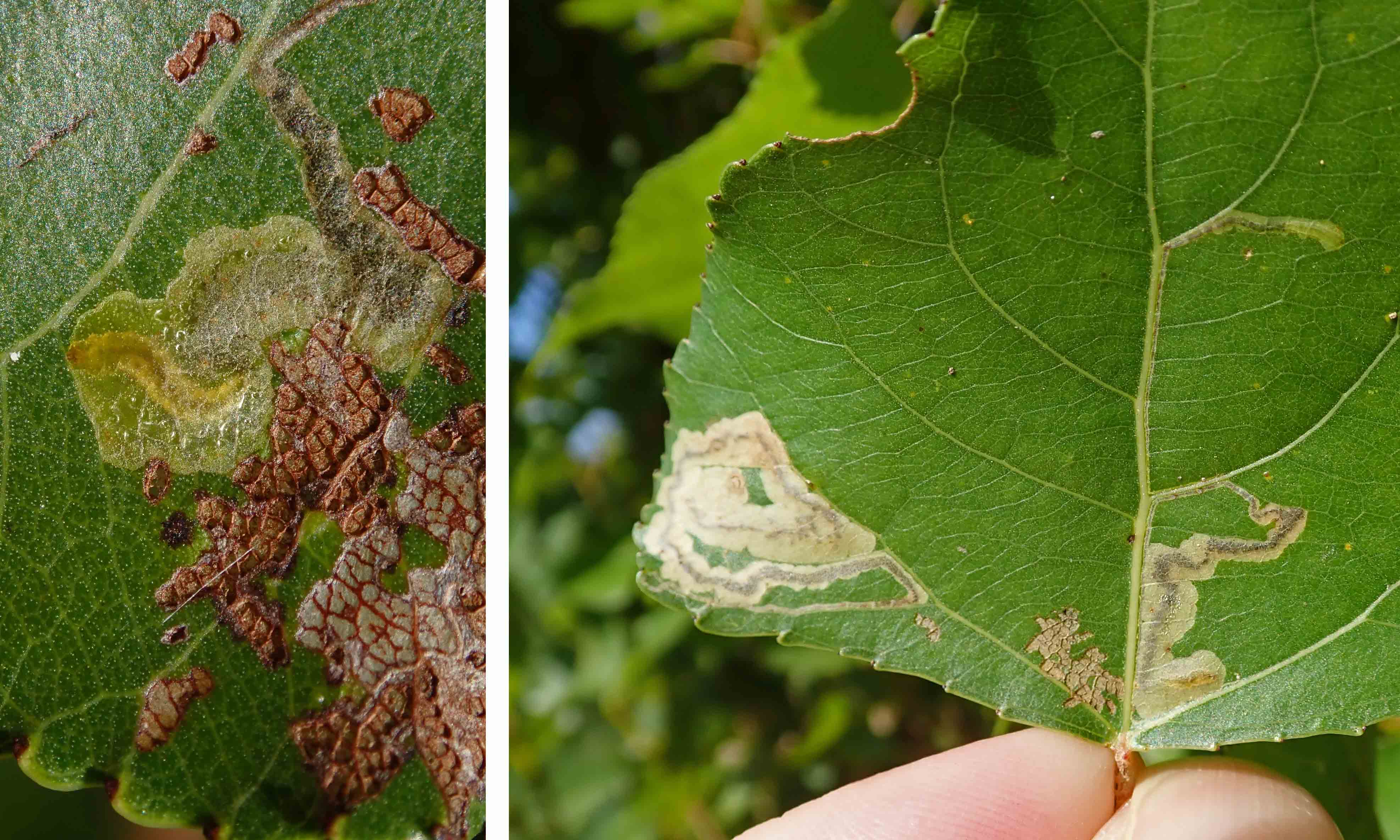
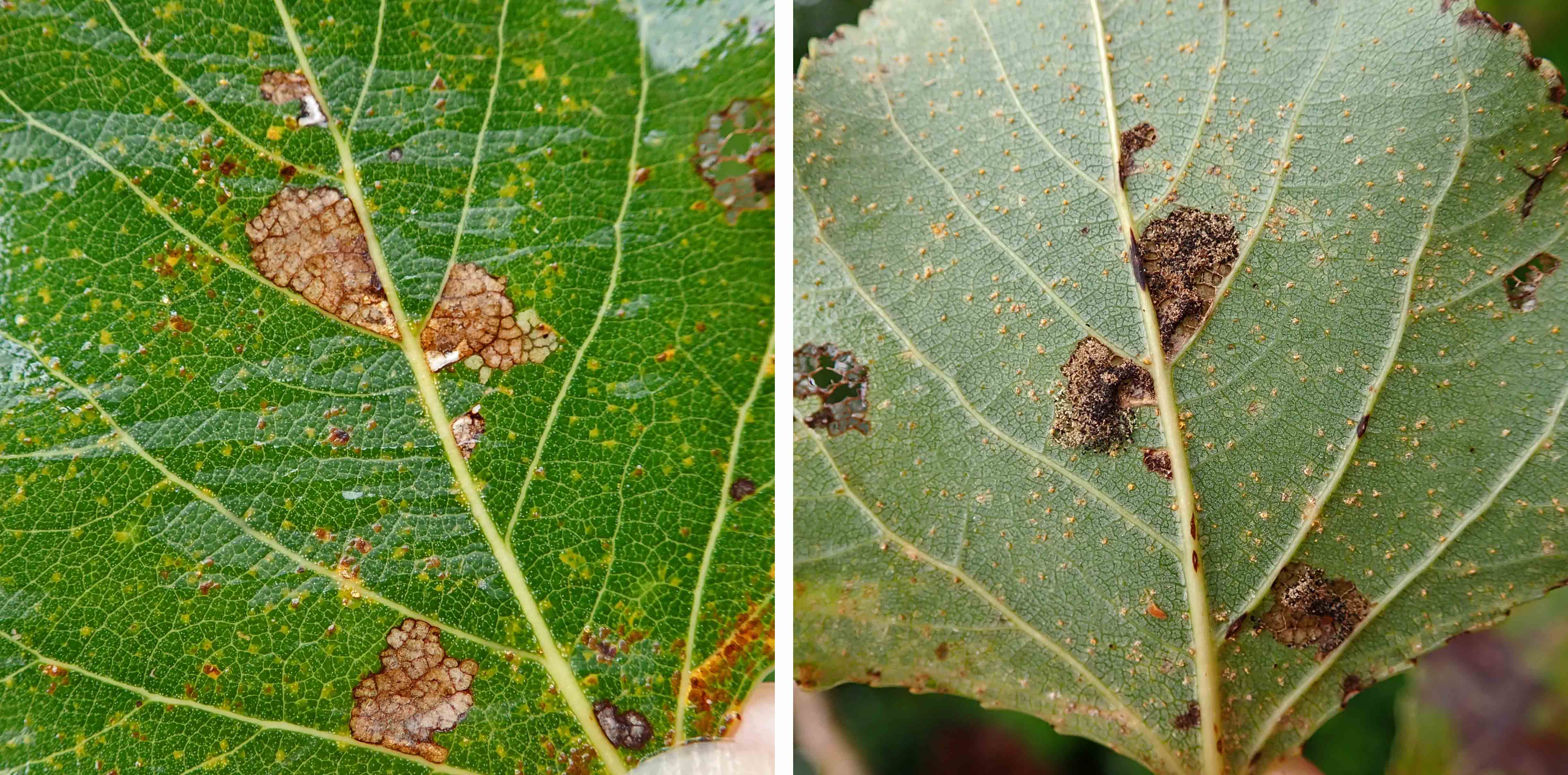
Though this post is entitled Gypsonoma species (and that’s how I recorded my find), according to one of my friendly local experts, the mines shown here are very likely to be Gypsonoma oppressana as that species usually mines communally, with up to three mines on a leaf. The other Gypsonoma species possibility that also uses Poplar as a larval food plant (though mines other tree leaves as well) is G. dealbana but its larvae are usually solitary miners and, if you happen to spot them, are whitish rather than the brown colour of G. oppressana. You may just be able to make out in my photos the frass-covered silken tubes these larvae create to hide in.

241028 Gypsonoma oppressana (1)

I was a little late in the season looking for this species but my expert tells me I won’t have to wait till next autumn to restart my search for more Gypsonoma oppressana larvae. In the spring, when the larvae wake up, they feed inside Poplar leaf buds, but they still live within their pooh-covered tubes and these can be spotted poking out from the holes they make in the leaf buds.

241028 Gypsonoma oppressana (2)

The adult Gypsonoma oppressana is a gorgeous little moth, with subtle patterning in shades of grey, brown, white and cinnamon, which you can see on the UK Moths website.

The nut hacker

Tags

, , , ,

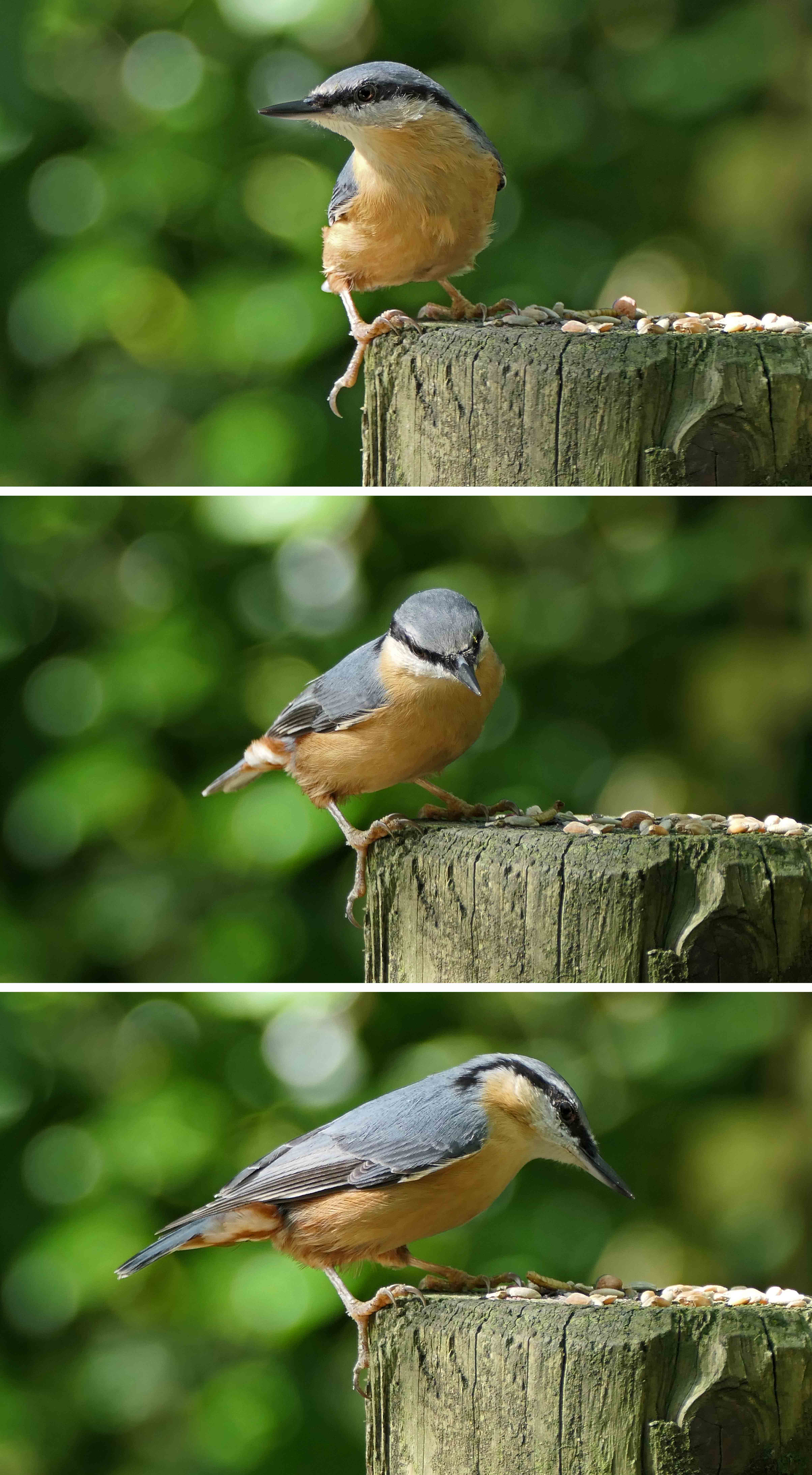
I was wondering how the Nuthatch (Sitta europaea) got its name when I flicked on to the Woodland Trust website and there was the answer: ‘The nuthatch’s habit of hacking at these nuts to retrieve them from their hiding place is thought to have earned the species its name.’ The comment refers to this bird’s practice of stashing nuts in gaps and crevices in the bark of trees as a safeguard against the leaner days of winter, much as squirrels and Jays do.

241026 nuthatch

Inkcaps and bonnets

Tags

, , , , , , ,

For Fungi Friday, here are just a couple of the little flocks of fungi I’ve found during recent walks hither and yon.

241025 inkcaps

These, I think, are Common inkcaps (Coprinopsis atramentaria) that had sprung up beneath the trees near the Norwegian Church in Cardiff Bay. There one day, gone the next, as is usual with these transient fungi.

241025 clustered bonnet

And, as they were growing from an old fallen Oak tree in Cosmeston’s Cogan Wood, I think these are the appropriately name Clustered bonnet, also known as Oak bonnet, (Mycena inclinata).

Leafhopper: Rhytidodus decimusquartus

Tags

, , , , , ,

Though we missed the worst of it here in south-east Wales, last Sunday was a miserable day, the rain and gusty winds of Storm Ashley blasting across the British Isles. Luckily for me, the gloom was much cheered by an email verifying my recent record of this leafhopper, Rhytidodus decimusquartus.

241024 Rhytidodus decimusquartus (1)

It’s always good to have records of new species identified but, in this case, I was particularly chuffed as this was a rare sighting. The Aderyn biodiversity database shows no previous Welsh records, though, when I checked the NBN Atlas to see how many other British records there were, I found one record from 1985 in north Wales (I’m not sure why that’s not showing in Aderyn), and just 30 other British records.

241024 Rhytidodus decimusquartus (2)

I’m sure you’ll agree that Rhytidodus decimusquartus (previously known as Idiocerus decimusquartus) is a handsome little beastie, just 6-7mm long. The British Bugs website warns that leafhoppers in this group can be very tricky to identify but ‘This species has one unique feature that allows definitive identification: the vertex and pronotum have fine transverse ridges’, and these ridges were clearly visible in my photographs. I’ve now found at least four species of leafhopper on the Lombardy poplars where this little one was lurking so I’ll be heading back very soon to see what other wonders I might discover amongst their leaves (if the leaves are still on the trees after all that wind).

Dipping the YBWs

Tags

, , , , ,

I sometimes wonder if I give the impression on here that I always find what I go searching for. That is very far from the truth as today’s blog illustrates.

241023 not ybw (1)

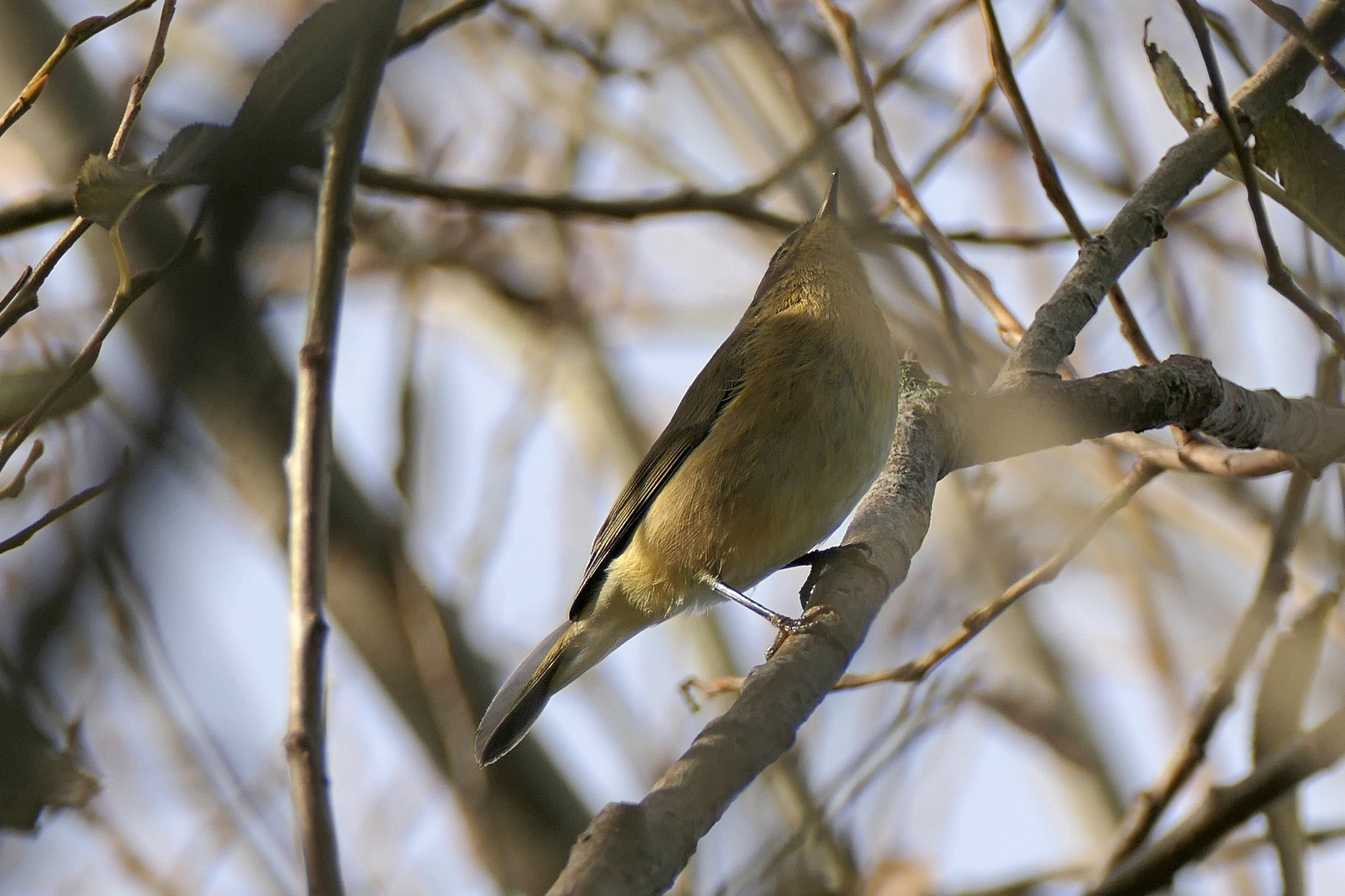
This year, there’s been a much larger than usual influx of Yellow-browed warblers to the UK from their breeding grounds in Siberia. The only time I’ve seen one of these was back in 2020 and there have been none locally since then, until this past two weeks, when at least four birds have been sighted within walking distance of my home. Have I seen them? Not even a distant feather! And I’ve been looking four times, for two of the birds in two different locations, for over 30 minutes at a time, standing staring at trees and listening in vain for their distinctive calls. Nada!

241023 not ybw (2)

I ‘celebrated’ my third time dipping (birder-speak for not seeing) these birds with the following tongue-in-cheek post on social media:

My birding day in 3 photographs, which I have entitled ‘Not a Yellow-browed warbler’, ‘Not a Yellow-browed warbler’ & ‘Definitely not a Yellow-browed warbler’.

These are those photos – the birds, in case you’re wondering, are all Chiffchaffs.

241023 not ybw (3)

Another new seaweed

Tags

, , , ,

241022 toothed wrack (1)

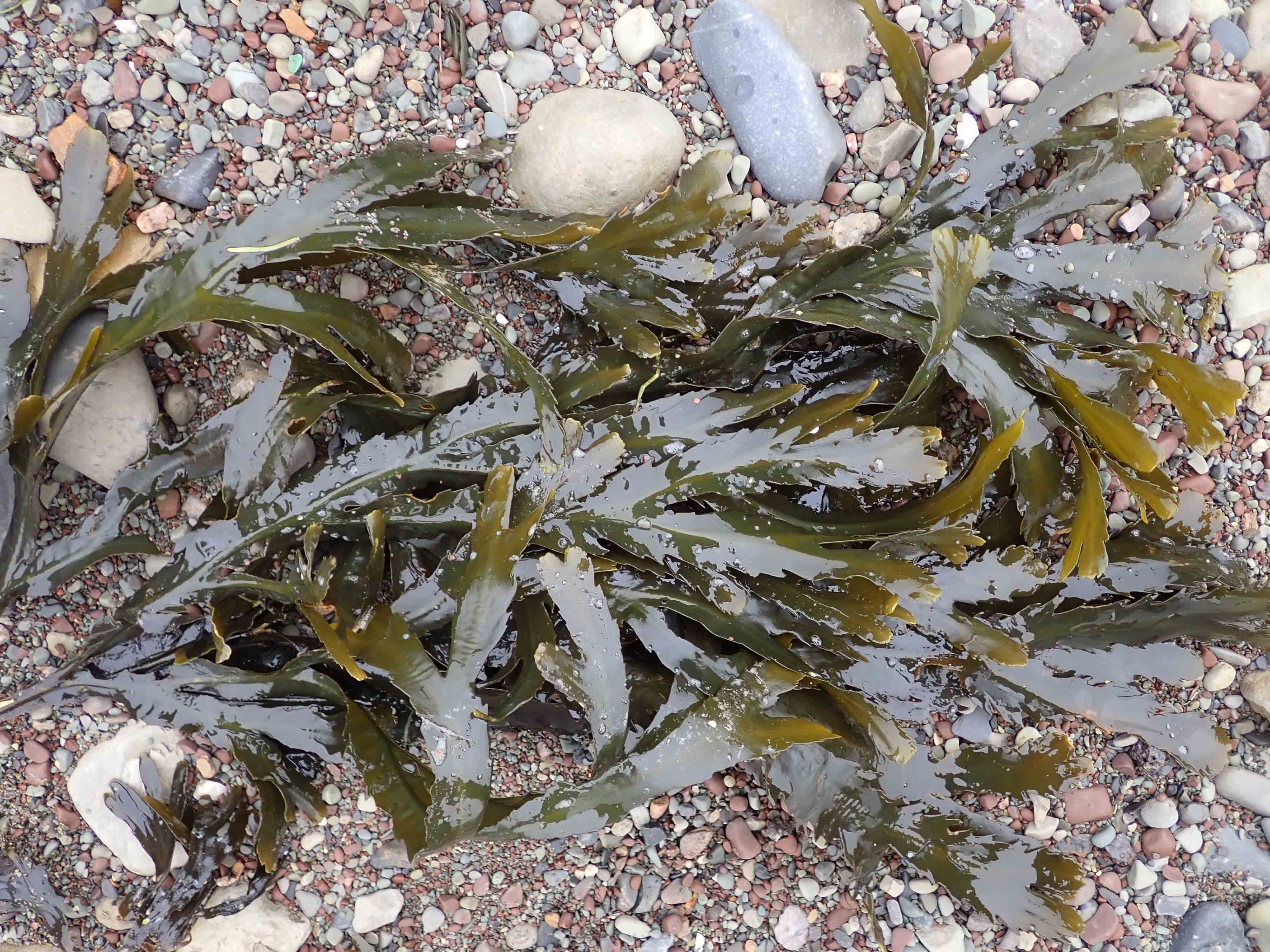
Here’s another new-to-me seaweed, which the British beachcombers amongst you have probably seen many many times already, as it’s very common and found all around the coasts of Britain and Ireland.

This is Toothed wrack (Fucus serratus), also known as Serrated wrack, named for the sharp-looking toothed edges of its fronds.

As seen here, it is a brownish-green in colour, grows from a short stalk (shown in the photo at left), and its fronds are flat, with no air bladders.

241022 toothed wrack (2)

Leafmines: Stigmella trimaculella

Tags

, , , , ,

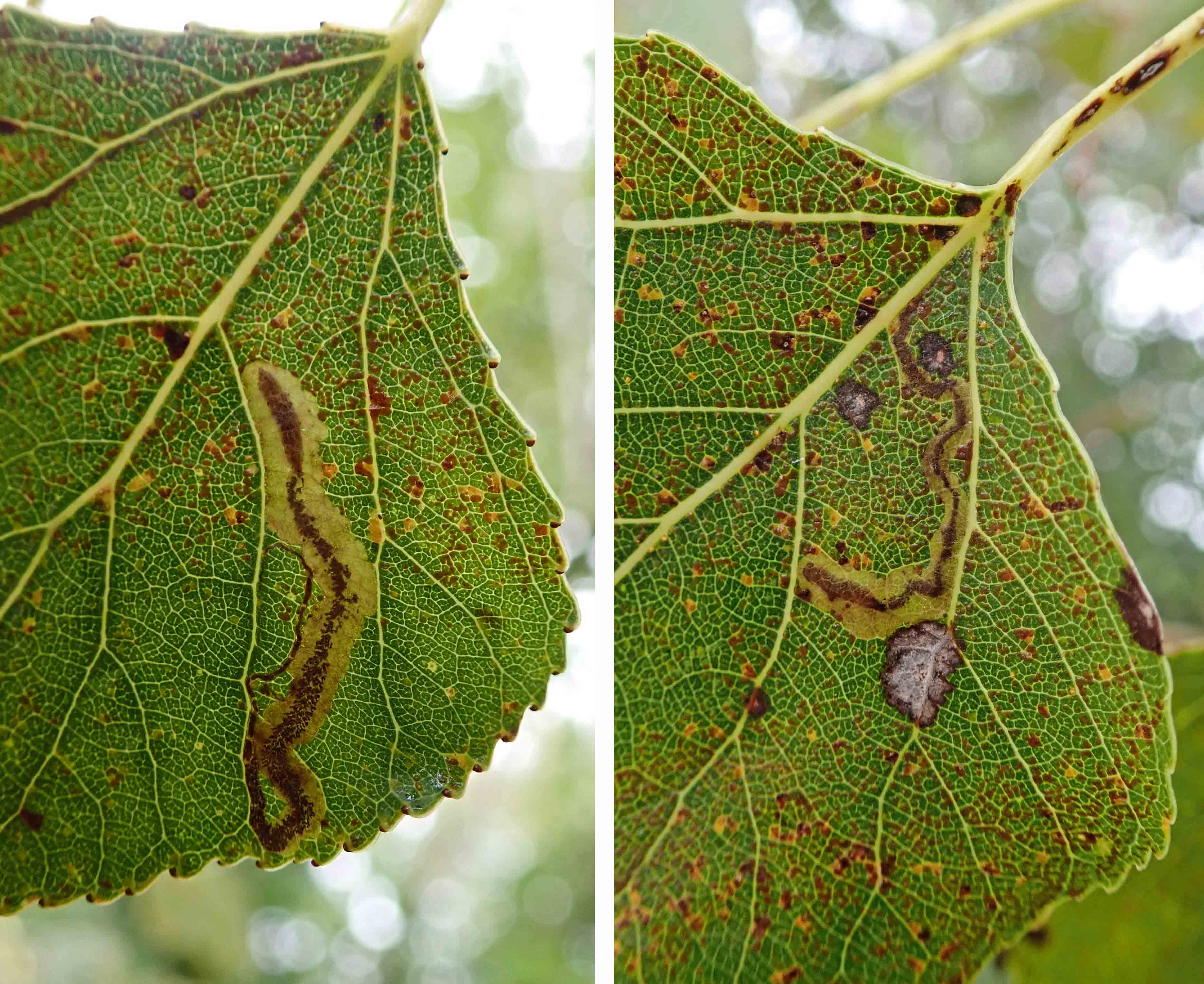
My leaf-mining contacts on X/Twitter and now on Bluesky were posting their lovely images of a mine on Poplar leaves that I hadn’t seen before so, of course, I went looking. These photos (and many more) are the result.

241021 stigmella trimaculella (1)

Though the UK Moths website information on their distribution states that this moth can be found ‘throughout England, where it is fairly common except in the west’ and that ‘there are records from Scotland and Wales, but very few’, there are, in fact, over a hundred Welsh records and they are scattered throughout the country.

241021 stigmella trimaculella (2)

This is Stigmella trimaculella (I love its common name: Three-spot dot), whose larvae munch on the leaves of Populus species – that’s all the various types of Poplar, as well as Aspen. The mine starts out as a thin gallery, widening as the larva grows in size, eventually becoming a silvery blotch. As you can see in the photo below left, the larva is a greenish-yellow in colour and has a brown head. The mines can be found twice each year, between June and July and again from September to October.

241021 stigmella trimaculella (3)

The ones I missed

Tags

, , ,

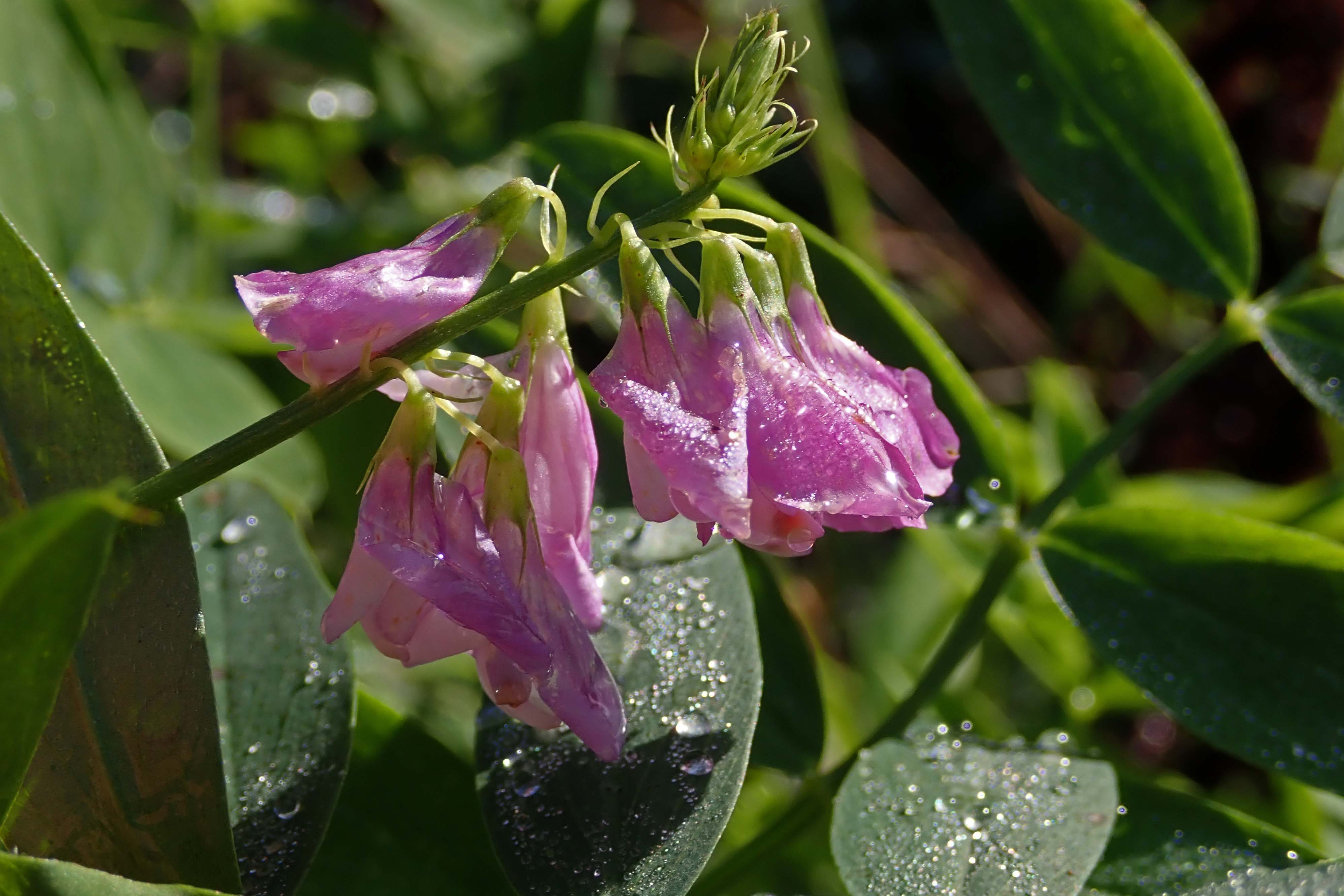
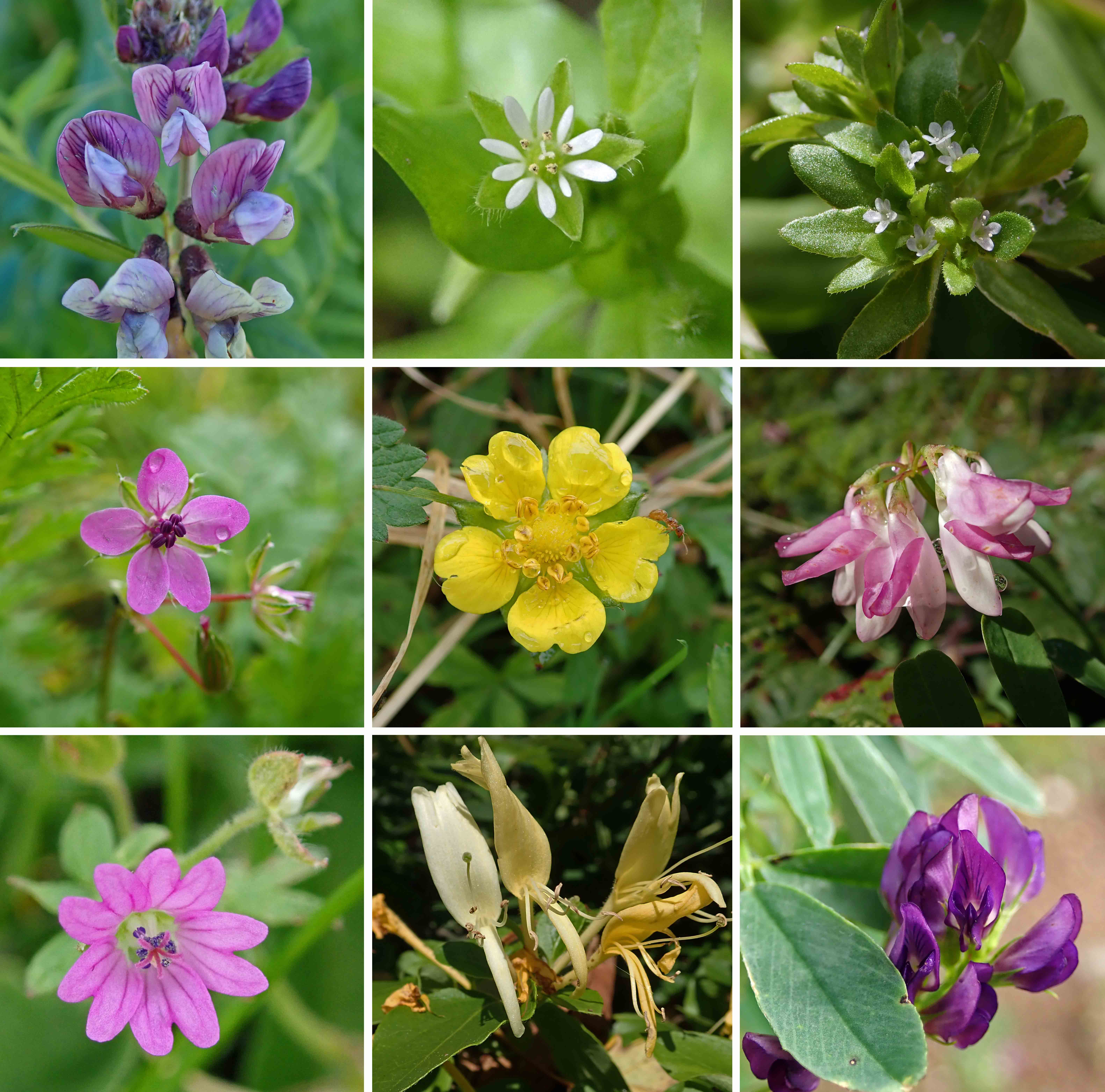
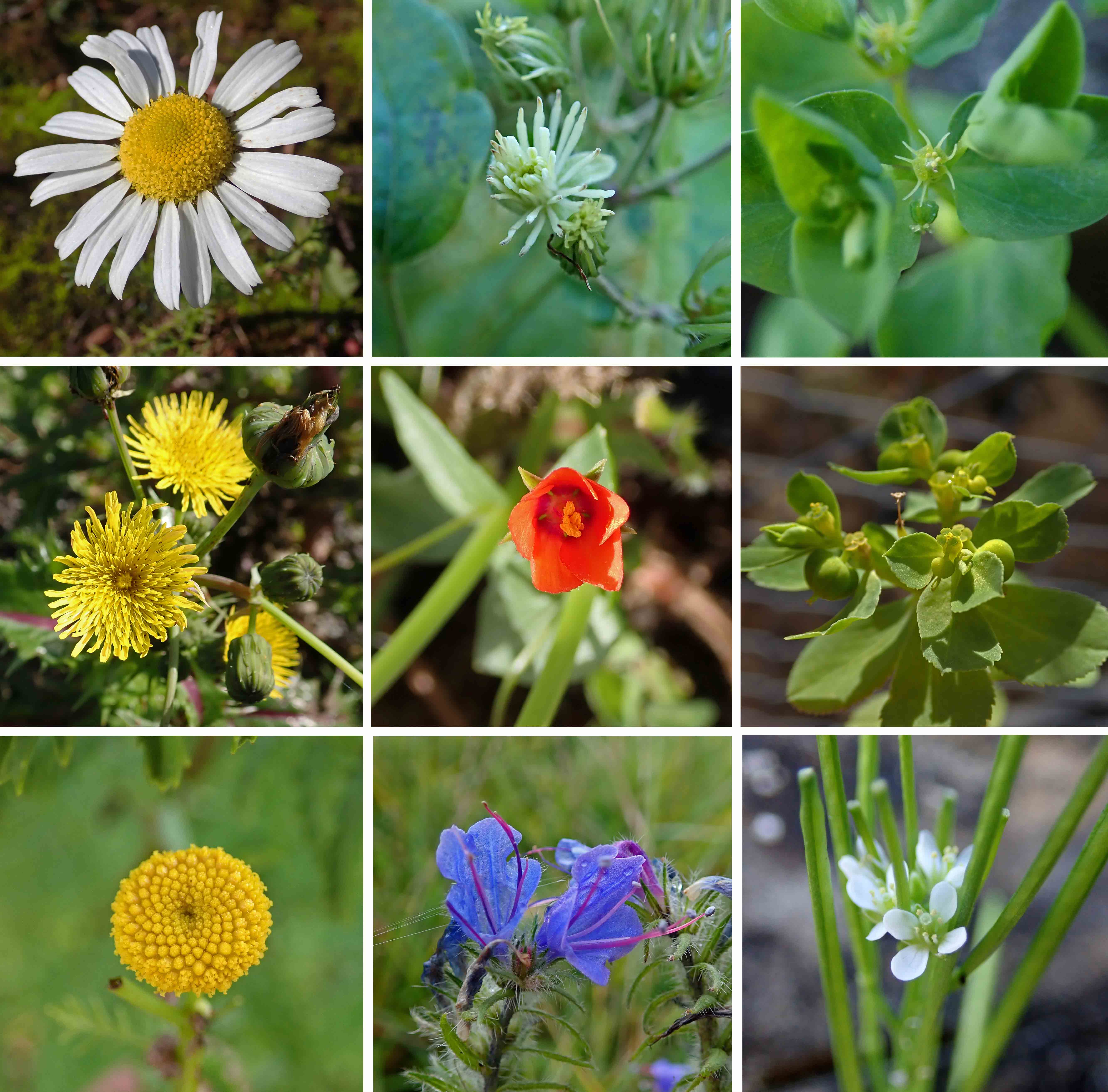
These are some of the wildflowers I missed from last Sunday’s mid-autumn wildflowers-still-in-flower video and have found during this past week, many found during a thorough walk around Cardiff Bay where the vetches, in particular, but also plants like Viper’s bugloss are still in bloom.

241020 goat's-rue

Goat’s-rue

241020 wildflowers (1)

Bush vetch, Common chickweed, Common cornsalad, Common stork’s-bill, Creeping cinquefoil, Crown vetch, Dove’s-foot crane’s-bill, Honeysuckle, and Lucerne.

241020 wildflowers (2)

Mayweed, Old man’s beard, Petty spurge, Prickly sowthistle, Scarlet pimpernel, Sun spurge, Tansy, Viper’s bugloss, and Wavy bittercress.

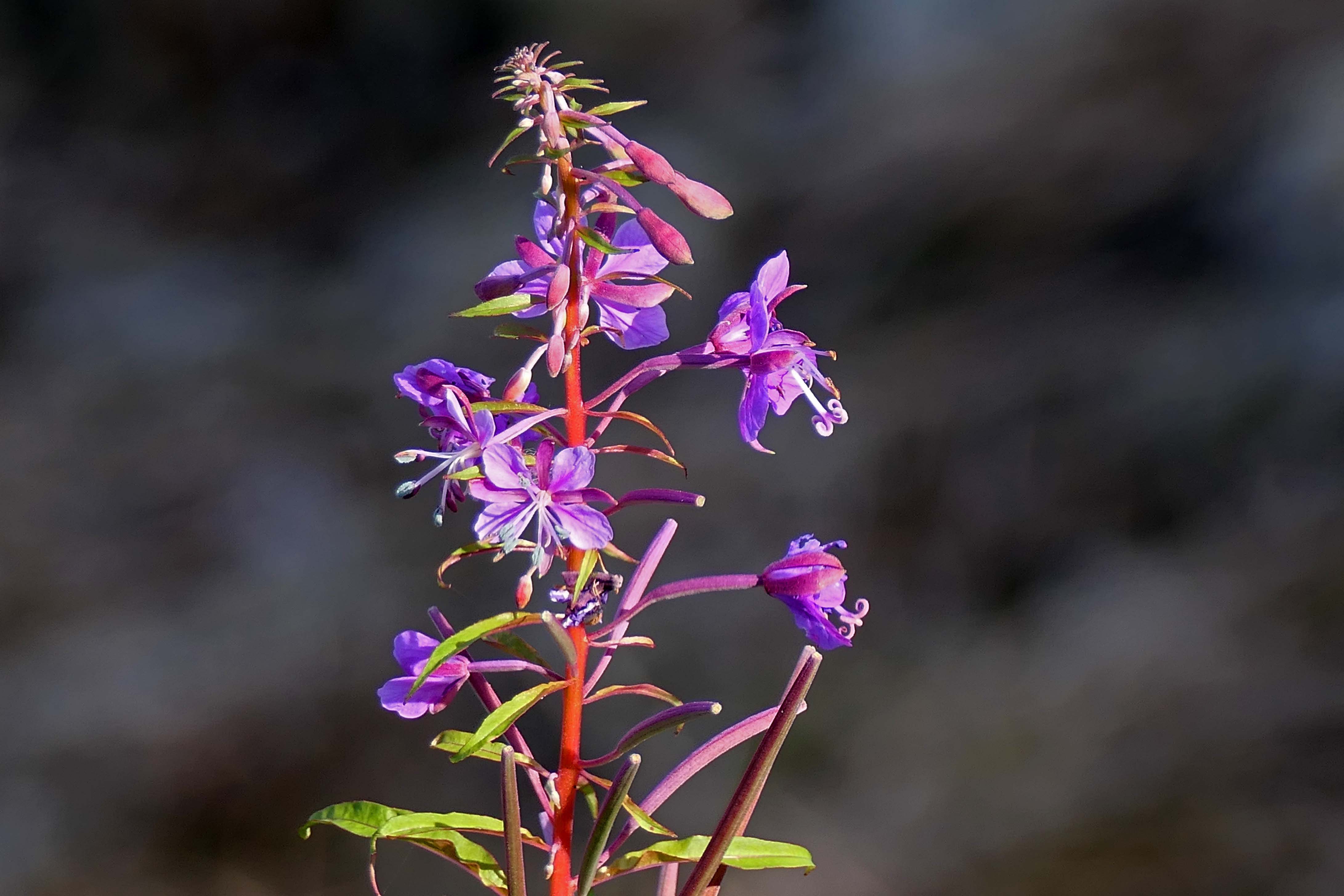
241020 rosebay willowherb

And, last but certainly not least, Rosebay willowherb, which I had to use my long lens to capture as it was growing down a riverside embankment.