Little jokers

Tags

, , ,

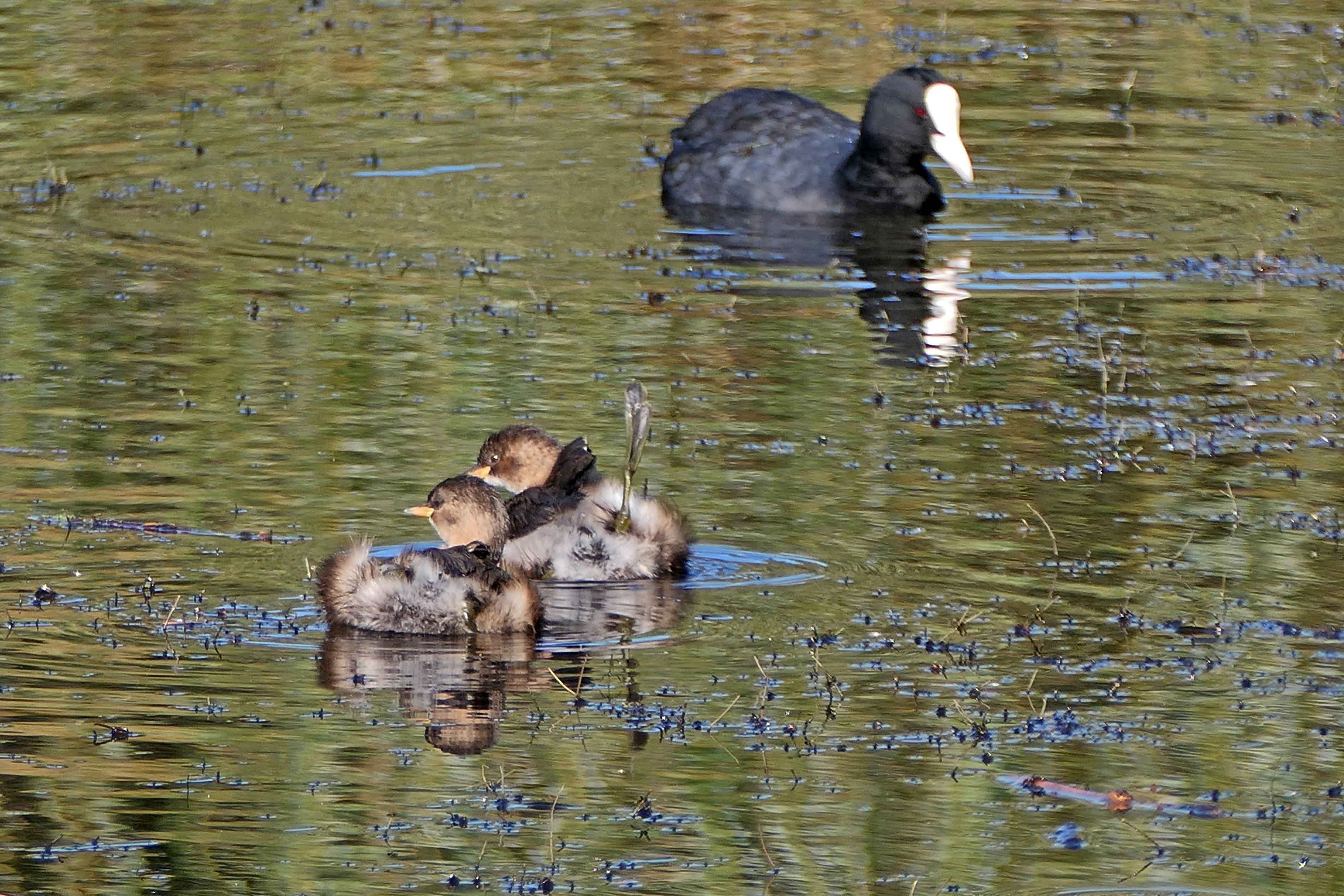
I’ve another mid-week time-line cleanser for you today, this time a couple of Little grebe photographs (sorry they’re not the best images but I hope they’ll produce a smile). The more I watch these cute little fluffy bottomed birds, the more they make me laugh. I caught this first one mid shake so its fluffed out feathers make it look like it’s eaten a lake’s-worth of insects.

241009 little grebes (1)

And, on my next visit to this same lake, a pair of Little grebes was again close enough to the shore for reasonable photos and some quality grebe watching. I’m not sure what this guy thought it was doing – morning exercises, perhaps?
241009 little grebes (2)

Cochylis roseana

Tags

, , , , ,

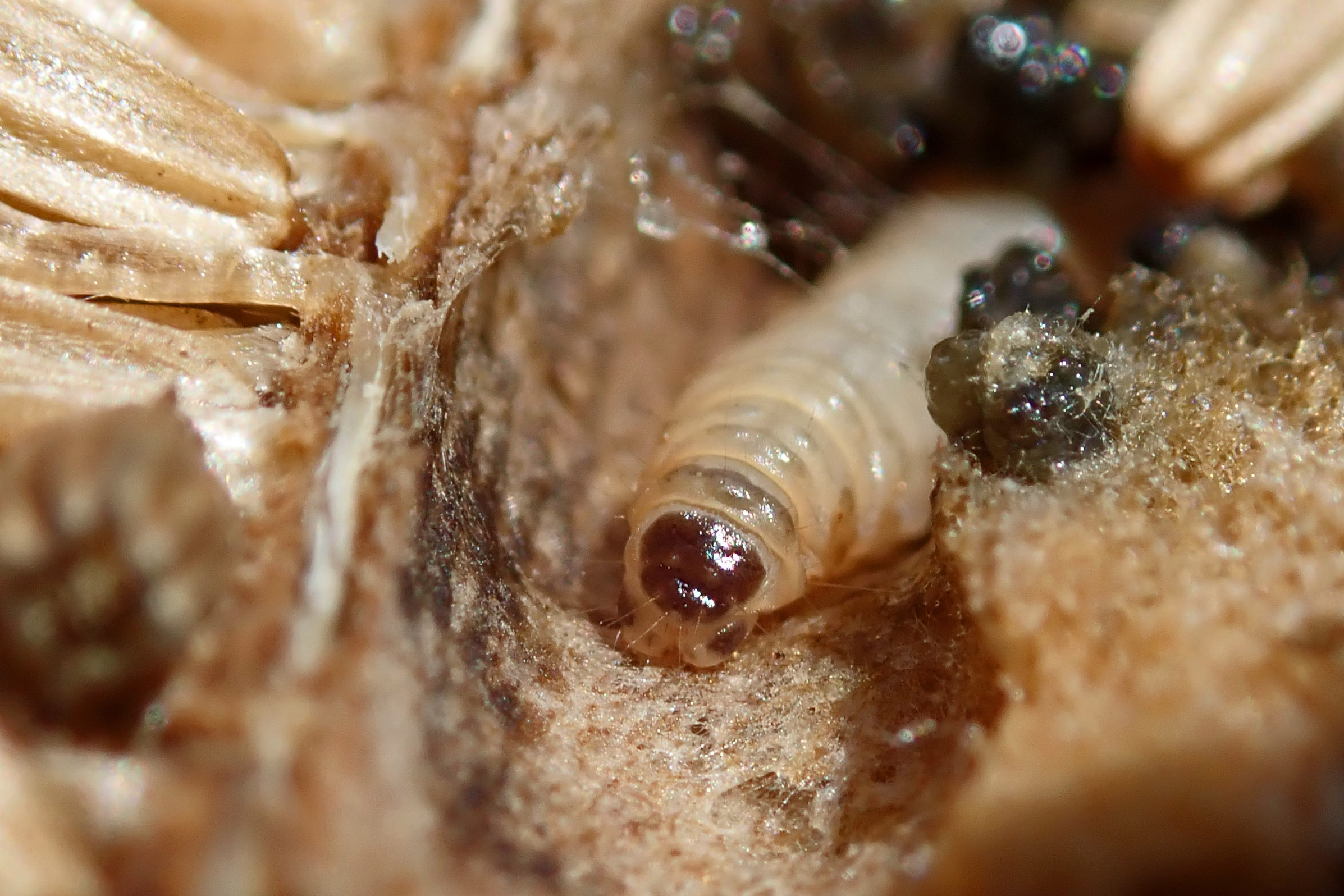
Last Thursday’s blog was about finding an Endothenia marginana larva in a Teasel seedhead. While checking those particular Teasels, I also found the subjects of today’s blog, the larvae of another moth, Cochylis roseana. As its name suggests, the adult is a rather gorgeous rosy coloured moth, though the UK Moths website says that the rosy colour is not always prominent.

241008 Cochylis roseana (1)

As you can see, the larvae, which are white with a greenish tinge, don’t live within the centre space of the Teasel seedhead like the Endothenia, but rather munch their way through the Teasel’s seeds, creating tunnels that circle the centre. The seedhead I opened contained at least three larvae but here may have been more lurking in their hidey holes.

241008 Cochylis roseana (2)

Leafmines: Aulagromyza tremulae

Tags

, , , , ,

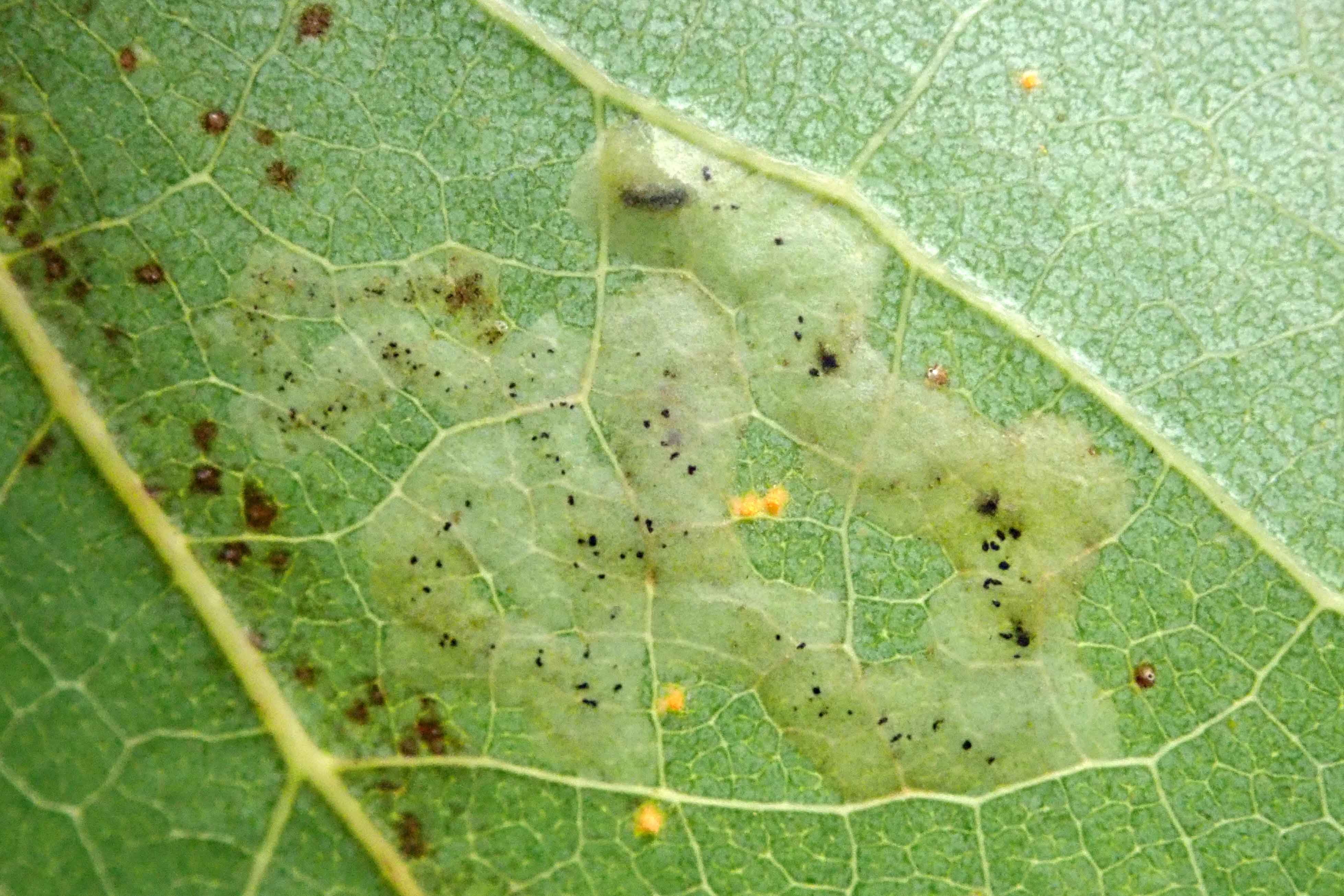
I don’t find many leafmines on Aspen, probably because there aren’t a lot of Aspen trees growing locally. Also, I haven’t been finding many mines made by creatures other than moths but today’s find is an exception, as these silvery meandering gallery mines on Aspen leaves were made by the larva of the tiny fly Aulagromyza tremulae.

241007 Aulagromyza tremulae (1)

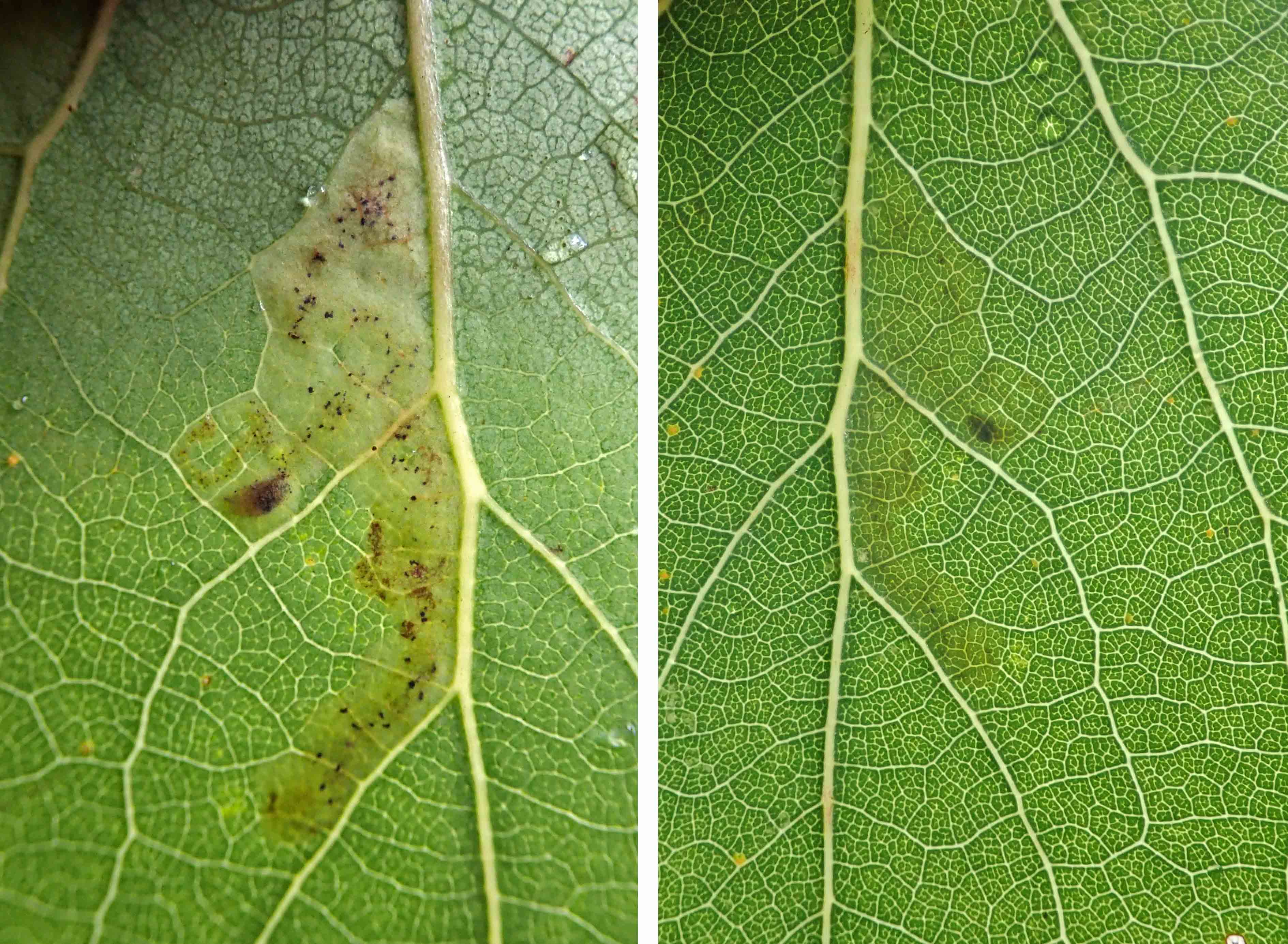
If I hadn’t been doing a spot of leaf-turning, I could easily have missed these mines, as they are almost exclusively made in the lower surface of the leaf (see images below showing the lower and upper leaf surfaces). This is one of the characteristics that distinguishes these mines from those of other species, though Barry Warrington, who runs the National Agromyzidae Recording Scheme and website, discovered this wasn’t always the case when he recently bred Aulagromyza tremulae flies from upper surface mines. (Barry has confirmed the identity of the mines pictured here, fortunately.)

241007 Aulagromyza tremulae (2)

This little fly has two broods per year, so mines can be found on Aspen (Populus tremula), and also on Black poplar (Populus nigra), in the early summer and again in early autumn. I haven’t managed to find any images of the adult fly so maybe I should try to breed one through to see what they look like. If that happens, there’ll definitely be a show-and-tell post.

Cyclamen at the cemetery

Tags

, , , ,

These are probably not wildflowers in the strict sense of the word, but more likely the offspring of a single plant that was placed on a grave in memory of a lost loved one. Yet, over the years, these cyclamen have escaped the confines of the concrete edging around the grave, to spread and naturalise in the surrounding grass and across neighbouring graves, providing this glorious display of autumn colour. What better way to celebrate the life of those we lose than with flowering plants as beautiful as these!

241006 cyclamen

Red velvet mite

Tags

, , ,

It’s amazing how many different creatures you can find when you look at the undersides of leaves: aphids, ladybirds, leafhoppers, craneflies, more aphids, barkflies, galls, leafmines, all kinds of weird and wonderful insect larvae, and lots of varieties of tiny spiders … like this little guy. Although its name is Red velvet mite (there are several and I don’t know which exact species this one is), it has eight legs, so is actually an arachnid. Being bright red makes these wee spiders very obvious and, with its covering of miniscule hairs, it really does look quite velvety.

241005 velvet mite

Scarlet waxcaps

Tags

, , , , ,

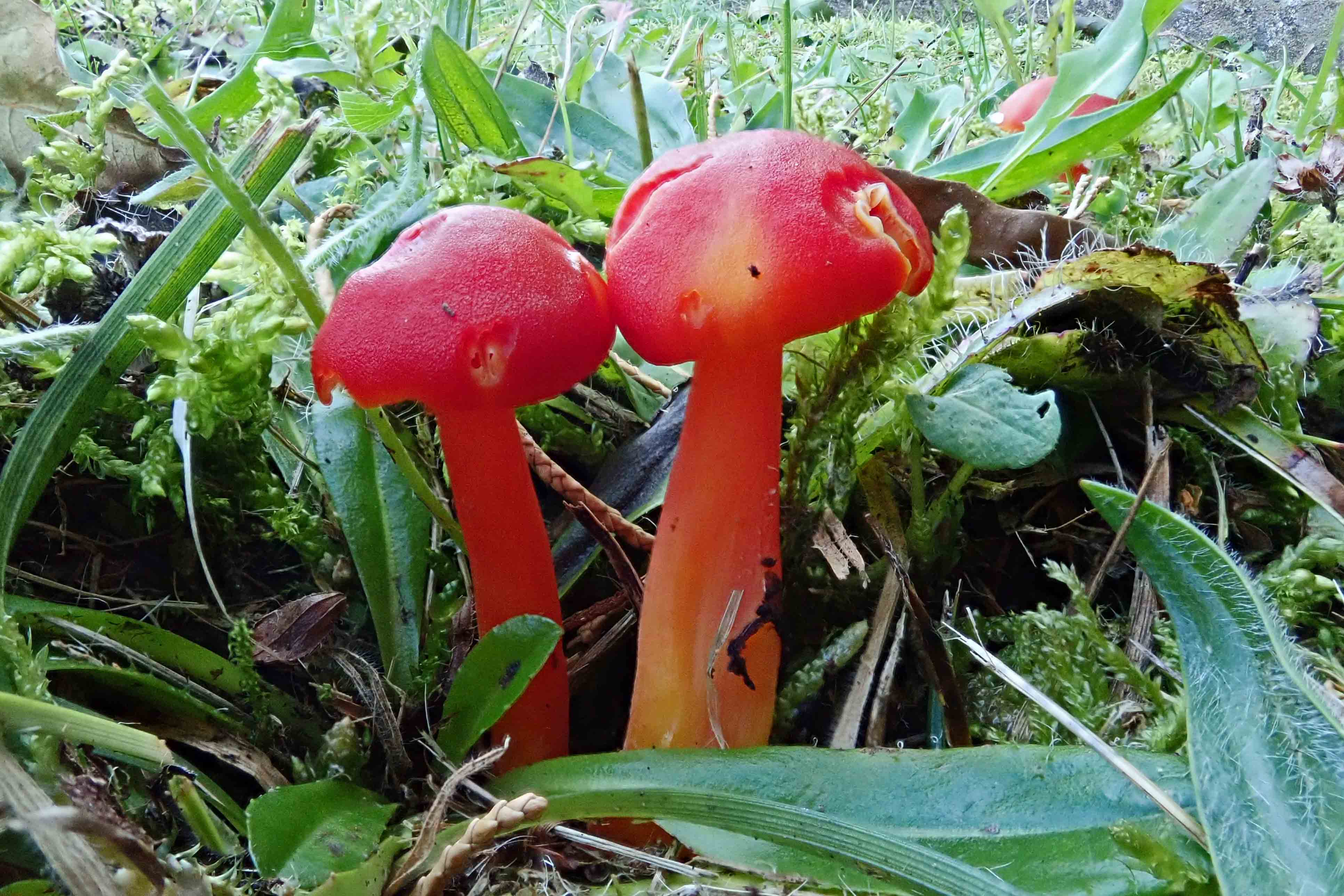
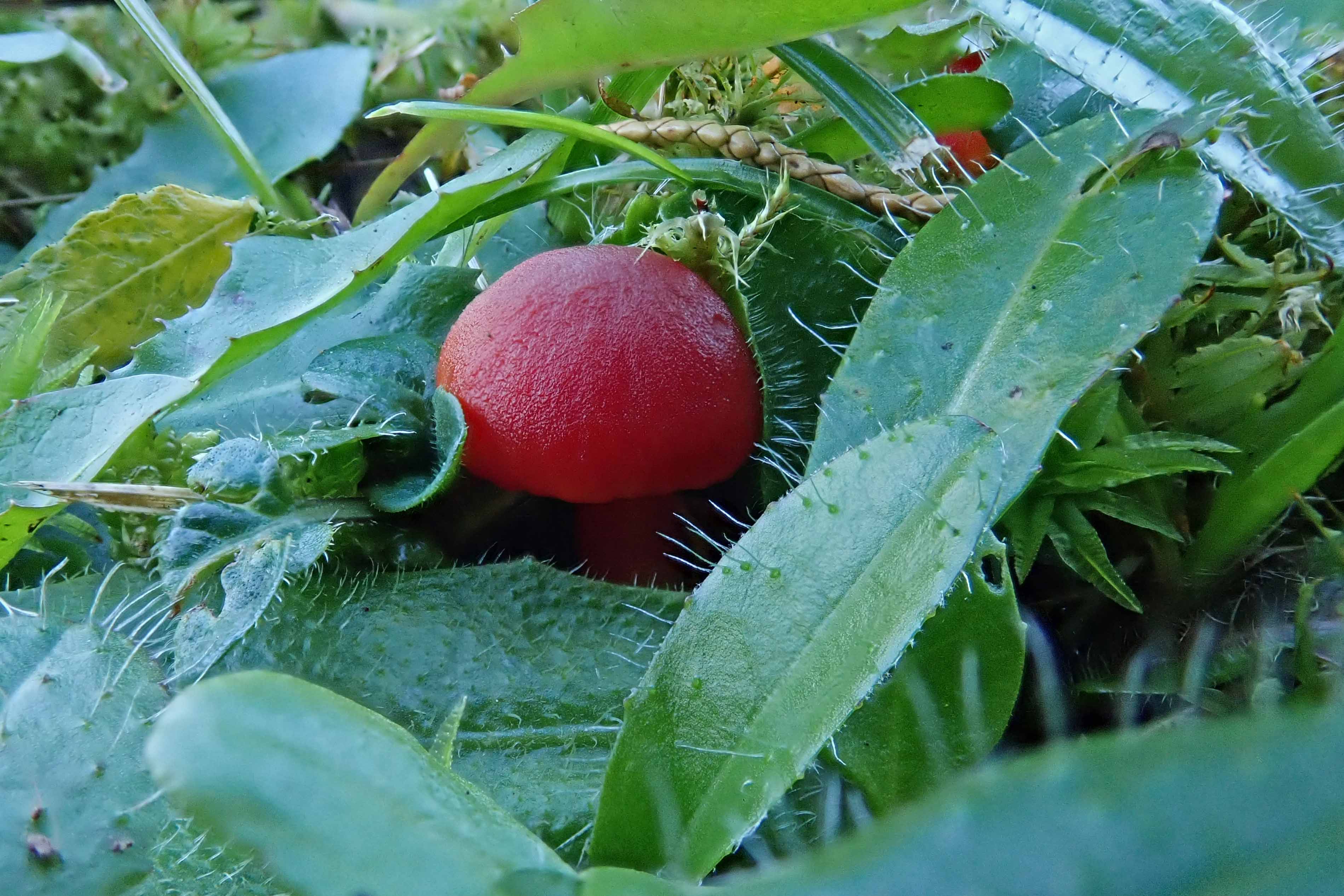
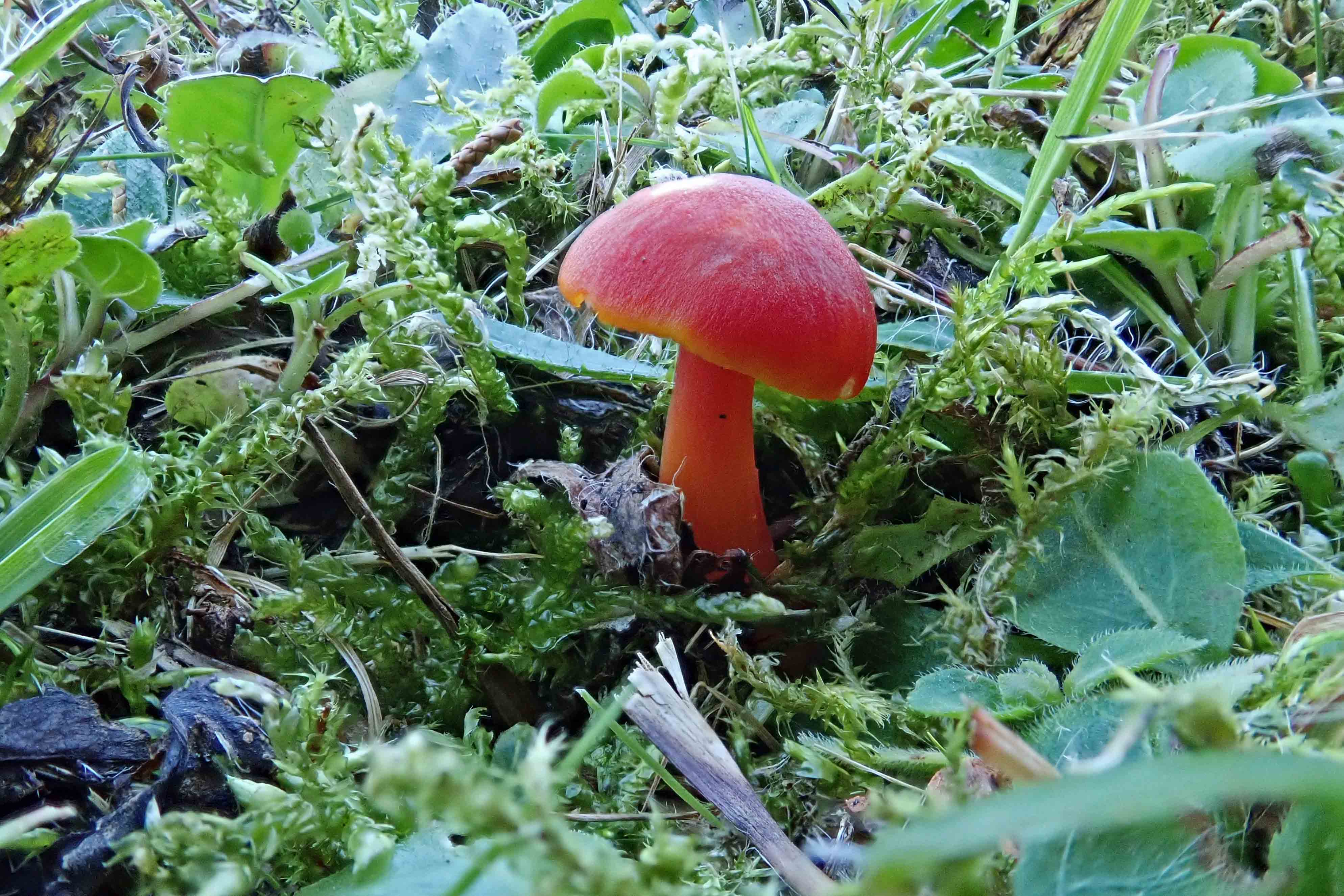
These Scarlet waxcaps (Hygrocybe coccinea) are the little gems I was hoping to find during my last visit to Cardiff’s Cathays Cemetery a couple of weeks ago but they hadn’t yet popped their little gorgeous heads up through the mossy grass.

241004 scarlet waxcaps (1)

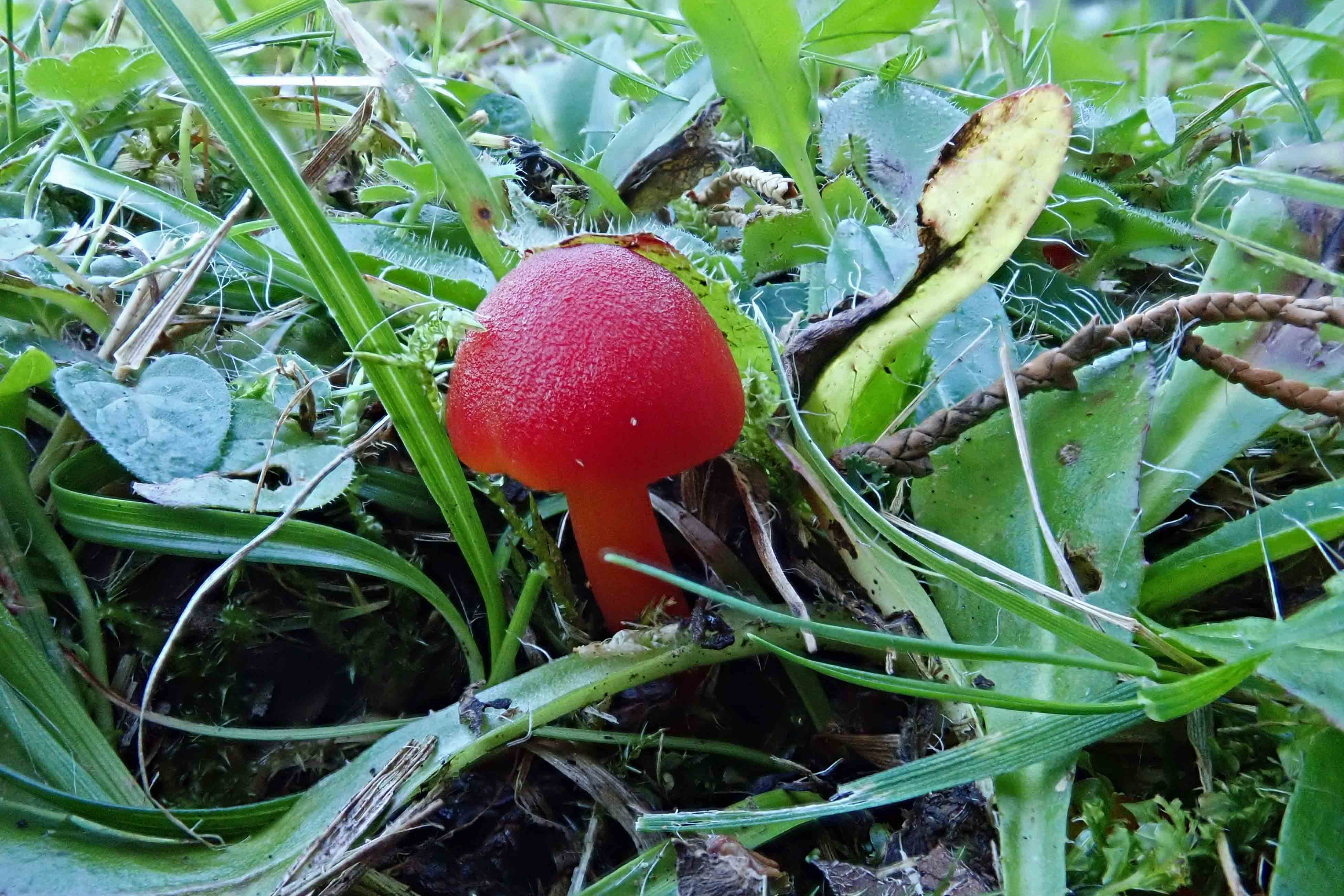
This week some had, though many more were still just tiny scarlet bumps about to burst through.

241004 scarlet waxcaps (2)

Sadly, Cardiff Council workers were in the middle of cutting the grass at the cemetery so the chances of these, and any other waxcaps I didn’t manage to spot, surviving are about zero.

241004 scarlet waxcaps (3)

The cemetery is a SSSI precisely because of its rare waxcaps, and I know from speaking to a local ecologist that the Council has been given information on how they should be managing the cemetery to conserve and enhance the waxcap population. Sadly, like so many councils in the UK, they choose to destroy the environment rather than protect it.

241004 scarlet waxcaps (4)

Endothenia marginana

Tags

, , , , ,

Back in January 2022, I was alerted to the fact that some Teasel seedheads are home to various species of moth larvae, and I blogged about opening three Teasel seedheads to find each one occupied by what proved to be one of the two Endothenia species of moth (Inside a Teasel seed head, 31 January 2022).

241003 endothenia marginana (1)

At the time of finding the larvae, I hadn’t known that I needed to check their rear ends for what’s known as an anal comb, a tiny tuft of hairs. If the anal comb is not present, then the species is Endothenia gentianaeana. If there is an anal comb, then it’s Endothenia marginana.

241003 endothenia marginana (2)

On a recent walk, when I found some Teasels that had been cut down, I decided to check the seedheads for any occupants. And, when I found this larva in one, I made sure to take close-up photos of its rear end – not as easy as you might think when the larva doesn’t want to co-operate. It eventually turned around, I got my shots, and, later, at home, I was able to make out an anal comb (indicated with a blue arrow in the photo below) so, as you may have guessed by the title of this blog, this is the larva of Endothenia marginana.

241003 endothenia marginana (3)

Black tern

Tags

, , , ,

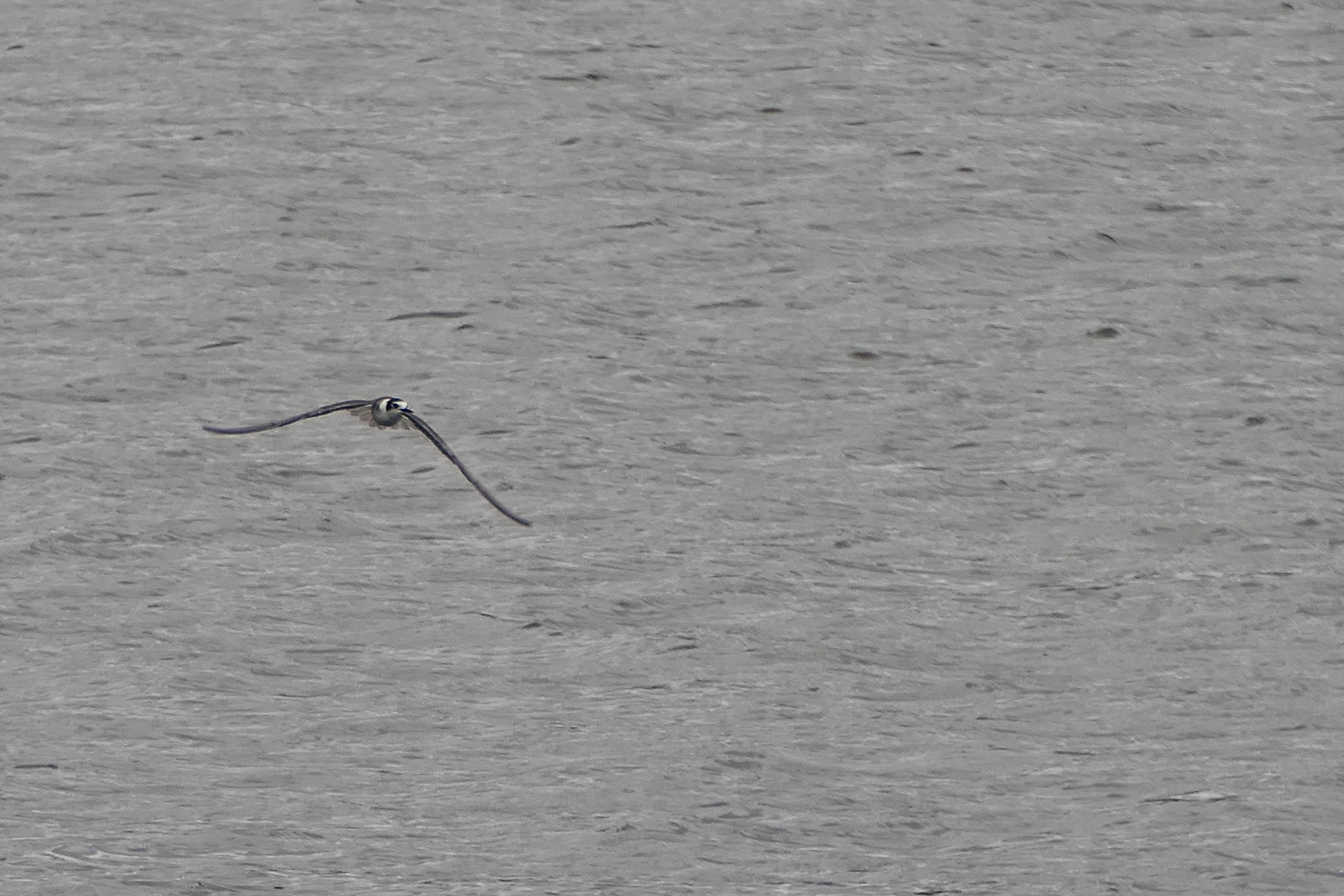
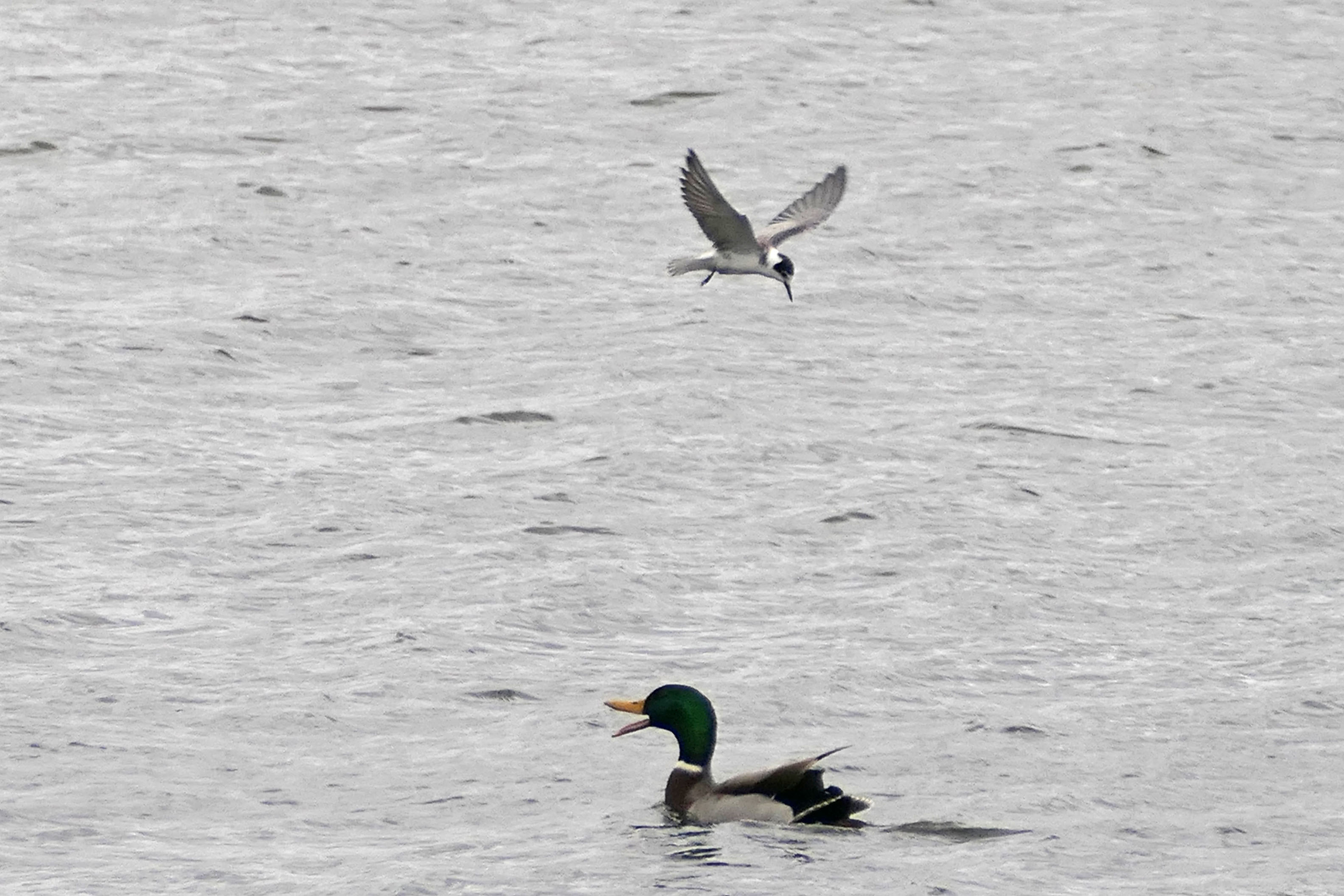
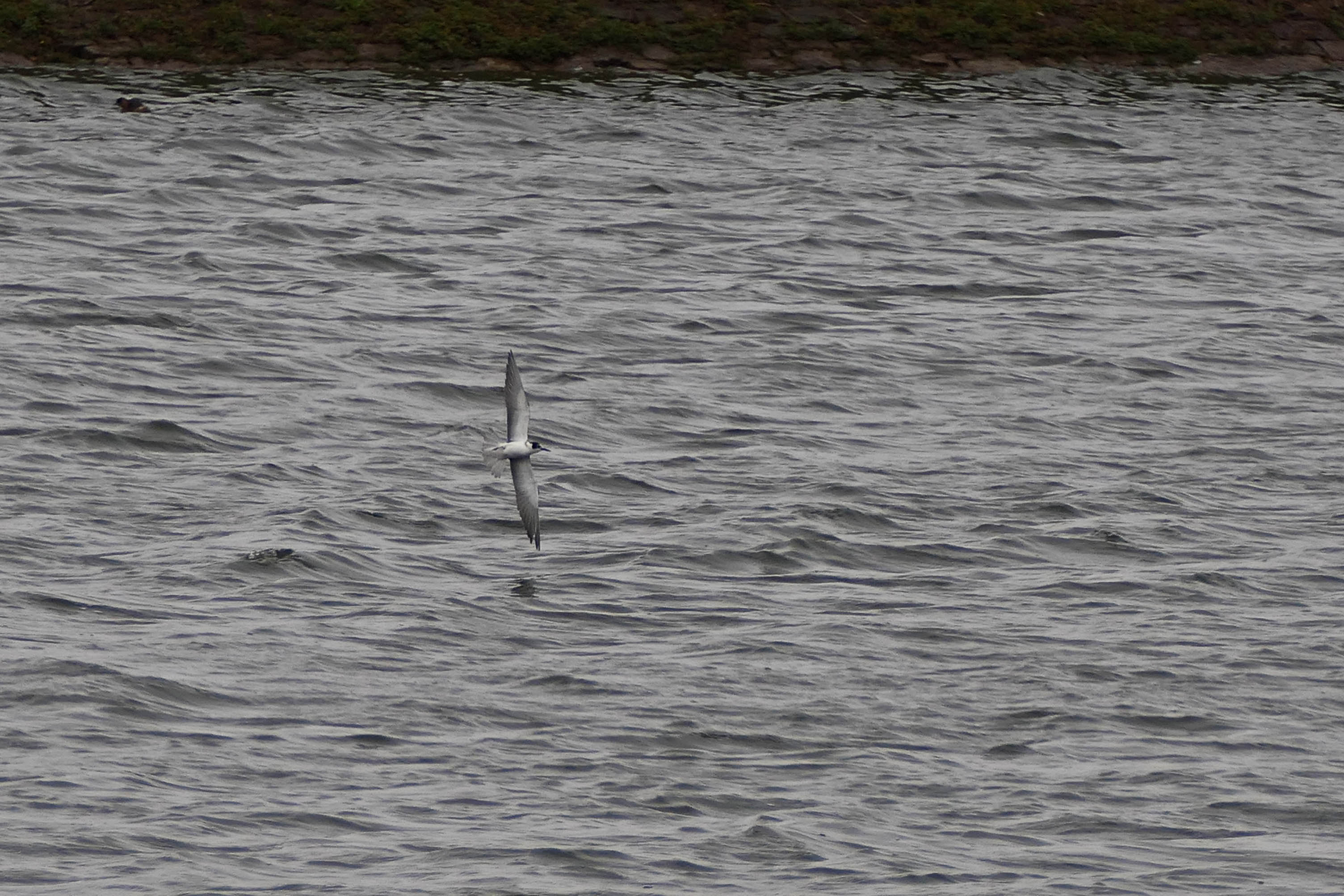
It’s just over two years since any Black terns (Childonias niger) last visited my local area (Phenomenal fliers, 10 September 2022) so I was both delighted and relieved to learn yesterday morning that the Black tern which had been at Cardiff’s Lisvane Reservoir over the weekend was still present.

241001 black tern (1)

After narrowly missing the first available train, I was even more relieved when I eventually got to the reservoir and almost immediately spotted the tern performing its amazing aerial manoeuvres in a constant search for food.

241001 black tern (2)

It was always distant for my camera, and weather conditions weren’t the best, with grey skies and strong blustery winds, but it was such a joy to spend some quality time watching this incredible flier.

241001 black tern (3)

Leafmines: Lyonetia prunifoliella, 2

Tags

, , , ,

As you will have gathered from the ‘2’ in the title, I’ve blogged about this leafmine before (Leafmines: Lyonetia prunifoliella, 9 October 2023).

240930 lyonetia prunifoliella (1)

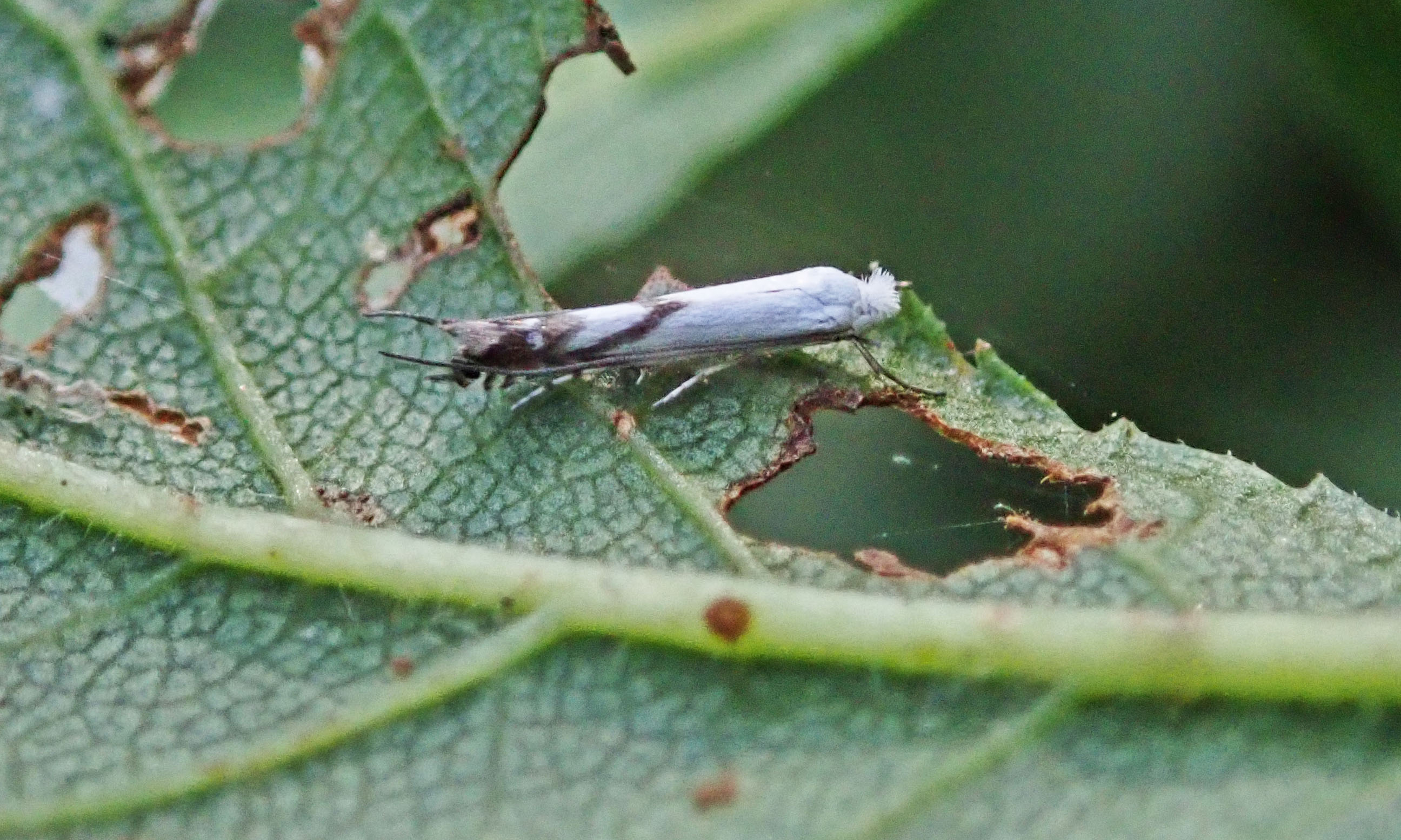
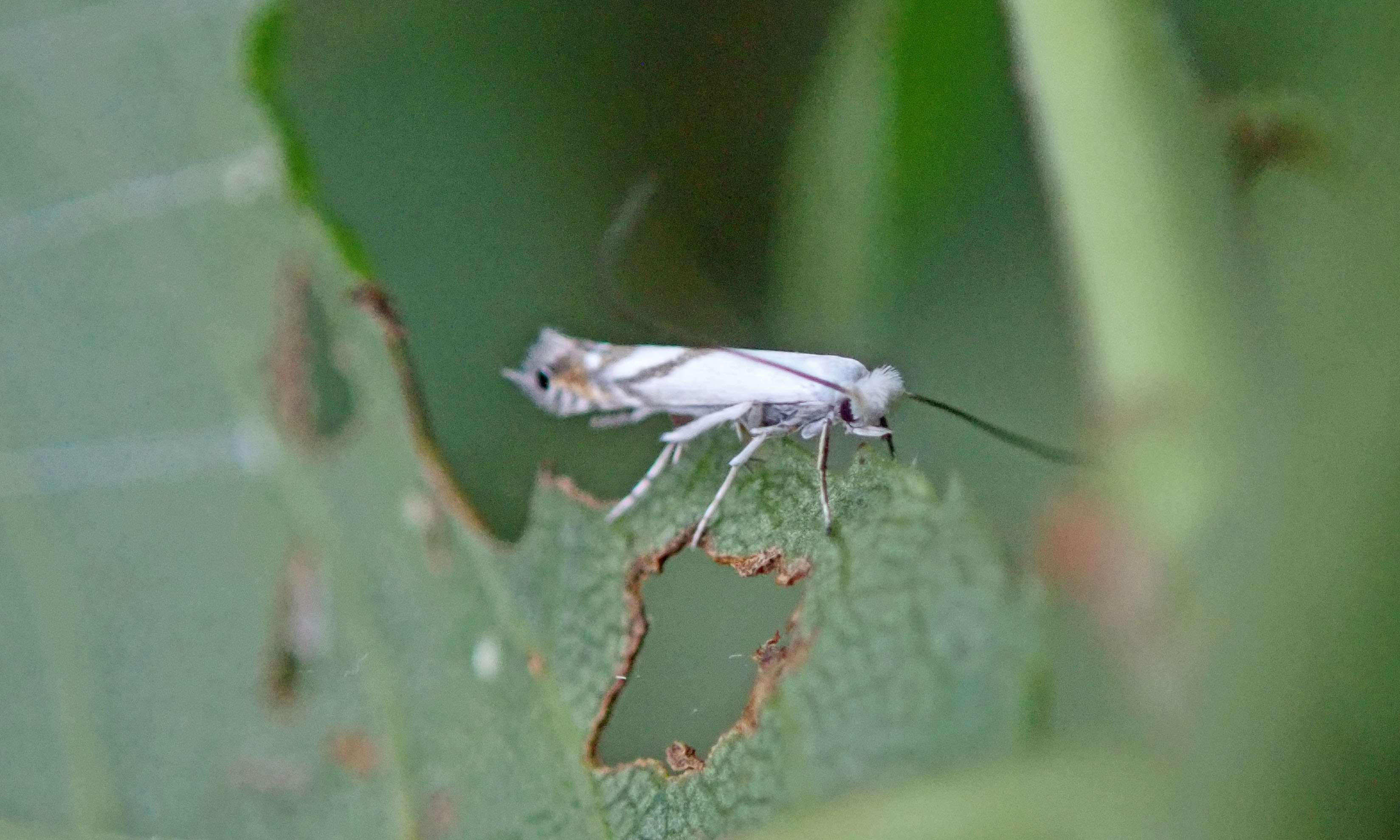
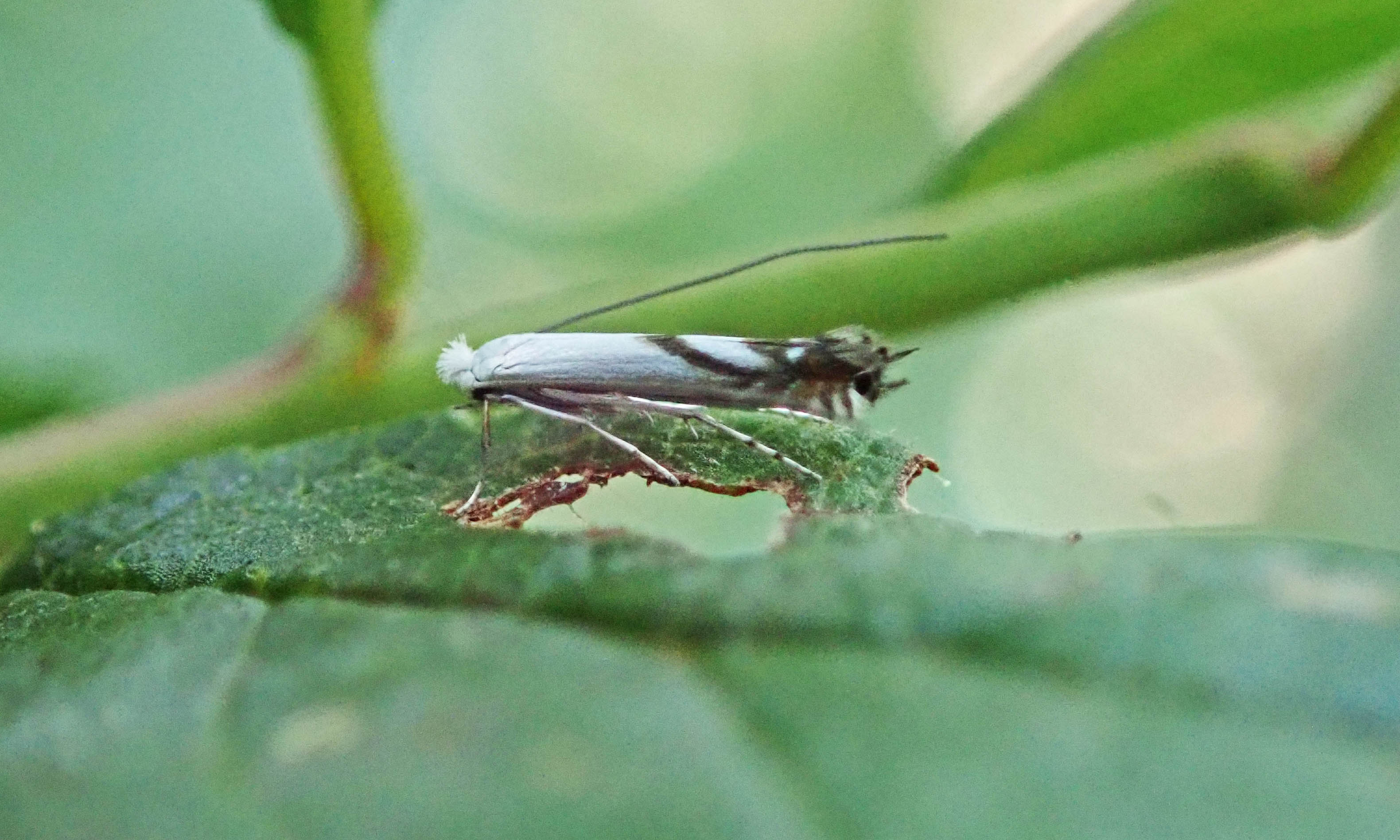
The reason I’m revisiting this species is that, by sheer chance, I turned over a couple of Blackthorn leaves at Cosmeston Lakes Country Park last week and discovered an adult moth sitting next to the ‘hammock’ cocoon from which it had, presumably, very recently emerged.

240930 lyonetia prunifoliella (2)

My photos aren’t sharp as the Blackthorn was growing just inside the edge of a woodland and the light wasn’t good but I was still delighted to find this gorgeous little moth.

240930 lyonetia prunifoliella (3)