Cordyceps fungus

Tags

, , ,

It was tiny and, at first glance, I thought it was one of those madly shaped egg sacks created by sputnik spiders (see The sputnik spider, 6 July 2017), but no. This is my first ever Cordyceps fungus, which is erupting from the body of an insect.

240830 cordyceps fungus (2)

In his publication Fascinated by Fungi, author Pat O’Reilly explains: ‘The Cordyceps mycelium colonises the living insect and mummifies it, keeping it alive just long enough to generate the biomass necessary to produce another Cordyceps … fruitbody.’ I discovered a very similar example to my find, with an excellent detailed explanation of the process, on the Project Noah website here.

240830 cordyceps fungus (1)

Juvenile Tufted duck

Tags

, , , , ,

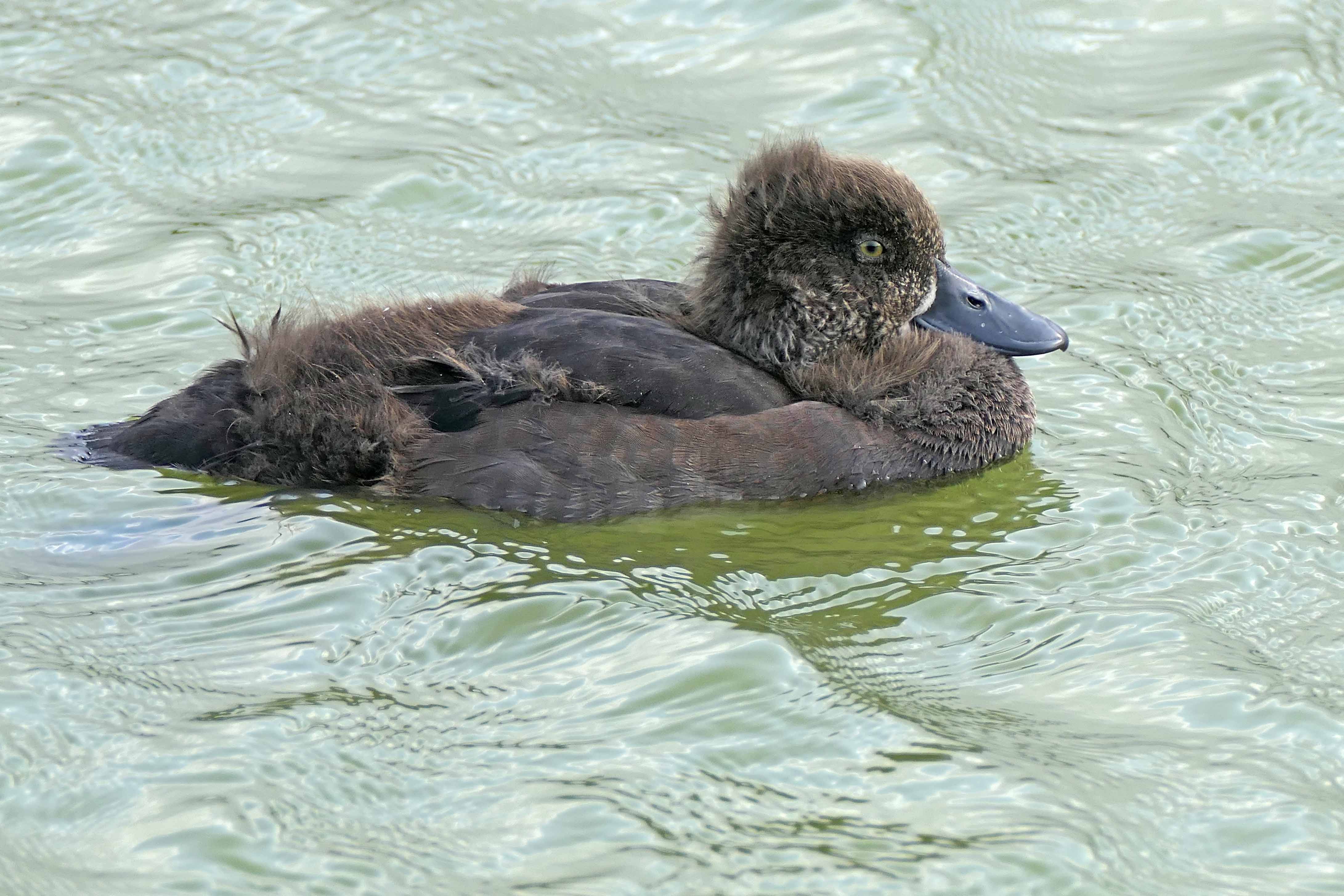
Tufted ducklings are still quite a rare sight in the Vale of Glamorgan, though breeding records have increased in recent years – three broods have been recorded in Cardiff Bay this year, for example. Today’s little bundle of now-partial fluffiness, however, was raised, along with its five siblings, at The Knap in Barry, where I caught up with it on Monday when I went to see the Grey phalarope. The Knap is a very shallow, man-made lake, in a heavily managed park, so it’s not easy to see where the nest was – perhaps beneath some thick shrubs and bushes with a stone wall behind. Still, mother Tufted duck has done very well indeed to raise six ducklings in such a setting.

240829 tufted duckling

Aleiodes mummy wasp

Tags

, , , ,

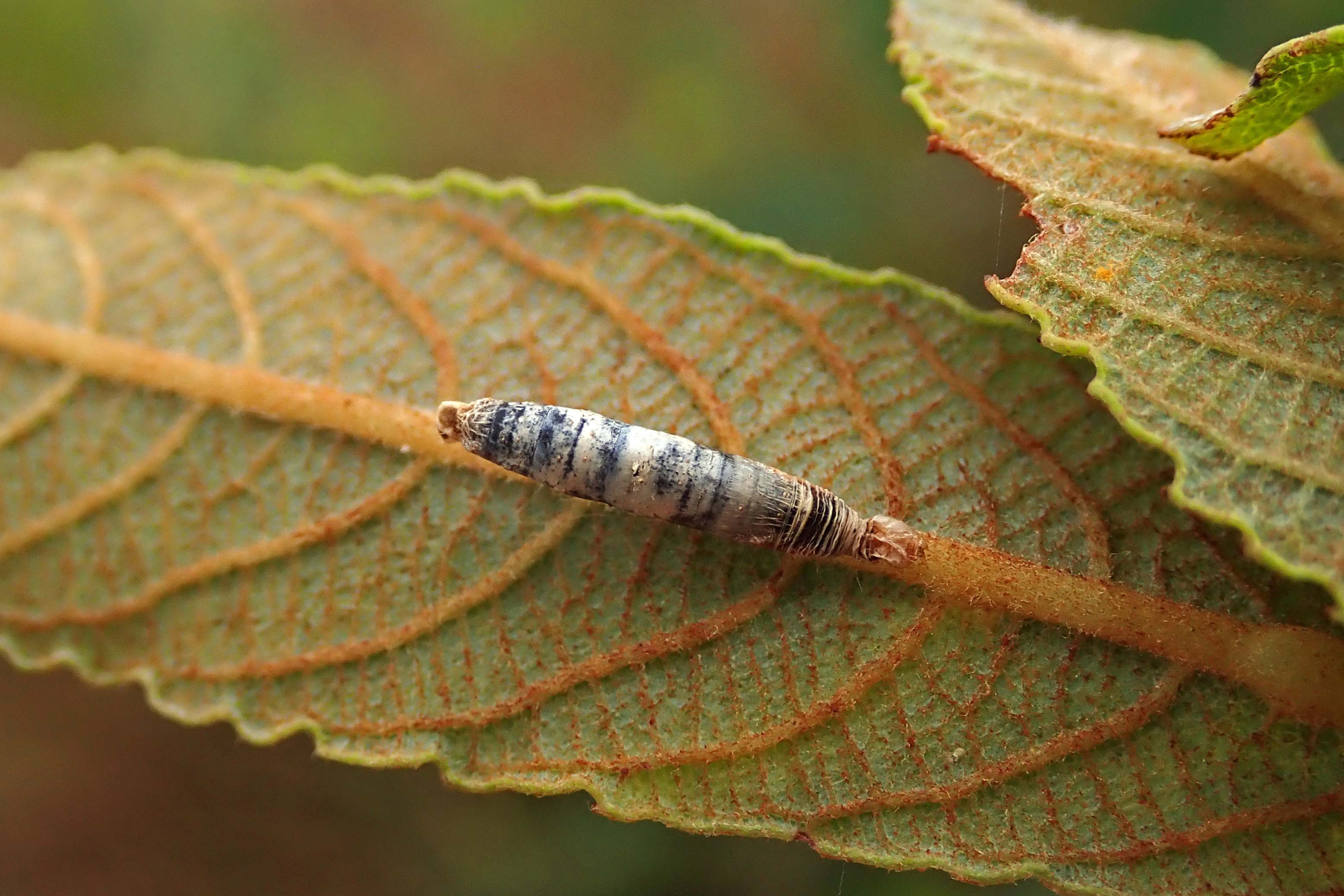
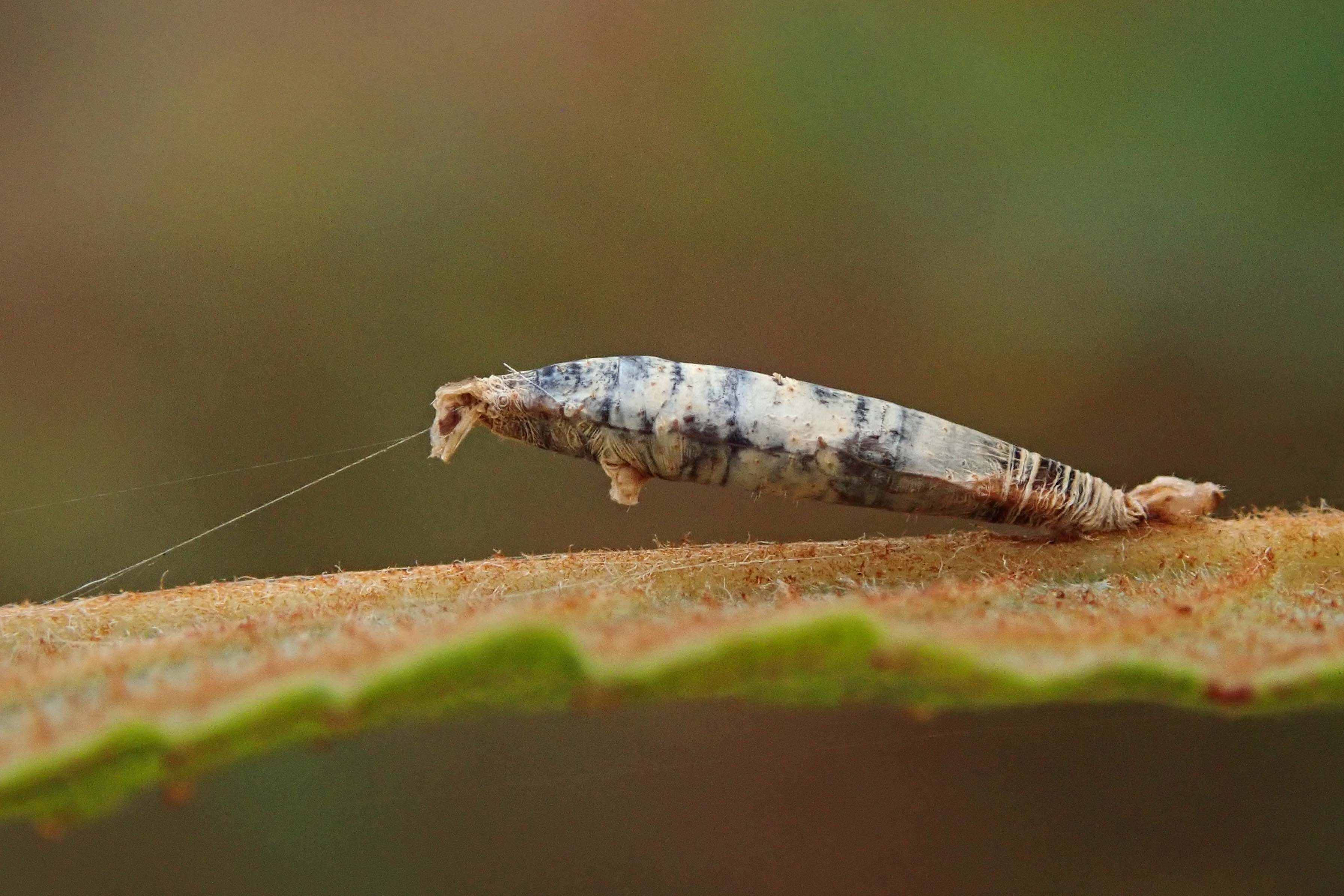
I found this remarkable but tiny object a couple of weeks ago when checking out some Buff-tip moth caterpillars on a small willow tree, but I’ve delayed posting about it until I had confirmation of identification.

240828 aleiodes (2)

The situation is this: a female Aleiodes wasp (species unknown) laid her egg in a caterpillar (species also unknown). When the egg hatched, it fed inside the caterpillar, eventually leaving the skin of the caterpillar hardened, in a state many people describe as a ‘mummy’, which is why the Aleiodes wasps are commonly referred to as mummy wasps. The wasp larva pupates inside the mummy, and will eventually bite a hole in the outer skin to emerge as an adult. As I was intrigued to see what might emerge, I’ve brought this mummy home, and it’s currently in a jar on my kitchen window. If/when something emerges, I’ll post about it.

240828 aleiodes (1)

There’s an image on Bug Guide website that looks quite similar to the mummy I found, and another on Jungle Dragon, where you can see the exit hole made by the adult wasp (or wasps) when it/they emerged from pupation.

Juvenile Grey phalarope

Tags

, , , , , ,

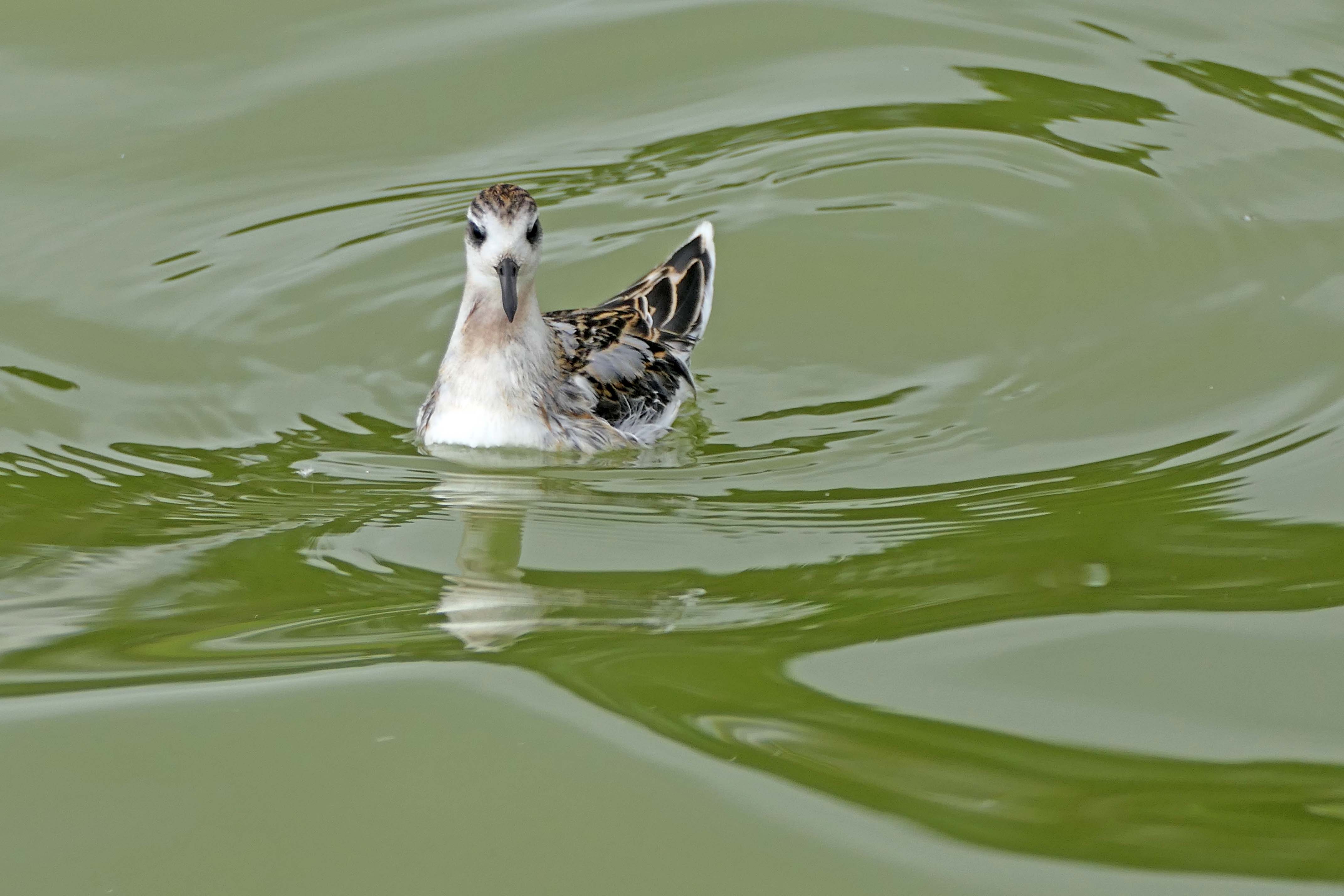
Storms can be destructive, terrifying, and costly but, sometimes, they can also be bountiful. We were lucky here in south Wales to avoid much of the severe weather from last week’s eleventh named storm of the year, Storm Lilian, but we have had very strong westerlies for several days and, on Sunday, they brought local birders a stunning avian gift in the form of this juvenile Grey phalarope.

240827 grey phalarope (1)

And, even better for low-carbon birders like me, this little charmer was very accessible, spending its time on a man-made lake at The Knap in the seaside town of Barry. For me, this was just a walk, a train ride and a second walk away, so I went to see it yesterday morning, a Bank holiday Monday here.

240827 grey phalarope (5)

The Grey phalarope (Phalaropus fulicarius) breeds in the Arctic and, at this time of year, is beginning its migration south to the tropical seas where it over-winters. And during its migration, between September and December, is typically when birds like our little visitor are blown inland by storms.
240827 grey phalarope (2)

They are stunning birds to watch, as they have quite an unusual method of feeding, constantly spinning left and right and sometimes round and round, as they pick tiny invertebrates from the water. Watching this one almost made me feel giddy, and also made it difficult to photograph as it was never still.

240827 grey phalarope (4)

On the positive side though, Grey phalaropes are often very confiding and this little beauty was certainly that, paying absolutely no heed to its many admirers, and coming to within a foot or so of the birders and locals watching it from the lake edge. Such a treat!


240827 grey phalarope (3)

Leafmines: Cephalomyza labiatarum

Tags

, , , , , ,

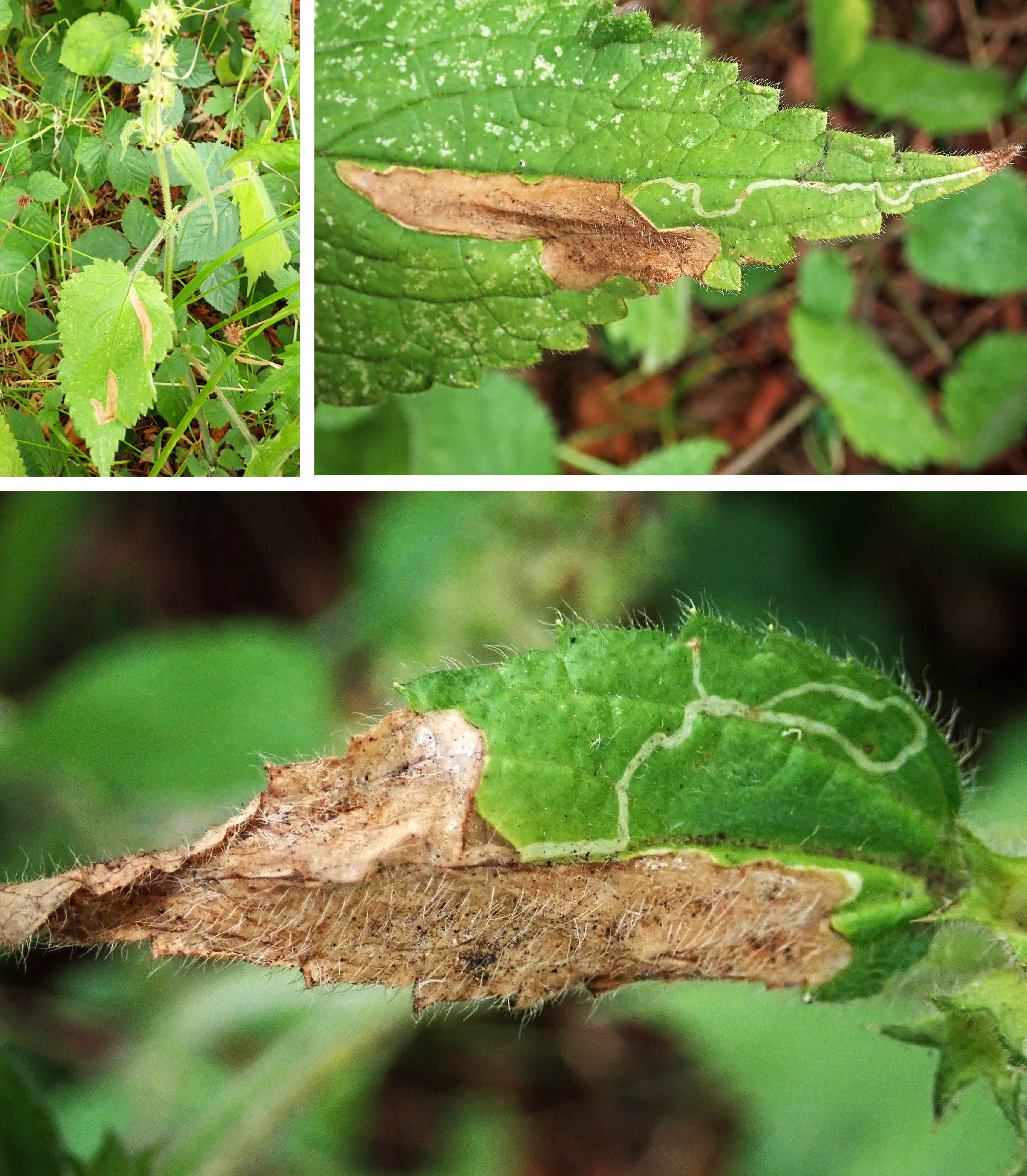
Since I read earlier in the year about the larvae of one of the case-bearing moths living on Hedge woundwort (Stachys sylvatica), I’ve been checking those plants whenever I see them. I’ve not yet found the Coleophora species but, a week or so ago, I did find some leafmines I’d never seen before. These are the larval mines of the fly Cephalomyza (formerly Amauromyza) labiatarum and they can, in fact, be found on a very wide range of plants (the Agromyzidae Recording Scheme website lists the following species: Ajuga, Ballota, Galeopsis, Glechoma, Lallemantia, Lamiastrum, Lamium, Leonurus, Lycopsis, Marrubiam, Melissa, Mentha, Prunella, Satureja, Scutellaris, Stachys, Teucrium, and Verbena). As you can hopefully see from my photos, the larva’s initial feeding creates a long thin line, which later becomes a large blotch mine. You can see more images on the Agromyzidae RS site referenced above and on the British Leafminers website.

240826 Cephalomyza labiatarum

Prickly lettuce

Tags

, ,

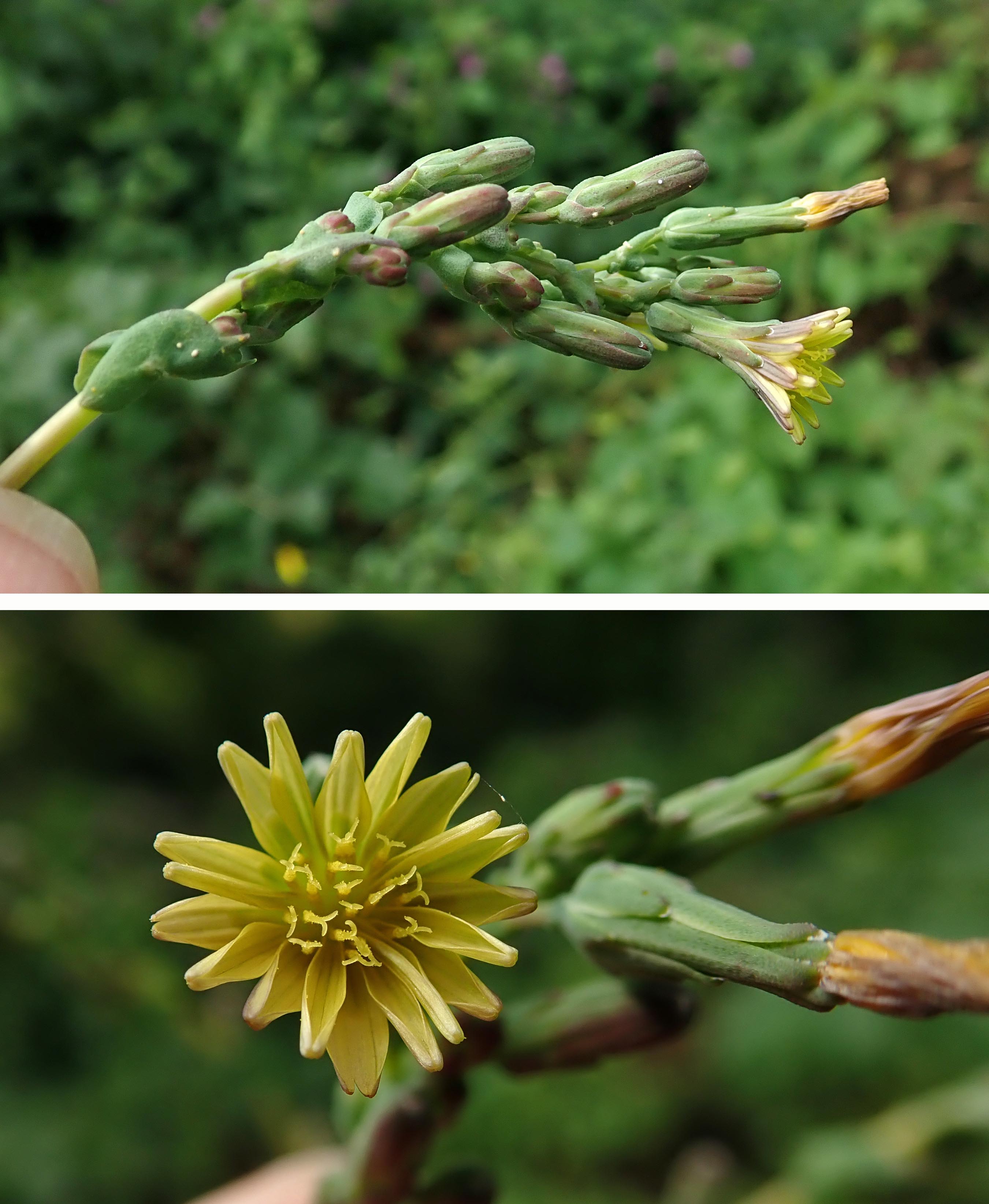
I saw someone mention this plant on social media, looked it up and thought why haven’t I seen that, and the very next day there it was, growing amongst a riot of wildflowers and grasses alongside a smelly brook in a Cardiff park. This is Prickly lettuce (Lactuca serriola).

240825 prickly lettuce (1)

It’s described on the Naturespot website as:

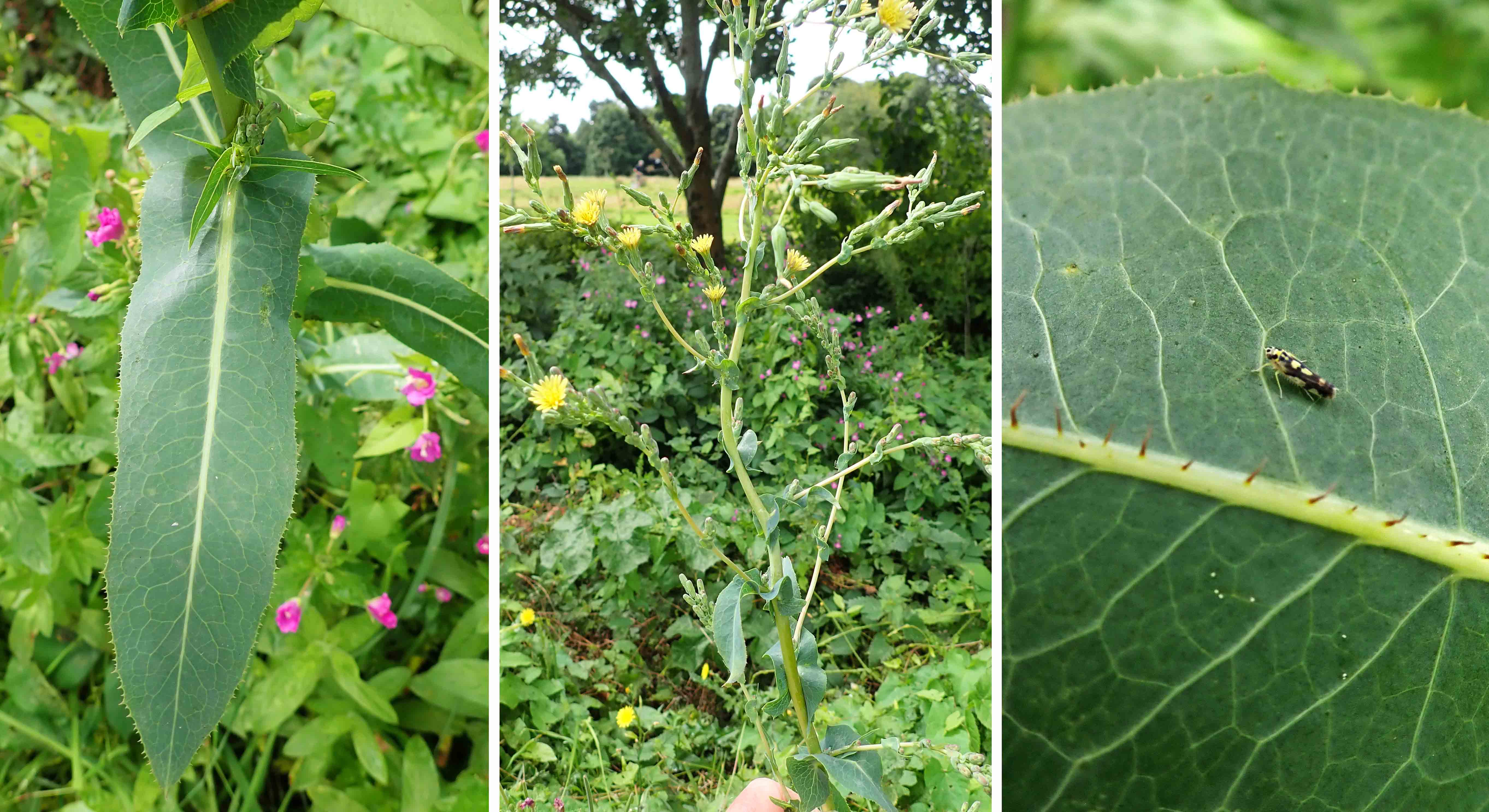
Tall, greyish, stiff and erect plant to 1.8 metres. Stem sometimes bristly. Leaves alternate, oblong, prickly on margins and along the mid-rib beneath, sometimes irregularly lobed, clasping the stem with arrow shaped points. … Flowerheads pale yellow 11 to 13 mm numerous, in a narrow pyramidal panicle.

240825 prickly lettuce (2)

I wasn’t one hundred percent sure of my identification until I turned over a leaf to follow the leafhopper that had disappeared beneath and spotted that vicious-looking row of spines along the mid-rib (though they weren’t actually as vicious as they looked).

Wren in the umbellifers

Tags

, , , ,

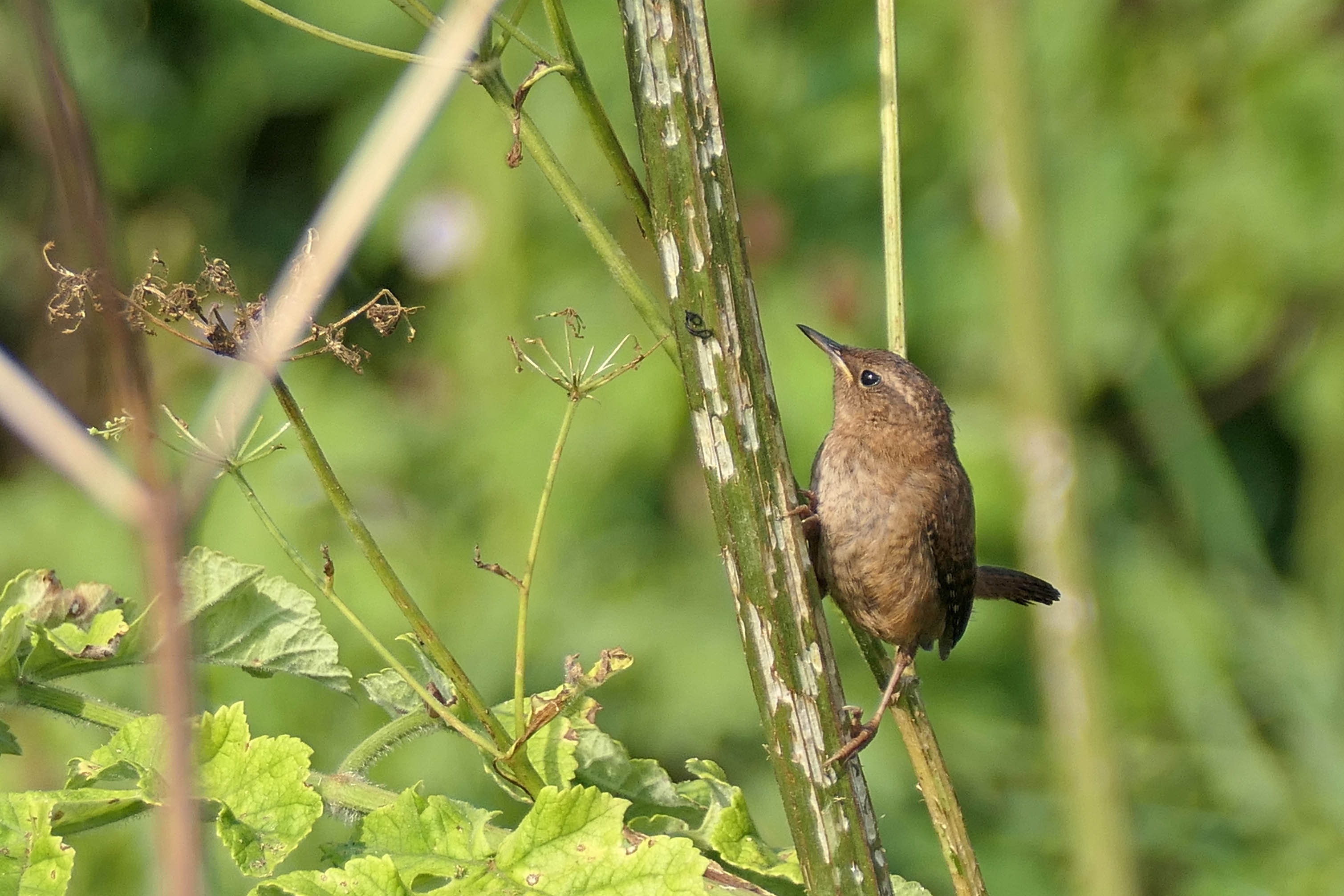
A loud, repetitive, staccato tick-tick-ticking comes from low down in the jumble of grasses and bindweed at the base of a large unruly stand of umbellifers.

240824 wren (3)

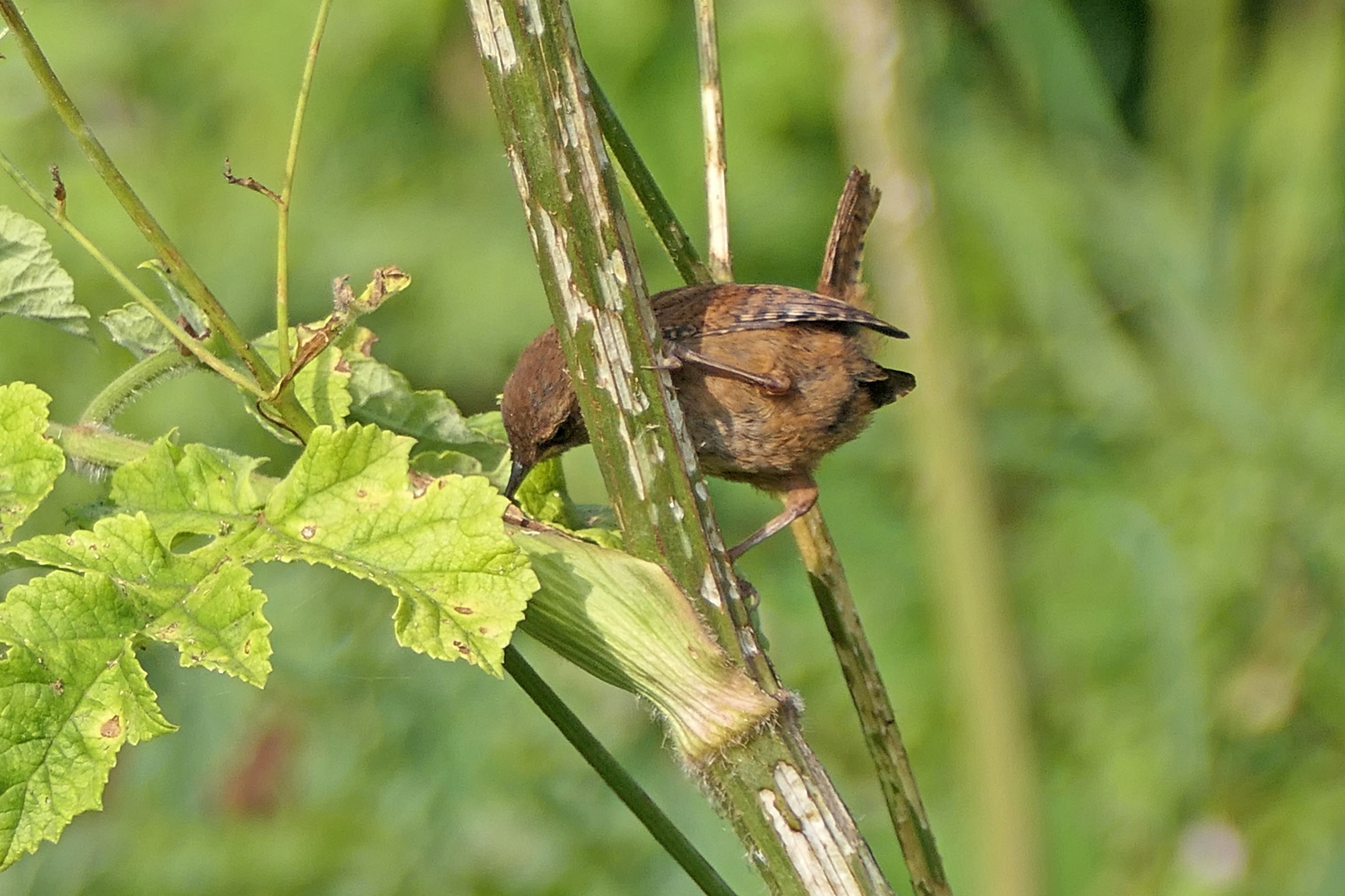
Then, like a jack-in-the-box, up pops this little Wren to perch on the stems, legs apart and staring, with attitude, at the human who stares back.

240824 wren (2)

After a few moments, judging the silent human to be no imminent threat, the tiny bird with the big voice goes on about its business of foraging for succulent titbits. And what an absolute joy it is to watch!

240824 wren (1)

Hunting the Migrant hawker

Tags

, , , ,

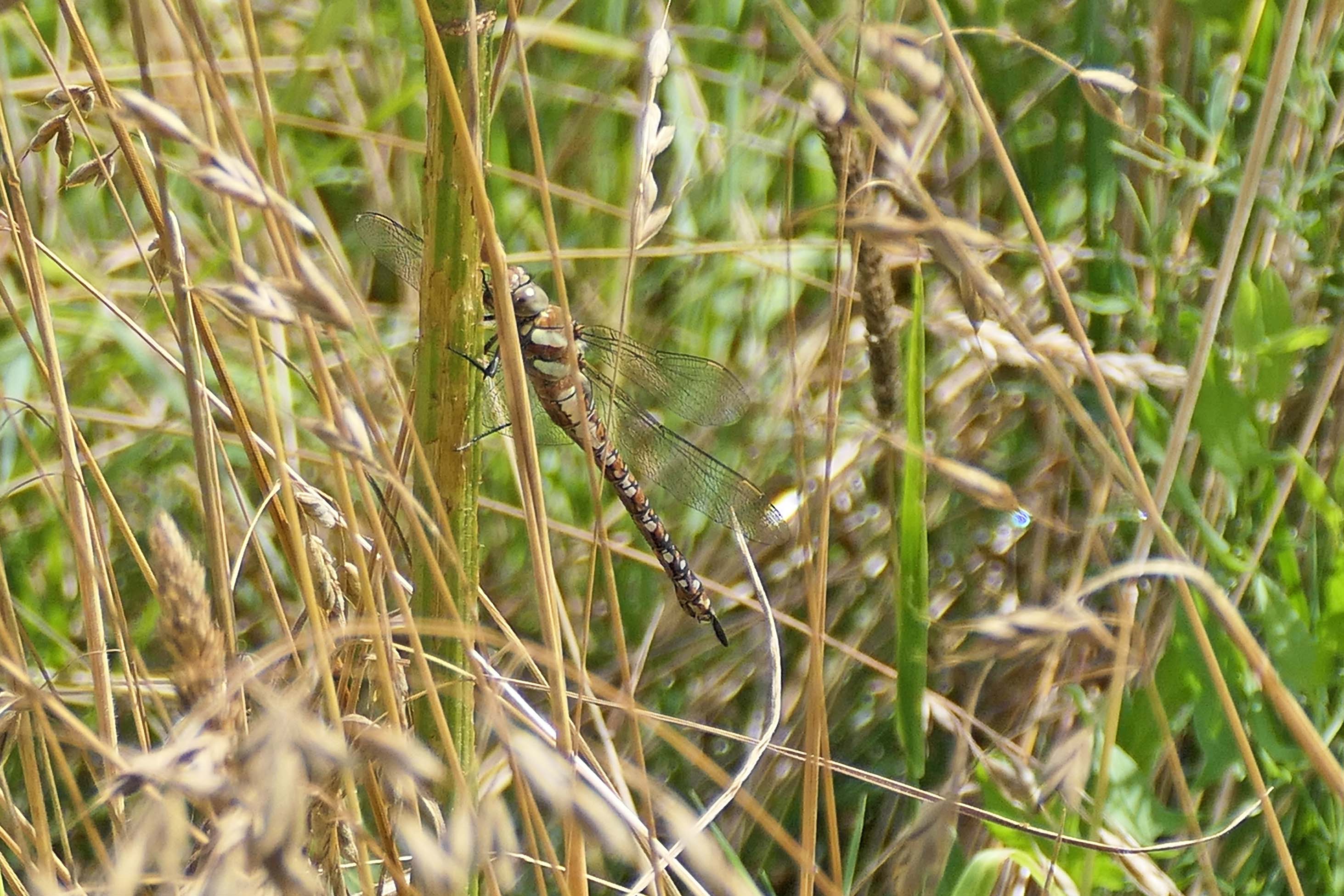
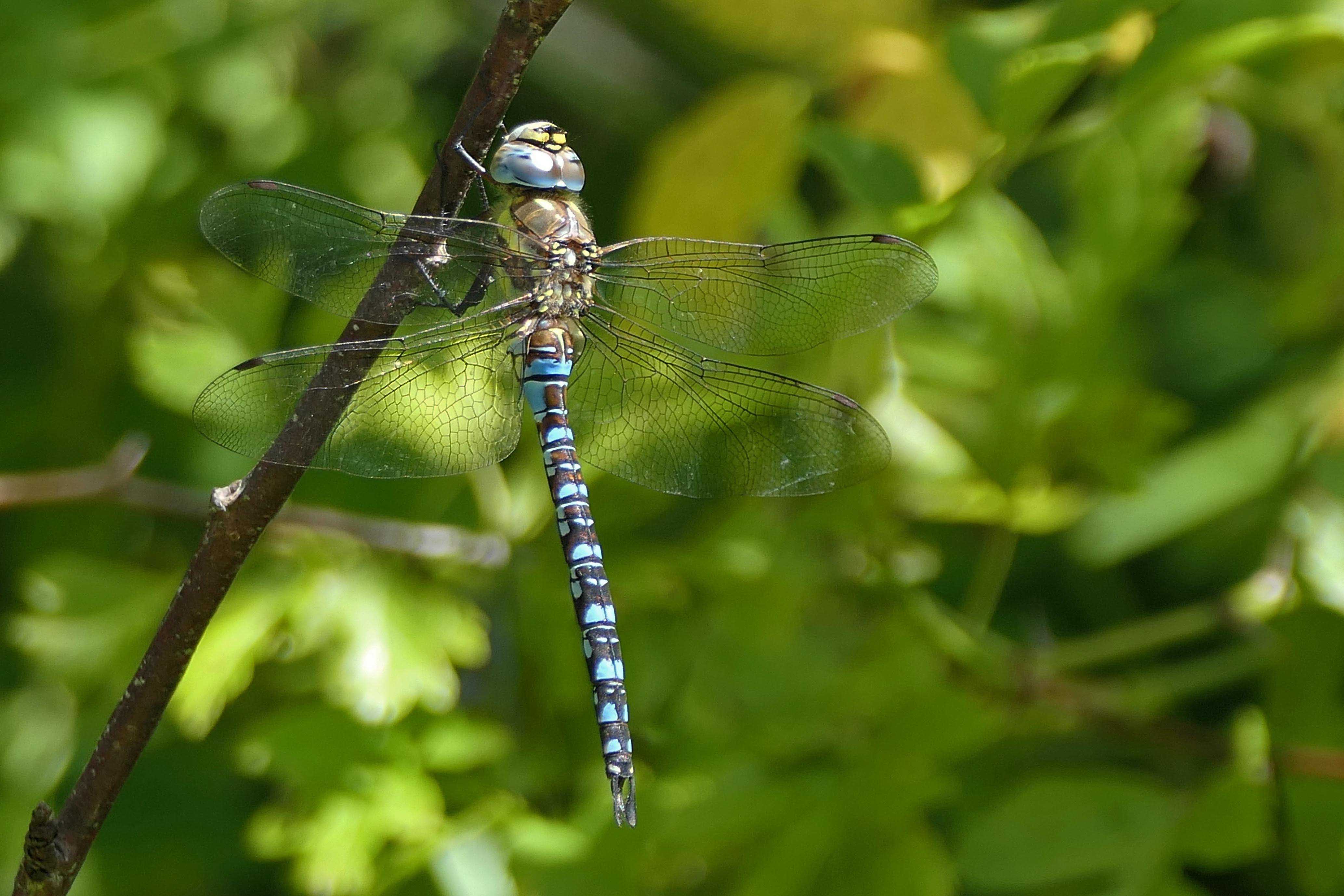
The first Migrant hawker (Aeshna mixta) I spotted this year, on 3 August, flew up into the tree tops almost immediately after I noticed it, and stayed there – I took some photos for recording purposes but they barely showed this dragonfly’s distinguishing features. So, when I spotted my next Migrant hawker, on 9 August, I spent 30 minutes watching and hoping for it to settle. This was all I got before it flew off, disappearing over a hedge, and I moved on.

240823 migrant hawker (1)

Then, finally, a week later, on the 16th, after another 30-minute session watching this beauty hawking back and forth along a tree line, expertly weaving in amongst the branches when it spotted potential prey, occasionally fighting with another of its kind hawking a little further along the ride, it perched very obligingly right in front of me and I managed slowly to approach for some reasonable photos. Dragonflies are amazing to watch, but it is also very satisfying to actually get good photographs of them.

240823 migrant hawker (2)

The cases of Coleophora trifolii

Tags

, , , , , , ,

After being prompted by a post on Twitter/X by British Leafminers man Rob, I started searching for this moth, Coleophora trifolii, a couple of weeks ago. At that stage, Rob said you could pick out the moth larva’s presence by looking at the seeds of Melilot, where he’d found ‘Two seed cases (blackened) fused together whilst the larva inside feeds on the third seed (still green)’. Looking for those proved much more tricky than I expected as the seeds are tiny and, as the plants die off, the seeds seem naturally to go black. So, I failed to find my target.

240822 coleophora trifolii (1)

Then, a few days ago, Rob posted again, noting the formation of the little cases the moth larva moves in to while it continues to feed within the Melilot seeds and later to pupate within. And these cases have proved much easier to spot. In fact, I found at least 15, probably more, in one clump of plants where the adult moth must have laid a lot of eggs all at once. There were so many cases that I’ve actually brought a couple home to see what emerges – I don’t usually like to do that but, in this case, there were so many that I didn’t think I would be interfering too much and I’ll return any adults that appear back to the area. And I’ll share photos of them in another post if they emerge successfully.

240822 coleophora trifolii (2)

Migrating Spotted flycatcher

Tags

, , , , ,

They’re late this year, the Spotted flycatchers. According to reports I’ve read, our very wet Spring weather delayed their arrival and the start of their breeding season. And a friend who often heads to the valleys of mid Wales, where many of these birds breed, tells me they were later than usual finding their mates, building their nests, fledging their chicks.

So, I guess I shouldn’t be surprised that I saw my first (so far, my only) Spotted flycatcher of the year last Sunday, the 18th, eighteen days later than last year. The bird was a beauty, though, initially sitting preening in an alcove of trees that provided shelter from the strong winds, then popping out to an area of low trees to look for lunch. At that point, it was quite close to me so I was able to enjoy watching its fly-catching efforts and get some reasonable photos. A true delight!