• ABOUT
  • BIRDING 2018
  • Birding 2019
  • BLOG POSTS
  • Butterflies 2018
  • Resources

earthstar

~ a celebration of nature

earthstar

Tag Archives: autumn colour

The ones I missed

12 Sunday Oct 2025

Posted by sconzani in autumn, flowers, plants, wildflowers

≈ Leave a comment

Tags

autumn colour, autumn flowering wildflowers, autumn flowers, British wildflowers

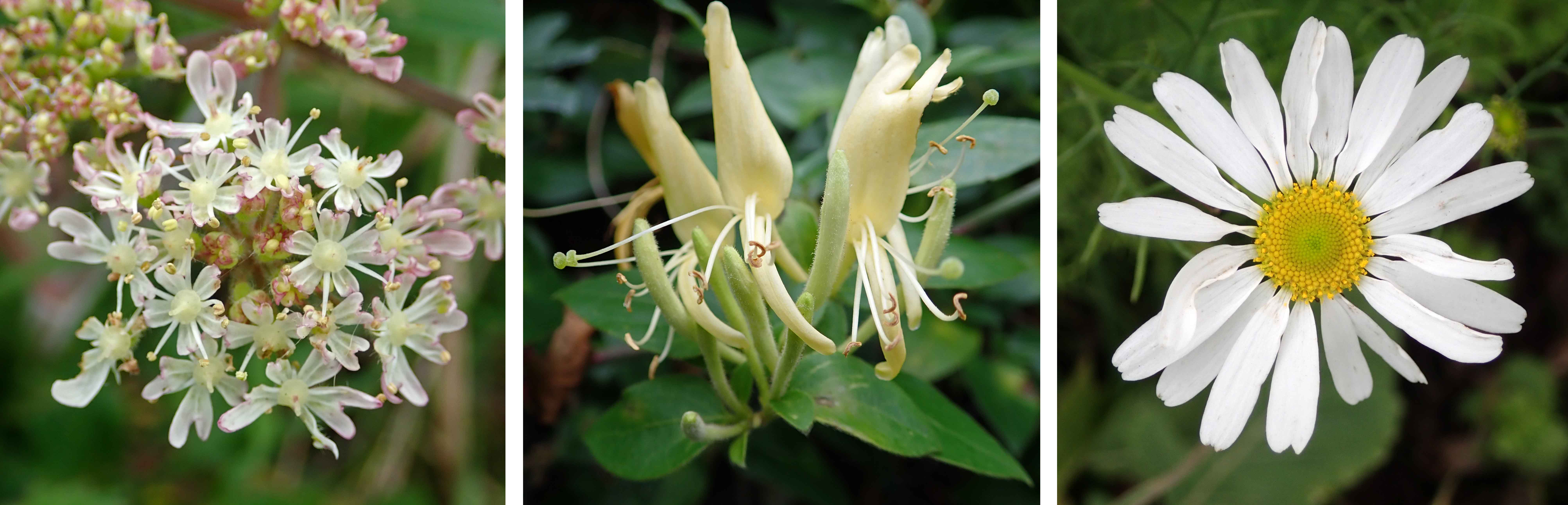
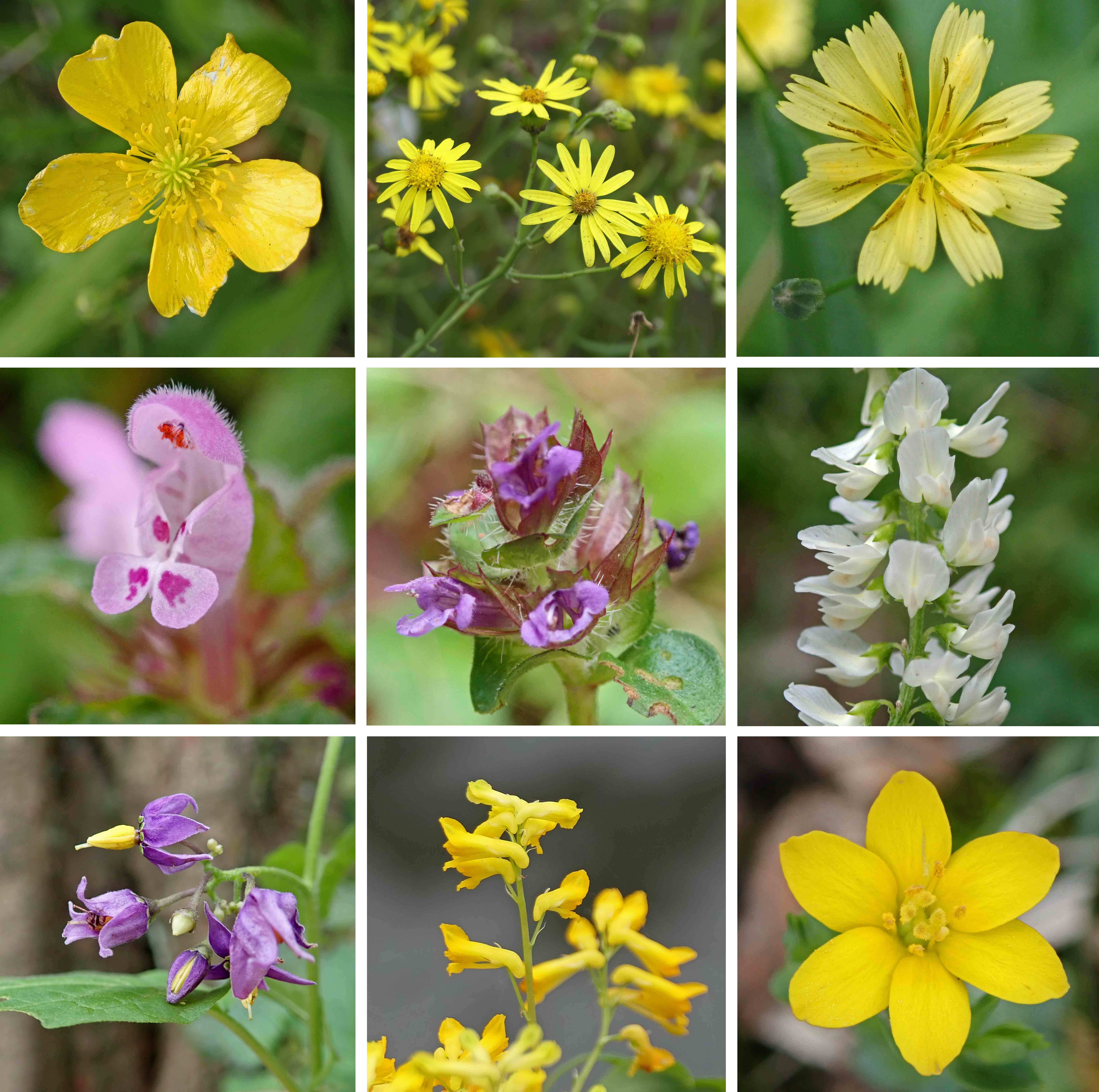
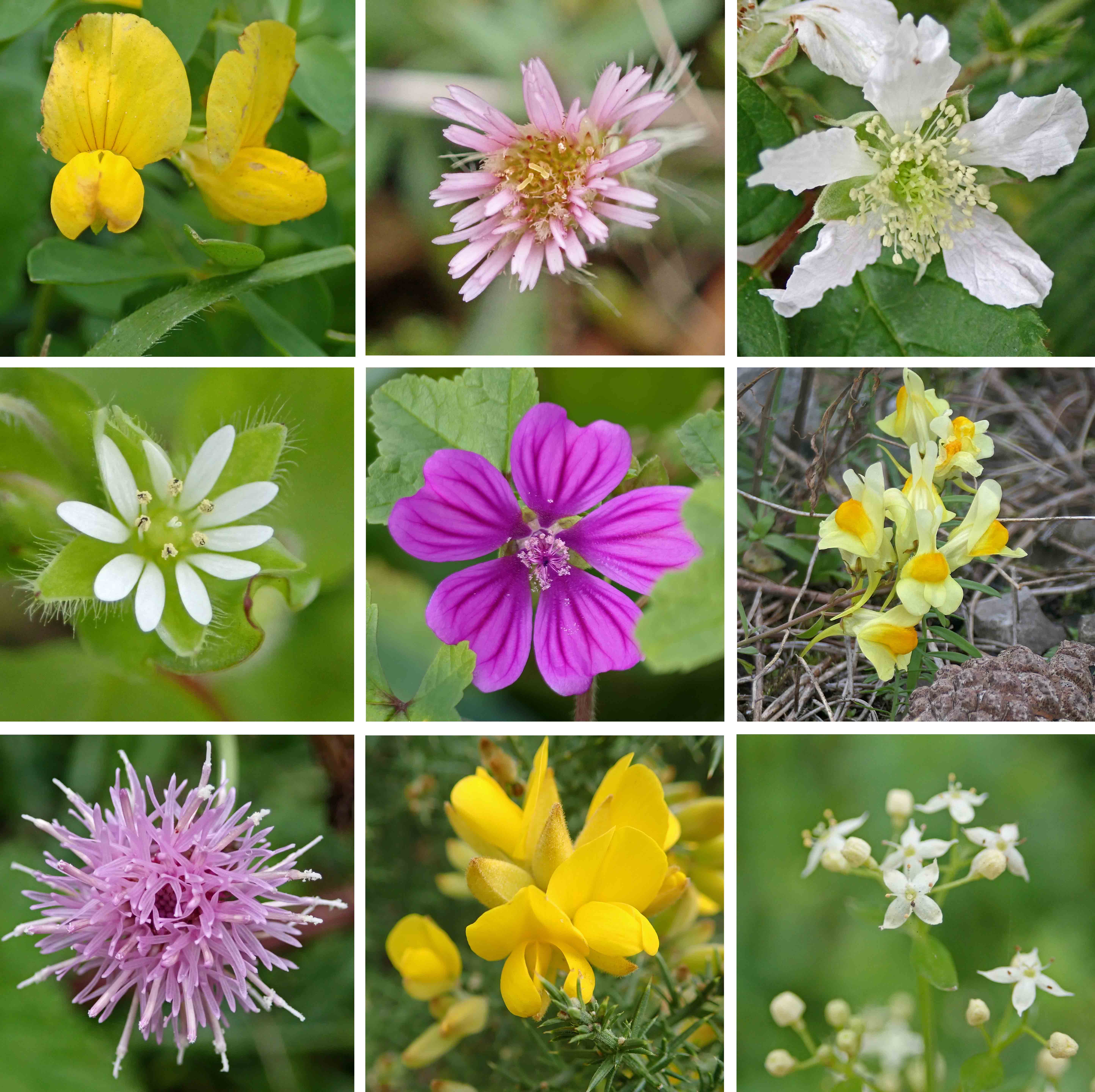
Despite finding a respectable 60 wildflowers still in bloom during last week’s walk, I knew I could find even more so I’ve kept my eyes peeled during this week’s walks. These are the ones I missed last week …

Bird’s-foot trefoil, Blue fleabane, Bramble, Common chickweed, Common mallow, Common toadflax, Creeping thistle, Gorse, and Hedge bedstraw.

Hogweed, Honeysuckle, and Mayweed.

Meadow buttercup, Narrow-leaved ragwort, Nipplewort, Red dead-nettle, Selfheal, White melilot, Woody nightshade, Yellow corydalis, and Yellow-wort.

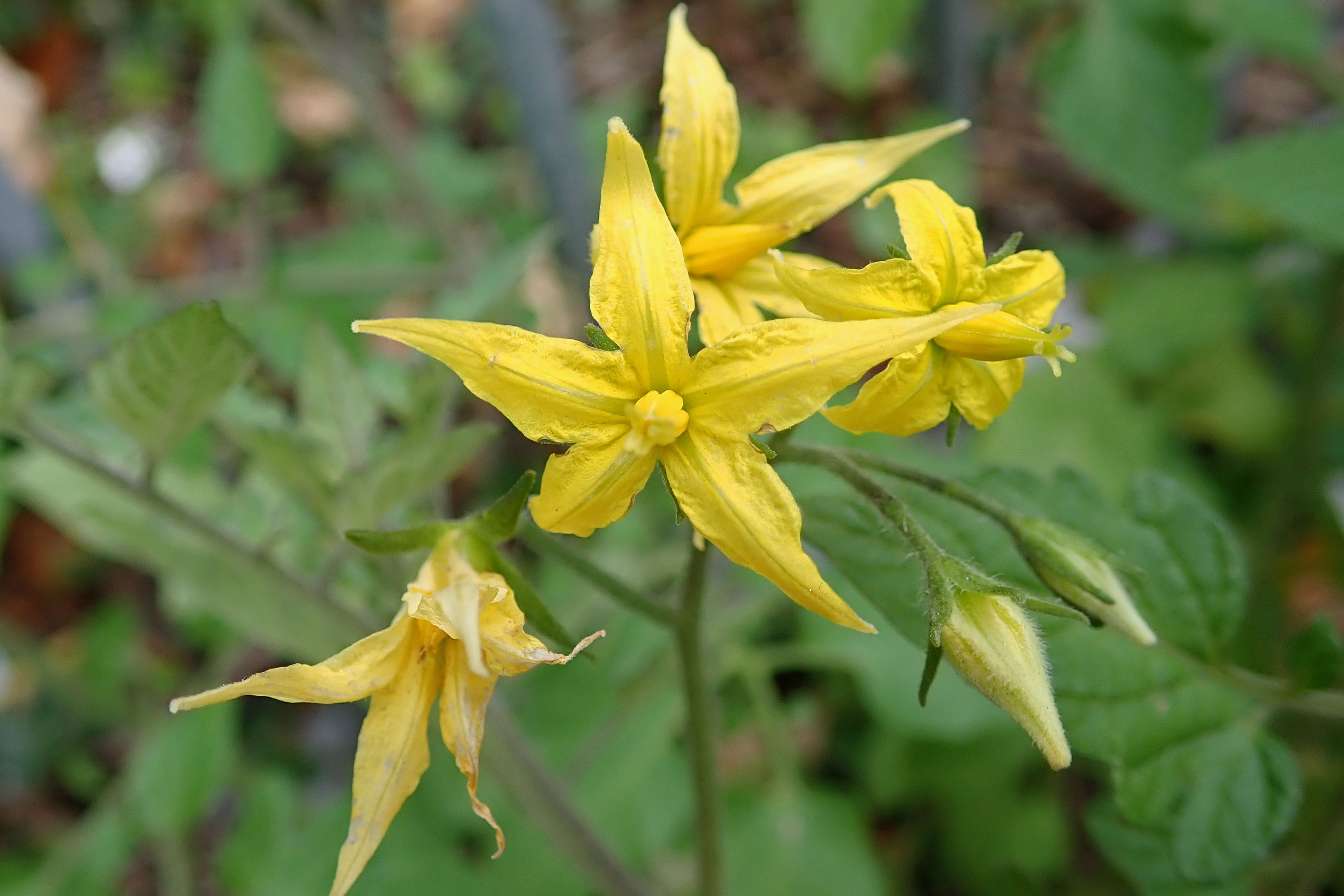
I had to add this last one – not a wildflower, but a random Tomato that had somehow self-seeded along the edge of one of the local back lanes. I admire its tenacity.

Like Loading...

Autumn wildflowers

05 Sunday Oct 2025

Posted by sconzani in autumn, flowers, wildflowers

≈ Leave a comment

Tags

autumn colour, autumn wildflowers, autumn wildflowers in bloom, British wildflowers

It’s been a while since I informally surveyed which wildflowers were in bloom at any specific point in time, so I did that during two of this week’s walks, the first a full circuit of Cardiff Bay, the other a walk along the local section of the Welsh coastal path. I was surprised to find 60 species flowering and suspect this total has something to do with this year’s weather. After our hot, dry summer, the wildflowers are making up for lost time now that we’re getting more rain. These are what I found …
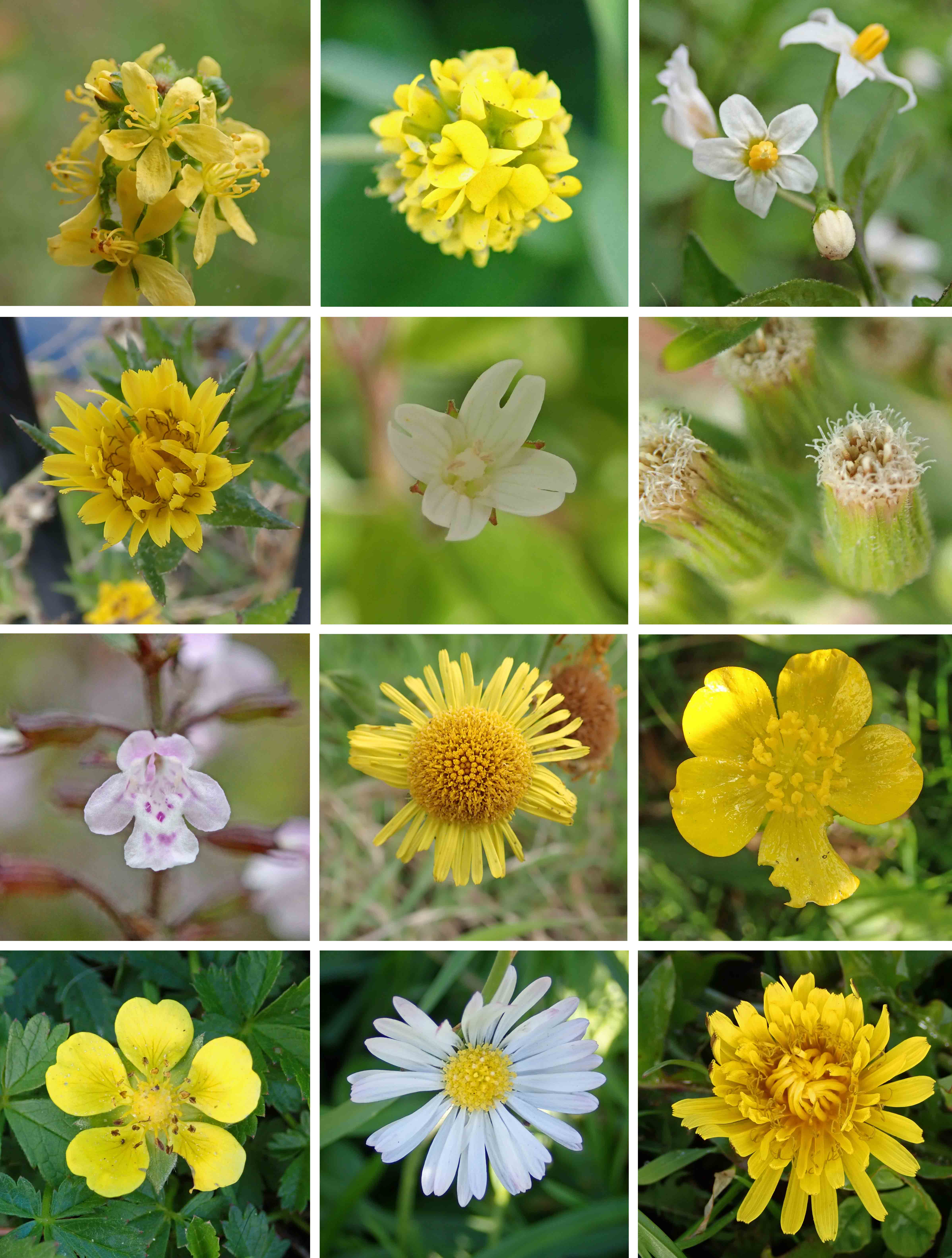
Agrimony, Black medick, Black nightshade, Bristly oxtongue, Broad-leaved willowherb, Canadian fleabane, Common calamint, Common fleabane, Creeping buttercup, Creeping Jenny, Daisy, and Dandelion.
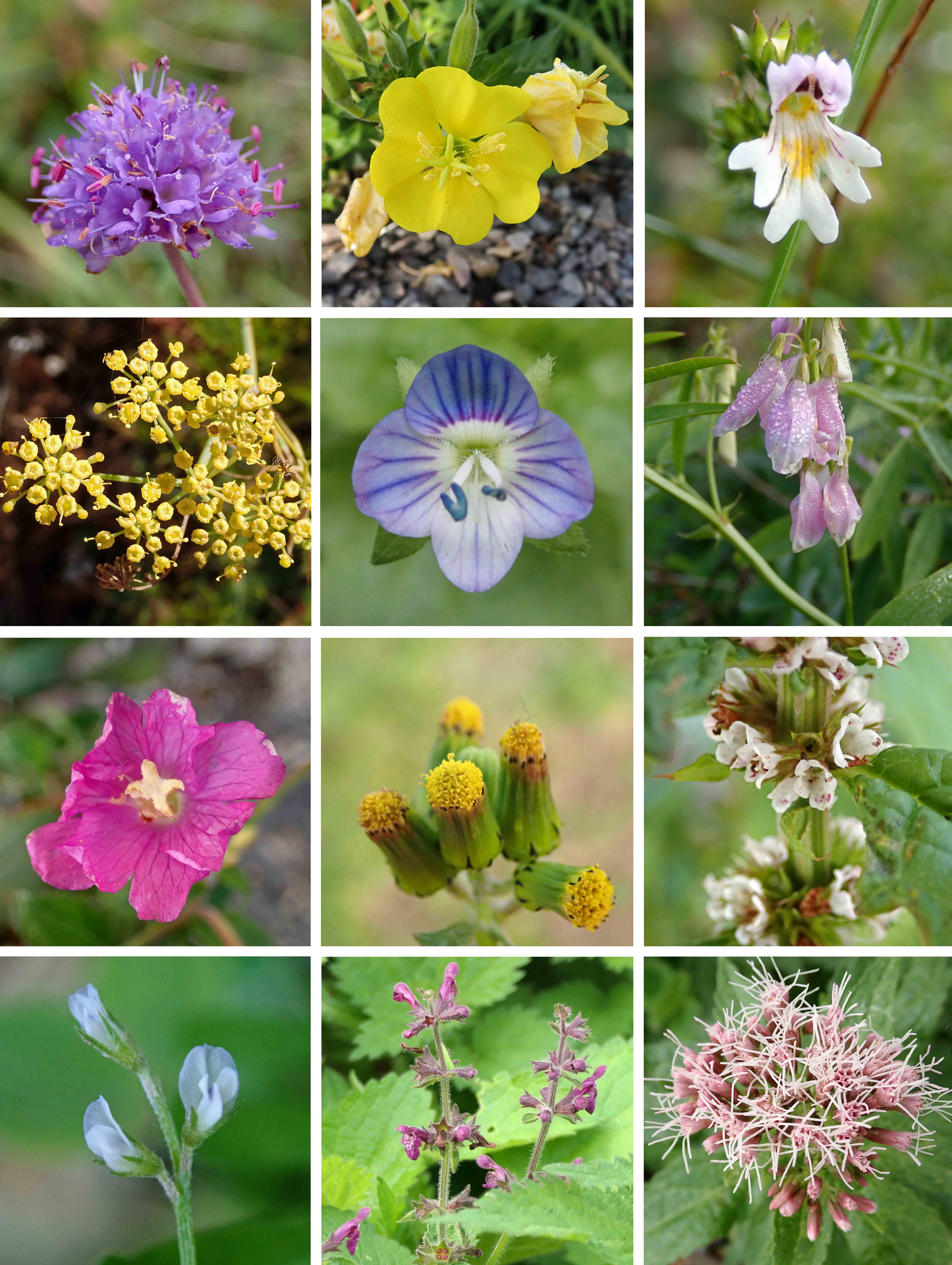
Devil’s-bit scabious, Evening primrose, Eyebright, Fennel, Field speedwell, Goat’s-rue, Great willowherb, Groundsel, Gypsywort, Hairy tare, Hedge woundwort, and Hemp agrimony.
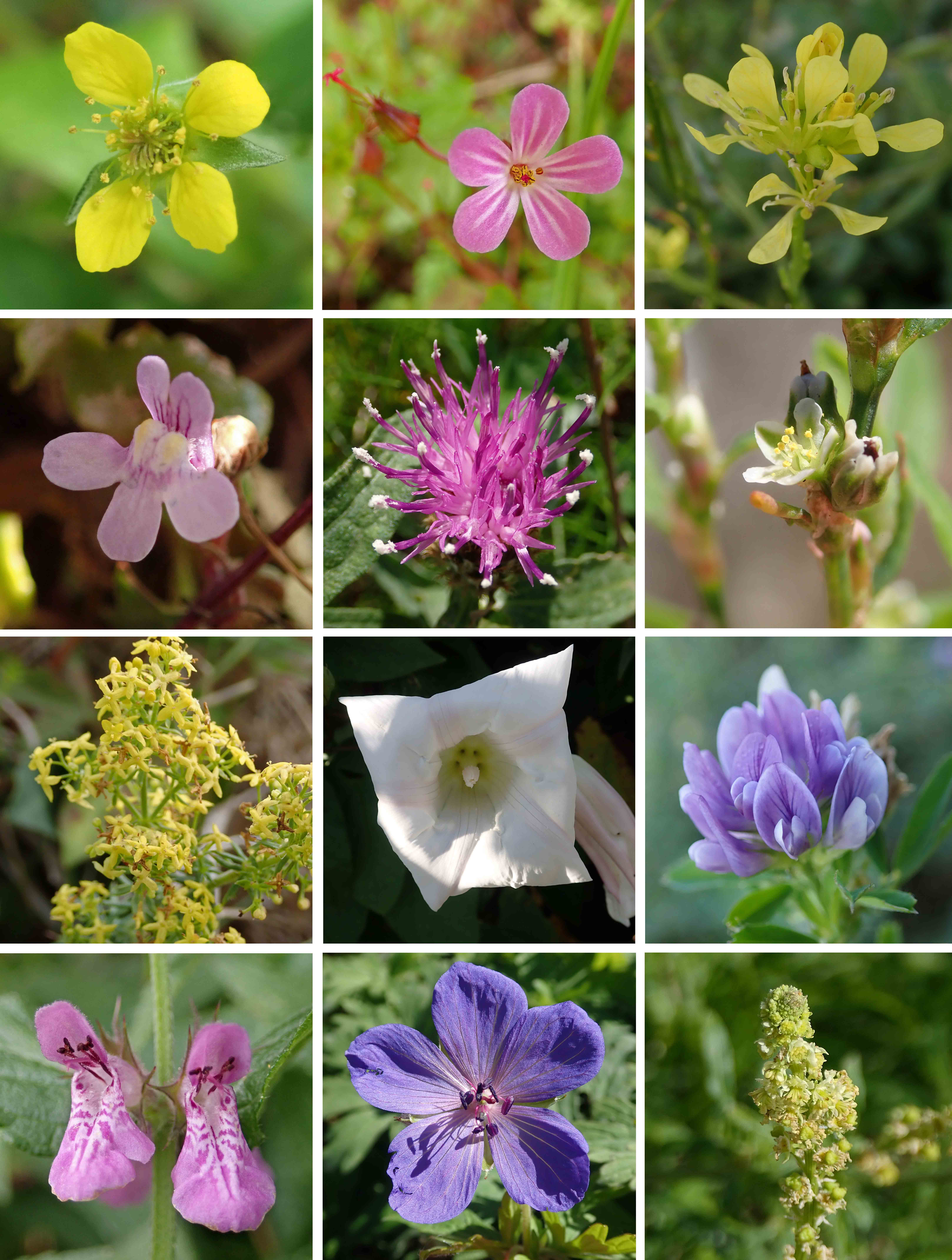
Herb Bennett, Herb Robert, Hoary mustard, Ivy-leaved toadflax, Knapweed, Knotgrass, Lady’s bedstraw, Large bindweed, Lucerne, Marsh woundwort, Meadow crane’s-bill, and Mignonette.
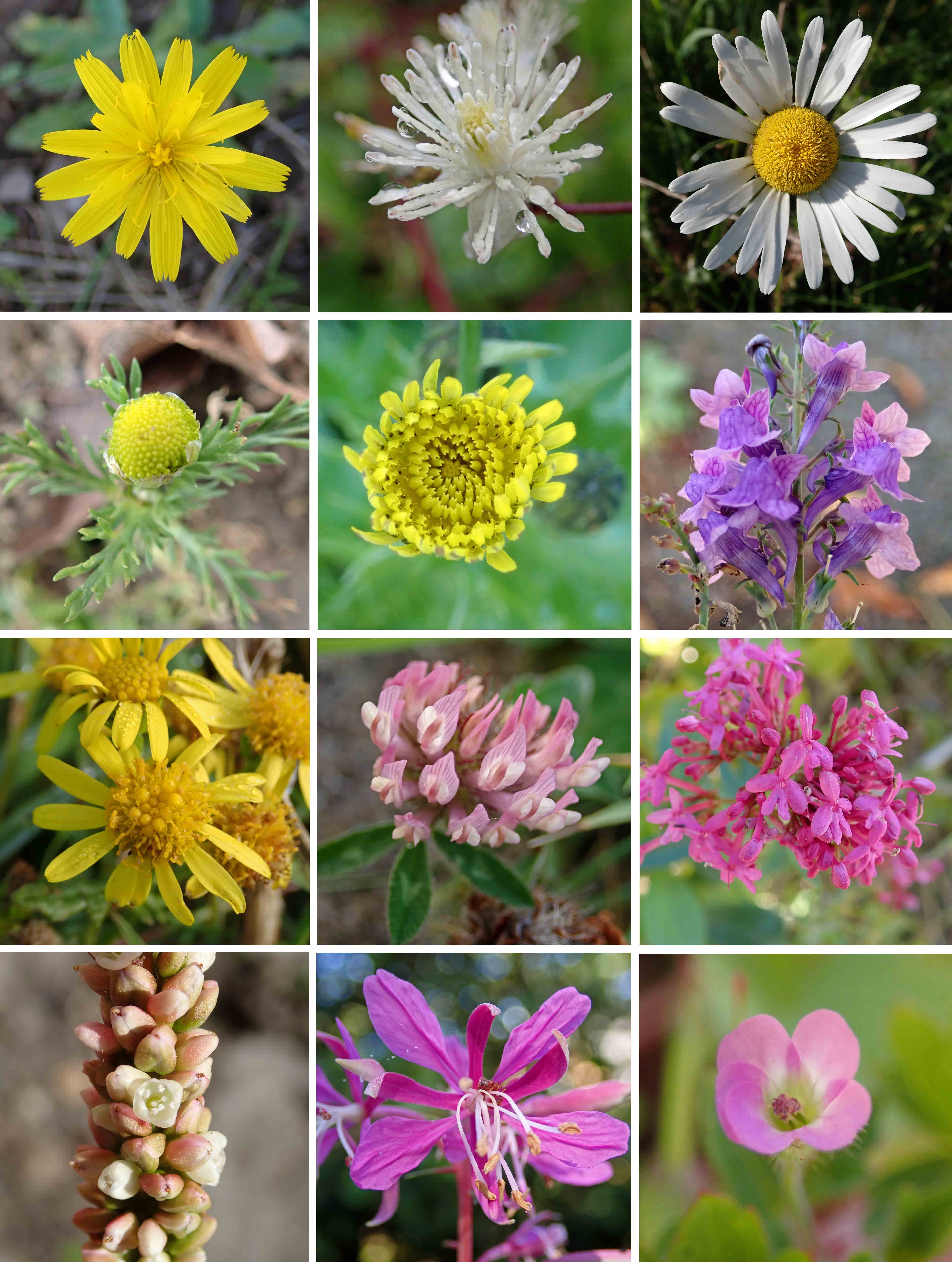
Mouse-ear-hawkweed, Old man’s beard, Oxeye daisy, Pineappleweed, Prickly sow-thistle, Purple toadflax, Common Ragwort, Red clover, Red valerian, Redshank, Rosebay willowherb, and Round-leaved crane’s-bill.
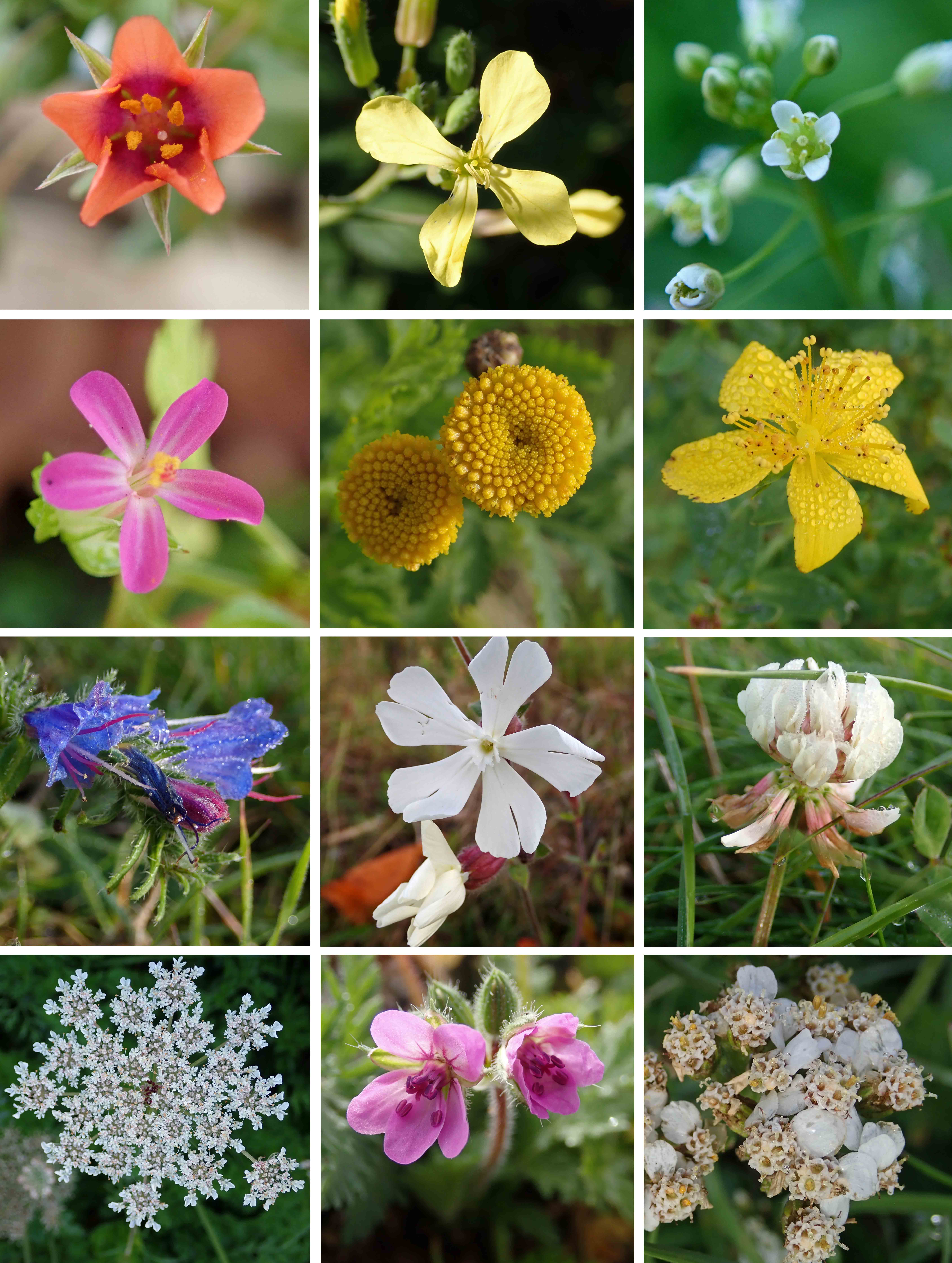
Scarlet pimpernel, Sea radish, Shepherd’s-purse, Shining crane’s-bill, Tansy, Tutsan, Viper’s-bugloss, White campion, White clover, Wild carrot, Common stork’s-bill, and Yarrow.

Like Loading...

I see red

02 Thursday Oct 2025

Posted by sconzani in autumn, insects, plants, seasons

≈ 2 Comments

Tags

7-spot ladybird, autumn colour, Black Bryony berries, blackberries, Common Darter, Field rose hips, Guelder rose berries, Hawthorn berries, red berries, red colour in nature, Robin's pincushion

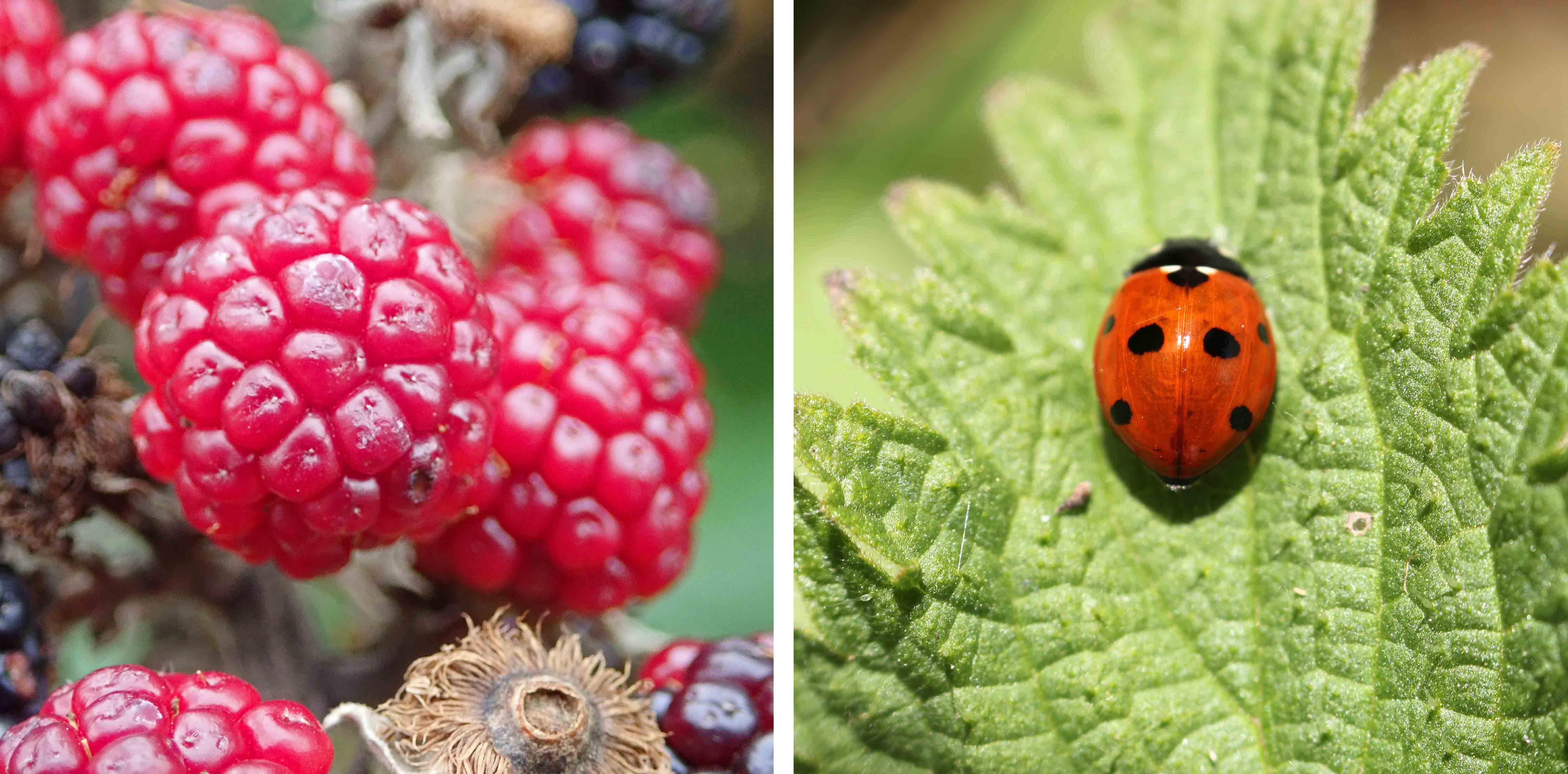
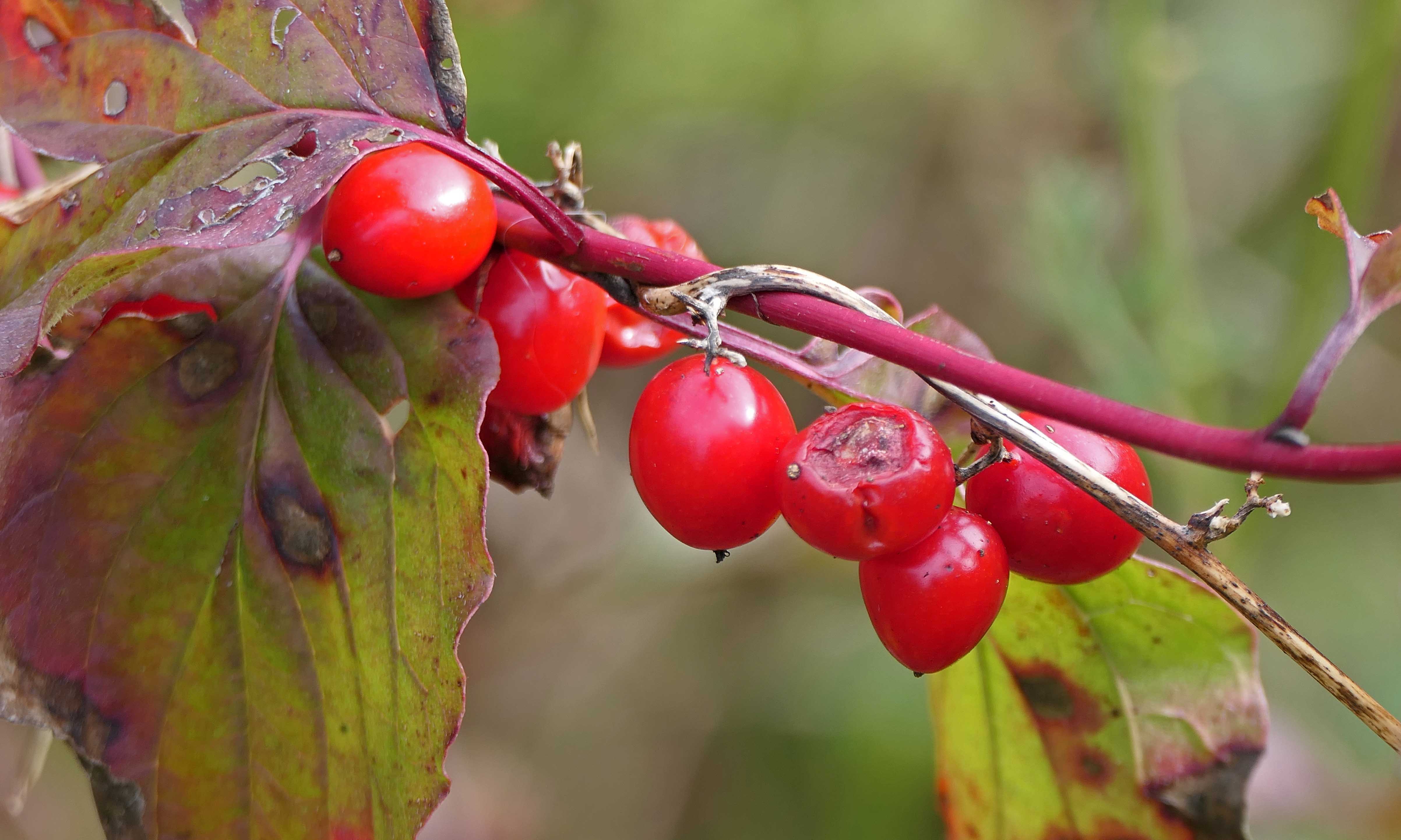
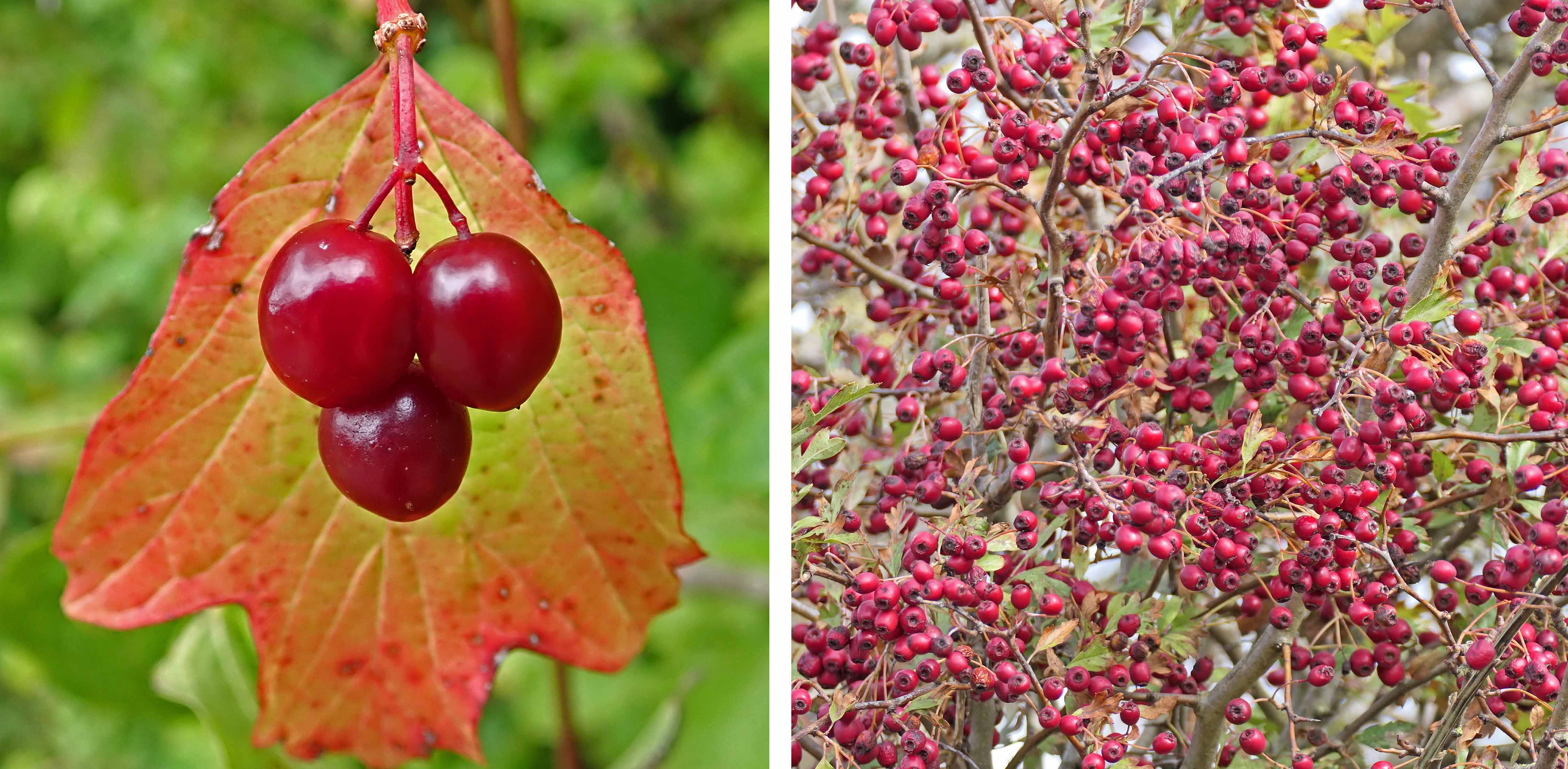
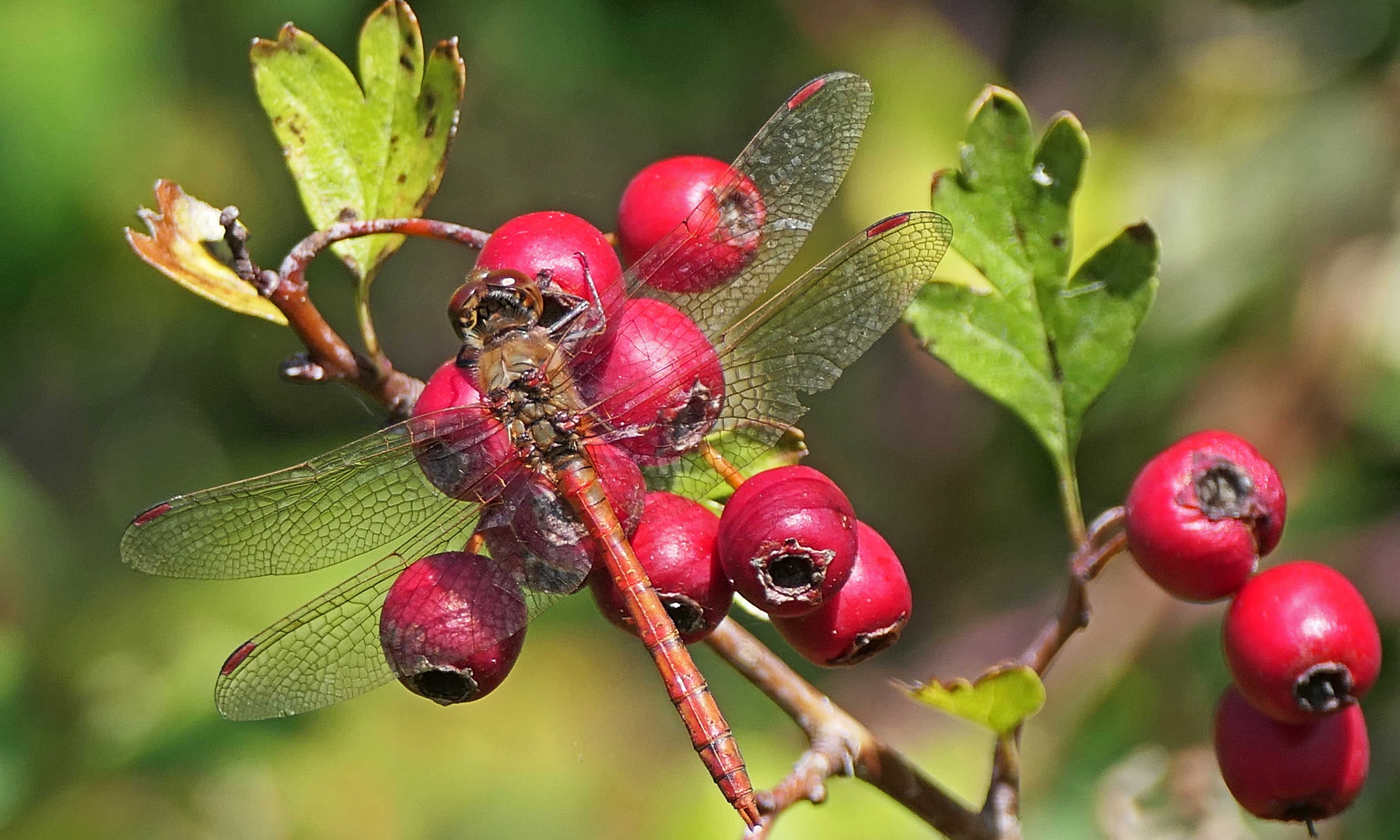
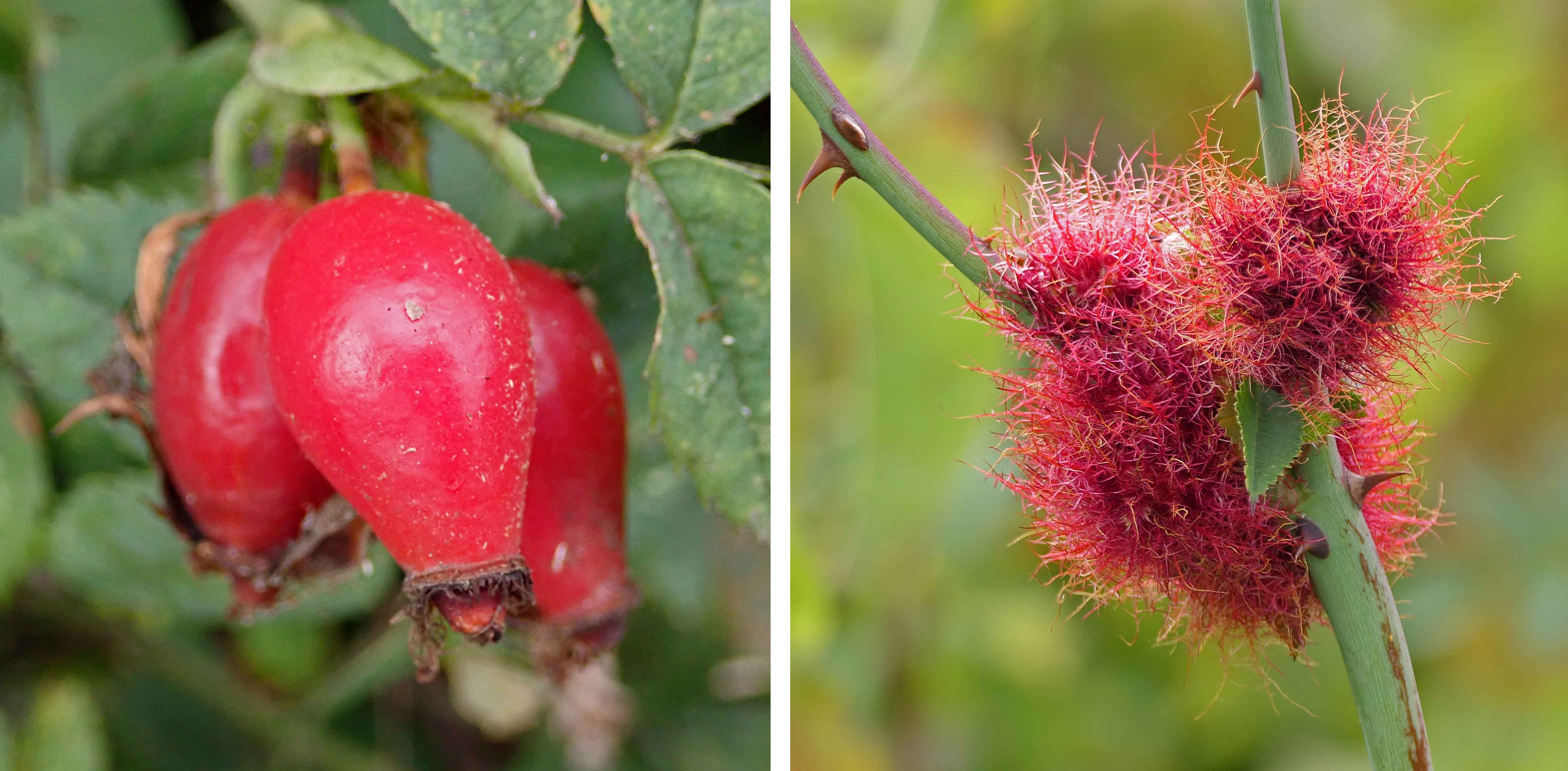
When I’m out walking at the moment, it seems that everywhere I look, I see red …

I see red

I see red

I see red

I see re-e-ed

Like Loading...

Goldenrod

28 Sunday Sep 2025

Posted by sconzani in autumn, flowers, plants, wildflowers

≈ Leave a comment

Tags

autumn colour, autumn wildflowers, British wildflowers, Goldenrod, Solidago virgaurea, yellow wildflowers

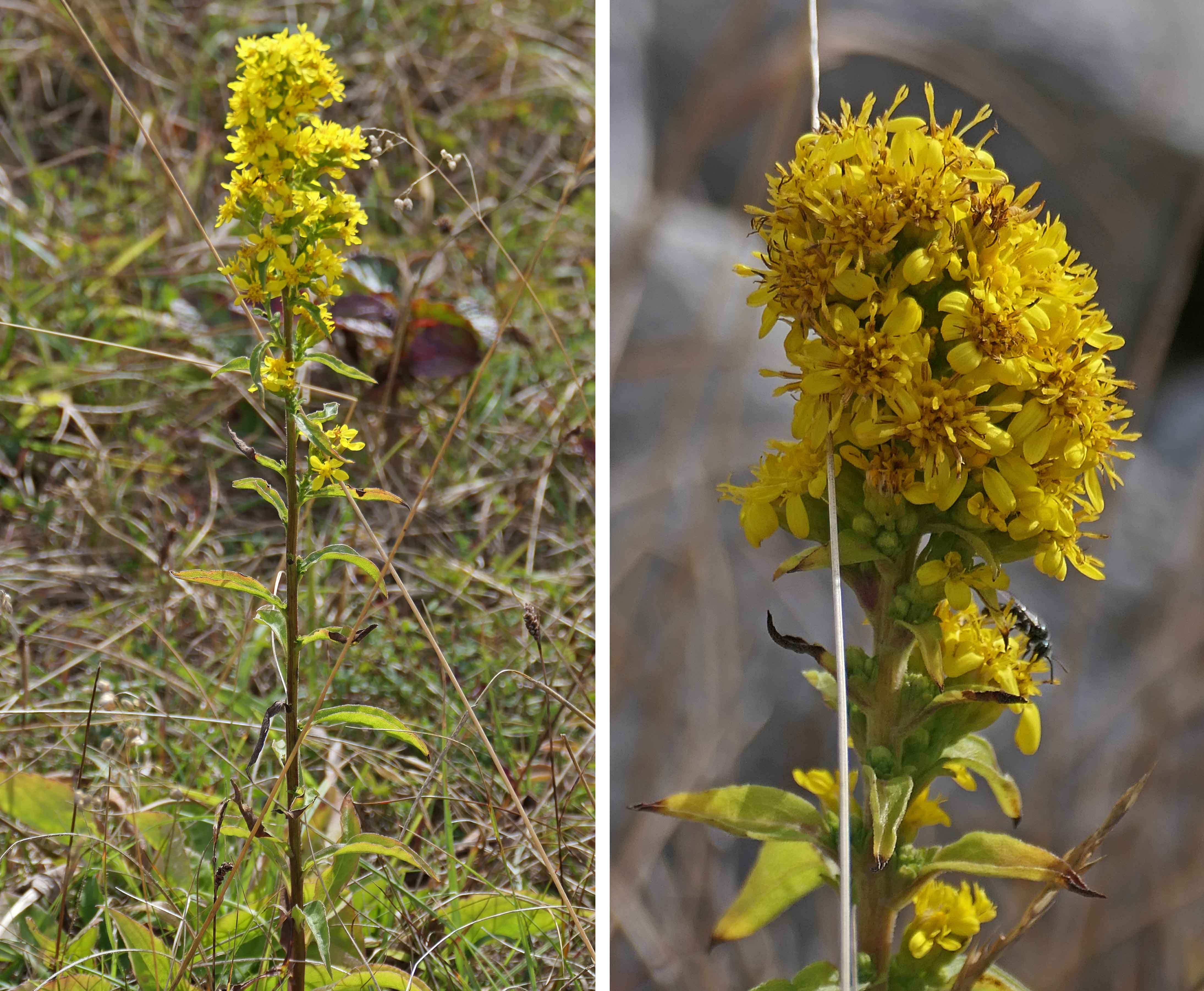
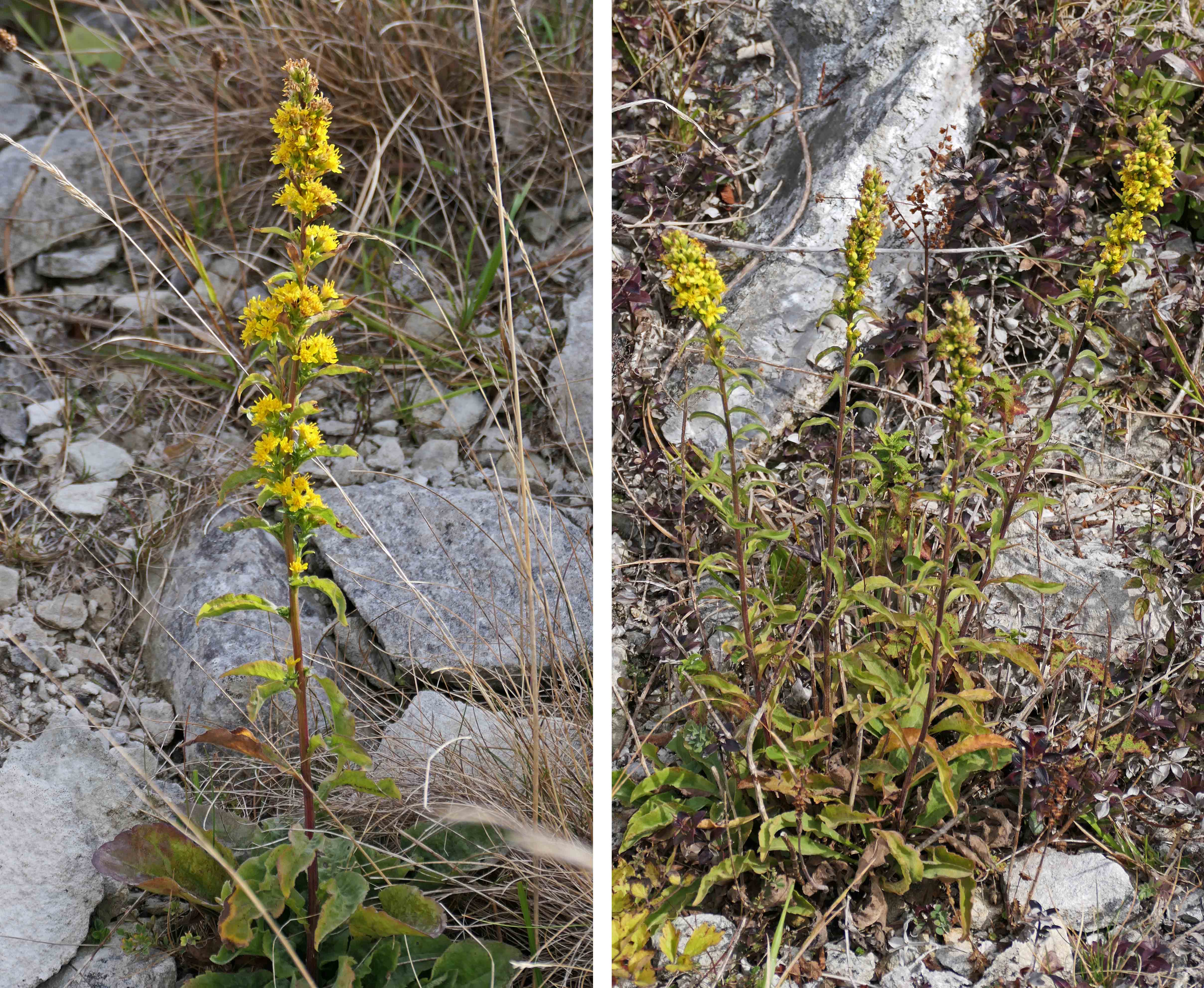
Is there a more aptly named wildflower? This is Goldenrod (Solidago virgaurea), which, when in full bloom, looks exactly as you might expect a plant with that name to look. As it flowers in late summer – early autumn, not only does it provide a welcome burst of bright colour at a time when many other wildflowers are past their best, it also supplies much needed nourishment at that time of year to a multitude of insects. Butterfly Conservation have produced a pdf extolling the benefits of Goldenrod, which they say is a food source for around 40 moth species, as well as numerous species of flies.

I’m not sure why but this is not a flower I see locally; I found these plants in the quarries on the Isle of Portland. My wildflower guide book says it can be found growing in dry woodlands and grasslands, on cliffs and in sand dunes, throughout the British Isles – maybe I’ve overlooked it in my area.

I’ve read that Goldenrod contains certain beneficial chemicals that have anti-fungal and anti-inflammatory properties and, in Flora Britannica, Richard Mabey writes that ‘In the sixteenth and seventeenth centuries it was in great demand as a wound herb but, according to John Gerard [The Herball, 1597], fell from favour when it was discovered to be rather common.’ Whether or not the benefit to humans has been scientifically proven seems open to question, and I would certainly never advise anyone to ingest plant products rather than seek proper medical attention for any ailments they might have. Perhaps this is a plant best left for the insects to feast on.

Like Loading...

Sea aster

21 Sunday Sep 2025

Posted by sconzani in autumn, flowers, wildflowers

≈ Leave a comment

Tags

Aster tripolium, autumn colour, British wildflowers, native Michaelmas-daisy, saltmarsh wildflowers, Sea aster

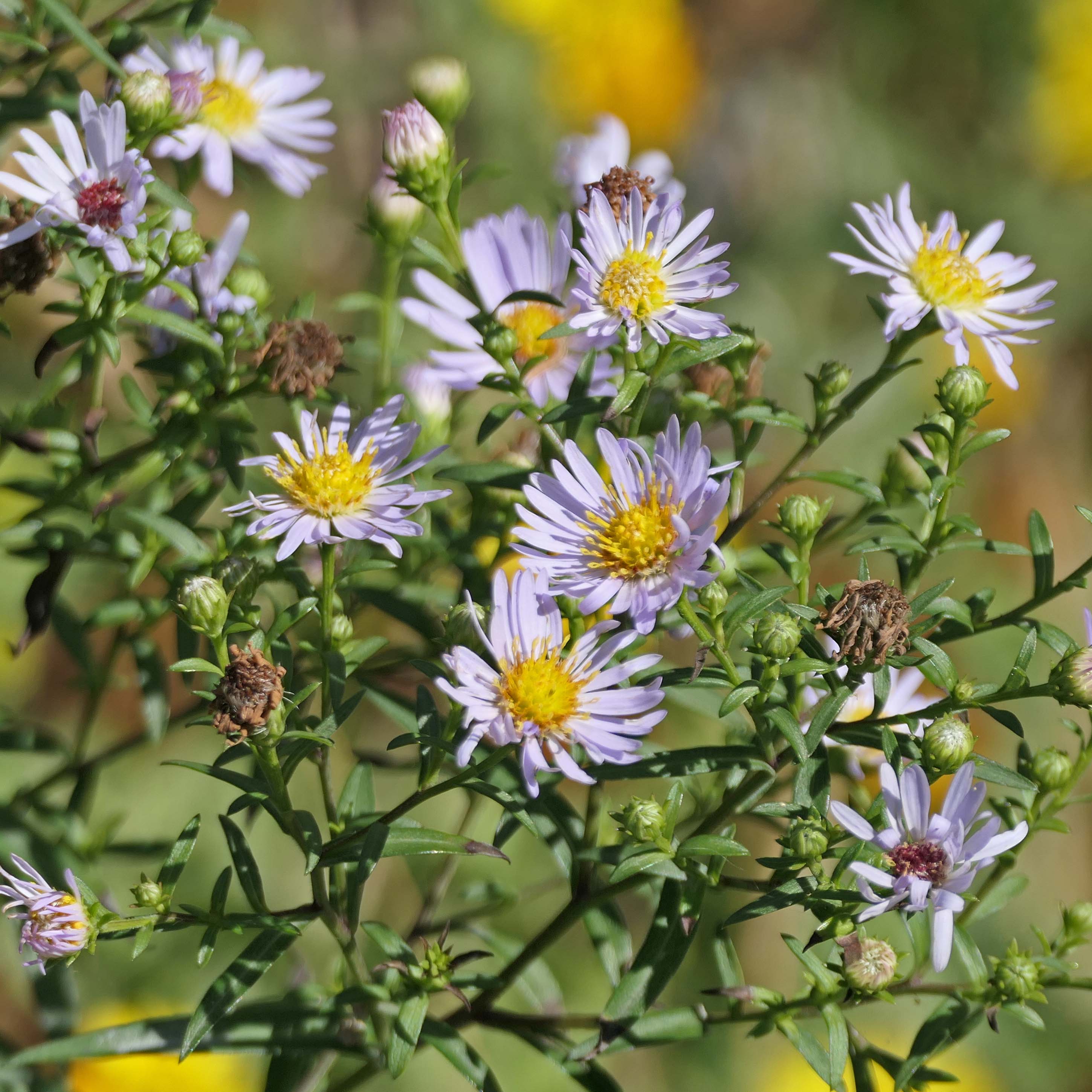
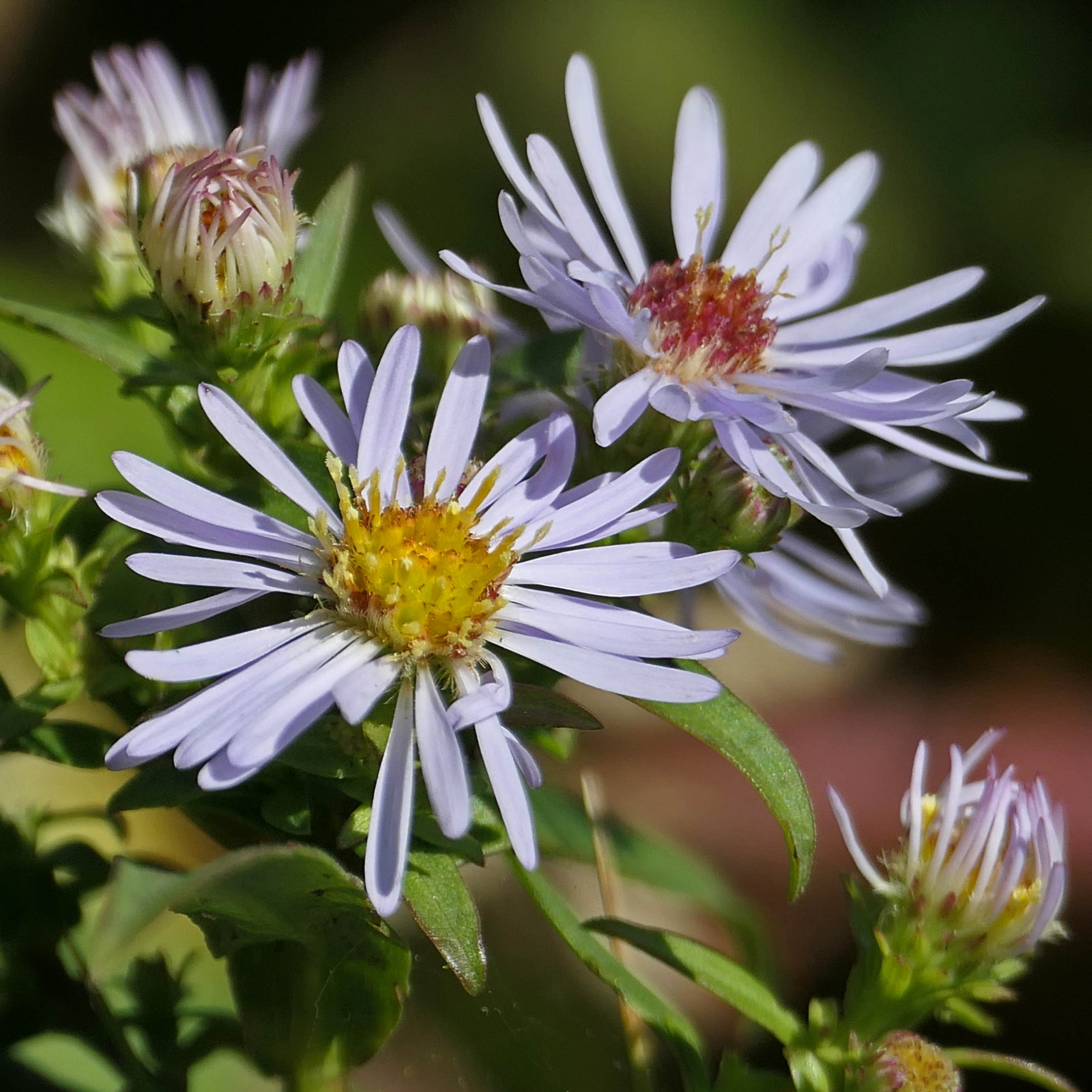
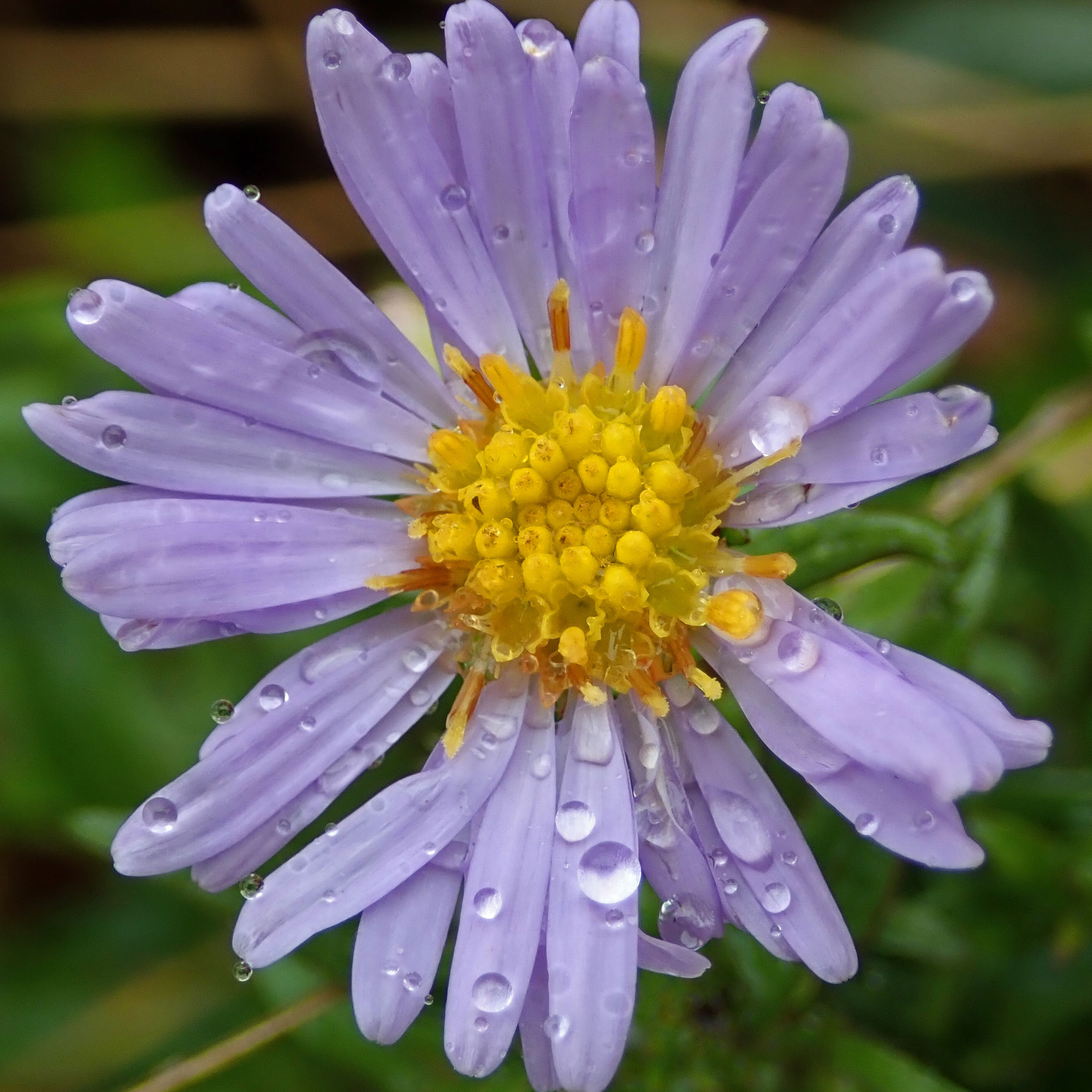
According to Richard Mabey in Flora Britannica, Michaelmas-daisies were introduced to Britain in the early 1700s from their native North America, and many of those introduced species have now escaped their garden settings to become naturalised in the wider countryside. Not so the Sea aster (Aster tripolium), as this is a native British species of Michaelmas-daisy.

I had noticed some Sea asters in flower during my previous visit to Weymouth in late July but not many were in bloom. During my most recent visit, the flowers were much more abundant, which I’ve now discovered is because the peak flowering period for most species of Michaelmas-daisy coincides with Michaelmas Day on 29 September; I guess that should have been obvious from their name.

As the common name of our native species implies, the Sea aster is most at home in salty conditions, flourishing in coastal saltmarshes, though, apparently, it will sometimes appear alongside roads that have been heavily salted for de-icing purposes during the winter months.

Like Loading...

Reddening Glasswort

14 Sunday Sep 2025

Posted by sconzani in autumn, plants, wildflowers

≈ Leave a comment

Tags

autumn colour, Glasswort, reddening plant, RSPB Lodmoor, Salicornia species, saltmarsh plants, seaside plants

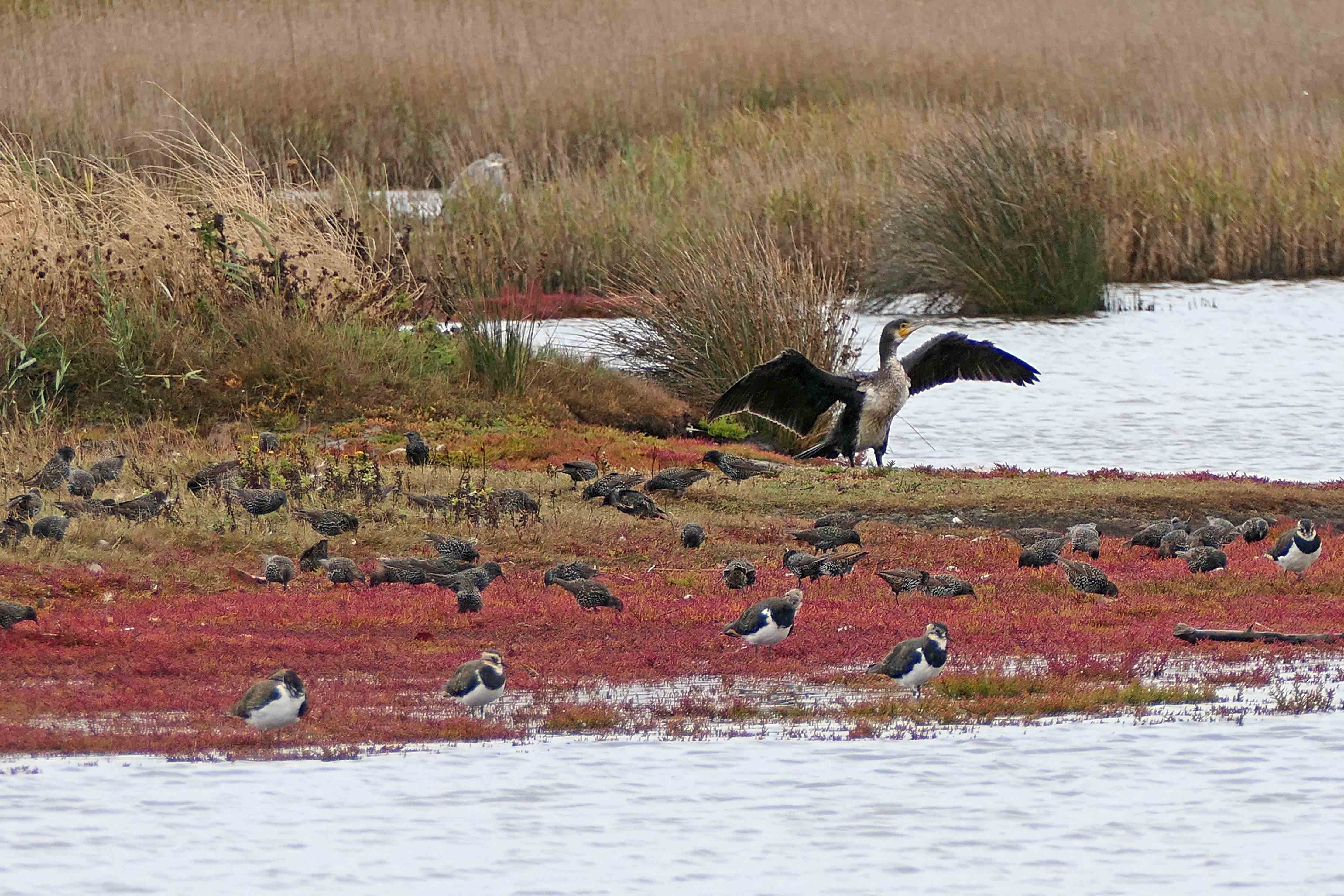
You may have noticed, in a couple of yesterday’s Ruff photos – as in the photo below (which includes Lapwings, Starlings, a Cormorant drying its wings, with a Grey heron lurking in the background) – the birds are moving around amongst a reddish-coloured plant.

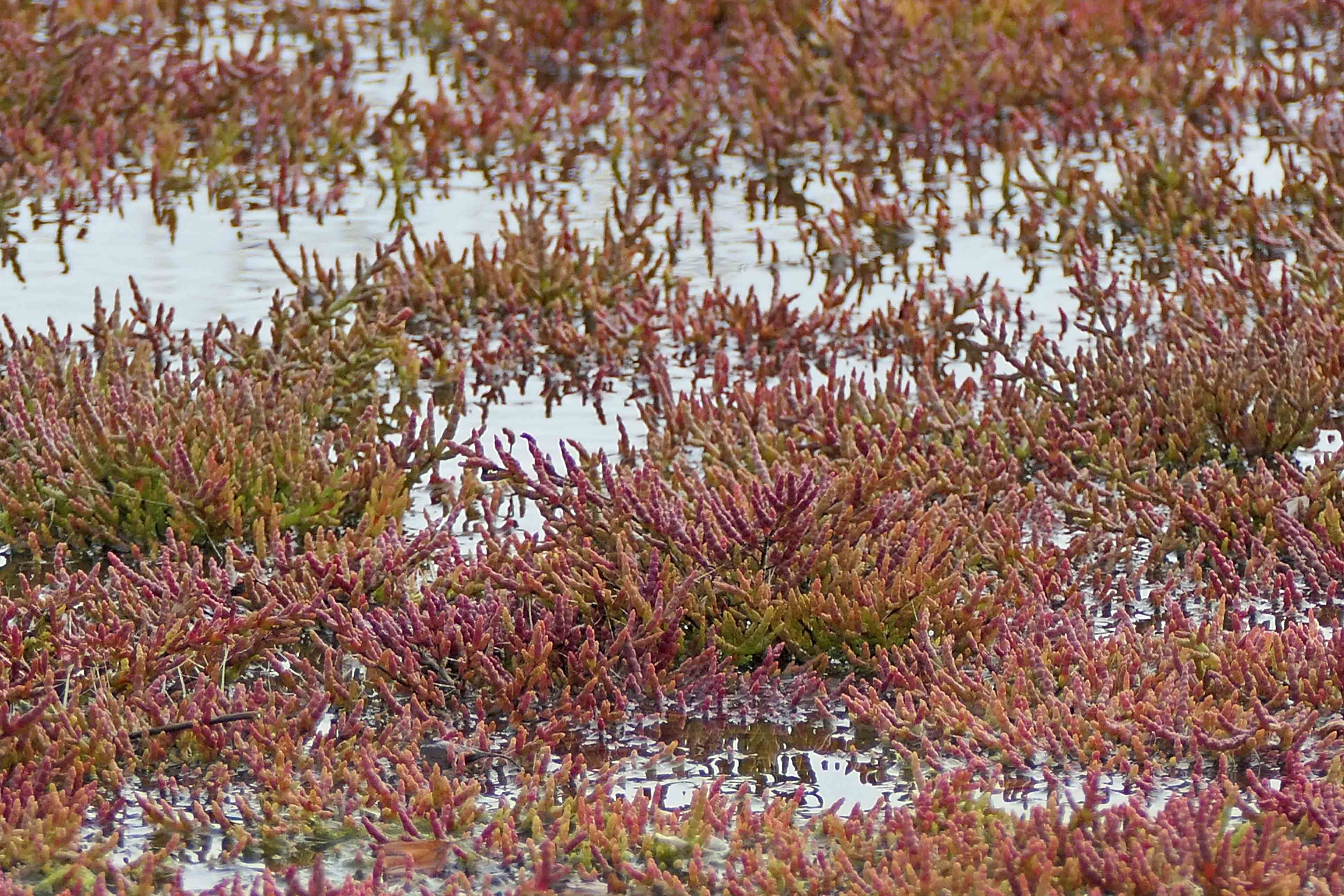
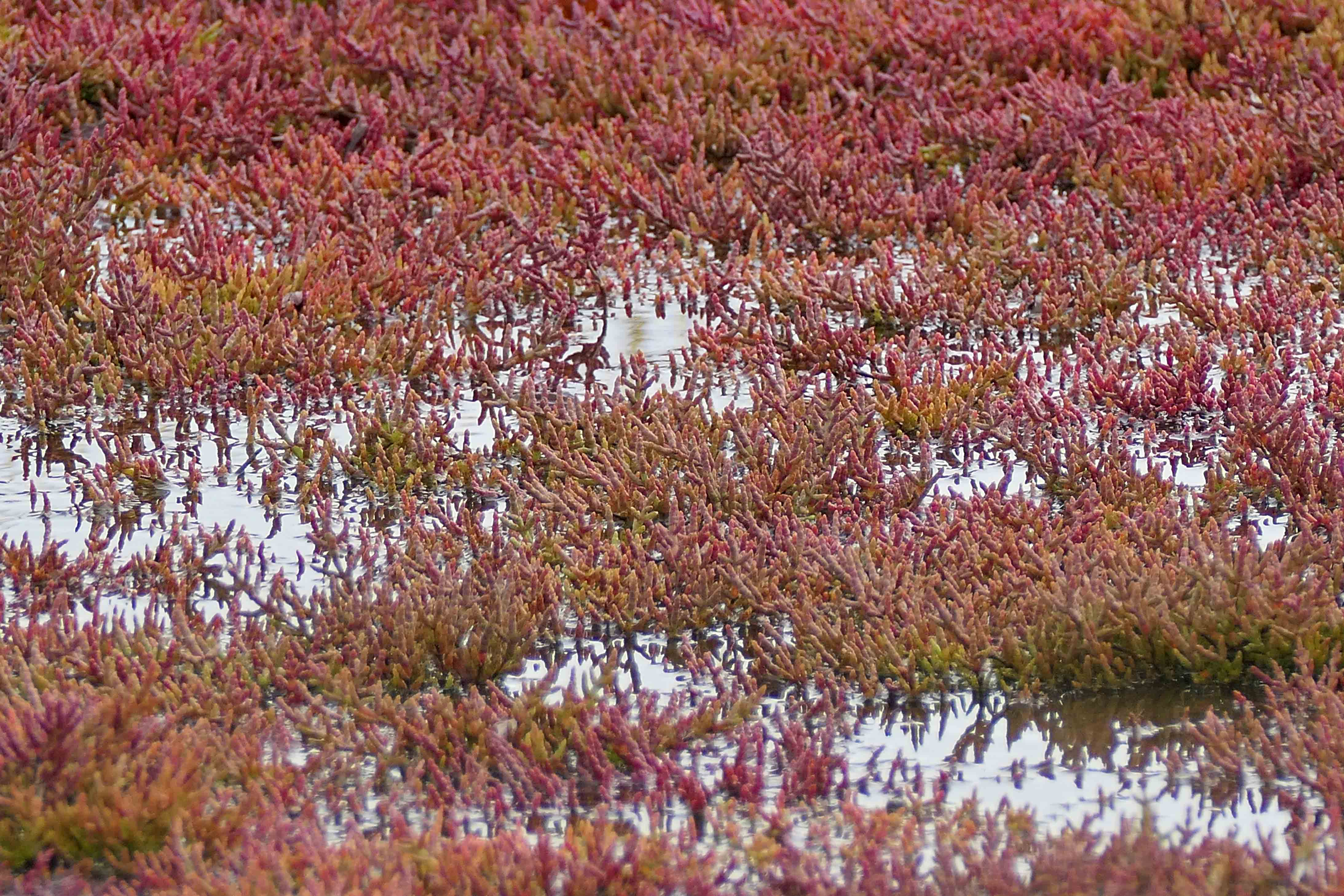
This is Glasswort, one of the Salicornia species, though I don’t which of several species this might be. For one thing, due to the watery environment in which Glassworts thrive, I couldn’t get close to any of the plants, but also these plants can be tricky to distinguish one from the other. If you see Glasswort and want to give it a try, the Wildflower Society website has a downloadable pdf ‘A Guide to the Identification of the Glassworts of the British Isles’.

The Glassworts are plants of seasides and saltmarshes, and are common all around the British coastline. Until this latest visit to RSPB Lodmoor, I hadn’t particularly noticed these plants but this time, as the season is changing from summer to autumn, the Glassworts begin to change colour, and, I think, look stunning. I’m sure the photographers amongst you will also appreciate what a wonderful backdrop this colour provides for images of the local birds.

Like Loading...

Perennial wall-rocket

24 Sunday Nov 2024

Posted by sconzani in plants, wildflowers

≈ Leave a comment

Tags

autumn colour, autumn wildflowers, British wildflowers, Diplotaxis tenuifolia, Perennial wall-rocket

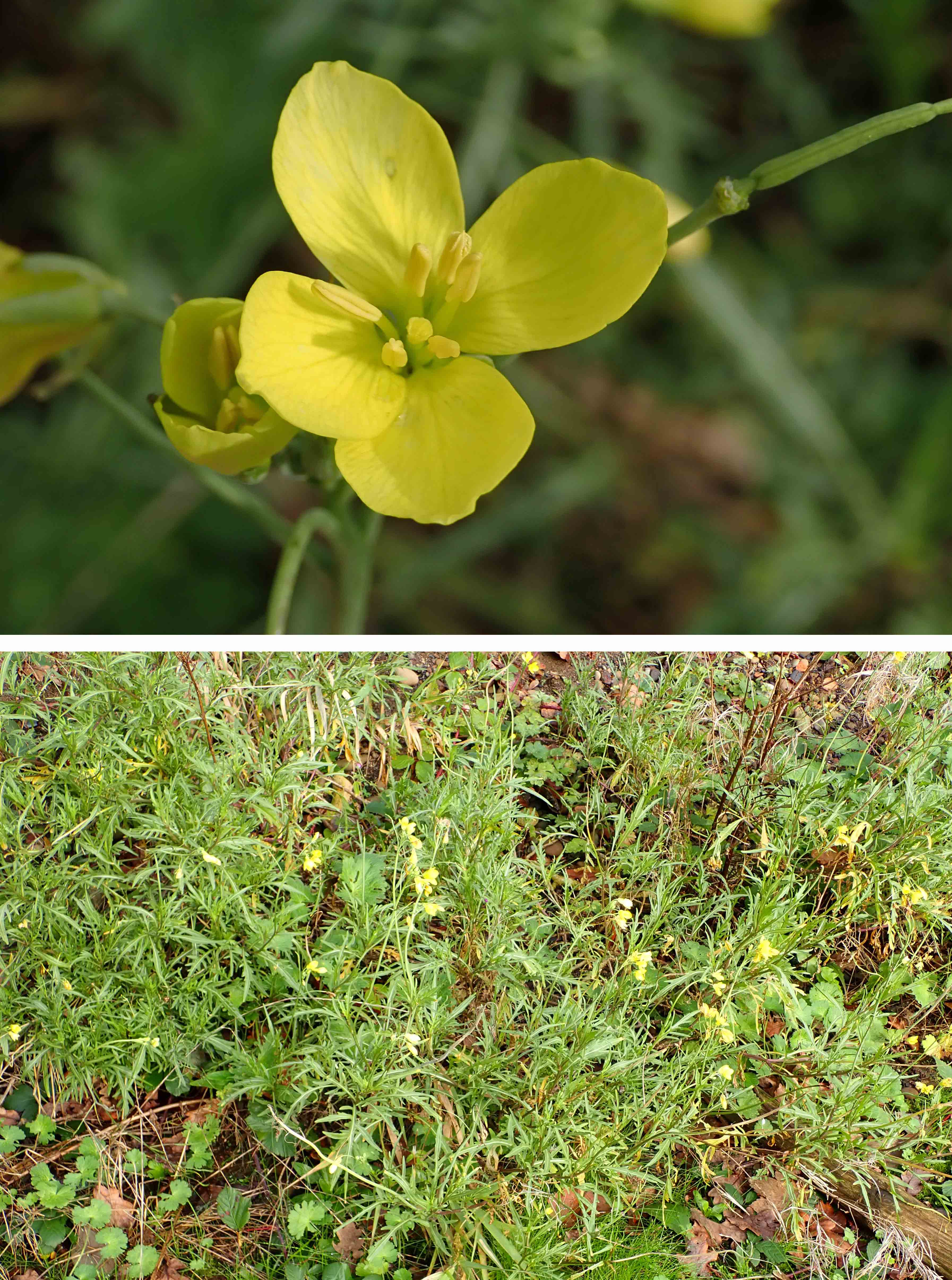
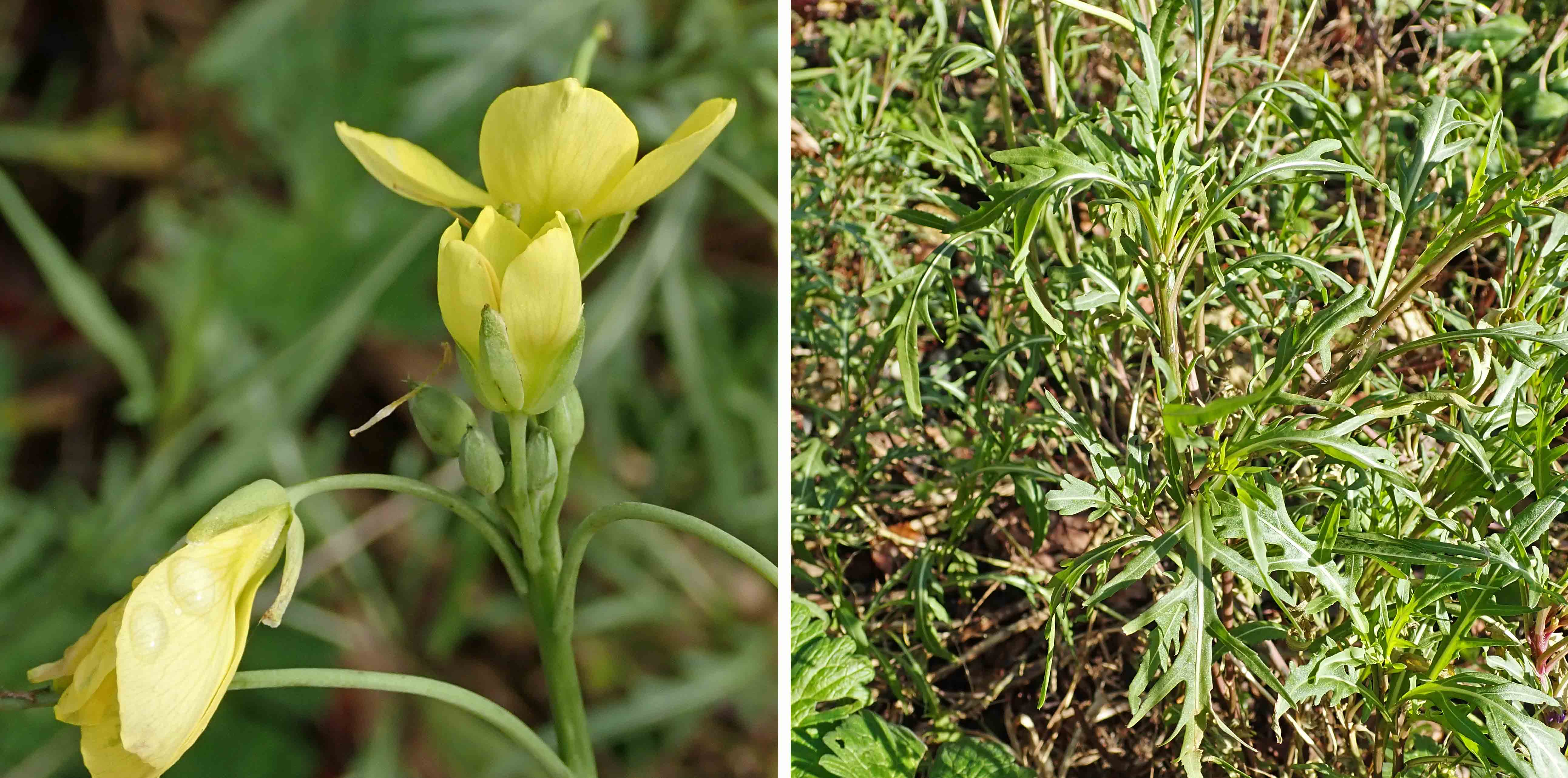
A new plant! As I’ve not been roaming far outside my local area this year, it can be difficult to find new plants to feature but, this week, I struck lucky as I had one of those ‘Oooo, that looks different!’ moments while wandering around Forest Farm Nature Reserve.

241124 perennial wall rocket (1)

I haven’t had this confirmed but I’m fairly certain this is Perennial wall-rocket (Diplotaxis tenuifolia). I found it growing on a spoil heap, a mound of dirt and stone chips and other wildflowers, which, from what I’ve read, is one of its preferred locations. It’s a member of the mustard family, and it seems gardeners also cultivate it as a vegetable, so I assume this particular plant has become naturalised, possibly from the nearby local allotments.

241124 perennial wall rocket (2)

Like Loading...

Autumn in Bute Park

17 Sunday Nov 2024

Posted by sconzani in autumn, leaves, trees

≈ 2 Comments

Tags

autumn colour, autumn in Bute Park, autumn leaves, autumn trees, Bute Park

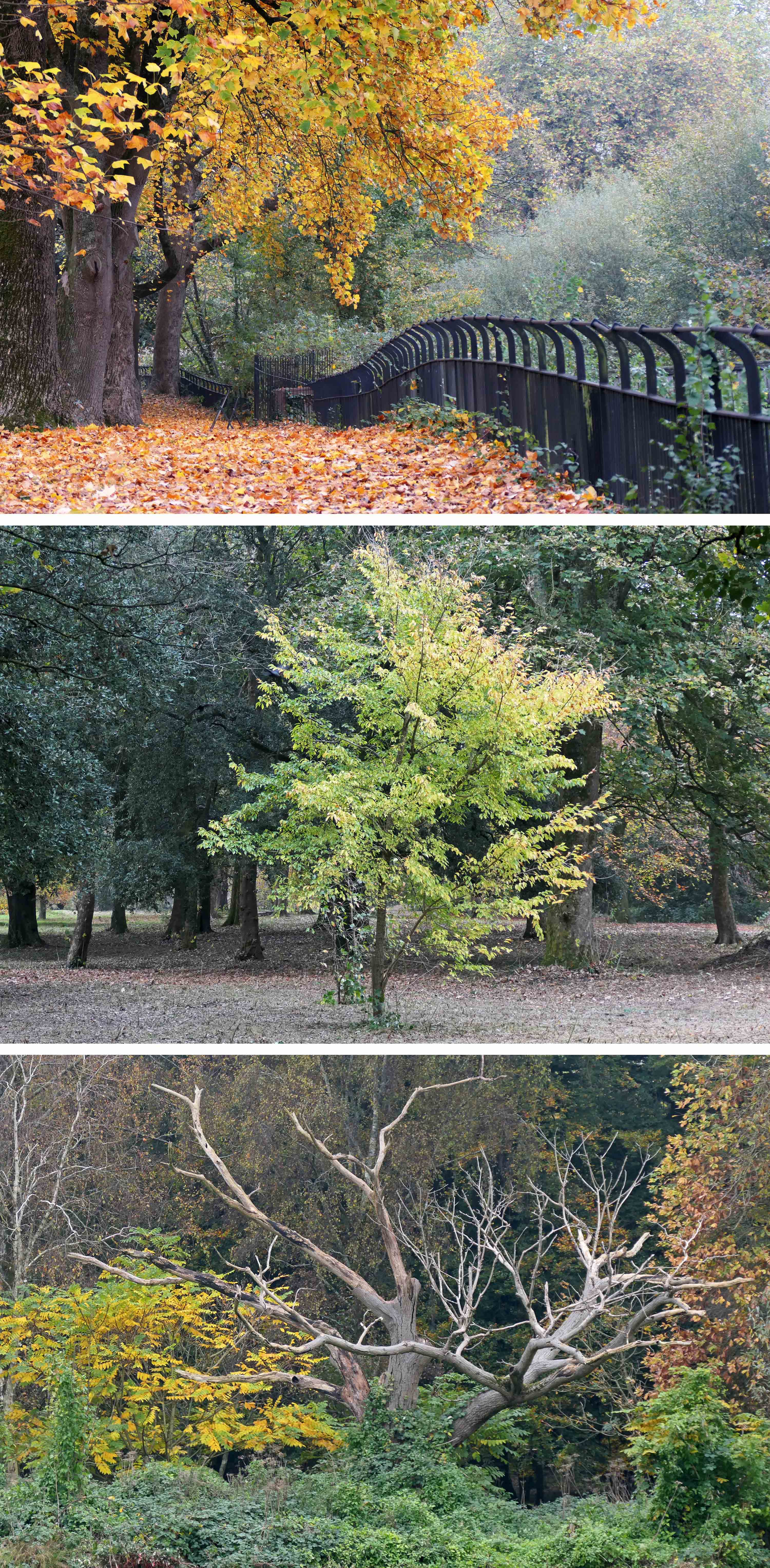
As mentioned in yesterday’s post, I recently enjoyed a long meander around Bute Park, in Cardiff, delighting in the kaleidoscope of autumn colours.

241117 autumn in bute park (1)241117 autumn in bute park (2)

The 130-acre park is part parkland, part playing fields, part woodland, and part landscaped garden, including an arboretum full of spectacular trees from around the world, so my photos include not only native but also exotic trees.

241117 autumn in bute park (3)241117 autumn in bute park (4)

Like Loading...

Lucky last?

14 Thursday Nov 2024

Posted by sconzani in autumn, insects

≈ 2 Comments

Tags

autumn butterflies, autumn colour, British butterflies, butterfly, Red Admiral

Is this the last butterfly I’ll see in 2024? Quite possibly, as the overnight temperatures have now started to fall to single digits. Still, Red admirals are very resilient and, though they should have migrated south by now, I’m seeing reports of the odd one, like this beauty I spotted in a local field on Tuesday, still flying when the sun occasionally appears.

241114 red admiral

Like Loading...

The Blackberry man

10 Sunday Nov 2024

Posted by sconzani in autumn, plants, wildflowers

≈ Leave a comment

Tags

autumn colour, blackberries, bramble, Bramble autumn colour, Bramble berries, Bramble flowers

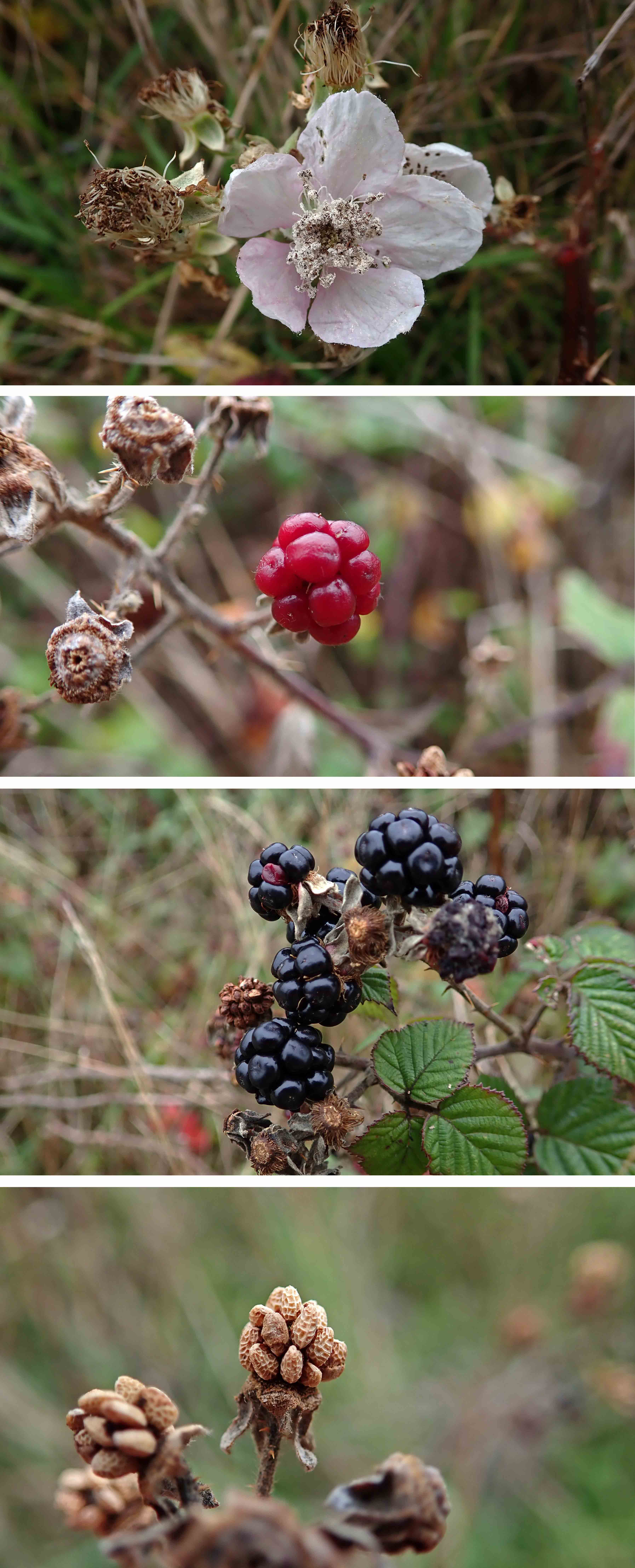
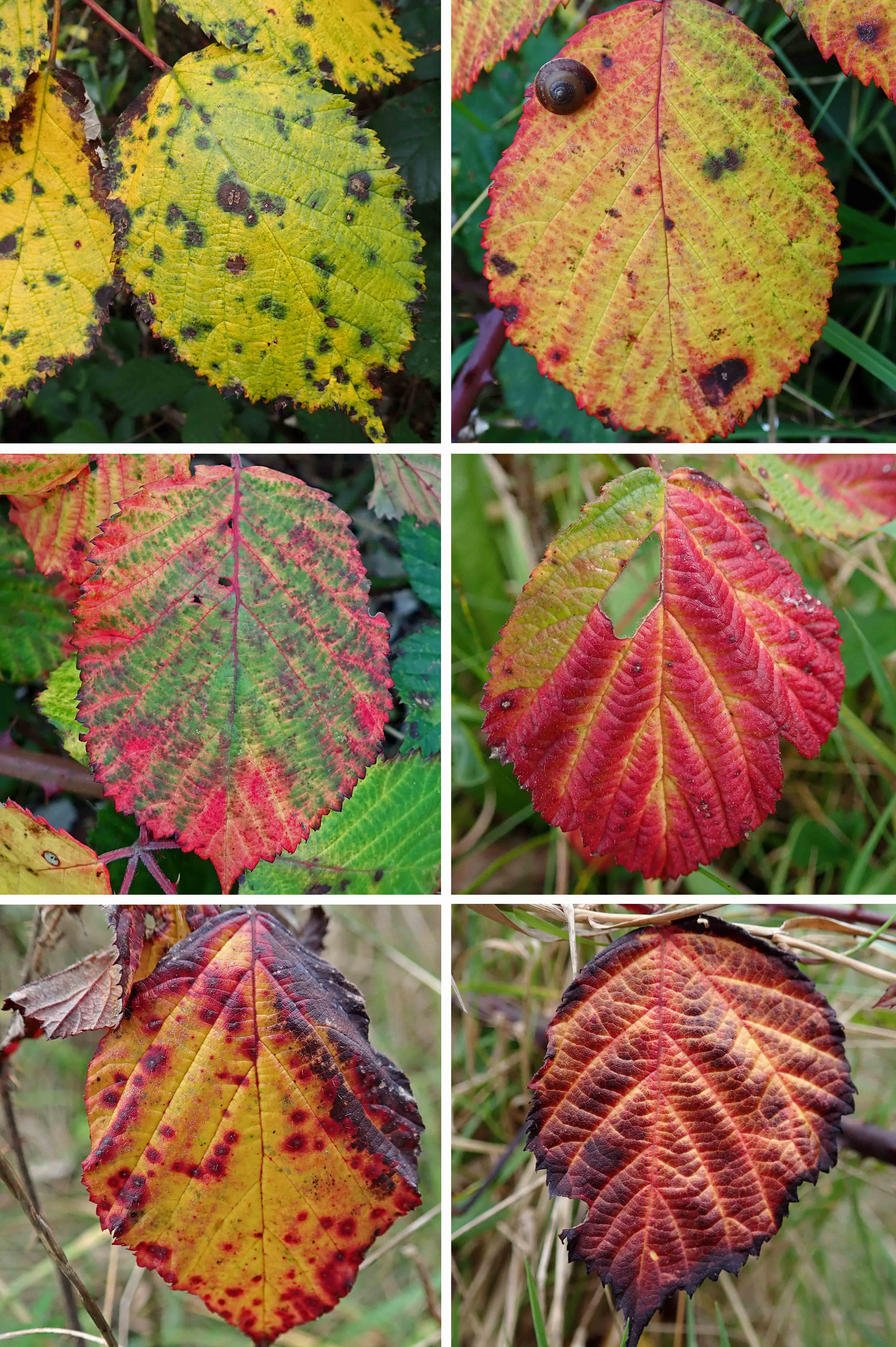
This post was prompted by my bumping in to ‘The Blackberry man’ during yesterday’s walk. I don’t know his name; he’s just a random stranger I got talking to two winters ago during a walk around Cardiff’s Grangemoor Park. I was picking a few Blackberries to eat, he was filling a small container to take home for his family. He’s an older man, originally from a Middle Eastern country, and doesn’t have great English, but we got by. And now, whenever we see each other at the park, we stop and chat for a few minutes.

Seeing him led me to look more closely at the Brambles. The majority of plants had already flowered, produced berries and the fruit that hadn’t been eaten had gone to seed but, scattered here and there amongst the plants, there were still a few flowers, and a few immature and ripe berries.

241110 brambles (1)

I also couldn’t help but admire the exceptional colour variations and intensity of colour displayed by the Bramble leaves as autumn progresses. So, thank you Blackberry man, for reminding me to look more closely at these often-overlooked plants.

241110 brambles (2)

Like Loading...
← Older posts
Newer posts →

About me

sconzani

sconzani

I'm a writer and photographer; researcher and blogger; birder and nature lover; countryside rambler and city strider; volunteer and biodiversity recorder.

View Full Profile →

Follow earthstar on WordPress.com

Enter your email address to follow this blog and receive notifications of new posts by email.

Recent blog posts

  • M is for mite December 18, 2025
  • L is for lepidopteran lifers December 17, 2025
  • K is for Keeled skimmers December 16, 2025
  • J is for Jersey tiger December 15, 2025
  • I is for Ichneumon December 14, 2025

From the archives

COPYRIGHT

Unless otherwise acknowledged, the text and photographs on this blog are my own and are subject to international copyright. Nothing may be downloaded or copied without my permission.

Fellow Earth Stars!

  • Unknown's avatar
  • Unknown's avatar
  • Unknown's avatar
  • Unknown's avatar
  • Unknown's avatar
  • Unknown's avatar
  • Unknown's avatar
  • Unknown's avatar
  • Unknown's avatar
  • Unknown's avatar
  • Unknown's avatar
  • Unknown's avatar
  • Unknown's avatar
  • Unknown's avatar
  • Unknown's avatar
  • Unknown's avatar
  • Unknown's avatar
  • Unknown's avatar
  • Unknown's avatar
  • Unknown's avatar
  • Unknown's avatar
  • Unknown's avatar
  • Unknown's avatar
  • Unknown's avatar
  • Unknown's avatar
  • Unknown's avatar
  • Unknown's avatar
  • Unknown's avatar
  • Unknown's avatar
  • Unknown's avatar
  • Unknown's avatar
  • Unknown's avatar
  • Unknown's avatar
  • Unknown's avatar
  • Unknown's avatar
  • Unknown's avatar
  • Unknown's avatar
  • Unknown's avatar
  • Unknown's avatar
  • Unknown's avatar
  • Unknown's avatar
  • Unknown's avatar
  • Unknown's avatar
  • Unknown's avatar
  • Unknown's avatar
  • Unknown's avatar
  • Unknown's avatar
  • Unknown's avatar
  • Unknown's avatar
  • Unknown's avatar

Blog at WordPress.com.

Privacy & Cookies: This site uses cookies. By continuing to use this website, you agree to their use.
To find out more, including how to control cookies, see here: Cookie Policy
  • Subscribe Subscribed
    • earthstar
    • Join 667 other subscribers
    • Already have a WordPress.com account? Log in now.
    • earthstar
    • Subscribe Subscribed
    • Sign up
    • Log in
    • Report this content
    • View site in Reader
    • Manage subscriptions
    • Collapse this bar
 

Loading Comments...
 

You must be logged in to post a comment.

    %d