
Tags
British butterflies, butterfly, Clouded yellow, Colias croceus, Dorset butterflies, migrating butterflies, RSPB Lodmoor
I’ve been away for another mini break, staying once again in Weymouth, on Dorset’s south coast, for four nights, spending my three and a half days surrounded by birds and butterflies (also crowds of summertime beach visitors, though, fortunately for me, most of them weren’t in Weymouth for the same kind of wildlife as I was). With cool winds and lengthy spells of drizzle, the weather wasn’t as good as during my visit in early June, but I saw lots of lovely creatures that I will share with you over the coming week.
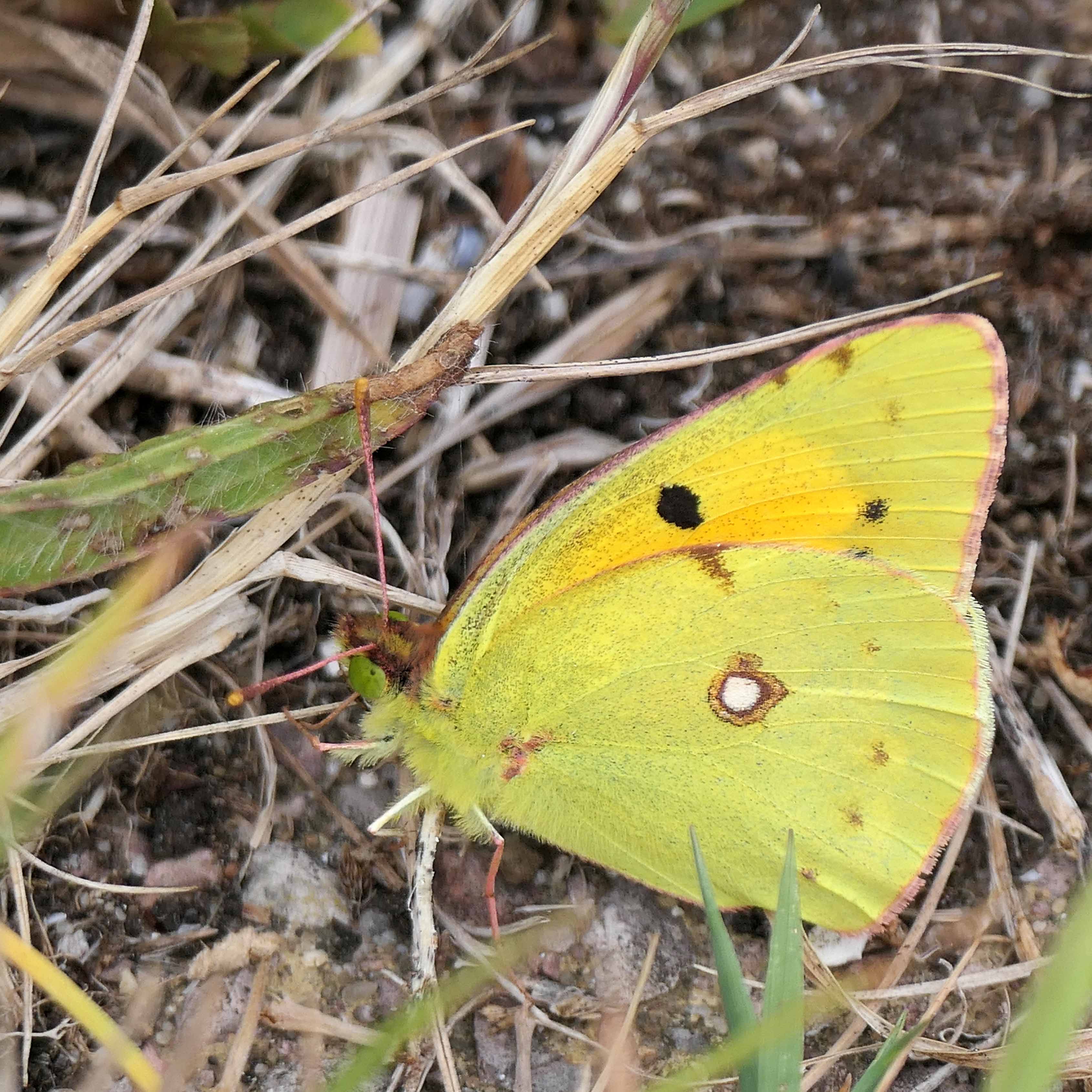
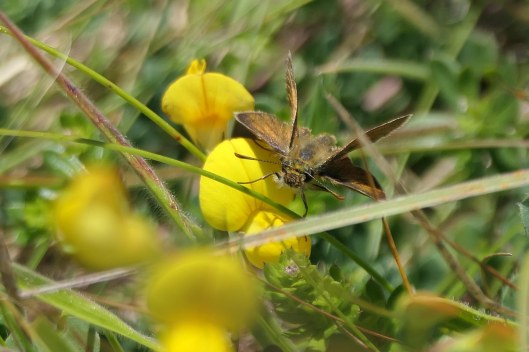
First up today is the first of four new-for-2025 butterfly species I saw, this gorgeous Clouded yellow (Colias croceus), a butterfly I don’t see in south Wales every year as they’re migrants from Europe and their appearance on our shores depends a lot on weather and wind direction and how their population is faring. This sighting was particularly welcome, as I had spent Tuesday morning wandering around the RSPB’s Radipole reserve in almost constant drizzle, then headed for an afternoon wander around RSPB Lodmoor. This little drop of sunshine fluttered up right in front of me when I got to Lodmoor, a sign of the lovely afternoon to follow.
 earthstar
You must be logged in to post a comment.