• ABOUT
  • BIRDING 2018
  • Birding 2019
  • BLOG POSTS
  • Butterflies 2018
  • Resources

earthstar

~ a celebration of nature

earthstar

Author Archives: sconzani

A female Vapourer

18 Tuesday Nov 2025

Posted by sconzani in insects

≈ Leave a comment

Tags

British moths, female Vapourer, flightless female moth, moth, Orgyia antiqua, The Vapourer, Vapourer cocoon, Vapourer eggs

The highlight of my walk last Saturday was finding my first female Vapourer moth (Orgyia antiqua), sitting on her cocoon, presumably newly emerged.
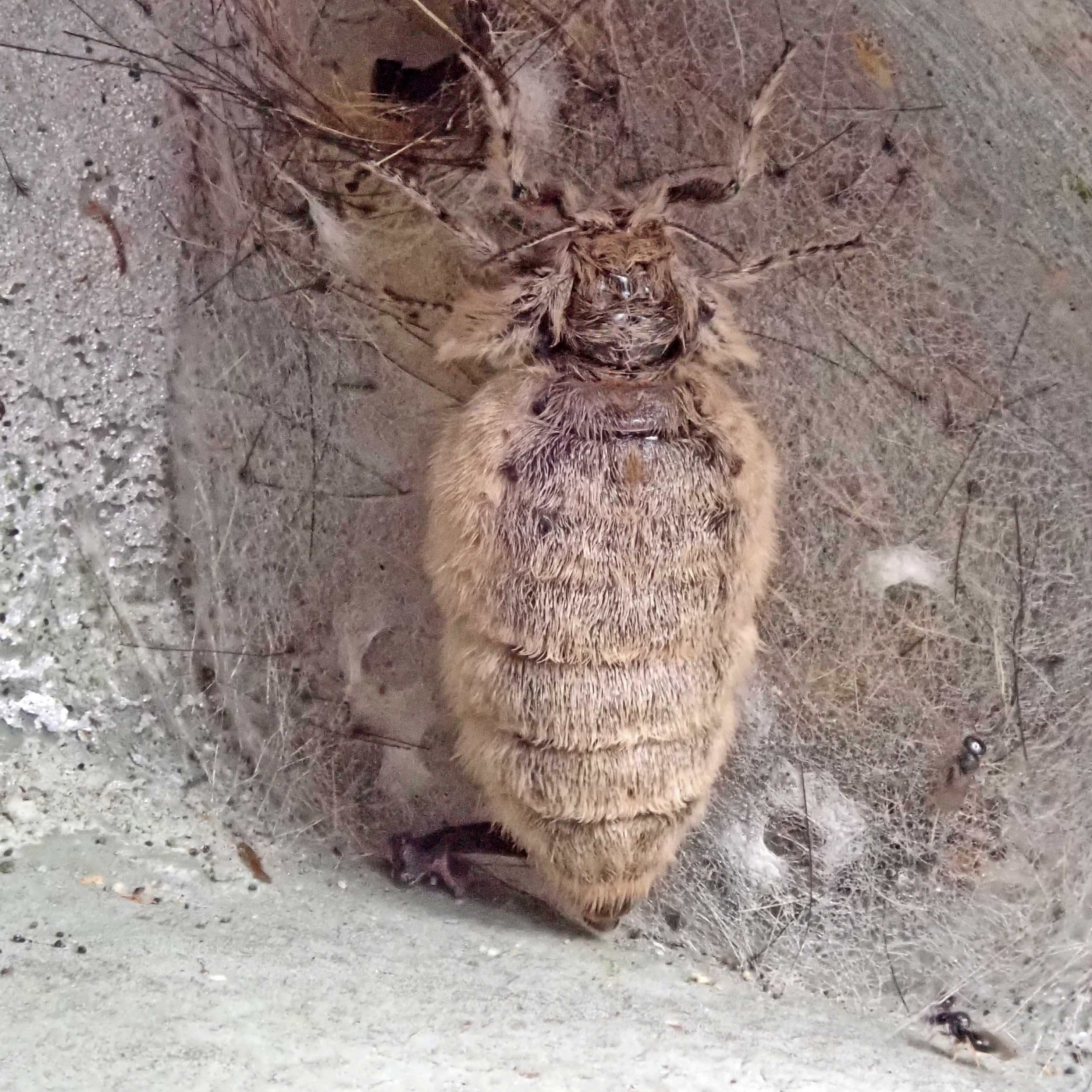
Now, you might look at her and think ‘That doesn’t look like a moth. Where are the wings?’ That’s the amazing thing about a female Vapourer – she’s almost wingless; her wings are so tiny that she’s unable to fly. Once she hatches, the female sits on her cocoon, as this one was, emitting pheromones and waiting for a male to fly by, notice and mate with her. Then, she’ll lay her eggs on the outside of her empty cocoon (as you can see on the other cocoon I found very close to the female, and which I also blogged about earlier this year: Vapourer pupa and eggs, January 2025). As she can’t fly, the female can’t feed, so she will die soon after laying her eggs.
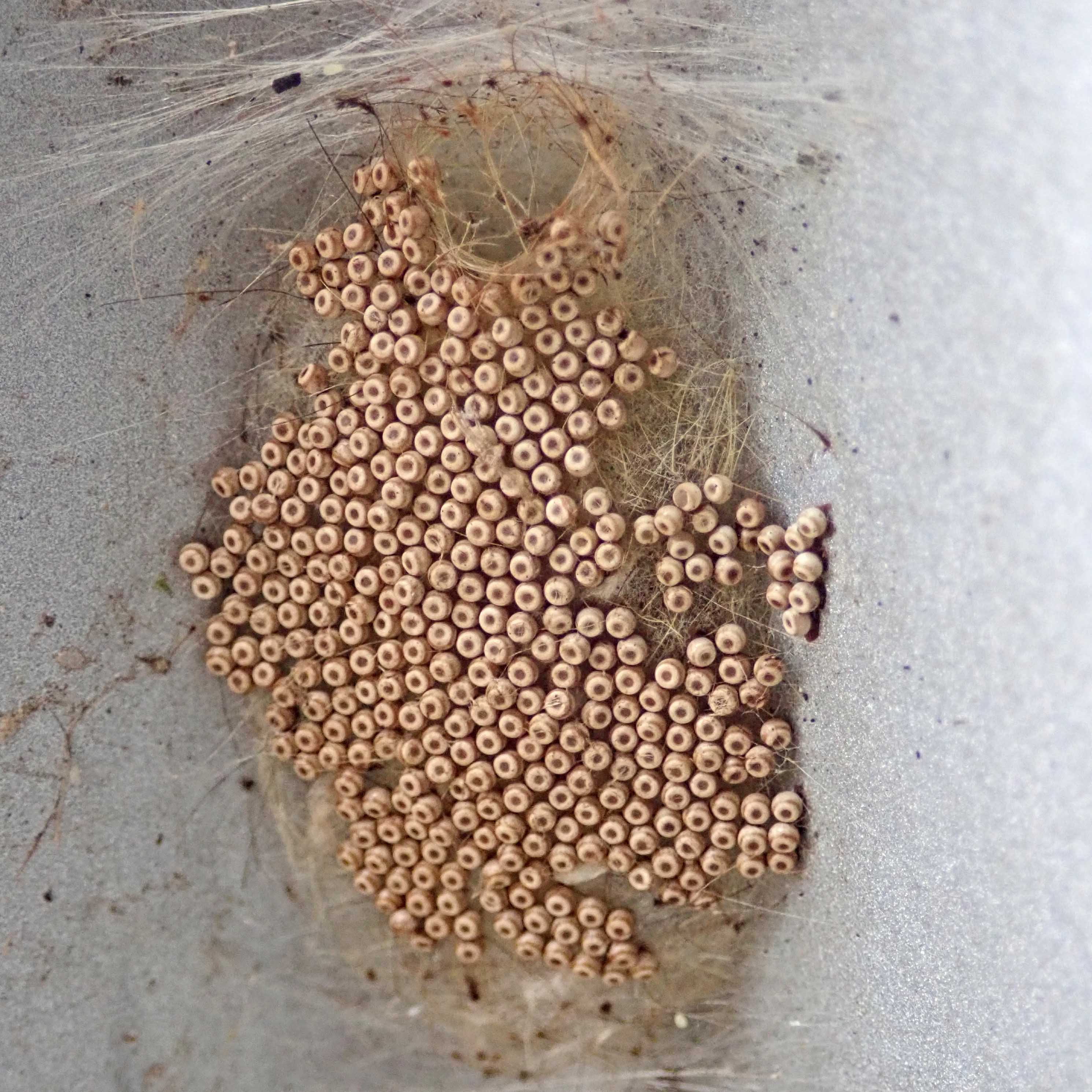
Ominously, there were tiny parasitic wasps hanging around the female, presumably waiting to inject her eggs, so some of those eggs may not produce caterpillars come the spring.
Like Loading...

Birds and Buckthorn berries

17 Monday Nov 2025

Posted by sconzani in autumn, birds, trees

≈ Leave a comment

Tags

birding, birds eating berries, birdwatching, blackbird, British birds, Buckthorn berries, Buckthorn tree, Song thrush, Woodpigeon

Last Wednesday’s weather was dreich. (Are you familiar with that word? It’s Scottish English, a word I learnt when married to a Scotsman and from having lived for a few years in Scotland. It means bleak and dreary, and is the perfect descriptive for much of our recent weather.)

Back to last Wednesday … it was too bleak even for me to go out walking so, while sitting at my dining table/desk, deliberately placed by my living room windows for maximum external views, I had one eye on any wildlife activity happening outside.

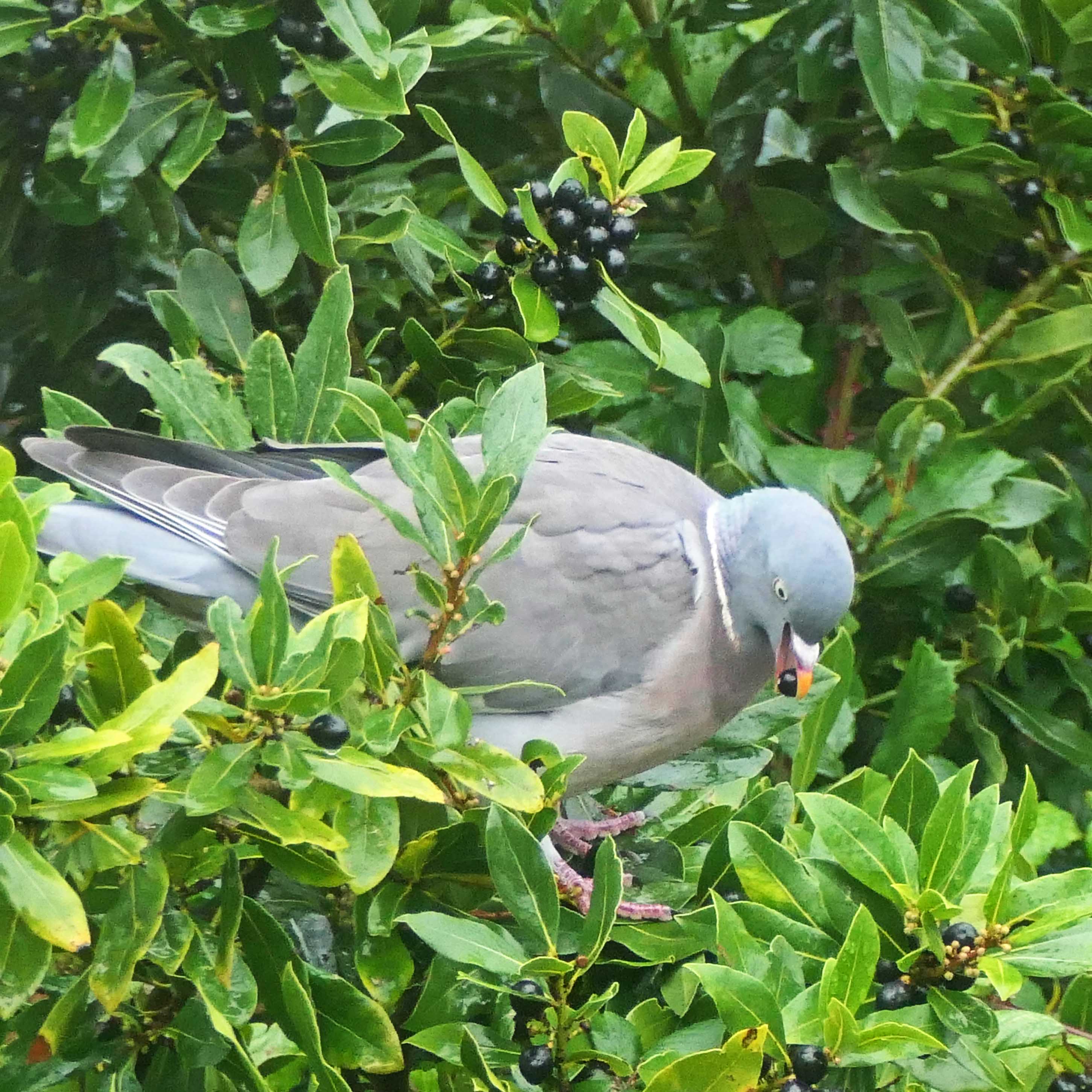
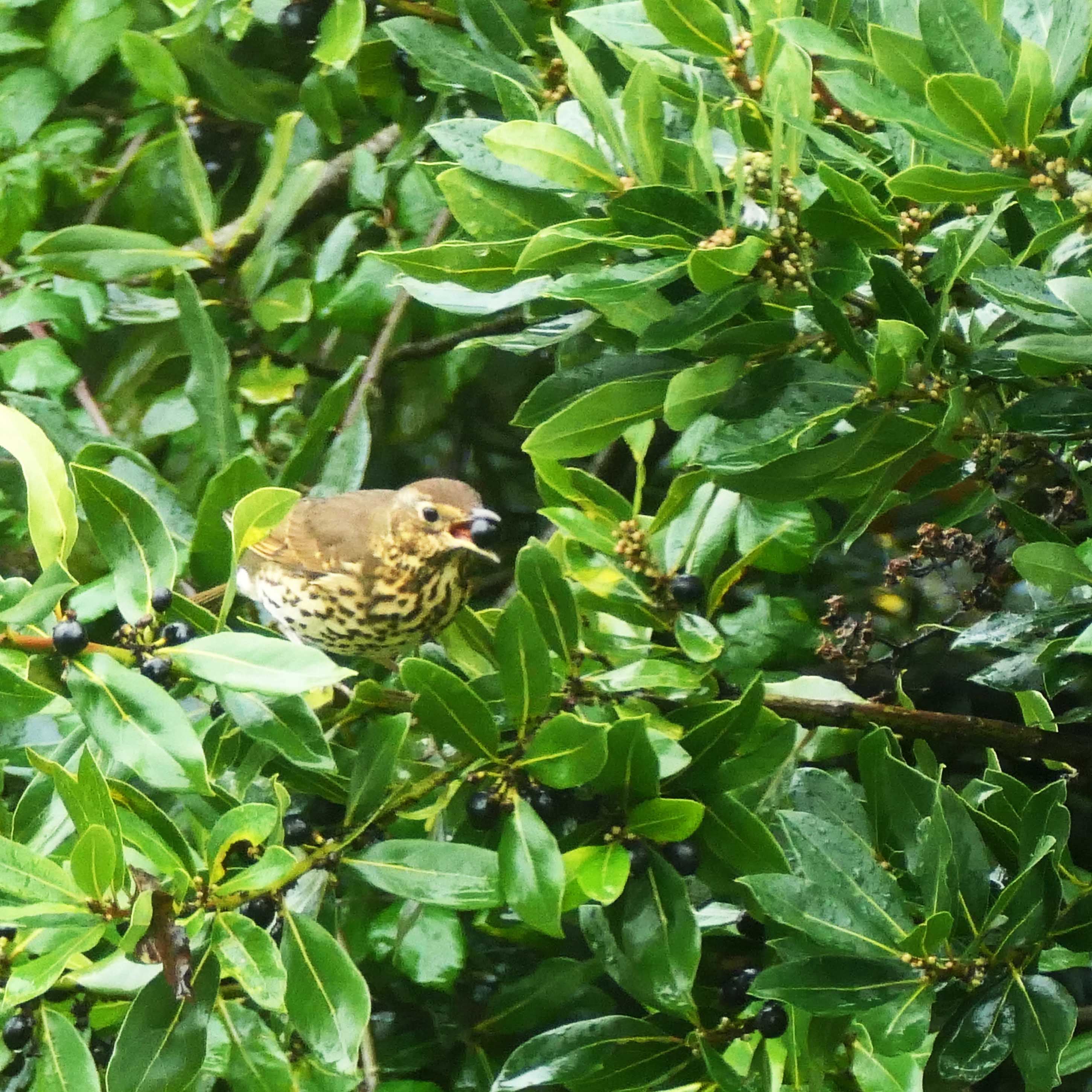
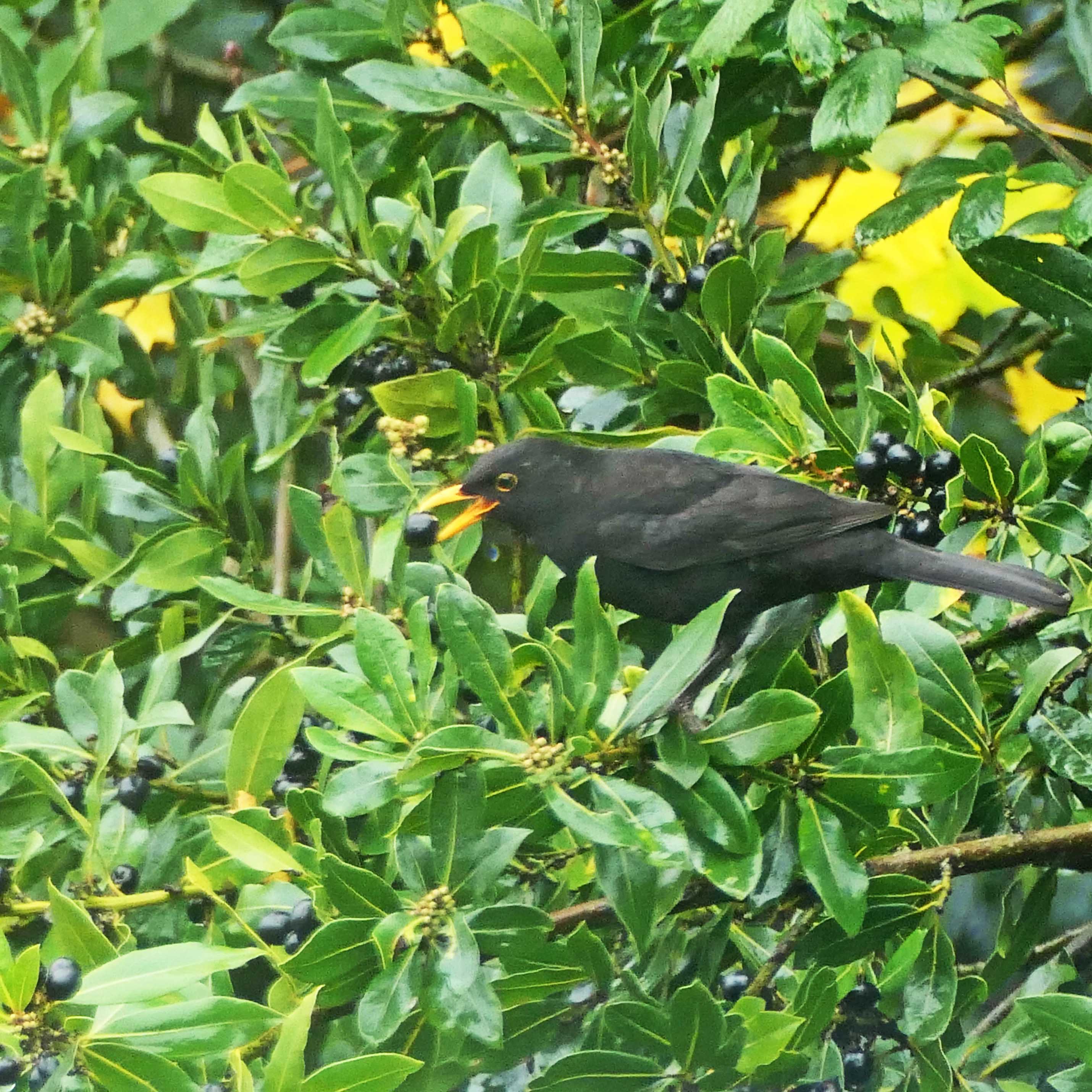
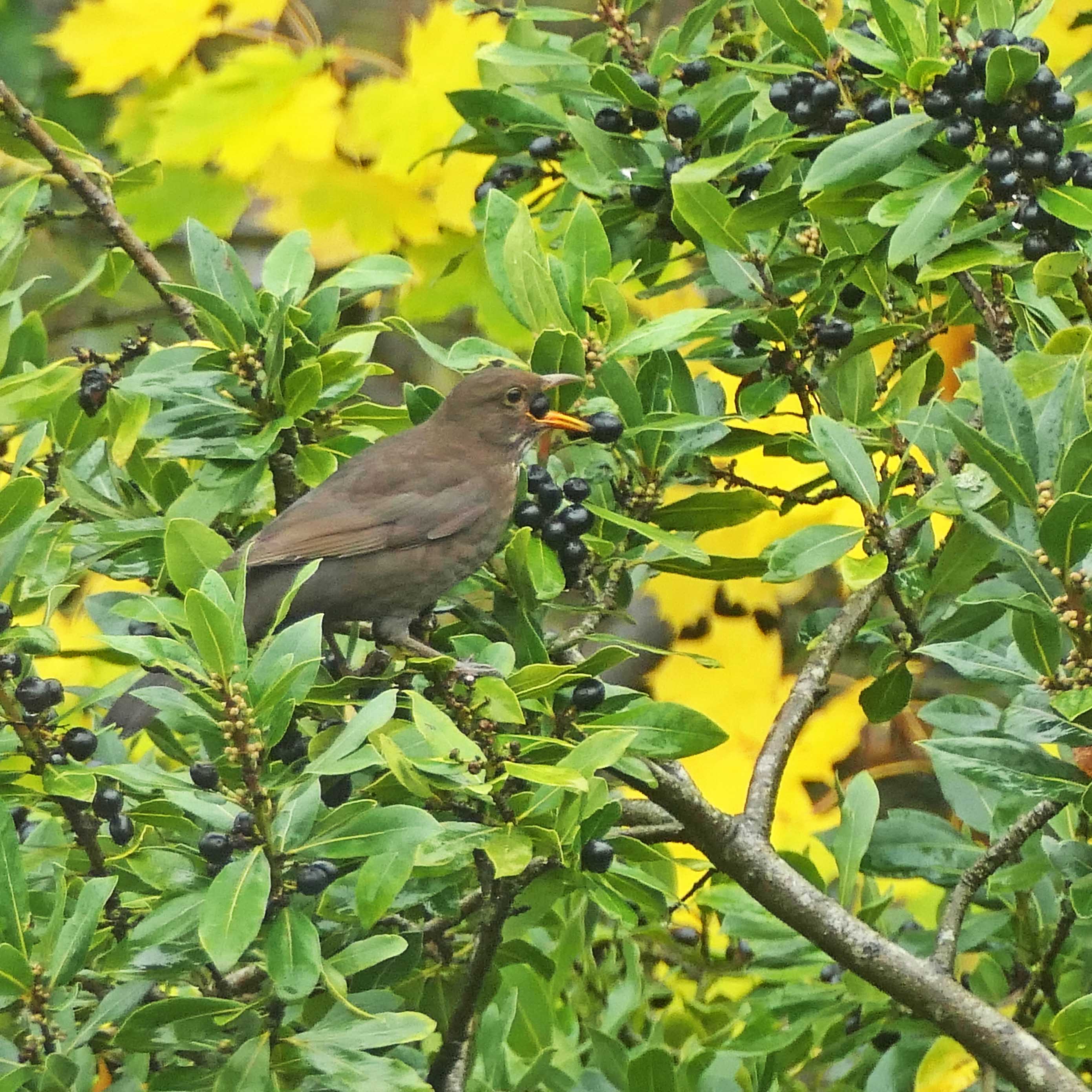
Though the berries on this Buckthorn tree had looked ripe for a week or more, the birds chose this particular day to begin selecting the most juicy plump fruit to eat. As I watched, first male and female Blackbirds flew in and began scoffing the berries. Then, the Woodpigeons turned up, the branches of the tree drooping and swaying under their weight. And, lastly, a handsome Song thrush appeared to join in the feast.

As my photos were taken through rain-covered double-glazed windows, they’re not very sharp but I thought they were still worth sharing. Watching all these beautiful birds certainly cheered a very grey day.

Like Loading...

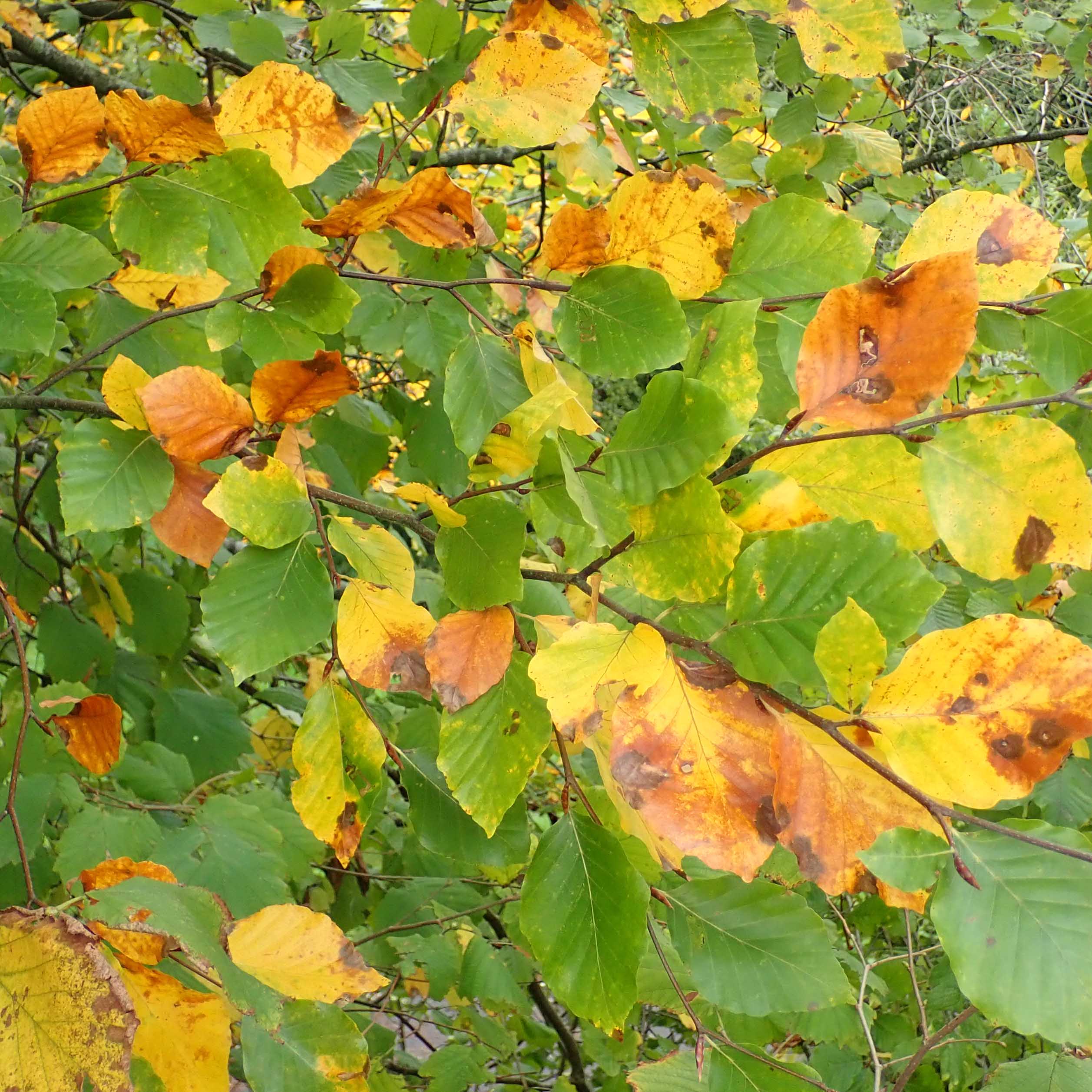
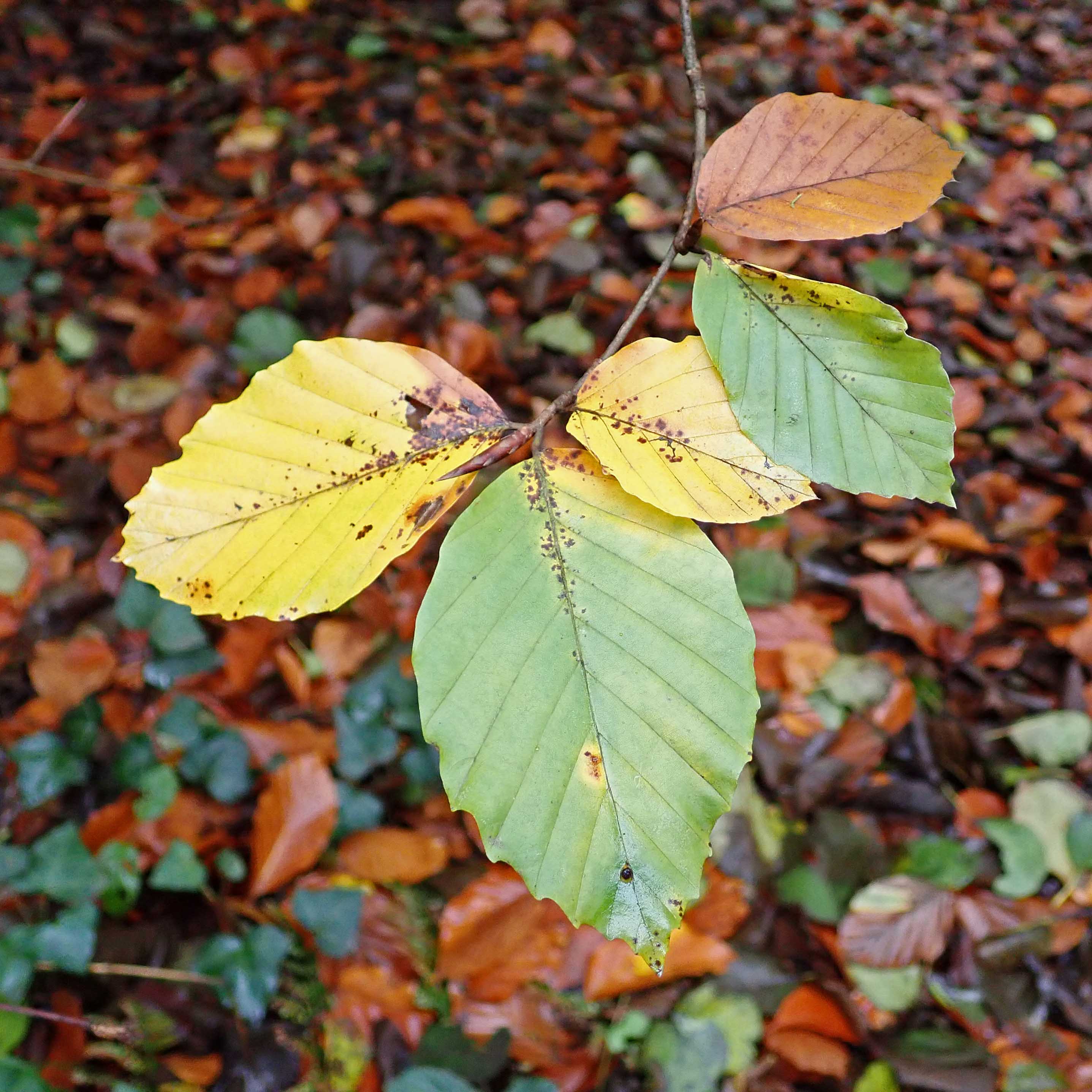
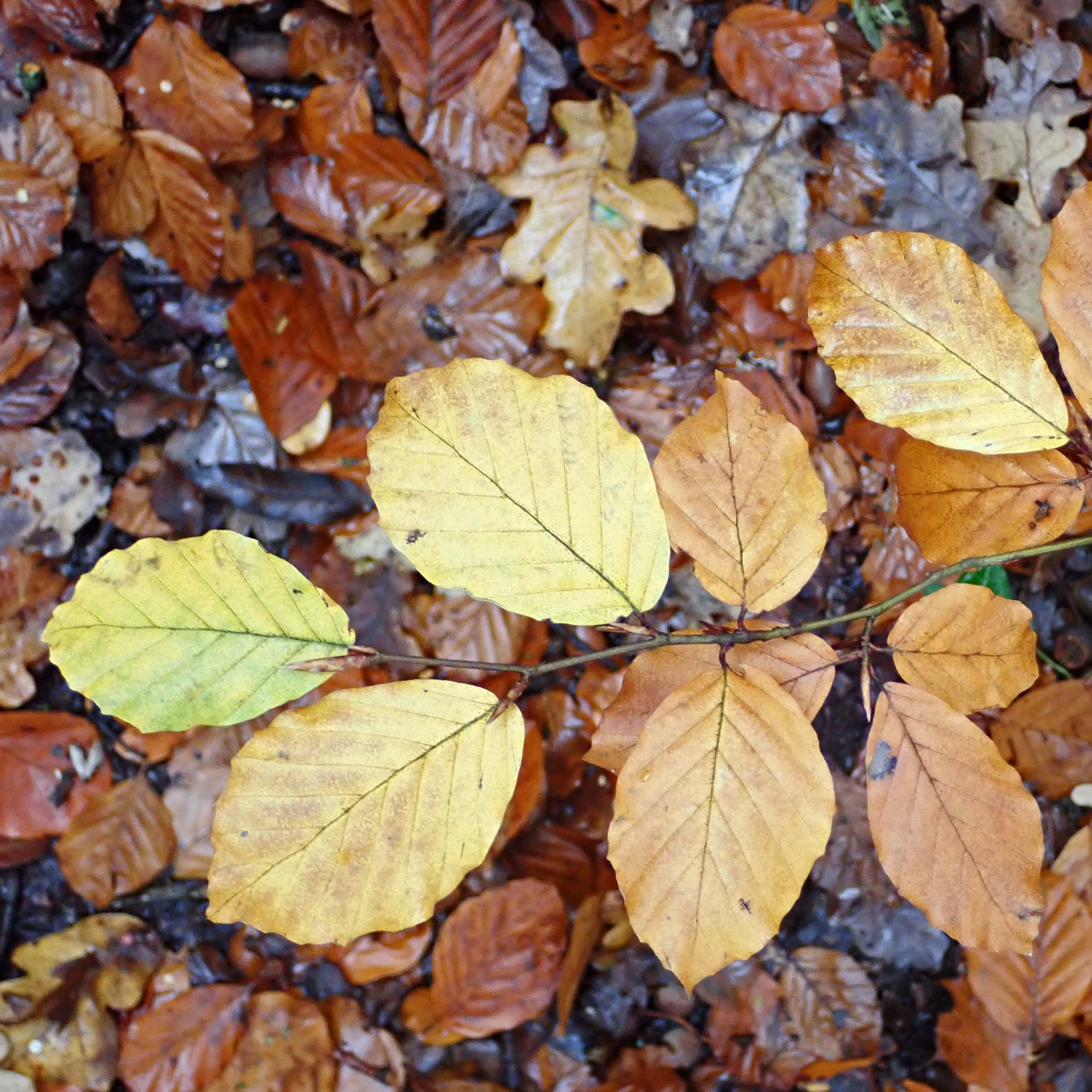
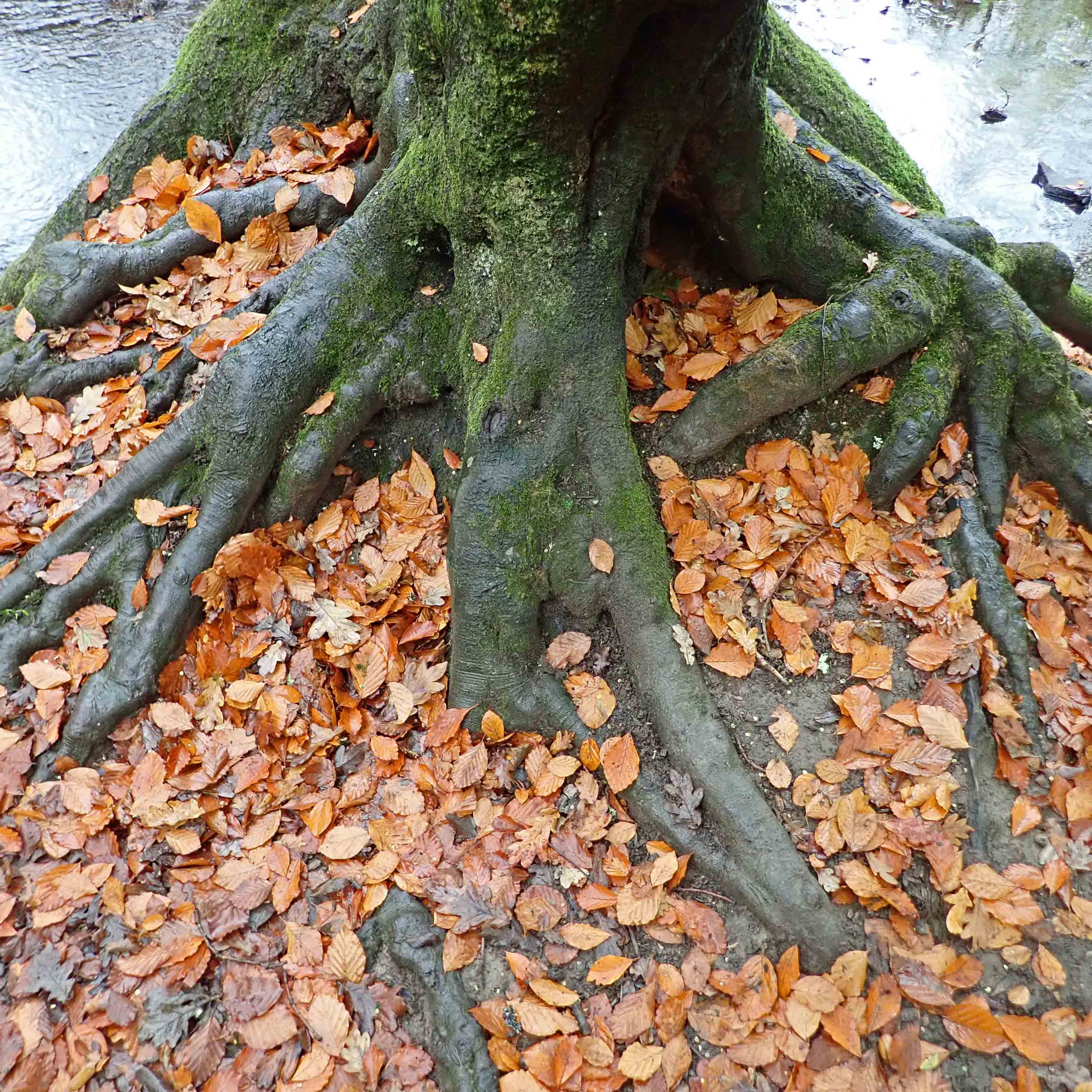
Autumn trees: Beech

16 Sunday Nov 2025

Posted by sconzani in autumn

≈ Leave a comment

Tags

autumn colour, beech, Beech in autumn, Beech leaves, British trees, Fagus sylvatica

Things I didn’t know about the Beech tree (Fagus sylvatica) until I started to research this post, all courtesy of Richard Mabey’s Flora Britannica …

Even its arrival in this country has been a contentious matter, and it is often claimed to be a Roman introduction … But beech pollen remains have been found in the Hampshire basin that date from 6000 BC – about 2,000 years after the oaks returned to post-glacial Britain and 500 years before the Channel opened. So the beech just passes the key test of botanical nativeness; it was here when Britain became on island.

The leaves have been made into a potent alcoholic drink – beech-leaf noyau. This is a recipe remembered by a 70-year-old man in the southern Chilterns: ‘Wash and dry enough been leaves to fill your stone jar – cover them with gin. Leave for a week, then strain off the liquid and measure. To each pint add a pound of sugar which is dissolved in half a pint of boiling water. Add a good quantity of brandy and stir together, then leave to go cold before bottling.’

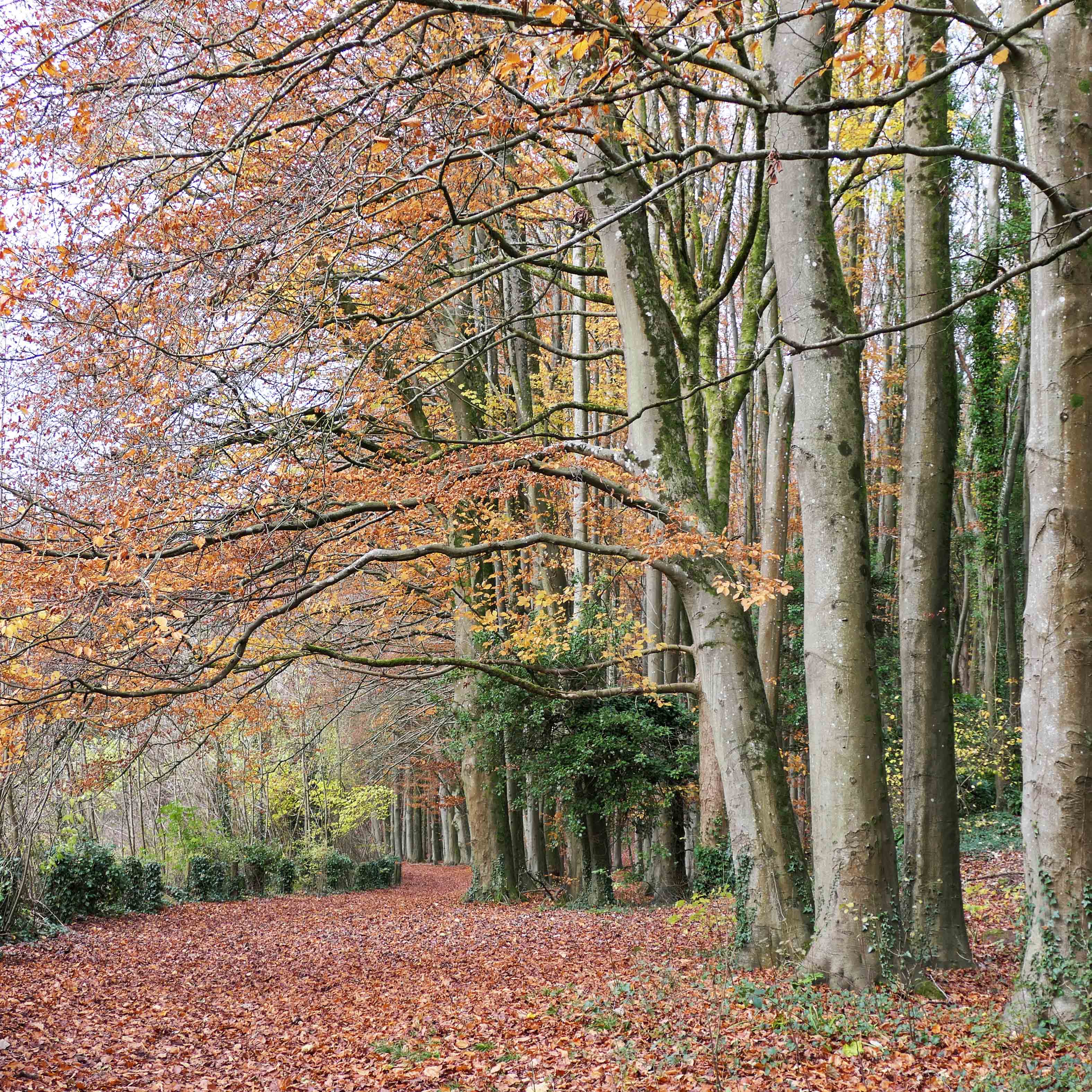
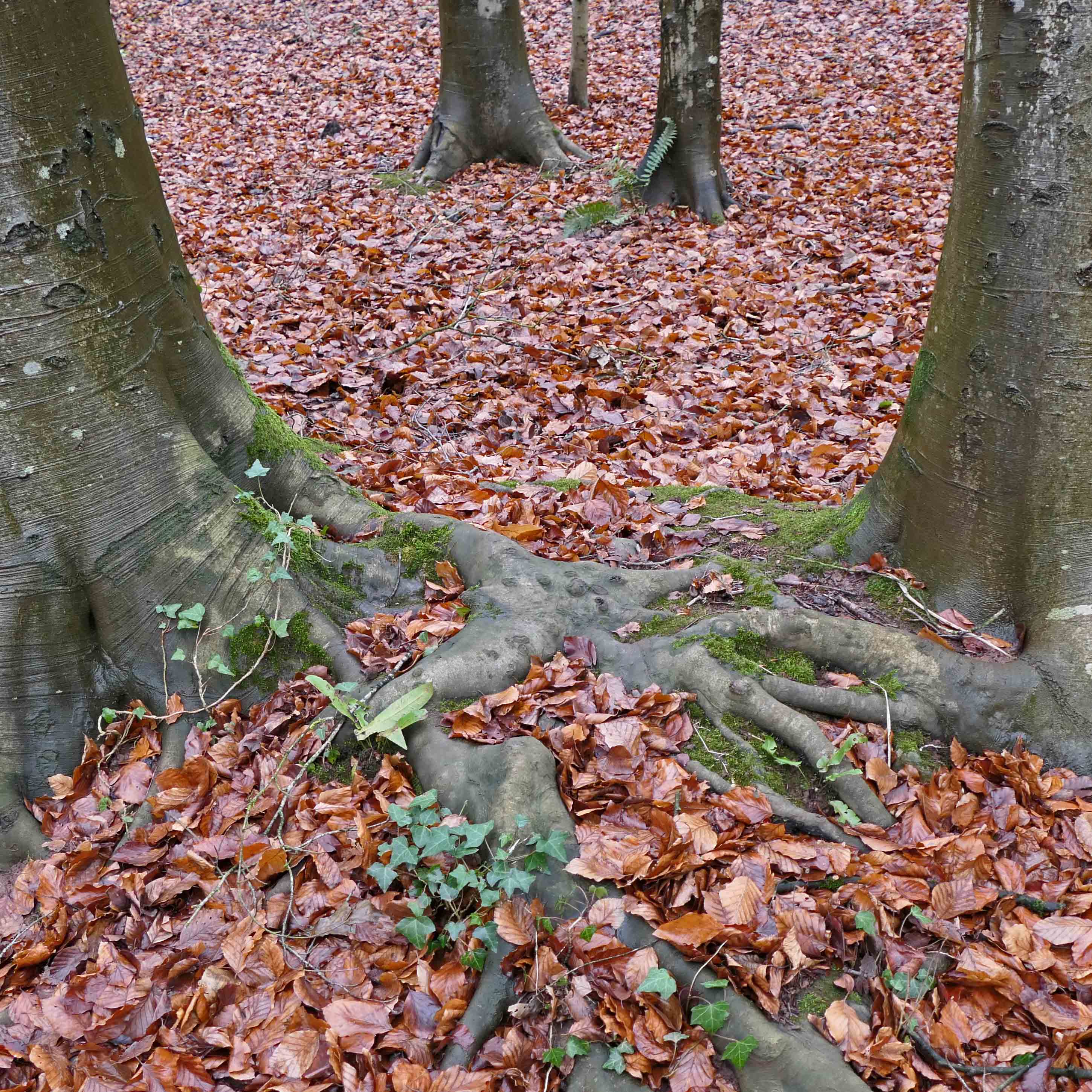
I’m not sure I’d give that drink a try but, standing tall and statuesque amongst its tree companions, the Beech is a magnificent tree, a definite favourite of mine in every season, but especially in autumn.

Like Loading...

Bountiful Ground-ivy

15 Saturday Nov 2025

Posted by sconzani in fungi, insects, leaves, plants

≈ Leave a comment

Tags

case-bearing moth larva on Ground-ivy, Coleophora albitarsella, galls on Ground-ivy, Ground-ivy, Puccinia glechomatis, Rondaniola bursaria, rust on Ground-ivy

When the weather’s wet, which it often has been of late, I tend to focus more on looking for small things when out walking. This is partly because the larger creatures, like birds, tend to prefer taking shelter as much as we humans do but also because I don’t want to get my good camera wet and my small camera, the one I use for close-up shots, is waterproof. Monday was one such day and, when I stooped to pat a random black cat that appeared out of nowhere, I noticed how marked and mottled were the leaves of the Ground-ivy the cat was sitting next to. So, I investigated.

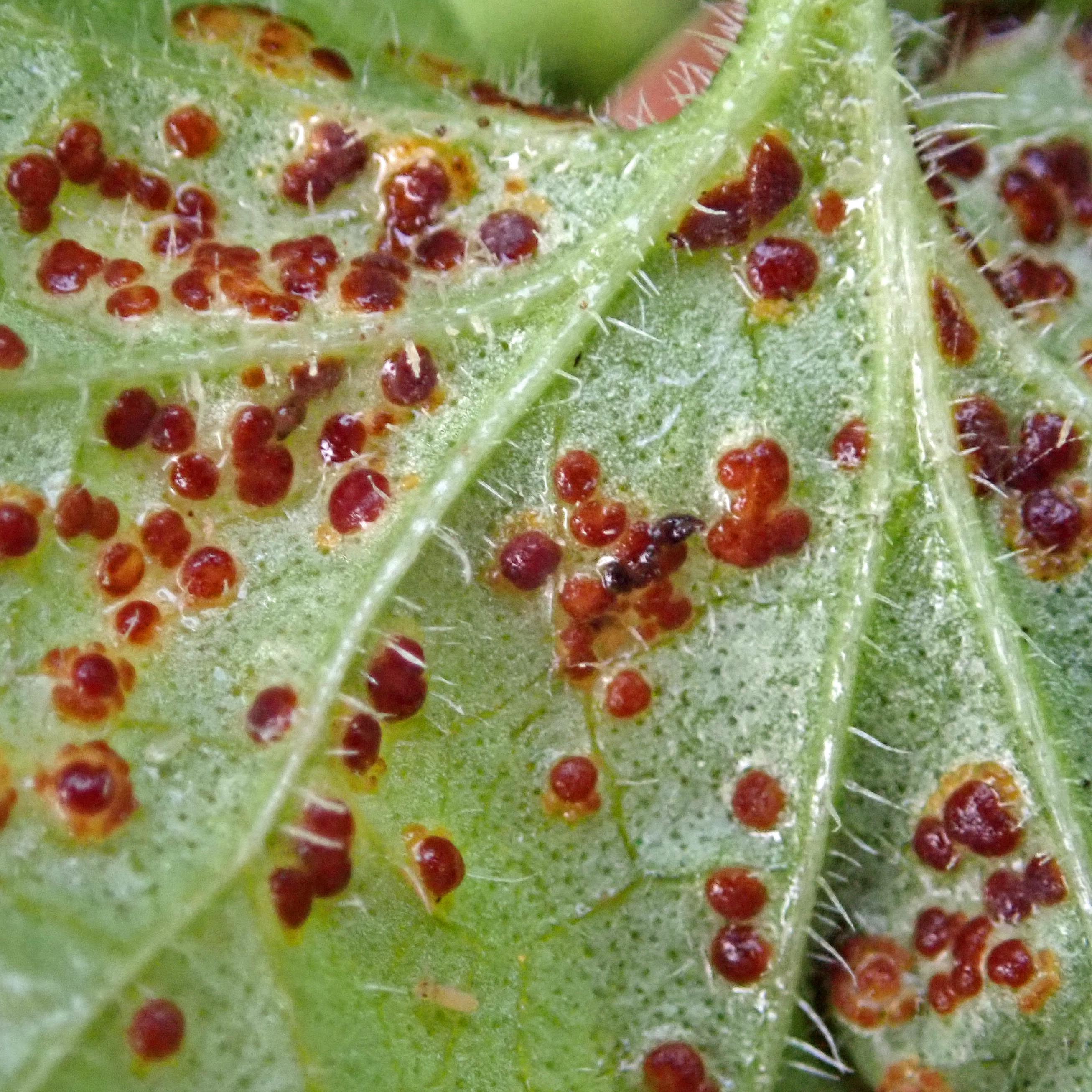
And what a bountiful patch of Ground-ivy it was. Firstly, I couldn’t help but notice how many of the leaves were covered with the pustules of the rust fungus Puccinia glechomatis.

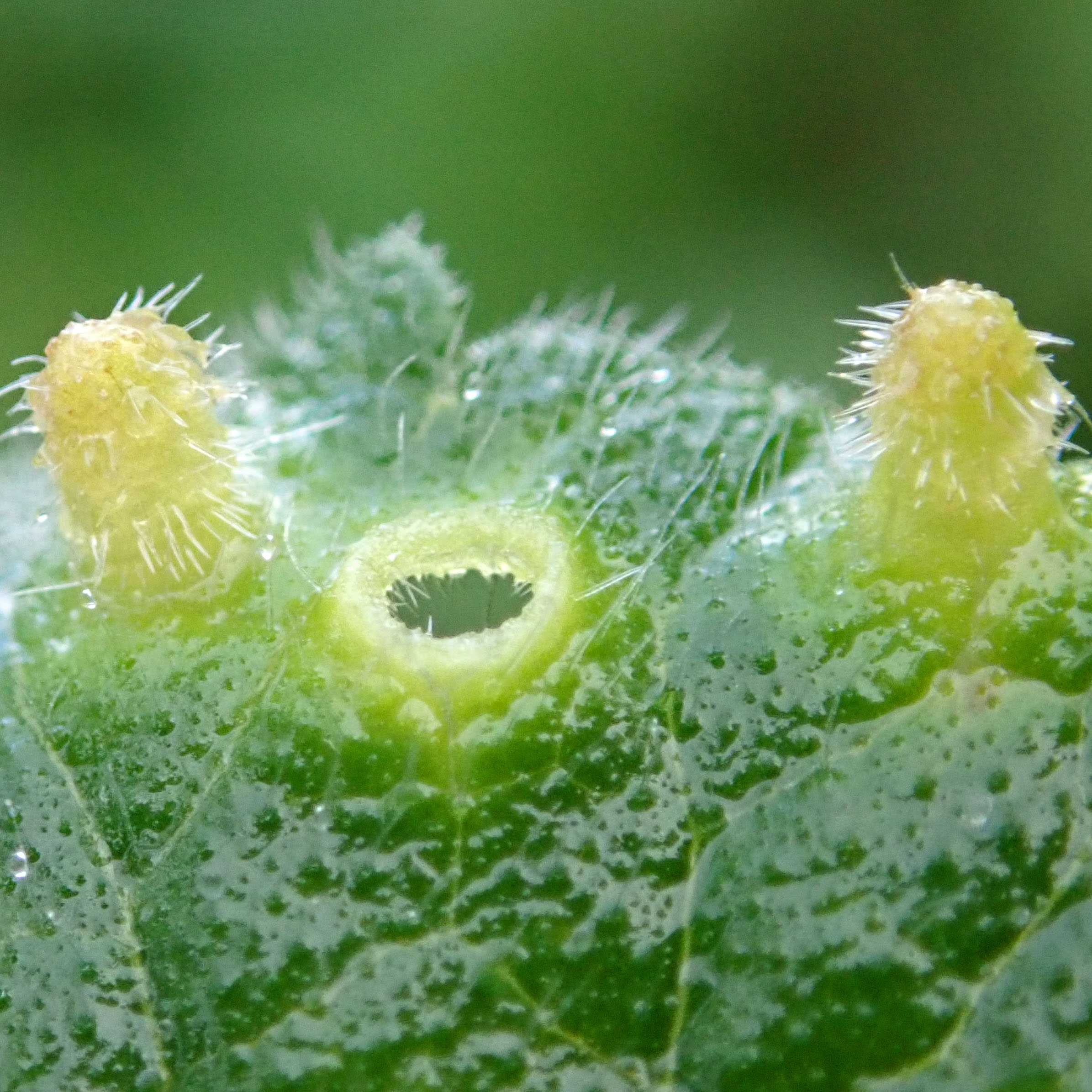
Then I discovered that many of the leaves also had small bumps on them, galls caused by the miniscule mite Rondaniola bursaria.

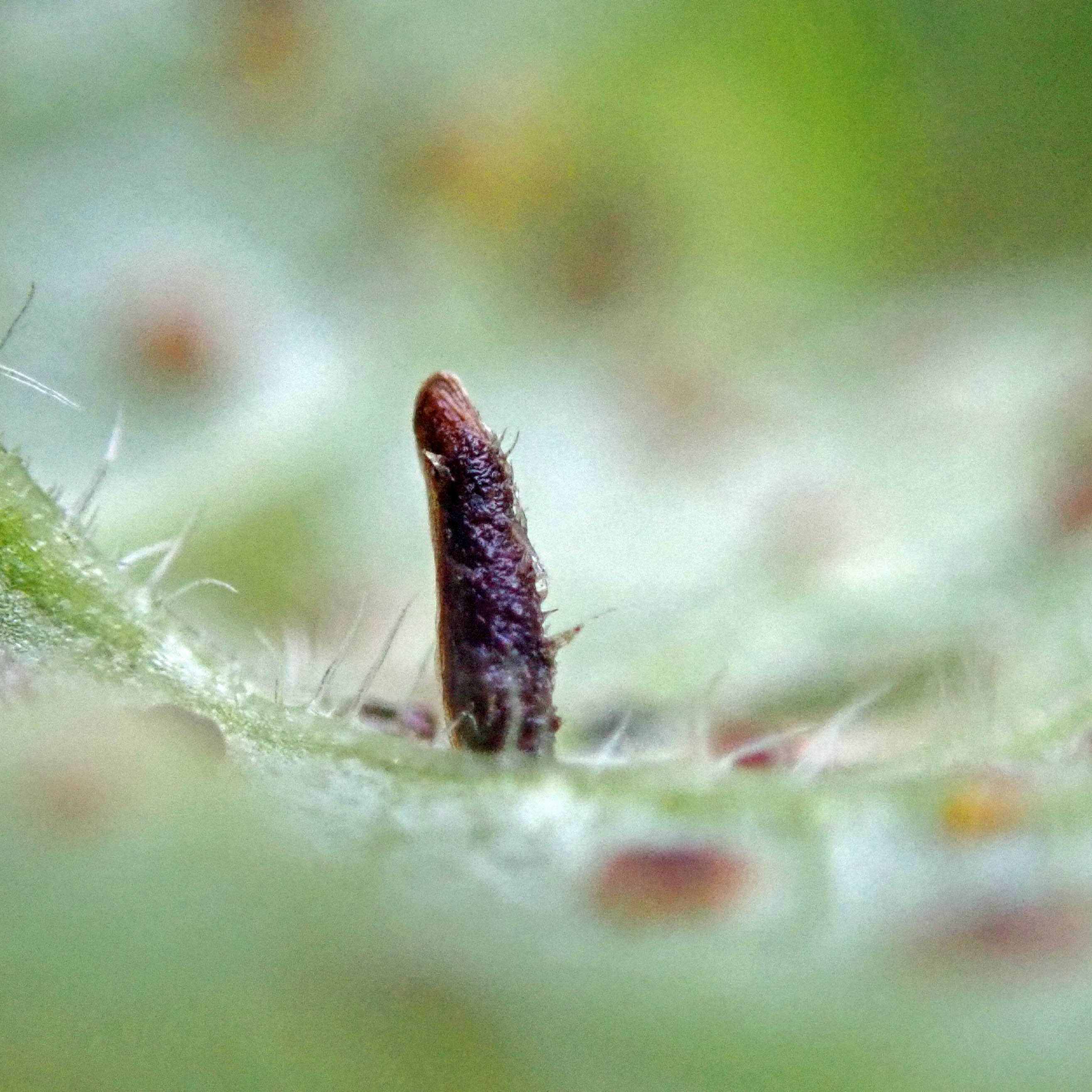
And, perhaps best of all, while investigating the rust and the galls, I also spotted a single tiny dark case sticking up from one leaf, the self-constructed home of a larva of the moth Coleophora albitarsella. And, with that, the rain starting coming down a little too heavily for comfort so both the cat and I headed for home.

Like Loading...

Orange peel fungus

14 Friday Nov 2025

Posted by sconzani in autumn, fungi

≈ 2 Comments

Tags

Aleuria aurantia, autumn colour, British fungi, cup fungi, Orange peel, Orange peel fungus

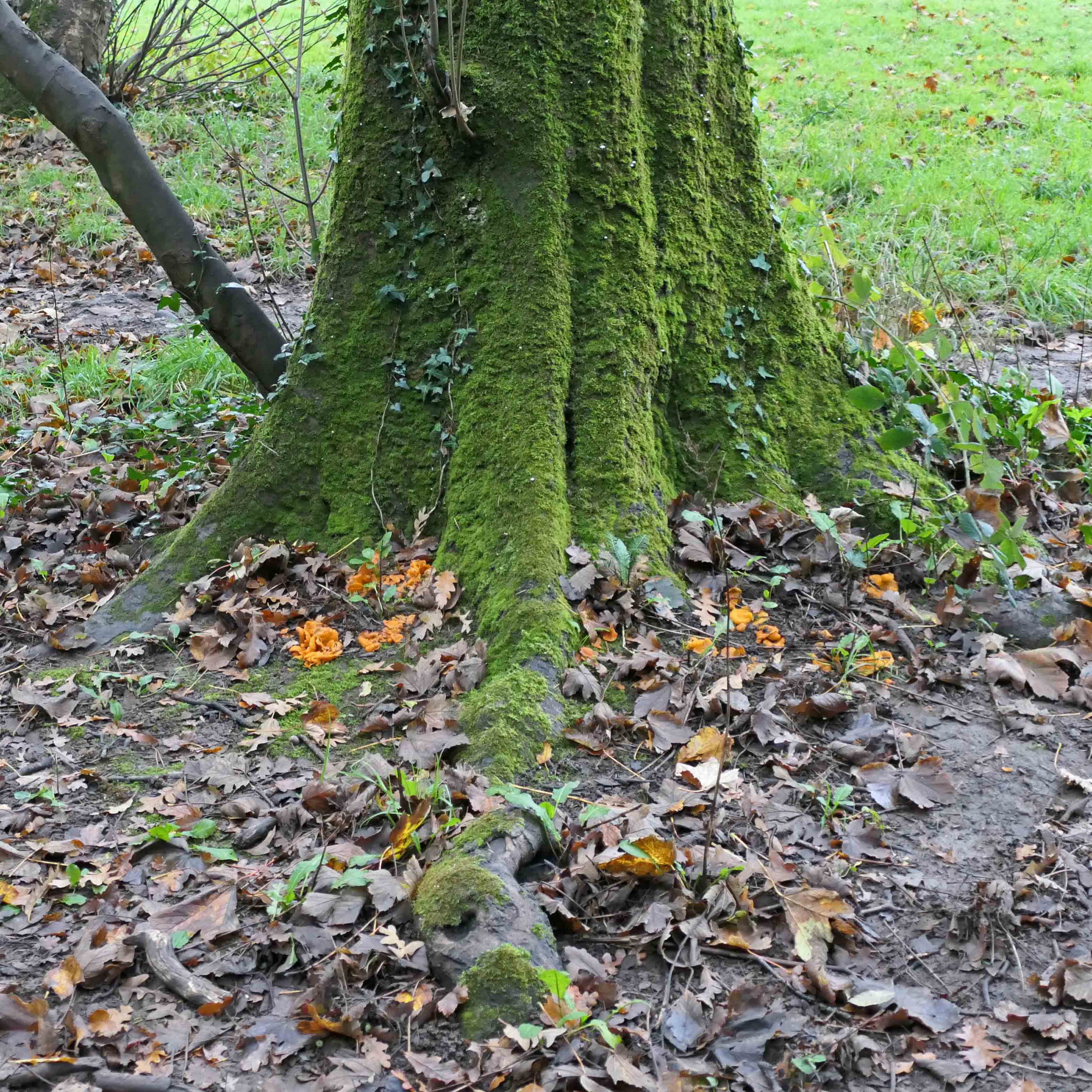
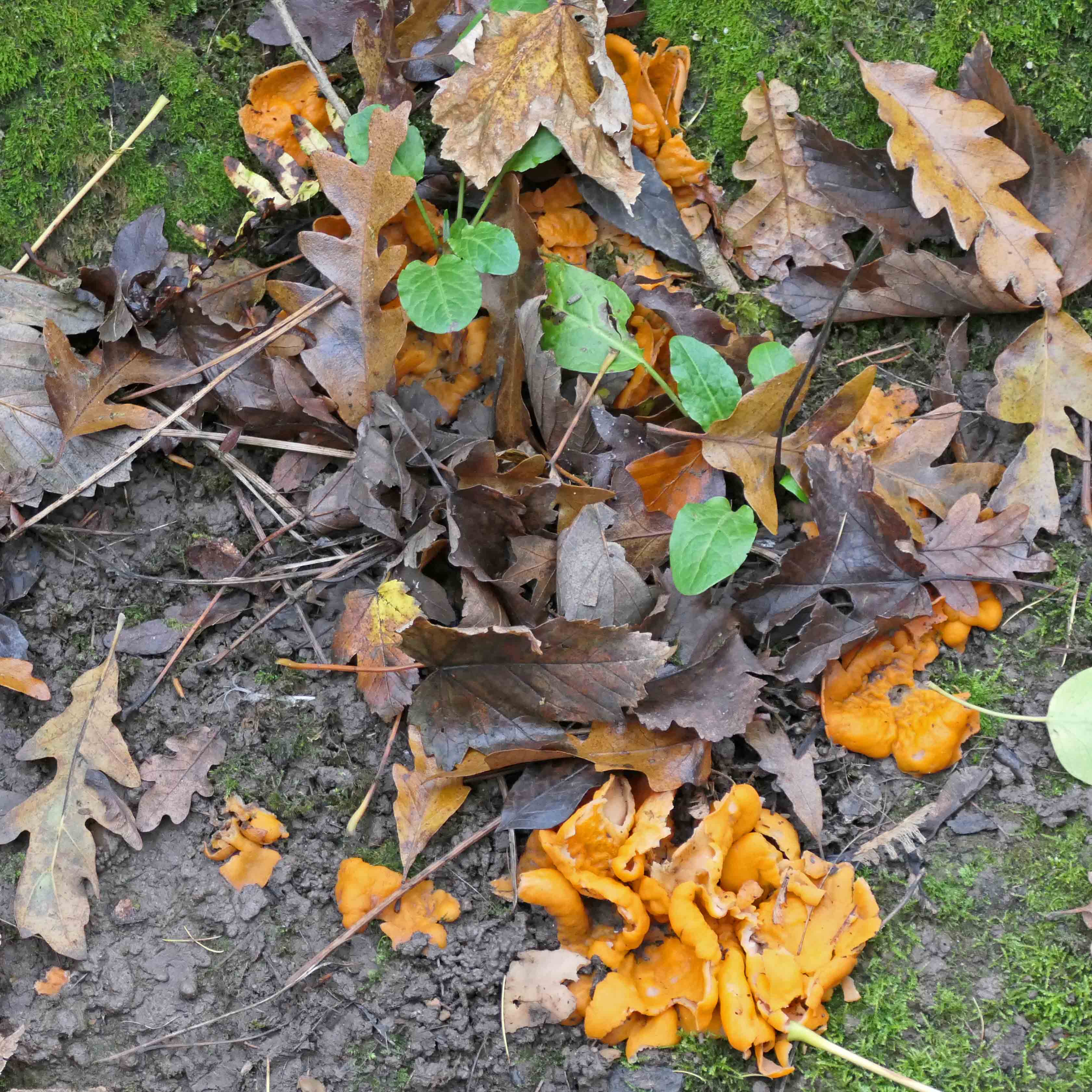
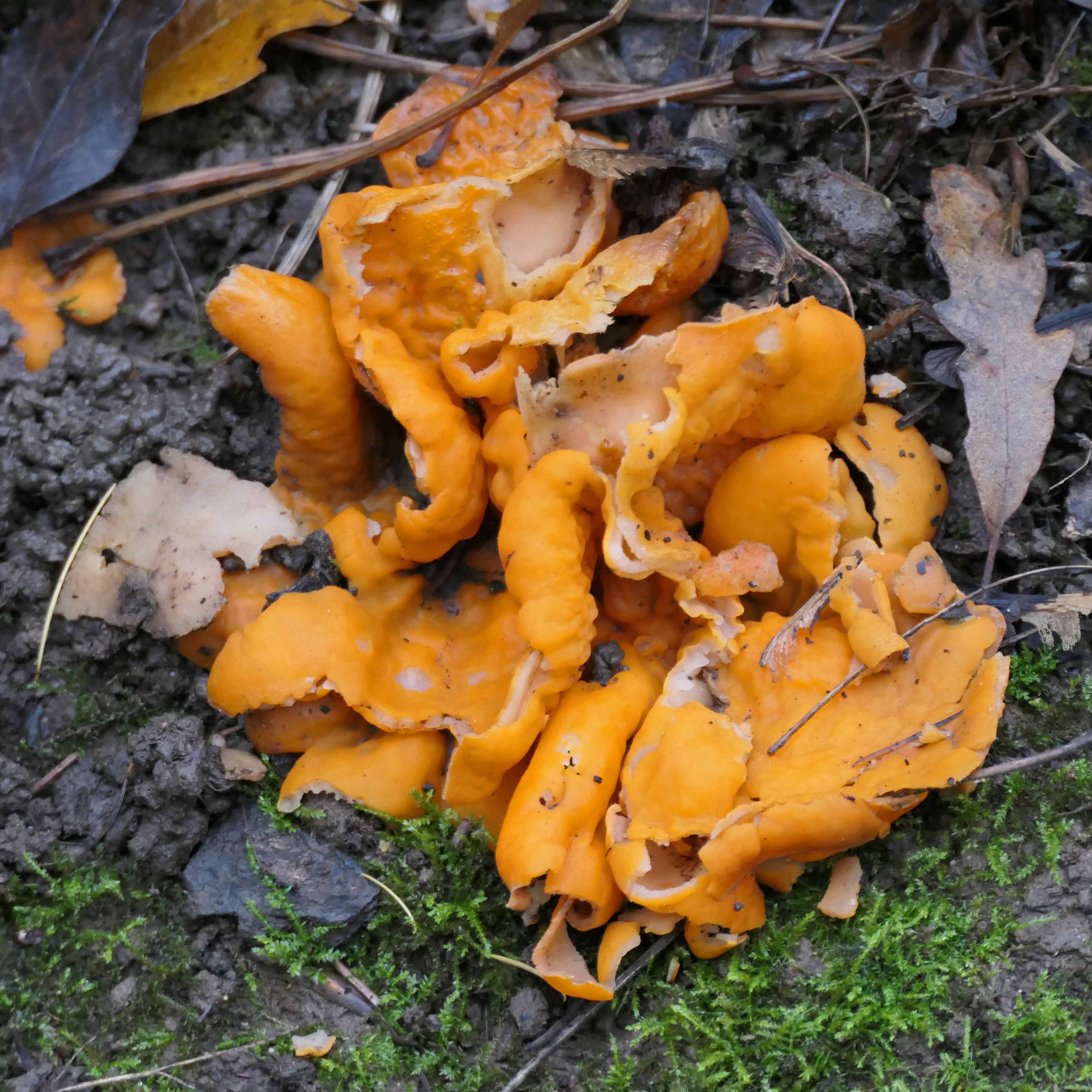
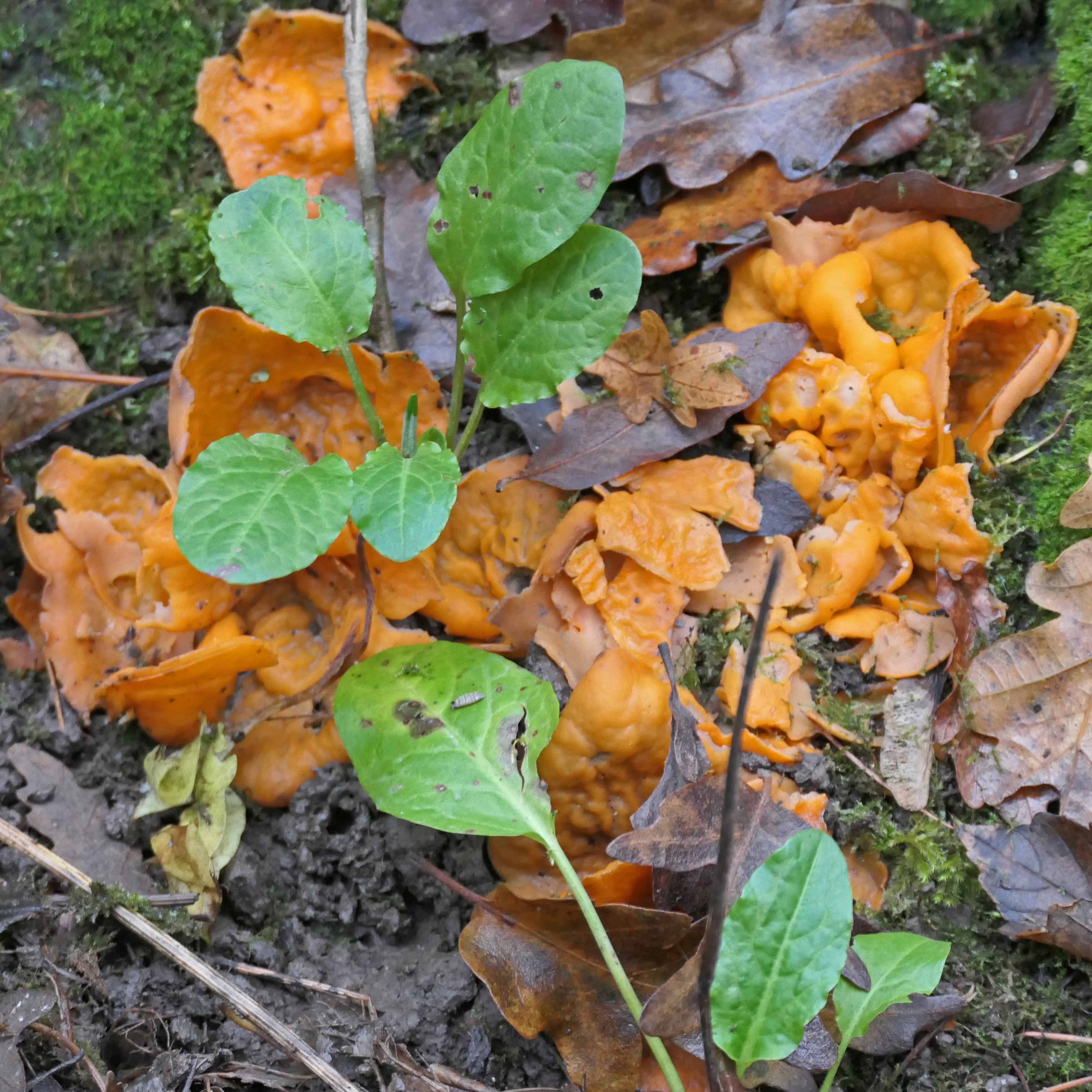
Orange peel (Aleuria aurantia) is a fungus I’ve not seen very often, despite it being officially classified as common. So, when, on a very grey, often drizzly day, I spotted a scattering of something bright orange on the ground in front of me, I initially thought some litter bug had thrown away the remains of their fruit. But no, this was the real thing, and there was more of it than I’d ever seen before.

My guide book says this fungus grows alongside paths and disturbed forest tracks, which is exactly where I found it, alongside a meandering path at the edge of the woodland in one of Cardiff’s parks.

Though it doesn’t look much like it in these photos, Orange peel is a cup fungus. The exterior of the cup is a paler shade of orange-beige and covered with fine down, whereas the interior is, as you can see, a vibrant orange.

The Orange peel I found had become wavy and twisted with age, and had been munched around the edges, probably by snails and slugs, but it was still a stunning sight.

Like Loading...

Ichneumon: Tromatobia lineatoria

13 Thursday Nov 2025

Posted by sconzani in insects

≈ 2 Comments

Tags

British ichneumons, ichneumon, Ichneumon wasps, parasitic wasp, parasitoid of spider egg sacs, Tromatobia lineatoria

Different days, different ways, different directions …
I have no real plan for my daily walks but, recently, my feet have been taking me past the local park whose railings have turned up some nice insects in the past, and the location is again proving productive.

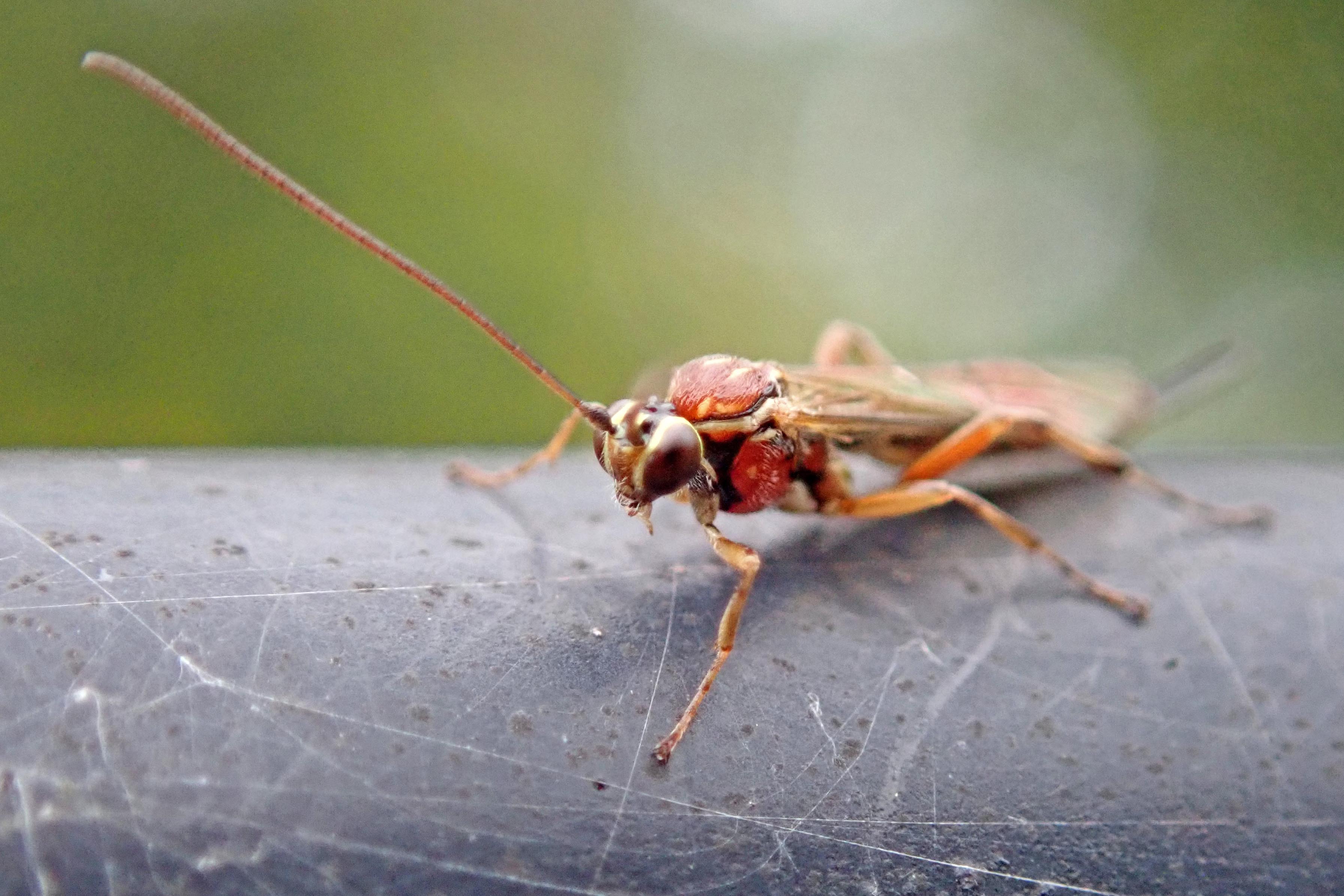
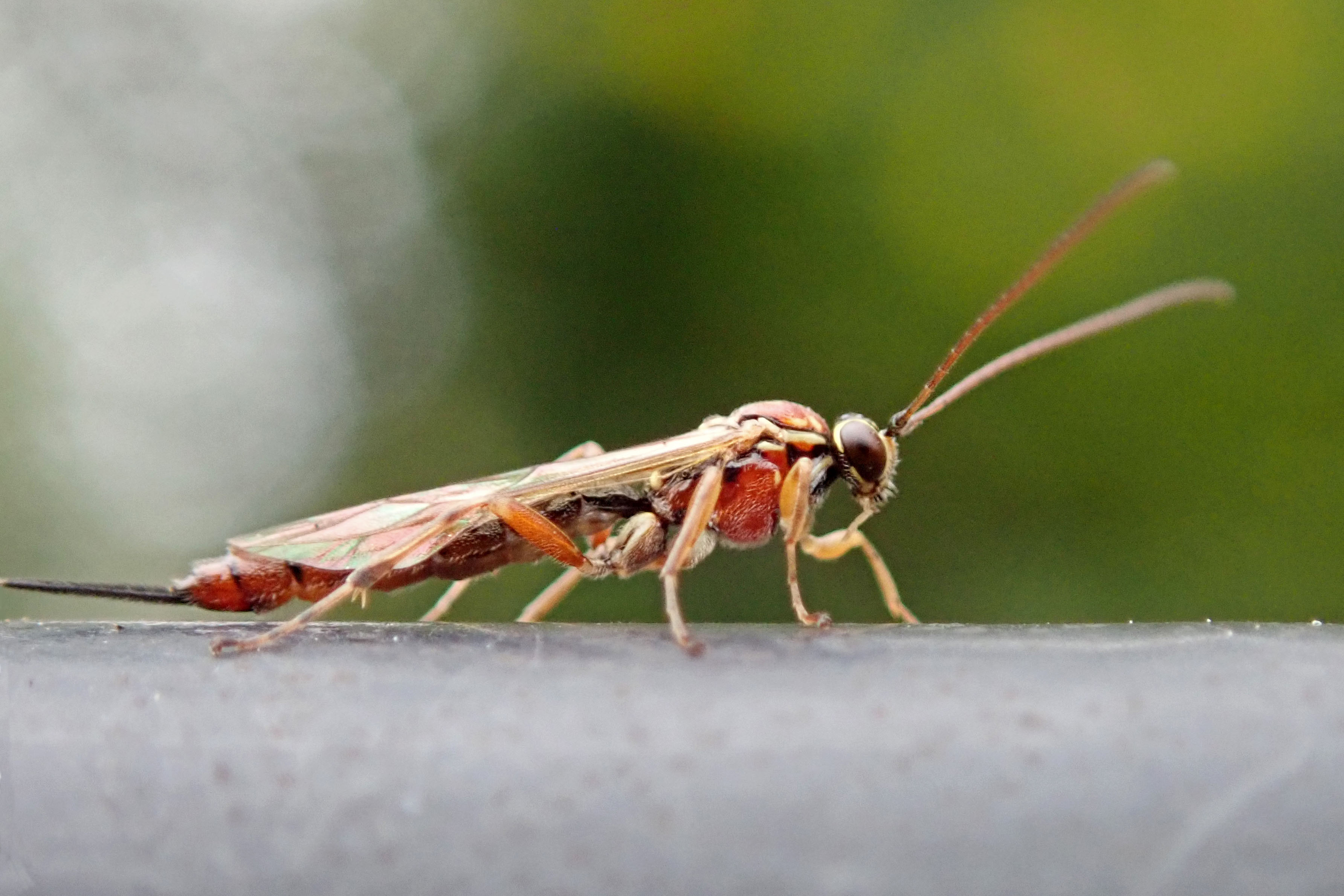
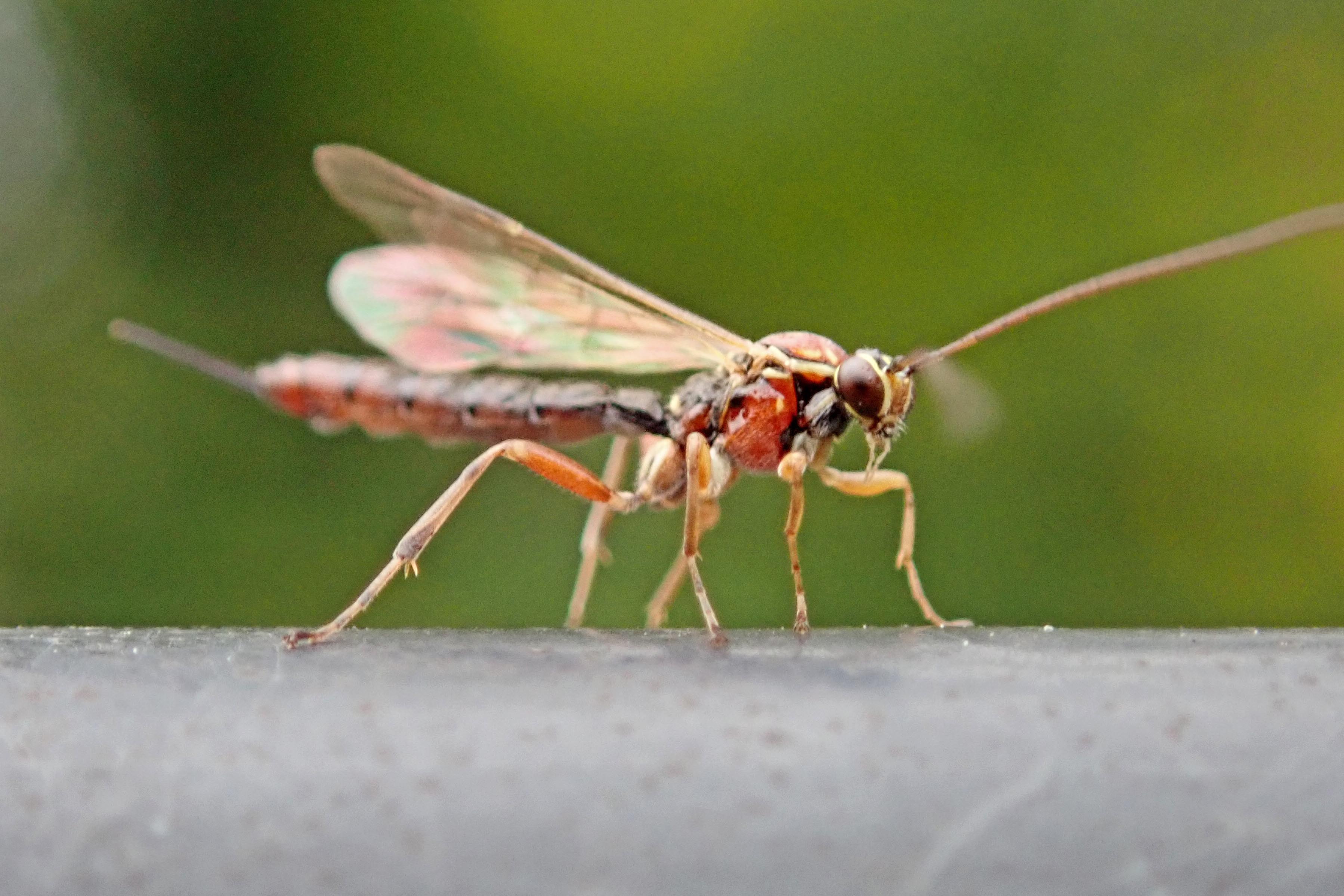
This handsome ichneumon is one of my finds from last week and, though it hasn’t been confirmed (there doesn’t seem to be anyone nationwide verifying ichneumon records, unfortunately), I think this is Tromatobia lineatoria. There is another very similar looking ichneumon, Perithous scurra, but the female of that species has a much longer ovipositor.

I was a little surprised to find an ichneumon this late in the year but the Naturespot website says this species can be found between May and November, so this is right at the end of its date range. The website entry also says this ichneumon is a parasitoid of spider egg sacs; there are plenty of spider webs strung along the railings so my sighting in this location is understandable.

Like Loading...

Pinkish wildflowers

12 Wednesday Nov 2025

Posted by sconzani in autumn, flowers, wildflowers

≈ 4 Comments

Tags

autumn colour, autumn wildflowers, British wildflowers, pink flowers, pink wildflowers

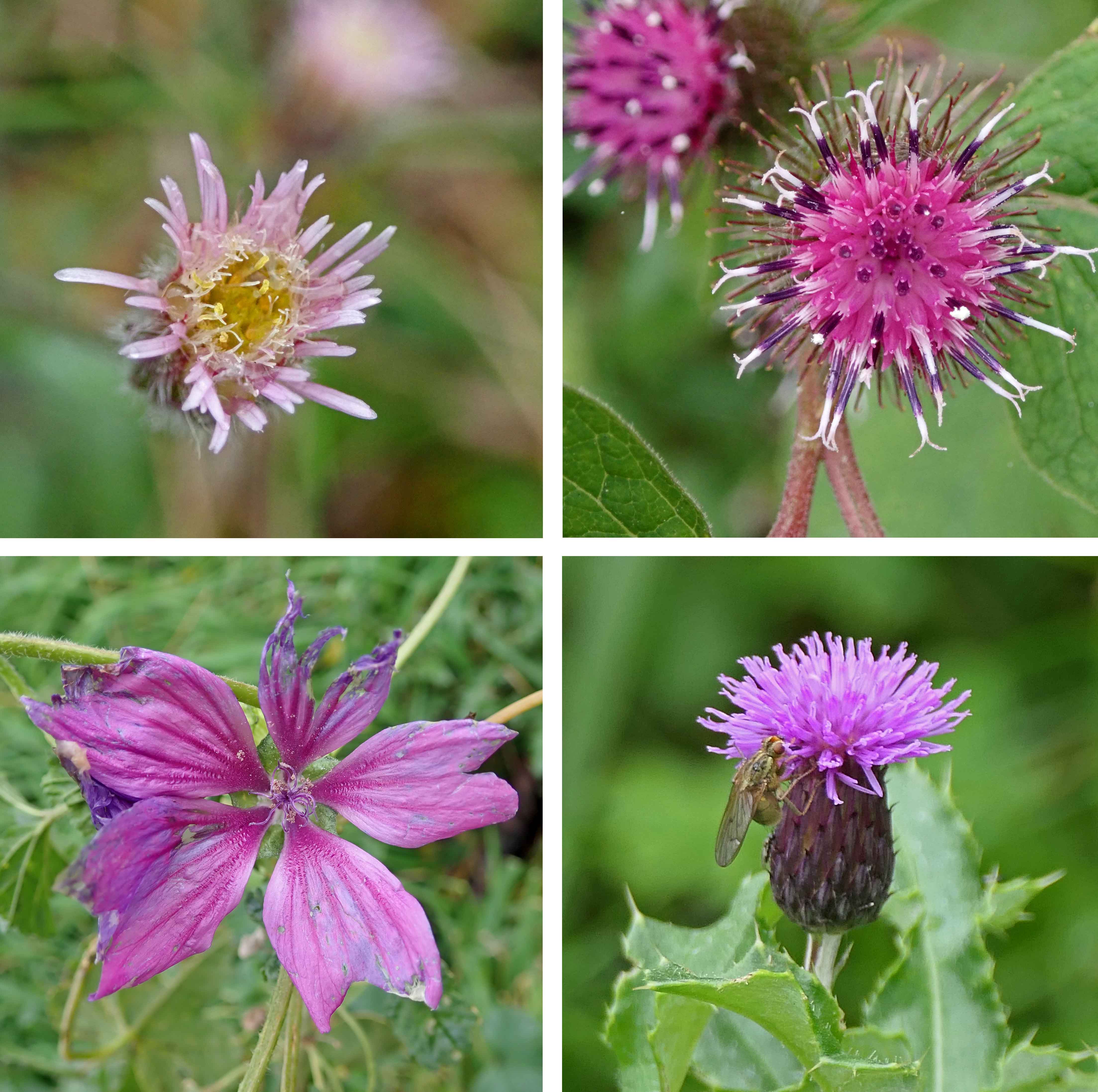
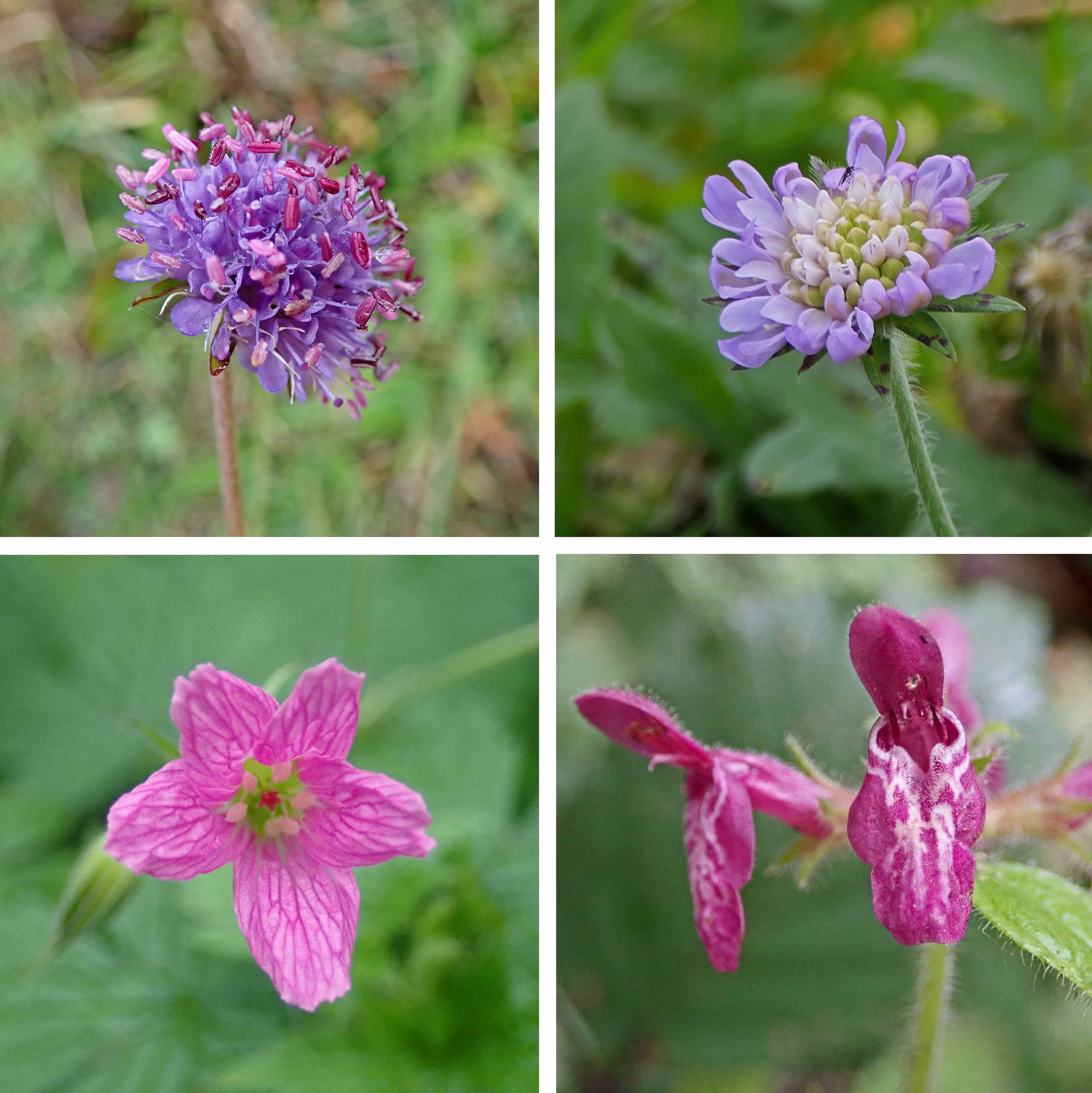
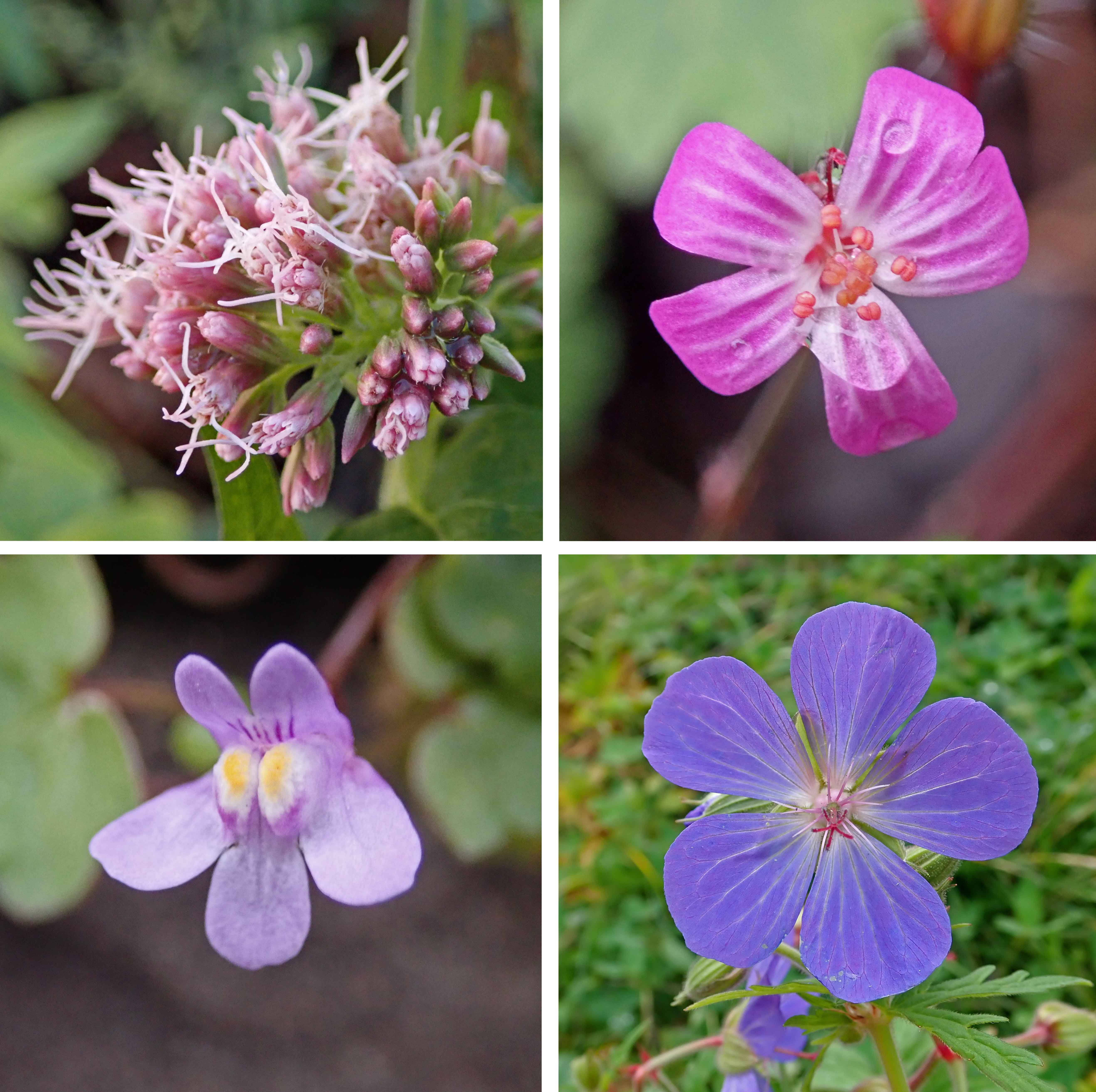
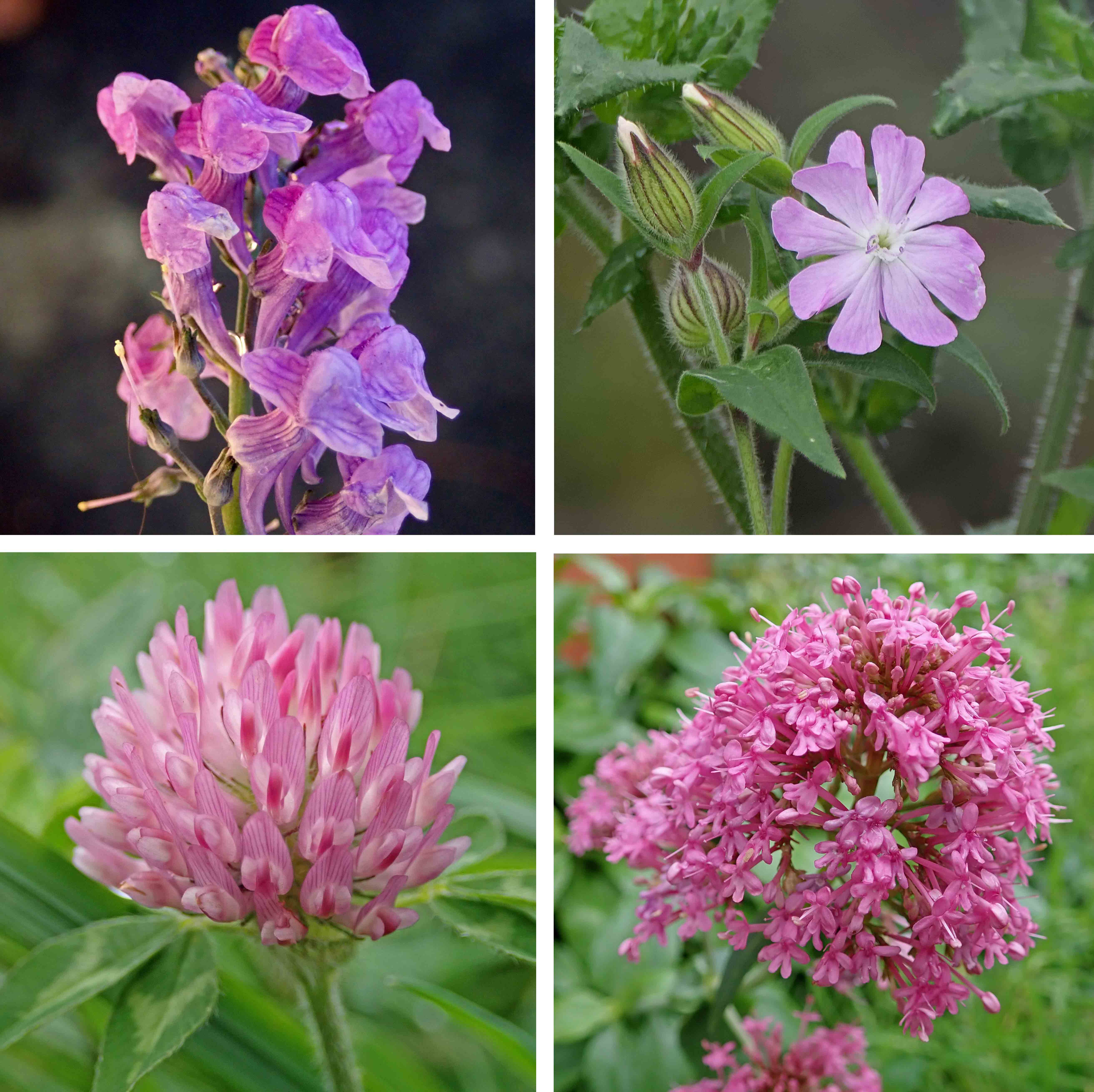
It’s been a very grey week here so I thought I’d change things up and we’d have a splash of mid week colour. During my daily walks last week, I took photos of all the pinkish-coloured wildflowers I found – more than I expected but, after our very dry summer, the wet but mild autumn weather has caused a flush of late growth and flowering in the local flora.

Blue fleabane, Burdock, Common mallow, and Creeping thistle

Devil’s-bit and Field scabious, Pencilled geranium, and Hedge woundwort

Hemp agrimony, Herb Robert, Ivy-leaved toadflax, and Meadow crane’s-bill

Purple toadflax, Red campion, Red clover, and Red valerian

Like Loading...

Tuesday wash day

11 Tuesday Nov 2025

Posted by sconzani in birds

≈ Leave a comment

Tags

birding, birdwatching, British birds, Cardiff birding, Lisvane Reservoir, little grebe, Little grebe out of the water, Little grebe preening

Last week, we had Wednesday wash day; this week, it’s Tuesday but, heck, every day is wash day for birds, especially waterfowl that rely on their feathers being in peak condition to repel water and keep them warm. And, as I don’t recall ever having seen a Little grebe out of the water before, I was entranced to watch this sweet little bird working quite strenuously to sort out its feathers.

Little grebes are not normally very confiding but this one was so focused on its preening that it seemed totally oblivious to passers-by, and me, on the pavement just a few feet above it.

Like Loading...

Woodpigeon migration

10 Monday Nov 2025

Posted by sconzani in autumn, birds

≈ 2 Comments

Tags

autumn migration, birding, birdwatching, British birds, Woodpigeon, Woodpigeon migration

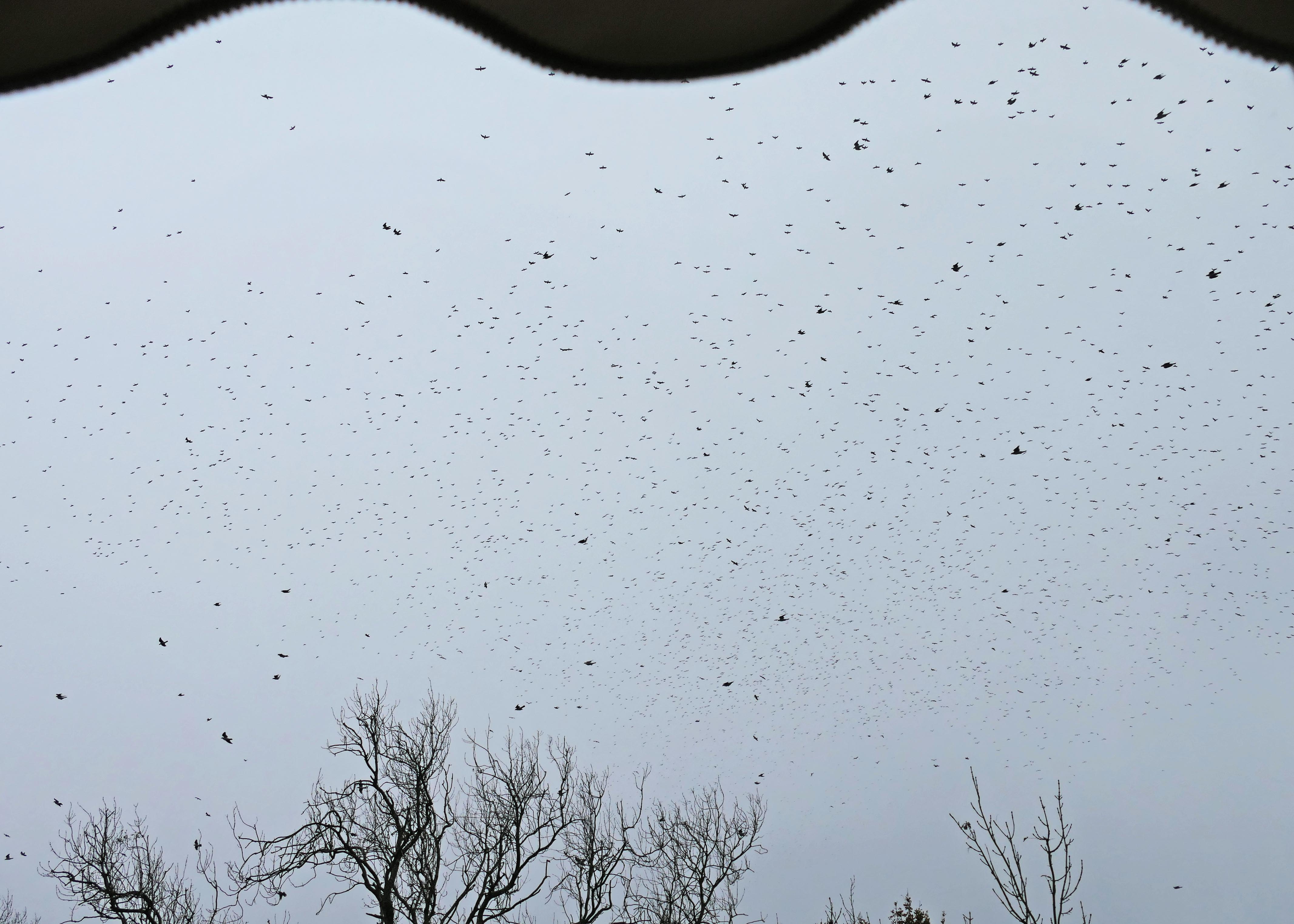
Last Friday morning, one of the autumn’s massive flocks of migrating Woodpigeons passed over my house, and what an incredible sight it was as they headed south along the coast. There were, perhaps, several thousand birds in the flock, which seemed an enormous number to me but, the very next day, there was a report on social media from a birder who’d had his second highest ever count on the Severn of 242,160 Woodpigeons, viewed from the sea wall at Goldcliff.

Despite the enormous quantities of birds that participate in these autumn migrations, they are something of a mystery in the bird world. No one truly knows where the birds originate from or where they’re going. Even expert birders have different theories; last week I read the blog of a well known ornithologist (Pigeons move in mysterious ways) who suggested ‘They may be Scandinavian birds heading for the Cork Oak forests of Iberia, as there is good evidence of migration from ringed birds but perhaps their visits through southern Britain are so rapid that no rings are recovered.’ But another birder, who seems to have a very good understanding of the autumn migration of most species of birds (see this presentation on YouTube: An Introduction to Visible Migration – Dan Webb), commented on the blog, writing that the Woodpigeons are

Almost certainly not Scandinavian birds. Most likely to be British birds moving to the Continent and south western Britain in search of acorns and mast backed up by observers recording departing flocks from Start Point in Devon and further evidenced by a spring return passage along the English side of the Severn in early spring. Scandinavian woodpigeon movement through the Continent peaks several weeks before ours.

Some, perhaps 100, of the Woodpigeons that flew over my house stopped off briefly in the local trees, until the local crows made a fuss and sent them packing.

Like Loading...

Autumn trees: Aspen

09 Sunday Nov 2025

Posted by sconzani in autumn, leaves, trees

≈ Leave a comment

Tags

autumn leaves, autumn colour, autumn trees, Aspen, Populus tremula, Aspen in autumn

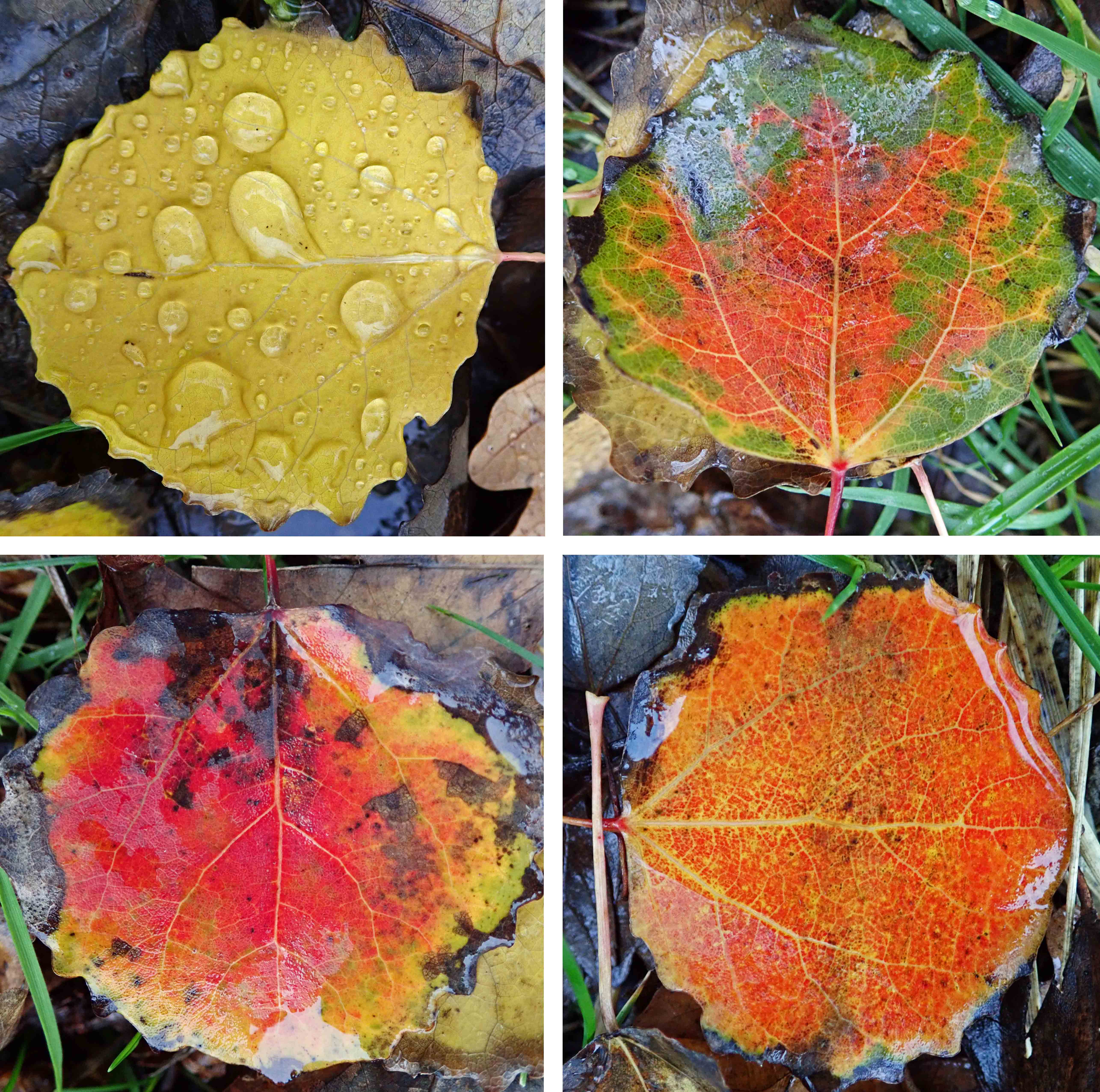
The leaves of the Aspen (Populus tremula) are some of the most stunning autumn leaves, their summer green changing to yellow and orange and red and every combination of those colours, sometimes all in one leaf. Those colours, together with the way the leaves of the Aspen seem to quiver and rustle (tremula is Latin for trembling or quaking) at the merest hint of a breeze, make this tree a favourite of mine – and I’m sure with many of you, as well.

Aspen are usually associated with cold places, growing best in mountains near rivers – they prefer moist but well-drained soil, so coastal south Wales is not their preferred habitat but, for some reason, they seem often to be used in ornamental plantings in parks and alongside roads, in the landscaping around business and housing developments, so these are the Aspens I’m most familiar with. Some day I’d like to make an autumn trip to a place where Aspen are at their most spectacular – I’ve read the trees in the north west of Scotland put on a particularly fine autumn display.

Like Loading...
← Older posts
Newer posts →

About me

sconzani

sconzani

I'm a writer and photographer; researcher and blogger; birder and nature lover; countryside rambler and city strider; volunteer and biodiversity recorder.

View Full Profile →

Follow earthstar on WordPress.com

Enter your email address to follow this blog and receive notifications of new posts by email.

Recent blog posts

  • Lifer: Box bug April 27, 2026
  • Peak Wild garlic April 26, 2026
  • First damsels of 2026 April 25, 2026
  • NFY: Green-veined white April 24, 2026
  • The return of the Willow warblers April 23, 2026

From the archives

COPYRIGHT

Unless otherwise acknowledged, the text and photographs on this blog are my own and are subject to international copyright. Nothing may be downloaded or copied without my permission.

Fellow Earth Stars!

  • Unknown's avatar
  • Unknown's avatar
  • Unknown's avatar
  • Unknown's avatar
  • Unknown's avatar
  • Unknown's avatar
  • Unknown's avatar
  • Unknown's avatar
  • Unknown's avatar
  • Unknown's avatar
  • Unknown's avatar
  • Unknown's avatar
  • Unknown's avatar
  • Unknown's avatar
  • Unknown's avatar
  • Unknown's avatar
  • Unknown's avatar
  • Unknown's avatar
  • Unknown's avatar
  • Unknown's avatar
  • Unknown's avatar
  • Unknown's avatar
  • Unknown's avatar
  • Unknown's avatar
  • Unknown's avatar
  • Unknown's avatar
  • Unknown's avatar
  • Unknown's avatar
  • Unknown's avatar
  • Unknown's avatar
  • Unknown's avatar
  • Unknown's avatar
  • Unknown's avatar
  • Unknown's avatar
  • Unknown's avatar
  • Unknown's avatar
  • Unknown's avatar
  • Unknown's avatar
  • Unknown's avatar
  • Unknown's avatar
  • Unknown's avatar
  • Unknown's avatar
  • Unknown's avatar
  • Unknown's avatar
  • Unknown's avatar
  • Unknown's avatar
  • Unknown's avatar
  • Unknown's avatar
  • Unknown's avatar
  • Unknown's avatar

Blog at WordPress.com.

Privacy & Cookies: This site uses cookies. By continuing to use this website, you agree to their use.
To find out more, including how to control cookies, see here: Cookie Policy
  • Subscribe Subscribed
    • earthstar
    • Join 642 other subscribers
    • Already have a WordPress.com account? Log in now.
    • earthstar
    • Subscribe Subscribed
    • Sign up
    • Log in
    • Report this content
    • View site in Reader
    • Manage subscriptions
    • Collapse this bar
 

Loading Comments...
 

You must be logged in to post a comment.

    %d