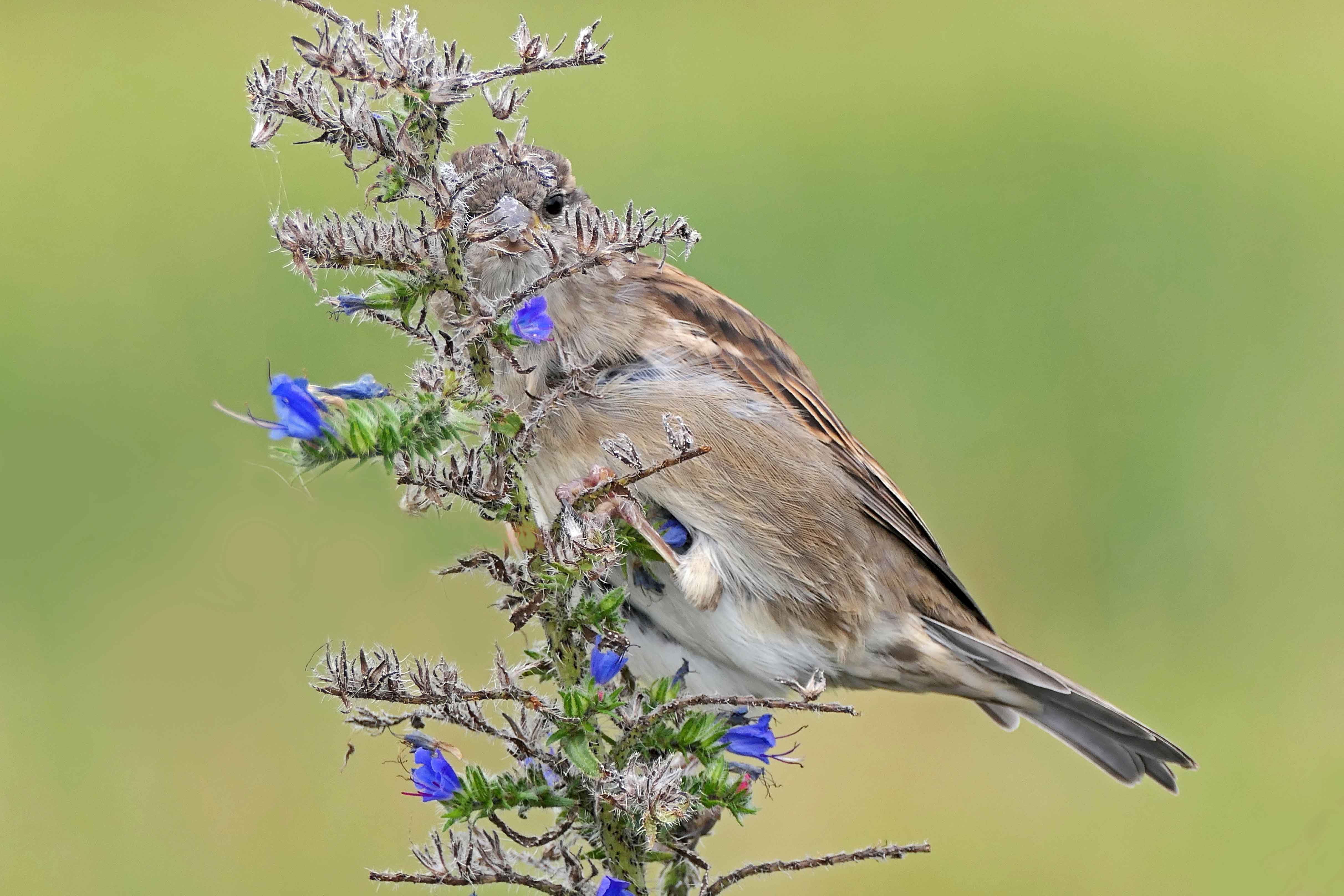
It’s just a sparrow, you might say, but no bird is ‘just’ a bird. And this little House sparrow was seriously sweet, pecking away at the seeds on a Viper’s-bugloss, looking like it was trying to hide from the pesky photographer.

27 Friday Sep 2024
Posted in birds
It’s just a sparrow, you might say, but no bird is ‘just’ a bird. And this little House sparrow was seriously sweet, pecking away at the seeds on a Viper’s-bugloss, looking like it was trying to hide from the pesky photographer.
26 Thursday Sep 2024
Posted in insects
The checklist of Auchenorrhyncha on the British Bugs website includes eight species from the Kybos genus of Cicadellidae, all of which appear to be indistinguishable from each other unless through dissection. As the website specifies ‘The host-plant is a useful guide to identification, but is not sufficient in itself.’
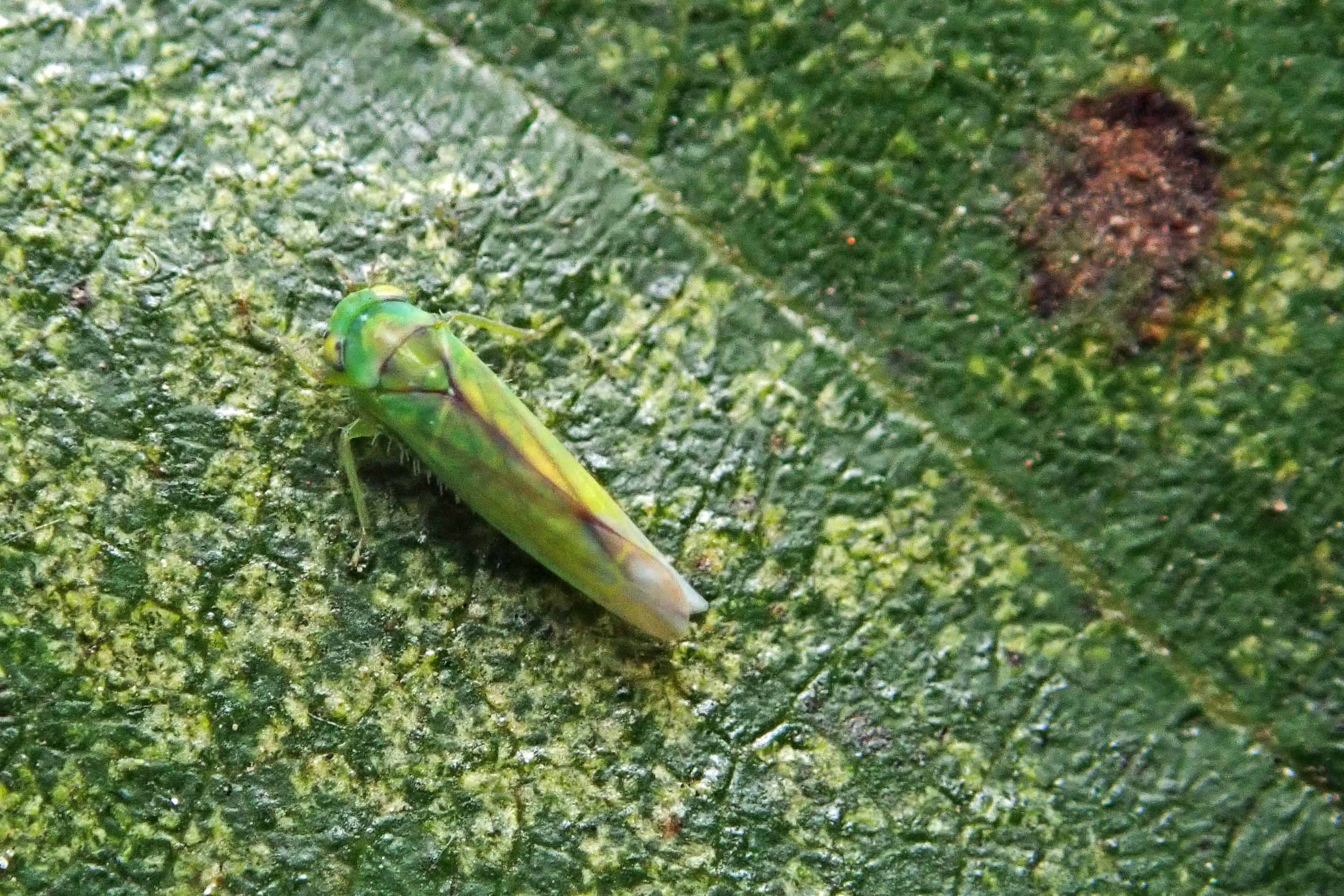
Still, I think my indeterminable leafhoppers are very attractive and worth this brief post. The Kybos in my first image was found on Sycamore in Cardiff’s Cathays Cemetery on 15 August, the second on Alder in nearby Heath Park on 23 July.

25 Wednesday Sep 2024
Tags
autumn migration, bird migration, birding, birdwatching, British birds, Cosmeston Lakes Country Park, Phoenicurus phoenicurus, Redstart
Several Redstarts (Phoenicurus phoenicurus) have passed through my local area during this autumn’s migration, not all seen by me, and there may be more still to come. I may yet get a closer sharper image of one but, judging by experience in past years, the chances are not great. For some reason, these birds can be quite elusive and skittish. So, here are the few that I have managed to get more than a fleeting glimpse and photograph of …
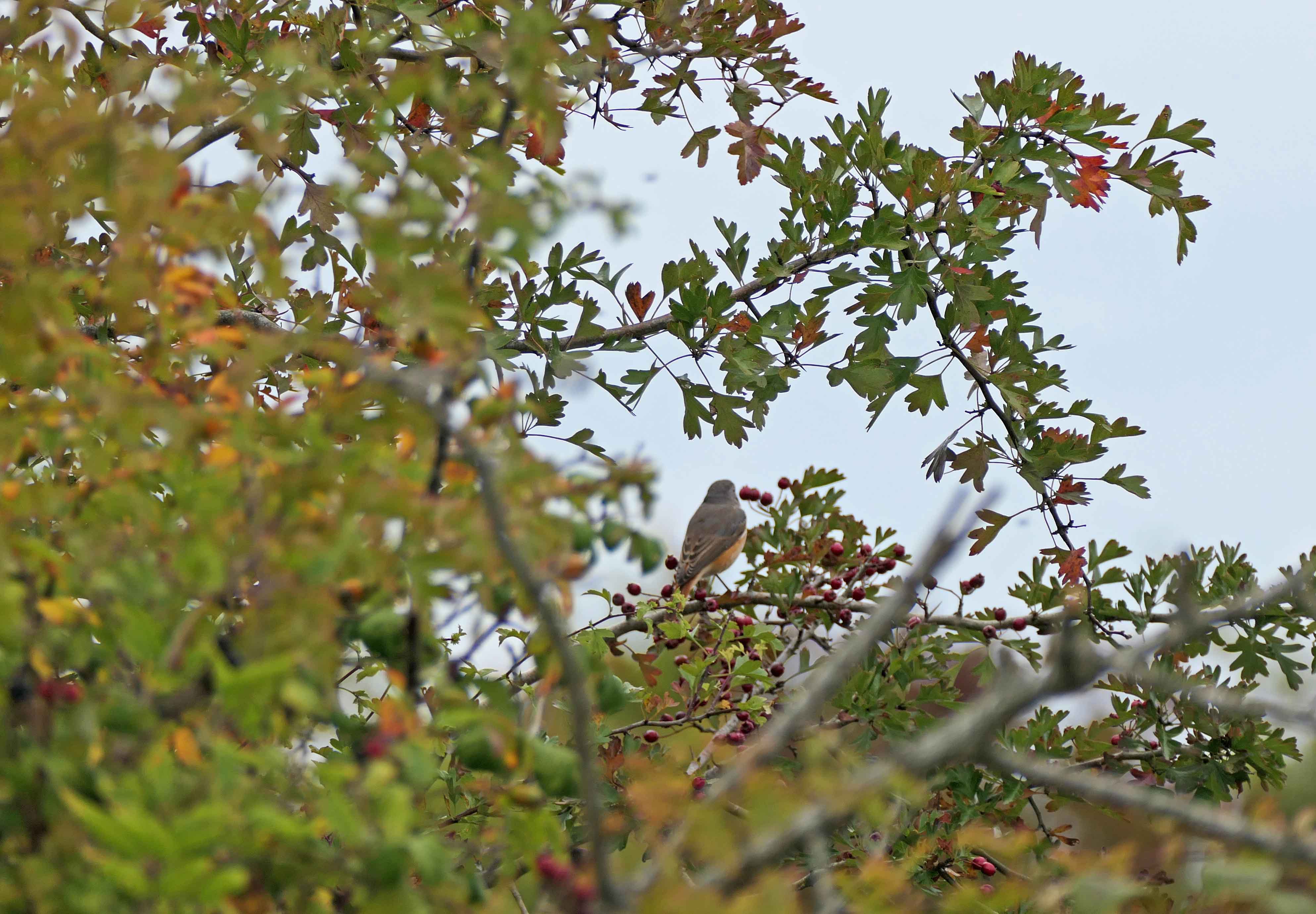
28 August; all three of these birds were at Cosmeston Lakes Country Park

30 August

9 September
24 Tuesday Sep 2024
Posted in insects
Tags
Green shieldbug eggs, parasitic wasp, parasitised Green shieldbug eggs, Scelionidae, Trissolcus, Trissolcus sp wasp
Here’s another fascinating leaf-bothering find, this time on a willow leaf, found during a recent wander around Cardiff’s Cathays Cemetery. I was fairly sure, from their size, shape and number, that these were Green shieldbug eggs and, as their colour had changed from the usual green, that the eggs had been parasitised. And, of course, that led me to wonder whether the tiny wasp might be the parasite.
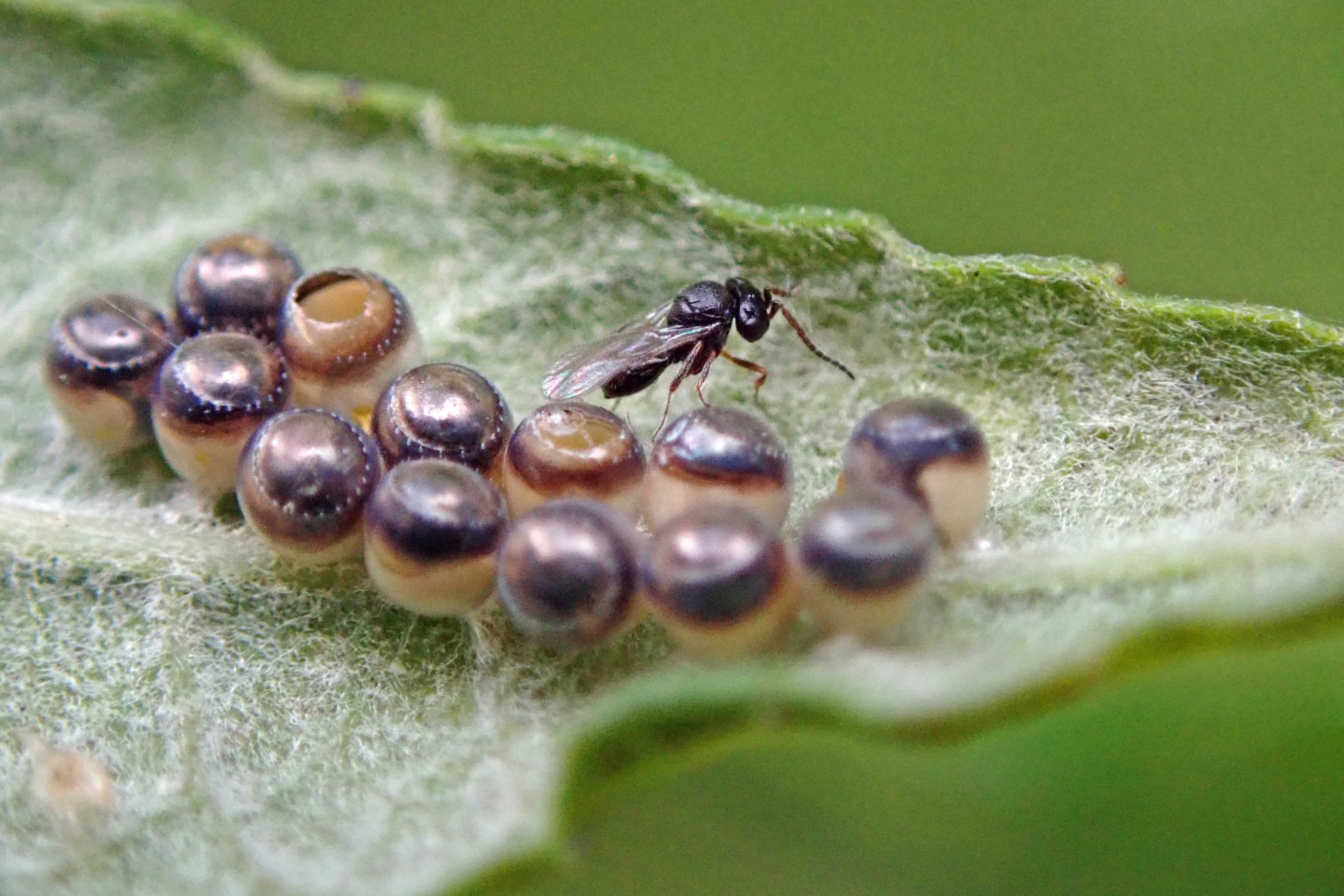
At home, my online research didn’t come up with anything in the UK but I did find information on the website of American Utah State University about ‘two families of stink bug [the American name for shieldbug] parasitoids in Utah, Eupelmidae and Scelionidae.’ The webpage provided information on and images of the two wasp genera and, from that, I decided the Scelionidae looked most promising, and that my wasp looked very similar to the Trissolcus species shown there.
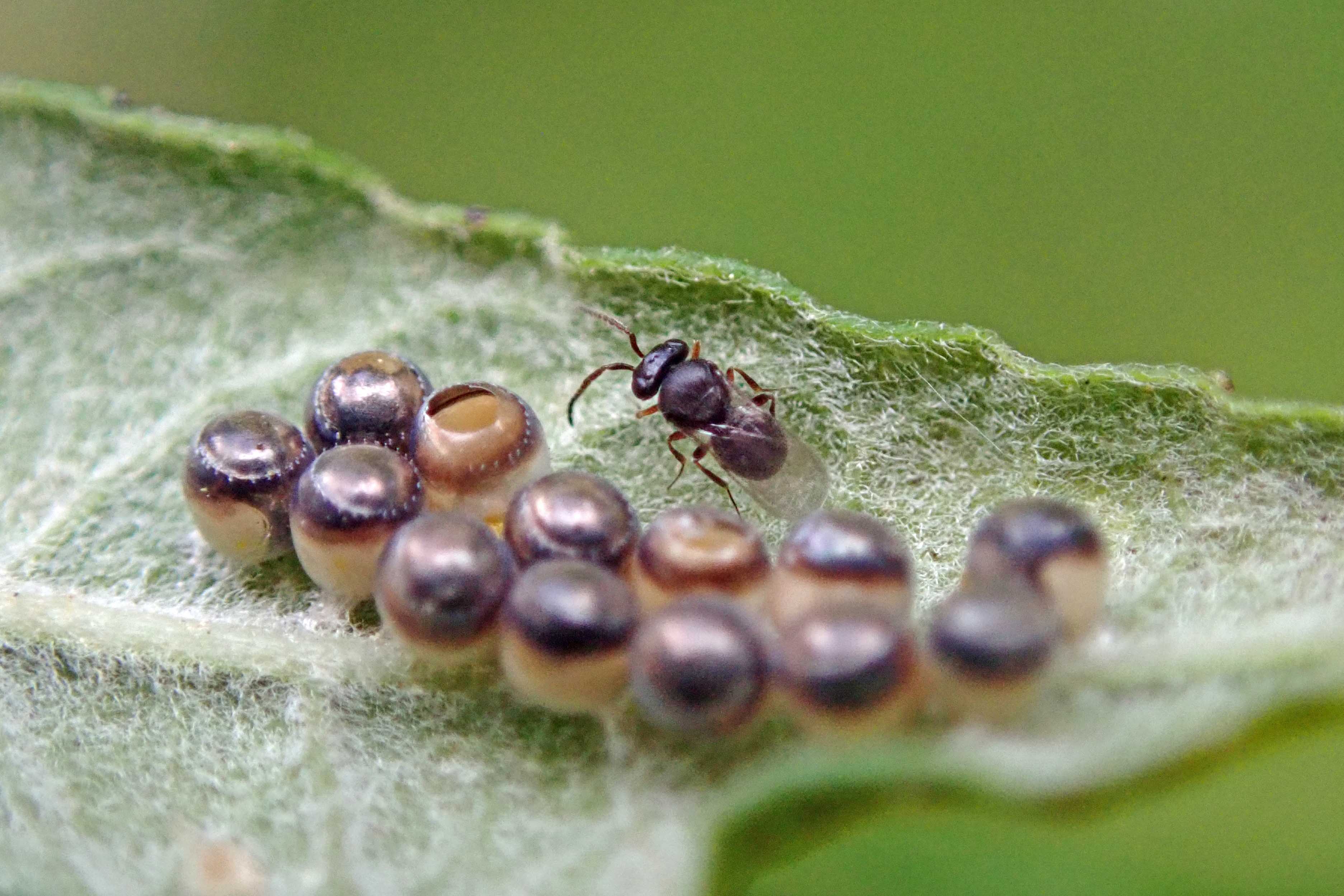
The website entry explained how the parasitic wasp lays its eggs in the shieldbug eggs, where the wasp larvae hatch, eat their hosts, and eventually pupate. Also,
There is usually a skewed sex ratio in emerging wasps. In a typical stink bug egg mass that consists of 14-28 eggs, one to three wasps will be male, and the rest will be female.
Male wasps will emerge first and wait for the females to emerge. Once mated, the females fly off in search of new egg masses to sting.
That behaviour, of the male wasp waiting by the parasitised eggs for a female to hatch, fitted with what I had observed. Despite me carefully turning the leaf this way and that to try to get better light and closer photos, the little wasp didn’t fly off – now I knew why.
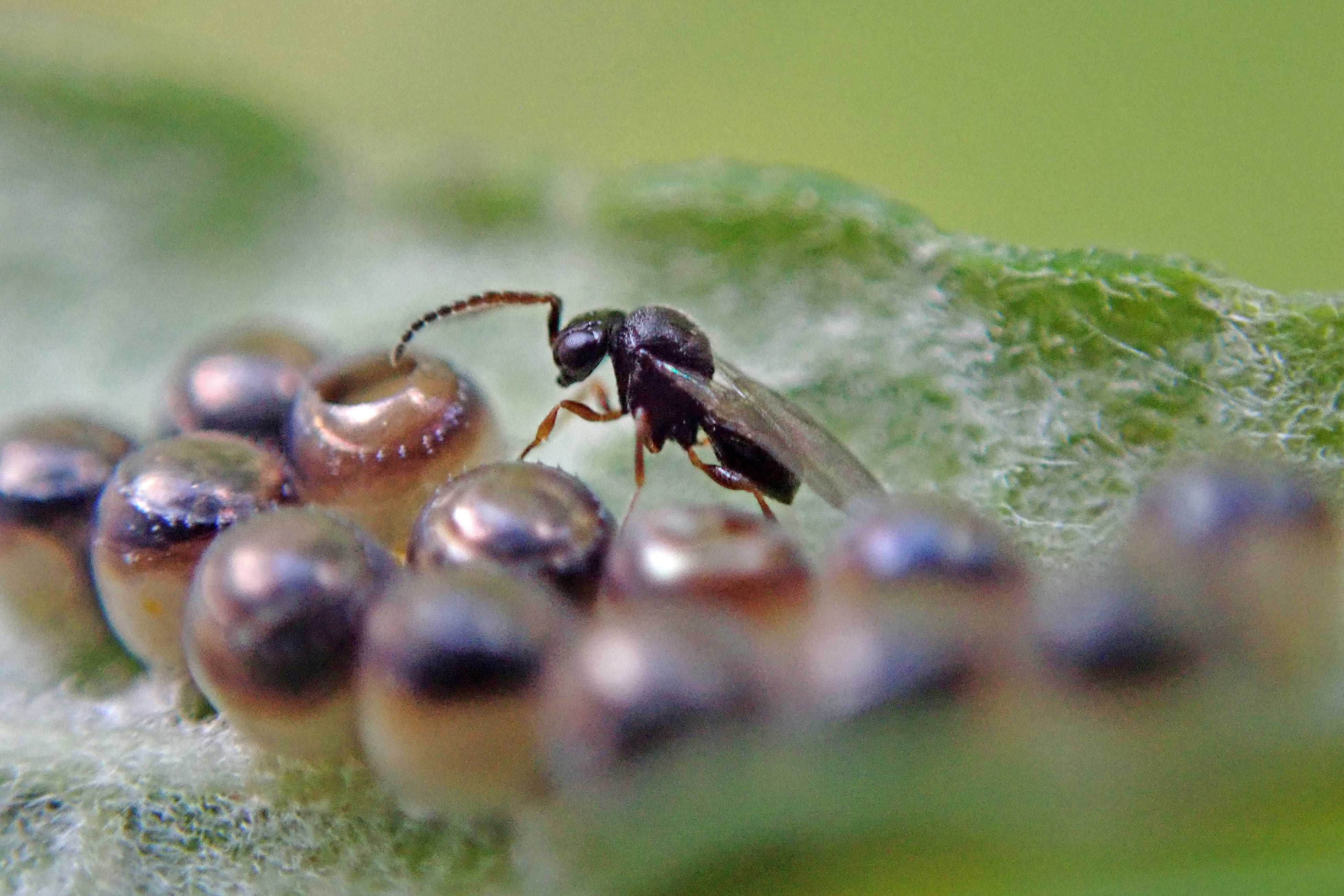
Later, after I’d posted photos and my speculation on social media, my identification of this being a Trissolcus sp. wasp was confirmed by a wasp expert on Bluesky, though I haven’t yet had official verification of my record.
23 Monday Sep 2024
Tags
British leafminers, Caloptilia rufipennella, leaf-mining moth larvae, leaf-mining moths, leafminers on Sycamore, sycamore
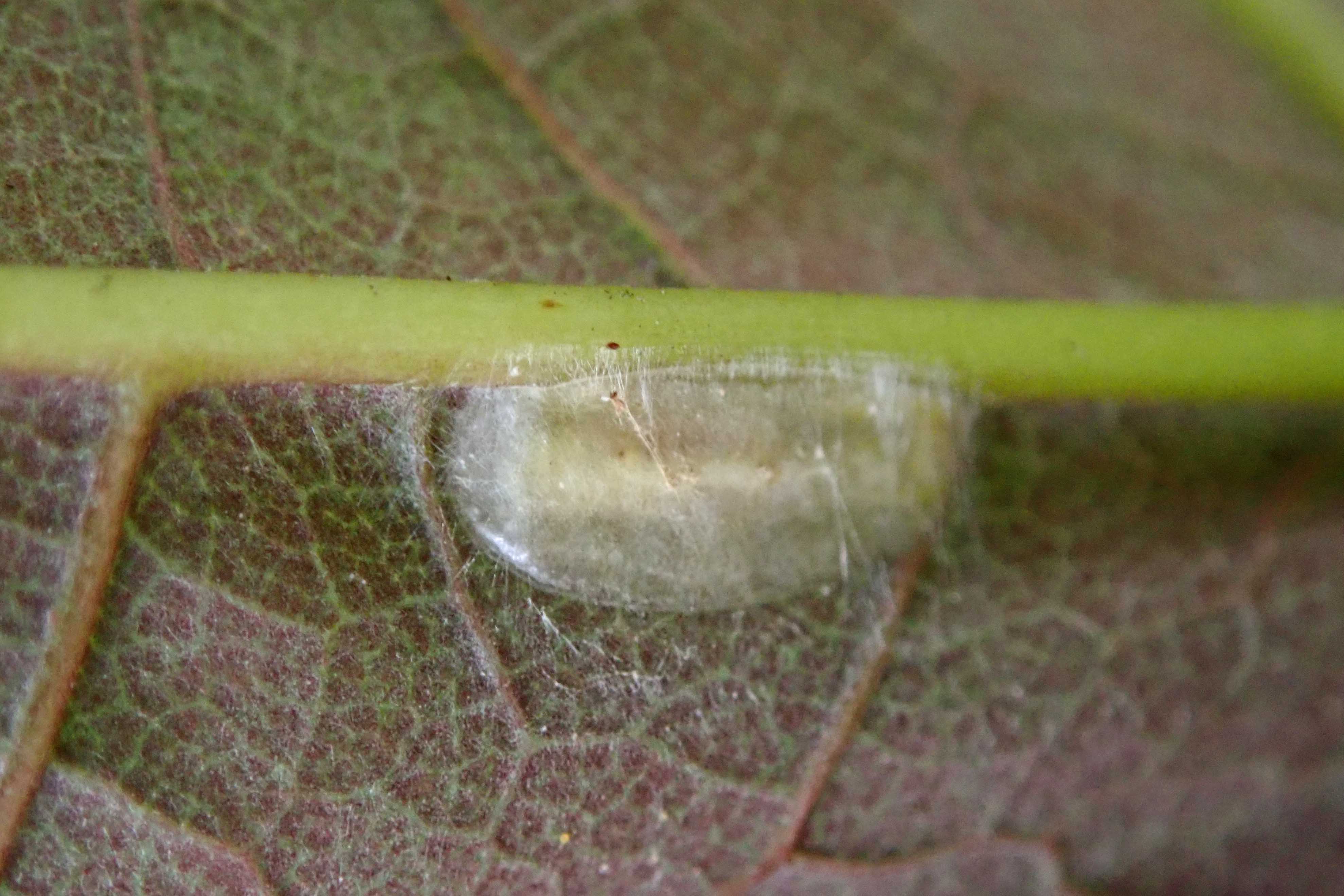
I was really pleased with my leaf-turning results on this particular Sycamore tree as I managed to find all three stages of this leaf-mining larva’s progress through the leaves. They illustrate quite well the breeding cycle of the little brown moth, Caloptilia rufipennella (you can see what it looks like on the UK Moths website).
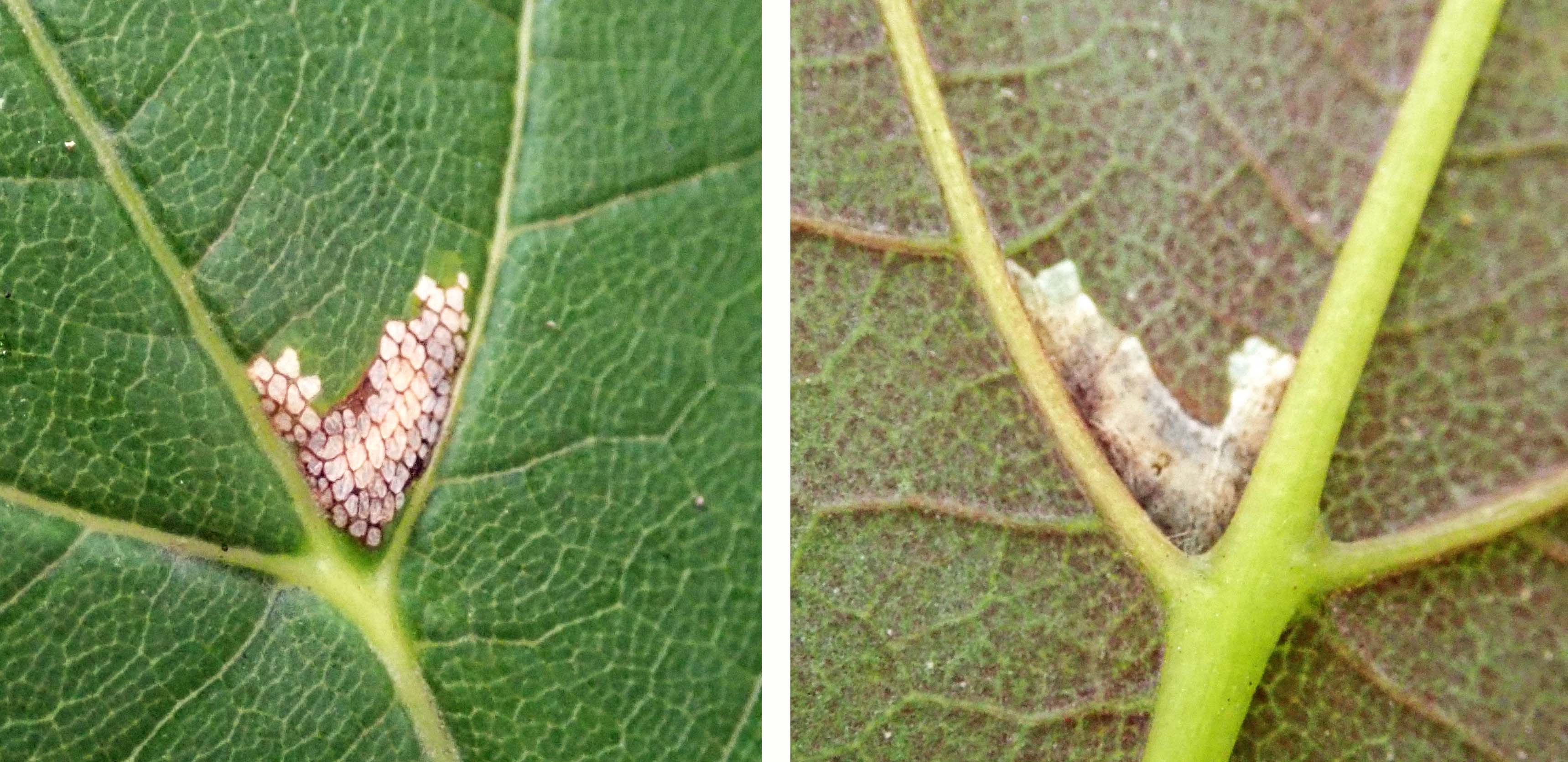
After hatching from its egg, the larva chews away at the leaf, always in the angle between the veins, creating a small, often triangular-shaped blotch. The photos above show the upper and lower sides of the leaf where it has been feeding. The larva then moves to the tips of the lobes of the leaf where it creates a series of two or three cones, folding the tip of the lobe to create a little shelter in which to feed, each cone bigger than the previous one as the larva grows (as shown below).
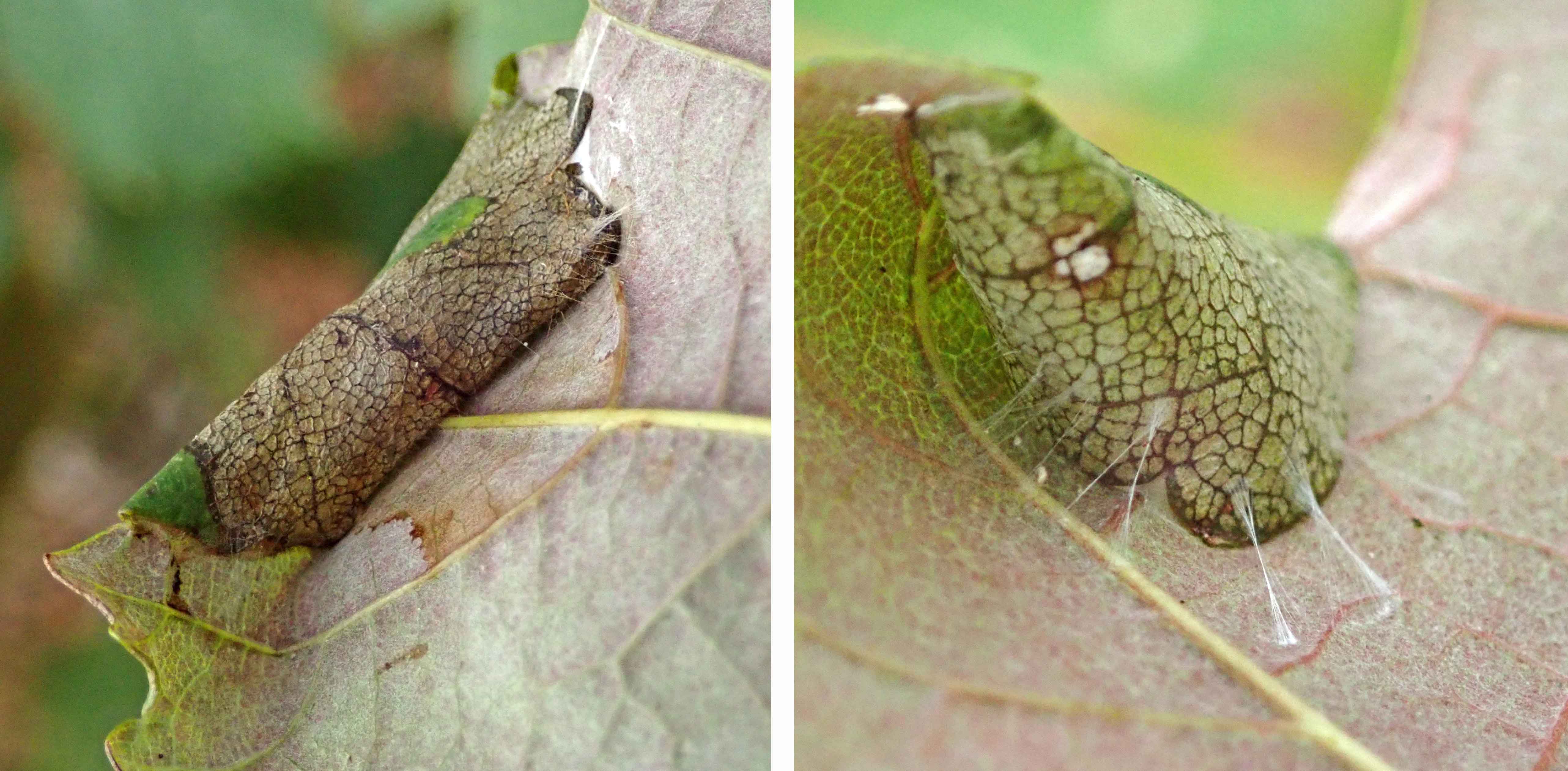
And finally, once it’s fully grown, the larva weaves itself a little cocoon in which to pupate (see below). Interestingly, the UK Moths website says that Caloptilia rufipennella was discovered in Britain as recently as 1970 but is now quite common in most of England and Scotland. Wales doesn’t get a mention but the Welsh national database shows records starting in 1980 and now scattered across the country.
22 Sunday Sep 2024
Tags
autumn berries, autumn colour, Common dogwood, Cornus sanguinea, Cornus sericea, Dogwood, Red-osier dogwood
To celebrate the Autumn equinox I thought I’d share some berries, and for this post I’ve confined my enthusiasm for all berries to a shrub that really comes in to its own at this time of year, Dogwood. The species I see most often is Common dogwood (Cornus sanguinea), which grows in hedgerows and along woodland edges, the twigs of which have previously had an interesting use, according to the Woodland Trust website:
The origin of the name comes from the smooth, straight twigs which were used to make butchers’ skewers. Skewers used to be called ‘dags’ or ‘dogs’, so the name means ‘skewer wood’.

I only noticed this second species of Dogwood quite recently, and then only because of its stunning berries that start out as tiny globes of purple before turning a bright snowy white. This is Red-osier Dogwood (Cornus sericea), which is usually a cultivated species grown in parks and gardens but which escapes that controlled setting to become naturalised in wilder places.

21 Saturday Sep 2024
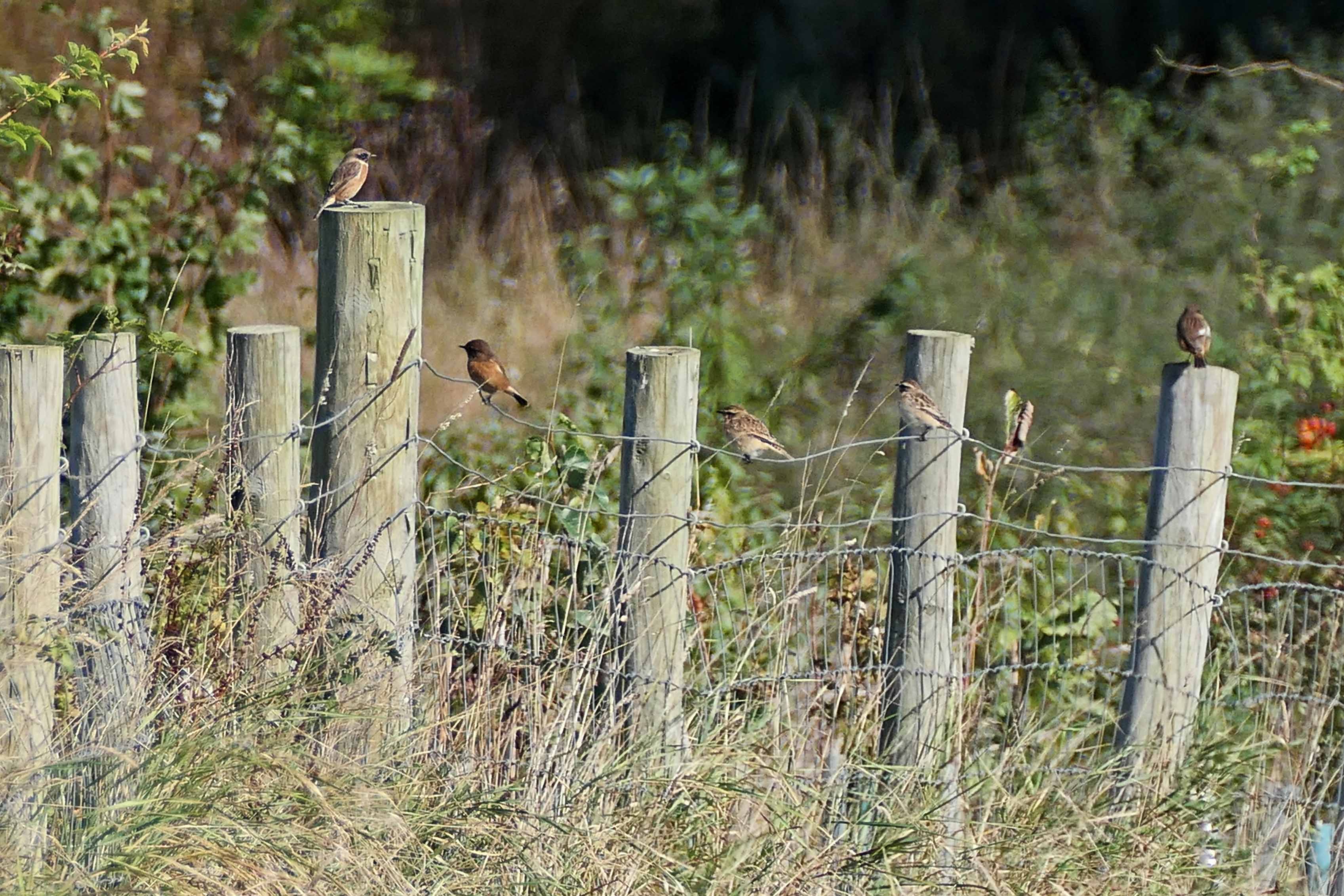
With its all-star lineup of migrating birds – three Stonechats and two Whinchats, this simply has to be my favourite kind of fence!
20 Friday Sep 2024
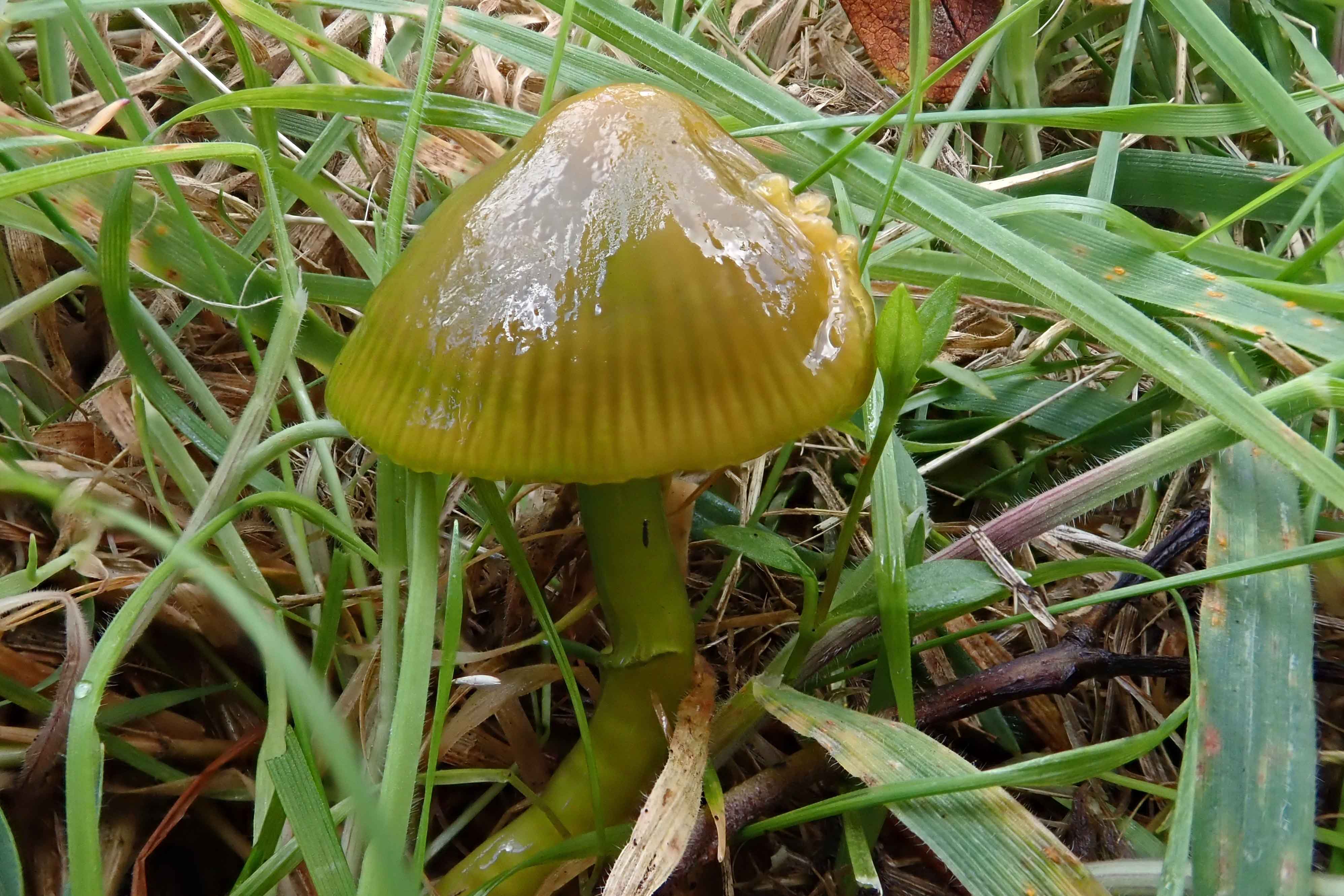
With the recent launch of its campaign #WaxcapWatch, the environment organisation Plantlife is asking for the public’s help to record waxcap fungi this autumn. As they state on their website:
Britain is home to some of the most important waxcap grasslands in the world. However many species are becoming rare and declining; they need identifying and protecting.
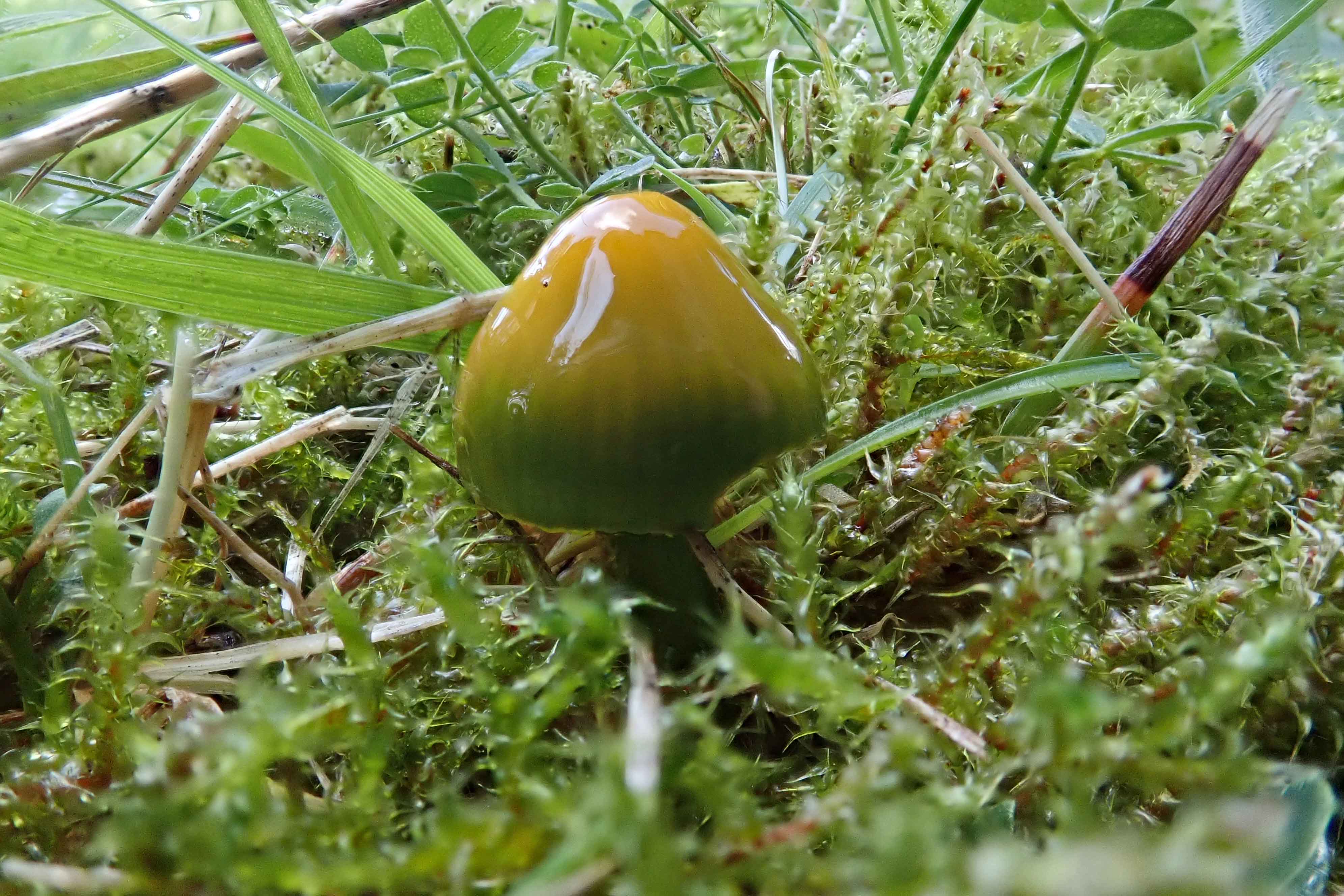
You don’t need to be a fungi expert to help out. The webpage provides all the instructions you need, including a link to an app you can use to record your finds, and a handy video on how to use the app. So, no excuses! Waxcaps are some of our most beautiful fungi and seeing these little gems growing in a field is a truly wonderful experience.
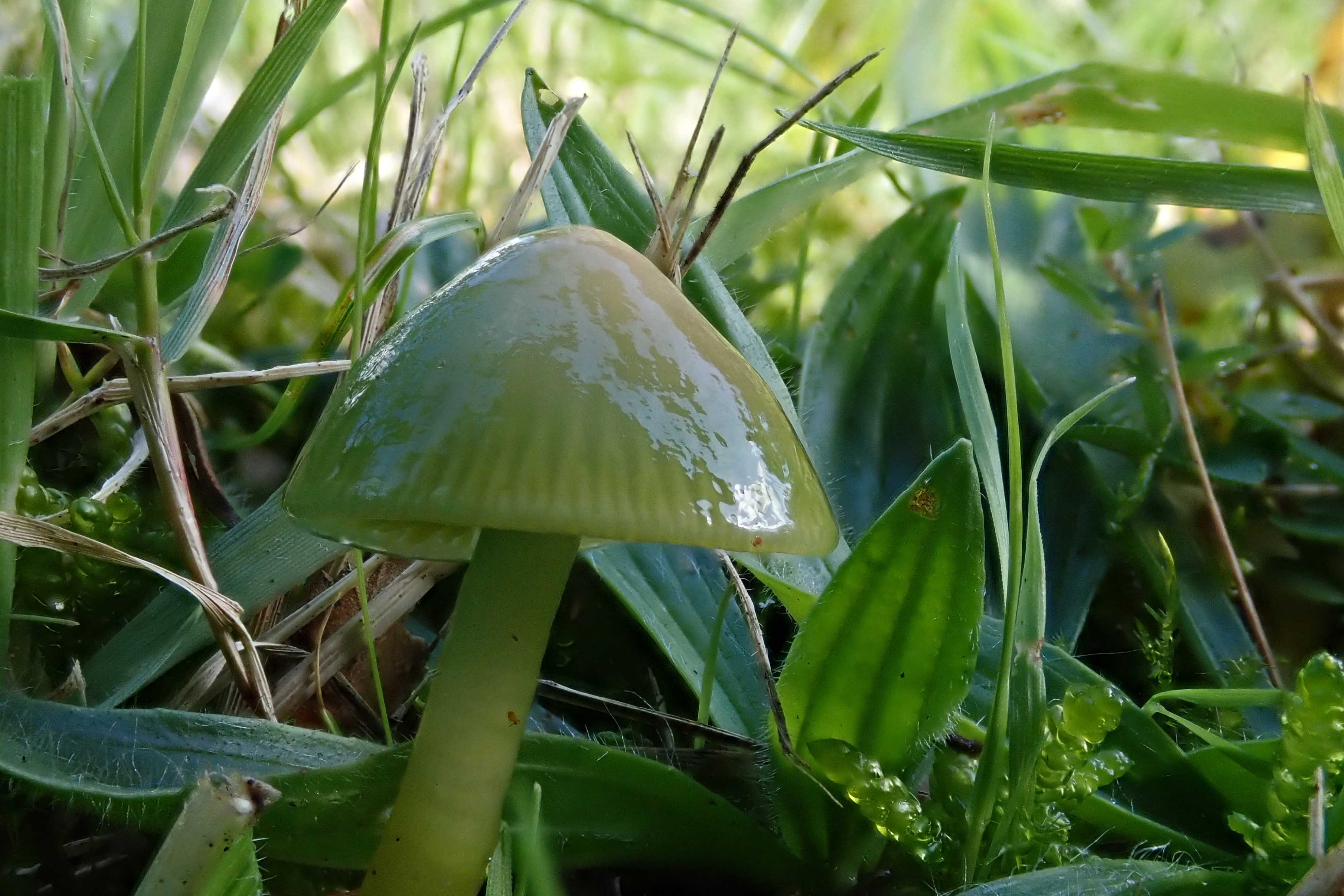
The waxcaps shown here are all Parrot waxcaps (Gliophorus psittacinus), and were found during a wander around one of Cardiff’s old cemeteries last week.
19 Thursday Sep 2024
Posted in insects
Tags
British cicadellidae, British leafhoppers, Cicadellidae, Eupteryx aurata, leafhoppers, Potato leafhopper
As these tiny leafhoppers (just 3.5-4.5mm in length) are most often found living amongst brambles and nettles, I’m not sure why their common name is Potato leafhopper. I found the two shown below on Prickly lettuce so, presumably, they browse widely on a variety of plant species.
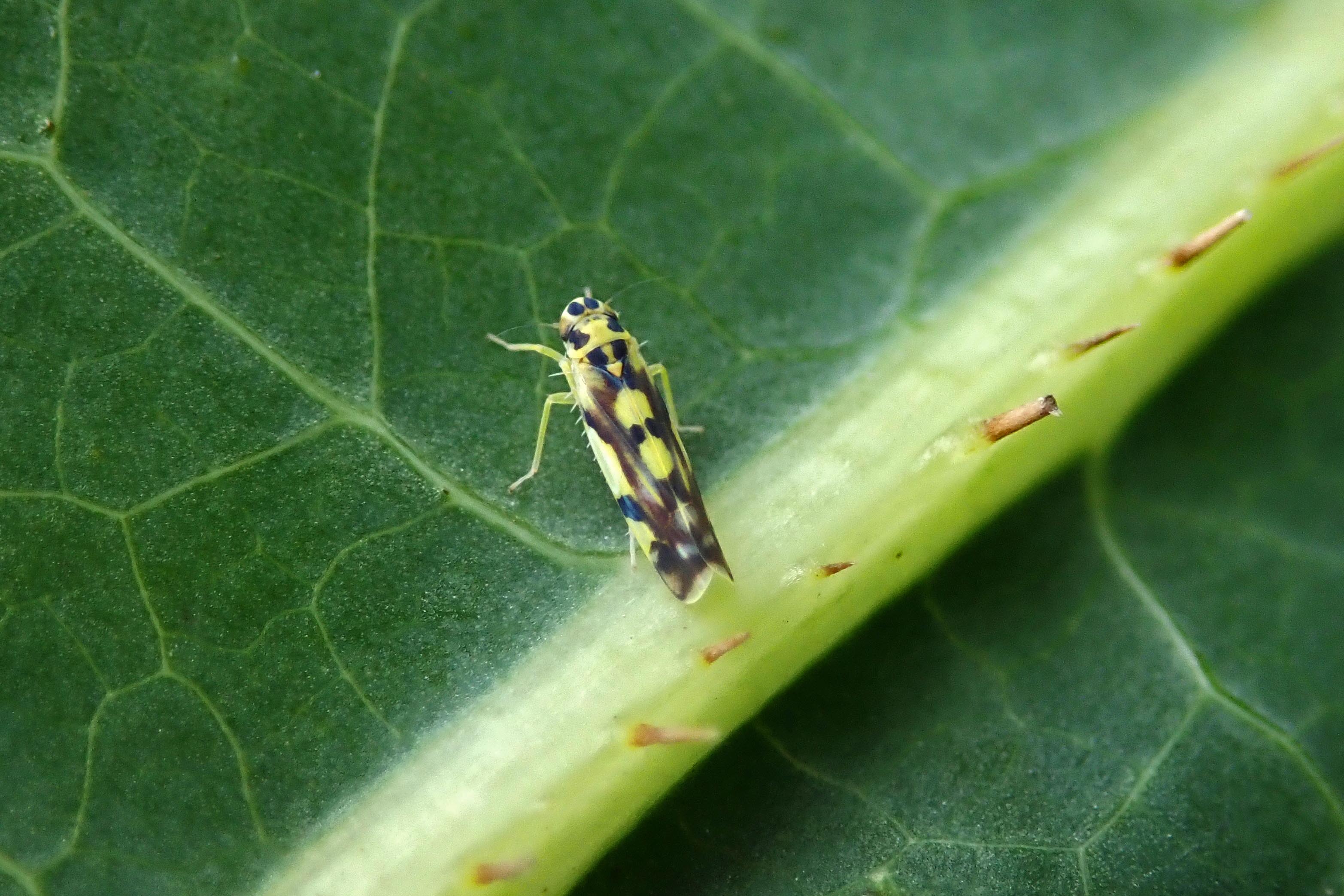
Their scientific name is Eupteryx aurata and, though all the other Eupteryx species are strongly marked, the dark spot patterns and what the British Bugs website describes as the ‘pale hour-glass on the top of the forewings’ are distinctive. These leafhoppers are common and can be found from May through to November.

18 Wednesday Sep 2024
Posted in insects
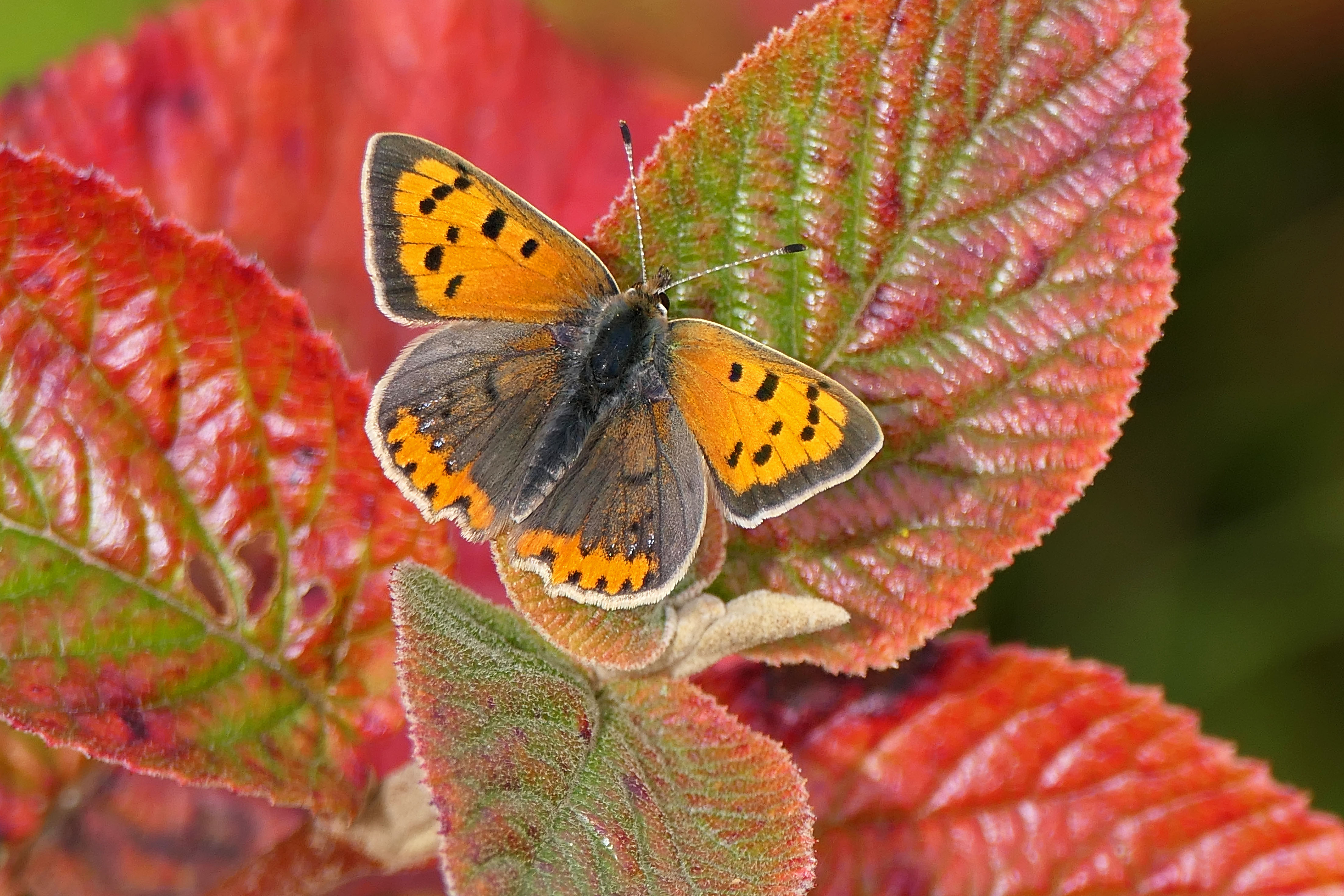
I had a different post planned for today but the release this morning by Butterfly Conservation of this year’s Big Butterfly Count’s horrifying statistics has prompted me to share the very sad but not entirely unexpected news that our butterfly populations are plummeting. The 2024 count’s dismal totals are the worst in its 14 year history, and it’s not just due to this year’s miserable wet weather. As Butterfly Conservation’s Head of Science, Dr Richard Fox has announced:
Butterflies are a key indicator species; when they are in trouble we know that the wider environment is in trouble too. Nature is sounding the alarm call. We must act now if we are to turn the tide on these rapid declines and protect species for future generations.
A butterfly emergency has been declared but will anyone listen?
 earthstar
You must be logged in to post a comment.